
HOT PRODUCTS
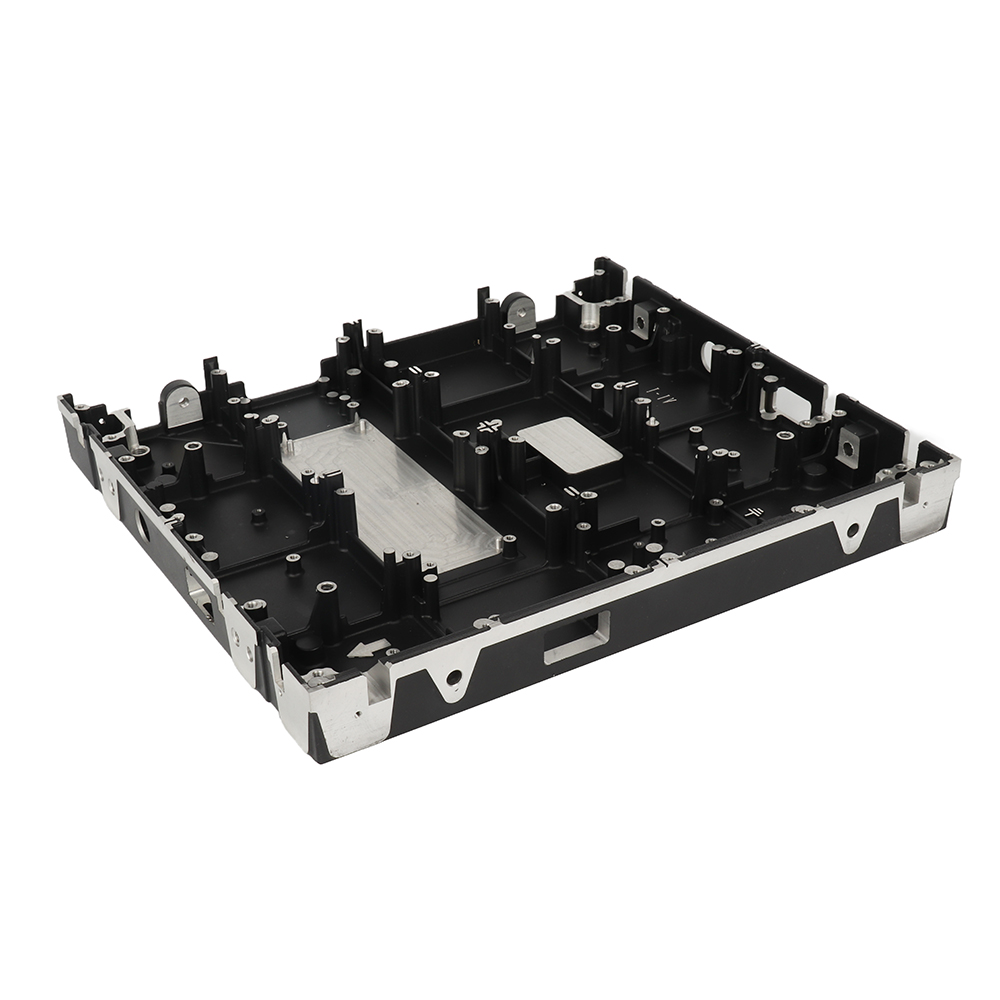
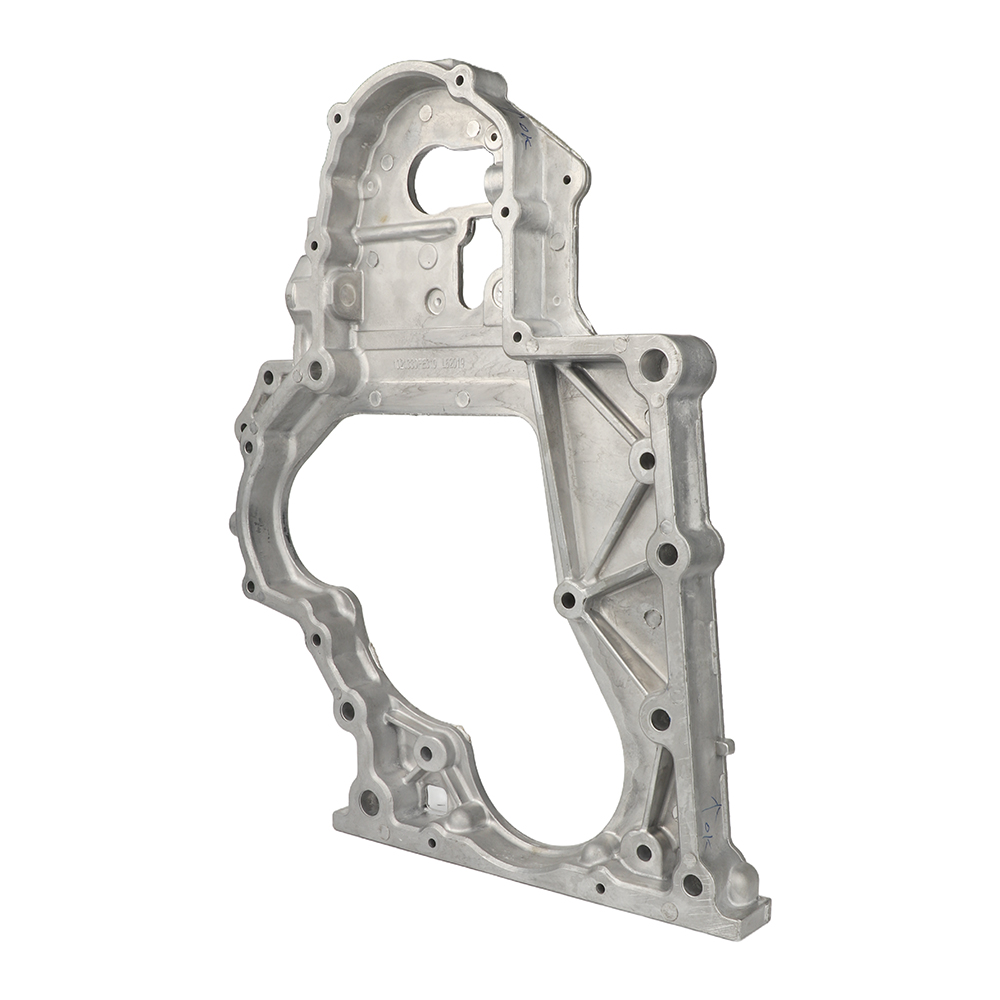
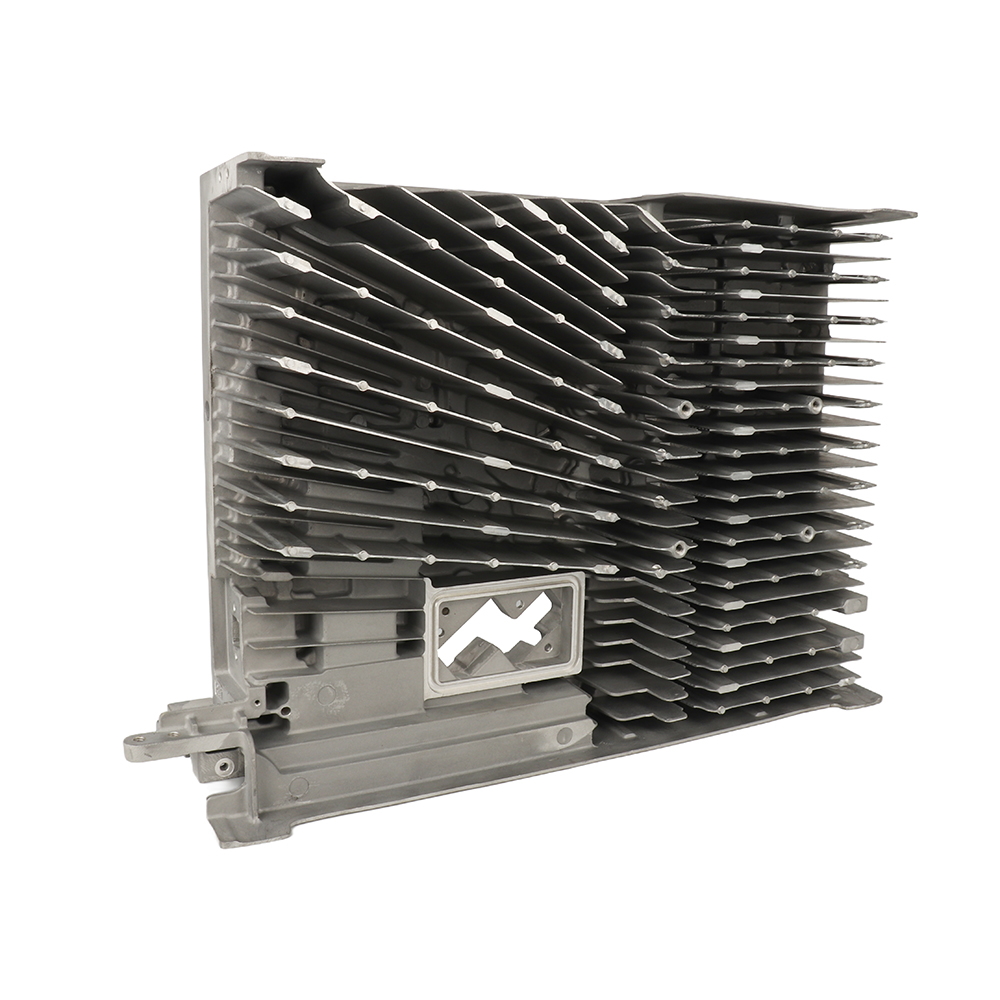
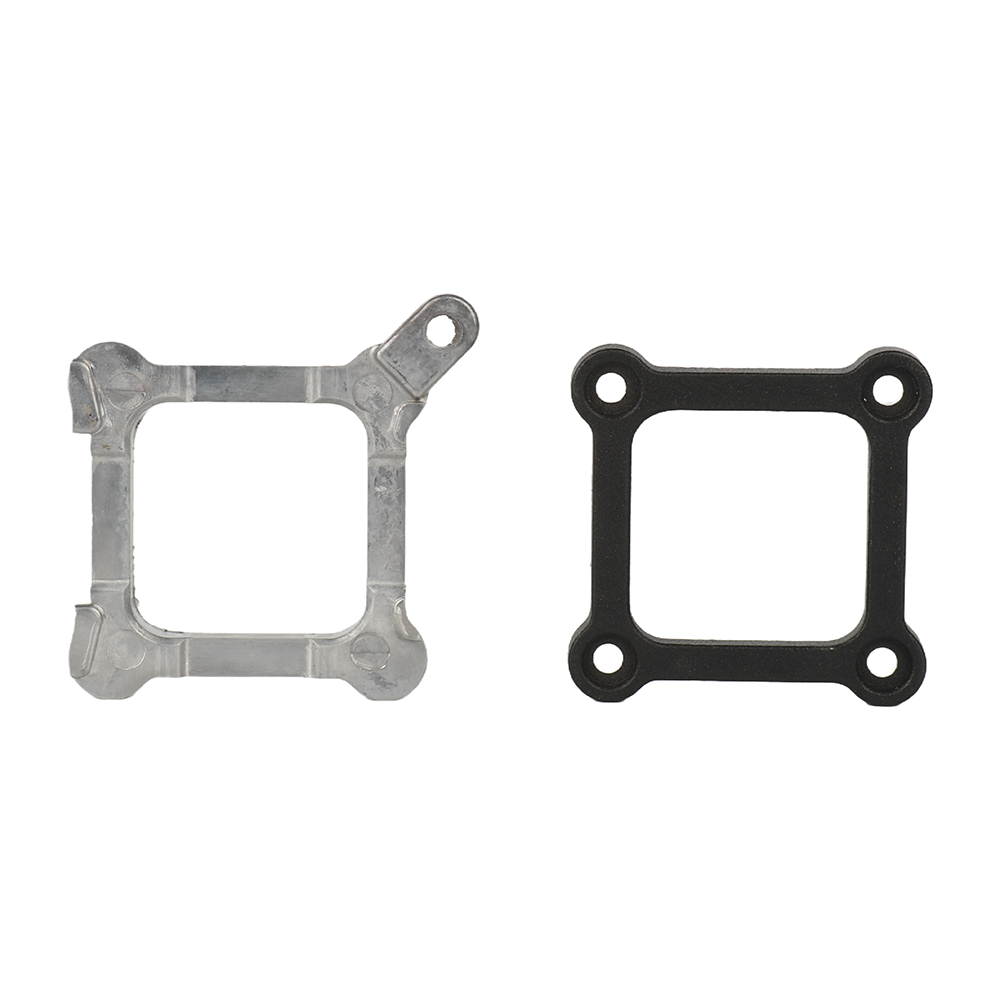
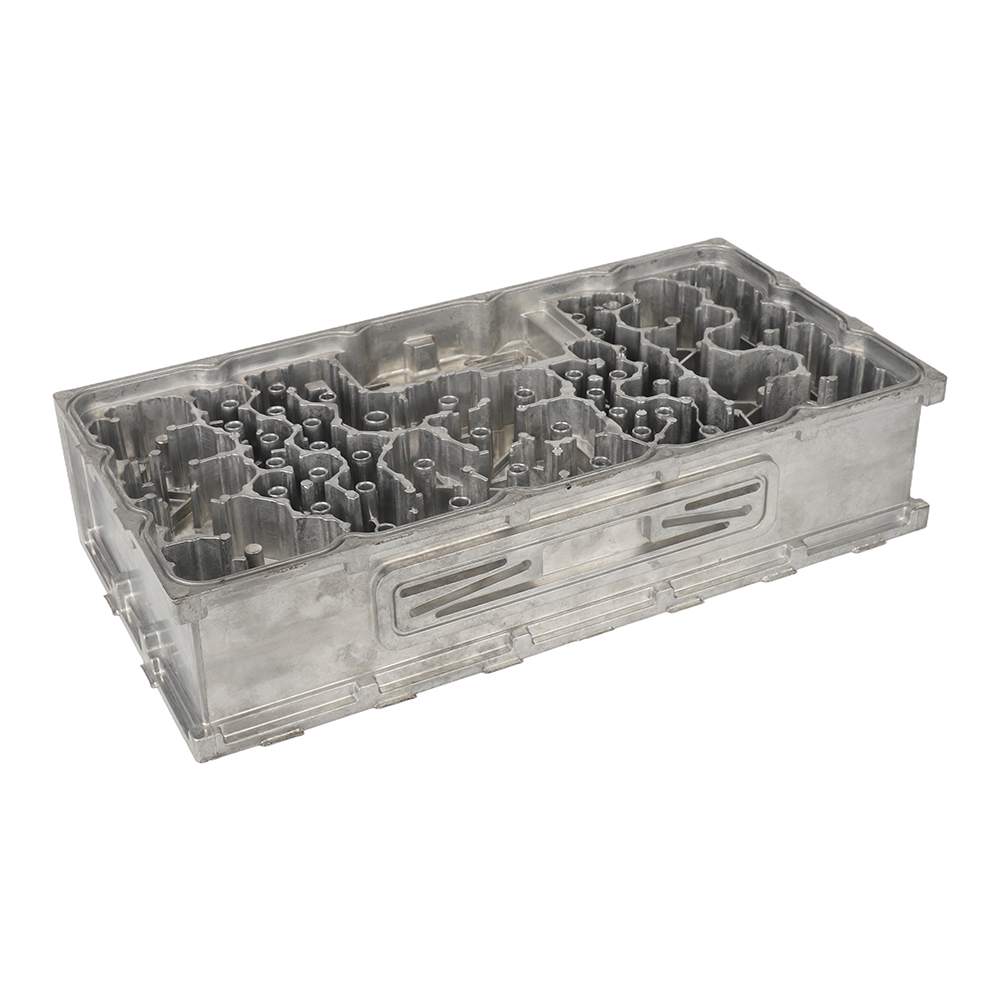
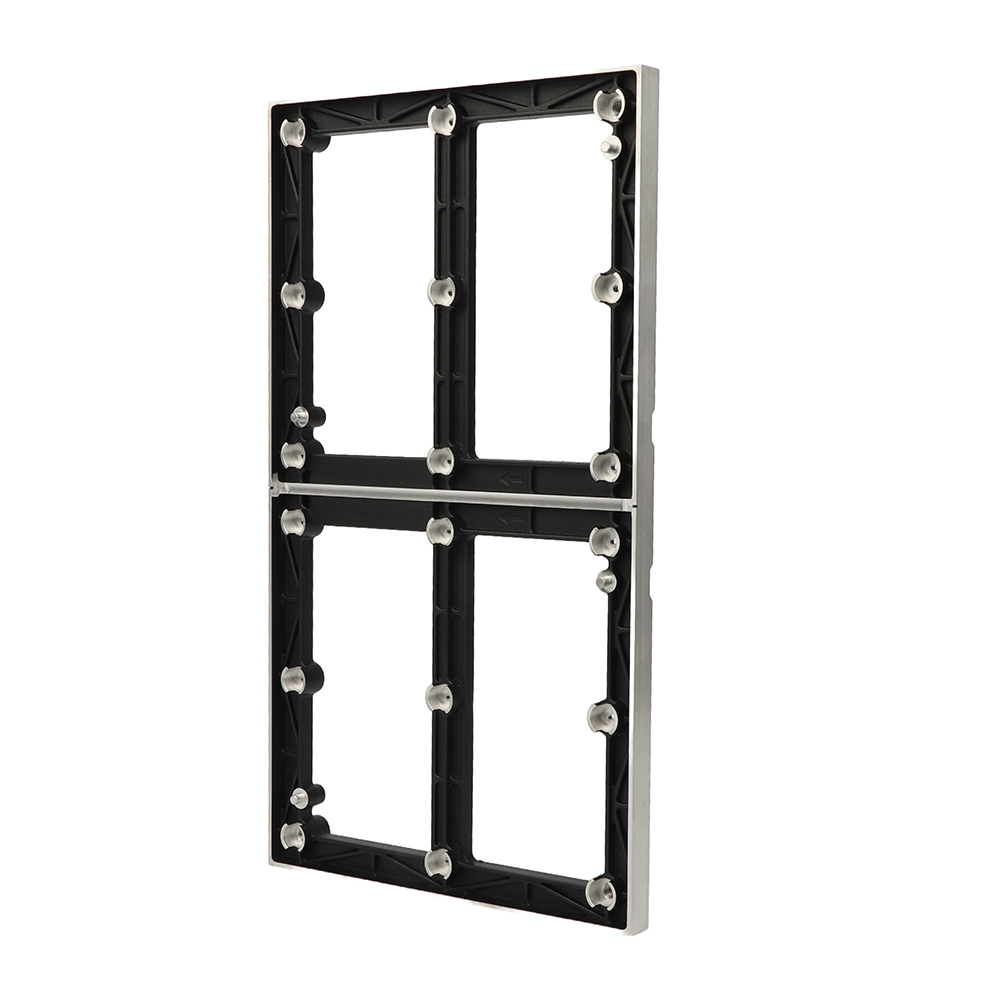
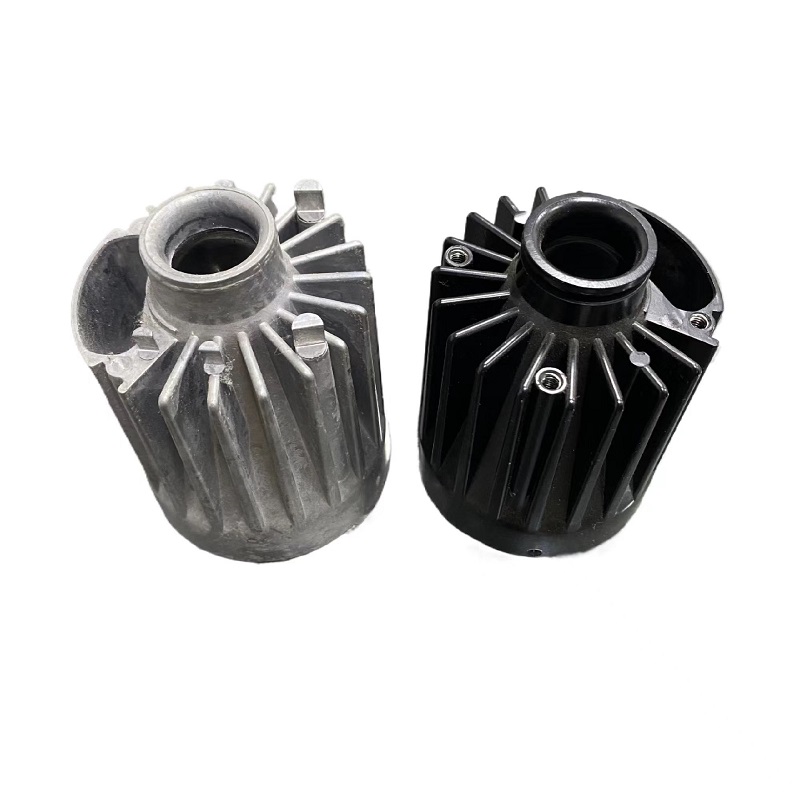
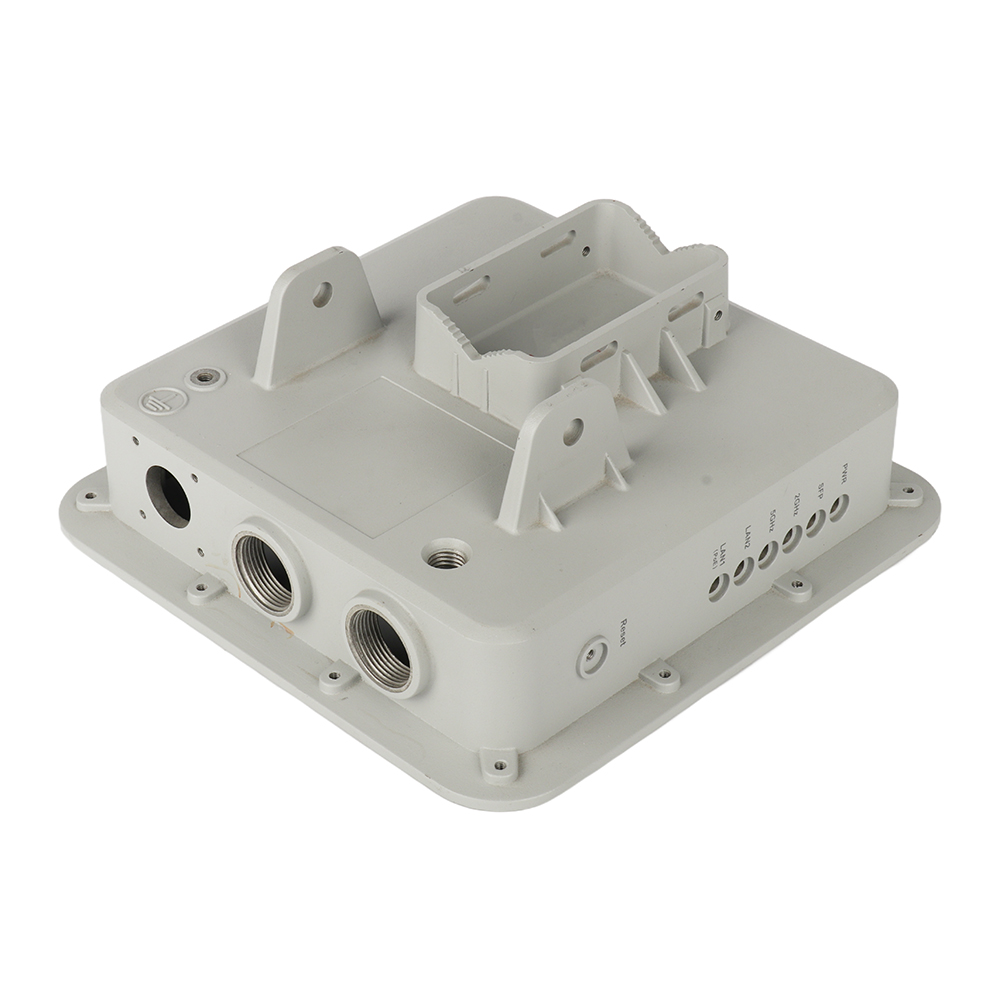
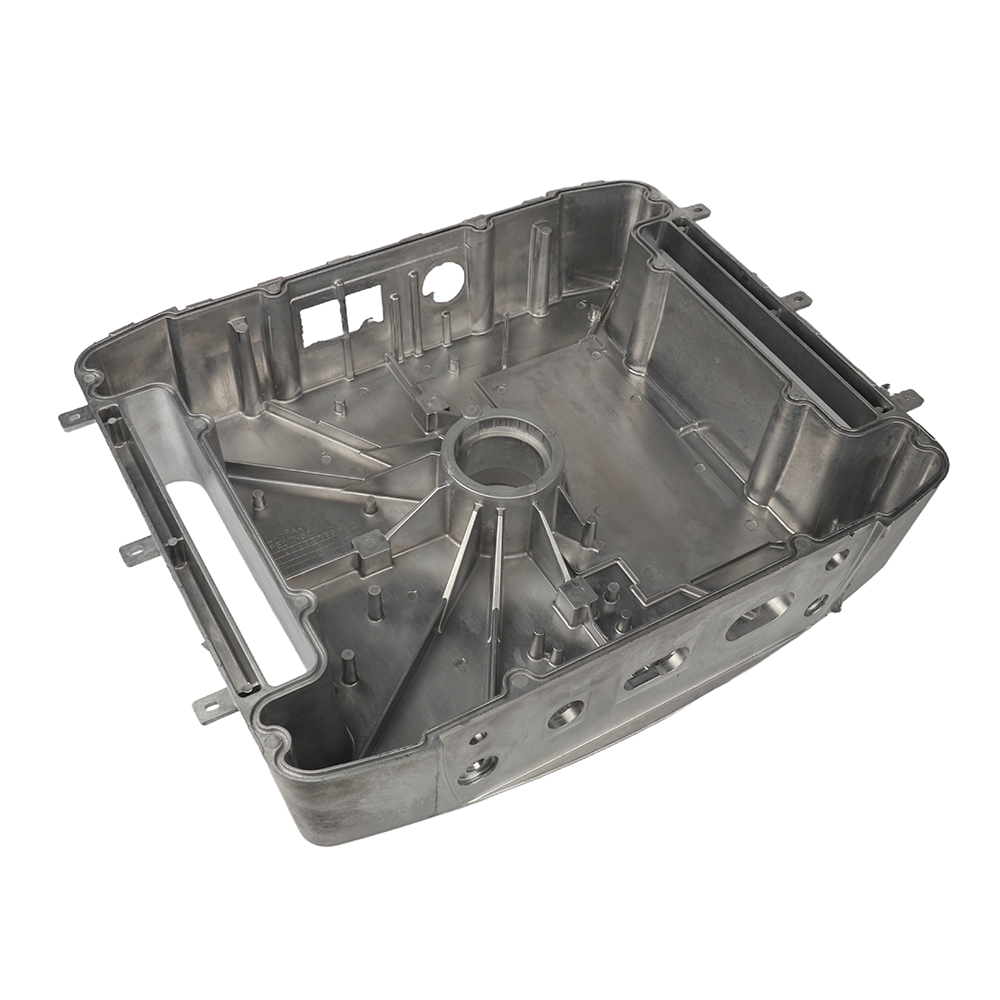
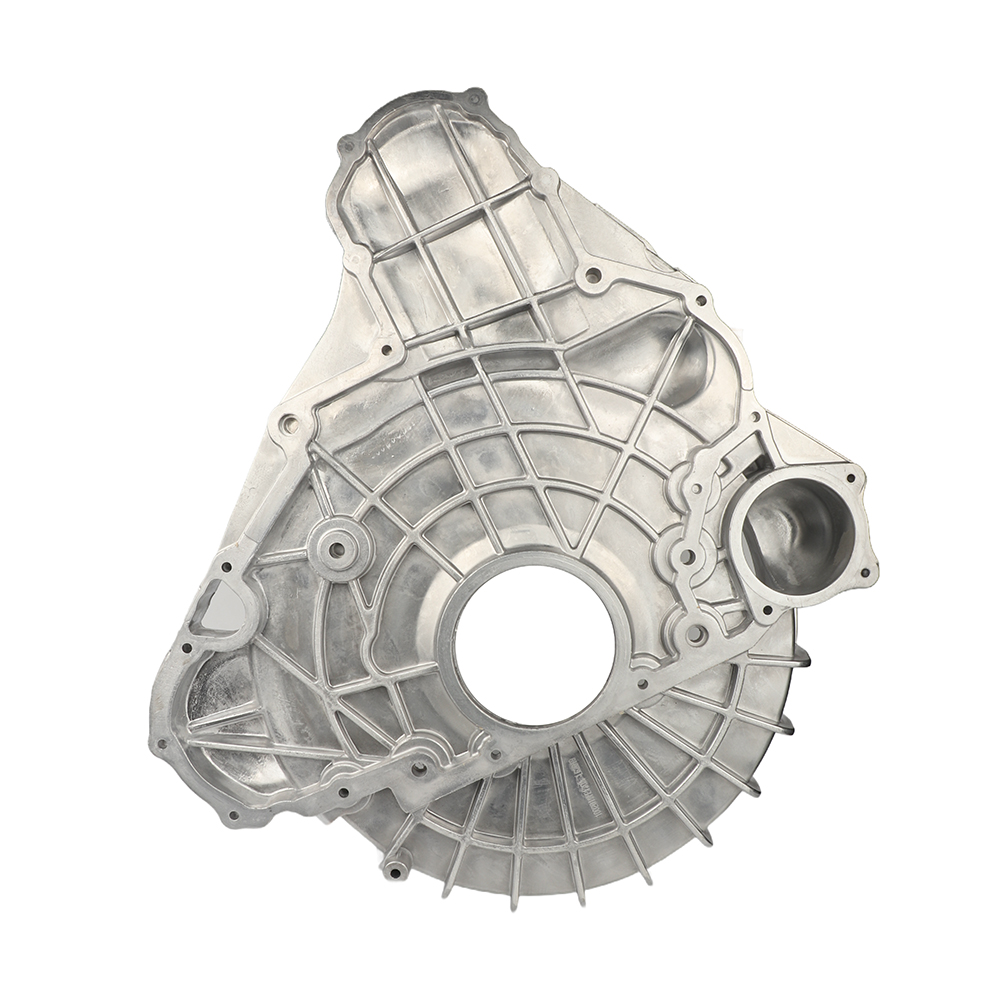
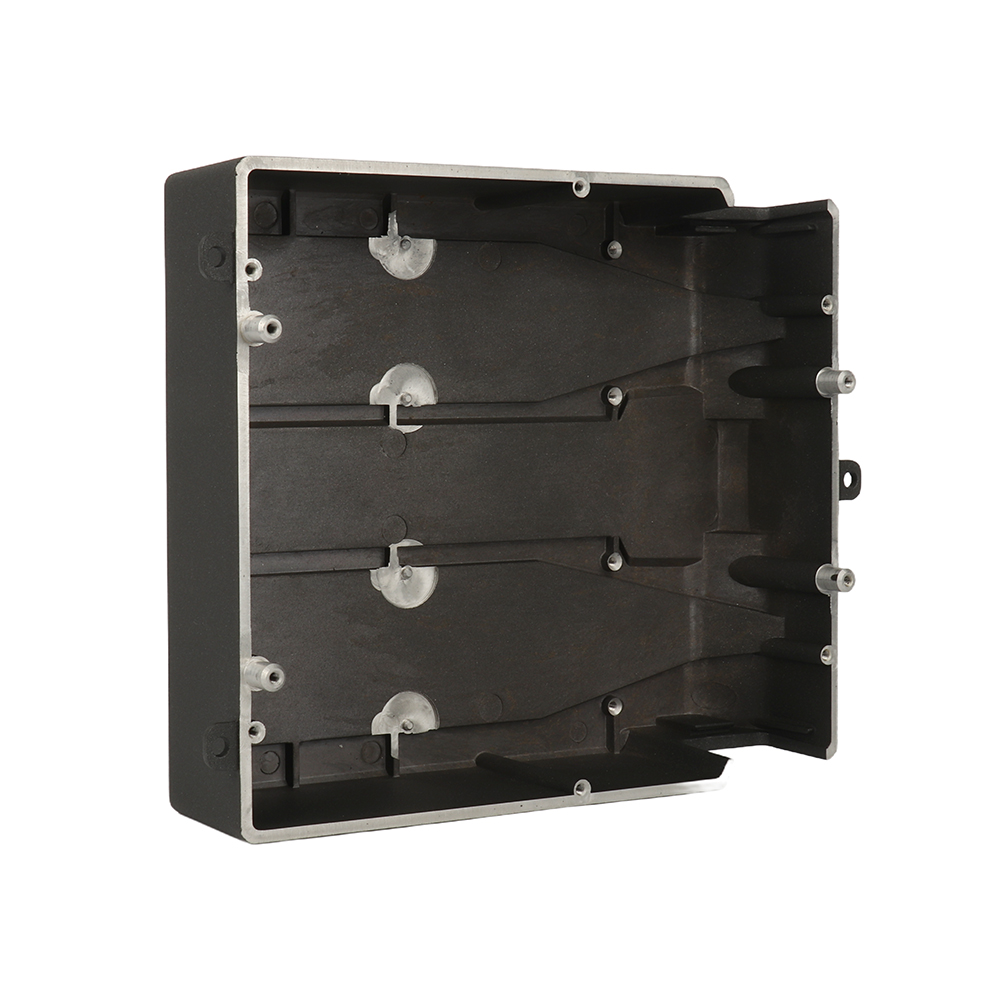
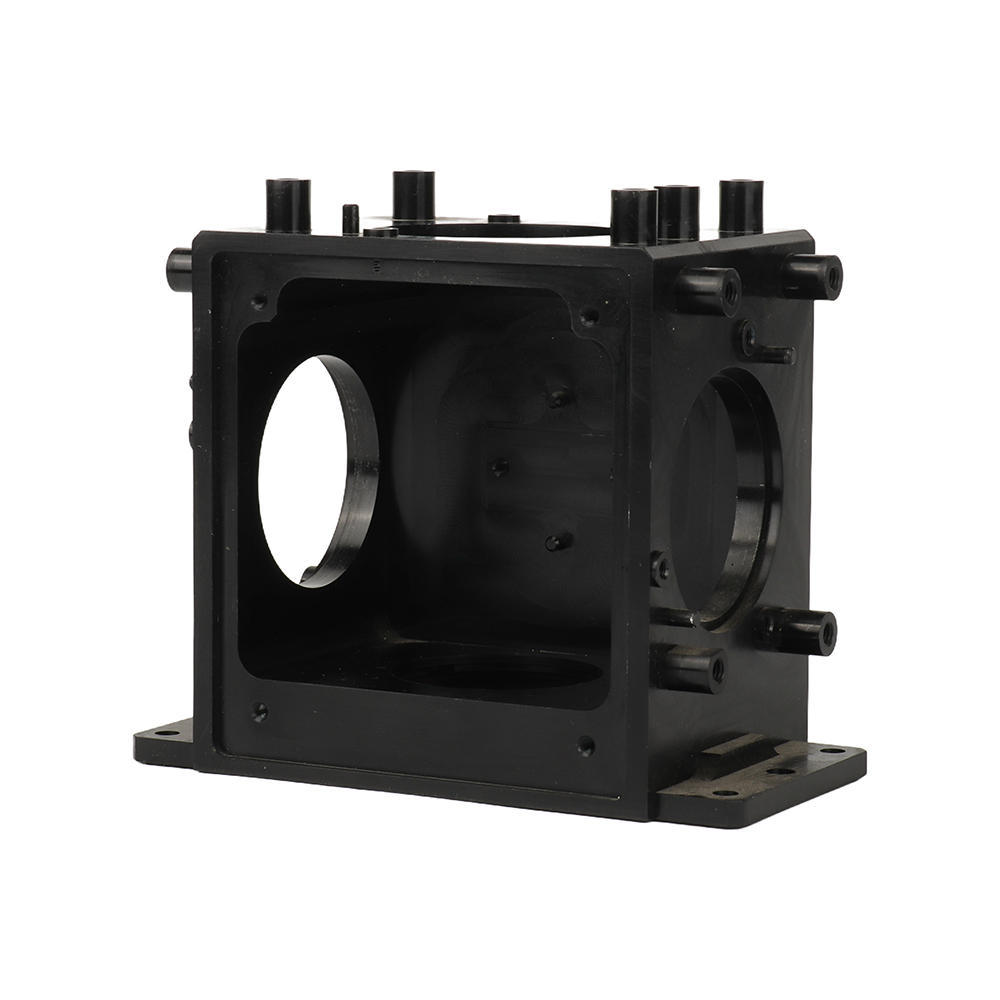
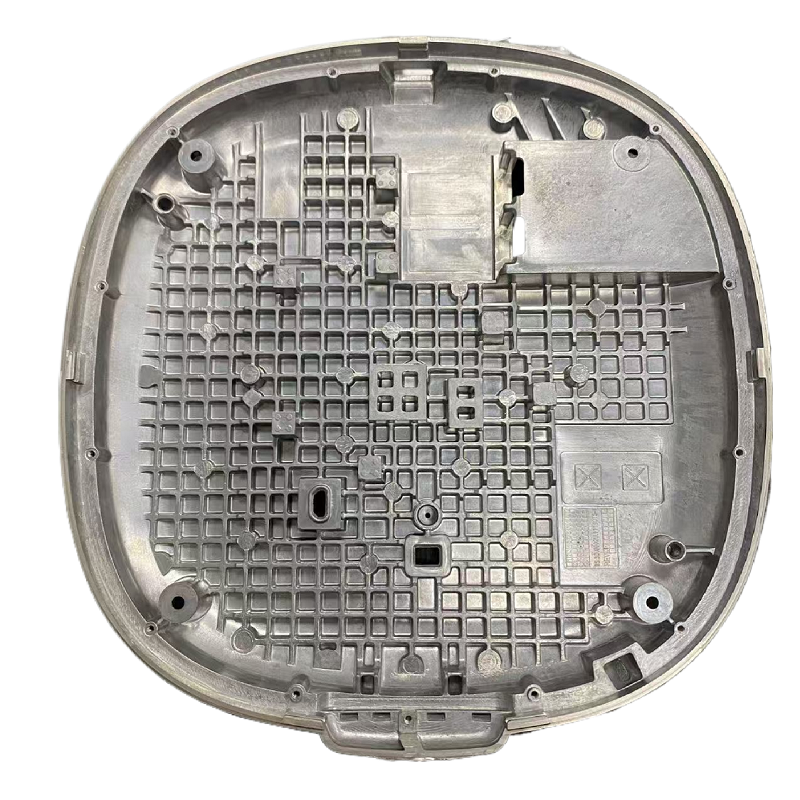
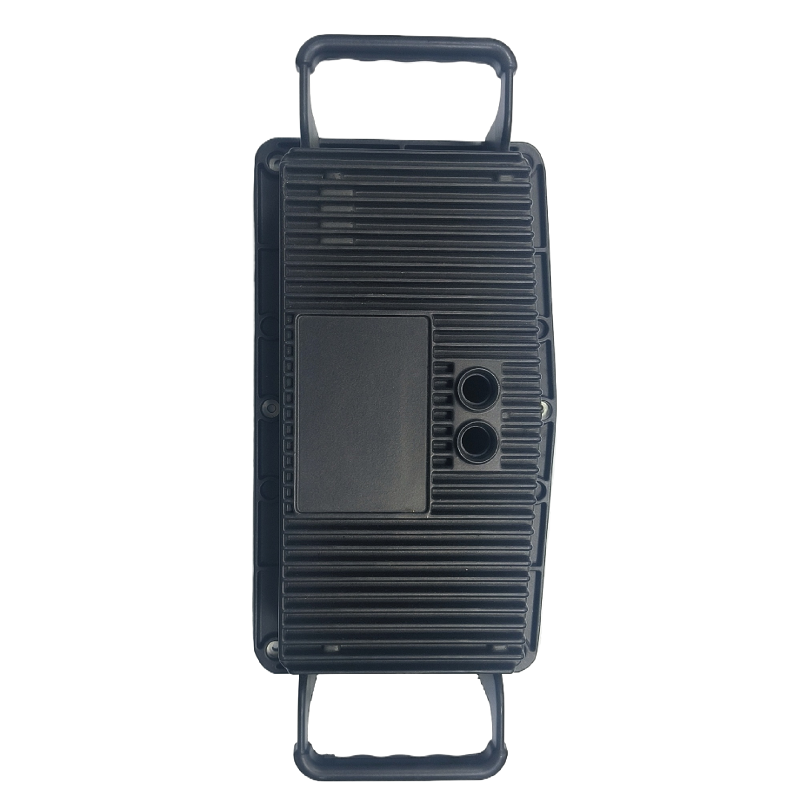
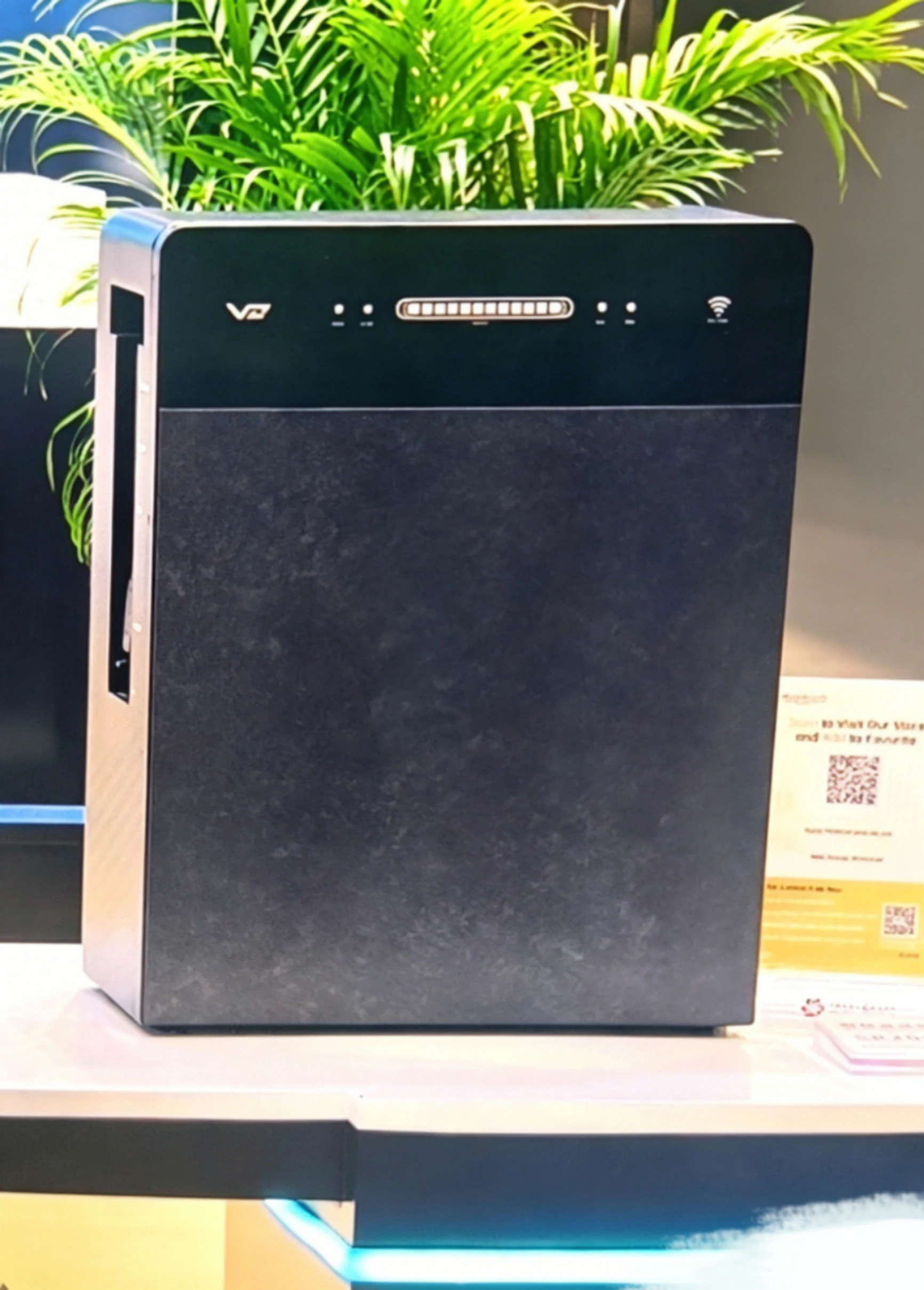
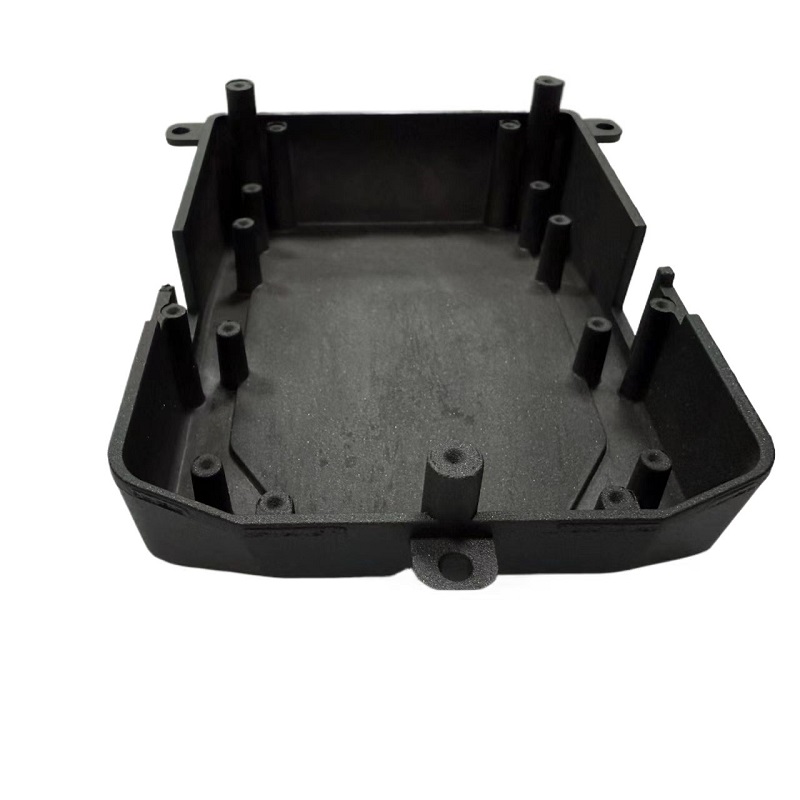
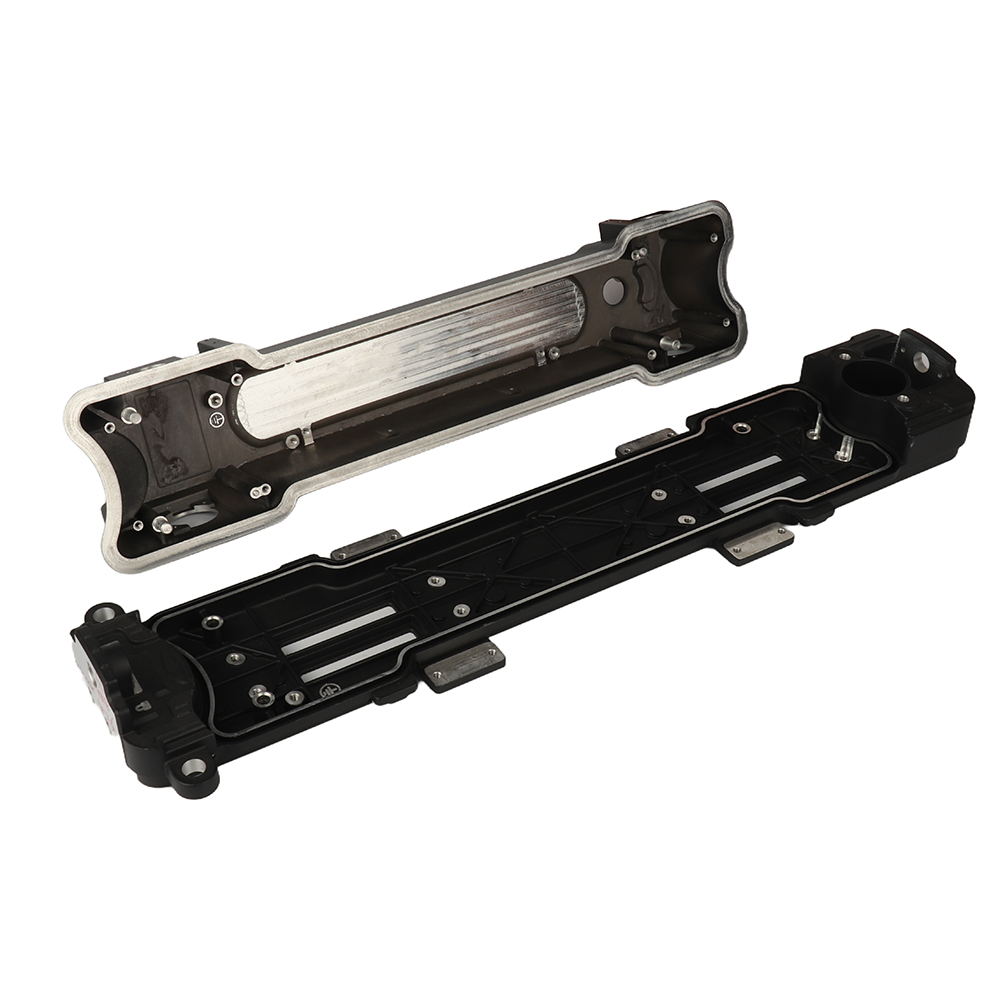
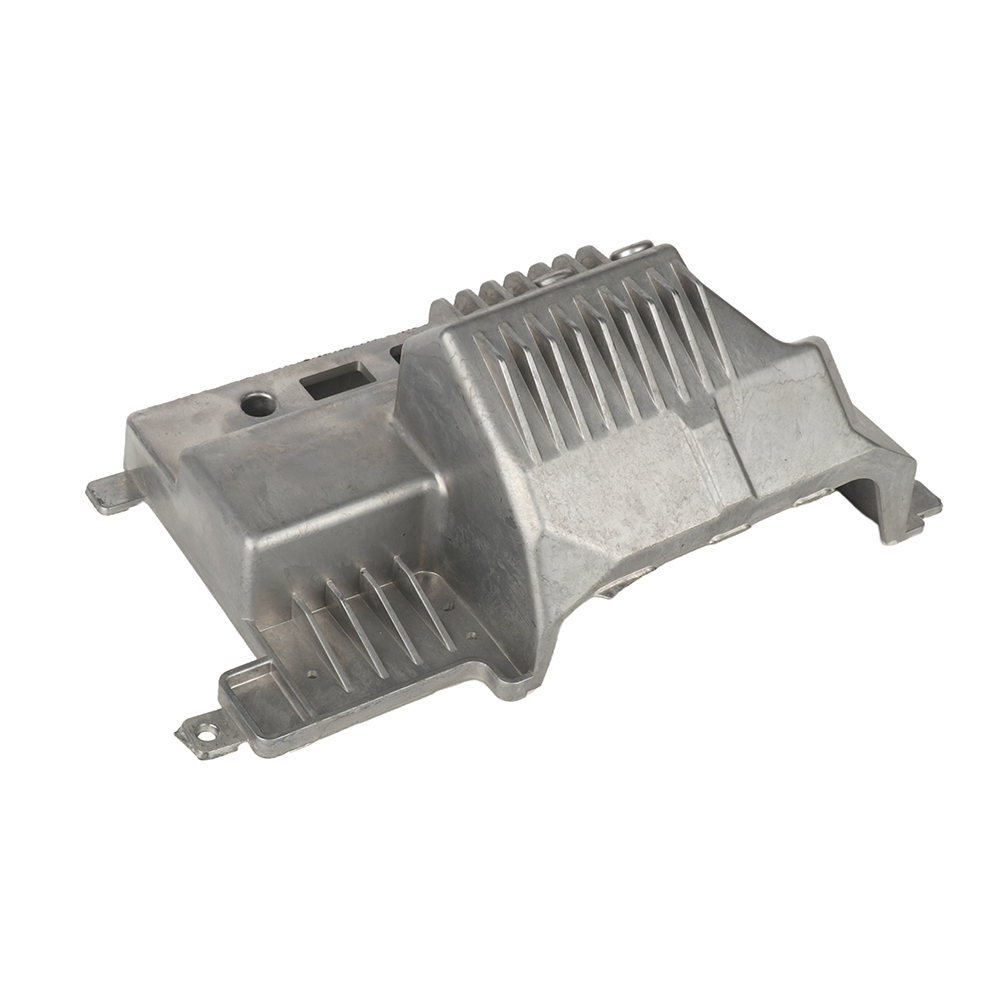
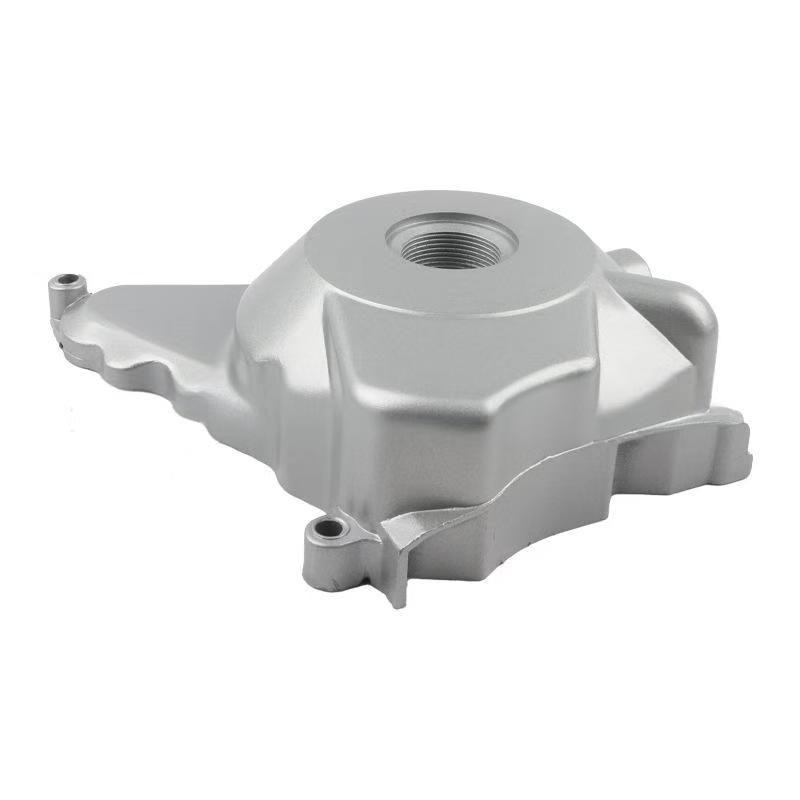
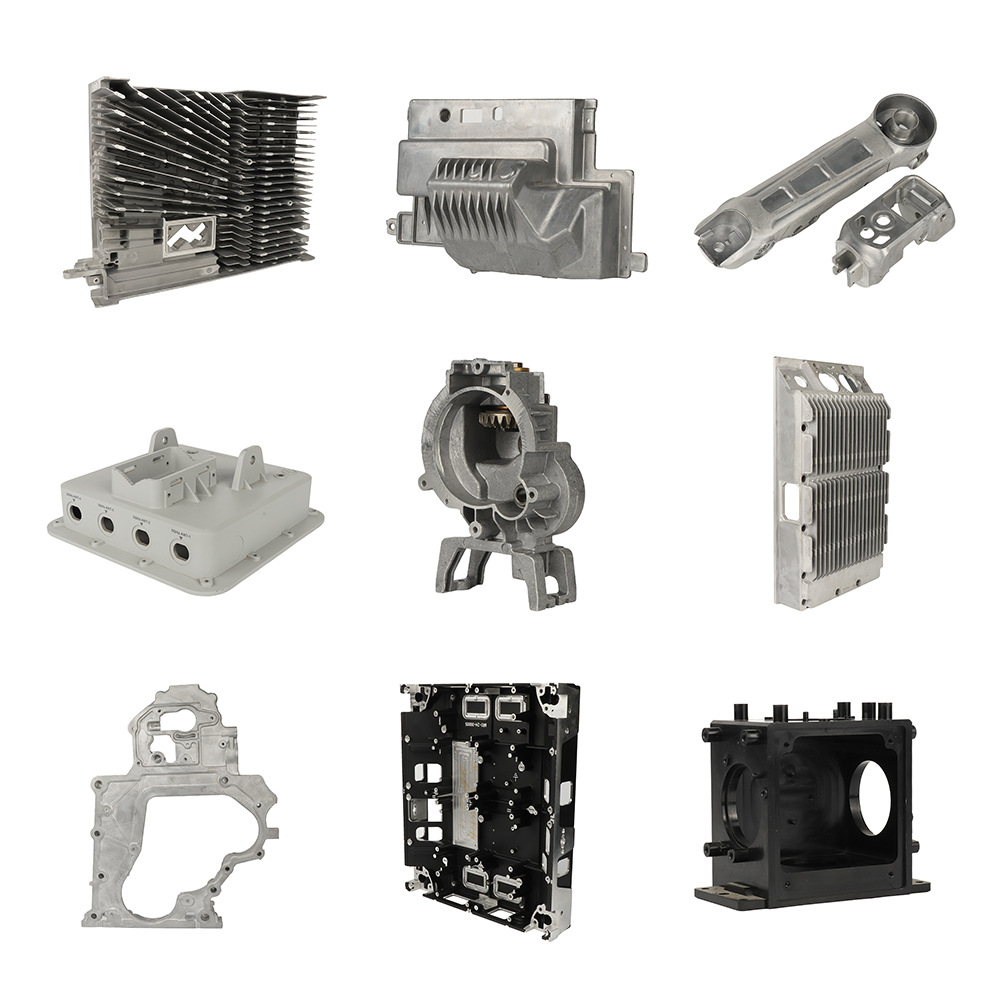
Die casting company | Aluminum Die Casting Industry: Trends, CNC Machining Advantages, and Xinghang’s Solutions
Aluminum Die Casting Industry: Trends, CNC Machining Advantages, and Xinghang’s Solutions
Table of Contents
- 1. Introduction to the Global Aluminum Die Casting Industry
- 2. Key Advantages of Aluminum Die Casting
- 3. The Purpose, Role and Benefits of CNC Aluminum Machining Components
- 4. Xinghang Precision Hardware: A Trusted Aluminum Die Casting Company
- 5. Expert Insights on Aluminum Die Casting and CNC Machining
- 6. Common FAQs About Aluminum Die Casting Industry
- 7. Conclusion: Industry Trends and How to Choose a High-Quality Hardware Processing Supplier
1. Introduction to the Global Aluminum Die Casting Industry
The global aluminum die casting industry is experiencing steady growth, driven by the increasing demand for lightweight, high-precision, and cost-effective components across various sectors. According to industry reports, the global aluminum die casting market was valued at USD 5.12 billion in 2025 and is projected to reach USD 8.34 billion by 2034, growing at a CAGR of 6.5% from 2026 to 2034. As industries such as industrial equipment, automotive, and aerospace prioritize efficiency and sustainability, aluminum die casting has become a core manufacturing process, offering unparalleled precision and scalability. Among numerous manufacturers, Xinghang Precision Hardware stands out as a reliable aluminum die casting company, delivering integrated solutions that combine technology, quality, and efficiency.
2. Key Advantages of Aluminum Die Casting
Aluminum die casting is favored by industries worldwide due to its unique advantages that address the core needs of modern manufacturing. Unlike traditional casting methods, it offers:
- High Precision & Dimensional Stability: The process injects molten aluminum into precision steel molds under high pressure, ensuring consistent dimensions and tight tolerances (typically ±0.1 mm to ±0.25 mm), which reduces the need for extensive post-processing.
- Lightweight & High Strength: Aluminum alloys have an excellent strength-to-weight ratio, making die-cast components ideal for applications where weight reduction is critical, such as industrial equipment and electric vehicles.
- Cost-Effectiveness for Mass Production: The high production efficiency of aluminum die casting, with cycle times ranging from 30 to 90 seconds depending on part size, lowers per-unit costs for large-volume orders.
- Versatility in Design: It supports complex geometries, including thin walls, internal ribs, and integrated mounting features, eliminating the need for welded assemblies and reducing downstream operations.
- Sustainability: Aluminum is 100% recyclable, and modern die casting processes reduce material waste, aligning with global environmental regulations and green manufacturing trends.
3. The Purpose, Role and Benefits of CNC Aluminum Machining Components
3.1 Purpose of CNC Aluminum Machining Components
While aluminum die casting delivers near-net-shape components, CNC aluminum machining components serve a critical purpose: to refine and enhance these parts to meet the strictest precision requirements of industrial applications. The primary purpose is to correct minor dimensional deviations from the die casting process, add intricate features (such as holes, threads, and grooves) that cannot be achieved through casting alone, and ensure perfect compatibility with other assembly components. For industrial equipment, where component fit and function directly impact operational safety and efficiency, CNC machining is indispensable.
3.2 Role of CNC Aluminum Machining Components
CNC aluminum machining components play three key roles in the aluminum die casting workflow:
- Precision Enhancement: They refine the surface finish and dimensional accuracy of die-cast parts, ensuring they meet customer-specific tolerance requirements (as low as customer drawing requests) and industry standards.
- Functionality Improvement: By adding precise features (e.g., threaded holes, mating surfaces), CNC machining transforms basic die-cast parts into functional components that can integrate seamlessly into larger systems.
- Quality Assurance: The machining process allows for thorough quality checks, ensuring each component is free from defects and meets the high-performance demands of industrial equipment applications.
3.3 Benefits of CNC Aluminum Machining Components
Investing in CNC aluminum machining components brings significant advantages to manufacturers and end-users alike, especially for industrial equipment applications:
- Unmatched Precision: CNC machines operate with micron-level accuracy, far exceeding manual machining capabilities. With nearly 100 high-speed vertical CNC machines, Xinghang can achieve tight tolerances as per customer drawing requests, ensuring consistent performance across all parts.
- Efficiency & Scalability: High-speed CNC machines support large, medium, and small-scale production, meeting high-volume, high-precision mass production needs without compromising quality. This scalability makes it easy to adapt to changing order volumes.
- Reduced Waste & Cost Savings: CNC machining minimizes material waste by using precise cutting paths, and its efficiency reduces labor costs. When combined with aluminum die casting, it creates a streamlined workflow that lowers overall production costs.
- Enhanced Durability: Precision machining removes burrs and irregularities from die-cast parts, improving their surface quality and resistance to wear and tear. This extends the lifespan of components, reducing maintenance and replacement costs for end-users.
- Customization Flexibility: CNC machining supports custom designs, allowing manufacturers to produce components tailored to specific industrial equipment needs. Whether it’s a unique thread pattern or a complex mating surface, CNC technology can bring custom designs to life efficiently.
4. Xinghang Precision Hardware: A Trusted Aluminum Die Casting Company
4.1 Company Overview
Established in 2017, Xinghang Precision Hardware is a high-tech manufacturing enterprise located in Dongguan—a major global manufacturing hub. With a modern factory covering 9,410 square meters, we integrate R&D design, mold manufacturing, aluminum-zinc-magnesium alloy die-casting, precision CNC machining, surface treatment, and assembly into a one-stop service, providing customers with high-quality precision hardware manufacturing solutions.
4.2 Core Capabilities
- Die-Casting Division: Equipped with die-casting machines ranging from 300 to 2000 tons, we can handle a wide range of part sizes and complexities, ensuring stable and efficient casting production.
- CNC Machining Division: Featuring nearly 100 high-speed vertical CNC machines with large and medium stroke capabilities, we cater to large, medium, and small-scale production needs, meeting customers’ requirements for high-volume, high-precision mass production.
- Automated Production: Our automated molten metal feeding system uses robotic arms for precise dosing, enhancing product yield; multi-axis robotic arms ensure stable extraction and consistent operations; full automation streamlines processes to boost efficiency and precision.
4.3 Product Details
| Item | Details |
|---|---|
| Brand Name | XingHang |
| Model Number | XH-0001 |
| Certification | ISO9001/IATF16949/RoHS/ISO14001 |
| Application | Industrial Equipment |
| Product Name | Die Casting Parts |
| Material | ADC12/A380/A383 (common high-performance aluminum die casting alloys) |
| Surface Treatment | Powder Coating (enhances corrosion resistance and aesthetics) |
| Process | Casting + Machining (if Need) + Surface Treatment |
| Quality Control | 100% Inspection (ensures zero defective products reach customers) |
| Tolerance | Customer's Drawing Request (meets the strictest precision requirements) |
5. Expert Insights on Aluminum Die Casting and CNC Machining
To gain a deeper understanding of the industry’s direction and the importance of CNC aluminum machining in aluminum die casting, we interviewed Mark Johnson, a senior industry expert with over 20 years of experience in die casting and precision machining, from Die Casting Innovations.
“Aluminum die casting parts are key when it comes to improving product performance and doing our bit for sustainability,” says Johnson. “In today’s industrial equipment sector, precision is non-negotiable—and that’s where CNC aluminum machining comes in. It’s not just a supplementary process; it’s the bridge between a good die-cast part and a great one. Companies like Xinghang, which integrate die casting and CNC machining under one roof, have a competitive edge because they can control every step of the production process, ensuring consistency, quality, and efficiency.”
Johnson also emphasized: “The future of aluminum die casting lies in automation and integration. Automated systems, like the robotic arms used by Xinghang for molten metal feeding and part extraction, reduce human error and boost yield. Meanwhile, combining die casting with high-precision CNC machining allows manufacturers to meet the growing demand for complex, high-tolerance components in industrial equipment—something that traditional manufacturing methods simply can’t match. As the industry grows at a CAGR of 6.5%, companies that invest in these technologies will lead the market.”
6. Common FAQs About Aluminum Die Casting Industry
Q1: What is aluminum die casting, and how does it work?
A: Aluminum die casting is a high-pressure manufacturing process in which molten aluminum is injected into a hardened steel mold (die) to produce precise, repeatable, near-net-shape components at scale. The process begins with the die halves being clamped under high tonnage, molten aluminum is injected at high velocity and pressure, the metal solidifies rapidly inside the cavity, the die opens and ejector pins release the casting, followed by trimming and secondary operations (such as CNC machining) if needed.
Q2: Why is CNC aluminum machining necessary for die-cast parts?
A: While die casting produces near-net-shape parts, it may leave minor dimensional deviations or require additional intricate features (e.g., threads, holes) that cannot be achieved through casting alone. CNC aluminum machining refines these parts to meet tight tolerance requirements, improves surface quality, and adds functional features, ensuring the parts are compatible with industrial equipment assemblies and perform reliably.
Q3: What are the most common aluminum alloys used in die casting, and why?
A: The most common aluminum die casting alloys are ADC12, A380, and A383—all used by Xinghang. ADC12 and A380 are ideal for general industrial applications due to their good castability, strength, and machinability. A383 is preferred for thin-wall components, as it offers excellent flowability during casting. These alloys balance strength, corrosion resistance, and cost-effectiveness, making them suitable for industrial equipment.
Q4: How does Xinghang ensure the quality of its aluminum die-cast parts?
A: Xinghang implements a strict quality control system, including 100% inspection of all products. We also hold ISO9001/IATF16949/RoHS/ISO14001 certifications, ensuring compliance with global quality and environmental standards. Our integrated production process—from R&D and mold manufacturing to casting, CNC machining, and surface treatment—allows us to control every step, minimizing defects and ensuring consistent quality.
Q5: What is the typical tolerance for aluminum die-cast parts with CNC machining?
A: Standard tolerances for aluminum die-cast parts range from ±0.1 mm to ±0.25 mm, but with CNC machining, Xinghang can meet customer-specific tolerance requirements as per their drawing requests. This level of precision is critical for industrial equipment, where even minor deviations can affect performance and safety.
Q6: How does aluminum die casting compare to other casting methods?
A: Compared to gravity or sand casting, high-pressure aluminum die casting uses injection force to fill the mold cavity rapidly, delivering tighter tolerances, smoother surface finish, faster production speed, and lower per-part cost at high volume. It also supports more complex geometries, making it more suitable for modern industrial equipment manufacturing.
7. Conclusion: Industry Trends and How to Choose a High-Quality Hardware Processing Supplier
The global aluminum die casting industry is entering a new era of steady growth and transformation, driven by clear and impactful trends. With a projected CAGR of 6.5% from 2026 to 2034, the industry is shaped by the increasing demand for lightweight, high-precision components across industrial equipment, automotive, and aerospace sectors, alongside a growing emphasis on sustainability and green manufacturing practices. Automation and integration have become core drivers of progress—automated production systems reduce human error and boost yield, while the integration of die casting with high-precision CNC machining enables the production of complex, tight-tolerance components that traditional manufacturing methods cannot match. Additionally, the adoption of advanced alloys and the focus on full-life-cycle sustainability are redefining industry standards, making it imperative for manufacturers to align with these trends to stay competitive.
Choosing a high-quality hardware processing supplier is critical to leveraging these industry trends and ensuring the reliability, precision, and cost-effectiveness of your components. When selecting a supplier, key criteria to prioritize include: integrated production capabilities (combining R&D, die casting, CNC machining, surface treatment, and assembly), advanced automation and equipment, strict quality control systems, relevant industry certifications, and the ability to meet custom requirements and tight tolerances. A trusted supplier should not only deliver high-quality products but also provide one-stop solutions that streamline your supply chain and reduce operational costs.
For businesses seeking a reliable, high-performance aluminum die casting and precision hardware supplier, Xinghang Precision Hardware is your ideal partner. Established in 2017 and located in Dongguan’s manufacturing hub, we embody all the key qualities of a top-tier supplier: a 9,410-square-meter modern factory, integrated production services, nearly 100 high-speed CNC machines, automated production systems, and ISO9001/IATF16949/RoHS/ISO14001 certifications. Our commitment to 100% quality inspection, customer-specific tolerance compliance, and customization flexibility ensures that we meet and exceed your industrial equipment component needs. Whether you require standard die casting parts or custom precision components, we deliver consistent, high-quality solutions tailored to your requirements.
To discuss your aluminum die casting and precision machining needs, contact us today: Mobile/WeChat: +86 18819502691 Email: liqine@xinghangcn.com
Indoor cabinet | Indoor LED display with die-cast aluminum housing | The Ultimate Guide to Premium Die Casting Indoor Cabinet
Manufacturing capability | What is your die-casting manufacturing capability? Comprehensive Overview & FAQs
Related Article


