
HOT PRODUCTS
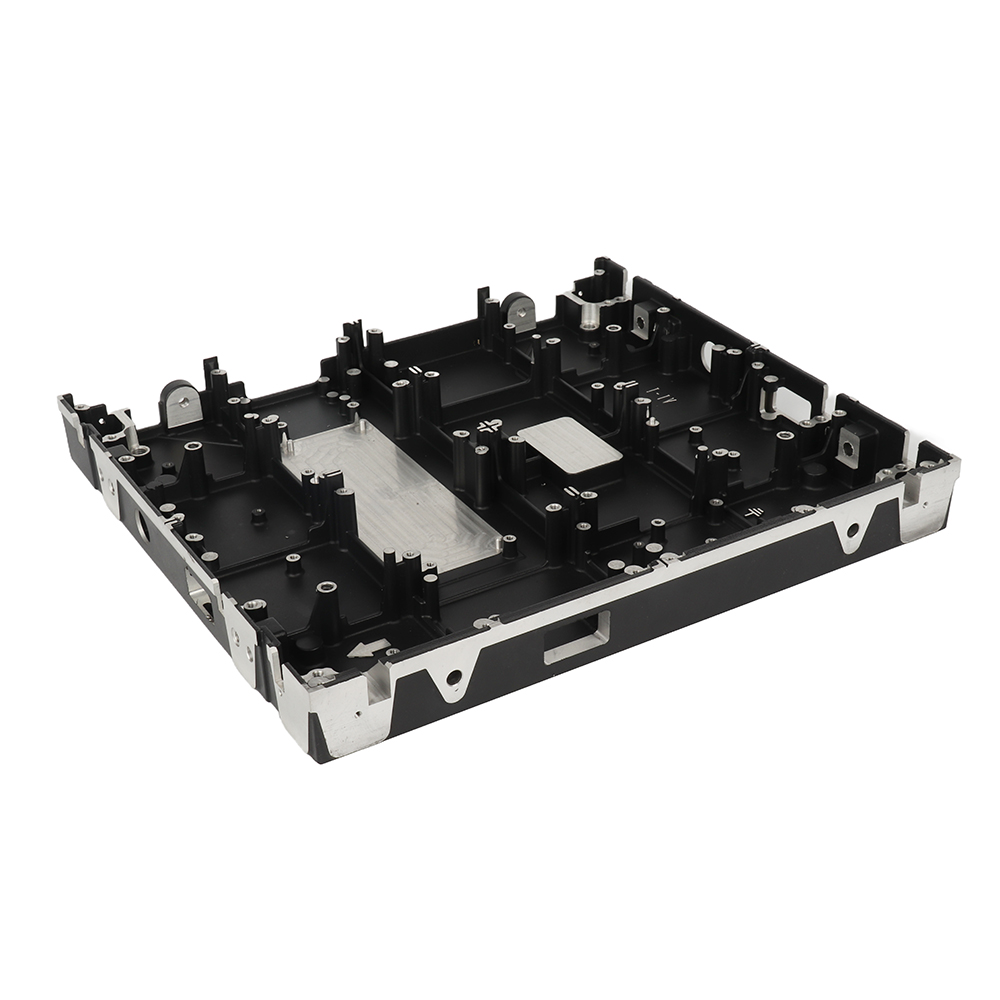
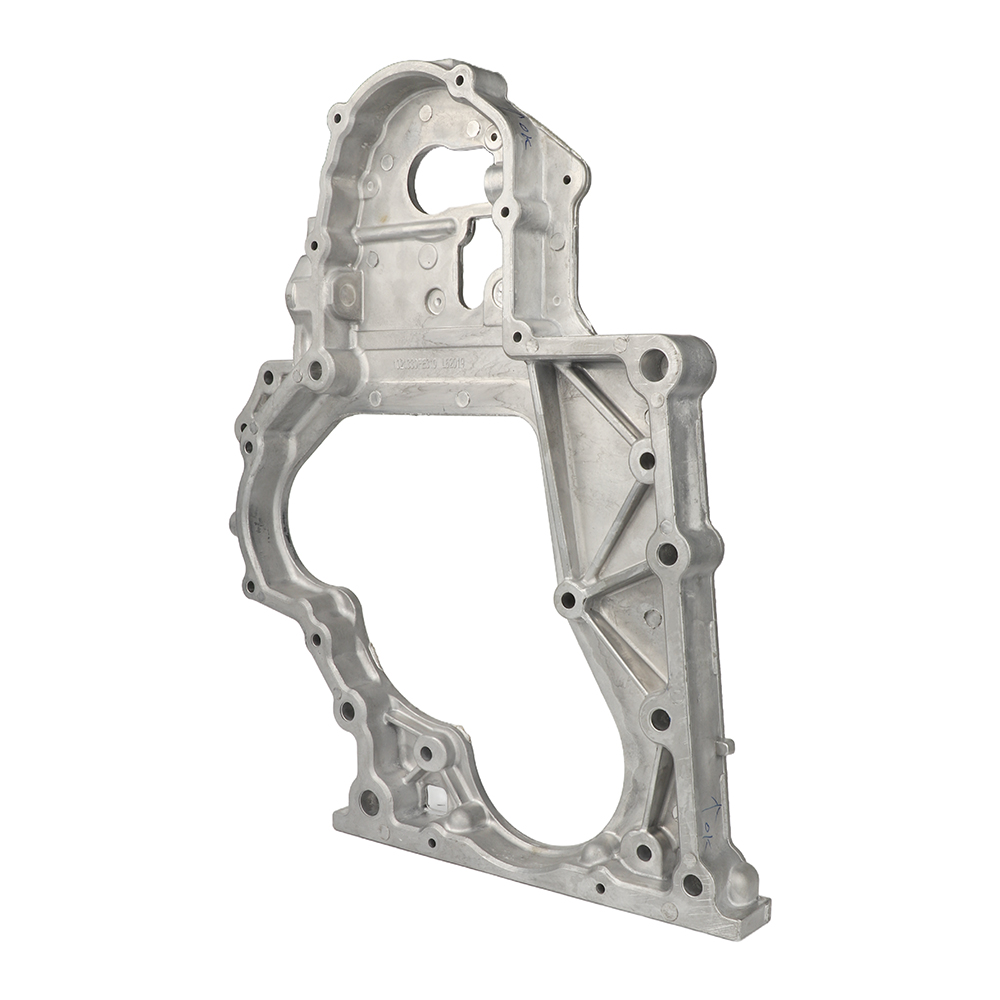
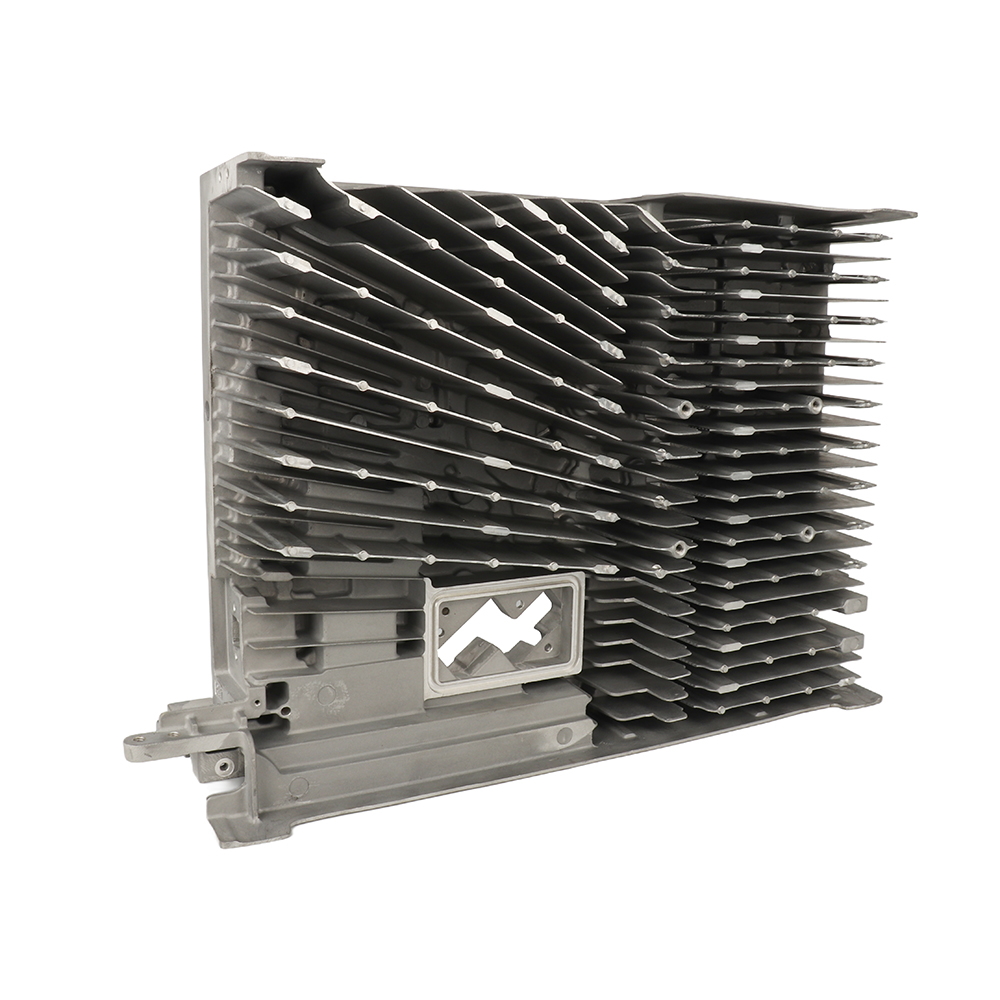
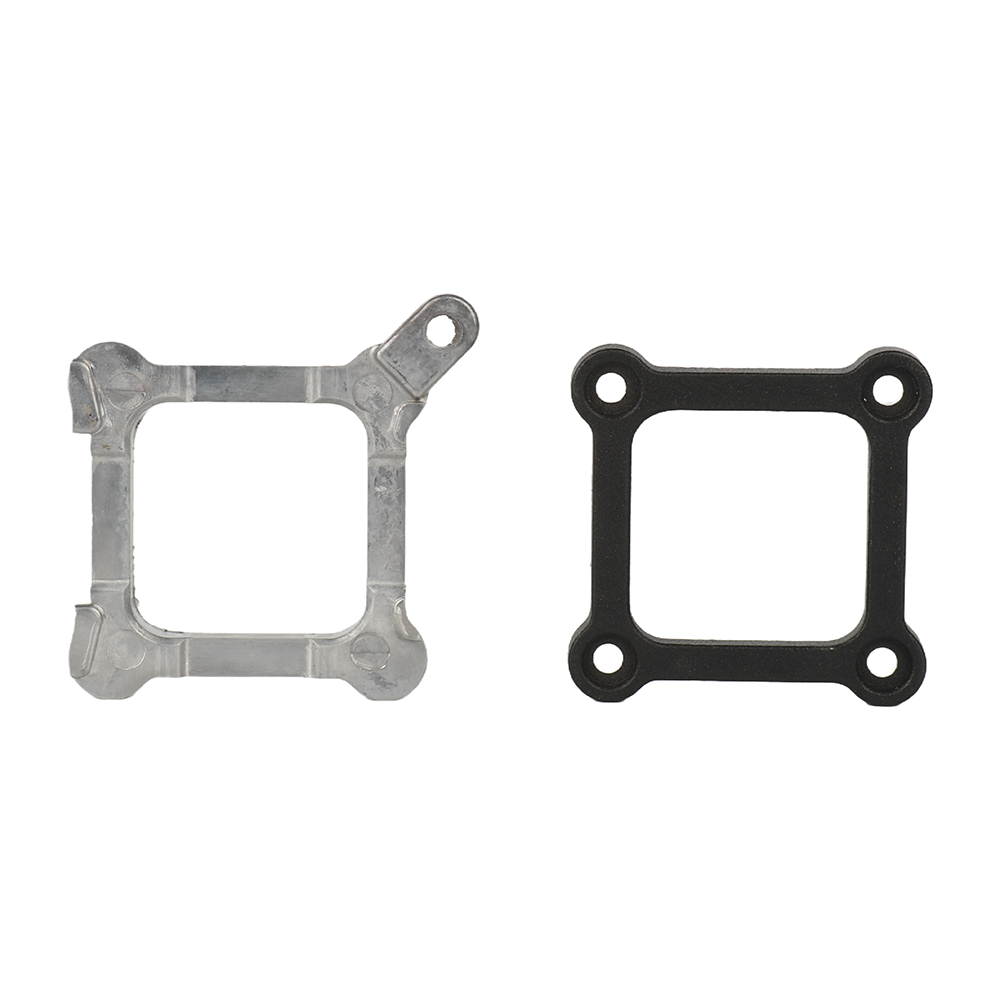
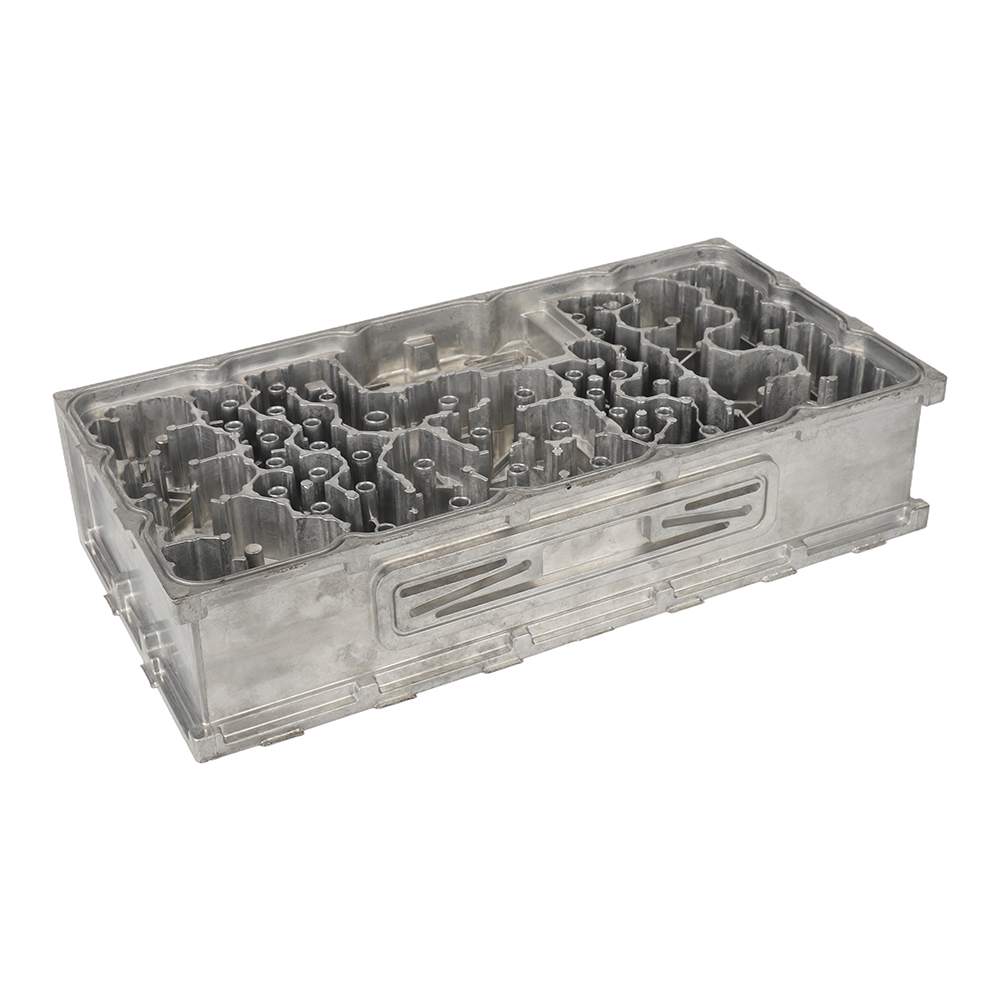
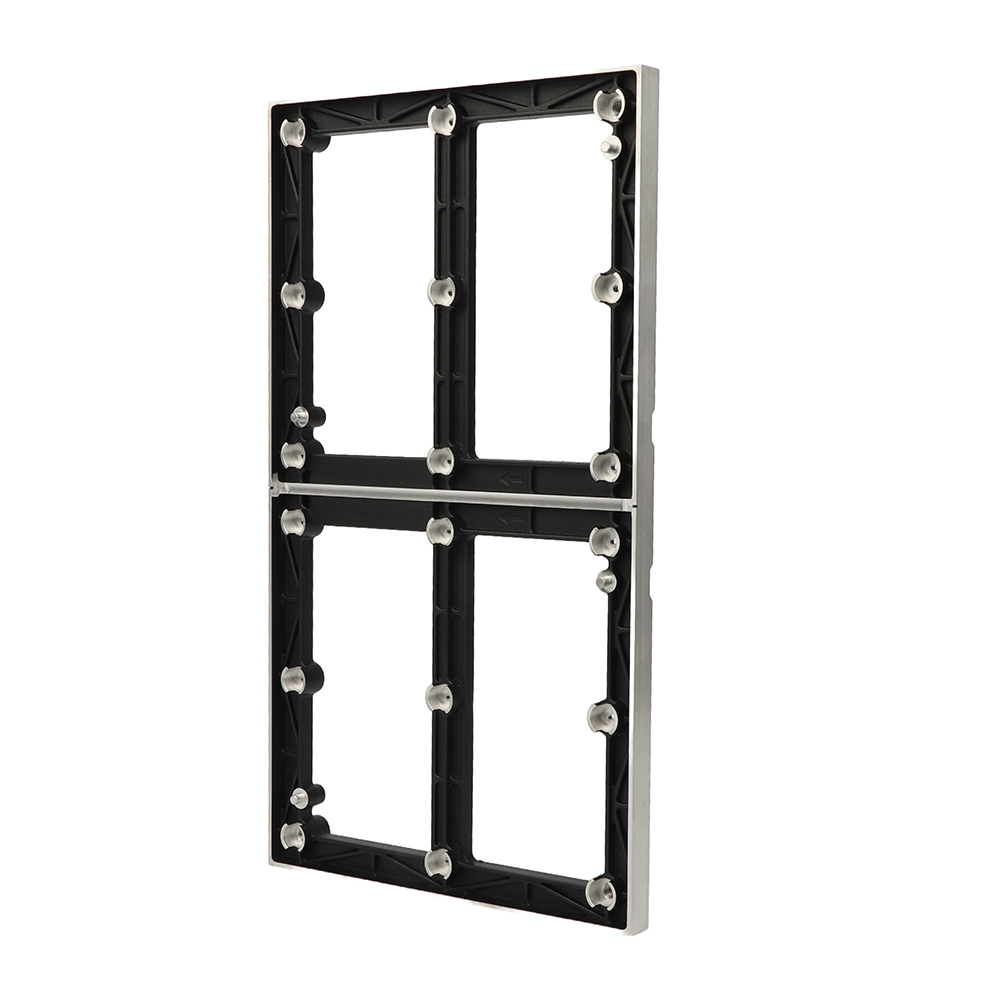
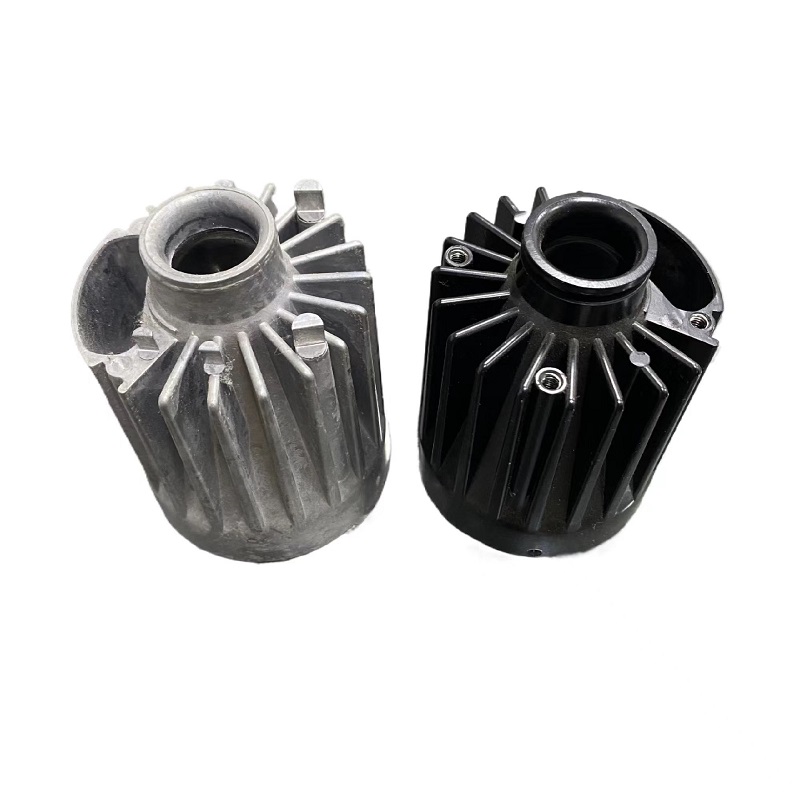
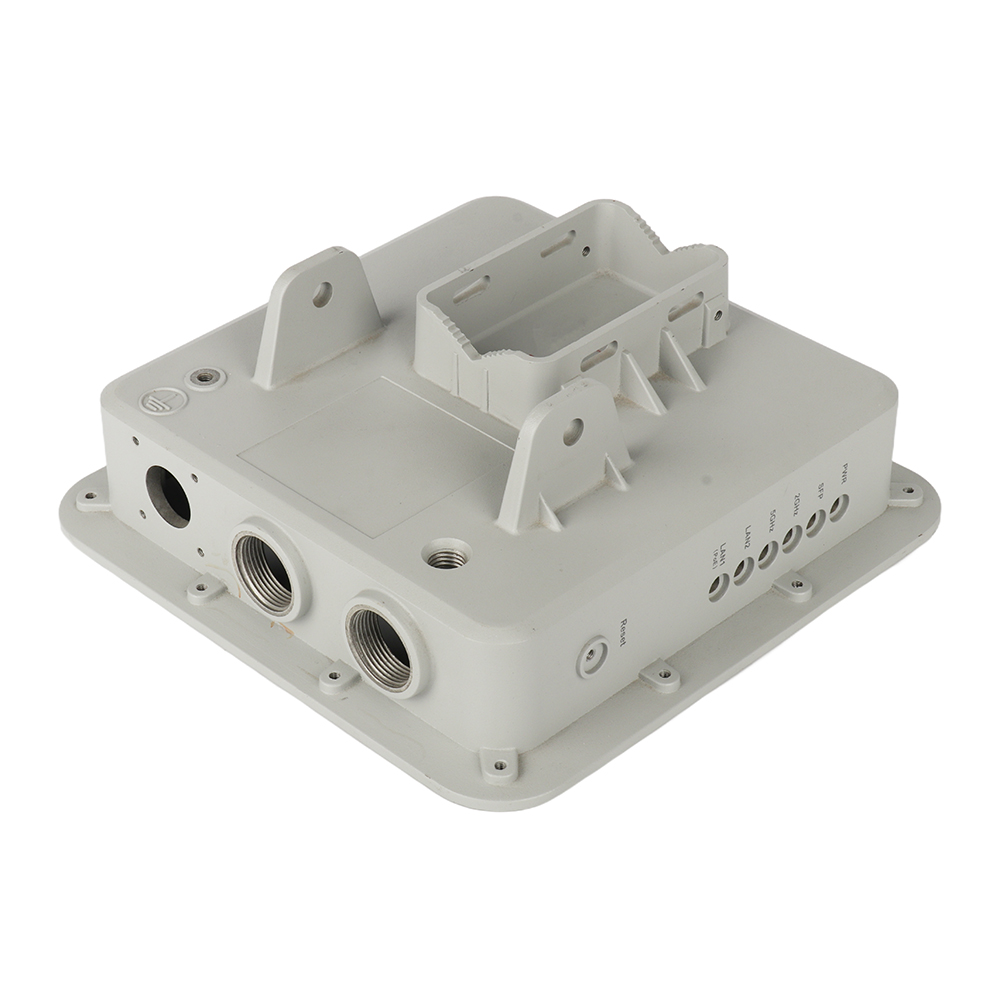
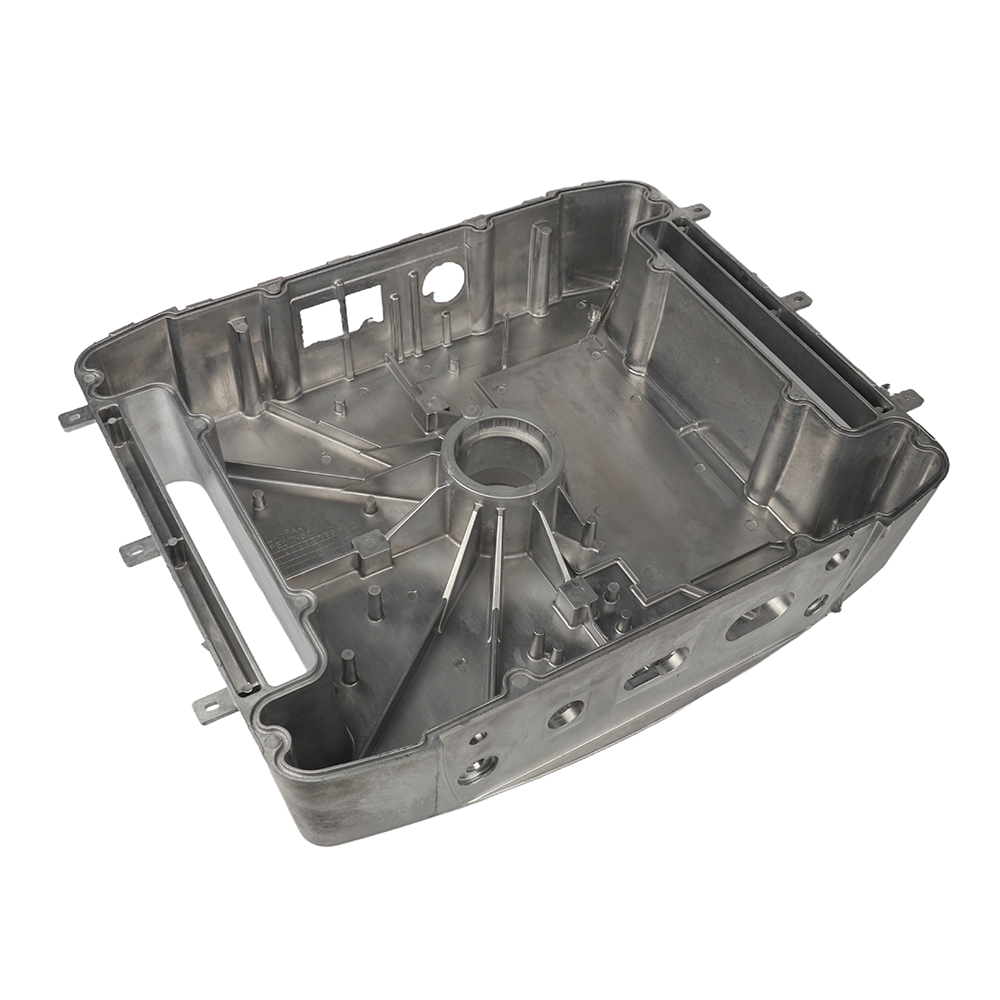
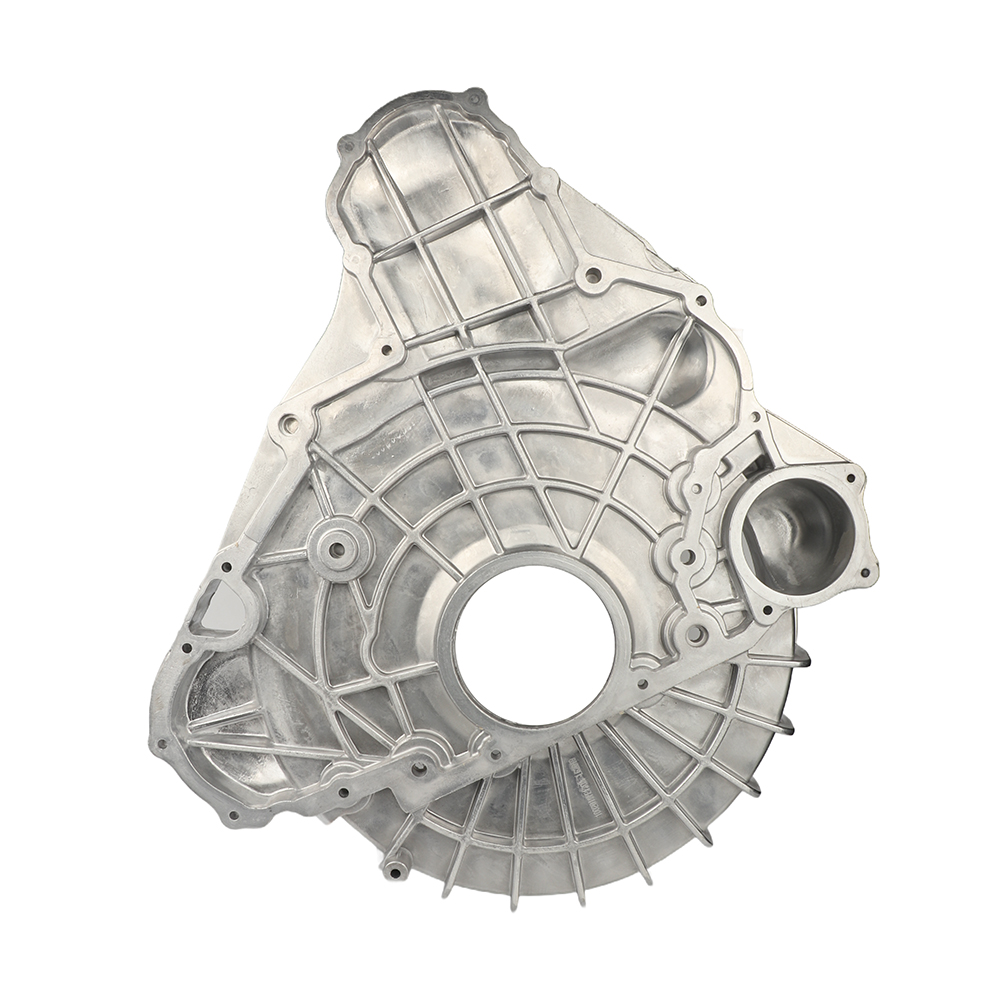
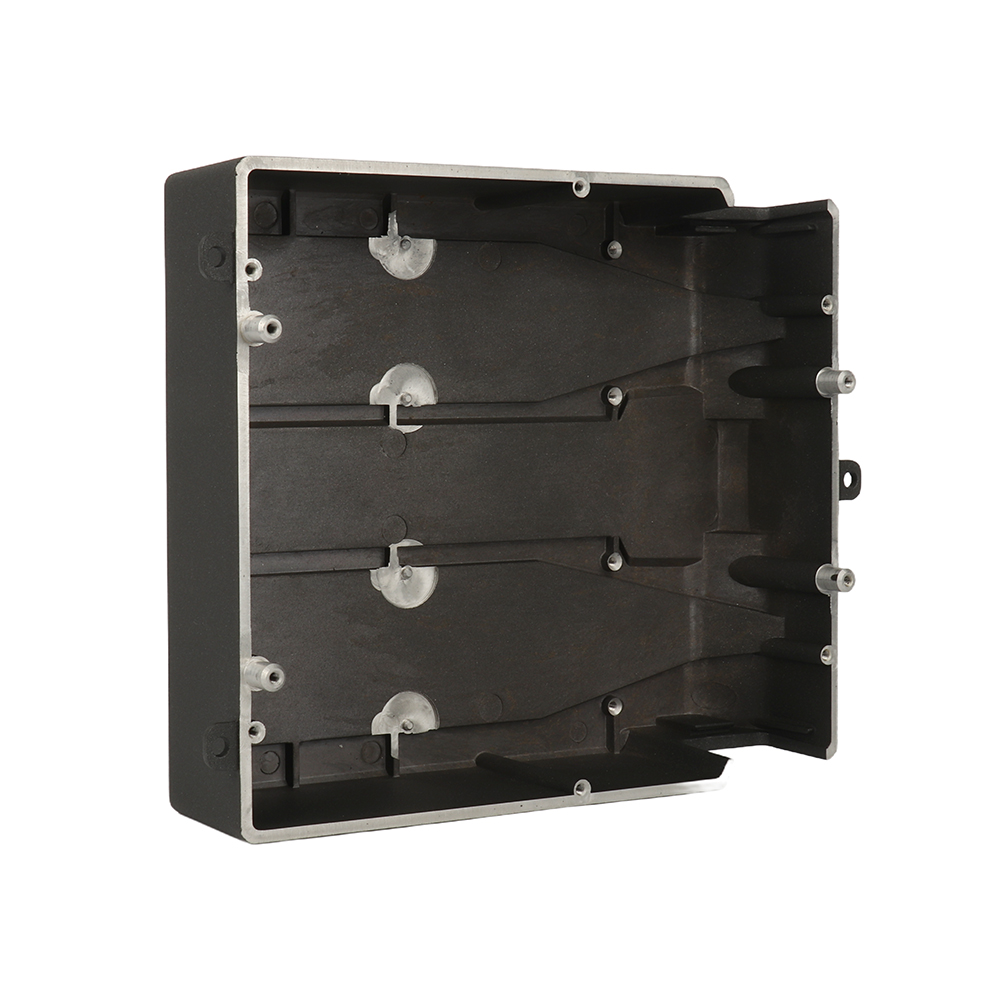
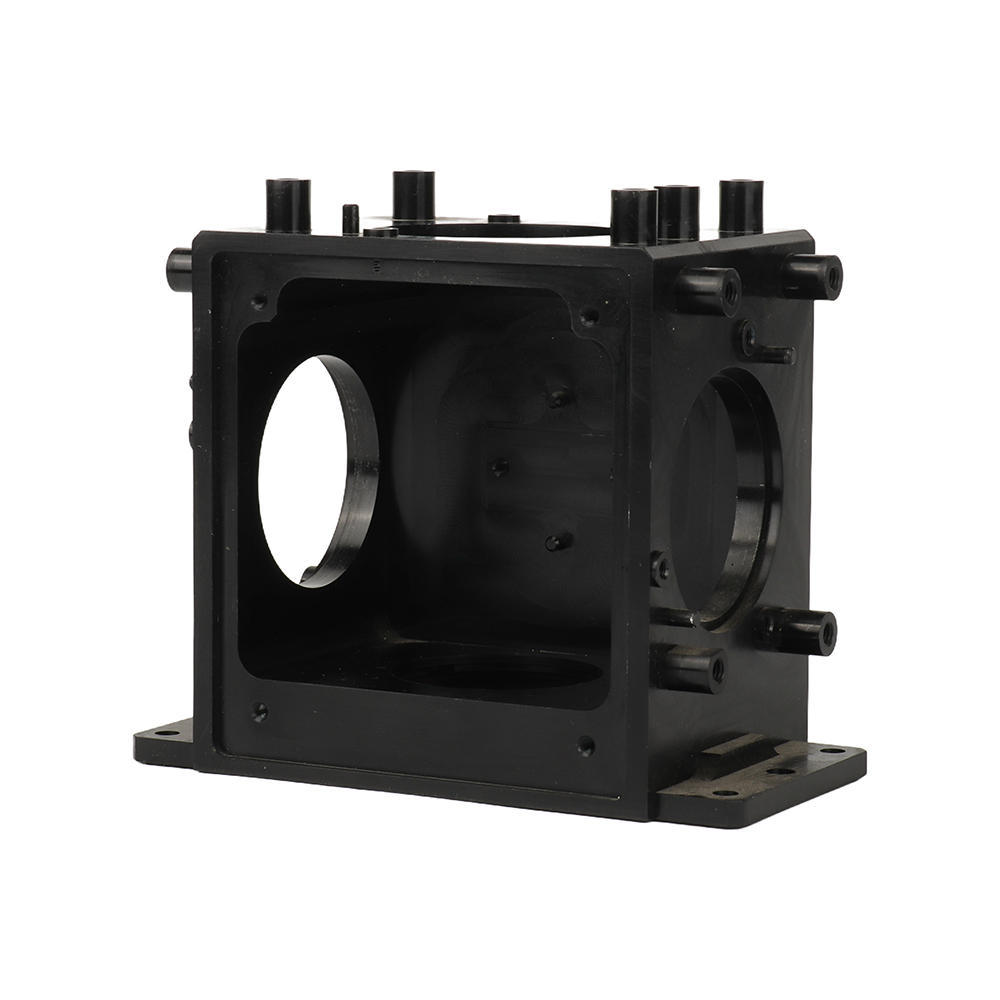
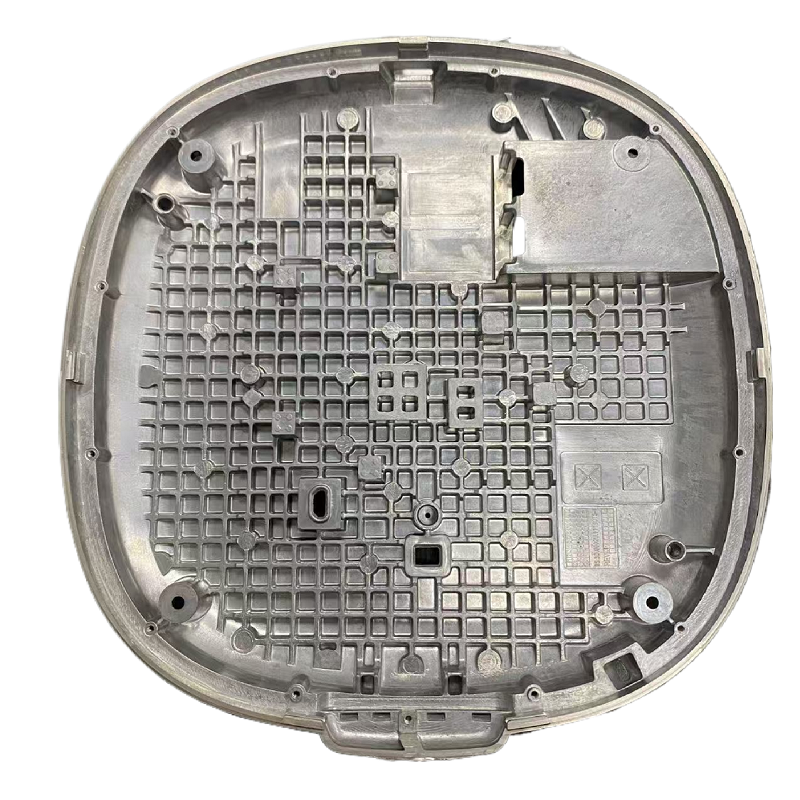
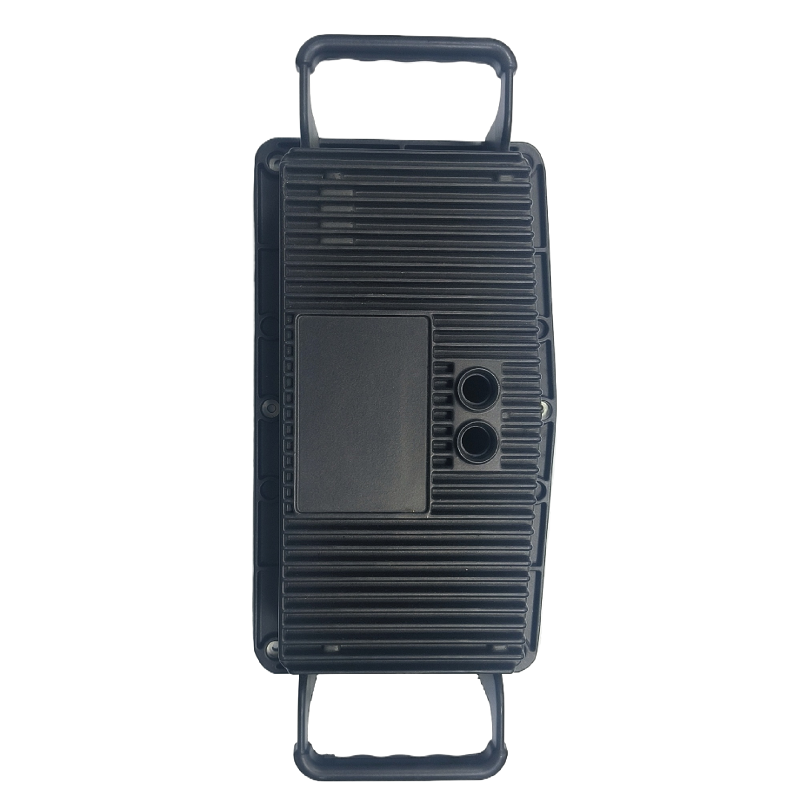

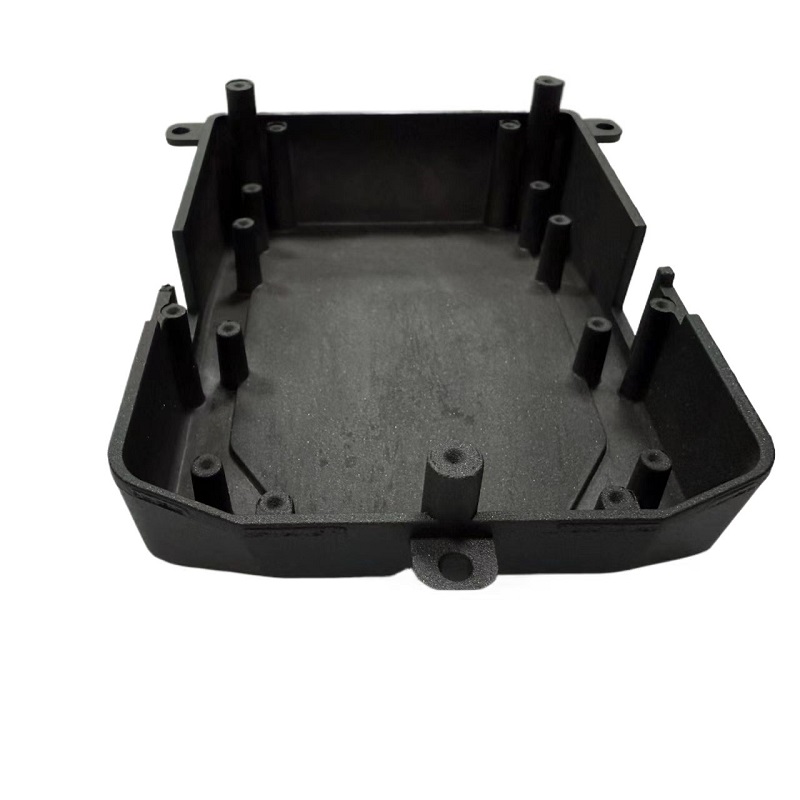
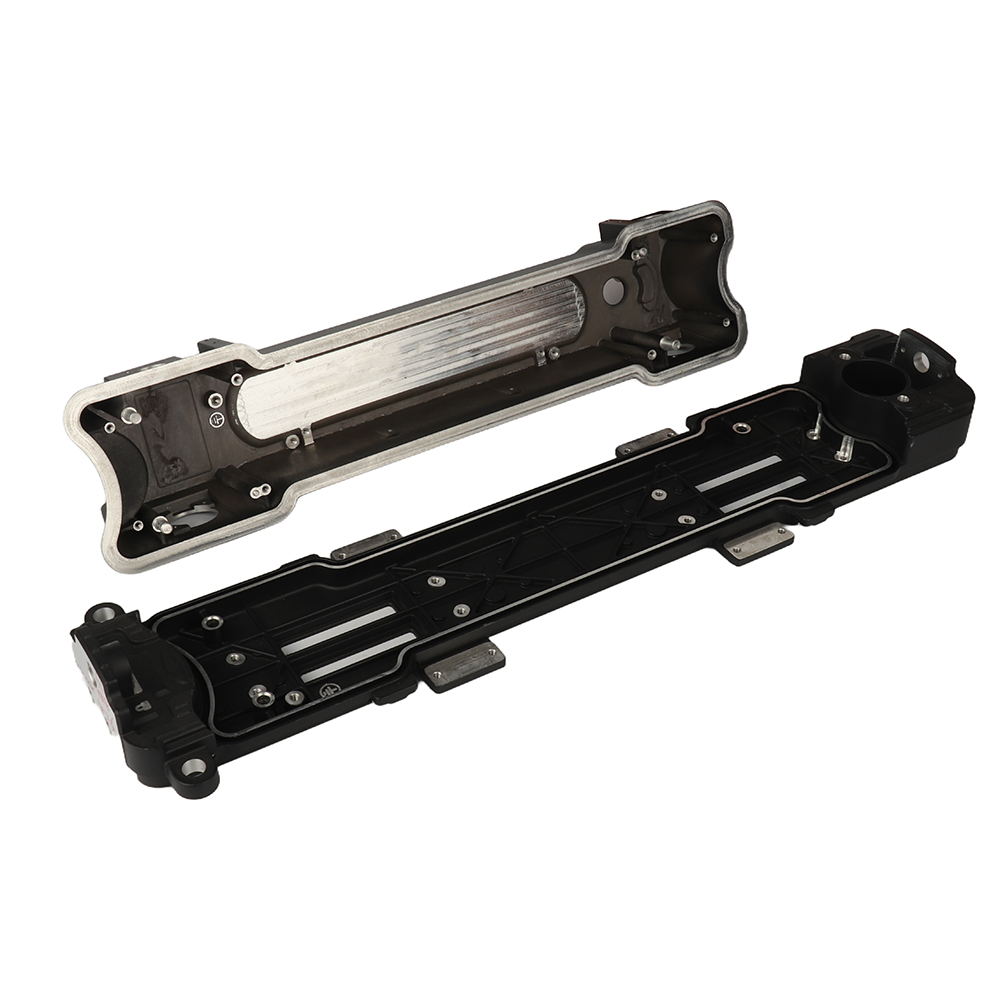
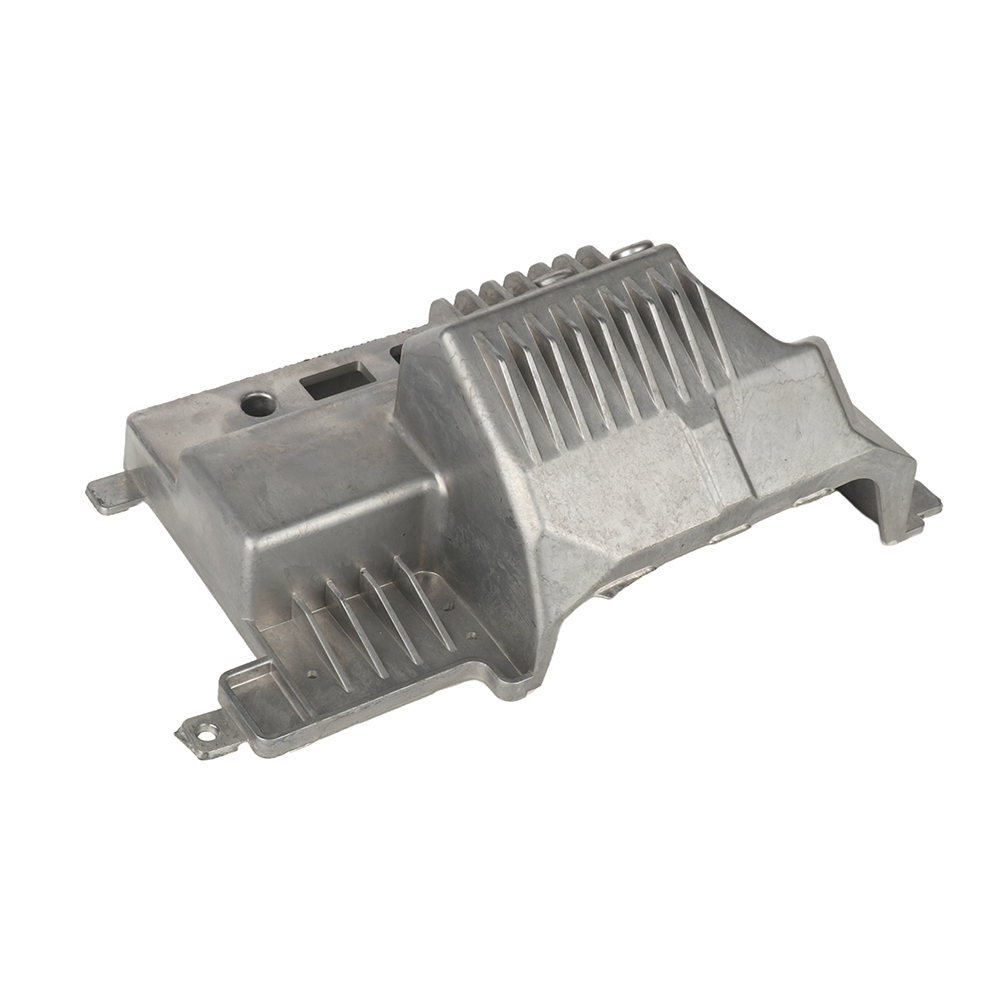
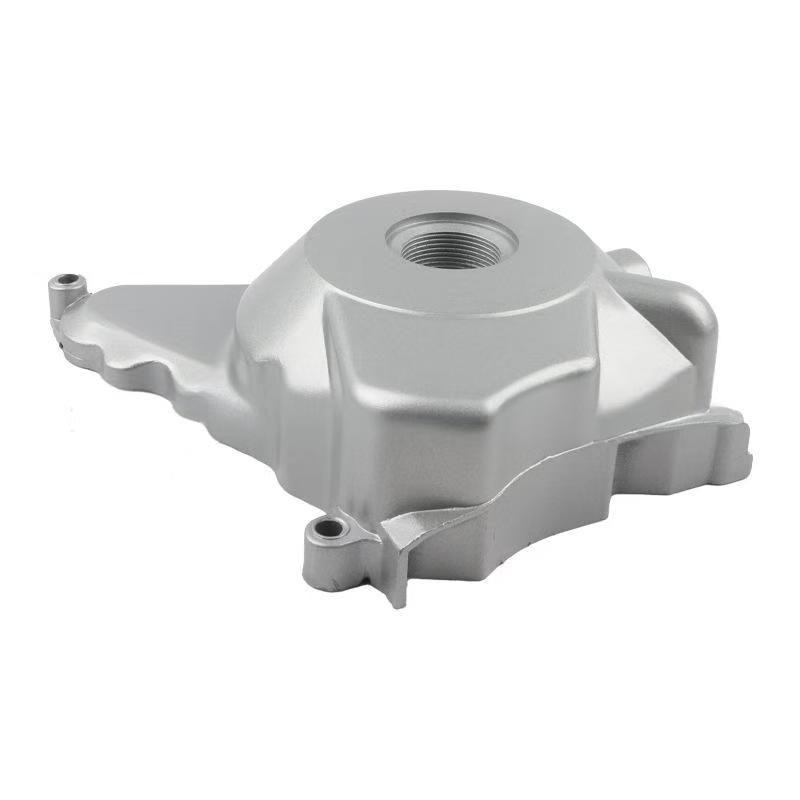
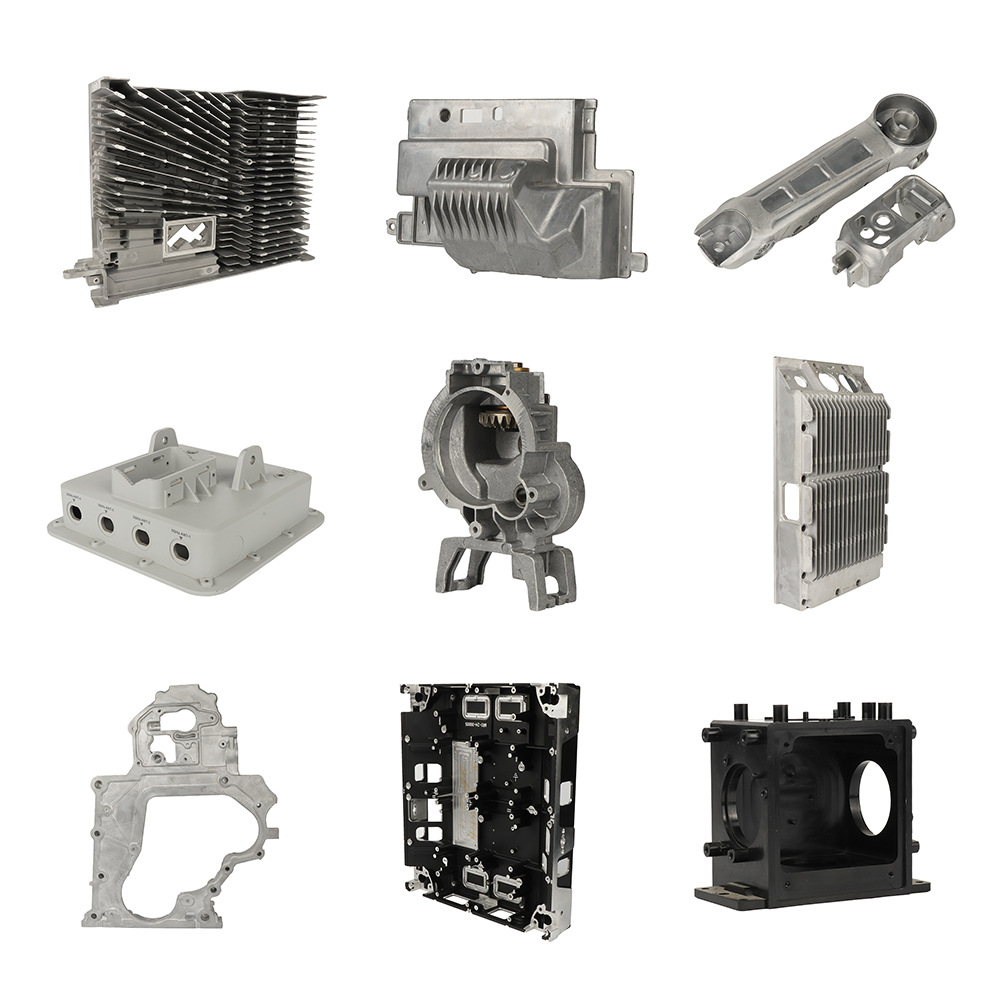
Aluminum frame structure | What is high-pressure die casting | Focus on Aluminum Frame Structure
High-Pressure Die Casting: Focus on Aluminum Frame Structure
1. Introduction: What is High-Pressure Die Casting (HPDC)?
High-Pressure Die Casting (HPDC) is a precision metal forming process that involves injecting molten metal into a reusable steel mold (die) under high pressure and high speed. Typically operating at pressures between 10-150 MPa and filling speeds up to 50 m/s, this process produces high-quality, complex-shaped components with tight dimensional tolerances and smooth surface finishes. Widely used across automotive, aerospace, electronics, and telecom industries, HPDC is celebrated for its efficiency, scalability, and ability to create lightweight yet durable parts. Among all materials used in HPDC, aluminum alloy stands out—and its application in aluminum frame structure has become a game-changer, combining structural integrity, weight savings, and cost-effectiveness for modern manufacturing needs.
1.1 Key Basics of High-Pressure Die Casting
Unlike traditional casting methods (such as sand casting or gravity casting), HPDC relies on forced high-pressure filling to ensure molten metal fills every detail of the die, even for complex geometries. The process involves four core steps: melting the metal (usually aluminum, zinc, or magnesium), injecting it into the die under high pressure, cooling and solidifying the metal, and ejecting the finished component. This efficiency makes HPDC ideal for mass production, with single mold cycles ranging from a few seconds to tens of seconds. For aluminum frame structures, this process unlocks design possibilities that other manufacturing methods cannot match, making it the preferred choice for high-performance applications.
2. Aluminum Frame Structure in High-Pressure Die Casting: Core Details
The aluminum frame structure produced via high-pressure die casting is a structural component made by injecting molten aluminum alloy into precision dies, forming integrated frames used in various products—from automotive chassis and telecom cabinets to consumer electronics and aerospace components. The combination of HPDC and aluminum creates frames that balance strength, light weight, and precision, addressing the core needs of modern industries for durable yet efficient structures.
2.1 Common Aluminum Alloys for HPDC Frame Structures
Not all aluminum alloys are suitable for high-pressure die casting of frame structures. The most widely used alloys are tailored for their strength, castability, and corrosion resistance, including:
2.1.1 ADC12 Aluminum Alloy
The most common choice for aluminum frame structures, ADC12 offers excellent castability, good mechanical properties, and cost-effectiveness. It is ideal for frames requiring moderate strength and intricate details, such as telecom cabinet frames and consumer electronics enclosures.
2.1.2 A380 & A356 Aluminum Alloys
A380 is known for its high fluidity and resistance to corrosion, making it suitable for outdoor aluminum frame structures (e.g., outdoor telecom equipment frames). A356, on the other hand, has superior strength and thermal conductivity, perfect for high-performance frames like automotive suspension components or aerospace parts.
2.2 Manufacturing Process of Aluminum Frame Structure via HPDC
The production of aluminum frame structures through HPDC follows a precise workflow to ensure quality and consistency:
- Die Design: Custom dies are engineered to match the frame’s exact dimensions, including ribs, mounting points, and complex 3D geometries—critical for structural integrity.
- Aluminum Melting: Aluminum alloy is melted in a cool chamber die casting machine (the optimal choice for aluminum, as it prevents alloy degradation) to a temperature of 650-700℃.
- High-Pressure Injection: Molten aluminum is injected into the die at high pressure (20-120 MPa) to ensure full filling of complex frame features, eliminating gaps or defects.
- Cooling & Ejection: The aluminum cools and solidifies quickly in the die, forming a seamless, uniform frame. The finished component is then ejected and undergoes surface treatments (e.g., powder coating, anodizing) to enhance corrosion resistance.

3. Aluminum Frame Structure vs. Other Frame Materials: Pros & Cons Comparison
To highlight the advantages of HPDC aluminum frame structures, we compare them with two common alternatives: welded steel frames and extruded aluminum frames. The table below focuses on key performance metrics relevant to industrial applications:
| Comparison Dimension | HPDC Aluminum Frame Structure | Welded Steel Frame | Extruded Aluminum Frame |
|---|---|---|---|
| Weight | Lightweight (2.7 g/cm³ density, 30-50% lighter than steel) | Heavy (7.8 g/cm³ density) – increases transportation and installation costs | Lightweight but less structurally efficient due to uniform cross-section |
| Structural Strength | High (seamless molding, uniform density; integrated ribs enhance stiffness) | High tensile strength but prone to welding seam cracks | Good linear strength but weak in complex structures |
| Design Flexibility | Excellent – supports complex 3D geometries and integrated features | Limited – relies on bending and welding | Low – only supports uniform cross-sections |
| Corrosion Resistance | Excellent – natural oxide layer + surface treatments | Poor – prone to rust; requires galvanizing/painting | Good but limited – uniform cross-section may trap moisture |
| Cost (Mass Production) | Cost-Effective – high initial mold cost but low per-unit cost | Low initial cost but high labor costs for welding/assembly | Medium – limited production efficiency |
| Maintenance Cost | Low – seamless structure, corrosion-resistant | High – welding seams rust easily | Medium – connection points need regular inspection |
4. Key Advantages of Aluminum Frame Structure in HPDC
Based on its unique properties and comparison with other frame materials, the HPDC aluminum frame structure offers unparalleled benefits for modern manufacturing. These advantages make it the top choice for industries seeking to balance performance, cost, and efficiency:
4.1 Lightweight & High Strength Ratio
Aluminum’s low density (2.7 g/cm³) makes HPDC aluminum frames 30-50% lighter than steel frames while maintaining equivalent or higher stiffness through optimized rib designs. This weight reduction is critical for automotive, aerospace, and telecom applications, as it lowers energy consumption, simplifies installation, and reduces transportation costs—without compromising structural integrity.
4.2 Seamless & Uniform Structure
Unlike welded steel or extruded aluminum frames, HPDC aluminum frames are formed in one piece, with no welding seams or connection points. This seamless design eliminates weak spots, reduces the risk of structural failure, and improves overall durability. The high-pressure injection process also ensures uniform material density, resulting in consistent mechanical properties across the entire frame.
4.3 Superior Corrosion Resistance
Aluminum naturally forms a thin, protective oxide layer that resists corrosion, even in harsh environments (e.g., coastal areas, deserts). When combined with surface treatments like anodizing or powder coating, HPDC aluminum frames can withstand extreme weather, salt spray, and moisture—making them ideal for outdoor applications such as telecom cabinets and automotive undercarriage frames.
4.4 Design Flexibility & Integration
HPDC allows for complex 3D designs, enabling manufacturers to integrate ribs, mounting holes, and other functional features directly into the aluminum frame during production. This eliminates the need for additional assembly steps, reduces part count, and improves production efficiency. Whether it’s a small electronics frame or a large automotive chassis, HPDC aluminum frames can be fully customized to meet specific application needs.
4.5 Cost-Effective for Large-Scale Production
While HPDC requires a higher initial investment in dies, the process is highly efficient for mass production—with fast cycle times and low labor costs. As production volume increases, the per-unit cost of aluminum frames drops significantly, making them more cost-effective than welded steel frames in large-scale projects. Additionally, their long service life and low maintenance costs further reduce the total cost of ownership.
5. Expert Opinions on Aluminum Frame Structure in High-Pressure Die Casting
To validate the value of HPDC aluminum frame structures, we invited two industry experts with decades of experience in die casting and manufacturing to share their insights:
5.1 David Wilson, Senior Die Casting Engineer (20 Years Experience)
“High-Pressure Die Casting has revolutionized how we produce aluminum frame structures. The combination of aluminum’s lightweight properties and HPDC’s precision allows us to create frames that are both strong and efficient—something that welded steel or extruded aluminum simply can’t match. In automotive and telecom applications, where weight and durability are critical, aluminum frames from HPDC reduce energy consumption and maintenance costs while improving performance. The seamless design eliminates weak points, and the ability to integrate complex features in one shot cuts down on assembly time and errors. As industries shift toward lightweighting and sustainability, HPDC aluminum frames will only become more essential.”
5.2 Lisa Zhang, Materials Science Specialist at a Global Die Casting Firm
“Aluminum alloys are perfectly suited for high-pressure die casting, and their application in frame structures highlights the process’s strengths. Alloys like ADC12 and A380 offer the ideal balance of castability, strength, and corrosion resistance—making them versatile for a wide range of industries. What sets HPDC aluminum frames apart is their uniform material density and design flexibility: we can create frames with intricate geometries that would be impossible with other methods, while maintaining consistent quality. From a sustainability perspective, aluminum is highly recyclable without losing its properties, which aligns with modern manufacturing’s focus on eco-friendliness. I expect to see even more innovation in HPDC aluminum frames, with lighter weights and higher performance to meet evolving industry needs.”
6. FAQs About High-Pressure Die Casting & Aluminum Frame Structure
We’ve compiled the most common questions about high-pressure die casting and aluminum frame structures to help you better understand their applications, benefits, and limitations:
6.1 What is the difference between HPDC and other die casting methods for aluminum frames?
High-Pressure Die Casting (HPDC) uses significantly higher pressure (10-150 MPa) and faster filling speeds than low-pressure or gravity die casting. This ensures molten aluminum fills complex die details, creating seamless, high-precision aluminum frames with tight tolerances (IT 8-IT 12) and smooth surfaces (Ra 1.6-6.3 μm). Other methods are slower, less precise, and unsuitable for mass production of complex frames.
6.2 What are the most common applications of HPDC aluminum frame structures?
Aluminum frames produced via HPDC are widely used in: automotive (chassis components, door frames, suspension parts), telecom (outdoor cabinet frames, base station enclosures), consumer electronics (laptop frames, smartphone casings), aerospace (lightweight structural components), and industrial equipment (machine frames, tooling supports).
6.3 How long is the service life of an HPDC aluminum
Aluminum part | What is an aluminum die-casting part | A Complete Guide
Outdoor cabinet telecom | What is Die-casting outdoor telecom cabinet? Benefits, Comparisons & FAQs
Related Article


