
HOT PRODUCTS
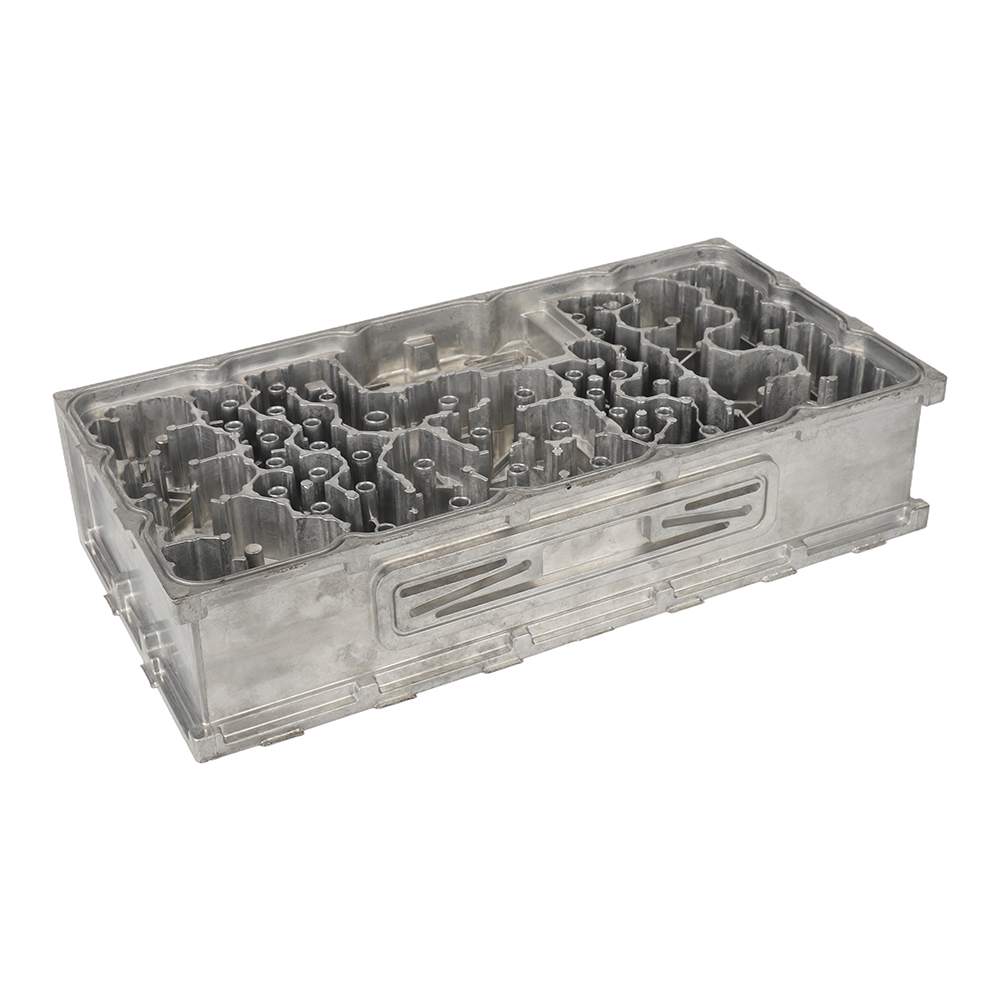
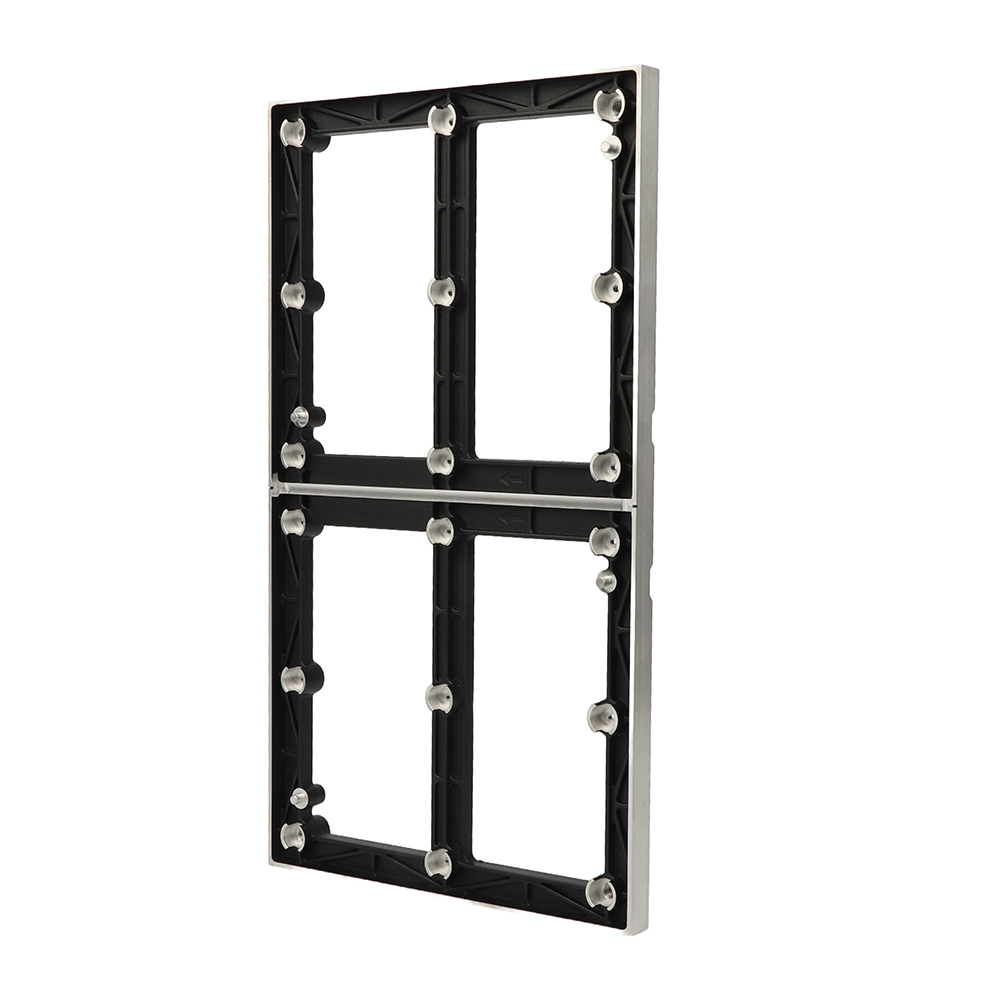
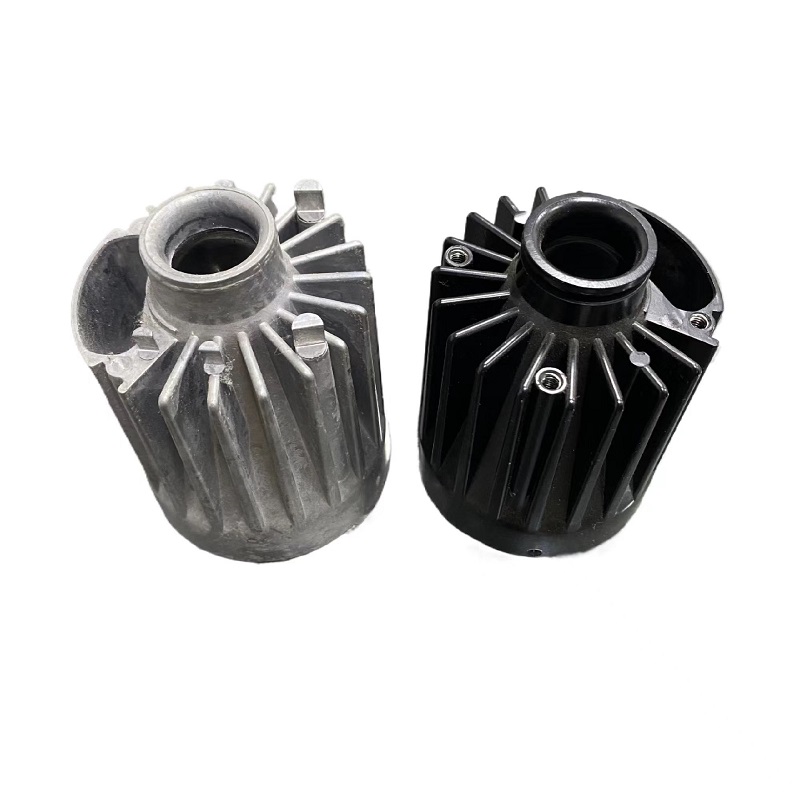
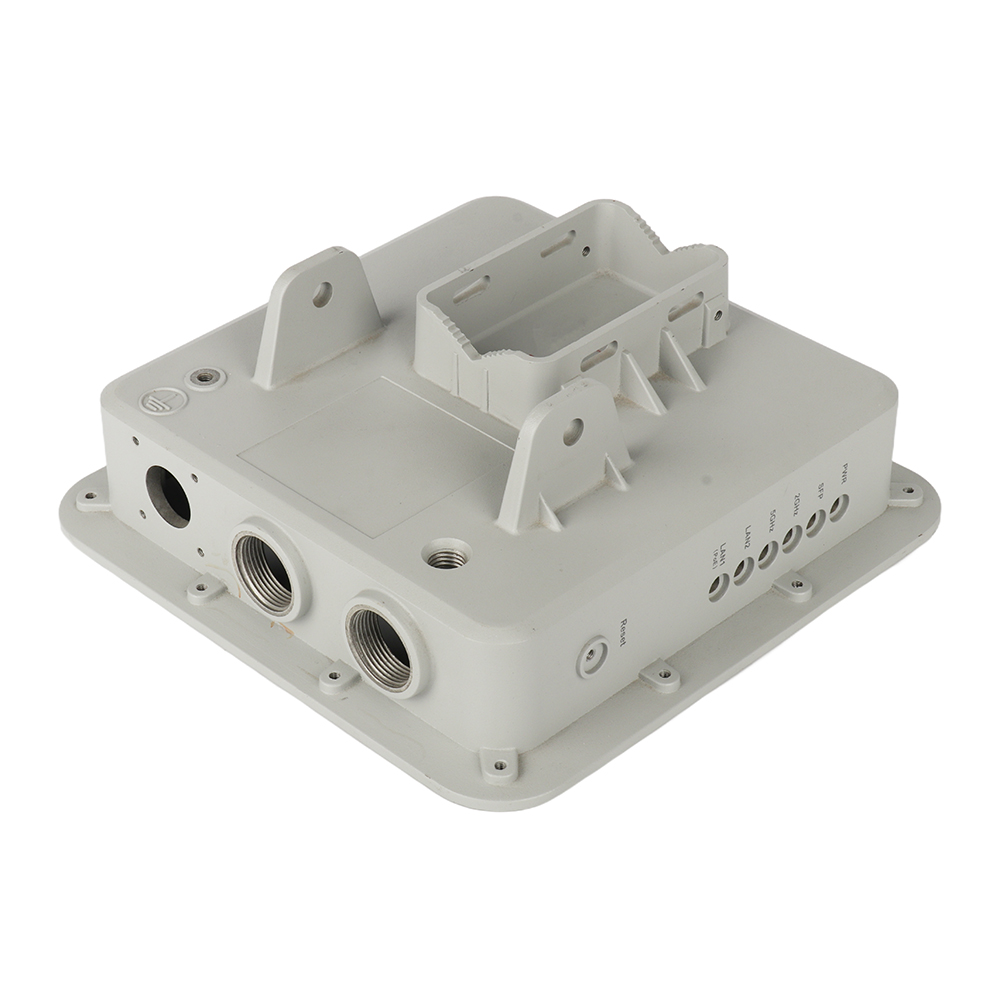
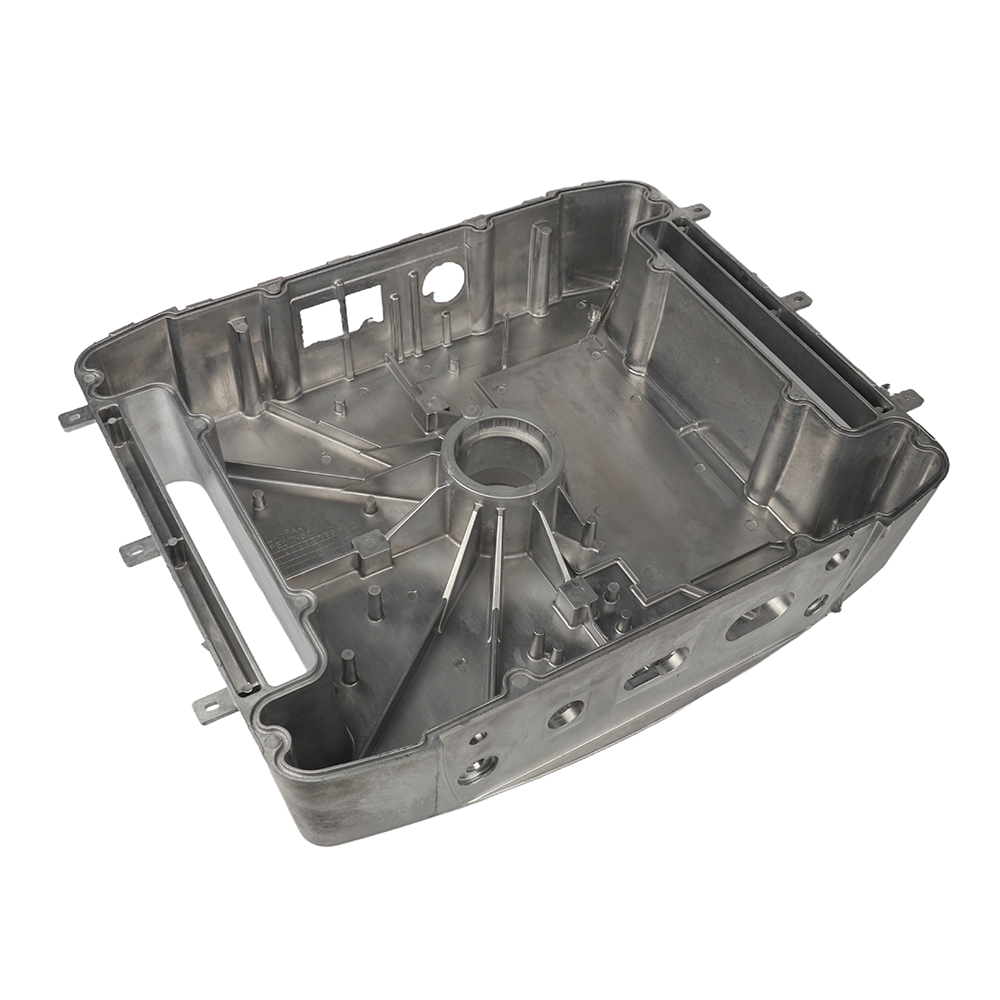
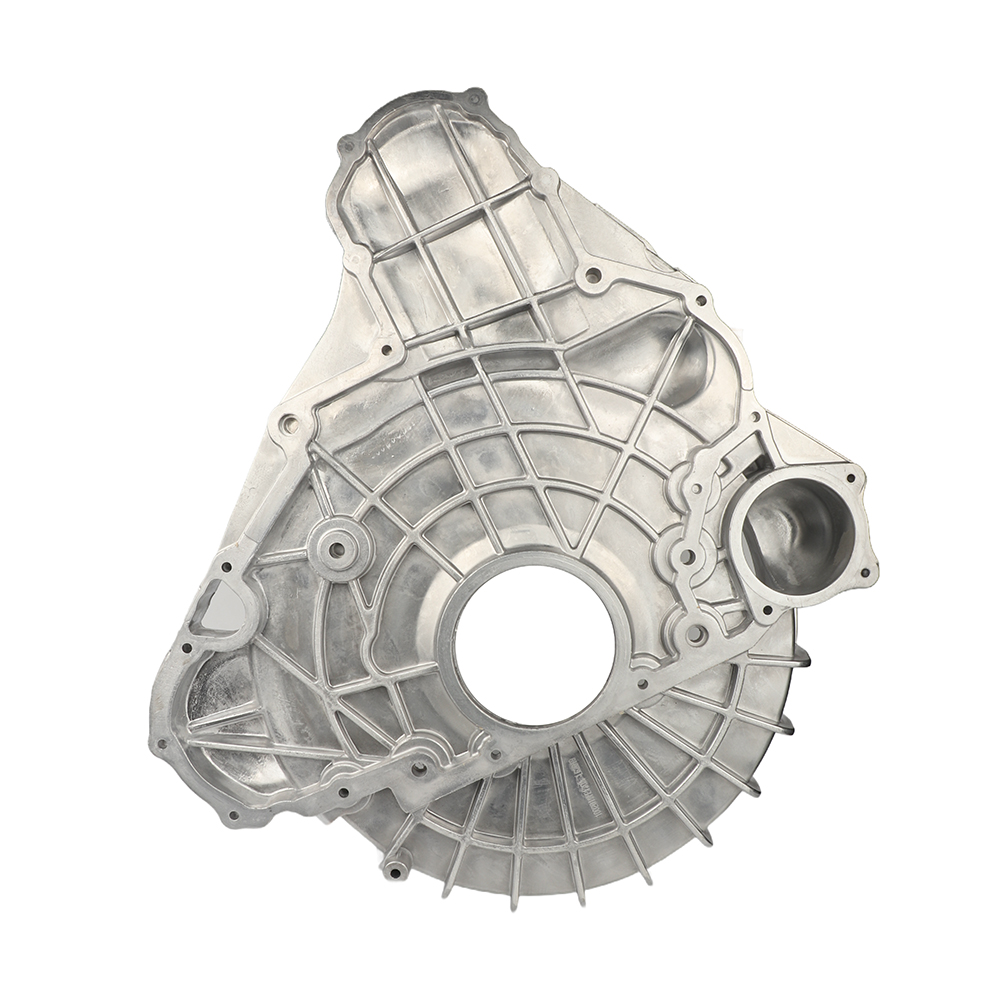
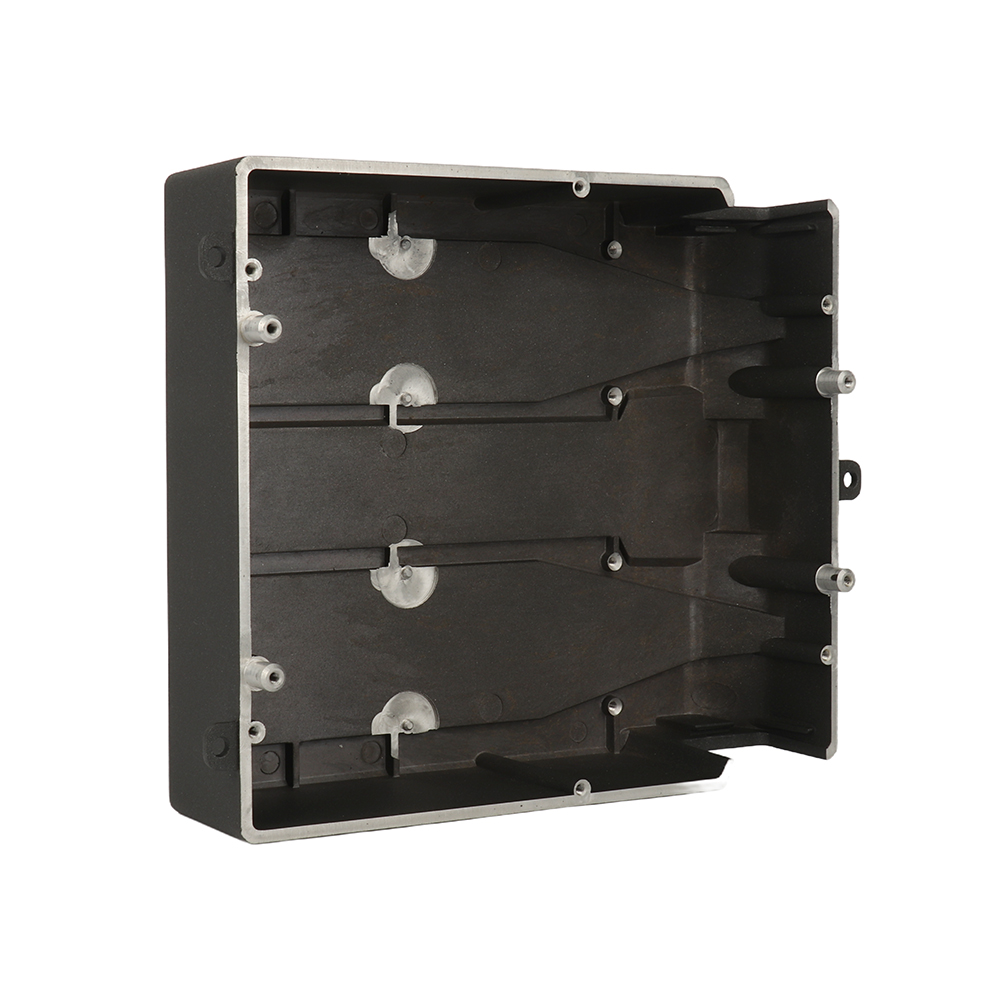
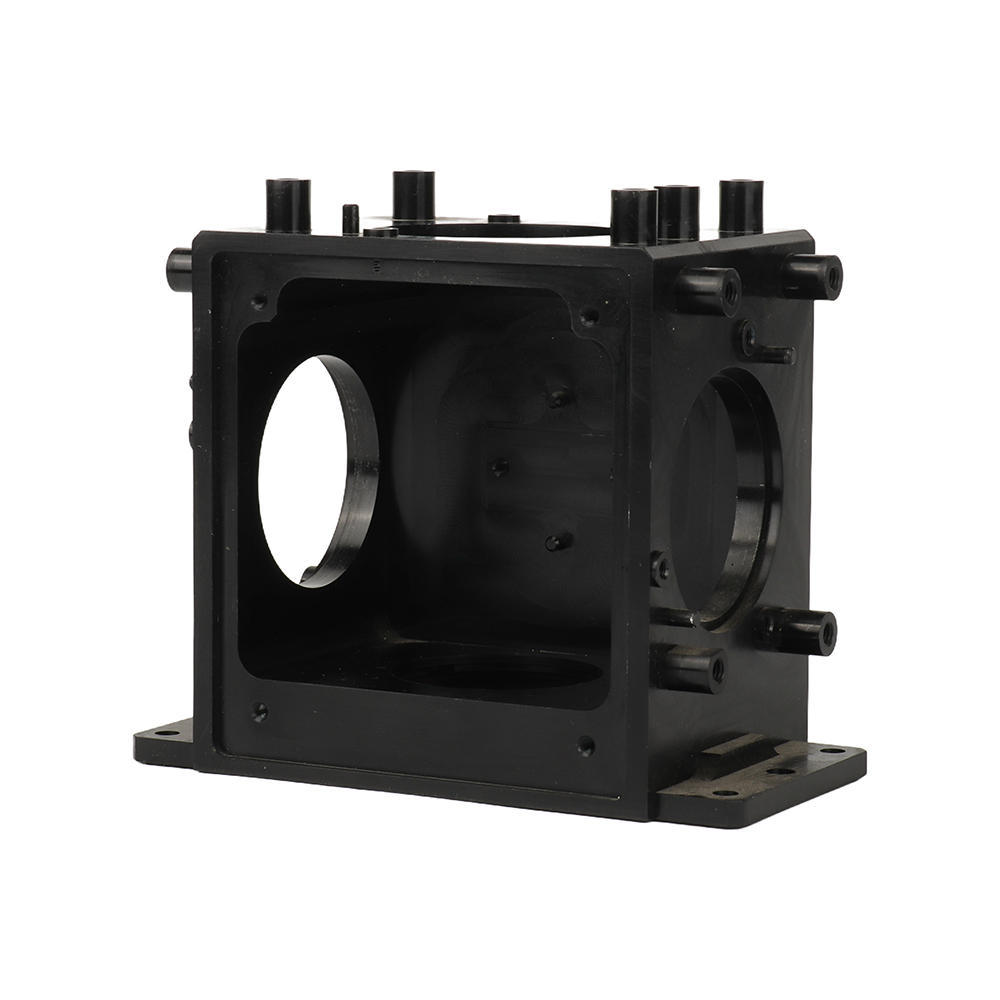
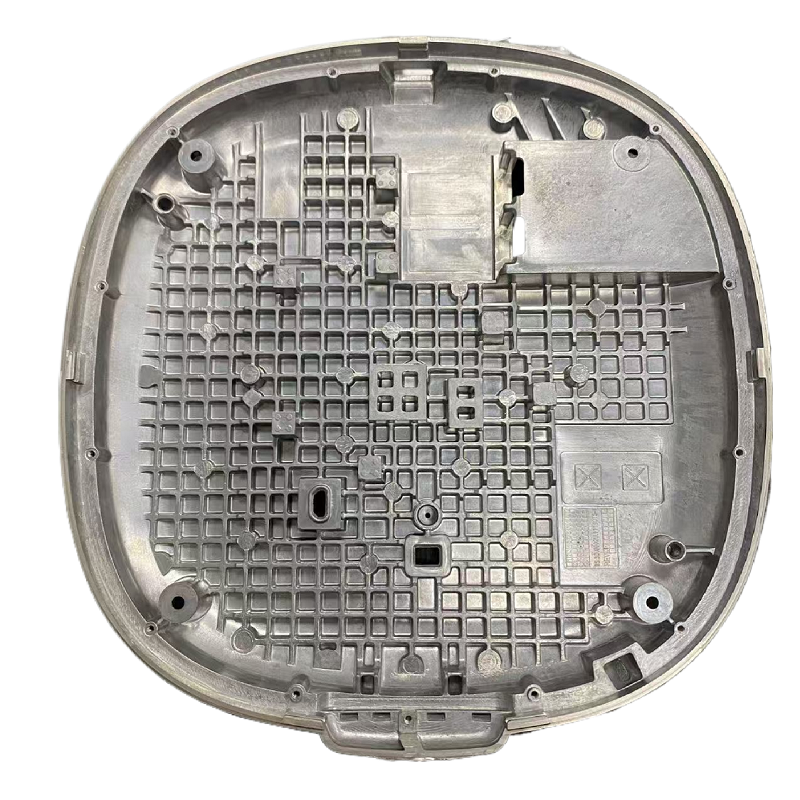
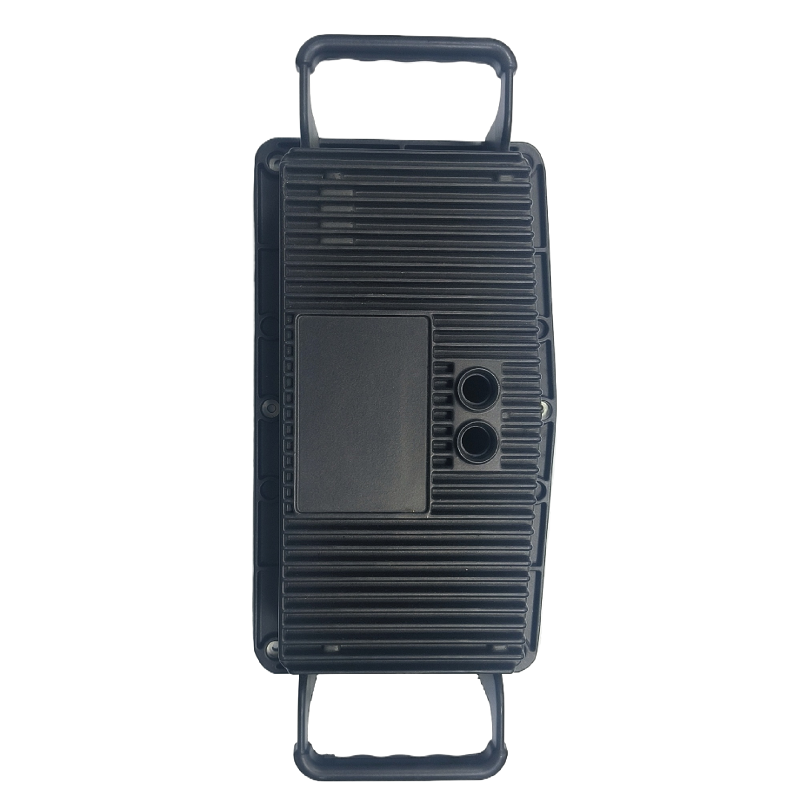
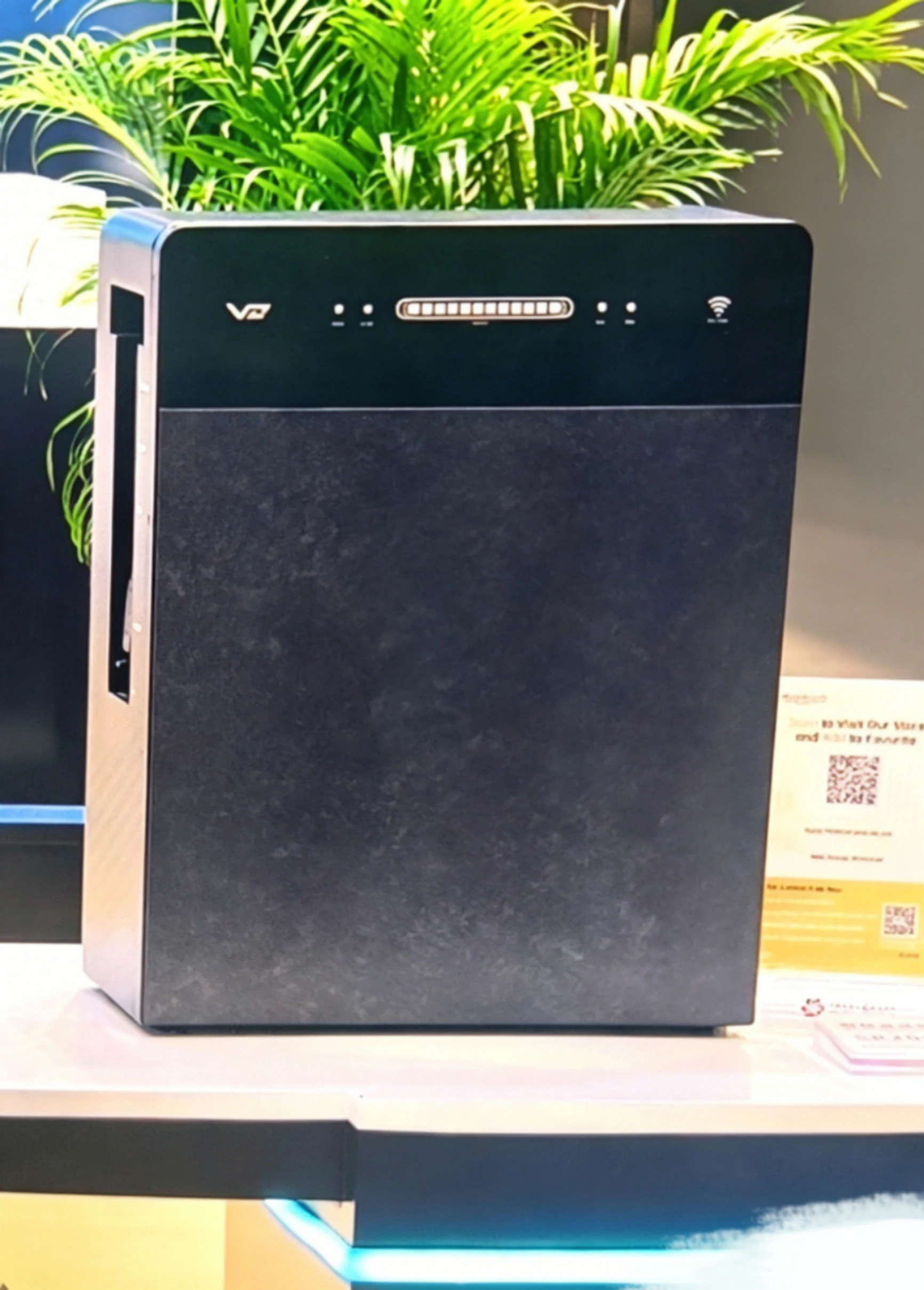
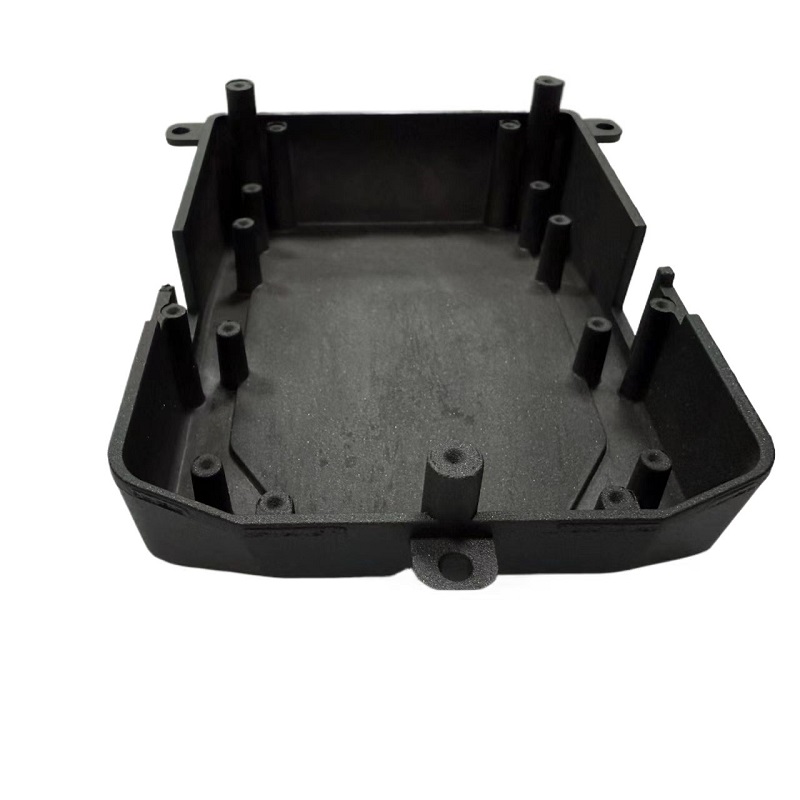
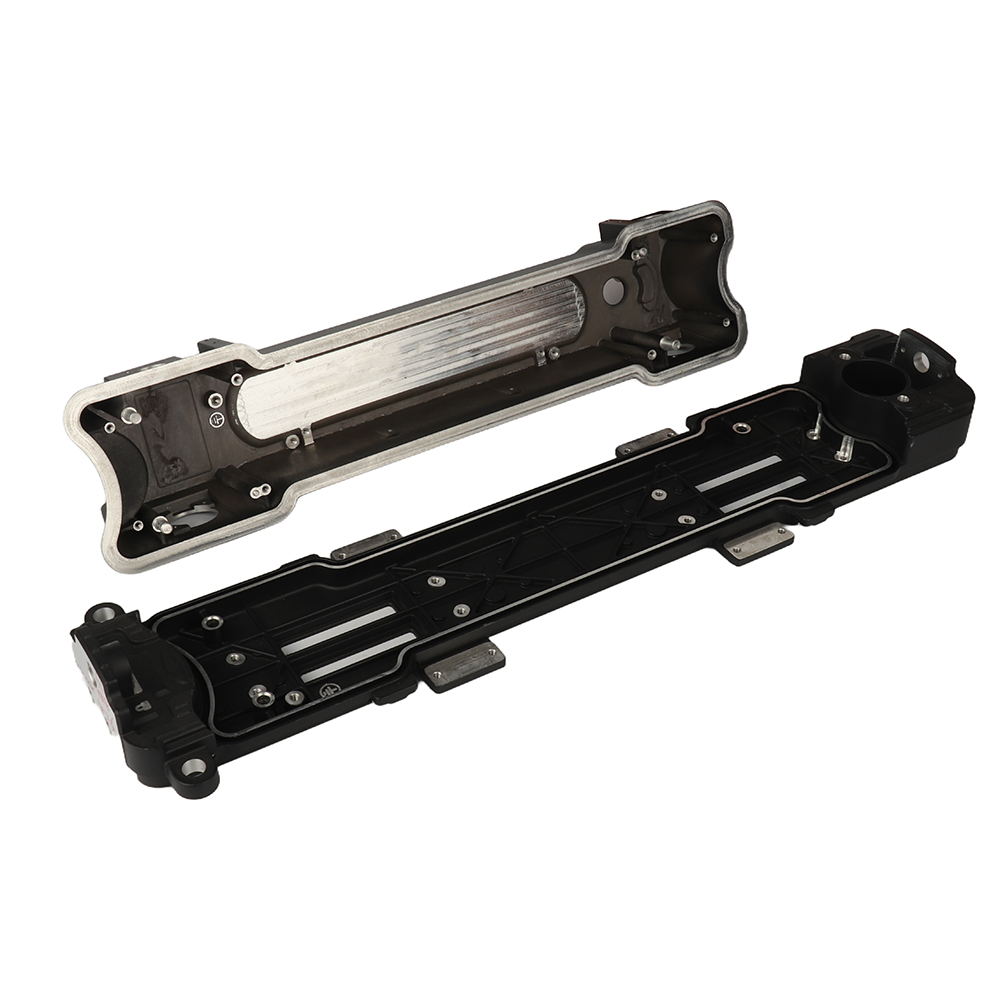
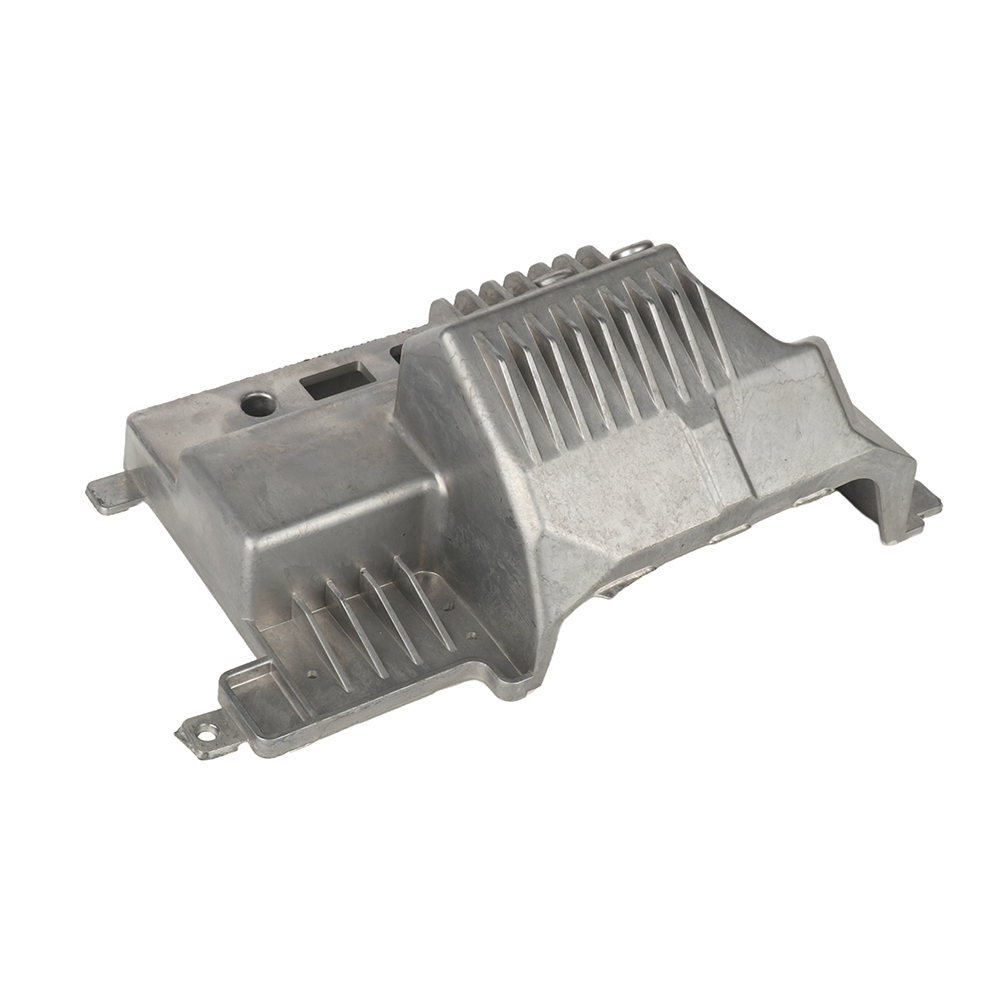
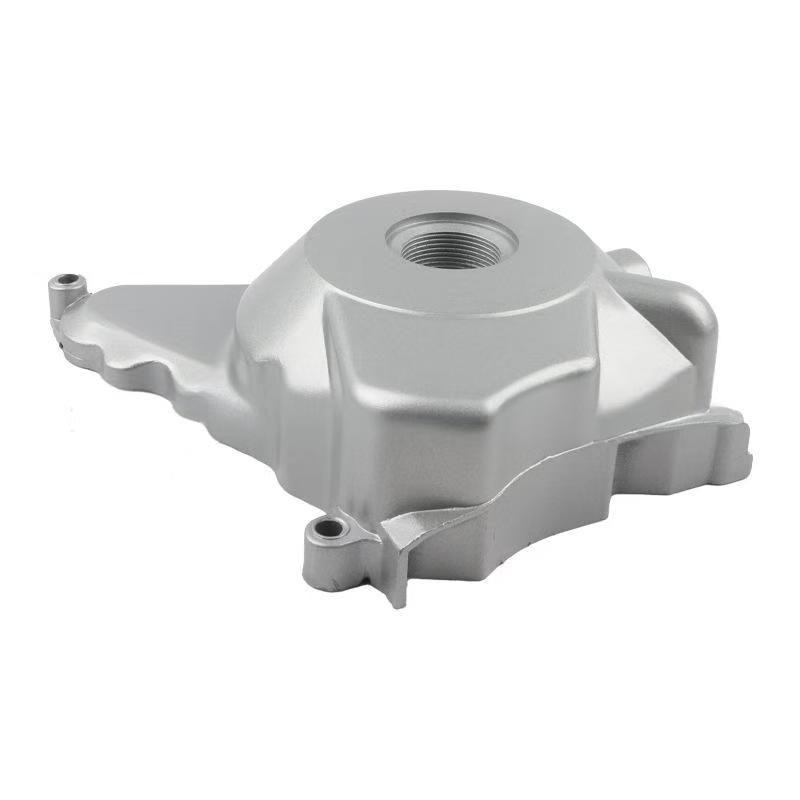
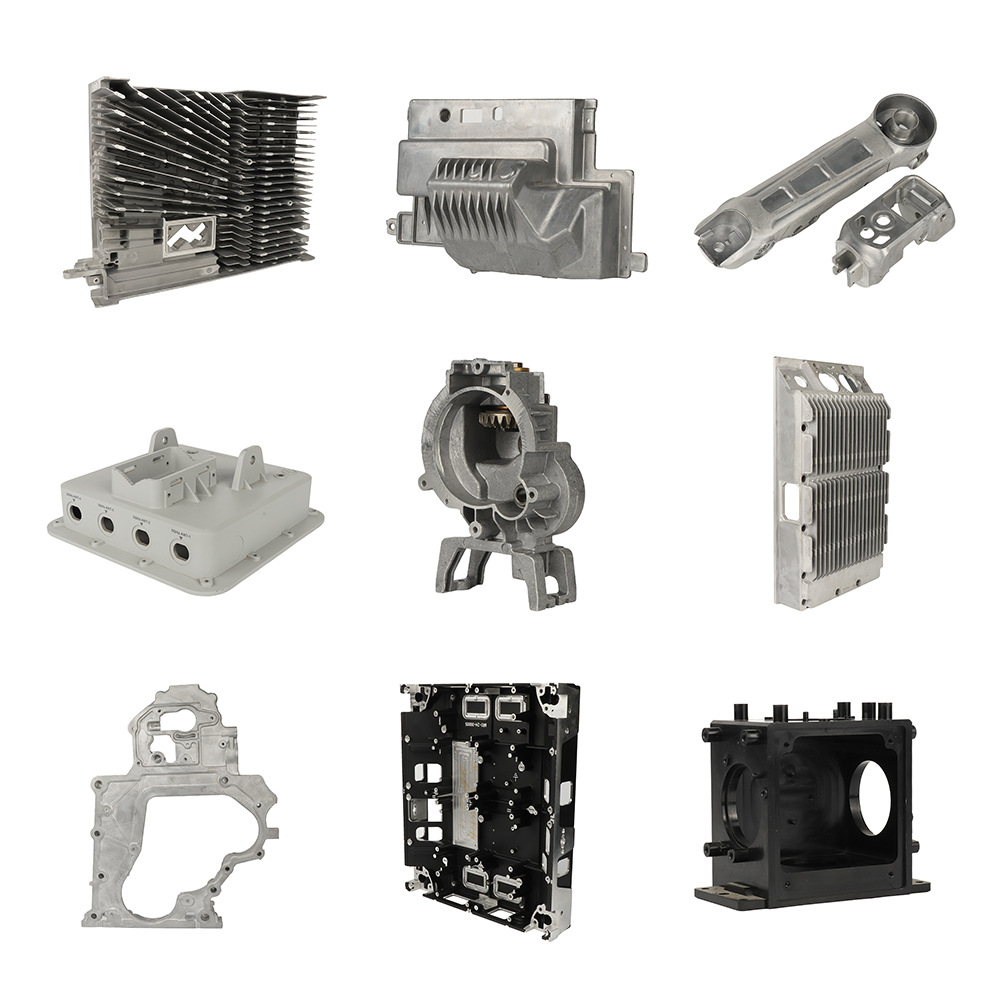
Aluminum gravity casting | What is aluminum gravity die casting? Pros, Cons, Benefits & Supplier Guide
2026-05-07
What is Aluminum Gravity Die Casting? Pros, Cons, Benefits & Supplier Guide
Table of Contents
- 1. What is Aluminum Gravity Die Casting? Definition & Core Process
- 2. Pros & Cons of Aluminum Gravity Die Casting (vs Other Casting Methods)
- 3. Key Benefits of Aluminum Gravity Die Casting
- 4. Common Materials & Applications of Aluminum Gravity Die Casting
- 5. Expert Insights on Aluminum Gravity Die Casting
- 6. FAQs About Aluminum Gravity Die Casting Industry
- 7. Conclusion: Industry Trends & How to Choose a Quality Supplier
1. What is Aluminum Gravity Die Casting? Definition & Core Process
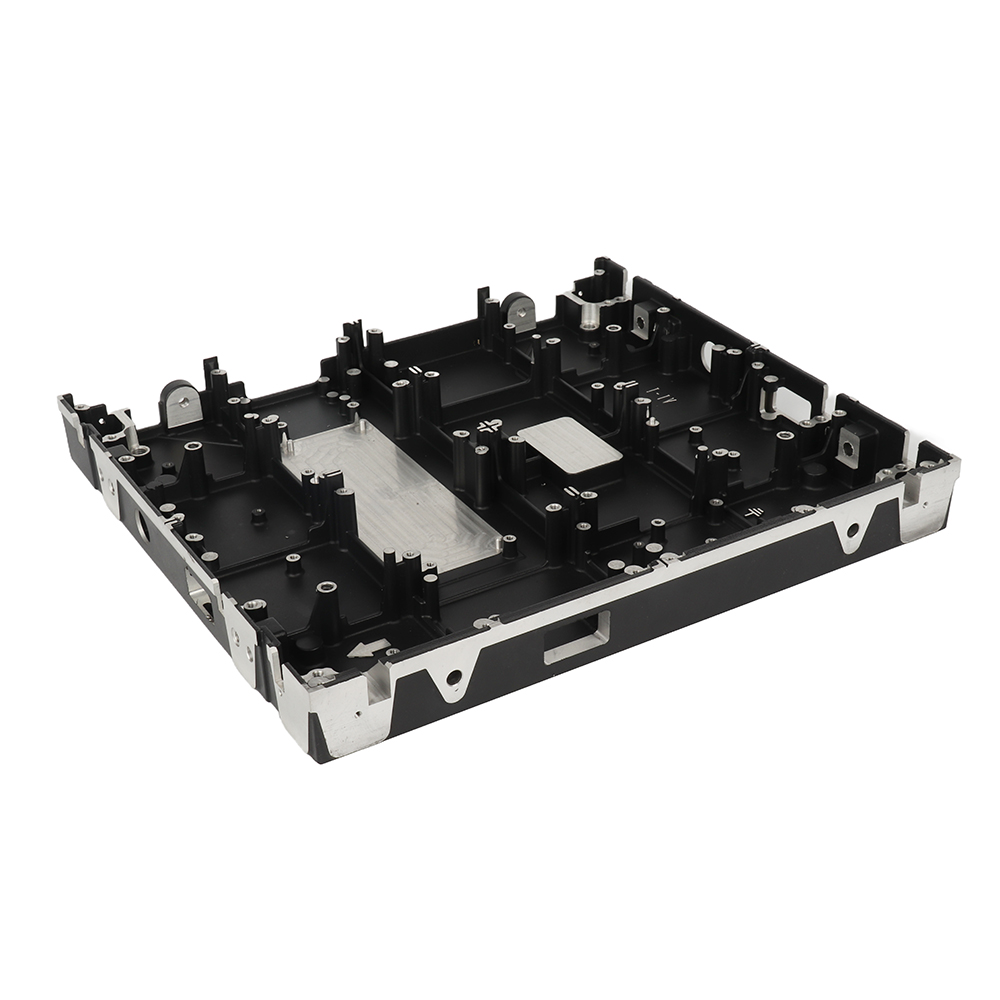
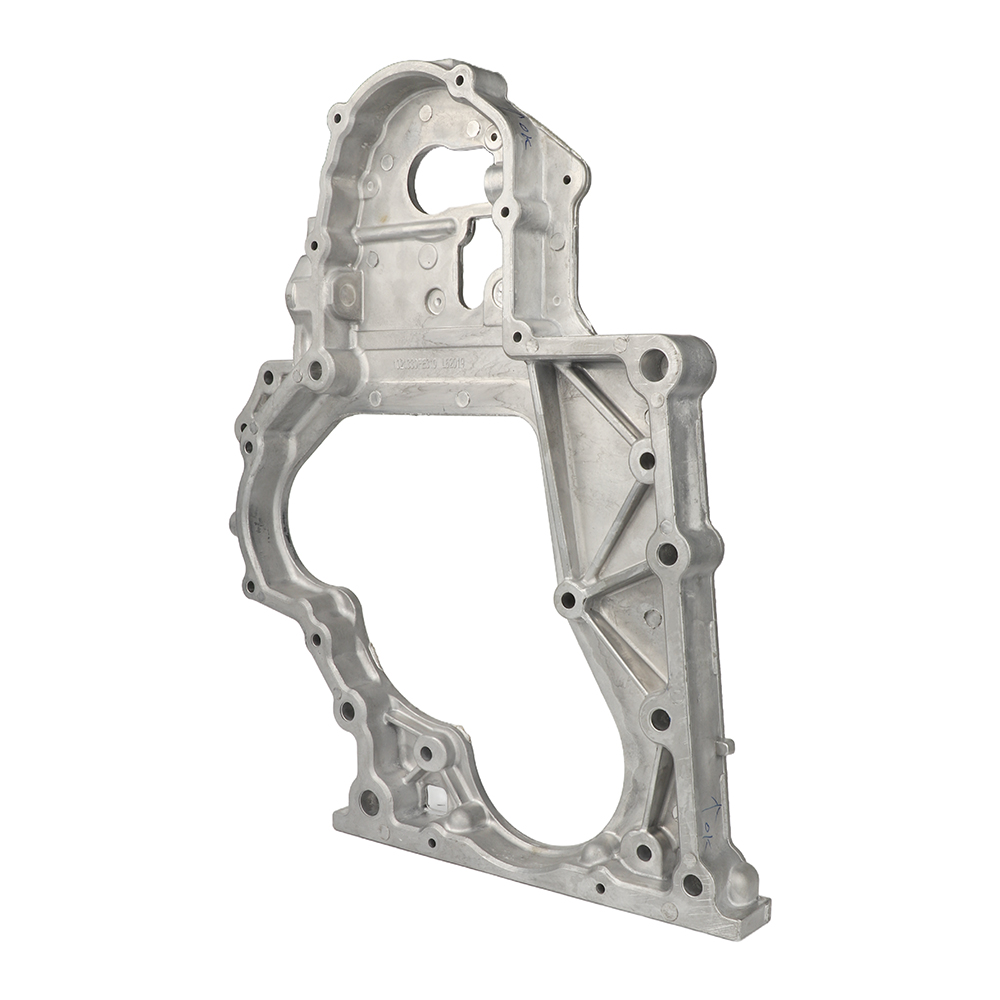
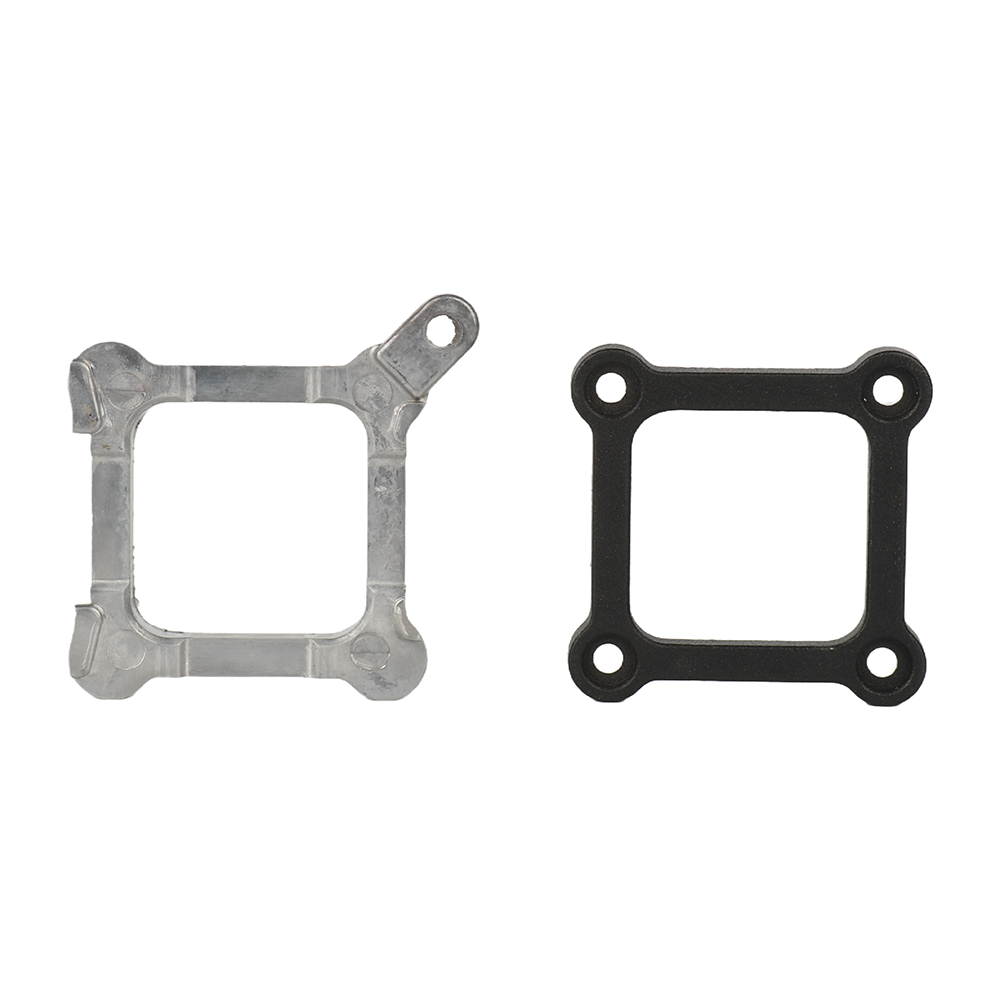
Aluminum gravity die casting, also known as permanent mold casting, is a precision metal casting process that relies on the force of gravity to fill a permanent metal mold (typically made of steel or cast iron) with molten aluminum alloy. Unlike high-pressure die casting (including cold chamber die casting), it does not use external pressure to inject the molten metal—instead, the liquid aluminum flows naturally into the mold cavity under its own weight, ensuring uniform filling and consistent part quality. This process is widely used for producing high-quality aluminum components, leveraging the inherent advantages of aluminum alloys such as lightweight, corrosion resistance, and excellent machinability.
As a traditional yet advanced casting method, aluminum gravity die casting is favored for its simplicity, cost-effectiveness, and ability to produce complex parts with superior structural integrity. It is particularly suitable for medium-to-high volume production, balancing precision and efficiency for a wide range of industrial applications. Xinghang Precision Hardware masters this process, combining it with post-processing technologies like CNC machining to deliver premium aluminum components that meet strict industry standards.
The core process of aluminum gravity die casting can be broken down into 6 key steps, ensuring consistency and quality in every casting:
- Mold Preparation: The permanent metal mold is cleaned, preheated to a controlled temperature (typically 150–300°C), and coated with a refractory release agent to prevent molten aluminum from sticking and ensure a smooth surface finish.
- Melting: Aluminum alloys (e.g., ADC12, A380, A383) are melted in a separate furnace at precise temperatures (650–750°C) to maintain their mechanical properties and fluidity, with strict control to avoid contamination.
- Pouring: The molten aluminum is carefully poured into the mold’s sprue (a channel that guides the metal into the cavity) at a steady rate, relying solely on gravity to fill the entire mold cavity—no external pressure is applied.
- Solidification: The molten aluminum cools and solidifies within the mold, taking on the exact shape of the cavity. The controlled cooling process ensures minimal porosity and uniform structural density.
- Mold Opening & Ejection: Once the aluminum is fully solidified, the mold is opened, and the finished casting is ejected manually or via automated mechanisms. The permanent mold can be reused hundreds to thousands of times, making it cost-effective for mass production.
- Post-Processing: The casting undergoes trimming (to remove excess material from the sprue), CNC machining (for precision refinement), and surface treatment (e.g., powder coating) as needed—steps that Xinghang integrates seamlessly into its one-stop production process.
2. Pros & Cons of Aluminum Gravity Die Casting (vs Other Casting Methods)
To fully understand the value of aluminum gravity die casting, it is essential to compare its advantages and disadvantages with other common casting methods (e.g., cold chamber die casting, sand casting). This comparison helps businesses choose the most suitable process for their specific needs, with aluminum gravity die casting standing out for its unique balance of quality and cost.

2.1 Pros of Aluminum Gravity Die Casting
- Superior Part Quality & Structural Integrity: Gravity filling ensures slow, uniform metal flow, reducing defects like porosity, shrinkage, and air bubbles. The resulting castings have dense, uniform structures with excellent mechanical properties, including high strength and corrosion resistance.
- Cost-Effective for Medium-to-High Volume Production: The permanent mold is reusable (hundreds to thousands of cycles), reducing mold replacement costs compared to sand casting (disposable molds). This makes it ideal for medium-to-high volume orders, lowering per-unit production costs.
- Smooth Surface Finish: The permanent metal mold produces castings with a smooth, consistent surface finish (Ra 1.6–6.3 μm), reducing the need for extensive post-processing (e.g., grinding, polishing) and saving time and costs.
- Precise Dimensional Accuracy: It achieves tight dimensional tolerances (typically ±0.1–0.2 mm), ensuring consistent fit and compatibility with other components. With post-processing like CNC machining, tolerances can be further refined to meet customer-specific requirements.
- Environmentally Friendly: The reusable mold minimizes waste, and aluminum is 100% recyclable—aligning with green manufacturing trends. The process also uses less energy compared to high-pressure die casting, reducing carbon emissions.
- Flexibility in Design: It supports complex geometries, including thin walls (as low as 3 mm), internal cavities, and integrated features (e.g., mounting holes, grooves), eliminating the need for welded assemblies and reducing downstream operations.
2.2 Cons of Aluminum Gravity Die Casting
- Longer Cycle Times Than High-Pressure Die Casting: Gravity filling is slower than high-pressure injection, resulting in longer cycle times (typically 1–5 minutes per part). This makes it less suitable for extremely high-volume production (e.g., millions of parts annually) compared to cold chamber die casting.
- Higher Initial Mold Costs: Permanent metal molds are more expensive to design and manufacture than sand molds, making the initial setup cost higher. This can be a barrier for small-batch production or low-budget projects.
- Limited to Medium-Sized Parts: It is not ideal for extremely large or heavy parts (over 50 kg), as gravity may not ensure uniform filling of large cavities. For such parts, cold chamber die casting or sand casting is more suitable.
- Not Suitable for High-Melting-Point Alloys (Beyond Aluminum/Magnesium): While perfect for aluminum and magnesium alloys, the process is not suitable for high-melting-point metals (e.g., copper, steel), which would damage the permanent mold.
2.3 Comparison with Other Casting Methods
| Casting Method | Key Advantages | Key Disadvantages | Best For |
|---|---|---|---|
| Aluminum Gravity Die Casting | Superior quality, smooth surface, cost-effective for medium-high volume, precise tolerances | Longer cycle times, high initial mold cost, limited to medium-sized parts | Medium-high volume, precision aluminum components for industrial/automotive use |
| Cold Chamber Die Casting | Fast cycle times, suitable for high-melting-point alloys, large parts | Higher equipment cost, more defects (porosity) than gravity casting | High-volume, large, high-strength components (e.g., engine blocks) |
| Sand Casting | Low initial cost, suitable for large/complex parts | Poor surface finish, low precision, high waste | Small-batch, large, low-precision parts |
3. Key Benefits of Aluminum Gravity Die Casting
Despite its minor limitations, aluminum gravity die casting offers unique benefits that make it the preferred choice for many industrial applications, especially when quality, cost-effectiveness, and precision are top priorities. These benefits are amplified when partnered with a professional manufacturer like Xinghang Precision Hardware, which leverages advanced technology to maximize the process’s potential.
- Enhanced Durability & Reliability: The slow, uniform filling process reduces internal defects, resulting in castings with high structural integrity and durability. These parts can withstand harsh industrial environments, including high temperatures, pressure, and corrosion—making them ideal for long-term use in industrial equipment, automotive components, and more.
- Cost Savings in the Long Run: While initial mold costs are higher, the reusable permanent mold and reduced post-processing needs lower per-unit costs for medium-to-high volume production. Fewer defects also mean less rework and waste, further reducing overall production costs.
- Consistent Quality Across Batches: The permanent mold ensures consistent dimensional accuracy and surface finish across all castings, eliminating batch-to-batch variations. This is critical for industries that require uniform components for assembly (e.g., automotive, electronics).
- Compatibility with Recyclable Materials: Aluminum is 100% recyclable, and aluminum gravity die casting can use recycled aluminum alloys without compromising quality. This aligns with global sustainability goals and helps businesses reduce their environmental footprint, while also lowering material costs (recycled aluminum is often more affordable than primary aluminum).
- Reduced Lead Time for Production: Once the mold is manufactured, the production process is streamlined, with minimal setup time for each batch. This reduces lead times compared to sand casting, ensuring faster delivery of products to customers.
- Customization Flexibility: Professional manufacturers like Xinghang can design custom permanent molds to meet unique customer requirements, including complex geometries, custom sizes, and specific mechanical properties. This flexibility makes aluminum gravity die casting suitable for a wide range of industrial applications.
4. Common Materials & Applications of Aluminum Gravity Die Casting
Aluminum gravity die casting is widely used across industries that require high-quality, precision aluminum components. Below are its common materials and key applications, many of which are core focus areas for Xinghang Precision Hardware.
4.1 Common Materials
The most widely used materials in aluminum gravity die casting are aluminum alloys, chosen for their excellent castability, strength, and corrosion resistance. The most common alloys include:
- ADC12: A popular alloy with good machinability and strength, ideal for industrial components, automotive parts, and electronic enclosures. It is one of the most widely used casting aluminum alloys globally, known for its balanced properties.
- A380: A high-strength alloy with excellent corrosion resistance, suitable for components exposed to harsh environments (e.g., industrial machinery, marine applications).
- A383: A low-silicon alloy with superior surface finish, ideal for parts that require minimal post-processing (e.g., decorative components, automotive trim).
Xinghang Precision Hardware specializes in these aluminum alloys, ensuring each casting meets the highest material standards and customer requirements.
4.2 Key Applications
Aluminum gravity die casting components are essential in various high-demand industries, driven by the need for precision, durability, and cost-effectiveness. Key applications include:
- Automotive Industry: Engine brackets, transmission housings, wheel rims, and door handles—leveraging aluminum’s lightweight properties to improve fuel efficiency and reduce vehicle weight.
- Industrial Equipment: Pump housings, valve bodies, gearboxes, and machine frames—requiring high strength and durability for heavy-duty use, a core application area for Xinghang’s products.
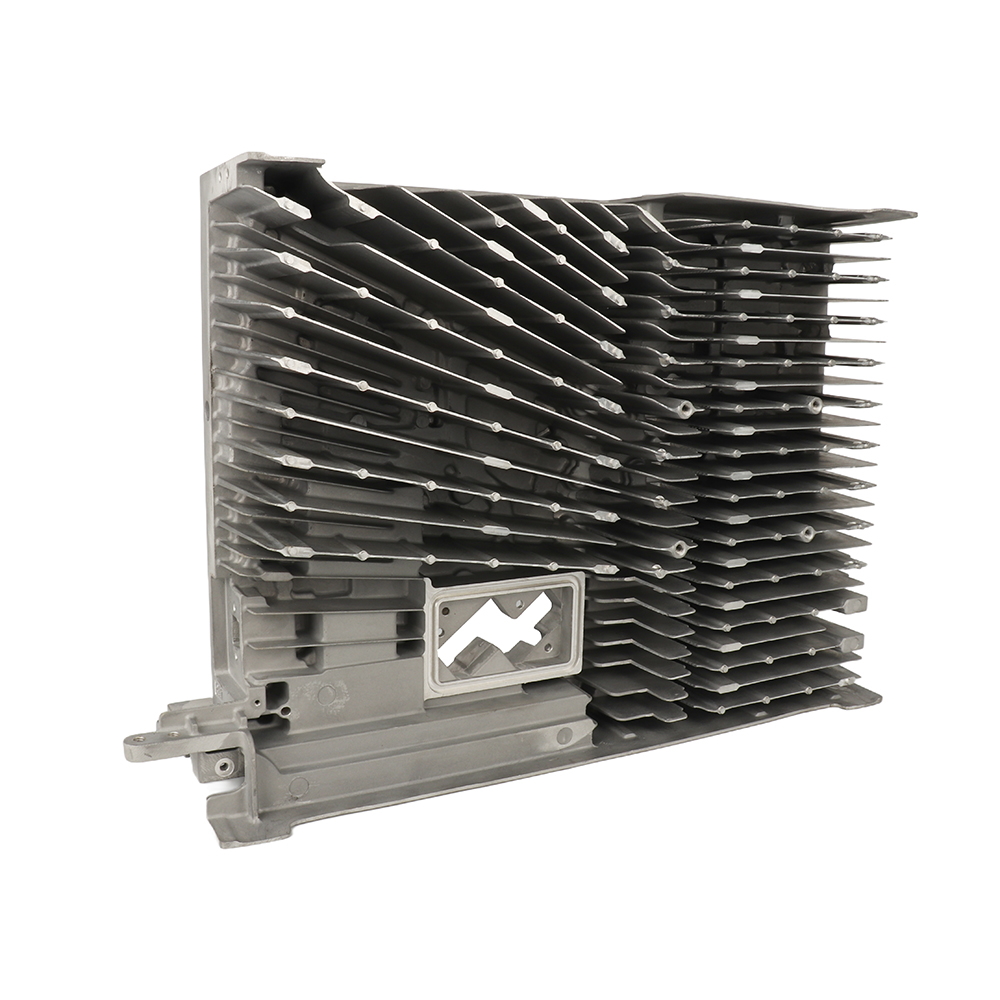
- Electronics Industry: Electronic enclosures, heat sinks, and connector housings—benefiting from the process’s precision and smooth surface finish, ensuring compatibility with sensitive electronic components.
- Medical Equipment: Surgical instrument components, diagnostic machine housings, and medical device frames—requiring high precision and corrosion resistance, critical for medical applications.
- Renewable Energy: Solar panel brackets, wind turbine components, and inverter housings—needing durability and resistance to outdoor environmental conditions (e.g., rain, wind, extreme temperatures).
5. Expert Insights on Aluminum Gravity Die Casting
To gain deeper insights into the value and future of aluminum gravity die casting, we interviewed Dr. Emily Watson, a senior materials engineer with over 20 years of experience in aluminum casting technology, mold design, and industrial manufacturing consulting—recognized as an industry authority on gravity die casting processes.
“Aluminum gravity die casting is a timeless yet innovative process that strikes the perfect balance between quality and cost-effectiveness,” says Dr. Watson. “Unlike high-pressure die casting, which can introduce porosity and defects due to rapid injection, gravity casting’s slow, natural filling process creates denser, more reliable components. This makes it ideal for applications where structural integrity is non-negotiable—such as industrial equipment and automotive parts. What’s often overlooked is its sustainability: the reusable mold and recyclable aluminum align with global green manufacturing trends, making it a smart choice for businesses looking to reduce their environmental impact.”
Dr. Watson also emphasized: “The success of aluminum gravity die casting depends on two critical factors: precision mold design and strict process control. Suppliers like Xinghang Precision Hardware, which invest in high-quality permanent molds and implement rigorous temperature and pouring control, are able to deliver consistent, high-performance castings. As industries continue to prioritize lightweight, durable components, aluminum gravity die casting will remain a vital process—especially for medium-to-high volume production. Its flexibility in customization and compatibility with recycled materials make it future-proof, and suppliers that offer integrated services (casting + CNC machining + surface treatment) are best positioned to meet the evolving needs of global manufacturers. Xinghang’s one-stop model is exactly what the industry needs, combining expertise in gravity casting with post-processing to deliver turnkey solutions.”
6. FAQs About Aluminum Gravity Die Casting Industry
Q1: What is the difference between aluminum gravity die casting and cold chamber die casting?
A: The key difference is the filling method. Aluminum gravity die casting uses gravity to fill the mold with molten aluminum, while cold chamber die casting uses high pressure (900–1200bar) to inject the metal. Gravity casting produces denser, lower-porosity parts with a smoother surface, while cold chamber die casting has faster cycle times and is suitable for larger, high-volume parts. Gravity casting is more cost-effective for medium-volume production, while cold chamber is better for high-volume, large components.
Q2: What is the typical tolerance for aluminum gravity die cast parts?
A: Aluminum gravity die casting typically achieves dimensional tolerances of ±0.1–0.2 mm for small to medium parts. With post-processing like CNC machining (as done by Xinghang Precision Hardware), tolerances can be further refined to ±0.05 mm or lower, meeting customer-specific drawing requirements.
Q3: Can aluminum gravity die casting produce custom components?
A: Yes. Aluminum gravity die casting supports custom designs, including complex geometries, thin walls, and integrated features. Xinghang Precision Hardware has a professional R&D and mold design team that can create custom permanent molds and process parameters to meet unique customer requirements, making it a flexible solution for industrial applications.
Q4: What are the common defects in aluminum gravity die casting, and how to avoid them?
A: Common defects include cold shuts (incomplete filling), shrinkage, and porosity. These can be avoided by strict temperature control (molten aluminum and mold temperature), steady pouring rates, high-quality mold design (with proper exhaust channels), and 100% quality inspection—all practices implemented by Xinghang Precision Hardware to ensure zero-defect products.
Q5: Is aluminum gravity die casting environmentally friendly?
A: Yes. The process uses reusable permanent molds, minimizing waste compared to sand casting (disposable molds). Additionally, aluminum is 100% recyclable, and aluminum gravity die casting can use recycled aluminum alloys without compromising quality. This aligns with global sustainability trends and helps businesses reduce their carbon footprint.
Q6: What industries benefit most from aluminum gravity die casting?
A: Industries that require medium-to-high volume, precision aluminum components with superior structural integrity benefit most, including automotive, industrial equipment, electronics, medical equipment, and renewable energy. These industries rely on the process’s balance of quality, cost-effectiveness, and flexibility to meet their unique needs.
7. Conclusion: Aluminum Gravity Die Casting Industry Trends & Quality Supplier Selection
7.1 Aluminum Gravity Die Casting Industry Trends
The aluminum gravity die casting industry is poised for steady growth in the coming years, driven by several key trends reshaping global manufacturing. First, the increasing demand for lightweight, durable components—especially in the automotive and industrial sectors—continues to boost adoption, as aluminum gravity die casting delivers high-quality parts that enable fuel efficiency and performance improvements. Second, sustainability is a growing priority: the use of recyclable aluminum alloys and reusable molds aligns with global environmental regulations, making aluminum gravity die casting a more eco-friendly choice compared to other casting methods. Third, automation and digitalization are becoming integral to the process, with automated pouring systems, AI-driven temperature control, and digital quality inspection reducing human error, improving cycle times, and enhancing consistency. Additionally, the industry is seeing a shift toward integrated production models, where aluminum gravity die casting is combined with CNC machining, surface treatment, and assembly—creating a one-stop solution for manufacturers. According to industry reports, the global aluminum gravity die casting market is expected to grow steadily, with Asia (especially China) emerging as a key growth region due to its robust manufacturing sector and increasing demand for precision components.
7.2 How to Choose a Quality Aluminum Gravity Die Casting Supplier
Selecting a high-quality aluminum gravity die casting supplier is critical to ensuring product quality, reliability, and long-term cost efficiency. When evaluating suppliers, focus on these key criteria:
- Integrated Production Capabilities: Look for suppliers that offer end-to-end services, including R&D, mold design, aluminum gravity die casting, CNC machining, surface treatment, and assembly. This streamlines the supply chain and ensures consistent quality control throughout the production process.
- Advanced Equipment & Process Control: Suppliers should invest in high-quality permanent molds, precision melting furnaces, and automated pouring systems to ensure consistent part quality. Strict temperature and process control are essential for minimizing defects.
- Relevant Industry Certifications: Ensure the supplier holds ISO9001, IATF16949 (automotive), RoHS, and ISO14001 certifications—these validate a supplier’s commitment to quality and environmental standards.
- Experience & Expertise: Choose a supplier with proven experience in aluminum gravity die casting, especially in your industry. Suppliers with expertise in custom applications can better meet unique requirements.
- Strict Quality Control: Look for suppliers that implement 100% quality inspection throughout the production process, ensuring only qualified parts are delivered. This minimizes defects and reduces rework costs.
7.3 Choose Xinghang Precision Hardware: Your Trusted Aluminum Gravity Die Casting Partner
For businesses seeking a reliable, high-performance aluminum gravity die casting supplier, Xinghang Precision Hardware is your ideal choice. With years of experience in precision manufacturing, we embody all the key qualities of a top-tier supplier: we integrate R&D design, mold manufacturing, aluminum gravity die casting, precision CNC machining, surface treatment, and assembly into a one-stop service. Our modern factory is equipped with advanced gravity die casting equipment, precision melting furnaces, and automated systems, ensuring precision, efficiency, and consistency in every part.
We hold ISO9001/IATF16949/RoHS/ISO14001 certifications, adhere to strict quality control processes (including 100% inspection), and specialize in custom solutions tailored to your unique industrial needs—whether you require small precision components or medium-sized, heavy-duty castings. Our expertise in aluminum alloys (ADC12, A380, A383) and gravity die casting ensures we deliver high-quality products that meet and exceed your expectations, backed by professional service and on-time delivery.
To discuss your aluminum gravity die casting requirements, request a quote, or learn more about our capabilities, contact us today:
Mobile/WeChat: +86 18819502691
Email: liqine@xinghangcn.com
Email: liqine@xinghangcn.com
Custom aluminum casting | What is the customization process for aluminum castings? A Complete Guide
Cold chamber die casting | What is cold chamber die casting? Process, Benefits & Top Supplier Guide
Related Article

Residential energy storage systems have become increasingly popular as homeowners pursue energy independence, solar self-consumption and backup power for grid outages.
Energy storage enclosure | What Are the Benefits of Die-Cast Home Energy Storage Enclosures?

A custom LED display frame is the core structural carrier for LED screen modules, widely manufactured with ADC12 aluminum alloy via high-pressure die casting.
LED display frame | What Are the Benefits of Custom LED Display Frames?

