
HOT PRODUCTS
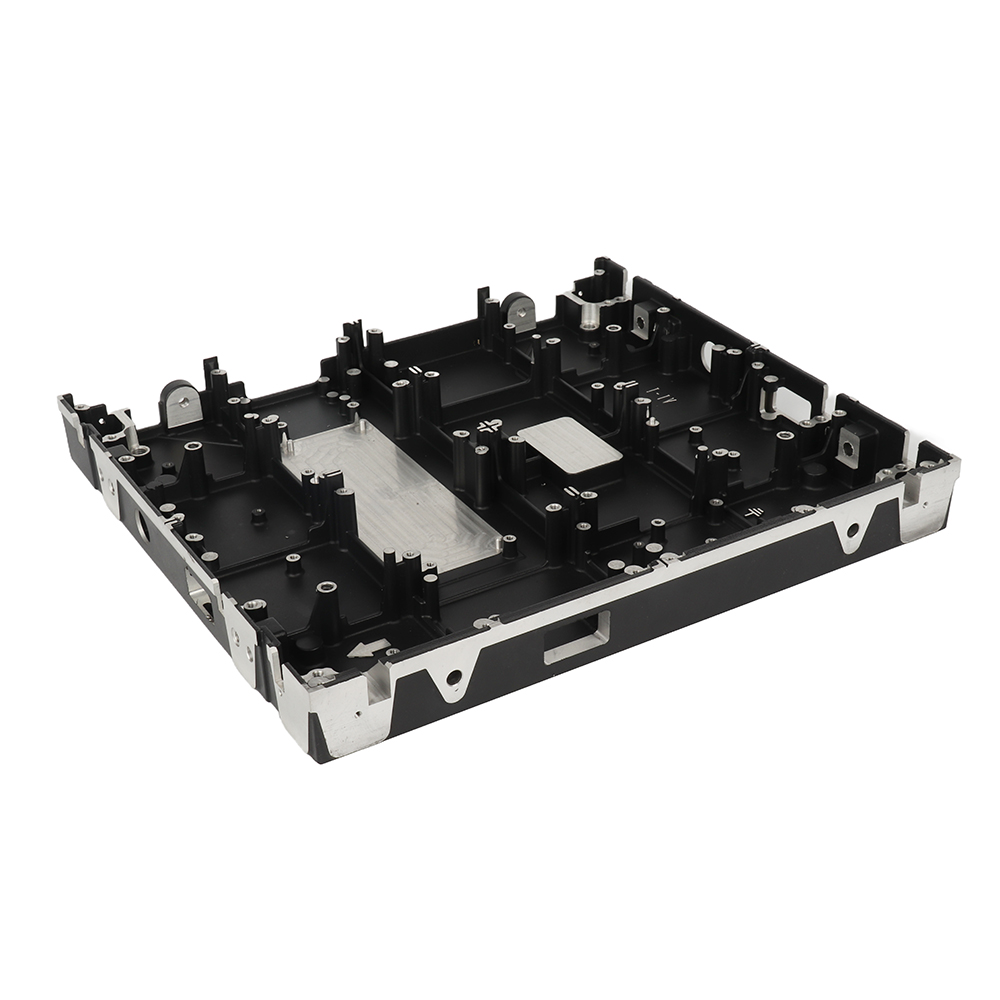
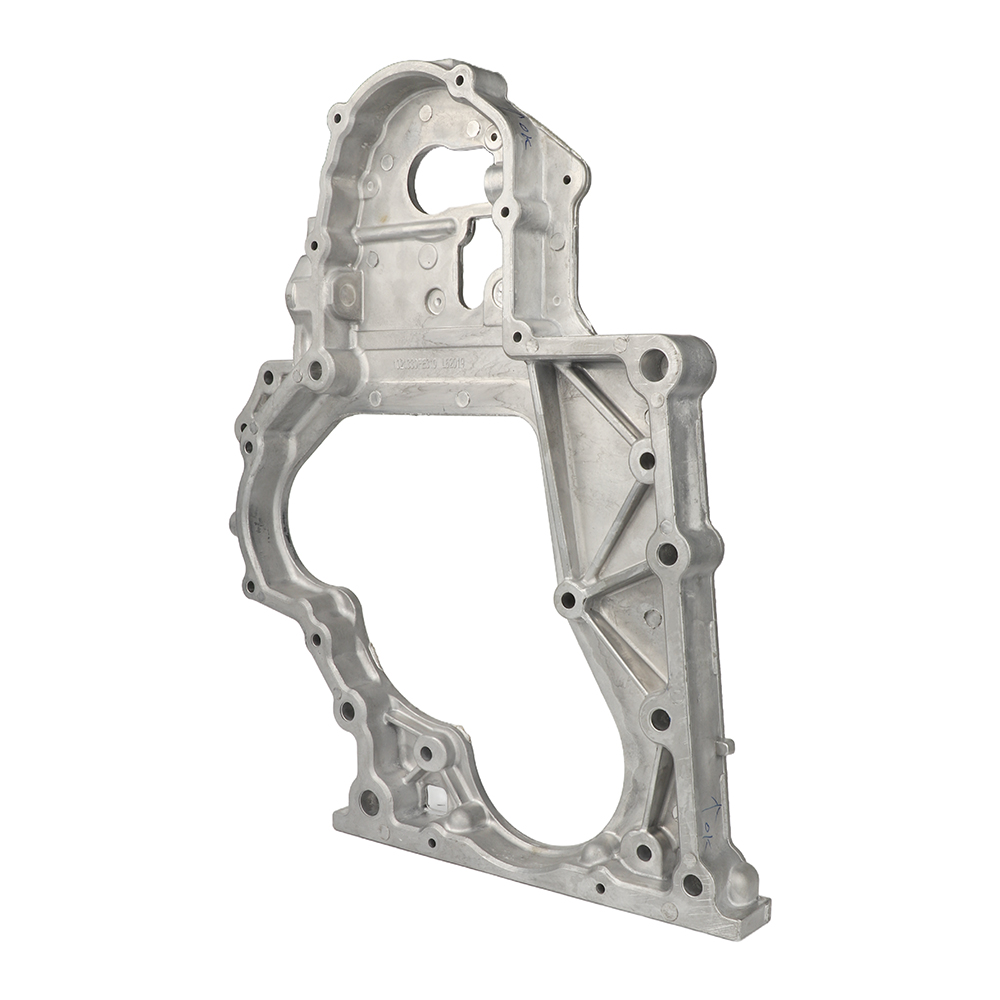
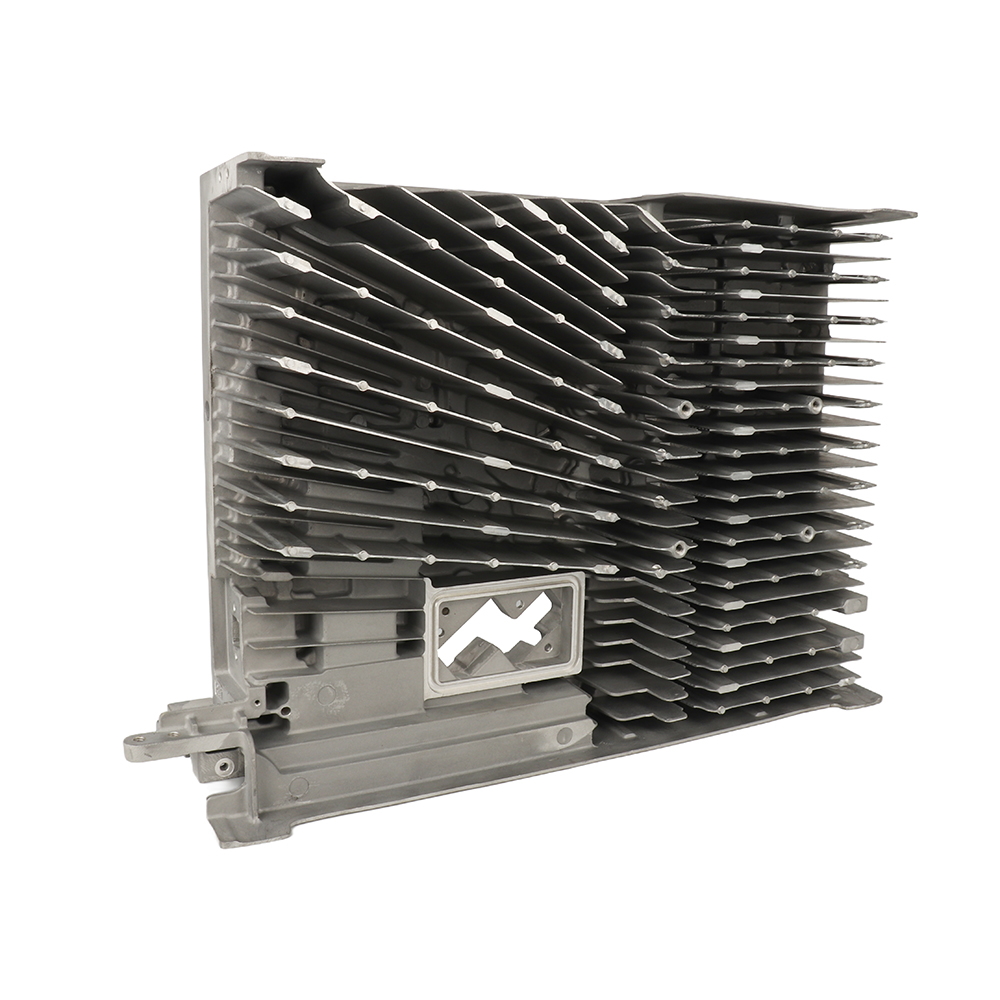
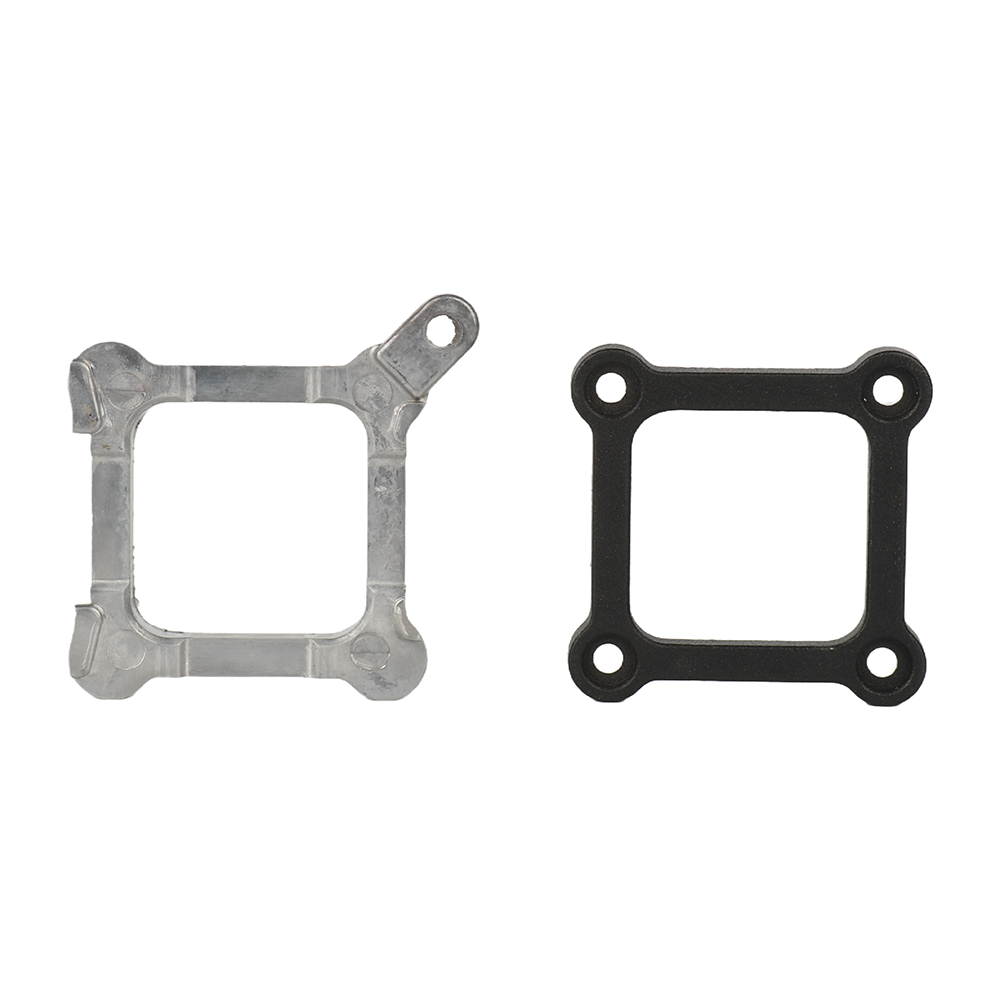
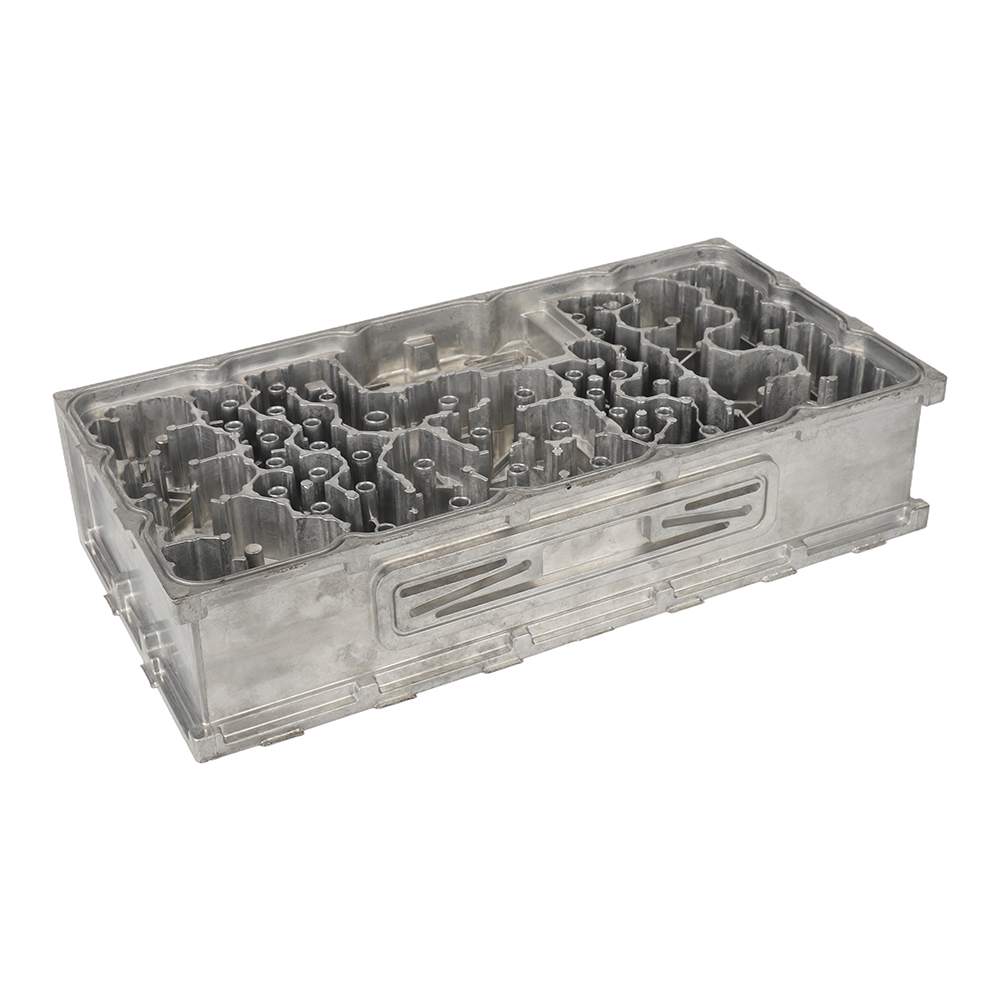
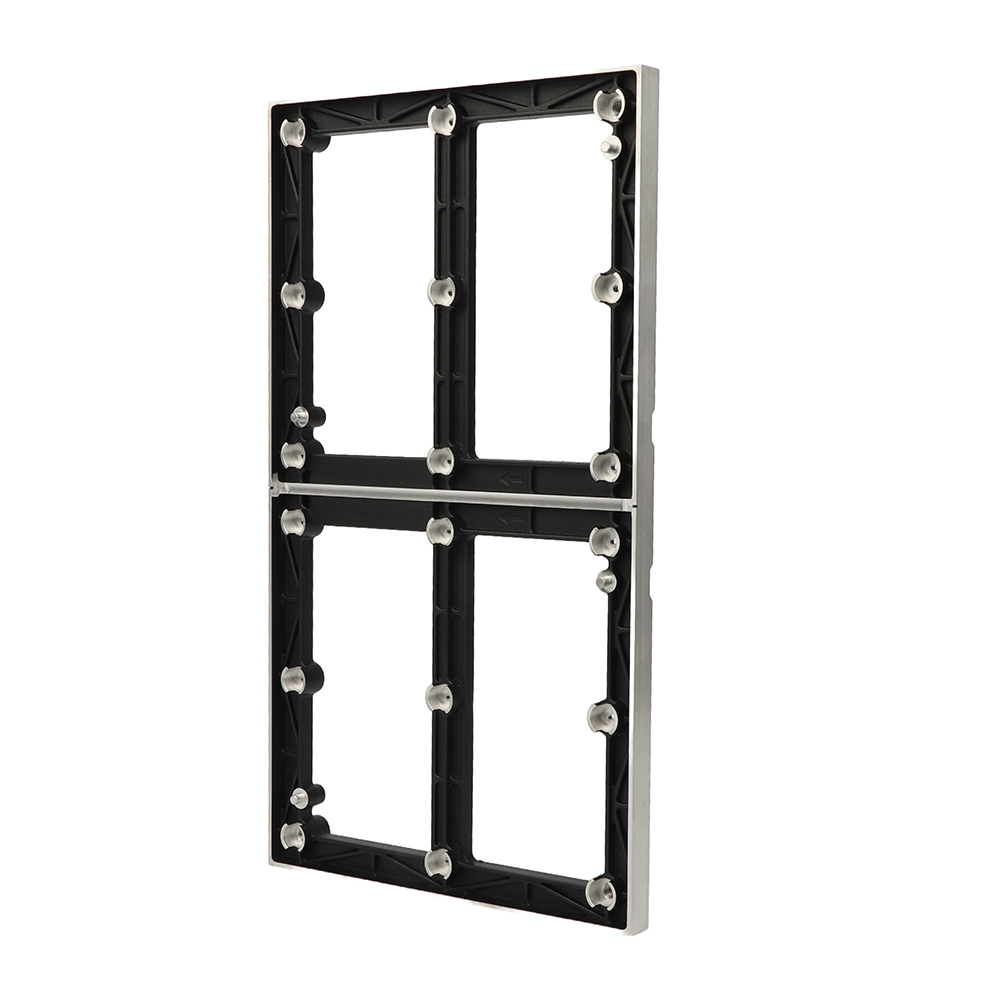
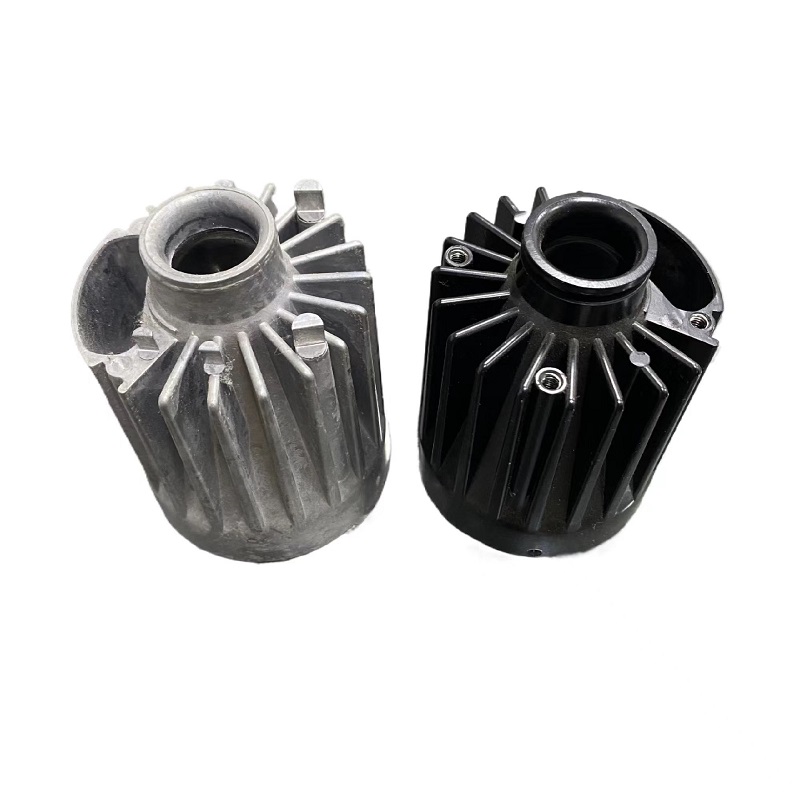
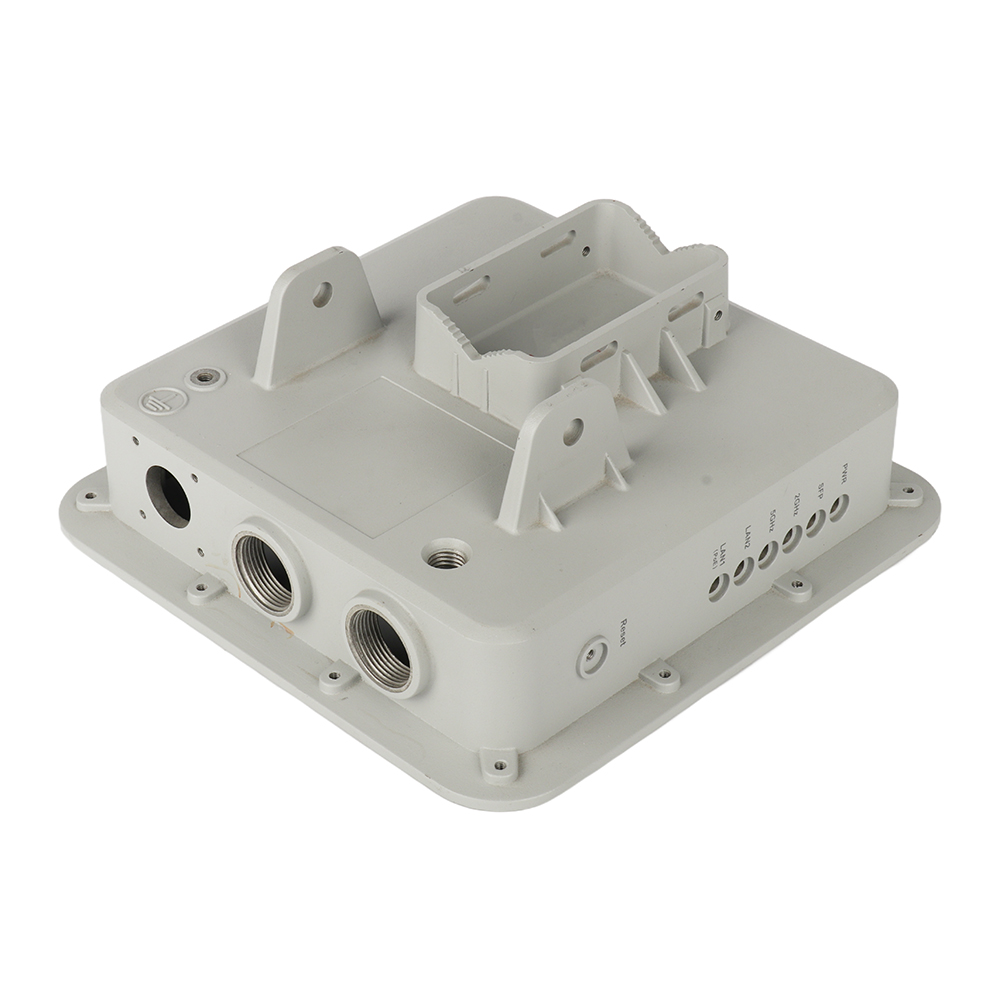
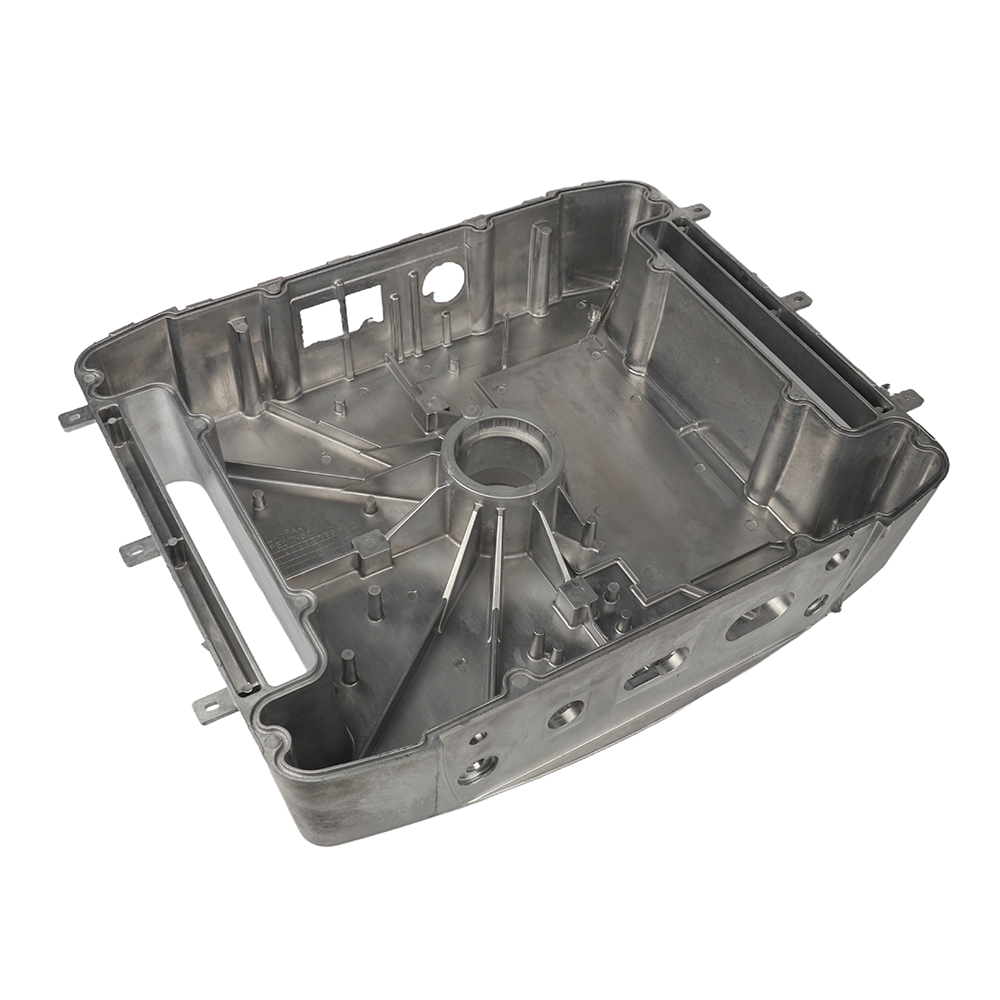
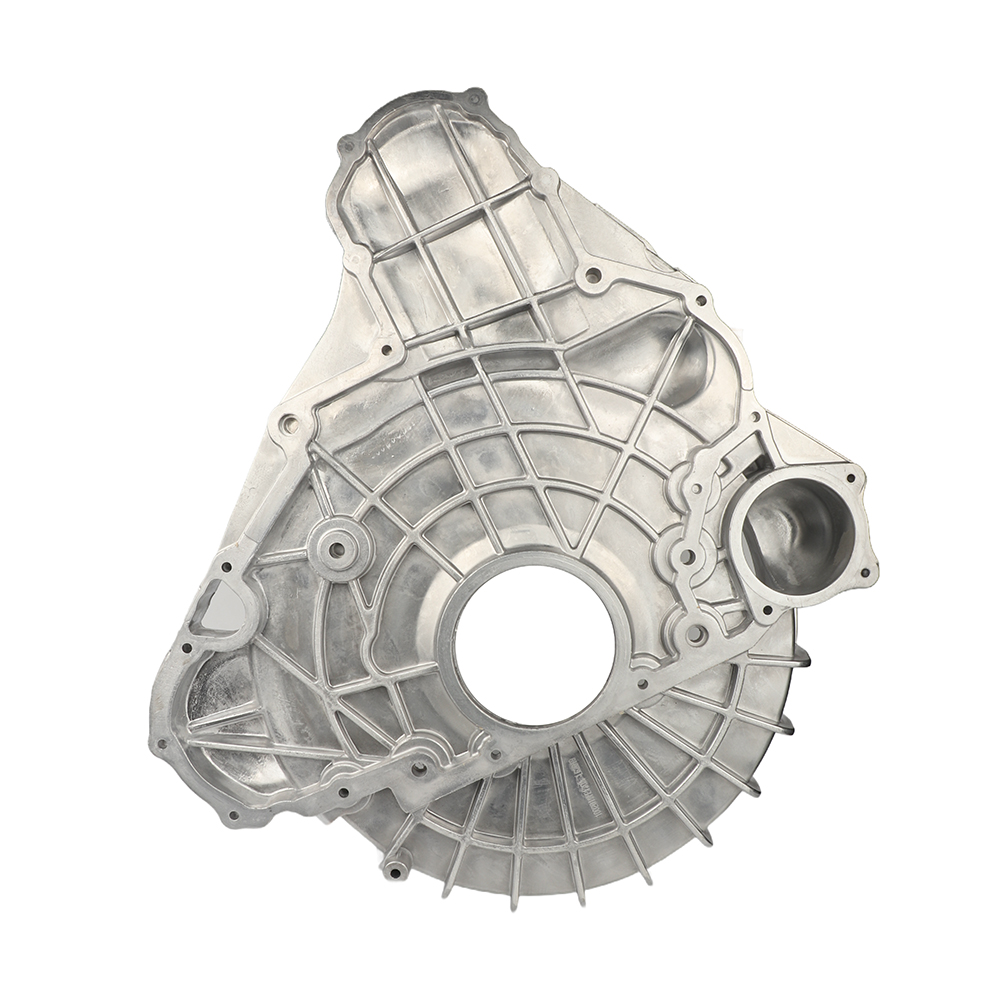
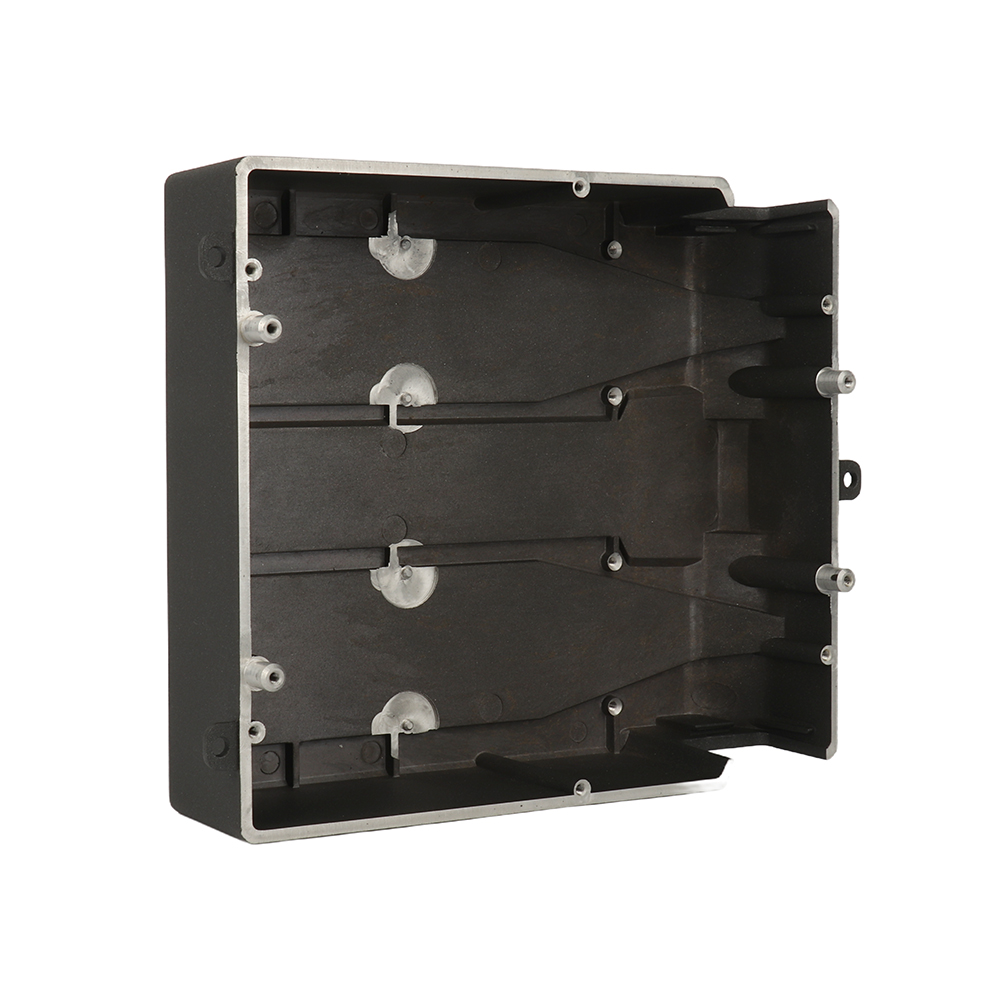
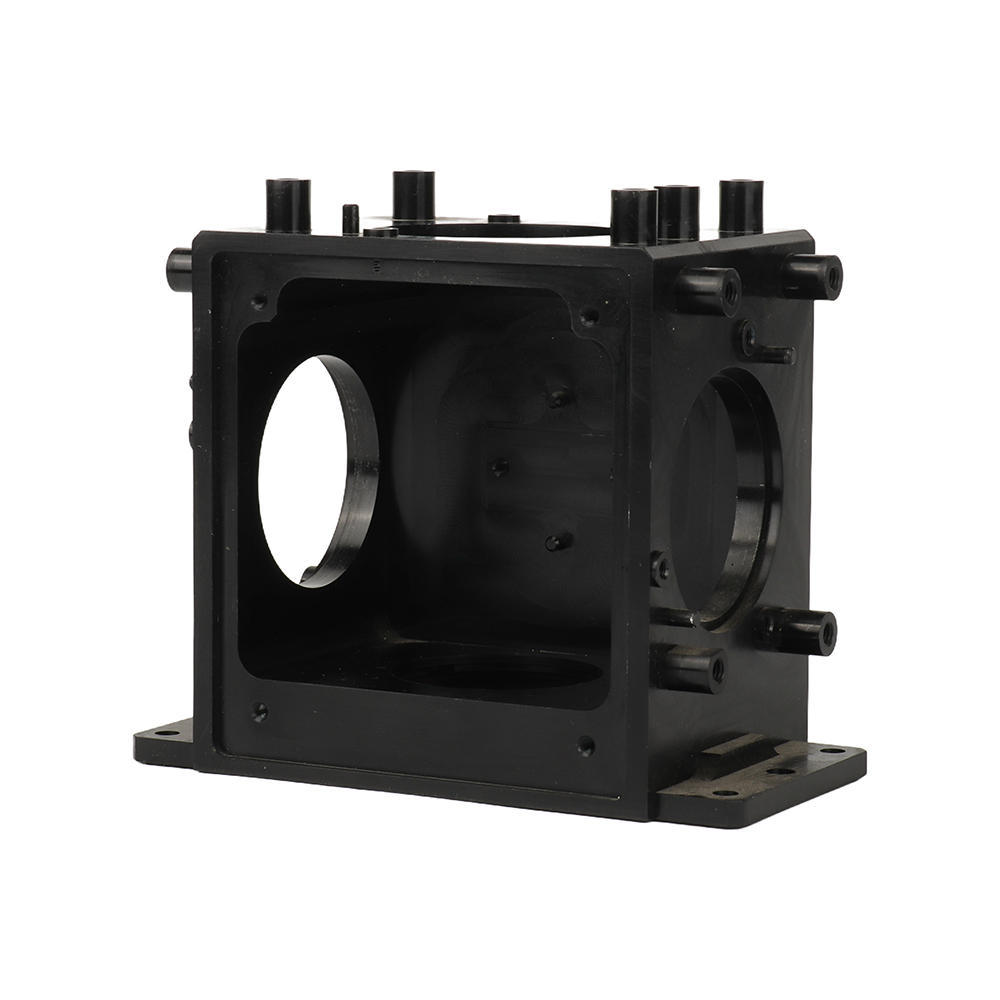
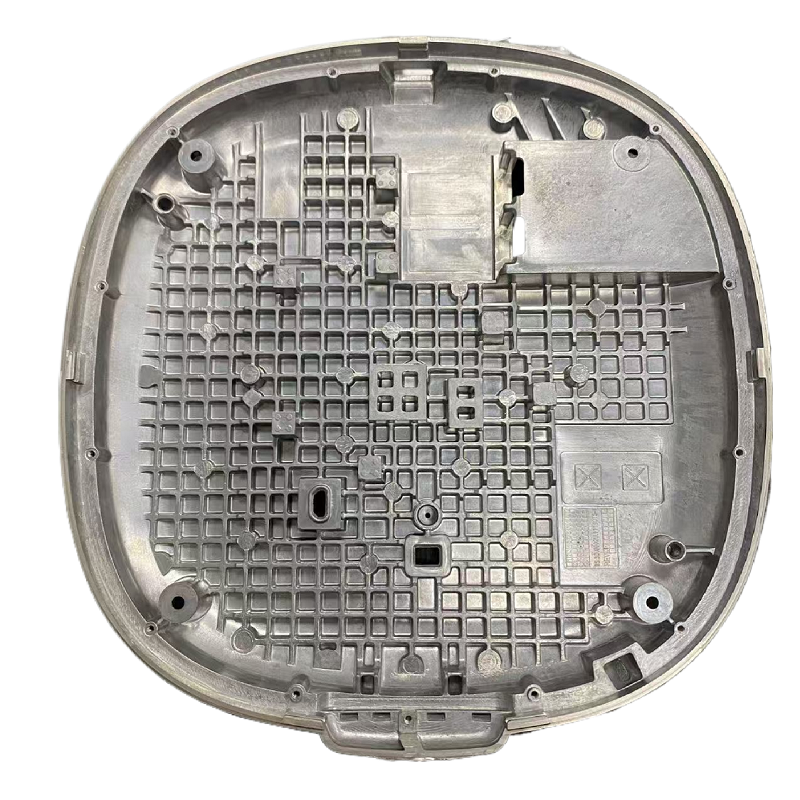
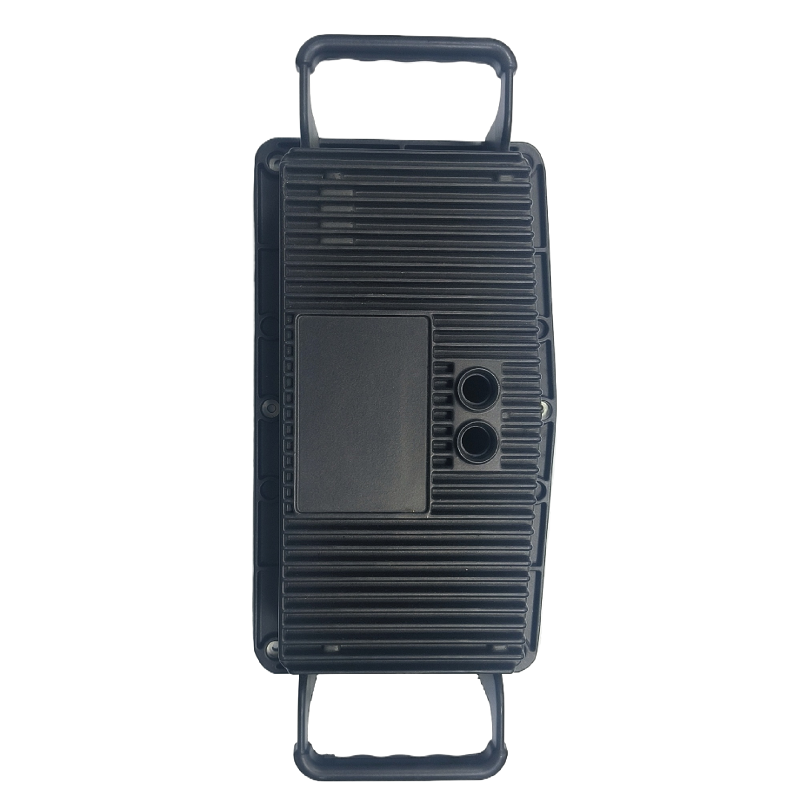
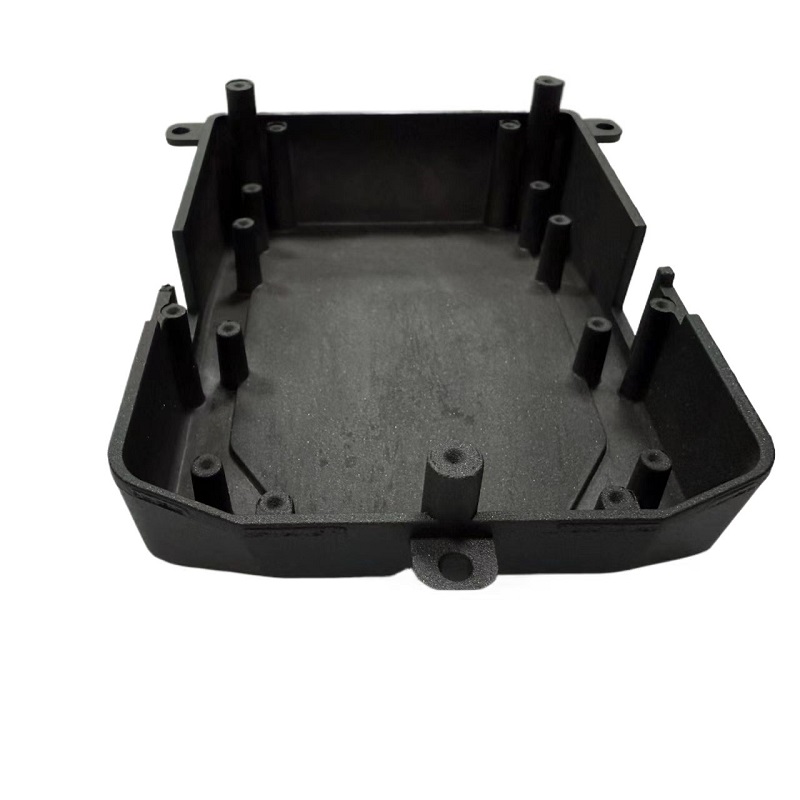
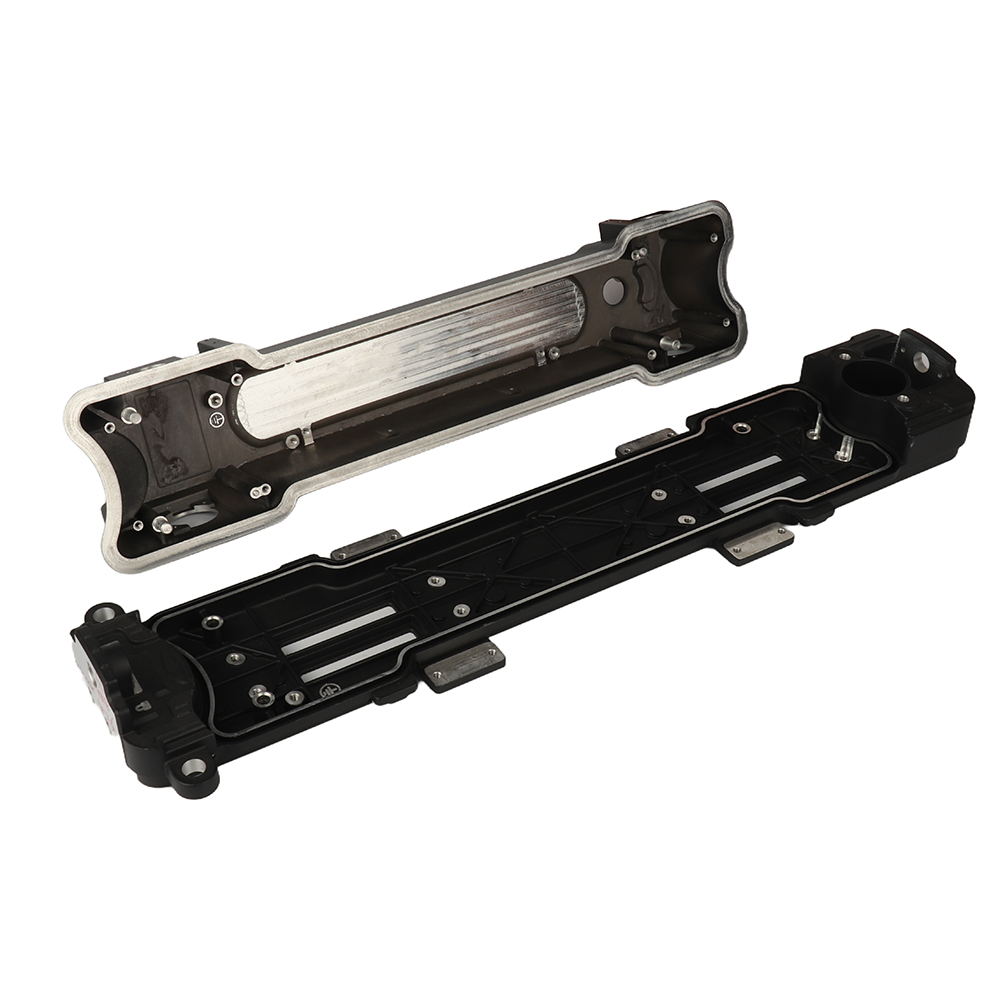
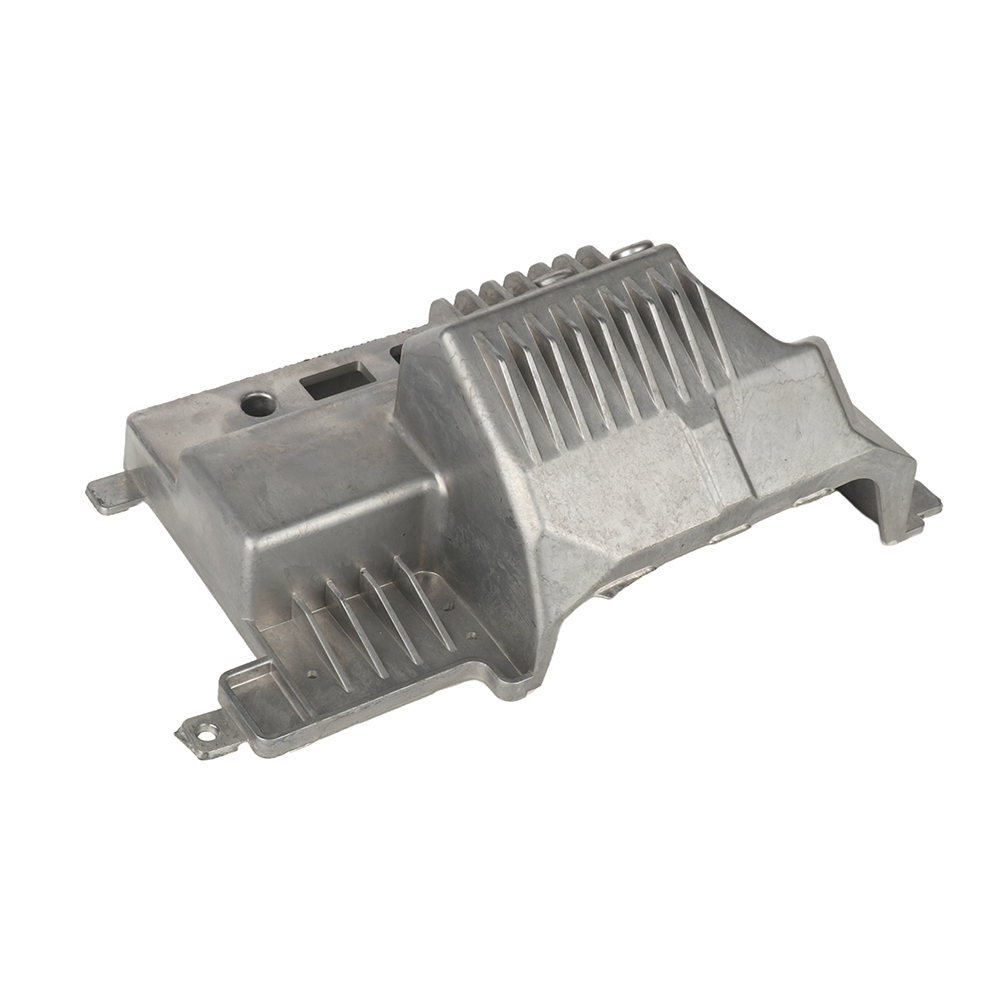
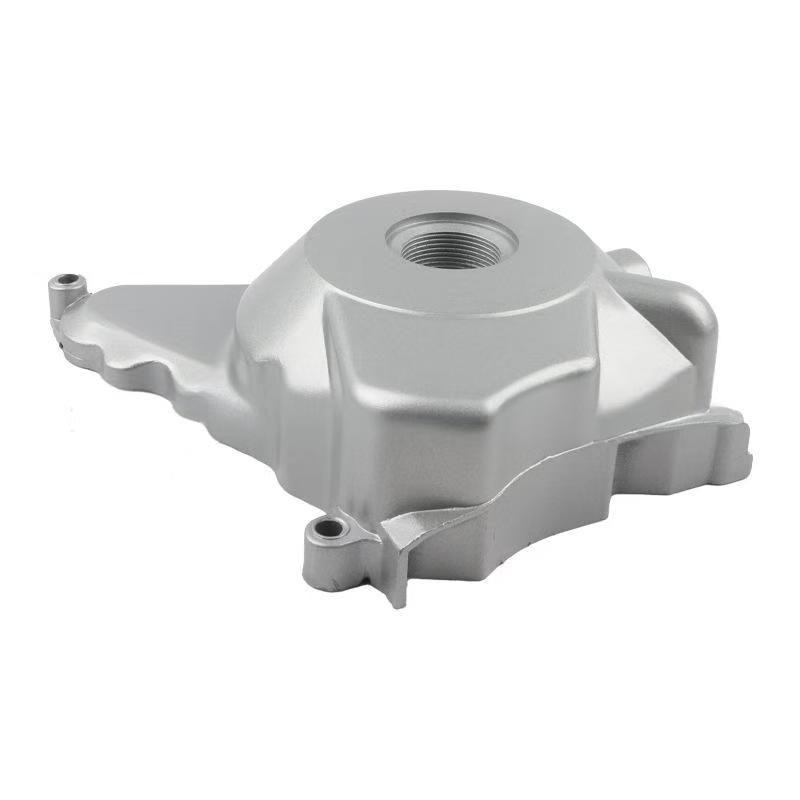
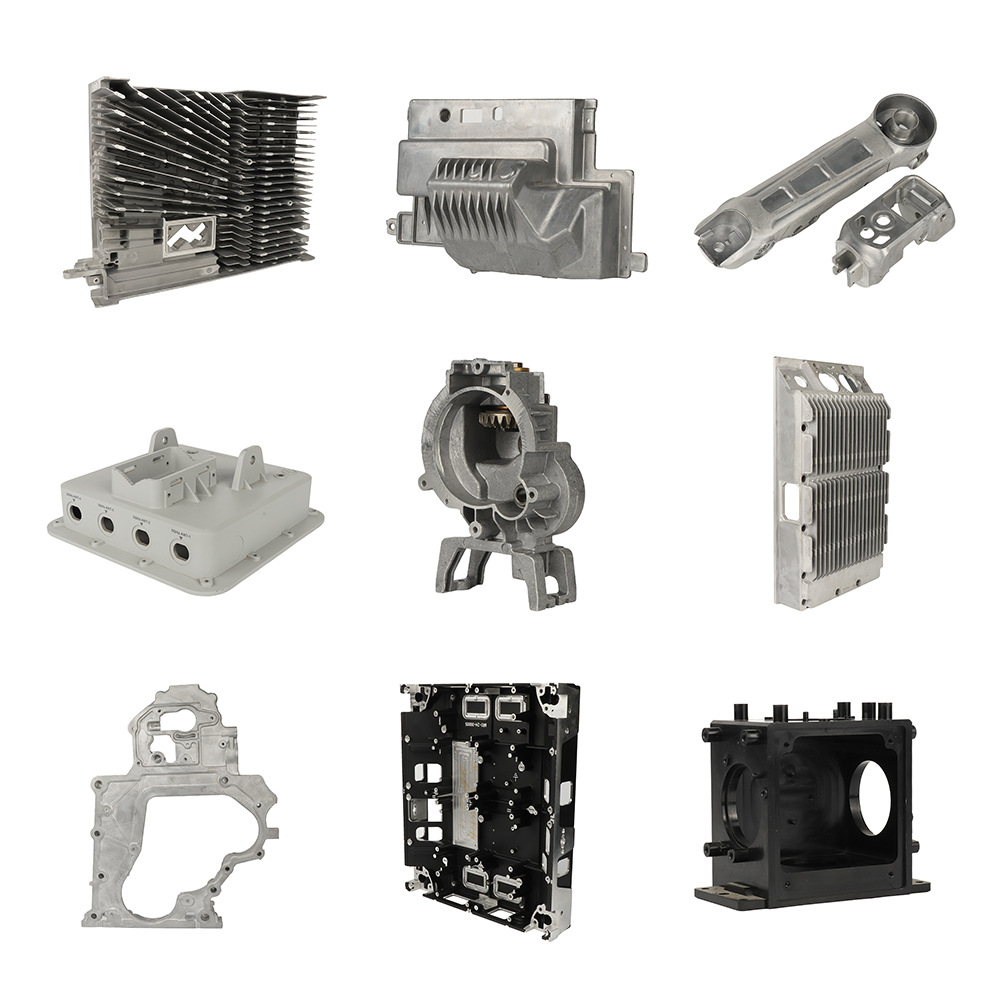
Aluminum back cover | Are you looking for a reliable supplier of custom die-cast aluminum back covers?
2026-09-04
What Is a Die-Cast EV Motor Inverter? Complete Guide to ADC12 Aluminum Housing
Table of Contents
1. Basic Overview of EV Motor Inverter
1.1 Definition & Working Principle of EV Motor Inverter
An EV motor inverter is the core power conversion component of electric vehicle drive systems, serving as the "power brain" of new energy vehicles. Its core function is to convert direct current (DC) stored in EV power batteries into alternating current (AC) to drive the permanent magnet synchronous motor, and adjust current frequency and voltage in real time according to vehicle speed and load changes to realize stable start, acceleration and deceleration of EVs.
Different from traditional automotive parts, EV motor inverters operate in high-frequency, high-voltage and high-temperature working environments. The stable operation of the inverter relies heavily on its precision die-cast housing, which determines the heat dissipation efficiency, structural stability and service life of the entire power conversion system.
1.2 Role of Die-Cast Housing in EV Motor Inverter
The ADC12 aluminum die-cast inverter housing is not a simple protective shell but an integrated functional component integrating heat dissipation, structural support, electromagnetic shielding and sealing protection. It bears the high-load operation of internal electronic chips, circuit boards and power modules, and is a key guarantee for the long-term stable operation of EV motor inverters.

2. Core Material: ADC12 Aluminum Alloy for EV Inverter Die Casting
2.1 Why ADC12 Aluminum Alloy Is the Preferred Material
ADC12 aluminum alloy (AlSi9Cu3) is the most mainstream and reliable material for EV inverter housing die casting, fully compliant with JIS H 5302 and EN AC-46000 international automotive industrial standards. It features excellent molten fluidity, ultra-high thermal conductivity, balanced mechanical strength and strong casting formability.
The high silicon content of ADC12 alloy enables one-time integral forming of complex thin-wall structures and integrated heat dissipation tank structures of inverter housings, effectively avoiding casting defects such as shrinkage cavities and cold shuts. After anodizing, sandblasting and other surface treatments, the material achieves outstanding corrosion resistance and electromagnetic shielding performance, fully adapting to harsh automotive operating environments.
2.2 Material Advantages Over Ordinary Alloys
Compared with ordinary zinc alloy and pure aluminum materials, ADC12 aluminum alloy has 30% higher structural rigidity, 20% better heat dissipation efficiency and stronger anti-aging performance. It can meet the long-term high-frequency vibration and high-temperature operation requirements of EV inverters, becoming the standard material for high-precision automotive die-cast parts.
3. Universal Standard Parameters of Die-Cast EV Motor Inverter Housing
3.1 Complete Specification & Parameter Table
The following are unified industry standard parameters for custom ADC12 die-cast EV motor inverter housings, covering material composition, physical performance, processing precision and testing standards:
|
Parameter Item
|
Standard Specification
|
Inspection Standard
|
|
Material Grade
|
ADC12 Aluminum Alloy (AlSi9Cu3)
|
JIS H 5302 / EN AC-46000
|
|
Silicon (Si) Content
|
9.6% - 12.0%
|
Spectral composition detection
|
|
Thermal Conductivity
|
≥120 W/m·K
|
Room temperature physical test
|
|
Tensile Strength
|
≥250 MPa
|
Mechanical performance test
|
|
Brinell Hardness
|
75 HB
|
Metal hardness detection
|
|
Dimensional Tolerance
|
±0.05mm (precision assembly position); ±0.1mm (conventional area)
|
ISO die-casting precision standard
|
|
Wall Thickness Range
|
0.8mm - 5.0mm (customizable)
|
Automotive die-casting forming standard
|
|
Salt Spray Resistance
|
≥96 hours neutral salt spray test pass
|
Anodizing composite treatment
|
|
Certification Standard
|
ISO9001 / RoHS / Automotive industry standard
|
Global automotive qualification certification
|
4. Key Functions of ADC12 Die-Cast EV Inverter Housing
4.1 Efficient Heat Dissipation & Thermal Management
EV motor inverters generate massive heat during high-power conversion operation. The ADC12 aluminum housing with high thermal conductivity can quickly export internal heat, avoid local heat accumulation and equipment overheating failure. Custom integrated heat dissipation grooves and water channel structures further improve heat exchange efficiency, ensuring the inverter works within a constant safe temperature range.
4.2 Stable Structural Support & Anti-Vibration Protection
As the main load-bearing structure of the inverter, the die-cast housing has high rigidity and impact resistance. It can resist high-frequency vibration and bump impact during EV driving, fix internal precision electronic components stably, and prevent component displacement and damage, ensuring the overall structural integrity of the inverter system.
4.3 Electromagnetic Shielding & Signal Stability
High-power inverter operation is prone to electromagnetic interference, which affects vehicle electronic signal accuracy. The integral die-cast aluminum structure forms a closed shielding space, effectively isolating internal electromagnetic radiation and external signal interference, guaranteeing stable operation of vehicle control system and accurate power conversion.
4.4 Sealing & Complex Environment Adaptation
After professional surface treatment and precision assembly, the die-cast housing has excellent dustproof, waterproof and anti-corrosion performance. It can adapt to complex automotive environments such as humidity, high temperature, dust and road salt spray, effectively protecting internal core components and extending the overall service life of the inverter.
5. Core Advantages of Die-Cast EV Motor Inverter Housing
5.1 High Forming Precision & Stable Performance
Adopting high-pressure one-time die-casting forming + secondary CNC precision finishing, the housing realizes ultra-high dimensional precision control up to ±0.05mm. The integral forming process eliminates internal pores and loose structures, ensuring stable mechanical performance and zero deformation during long-term operation, meeting strict automotive precision manufacturing standards.
5.2 Lightweight & Energy-Saving Upgrade
ADC12 aluminum alloy features low density and high strength. Compared with traditional steel inverter housings, aluminum die-cast parts can reduce 30%-40% of overall weight. Lightweight body effectively reduces EV body weight, lowers driving energy consumption, and significantly improves vehicle cruising range, which is in line with new energy vehicle lightweight development trends.
5.3 Flexible Customization & Strong Compatibility
Different from standard fixed-spec parts, custom die-cast inverter housings support full personalized adjustment of structural shape, wall thickness, hole position, heat dissipation structure and surface technology. It can be customized according to different EV models, inverter power parameters and installation requirements, realizing perfect matching of non-standard equipment.
5.4 High Cost Performance for Mass Production
Although custom die casting has one-time mold opening cost, the high-efficiency forming process greatly shortens the production cycle. Integrated processing reduces secondary assembly procedures, cutting comprehensive production costs by 20%-30% compared with traditional processing methods. The larger the order batch, the lower the single-piece cost, with prominent long-term procurement advantages.
5.5 Long Service Life & High Safety
All products pass strict salt spray test, vibration test and high and low temperature aging test. Qualified ADC12 die-cast inverter housings have a service life of 5-8 years under standard working conditions, with high durability and safety, fully meeting the long-term operation requirements of new energy vehicles.
6. Main Market Application Scenarios
Custom ADC12 die-cast EV motor inverter housings are widely used in the global new energy vehicle and supporting industrial fields, covering diversified core scenarios:
-
Pure Electric Passenger Vehicles: Core inverter housing for household electric cars, supporting stable power conversion and long-term driving operation.
-
Hybrid Electric Vehicles: Integrated inverter structural parts for hybrid models, adapting to dual power switching operation scenarios.
-
New Energy Commercial Vehicles: Inverter heat dissipation and structural housings for electric trucks, buses and logistics vehicles, meeting high-load operation requirements.
-
Intelligent Driving Equipment: Precision inverter parts for new energy intelligent vehicles, ensuring stable operation of automatic driving power system.
-
EV Supporting Industrial Equipment: Motor inverter components for new energy charging equipment and vehicle test equipment.
7. Market Price Analysis of Die-Cast EV Inverter Housings
The market price of custom die-cast EV motor inverter housings presents obvious tiered differences, mainly affected by structural complexity, processing precision, surface treatment process and order batch size:
7.1 Conventional Standard Housings
Simple structural inverter housings with regular shapes and conventional heat dissipation structures, low processing difficulty and ordinary precision requirements. Featuring low unit price and fast delivery, suitable for mass-produced entry-level new energy vehicles.
7.2 Medium-Precision Custom Housings
Standard structural parts with precise hole position matching and conventional anodizing treatment, moderate price and stable quality. It is the most mainstream and cost-effective product in the current market, widely used in mid-range new energy vehicles.
7.3 High-Precision Special-Shaped Housings
Complex special-shaped structures, integrated water-cooled heat dissipation housings and ultra-thin wall precision parts with high processing thresholds. The unit price is relatively high, mainly applied to high-end intelligent new energy vehicles and high-power commercial vehicles.
7.4 Batch Preferential Pricing Rule
The die-cast EV parts industry has a significant scale batch effect. Large-batch orders can effectively dilute mold opening and fixed production costs, greatly reducing single-piece cost. Xinghang Precision Hardware provides exclusive hierarchical discount policies for bulk orders, the more the order quantity, the higher the discount, helping customers reduce comprehensive procurement costs.
8. Common Usage Problems & Practical Solutions
8.1 Surface Oxidation & Corrosion Discoloration
Problem: Long-term exposure to humid, rainy and salt spray road environments easily causes surface oxidation, discoloration and local corrosion of inverter housings, affecting appearance and partial structural performance.
Solution: Adopt professional anodizing and sandblasting composite surface treatment to form a dense anti-corrosion protective film on the housing surface. Cooperate with regular daily maintenance to effectively avoid corrosion and extend service life.
8.2 Poor Heat Dissipation & Overheating Failure
Problem: Unreasonable heat dissipation structure design or unsmooth internal heat conduction leads to local overheating of the inverter, resulting in power conversion efficiency reduction and equipment failure.
Solution: Optimize integrated heat dissipation groove and water channel structure in the custom design stage, give full play to ADC12 alloy’s high thermal conductivity, and conduct full heat dissipation performance testing before delivery to ensure uniform and efficient heat dissipation.
8.3 Assembly Gap & Loose Fitting
Problem: Insufficient dimensional precision control leads to unqualified matching of mounting holes and assembly gaps, causing loose installation and vibration noise during vehicle operation.
Solution: Strictly control mold precision and casting tolerance, conduct secondary CNC precision finishing for key assembly positions, and confirm drawing parameters in advance before mass production to realize seamless fitting.
8.4 Casting Defects & Uneven Surface
Problem: Improper mold design and casting process parameters cause surface pores, burrs and cold shuts, affecting assembly accuracy and product appearance.
Solution: Optimize mold flow channel and casting temperature parameters, implement full inspection of surface quality and deburring treatment for all finished products, and eliminate defective products completely.
9. Industry Expert Viewpoints on EV Inverter Die Casting Parts
Senior experts from the Global New Energy Vehicle Parts Manufacturing Association pointed out that with the rapid popularization of intelligent new energy vehicles, the power density and integration of EV motor inverters continue to improve, putting forward higher requirements for high precision, heat dissipation efficiency and lightweight performance of die-cast housings.
ADC12 aluminum die-cast inverter housings have become the mainstream choice for new energy vehicle supporting parts by virtue of balanced mechanical performance, excellent thermal conductivity and mature mass production technology. Traditional ordinary alloy parts can no longer meet the high-standard operation requirements of modern EV power systems.
Industry technical experts emphasized that standardized material selection, refined die-casting technology and full-process quality testing are the core guarantees of inverter housing quality. Automobile enterprises must choose professional and qualified die-casting suppliers to avoid equipment failure risks caused by unqualified parts and reduce long-term after-sales maintenance costs.
10. Industry FAQ for Die-Cast EV Motor Inverter Housings
Q1: Why choose ADC12 aluminum alloy for EV inverter housing die casting?
ADC12 aluminum alloy is specially optimized for automotive high-pressure die casting, with excellent fluidity for complex structure forming, high thermal conductivity and stable mechanical strength. It can meet the dual requirements of lightweight vehicle design and efficient heat dissipation of inverters, and has strong environmental corrosion resistance and high cost performance, which is the most suitable material for EV inverter housing manufacturing.
Q2: Can die-cast EV inverter housings support personalized customization?
Yes. Professional custom die-casting services support full-process personalized customization, including housing structure, heat dissipation design, hole position size, wall thickness and surface treatment technology. Manufacturers can produce exclusive parts according to customer drawings, samples and vehicle model parameters to meet all non-standard matching needs.
Q3: What is the service life of qualified die-cast inverter housings?
Under standard vehicle operating conditions and regular maintenance, qualified ADC12 die-cast EV inverter housings have a service life of 5-8 years. After professional anti-corrosion and anti-oxidation treatment, they can resist long-term vibration and harsh environment erosion, with high durability.
Q4: Is custom die casting cost-effective for bulk orders?
Extremely cost-effective. Although there is one-time mold opening cost, mass production can fully dilute fixed costs. Large-batch customized orders can save 20%-30% of comprehensive procurement costs compared with small-batch processing, with obvious long-term economic benefits.
Q5: Do the products meet international automotive industry standards?
All products fully comply with JIS H 5302, EN AC-46000 international material standards, pass ISO9001 quality system certification and RoHS environmental protection certification, and meet global new energy vehicle parts access standards, suitable for domestic and overseas supporting projects.
11. Industry Summary & Future Development Trends
11.1 Industry Summary
Die-cast EV motor inverter housing is an indispensable core supporting component of new energy vehicle power systems. Relying on ADC12 high-performance aluminum alloy and high-precision die-casting technology, it solves the pain points of poor heat dissipation, heavy weight and low precision of traditional parts. With the advantages of flexible customization, stable performance and high cost performance, it has been widely used in various new energy vehicle models, becoming an important part of the global new energy manufacturing supply chain.
11.2 Future Development Trends of Custom Die Casting Industry
Ultra-Precision & Functional Integration: The industry will develop towards higher precision and multi-functional integration. A single housing will integrate heat dissipation, shielding, sealing and structural support functions to adapt to high-power and high-integration EV inverter upgrading.
Lightweight & Green Manufacturing: Continuously optimize material formula and structural design, further reduce part weight and production energy consumption, and fully comply with global green and low-carbon manufacturing standards.
Intelligent Production & Rapid Iteration: Realize intelligent mold opening, rapid proofing and efficient mass production, shorten product delivery cycle, and accelerate the iteration and upgrading of downstream new energy vehicle parts.
Standardized Quality Upgrading: Processing technology and testing standards will be further optimized to improve product durability and environmental adaptability, realizing full alignment with international high-end automotive manufacturing standards.
12. How to Choose a High-Quality Hardware Machining Supplier
Choosing a reliable custom die-casting supplier is the key to ensuring EV parts quality, vehicle operation stability and long-term cost control. Enterprises can screen high-quality suppliers through the following core dimensions:
-
Complete Qualification Certification: Possess ISO9001 quality management system and RoHS environmental protection certification, strictly implement international automotive industry production standards.
-
Independent R&D & Mold Customization Capability: Have independent mold design and R&D strength to meet the production needs of complex special-shaped inverter housings.
-
Mature Technology & Advanced Equipment: Equipped with professional high-pressure die-casting equipment and CNC precision machining production lines to ensure product precision and yield.
-
Full-Process Quality Inspection: Support salt spray test, hardness test, dimensional tolerance detection and other professional testing, realize full-process quality tracking.
-
Flexible Service & Batch Discount: Provide one-stop customized services, flexible delivery cycles and exclusive batch preferential policies to reduce procurement costs.
13. Custom Die Casting Service from Xinghang Precision Hardware
Xinghang Precision Hardware is a professional high-tech manufacturer specialized in ADC12 aluminum custom die casting, EV inverter housing customization and precision automotive hardware parts processing. Founded in 2017 and located in Dongguan, South China’s core manufacturing base, we own a 9,410-square-meter standardized factory with complete advanced production equipment and professional quality testing systems.
We provide one-stop full-process services includingmold R&D, die-casting forming, CNC precision finishing, surface treatment and finished product inspection. We can customize all types of precision die-cast product shells and automotive structural parts, covering EV motor inverter housings, automotive electronic shells and industrial precision hardware parts, meeting diversified non-standard customization needs of global customers.
Exclusive Batch Discount Advantage: We implement a hierarchical preferential pricing mechanism for cooperative customers. The more the order quantity, the higher the discount. Large-batch customized orders can enjoy ultra-low factory direct sales prices and priority delivery rights, effectively reducing customers’ comprehensive procurement costs and creating long-term cooperative value.
14. Official Contact Information
Welcome global customers to consult product samples, customized drawings and factory wholesale quotations! We provide professional pre-sales technical consultation, free solution optimization and perfect after-sales service to solve all your custom die-casting processing problems.
Mobile / Whatsapp / WeChat: +86 18819502691
Email: liqine@xinghangcn.com
Aluminum die casting part | Need custom aluminum die casting parts?Complete Guide & Reliable Supplier
EV motor inverter | What is a die-cast ev motor inverter?Complete Guide to ADC12 Aluminum Housing
Related Article

Residential energy storage systems have become increasingly popular as homeowners pursue energy independence, solar self-consumption and backup power for grid outages.
Energy storage enclosure | What Are the Benefits of Die-Cast Home Energy Storage Enclosures?

A custom LED display frame is the core structural carrier for LED screen modules, widely manufactured with ADC12 aluminum alloy via high-pressure die casting.
LED display frame | What Are the Benefits of Custom LED Display Frames?

