
HOT PRODUCTS
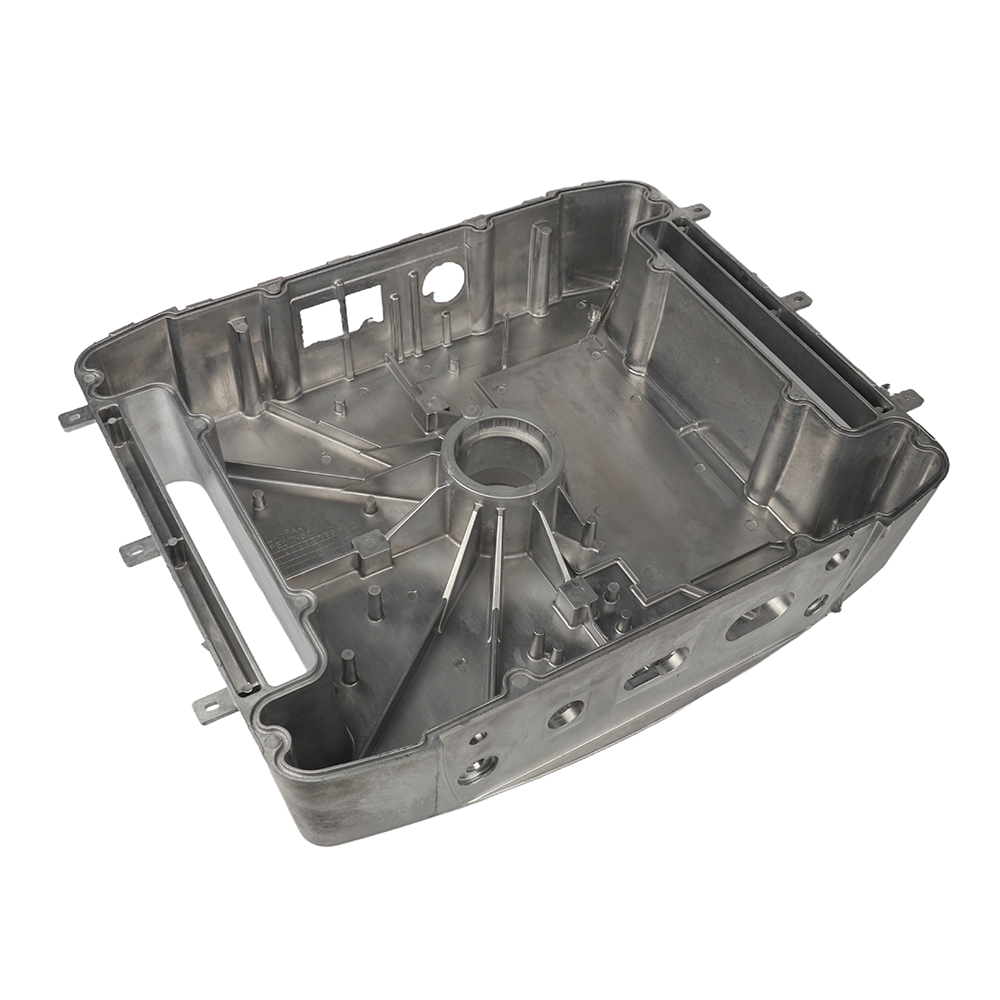
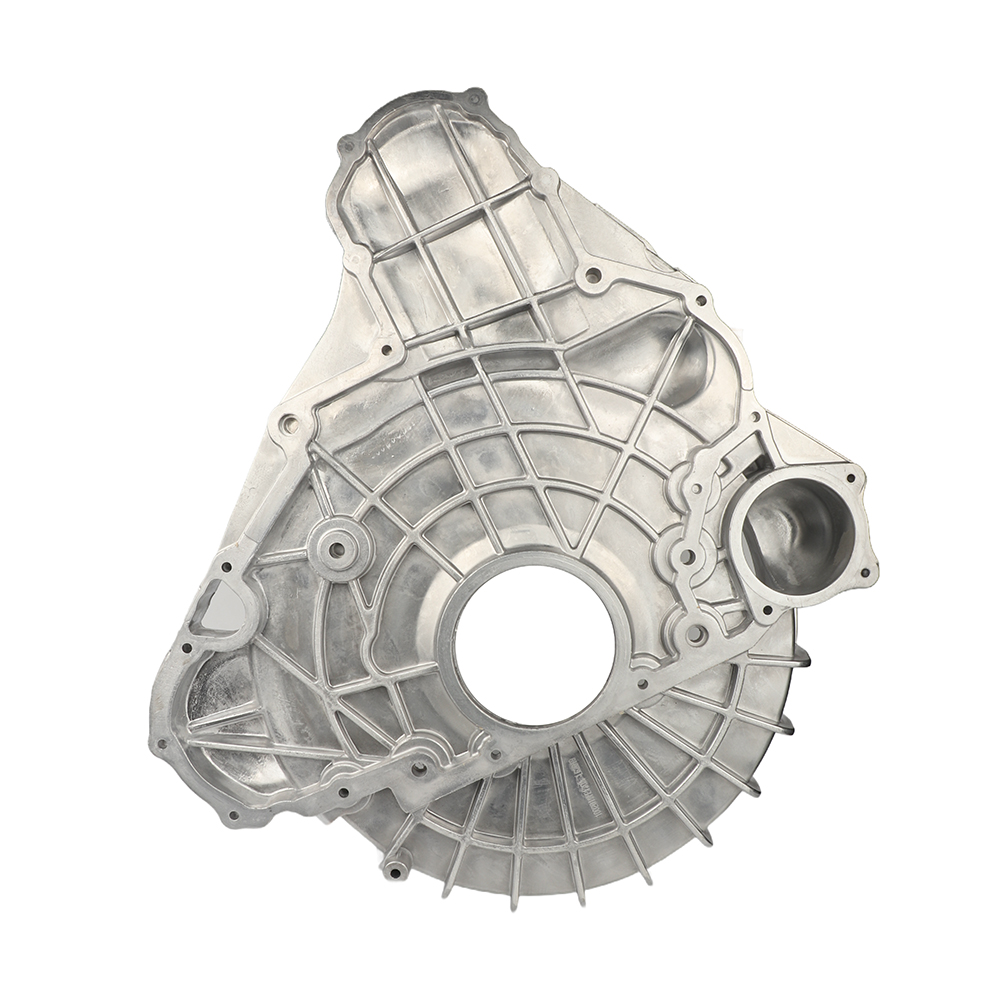
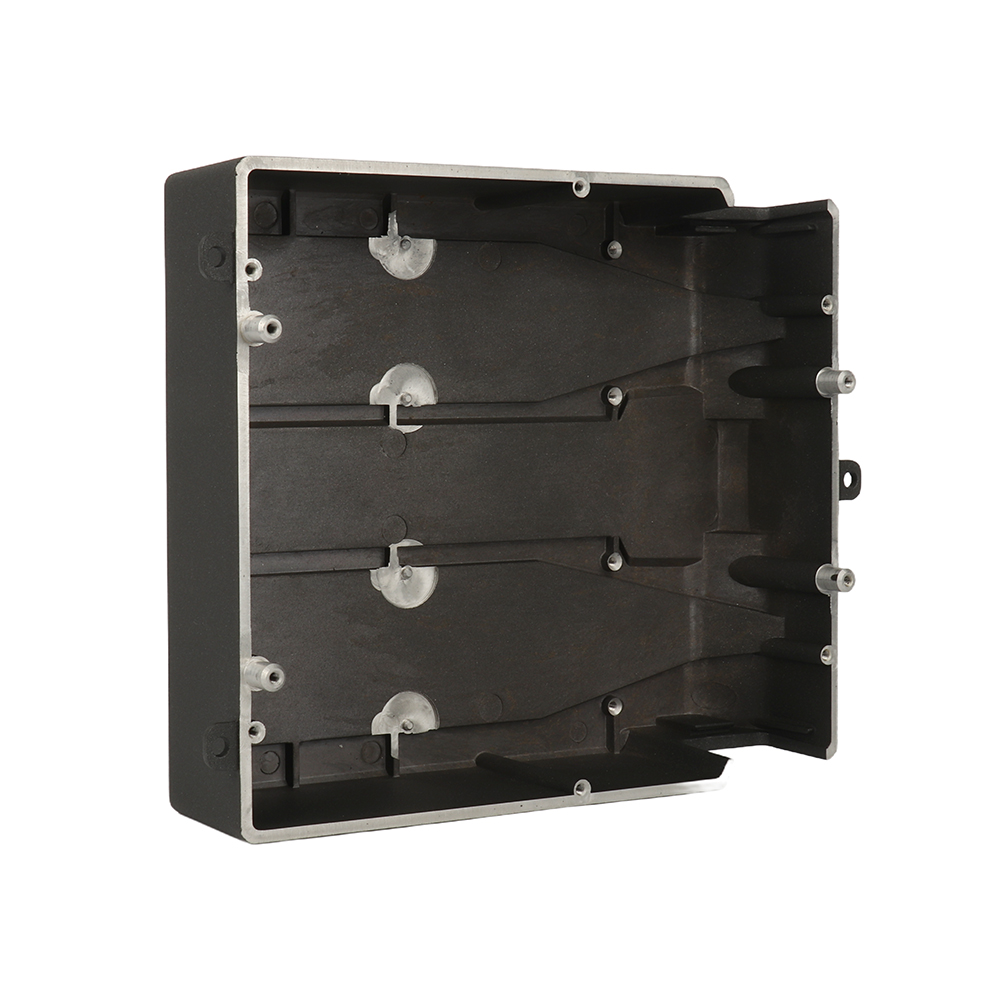
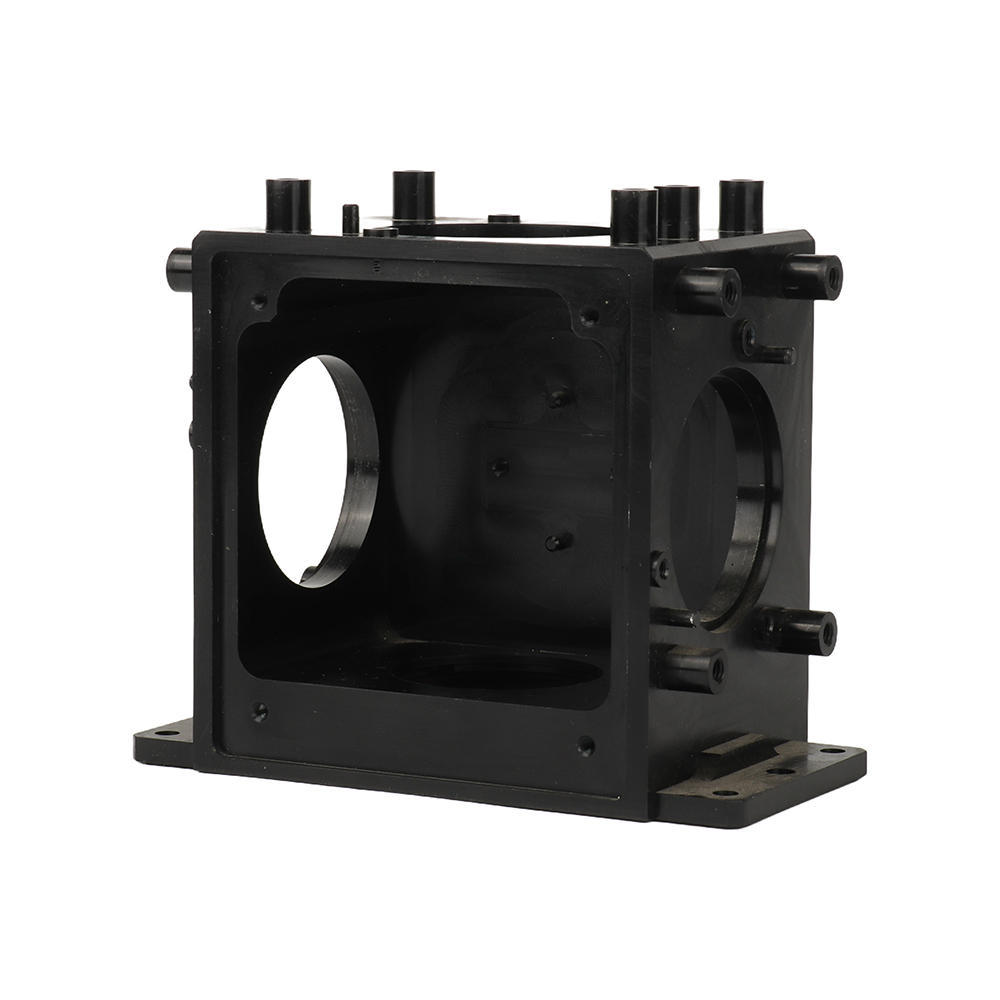
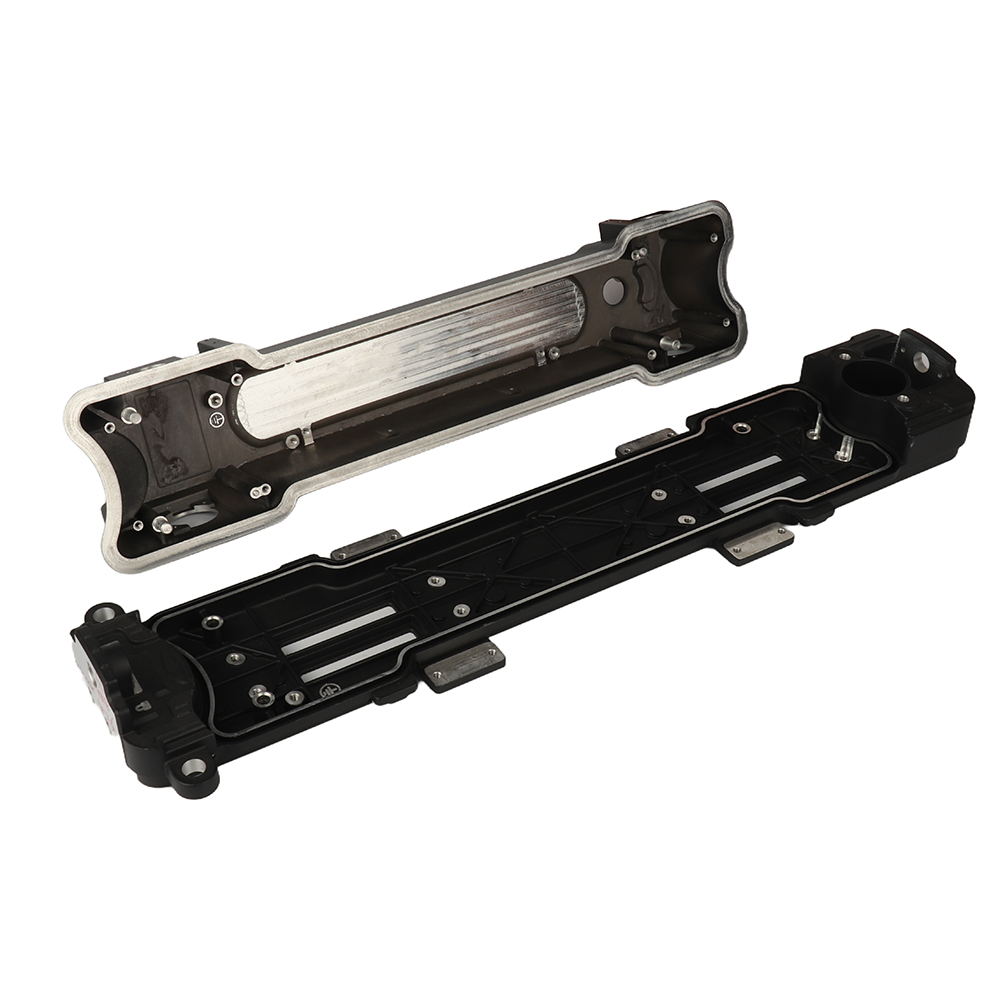
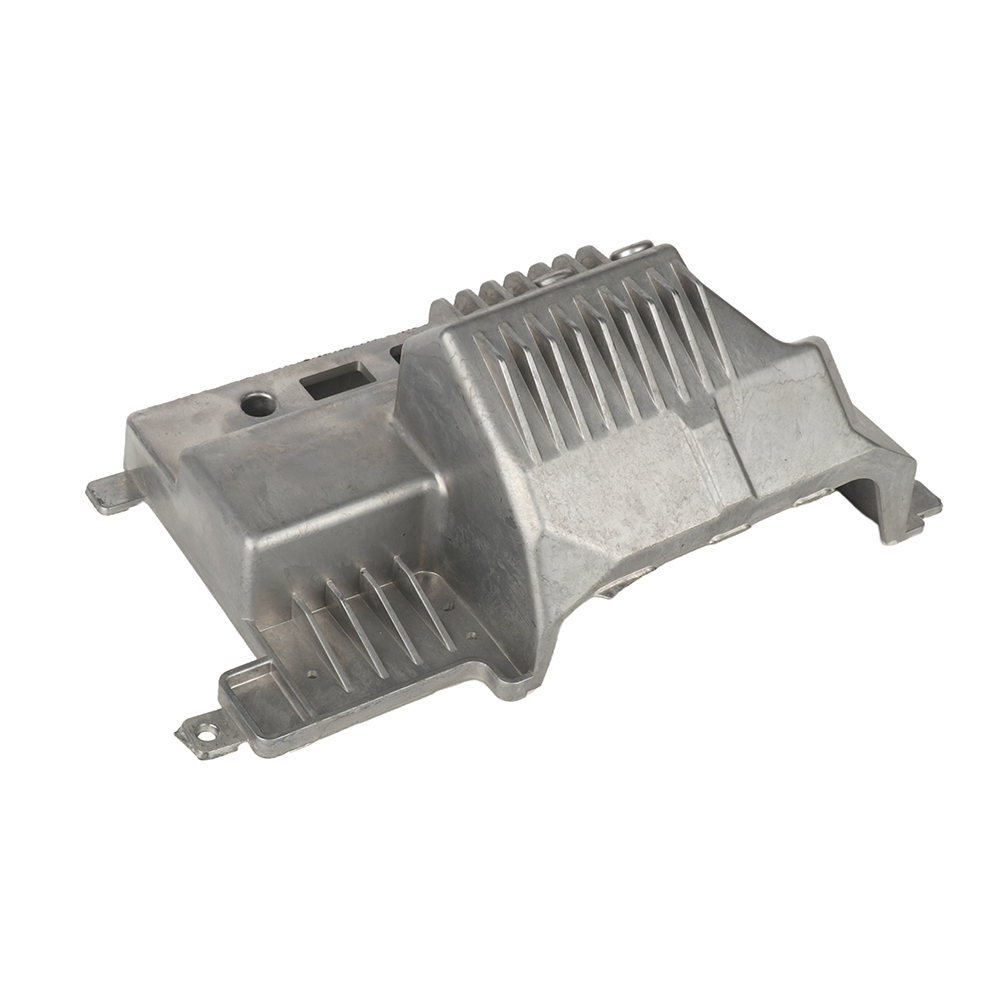
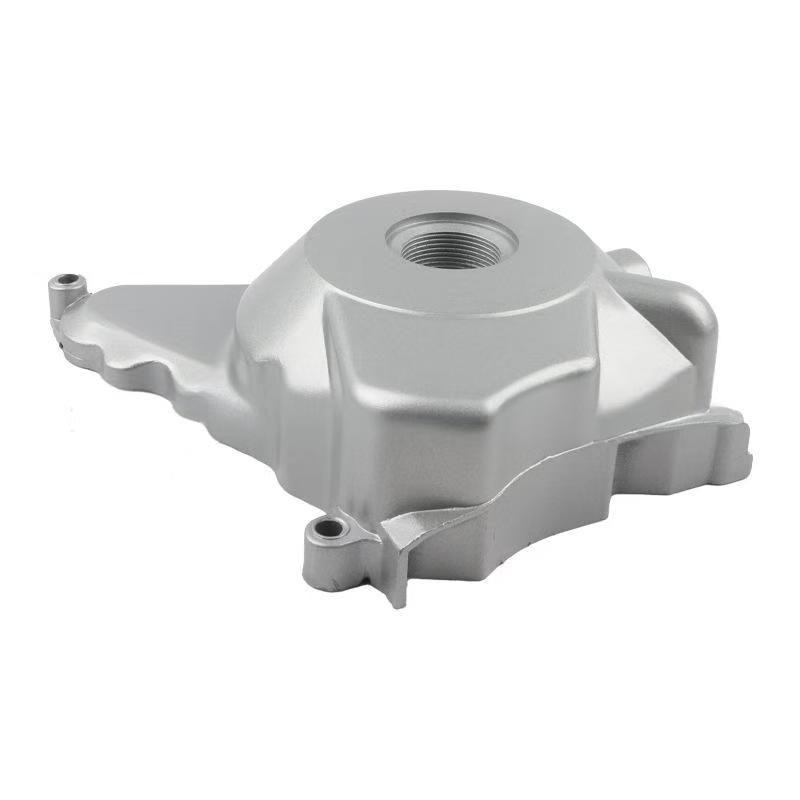
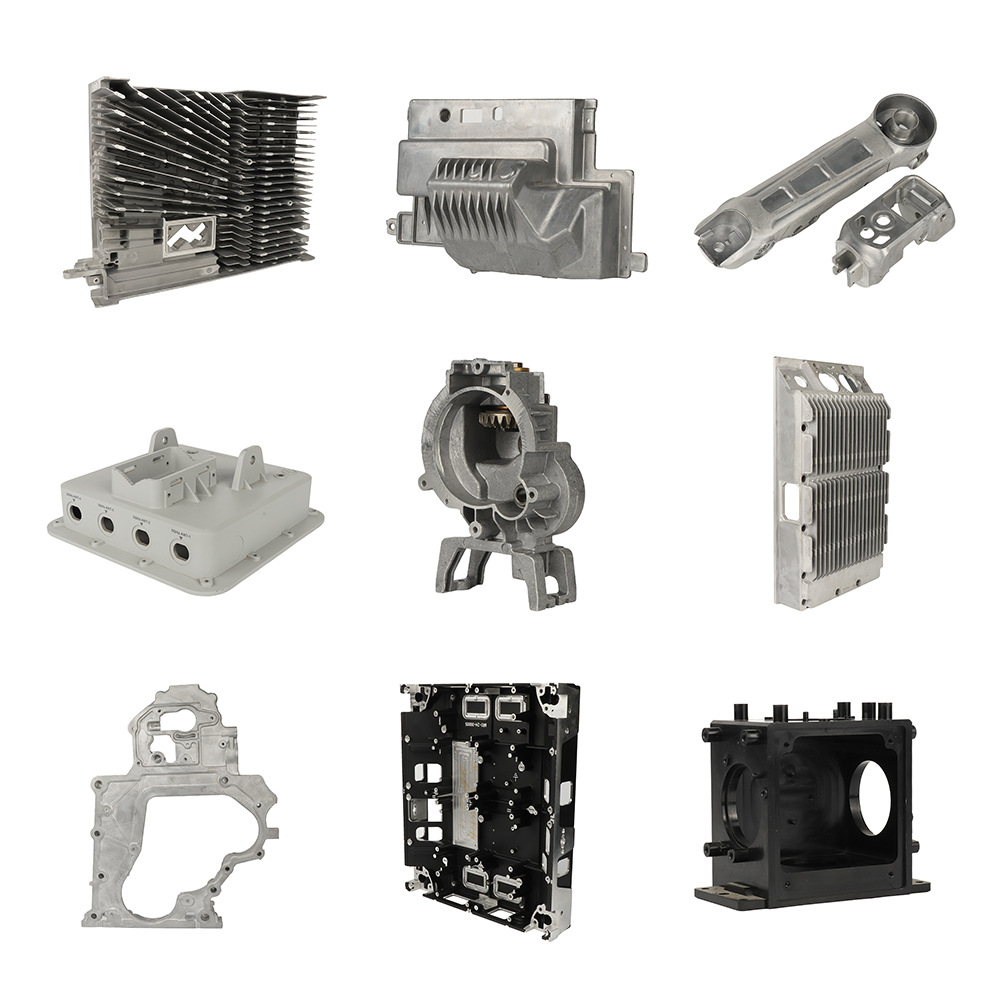
Die casting industry | Analysis on the development trends of the die casting industry
2026-05-07
Analysis on the Development Trends of the Die Casting Industry
Table of Contents
- 1. Introduction to the Die Casting Industry
- 2. Core Advantages of the Die Casting Industry
- 3. Key Development Trends of the Die Casting Industry
- 4. Future Prospects of the Die Casting Industry
- 5. Expert Insights on Die Casting Industry Development
- 6. FAQs About the Die Casting Industry
- 7. Conclusion: How to Choose a High-Quality Hardware Processing Supplier
1. Introduction to the Die Casting Industry
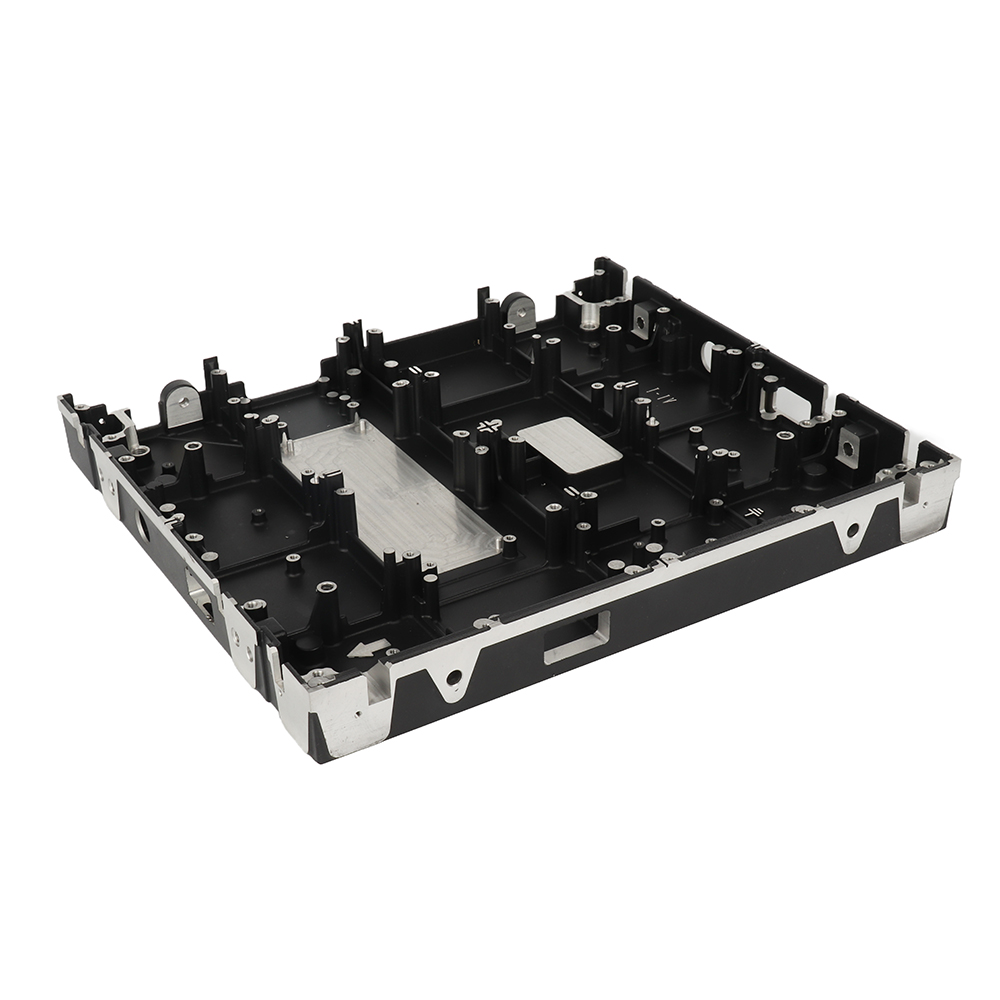
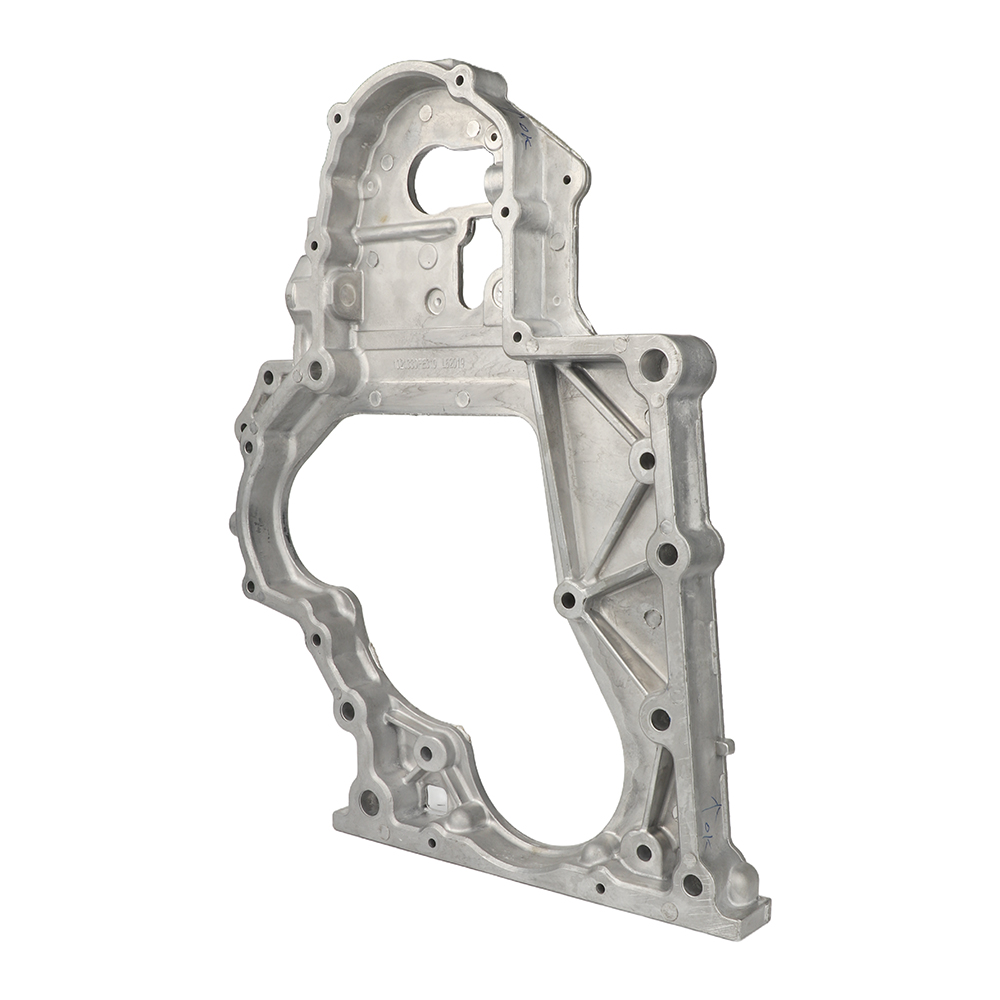
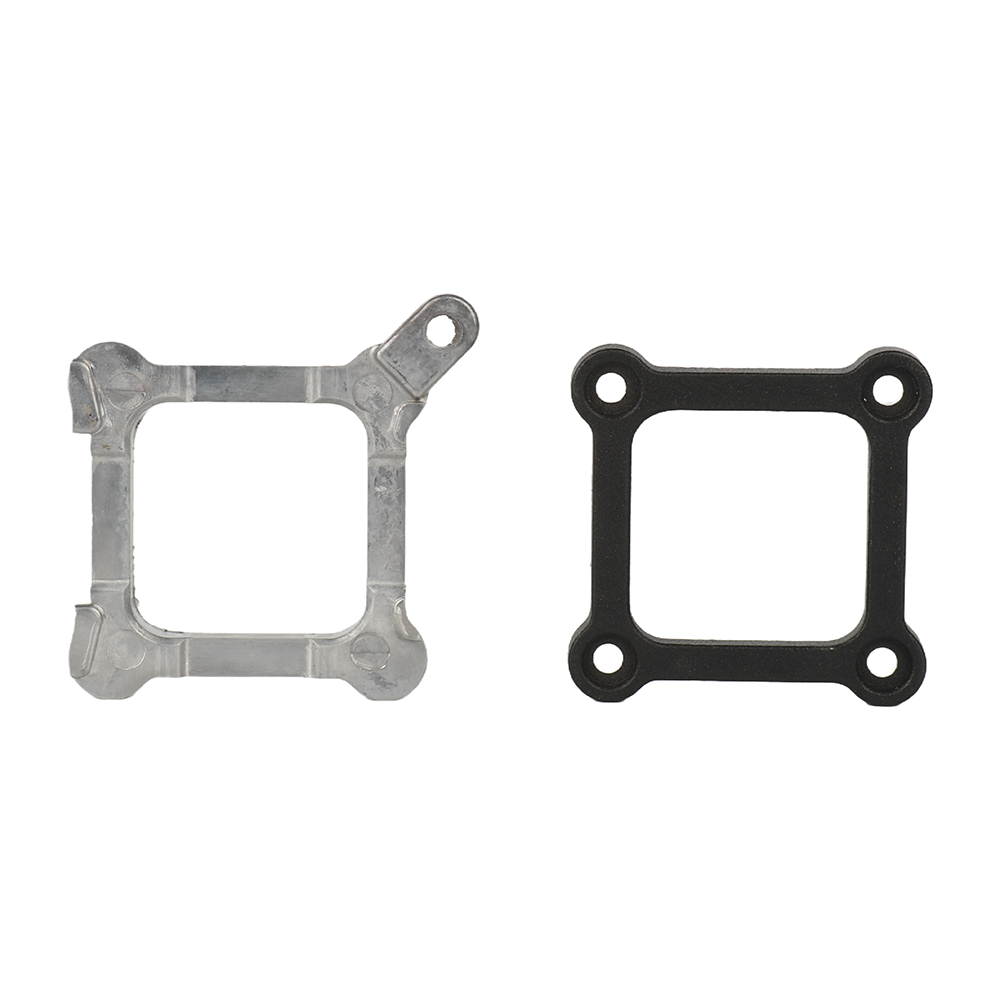
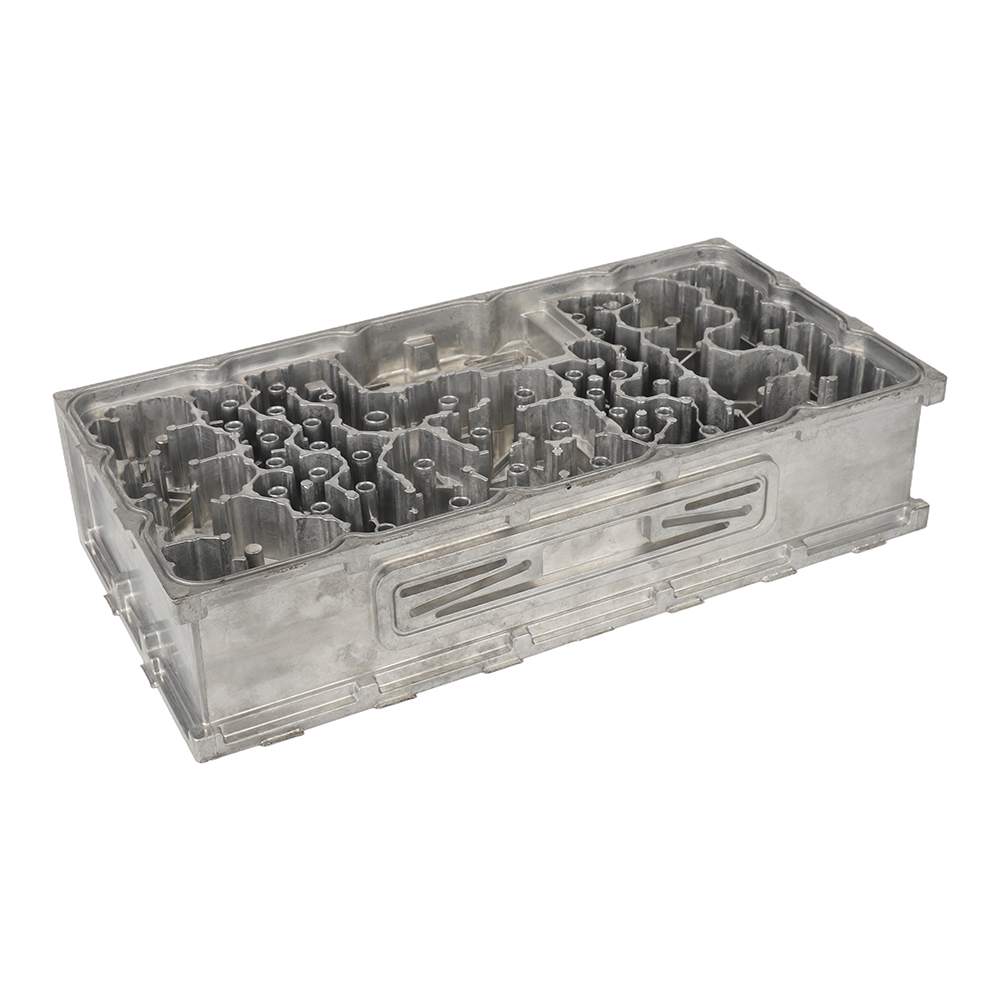
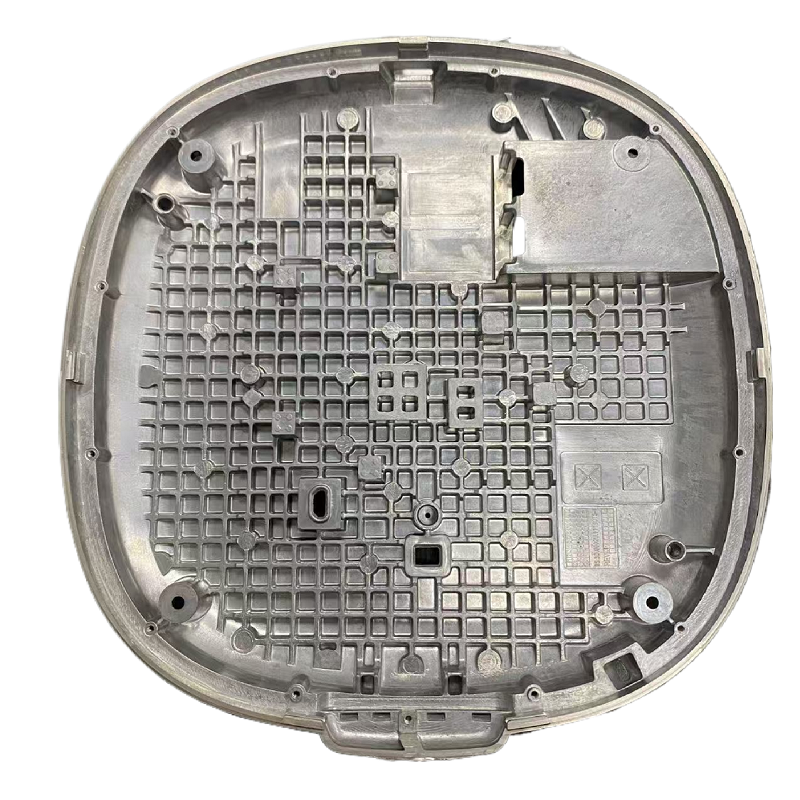
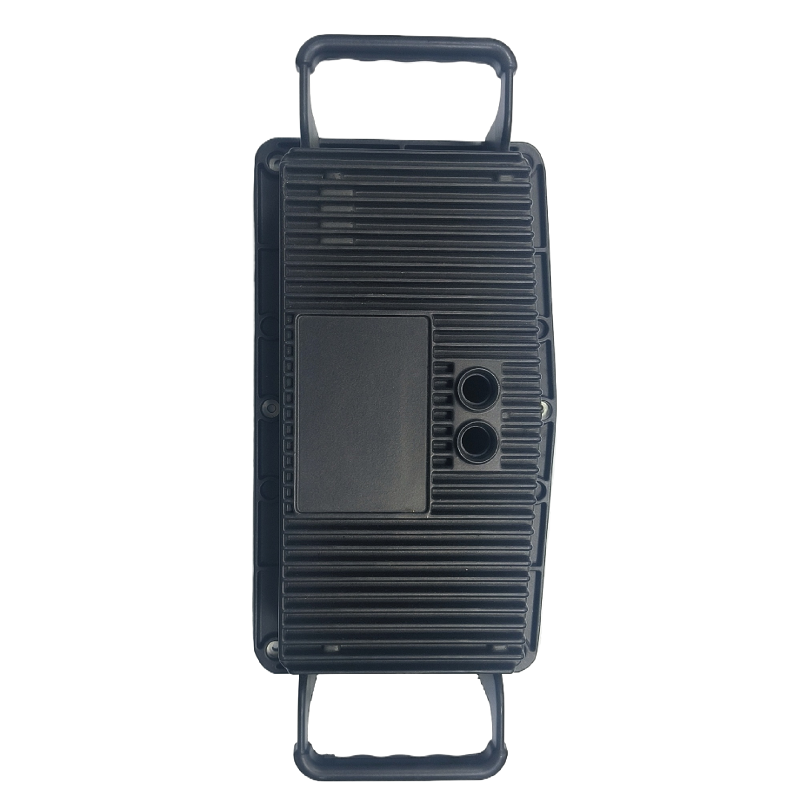
The die casting industry is a cornerstone of modern manufacturing, specializing in producing high-precision, complex metal components through the die casting process—a technique that injects molten metal (such as aluminum, zinc, magnesium, and copper alloys) into precision steel molds under high pressure to form uniform, durable parts. As a critical link in the global supply chain, the die casting industry serves a wide range of downstream sectors, including automotive, industrial equipment, electronics, renewable energy, and medical devices.
With the continuous advancement of manufacturing technologies and the growing demand for high-performance, lightweight components, the die casting industry has entered a new stage of development. It combines efficiency, precision, and scalability, making it an indispensable part of modern industrial production. Today, the industry is evolving rapidly, driven by technological innovation, environmental requirements, and changing market demands, with new trends emerging to shape its future direction.
2. Core Advantages of the Die Casting Industry
The die casting industry maintains its competitive edge in the global manufacturing landscape due to its unique advantages, which address the core needs of downstream industries for efficiency, precision, and cost-effectiveness. These key advantages include:
2.1 High Precision and Dimensional Stability
Die casting uses high-pressure injection to fill molds with molten metal, ensuring that the final components have tight dimensional tolerances (typically ±0.1–0.2 mm) and consistent shapes. Unlike traditional casting methods, die casting produces near-net-shape parts with minimal dimensional deviations, reducing the need for extensive post-processing and improving assembly efficiency. This precision is critical for industries such as automotive and electronics, where component fit directly impacts product performance.
2.2 High Production Efficiency and Scalability
The die casting process is highly automated and efficient, with cycle times ranging from 30 seconds to a few minutes per part, depending on size and complexity. This allows for mass production of components at scale, meeting the high-volume demands of downstream industries. Additionally, die casting molds are reusable, further reducing per-unit production costs for large orders—making it a cost-effective solution for mass manufacturing.
2.3 Design Flexibility for Complex Components
Die casting supports the production of components with complex geometries, including thin walls, internal cavities, integrated mounting features, and intricate details that are difficult or impossible to achieve with other manufacturing methods. This flexibility enables designers to create innovative, lightweight components that optimize product performance and reduce overall weight—critical for industries like automotive and aerospace that prioritize fuel efficiency and energy savings.
2.4 Superior Material Versatility
The die casting industry can process a wide range of metal alloys, including aluminum (ADC12, A380, A383), zinc, magnesium, and copper alloys. Each alloy offers unique properties—such as aluminum’s lightweight and corrosion resistance, magnesium’s high strength-to-weight ratio, and copper’s excellent conductivity—allowing die casting to meet the diverse needs of different industries. This material versatility makes the die casting industry adaptable to various application scenarios.
2.5 Cost-Effectiveness and Sustainability
Die casting minimizes material waste by using precise injection techniques, and most die-cast metals (especially aluminum) are 100% recyclable. This aligns with global green manufacturing trends, reducing environmental impact while lowering raw material costs. Additionally, the streamlined production process reduces labor costs and energy consumption, making die casting a cost-effective and sustainable manufacturing solution.
3. Key Development Trends of the Die Casting Industry
The die casting industry is undergoing significant transformation, driven by technological innovation, environmental regulations, and changing market demands. Below are the most prominent development trends shaping the industry today:
3.1 Automation and Intelligent Manufacturing
Automation has become a core trend in the die casting industry, with manufacturers increasingly adopting robotic arms, automated molten metal feeding systems, and intelligent monitoring tools to improve production efficiency and reduce human error. For example, robotic arms are used for precise molten metal dosing and part extraction, ensuring consistent operations and enhancing product yield. Intelligent manufacturing systems, integrated with IoT and data analytics, allow for real-time monitoring of the casting process, enabling predictive maintenance and quality control—reducing downtime and improving overall productivity. This trend is expected to accelerate as manufacturers seek to optimize production costs and ensure consistent quality.
3.2 Focus on Green and Low-Carbon Development
With global environmental regulations becoming increasingly strict, the die casting industry is shifting toward green and low-carbon production. Key initiatives include using recycled metal alloys (especially aluminum, which requires 95% less energy to recycle than to produce from raw materials), optimizing melting processes to reduce energy consumption, and adopting eco-friendly lubricants and surface treatments. Additionally, manufacturers are investing in energy-efficient equipment and waste reduction technologies to minimize their carbon footprint. This trend is not only driven by regulations but also by downstream industries’ growing demand for sustainable supply chains.
3.3 Integration of Die Casting and Precision Machining
The integration of die casting with precision CNC machining is becoming increasingly prevalent, as downstream industries demand higher precision and more complex components. Die casting produces near-net-shape parts, while CNC machining refines these parts to meet ultra-tight tolerances (as low as ±0.05 mm) and adds intricate features (such as threads and holes) that cannot be achieved through casting alone. This integration creates a seamless production workflow, reducing lead times and improving product quality. Manufacturers like Xinghang Precision Hardware have embraced this trend, offering one-stop services that combine die casting, CNC machining, and surface treatment.
3.4 Growing Demand for Lightweight Alloys
The push for lightweighting in industries such as automotive, aerospace, and renewable energy is driving strong demand for lightweight die-cast alloys—primarily aluminum and magnesium alloys. Aluminum die castings, in particular, are widely used in electric vehicles (EVs) to reduce weight and improve battery efficiency, while magnesium die castings are gaining traction in aerospace applications due to their high strength-to-weight ratio. This trend is expected to continue as the global shift toward electric mobility and sustainable energy accelerates, creating new opportunities for the die casting industry.
3.5 Customization and Personalization
As downstream industries become more specialized, the demand for custom die-cast components is growing. Manufacturers are increasingly offering tailored solutions, including custom mold design, material selection, and post-processing, to meet the unique requirements of specific applications. This trend is driven by the need for components that fit exact design specifications and perform optimally in specialized environments—such as medical devices, industrial equipment, and custom electronics. The ability to provide end-to-end customization has become a key competitive advantage for die casting manufacturers.
4. Future Prospects of the Die Casting Industry
The future of the die casting industry is bright, with steady growth projected in the coming years. According to industry forecasts, the global die casting market is expected to grow at a CAGR of 6.2% from 2026 to 2035, driven by the following factors:
- Growing Demand from Downstream Industries: The automotive industry (especially EVs), industrial equipment, and renewable energy sectors are expected to be the primary drivers of growth. The increasing production of EVs, in particular, will boost demand for aluminum die castings for battery housings, engine components, and chassis parts. Additionally, the expansion of the renewable energy industry (solar, wind) will create demand for die-cast components for solar panel brackets and wind turbine parts.
- Technological Advancements: Continued innovation in die casting technologies—such as 3D mold design, simulation, and automated production—will improve efficiency, precision, and cost-effectiveness, opening up new application areas. The adoption of AI and machine learning for quality control and process optimization will further enhance the industry’s competitiveness.
- Regional Growth in Asia: Asia (especially China) is expected to remain the largest market for die casting, thanks to its robust manufacturing capabilities, growing demand for industrial and automotive components, and investments in technological innovation. China, as the world’s largest producer of aluminum and die-cast components, is well-positioned to lead the industry’s growth, with manufacturers like Xinghang Precision Hardware driving innovation and quality.
- Sustainability Initiatives: The industry’s shift toward green production will attract more investment and partnerships, as downstream industries prioritize sustainable supply chains. Recycled metal use and energy-efficient processes will become standard, further driving growth and market competitiveness.
While the industry faces challenges—such as rising raw material costs and the need for skilled labor—the overall outlook remains positive, with opportunities for manufacturers that embrace innovation, sustainability, and customization.
5. Expert Insights on Die Casting Industry Development
To gain deeper insights into the die casting industry’s development trends and future prospects, we interviewed Dr. Thomas Wilson, a senior industry analyst with over 30 years of experience in manufacturing, die casting technology, and global supply chain management—recognized as an authority on industrial manufacturing trends.
“The die casting industry is at a critical inflection point, driven by automation, sustainability, and the growing demand for lightweight components,” says Dr. Wilson. “Gone are the days when die casting was seen as a simple manufacturing process—today, it’s a high-tech, precision-driven industry that plays a vital role in powering global innovation. The key trends we’re seeing—automation, green production, and integration with CNC machining—are not just fads; they’re necessary adaptations to meet the evolving needs of downstream industries, especially automotive and renewable energy.”
Dr. Wilson also emphasized: “The future of the die casting industry belongs to manufacturers that can combine technological expertise with sustainability and customization. Suppliers like Xinghang Precision Hardware, which integrate die casting, CNC machining, and automated production, are well-positioned to thrive. These manufacturers understand that quality, efficiency, and sustainability are not mutually exclusive—they’re complementary. As the industry grows, we’ll see more consolidation, with top manufacturers investing in R&D and automation to stay ahead. The die casting industry will continue to be a cornerstone of modern manufacturing, and its growth will be closely tied to the global shift toward electric mobility, sustainability, and precision engineering.”
6. FAQs About the Die Casting Industry
Q1: What is the die casting process, and how does it work?
A: The die casting process is a high-pressure manufacturing technique that involves melting metal alloys (e.g., aluminum, zinc) and injecting the molten metal into a precision steel mold (die) under high pressure (10–175 MPa). The metal solidifies rapidly in the mold, forming a precise, near-net-shape component. After solidification, the mold opens, and the component is ejected, followed by post-processing (e.g., trimming, CNC machining) if needed. This process is ideal for mass production of high-precision, complex components.
Q2: What are the most common metals used in die casting?
A: The most common metals used in die casting are aluminum alloys (ADC12, A380, A383), zinc alloys, magnesium alloys, and copper alloys. Aluminum alloys are the most widely used due to their lightweight, corrosion resistance, and excellent machinability—making them ideal for automotive, industrial, and electronic applications. Zinc alloys are used for small, intricate components, while magnesium alloys are preferred for lightweight, high-strength applications.
Q3: What industries rely most on the die casting industry?
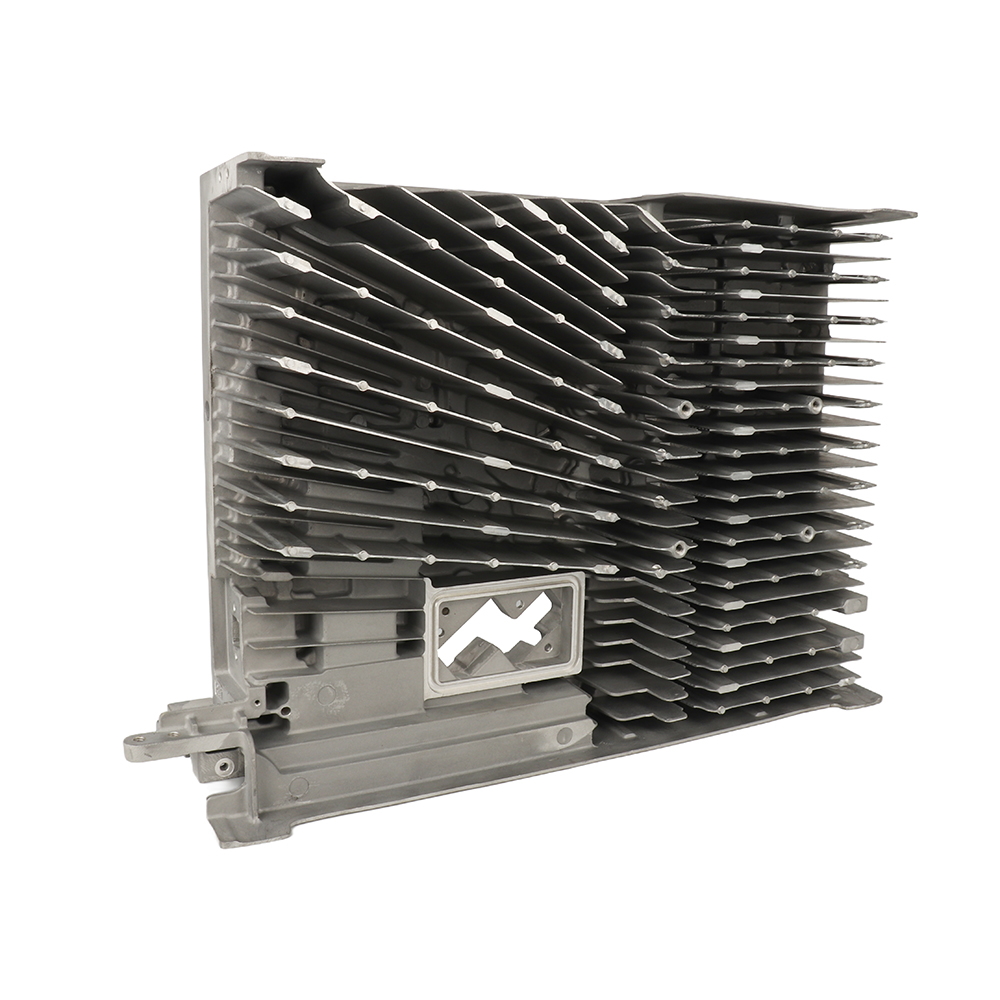
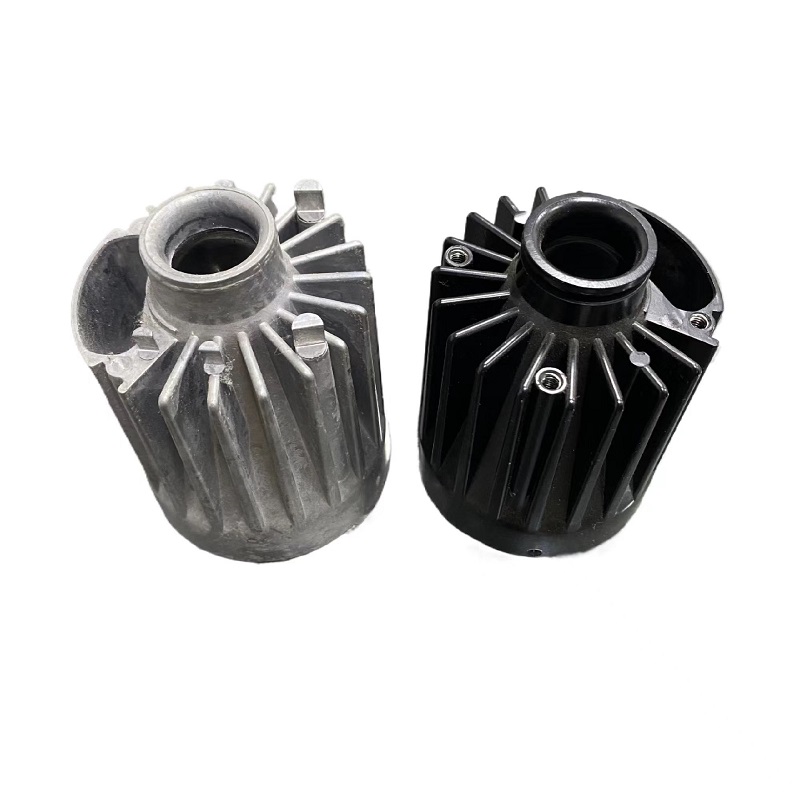
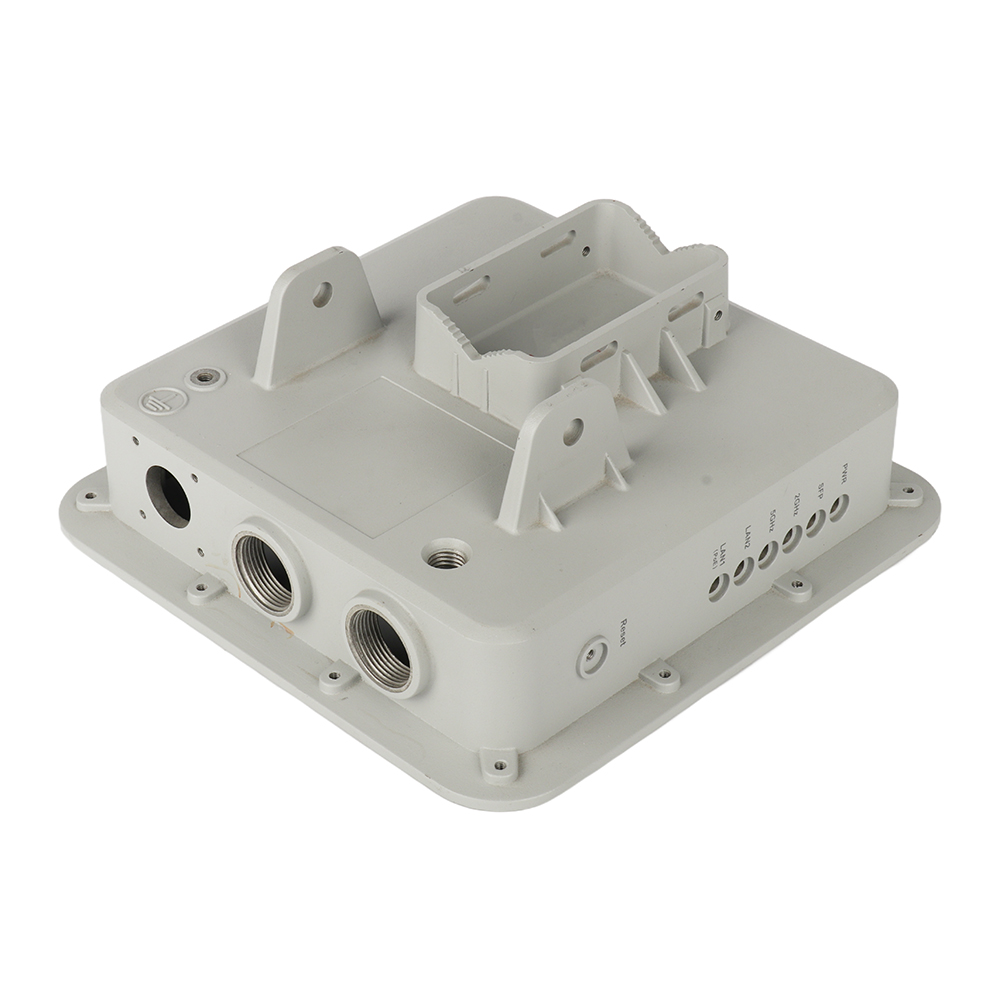
A: The die casting industry serves a wide range of industries, with the largest demand coming from: automotive (EVs, traditional vehicles), industrial equipment (pump housings, machine frames), electronics (enclosures, heat sinks), renewable energy (solar panel brackets, wind turbine components), medical devices (diagnostic machine parts), and aerospace (lightweight structural components). These industries rely on die casting for its precision, efficiency, and design flexibility.
Q4: How is the die casting industry adapting to green manufacturing trends?
A: The die casting industry is adapting to green manufacturing by using recycled metal alloys (especially aluminum), optimizing melting processes to reduce energy consumption, adopting eco-friendly lubricants and surface treatments, and investing in energy-efficient equipment. Additionally, manufacturers are minimizing material waste through precision casting and reusing molds, further reducing their environmental impact. These initiatives align with global environmental regulations and downstream industries’ demand for sustainable supply chains.
Q5: What is the difference between high-pressure die casting and gravity die casting?
A: High-pressure die casting uses high pressure to inject molten metal into the mold, making it ideal for high-volume production of complex, tight-tolerance components (e.g., automotive parts). Gravity die casting uses gravity to fill the mold with molten metal, suitable for medium-to-high volume components requiring superior structural integrity and smooth surface finishes (e.g., industrial equipment parts). High-pressure die casting offers faster cycle times, while gravity die casting is more cost-effective for certain component types.
Q6: What are the key challenges facing the die casting industry today?
A: The main challenges include rising raw material costs (especially aluminum and zinc), the need for skilled labor to operate advanced equipment, and strict environmental regulations. Additionally, manufacturers face competition from low-cost producers and the need to invest in new technologies (automation, 3D design) to stay competitive. However, these challenges also present opportunities for innovation and consolidation in the industry.
Q7: How will the growth of electric vehicles (EVs) impact the die casting industry?
A: The growth of EVs will have a significant positive impact on the die casting industry. EVs require lightweight, high-precision components (e.g., battery housings, motor brackets, chassis parts) that are ideally suited for die casting—especially aluminum die castings. As global EV production increases, demand for die-cast components will surge, driving growth in the industry and encouraging manufacturers to invest in specialized technologies for EV component production.
7. Conclusion: How to Choose a High-Quality Hardware Processing Supplier
The die casting industry is poised for steady growth, driven by automation, sustainability, lightweighting, and customization. As downstream industries demand higher precision, efficiency, and sustainability, choosing the right hardware processing supplier becomes critical to ensuring product quality, reliability, and long-term cost efficiency. Below are the key criteria to consider when selecting a die casting supplier:
7.1 Key Criteria for Choosing a Quality Die Casting Supplier
- Comprehensive Production Capabilities: Look for suppliers that offer end-to-end services, including mold design, die casting, CNC machining, surface treatment, and quality inspection. This ensures a seamless production workflow, reduces lead times, and maintains consistent quality.
- Advanced Technology & Equipment: Choose suppliers with state-of-the-art die casting equipment, automated production systems, and precision CNC machines. This ensures high production efficiency, tight tolerances, and consistent product quality.
- Relevant Industry Certifications: Ensure the supplier holds key certifications such as ISO9001 (quality management), IATF16949 (automotive industry), RoHS (environmental compliance), and ISO14001 (environmental management). These certifications validate the supplier’s commitment to quality and sustainability.
- Expertise & Experience: Select a supplier with proven experience in the die casting industry, especially in your specific sector (e.g., automotive, industrial equipment). Suppliers with expertise in material selection, mold design, and process optimization can better meet your unique requirements.
- Strict Quality Control: Look for suppliers that implement 100% quality inspection throughout the production process, including dimensional measurement, defect testing, and mechanical property testing. This ensures zero-defect products and compliance with your specifications.
- Sustainability Commitment: Choose a supplier that prioritizes green production, including the use of recycled materials, energy-efficient processes, and eco-friendly technologies. This aligns with global sustainability trends and downstream requirements.
7.2 Choose Xinghang Precision Hardware: Your Trusted Die Casting Partner
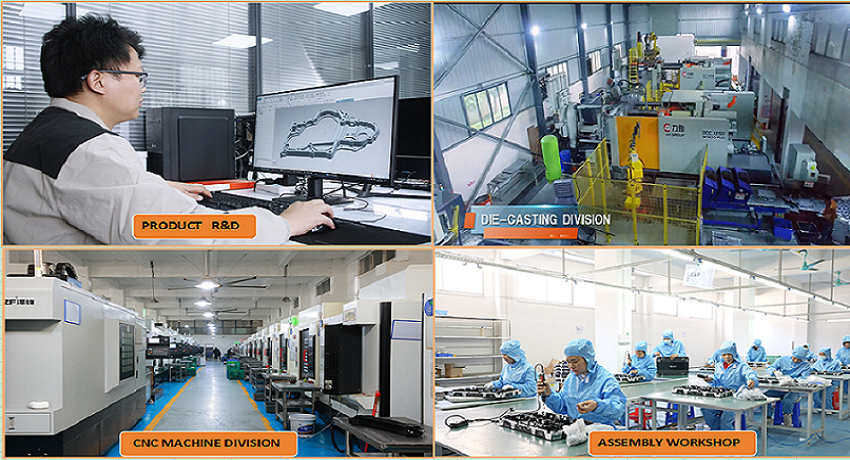
For businesses seeking a high-quality, reliable die casting and hardware processing supplier, Xinghang Precision Hardware is your ideal partner. With years of experience in the die casting industry, we specialize in end-to-end solutions, integrating mold design, high-pressure die casting, gravity die casting, precision CNC machining, surface treatment, and quality inspection into a one-stop service.
Our modern factory (9,410 square meters) is equipped with advanced die casting equipment, nearly 100 high-speed vertical CNC machines, and automated production systems—ensuring precision, efficiency, and consistency in every product. We hold ISO9001/IATF16949/RoHS/ISO14001 certifications, adhere to strict quality control processes (100% inspection), and specialize in custom die-cast components tailored to your unique industrial needs. Our expertise in aluminum alloys (ADC12, A380, A383) and die casting processes allows us to deliver high-performance components that meet and exceed your expectations, backed by professional service and on-time delivery.
To discuss your die casting requirements, request a quote, or learn more about our capabilities, contact us today:
Mobile/WeChat: +86 18819502691
Email: liqine@xinghangcn.com
Email: liqine@xinghangcn.com
Aluminium alloy for casting | What are aluminum alloys used for die casting? Types, Benefits & Applications
Custom aluminum casting | What is the customization process for aluminum castings? A Complete Guide
Related Article

Residential energy storage systems have become increasingly popular as homeowners pursue energy independence, solar self-consumption and backup power for grid outages.
Energy storage enclosure | What Are the Benefits of Die-Cast Home Energy Storage Enclosures?

A custom LED display frame is the core structural carrier for LED screen modules, widely manufactured with ADC12 aluminum alloy via high-pressure die casting.
LED display frame | What Are the Benefits of Custom LED Display Frames?

