
HOT PRODUCTS
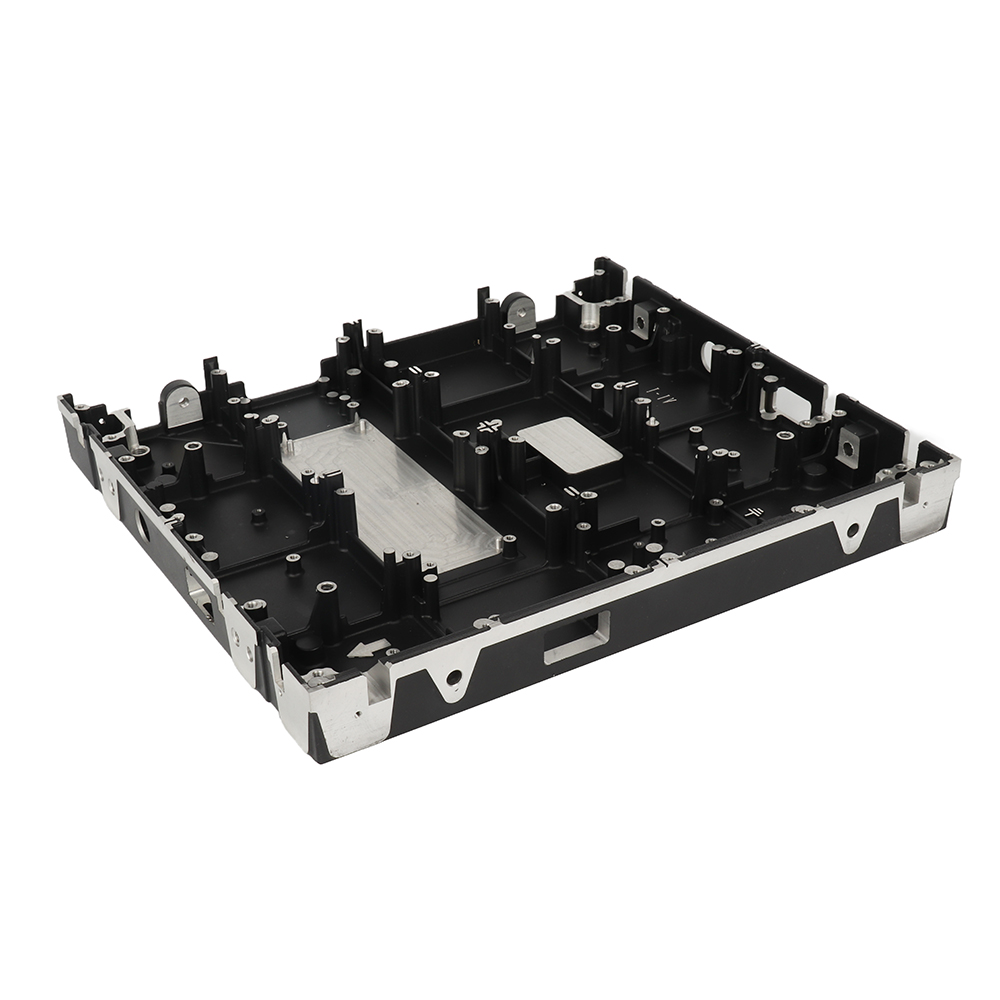
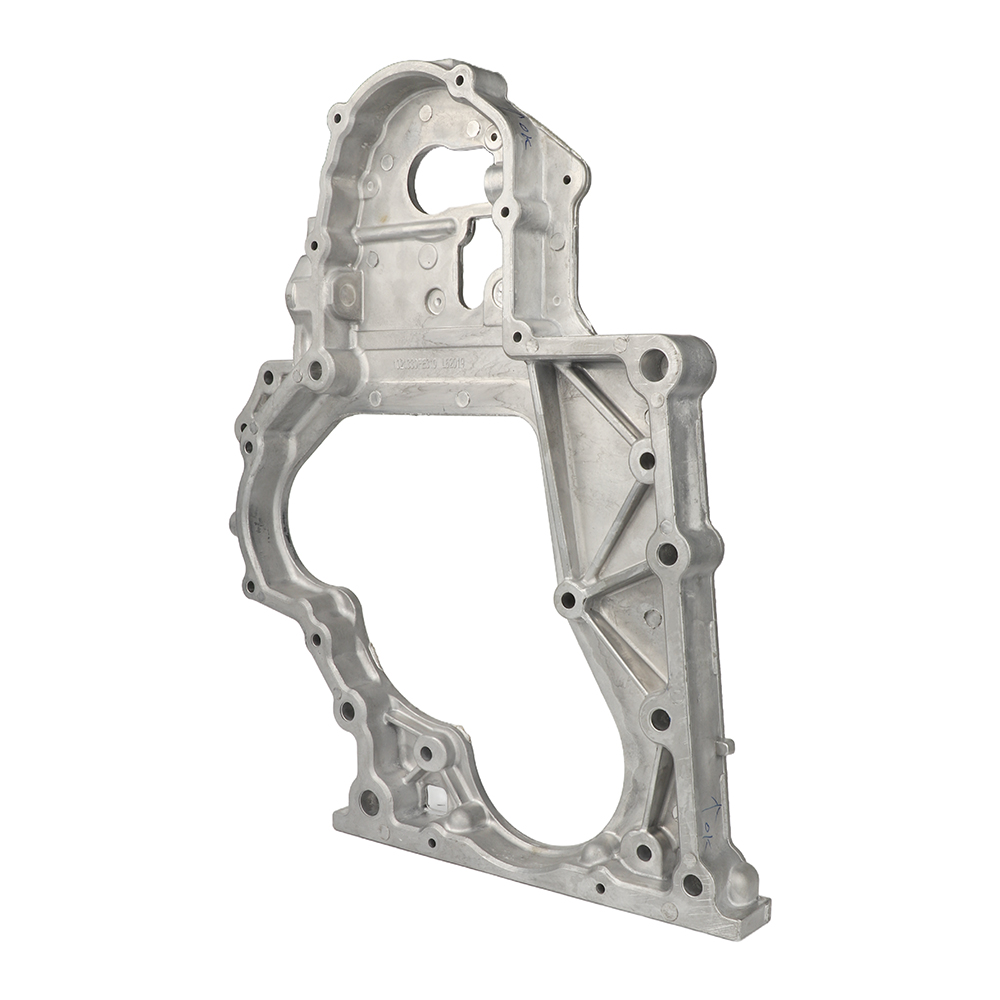
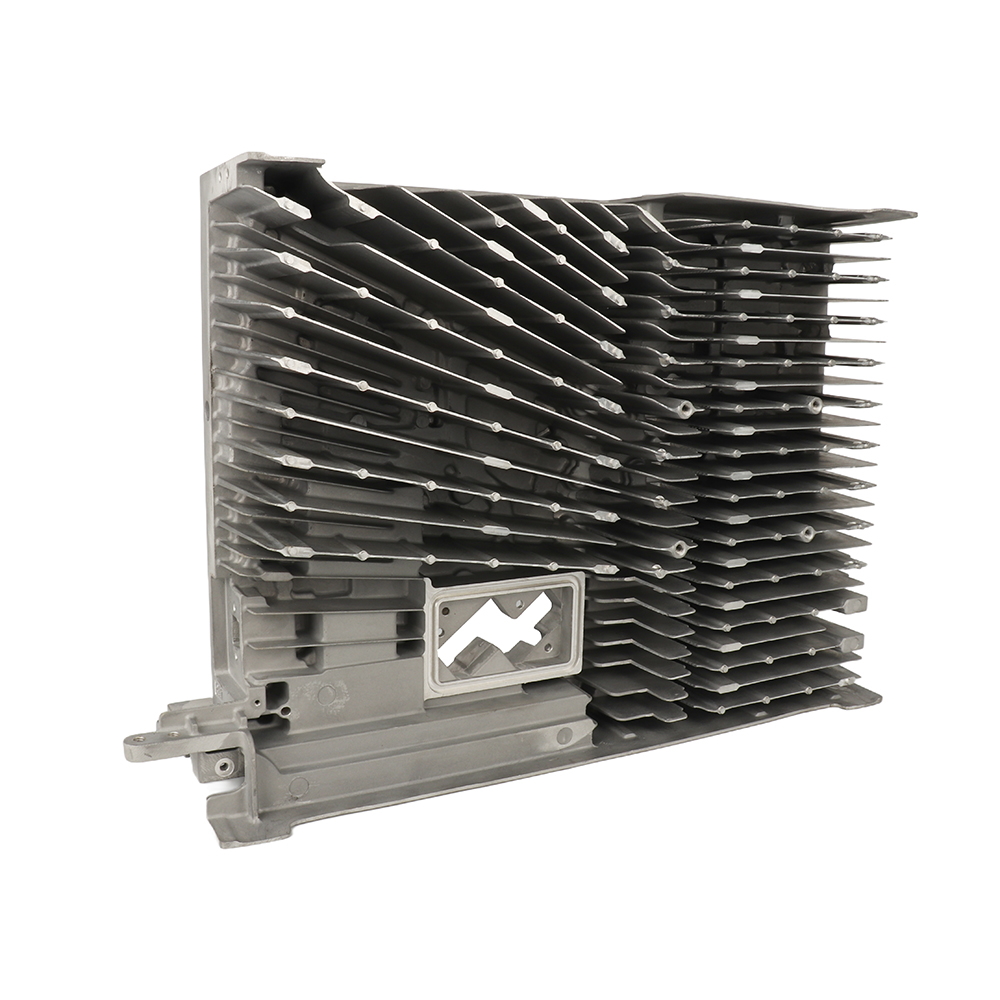
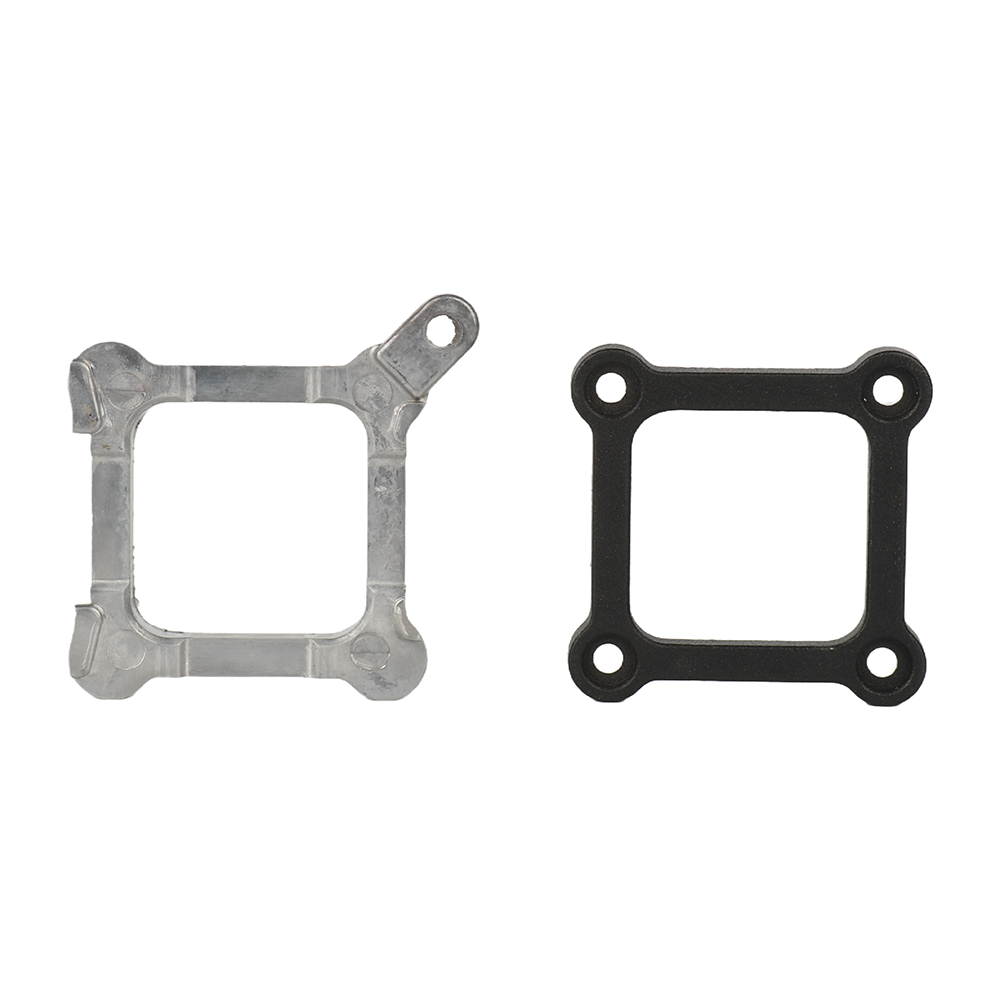
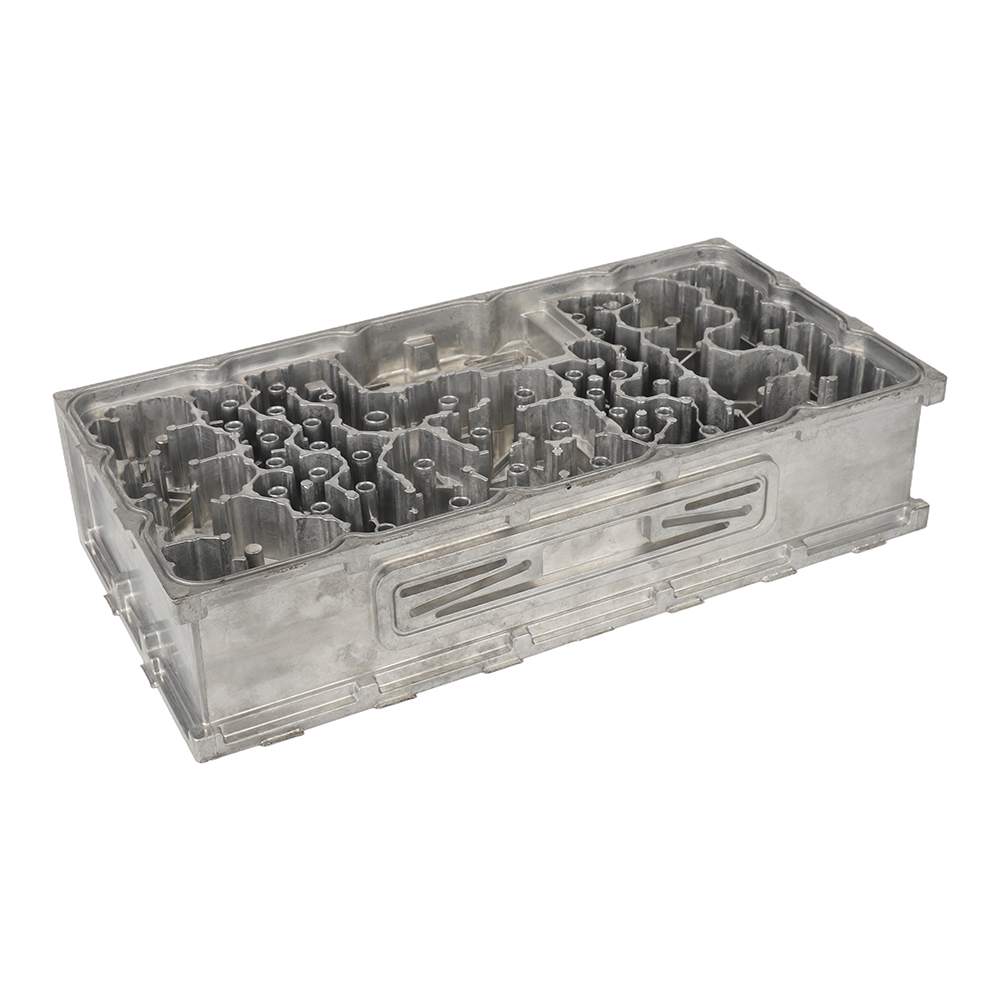
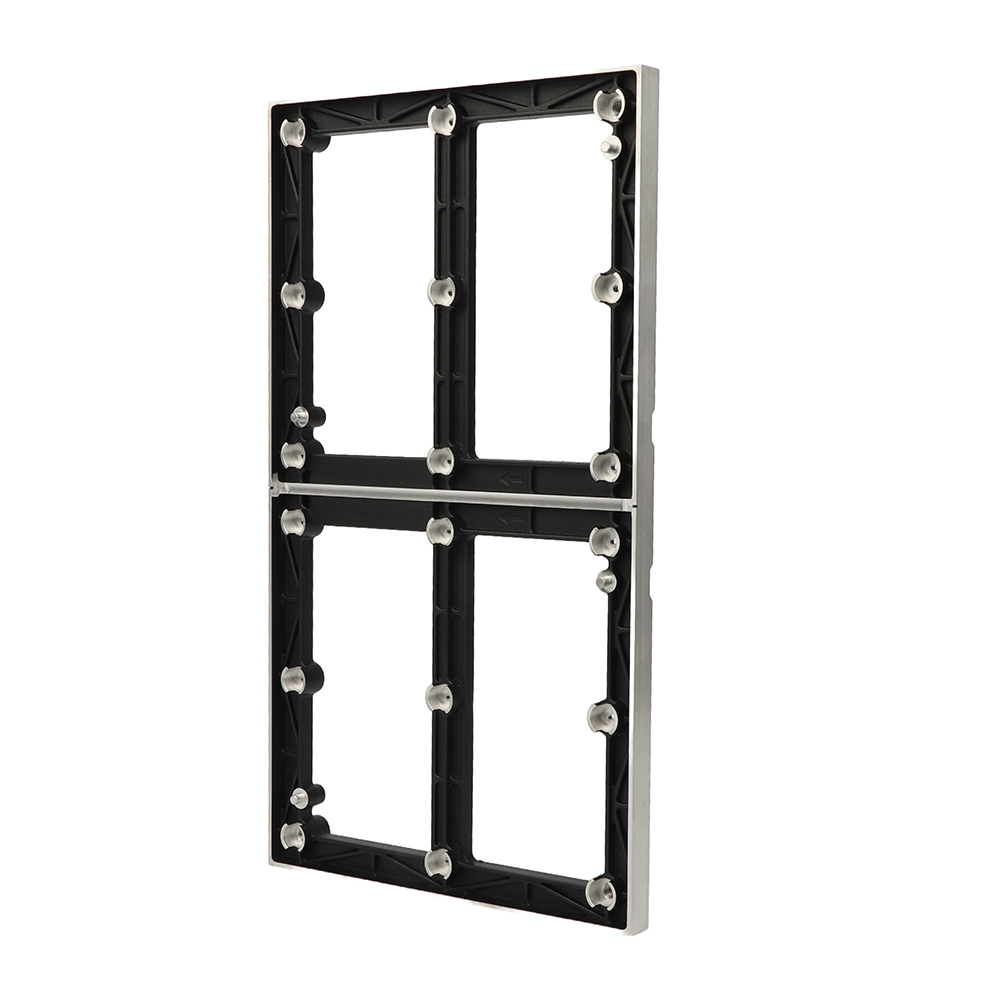
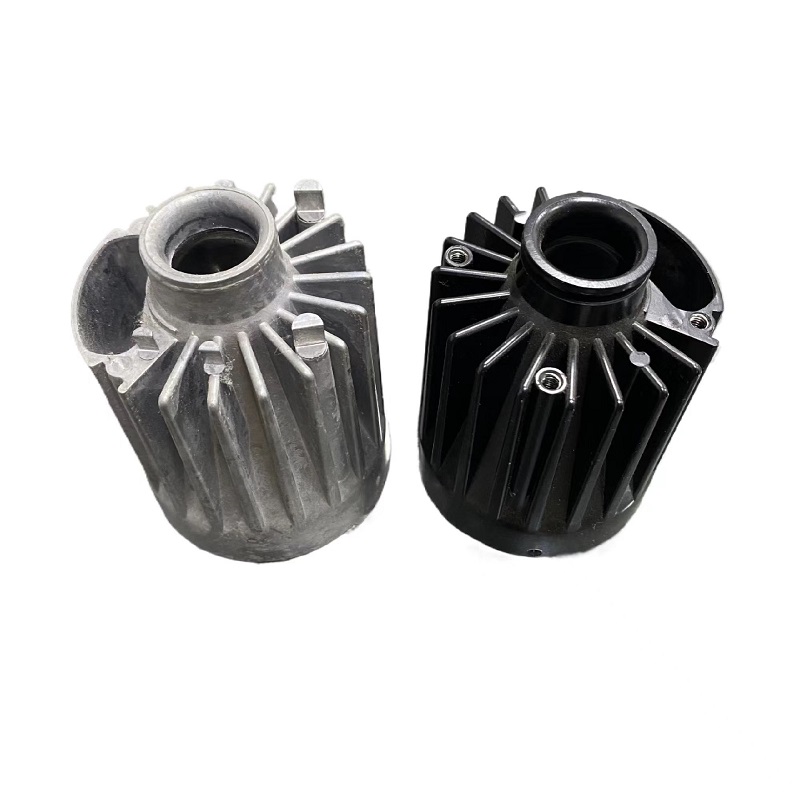
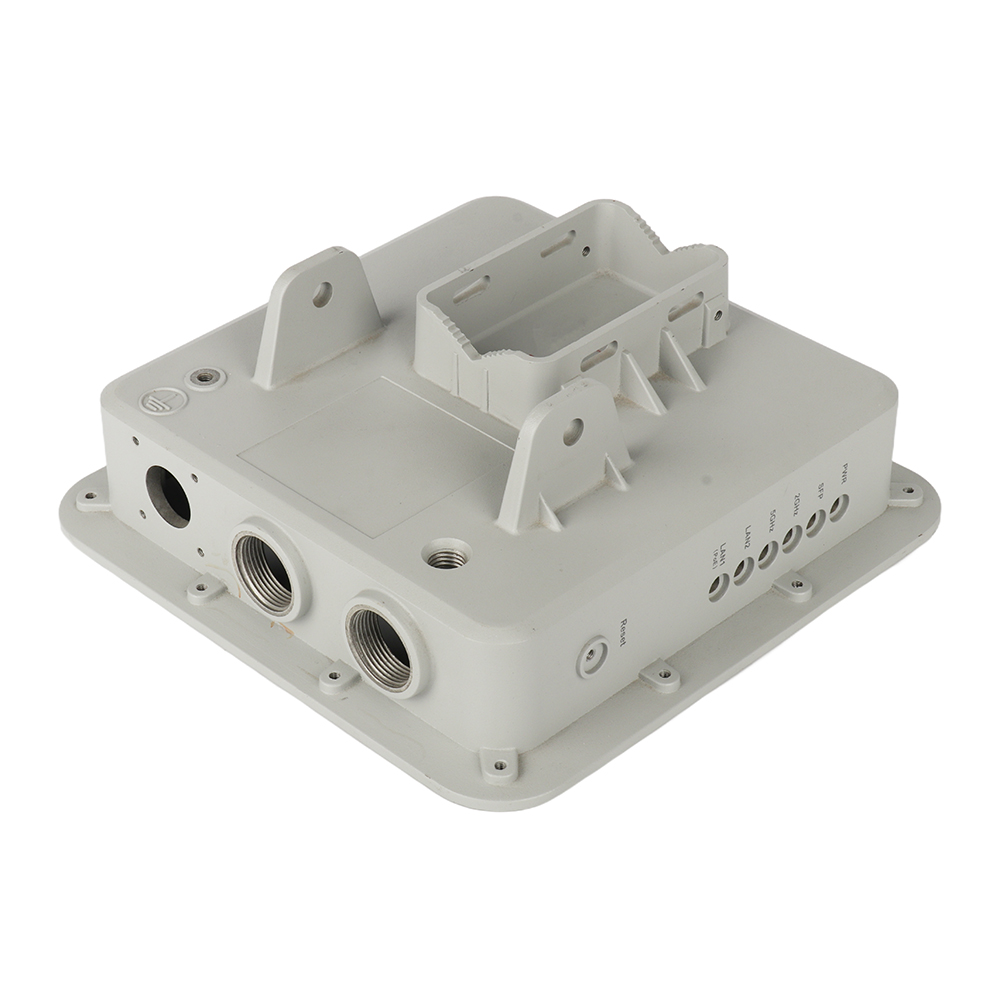
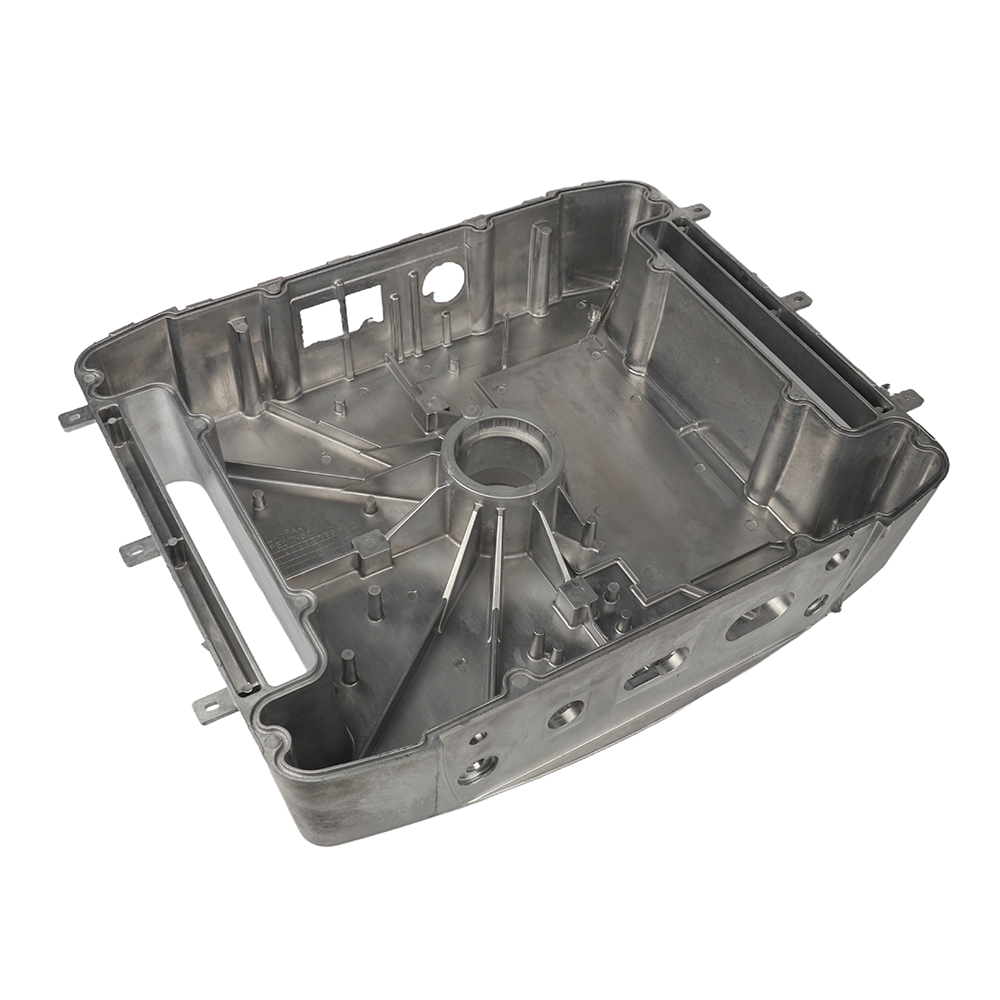
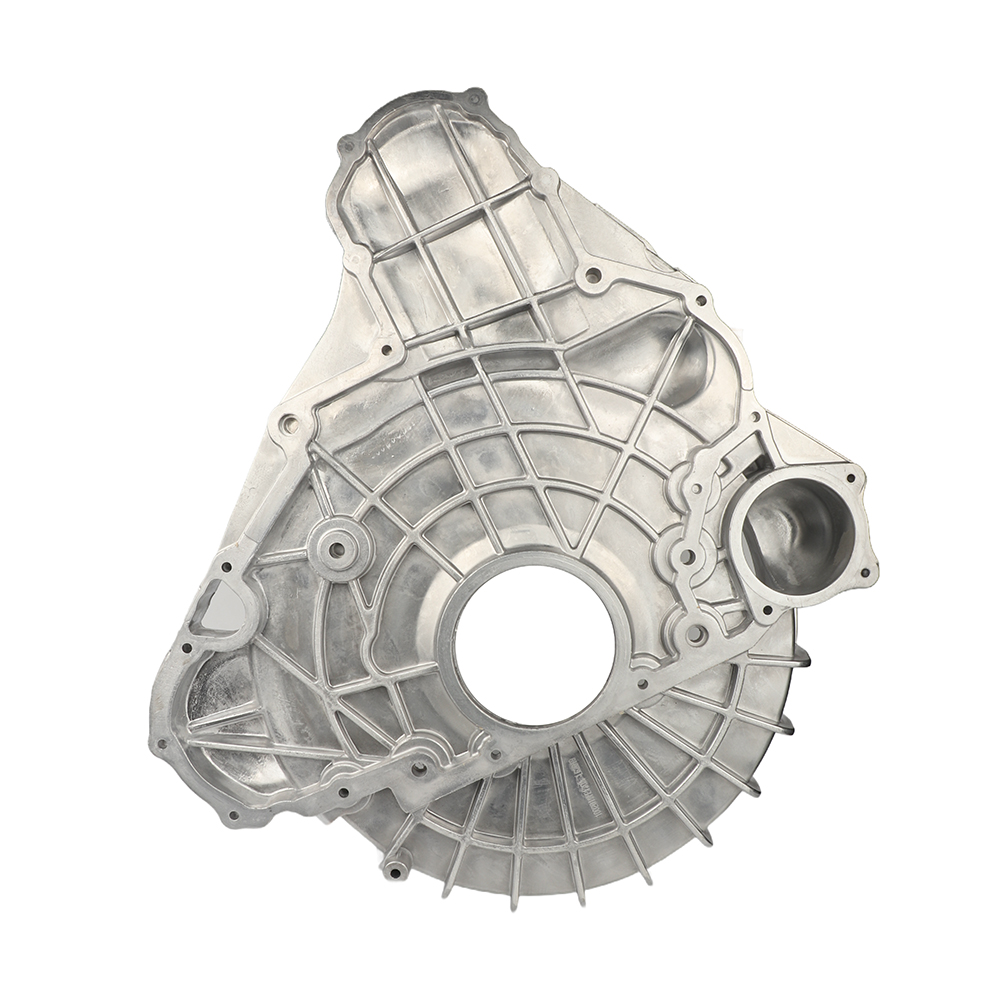
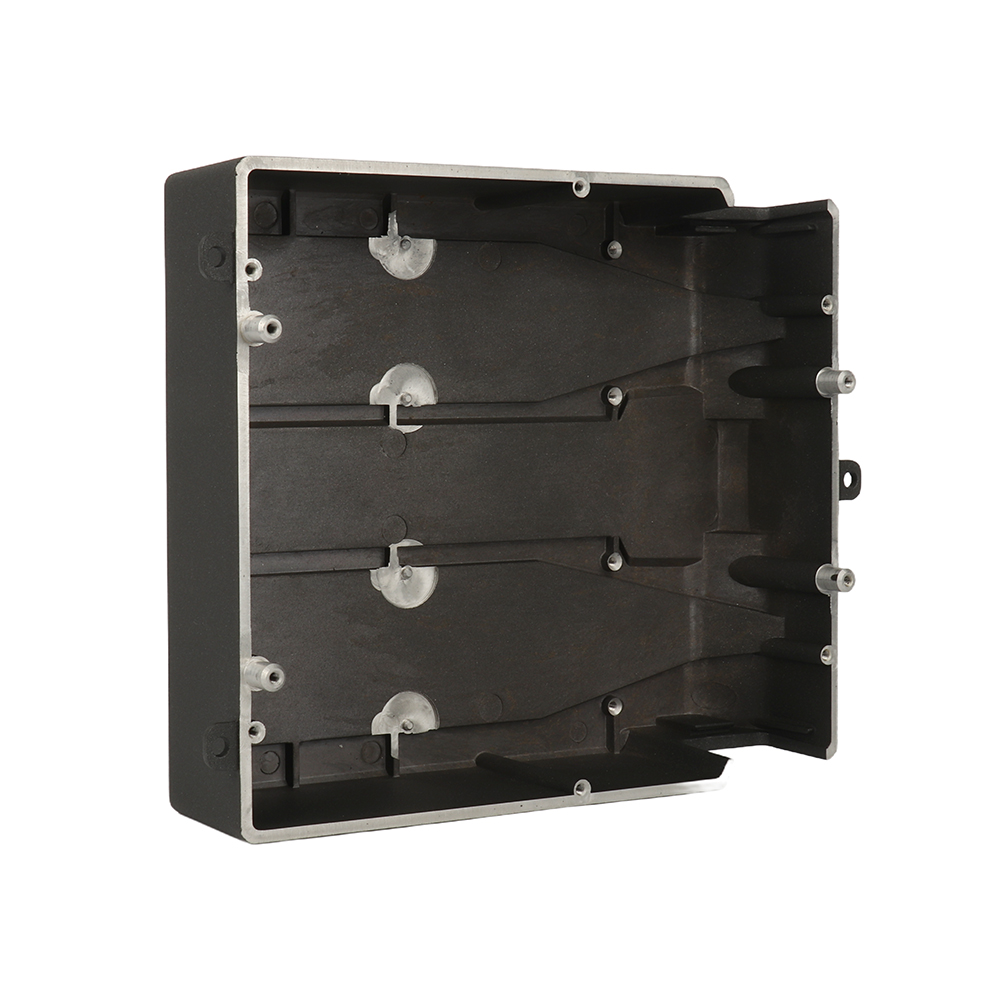
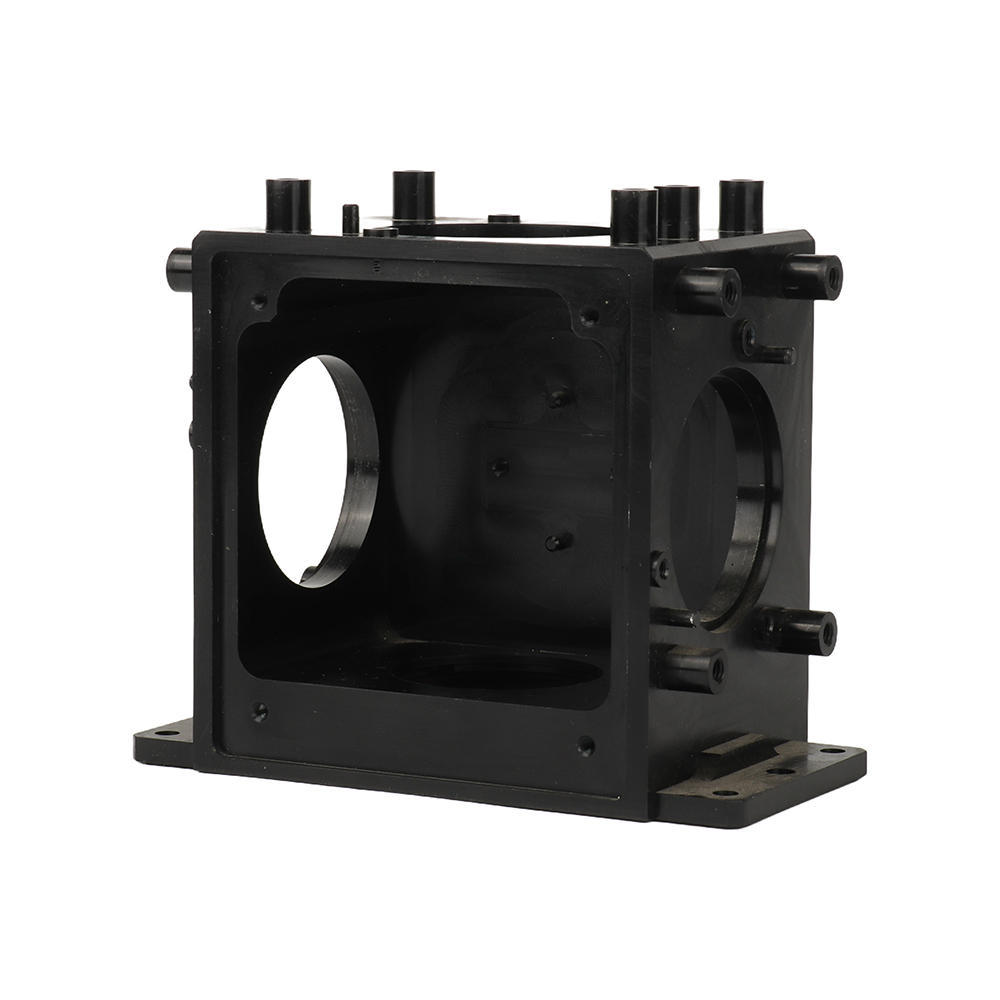
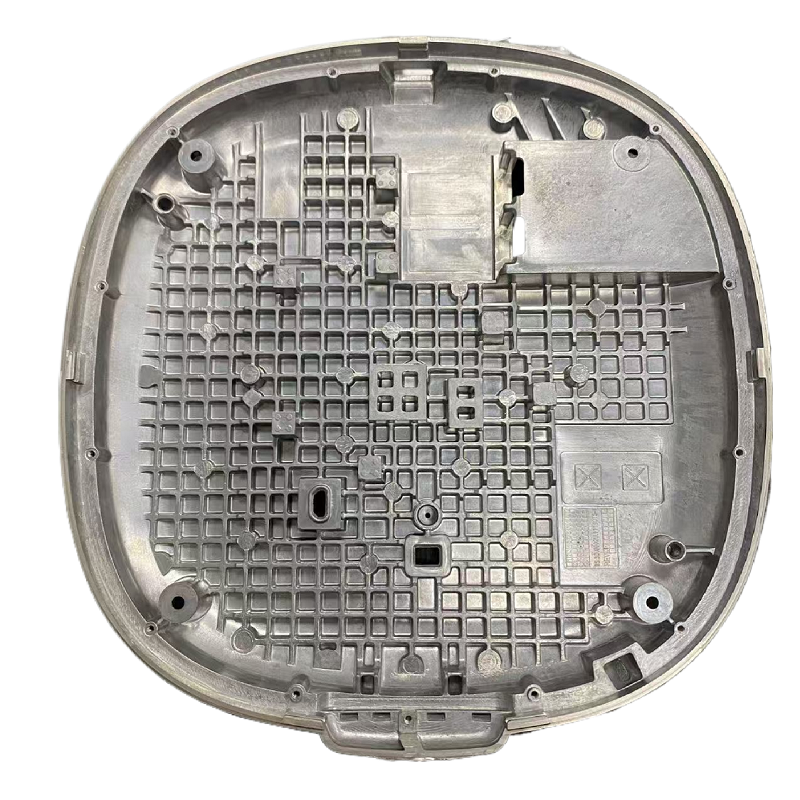
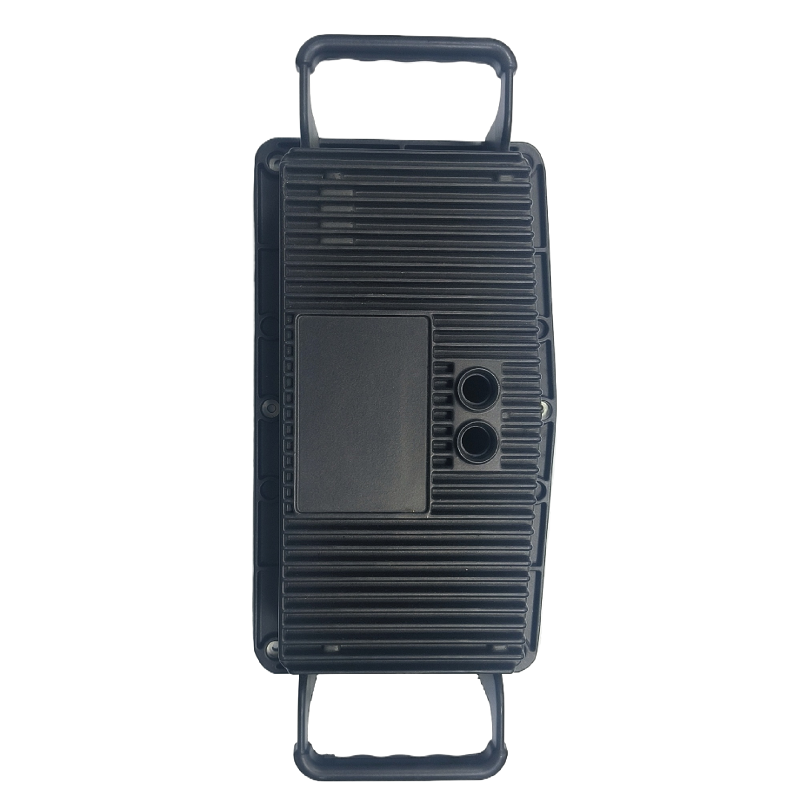
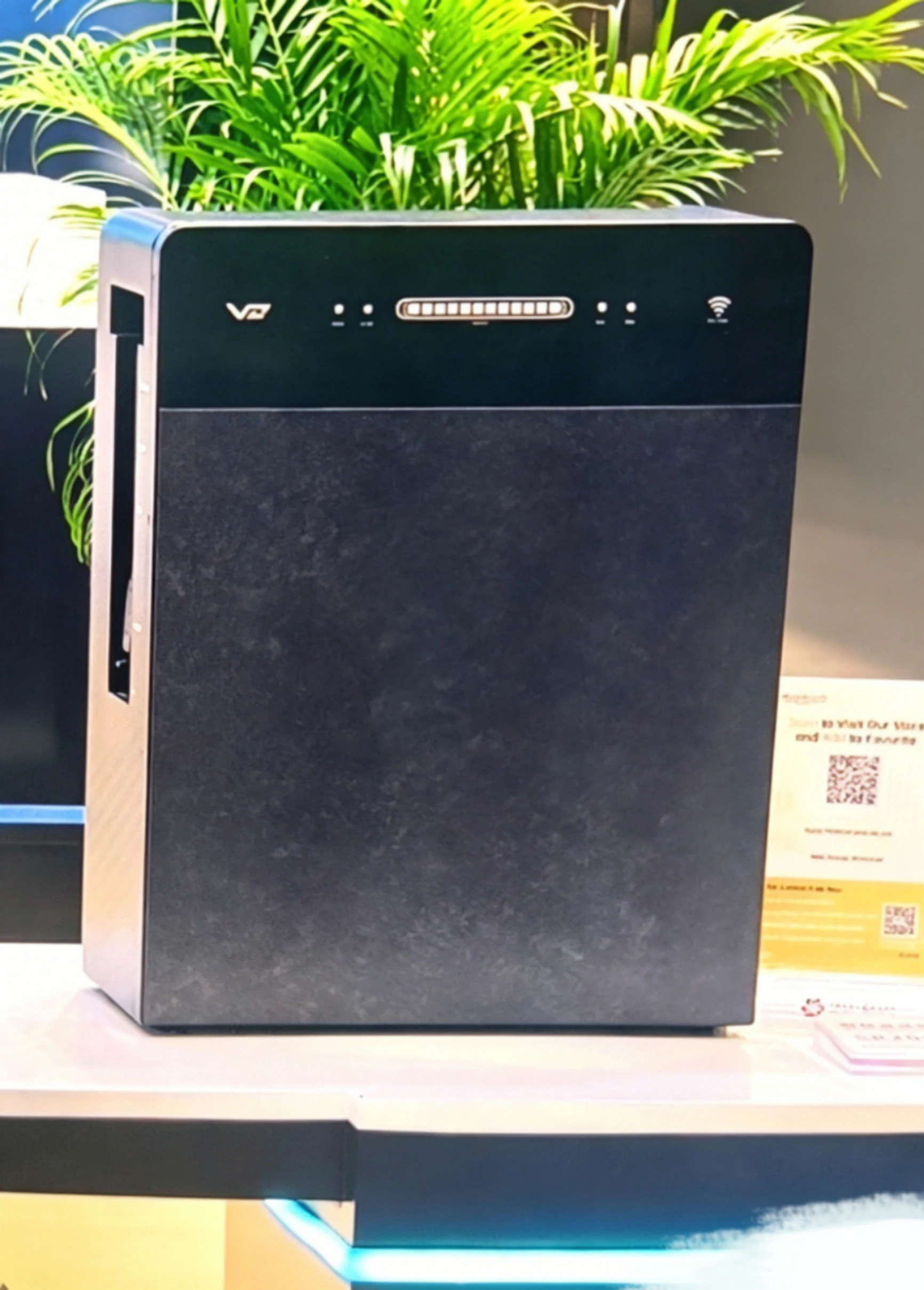
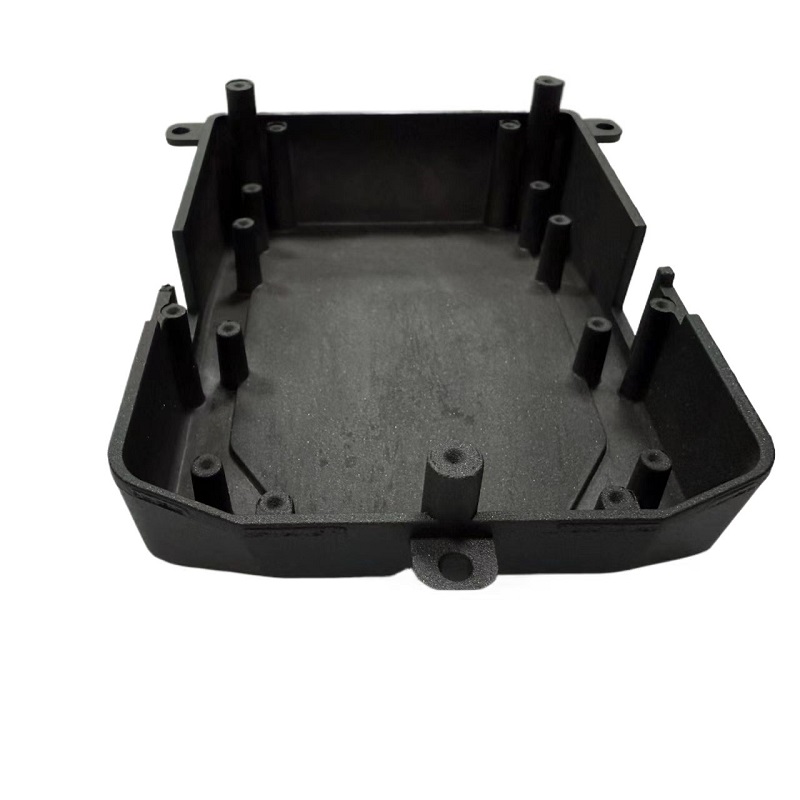
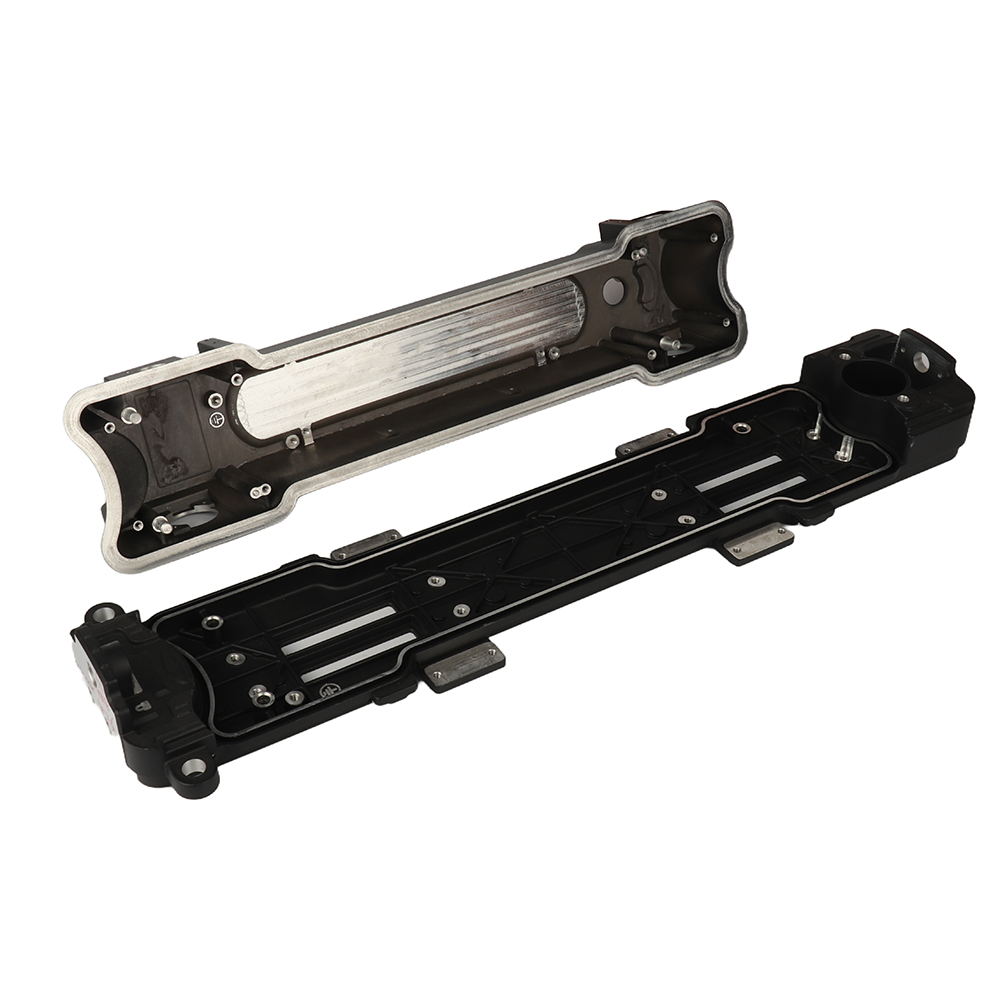
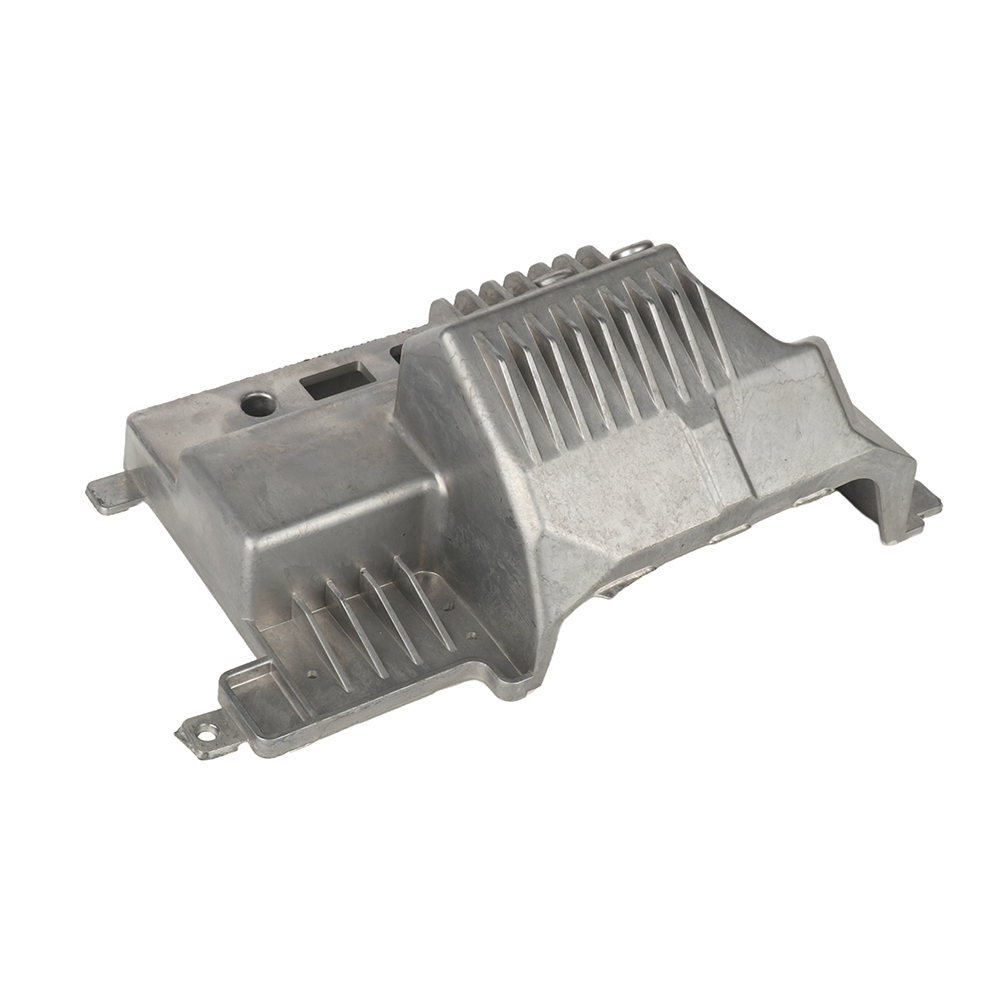
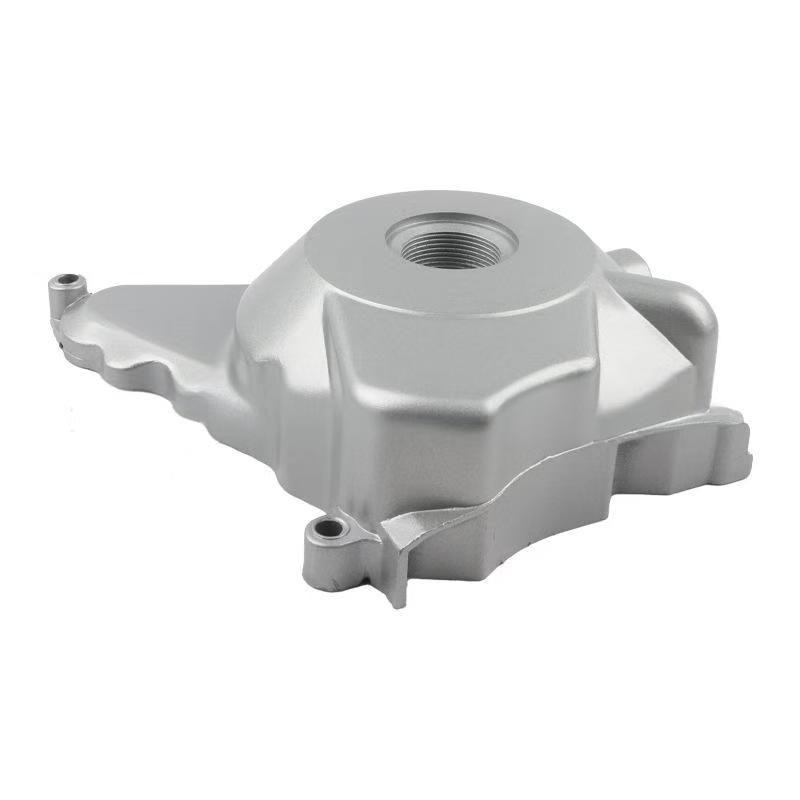
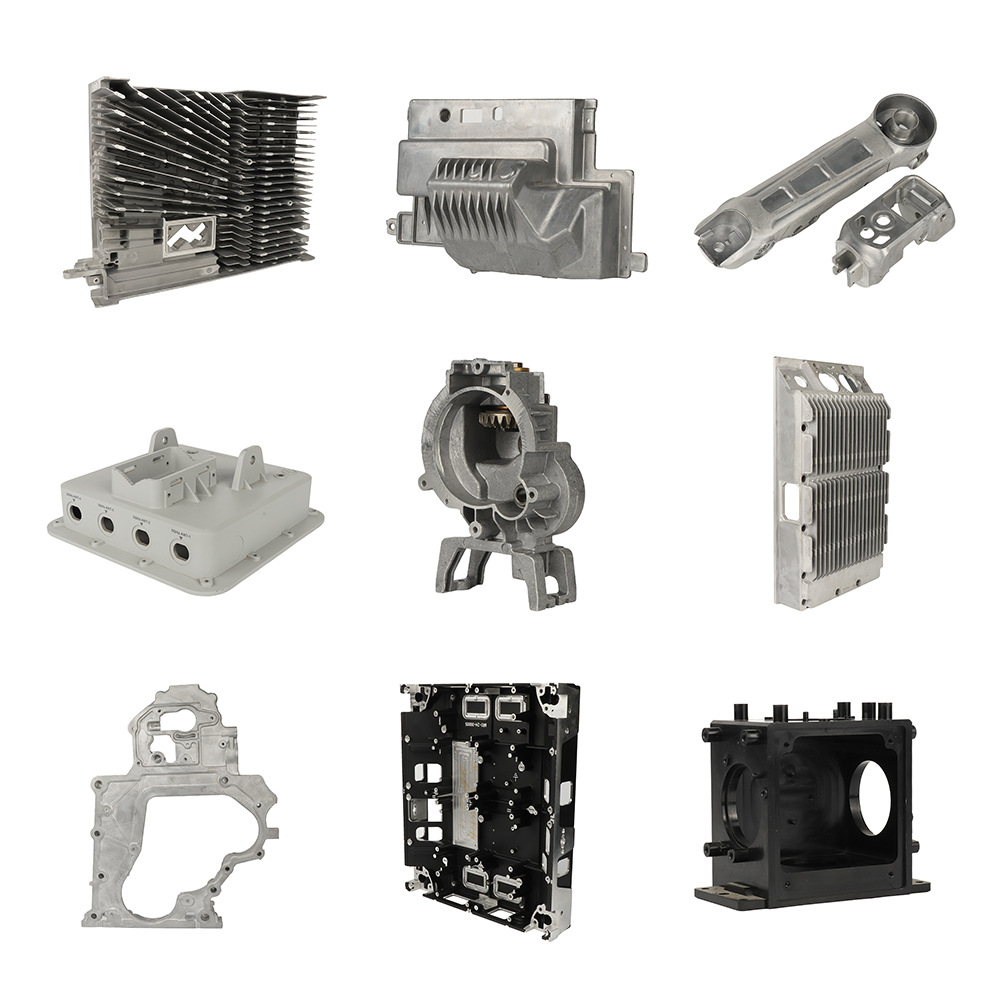
Die casting manufacturing process | What are aluminum, magnesium and zinc die castings? A Complete Guide to Die Casting Manufacturing
What are aluminum, magnesium and zinc die castings? A Complete Guide to Die Casting Manufacturing
Table of Contents
- 1. Introduction: What Are Aluminum, Magnesium and Zinc Die Castings?
- 2. The Core: Die Casting Manufacturing Process (Step-by-Step)
- 2.1 Pre-Production Preparation
- 2.2 Die Installation & Preheating
- 2.3 Molten Metal Injection
- 2.4 Cooling & Solidification
- 2.5 Ejection & Post-Processing
- 3. Key Differences: Aluminum, Magnesium and Zinc Die Castings
- 4. Die Casting Manufacturing Process: Pros, Cons and Comparisons
- 4.1 Core Advantages of Die Casting (Highlighted)
- 4.2 Potential Disadvantages
- 4.3 Comparison with Other Casting Processes
- 5. Expert Opinions on Die Casting (Aluminum, Magnesium & Zinc)
- 6. FAQs About Aluminum, Magnesium and Zinc Die Castings
- 7. Conclusion
1. Introduction: What Are Aluminum, Magnesium and Zinc Die Castings?
Die casting is a high-pressure metal casting process that forces molten metal into a precision-machined steel mold (die) to produce complex, high-quality parts with consistent dimensions. It is one of the most versatile and efficient manufacturing processes in modern industry, enabling the production of components with exceptional accuracy and surface finish quality. Among the most widely used materials for die casting are aluminum, magnesium, and zinc—each offering unique properties that make them suitable for diverse industrial applications, from automotive components and electronics to aerospace parts and consumer goods.
Unlike other casting methods, die casting delivers near-net-shape parts with minimal post-processing, making it a preferred choice for mass production. While aluminum, magnesium, and zinc die castings share the same core manufacturing process, their distinct material characteristics (weight, strength, corrosion resistance, and cost) make them ideal for different use cases. In this blog, we’ll dive deep into thedie casting manufacturing process, compare the three materials, analyze the pros and cons of the process (with a focus on its benefits), share expert insights, and answer common industry questions to help you understand their value in modern manufacturing.//www.yaoxinghangcn.com/
2. The Core: Die Casting Manufacturing Process (Step-by-Step)
The die casting manufacturing process is a streamlined, automated workflow designed to produce high-volume, precision parts efficiently. While slight variations exist for different metals (e.g., hot vs. cold chamber machines), the core steps remain consistent. Below is a detailed breakdown of each stage, with key techniques and quality control measures highlighted, along with a visual overview of the process:
2.1 Pre-Production Preparation
Pre-production is the foundation of high-quality die casting, involving two critical steps: die design & machining and material preparation. The die (steel mold) is precision-machined to match the exact dimensions of the desired part, with channels (gates and runners) to guide molten metal flow. For aluminum, magnesium, and zinc, the die must be engineered to accommodate their unique melting points and flow properties. Material preparation involves melting the metal alloy to its optimal temperature—660℃ for aluminum, 650℃ for magnesium, and 385℃ for zinc—and removing impurities to ensure casting integrity.
2.2 Die Installation & Preheating
The machined die is mounted onto a die casting machine (either hot or cold chamber). Cold chamber machines are used for high-melting-point metals like aluminum and magnesium, while hot chamber machines are preferred for zinc (lower melting point, faster production). Before injection, the die is preheated to 150-300℃ to prevent thermal shock (which can crack the die) and ensure uniform metal flow. A release agent is also applied to the die cavity to prevent the solidified part from sticking, reducing post-processing needs.
2.3 Molten Metal Injection
This is the core step of the die casting process. Molten metal is forced into the die cavity at high pressure—ranging from 1000 to 20,000 psi—using a plunger or shot sleeve. The high pressure ensures the metal fills every detail of the die, even complex geometries and thin walls (as thin as 0.4 mm for zinc). For aluminum and magnesium, the molten metal is poured into a cold chamber first, then injected; for zinc, it is drawn directly from a heated crucible in the hot chamber, speeding up the cycle.
2.4 Cooling & Solidification
Once the die is filled, the molten metal is cooled rapidly (controlled by internal cooling channels in the die) to solidify into the shape of the part. Cooling time varies by material and part thickness—thicker parts require longer cooling to avoid defects like shrinkage or porosity. The rapid cooling also enhances the metal’s mechanical properties, resulting in stronger, more durable parts. Pressure is maintained during cooling to prevent voids and ensure dimensional accuracy.
2.5 Ejection & Post-Processing
After solidification, the die is opened, and an ejection system pushes the part out. The ejected part (called a “casting”) may have small excesses (flash or runners) from the die channels, which are trimmed off using specialized tools. Post-processing may also include cleaning, polishing, or surface treatments (e.g., anodizing for aluminum, plating for zinc) to meet application requirements. Importantly, die casting requires minimal post-processing compared to other casting methods, a key advantage for mass production.
3. Key Differences: Aluminum, Magnesium and Zinc Die Castings
While all three metals use the same die casting process, their unique properties make them suitable for different applications. Below is a concise comparison of their core characteristics:
Aluminum Die Castings: Lightweight (density 2.63-2.85 g/cm³), excellent thermal and electrical conductivity, good corrosion resistance, and moderate strength (200-560 MPa). Ideal for automotive components (engine brackets), electronics (heatsinks), and aerospace parts—balancing performance and cost. Requires cold chamber machines due to its high melting point.
Magnesium Die Castings: The lightest of the three (density 1.74-1.8 g/cm³), with the highest strength-to-weight ratio, and easy to machine. Perfect for applications where weight reduction is critical, such as 3C products (laptop housings), aerospace structural parts, and electric vehicle components. Requires cold chamber machines and SF6 gas for explosion prevention during processing.
Zinc Die Castings: Highest density (6.3-6.7 g/cm³), lowest melting point, excellent flowability (suitable for complex, fine parts), and easy to plate. Cost-effective for small, intricate parts like hardware handles, bathroom accessories, and decorative components. Uses hot chamber machines for fast mass production but may require frequent mold maintenance to prevent sticking.
4. Die Casting Manufacturing Process: Pros, Cons and Comparisons
4.1 Core Advantages of Die Casting (Highlighted)
Die casting stands out among manufacturing processes for its unique benefits, making it a top choice for mass production:
- High Precision & Consistency: Produces parts with tight dimensional tolerances (±0.005 inches) and uniform surface finishes, eliminating the need for extensive machining. This consistency ensures every part is identical, critical for assembly-line production.
- Efficiency & High Volume: Automated processes enable fast cycle times (10-90 seconds per part, depending on material and size), supporting mass production of hundreds of thousands of parts annually. Zinc die casting, in particular, offers the fastest production cycles due to its low melting point.
- Complex Geometry Capability: High pressure allows molten metal to fill intricate die cavities, creating parts with complex shapes, thin walls, and fine details that are difficult or impossible to achieve with other casting methods (e.g., sand casting).
- Cost-Effectiveness (Long-Term): While initial die and machine costs are high, the low per-unit cost (due to minimal post-processing and fast cycles) makes die casting economical for large production runs. Recyclable scrap metal also reduces material waste and costs.
- Durable & Versatile: Die cast parts have excellent mechanical properties (strength, durability) and can be made from a range of alloys (aluminum, magnesium, zinc) to suit diverse applications—from automotive to consumer electronics.
4.2 Potential Disadvantages
Despite its many benefits, die casting has a few limitations:
- High Initial Investment: Precision dies and die casting machines require significant upfront costs, making it less feasible for small-batch production.
- Size Limitations: Die casting is most suitable for small to medium-sized parts; large parts (e.g., heavy industrial components) are difficult to produce due to equipment constraints.
- Material Restrictions: It is primarily used for non-ferrous metals (aluminum, magnesium, zinc); ferrous metals (steel, iron) have high melting points that damage steel dies.
- Porosity Risks: If not controlled, rapid cooling can create small pores in the part, which may affect performance in high-pressure or high-temperature applications. Proper die design and process optimization can mitigate this issue.
4.3 Comparison with Other Casting Processes
To highlight die casting’s advantages, here’s a quick comparison with two common casting methods:
- Die Casting vs. Sand Casting: Sand casting is cheaper for small batches but has lower precision, rough surface finishes, and requires extensive post-processing. Die casting offers higher precision, faster cycles, and better consistency—ideal for mass production.
- Die Casting vs. Investment Casting: Investment casting produces high-precision parts but is slow and expensive, suitable for small batches of complex parts (e.g., aerospace components). Die casting is faster and more cost-effective for high-volume production, with comparable precision for most applications.
5. Expert Opinions on Die Casting (Aluminum, Magnesium & Zinc)
Industry experts weigh in on the value of die casting and the unique roles of aluminum, magnesium, and zinc in modern manufacturing:
Martin Fehl Bier (Chair of Foundry Technology at the University of Kassel): “The trend toward megacasting—using large die-cast aluminum parts in automotive production—has reshaped the industry. Tesla pioneered this approach, and now Volvo and Chinese suppliers are following, as it reduces part counts, cuts costs, and lightens electric vehicles to extend their range. Aluminum’s balance of strength and lightweight properties makes it the ideal material for this shift.”
Cornel Mendler (Managing Director Die Casting at Bühler): “Magnesium die casting is gaining traction in industries where weight reduction is non-negotiable, such as aerospace and electric vehicles. Its superior strength-to-weight ratio, combined with die casting’s precision, allows manufacturers to create lighter, more efficient components without sacrificing durability. The key is optimizing the process to address magnesium’s unique challenges, like explosion prevention with SF6 gas.”
Industry Veteran (20+ Years of Experience): “A common misconception is that expensive die casting machines guarantee quality. In reality, 55% of casting quality depends on the die, 30% on the machine, and only 15% on process and human factors. A well-designed die can produce high-quality parts even with a standard machine, while a poor die will underperform regardless of equipment. For aluminum, magnesium, and zinc, die design must be tailored to their material properties to maximize efficiency and reduce defects.”
Siegfried Heinrich (Managing Director at Schaufler Tooling): “Zinc die casting remains a workhorse for small, intricate parts due to its low melting point and excellent flowability. It’s cost-effective for mass production, but manufacturers must prioritize mold maintenance to prevent sticking and extend die life. When paired with die casting’s fast cycles, zinc is unbeatable for high-volume consumer goods and hardware components.”
6. FAQs About Aluminum, Magnesium and Zinc Die Castings
Below are answers to the most common industry questions about die casting and its key materials:
Q1: What is die casting, and how does it differ from other casting methods?
A: Die casting is a high-pressure metal casting process that forces molten metal into a precision steel die to produce near-net-shape parts. Unlike sand casting (low precision, slow) or investment casting (expensive, small batches), die casting offers high precision, fast cycles, and minimal post-processing—ideal for mass production. It uses permanent steel dies, whereas sand casting uses disposable sand molds.
Q2: Which material is best for my application: aluminum, magnesium, or zinc?
A: Choose based on your priorities: - Aluminum: Best for balanced performance (strength, corrosion resistance, cost) – ideal for automotive, electronics, and aerospace. - Magnesium: Best for weight reduction – ideal for electric vehicles, 3C products, and aerospace. - Zinc: Best for small, intricate parts and cost-effectiveness – ideal for consumer goods, hardware, and decorations.
Q3: What are the main advantages of die casting over other manufacturing processes?
A: The top advantages are high precision and consistency, fast production cycles for mass production, ability to create complex geometries, minimal post-processing, and long-term cost-effectiveness. Die cast parts also have excellent mechanical properties and can be made from versatile alloys.
Q4: Is die casting suitable for small-batch production?
A: Generally, no. Die casting requires significant upfront investment in precision dies and machines, making it more economical for large production runs (10,000+ parts). For small batches, sand casting or investment casting is often a better choice.
Q5: Can die cast parts be recycled?
A: Yes! Aluminum, magnesium, and zinc are all highly recyclable. Scrap from die casting (e.g., trimmings, defective parts) can be melted and reused, reducing material waste and lowering production costs. Recycled alloys maintain the same properties as virgin materials, making die casting an environmentally friendly option.
Q6: What is the difference between hot chamber and cold chamber die casting?
A: Hot chamber machines are used for low-melting-point metals (zinc), where the molten metal is stored in a heated crucible within the machine for fast injection. Cold chamber machines are used for high-melting-point metals (aluminum, magnesium), where molten metal is poured into a separate chamber before injection. Hot chamber machines offer faster cycles, while cold chamber machines handle higher-temperature metals safely.
7. Conclusion
Aluminum, magnesium, and zinc die castings are integral to modern manufacturing, leveraging thedie casting manufacturing process to deliver high-quality, precise, and cost-effective parts for diverse industries. While the core process remains consistent—preparation, die installation, injection, cooling, ejection, and post-processing—each material’s unique properties make it suitable for specific applications: aluminum for balance, magnesium for weight reduction, and zinc for cost-effective intricacy.
The die casting process’s key advantages—high precision, fast mass production, complex geometry capability, and minimal post-processing—outweigh its limitations, making it a preferred choice for manufacturers worldwide. Expert insights confirm that die design, material selection, and process optimization are critical to maximizing the value of die casting, whether for automotive megacasting, aerospace components, or consumer goods.
Whether you’re selecting a material for your next project or seeking to understand die casting’s role in industry, this guide provides the foundational knowledge to make informed decisions. As the global die casting market grows (projected to reach USD 16.45 billion by 2033), aluminum, magnesium, and zinc will continue to drive innovation in manufacturing efficiency and product performance.
camera case | What is Precision CNC Machining? Focus on Aluminum Alloy Camera Case
Plastic cover | Module cover | What is an LED display module rear cover?
Related Article


