
HOT PRODUCTS
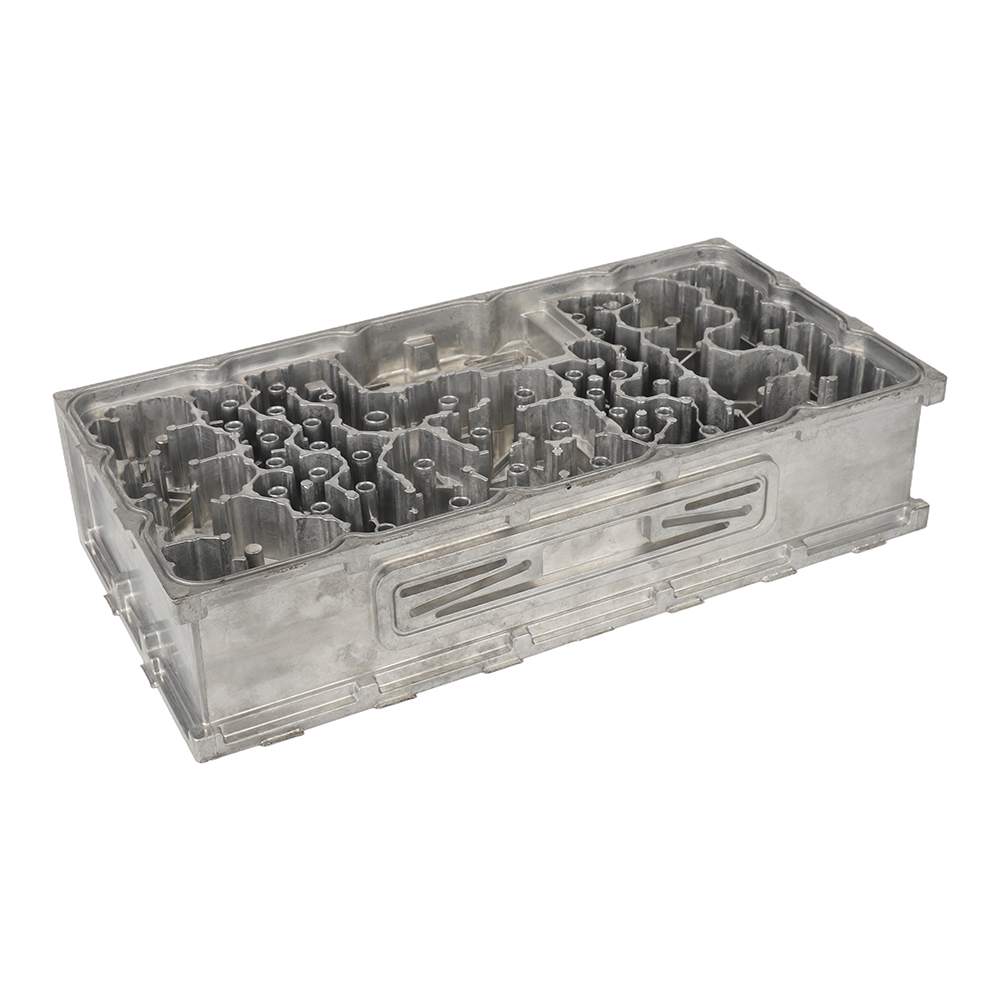
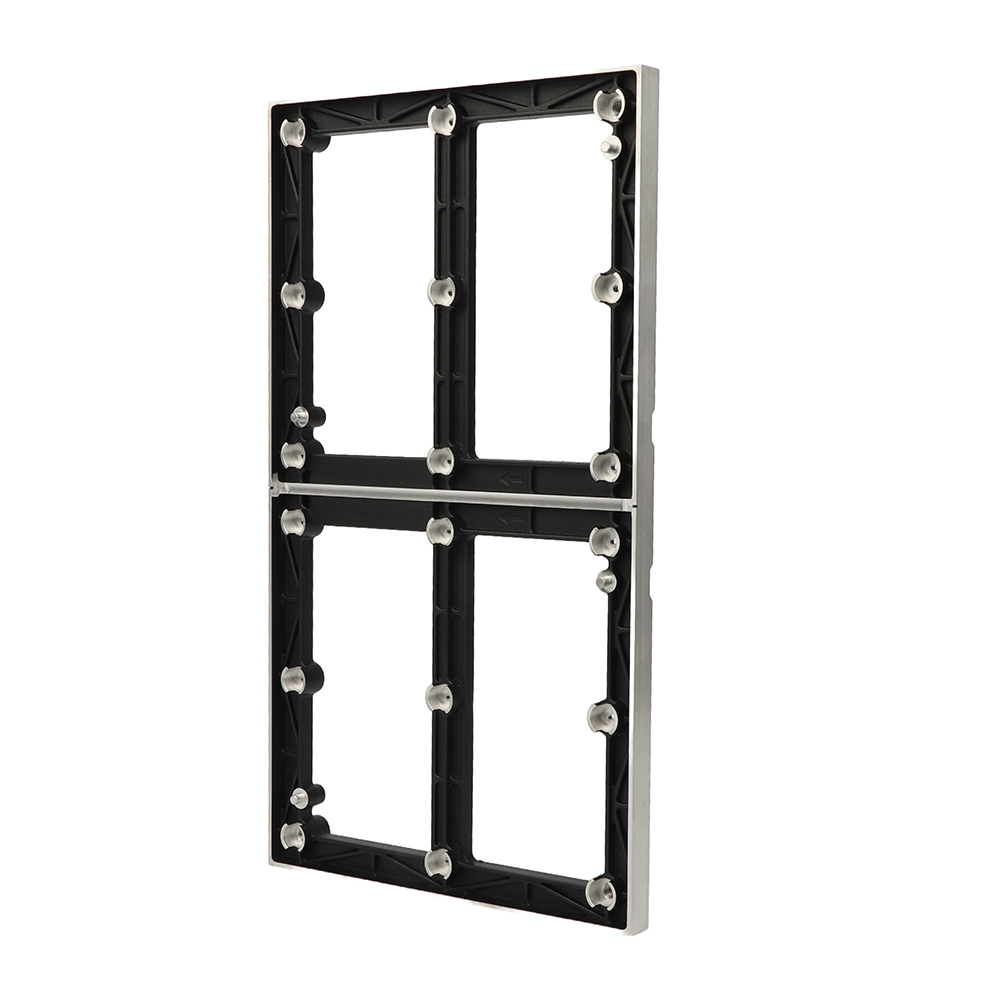
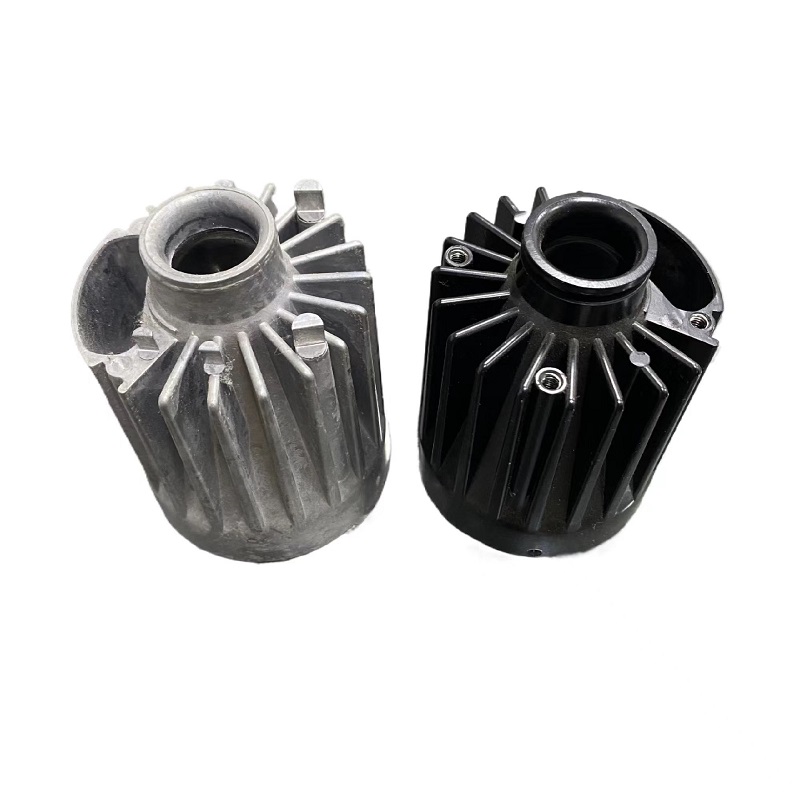
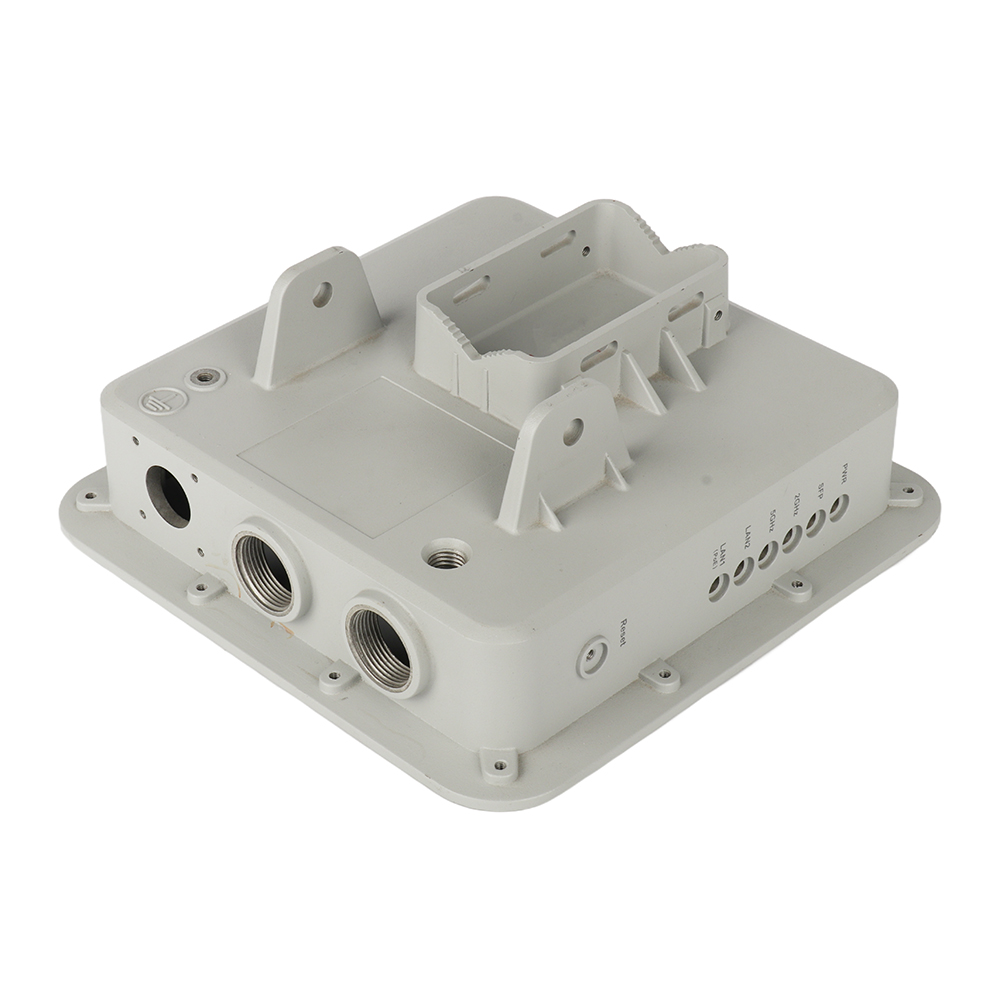
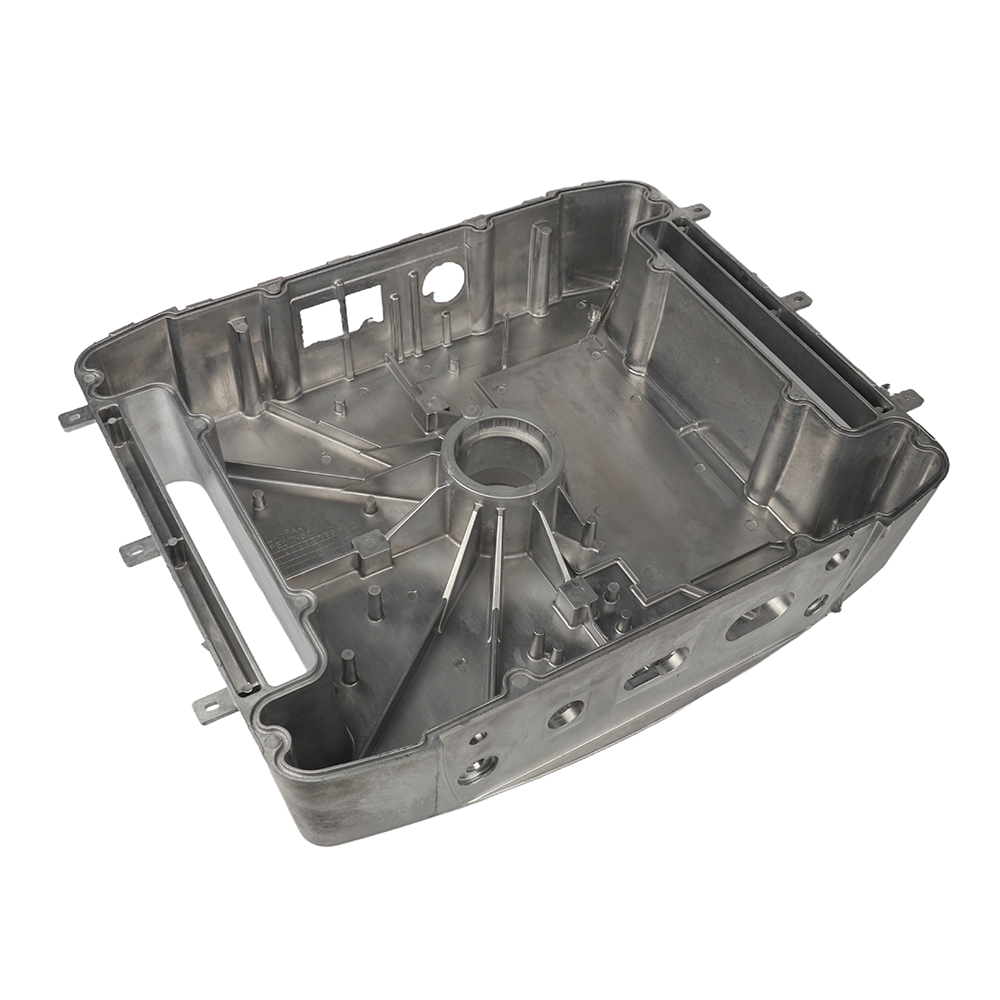
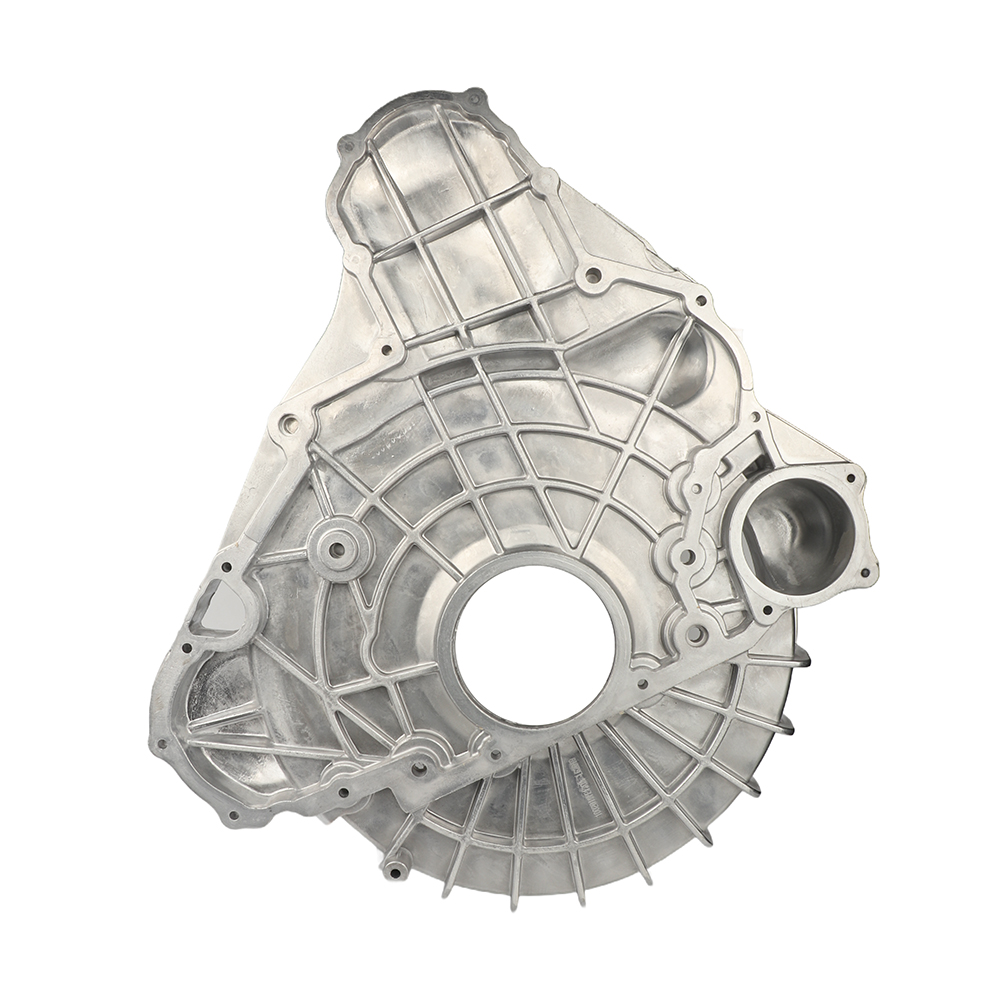
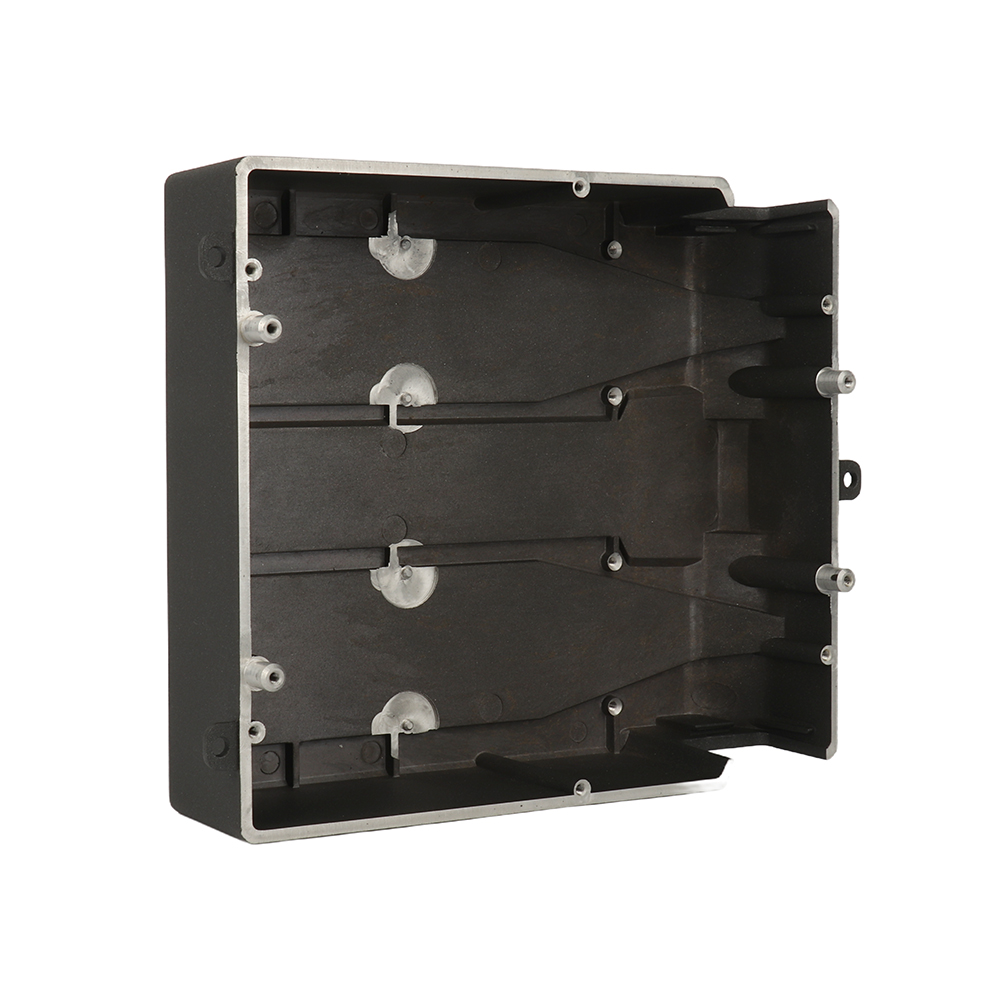
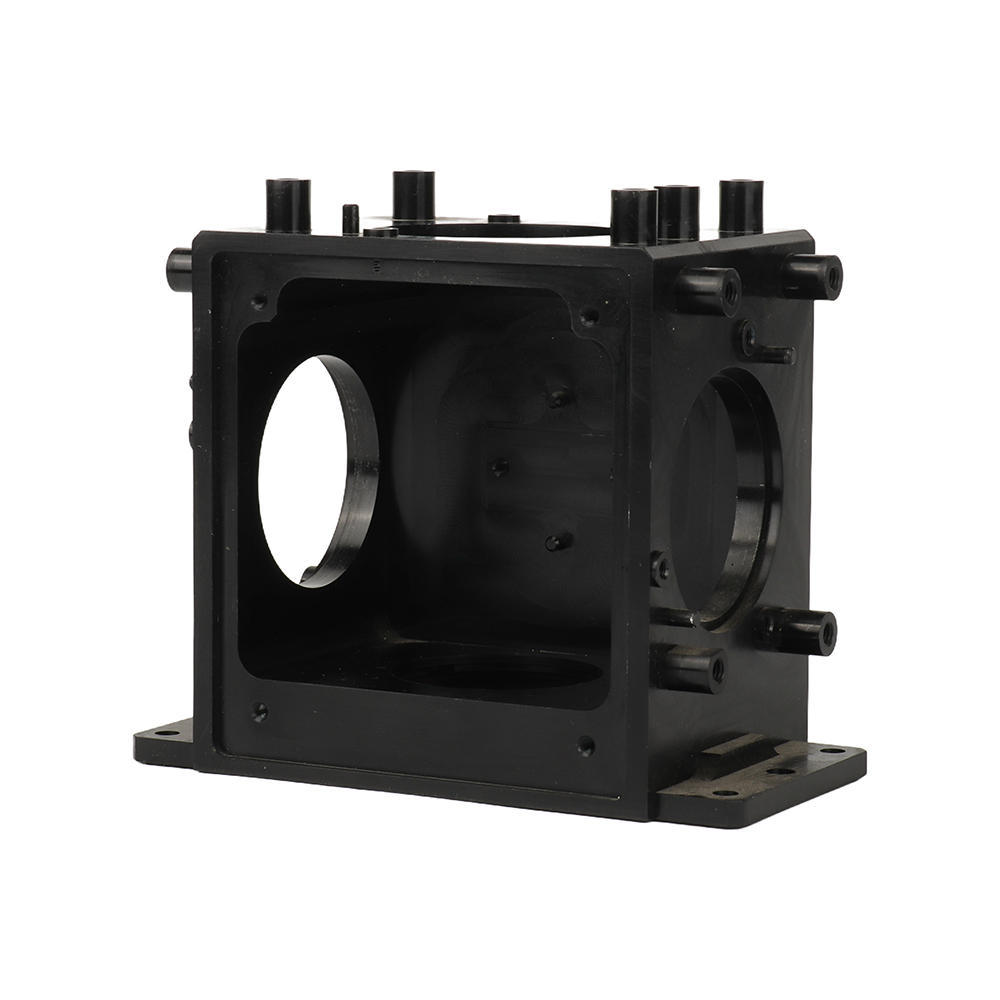
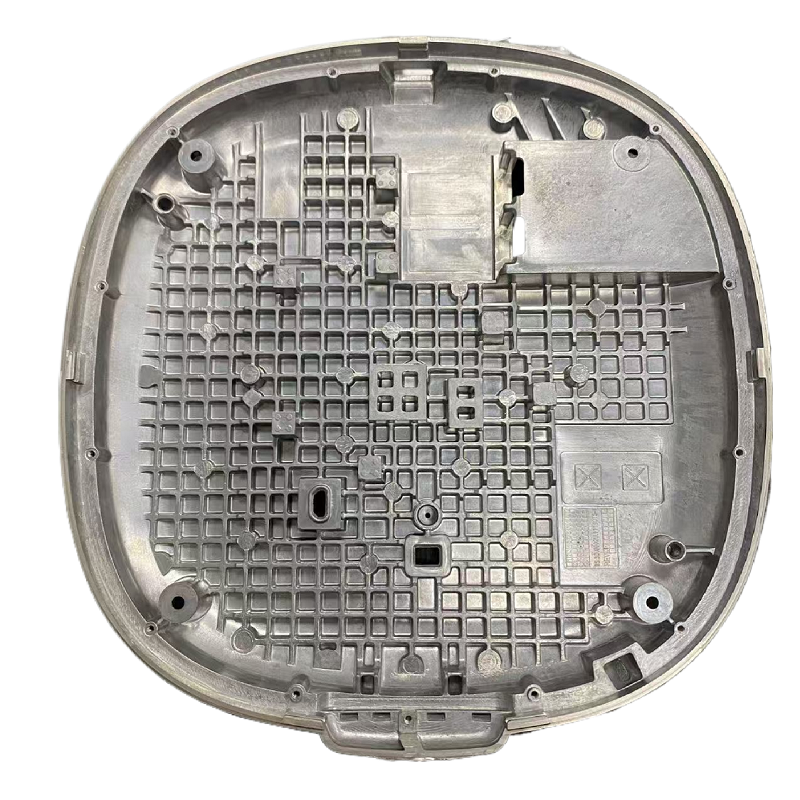
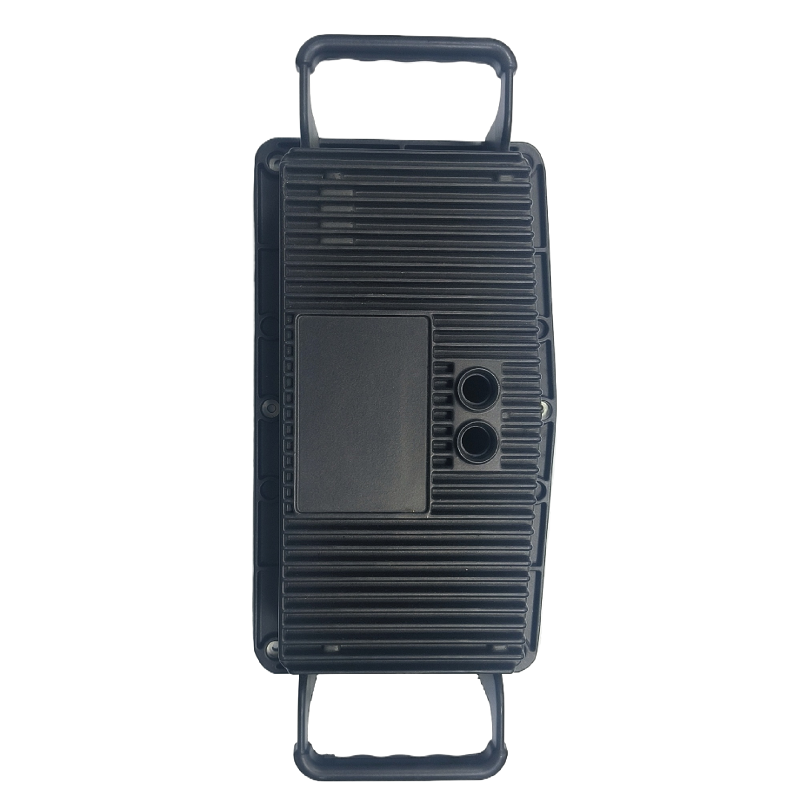
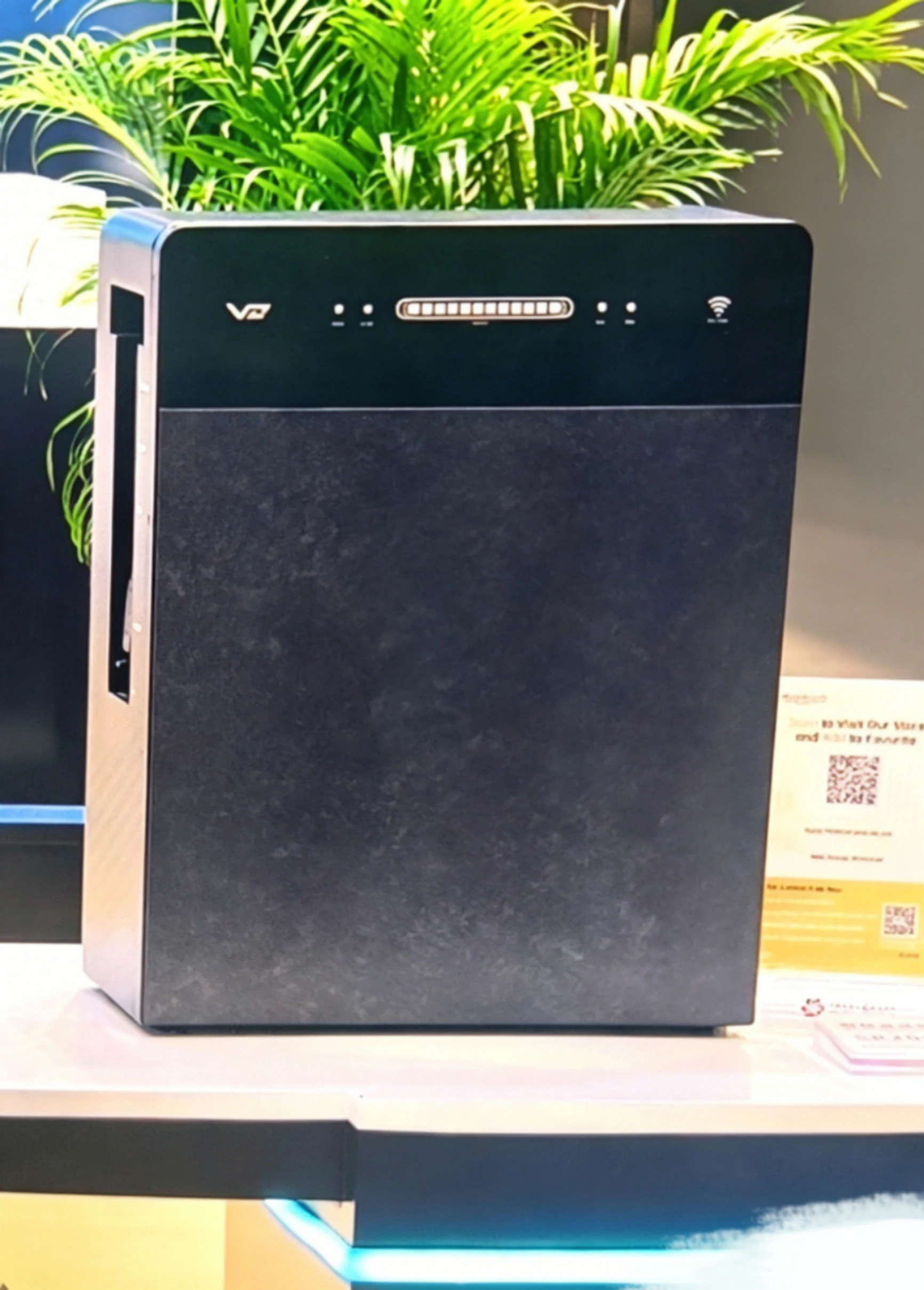
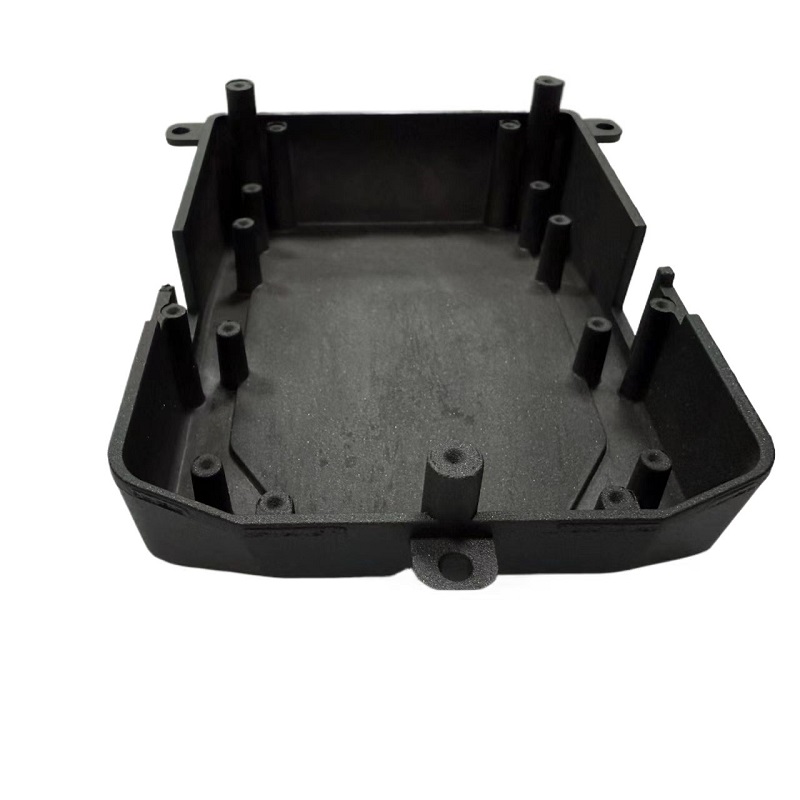
Die casting mold | How do you customize a die casting mold? A Complete Guide
How do you customize a die casting mold? A Complete Guide
Table of Contents
- 1. Introduction: What is a Customized Die Casting Mold?
- 2. Key Focuses of Customized Die Casting Mold Customization
- 3. Core Roles of Customized Die Casting Molds in Manufacturing
- 4. Top Benefits of Choosing a Customized Die Casting Mold
- 5. Expert Insights on Customized Die Casting Mold Customization
- 6. Frequently Asked Questions (FAQs) About Customized Die Casting Molds
- 7. Conclusion
1. Introduction: What is a Customized Die Casting Mold?
A customized die casting mold is a tailor-made steel tool designed specifically to produce metal parts that meet a client’s unique design, size, and performance requirements. Unlike standard, off-the-shelf molds that cater to generic part designs, customized die casting molds are engineered from scratch—aligning perfectly with the intricate details, dimensional tolerances, and functional needs of a specific project.
Die casting itself is a high-pressure manufacturing process where molten metal (such as aluminum, zinc, or magnesium alloys) is injected into a mold cavity to create near-net-shape components. The customized die casting mold is the cornerstone of this process for unique projects, as it dictates the final part’s geometry, quality, and consistency. From automotive and electronics to aerospace and consumer goods, customized die casting molds are widely used to create parts that standard molds cannot produce, enabling businesses to bring innovative, tailored products to market.
2. Key Focuses of Customized Die Casting Mold Customization
Customizing a die casting mold is a systematic process that requires careful planning and attention to detail. The following key focuses ensure the mold meets the client’s needs and performs optimally in production:
2.1 Clarify Product Requirements and Parameter Transmission
Before customization, it is crucial to clearly sort out the core requirements of the product, including the product material (such as zinc alloy, aluminum alloy), structural complexity, dimensional accuracy, surface quality standards, as well as the expected production batch and cycle. Clients must provide complete 3D product drawings to the mold manufacturer, marking key dimensional tolerances, draft angles, and wall thickness distribution to avoid mold design deviations caused by vague parameters. Special attention should be paid to special product structures, such as deep cavities, thin walls, and complex cavities, and feasibility plans should be communicated with the manufacturer in advance to ensure the mold can meet the molding needs while facilitating subsequent demolding and processing, reducing the risk of product defects.
2.2 Select High-Quality Mold Materials
Mold material directly affects durability and molding effect. It is necessary to select suitable mold steel according to the die-casting material and production intensity, ensuring the material has sufficient hardness, heat resistance, and wear resistance to resist the erosion of high-temperature molten metal and the wear of repeated molding. Common mold steels for customized die casting molds include H13 and 3Cr2W8V, which need to undergo quenching and nitriding treatment to enhance their performance. Key components such as cavities and cores that are in direct contact with molten metal should be made of high-temperature and corrosion-resistant materials, while guide pillars and guide sleeves need to ensure sufficient toughness and accuracy.
2.3 Optimize Mold Design
Mold design must balance product molding quality and production adaptability. The gating system should be reasonably designed to ensure smooth and uniform flow of molten metal, avoiding defects such as pores and shrinkage cavities; the exhaust system should be sufficient to discharge gas in the cavity in a timely manner, preventing oxidation inclusions in the product. The demolding mechanism should be consistent with the product structure to ensure smooth demolding, avoiding scratches on the product surface or product deformation. In addition, the mold must be compatible with existing die-casting equipment, including equipment tonnage, clamping force, and gating system interfaces, to ensure normal operation after installation.
2.4 Control Processing Technology and Trial Mold Link
High-precision processing equipment and technology are essential for mold manufacturing. It is necessary to ensure that the processing accuracy and surface roughness of the mold cavity meet the standards, and the assembly gap of components is reasonable. Trial mold is a key link to test mold quality. During the trial mold, it is necessary to observe the product molding effect, dimensional accuracy, and demolding situation, record problems such as mold jamming, liquid leakage, and product defects, and communicate with the manufacturer in a timely manner for adjustment and optimization until the mold fully meets the production needs.
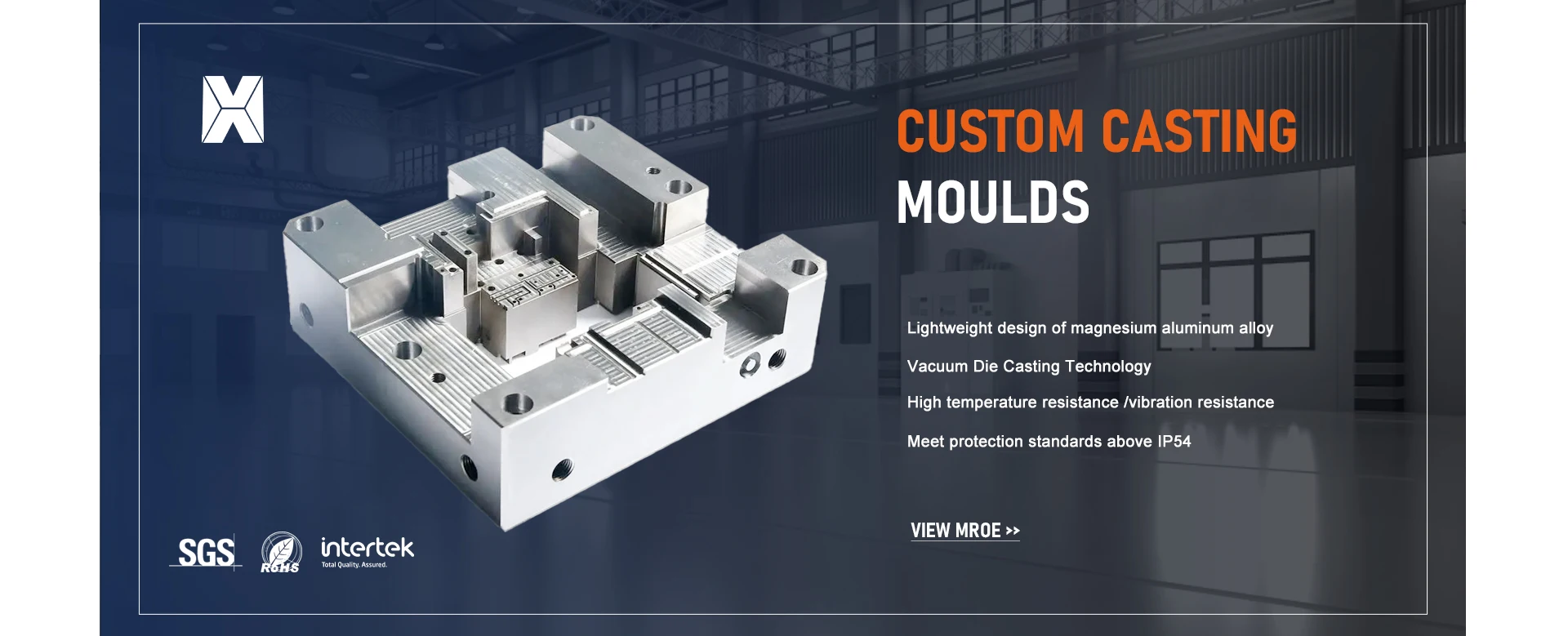
3. Core Roles of Customized Die Casting Molds in Manufacturing
Customized die casting molds play an irreplaceable role in modern manufacturing, serving as the bridge between product design concepts and mass production. Their core roles include:
3.1 Realize Product Personalization and Differentiation
In a competitive market, businesses need unique products to stand out. Customized die casting molds enable the production of parts with unique shapes, sizes, and functions that standard molds cannot achieve, helping businesses launch differentiated products and gain a competitive edge. For example, in the automotive industry, customized die casting molds are used to produce special-shaped parts for new energy vehicles, while in the electronics industry, they are used to create miniaturized and integrated components for smart devices.
3.2 Ensure Product Precision and Consistency
Industrial products, especially those in aerospace and medical fields, have strict requirements for dimensional accuracy and quality consistency. Customized die casting molds are engineered with high precision, ensuring that each produced part meets the same strict standards. The use of advanced design software and processing technology ensures that the mold cavity is accurate, and the molten metal fills evenly, reducing product defects and improving pass rate.
3.3 Improve Production Efficiency and Reduce Costs
Although the initial investment in customized die casting molds is higher than that of standard molds, they can significantly improve production efficiency in the long run. Customized molds are designed to fit the production process perfectly, reducing the need for secondary processing and manual modification of parts. For mass production, the high efficiency of customized molds can greatly reduce the per-unit cost of parts, offsetting the initial investment.
3.4 Support Innovation and R&D
For enterprises engaged in product R&D, customized die casting molds are essential tools. They allow R&D teams to turn innovative design concepts into physical prototypes quickly, test product performance, and make adjustments in a timely manner. This accelerates the R&D cycle and helps enterprises launch new products to the market faster, seizing market opportunities.
4. Top Benefits of Choosing a Customized Die Casting Mold
Choosing customized die casting molds brings a range of benefits to businesses, from product quality to market competitiveness. The top benefits are as follows:
4.1 Perfect Fit for Unique Project Needs
The biggest advantage of customized die casting molds is that they are tailor-made according to the client’s specific needs. Whether it is a complex part with a special structure, a part with strict dimensional tolerance requirements, or a part made of special materials, customized molds can be designed to fit perfectly, avoiding the limitations of standard molds and ensuring that the final product meets the expected design goals.
4.2 Enhanced Product Quality and Reliability
Customized die casting molds are designed and manufactured with the product’s performance requirements in mind. High-quality materials and precise processing ensure that the mold is durable and stable, reducing mold wear and failure during production. This not only improves the quality of the produced parts (with fewer defects, higher precision) but also enhances the reliability of the product, reducing after-sales maintenance costs.
4.3 Cost Savings in the Long Run
While the upfront cost of customized die casting molds may be higher, they can save costs in multiple ways. First, they reduce secondary processing and manual modification of parts, saving labor and time costs. Second, the high pass rate of parts reduces material waste. Third, customized molds have a longer service life when properly maintained, avoiding the need for frequent mold replacement. For enterprises with long-term production needs, these savings far exceed the initial investment.
4.4 Improved Market Competitiveness
By using customized die casting molds, businesses can launch unique, high-quality products that stand out from competitors. This helps enterprises occupy a larger market share, enhance brand reputation, and gain a competitive advantage in the industry. For example, in the export market, customized die casting molds that meet international standards can help enterprises break through technical barriers and expand overseas markets.
4.5 Flexibility and Scalability
Customized die casting molds can be designed with scalability in mind. If the product design needs to be adjusted slightly in the future, the mold can be modified accordingly, avoiding the need to redevelop a new mold. This flexibility is particularly valuable for enterprises that frequently update their products or expand their product lines, helping them adapt to market changes quickly.
5. Expert Insights on Customized Die Casting Mold Customization
To provide more professional perspectives, we invited two industry experts to share their insights on customized die casting mold customization, covering key points and industry trends.
5.1 Expert 1: Sarah Johnson, Senior Die Casting Engineer with 20+ Years of Experience
“The success of customized die casting mold customization lies in the details—from the initial communication of product requirements to the final trial mold adjustment. Many enterprises make the mistake of neglecting parameter transmission, resulting in mold design deviations and cost waste. My suggestion is that clients must provide complete and accurate product drawings and clearly communicate their production expectations, including production batch, material type, and surface quality requirements. In addition, choosing the right mold material is crucial; do not choose inferior materials to control costs, as this will shorten the mold life and increase long-term maintenance costs. With the development of digital technology, we now use CAD/CAE software to simulate the mold design and casting process in advance, which can effectively predict and avoid potential problems, improving the success rate of mold customization.”
5.2 Expert 2: Michael Chen, CEO of a Leading Die Casting Mold Manufacturing Company
“In today’s global manufacturing environment, customized die casting molds have become a core competitiveness for enterprises. The industry is moving towards ‘agile development’ and ‘digital customization’—we now use 5-axis machining equipment and digital collaborative platforms to shorten the mold development cycle from 45 days to 30 days, even 25 days for some simple molds. For enterprises looking to expand overseas markets, customized molds that meet ISO/IATF certification standards are essential. They not only ensure product quality but also help enterprises pass international market access inspections. Another trend is the application of modular design; by replacing local mold cores, we can quickly switch between different product features, reducing the cost of small-batch customization and meeting the personalized needs of different clients.”
6. Frequently Asked Questions (FAQs) About Customized Die Casting Molds
Below are the most common questions about customized die casting molds, answered by our industry experts to help you better understand the customization process and related knowledge.
Q1: How long does it take to customize a die casting mold?
A: The customization cycle depends on the complexity of the mold, the size of the part, and the manufacturer’s production capacity. Generally, simple customized die casting molds take 30-45 days, while complex molds (with intricate cavities, multiple sliders, or strict precision requirements) may take 60-90 days. With advanced digital processing technology and modular design, some manufacturers can shorten the cycle to 25-30 days for standard customized molds.
Q2: What materials are commonly used for customized die casting molds?
A: The most common materials for customized die casting molds are hot work die steels, including H13 and 3Cr2W8V. These materials have excellent heat resistance, wear resistance, and toughness, which can withstand the high temperature and pressure of the die casting process. H13 steel is widely used for aluminum alloy die casting molds, while 3Cr2W8V is suitable for zinc alloy and copper alloy die casting molds. The material selection should be based on the die-casting material and production intensity.
Q3: What is the difference between a customized die casting mold and a standard mold?
A: Standard molds are pre-designed for generic parts, with fixed sizes and structures, suitable for mass production of common parts. Customized die casting molds are designed and manufactured according to the client’s unique requirements, including part shape, size, precision, and material. The biggest difference is that customized molds can meet personalized needs, while standard molds have limitations in flexibility and adaptability. In addition, customized molds have higher precision and better fit for specific products, but the initial investment is higher.
Q4: How to maintain a customized die casting mold to extend its service life?
A: Regular maintenance is key to extending the service life of customized die casting molds. Specific measures include: cleaning the mold cavity and surface regularly to remove residual molten metal and dirt; lubricating the moving parts (such as guide pillars and sliders) to reduce wear; checking the mold for damage, deformation, or cracks regularly and repairing them in a timely manner; applying anti-rust oil to the mold when it is not in use and storing it in a dry, ventilated environment. Proper maintenance can extend the mold’s service life to 100,000+ cycles, depending on the material and usage frequency.
Q5: Is customized die casting mold suitable for small-batch production?
A: Yes, with the development of rapid mold technology and modular design, customized die casting molds are now suitable for small-batch production. By using 3D printing sand molds, replaceable mold cores, and other technologies, manufacturers can significantly reduce the mold development cost and cycle for small-batch orders. This makes customized die casting molds a cost-effective choice for enterprises that need small-batch, personalized parts, such as R&D projects, custom equipment, and limited-edition products.
7. Conclusion
Customized die casting molds are the core of modern precision manufacturing, enabling businesses to turn unique design concepts into high-quality, consistent products. From clarifying product requirements and selecting high-quality materials to optimizing mold design and controlling processing technology, every link of customization is crucial to ensuring the mold’s performance and reliability.
The benefits of choosing customized die casting molds are obvious: they fit unique project needs perfectly, enhance product quality and reliability, save costs in the long run, improve market competitiveness, and provide flexibility for future product updates. With the guidance of industry experts and the continuous development of digital technology, customized die casting mold customization will become more efficient, precise, and cost-effective.
Whether you are in the automotive, electronics, aerospace, or consumer goods industry, investing in customized die casting molds is a wise choice to gain a competitive edge in the market. By cooperating with professional mold manufacturers and following the scientific customization process, you can ensure that your mold meets your needs and brings long-term value to your business.
Aluminium casting manufacturers | What is milling and oxidation service? Focus on Aluminium Die Casting Process
Customized service | What iscustom die casting service? A Complete Guide to Customized Solutions
Related Article


