
Home /News /Die casting /Projector housing | How is the die-cast aluminum alloy projector housing? Benefits, Comparison & Supplier Guide /
HOT PRODUCTS
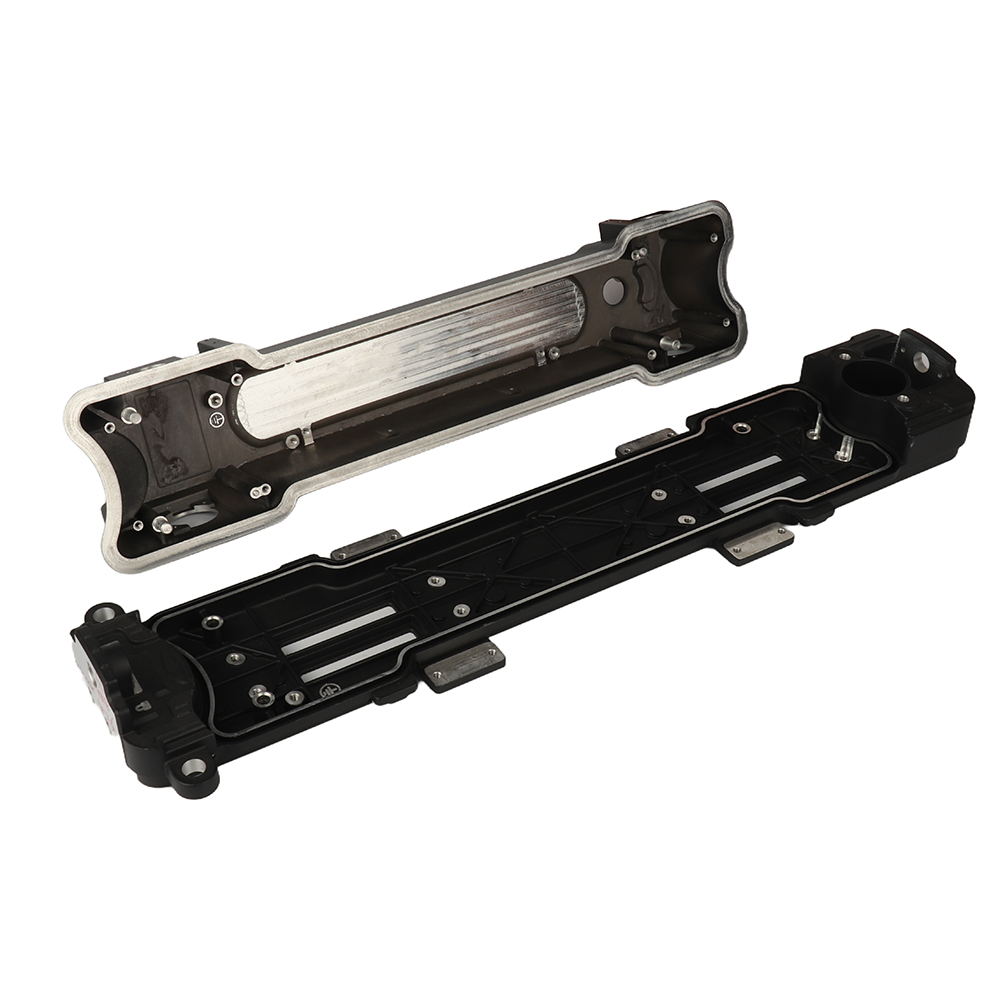
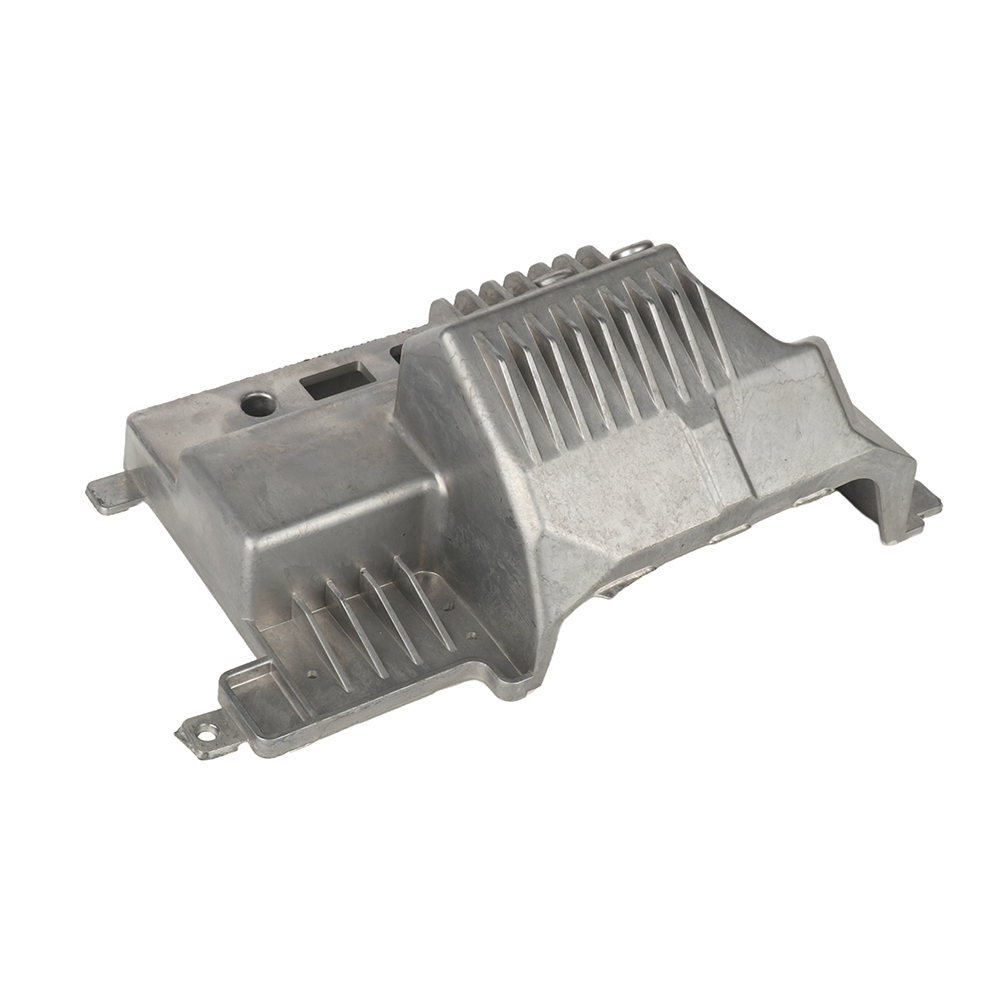
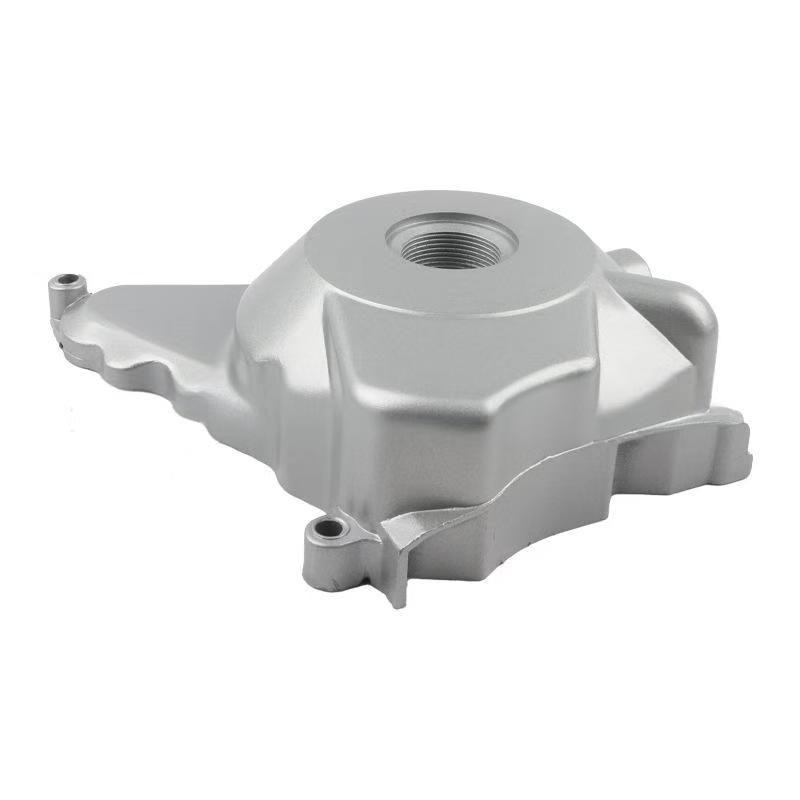
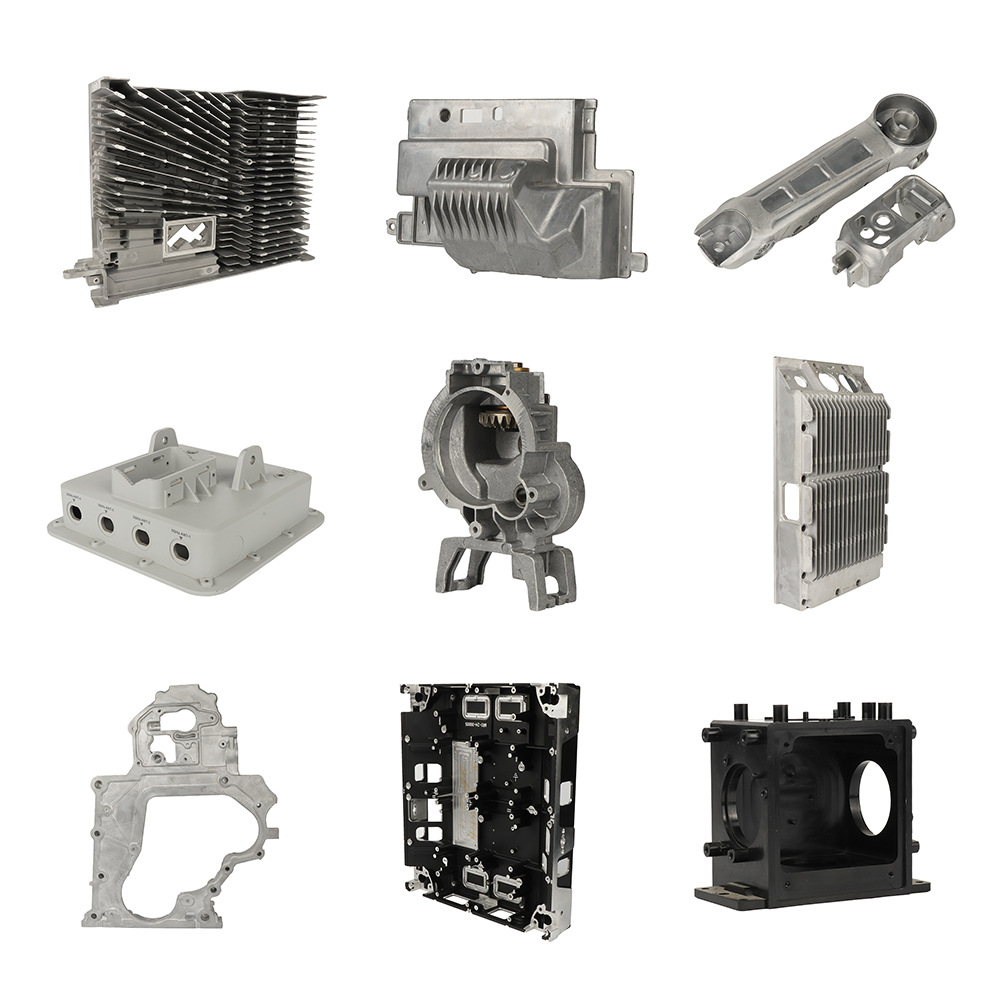
Projector housing | How is the die-cast aluminum alloy projector housing? Benefits, Comparison & Supplier Guide
2026-04-29
How is the Die-Cast Aluminum Alloy Projector Housing? Benefits, Comparison & Supplier Guide
Table of Contents
- 1. Introduction: What is a Die-Cast Aluminum Alloy Projector Housing?
- 2. Core Features of XingHang Die-Cast Aluminum Projector Housing (Model XH-094)
- 3. Die-Cast Aluminum Alloy Projector Housing: Pros & Cons (vs. Other Materials)
- 4. Key Benefits of Die-Cast Aluminum Alloy Projector Housing
- 5. Industrial Applications of Die-Cast Aluminum Projector Housings
- 6. Expert Insights on Die-Cast Aluminum Alloy Projector Housings
- 7. FAQs About Die-Cast Aluminum Alloy Projector Housings
- 8. Conclusion: Industry Trends & How to Choose a Quality Supplier
1. Introduction: What is a Die-Cast Aluminum Alloy Projector Housing?
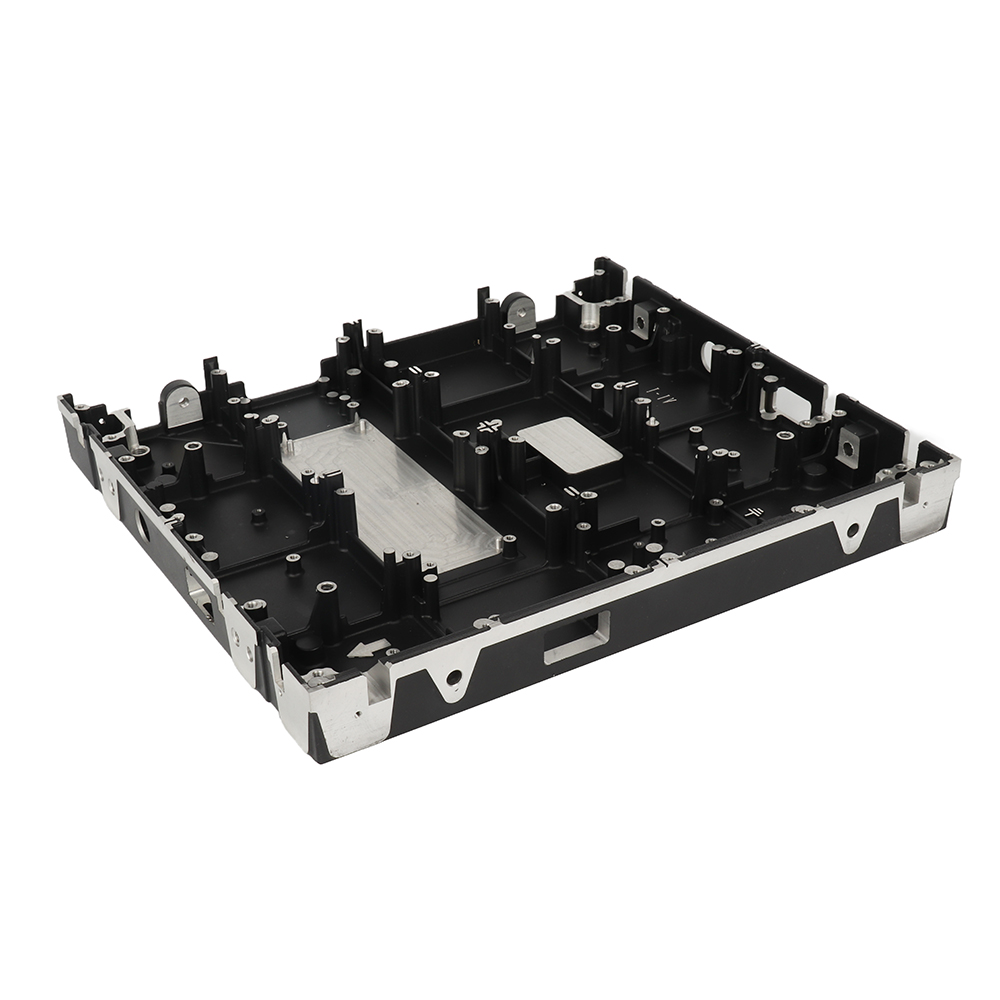
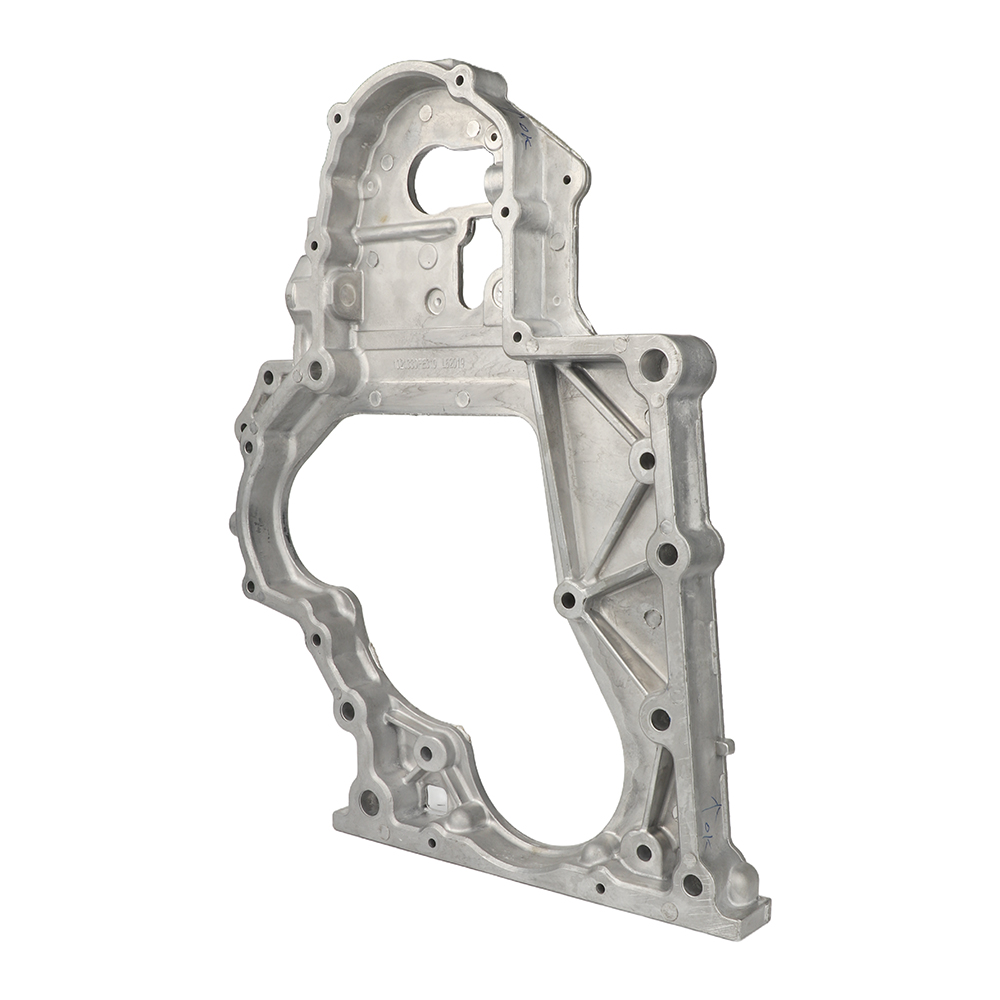
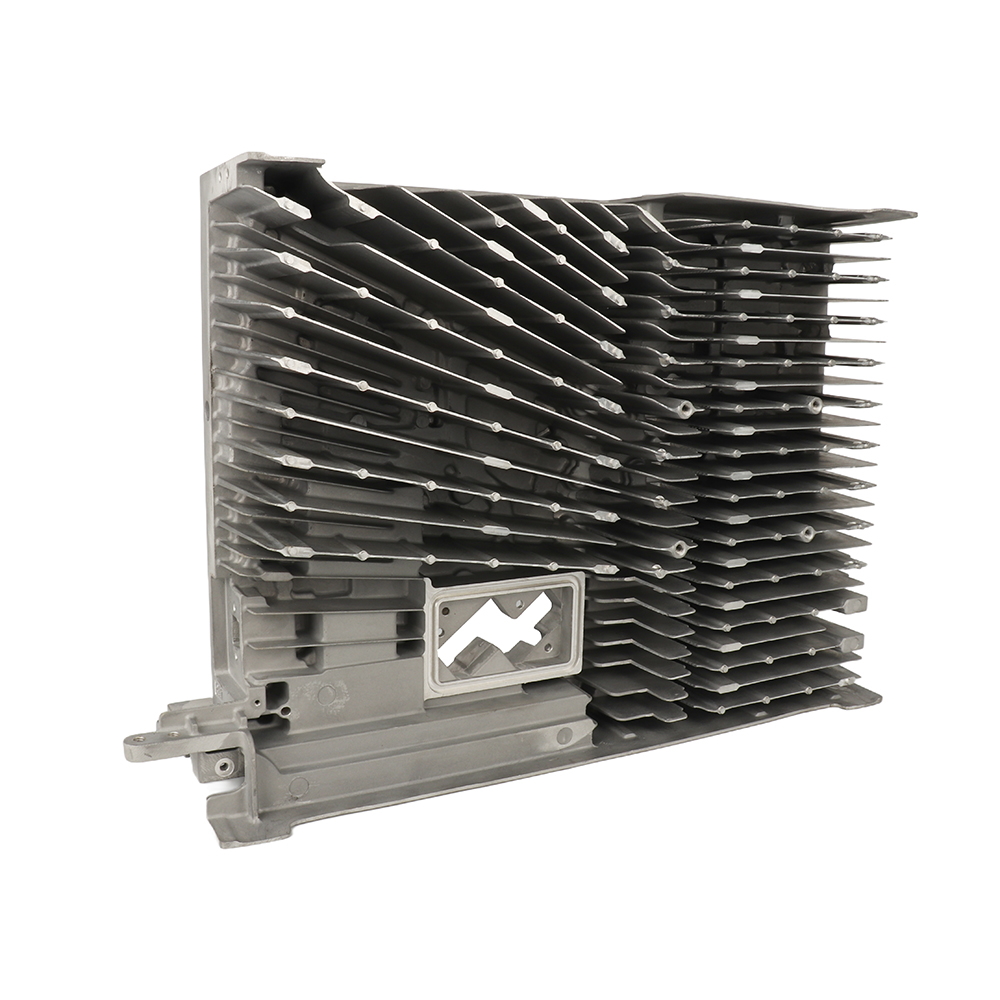
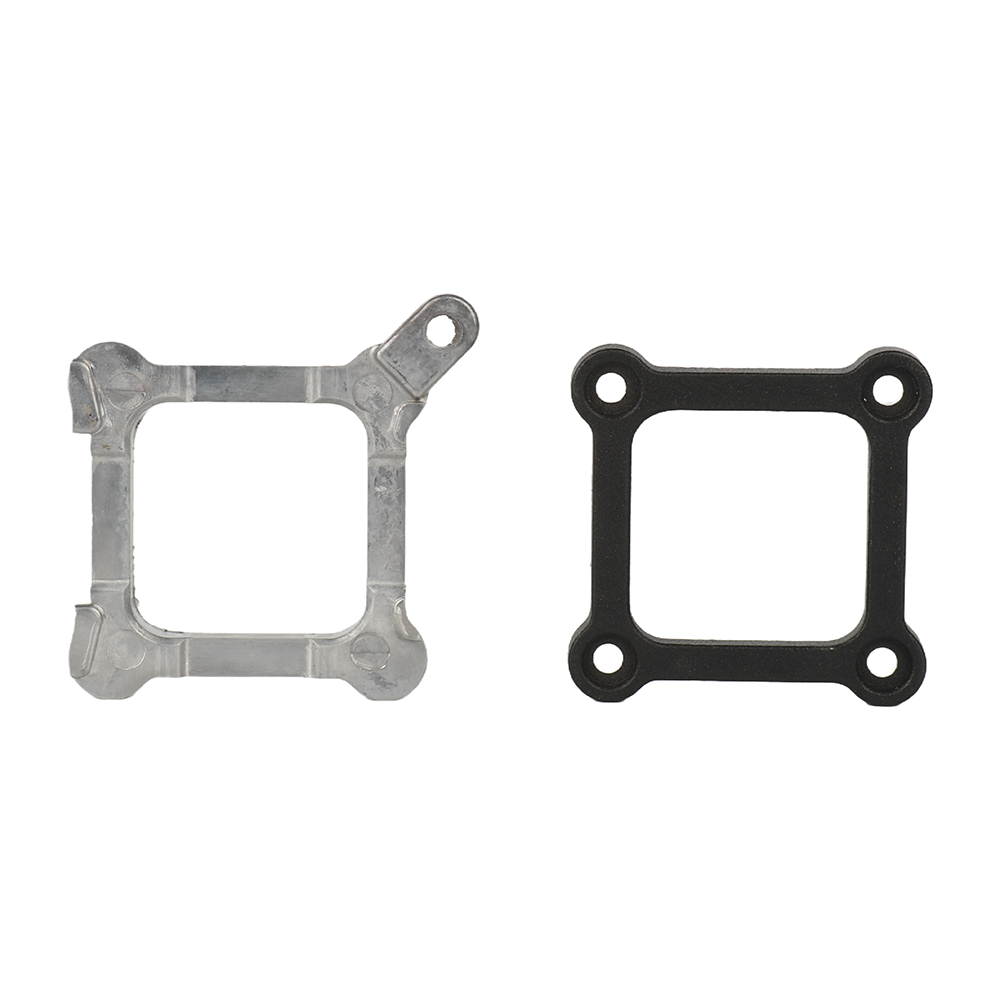
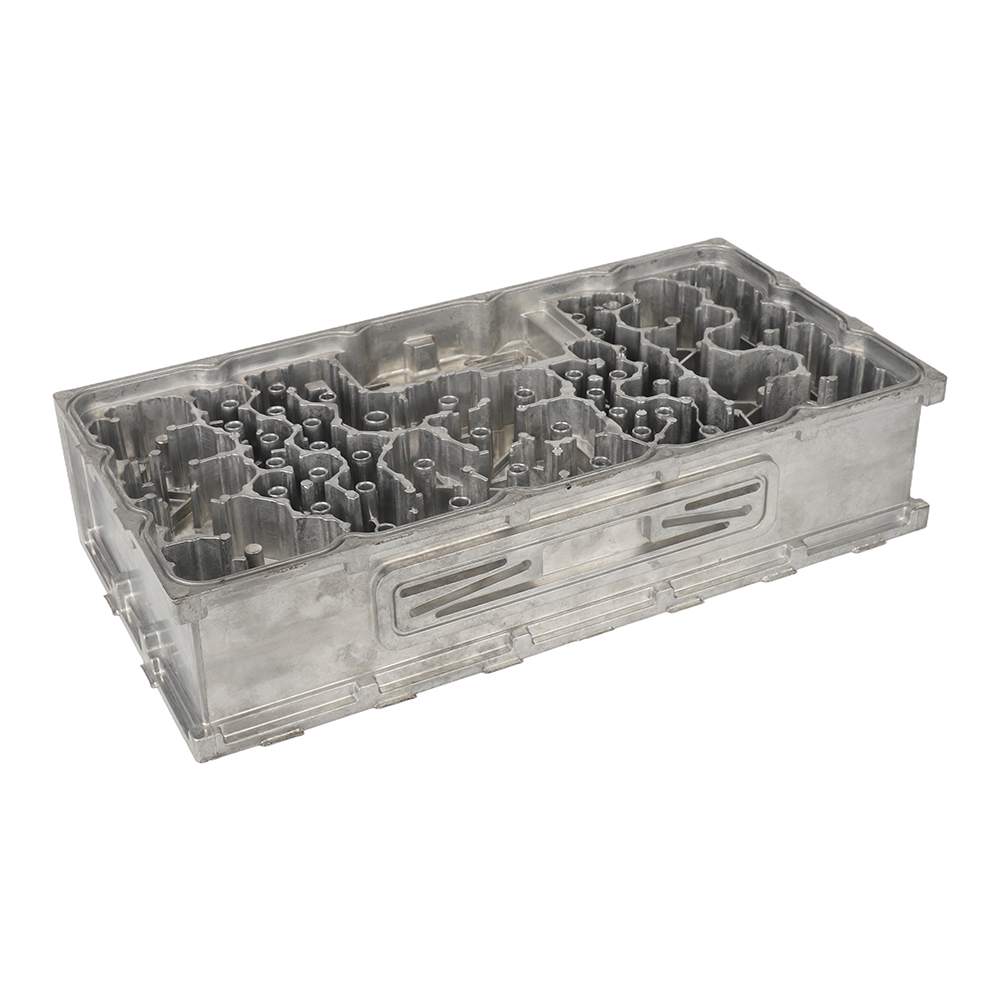
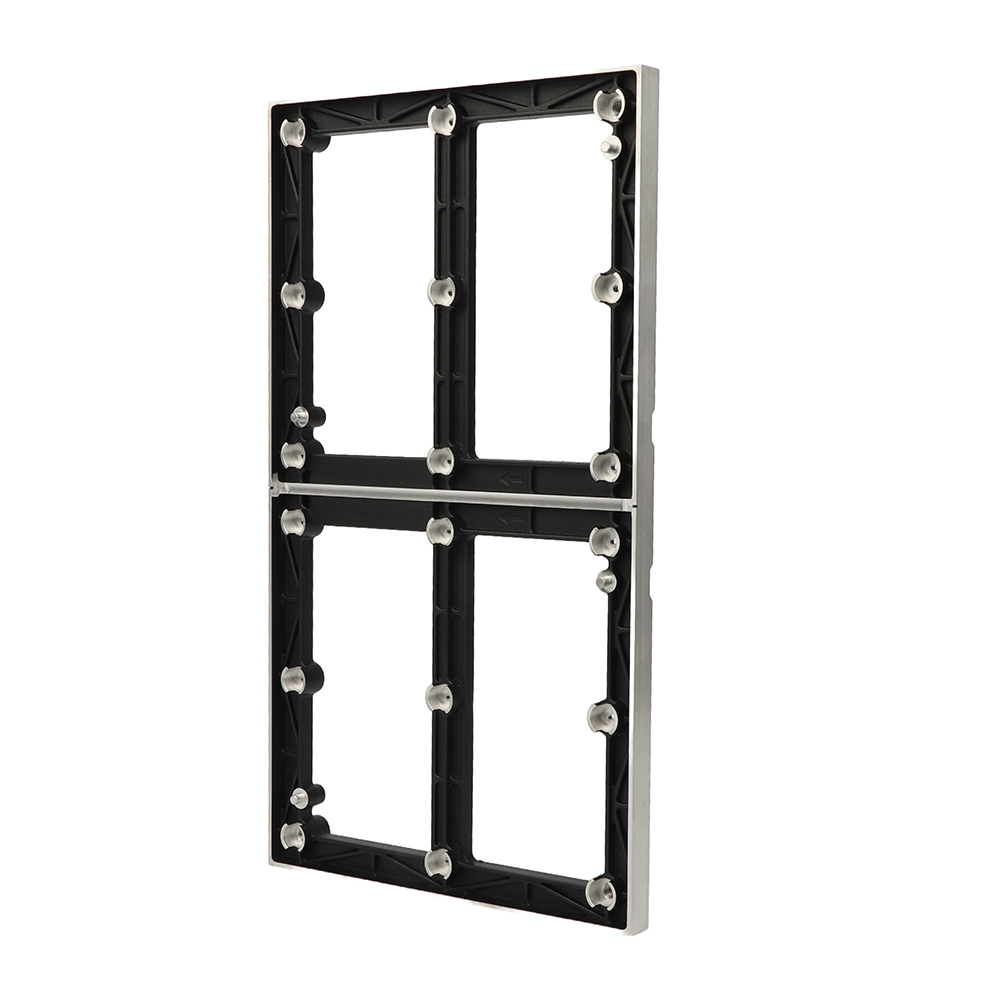
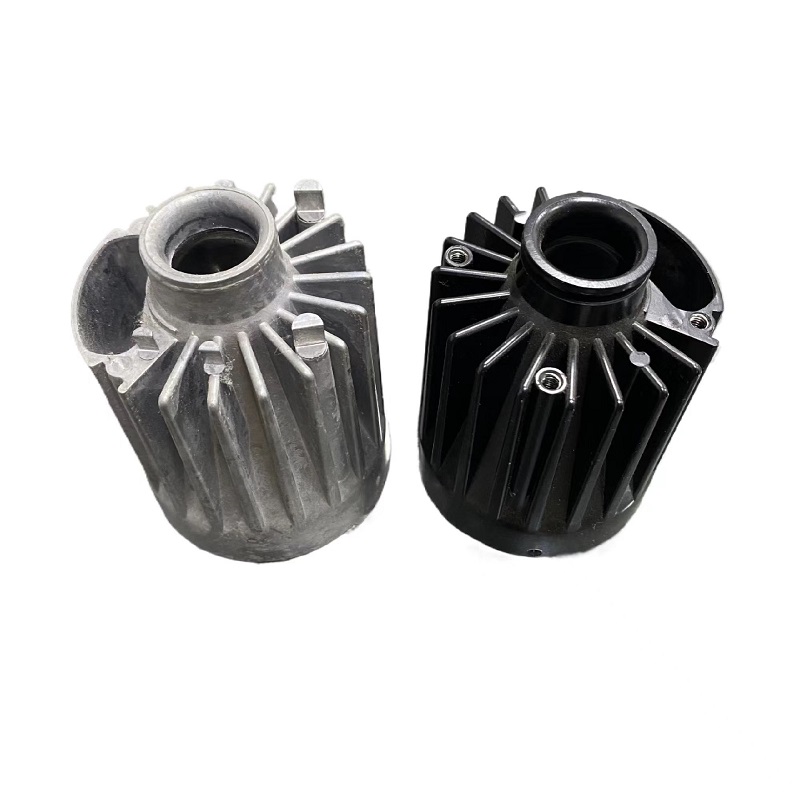
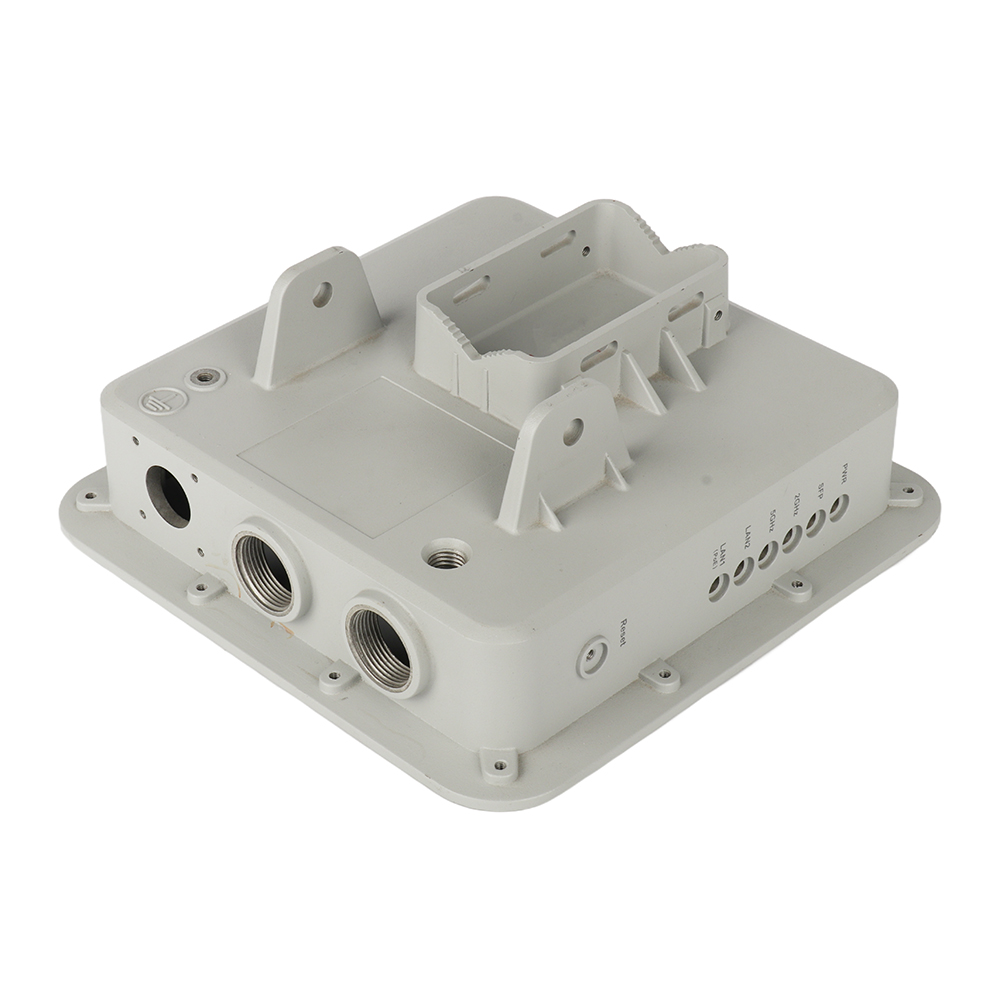
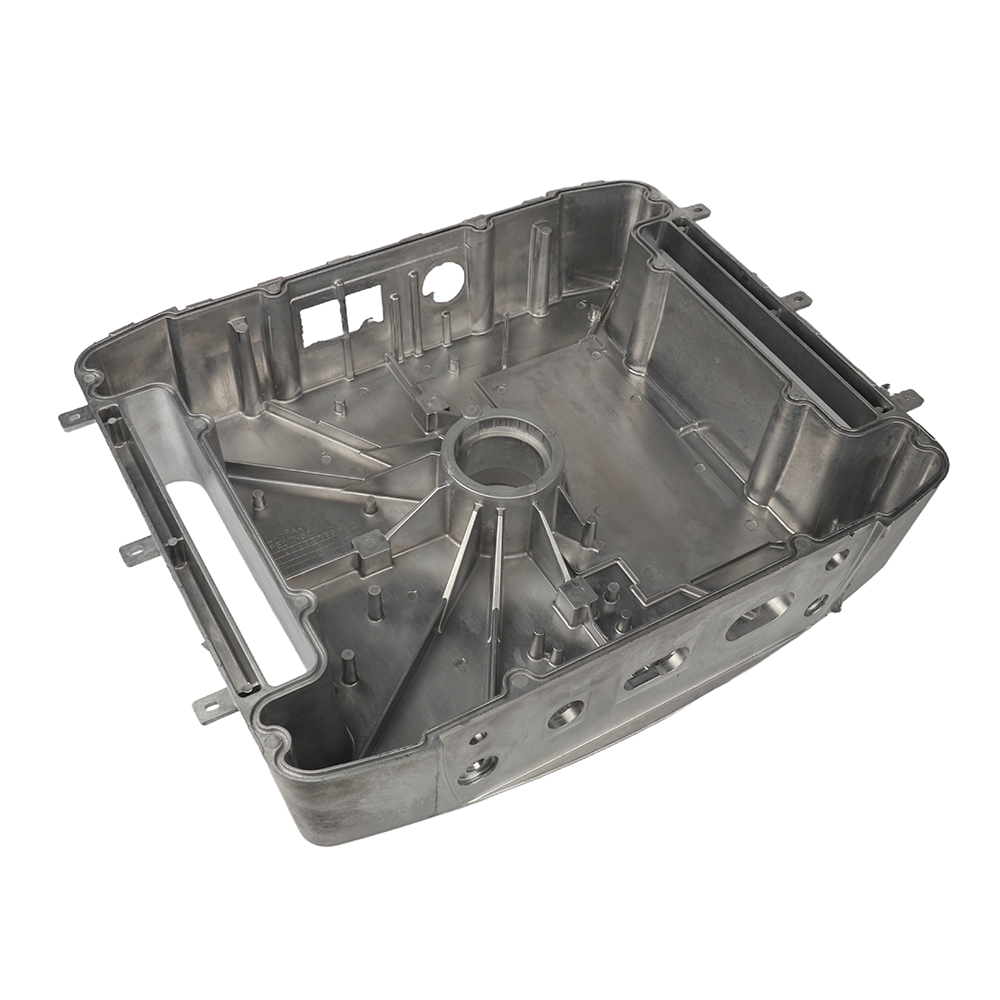
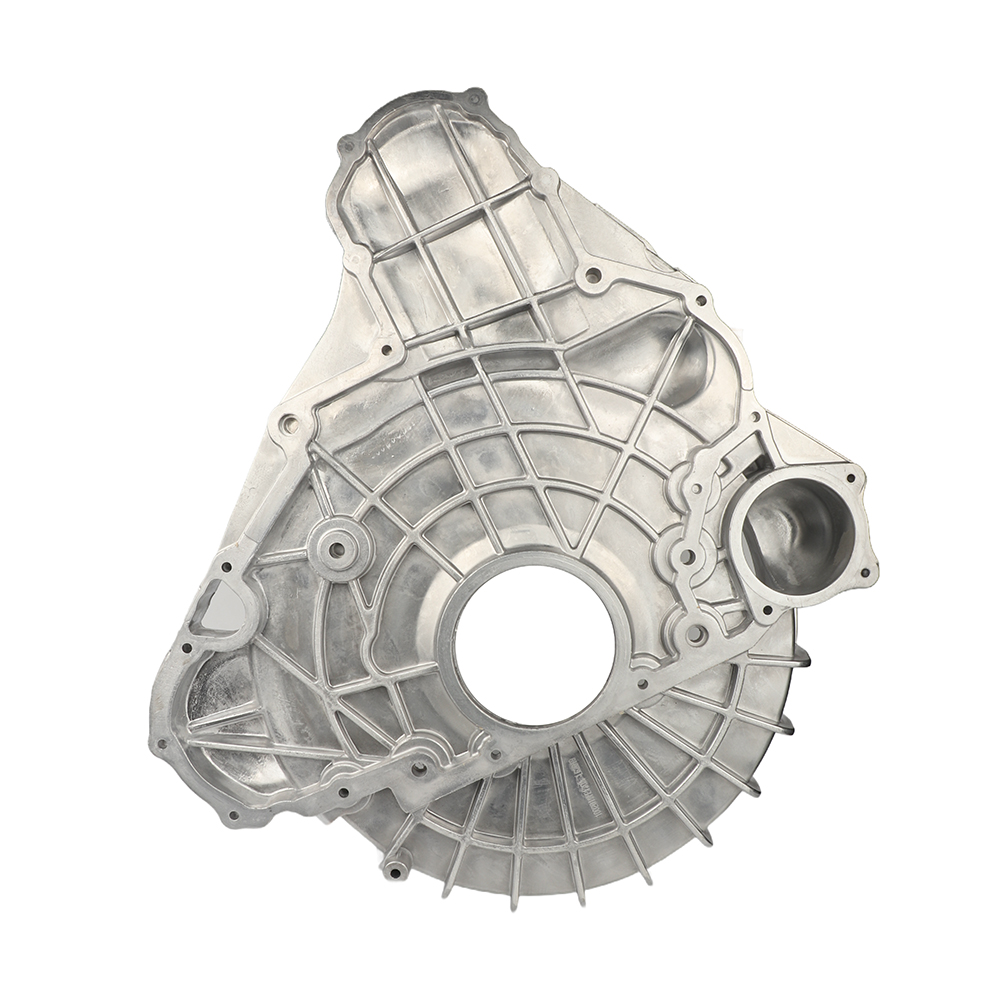
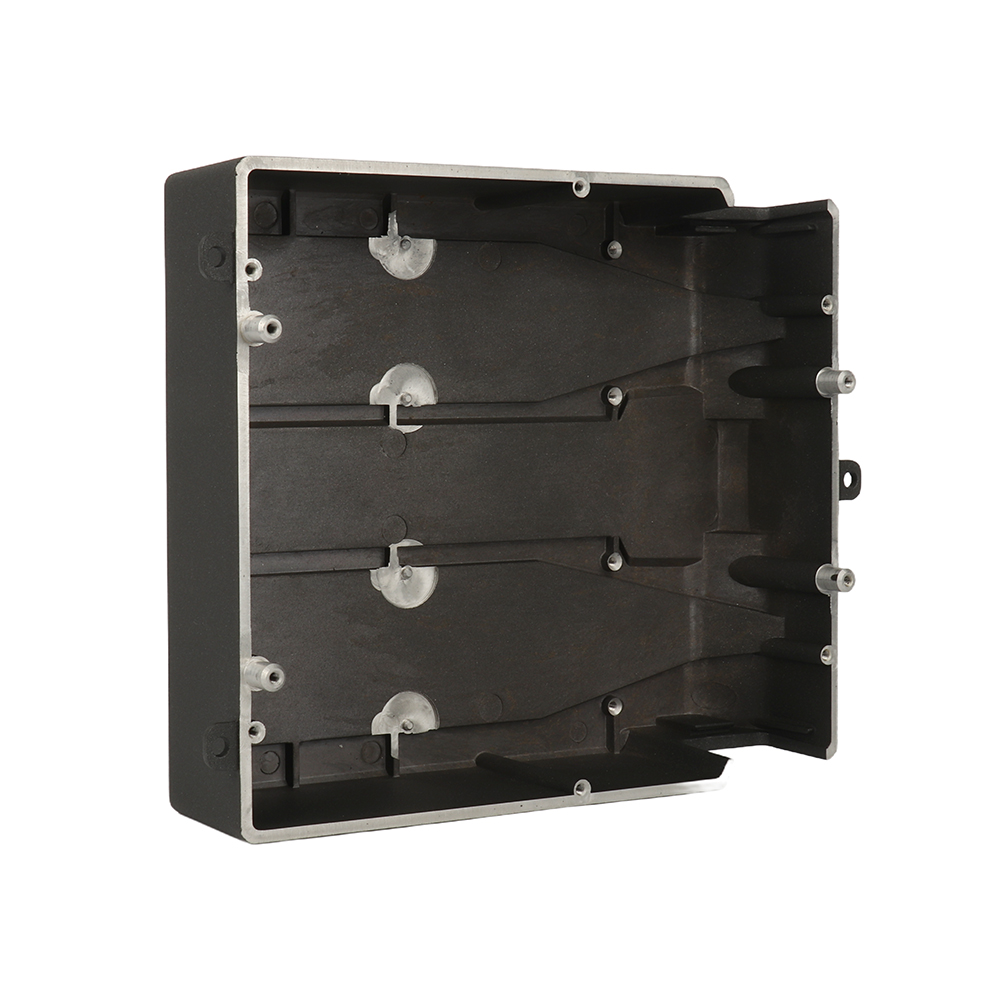
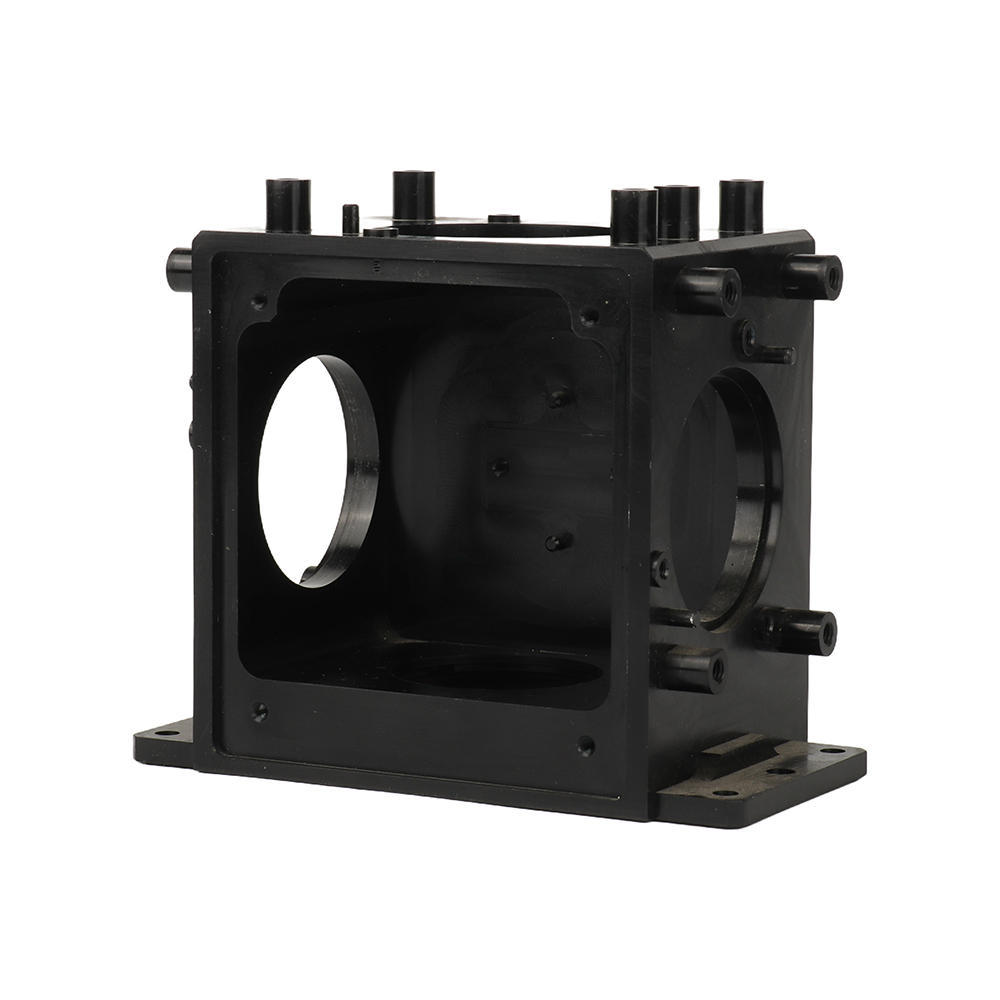
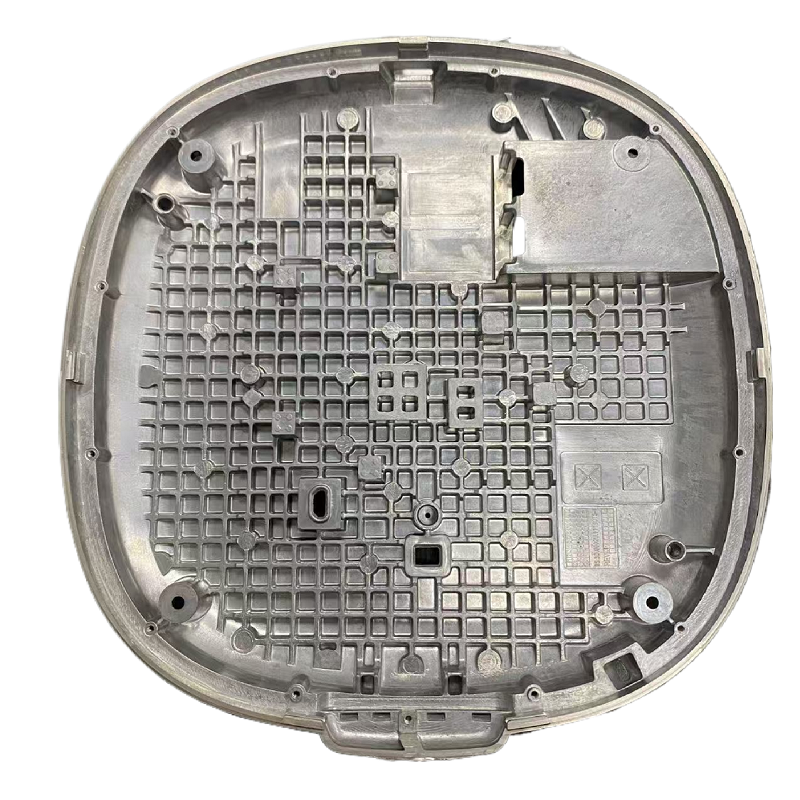
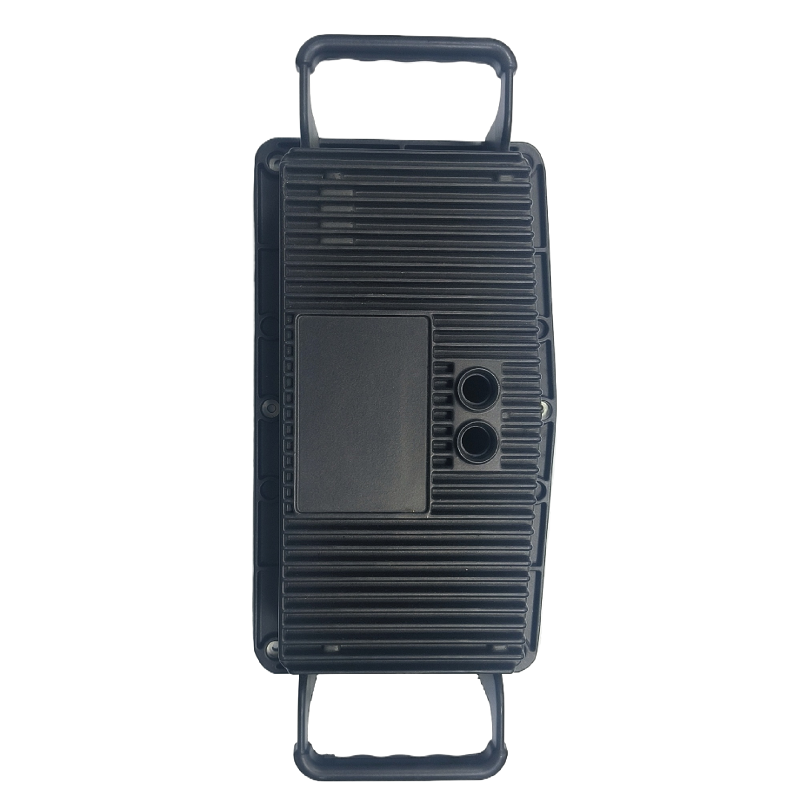
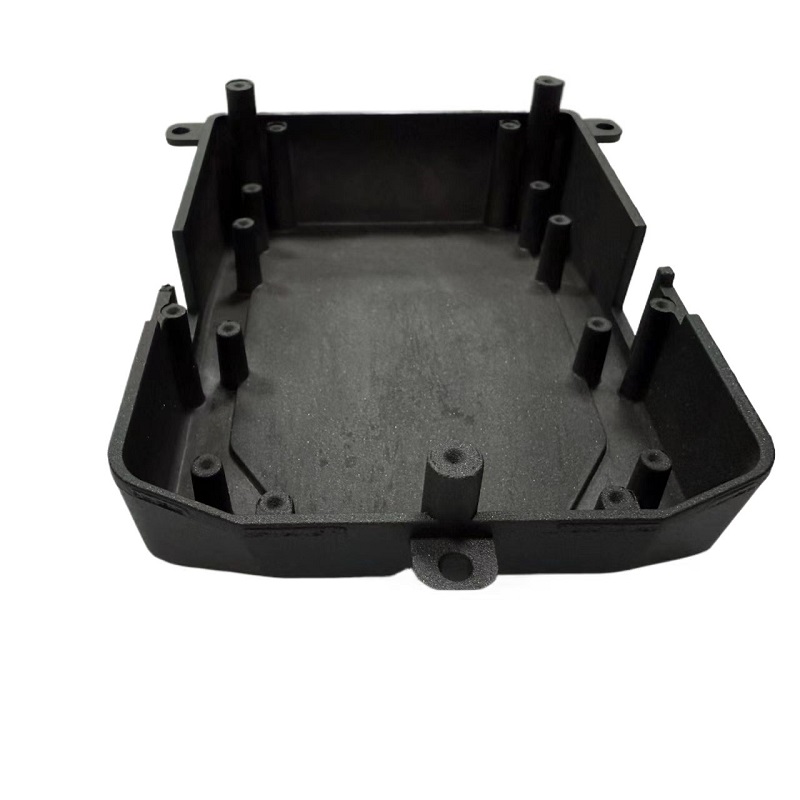
In the industrial and electronics sectors, the die-cast aluminum alloy projector housing is a critical component that combines structural integrity, functional performance, and aesthetic appeal to protect and enhance projector systems. A die-cast aluminum alloy projector housing is a precision-manufactured outer shell, crafted via high-pressure die casting technology, designed to encase the internal components of projectors—from lenses and circuit boards to cooling systems—ensuring stable operation in various industrial environments.
Unlike projector housings made from plastic, steel, or other materials, die-cast aluminum alloy versions stand out for their unique balance of lightweight design, high durability, and precision engineering. This blog dives deep into the characteristics of die-cast aluminum alloy projector housings, compares their pros and cons with alternative materials, highlights their core benefits, and guides you in selecting a trusted supplier—with a focus on XingHang’s premium offering (Model XH-094).
2. Core Features of XingHang Die-Cast Aluminum Projector Housing (Model XH-094)
XingHang Precision Hardware offers a premium die-cast aluminum alloy projector casing (Model XH-094) tailored for industrial applications, embodying the highest standards of quality and performance. Below are the key specifications and core features of this product:
| Product Details | Specifications |
|---|---|
| Product Name | Premium Die-Cast Aluminum Alloy Projector Housing |
| Place of Origin | China |
| Brand Name | XingHang |
| Model Number | XH-094 |
| Certification | ISO9001/TS16949/RoHS/ISO14001 |
| Core Features | High durability, precision-machined, lightweight, compatible with all projector models, custom die casting solutions available |
| Manufacturing Process | High-pressure die casting + precision machining + quality inspection |
| Application | Industrial Applications |
This projector housing is engineered to meet the rigorous demands of industrial use, with a focus on compatibility, durability, and customization—making it suitable for a wide range of industrial projector models and scenarios.
3. Die-Cast Aluminum Alloy Projector Housing: Pros & Cons (vs. Other Materials)
To fully understand the value of die-cast aluminum alloy projector housings, it’s essential to compare them with common alternative materials (plastic and steel). Below is a detailed breakdown of their pros and cons, highlighting why aluminum alloy is the preferred choice for industrial applications:
3.1 Die-Cast Aluminum Alloy Projector Housing: Pros
- Lightweight & High Strength: Aluminum alloy has an excellent strength-to-weight ratio—significantly lighter than steel (reducing overall projector weight for easier installation and transportation) while maintaining enough strength to withstand industrial wear and impact.
- Superior Heat Dissipation: Aluminum is a natural thermal conductor, allowing heat generated by internal projector components (e.g., bulbs, circuit boards) to dissipate quickly—preventing overheating and extending the projector’s lifespan.
- Precision & Dimensional Stability: High-pressure die casting ensures the housing has tight tolerances and consistent dimensions, fitting internal components perfectly and reducing assembly issues.
- Corrosion Resistance: Aluminum alloy is naturally corrosion-resistant, and with optional surface treatments (e.g., anodization), it can withstand harsh industrial environments (e.g., dust, humidity, mild chemicals).
- Customization Flexibility: Die casting supports complex geometries, allowing for custom designs tailored to specific projector models and industrial needs—something plastic and steel often struggle to achieve.
- Sustainability: Aluminum is 100% recyclable, aligning with global green manufacturing trends and reducing environmental impact.
3.2 Die-Cast Aluminum Alloy Projector Housing: Cons
- Higher Initial Cost: Compared to plastic projector housings, die-cast aluminum alloy versions have a slightly higher initial cost—though this is offset by their longer lifespan and lower maintenance costs.
- Limited Color Options (Without Surface Treatment): Raw aluminum has a natural silver finish; custom colors require additional surface treatments (e.g., painting, anodization), which may add to production time.
3.3 Comparison with Other Materials
| Material | Key Advantages | Key Disadvantages |
|---|---|---|
| Die-Cast Aluminum Alloy | Lightweight, high strength, excellent heat dissipation, corrosion-resistant, customizable | Higher initial cost than plastic |
| Plastic | Low cost, easy to mass-produce, wide color options | Poor heat dissipation, low durability, prone to cracking/aging, not suitable for harsh industrial environments |
| Steel | Extremely durable, high impact resistance | Heavy (hard to install/transport), poor heat dissipation, prone to rust without treatment |
Clearly, die-cast aluminum alloy strikes the optimal balance of performance, durability, and practicality—making it the top choice for industrial projector housings.
4. Key Benefits of Die-Cast Aluminum Alloy Projector Housing
Building on the pros outlined above, die-cast aluminum alloy projector housings offer unique benefits that directly address the needs of industrial projector systems, setting them apart from alternative materials:
- Enhanced Projector Longevity: The superior heat dissipation and corrosion resistance of aluminum alloy protect internal components from overheating and environmental damage, extending the projector’s service life to 8–12 years (compared to 3–5 years for plastic housings).
- Stable Performance in Harsh Environments: Industrial settings often involve dust, humidity, and temperature fluctuations—die-cast aluminum alloy housings resist these factors, ensuring the projector operates reliably even in demanding conditions.
- Easy Installation & Maintenance: Lightweight design makes the housing easy to transport and install, while its smooth, durable surface is easy to clean—reducing maintenance time and costs.
- Perfect Compatibility: Precision machining ensures the housing fits all projector models, with custom die casting solutions available to accommodate unique component sizes and configurations.
- Cost-Effective Long-Term Value: While the initial cost is higher than plastic, the long lifespan, low maintenance, and reduced replacement frequency make die-cast aluminum alloy housings more cost-effective over time—especially for large-scale industrial projects.
- Aesthetic & Professional Appearance: The sleek, uniform finish of die-cast aluminum alloy gives projectors a professional look, enhancing the overall aesthetic of industrial spaces (e.g., factories, warehouses, control rooms).
5. Industrial Applications of Die-Cast Aluminum Projector Housings
Die-cast aluminum alloy projector housings are specifically designed for industrial applications, where reliability, durability, and performance are critical. Key use cases include:
5.1 Industrial Control Rooms
Projectors in control rooms display critical data (e.g., production metrics, safety alerts) 24/7—die-cast aluminum alloy housings ensure stable operation, with heat dissipation preventing overheating during continuous use.
5.2 Manufacturing Facilities
In factories and production plants, projectors are used for training, process guidance, and quality control—aluminum alloy housings resist dust, impact, and humidity, withstanding the harsh conditions of manufacturing environments.
5.3 Warehouse & Logistics Centers
Projectors in warehouses display inventory data, safety protocols, and operational updates—lightweight aluminum housings make installation easy, even in high-ceiling spaces, while corrosion resistance ensures longevity in humid or dusty settings.
5.4 Industrial Training & Education
Industrial training centers use projectors to deliver hands-on training—die-cast aluminum alloy housings are durable enough to withstand frequent use and transportation, with customizable designs to fit different training equipment.
6. Expert Insights on Die-Cast Aluminum Alloy Projector Housings
To gain deeper insights into the value of die-cast aluminum alloy projector housings in industrial applications, we interviewed Dr. David Wilson, a senior materials engineer with over 20 years of experience in electronic component packaging and industrial hardware design, and a consultant for leading industrial equipment manufacturers.
“Industrial projectors require housings that can keep up with the demands of harsh, high-performance environments—and die-cast aluminum alloy is the only material that delivers on all fronts,” says Dr. Wilson. “Unlike plastic, which degrades over time and fails to dissipate heat, or steel, which is heavy and prone to rust, die-cast aluminum alloy offers the perfect balance of lightweight design, strength, and thermal efficiency. This is critical for industrial projectors, where overheating or structural damage can disrupt operations and lead to costly downtime.”
Dr. Wilson also emphasized: “The key advantage of die-cast aluminum alloy projector housings is their customization flexibility and dimensional precision. Industrial projectors come in various sizes and configurations, and die casting allows suppliers like XingHang to create tailored solutions that fit perfectly—something that’s nearly impossible with plastic or steel. Additionally, as the industrial sector moves toward sustainability, aluminum’s recyclability makes it a more environmentally responsible choice, aligning with global green manufacturing goals.”
He added: “When selecting a die-cast aluminum projector housing, quality is non-negotiable. Suppliers like XingHang, with ISO certifications and strict quality control, ensure the housing meets the tight tolerances and durability requirements of industrial applications. A well-crafted die-cast aluminum housing doesn’t just protect the projector—it enhances its performance and extends its lifespan, delivering long-term value for businesses.”
7. FAQs About Die-Cast Aluminum Alloy Projector Housings
Q1: Are die-cast aluminum alloy projector housings compatible with all projector models?
A: Yes—XingHang’s die-cast aluminum alloy projector housing (Model XH-094) is designed to be compatible with all projector models, and we offercustom die casting solutions to accommodate unique component sizes, shapes, and configurations for specific industrial needs.
Q2: How does the heat dissipation of die-cast aluminum alloy compare to plastic?
A: Die-cast aluminum alloy has far superior heat dissipation compared to plastic. Aluminum is a natural thermal conductor, allowing heat from internal projector components to dissipate quickly—preventing overheating and extending the projector’s lifespan. Plastic, by contrast, is a poor thermal conductor, leading to heat buildup that can damage components over time.
Q3: Are die-cast aluminum alloy projector housings corrosion-resistant?
A: Yes—aluminum alloy is naturally corrosion-resistant, and with optional surface treatments (e.g., anodization), it can withstand harsh industrial environments (e.g., dust, humidity, mild chemicals). XingHang’s housings are also RoHS-compliant, ensuring they meet global environmental standards.
Q4: What is the service life of a die-cast aluminum alloy projector housing?
A: With proper maintenance, die-cast aluminum alloy projector housings can last 8–12 years, depending on the operating environment. This is significantly longer than plastic housings (3–5 years) and comparable to steel housings (8–10 years)—but with the added benefit of being lightweight.
Q5: Why is die-cast aluminum alloy better than steel for projector housings?
A: While steel is durable, it is heavy (making installation and transportation difficult) and has poor heat dissipation. Die-cast aluminum alloy offers the same level of durability as steel but is much lighter and dissipates heat more efficiently—making it more practical for industrial projector applications.
Q6: Can die-cast aluminum alloy projector housings be customized?
A: Absolutely. XingHang specializes in custom die casting solutions for projector housings—we can adjust size, shape, mounting points, and surface finishes to fit your specific industrial projector needs. Our R&D team works closely with customers to create tailored designs that meet unique requirements.
Q7: What certifications should a quality die-cast aluminum projector housing have?
A: A reliable die-cast aluminum projector housing should hold ISO9001 (quality management), TS16949 (automotive/industrial quality), RoHS (environmental compliance), and ISO14001 (environmental management) certifications—like XingHang’s Model XH-094. These certifications ensure the product meets global quality and environmental standards.
Q8: How long does it take to produce custom die-cast aluminum projector housings?
A: The lead time depends on the complexity of the custom design. For simple customizations (e.g., size adjustments), lead time is 7–10 days. For complex designs (e.g., custom shapes, special surface treatments), lead time is 10–15 days—faster than the industry average.
8. Conclusion: Industry Trends & How to Choose a Quality Supplier
8.1 Trends in the Die-Cast Aluminum Alloy Projector Housing Industry
The die-cast aluminum alloy projector housing industry is poised for steady growth, driven by key trends shaping the industrial sector, especially with the rising demand for industrial projectors in manufacturing, control, and logistics applications. Key trends include:
- Growing Demand for Durability & Reliability: As industrial projectors are used in harsher environments and for longer hours, the need for durable, corrosion-resistant housings (like die-cast aluminum alloy) is increasing.
- Customization as a Core Requirement: Businesses are seeking tailored housing solutions to fit unique projector models and industrial scenarios, making customization capabilities a key competitive advantage for suppliers.
- Sustainability & Eco-Friendliness: With global focus on green manufacturing, recyclable materials like aluminum are becoming the preferred choice over plastic, driving demand for die-cast aluminum alloy housings.
- Integration of Advanced Features: Housings are now required to include enhanced heat dissipation, EMI shielding, and easy-mounting features—driving demand for suppliers with expertise in precision die casting and machining.
- Growth in Industrial Projector Adoption: The expanding use of projectors in industrial control, training, and logistics is boosting demand for high-quality housings that can support continuous, reliable operation.
8.2 How to Choose a Quality Hardware Supplier for Die-Cast Aluminum Projector Housings
Selecting the right supplier is critical to ensuring you get a high-quality, reliable die-cast aluminum alloy projector housing. Key factors to consider include:
- Expertise in Die Casting: Choose a supplier with specialized experience in die-cast aluminum alloy manufacturing, ensuring precision, consistency, and durability in every housing.
- Relevant Certifications: Ensure the supplier holds ISO9001/TS16949/RoHS/ISO14001 certifications—guaranteeing compliance with global quality and environmental standards.
- Customization Capabilities: Verify the supplier can provide custom die casting solutions to fit your specific projector models and industrial needs.
- Strict Quality Control: Look for a supplier with 100% inspection throughout production, ensuring dimensional accuracy, corrosion resistance, and structural integrity.
- Timely Delivery & After-Sales Service: A reliable supplier should offer fast lead times and dedicated after-sales support—assisting with installation, maintenance, and custom design adjustments.
8.3 Choose XingHang Precision Hardware: Your Trusted Partner
For businesses seeking high-quality die-cast aluminum alloy projector housings, XingHang Precision Hardware is your ideal supplier. Our premium Model XH-094 embodies all the key qualities of a top-tier product: high durability, precision-machined design, lightweight construction, compatibility with all projector models, and custom die casting solutions. Backed by ISO9001/TS16949/RoHS/ISO14001 certifications, we implement strict quality control to ensure every housing meets the highest industrial standards.
As a leading precision hardware manufacturer, we offer one-stop services from R&D design and die casting to precision machining and quality inspection—ensuring full control over every step of production. Our team of experts is dedicated to delivering tailored solutions that meet your unique industrial needs, with timely delivery and reliable after-sales support.
To discuss your die-cast aluminum alloy projector housing requirements or request a quote, contact us today:
Mobile/WeChatt: +86 18819502691 Email: liqine@xinghangcn.com
Aluminium gravity die casting | What are the functions of the new energy battery enclosure? Die-Cast Aluminum Advantages & Supplier Guide
Magnesium die casting | What are magnesium alloy die-cast parts? Benefits, Comparisons & Top Supplier Guide
Related Article

Residential energy storage systems have become increasingly popular as homeowners pursue energy independence, solar self-consumption and backup power for grid outages.
Energy storage enclosure | What Are the Benefits of Die-Cast Home Energy Storage Enclosures?

A custom LED display frame is the core structural carrier for LED screen modules, widely manufactured with ADC12 aluminum alloy via high-pressure die casting.
LED display frame | What Are the Benefits of Custom LED Display Frames?

