
HOT PRODUCTS
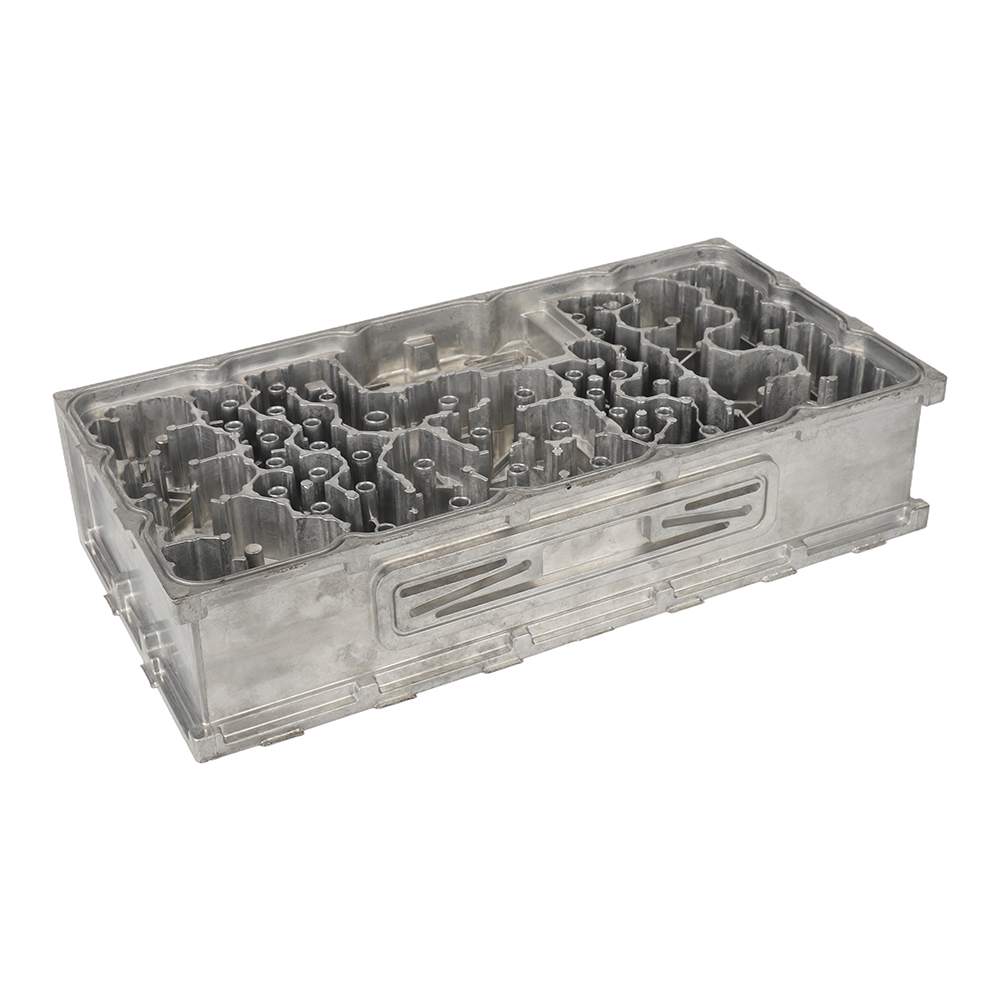
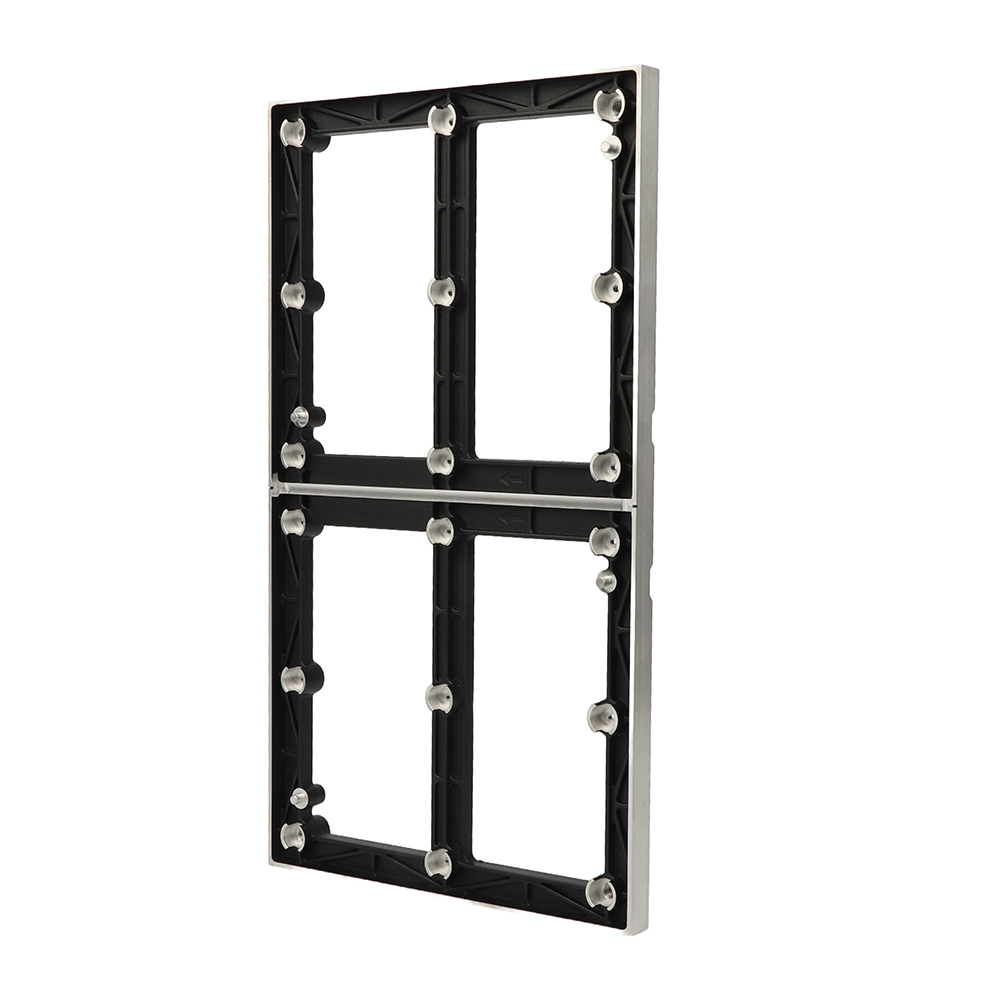
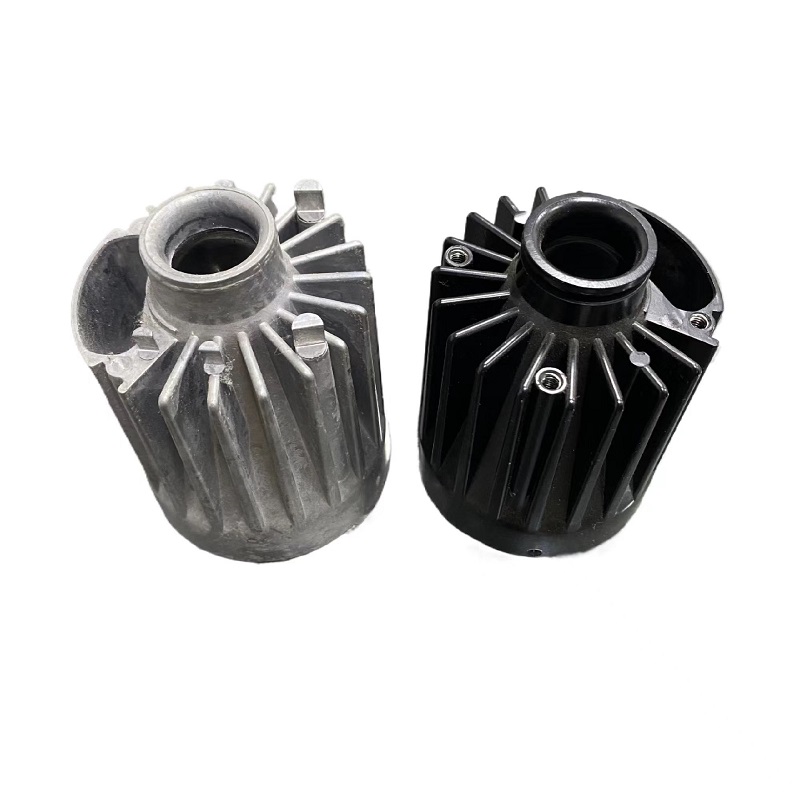
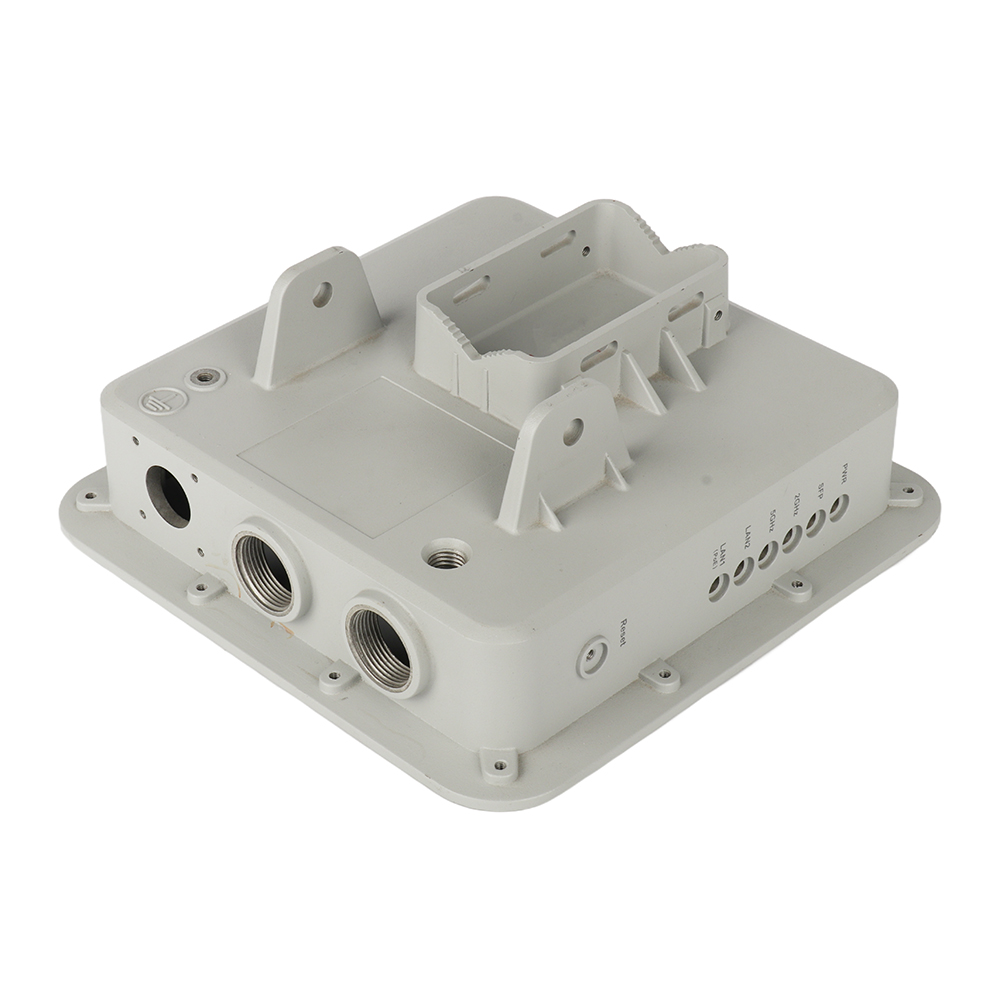
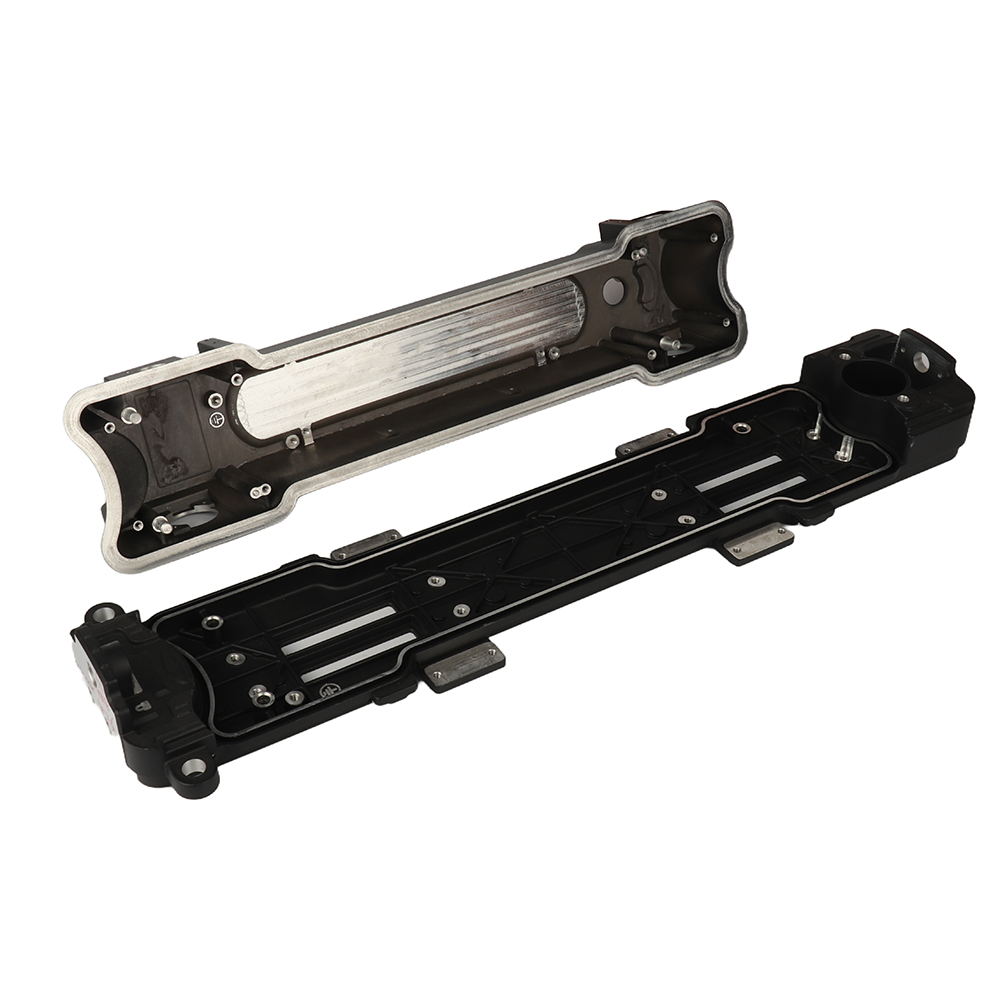
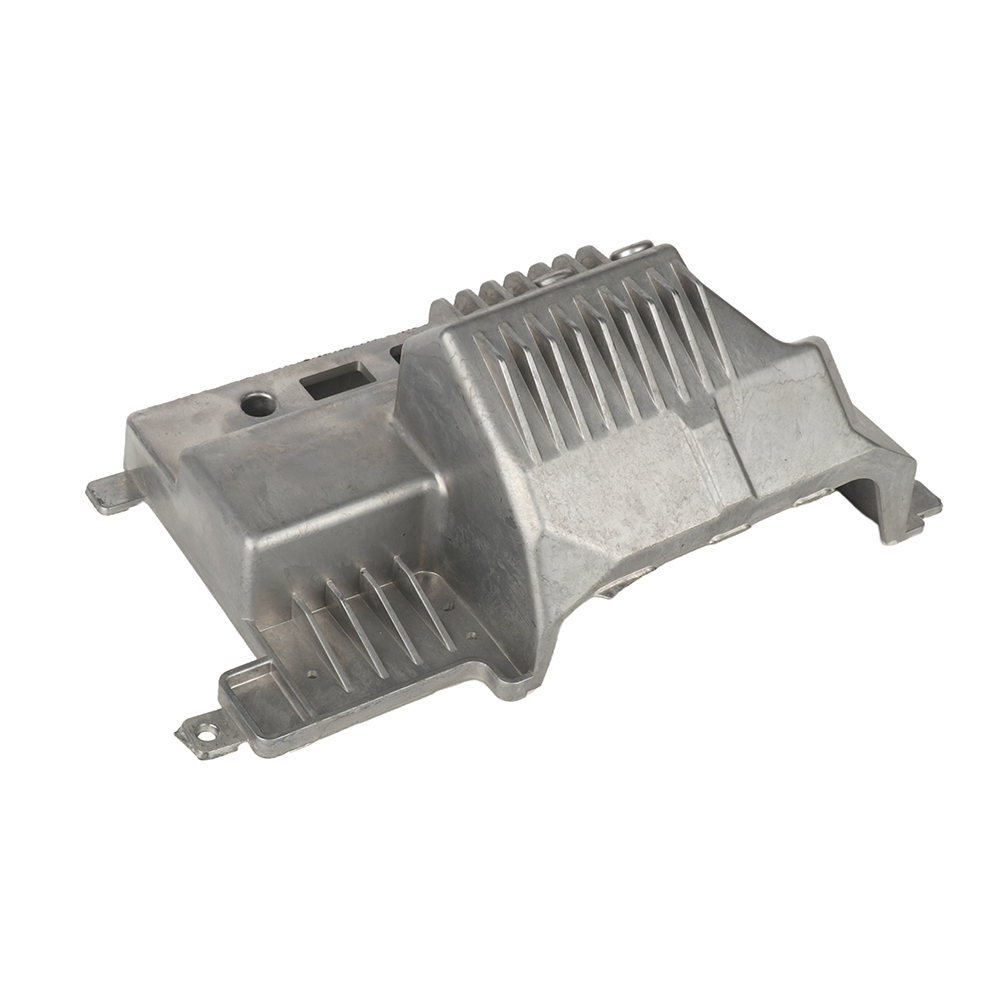
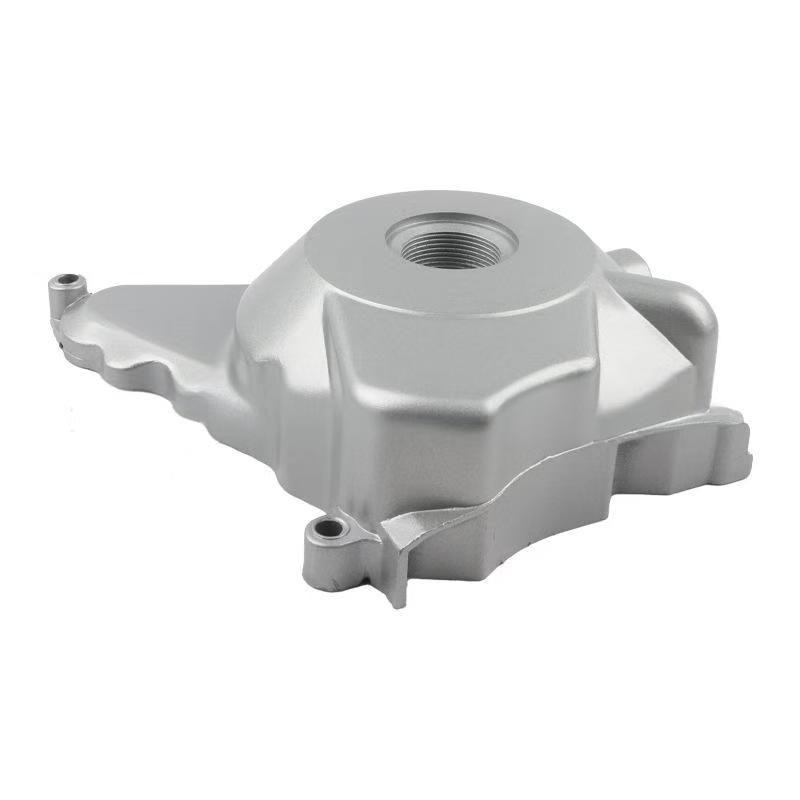
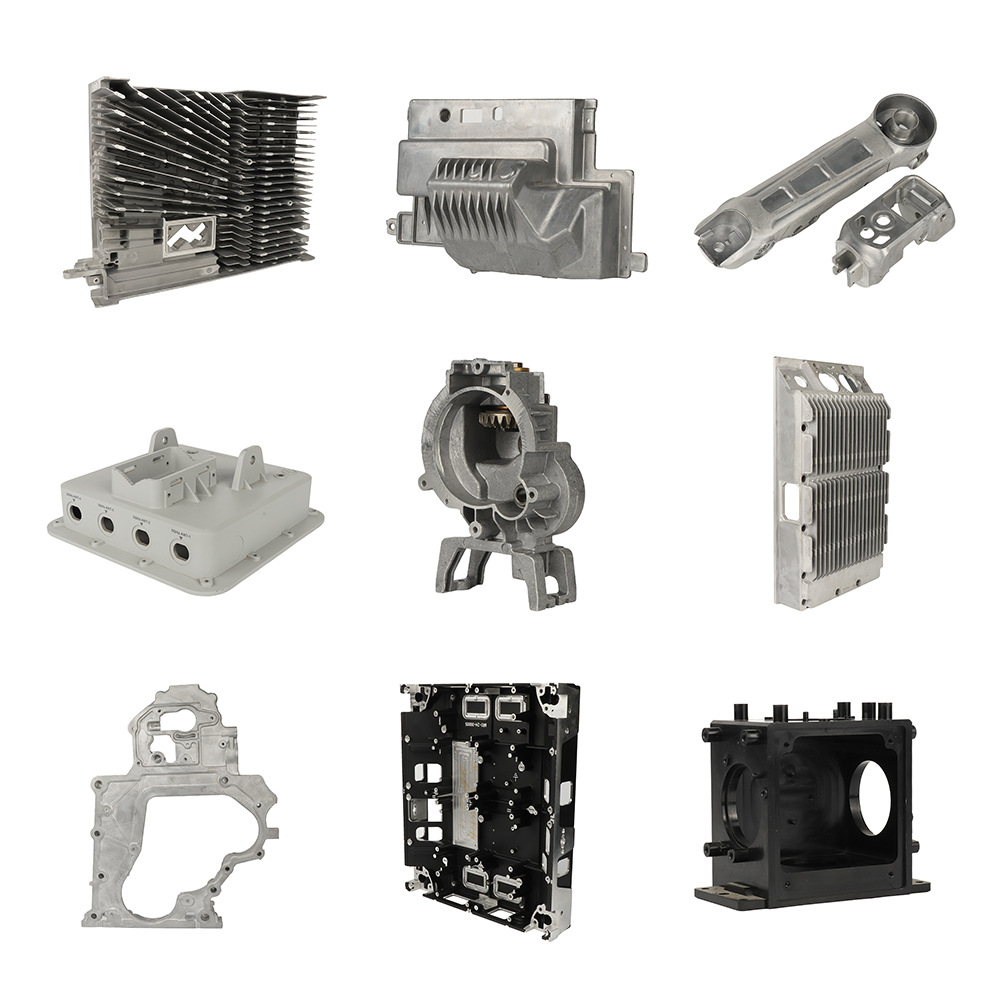
Surface finishing process | How is the surface finishing of aluminum alloy processed?
2026-06-13
How is the Surface Finishing of Aluminum Alloy Processed?
Table of Contents
- 1. Overview of ADC12 Aluminum Alloy & Surface Finishing Definition
- 2. Core Purposes & Key Functions of ADC12 Surface Finishing
- 3. Complete General Surface Finishing Processes for ADC12 Aluminum
- 4. Standard Technical Parameter Table for ADC12 Surface Finishing
- 5. Unique Competitive Advantages of ADC12 Aluminum Surface Treatment
- 6. Authoritative Expert Viewpoints on Aluminum Surface Finishing Industry
- 7. 2026 Industry Development Trends & Supplier Selection Criteria
- 8. Industry FAQs for ADC12 Aluminum Surface Finishing
- 9. Cooperate with Xinghang Precision Hardware: Bulk Discount & Contact Details
- 10. Overall Industry Summary & Future Outlook
1. Overview of ADC12 Aluminum Alloy & Surface Finishing Definition
1.1 Basic Attributes of ADC12 Aluminum Alloy
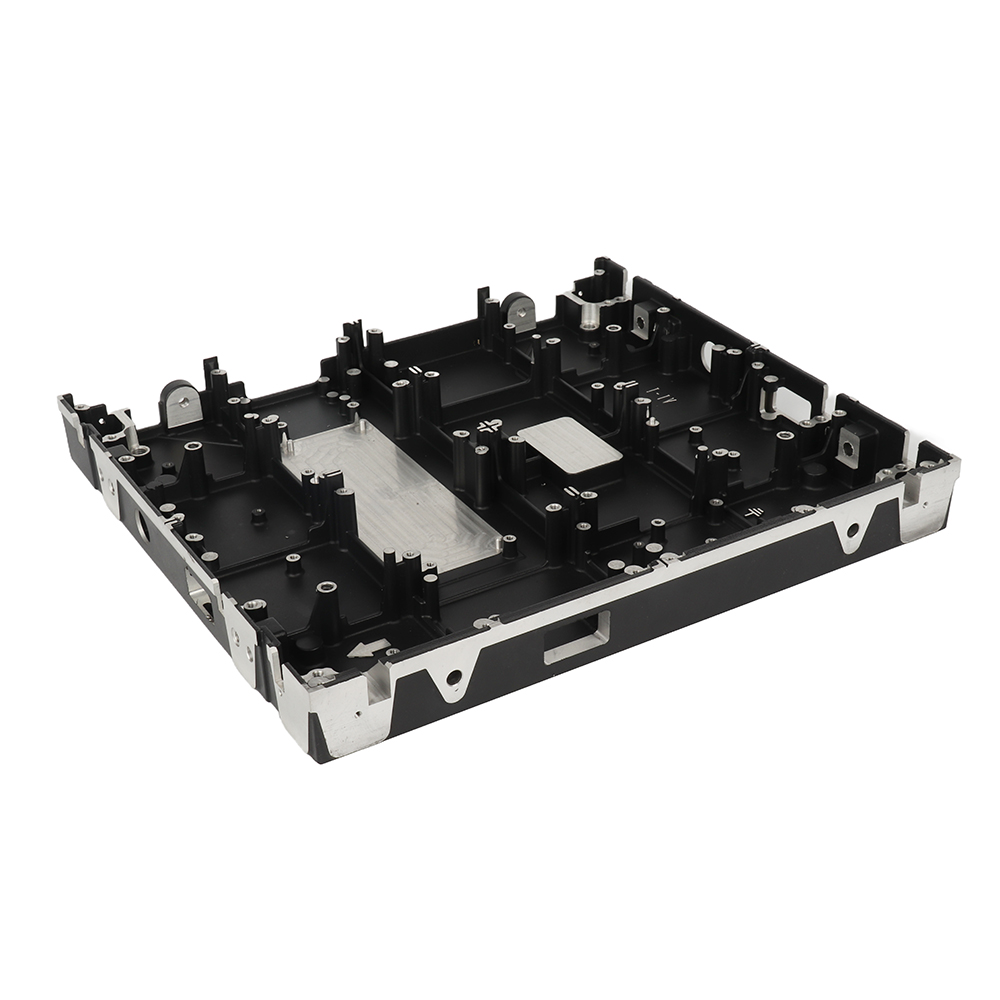
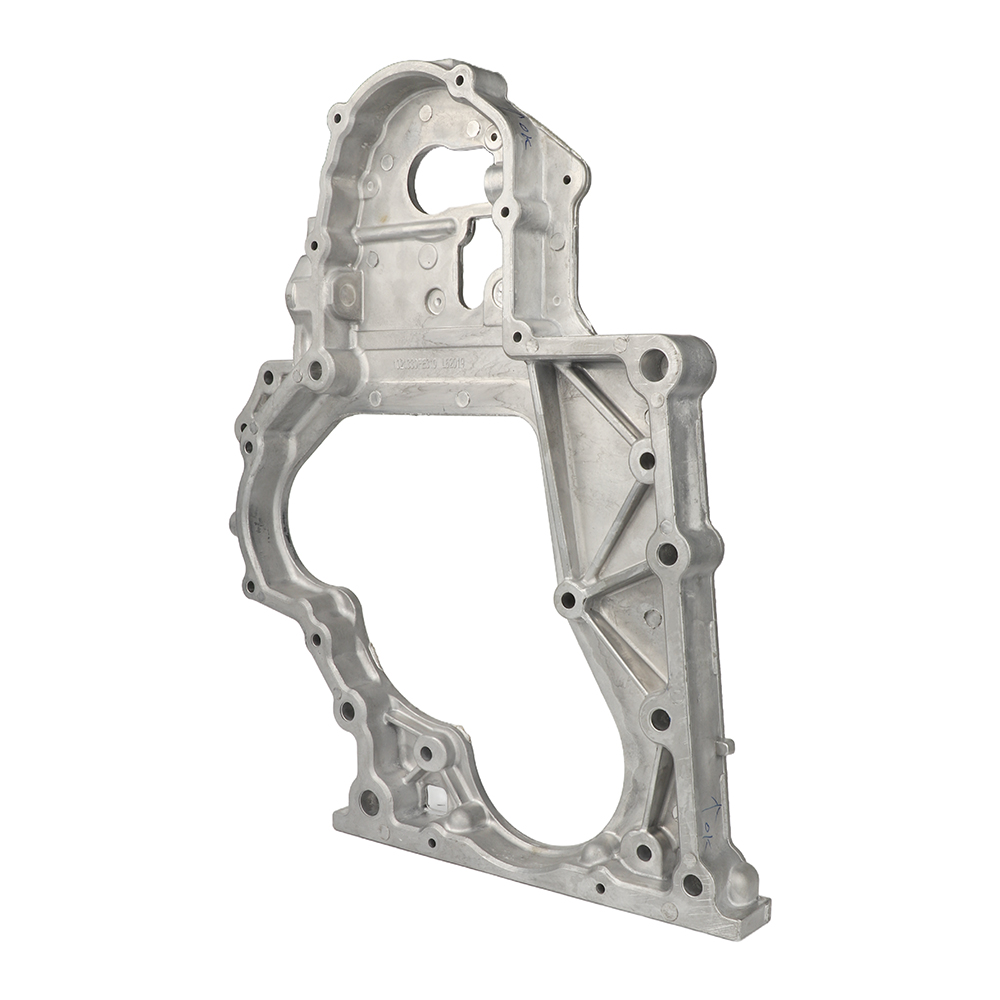
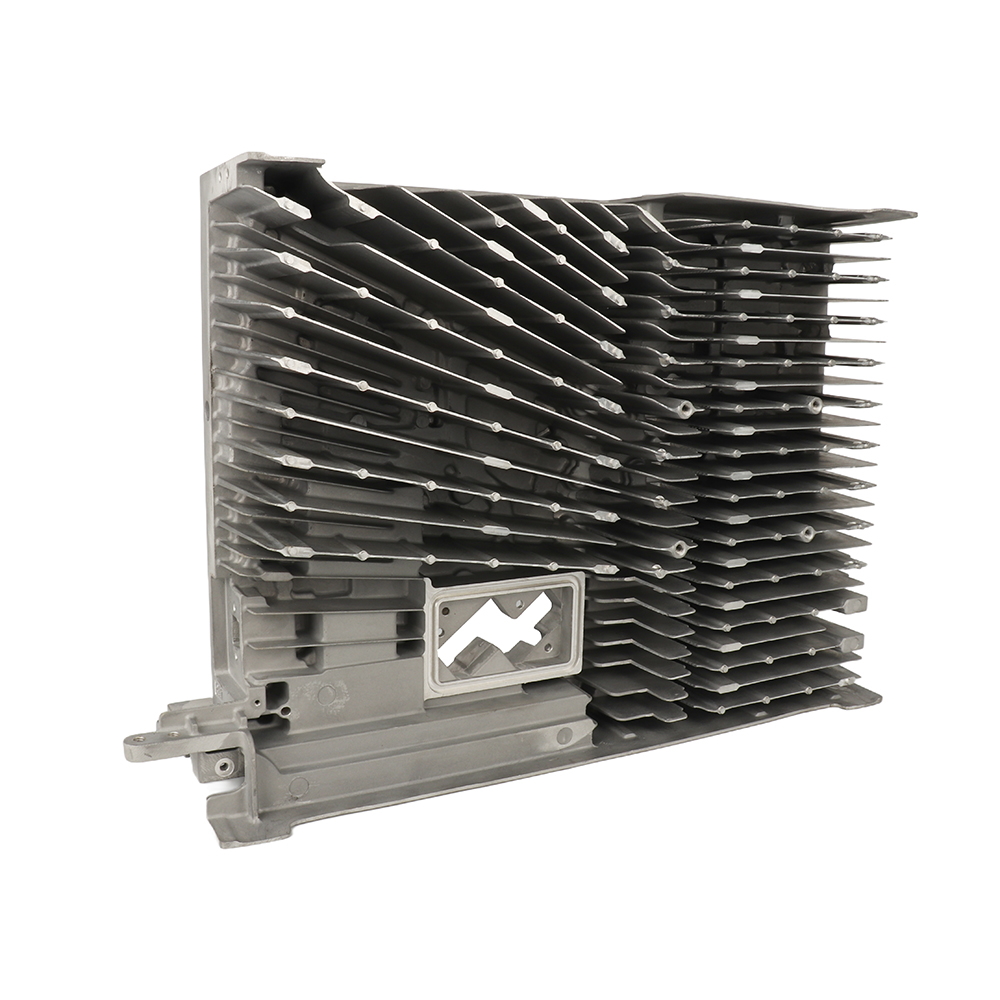
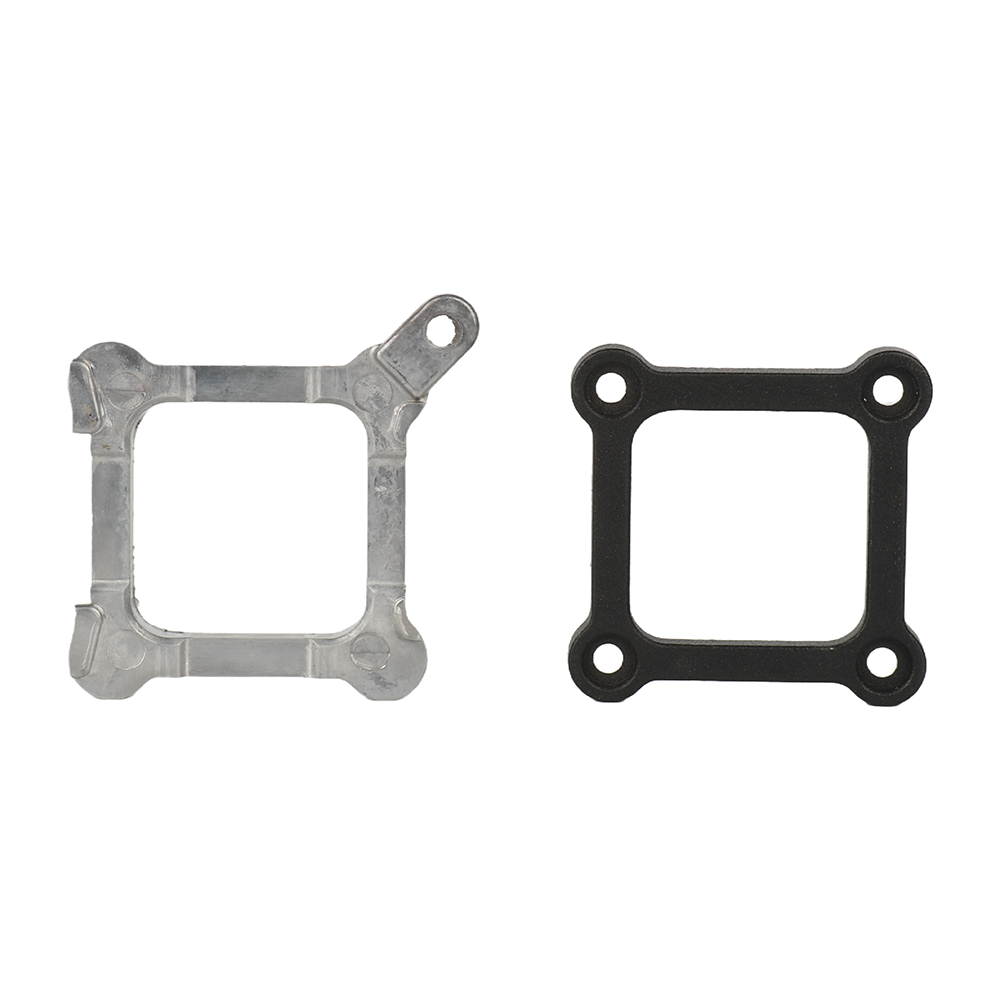
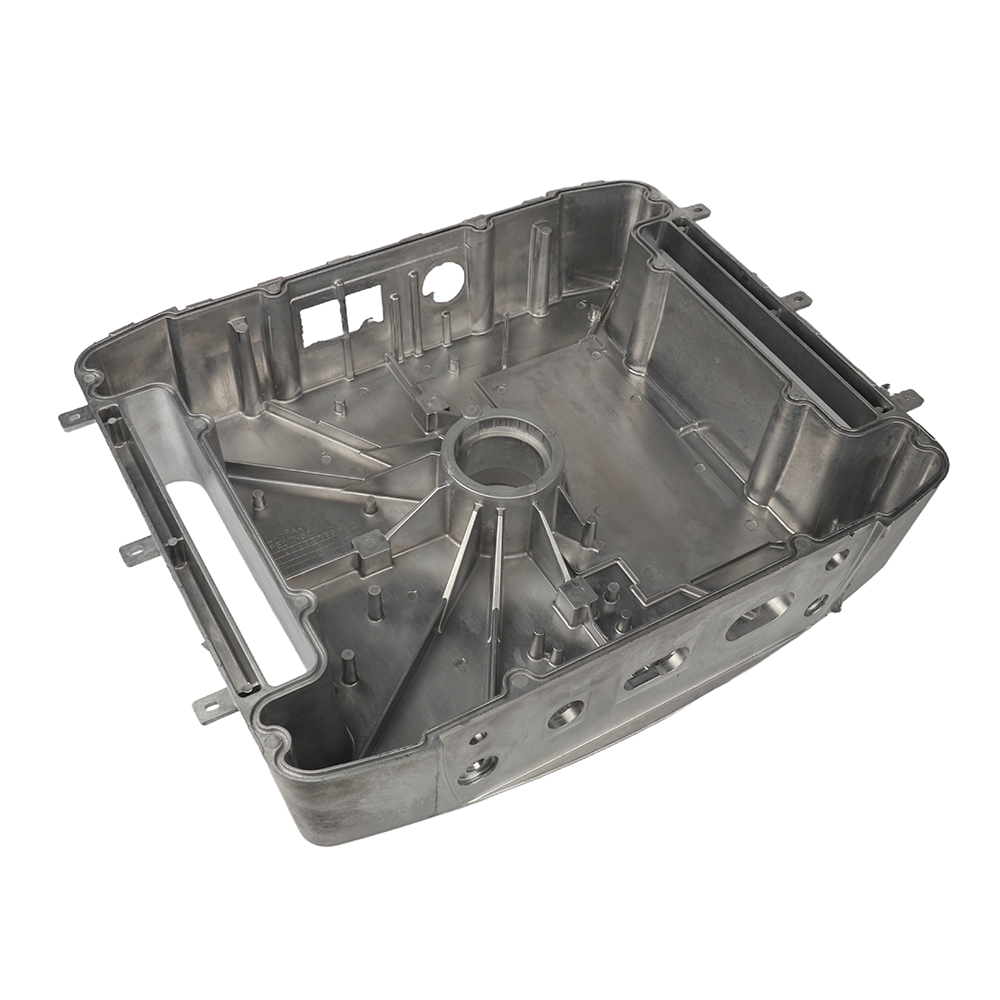
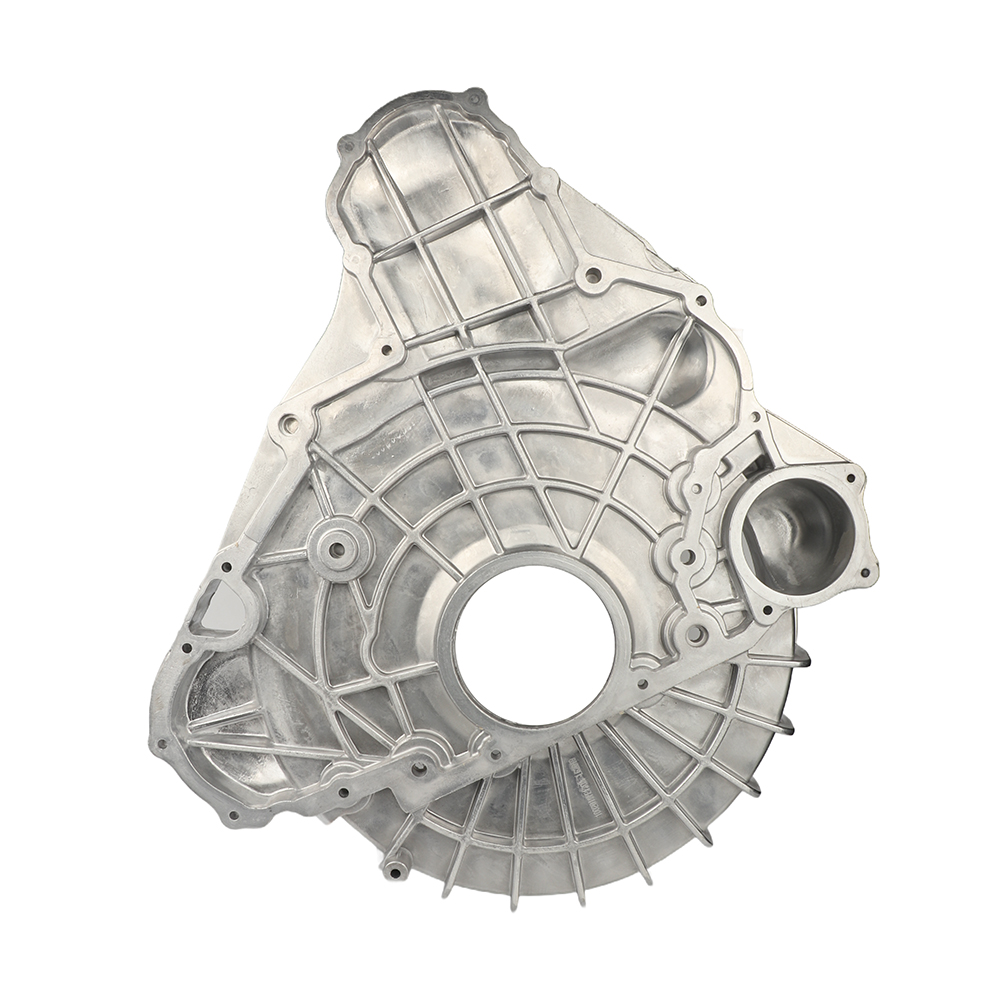
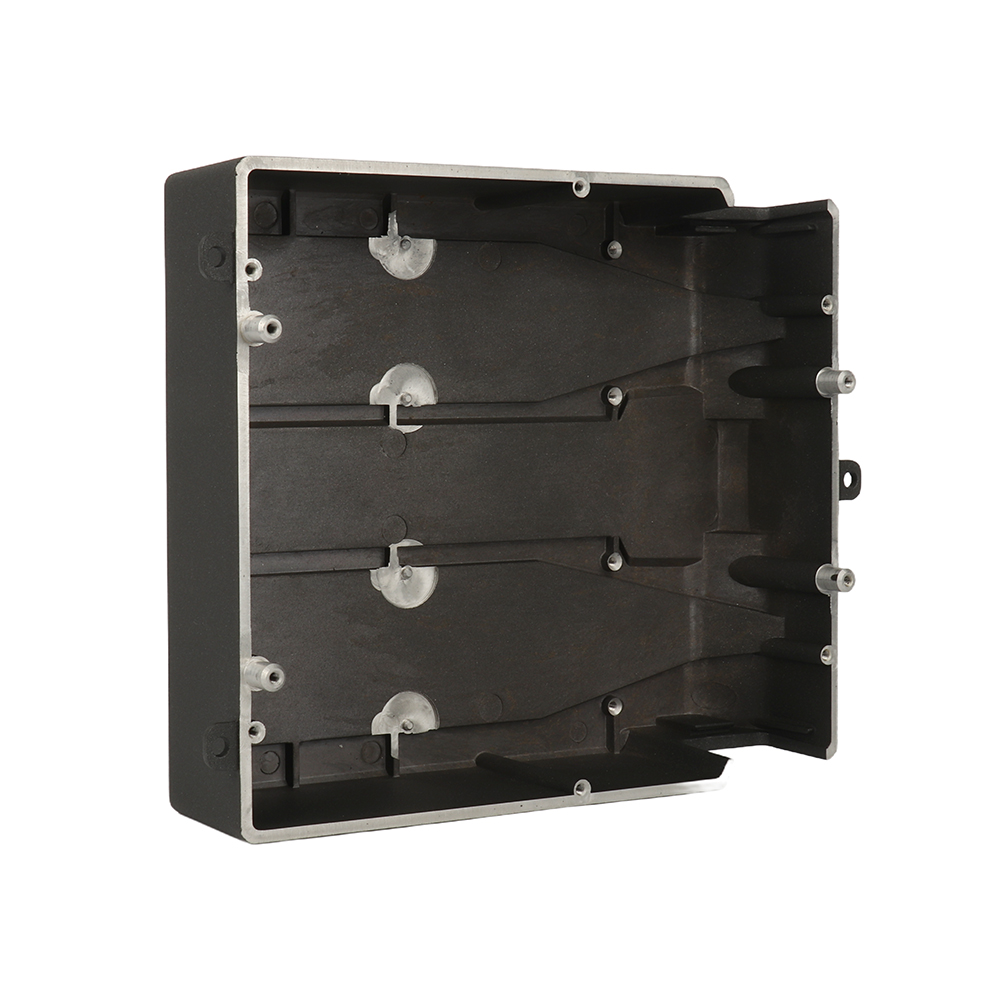
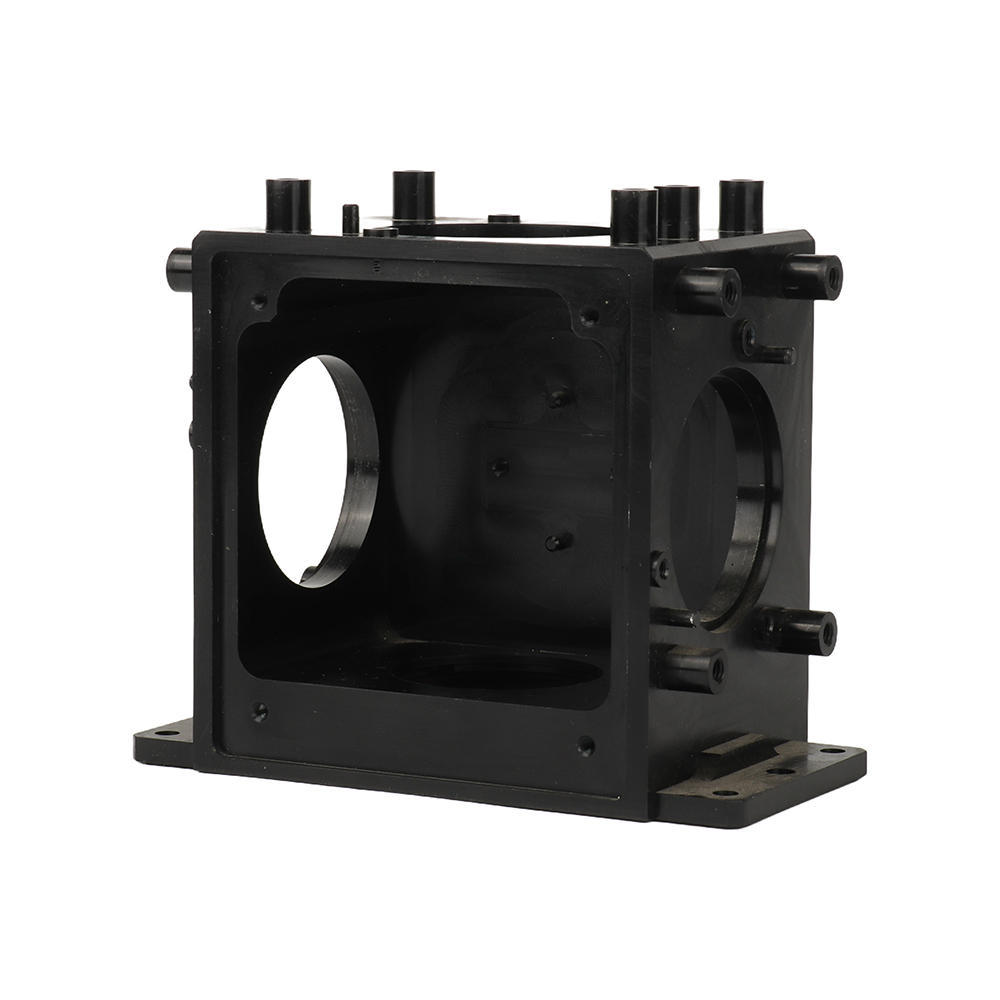
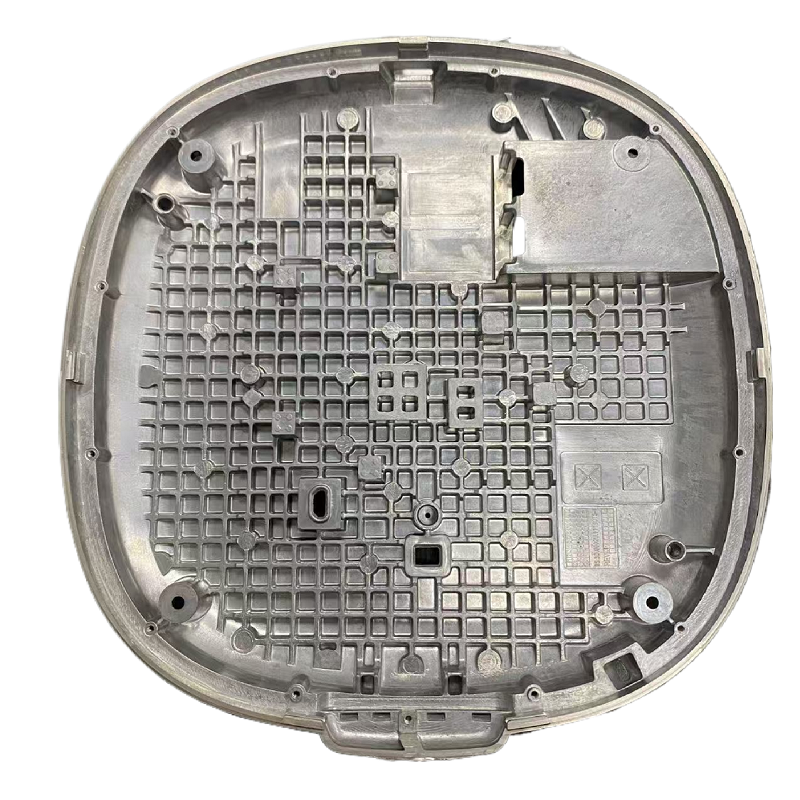
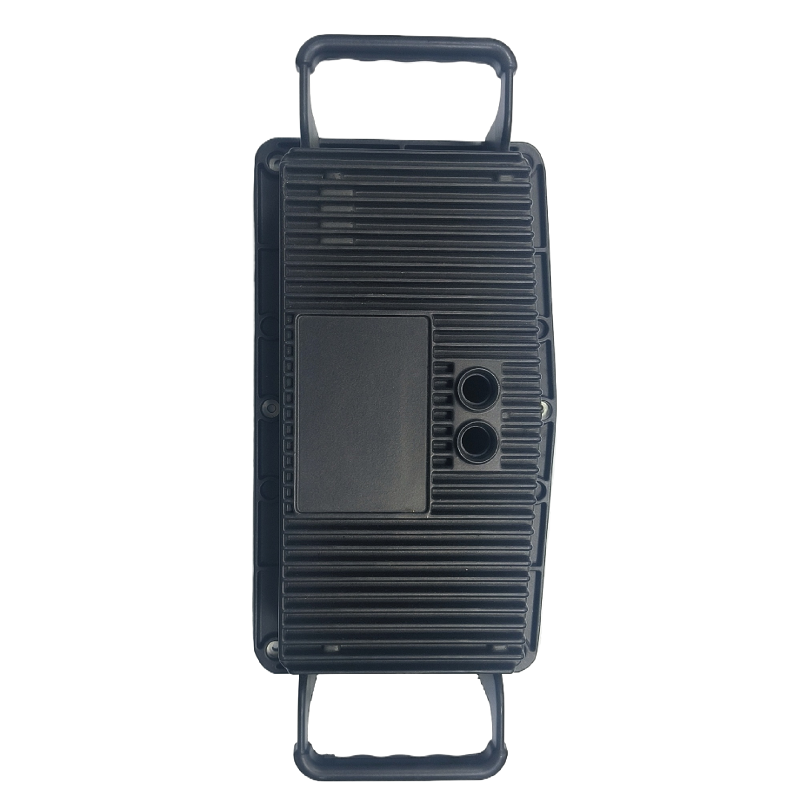
ADC12 is a high-silicon die-cast aluminum alloy compliant with JIS H5302 Japanese industrial standard, the most widely used substrate for industrial aluminum enclosures, sensor brackets and automotive electronic structural parts. It contains 9.6%-12.0% silicon and 1.5%-3.5% copper, featuring low thermal deformation, excellent machinability and natural thermal conductivity. However, raw ADC12 blanks suffer from inherent defects: loose surface oxide layers, poor corrosion resistance and rough post-CNC machining burrs, which make secondary surface finishing mandatory for commercial application.
1.2 Definition of Aluminum Alloy Surface Finishing
Aluminum alloy surface finishing refers to a series of physical, chemical and electrochemical post-processing procedures conducted after CNC turning/milling. It modifies the surface microstructure, roughness and chemical inertness of ADC12 workpieces without changing core dimensional tolerances. All qualified finishing processes must keep workpiece tolerance deviation within ±0.005mm to ±0.05mm to avoid damaging precision assembly structures.

2. Core Purposes & Key Functions of ADC12 Surface Finishing
2.1 Structural Protection Functions
2.1.1 Anti-corrosion & Anti-oxidation Isolation
Block electrolyte corrosion in humid environments
Long service life extension
Bare ADC12 aluminum reacts rapidly with oxygen, water vapor and acidic industrial dust, forming loose white alumina corrosion spots within 3 months in outdoor scenarios. Standard anodizing can form a dense inert oxide film to isolate external corrosive media, extending workpiece service life by 300% compared with unfinished blanks.
2.1.2 Wear-resistance & Anti-scratch Reinforcement
Raw ADC12 surface hardness only reaches 85-95 HB, prone to scratch and abrasion during assembly and transportation. Hard anodizing and anti-wear coating can raise surface microhardness to over 320 HB, adapting to long-term friction in automated equipment linkage scenarios.
2.2 Performance & Aesthetic Optimization Functions
2.2.1 Electromagnetic Shielding Enhancement
Closed conversion films formed by passivation and chromate-free treatment optimize surface conductivity, improving electromagnetic interference shielding efficiency by 22%-35%, critical for 5G communication and medical electronic aluminum shells.
2.2.2 Visual Surface Uniformity
Sandblasting and matte anodizing eliminate tool marks, knife lines and uneven color caused by five-axis CNC machining, realizing consistent metal texture for batch finished products, meeting IP-grade industrial equipment appearance standards.
3. Complete General Surface Finishing Processes for ADC12 Aluminum
3.1 Pre-treatment Base Process (Mandatory for All Finishing Types)
3.1.1 Degreasing & Alkali Washing
Remove CNC cutting fluid, oil stains and surface fine aluminum chips via alkaline solution soaking. Incomplete degreasing is the top cause of subsequent film peeling, accounting for 68% of surface finishing defective rates according to workshop quality data.
3.1.2 Neutralization & De-smutting
ADC12 contains high silicon content, which will form black silicon smudges after alkali washing. Nitric acid neutralization is required to remove smudges to ensure uniform adhesion of subsequent surface films.
3.2 Mainstream Physical Surface Finishing Processes
3.2.1 Sandblasting
Use high-pressure compressed air to spray white corundum or glass beads onto workpiece surfaces. Classified into fine sandblasting (Ra 0.4-0.8μm) and coarse sandblasting (Ra 1.2-2.0μm), mainly used for eliminating obvious CNC tool marks.
3.2.2 Mechanical Polishing
Divide into rough polishing and mirror polishing. Mirror polishing achieves surface roughness Ra ≤0.2μm, applied for high-end aerospace auxiliary aluminum parts with strict appearance requirements.
3.3 Mainstream Chemical & Electrochemical Finishing Processes
3.3.1 Sulfuric Acid Anodizing (Most Widely Used)
Form porous aluminum oxide film on ADC12 surface via electrochemical oxidation. Supports dyeing for black, silver, blue and other customized colors, with balanced cost and performance.
3.3.2 Chromate-Free Passivation (Eco-friendly Type)
Green zero-heavy-metal treatment compliant with EU RoHS directives, no surface color change, suitable for electronic components requiring strict environmental certification.
3.3.3 Anti-wear Ceramic Coating
A high-end composite finishing process, forming silicon-based ceramic films, used for high-vibration new energy vehicle aluminum structural parts.
4. Standard Technical Parameter Table for ADC12 Surface Finishing
All finishing processes below are specially optimized for high-silicon ADC12 die-cast aluminum alloy, covering corrosion resistance, hardness, environmental compliance and roughness indicators for customer scheme selection reference:
| Finishing Process | Film Thickness | Surface Roughness (Ra) | Surface Hardness | Corrosion Resistance Duration | RoHS Compliance |
|---|---|---|---|---|---|
| Fine Glass Bead Sandblasting | 0μm (no film layer) | 0.6μm | 98 HB | 240h salt spray resistance | Compliant |
| Common Sulfuric Acid Anodizing | 8-12μm | 0.5μm | 180 HB | 600h salt spray resistance | Compliant |
| Hard Anodizing | 25-35μm | 0.7μm | 330 HB | 1200h salt spray resistance | Compliant |
| Chromate-Free Passivation | 0.3-0.5μm | 0.4μm | 102 HB | 480h salt spray resistance | 100% Eco-compliant |
| Silicon-Based Anti-wear Coating | 15-20μm | 0.55μm | 410 HB | 1500h salt spray resistance | Compliant |
Key Parameter Note: All finishing processes ensure zero change to workpiece assembly tolerance, with dimensional deviation controlled within ±0.005mm, meeting ultra-precision assembly requirements for 3C and medical equipment.
5. Unique Competitive Advantages of ADC12 Aluminum Surface Treatment
5.1 Strong Substrate Adaptability for High-Silicon Aluminum
Unlike 6061 aluminum, ADC12 has high silicon segregation which easily causes uneven oxidation. Mature targeted finishing processes can eliminate silicon spot defects, a technical barrier that 40% of small-scale hardware factories cannot break through.
5.2 Dual Improvement of Heat Dissipation & Shielding
Qualified anodizing films will not block the natural thermal conductivity of ADC12 (thermal conductivity maintained at 110 W/(m·K)), while simultaneously boosting electromagnetic shielding performance. This dual advantage cannot be achieved by plastic spraying coating.
5.3 High Batch Consistency & Low Rework Rate
Automated assembly line finishing controls batch color difference within ΔE≤1.2, with overall defective rate below 1.2%, far lower than manual workshop processing (8%-15% defective rate).
5.4 Recyclable & Low Carbon Footprint
All mainstream ADC12 surface films can be stripped without damaging aluminum substrates, enabling 100% material recycling, matching global carbon tariff standards for exported industrial parts.
6. Authoritative Expert Viewpoints on Aluminum Surface Finishing Industry
Mr. Leon Ward, a senior material processing expert with 22 years of experience in international aluminum alloy precision manufacturing and member of the ASTM aluminum material standard committee, released core judgments in the 2026 Global Precision Hardware Manufacturing Summit:
“For high-silicon ADC12 aluminum, surface finishing is no longer an optional aesthetic process but a mandatory quality control link. Over 52% of after-sales failure of automotive aluminum electronic shells globally stems from unqualified surface passivation and incomplete degreasing. In the next three years, eco-friendly chromate-free treatment and hard anodizing will replace traditional chromate passivation as mainstream processes, and customers will prioritize full-process integrated suppliers instead of separate outsourcing of machining and finishing.”
Supplemental industry data: Global market scale of aluminum alloy surface finishing will grow at 13.7% annually from 2026 to 2029, with RoHS-compliant green finishing occupying 67% of market share.
7. 2026 Industry Development Trends & Supplier Selection Criteria
7.1 Four Core 2026 Industry Trends
7.1.1 Green Non-toxic Finishing Popularization
EU and US cross-border customs have strengthened heavy metal detection. Traditional chromate passivation is gradually banned, and all export-oriented orders require full-process RoHS and REACH compliance certification.
7.1.2 Ultra-precision Low-thickness Film Customization
Miniaturized electronic equipment requires film thickness below 10μm to avoid assembly interference. Micron-level precise film thickness control has become the core threshold for qualified suppliers.
7.1.3 Machining & Finishing Integrated One-stop Service
Decentralized cooperation between CNC factories and independent finishing workshops leads to dimensional tolerance mismatch. Downstream buyers prefer one-stop suppliers covering blank machining, surface finishing and full-dimensional inspection.
7.1.4 Intelligent On-demand Process Matching
Suppliers need to customize finishing schemes based on customer working scenarios: anti-corrosion passivation for coastal humid scenarios, hard anodizing for mechanical friction scenarios, replacing universal single-process solutions.
7.2 Core Standards for Selecting Qualified Hardware Suppliers
7.2.1 Independent Full-process Production Line
Avoid third-party outsourcing links. Qualified suppliers must own independent degreasing, anodizing and sandblasting workshops, instead of outsourcing finishing to external factories which causes uncontrollable quality.
7.2.2 Professional Salt Spray & Roughness Testing Equipment
Must conduct 100% batch salt spray testing and surface roughness sampling inspection. Suppliers without independent testing equipment cannot guarantee long-term outdoor service stability.
7.2.3 ADC12 Specialized Processing Experience
General aluminum finishing processes cannot adapt to high-silicon ADC12. Prioritize manufacturers with more than 5 years of ADC12 targeted finishing experience to avoid silicon spot and film peeling defects.
7.2.4 Transparent Bulk Pricing & Stable Delivery
Reliable suppliers provide hierarchical bulk discount policies, fixed production cycles, and free rework for defective products within quality warranty periods.
8. Industry FAQs for ADC12 Aluminum Surface Finishing
Q1: Why does ADC12 need different finishing processes from 6061 aluminum?
ADC12 has 3 times higher silicon content than 6061. Excessive silicon will hinder oxide film formation, leading to easy film peeling if using standard 6061 anodizing parameters. Specialized de-smutting and low-current oxidation parameters are required exclusively for ADC12.
Q2: Will surface finishing change CNC machining dimensional tolerance?
Qualified standardized finishing will not affect assembly tolerance. Physical processes like sandblasting cause zero dimensional change; electrochemical processes have thickness deviation controlled within ±0.002mm, which can be pre-reserved in CNC blank size to offset film thickness.
Q3: Which process is the most cost-effective for conventional indoor equipment?
Fine sandblasting + conventional sulfuric acid anodizing. It balances appearance, corrosion resistance and cost, meeting indoor 500h salt spray requirements with 23% lower unit cost than hard anodizing.
Q4: How to solve uneven color after ADC12 anodizing?
Uneven color is mainly caused by incomplete de-smutting. The solution is adding secondary mixed acid de-smutting before anodizing, which is a proprietary optimized process adopted by Xinghang Precision Hardware for ADC12 workpieces.
Q5: Can finishing processes be modified after batch production?
Yes. For qualified finished workpieces, we can conduct secondary sandblasting and re-anodizing without damaging the ADC12 substrate, supporting flexible post-order scheme adjustment for customers.
9. Cooperate with Xinghang Precision Hardware: Bulk Discount & Contact Details
9.1 Our Core Service Strengths
Xinghang Precision Hardware is a one-stop ADC12 aluminum precision machining and surface finishing manufacturer with 9 years of export service experience. We own 12 five-axis CNC machining centers and 4 automated eco-friendly surface finishing assembly lines, fully complying with JIS H5302, ISO 9001 and EU RoHS certifications. We specialize in solving high-silicon ADC12 finishing defects such as silicon spots, film peeling and uneven color, serving new energy, medical and 3C electronic global clients.
9.2 Hierarchical Bulk Discount Policy
We launch transparent tiered preferential pricing for long-term cooperative clients: The larger the order quantity, the deeper the unit price discount. Specific rules: 5%-8% discount for orders over 500 pcs; 12%-15% discount for orders over 5000 pcs; exclusive customized pricing + priority delivery + free third-party quality testing for annual framework bulk orders. All bulk clients enjoy free sample production and full-cycle after-sales technical support.
9.3 Official Global Contact Information
Phone / Whatsapp / WeChat: +86 18819502691
Email: liqine@xinghangcn.com
We provide free process scheme consultation and sample testing for global buyers within 24 working hours.
10. Overall Industry Summary & Future Outlook
ADC12 aluminum alloy surface finishing is a systematic matching process combining pre-treatment, physical modification and electrochemical film formation. Its core value lies in solving the inherent corrosion and wear defects of high-silicon aluminum while retaining original thermal conductivity and electromagnetic shielding performance. With stricter global environmental regulations and upgrading demand for miniaturized precision equipment, the industry will permanently shift to green, ultra-precision and integrated one-stop manufacturing.
For industrial procurement buyers, abandoning separate outsourcing of machining and finishing is the key to reducing defective rates and delivery delays. Selecting suppliers with dedicated ADC12 process technology, complete testing systems and flexible bulk discount policies can cut comprehensive procurement costs by 10%-18% and improve product market competitiveness.
As a compliant export-oriented precision hardware supplier, Xinghang Precision Hardware keeps optimizing eco-friendly ADC12 finishing processes. We adhere to quality priority and flexible bulk preferential policies, and sincerely invite global industrial buyers to establish long-term win-win strategic cooperation.
Brushed finish | What is brushed finish for die casting prat? Comprehensive Guide
Gear retainer | What are aluminum gear fixing seats? Complete Guide
Related Article

Residential energy storage systems have become increasingly popular as homeowners pursue energy independence, solar self-consumption and backup power for grid outages.
Energy storage enclosure | What Are the Benefits of Die-Cast Home Energy Storage Enclosures?

A custom LED display frame is the core structural carrier for LED screen modules, widely manufactured with ADC12 aluminum alloy via high-pressure die casting.
LED display frame | What Are the Benefits of Custom LED Display Frames?

