
HOT PRODUCTS
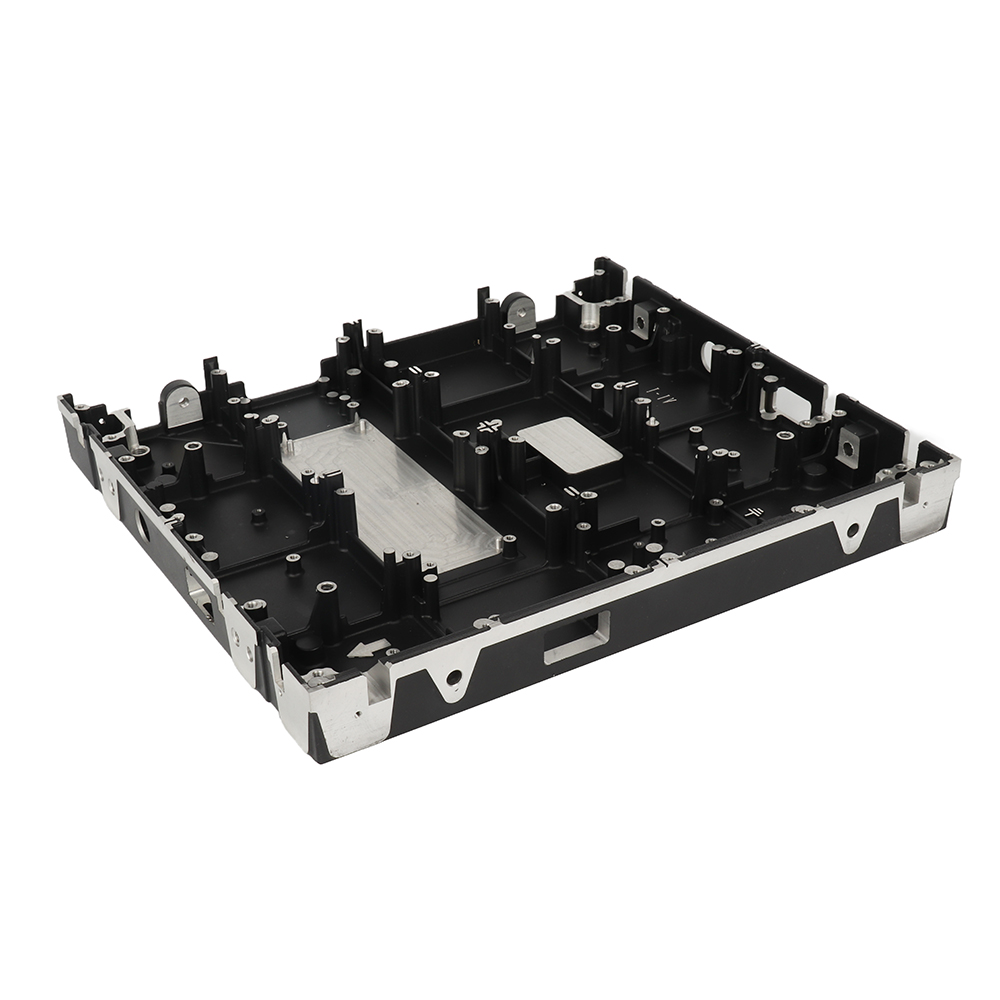
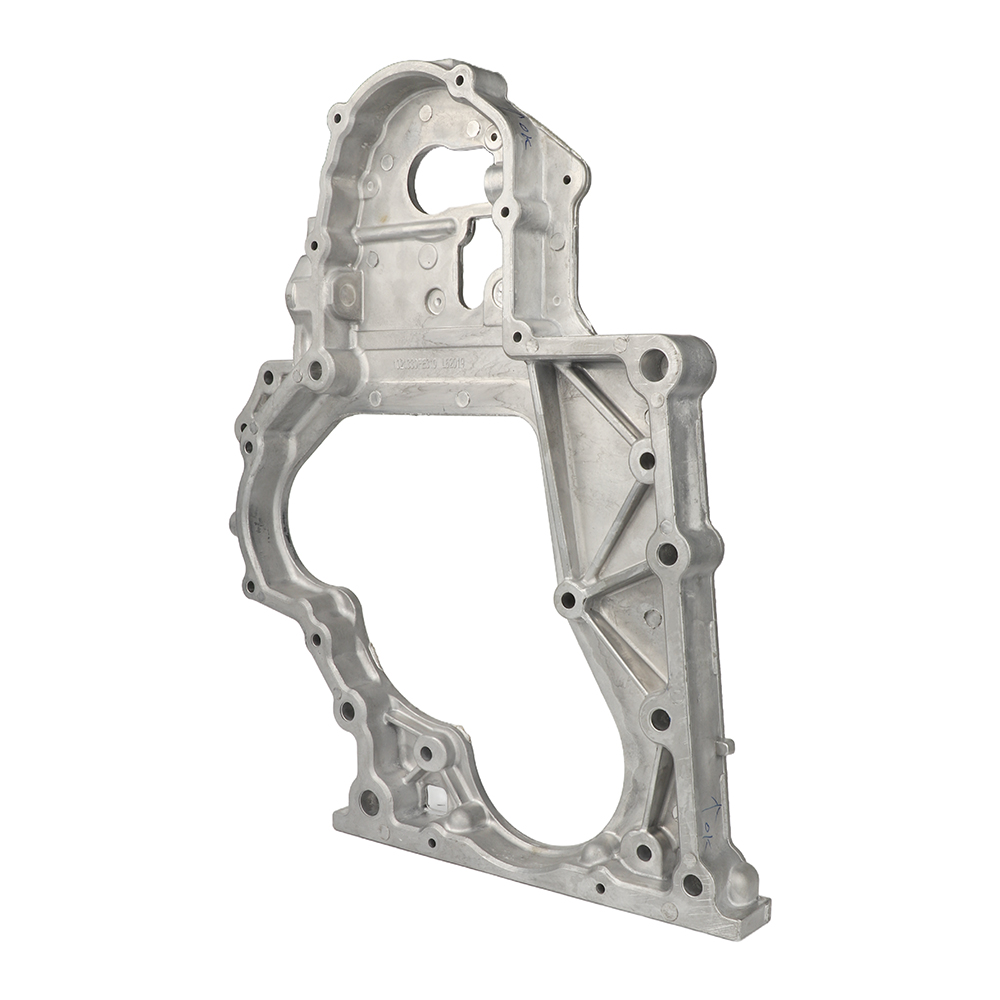
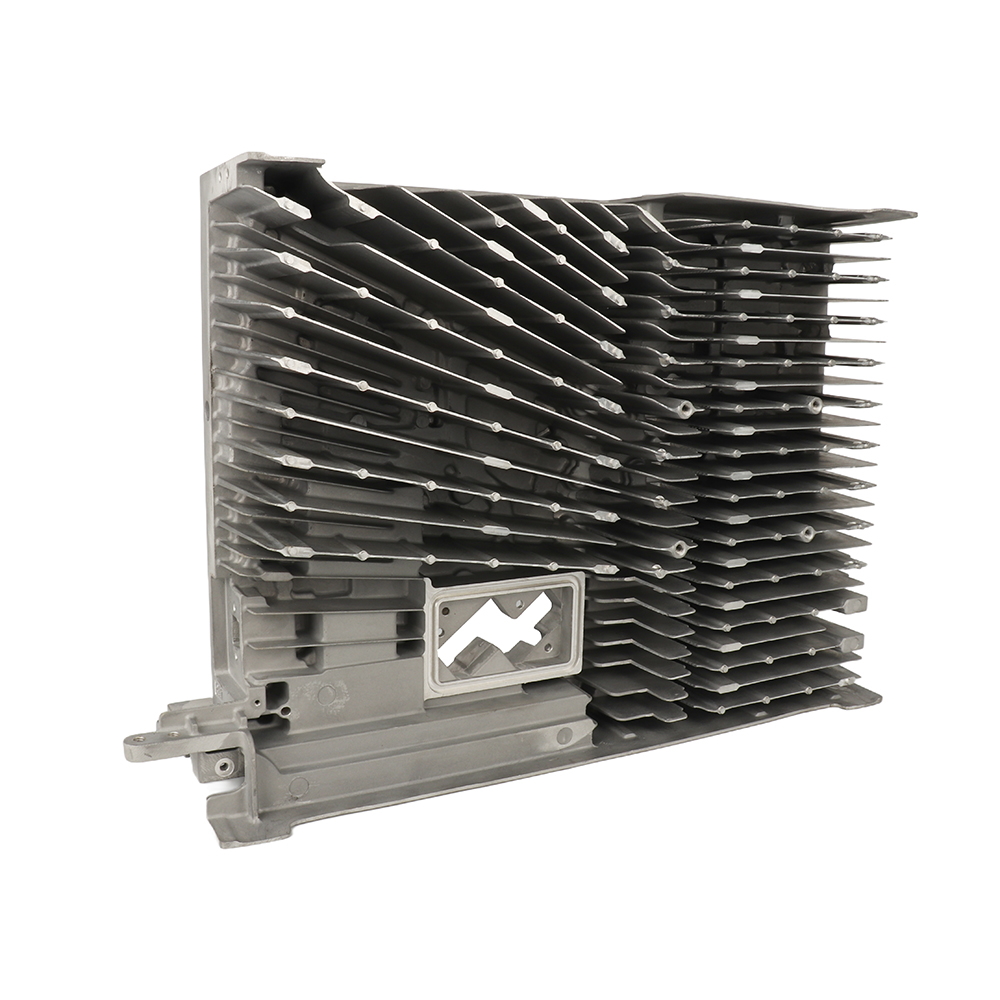
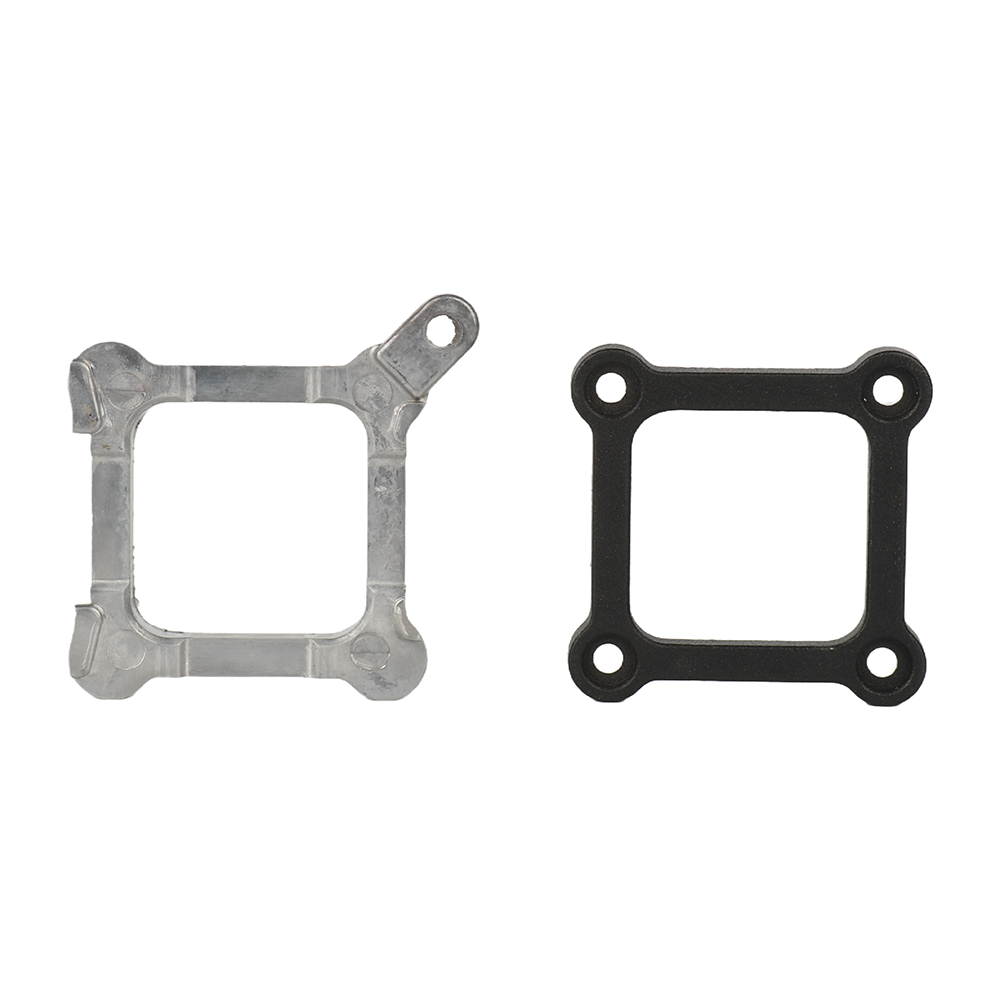
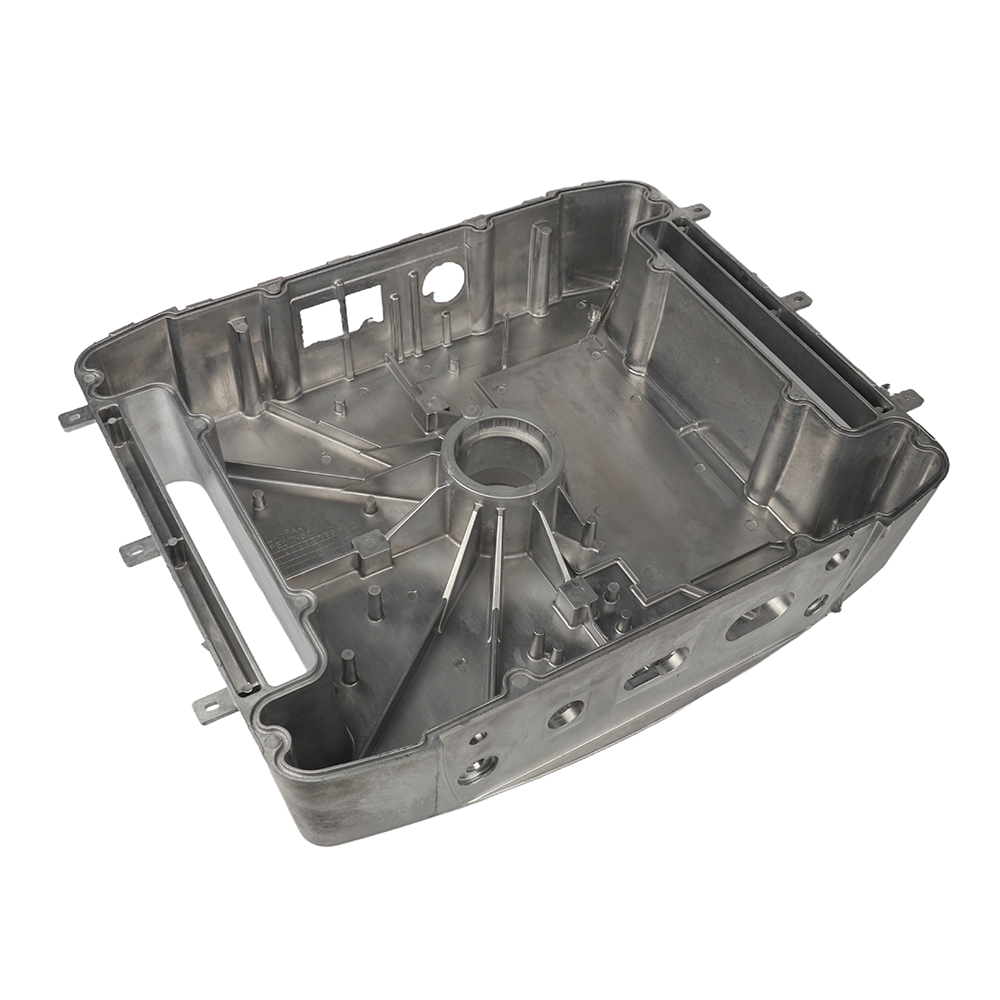
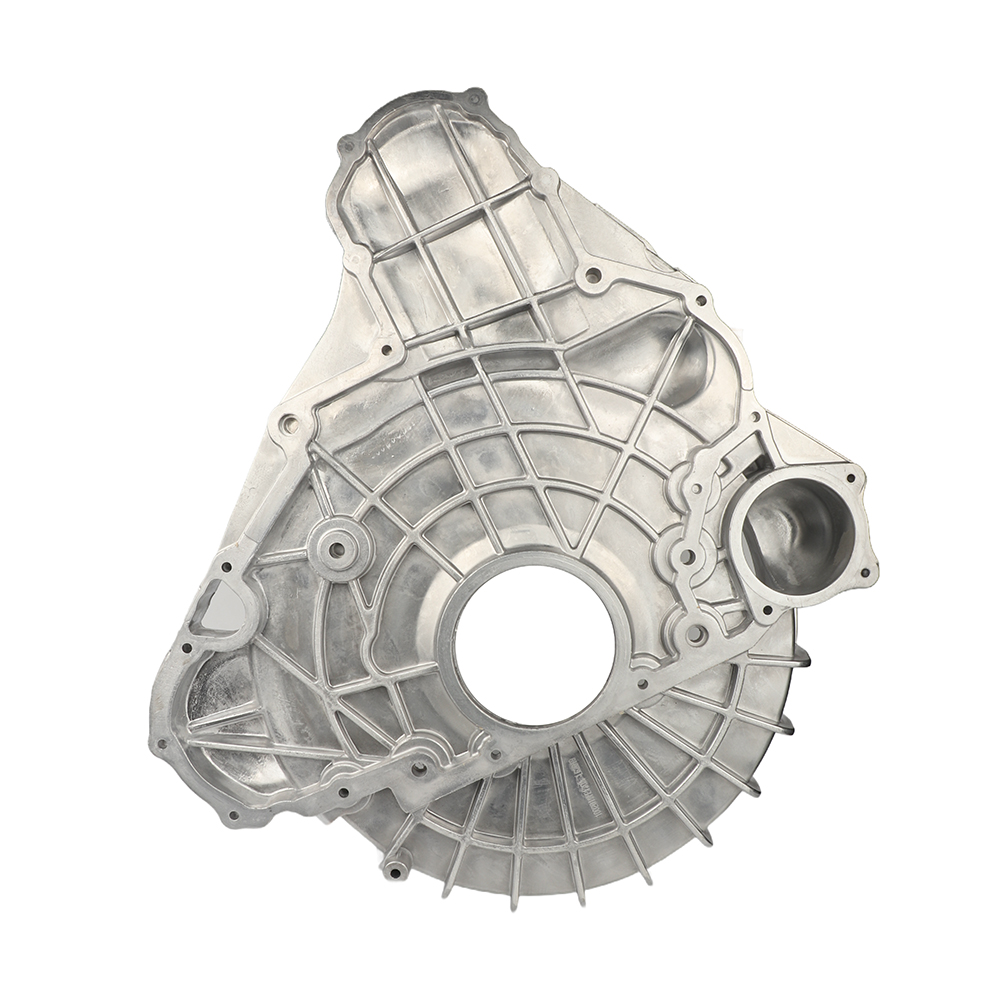
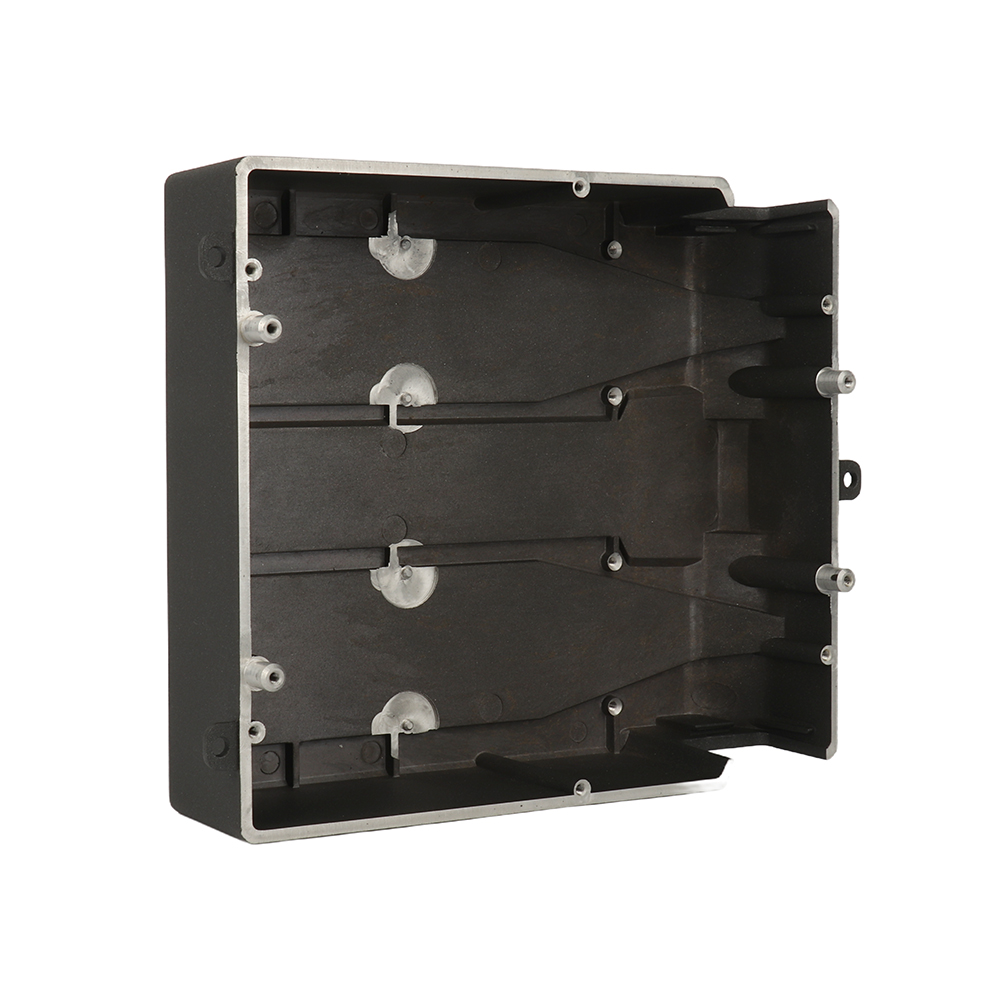
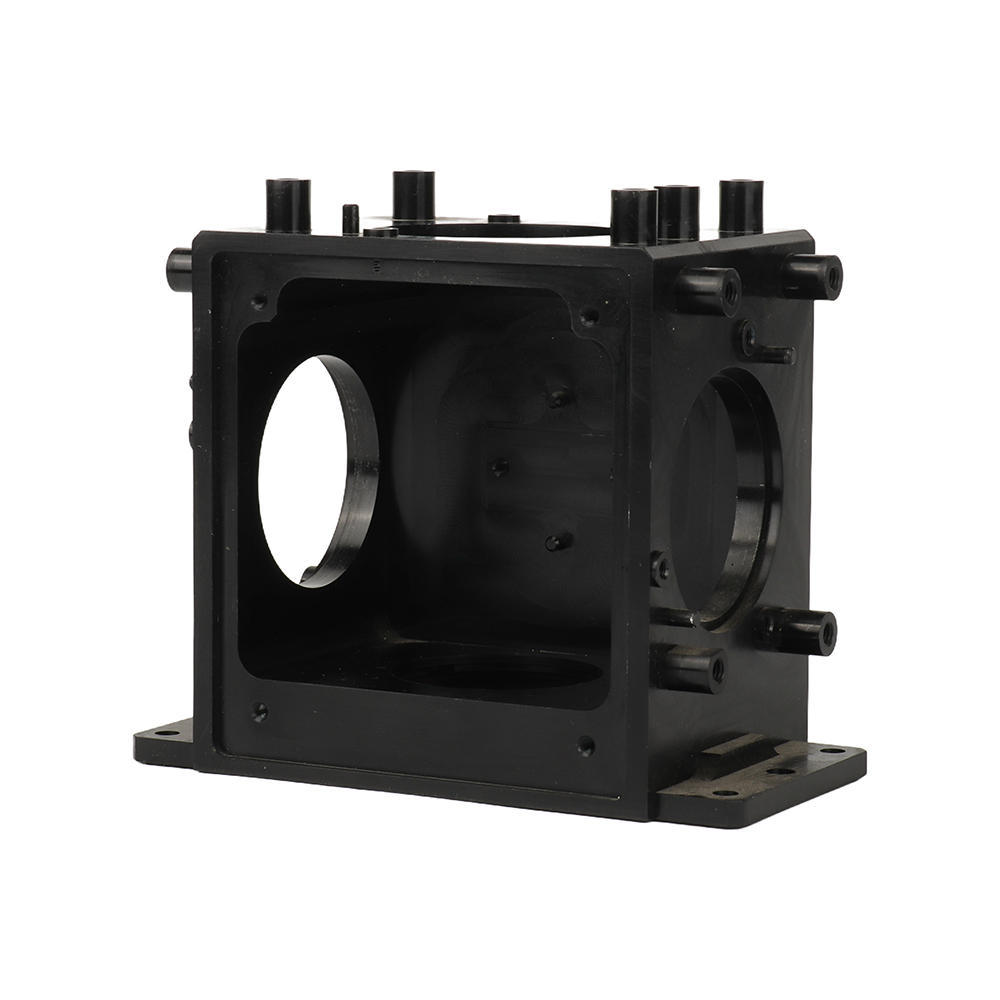
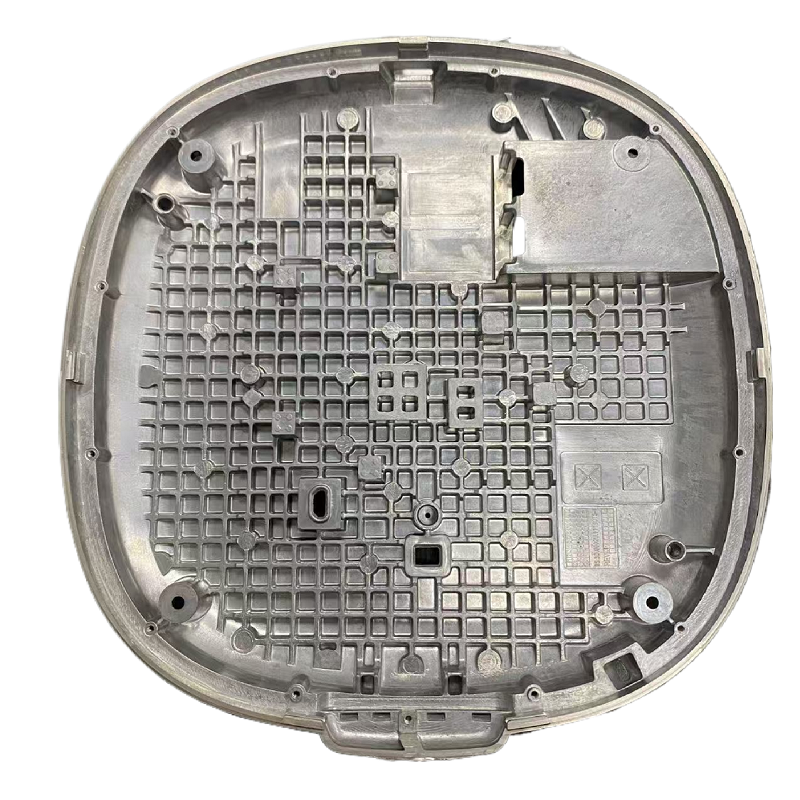
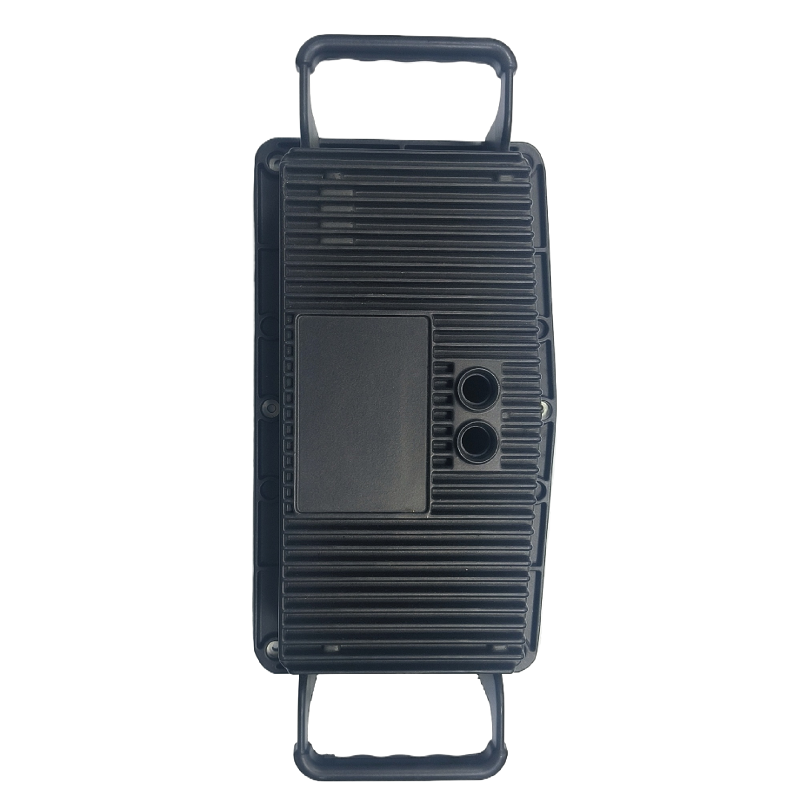
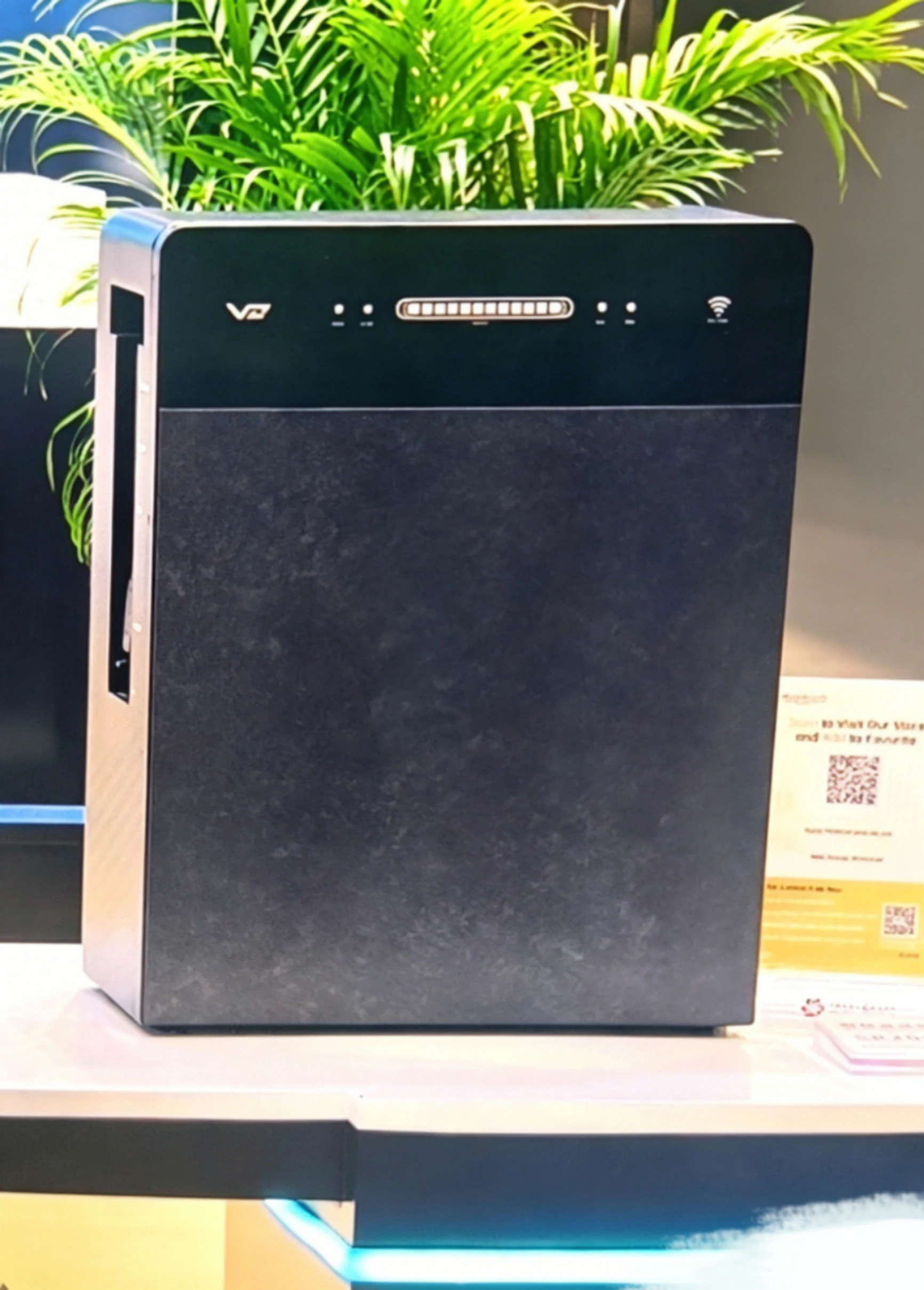
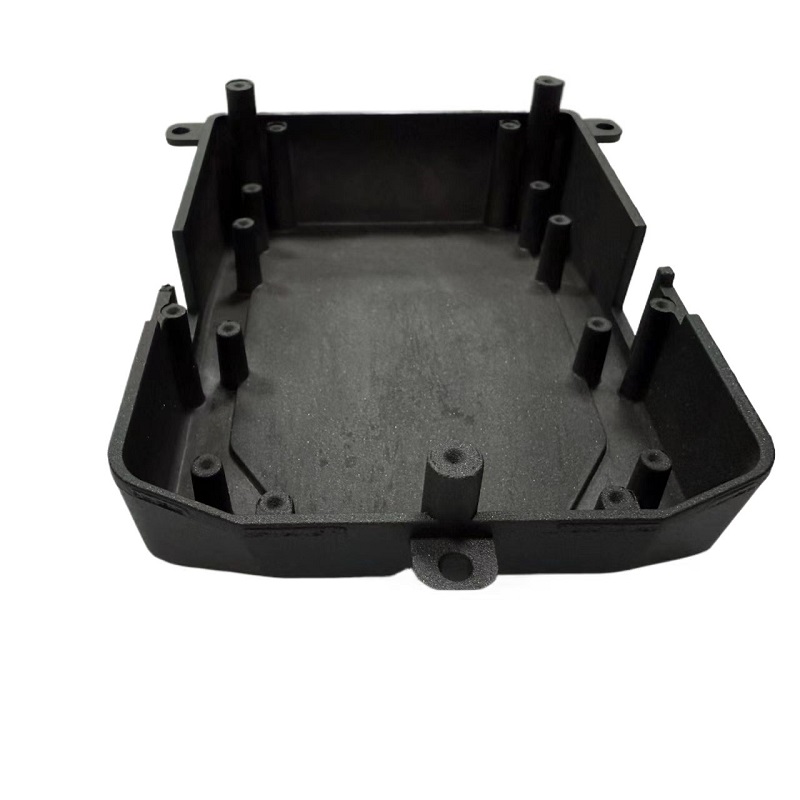
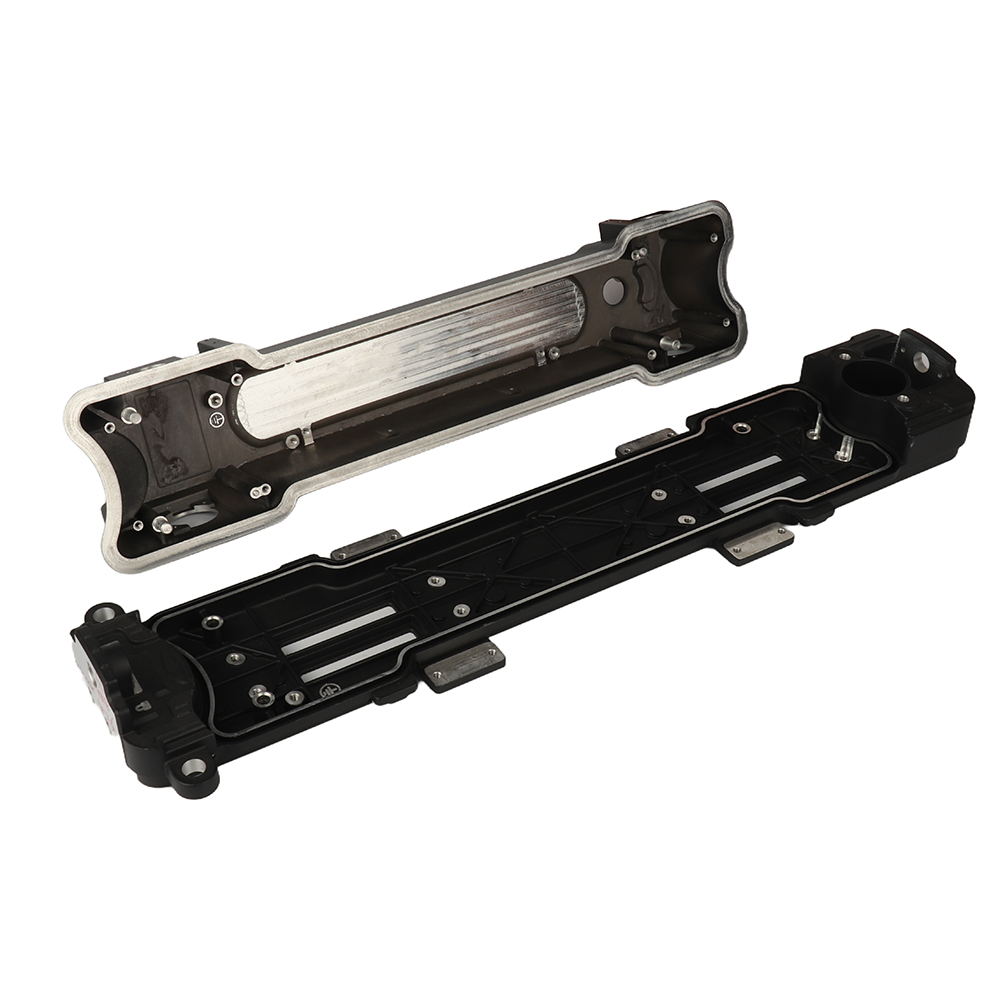
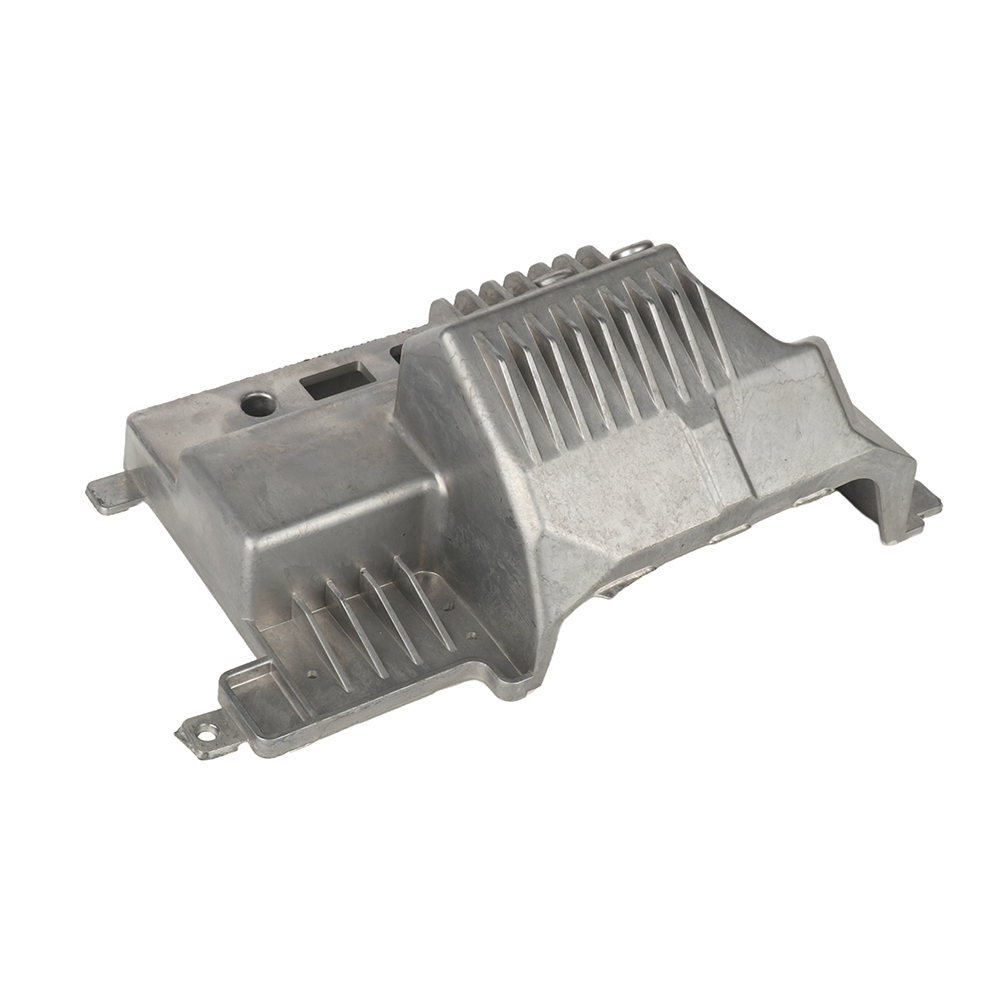
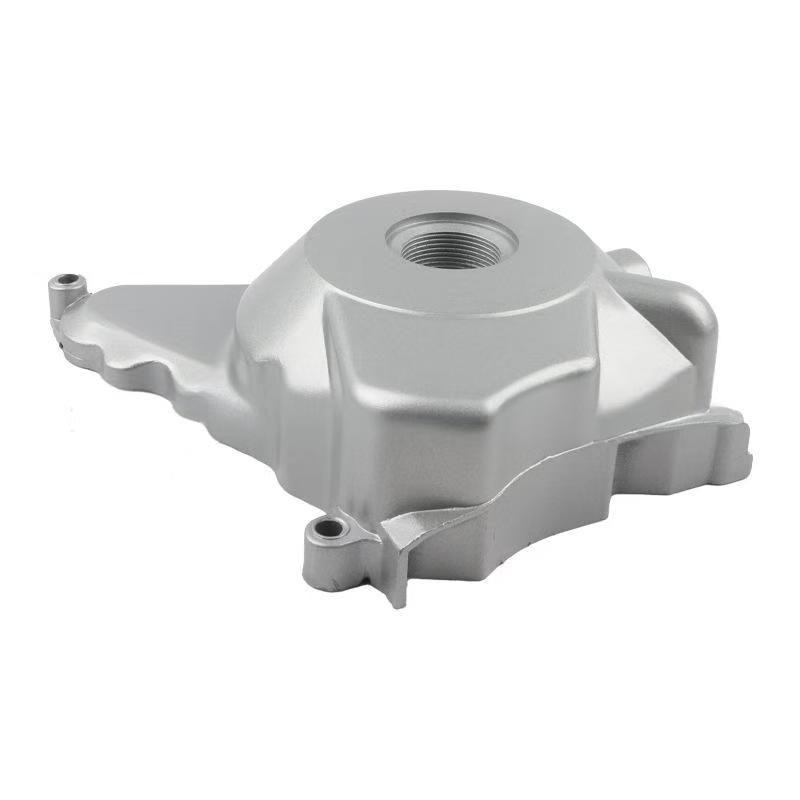
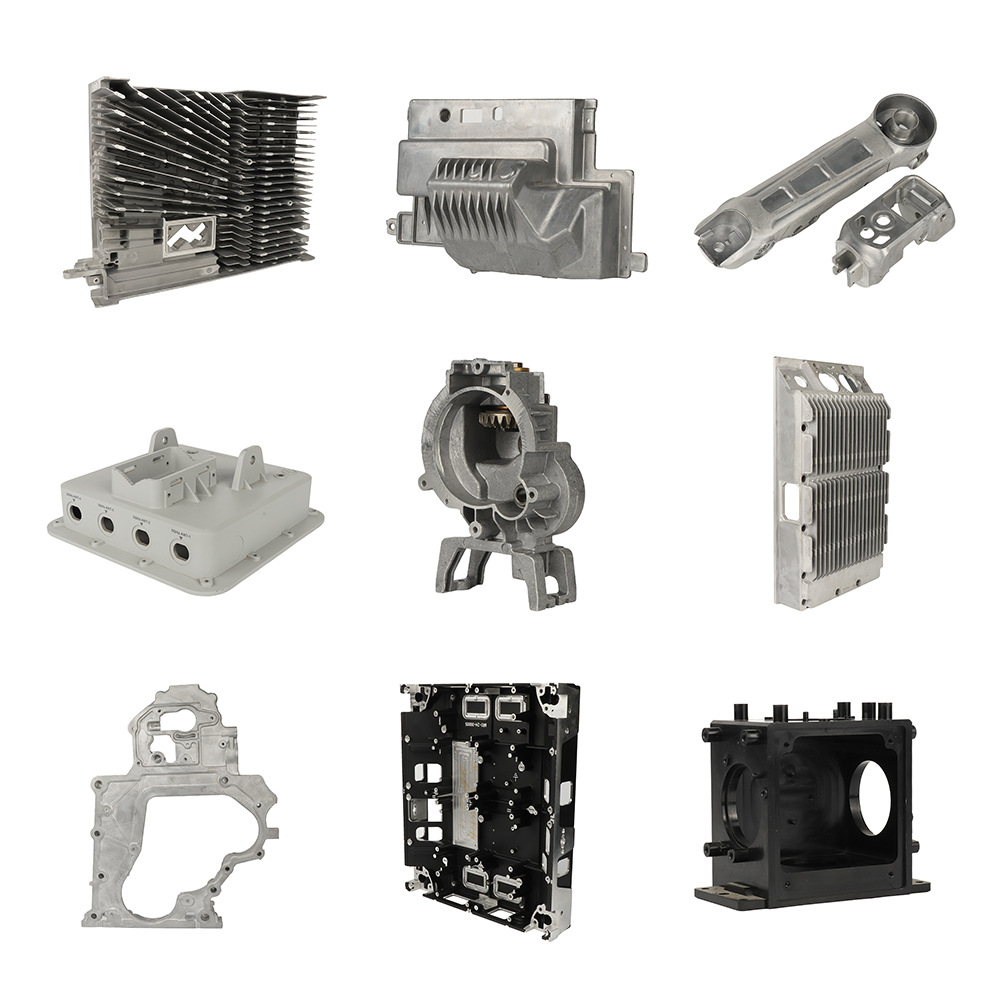
Aluminum casting foundry | How to choose a suitable aluminum casting foundry? A Comprehensive Guide with Xinghang Precision Hardware
2026-05-20
How to Choose a Suitable Aluminum Casting Foundry? A Comprehensive Guide with Xinghang Precision Hardware
Table of Contents
- Introduction: The Importance of Choosing the Right Aluminum Casting Foundry
- What is an Aluminum Casting Foundry & Its Core Business
- Key Parameters of a Qualified Aluminum Casting Foundry
- ADC12 Aluminum Alloy: The Preferred Material for Aluminum Casting Foundries
- Unmatched Benefits of Choosing a Professional Aluminum Casting Foundry
- Expert Insights: How to Evaluate an Aluminum Casting Foundry
- Step-by-Step Guide to Choose a Suitable Aluminum Casting Foundry
- Frequently Asked Questions (FAQs) About Aluminum Casting Foundries
- Conclusion: Industry Trends & How to Choose a High-Quality Hardware Supplier
- Recommended Supplier: Xinghang Precision Hardware – Your Trusted Partner
Introduction: The Importance of Choosing the Right Aluminum Casting Foundry
In the manufacturing industry, aluminum casting foundries play a pivotal role in producing high-quality aluminum cast parts for various sectors, including automotive, aerospace, telecom, and industrial equipment. The choice of a suitable aluminum casting foundry directly determines the precision, durability, and cost-effectiveness of your cast parts—poor selection can lead to production delays, substandard products, and increased operational costs. Whether you need small-batch custom parts or large-scale mass production, finding a professional and reliable aluminum casting foundry is the foundation of successful manufacturing. This guide will walk you through everything you need to know to choose the right partner, highlight the advantages of professional foundries, and recommend Xinghang Precision Hardware as your trusted ally in aluminum casting.
What is an Aluminum Casting Foundry & Its Core Business
Definition of an Aluminum Casting Foundry
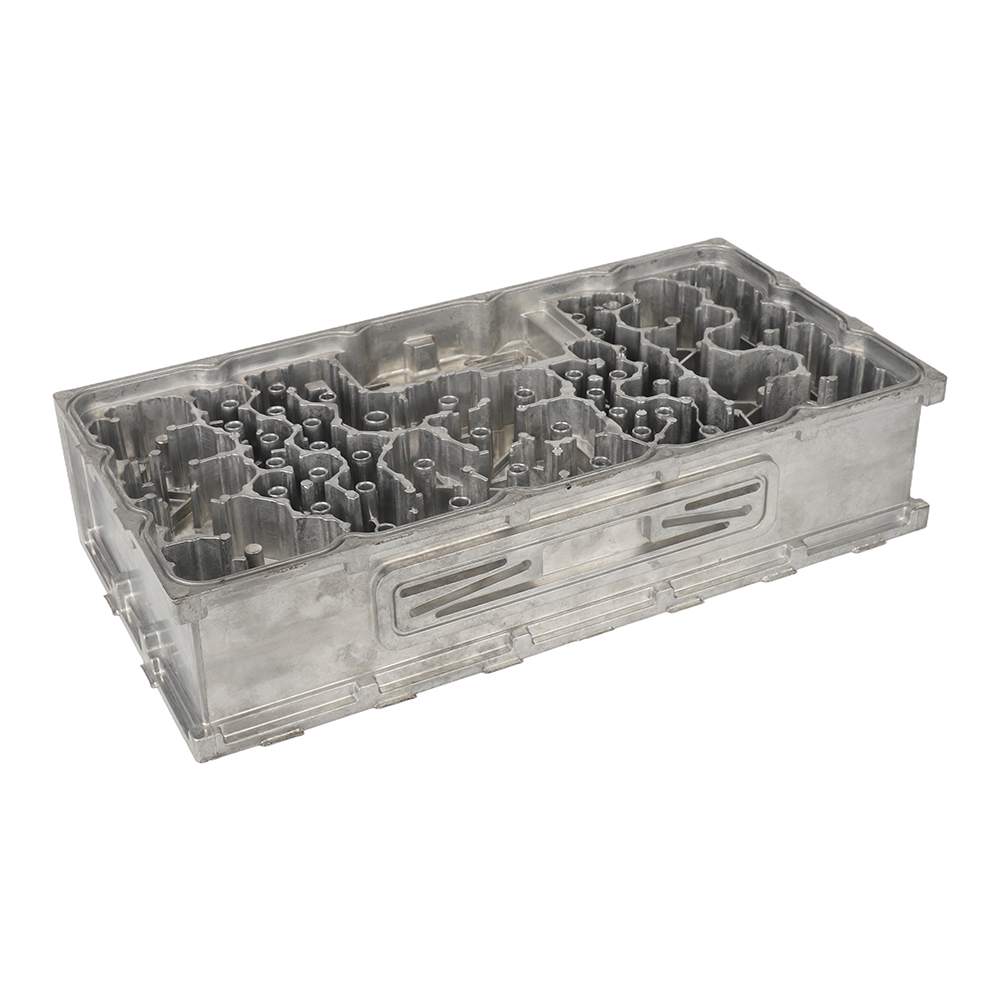
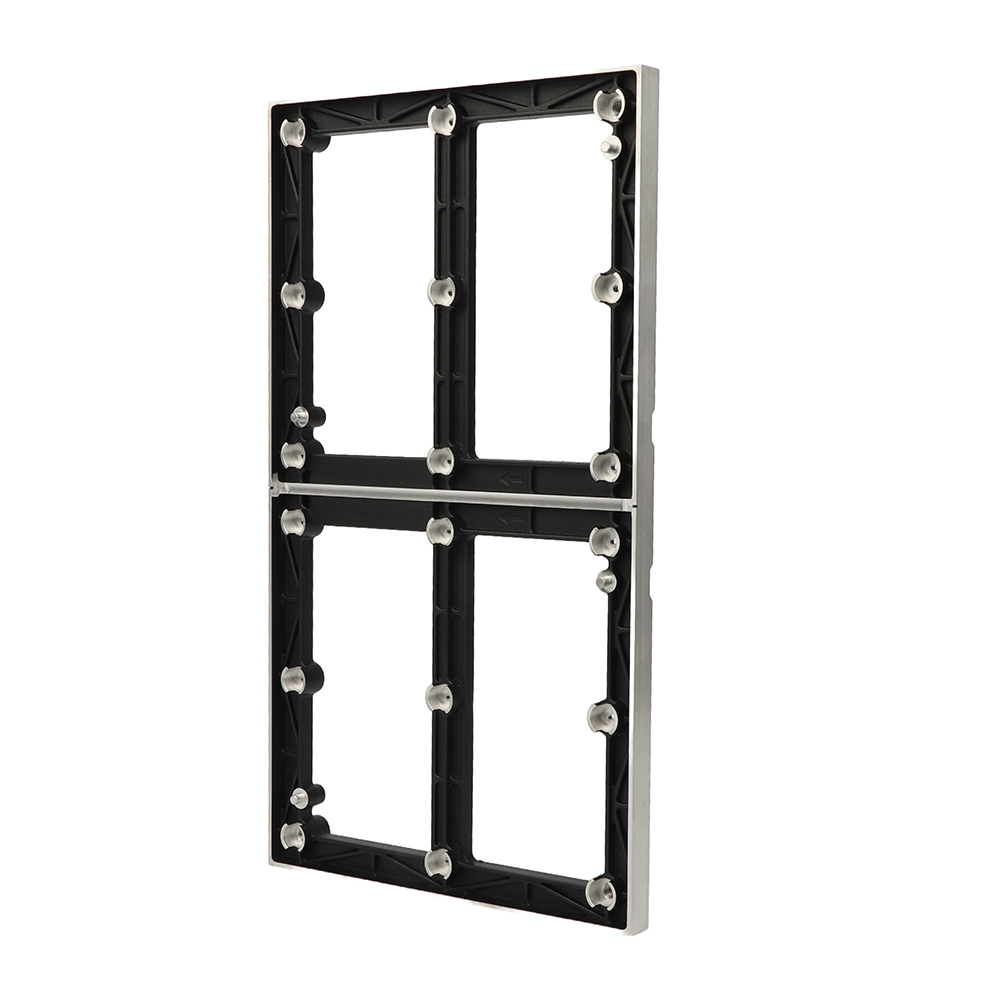
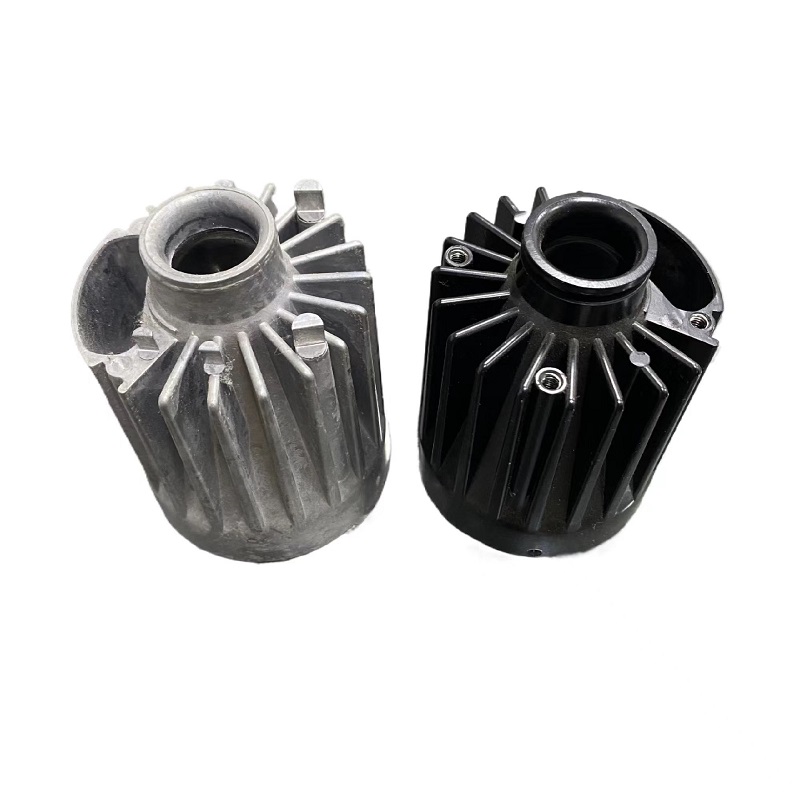
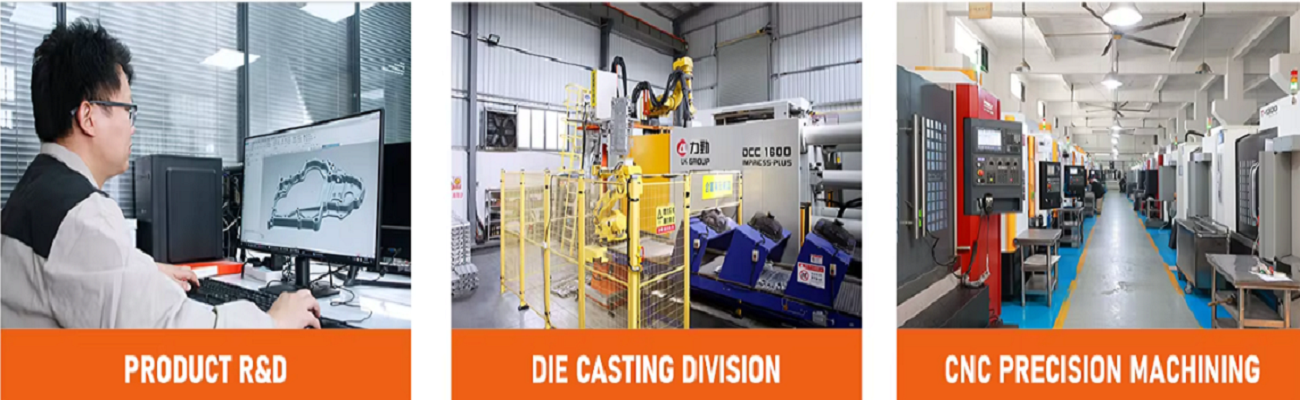
An aluminum casting foundry is a manufacturing facility specialized in producing aluminum castings through various casting processes (such as die casting, sand casting, and low-pressure casting). It integrates raw material processing, mold design and manufacturing, casting production, and post-processing (e.g., polishing, heat treatment, surface treatment) to provide one-stop aluminum casting solutions for customers.
Core Business of Aluminum Casting Foundries
The core business of a professional aluminum casting foundry includes:
- Custom mold design and manufacturing according to customer drawings and requirements;
- Aluminum alloy melting, casting, and forming (focusing on high-precision die casting technology);
- Post-processing of cast parts, including deburring, polishing, heat treatment, anodizing, and spraying;
- Quality inspection and testing to ensure products meet international standards and customer requirements;
- Bulk production and customized small-batch production of aluminum cast parts for various industries.
Key Parameters of a Qualified Aluminum Casting Foundry
To judge whether an aluminum casting foundry is qualified, you need to focus on the following key parameters, which directly reflect its production capacity and product quality:
1. Casting Process & Equipment Parameters
- Die Casting Machine Specifications: Clamping force ranges from 160T to 6300T, suitable for casting parts of different sizes (from small precision components to large structural parts);
- Casting Precision: Dimensional tolerance can reach ±0.01mm, ensuring the accuracy of cast parts for assembly;
- Production Capacity: Monthly production capacity of 100,000-500,000 pieces, supporting both small-batch customization and large-scale mass production;
- Automation Level: Equipped with automated casting lines, robot loading and unloading, and intelligent quality inspection equipment to improve production efficiency and reduce human error.
2. Quality Control Parameters
- Certifications: ISO9001, IATF16949, RoHS, ISO14001 certifications, ensuring compliance with global quality and environmental standards;
- Inspection Equipment: Equipped with spectral analyzers, coordinate measuring machines (CMM), X-ray flaw detectors, and hardness testers to conduct comprehensive quality testing;
- Defect Rate: The qualified rate of cast parts is not less than 99.5%, minimizing the risk of substandard products.
3. Material & Customization Parameters
- Aluminum Alloy Types: Capable of processing ADC12, A380, A356, and other common aluminum alloys, meeting different performance requirements;
- Customization Capability: Can customize casting parts of different shapes, sizes, and surface treatments according to customer drawings and samples;
- Lead Time: Sample delivery time is 3-7 days, mass production delivery time is 15-30 days, ensuring on-time delivery.
ADC12 Aluminum Alloy: The Preferred Material for Aluminum Casting Foundries
Among all aluminum alloys used in casting, ADC12 aluminum alloy is the most widely used material in aluminum casting foundries, especially in die casting. It is a silicon-copper aluminum alloy with excellent comprehensive performance, making it the preferred choice for various industrial cast parts.
Key Properties of ADC12 Aluminum Alloy
- Chemical Composition: Contains 9.6-12.0% silicon (Si) to improve fluidity, 1.5-3.5% copper (Cu) to enhance strength, ≤0.3% magnesium (Mg) for better hardness, ≤1.3% iron (Fe) for increased rigidity, and other trace elements to optimize performance;
- Mechanical Performance: Tensile strength ranges from 180-230 MPa, density is about 2.7 g/cm³, lightweight yet high-strength;
- Processing Performance: Excellent fluidity, suitable for die casting of complex-shaped parts, minimal shrinkage during solidification, and good machinability;
- Cost-Effectiveness: Low raw material cost, mature production process, and high production efficiency, reducing the overall cost of cast parts.
Applications of ADC12 Aluminum Alloy in Aluminum Casting Foundries
Due to its excellent performance, ADC12 aluminum alloy is widely used in aluminum casting foundries to produce various parts, such as:
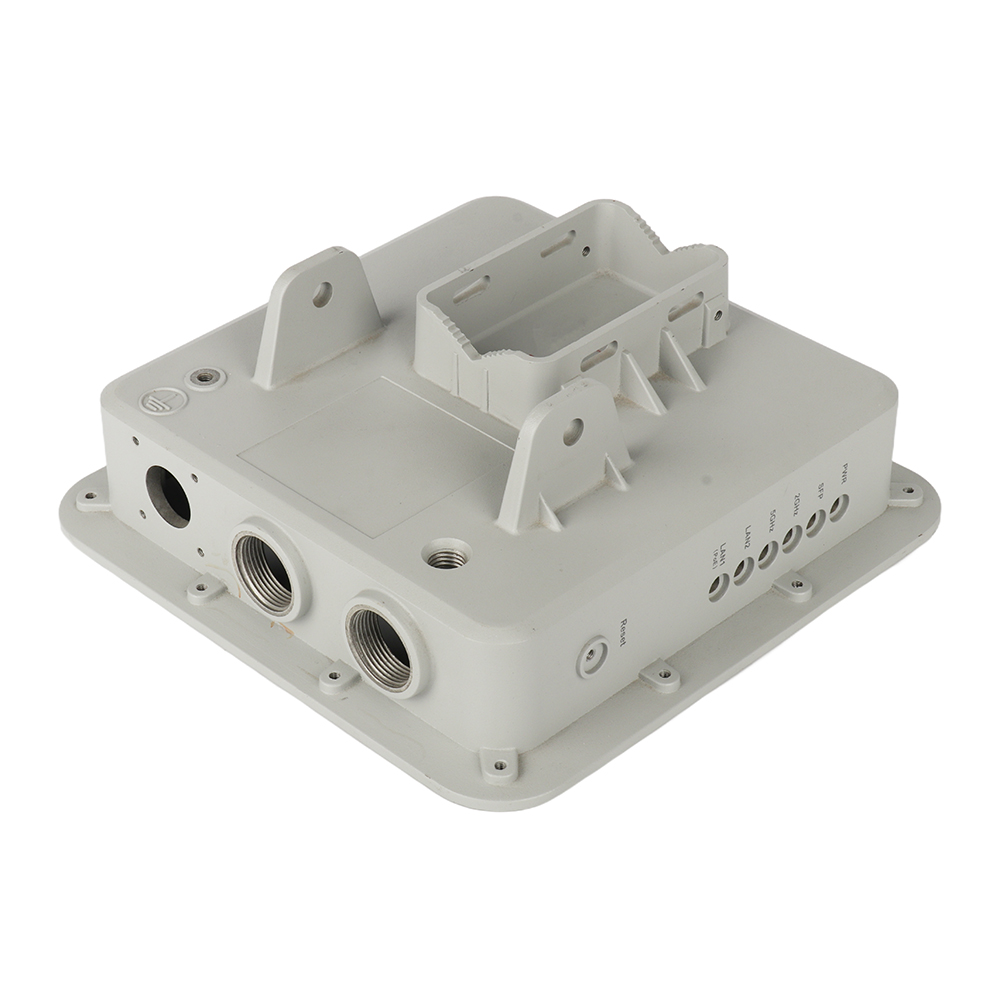
- Telecom equipment enclosures (e.g., communication shells);
- Automotive parts (e.g., engine brackets, gearboxes, steering components);
- Industrial equipment parts (e.g., pump bodies, valve bodies, sensor housings);
- Electronic product shells (e.g., router shells, server housings).
Unmatched Benefits of Choosing a Professional Aluminum Casting Foundry
Cooperating with a professional aluminum casting foundry can bring numerous benefits to your business, especially in terms of product quality, production efficiency, and cost control. The key benefits are as follows:
1. High-Quality Cast Parts with Stable Performance
Professional aluminum casting foundries adopt advanced casting technology and strict quality control systems, ensuring that cast parts have high precision, stable dimensions, and excellent mechanical performance. They use high-quality raw materials such as ADC12 aluminum alloy and advanced melting and casting processes to avoid common defects such as pores, cracks, and shrinkage, ensuring the reliability and service life of the products.
2. Cost Savings in Mass Production
Professional foundries have mature production lines and large-scale production capacity, which can reduce the unit cost of cast parts through economies of scale. In addition, their professional mold design and process optimization can reduce material waste and production time, further reducing production costs. Especially for bulk orders, the cost advantage is more obvious.
3. Strong Customization Capability to Meet Diverse Needs
Whether you need small-batch custom parts with complex shapes or large-scale standard parts, professional aluminum casting foundries can provide tailored solutions according to your drawings, samples, and performance requirements. They have professional R&D and design teams that can optimize the mold and casting process to meet your specific needs.
4. Efficient Production and On-Time Delivery
Equipped with advanced automated production equipment and perfect production management systems, professional foundries can improve production efficiency and ensure on-time delivery. They have rich experience in handling various orders and can flexibly adjust production plans according to customer delivery requirements, avoiding production delays caused by insufficient capacity.
5. One-Stop Service to Reduce Operational Burden
Professional aluminum casting foundries provide one-stop services from mold design, casting production, to post-processing and quality inspection. This means you don’t need to cooperate with multiple suppliers, which simplifies the procurement process, reduces communication costs, and saves time and energy for your business.
Expert Insights: How to Evaluate an Aluminum Casting Foundry
To help you better evaluate and select an aluminum casting foundry, we invited John Smith, a senior industry expert with 20 years of experience in aluminum casting and manufacturing, to share his insights:
“When choosing an aluminum casting foundry, many customers only focus on price, which is a wrong approach. The key to selecting a suitable foundry lies in three aspects: quality, capacity, and service. First, check whether the foundry has relevant quality certifications and advanced inspection equipment, as this directly determines the quality of cast parts. Second, understand its production capacity and technical level, especially its experience in processing ADC12 aluminum alloy and complex cast parts—this ensures that it can meet your production needs. Finally, pay attention to its after-sales service and delivery capacity, as timely communication and on-time delivery are crucial for your production schedule. A professional foundry will not only provide high-quality products but also give professional technical advice to help you optimize product design and reduce costs.”
Mr. Smith also emphasized: “With the development of the manufacturing industry, the requirements for aluminum cast parts are becoming higher and higher. Only those foundries that focus on technological innovation, quality control, and customer needs can survive and develop. When evaluating, it is best to visit the foundry on-site to check its production environment, equipment status, and quality control process—this is the most direct way to judge its strength.”
Step-by-Step Guide to Choose a Suitable Aluminum Casting Foundry
Step 1: Clarify Your Own Needs
First, clarify the specifications, materials (e.g., ADC12 aluminum alloy), quantity, quality requirements, and delivery time of the cast parts you need. This will help you screen foundries that meet your basic needs.
Step 2: Collect and Screen Foundry Information
Collect information about aluminum casting foundries through industry platforms, exhibitions, and word-of-mouth. Screen out 3-5 foundries that have relevant certifications, production capacity, and experience in your industry.
Step 3: Conduct In-Depth Communication and Sample Testing
Communicate with the selected foundries in detail, explain your needs, and ask for their technical solutions, quotation, and sample delivery time. Request samples for testing to verify the precision, quality, and performance of their cast parts.
Step 4: On-Site Inspection (Optional but Recommended)
If conditions permit, visit the foundry on-site to check its production equipment, quality control process, production environment, and technical team. This can help you fully understand its actual strength.
Step 5: Evaluate Quotation and Service
Compare the quotations, delivery times, and after-sales services of different foundries. Do not choose the cheapest one blindly—comprehensively evaluate the cost-performance ratio based on quality and service.
Step 6: Sign a Formal Contract and Establish Long-Term Cooperation
After selecting the suitable foundry, sign a formal contract, clearly stipulating the quality requirements, delivery time, payment terms, and after-sales service. Establish long-term cooperative relations to ensure stable supply and consistent product quality.
Frequently Asked Questions (FAQs) About Aluminum Casting Foundries
Q1: What is the difference between die casting and other casting processes in aluminum casting foundries?
A1: Die casting is a high-precision casting process commonly used in aluminum casting foundries. It has the advantages of high production efficiency, high precision, and good surface quality, suitable for mass production of small and medium-sized precision cast parts. Other casting processes (such as sand casting) have lower precision and production efficiency but are suitable for large-scale cast parts and small-batch production.
Q2: Why is ADC12 aluminum alloy the preferred material for aluminum casting foundries?
A2: ADC12 aluminum alloy has excellent fluidity, good machinability, high strength, and low cost. It is suitable for die casting of complex-shaped parts and can meet the performance requirements of most industrial cast parts. Therefore, it is widely used in aluminum casting foundries.
Q3: How to ensure the quality of cast parts provided by aluminum casting foundries?
A3: To ensure quality, you can choose a foundry with ISO9001, IATF16949 and other certifications, request a quality inspection report, and conduct sample testing before mass production. In addition, signing a quality agreement in the contract and requiring the foundry to provide after-sales service for substandard products can also effectively guarantee quality.
Q4: What factors will affect the delivery time of aluminum casting foundries?
A4: The main factors affecting delivery time include the complexity of the mold, production capacity of the foundry, raw material supply, and order quantity. When cooperating, you should clearly agree on the delivery time in the contract and maintain timely communication with the foundry to avoid delays.
Q5: Can aluminum casting foundries provide customized surface treatment services?
A5: Yes, professional aluminum casting foundries can provide various surface treatment services according to customer needs, such as anodizing, spraying, polishing, and electroplating, to improve the corrosion resistance and appearance of cast parts.
Conclusion: Industry Trends & How to Choose a High-Quality Hardware Supplier
Industry Trends of Aluminum Casting Foundries
With the rapid development of the manufacturing industry, the aluminum casting foundry industry is showing three obvious trends: First, intelligent development—more and more foundries are adopting automated production lines, intelligent quality inspection equipment, and digital management systems to improve production efficiency and product quality. Second, green development—focusing on environmental protection, adopting energy-saving and emission-reduction technologies, and using environmentally friendly raw materials to meet global environmental standards. Third, high-precision and customized development—with the increasing demand for high-precision cast parts in industries such as 5G, aerospace, and new energy, foundries are continuously improving their technical level to provide more precise and customized casting solutions.
How to Choose a High-Quality Hardware Processing Supplier
Choosing a high-quality hardware processing supplier (including aluminum casting foundries) requires comprehensive consideration of the following aspects: 1. Strength and qualifications: Check whether the supplier has relevant certifications, advanced production equipment, and a professional technical team. 2. Product quality: Focus on the precision, performance, and defect rate of their products, and conduct sample testing if necessary. 3. Production capacity: Ensure that the supplier can meet your order quantity and delivery time requirements. 4. Customization capability: Check whether the supplier can provide customized solutions according to your needs. 5. Price and cost-effectiveness: Compare quotations of different suppliers and choose the one with high cost-effectiveness. 6. After-sales service: Choose a supplier with perfect after-sales service to solve problems in a timely manner after sales.
Recommended Supplier: Xinghang Precision Hardware – Your Trusted Partner
When it comes to choosing a reliable aluminum casting foundry, Xinghang Precision Hardware is your best choice. We are a professional aluminum casting manufacturer with years of experience in the industry, focusing on the production of high-precision aluminum cast parts using ADC12 aluminum alloy and other high-quality materials.
Why Choose Xinghang Precision Hardware?
- Strong Strength: Equipped with advanced die casting machines (160T-6300T), spectral analyzers, CMM, and other equipment, with ISO9001, IATF16949, RoHS, ISO14001 certifications;
- High-Quality Products: Strict quality control system, qualified rate of cast parts ≥99.5%, using high-quality ADC12 aluminum alloy to ensure stable product performance;
- Customization Capability: Professional R&D and design team, can provide customized solutions according to customer drawings and requirements;
- Favorable Price: The more you purchase in bulk, the more discounts you get—we provide competitive quotations and flexible price policies for bulk orders;
- Perfect Service: One-stop service from mold design to after-sales, timely delivery, and professional technical support.
Contact Us
If you need high-quality aluminum cast parts or have any questions about aluminum casting, please feel free to contact us:
- Mobile/WeChat: +86 18819502691
- Email: liqine@xinghangcn.com
Xinghang Precision Hardware is committed to becoming your trusted partner in aluminum casting, providing you with high-quality, cost-effective, and customized casting solutions to help your business develop better!
Aluminum electronics enclosure | What are the uses of aluminum electronics enclosure? A Complete Guide
Auto part | What are automotive die casting parts? A Comprehensive Guide with XingHang Precision Hardware
Related Article

Residential energy storage systems have become increasingly popular as homeowners pursue energy independence, solar self-consumption and backup power for grid outages.
Energy storage enclosure | What Are the Benefits of Die-Cast Home Energy Storage Enclosures?

A custom LED display frame is the core structural carrier for LED screen modules, widely manufactured with ADC12 aluminum alloy via high-pressure die casting.
LED display frame | What Are the Benefits of Custom LED Display Frames?

