
HOT PRODUCTS
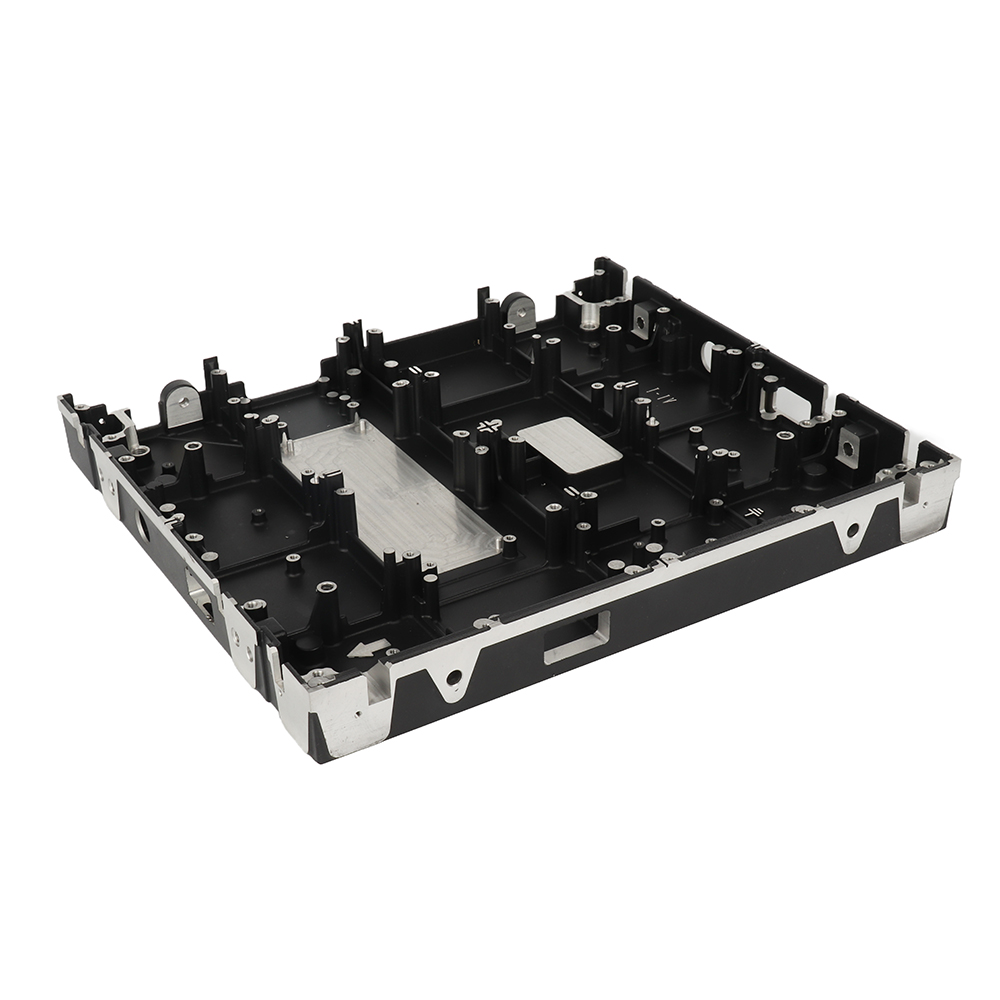
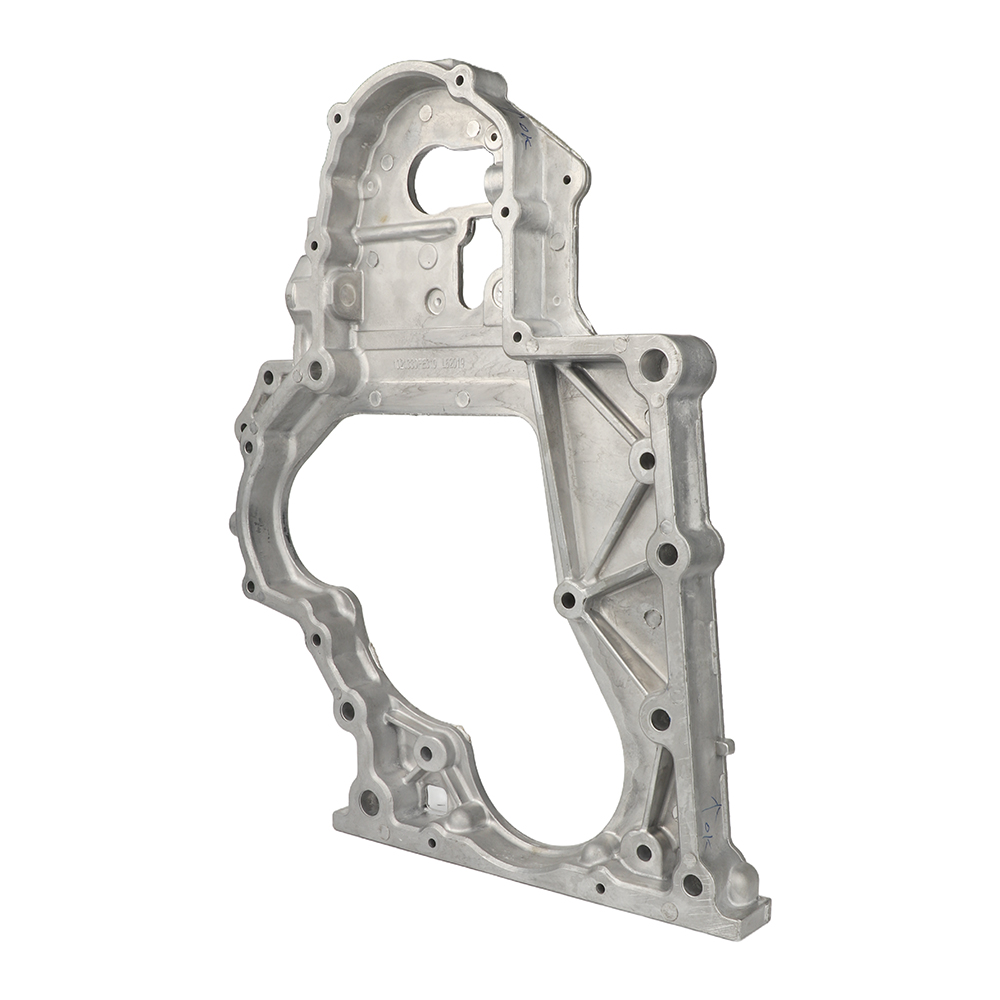
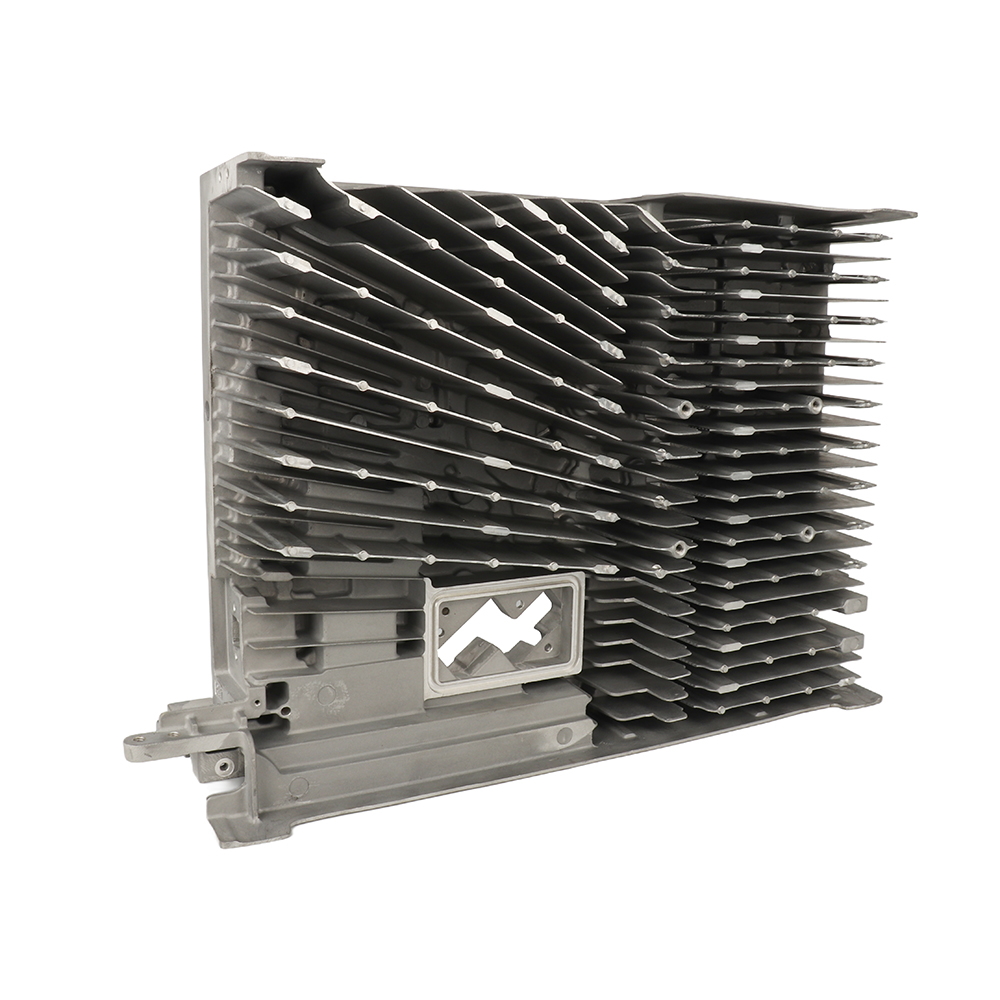
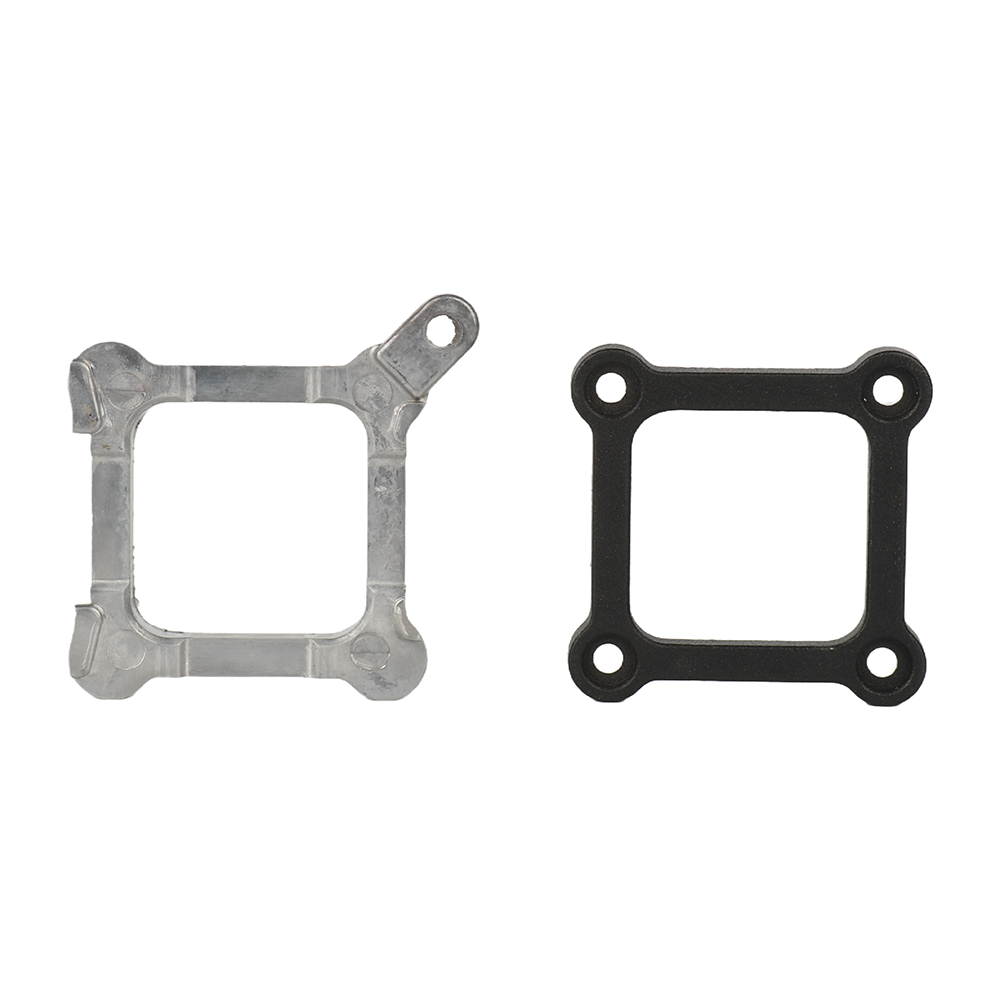
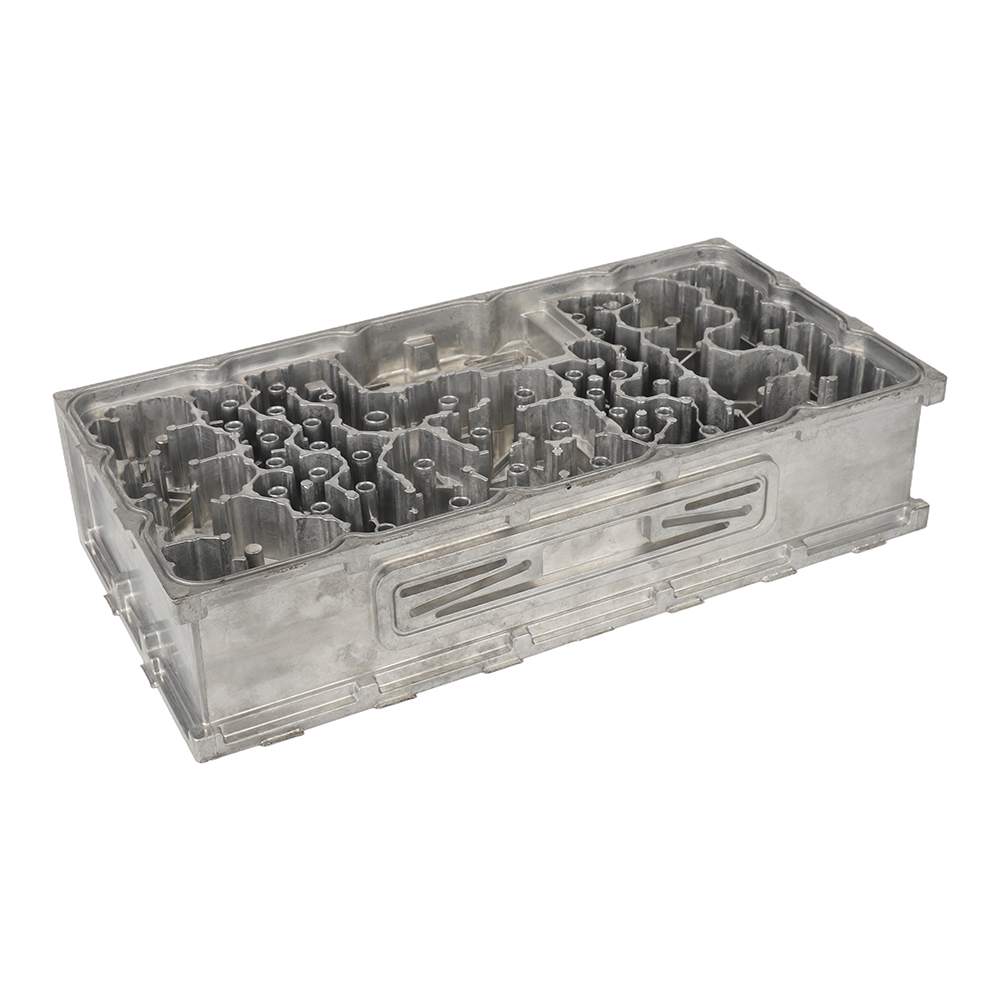
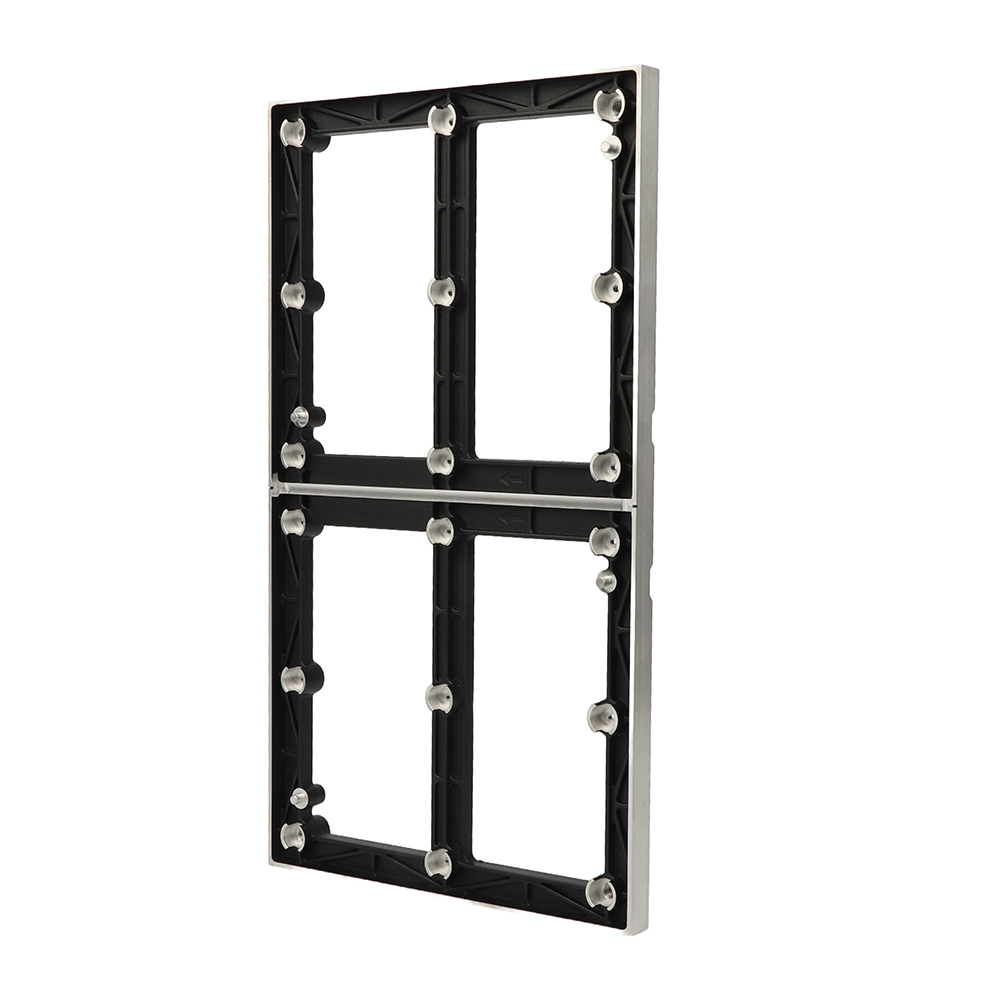
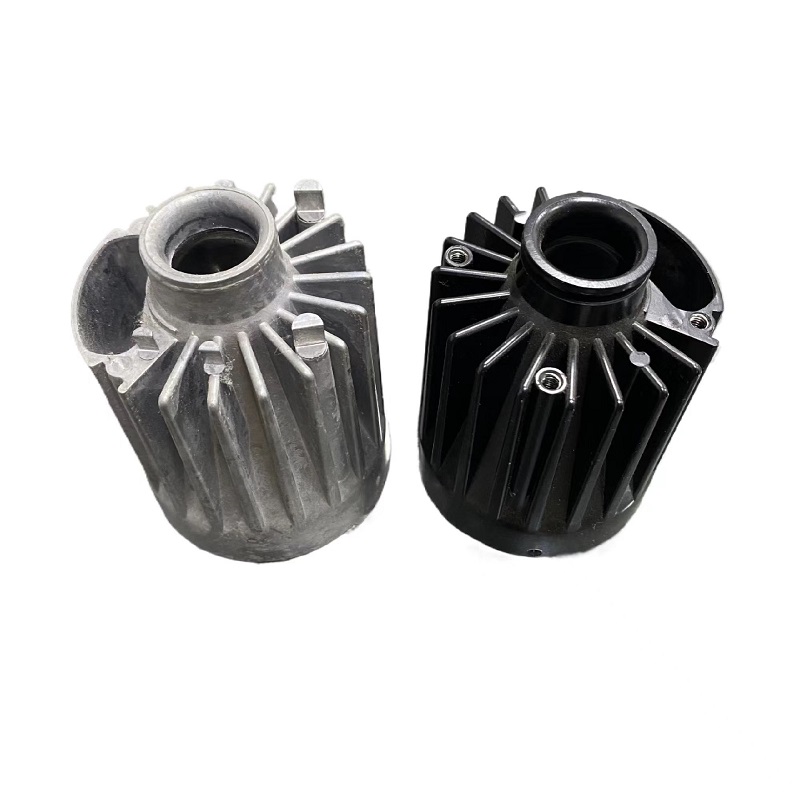
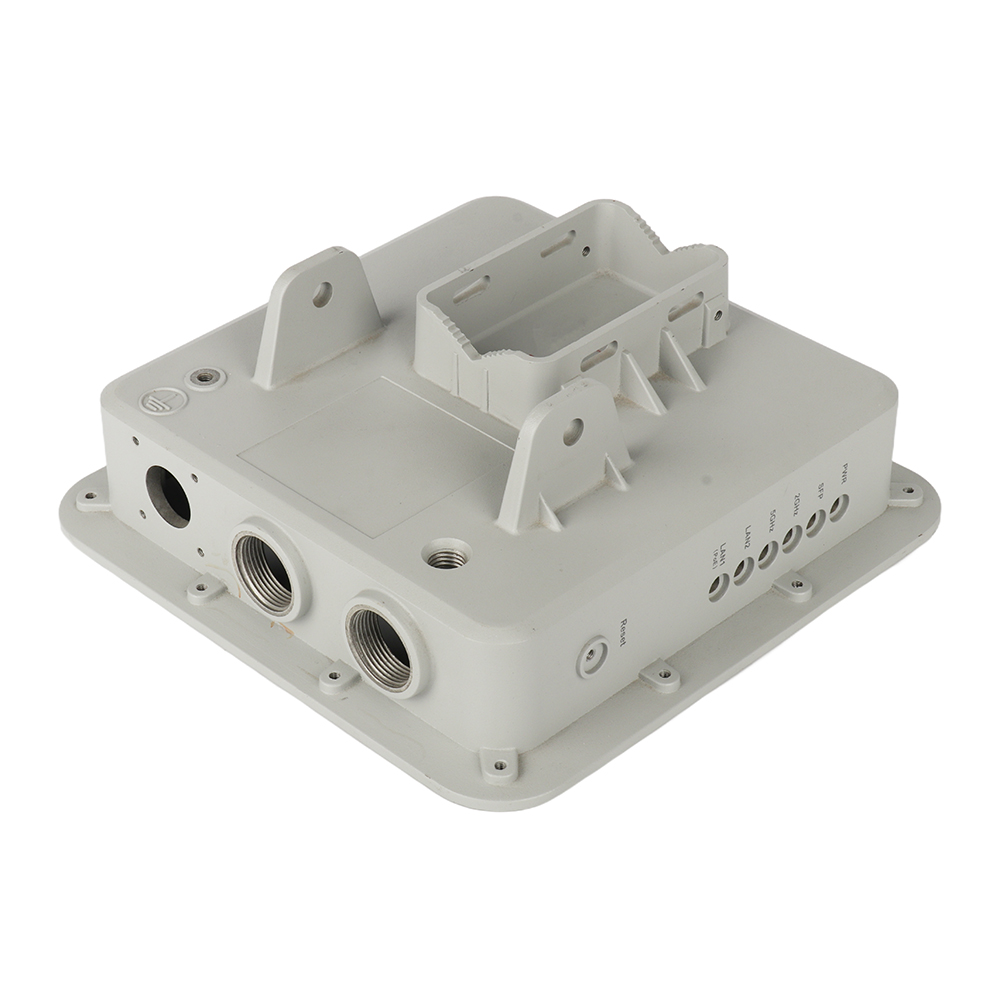
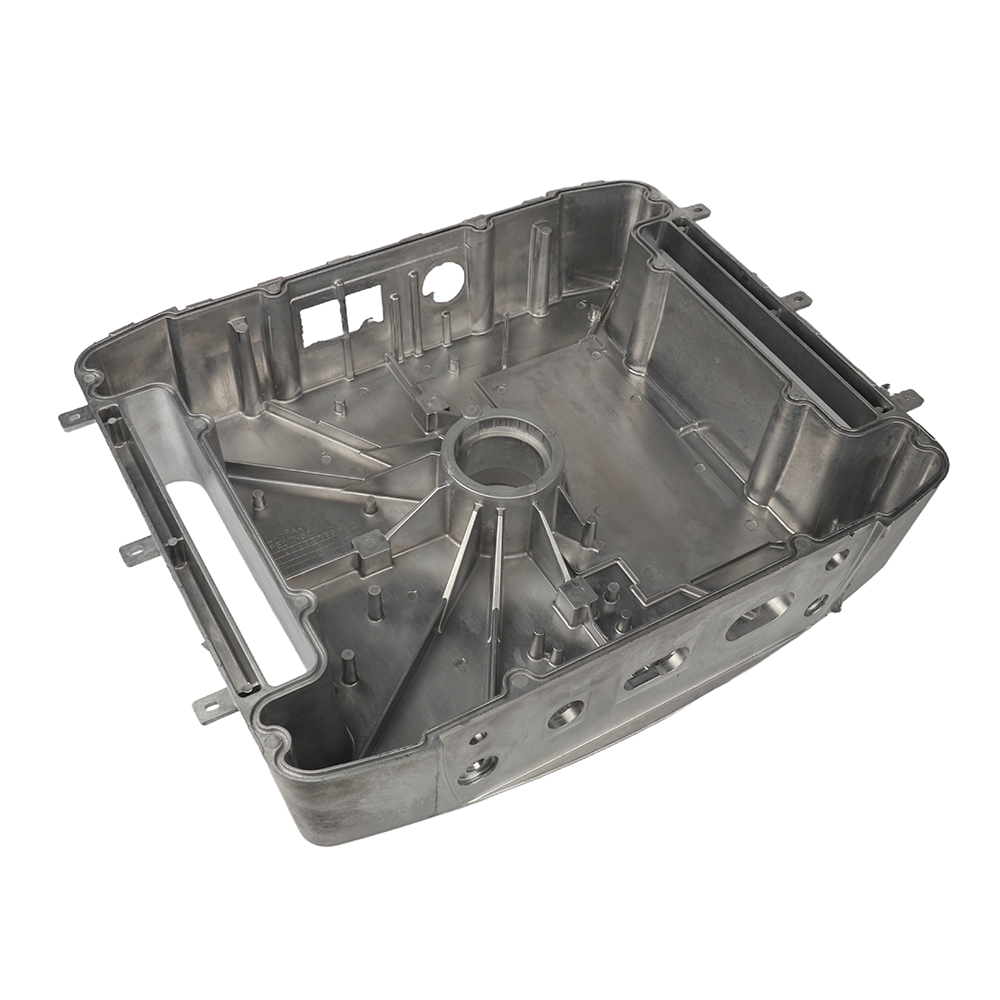
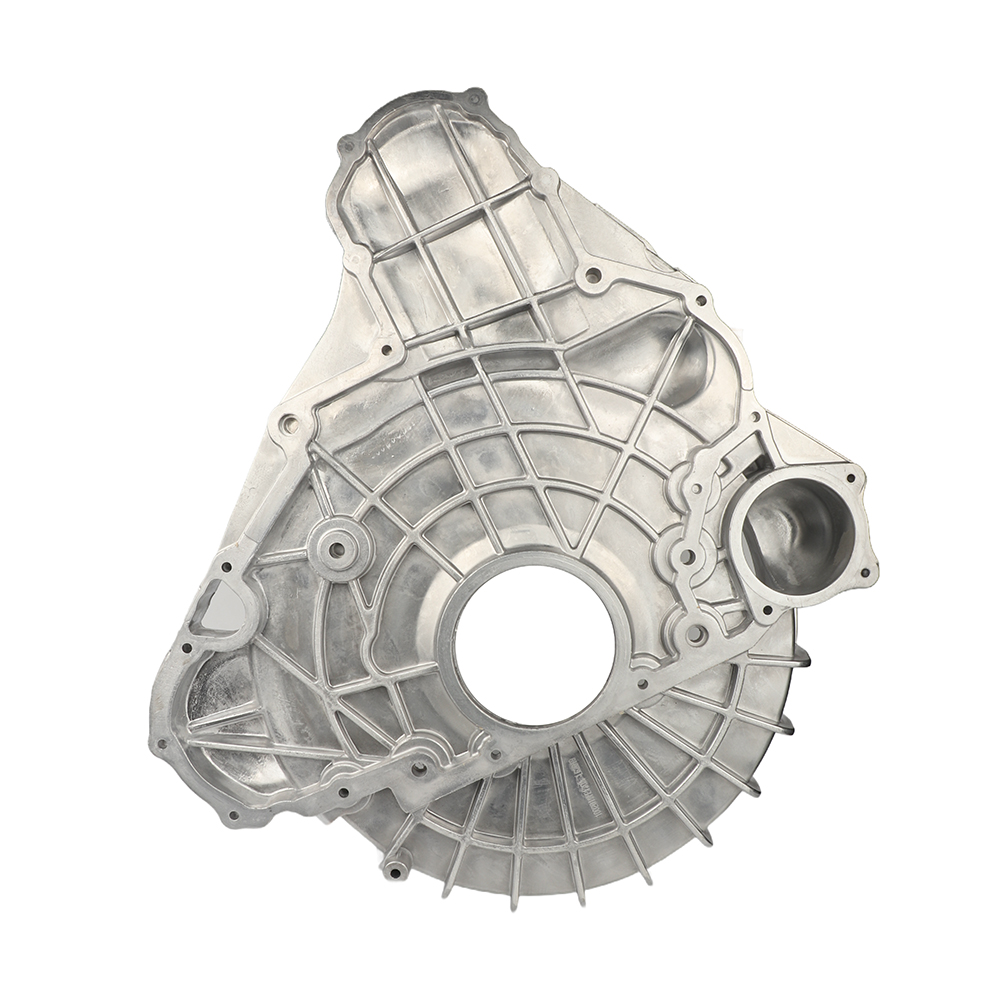
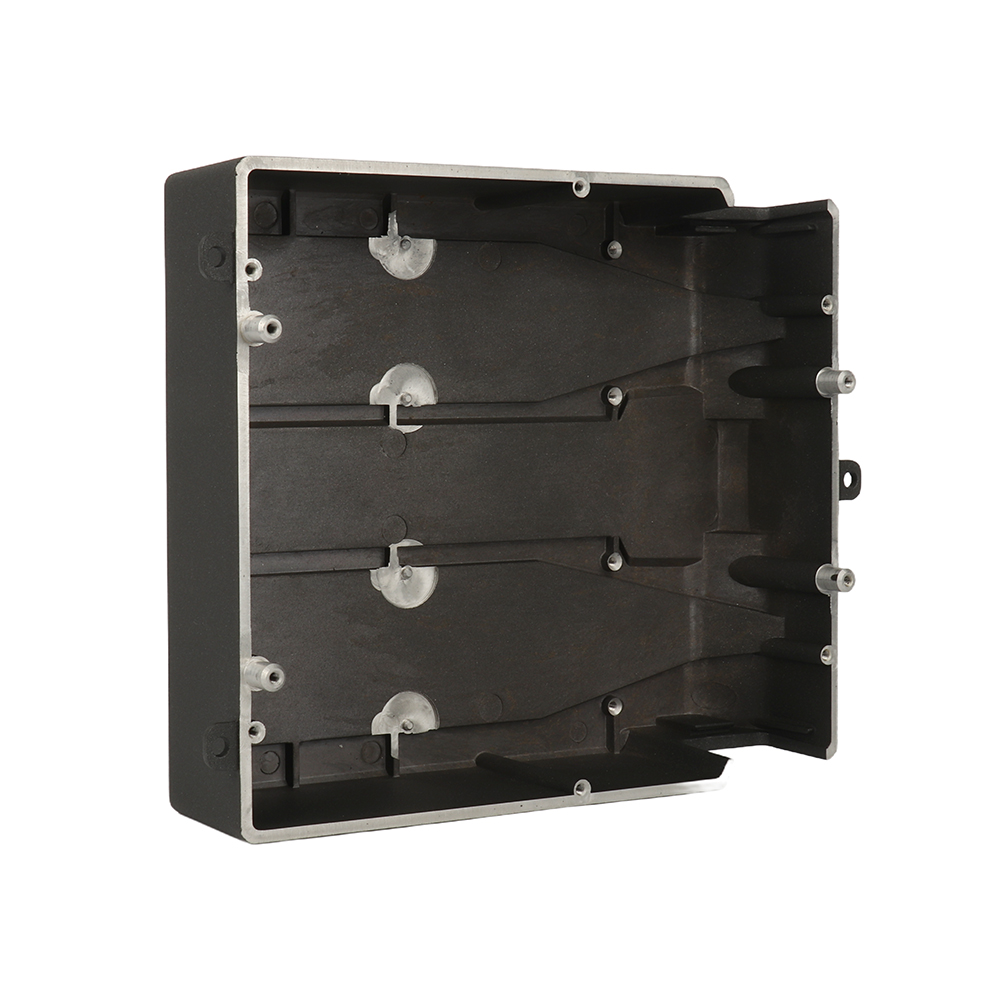
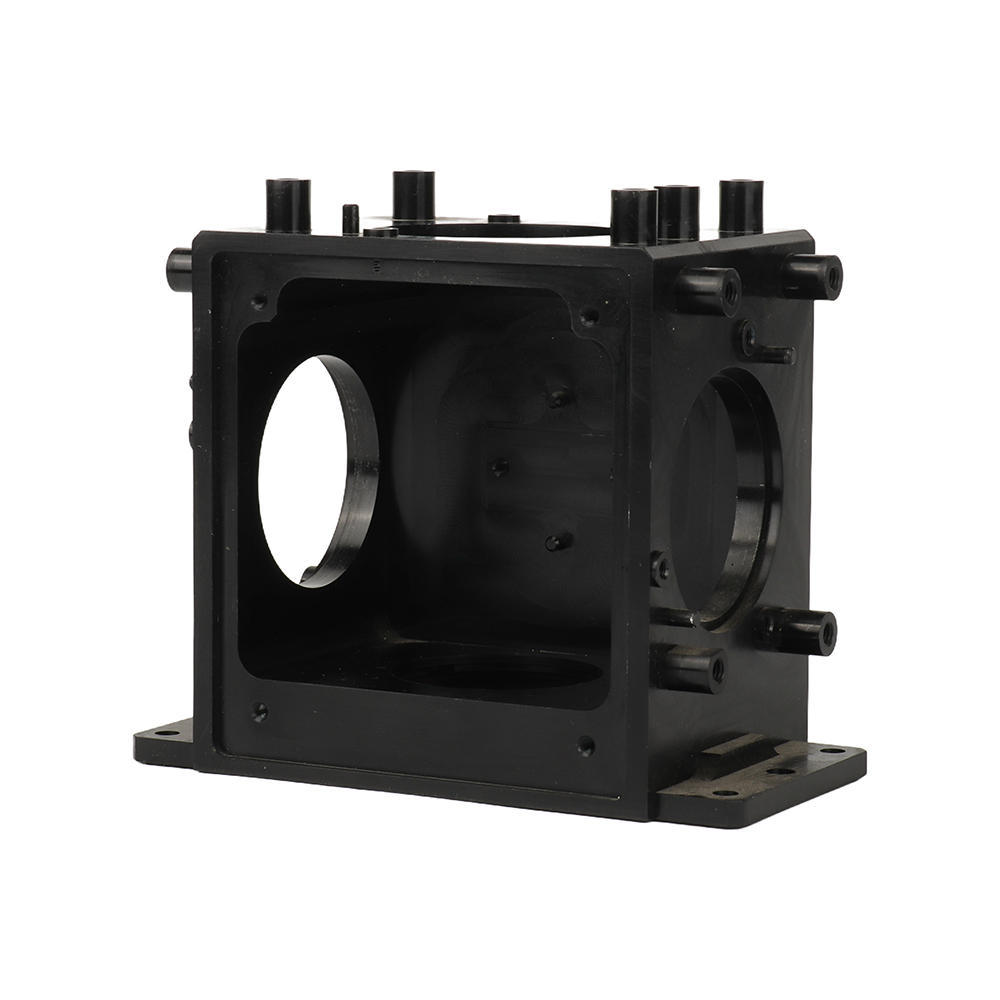
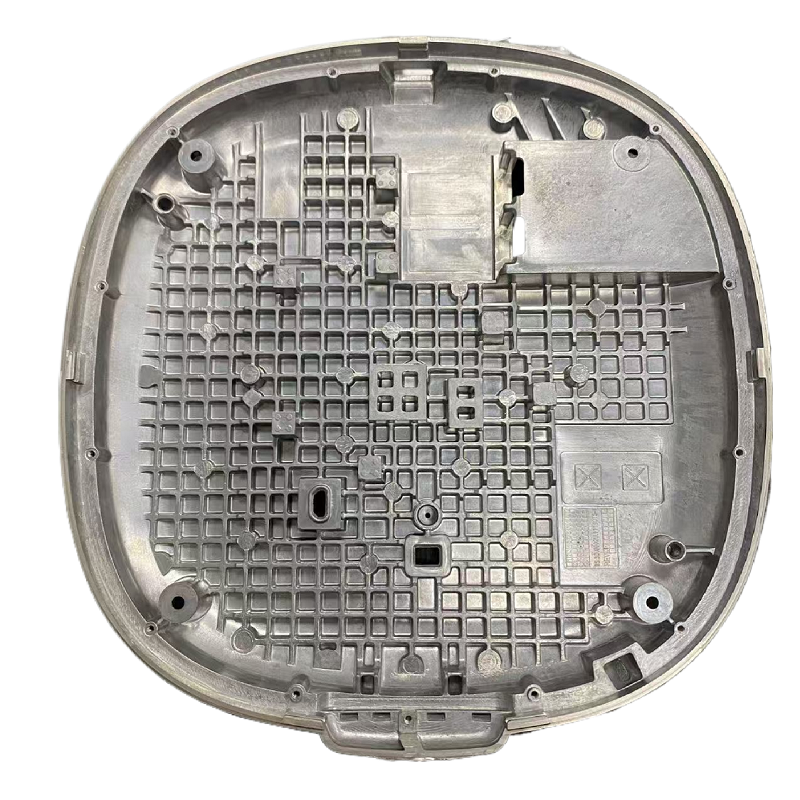
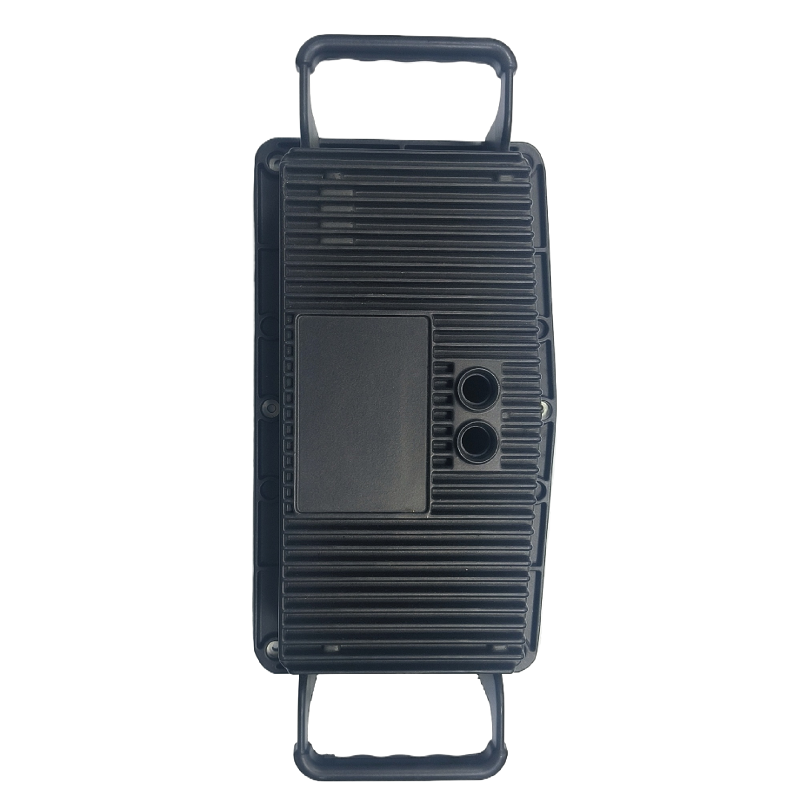
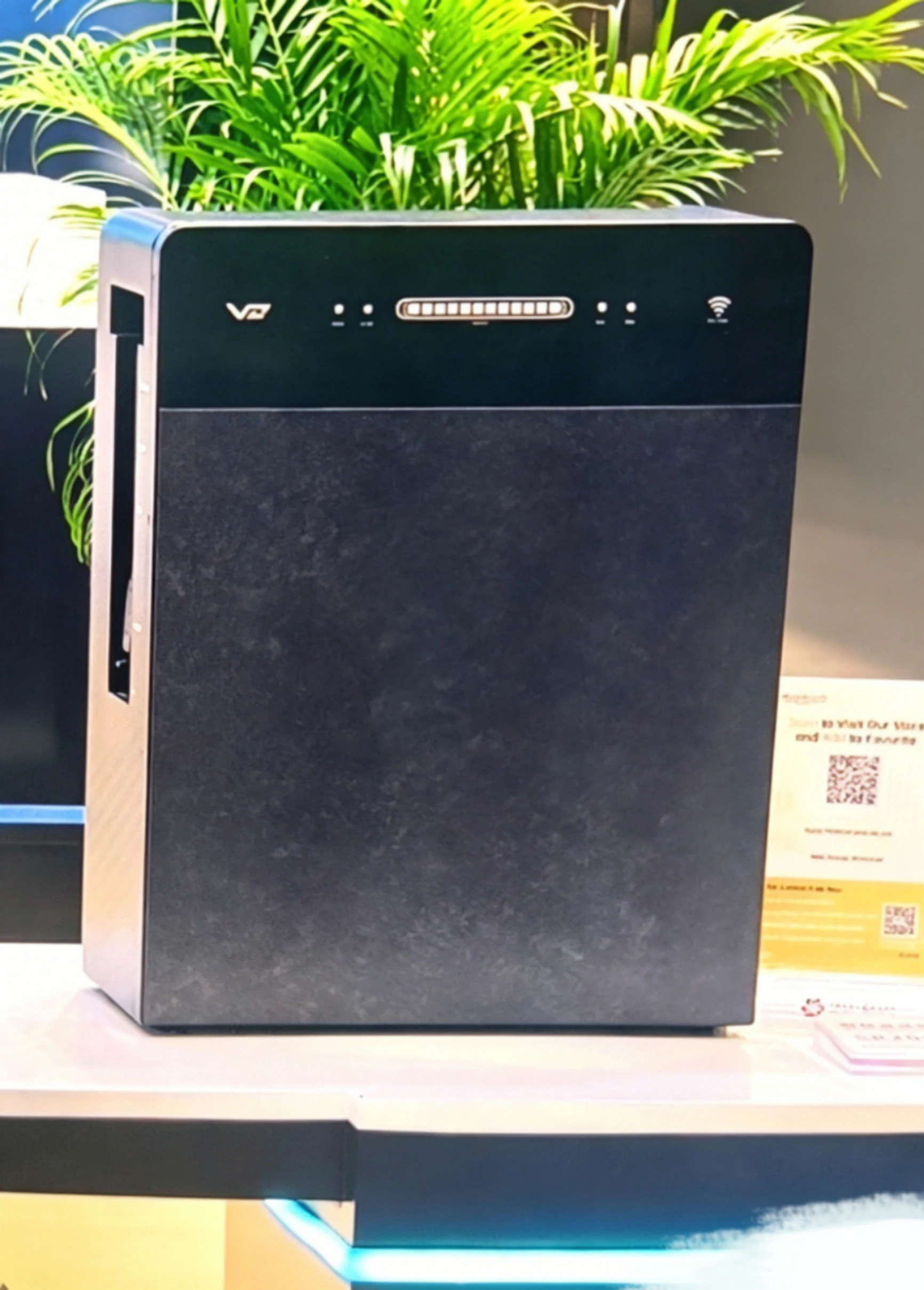
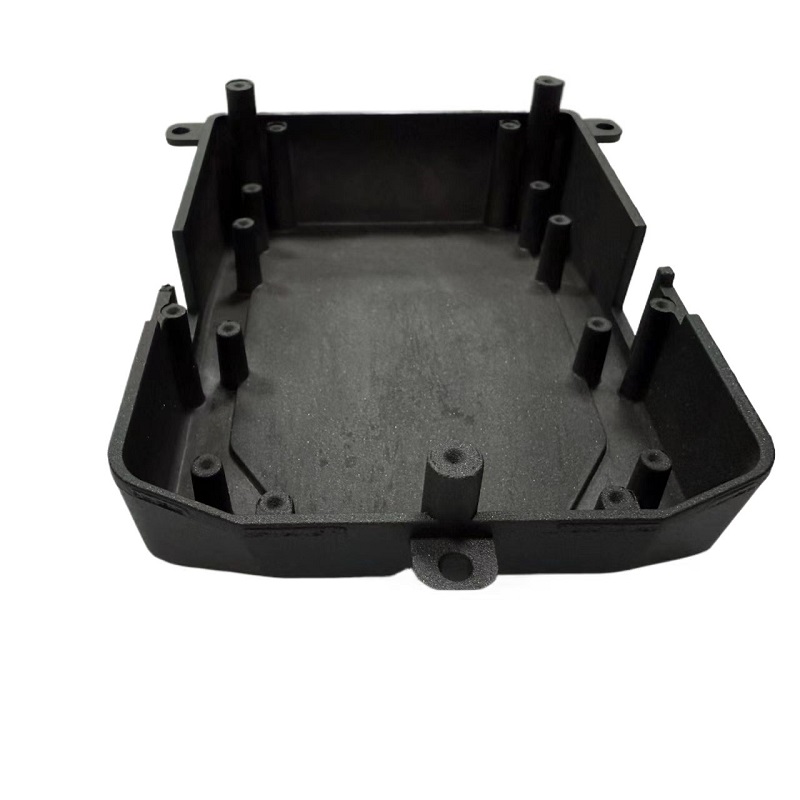
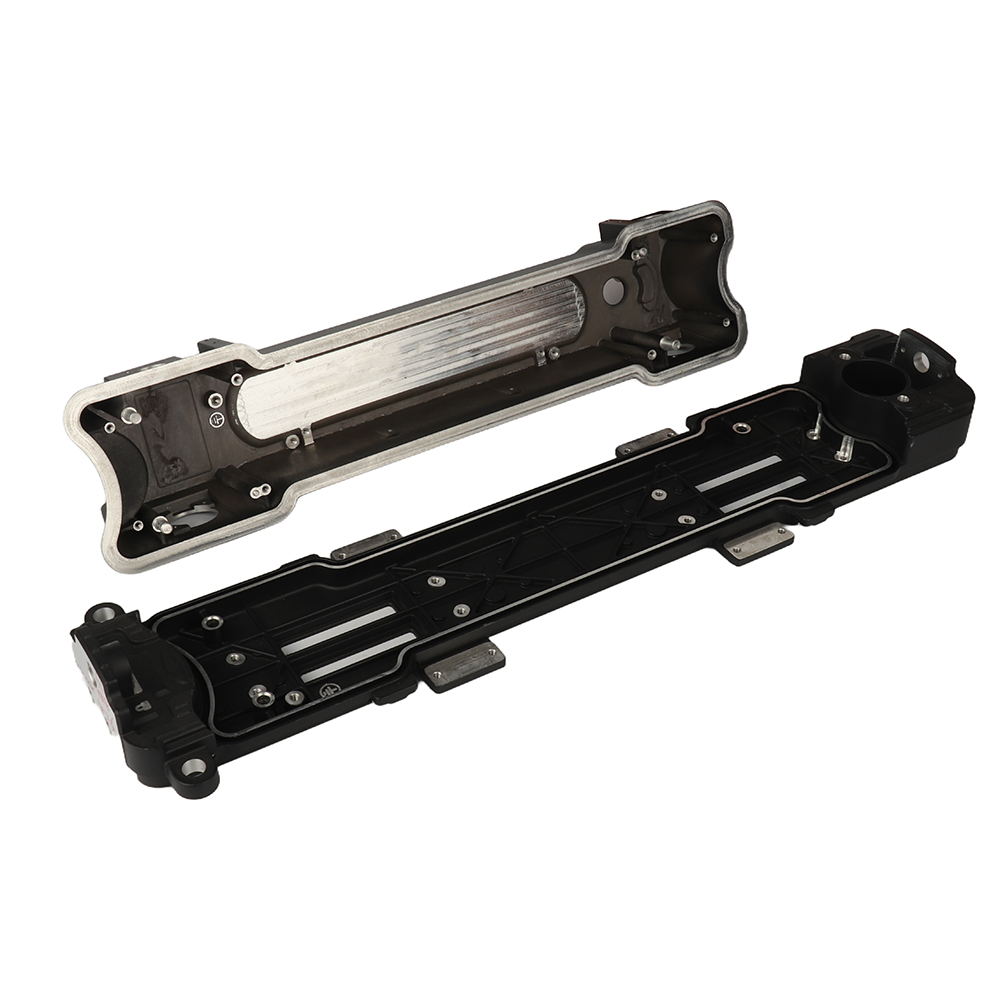
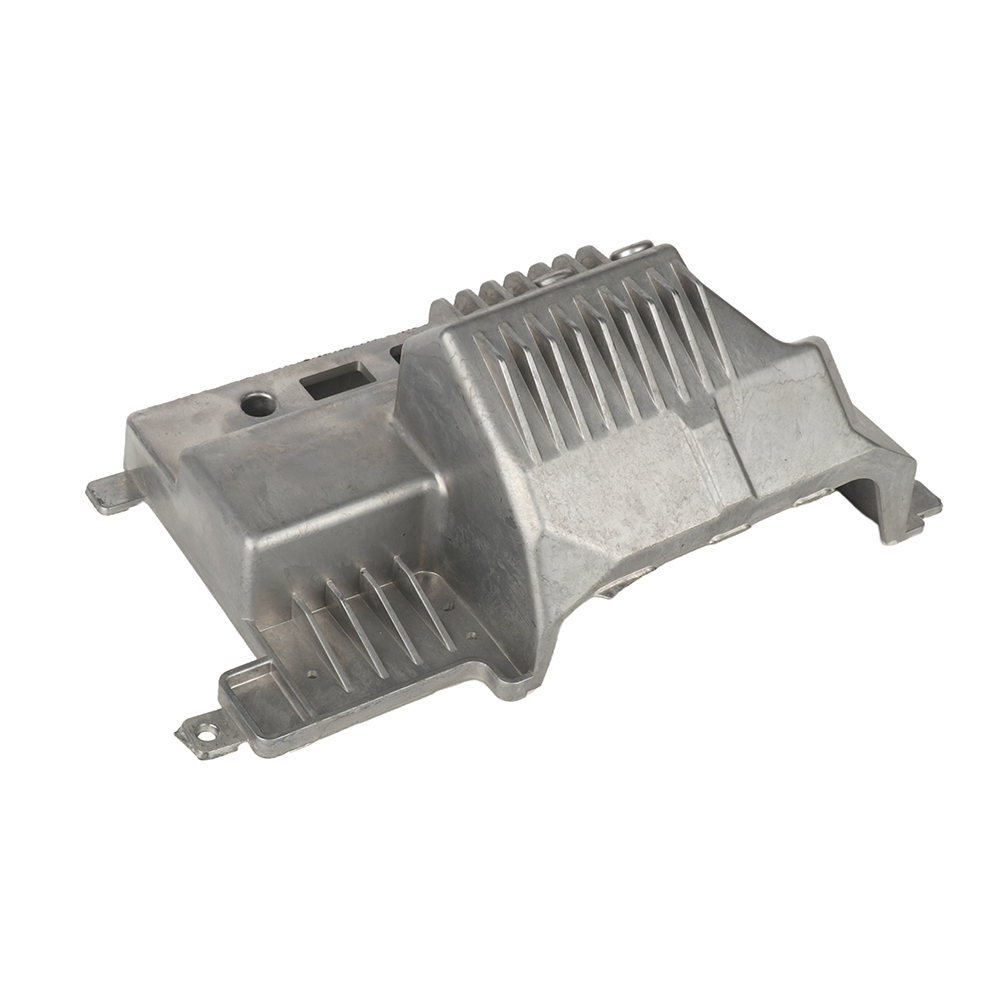
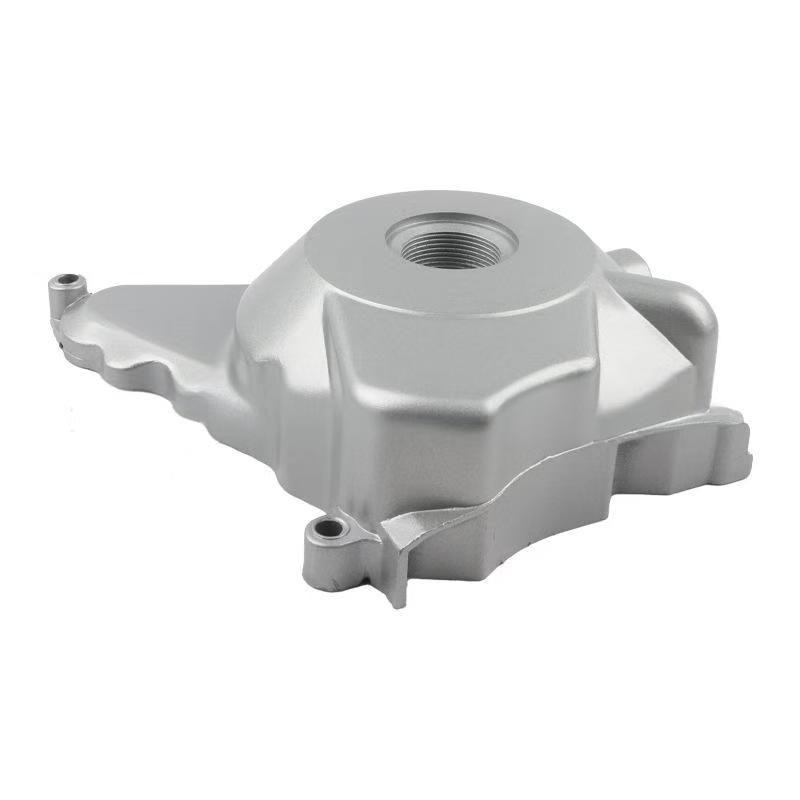
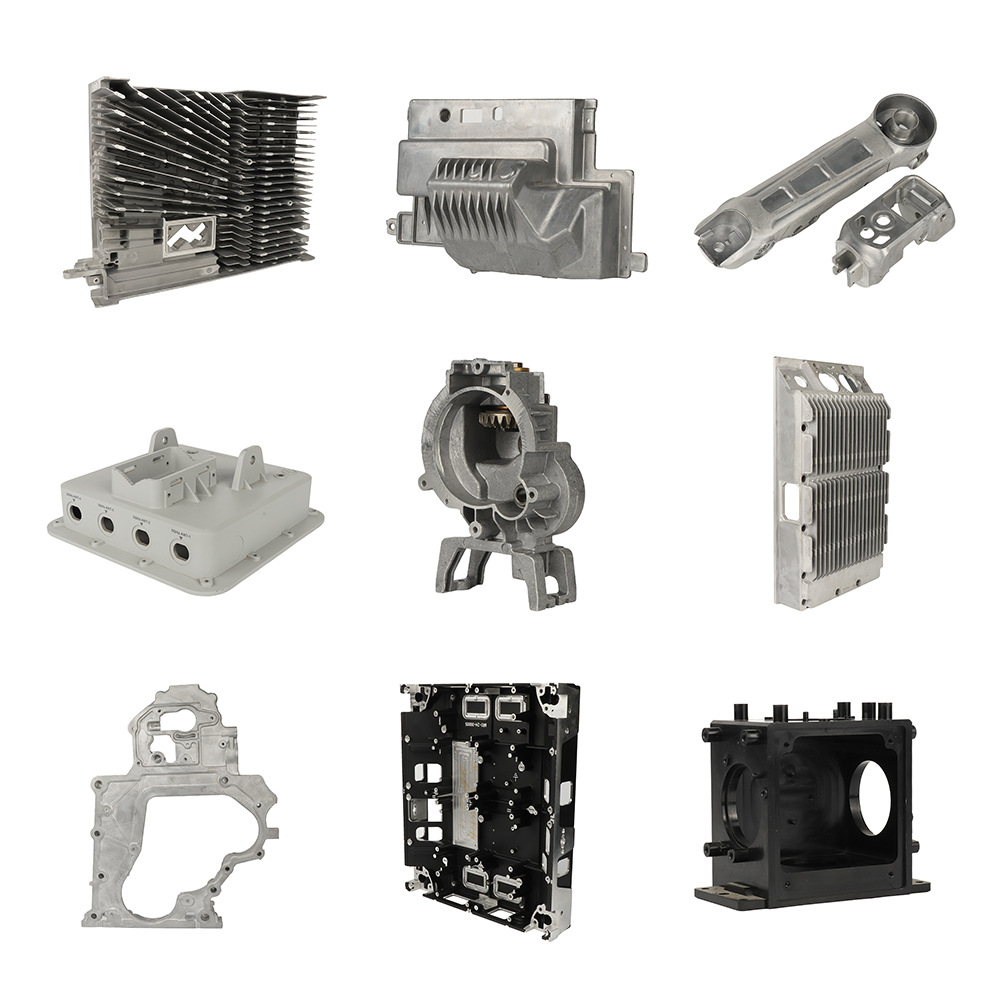
High precision die casting | How to manufacture high-precision die casting part?
How to Manufacture High-Precision Die Casting Parts?
Table of Contents
- 1. Introduction: What Is High-Precision Die Casting & Enterprise Strength
- 2. Universal Standard Parameter Table for High-Precision Die Casting Parts
- 3. Core Manufacturing Process of High-Precision Die Casting
- 4. Unique Advantages of High-Precision Die Casting Parts
- 5. Main Application Fields & Scenarios
- 6. Authoritative Expert Viewpoints on Precision Die Casting Manufacturing
- 7. Frequently Asked Questions (FAQs) of High-Precision Die Casting
- 8. Industry Development Trends & How to Select Qualified Hardware Suppliers
- 9. Xinghang Precision Hardware Bulk Discount Policy & Contact Information
- 10. Industry Summary & Core Suggestions
1. Introduction: What Is High-Precision Die Casting & Enterprise Strength
1.1 Definition of High-Precision Die Casting
High-precision die casting is an advanced near-net-shape metal forming process that adopts high-pressure and high-speed injection molding with strictly controlled process parameters. Different from conventional ordinary die casting, it focuses on ultra-tight dimensional tolerance, ultra-smooth surface finish, low defect rate and high batch consistency. This technology can directly form complex thin-wall structural parts, greatly reducing subsequent CNC finishing workload and realizing one-time high-precision molding of metal components.
It is the core manufacturing process for high-end lightweight hardware parts, widely used in industries with strict requirements on precision, stability and appearance, replacing traditional casting and partial stamping processes gradually.
1.2 Company Profile: Xinghang Precision Hardware
Xinghang Precision Hardware is a professional one-stop high-precision die casting manufacturer integrating mold R&D, die casting production, precision finishing, surface treatment and mass batch delivery. We focus on high-precision die casting processing of aluminum alloy, magnesium alloy and zinc alloy parts for global high-end industrial customers.
Our factory is equipped with fully automatic high-pressure die casting machines, vacuum die casting systems and professional precision testing equipment. We support custom prototype trial production and large-scale batch mass production. Adhering to strict precision control standards, we effectively solve common industry problems such as dimensional deviation, surface pores and batch inconsistency. Meanwhile, we implement a preferential policy of the more bulk orders, the more discounts to help customers reduce long-term procurement costs.
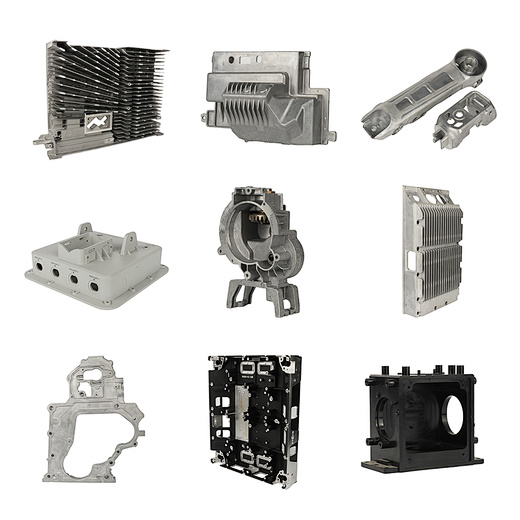
2. Universal Standard Parameter Table for High-Precision Die Casting Parts
The following parameters comply with international industrial casting standards, covering core technical indicators of mainstream aluminum, magnesium and zinc alloy high-precision die castings, which can be used as a unified reference for customer customization and quality inspection.
| Core Parameter Item | Industry Standard Specification | Professional Remarks |
|---|---|---|
| Dimensional Tolerance Grade | CT4-CT6 Ultra-precision Level | Far higher than conventional CT8-CT10 ordinary die casting |
| Minimum Wall Thickness | 0.8mm | Supports ultra-thin complex structural parts molding |
| Surface Roughness (Ra) | 1.6μm ~ 6.3μm | No obvious pores, cracks and burrs |
| Standard Injection Pressure | 40-150MPa | Stable filling to avoid shrinkage and cavity defects |
| Injection Speed | 3-8m/s | Balanced speed ensures uniform part density |
| Mold Temperature Control Accuracy | ±5℃ | Guarantees batch dimensional consistency |
| Vacuum Degree | ≤100mbar | Greatly reduces internal air hole defects |
| Batch Dimensional Consistency Error | ≤±0.01mm | Suitable for high-precision automated assembly |
3. Core Manufacturing Process of High-Precision Die Casting
3.1 Pre-Production Mold Precision Development
3.1.1 High-Precision Mold Processing
The precision of die casting parts is fundamentally determined by mold accuracy. High-precision die casting adopts CNC five-axis machining and mirror surface polishing for mold core, with mold tolerance controlled within ±0.005mm. Strict heat treatment and surface hardening treatment are carried out to ensure mold wear resistance and long-term stability, avoiding dimensional deviation caused by mold wear in batch production.
3.2 Strict Raw Material Purification Treatment
High-precision die casting requires purified alloy raw materials, with strictly controlled hydrogen content and impurity content. The alloy liquid hydrogen content is controlled below ≤0.1ml/100g, which effectively eliminates internal porosity and trachoma defects of castings and improves the compactness and mechanical properties of parts.
3.3 Precision Injection & Vacuum Die Casting Forming
3.3.1 Parameter Closed-Loop Control
Adopt full-automatic closed-loop system to precisely adjust injection pressure, speed, mold temperature and pouring temperature. Combined with vacuum die casting technology, it exhausts internal cavity air in real time, realizing dense and uniform one-time forming of precision parts.
3.4 Post-Processing & Precision Inspection
3.4.1 Finishing & Quality Verification
After die casting molding, remove residual burrs and material heads, and complete targeted surface treatment such as sandblasting, anodizing and electroplating. All finished parts are inspected by three-coordinate precision detectors to ensure that all dimensional and surface indicators meet high-precision standards.
4. Unique Advantages of High-Precision Die Casting Parts
4.1 Ultra-High Dimensional Precision & Excellent Consistency
Compared with conventional die casting, high-precision die casting achieves CT4-CT6 ultra-precision tolerance grade. The batch dimensional error is controlled within ±0.01mm, which can fully adapt to automatic assembly lines, effectively avoiding assembly jamming and poor matching caused by part deviation.
4.2 Low Defect Rate & High Structural Compactness
Through vacuum exhaust and precise process parameter control, the internal porosity and shrinkage defects of parts are almost eliminated. The overall structure is dense and uniform, with significantly improved tensile strength and hardness, ensuring long-term stable service performance of parts.
4.3 High Molding Efficiency & Low Comprehensive Cost
High-precision die casting realizes near-net-shape one-time molding, which greatly reduces subsequent CNC processing procedures and material waste. Although the single-process precision control cost is slightly higher, the comprehensive procurement and processing cost of batch products is significantly lower than that of traditional casting + secondary finishing process.
4.4 Diversified Surface & Functional Customization
Finished precision die castings support multiple surface treatment processes including anodizing, passivation, electroplating, powder spraying and laser engraving. It can meet dual requirements of functional indicators such as corrosion resistance and wear resistance and product appearance aesthetics.
5. Main Application Fields & Scenarios
5.1 New Energy Industry
Widely used in new energy vehicle battery housings, motor brackets, heat dissipation structural parts. The lightweight, high-precision and high-heat-conduction characteristics meet the energy-saving and stable operation requirements of new energy equipment.
5.2 Intelligent Consumer Electronics
Applied to 5G communication shells, precision electronic accessories, drone structural frames and wearable equipment parts. High-precision thin-wall molding and excellent electromagnetic shielding performance are the core advantages in electronic product applications.
5.3 Medical Precision Equipment
Used for medical instrument shells, precision connecting parts and surgical auxiliary components. The process features no burr, high flatness and high safety, meeting the strict precision and hygiene standards of the medical industry.
5.4 Industrial Automation & Aerospace
Suitable for automated equipment fixtures, precision transmission parts and aerospace lightweight structural components. High batch consistency and structural stability ensure the safe and efficient operation of high-end industrial equipment.
6. Authoritative Expert Viewpoints on Precision Die Casting Manufacturing
We quote the professional viewpoint of Mr. Jason Moore, a senior process engineer with more than 15 years of experience in the global precision die casting industry:
“The core difference between high-precision die casting and ordinary die casting is not the equipment itself, but the whole-process precise control of mold precision, process parameters and production environment. Many manufacturers only pursue high-speed production but ignore temperature stability and vacuum exhaust control, resulting in unstable batch precision. For high-end precision parts, process standardization and quality consistency are far more important than production efficiency. Only manufacturers with complete closed-loop precision control system can long-term meet the procurement needs of global high-precision customers.”
The expert also emphasized that with the upgrading of manufacturing industry, downstream customers have shifted from single price pursuit to comprehensive pursuit of precision, stability and delivery efficiency, which has become the core competition direction of the precision die casting industry.
7. Frequently Asked Questions (FAQs) of High-Precision Die Casting
Q1: What alloys are suitable for high-precision die casting?
The mainstream applicable materials are aluminum alloy, magnesium alloy and zinc alloy. Aluminum alloy is the most widely used for general precision structural parts; magnesium alloy is suitable for ultra-lightweight high-precision parts; zinc alloy is applicable for small complex precision accessories with high surface requirements.
Q2: What is the tolerance range of high-precision die casting parts?
Standard high-precision die casting parts reach CT4-CT6 precision grade, with conventional tolerance controlled within ±0.01mm, and ultra-precision customized tolerance up to ±0.005mm, meeting the assembly requirements of most high-end precision equipment.
Q3: Do high-precision die castings require secondary CNC processing?
Most conventional structural and surface dimensions can be formed in one time without secondary processing. Only individual assembly holes, special grooves and ultra-precision matching surfaces need a small amount of finishing, which greatly shortens the production cycle.
Q4: What is the MOQ for customized high-precision die casting parts?
We support small-batch prototype trial production and large-batch mass production. There is no rigid minimum order quantity. Meanwhile, the more the bulk order quantity, the more favorable the unit price cost, with obvious cost advantages for long-term large-batch cooperation.
Q5: How to guarantee the batch quality consistency of precision die castings?
We adopt full-process parameter closed-loop control, regular mold calibration and full-size sampling inspection. Complete quality inspection reports and process parameter records can be provided to ensure zero difference in batch product precision and surface quality.
8. Industry Development Trends & How to Select Qualified Hardware Suppliers
8.1 Core Development Trends of High-Precision Die Casting Industry
The high-precision die casting industry is gradually developing towards ultra-precision molding, intelligent production, green environmental protection and integrated one-stop service. With the rapid development of new energy, intelligent manufacturing and medical equipment industries, the market demand for thin-wall, complex and high-consistency precision die castings continues to grow.
At the same time, downstream customers pay more attention to supplier’s comprehensive capabilities including mold independent R&D, precision process control, batch quality stability and customized service ability. Traditional simple die casting processing manufacturers are gradually eliminated by the market.
8.2 Key Standards for Selecting High-Quality Precision Die Casting Suppliers
- Independent mold R&D and manufacturing capability: Ensure mold precision and later maintenance efficiency, avoid dimensional deviation caused by external mold processing.
- Complete precision production and testing equipment: Equipped with vacuum die casting system and three-coordinate precision testing equipment to support ultra-precision production and quality verification.
- Mature standardized process system: Stable parameter control standards to ensure long-term batch quality consistency.
- One-stop service capability: Integrate mold opening, die casting, finishing and surface treatment to reduce intermediate links and quality risks.
- Flexible production & cost advantage: Support both prototype trial production and large-batch mass production, with transparent pricing and bulk discount policies.
- Perfect after-sales technical service: Provide professional scheme optimization and technical support according to customer application scenarios.
9. Xinghang Precision Hardware Bulk Discount Policy & Contact Information
9.1 Exclusive Bulk Preferential Policy
Xinghang Precision Hardware adheres to the service tenet of win-win cooperation and launches a long-term stable preferential policy: The more you order in bulk, the more discounts you get. For small-batch trial orders, we provide competitive ex-factory prices; for medium and large-batch long-term cooperative orders, we will give hierarchical exclusive discounts, covering mold fee, die casting processing fee and surface treatment fee.
Long-term framework customers can also enjoy free process optimization, free sample testing and priority delivery services, helping global customers effectively reduce overall procurement costs and stabilize supply chain quality.
9.2 Official Global Contact Information
Mobile / WhatsApp / WeChat: +86 18819502691
Official Email: liqine@xinghangcn.com
We welcome global customers to consult drawing quotation, customized scheme design, prototype trial production and batch order cooperation. We provide 24-hour professional technical response and high-quality one-stop high-precision die casting services.
10. Industry Summary & Core Suggestions
High-precision die casting is an indispensable core manufacturing process in modern high-end industrial manufacturing, with irreplaceable advantages in precision, efficiency, structural consistency and comprehensive cost. It has been widely applied in new energy, electronic communication, medical equipment and intelligent manufacturing fields, and the market demand is continuously upgrading towards higher precision and higher stability.
In the increasingly competitive precision hardware supply chain, choosing a professional and experienced high-precision die casting supplier is the key to controlling product quality, delivery cycle and procurement cost. As a reliable one-stop precision die casting manufacturer, Xinghang Precision Hardware has independent mold R&D capability, mature precision process system, flexible production capacity and favorable bulk discount policies. We can provide customers with full-cycle customized solutions from design optimization, prototype verification to large-batch mass production, creating stable and high-cost-performance product value for global partners.
Anodizing die cast aluminum | What types of anodized aluminum die casting parts are available?
6061 aluminum parts | What advantages do 6061 aluminum parts have?
Related Article


