
HOT PRODUCTS
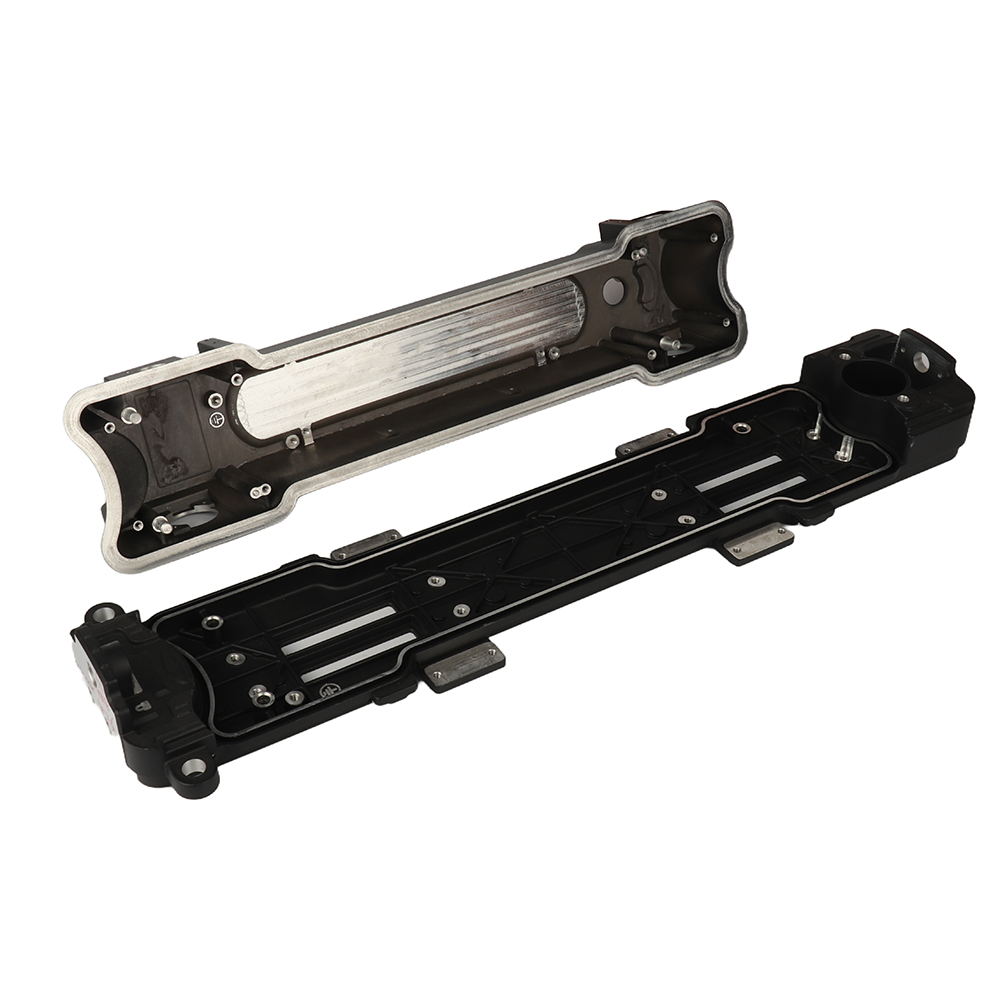
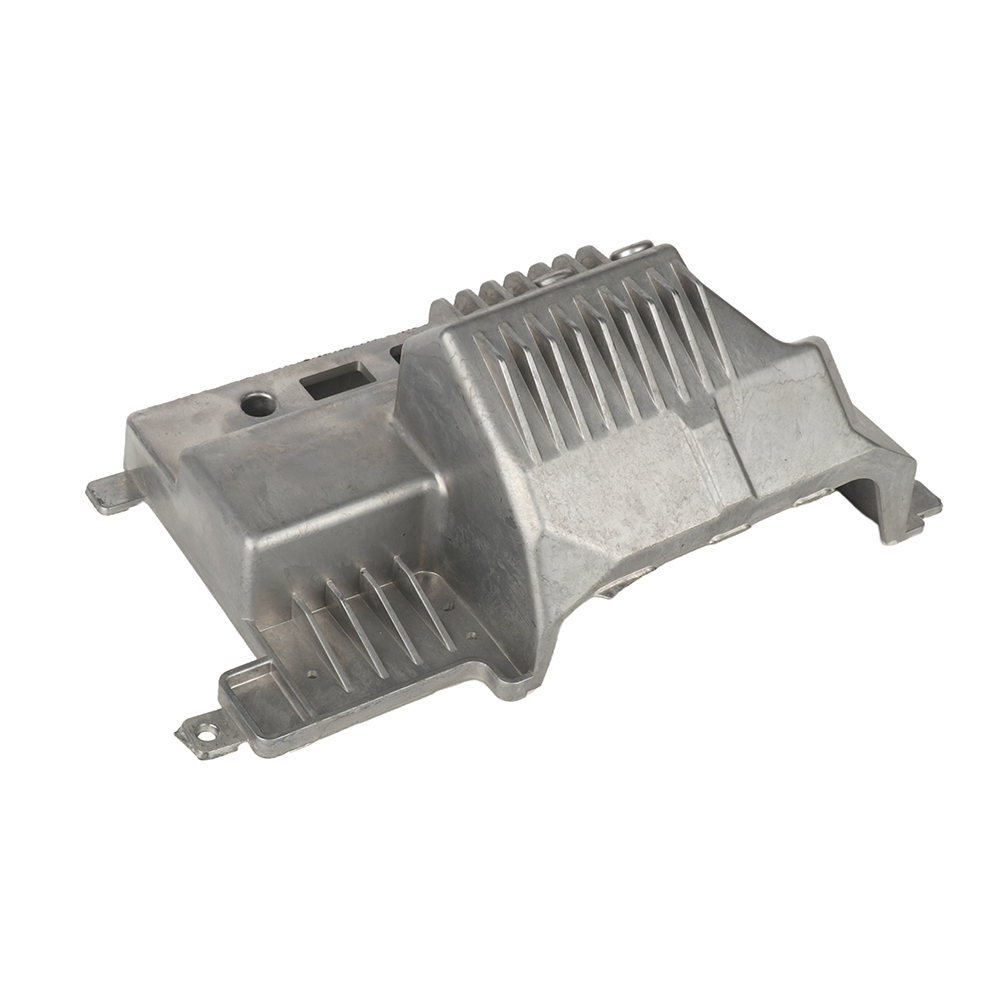
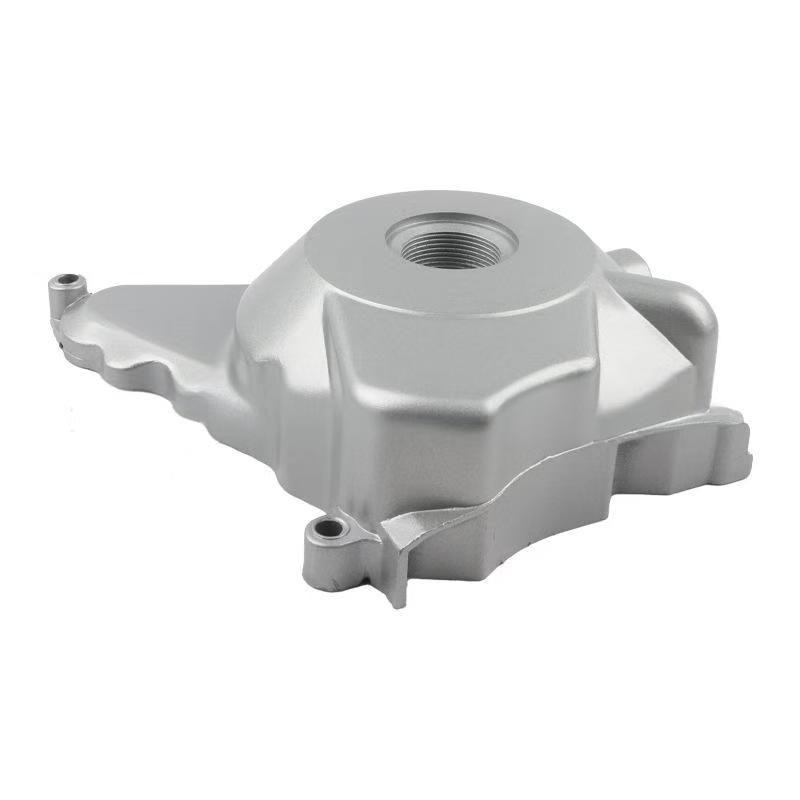
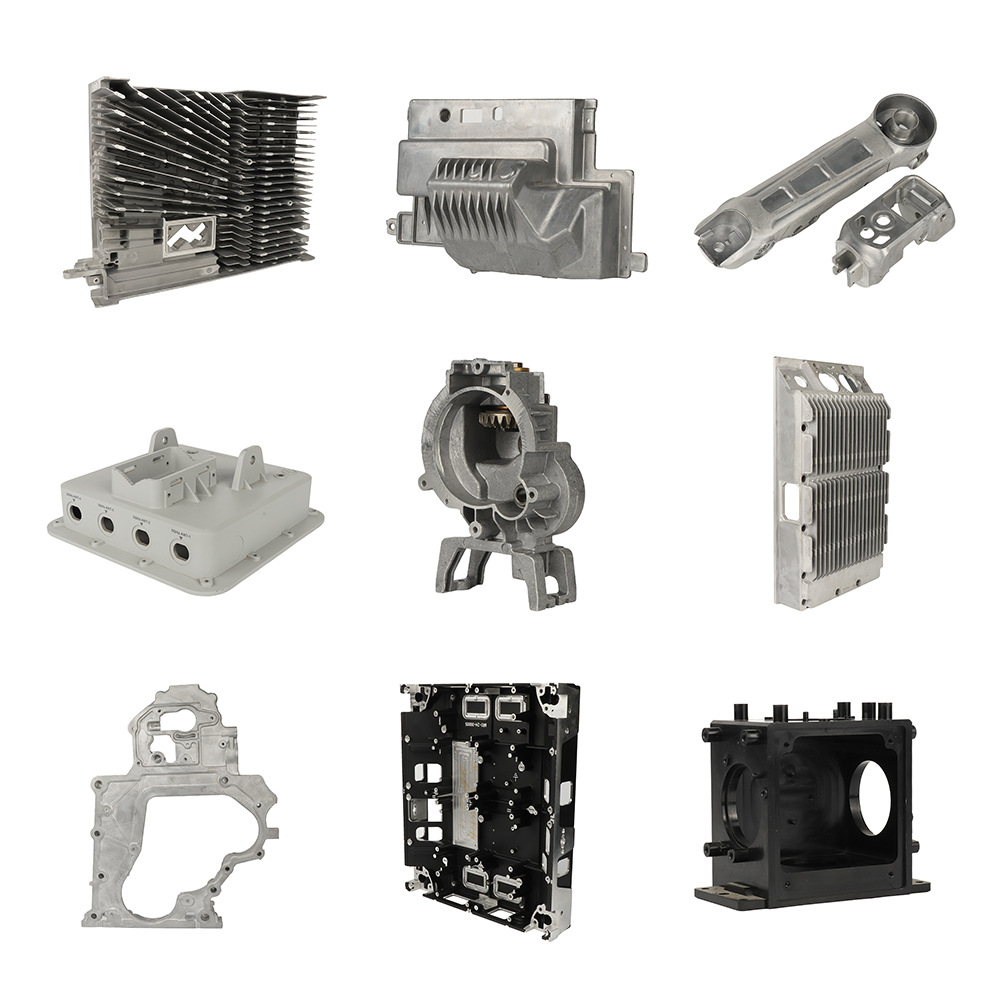
Custom die casting parts | How to order custom die-cast components? A Complete Guide to Custom Die Casting Parts
How to Order Custom Die-Cast Components: A Complete Guide to Custom Die Casting Parts
Table of Contents
- Introduction: What Are Custom Die Casting Parts & Why They Matter
- Product Overview: XingHang XH-62 Custom Aluminum Die-Casting Motor Enclosures
- Key Parameters of Custom Die Casting Parts (ADC12 Aluminum Material)
- The Significance & Functions of Custom Die Casting Parts
- Unmatched Benefits of Custom Die Casting Parts
- Expert Insights on Custom Die Casting
- Step-by-Step Guide: How to Order Custom Die-Cast Components
- Frequently Asked Questions (FAQs) About Custom Die Casting Parts
- Conclusion: Industry Trends & How to Choose a Qualified Hardware Supplier
- Xinghang Precision Hardware: Your Trusted Partner with Bulk Discounts
Introduction: What Are Custom Die Casting Parts & Why They Matter
In the industrial manufacturing landscape, custom die casting parts have become the cornerstone of tailored equipment solutions, especially for industries requiring precision, durability, and perfect fit. Unlike standard off-the-shelf components, custom die casting parts are engineered and produced to meet unique design specifications, solving the pain points of generic parts that fail to align with specialized equipment needs.
Among all materials used in custom die casting, ADC12 aluminum alloy stands out as the preferred choice for its excellent castability, mechanical properties, and cost-effectiveness—making it ideal for custom components like motor enclosures. This blog will guide you through everything you need to know about ordering custom die-cast components, from product details and key parameters to the ordering process, expert insights, and supplier selection, with a focus on XingHang’s XH-62 custom aluminum die-casting motor enclosures.
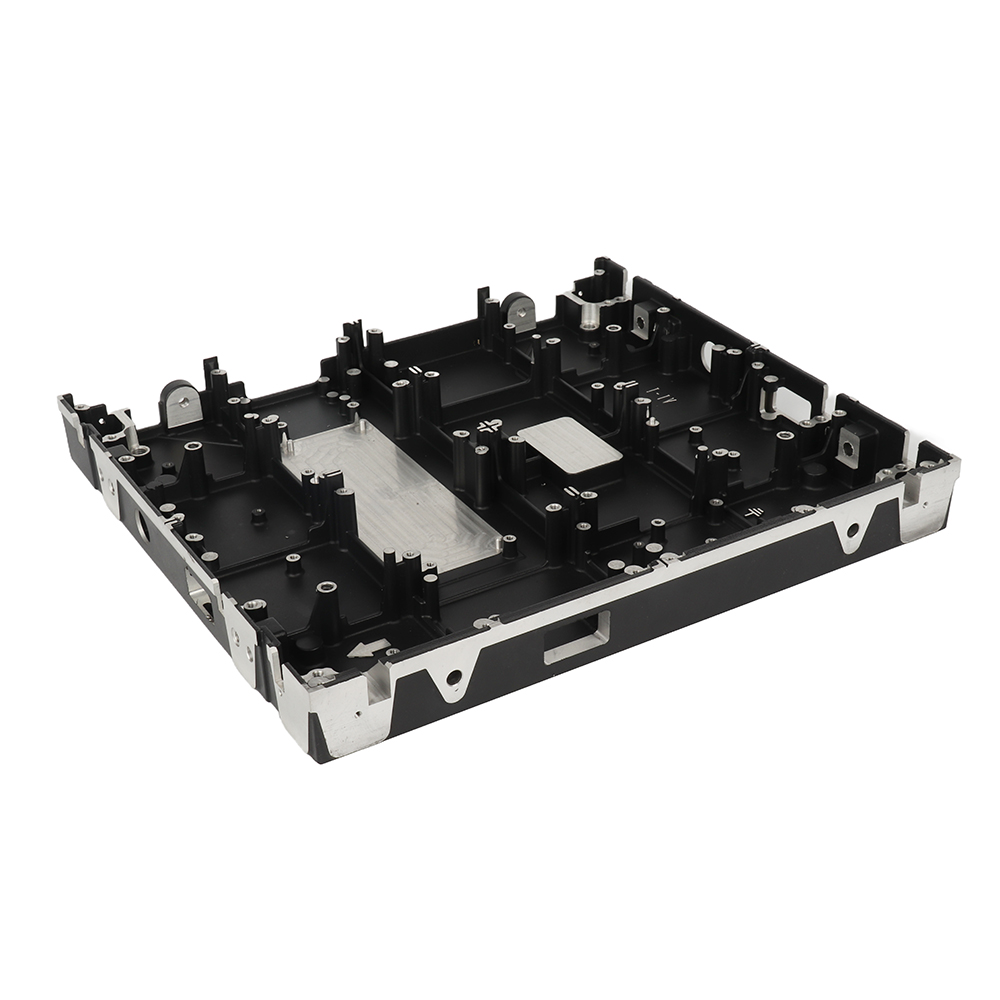
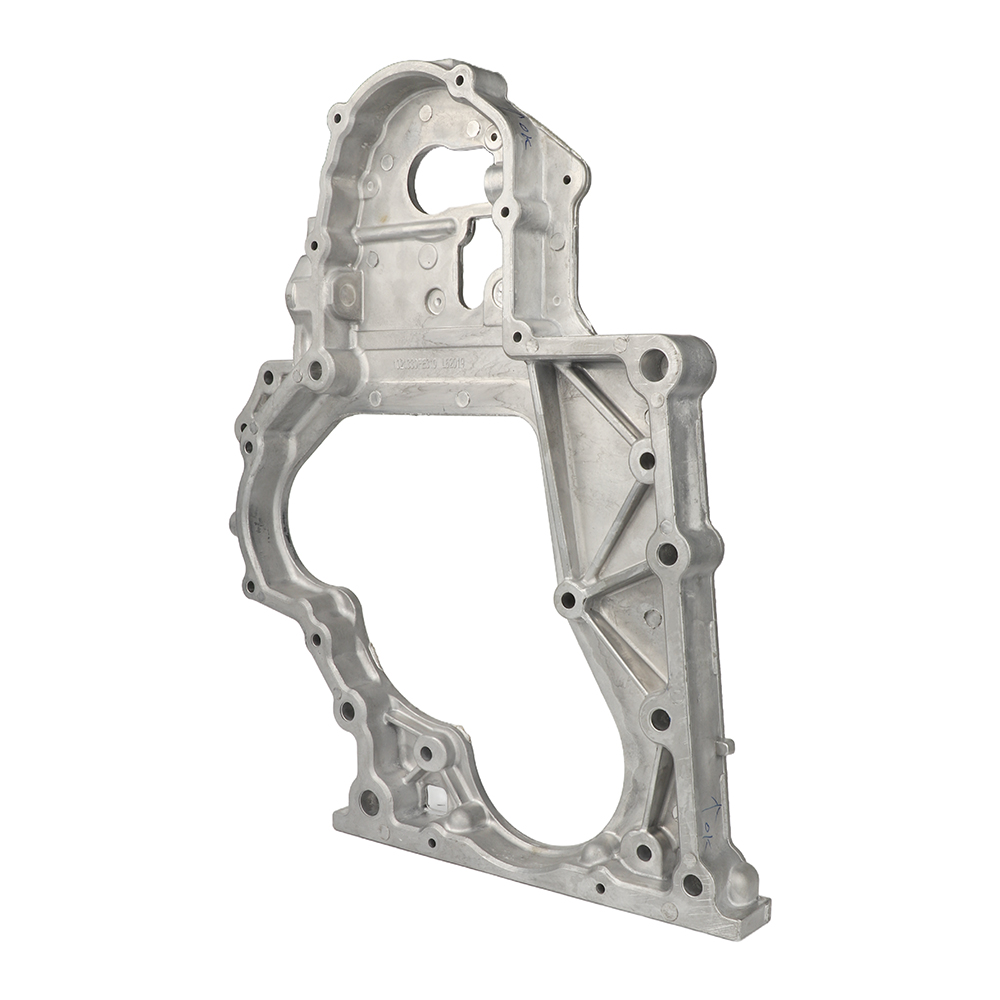
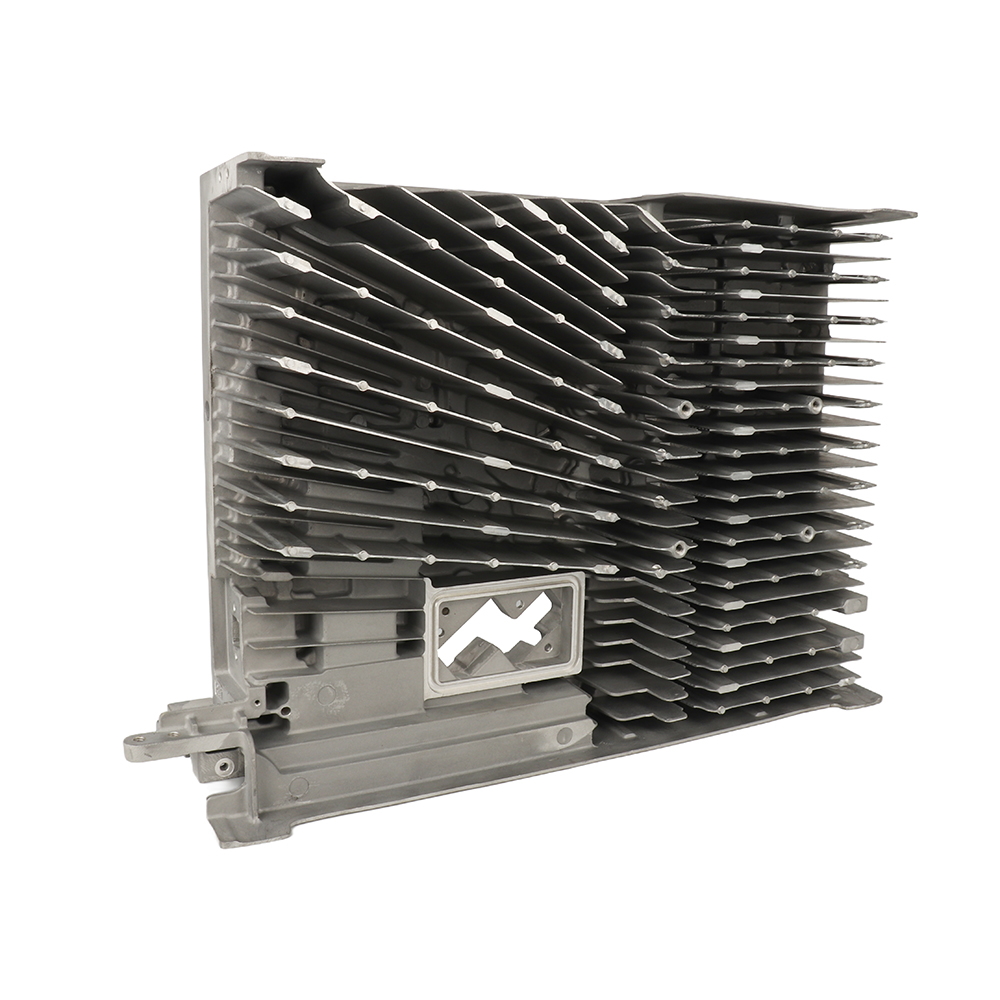
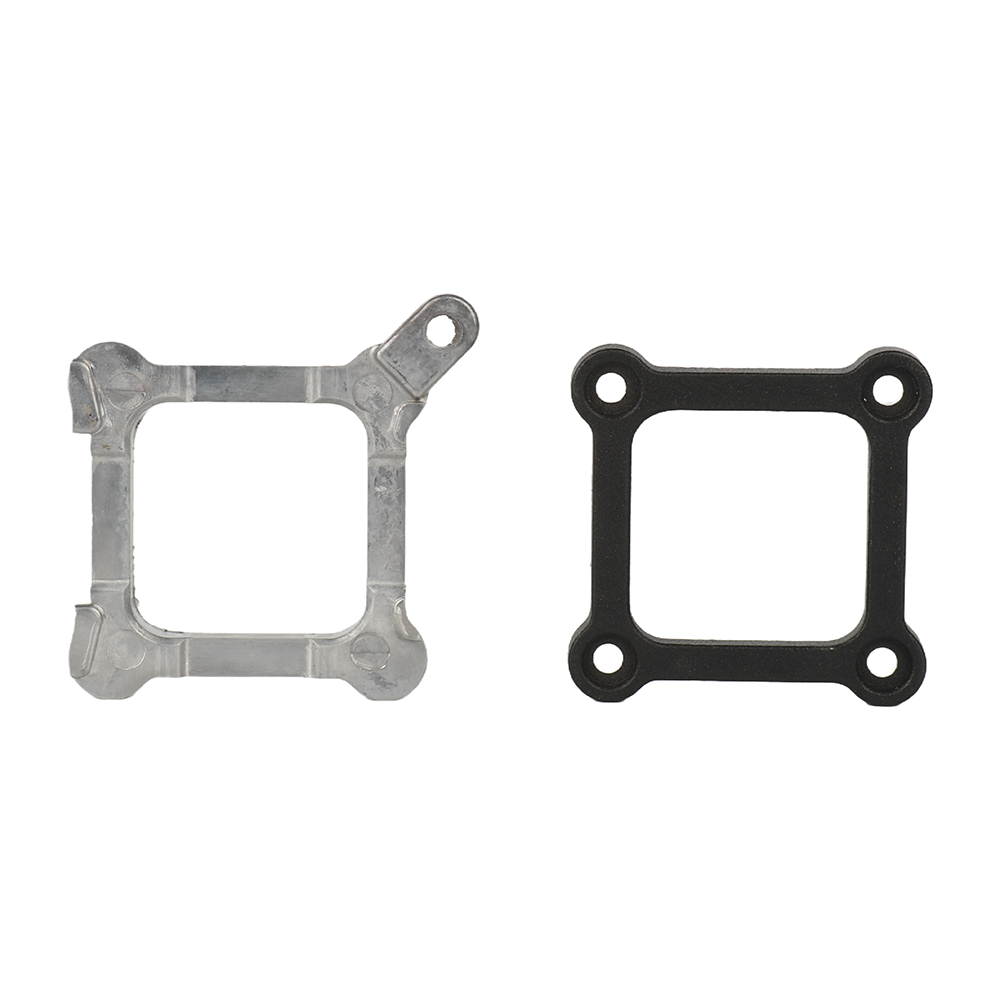
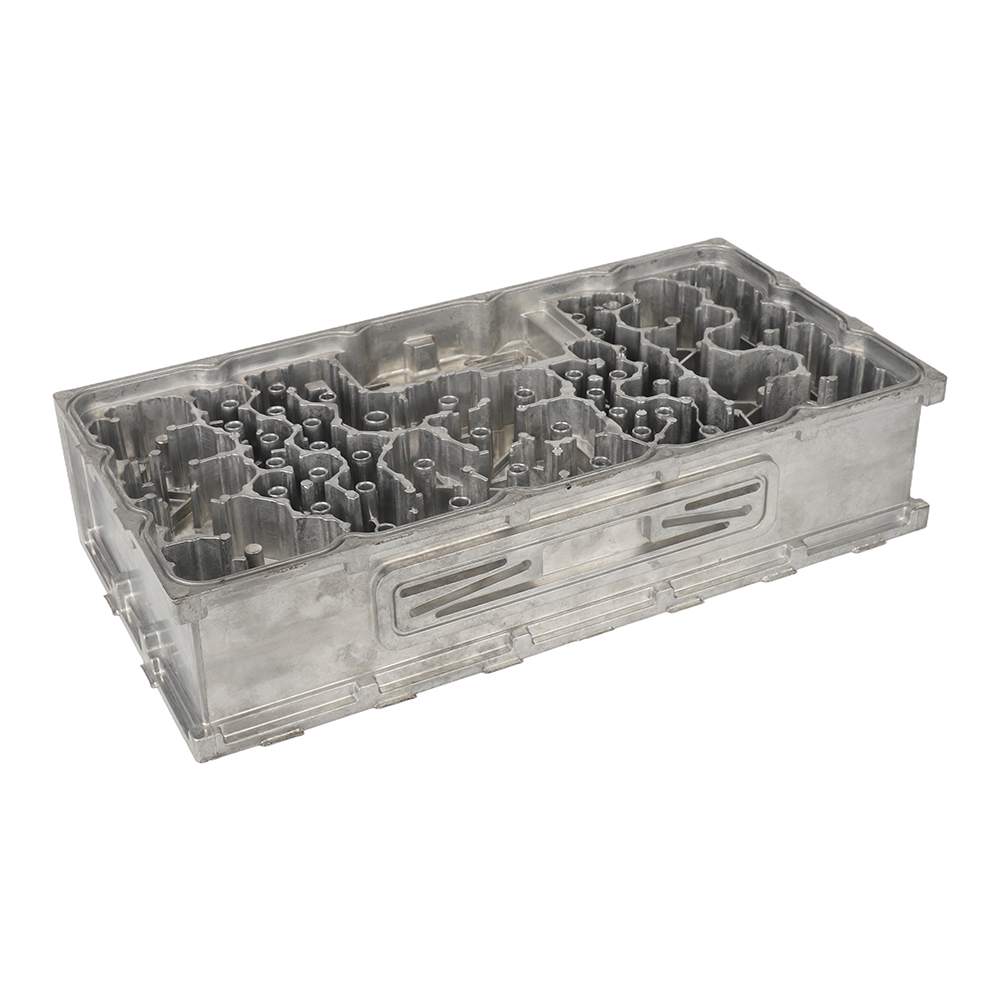
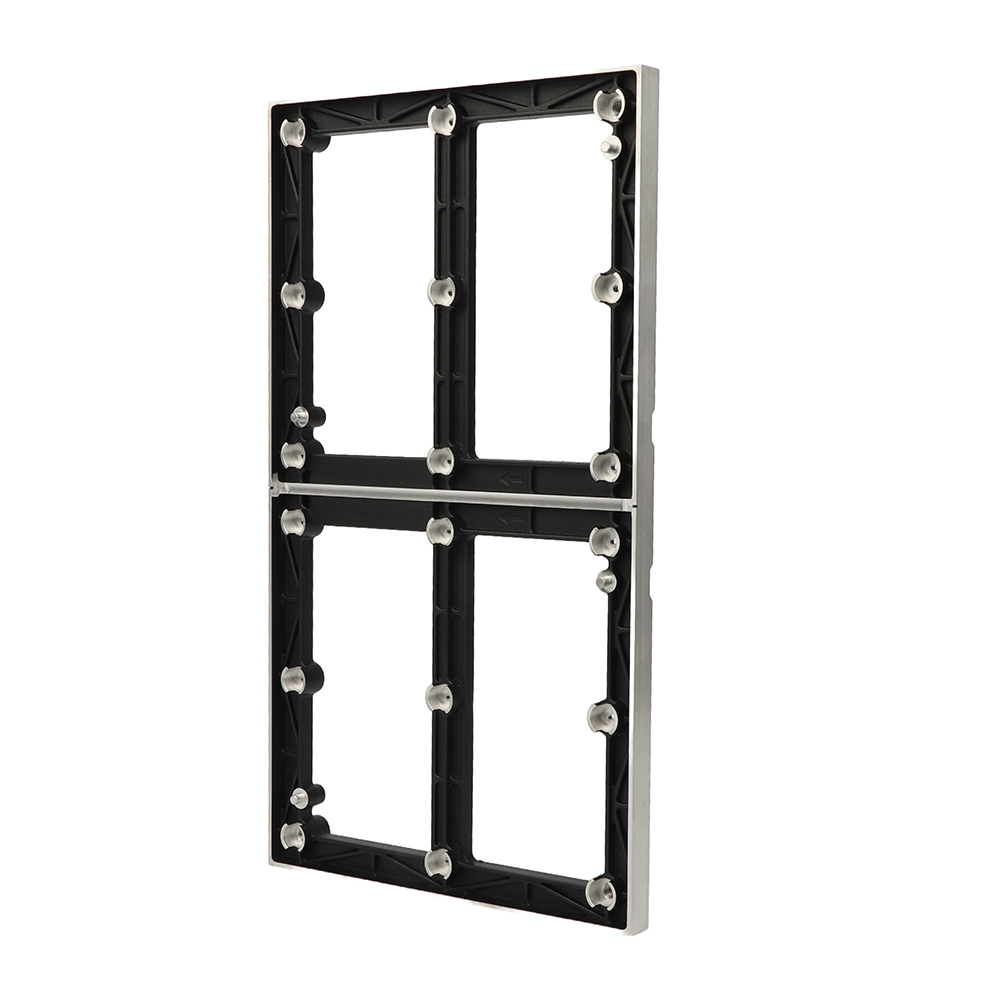
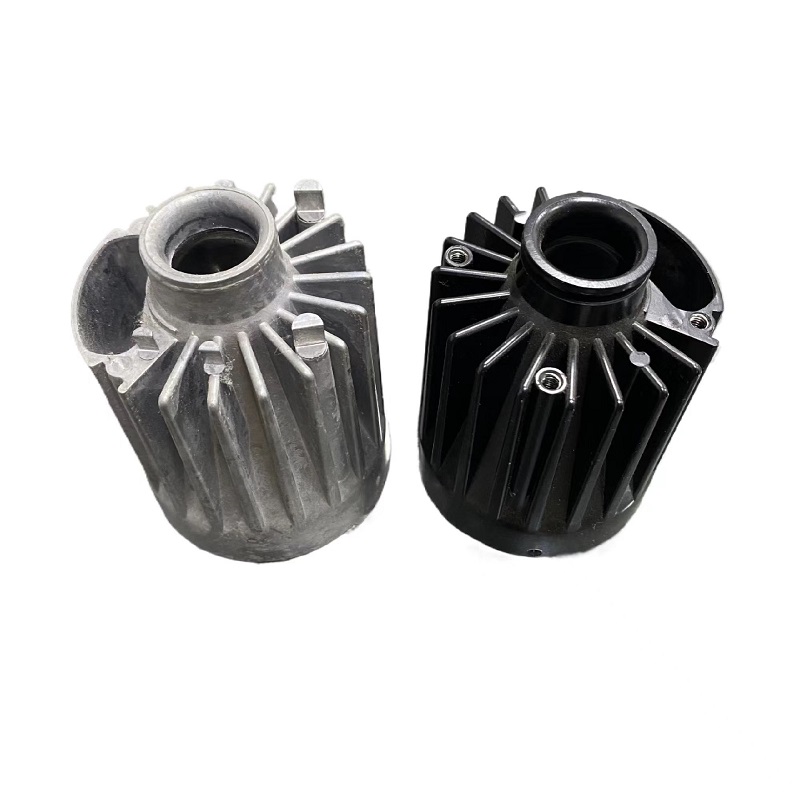
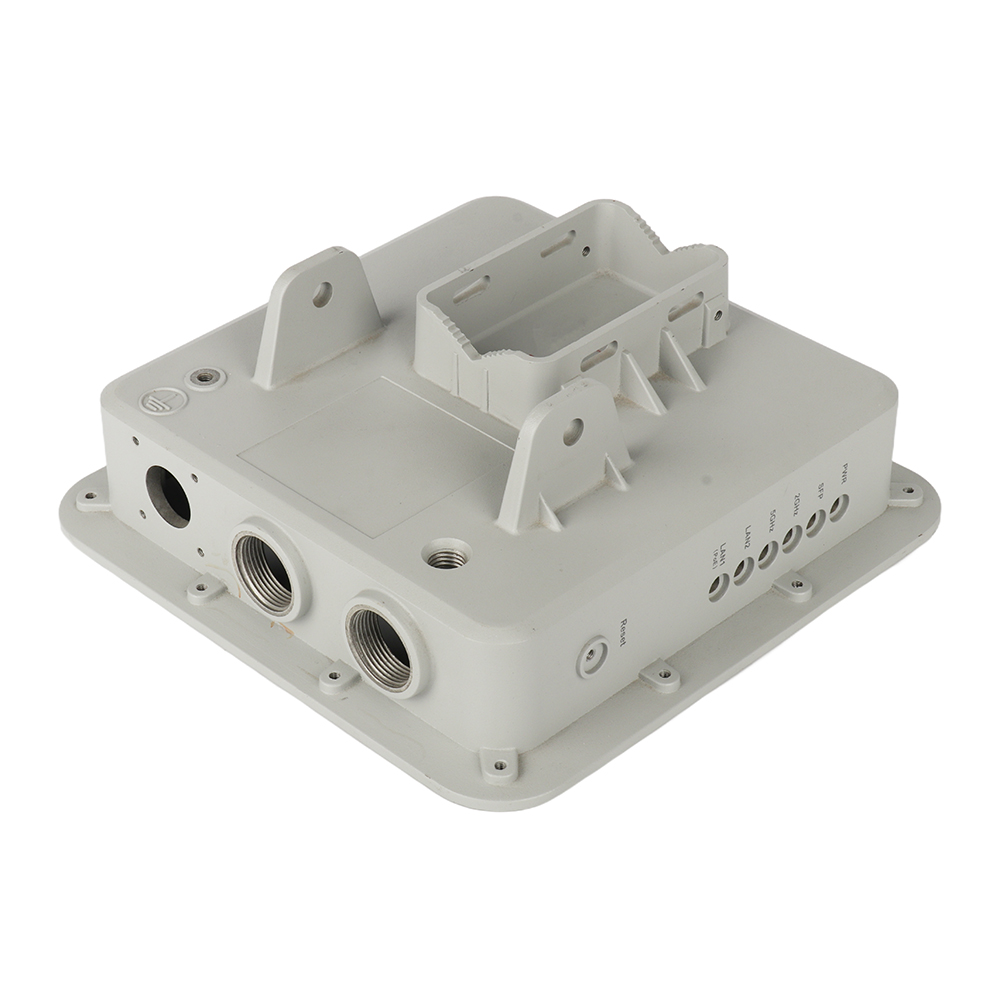
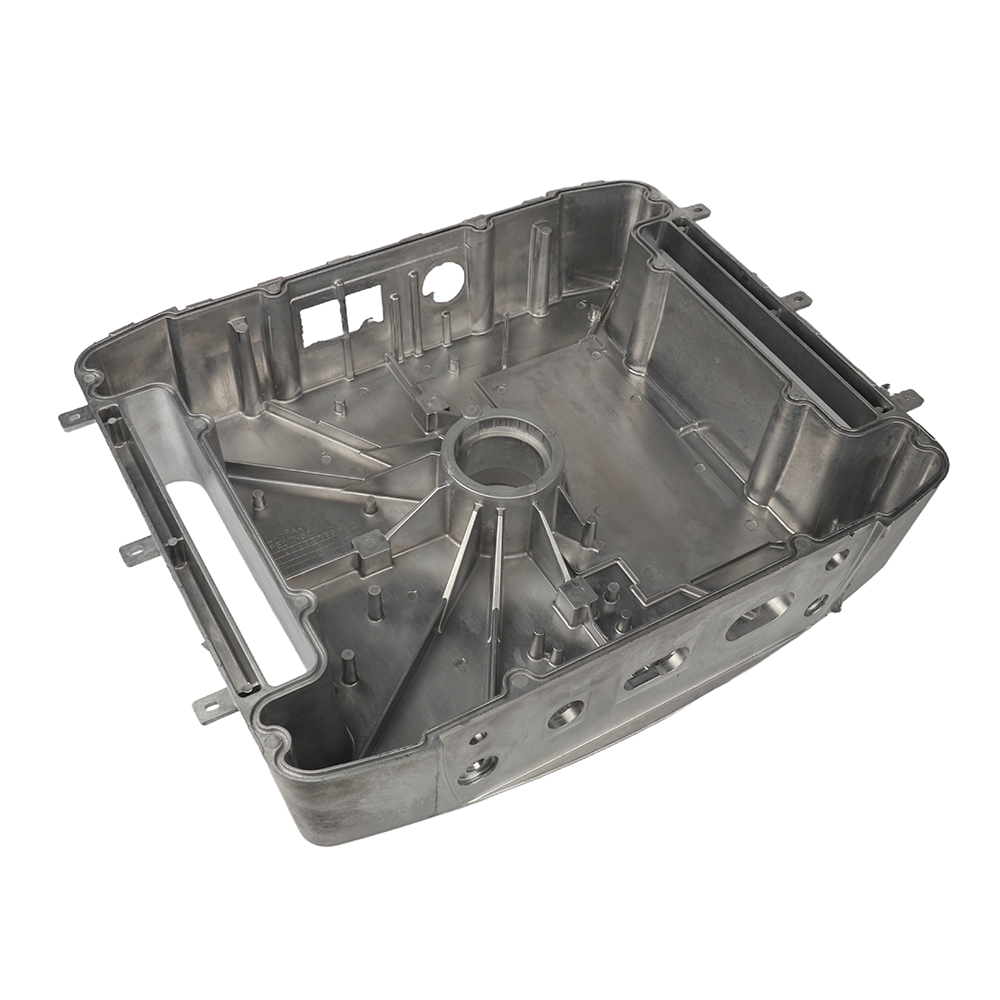
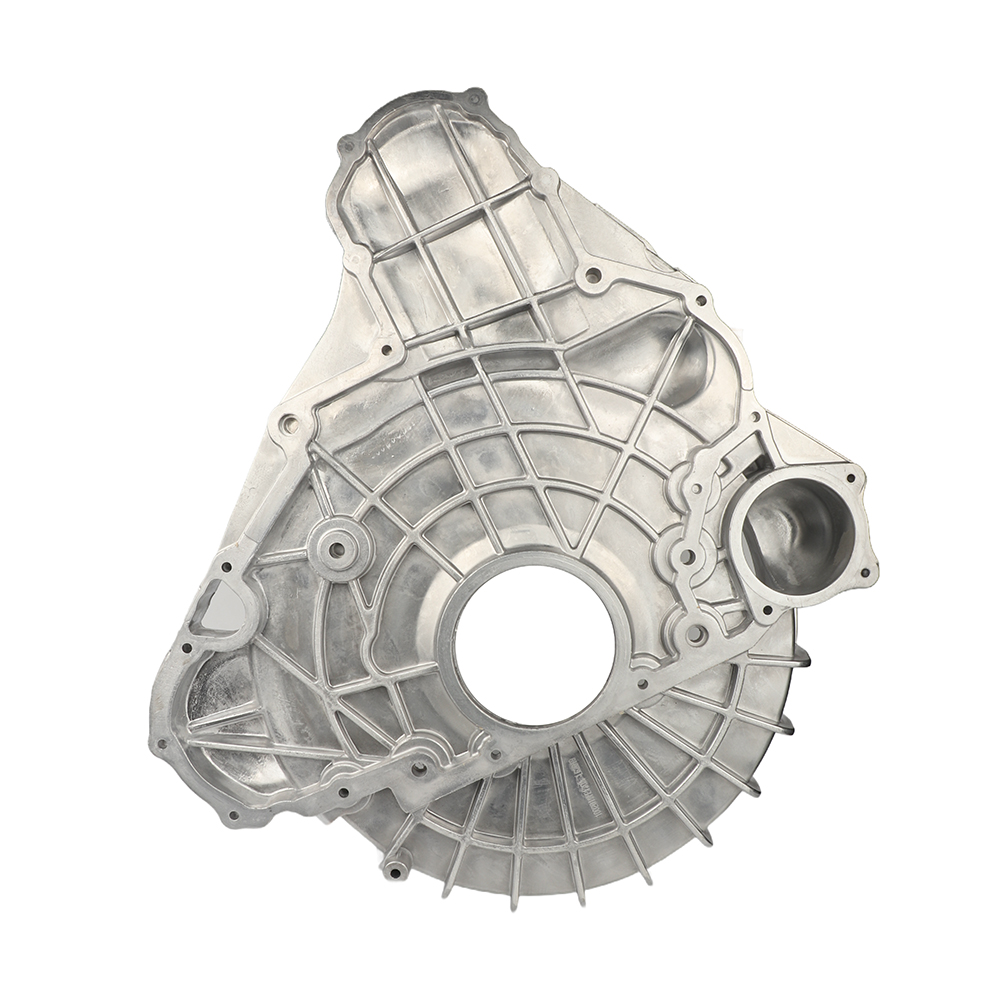
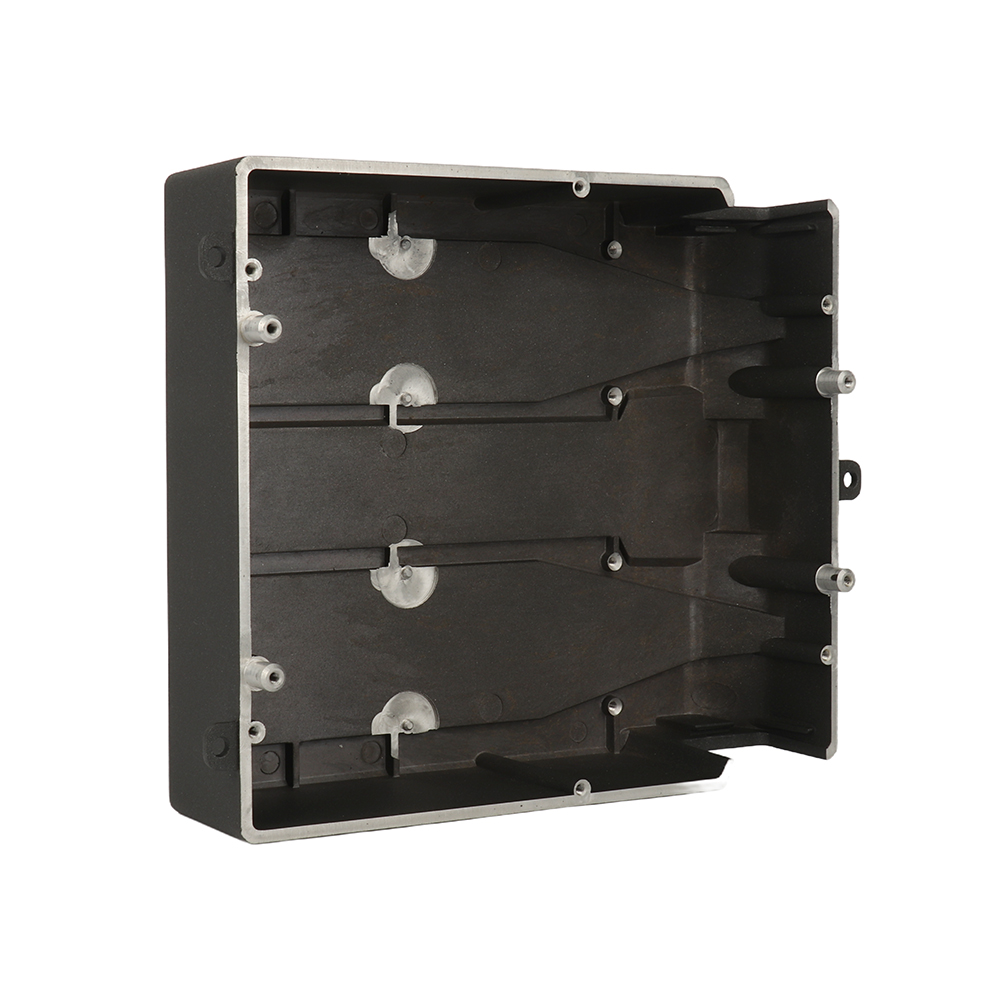
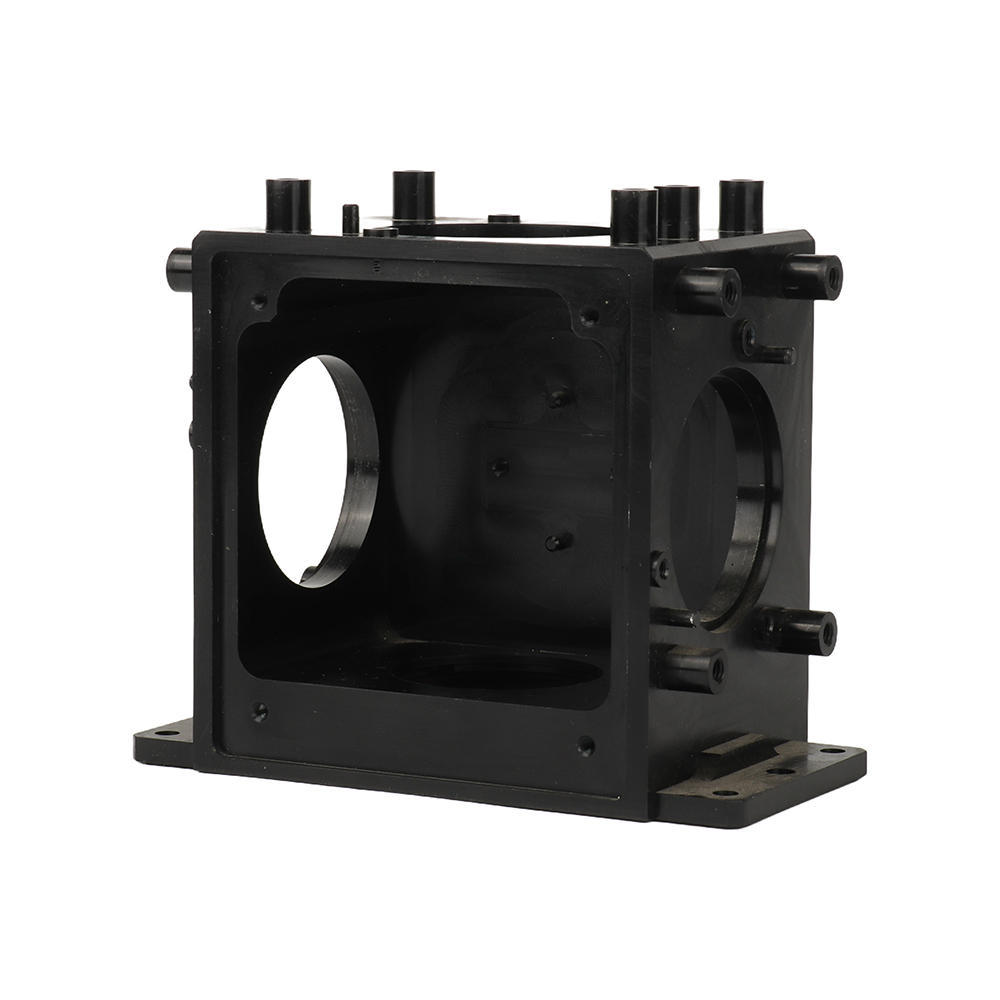
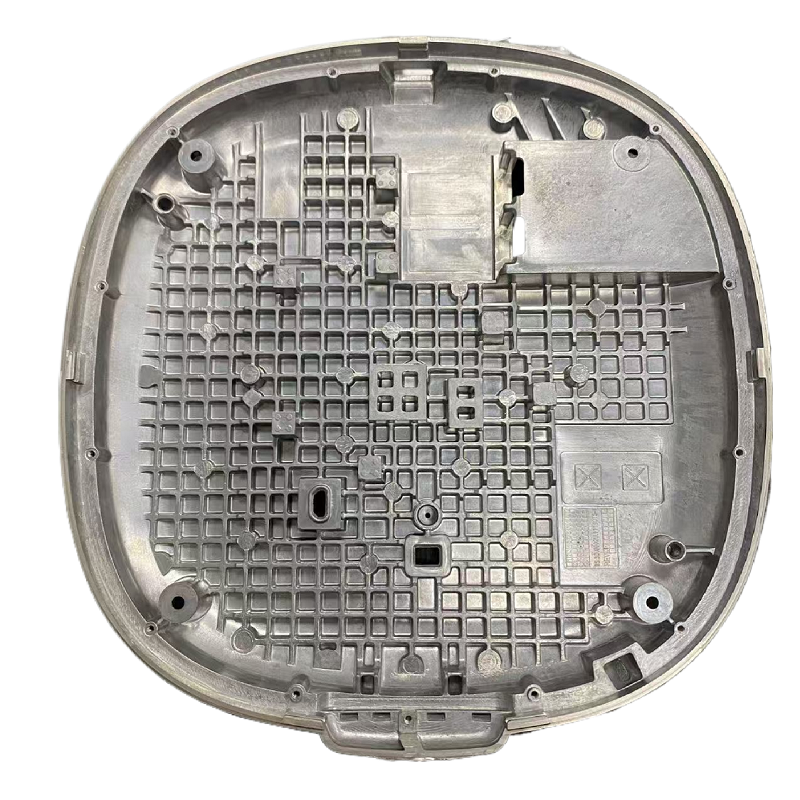
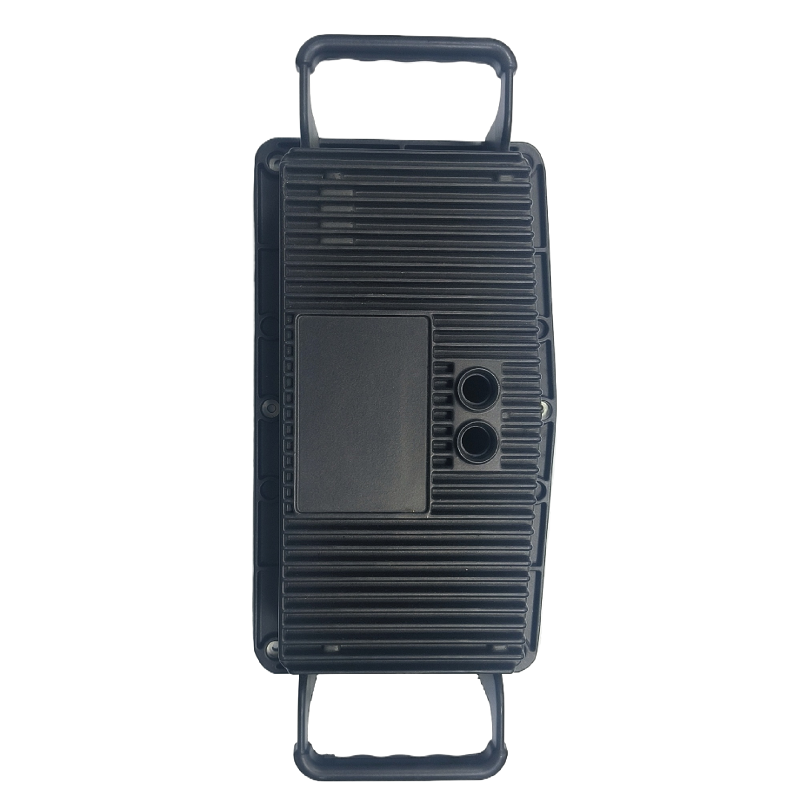
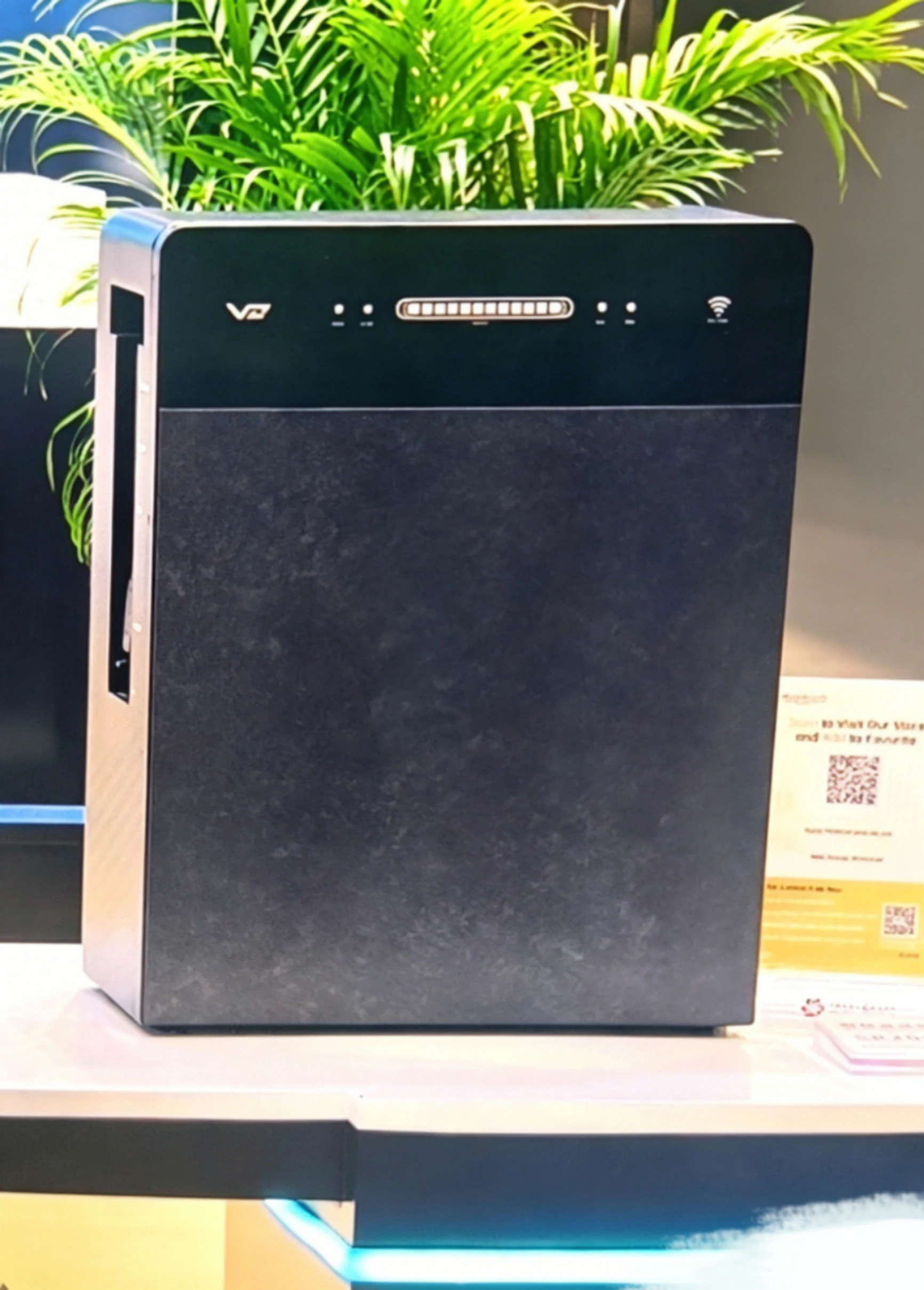
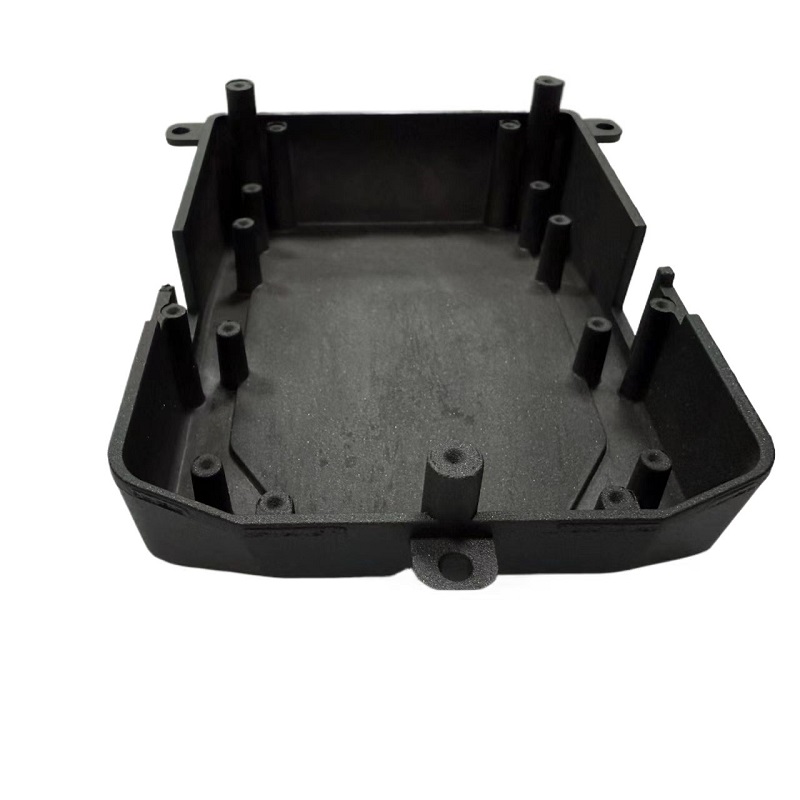
Below is a generic image of custom die casting parts

Product Overview: XingHang XH-62 Custom Aluminum Die-Casting Motor Enclosures
Product Introduction
Explore custom aluminum die-casting for motor enclosures with XingHang XH-62! These custom die casting parts are precision-built, durable, and tailored to meet unique motor protection needs—designed to safeguard motor components, ensure stable operation, and adapt to diverse industrial environments.
Key Product Information
- Brand Name: XingHang
- Model Number: XH-62
- Certification: ISO9001, TS16949, RoHS, ISO14001 (compliant with global quality and environmental standards)
- Application: Industrial Applications (motor enclosures, industrial machinery components, precision equipment housings)
- Core Material: ADC12 Aluminum Alloy (optimal for custom die casting)
Product Features
- Full customization of size, structure, and surface treatment to match unique motor protection needs
- Precision die-cast forming with tight dimensional tolerances for perfect assembly
- ADC12 aluminum material for excellent durability, corrosion resistance, and thermal conductivity
- Compliant with international certifications, suitable for global industrial procurement
- Tailored to withstand harsh industrial working conditions (extreme temperatures, vibration, dust)
Key Parameters of Custom Die Casting Parts (ADC12 Aluminum Material)
The following are the general technical parameters of custom die casting parts, with ADC12 aluminum as the core material—all parameters can be customized according to your specific requirements for motor enclosures and industrial applications:
| Parameter Category | Specific Parameters (ADC12) | Remarks (Customizable) |
| Material Composition | Aluminum (Al) ≥ 85%, Silicon (Si) 9.6-12.0%, Copper (Cu) 1.5-3.5% | Adjustable based on performance requirements |
| Mechanical Properties | Tensile strength ≥ 200MPa, Yield strength ≥ 110MPa, Elongation ≥ 3% | Improvable via T6 heat treatment |
| Dimensional Tolerance | CT6-CT8, ±0.05-0.10mm | High-precision options (CT5) available for critical components |
| Surface Roughness | Ra ≤ 1.6-6.3μm | Smoother finish optional for high-end applications |
| Casting Method | Custom die casting (high-pressure/low-pressure optional) | Selected based on part complexity and batch size |
| Working Temperature Range | -40℃ to 120℃ | Customizable for extreme environment needs |
| Surface Treatment | Anodizing, spraying, electroplating, powder coating | Tailored to corrosion resistance and aesthetic needs |
The Significance & Functions of Custom Die Casting Parts
Why Custom Die Casting Parts Are Essential
In industrial applications, standard die casting parts often fail to meet the unique requirements of specialized equipment (e.g., motor enclosures with specific dimensions, mounting points, or heat dissipation needs). Custom die casting parts bridge this gap by aligning perfectly with the equipment’s design, ensuring optimal performance, and solving compatibility issues that generic parts cannot address. They are not just components—they are tailored solutions that enhance equipment reliability and efficiency.
Core Functions of Custom Die Casting Parts
- Precision Fit & Compatibility: Custom-designed to match the exact dimensions and structure of your equipment, eliminating gaps, misalignment, and assembly issues common with standard parts. This is critical for motor enclosures, where a perfect fit ensures effective protection.
- Targeted Protection: Tailored to withstand the specific environmental conditions of your application (e.g., high temperature, moisture, vibration), protecting internal components (like motor parts) from damage and extending equipment lifespan.
- Optimized Performance: Engineered to enhance equipment efficiency—for example, custom motor enclosures with integrated cooling fins (cast in one piece) improve heat dissipation, preventing overheating and ensuring stable motor operation.
- Design Flexibility: Accommodate complex geometries (e.g., unique mounting holes, internal grooves) that standard parts cannot achieve, supporting innovative equipment design and differentiation in the market.
Unmatched Benefits of Custom Die Casting Parts
1. Perfect Alignment with Unique Requirements
The biggest advantage of custom die casting parts is their ability to be tailored to your exact specifications—whether it’s size, shape, surface treatment, or performance. This eliminates the need for modifications to equipment or parts, saving time and reducing assembly errors. For motor enclosures, this means a snug fit that maximizes protection and performance.
2. Superior Durability & Reliability (Thanks to ADC12 Aluminum)
Using ADC12 aluminum alloy for custom die casting parts ensures exceptional durability, corrosion resistance, and mechanical strength. ADC12’s high fluidity allows for precise casting of complex shapes, while its natural oxide layer (and optional surface treatments) makes custom parts suitable for harsh industrial environments—ensuring long service life and minimal maintenance.
3. Cost Savings in the Long Run
While custom die casting parts may have a higher initial mold cost, they eliminate the need for post-processing, modifications, and replacement of ill-fitting standard parts. Additionally, their durability reduces maintenance and replacement costs over time. For bulk orders, suppliers like XingHang offer significant discounts, further lowering overall costs.
4. Enhanced Efficiency & Product Differentiation
Custom die casting parts optimize equipment performance (e.g., better heat dissipation, smoother operation) and allow for unique design features that set your products apart from competitors. This is especially valuable in industries like industrial machinery, where equipment performance and design are key to market success.
5. Scalability & Consistency
Custom die casting processes are scalable—whether you need small batches or mass production, the mold ensures consistent quality and dimensional accuracy across all parts. This is crucial for industrial applications that require uniform components for assembly line production.
Expert Insights on Custom Die Casting
We invited Dr. Michael Chen, a senior die casting engineer with 20+ years of experience in custom die casting technology and a consultant for global industrial manufacturers, to share his insights on custom die casting parts, ADC12 material, and their industrial value:
“Custom die casting parts have revolutionized industrial manufacturing by enabling businesses to create equipment that is tailored to their unique needs—something standard parts simply cannot achieve. The choice of material is critical here, and ADC12 aluminum alloy is the backbone of high-quality custom die casting parts. Its excellent castability allows for complex shapes and tight tolerances, while its mechanical properties ensure durability and reliability in harsh industrial environments.
The key to successful custom die casting is collaboration between the customer and the supplier—clear communication of design requirements, performance needs, and application conditions ensures that the final product meets or exceeds expectations. As industries continue to pursue innovation and efficiency, custom die casting parts will become even more essential, as they enable the development of more advanced, efficient, and reliable equipment.
For businesses looking to order custom die-cast components, choosing a supplier with expertise in ADC12 aluminum and custom design is non-negotiable—this ensures that the parts are not just tailored, but also of the highest quality and cost-effective.”
Step-by-Step Guide: How to Order Custom Die-Cast Components
Step 1: Clarify Your Requirements
Start by defining your custom die casting parts’ specifications: size, shape, material (preferably ADC12 aluminum for industrial applications), surface treatment, performance requirements (e.g., heat dissipation, corrosion resistance), batch size, and application (e.g., motor enclosures). Prepare design drawings (2D/3D) if available—this helps the supplier understand your needs accurately.
Step 2: Choose a Reliable Custom Die Casting Supplier
Select a supplier with experience in custom die casting, ADC12 aluminum processing, and your industry (e.g., industrial motor enclosures). Ensure the supplier has relevant certifications (ISO9001, TS16949, RoHS, ISO14001) and customization capabilities.
Step 3: Submit Your Requirements & Get a Quote
Share your design drawings, specifications, and batch size with the supplier. A professional supplier (like XingHang) will provide a detailed quote, including mold cost, production cost, lead time, and bulk discount options.
Step 4: Confirm Design & Mold Development
The supplier will review your design, suggest optimizations (e.g., improving castability), and develop a custom mold. Confirm the mold design and sample before mass production to ensure it meets your requirements.
Step 5: Mass Production & Quality Inspection
Once the mold is approved, the supplier will start mass production. Reputable suppliers conduct strict quality inspections (spectral analysis, dimensional testing) to ensure consistency and compliance with your specifications.
Step 6: Delivery & After-Sales Support
The supplier will deliver the custom die casting parts on time. Choose a supplier with reliable after-sales service (e.g., technical support, quality feedback) to address any issues that may arise.
Frequently Asked Questions (FAQs) About Custom Die Casting Parts
Q1: What is the difference between custom die casting parts and standard die casting parts?
A1: Standard die casting parts are mass-produced with fixed specifications, suitable for general applications. Custom die casting parts are designed and produced to meet unique requirements (size, shape, performance) of specific equipment, ensuring perfect fit and optimized performance. ADC12 aluminum is commonly used for custom parts due to its versatility.
Q2: Why is ADC12 aluminum the best choice for custom die casting parts?
A2: ADC12 aluminum alloy has excellent fluidity (easy to cast complex shapes), good machinability, moderate strength, and cost-effectiveness. It is ideal for custom die casting parts like motor enclosures, as it can be tailored to meet diverse performance and design needs while maintaining durability.
Q3: How long does it take to produce custom die casting parts?
A3: Lead time depends on part complexity, batch size, and mold development. Mold development takes 2–4 weeks; small-batch production (100–500 pieces) takes 1–2 weeks; mass production (1000+ pieces) takes 3–5 weeks. XingHang ensures on-time delivery without compromising quality.
Q4: Can custom die casting parts be used for outdoor industrial applications?
A4: Yes. Custom die casting parts made of ADC12 aluminum, with optional surface treatments (anodizing, spraying), have strong corrosion resistance and can withstand extreme temperatures (-40℃ to 120℃), rain, dust, and vibration—making them suitable for outdoor industrial applications.
Q5: Is custom die casting cost-effective for small-batch orders?
A5: While mold costs are higher for small batches, custom die casting eliminates the need for modifications and replacement of ill-fitting standard parts, saving time and costs in the long run. XingHang offers flexible pricing for small batches, and bulk orders come with additional discounts.
Q6: How can I ensure the quality of custom die casting parts?
A6: Choose a supplier with relevant certifications (ISO9001, TS16949) and full-process testing capabilities. Request samples before mass production to verify dimensional accuracy and performance. XingHang conducts strict quality inspections at every production stage to ensure consistency.
Conclusion: Industry Trends & How to Choose a Qualified Hardware Supplier
Industry Trends of Custom Die Casting Parts
Driven by industrial upgrading, innovation, and the demand for tailored solutions, the custom die casting industry is experiencing three key trends:
- High Precision & Complexity: With the development of high-end industrial equipment, custom die casting parts are moving toward higher precision (CT5-CT6 level) and more complex geometries, enabled by advanced casting technologies and intelligent mold design.
- Green & Sustainable Production: Stricter environmental policies are promoting the use of recyclable materials (like ADC12 aluminum, which is 100% recyclable) and low-pollution casting processes. Custom die casting suppliers are adopting eco-friendly practices to meet global green manufacturing standards.
- Intelligent & Automated Customization: The integration of digital design, automated casting lines, and AI-driven quality control is making custom die casting more efficient, consistent, and cost-effective—reducing lead times and improving product quality.
Industry reports predict that the global custom die casting market will grow at a CAGR of 8.2% from 2024 to 2030, driven by increasing demand for tailored components in industrial, automotive, and telecom sectors.
How to Choose a Qualified Hardware Processing Supplier
Choosing the right supplier is critical for the quality, cost, and timely delivery of custom die casting parts. Here are 5 key criteria to consider:
- Certifications: Ensure the supplier has ISO9001 (quality management), TS16949 (automotive industry), RoHS (environmental protection), and ISO14001 (environmental management) certifications to guarantee product quality and compliance.
- Technical Expertise: Prioritize suppliers with experience in ADC12 aluminum die casting and custom design, especially in your industry (e.g., industrial motor enclosures). Check if they have independent mold design, advanced casting equipment, and quality testing capabilities.
- Customization Capability: The supplier should be able to handle complex design requirements, offer flexible surface treatments, and adjust parameters to meet your specific needs.
- Pricing & Bulk Discounts: Choose a supplier with reasonable pricing and bulk discount policies—the more you purchase, the more discounts you get—to reduce production costs.
- After-Sales Service: Look for a supplier with 24-hour technical support, timely delivery, and a reliable after-sales guarantee (e.g., quality feedback, mold maintenance) to solve any issues during production.
Xinghang Precision Hardware: Your Trusted Partner with Bulk Discounts
If you are looking for a high-quality, cost-effective supplier forcustom die casting parts, Xinghang Precision Hardware is your ideal choice. With 10+ years of experience in custom die casting, we specialize in ADC12 aluminum custom parts (including XH-62 motor enclosures), strictly complying with ISO9001, TS16949, RoHS, and ISO14001 certifications, and serving customers worldwide.
Our Advantages
- Professional Customization Team: 20+ senior engineers with rich experience in custom die casting design and ADC12 aluminum processing, able to provide tailored solutions for your unique needs.
- Advanced Production Equipment: Automated die casting lines, precision mold processing equipment, and full-process testing tools to ensure the precision, consistency, and quality of custom parts.
- Attractive Bulk Discounts:The more you purchase in bulk, the more discounts you get—we offer flexible and preferential pricing for large-batch orders, helping you reduce production costs significantly.
- Full-Service Support: From design optimization and mold development to mass production and delivery, we provide one-stop service. Our 24-hour after-sales team ensures all your needs are addressed promptly.
- Proven Track Record: We have successfully delivered custom die casting parts to hundreds of industrial customers, earning trust for our quality, reliability, and cost-effectiveness.
Contact Us
For more information about custom die casting parts, XingHang XH-62 motor enclosures, to get a customized quote, or to learn more about our bulk discount policy, please contact us:
- Mobile/WeChat: +86 18819502691
- Email: liqine@xinghangcn.com
Xinghang Precision Hardware is committed to providing you with high-quality custom die casting parts, professional customization services, and favorable bulk discounts—helping you achieve success in your industrial projects and build a win-win partnership!
Die cast aluminum | Can you make parts with die cast aluminum? A Complete Guide to Die Cast Aluminum Parts
Aluminum castings | What is an aluminum cast housing? A Complete Guide to Aluminum Castings
Related Article


