
HOT PRODUCTS
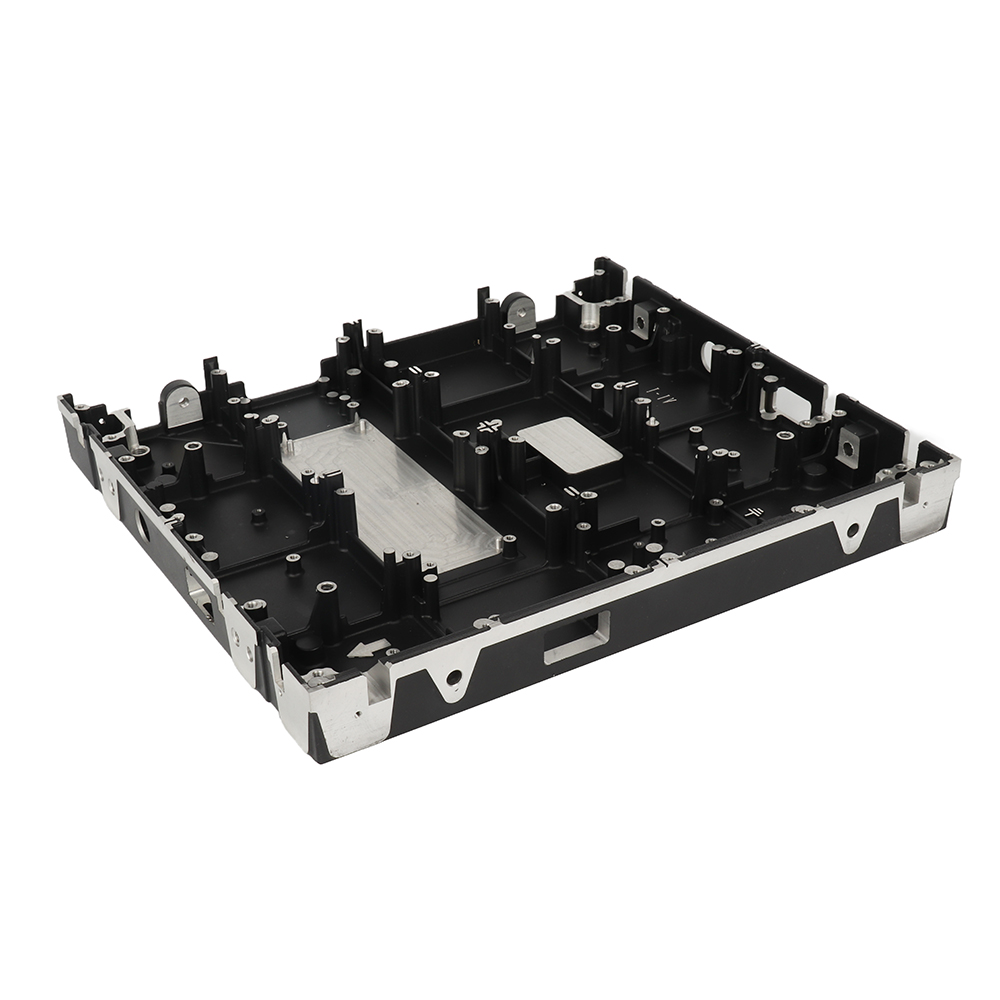
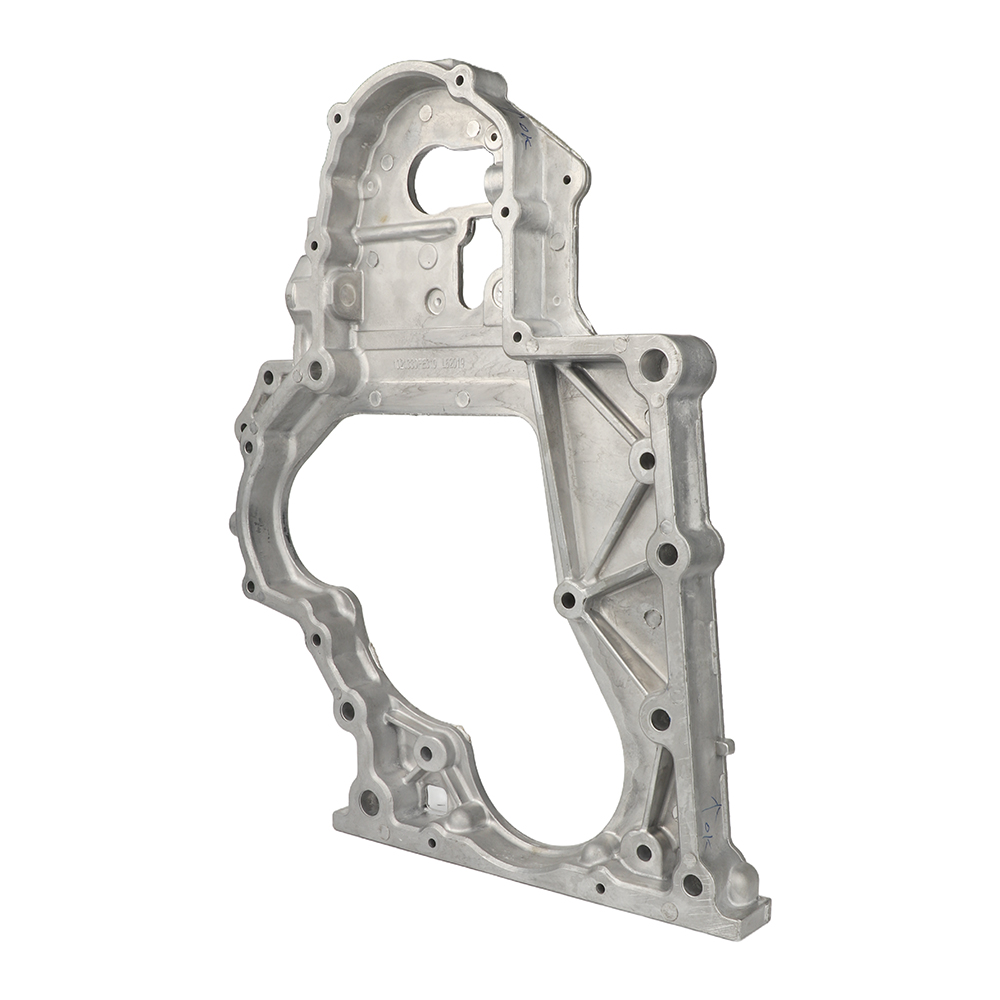
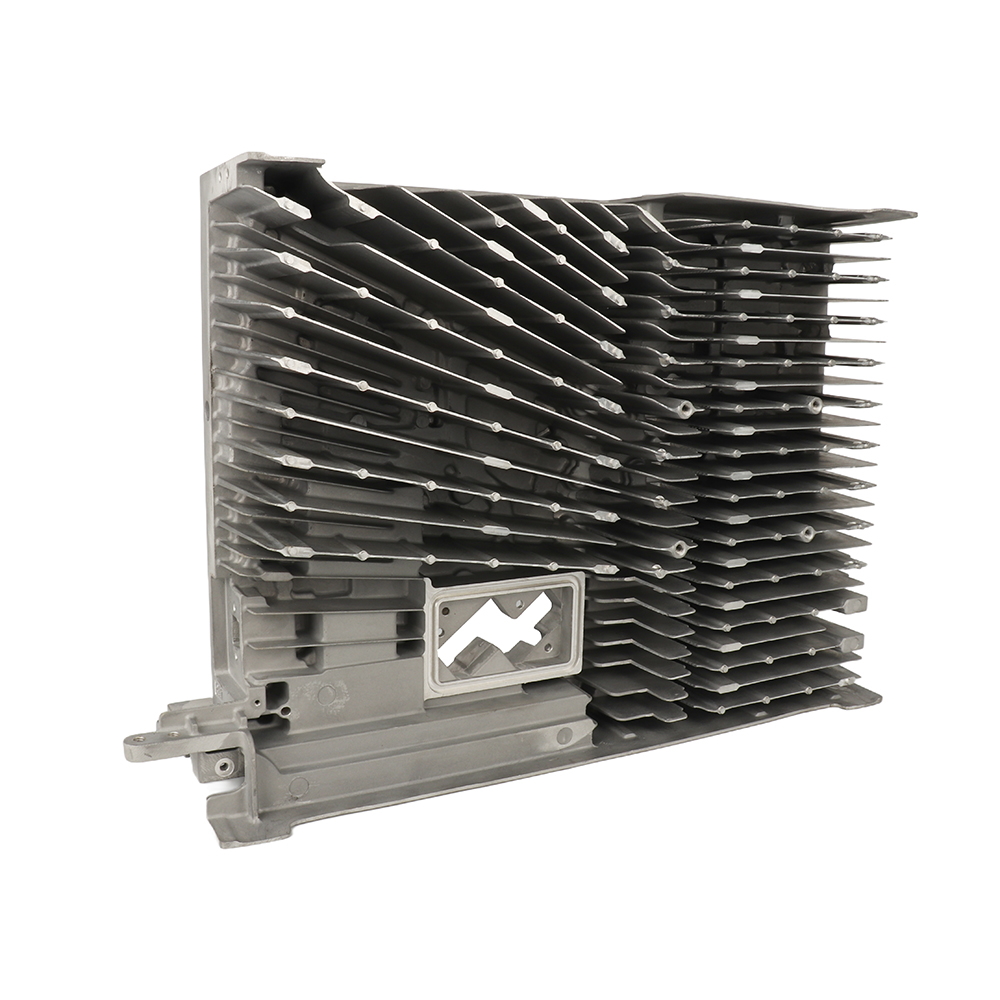
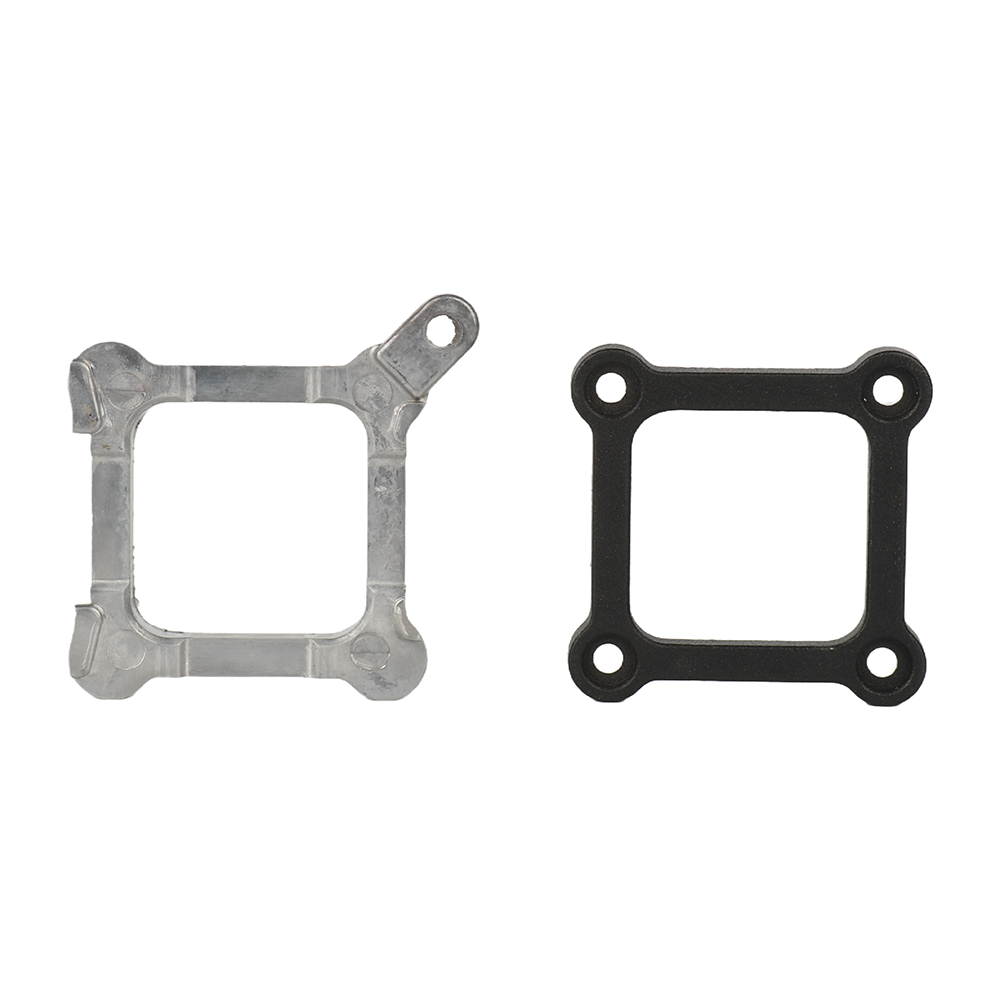
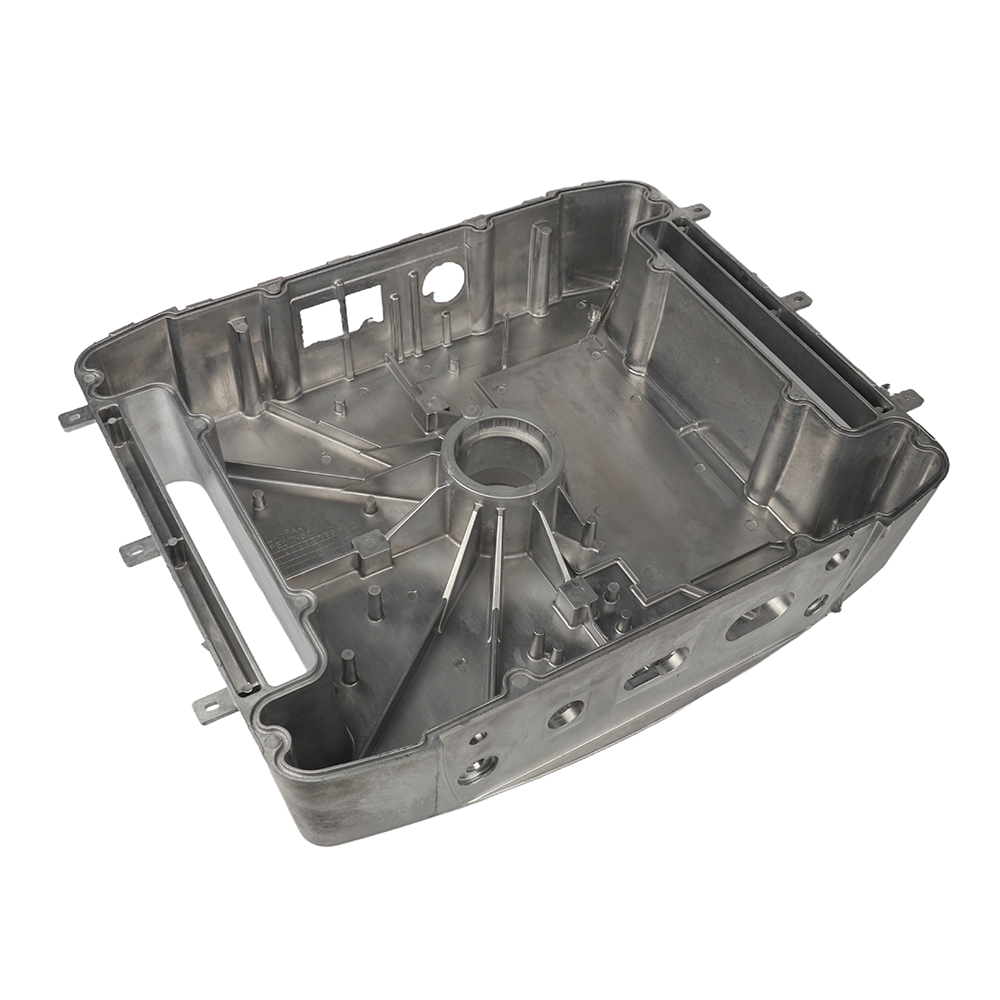
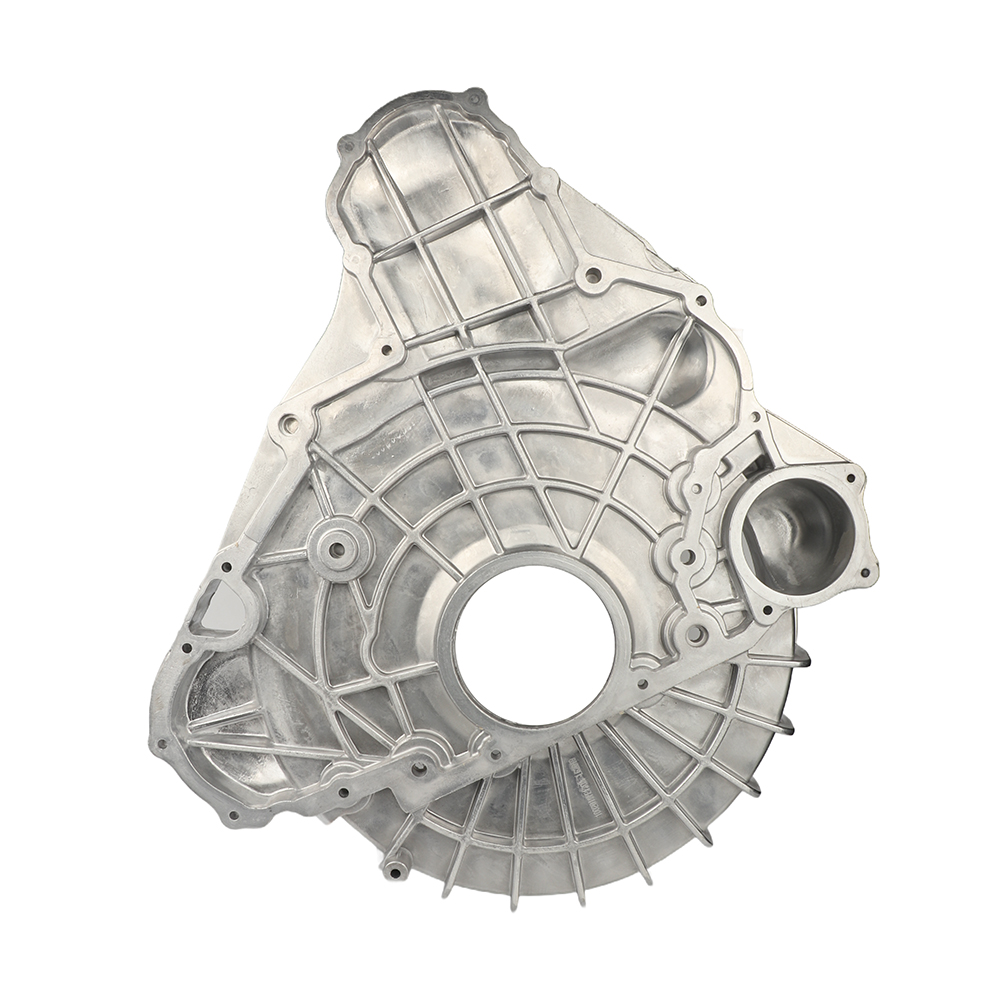
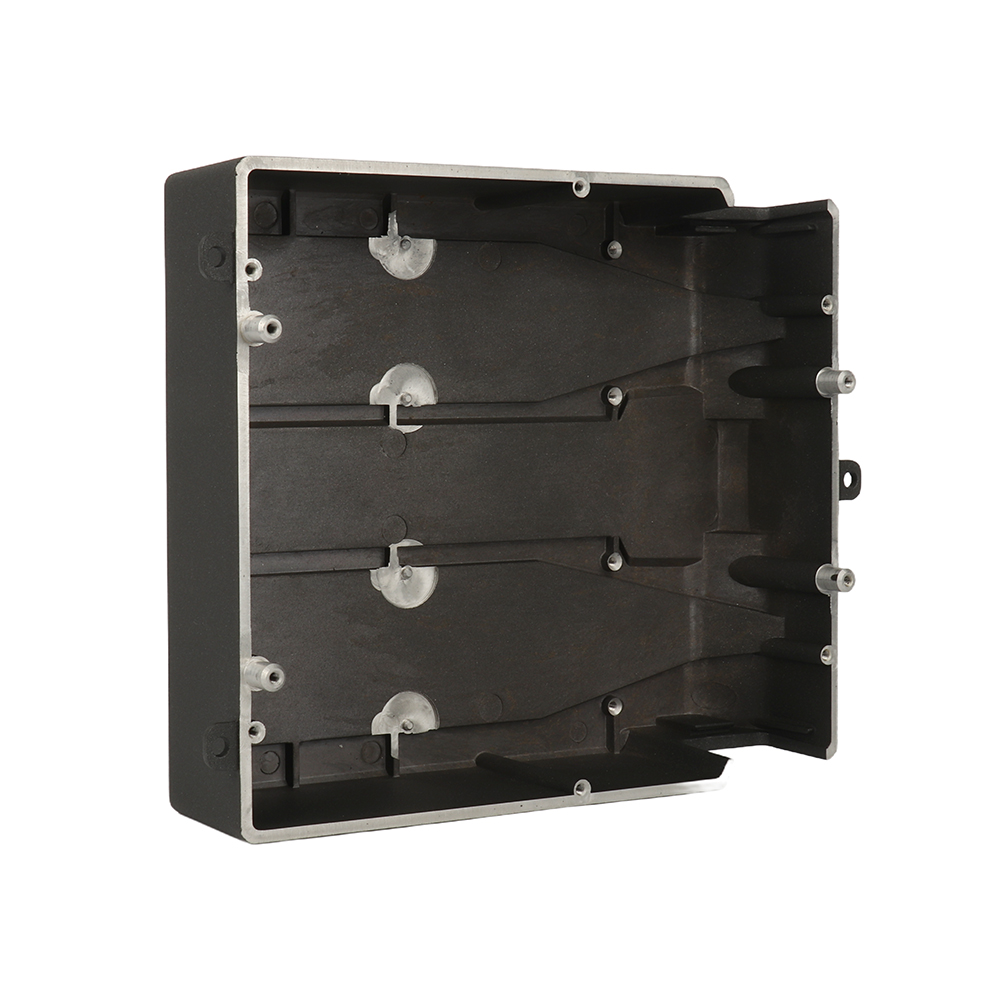
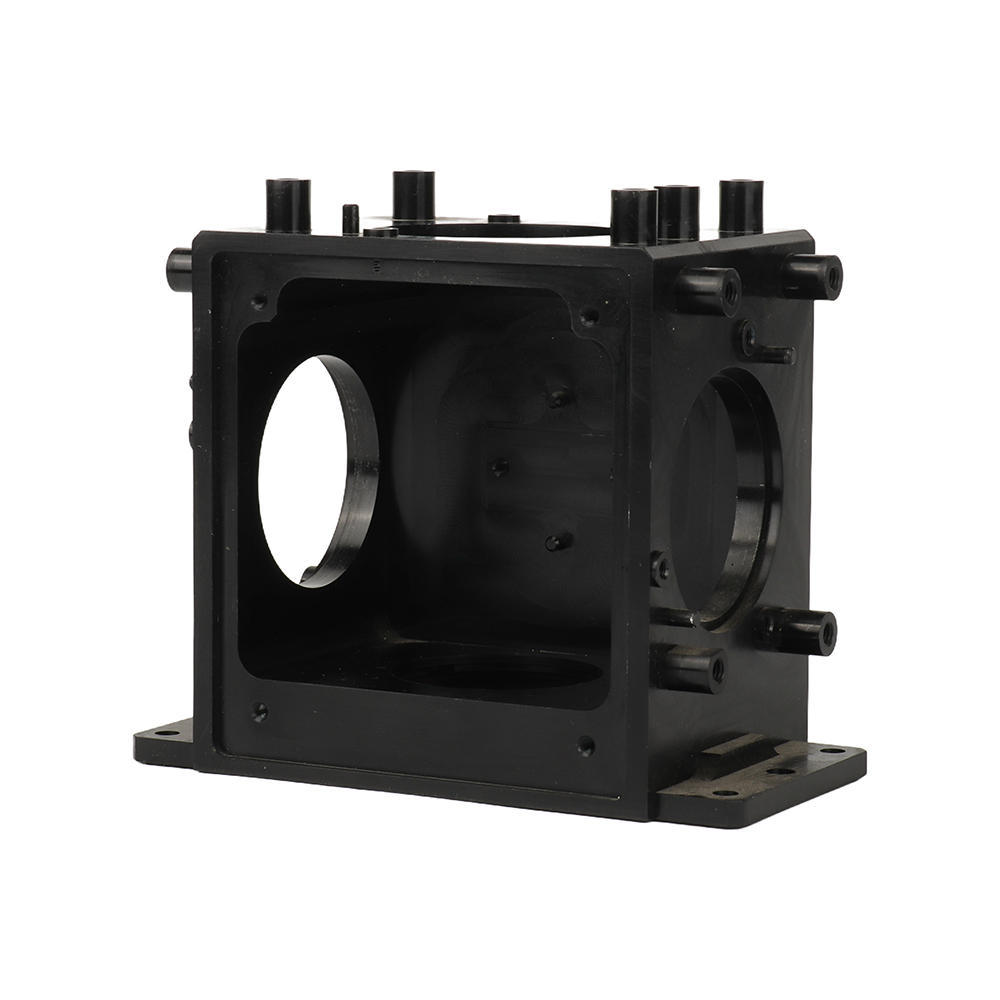
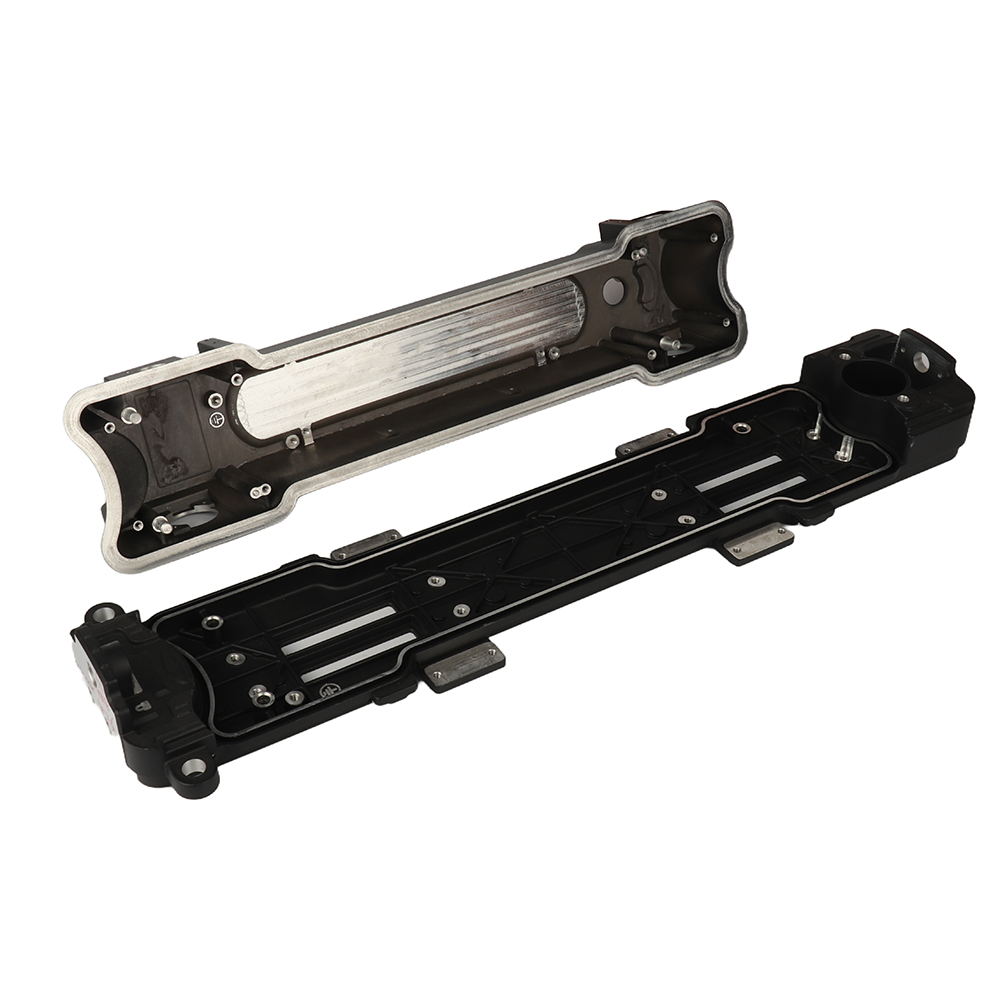
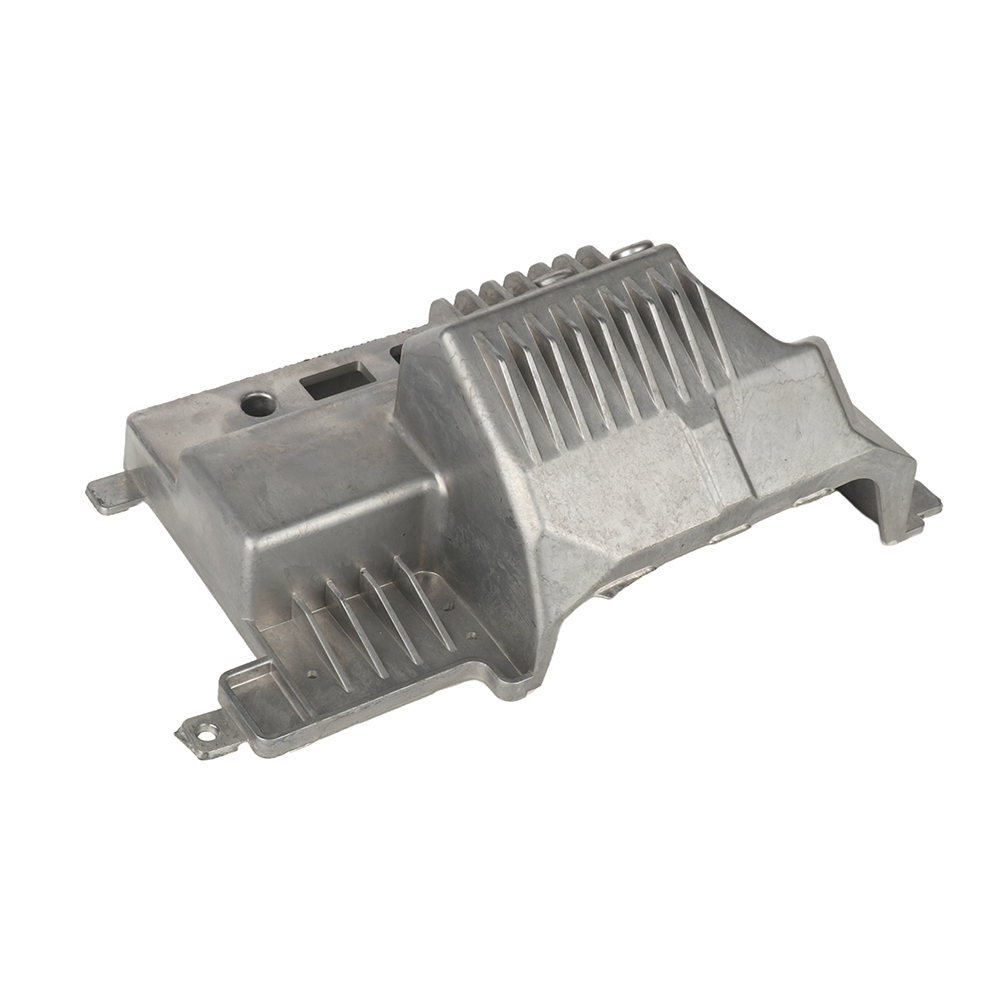
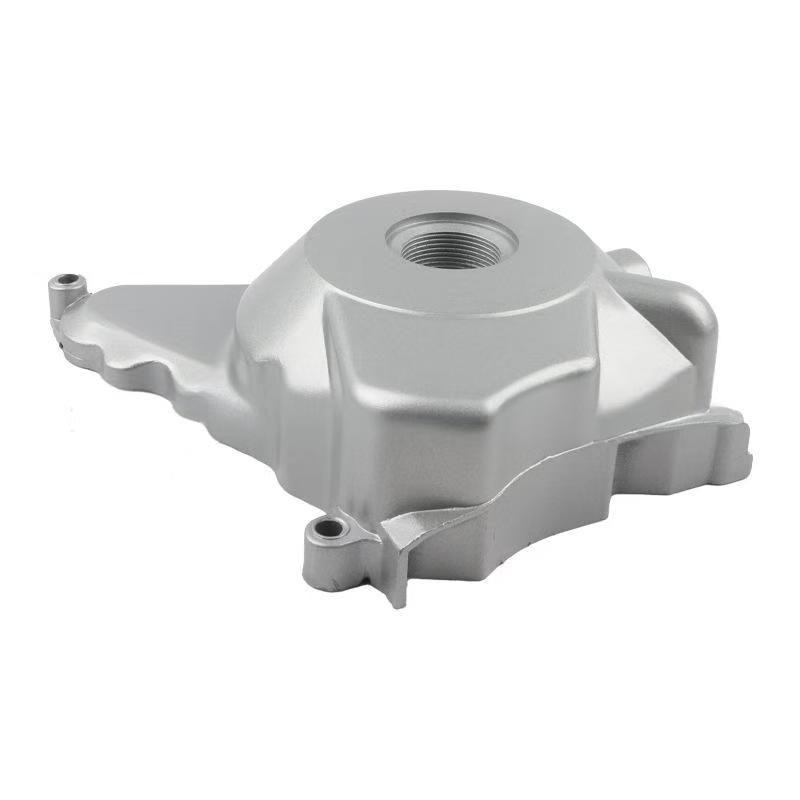
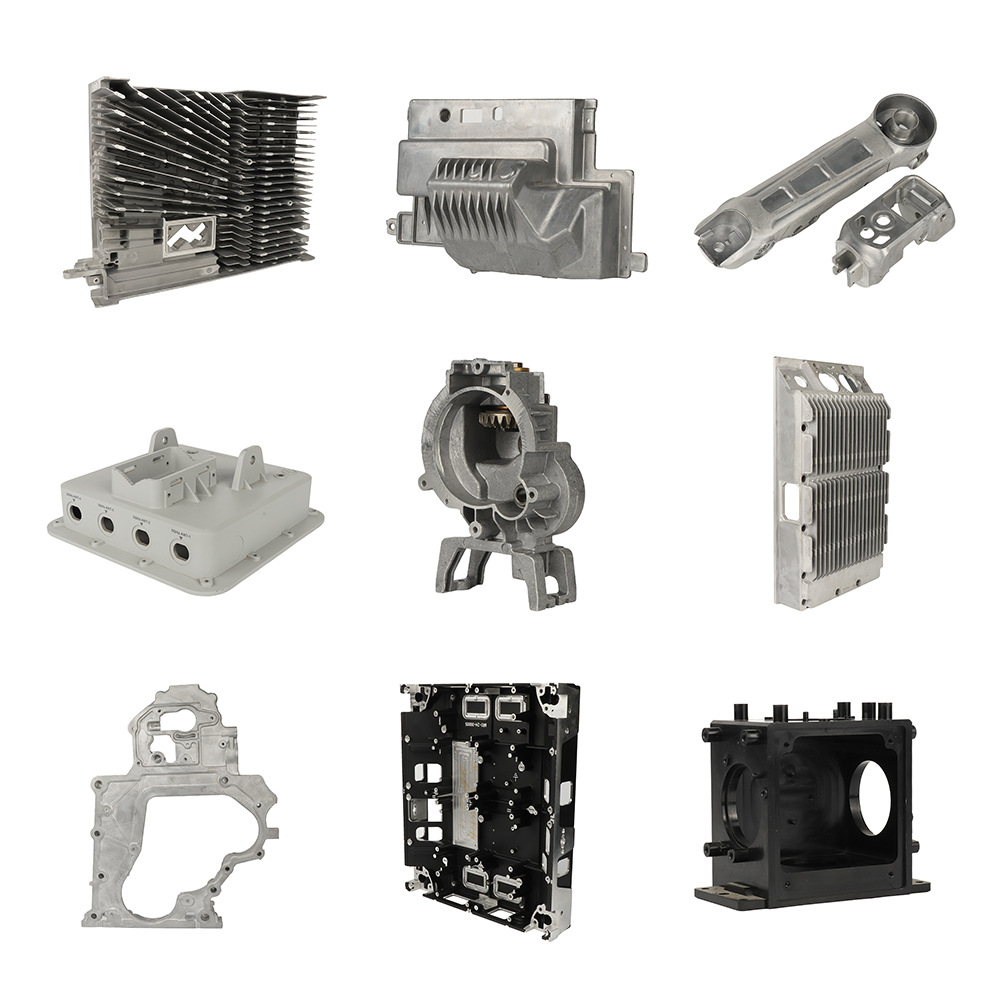
Indoor telecom cabinet | What is the function of an indoor telecom cabinet? A Complete Guide
2026-05-10
What is the Function of an Indoor Telecom Cabinet? A Complete Guide
Table of Contents
- Introduction to Indoor Telecom Cabinet
- Core Functions of Indoor Telecom Cabinet
- Indoor vs Outdoor Telecom Cabinet: Pros & Cons Comparison
- Professional Expert Opinion on Indoor Telecom Cabinets
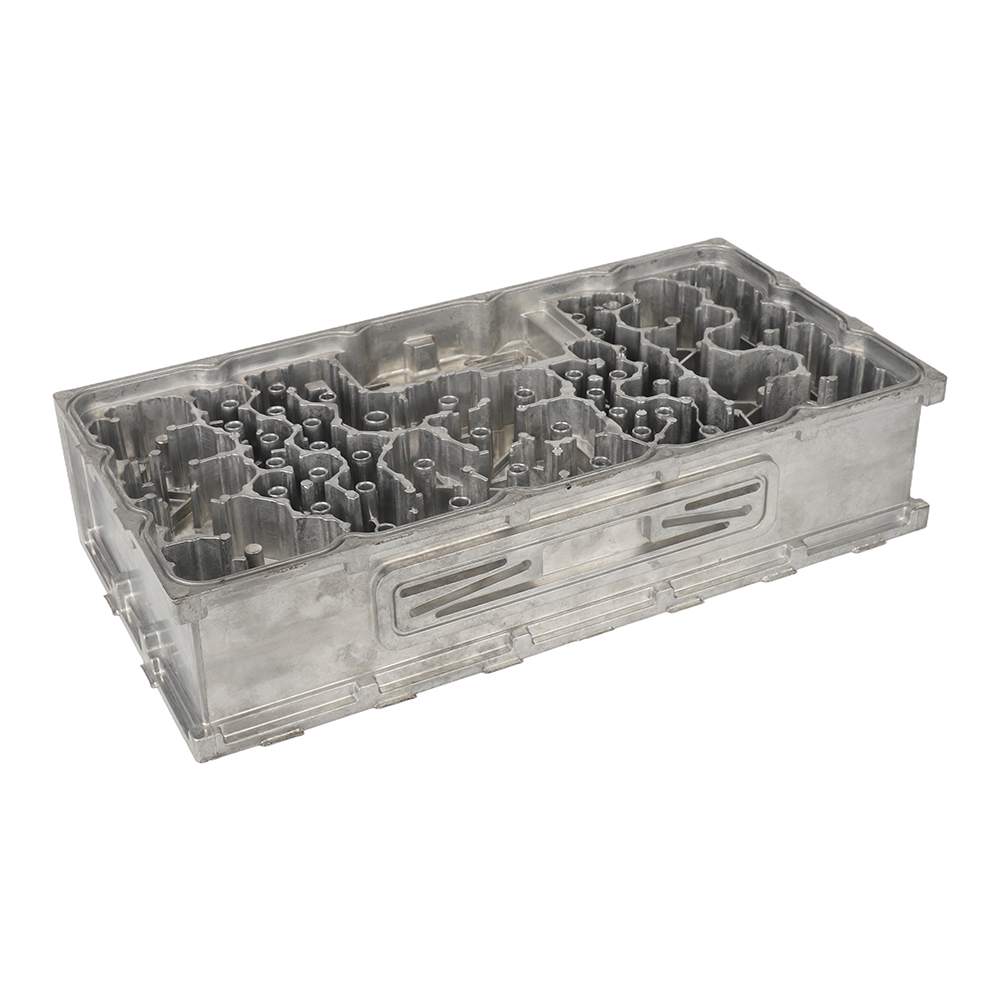
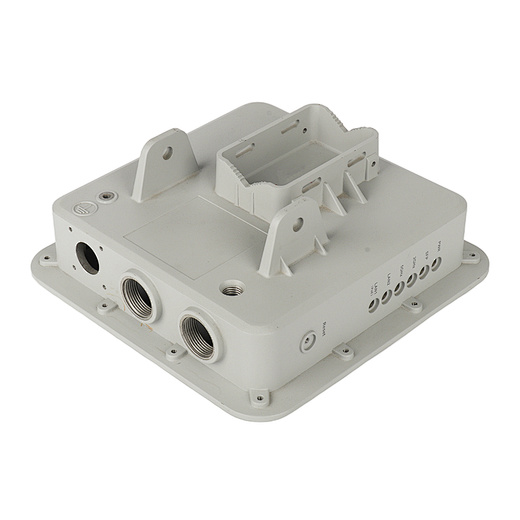
- Product Showcase: XingHang XH-77 Aluminum Indoor Telecom Cabinet
- Common FAQs About Indoor Telecom Cabinets
- 2026 Industry Trends & How to Choose a High-Quality Hardware Supplier
- Conclusion
1. Introduction to Indoor Telecom Cabinet
1.1 Basic Definition
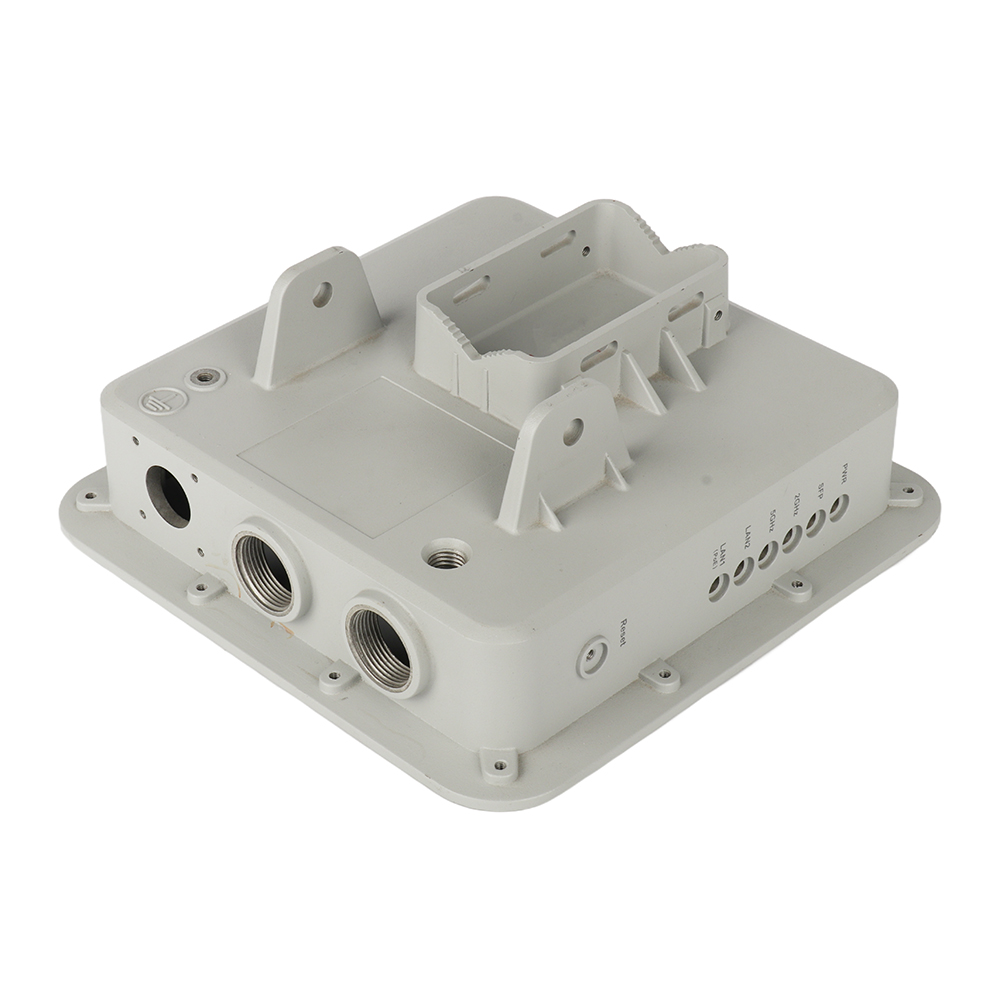
An indoor telecom cabinet is a closed metal enclosure specially designed to store, protect, and manage telecommunication and electronic equipment. Unlike outdoor cabinets built for harsh natural environments, indoor telecom cabinets are deployed in controlled indoor spaces such as data centers, industrial workshops, communication equipment rooms, and office building machine rooms. It is an indispensable core hardware in modern industrial communication systems.
1.2 Main Application Scenarios
With the rapid iteration of 5G communication, industrial Internet, and intelligent electronic equipment, indoor telecom cabinets have been widely used in general industrial applications. Common deployment scenarios include industrial automation workshops, indoor communication base stations, enterprise data rooms, power distribution control rooms, and network wiring centers.
1.3 Main Cabinet Materials
Most high-end indoor telecom cabinets adopt high-quality aluminum alloy and cold-rolled steel as raw materials. Aluminum alloy cabinets feature lightweight, high hardness, strong corrosion resistance, and excellent heat dissipation performance, which are favored by industrial communication equipment manufacturers. Ordinary steel cabinets are cost-effective and suitable for conventional low-load indoor usage scenarios.
2. Core Functions of Indoor Telecom Cabinet
2.1 Equipment Storage & Space Optimization
The primary function of an indoor telecom cabinet is standardized equipment storage. It adopts 19-inch standard installation size, which is compatible with most communication equipment such as switches, routers, power distribution modules, and signal transmission devices. The layered internal structure effectively utilizes vertical space, avoiding messy equipment stacking and greatly improving the space utilization rate of indoor machine rooms.
2.2 Physical Protection & Safety Isolation
Indoor telecom cabinets provide reliable physical protection for internal electronic components. The sealed metal structure can effectively block dust, moisture, and accidental collision damage. Most qualified indoor cabinets reach IP53 protection level, which meets the dustproof and waterproof requirements of indoor industrial environments. Meanwhile, the locked cabinet door prevents unauthorized personnel from touching the equipment to avoid artificial failure.
2.3 Heat Dissipation & Constant Temperature Control
Communication equipment will generate continuous heat during long-term operation. Indoor telecom cabinets are equipped with multi-directional heat dissipation holes, cooling fans, and optional air conditioning modules. The scientific ventilation structure forms an internal air circulation system to reduce equipment operating temperature, prevent component aging caused by overheating, and extend the service life of communication equipment.
2.4 Cable Management & Neat Wiring
Equipped with professional cable ties, wiring holes, and wiring slots, the cabinet realizes classified management of power lines and signal lines. It avoids signal interference caused by cable entanglement, simplifies daily line inspection and maintenance work, and improves the overall tidiness and standardization of the machine room.
2.5 Anti-interference & Stable Signal Transmission
The integrated metal shell has excellent electromagnetic shielding performance, which can isolate external electromagnetic wave interference. It ensures stable signal transmission of internal communication equipment, reduces data packet loss and signal delay, and guarantees the continuous and efficient operation of industrial communication systems.
3. Indoor vs Outdoor Telecom Cabinet: Pros & Cons Comparison
3.1 Detailed Parameter Comparison Table
| Comparison Items | Indoor Telecom Cabinet | Outdoor Telecom Cabinet |
|---|---|---|
| Application Environment | Indoor constant temperature space (data room, workshop) | Harsh outdoor environment (roadside, mountain top) |
| Protection Level | IP53 (dustproof, mild moisture-proof) | IP55 (rainproof, windproof, anti-corrosion) |
| Production Material | High-quality aluminum alloy, cold-rolled steel | Thickened weather-resistant steel plate |
| Cost Budget | Cost-effective, low comprehensive cost | High manufacturing and maintenance cost |
| Installation Difficulty | Simple assembly, flexible placement | Complicated fixation, strict construction requirements |
| Service Life | 10-15 years (stable indoor environment) | 5-8 years (affected by natural erosion) |
| Customization Degree | Highly customizable (size, structure, logo) | Single fixed structure, limited customization |
3.2 Unique Advantages of Indoor Telecom Cabinets
3.2.1 Lower Operating & Maintenance Costs
Since indoor cabinets are placed in controlled environments without facing extreme weather such as heavy rain, strong wind, and high temperature, they do not require expensive weather-resistant coatings and heavy-duty protection structures. The later maintenance frequency and maintenance cost are far lower than outdoor cabinets, which is very suitable for long-term industrial continuous operation.
3.2.2 Higher Space Utilization & Flexibility
Indoor telecom cabinets have diverse specifications, including vertical, wall-mounted, and integrated types. They can be flexibly arranged according to the indoor machine room space. The lightweight aluminum alloy cabinet is convenient for handling and position adjustment, meeting the layout optimization needs of different industrial scenarios.
3.2.3 Better Equipment Operation Stability
Combined with the constant temperature and dust-free indoor environment, matched with the cabinet's own heat dissipation and shielding design, the internal communication equipment can maintain a constant low-loss operating state. The signal stability is significantly better than outdoor equipment, which is critical for precision industrial communication and data transmission.
3.3 Minor Disadvantages & Optimization Solutions
The only limitation of indoor telecom cabinets is the dependence on indoor space, which cannot be deployed in open outdoor scenarios. For enterprises with mixed indoor and outdoor equipment deployment, it is recommended to adopt a combination layout of indoor main cabinet + outdoor auxiliary cabinet to give full play to the advantages of both types of cabinets.
4. Professional Expert Opinion on Indoor Telecom Cabinets
We interviewed Mark Wilson, a senior hardware structure engineer with 12 years of experience in the communication hardware industry, who has long been engaged in the structural design and performance optimization of communication cabinets. He shared professional industry insights as follows:
"In the context of 5G popularization and industrial Internet upgrading, indoor telecom cabinets have become the core carrier of enterprise communication infrastructure. Many buyers only pay attention to the price when purchasing cabinets, ignoring material quality and processing precision. Aluminum alloy indoor cabinets will gradually replace ordinary steel cabinets in high-end industrial scenarios due to their lightweight, corrosion resistance and excellent heat dissipation. In addition, manufacturers with complete international certification can effectively guarantee product consistency and delivery cycle. For industrial users, choosing OEM customizable products is the best way to match personalized machine room construction needs."
The expert emphasized that in 2026, the indoor communication hardware industry will focus on lightweight, customized and environmentally friendly production. Enterprises should prioritize suppliers with ISO international certification and mature die-casting technology to avoid equipment operation risks caused by inferior cabinets.
5. Product Showcase: XingHang XH-77 Aluminum Indoor Telecom Cabinet
5.1 Basic Product Information
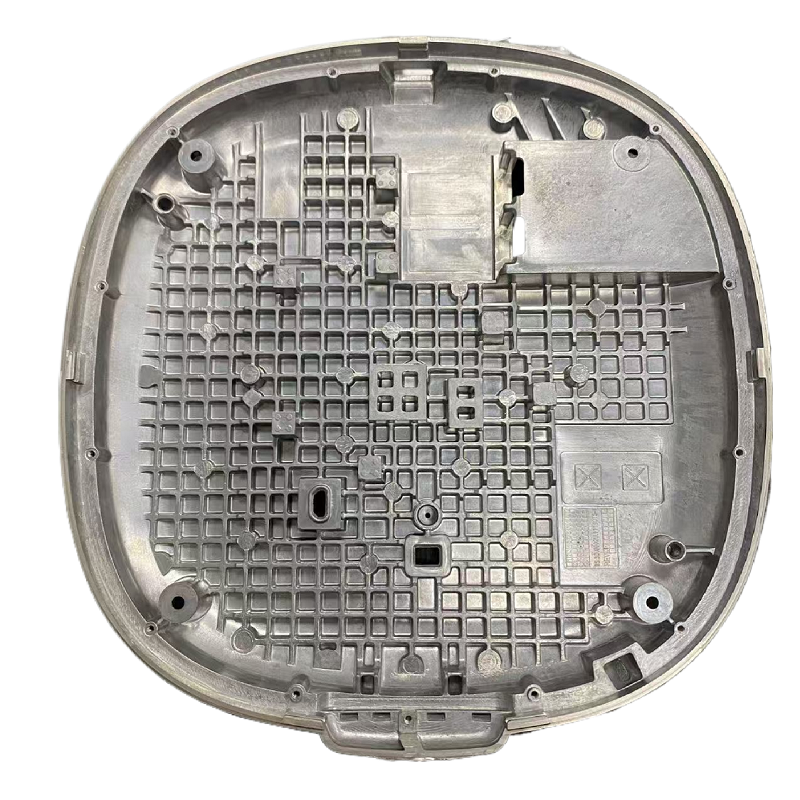
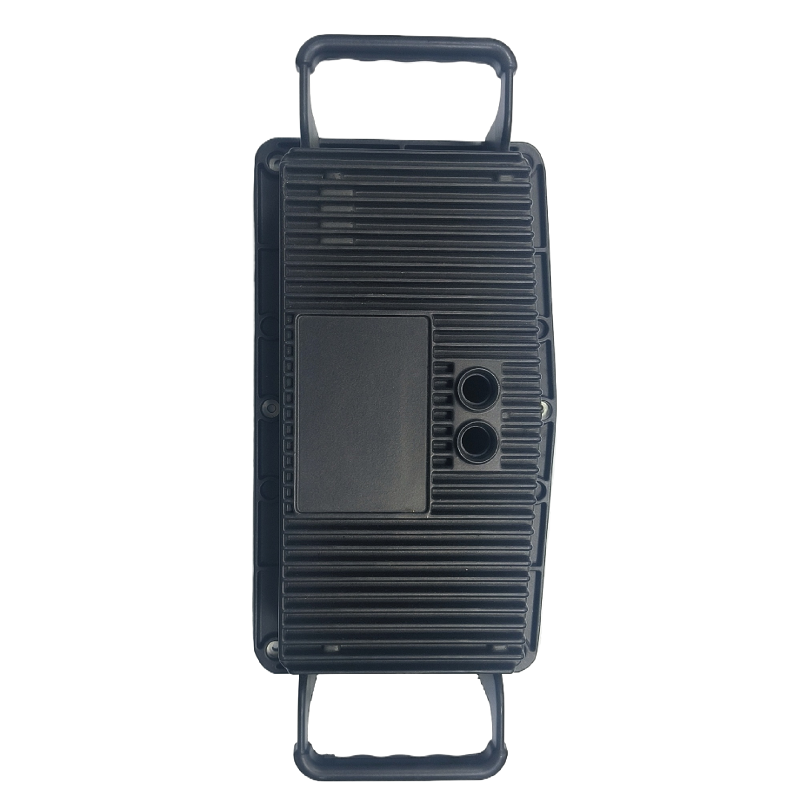
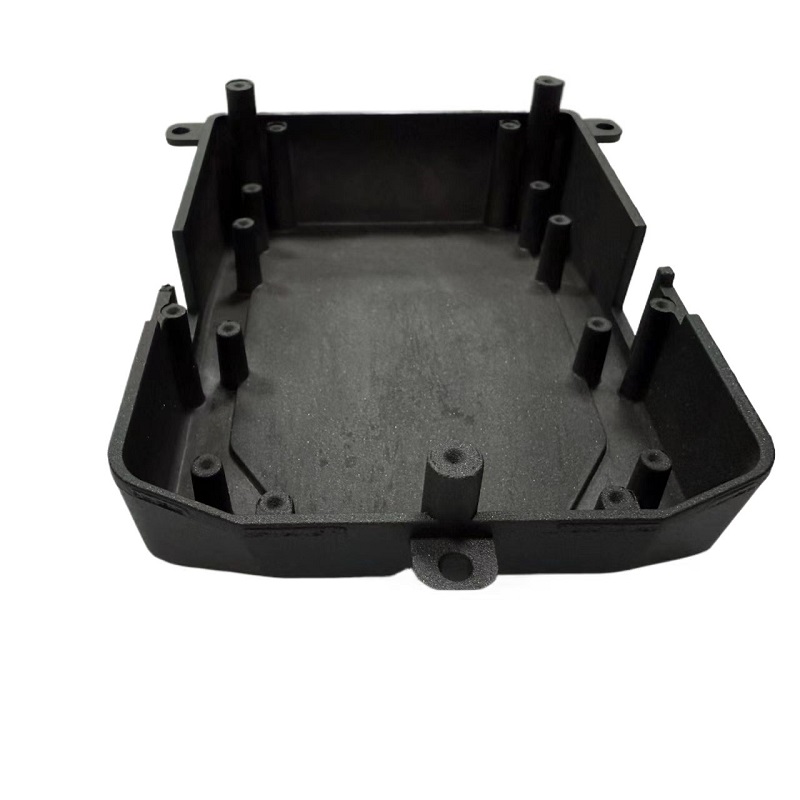
XingHang Precision Hardware is a professional die casting manufacturer located in Guangdong, China, focusing on the R&D and customized production of communication cabinets for more than 10 years. The star product XH-77 Aluminum Indoor Telecom Cabinet is widely recognized by global industrial customers for reliable quality and cost-effective advantages.
5.2 Core Product Parameters
- Brand Name: XingHang
- Model Number: XH-77
- Place of Origin: Guangdong, China
- Production Technology: Professional aluminum alloy die casting process
- Certification: ISO9001/TS16949/RoHS/ISO14001
- Application Scope: General industrial communication scenarios
- Custom Service: OEM customized manufacturing (size, surface treatment, logo printing)
5.3 Product Competitive Advantages
5.3.1 Premium Raw Materials & Strict Certification
XH-77 cabinet adopts high-purity aviation-grade aluminum alloy, with high structural strength and strong compression resistance. It has passed four authoritative international certifications, meeting the environmental protection and quality standards of European and American industrial markets, and can adapt to long-term high-load industrial operation.
5.3.2 Cost-Effective & Customizable
As a direct manufacturer without middlemen markup, XingHang provides one-stop OEM customized services. Customers can adjust the cabinet size, internal partition structure, heat dissipation configuration and appearance according to usage scenarios, which perfectly matches personalized engineering needs.
5.3.3 Reliable Quality & On-Time Delivery
The factory has a standardized production workshop and automated processing equipment, with a daily output of more than 500 cabinets. The complete supply chain system ensures stable product quality and on-time delivery, and the product pass rate is as high as 99.8%.
6. Common FAQs About Indoor Telecom Cabinets
Q1: What is the difference between aluminum alloy and steel indoor telecom cabinets?
Aluminum alloy cabinets are lightweight, corrosion-resistant, and have good heat dissipation, suitable for high-end industrial and long-term continuous use scenarios; steel cabinets are low-cost and high hardness, suitable for ordinary office and low-load network wiring scenarios. It is recommended to choose aluminum alloy cabinets such as XingHang XH-77 for industrial applications.
Q2: Does the indoor telecom cabinet need additional heat dissipation equipment?
Conventional low-power equipment can rely on the original heat dissipation holes of the cabinet for natural heat dissipation. For high-density industrial communication equipment, it is recommended to install matching cooling fans or miniature constant temperature air conditioners to avoid equipment overheating.
Q3: Can I customize the size and logo of the indoor telecom cabinet?
Yes. Professional manufacturers like XingHang support full OEM customization, including non-standard size cutting, surface electrostatic spraying, enterprise logo laser printing, and internal accessory configuration adjustment, to meet personalized engineering construction requirements.
Q4: What certifications should a qualified industrial indoor cabinet have?
Industrial-grade cabinets need to have quality management certification (ISO9001), environmental management certification (ISO14001), and environmental protection material certification (RoHS). The TS16949 certification owned by XingHang proves that the product meets the high-standard manufacturing requirements of the industrial hardware industry.
Q5: What is the general service life of an indoor telecom cabinet?
Under standard indoor constant temperature and dust-free environment, high-quality aluminum alloy cabinets have a service life of 10-15 years. Regular dust cleaning and line inspection can further extend the service life and reduce equipment failure rate.
7. 2026 Industry Trends & How to Choose a High-Quality Hardware Supplier
7.1 2026 Indoor Telecom Cabinet Industry Trends
7.1.1 Lightweight & Environmental Protection Upgrading
Driven by global environmental protection policies, aluminum alloy lightweight materials will gradually replace traditional heavy steel plates. Environmentally friendly spraying and non-toxic auxiliary materials have become the mandatory production standards for communication cabinets, and low-carbon manufacturing has become the industry development consensus.
7.1.2 Intelligent & Integrated Design
New-generation indoor cabinets are equipped with intelligent temperature control, real-time monitoring and remote alarm functions. The integrated structural design realizes the integration of power distribution, wiring and heat dissipation, reducing the occupied space of the machine room and improving the intelligent operation level of industrial communication.
7.1.3 Customized OEM Service Popularization
With the diversification of industrial communication scenarios, standardized universal cabinets can no longer meet personalized needs. OEM customized manufacturing has become the mainstream procurement mode for medium and large industrial enterprises, putting forward higher requirements for the technical strength of manufacturers.
7.2 Key Standards for Selecting High-Quality Hardware Suppliers
7.2.1 Complete Qualification Certification
Give priority to manufacturers with international authoritative certifications such as ISO9001 and RoHS. Complete certifications represent standardized production processes and stable product quality, avoiding unqualified products from affecting equipment operation.
7.2.2 Independent Production Capacity
Choose factories with independent die-casting, stamping and spraying production lines. Integrated production can control product quality from raw materials to finished products, and ensure flexible delivery cycles.
7.2.3 Customization & After-Sales Service
Excellent suppliers provide one-stop OEM customization and perfect after-sales maintenance services, including product installation guidance, accessory replacement and technical consultation.
7.3 Recommended Supplier: XingHang Precision Hardware
Located in Guangdong, China, XingHang Precision Hardware is a professional die casting manufacturer focusing on aluminum indoor telecom cabinets. With more than ten years of production experience, the company has complete production equipment and professional R&D team, always adhering to the service tenet of cost-effective, reliable quality and on-time delivery.
The company provides exclusive OEM customized services for global industrial customers. Whether it is conventional standard cabinets or non-standard customized products, it can meet customer needs efficiently. At present, its products are exported to Southeast Asia, Europe, America and other regions, winning unanimous recognition from overseas customers.
7.4 Contact Information for Cooperation
Mobile/WeChat: +86 18819502691
E-mail: liqine@xinghangcn.com
E-mail: liqine@xinghangcn.com
Welcome global buyers to consult product parameters, customized solutions and factory inspection. We provide free sample testing and exclusive wholesale discount services.
8. Conclusion
As an indispensable core hardware in the modern communication industry, indoor telecom cabinets undertake multiple key functions such as equipment storage, safety protection, heat dissipation and wiring management. Compared with outdoor cabinets, they have obvious advantages in cost, stability, customization and maintenance, and are widely used in various industrial indoor communication scenarios.
In 2026, the indoor telecom cabinet industry will continue to develop in the direction of lightweight, environmental protection, intelligence and customization. Industrial enterprises need to abandon the low-price purchase concept and select high-quality products from formal certified manufacturers. The XingHang XH-77 Aluminum Indoor Telecom Cabinet perfectly meets the industrial demand for high-quality communication cabinets with its premium materials, complete certifications and cost-effective advantages.
In the future, XingHang Precision Hardware will continue to focus on the R&D and innovation of communication hardware products, optimize customized production services, and provide reliable, high-quality and low-cost indoor telecom cabinet solutions for global industrial customers. For long-term cooperation and product consultation, please feel free to contact us through the above contact information.
Zinc casting | What is a zinc alloy die-casting motor support? Complete Guide
aluminum alloy casting | What is aluminum alloy casting? Complete Industrial Guide
Related Article

Residential energy storage systems have become increasingly popular as homeowners pursue energy independence, solar self-consumption and backup power for grid outages.
Energy storage enclosure | What Are the Benefits of Die-Cast Home Energy Storage Enclosures?

A custom LED display frame is the core structural carrier for LED screen modules, widely manufactured with ADC12 aluminum alloy via high-pressure die casting.
LED display frame | What Are the Benefits of Custom LED Display Frames?

