
HOT PRODUCTS
Die casting part |One-stop die casting solutions | Streamline Your Production, Elevate Your Quality
One-stop Die Casting Solutions: Streamline Your Production, Elevate Your Quality
Table of Contents
- Introduction to One-stop Die Casting Solutions
- Key Focuses of One-stop Die Casting Solutions
- Step-by-Step Process of One-stop Die Casting Services
- Core Advantages of Choosing One-stop Die Casting Solutions
- Expert Insights on One-stop Die Casting
- Frequently Asked Questions (FAQs) About One-stop Die Casting
- Conclusion
Introduction to One-stop Die Casting Solutions
In the fast-paced manufacturing industry, efficiency, precision, and cost control are the cornerstones of success—especially when it comes to die casting, a process critical for producing high-quality metal components used in automotive, aerospace, electronics, and industrial sectors. One-stop die casting solutions have emerged as a game-changer, integrating every stage of the die casting process into a single, seamless service. Unlike traditional fragmented approaches that require coordinating with multiple suppliers (for design, tooling, casting, post-processing, and quality control), one-stop solutions eliminate bottlenecks, reduce errors, and deliver consistent results from concept to final product. Whether you need small-batch prototypes or large-scale mass production, a professional one-stop die casting partner simplifies your workflow, saves time, and ensures your components meet the strictest industry standards.

Key Focuses of One-stop Die Casting Solutions
A reliable one-stop die casting service is built around three core focuses, each designed to address the most common pain points of manufacturers and deliver exceptional value. These focuses ensure that every stage of production is aligned with your goals, from design to delivery.
1. Precision-Driven Design & Engineering
The foundation of successful die casting lies in design for manufacturability (DFM). One-stop solutions prioritize early-stage engineering support, using advanced CAD/CAM platforms and casting simulation software (such as ProCAST and Magmasoft) to optimize part design, gating systems, and cooling channels. This focus minimizes defects like porosity, warpage, and underfill, while ensuring the part is both functional and cost-effective to produce. By integrating design and engineering into the same service, you avoid costly reworks and delays caused by miscommunication between separate design and casting teams.
2. Full-Cycle Production Control
From raw material selection to final inspection, one-stop die casting solutions maintain end-to-end production control. This means every step—including tooling fabrication, molten metal injection, cooling, ejection, post-processing, and quality testing—is managed by a single team. By consolidating these processes under one roof, the service ensures consistent quality standards, as there are no gaps between suppliers. Common materials used include aluminum (lightweight, corrosion-resistant), zinc (easy to cast, high ductility), magnesium (excellent strength-to-weight ratio), and copper (high hardness, wear resistance).
3. Customization & Scalability
Every manufacturing project has unique requirements, and one-stop solutions excel at customized service. Whether you need a complex, thin-walled component (down to 0.5mm thickness) or a large structural part, the service adapts to your specifications—from alloy selection to surface treatments (anodizing, powder coating, electroplating). Additionally, one-stop solutions offer scalability, seamlessly transitioning from rapid prototyping (3D printing, urethane casting) to high-volume mass production (with cycle times as short as one minute).
Step-by-Step Process of One-stop Die Casting Services
One-stop die casting solutions follow a structured, streamlined process that ensures efficiency and consistency. Below is a detailed breakdown of each stage, from initial consultation to final delivery:
Step 1: Consultation & Requirement Analysis
The process begins with a thorough consultation to understand your project goals, including part design, material preferences, production volume, quality standards, and budget. The one-stop team works with you to clarify requirements, identify potential challenges, and align on timelines—laying the groundwork for a successful project.
Step 2: Design & DFM Analysis
Engineers use advanced design software to create or refine your part design, focusing on DFM principles. Simulation tools are used to test the design, optimize mold flow, and predict potential defects, ensuring the part is manufacturable and meets your performance needs. This stage also includes tooling design, as the mold (die) is critical to the casting process.
Step 3: Tooling Fabrication
Custom tooling is fabricated in-house using high-quality steel, ensuring durability and precision. The tooling process includes machining, heat treatment, and polishing to create reusable dies that can produce thousands (or millions) of consistent parts. Well-maintained dies can last 100,000 to 1,000,000+ cycles, depending on material and usage.
Step 4: Die Casting Production
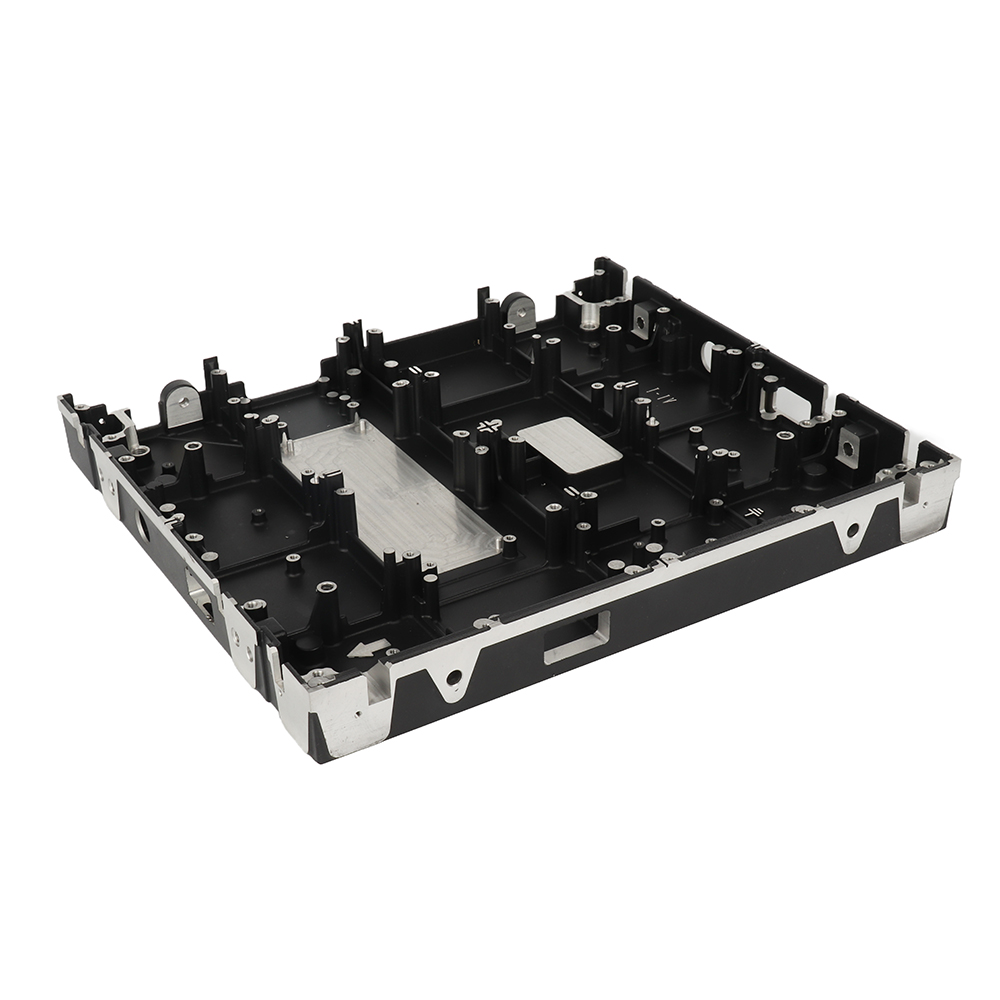
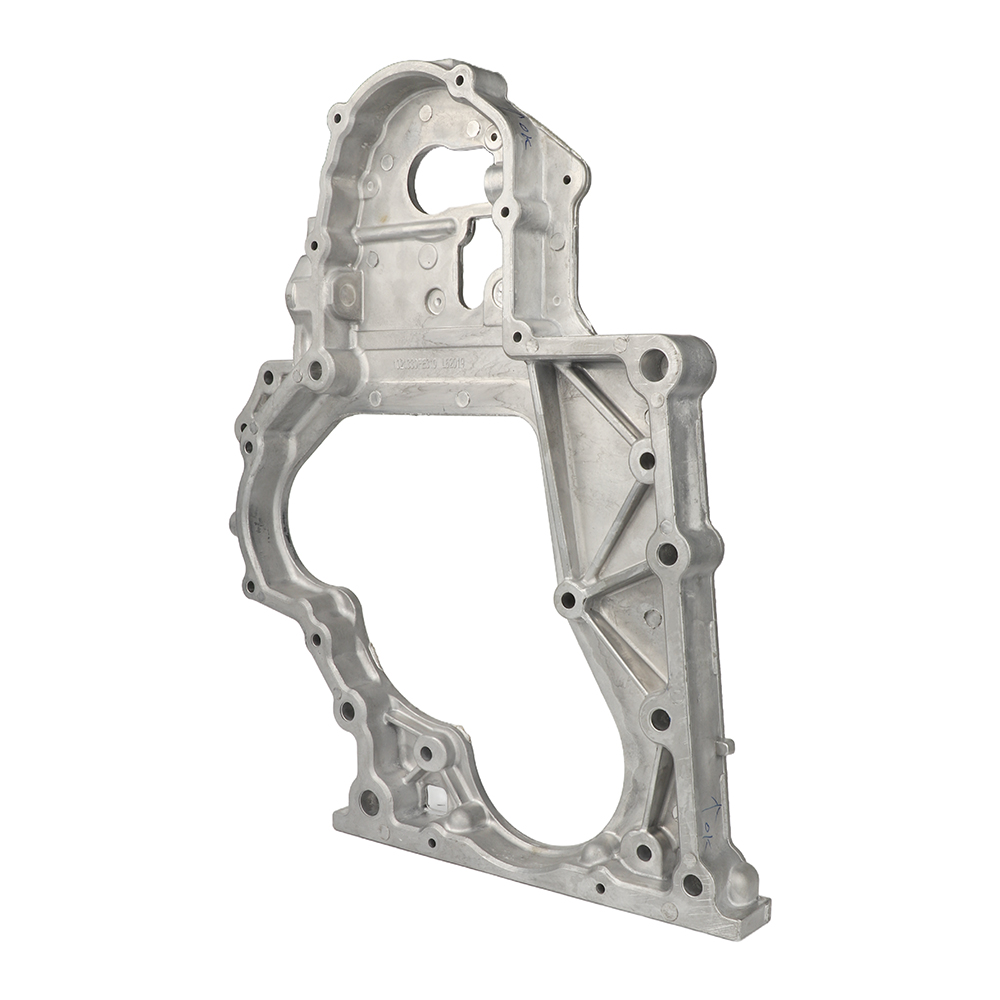
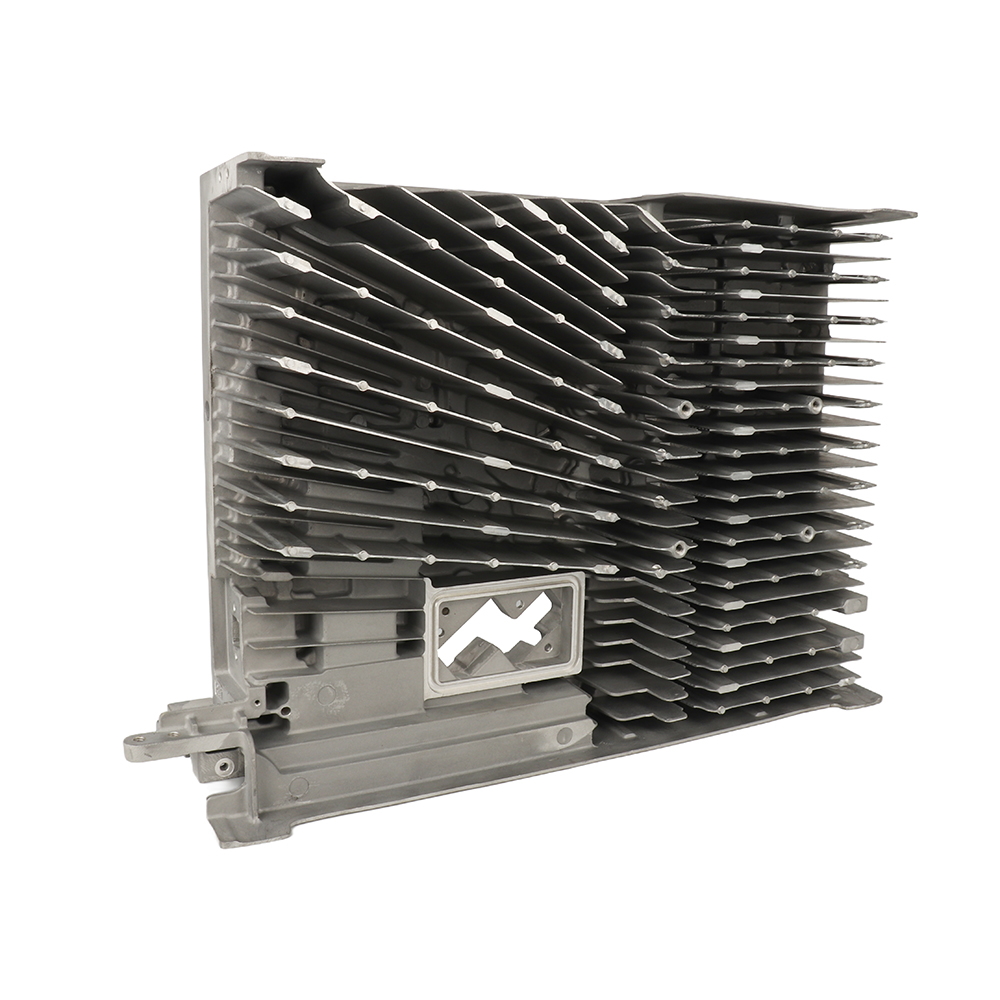
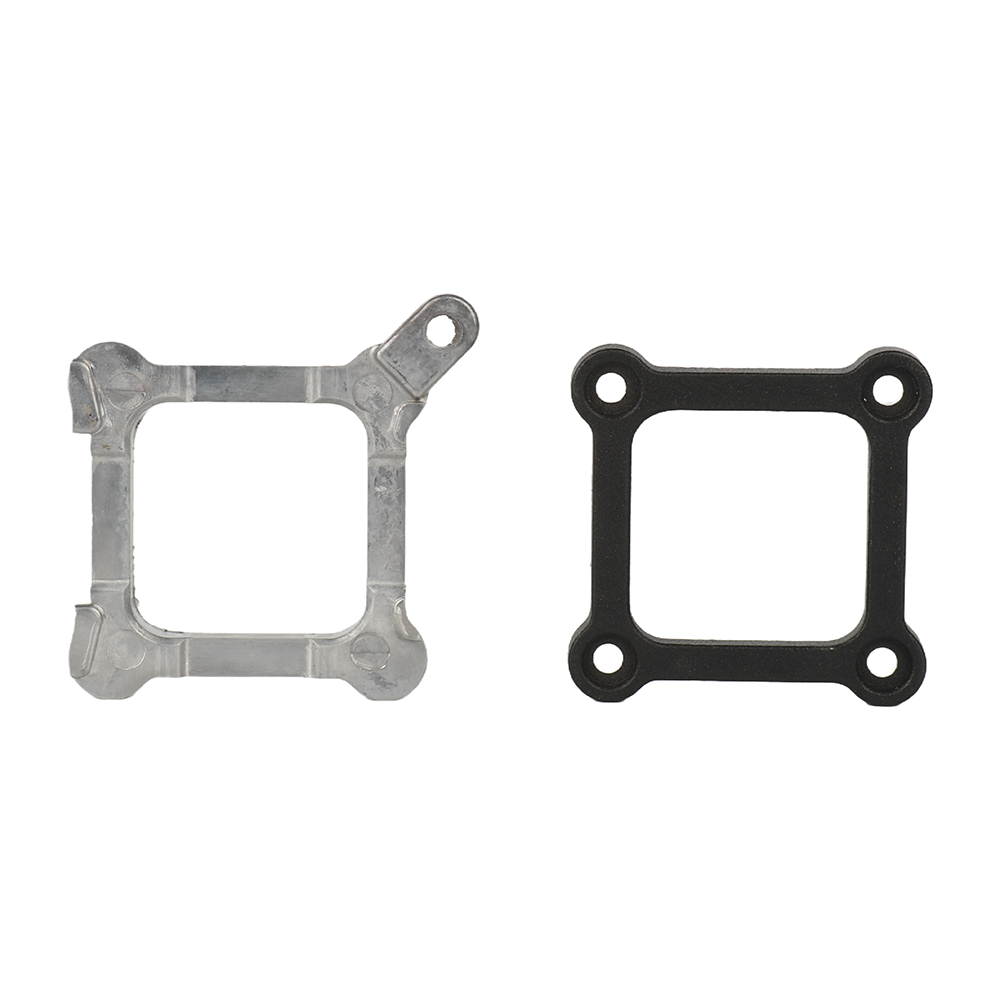
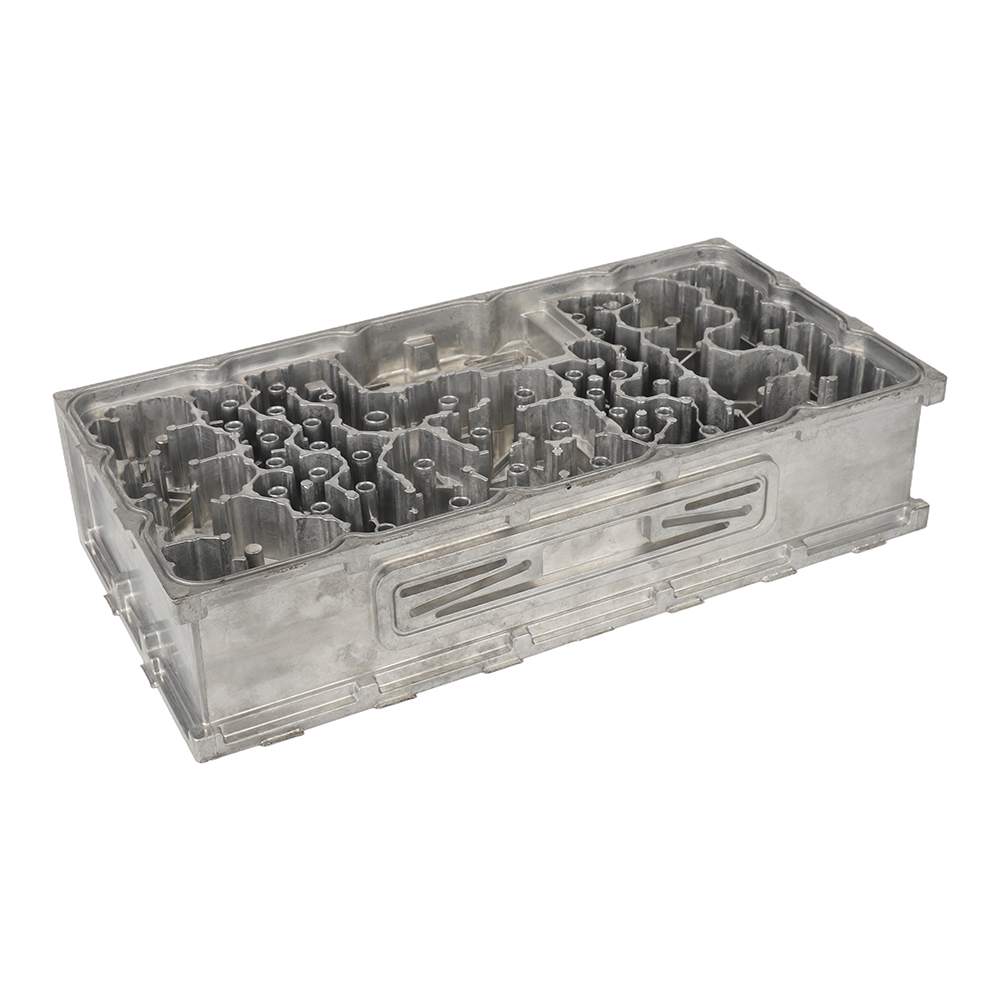
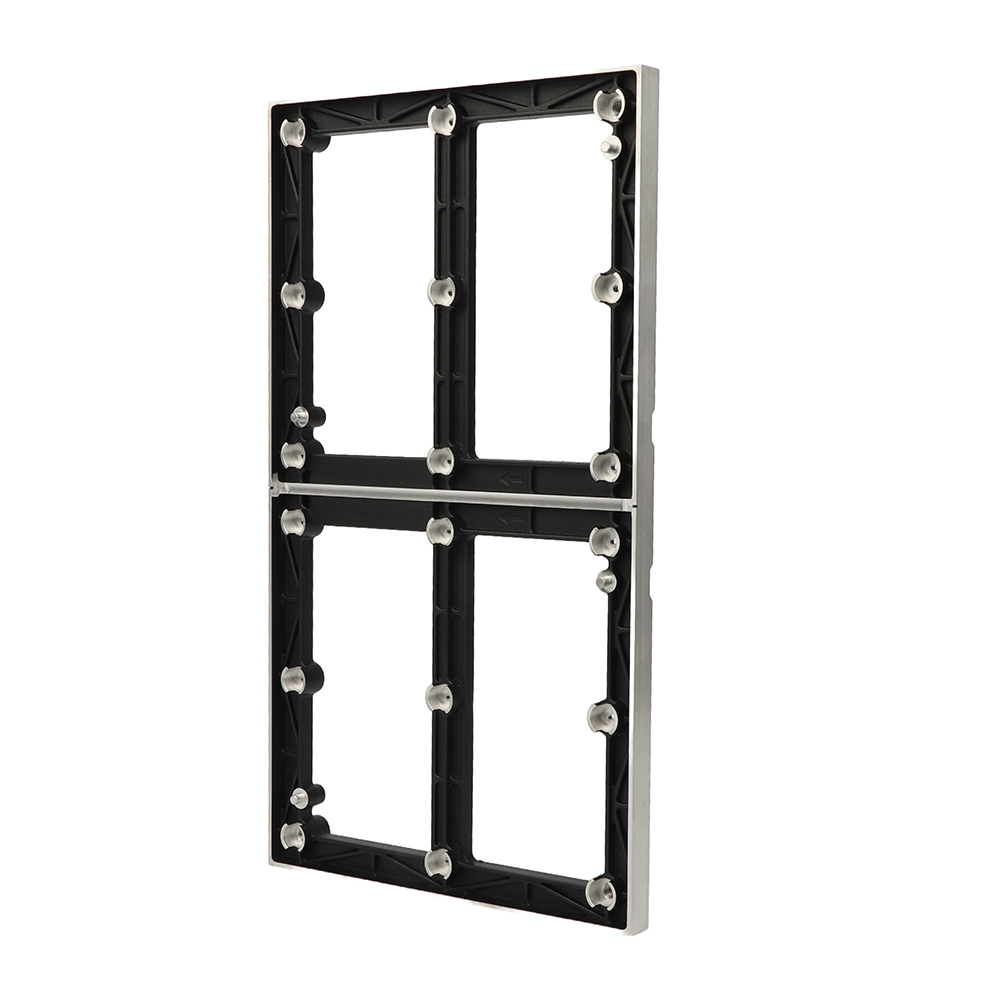
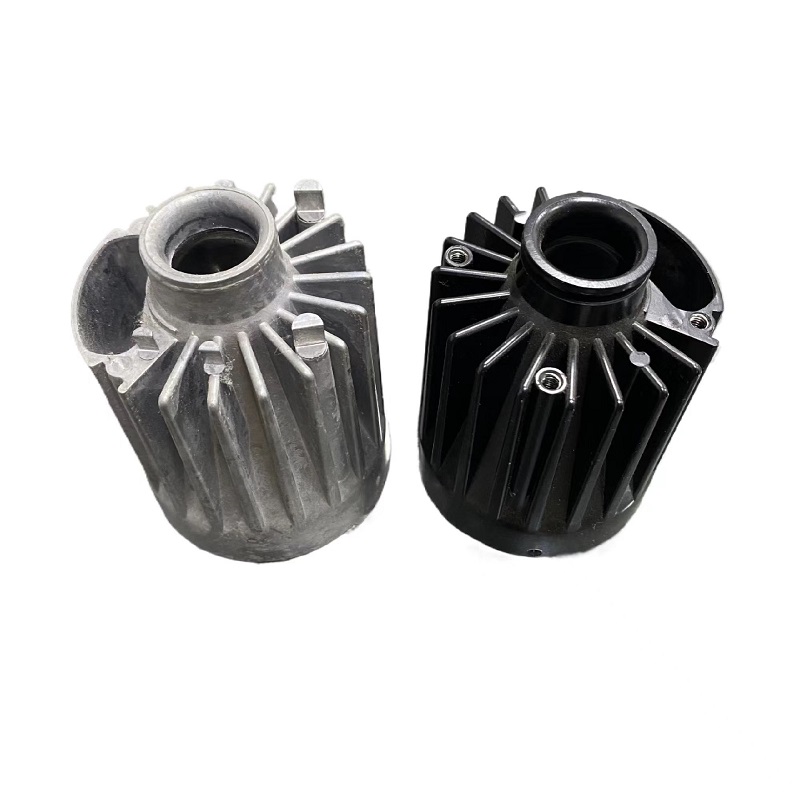
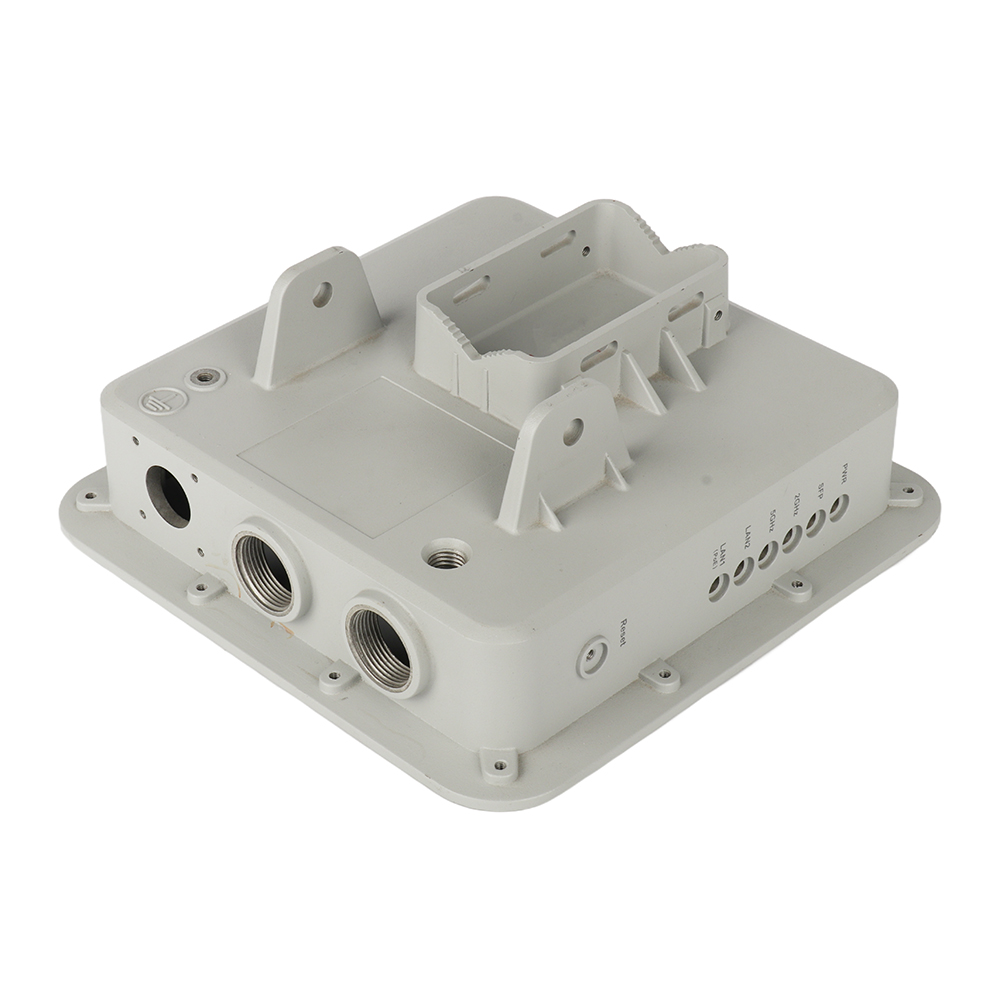
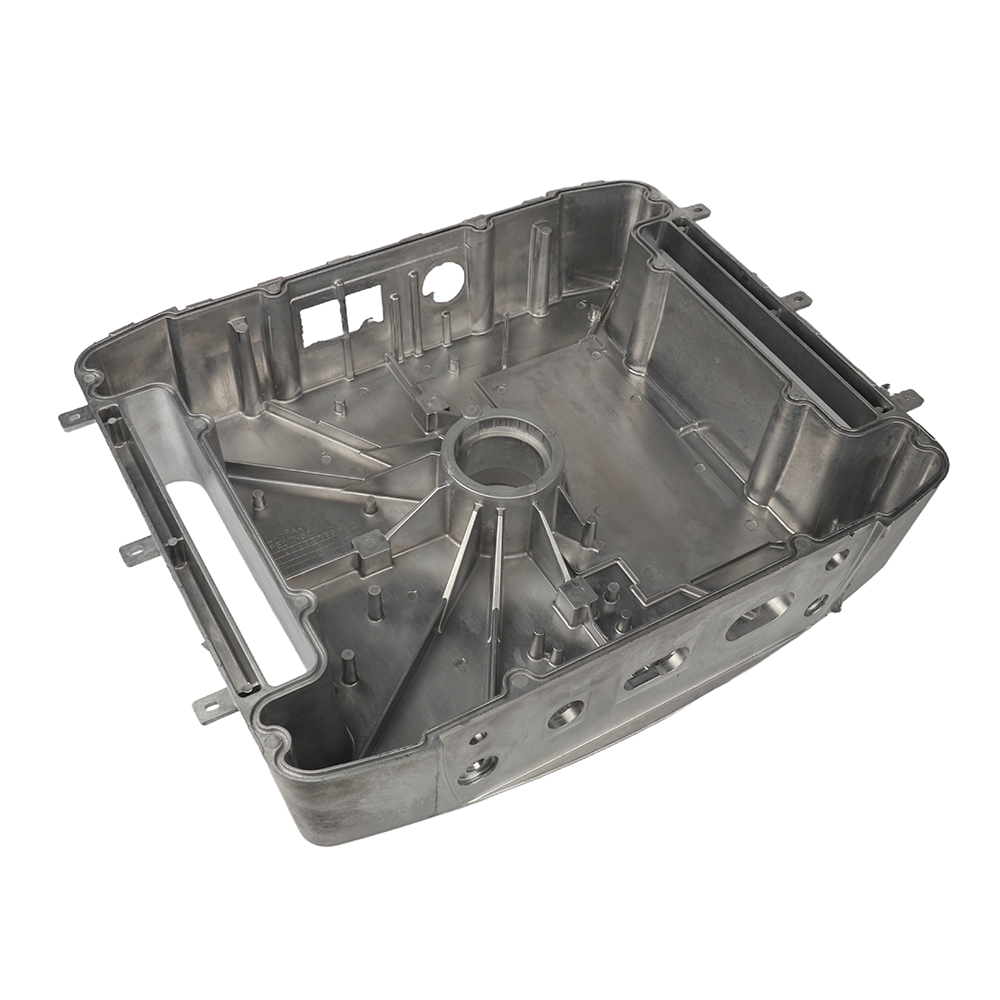
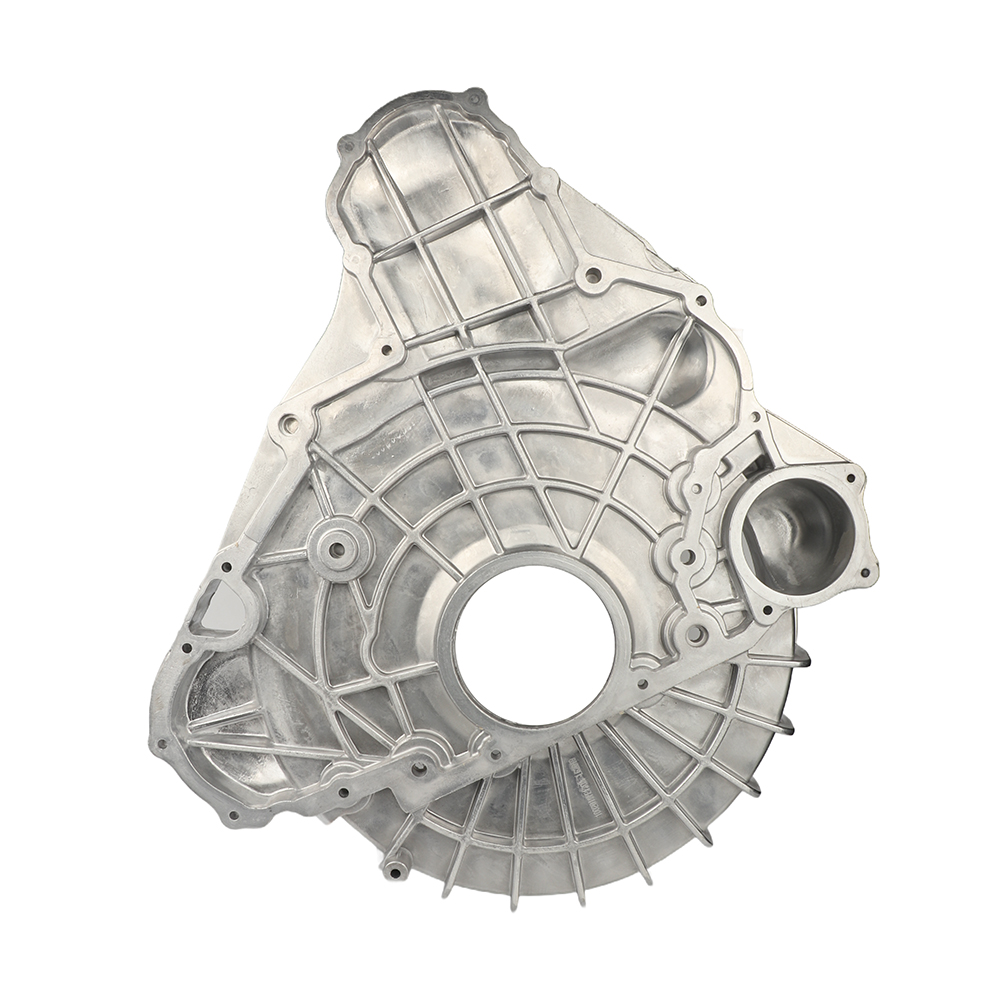
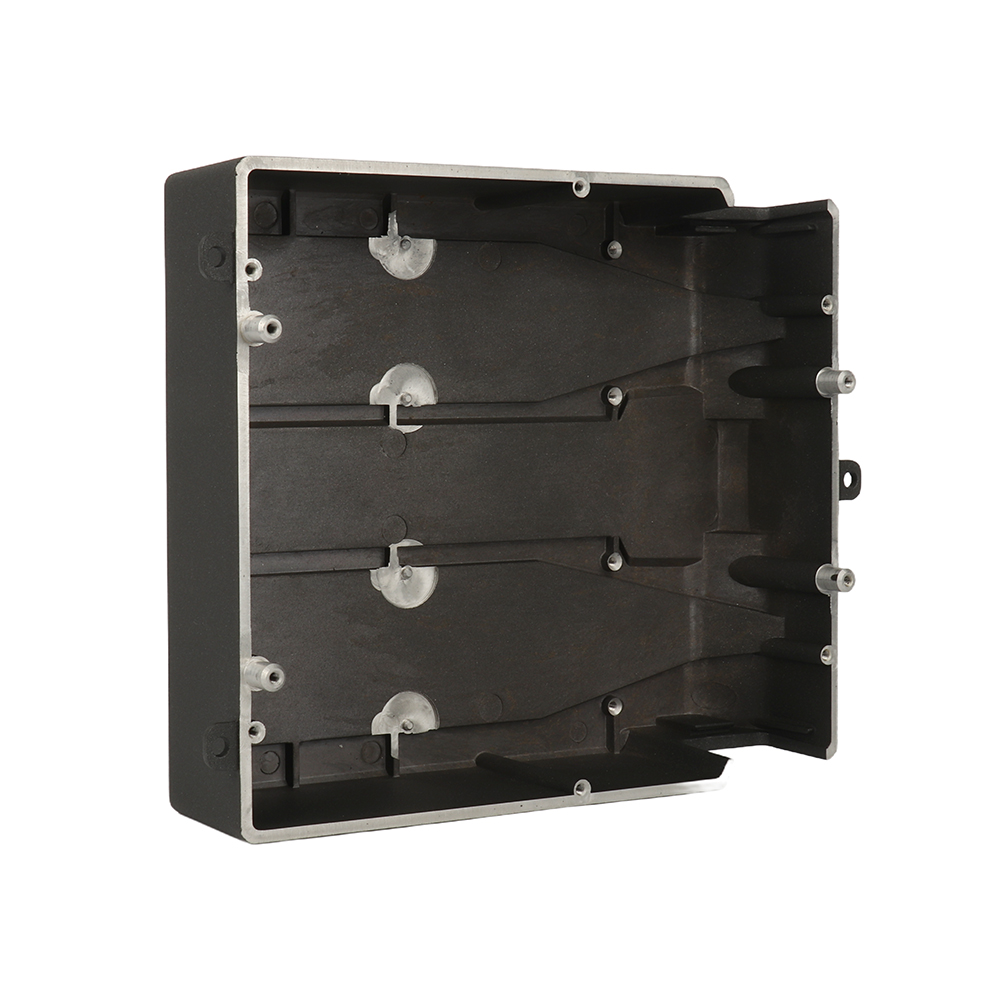
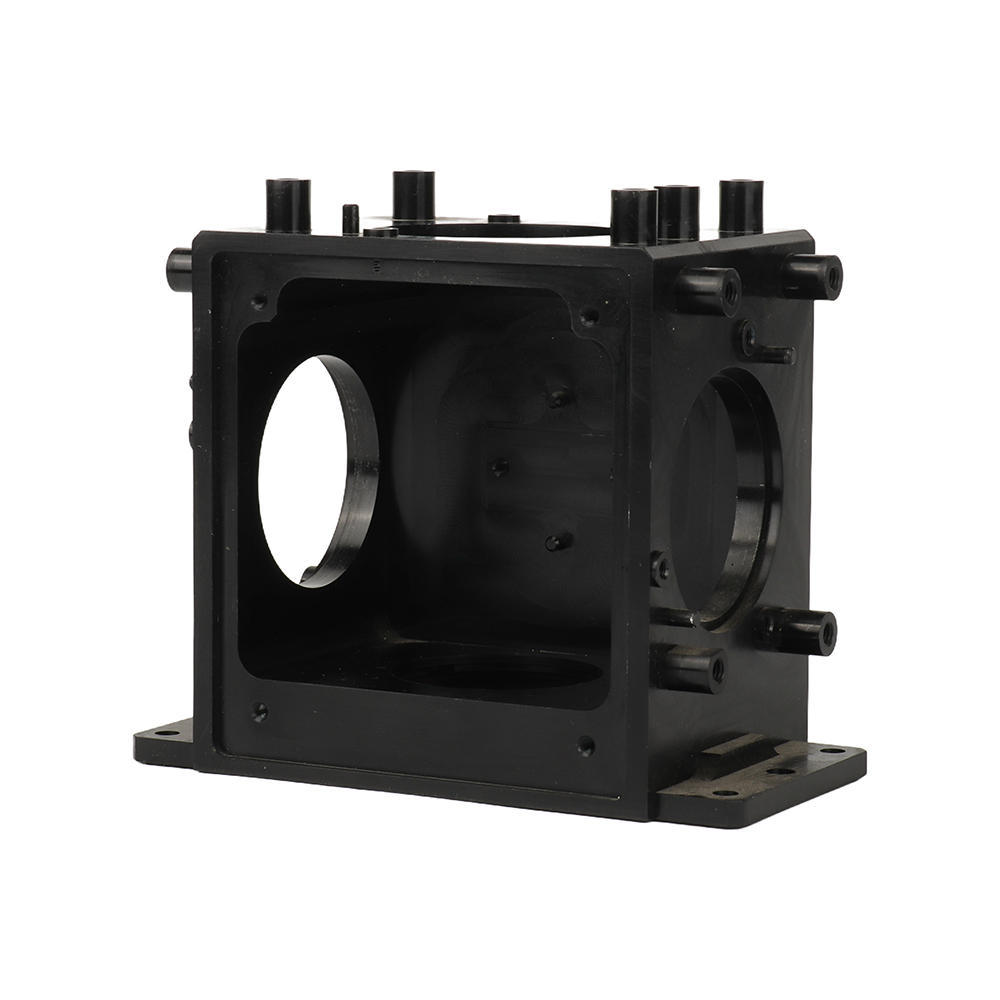
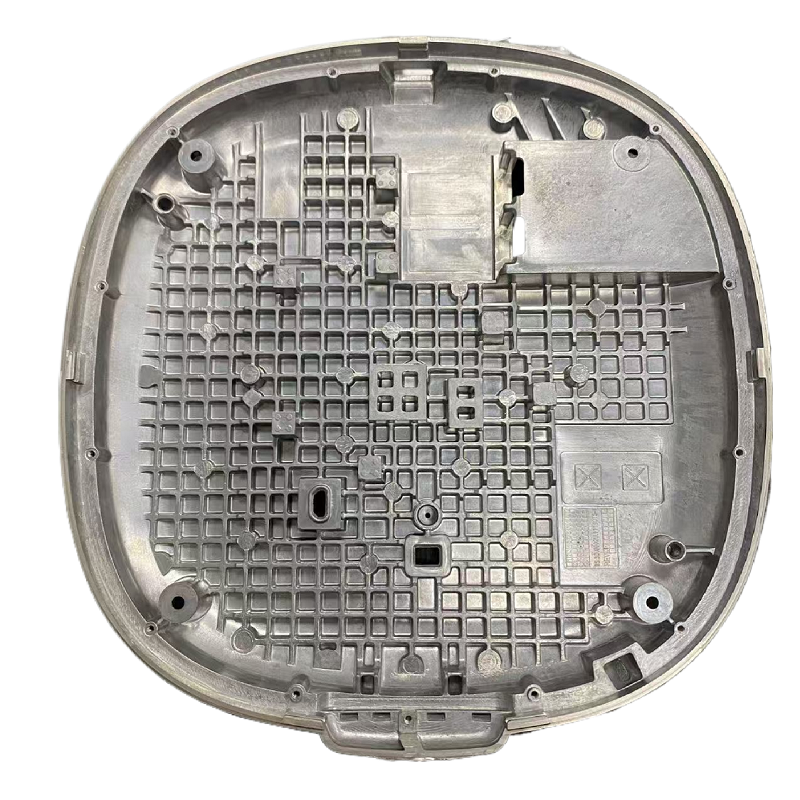
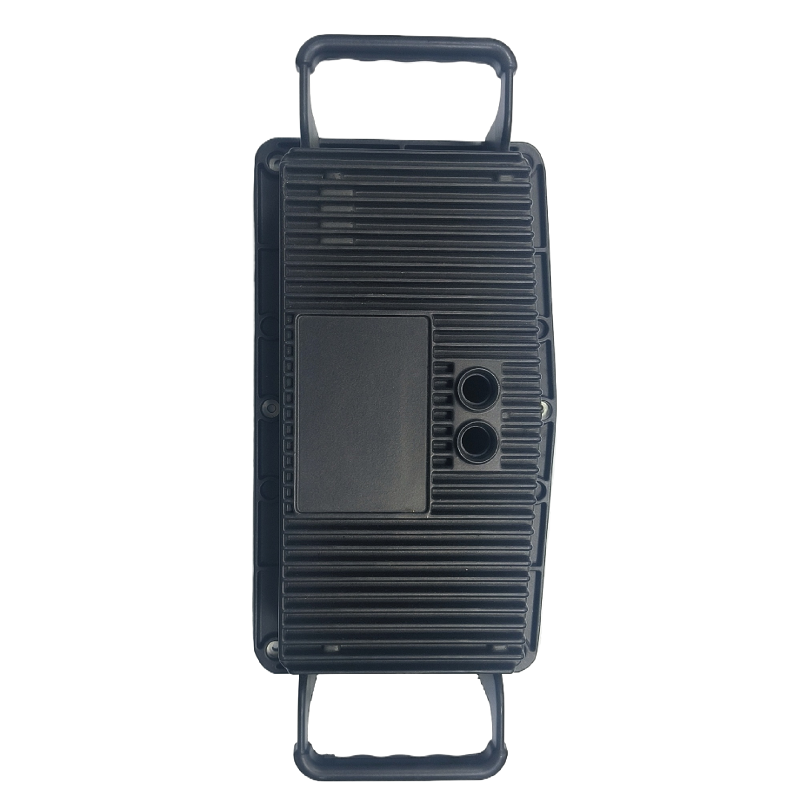
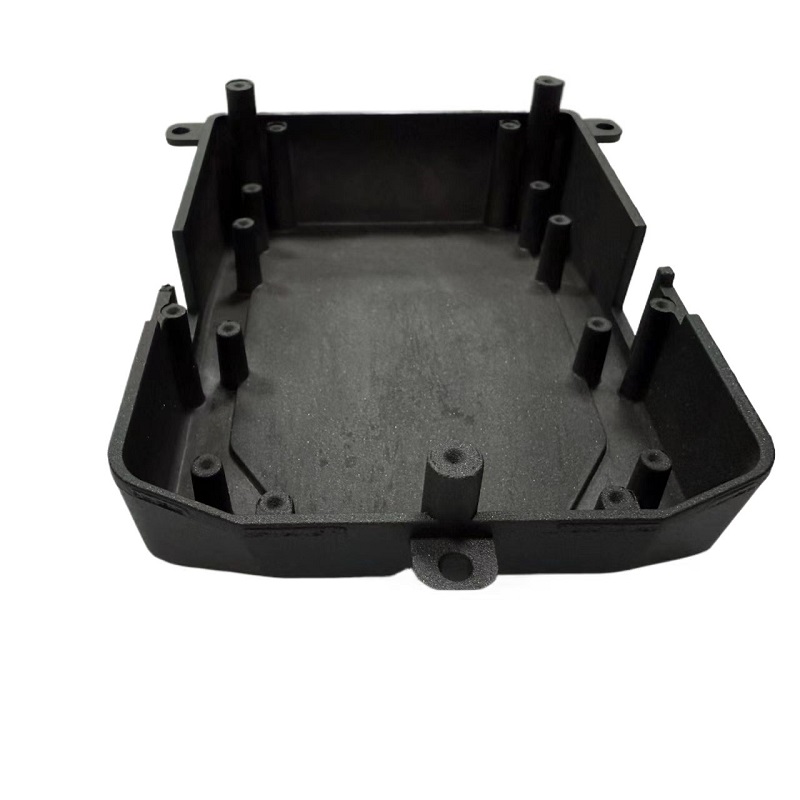
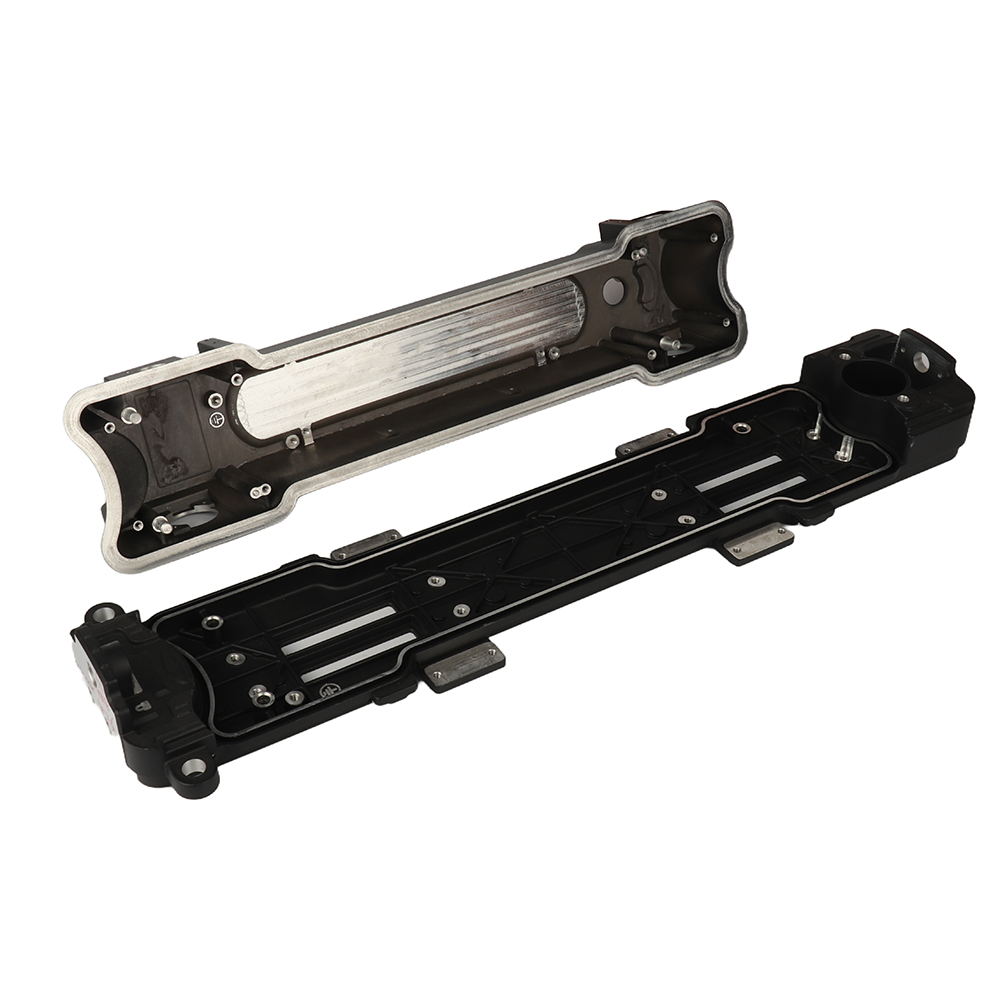
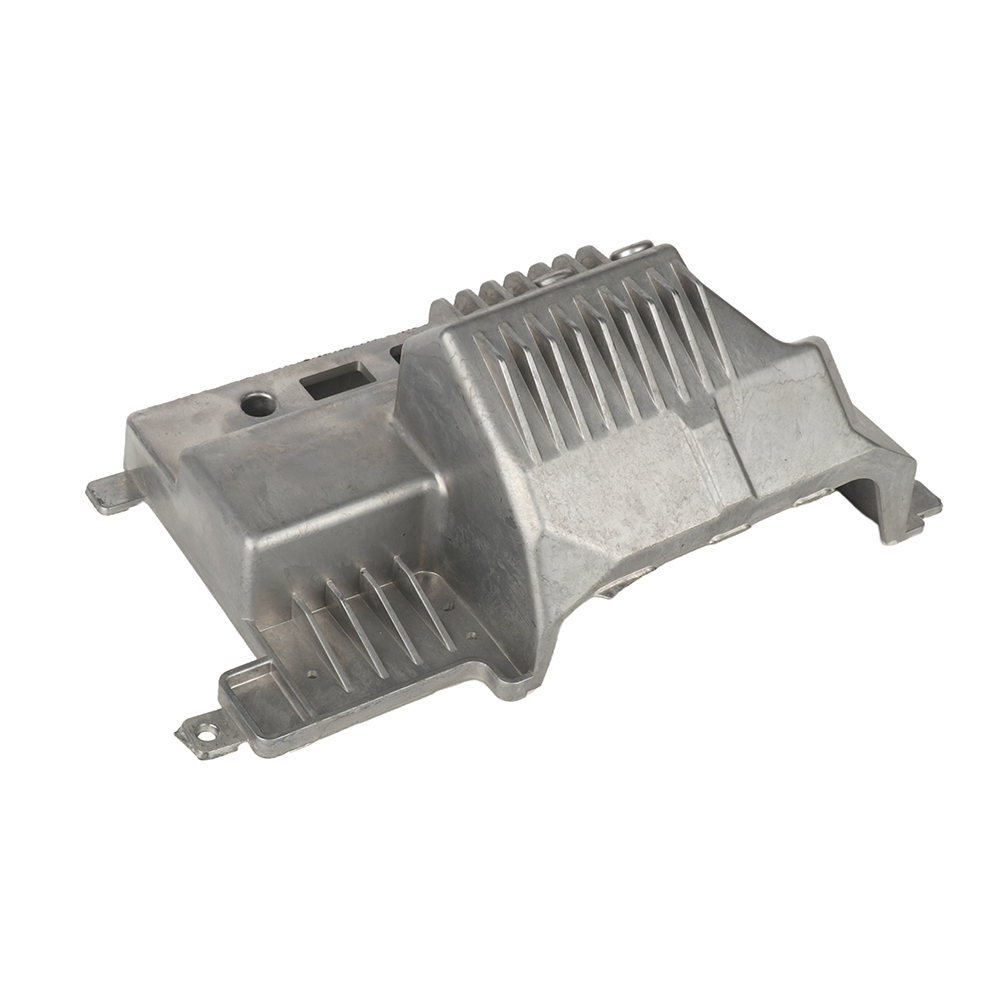
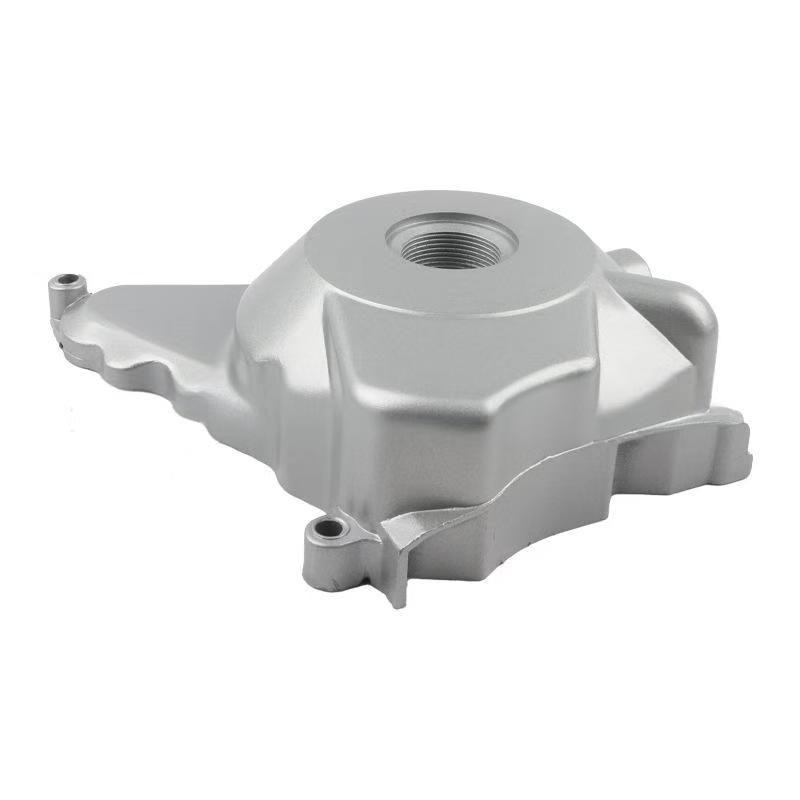
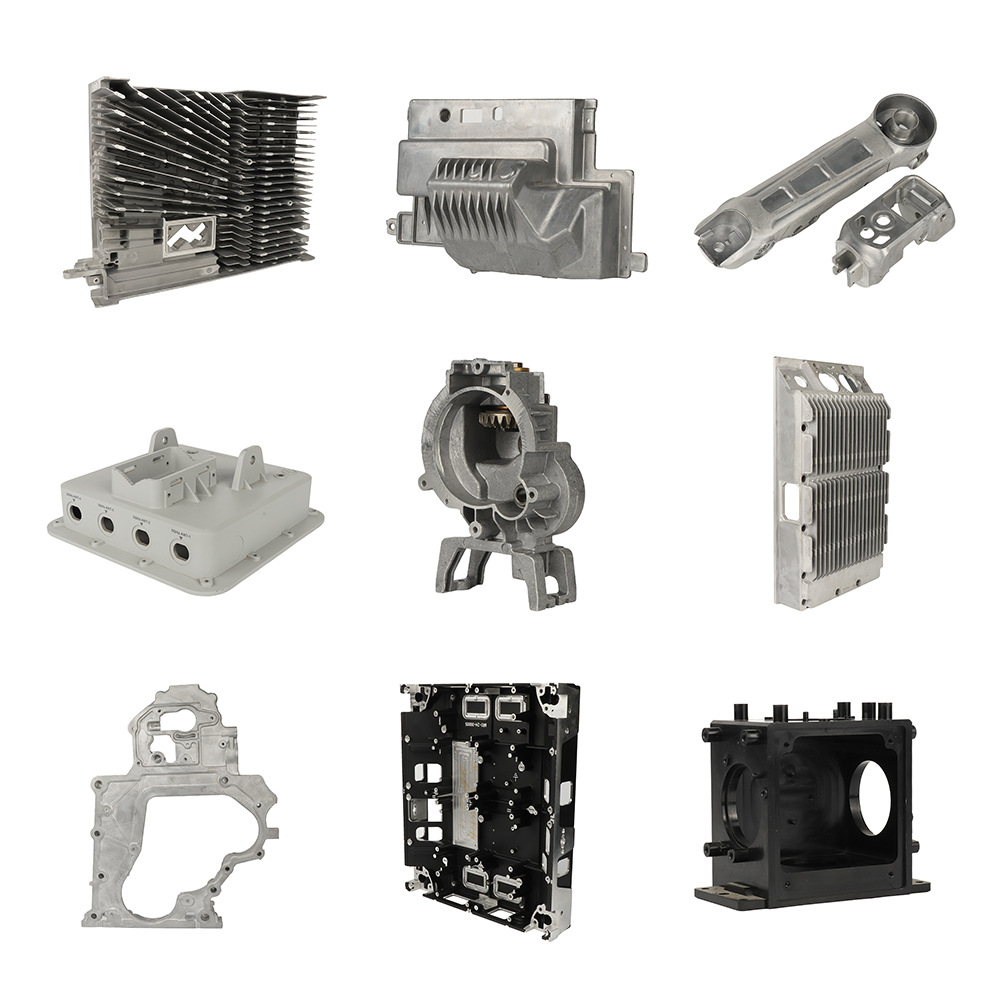
The die casting process itself involves several sub-steps: mold preparation (applying lubricants to prevent sticking), clamping (securing the die halves with hydraulic force), melting and injection (forcing molten metal into the die at high pressure—100–150 MPa), cooling and solidification (using built-in cooling channels to optimize heat distribution), and ejection (removing the part with automated ejector pins). Below is an image of a high-quality die casting part, showcasing the precision and finish achievable with one-stop solutions:
Step 5: Post-Processing
After casting, parts undergo post-processing to meet final specifications. This includes trimming (removing gates, flash, and excess metal), CNC machining (for precise tolerances of ±0.05mm), surface treatments (anodizing, electroplating, powder coating), and assembly (if multiple parts are required). Post-processing ensures the part is functional, aesthetically pleasing, and ready for use.
Step 6: Quality Inspection & Testing
Quality control is integrated into every stage, but a final inspection ensures compliance with your standards. Tests include dimensional accuracy checks, visual inspections, material composition analysis, and mechanical property testing (tensile strength, hardness). One-stop solutions often use ISO 9001-certified processes to maintain consistent quality.
Step 7: Packaging & Delivery
The final parts are packaged securely to prevent damage during shipping and delivered on time, with full transparency about delivery status. Many one-stop providers also offer logistics support to streamline the supply chain.
Core Advantages of Choosing One-stop Die Casting Solutions
Compared to traditional fragmented die casting services, one-stop solutions offer numerous advantages that directly impact your bottom line and project success. Here are the most significant benefits:
1. Reduced Lead Times & Improved Efficiency
By eliminating the need to coordinate with multiple suppliers (design, tooling, casting, post-processing), one-stop solutions reduce communication delays and streamline workflows. What might take weeks with fragmented services can be completed in days or weeks with a one-stop partner—accelerating your time to market.
2. Cost Savings & Budget Control
Consolidating services under one provider eliminates hidden costs associated with multiple suppliers (shipping, handling, reworks due to miscommunication). One-stop solutions also offer transparent pricing, allowing you to control your budget and avoid unforeseen expenditures. While initial tooling costs can be high ($20,000 to $150,000), per-unit costs drop significantly in mass production.
3. Consistent Quality & Reduced Defects
With a single team managing every stage, quality standards are consistent throughout the process. There are no gaps in quality control, and defects are caught early (during design or simulation), reducing the need for reworks and waste. High-pressure die casting also ensures dimensional accuracy (±0.1mm) and excellent surface finishes (Ra 0.8–3.2μm).
4. Simplified Project Management
You have a single point of contact for the entire project, eliminating the stress of managing multiple suppliers. The one-stop team handles all logistics, troubleshooting, and updates, allowing you to focus on other core aspects of your business.
5. Enhanced Flexibility & Adaptability
One-stop providers can quickly adjust to changes in your project—whether you need to modify the design, switch materials, or scale production up or down. This flexibility is critical in today’s dynamic manufacturing environment, where market demands can shift rapidly.
Expert Insights on One-stop Die Casting
Industry experts recognize the value of one-stop die casting solutions in addressing the challenges of modern manufacturing. Below are insights from leading professionals in the field:
Wang Zhijian, Global Casting Expert at Ford Motor Engineering Research (Nanjing) Co., Ltd.
“In the automotive industry, where precision and efficiency are non-negotiable, one-stop die casting solutions have become essential. By integrating design, tooling, and production under one roof, manufacturers can reduce supply chain risks and ensure consistent quality—critical for high-volume automotive components like engine blocks and transmission housings. The ability to streamline communication and maintain end-to-end control also helps address challenges like logistics disruptions and labor shortages, which have become increasingly common in global supply chains.”
Yu Yongji, Chairman of Alksen (Suzhou) Casting Technology Co., Ltd.
“One-stop die casting is not just about convenience—it’s about optimizing value for manufacturers. Our clients often come to us after struggling with fragmented services, where miscommunication between design and casting teams leads to costly reworks and delays. By offering integrated DFM, tooling, and production, we help clients achieve quality optimization, process simplification, and cost minimization—core goals for any manufacturing project.”
Wang Zezhong, Senior Engineer at Dongfeng Motor Group Co., Ltd. Technology Center
“As the automotive industry shifts toward electrification and lightweighting, the demand for high-quality die casting parts (like battery housings and structural components) is growing. One-stop solutions enable faster development cycles, which is critical for keeping up with the rapid pace of new vehicle launches. By having a single partner manage the entire process, we can accelerate prototype development and scale production quickly, while ensuring parts meet the strict performance requirements of electric vehicles.”
Frequently Asked Questions (FAQs) About One-stop Die Casting
Below are answers to the most common questions manufacturers have about one-stop die casting solutions, based on industry standards and expert knowledge:
Q1: What is die casting, and how does a one-stop solution differ from traditional die casting services?
A: Die casting is a manufacturing process that uses high pressure to inject liquid metal into a reusable steel die, which rapidly cools and solidifies into a final part. Traditional services require coordinating with multiple suppliers (design, tooling, casting, post-processing), while one-stop solutions integrate all these stages into a single service, with a single point of contact and end-to-end control.
Q2: What materials can be used in one-stop die casting?
A: Common materials include aluminum (most popular, due to its lightweight, corrosion resistance, and good mechanical properties), zinc (easy to cast, high ductility), magnesium (excellent strength-to-weight ratio, easy to machine), and copper (high hardness, wear resistance). The one-stop team will help you select the best material for your application.
Q3: What is the difference between hot chamber and cold chamber die casting, and does a one-stop solution offer both?
A: Hot chamber die casting has the injection system immersed in molten metal, enabling faster cycle times and suitable for low-melting-point metals (zinc, magnesium). Cold chamber die casting involves ladling molten metal into the injection system, making it suitable for high-melting-point metals (aluminum, copper). Most one-stop providers offer both processes to accommodate different material and project needs.
Q4: How long does a typical one-stop die casting project take?
A: Timeline depends on project complexity, production volume, and tooling requirements. Rapid prototyping can take 3–5 business days, while small-batch production may take 2–4 weeks. Large-scale mass production (with tooling) can take 4–8 weeks, but this is significantly faster than fragmented services.
Q5: Are one-stop die casting solutions suitable for small-batch production?
A: Yes. While die casting is often associated with mass production, one-stop solutions offer flexible options for small batches (10–100 units) using rapid prototyping techniques (3D printing, urethane casting) or low-cost tooling, making it cost-effective for small-scale projects.
Q6: How do one-stop solutions ensure quality control?
A: Quality control is integrated into every stage: DFM analysis to prevent defects, in-house tooling to ensure precision, real-time production monitoring, and final testing (dimensional checks, material analysis, mechanical testing). Most one-stop providers are ISO 9001-certified, ensuring consistent quality standards.
Q7: Can one-stop die casting solutions handle custom designs?
A: Yes. Customization is a core focus of one-stop solutions. The engineering team will work with you to refine your custom design, optimize it for manufacturability, and produce parts that meet your unique specifications—whether you need complex geometries, thin walls, or specific surface finishes.
Conclusion
One-stop die casting solutions are transforming the manufacturing industry by simplifying workflows, reducing costs, and delivering consistent, high-quality parts. By integrating design, tooling, casting, post-processing, and quality control into a single service, these solutions eliminate the headaches of fragmented supply chains and help manufacturers accelerate time to market. Whether you’re in automotive, aerospace, electronics, or industrial sectors, a one-stop die casting partner provides the flexibility, efficiency, and expertise you need to stay competitive in today’s fast-paced market. As industry experts note, the future of die casting lies in integrated, end-to-end solutions that prioritize value, quality, and adaptability.
Aluminum brackets | What is die casting service? Focus on Aluminum Brackets
Hud housing | What is aluminum alloy ? Focus on Aluminum Alloy HUD Housing
Related Article


