
HOT PRODUCTS
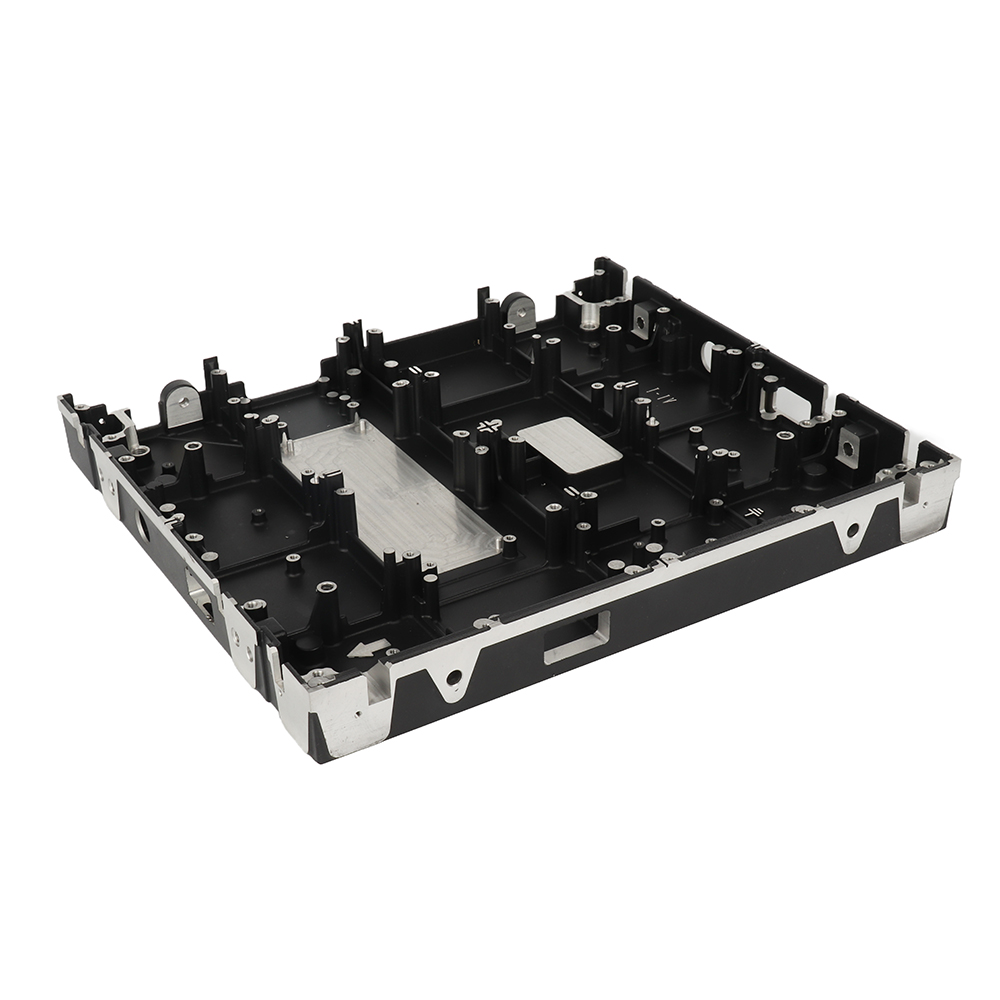
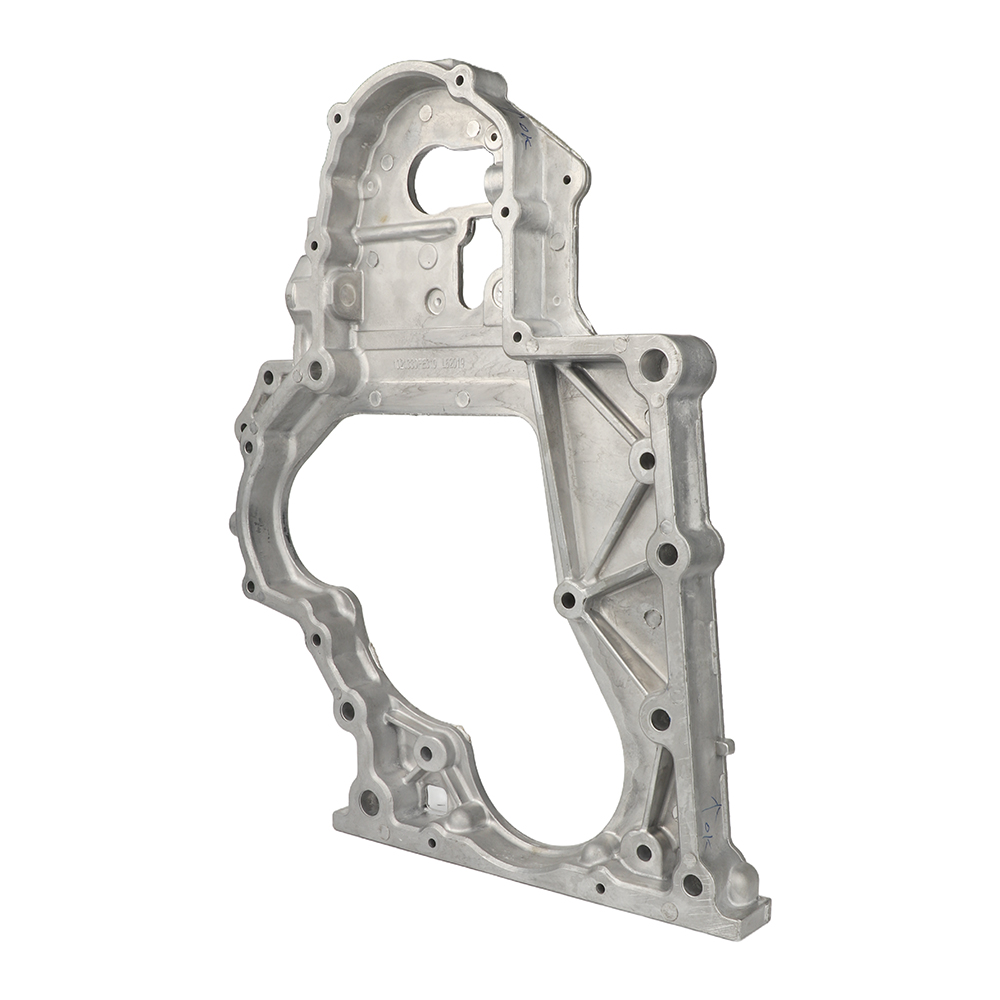
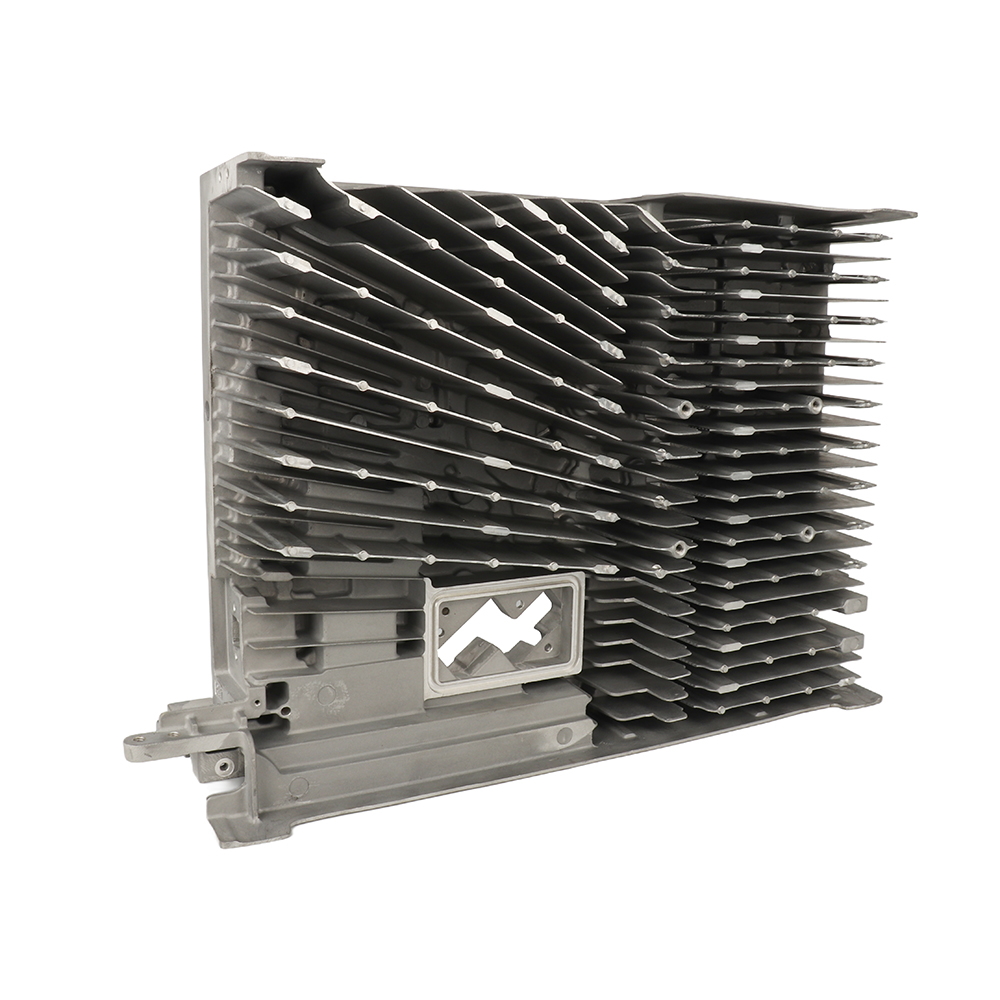
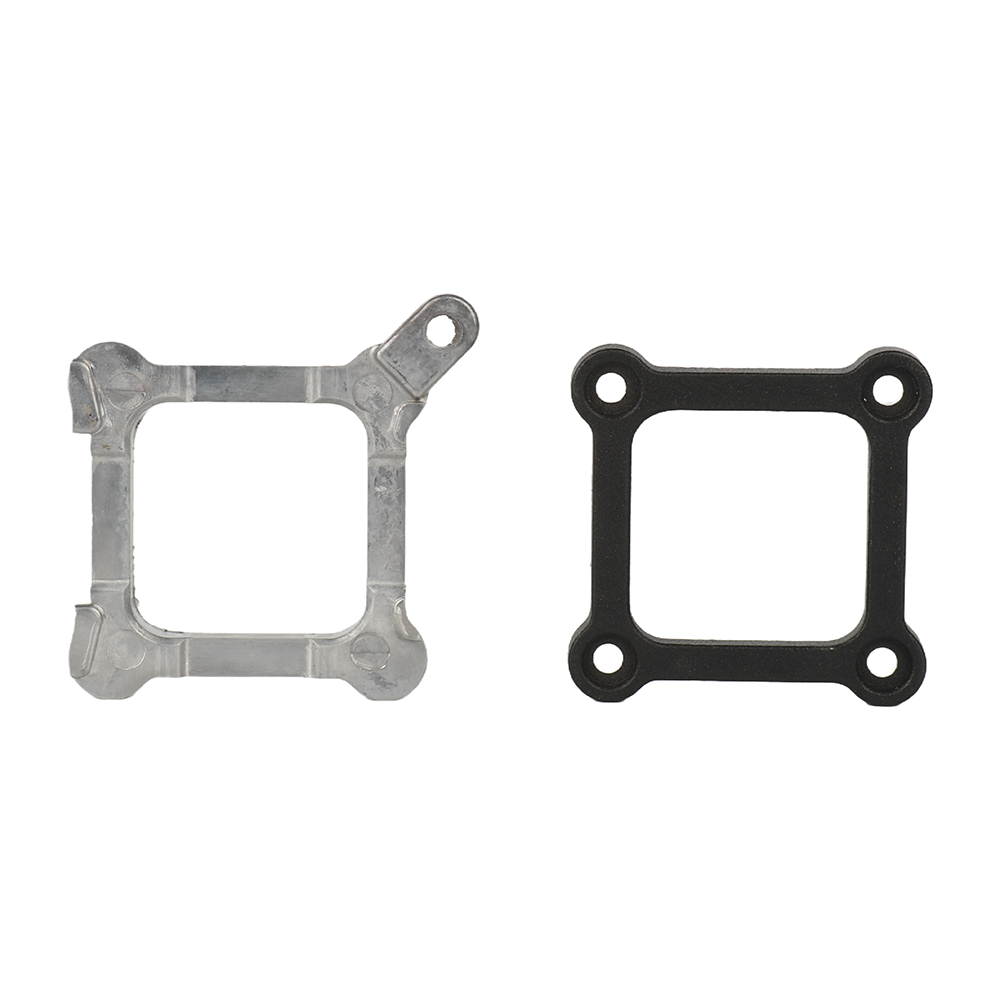
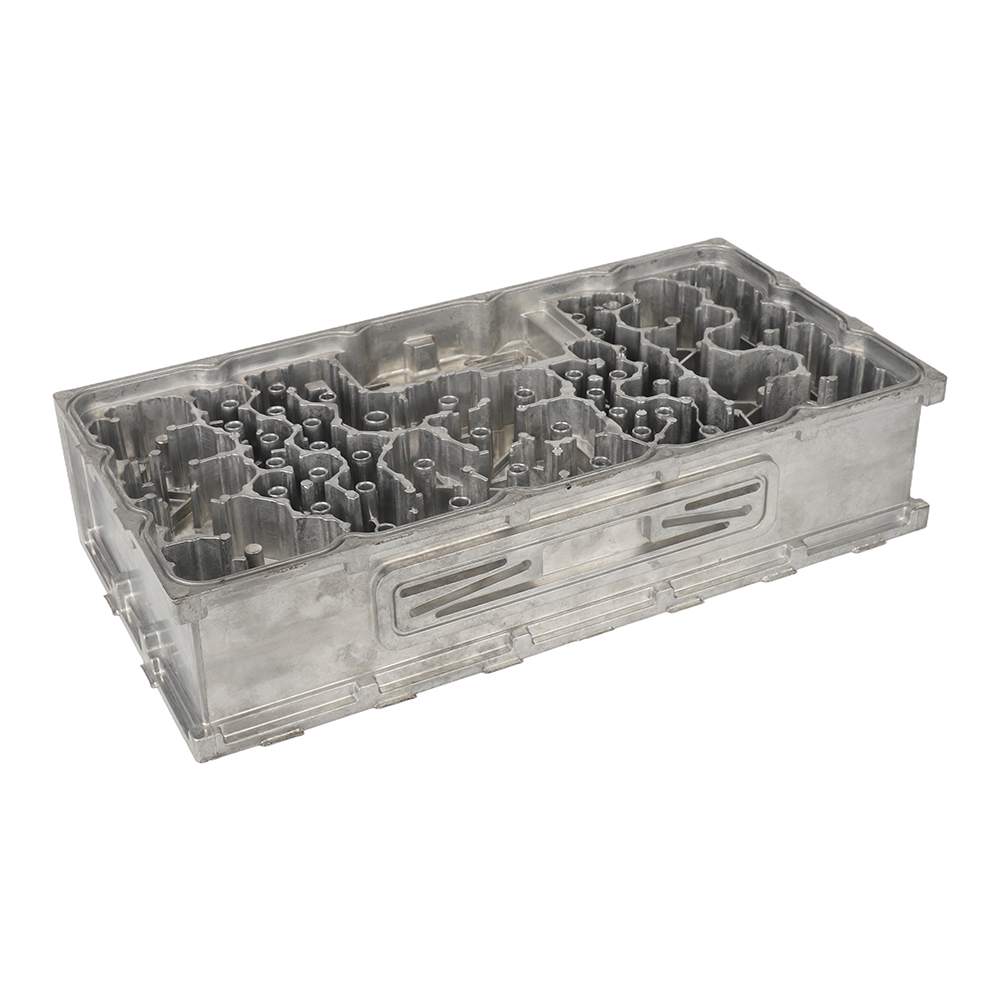
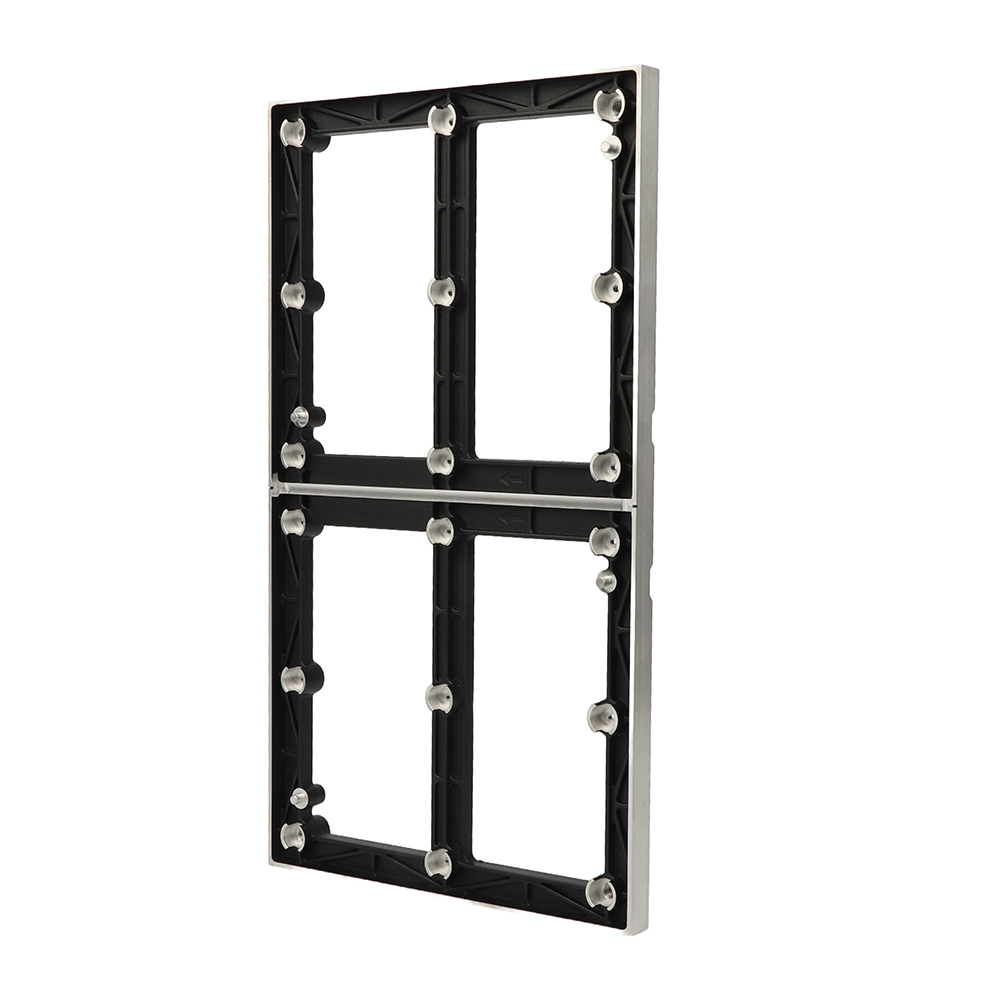
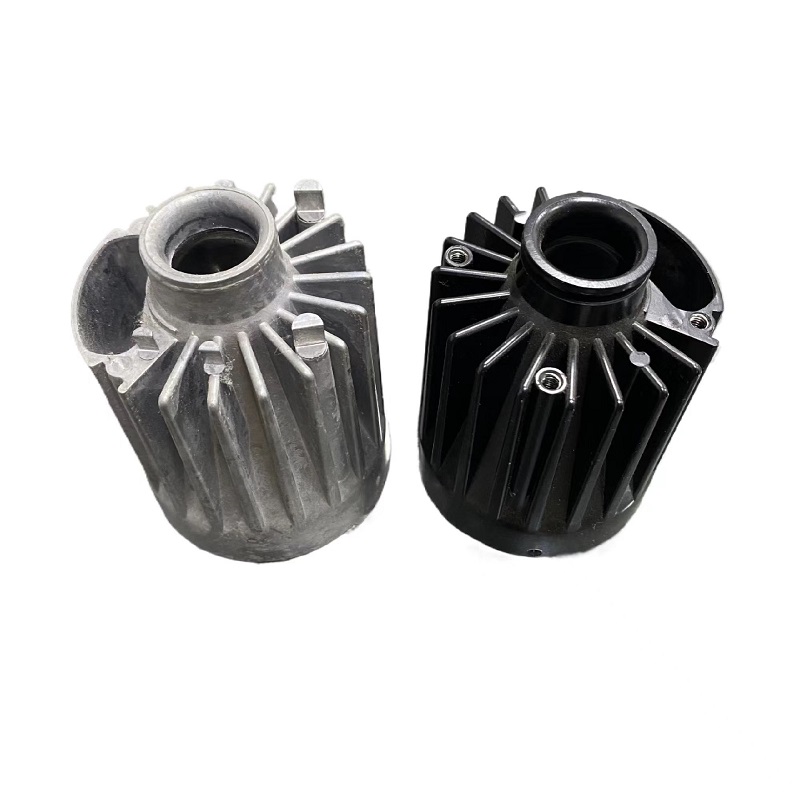
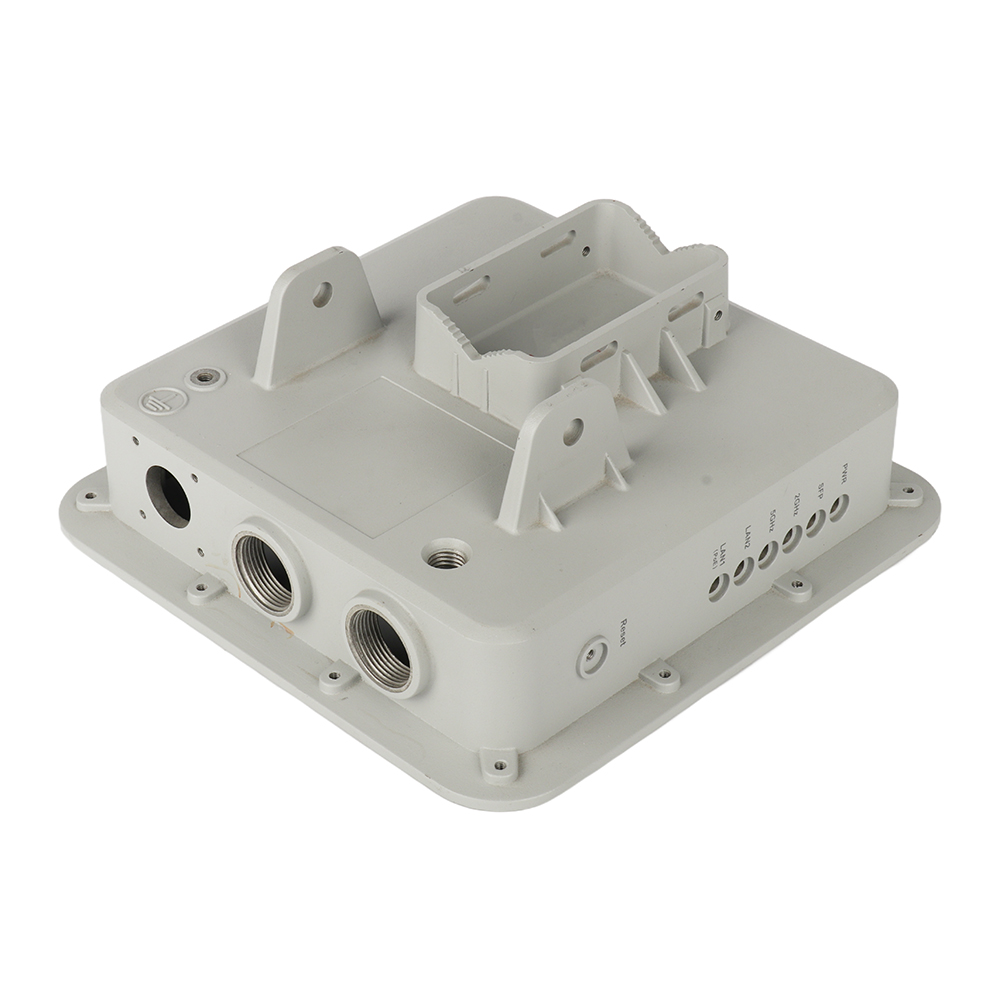
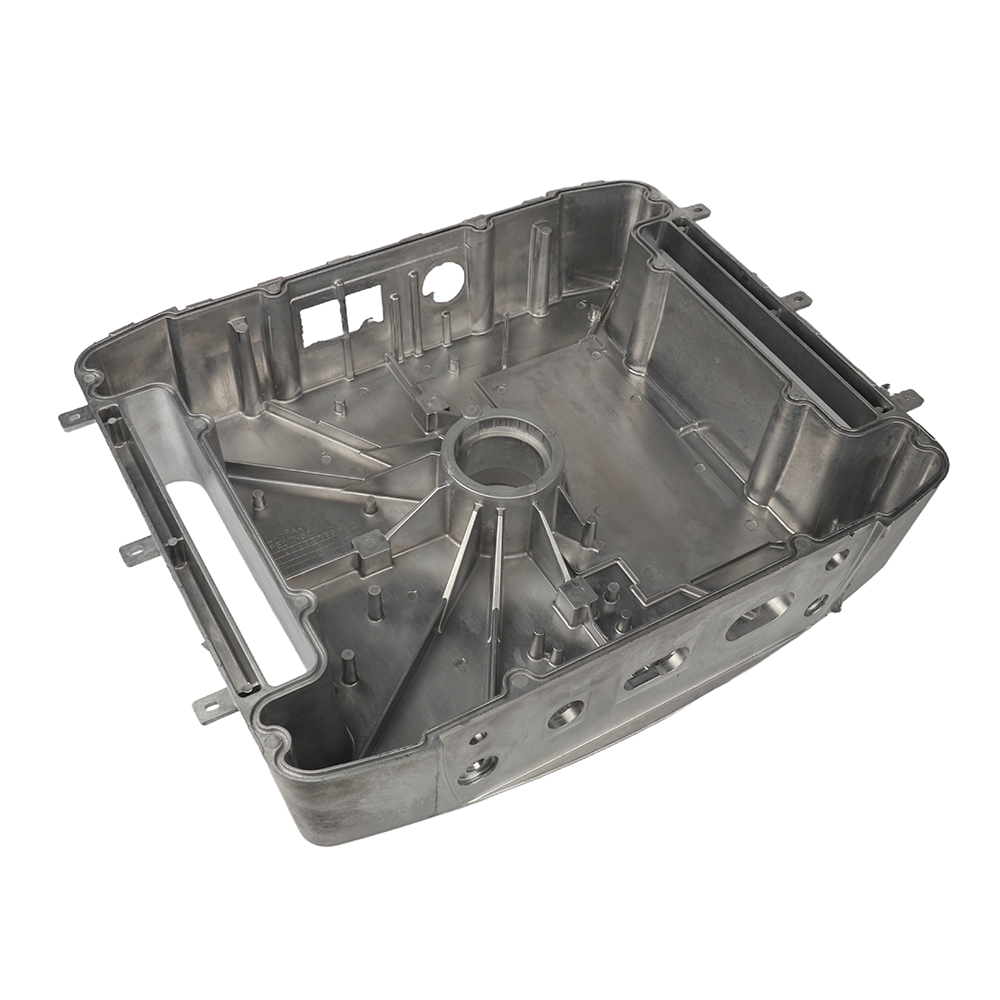
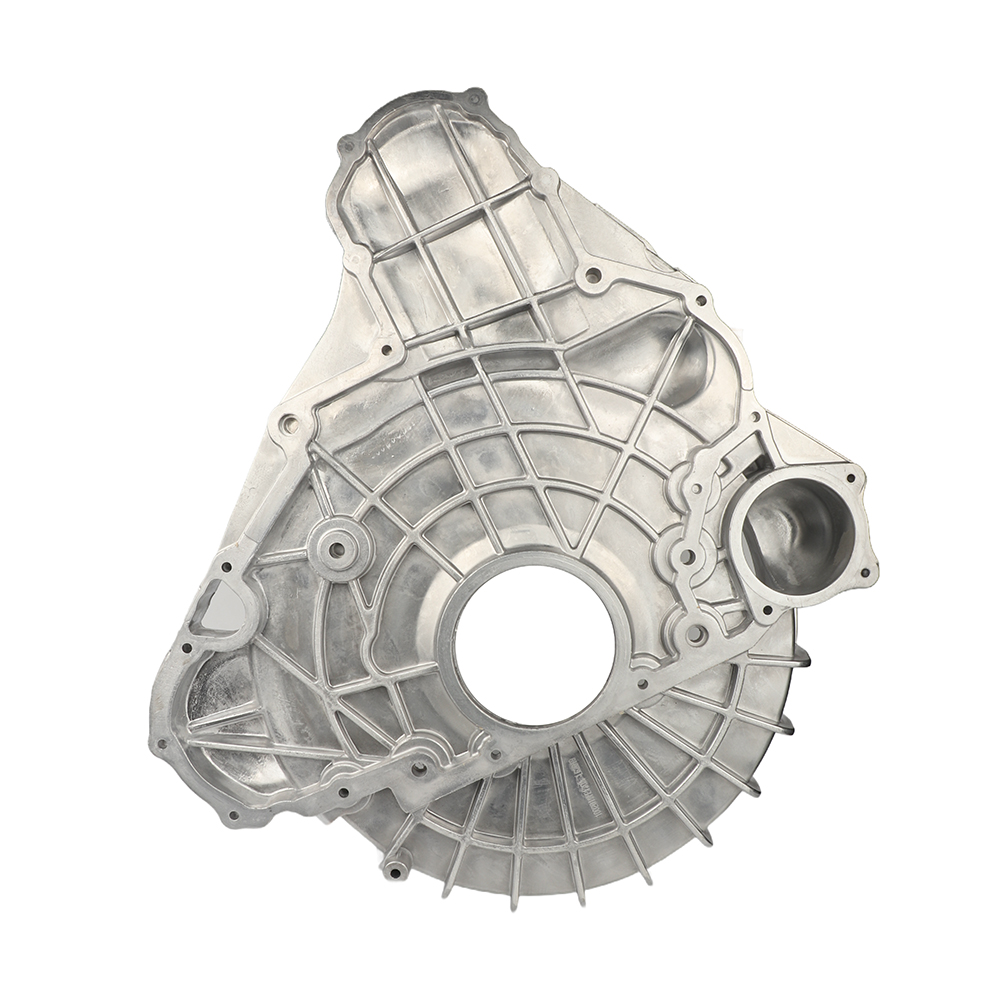
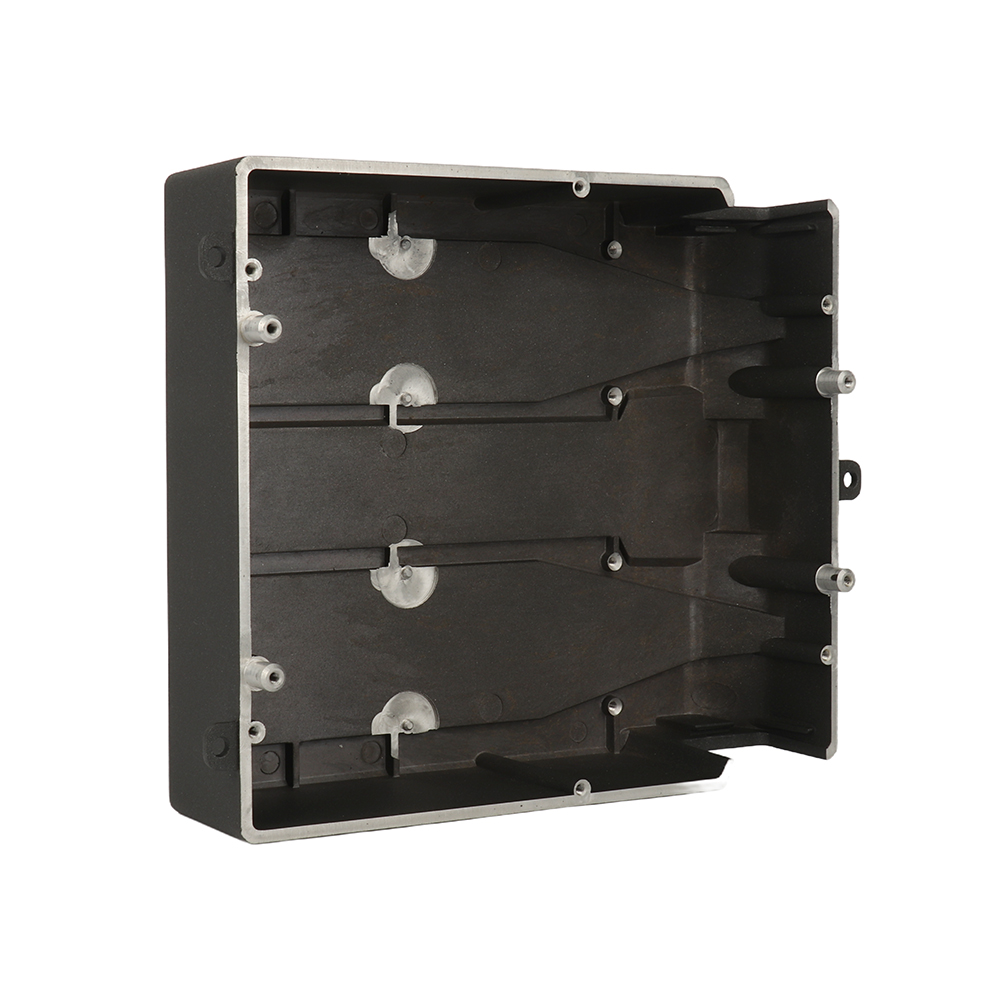
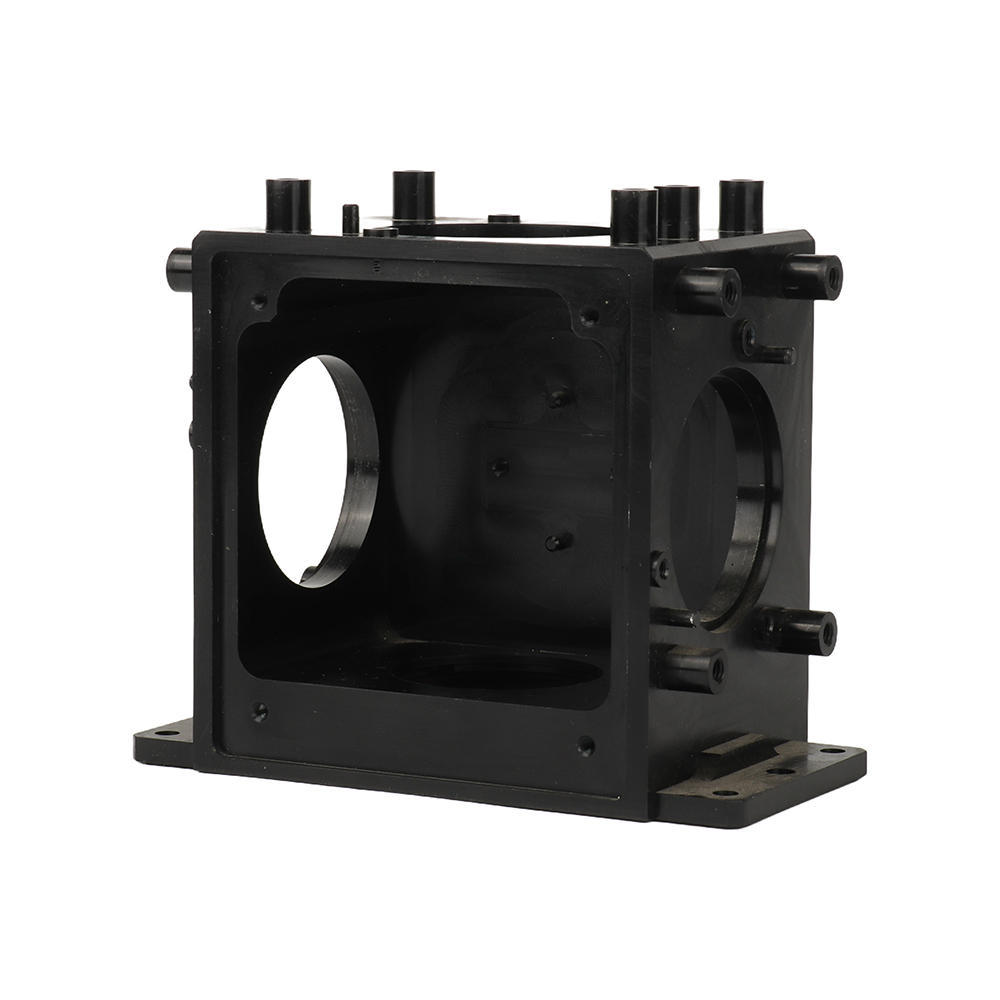
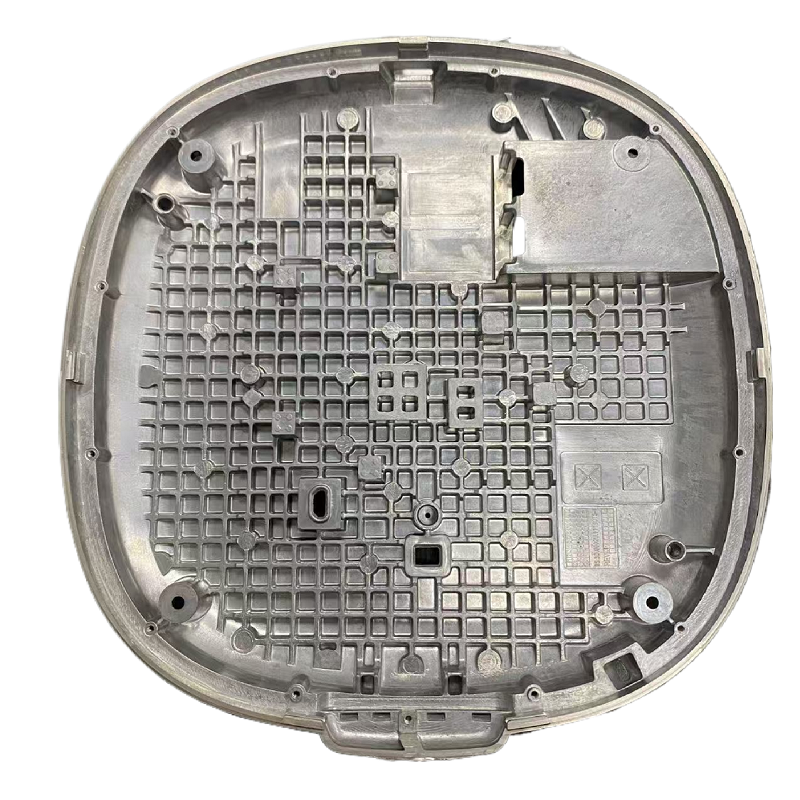
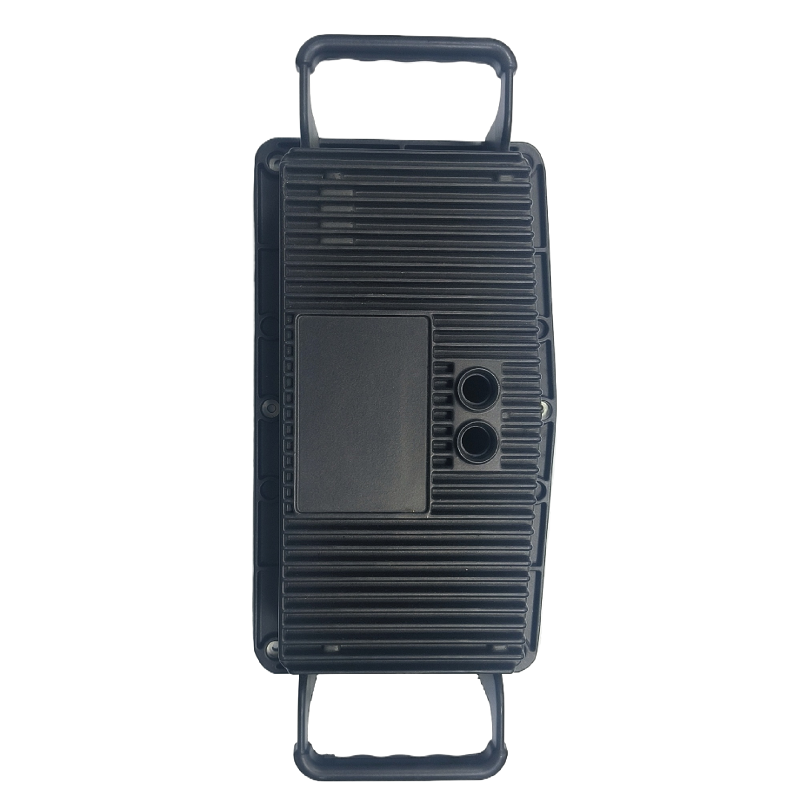
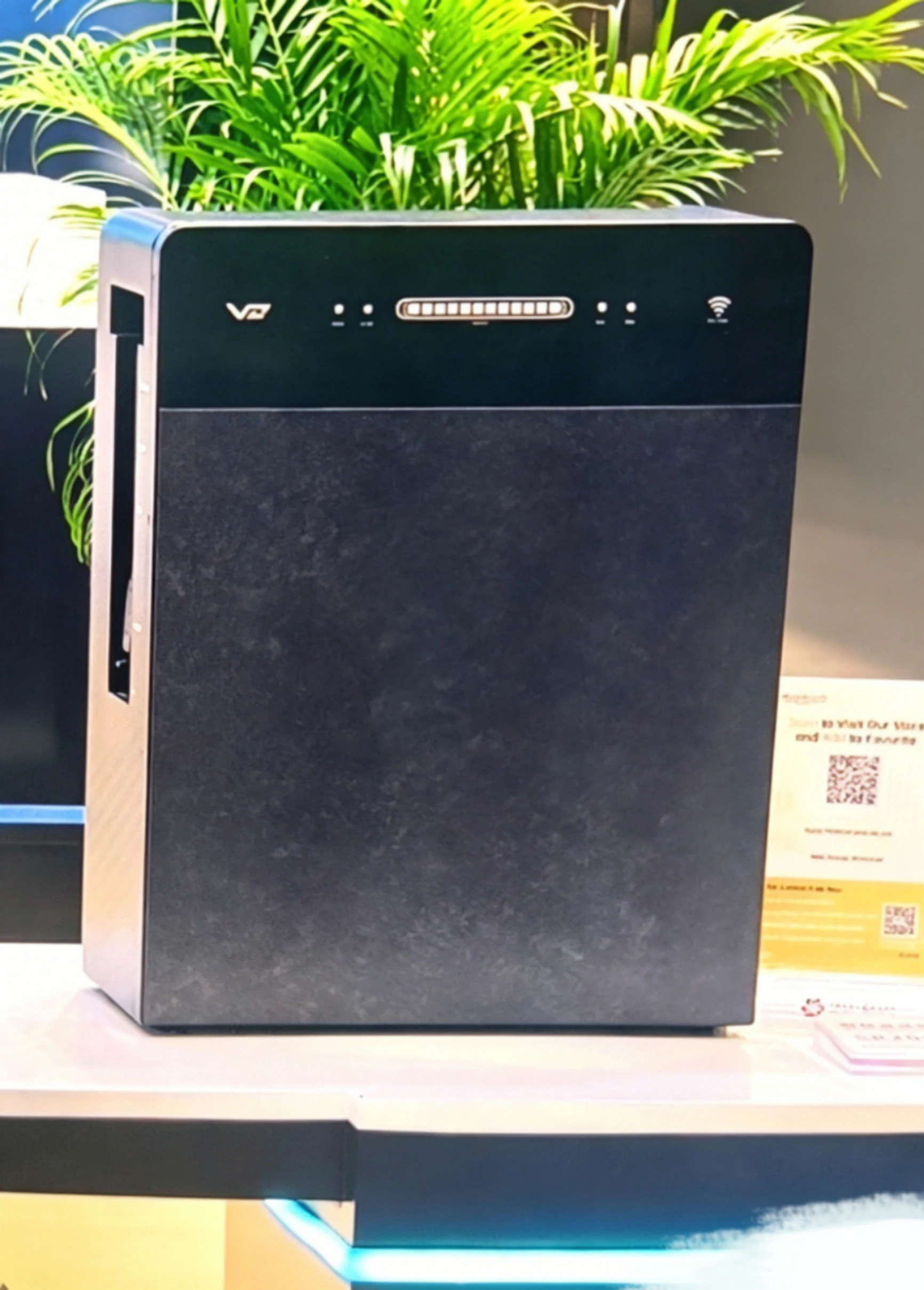
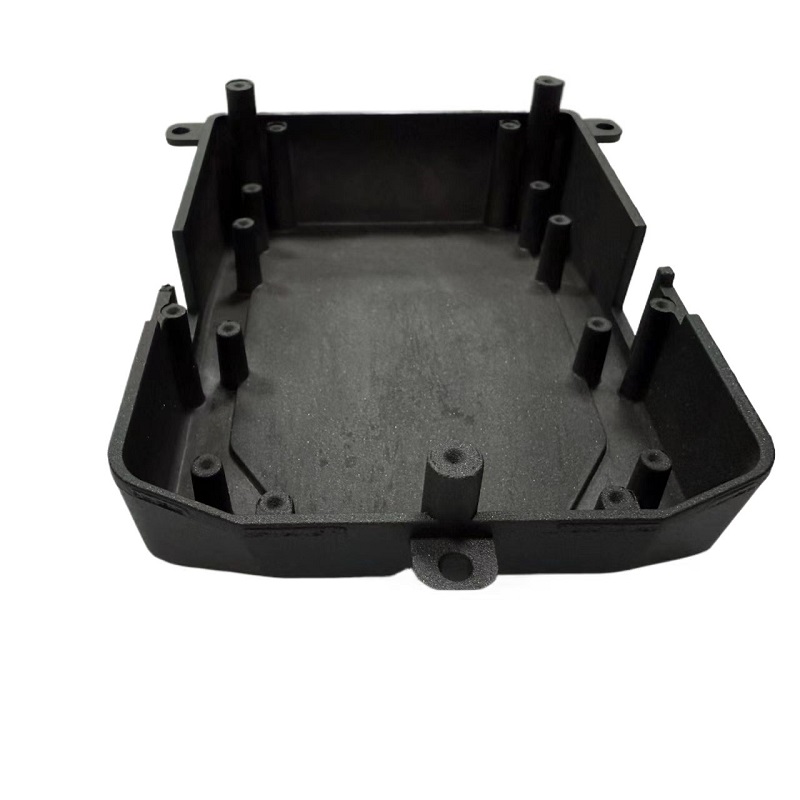
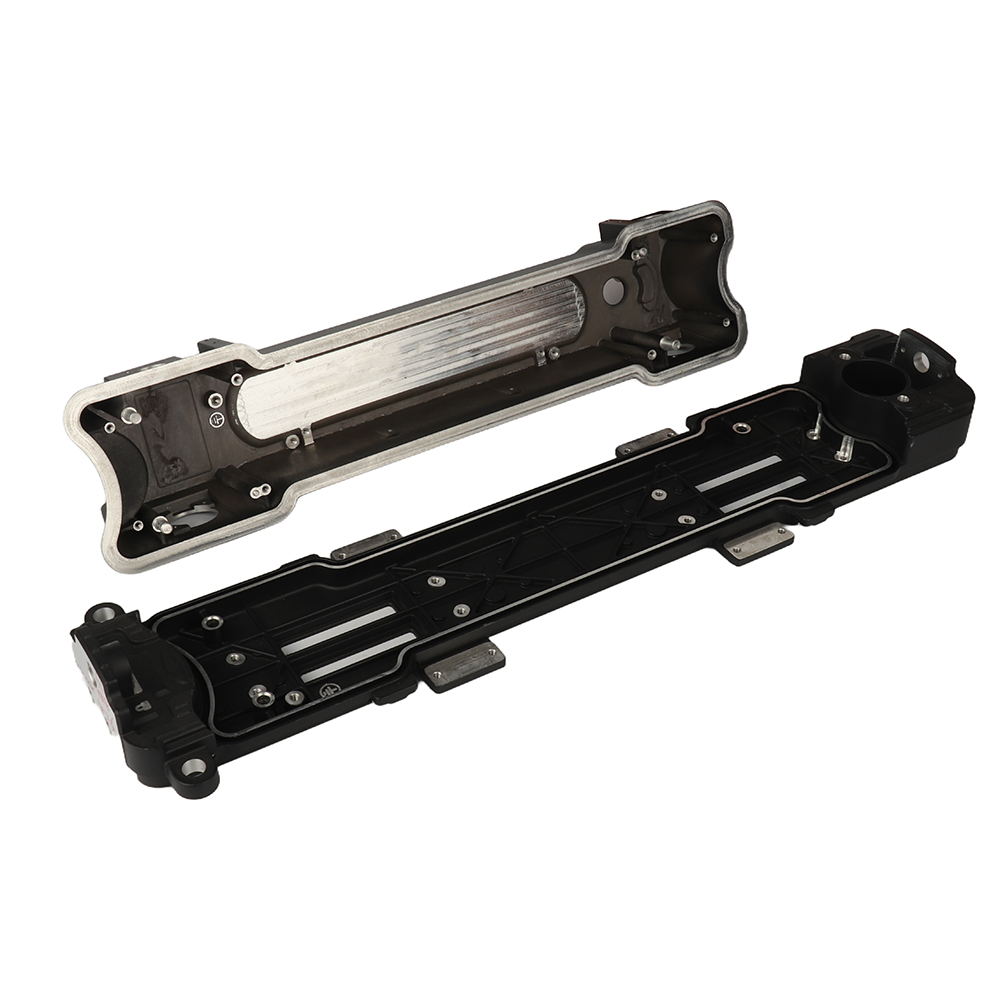
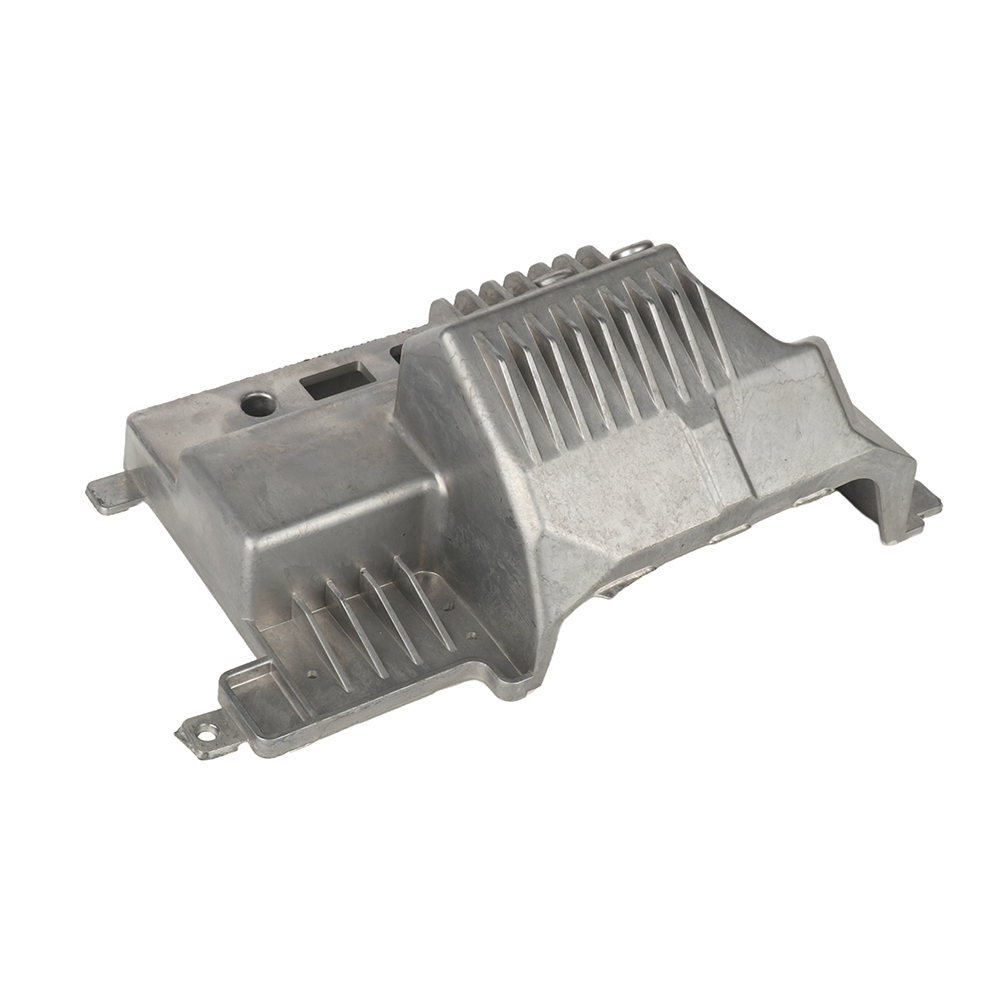
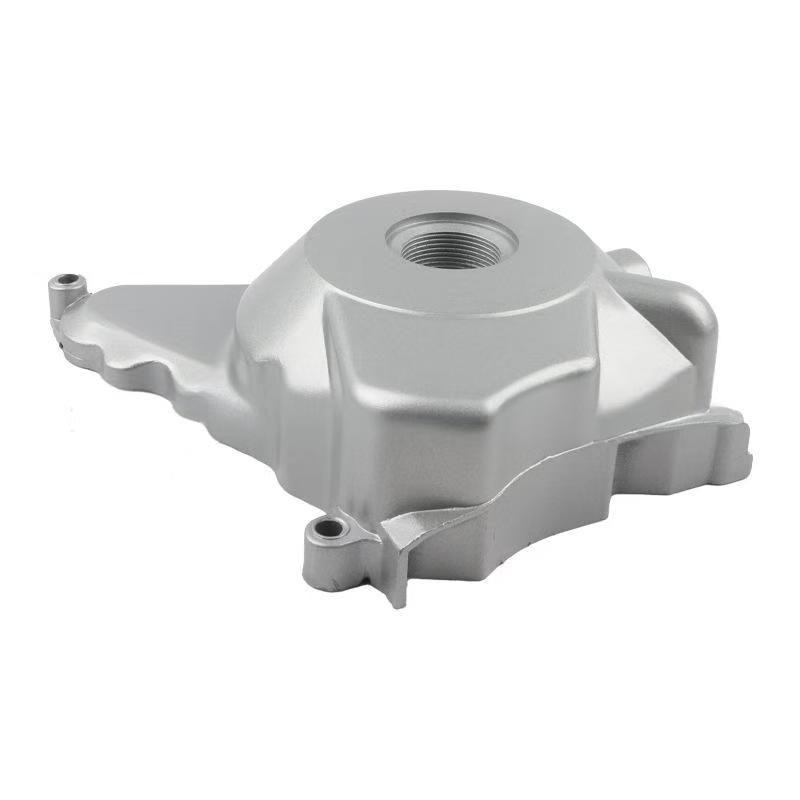
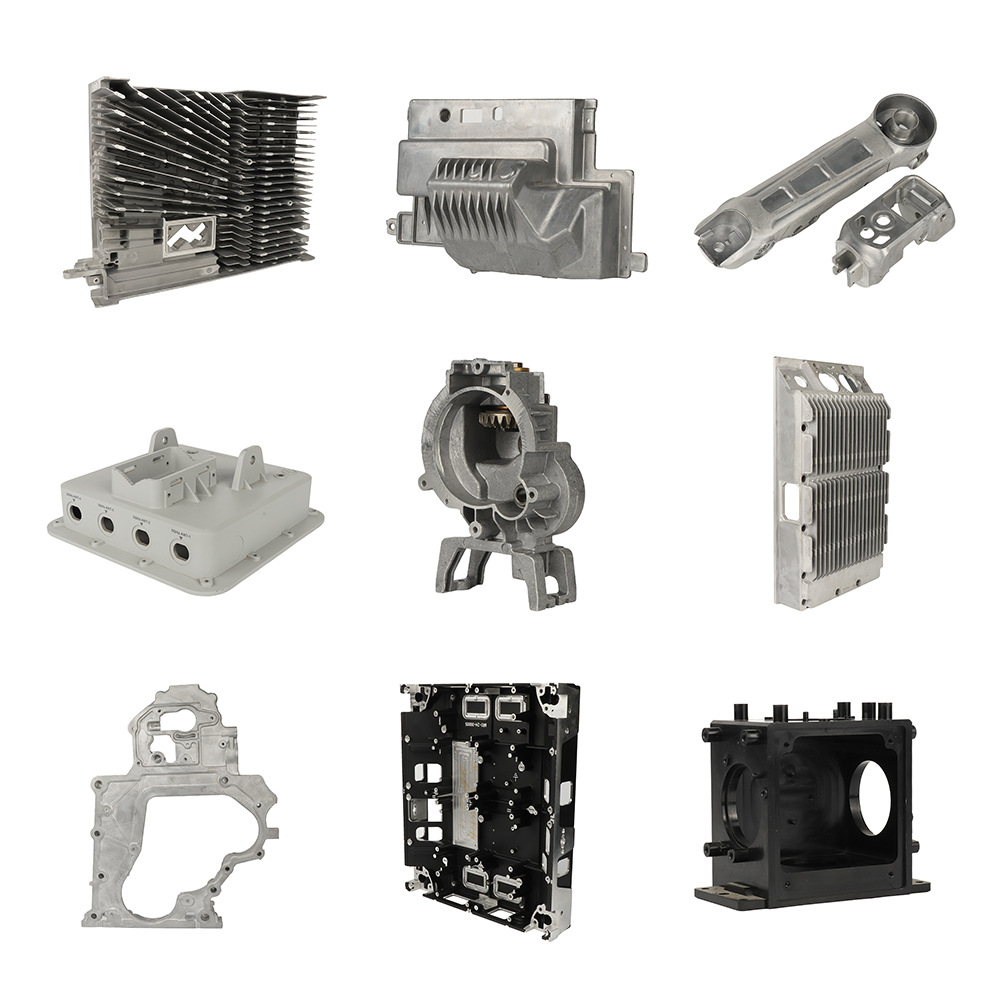
Powder coated aluminum panels | What is a die‑cast power box? Focus on Powder Coated Aluminum Panels
What is a Die‑Cast Power Box? Focus on Powder Coated Aluminum Panels
Table of Contents
- Introduction: What is a Die‑Cast Power Box?
- Key Component: Die‑Cast Power Box Powder Coated Aluminum Panels
- Die‑Cast Power Box: Pros and Cons (vs. Other Power Box Types)
- Core Benefits of Die‑Cast Power Boxes (Highlighted)
- Expert Insights on Die‑Cast Power Boxes & Powder Coated Panels
- Frequently Asked Questions (FAQs) About Die‑Cast Power Boxes
- Conclusion
1. Introduction: What is a Die‑Cast Power Box?
A die‑cast power box is a high-precision, durable enclosure designed to house and protect electrical components—such as circuit breakers, transformers, wiring, and control modules—used in industrial, commercial, and residential applications. It is manufactured via die casting, a high-pressure metal casting process that injects molten metal (primarily aluminum alloys) into a precision steel mold, creating seamless, dimensionally accurate enclosures with consistent structural integrity.
Unlike traditional power boxes made from plastic, sheet metal, or welded steel, die‑cast power boxes offer unmatched durability, precision, and customization. A defining feature of high-quality die‑cast power boxes is their powder coated aluminum panels—a surface treatment that enhances performance, aesthetics, and longevity. This blog dives into the fundamentals of die‑cast power boxes, with a specific focus on powder coated aluminum panels, their advantages, comparisons to other power box types, expert perspectives, and industry FAQs.
2. Key Component: Die‑Cast Power Box Powder Coated Aluminum Panels
The panels of a die‑cast power box are its frontline defense against external damage, corrosion, and environmental factors—and powder coated aluminum panels are the gold standard for modern die‑cast power boxes. Here’s a detailed breakdown of their composition, process, and benefits:
2.1 What Are Powder Coated Aluminum Panels?
Powder coated aluminum panels are die‑cast aluminum panels treated with a dry powder coating (a mixture of resin, pigments, and additives) applied electrostatically and cured at high temperatures (160–200°C). This process creates a hard, uniform, and protective layer that adheres tightly to the aluminum surface, far outperforming traditional paint in durability and resistance.
For die‑cast power boxes, aluminum is the preferred base material for panels due to its lightweight properties, excellent thermal conductivity, and natural corrosion resistance—qualities that complement the powder coating to create a robust, long-lasting enclosure component.
2.2 The Powder Coating Process for Aluminum Panels
The process of applying powder coating to die‑cast aluminum panels is streamlined for consistency and performance, ensuring every panel meets industrial standards:
- Surface Preparation: Die‑cast aluminum panels are cleaned to remove oil, dust, and oxidation, ensuring the powder adheres properly. This step may include chemical cleaning or sandblasting for optimal adhesion.
- Electrostatic Application: The dry powder is charged electrostatically and sprayed onto the aluminum panel, which is grounded—creating an attraction that ensures even coverage, even on complex edges and corners.
- Curing: The panel is heated in an oven, melting the powder into a smooth, continuous film that bonds permanently to the aluminum surface. This curing process creates a hard, scratch-resistant finish that won’t chip, peel, or fade easily.
2.3 Key Benefits of Powder Coated Aluminum Panels for Die‑Cast Power Boxes
Powder coated aluminum panels are not just a cosmetic upgrade—they are a functional necessity for die‑cast power boxes, offering advantages that directly improve performance and lifespan:
- Superior Corrosion Resistance: The powder coating acts as a barrier against moisture, salt, chemicals, and humidity—critical for power boxes used in outdoor or harsh industrial environments (e.g., chemical plants, construction sites, or coastal areas). Unlike paint, powder coating does not have gaps or thin spots, preventing rust and aluminum oxidation.
- Exceptional Durability: The cured powder coating is resistant to scratches, dents, impact, and abrasion, ensuring the panel maintains its integrity even in high-traffic or rugged settings. This durability reduces maintenance costs and extends the power box’s lifespan.
- Aesthetic Versatility: Powder coating is available in a wide range of colors, finishes (matte, gloss, textured), and can be customized to match brand colors or industrial design requirements. This makes die‑cast power boxes suitable for both functional industrial settings and visible commercial applications.
- Environmental Friendliness: Powder coating contains no solvents or volatile organic compounds (VOCs), making it an eco-friendly alternative to liquid paint. It is also fully recyclable, aligning with modern sustainability goals for electrical manufacturing.
- Thermal Performance: The powder coating enhances the aluminum panel’s thermal insulation properties, helping to regulate internal temperatures and protect sensitive electrical components from overheating—critical for power box functionality.
3. Die‑Cast Power Box: Pros and Cons (vs. Other Power Box Types)
To fully understand the value of die‑cast power boxes (and their powder coated aluminum panels), it’s essential to compare them to other common power box types—plastic, sheet metal, and welded steel. Below is a clear breakdown of their pros, cons, and key differences:
3.1 Die‑Cast Power Box: Pros
- Unmatched Precision & Consistency: Die casting produces power boxes with tight tolerances (±0.02–±0.05 mm) and uniform dimensions, ensuring a perfect fit for internal components and easy installation. This precision eliminates assembly delays and reduces defects.
- Durability & Structural Integrity: Die‑cast aluminum power boxes have a dense, seamless structure that resists cracks, deformation, and impact—far more robust than plastic or sheet metal. When paired with powder coated panels, they withstand harsh environments and long-term use.
- Lightweight & Easy to Install: Aluminum is 30–50% lighter than steel, making die‑cast power boxes easier to transport and mount, while still offering superior strength. This is a key advantage for overhead or wall-mounted applications.
- Customization Flexibility: Die casting allows for complex designs—including internal ribs, mounting holes, and cable openings—without additional assembly steps. Powder coated panels add further customization with color and finish options.
- Cost-Efficiency for High-Volume Production: While initial tooling costs are higher, die casting has fast cycle times (45 seconds to 2 minutes per part) and minimal post-processing, reducing per-unit costs for large-scale production. Powder coating also lowers maintenance costs by extending lifespan.
- Excellent Thermal & Electrical Properties: Aluminum’s thermal conductivity helps dissipate heat from internal components, preventing overheating. Powder coated panels add insulation, while aluminum’s natural electrical conductivity can be optimized for grounding or EMI shielding.
3.2 Die‑Cast Power Box: Cons
- Higher Initial Tooling Costs: Die casting molds require specialized design and materials to withstand high pressure and temperatures, leading to higher upfront costs compared to plastic injection molding or sheet metal fabrication. However, this is offset by longer mold life and lower long-term costs.
- Limited Size for Small-Scale Production: For very small production runs (fewer than 1,000 units), die casting may be less cost-effective than sheet metal or plastic, as tooling costs are spread over fewer units.
- Specialized Maintenance for Powder Coating: While powder coating is durable, severe damage (e.g., deep scratches or dents) requires professional touch-ups, as DIY repairs may not match the original finish.
3.3 Die‑Cast vs. Other Power Box Types
Here’s how die‑cast power boxes stack up against alternatives, with a focus on how powder coated aluminum panels enhance their advantages:
- vs. Plastic Power Boxes: Plastic is cheaper upfront but far less durable—prone to cracking, warping, and UV damage. Die‑cast aluminum with powder coated panels offers superior impact resistance, corrosion protection, and lifespan, making it ideal for outdoor or industrial use. Plastic also lacks the thermal conductivity needed for high-heat components.
- vs. Sheet Metal Power Boxes: Sheet metal is affordable but requires welding and extensive post-processing (e.g., painting), leading to inconsistent quality and higher labor costs. Die‑cast power boxes are seamless, with powder coated panels that eliminate the need for additional painting and offer better corrosion resistance.
- vs. Welded Steel Power Boxes: Steel is strong but heavy, making installation difficult. It is also prone to rust without proper coating. Die‑cast aluminum is lighter, naturally corrosion-resistant, and paired with powder coating to outperform steel in harsh environments—while maintaining comparable strength.
4. Core Benefits of Die‑Cast Power Boxes (Highlighted)
While the pros above outline the basics, die‑cast power boxes—especially those with powder coated aluminum panels—offer unique advantages that make them the top choice for most industrial and commercial applications. Below are the most impactful benefits, emphasized for clarity:
4.1 Enhanced Protection for Sensitive Electrical Components
Power boxes house critical, expensive electrical components that need protection from moisture, dust, impact, and EMI. Die‑cast aluminum’s dense structure and powder coated panels create a sealed, durable barrier that prevents contamination and damage. This reduces the risk of component failure, downtime, and costly replacements—critical for industrial operations.
4.2 Long-Term Cost Savings
While die‑cast power boxes have higher upfront costs, their durability and minimal maintenance needs lead to significant long-term savings. Powder coated aluminum panels eliminate the need for frequent repainting, resist corrosion, and extend the power box’s lifespan by 2–3 times compared to plastic or uncoated metal. For high-volume users (e.g., manufacturing plants, electrical contractors), this translates to lower replacement and maintenance costs over time.
4.3 Versatility Across Applications
Die‑cast power boxes with powder coated aluminum panels are suitable for a wide range of applications, from residential electrical panels to industrial control enclosures and outdoor power distribution boxes. They can be customized to meet specific size, design, and environmental requirements (e.g., IP65/IP66 protection for harsh environments), making them a versatile solution for any electrical enclosure need.
4.4 Compliance with Industrial Standards
Die‑cast power boxes, especially those with powder coated aluminum panels, meet strict industrial standards for durability, corrosion resistance, and safety. They comply with IP (Ingress Protection) ratings, EMI shielding requirements, and safety certifications (e.g., UL, CE), ensuring they are safe and reliable for use in regulated industries (e.g., aerospace, medical, oil and gas).
5. Expert Insights on Die‑Cast Power Boxes & Powder Coated Panels
To gain a deeper understanding of why die‑cast power boxes with powder coated aluminum panels are the industry standard, we invited three experts to share their perspectives:
5.1 Expert Opinion 1: Dr. Sarah Lewis, Materials Engineer & Electrical Enclosure Specialist
“Die‑cast power boxes represent the gold standard in electrical enclosure design, and their powder coated aluminum panels are a game-changer. Aluminum’s natural properties—lightweight, thermal conductivity, corrosion resistance—paired with powder coating’s durability and versatility create a solution that outperforms every alternative. In industrial settings, where power boxes are exposed to moisture, chemicals, and impact, powder coated aluminum panels ensure long-term reliability, reducing downtime and maintenance costs. For manufacturers, the precision of die casting means consistent, high-quality enclosures that fit perfectly with internal components, eliminating assembly headaches.”
5.2 Expert Opinion 2: Mark Thompson, Senior Electrical Contractor with 20+ Years of Experience
“As someone who installs and maintains power boxes daily, I can’t overstate the value of die‑cast aluminum with powder coated panels. Plastic power boxes crack in extreme temperatures, sheet metal rusts, but die‑cast units with powder coating hold up year after year—even in outdoor and industrial environments. The lightweight design makes installation easier, and the smooth, durable finish means we don’t have to worry about repainting or replacing panels. For our clients, this translates to lower long-term costs and fewer service calls. Powder coated panels also offer better aesthetics, which is a bonus for commercial applications where appearance matters.”
5.3 Expert Opinion 3: Lisa Wang, Sustainability & Industrial Design Consultant
“Die‑cast power boxes with powder coated aluminum panels align perfectly with modern sustainability goals and industrial design needs. Aluminum is fully recyclable, retaining 95% of its original properties, and powder coating is VOC-free—making this combination far more eco-friendly than plastic or solvent-based painted enclosures. Beyond sustainability, powder coating offers unmatched customization, allowing manufacturers to match brand colors and design aesthetics without sacrificing performance. As industries shift toward greener, more durable solutions, die‑cast power boxes with powder coated aluminum panels will continue to be the top choice for forward-thinking companies.”
6. Frequently Asked Questions (FAQs) About Die‑Cast Power Boxes
Below are answers to the most common questions from manufacturers, contractors, and buyers about die‑cast power boxes—with a focus on powder coated aluminum panels:
Q1: What aluminum alloys are used for die‑cast power box panels?
A: The most common alloys are ADC12, A380, and AZ91D. ADC12 and A380 are preferred for their excellent die casting properties, durability, and cost-effectiveness, making them ideal for most power box applications. AZ91D (magnesium-aluminum alloy) is used for high-end applications where weight savings and thermal conductivity are critical. All these alloys pair perfectly with powder coating for enhanced performance.
Q2: How long does the powder coating on aluminum panels last?
A: When properly applied and maintained, powder coated aluminum panels can last 15–20 years in indoor environments and 10–15 years in outdoor or harsh industrial environments. This lifespan is 2–3 times longer than liquid paint, making it a cost-effective choice for long-term use.
Q3: Can die‑cast power boxes with powder coated panels be used outdoors?
A: Yes! Powder coated aluminum panels are specifically designed to withstand outdoor conditions, including rain, snow, humidity, and UV radiation. They also resist corrosion from salt (ideal for coastal areas) and chemicals (ideal for industrial sites). Most die‑cast power boxes with powder coating meet IP65 or IP66 protection ratings, ensuring they are dust-tight and water-resistant.
Q4: Are die‑cast power boxes customizable in size and design?
A: Absolutely. Die casting allows for full customization of size, shape, and internal features (e.g., mounting holes, cable openings, internal ribs). Powder coated panels can be customized in color, finish, and even texture—making it easy to match specific application requirements or brand aesthetics.
Q5: How does the cost of a die‑cast power box compare to plastic or sheet metal?
A: Die‑cast power boxes have higher upfront costs (due to tooling) than plastic or sheet metal. However, their longer lifespan, minimal maintenance, and lower per-unit costs for high-volume production make them more cost-effective over time. For example, a die‑cast power box with a powder coated panel may cost 20–30% more upfront but save 50% or more in maintenance and replacement costs over 10 years.
Q6: Can powder coated aluminum panels be repaired if damaged?
A: Yes. Minor scratches or chips can be touched up with matching powder coating (applied via a touch-up gun and cured with a heat source). For severe damage, the panel can be sandblasted and re-powder coated to restore its original performance and appearance.
Q7: Are die‑cast power boxes suitable for high-heat applications?
A: Yes. Aluminum has excellent thermal conductivity, which helps dissipate heat from internal components (e.g., transformers, circuit breakers). Powder coated panels add a thin, heat-resistant layer that does not compromise thermal performance—making die‑cast power boxes ideal for high-heat industrial applications.
7. Conclusion
A die‑cast power box is a precision, durable electrical enclosure that offers unmatched protection, versatility, and cost-efficiency—especially when equipped with powder coated aluminum panels. These panels enhance the power box’s durability, corrosion resistance, aesthetics, and environmental friendliness, making it the top choice for industrial, commercial, and residential applications.
While die‑cast power boxes have higher initial tooling costs, their long lifespan, minimal maintenance, and superior performance far outweigh these drawbacks—especially for high-volume production or harsh environments. When compared to plastic, sheet metal, or welded steel power boxes, die‑cast units stand out for their precision, structural integrity, and customization flexibility.
With expert insights confirming their value and ongoing advancements in die casting and powder coating technology, die‑cast power boxes with powder coated aluminum panels are poised to remain the industry standard for electrical enclosures. Whether you need a compact residential power panel or a heavy-duty industrial control enclosure, die‑cast power boxes deliver the reliability, durability, and performance required to protect critical electrical components.
Control housing | What is aluminum alloy casting? Focus on Aluminum Alloy Casting Control Housing
Electronic housings | What is cold chamber die casting? A Focus on Electronic Housings
Related Article


