
HOT PRODUCTS
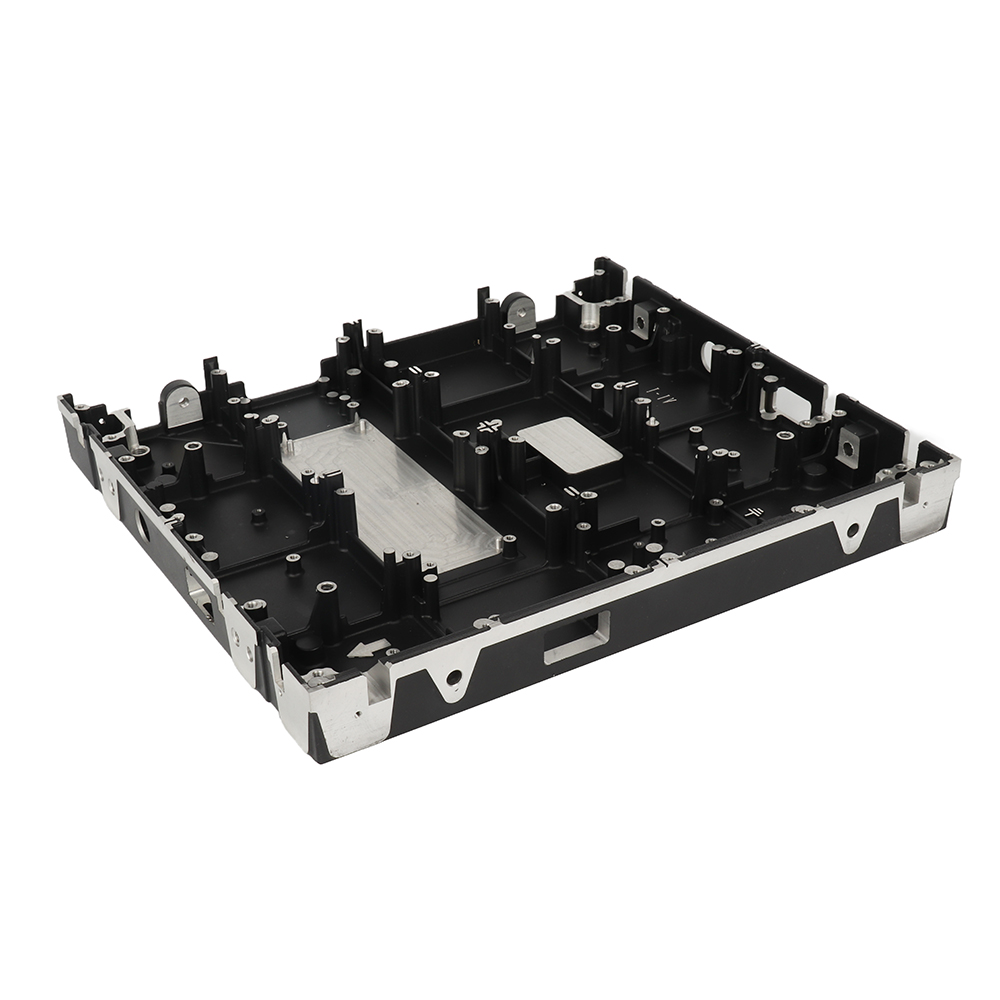
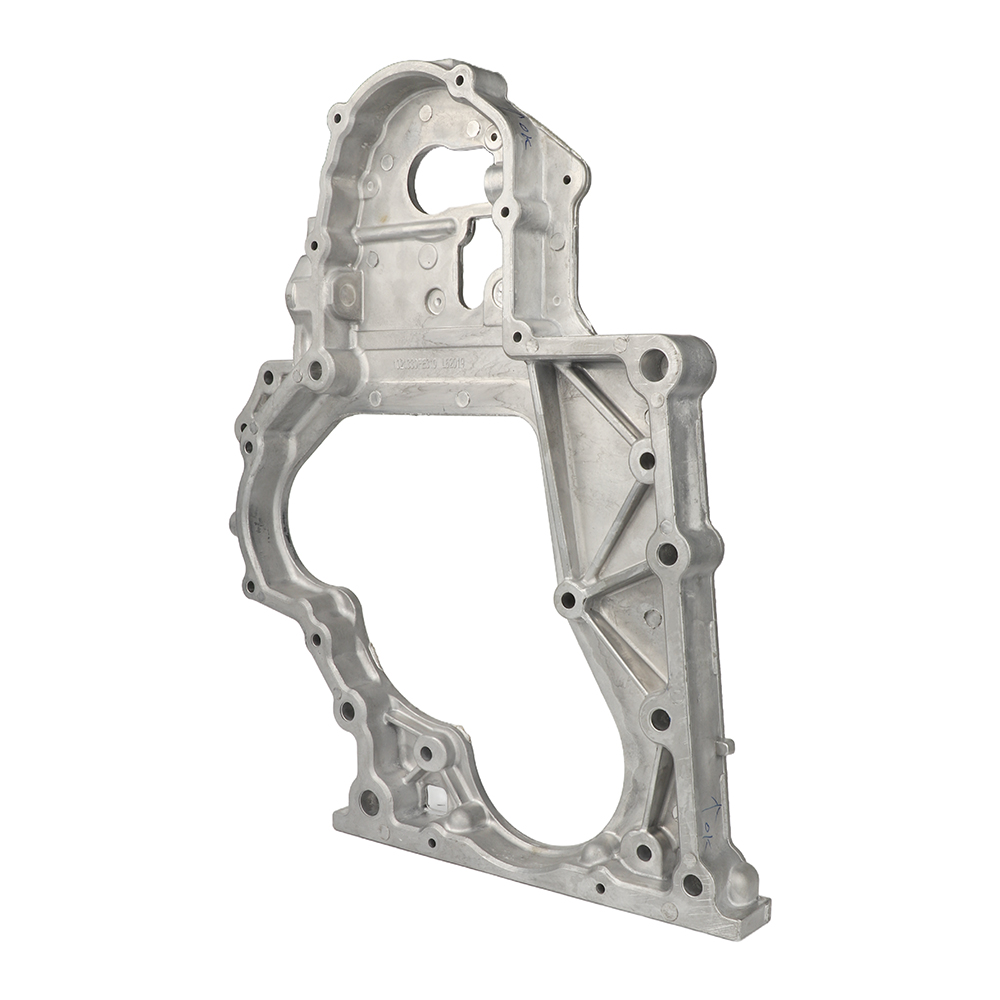
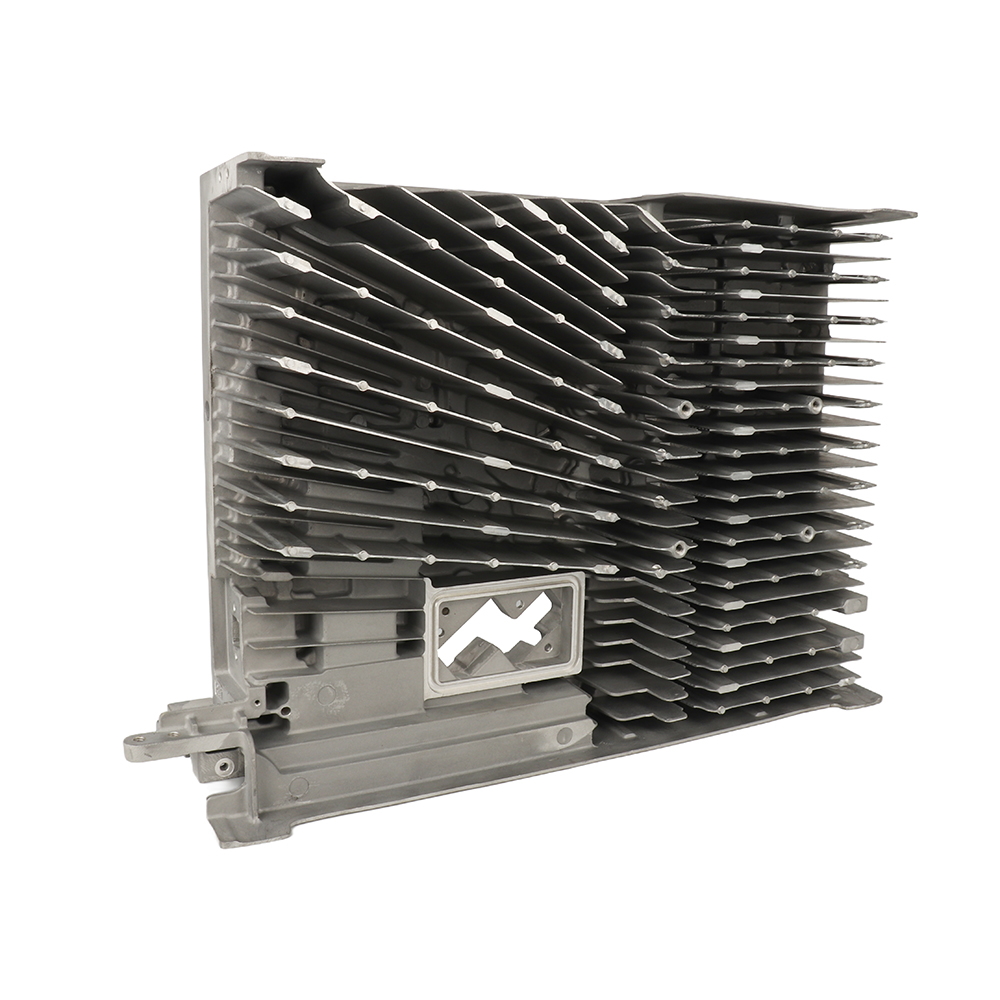
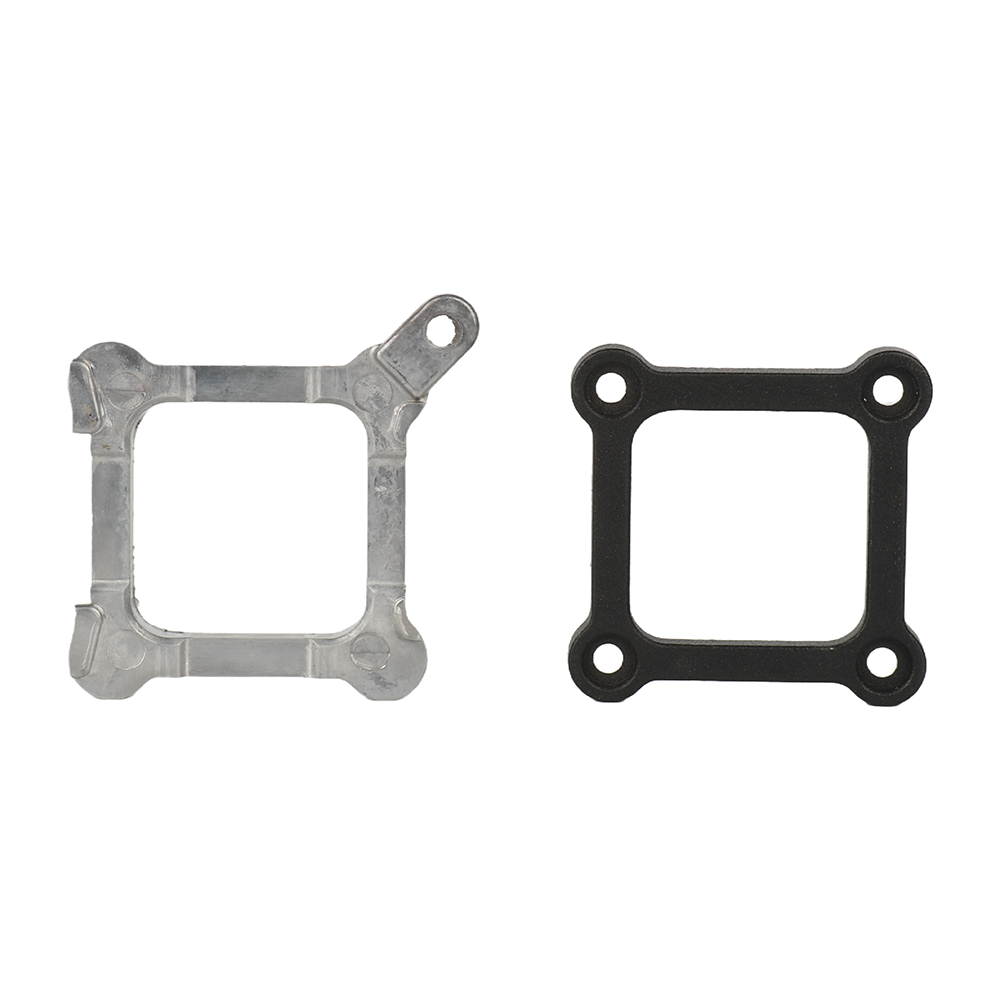
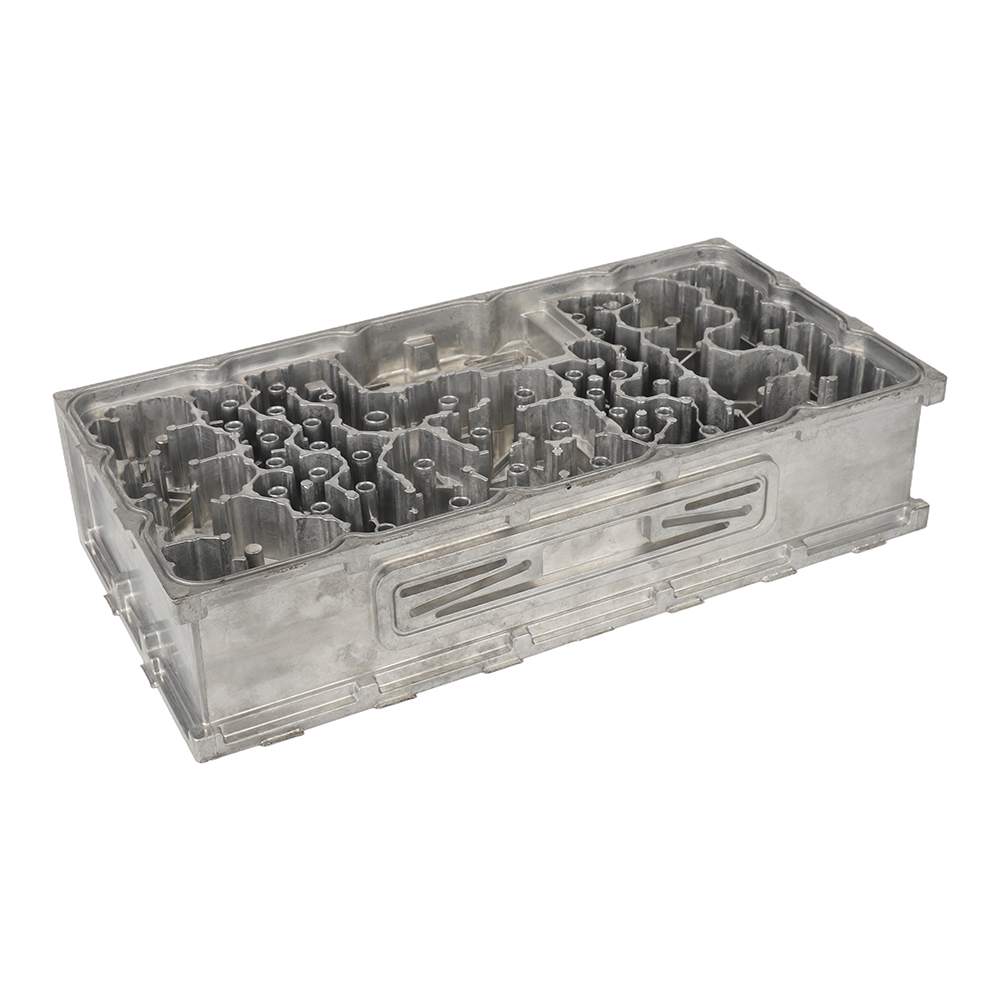
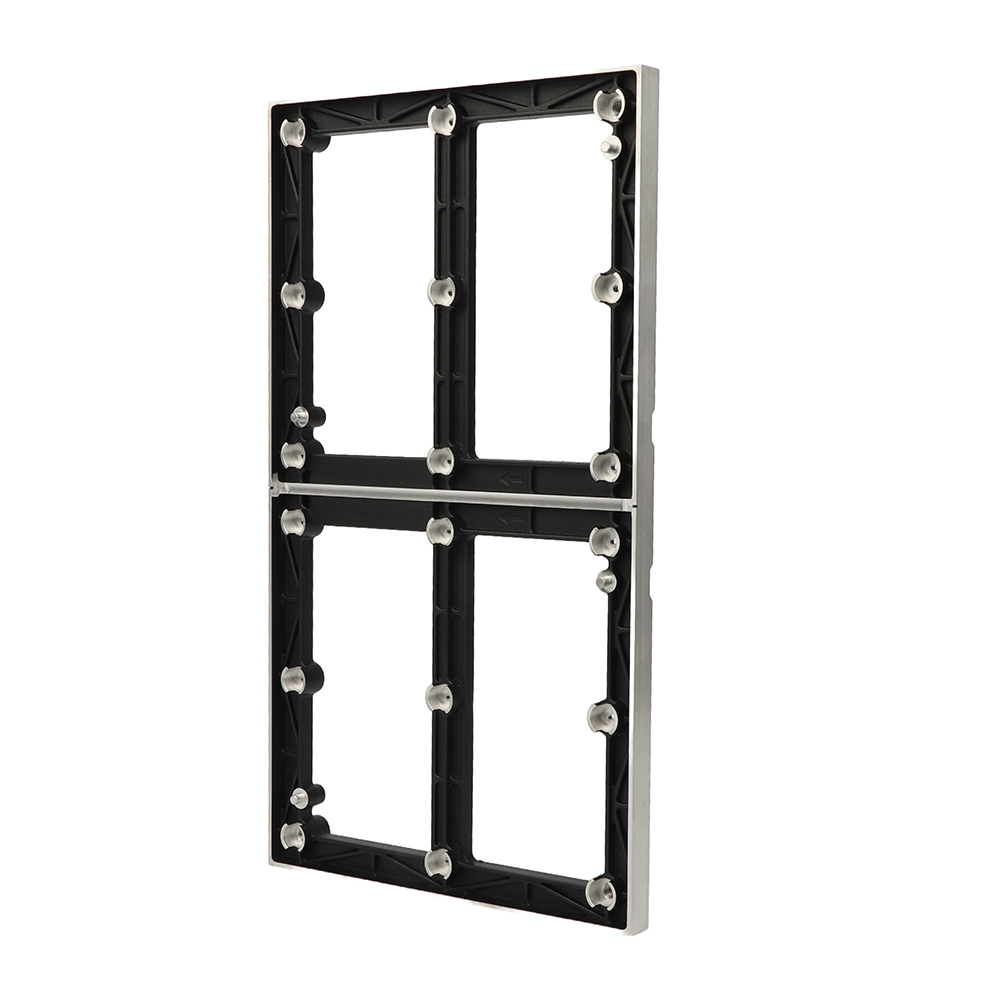
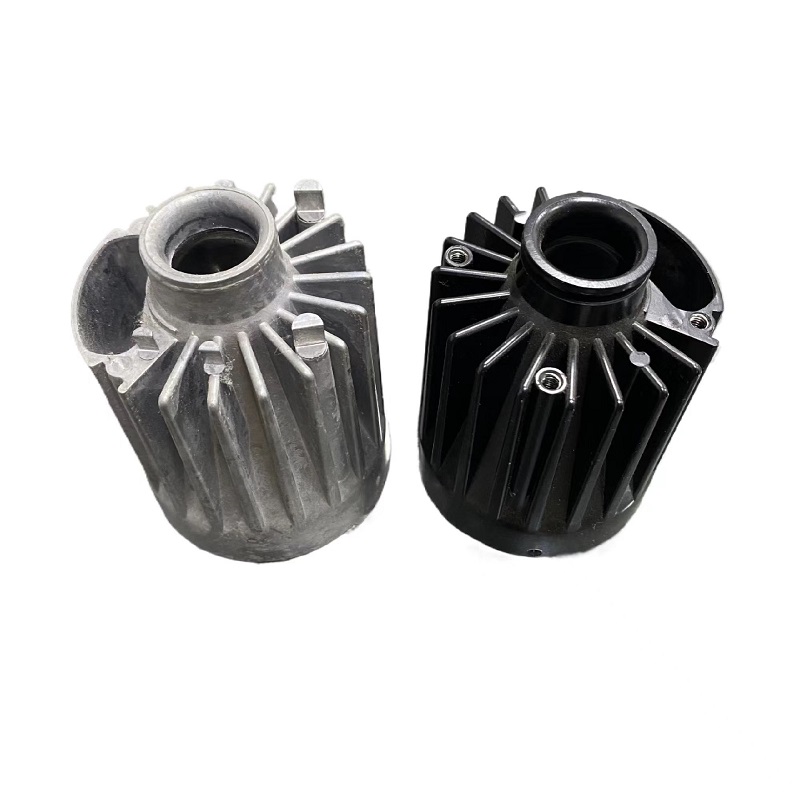
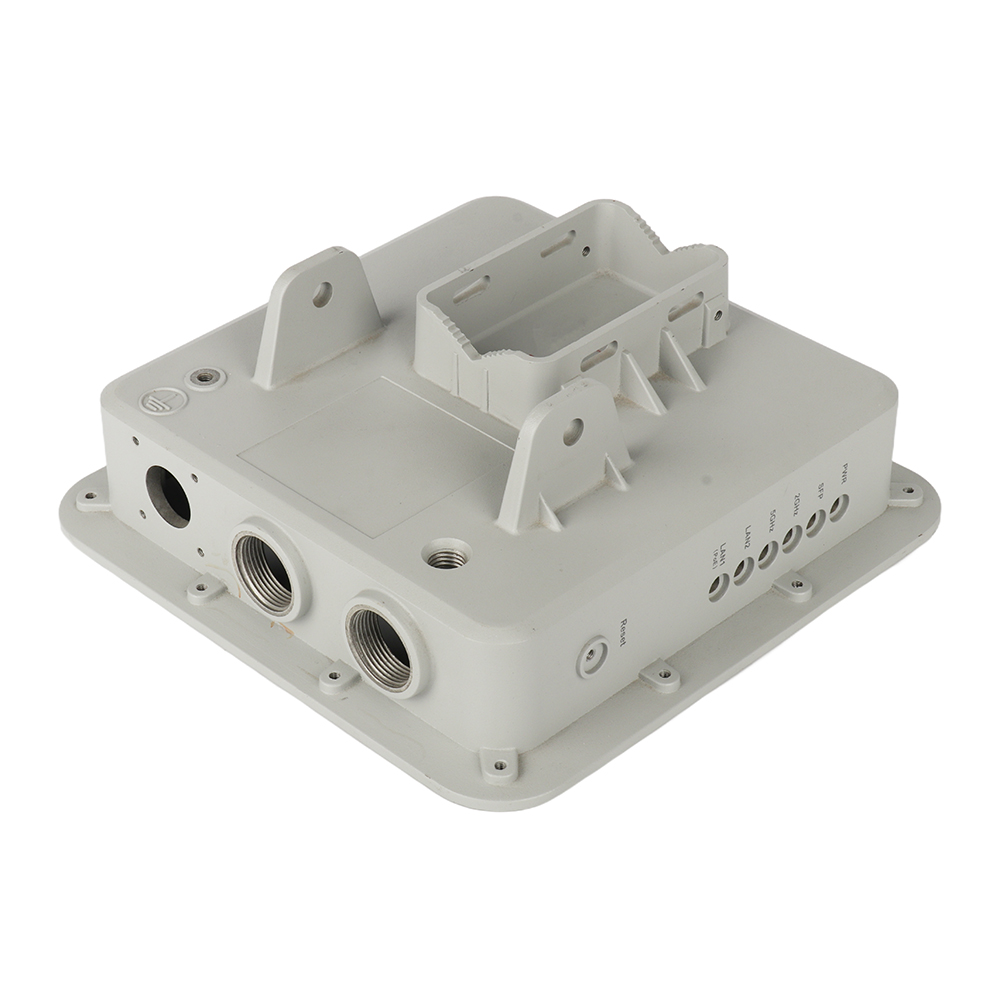
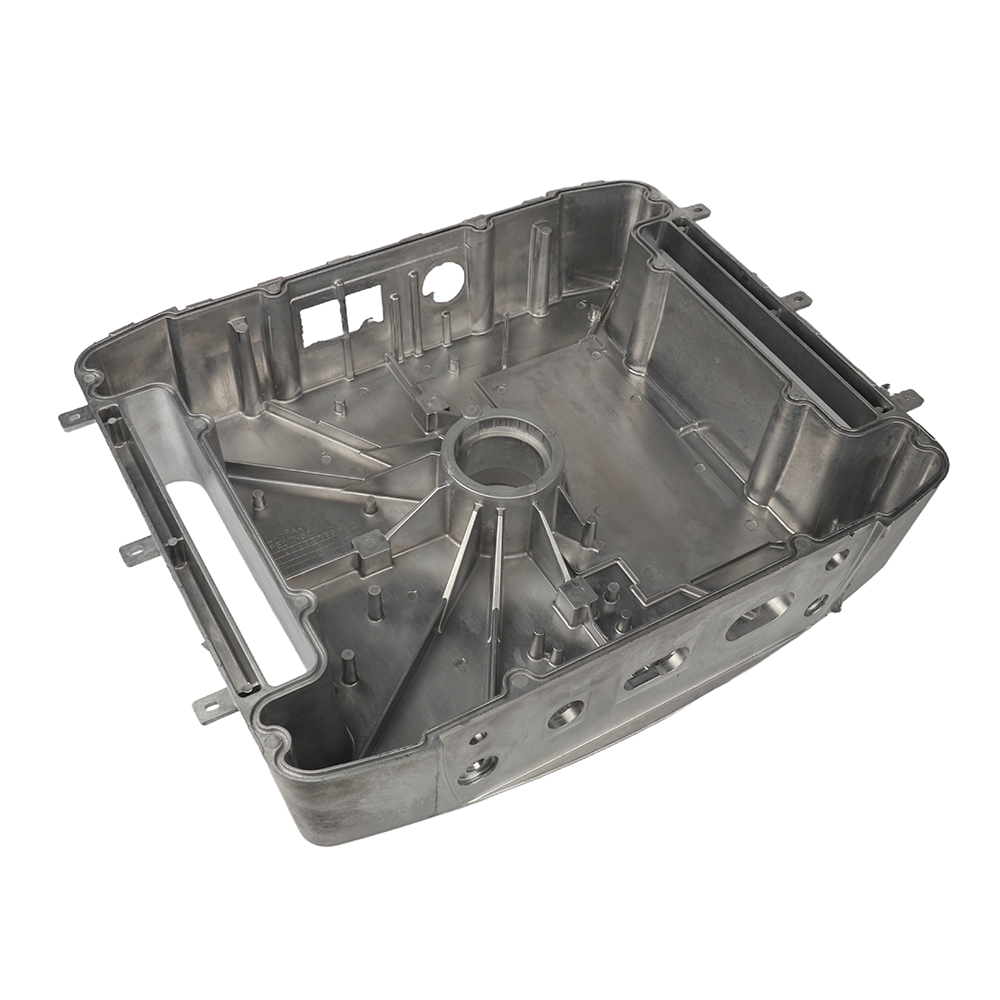
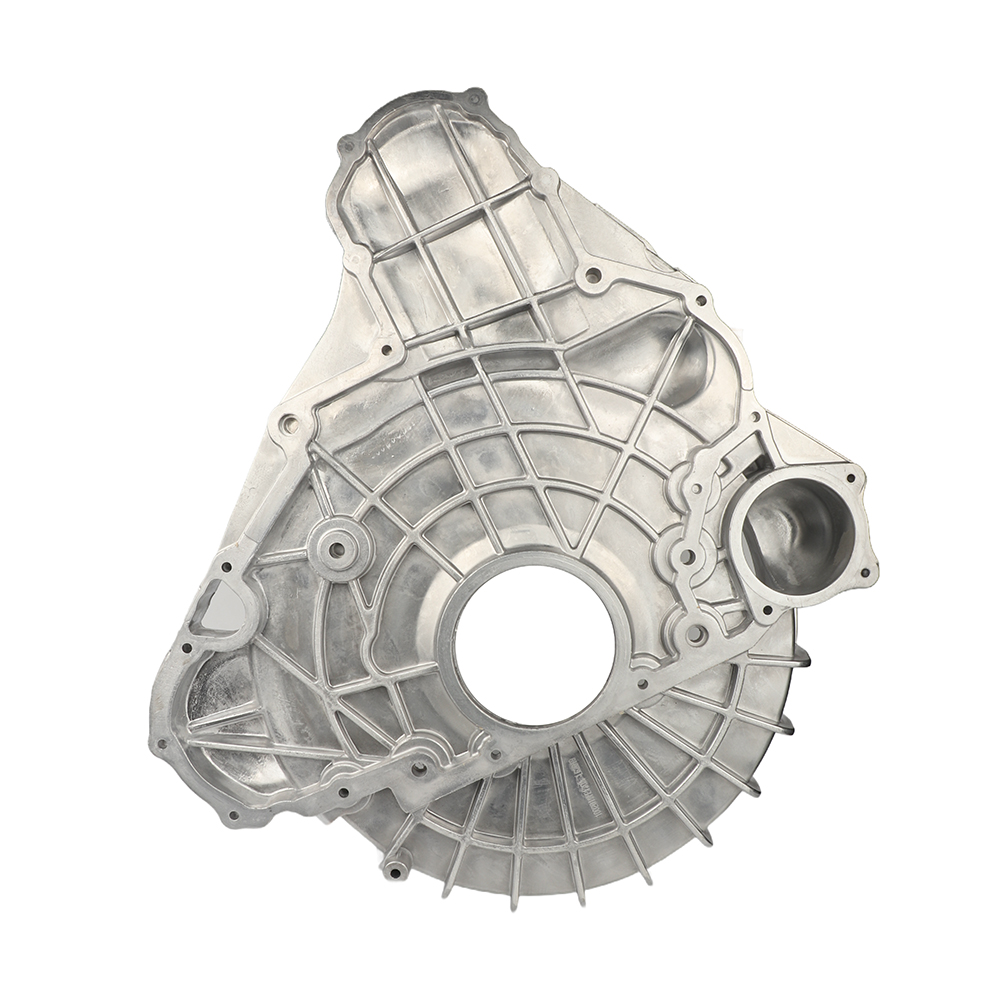
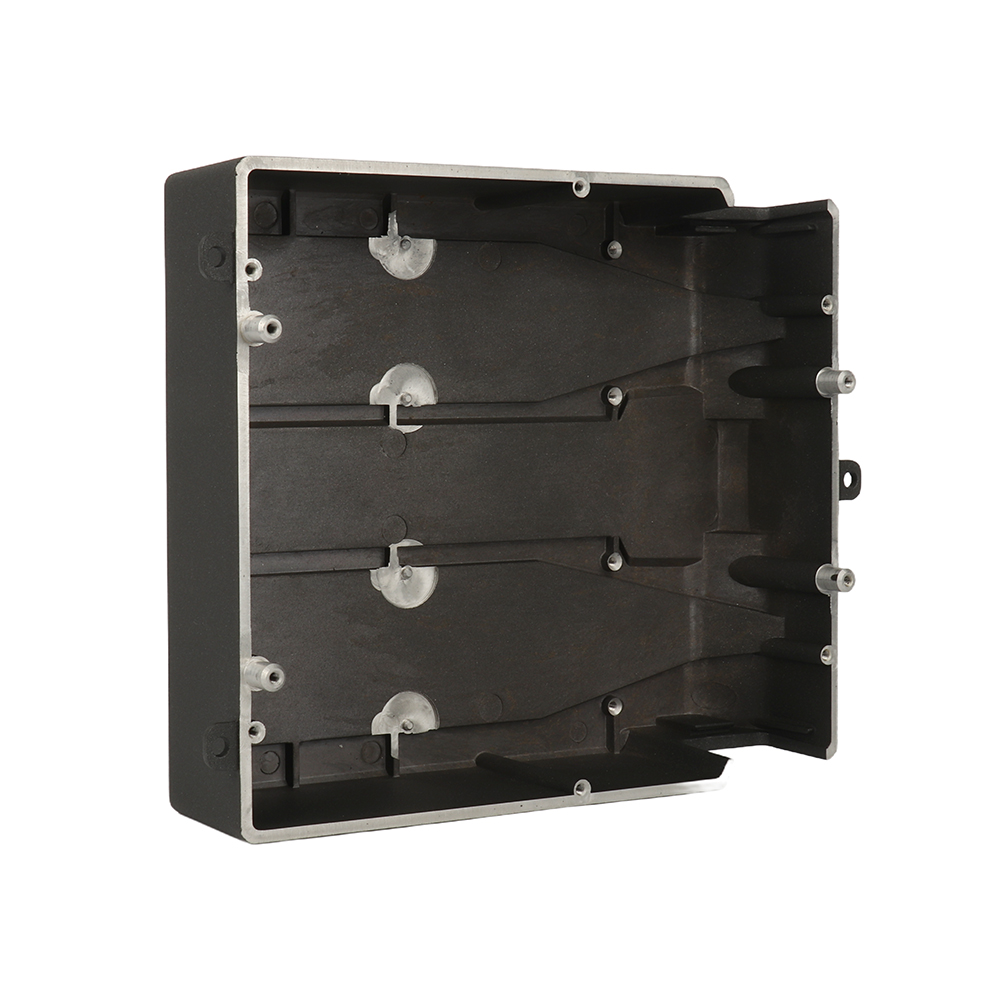
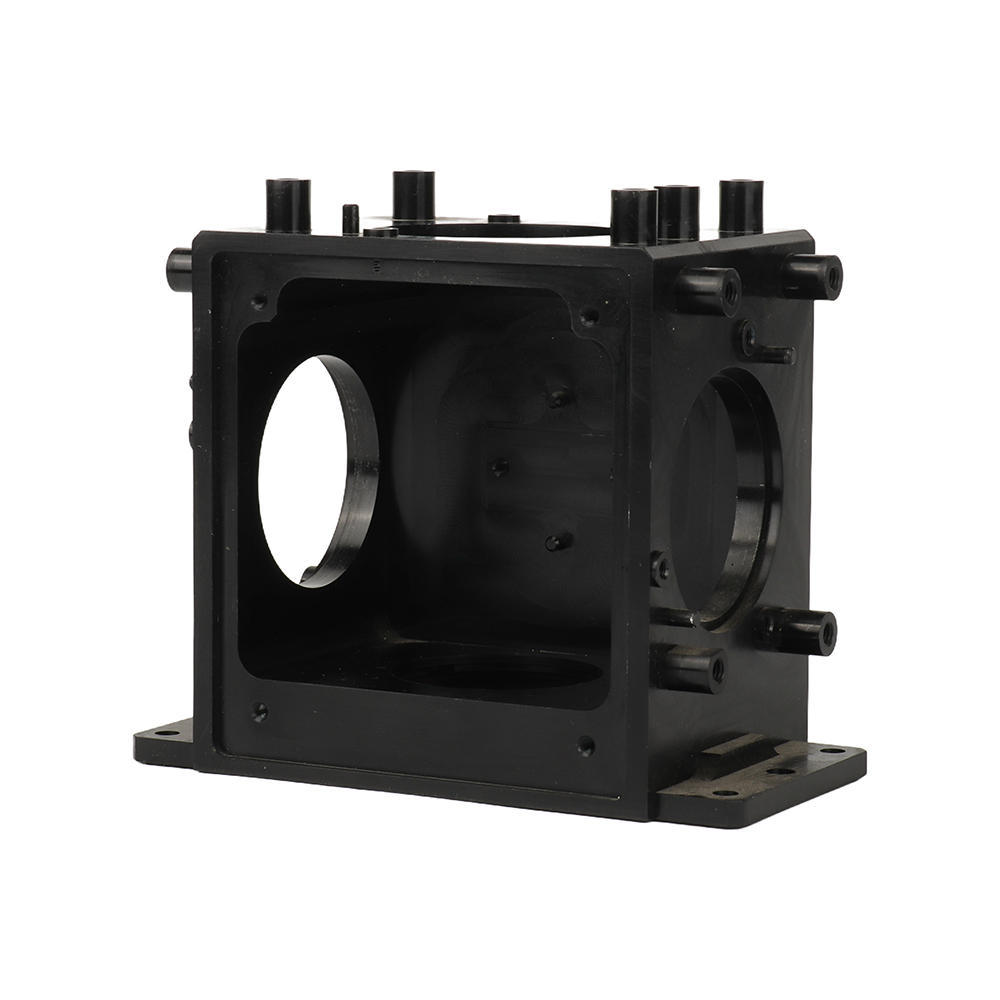
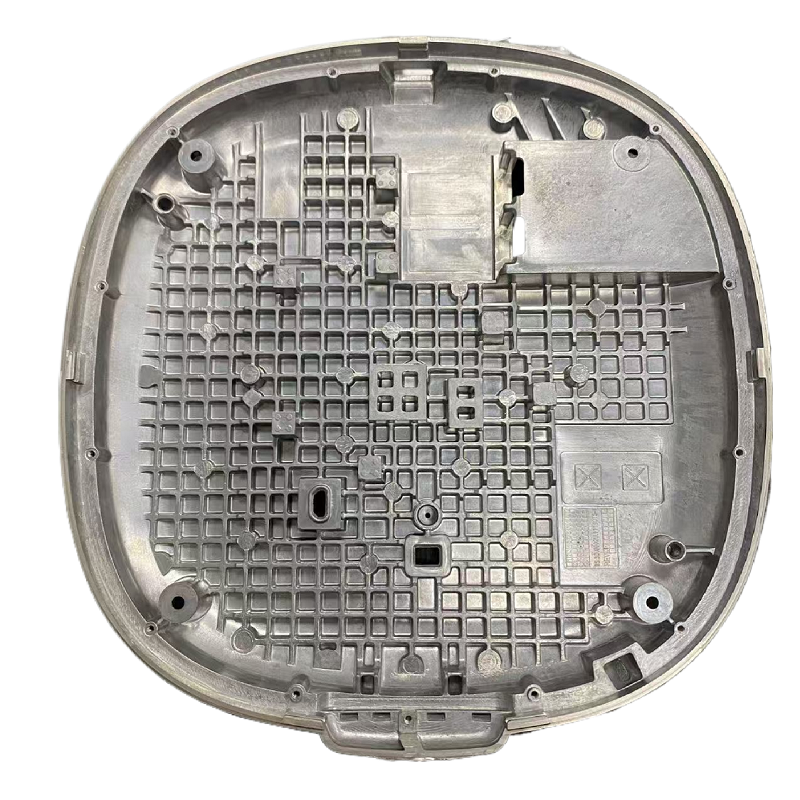
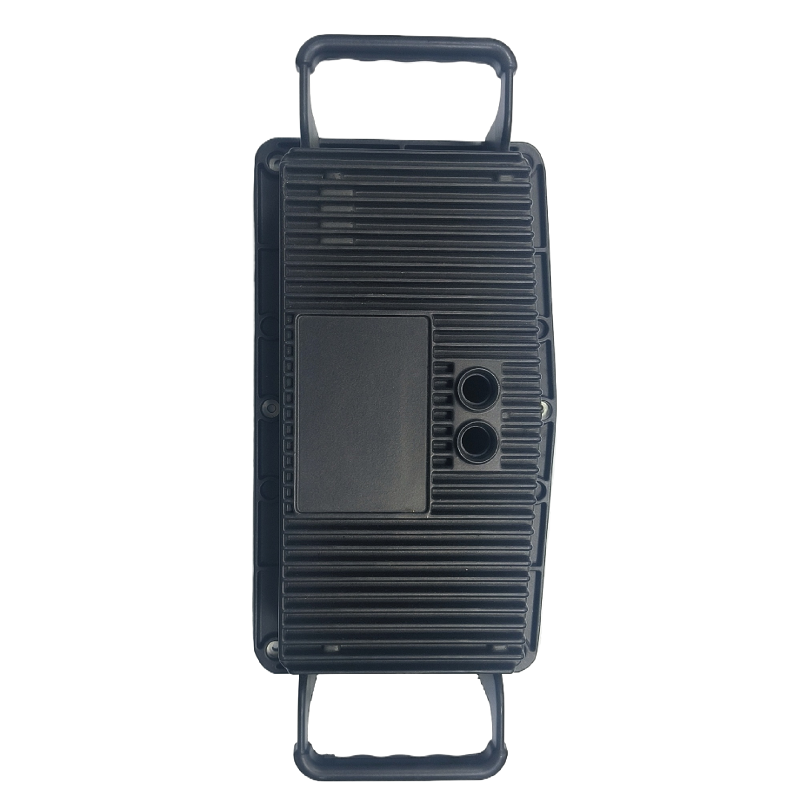
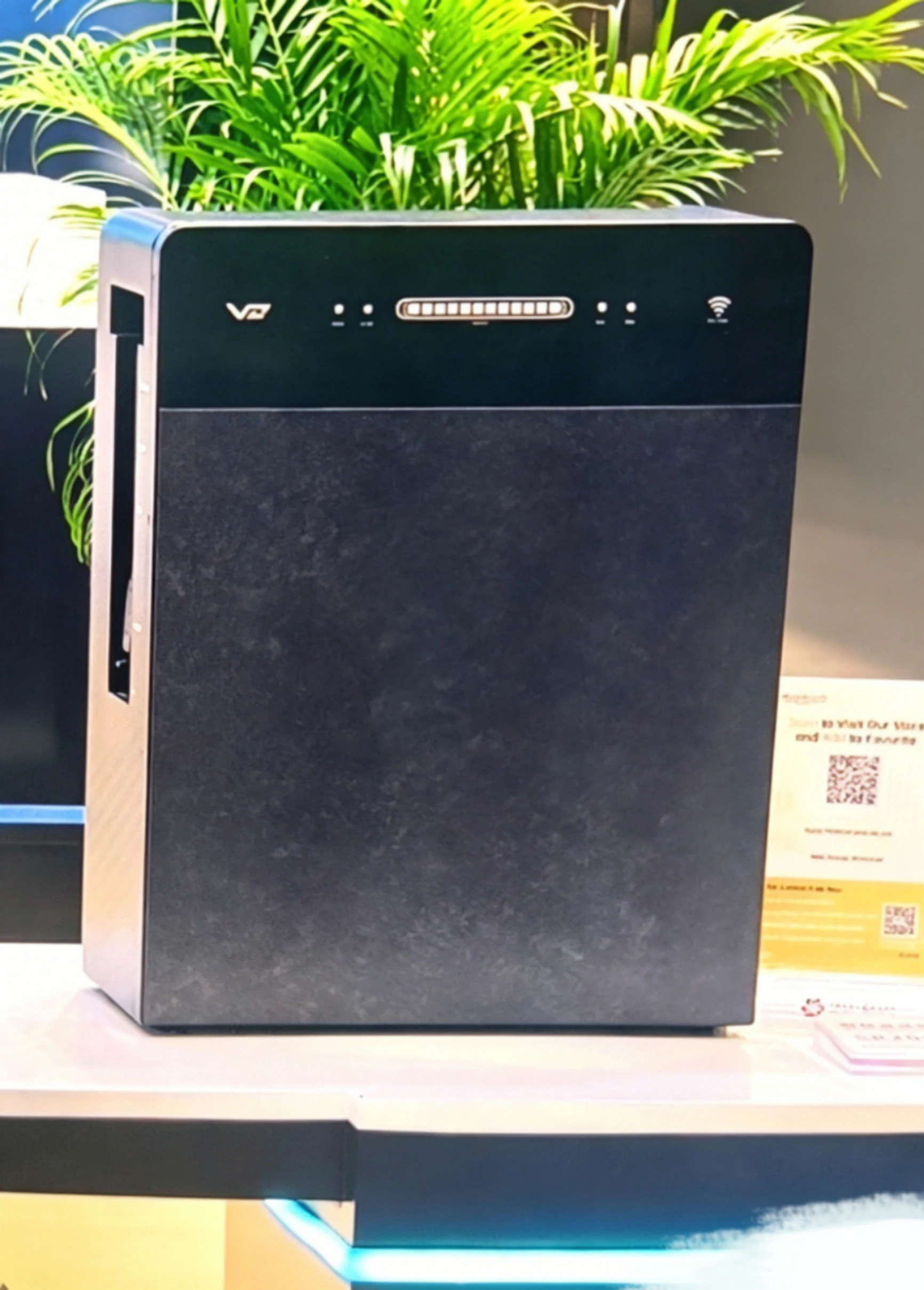
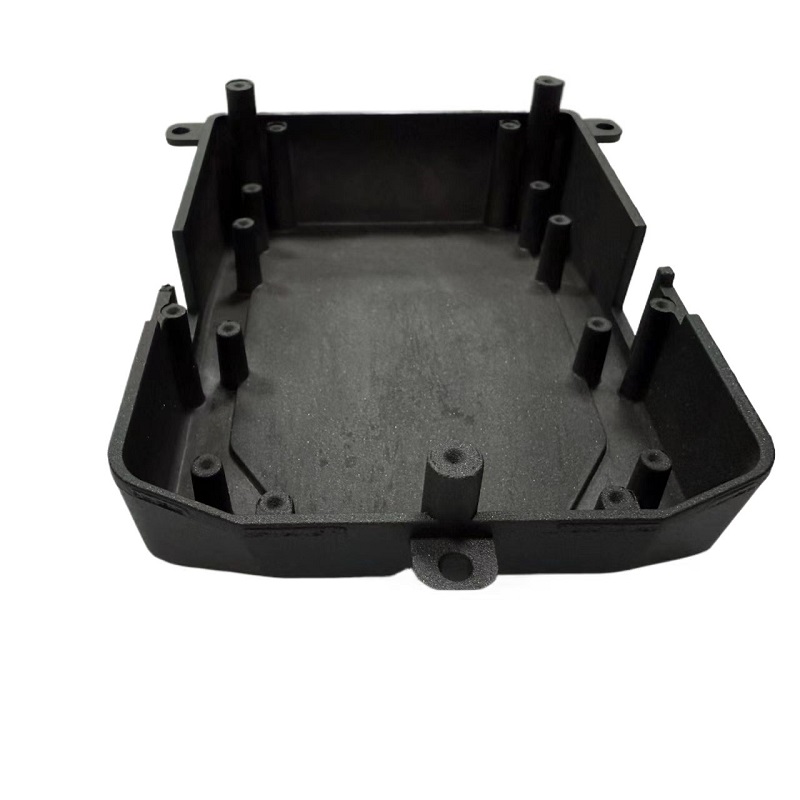
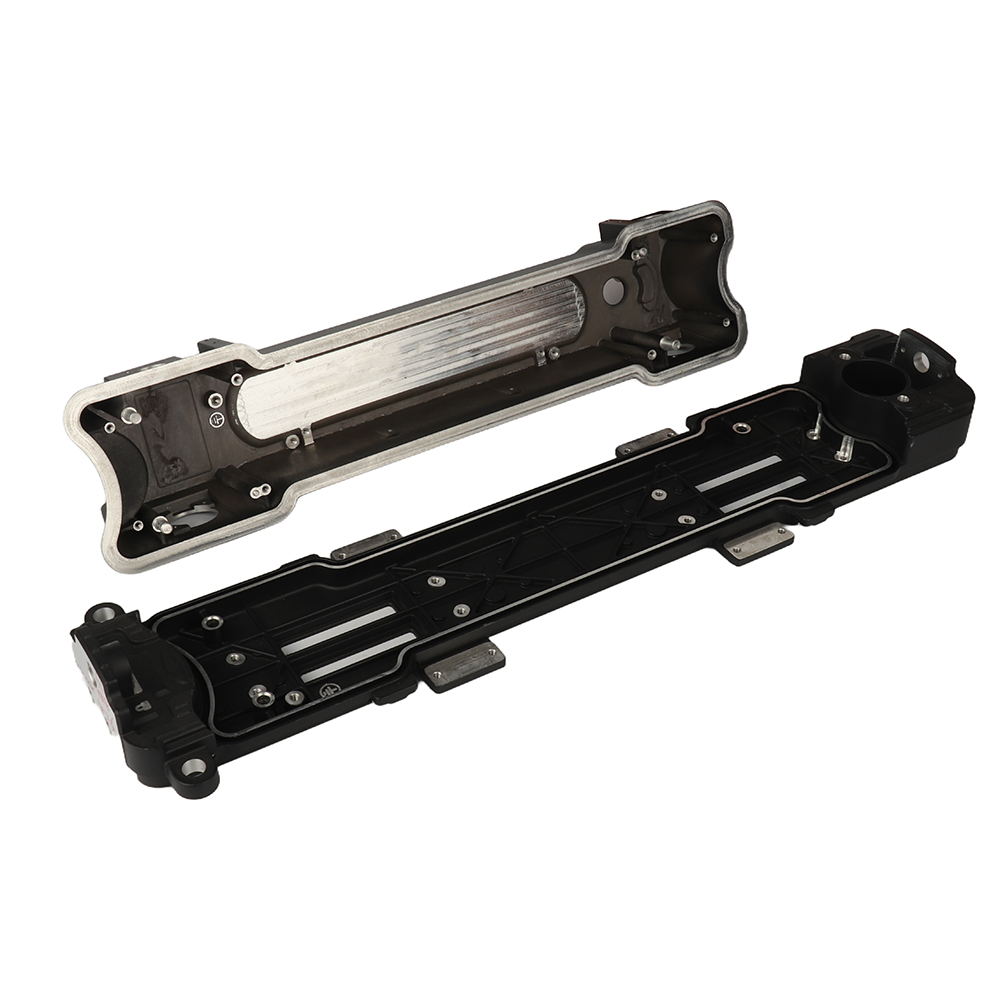
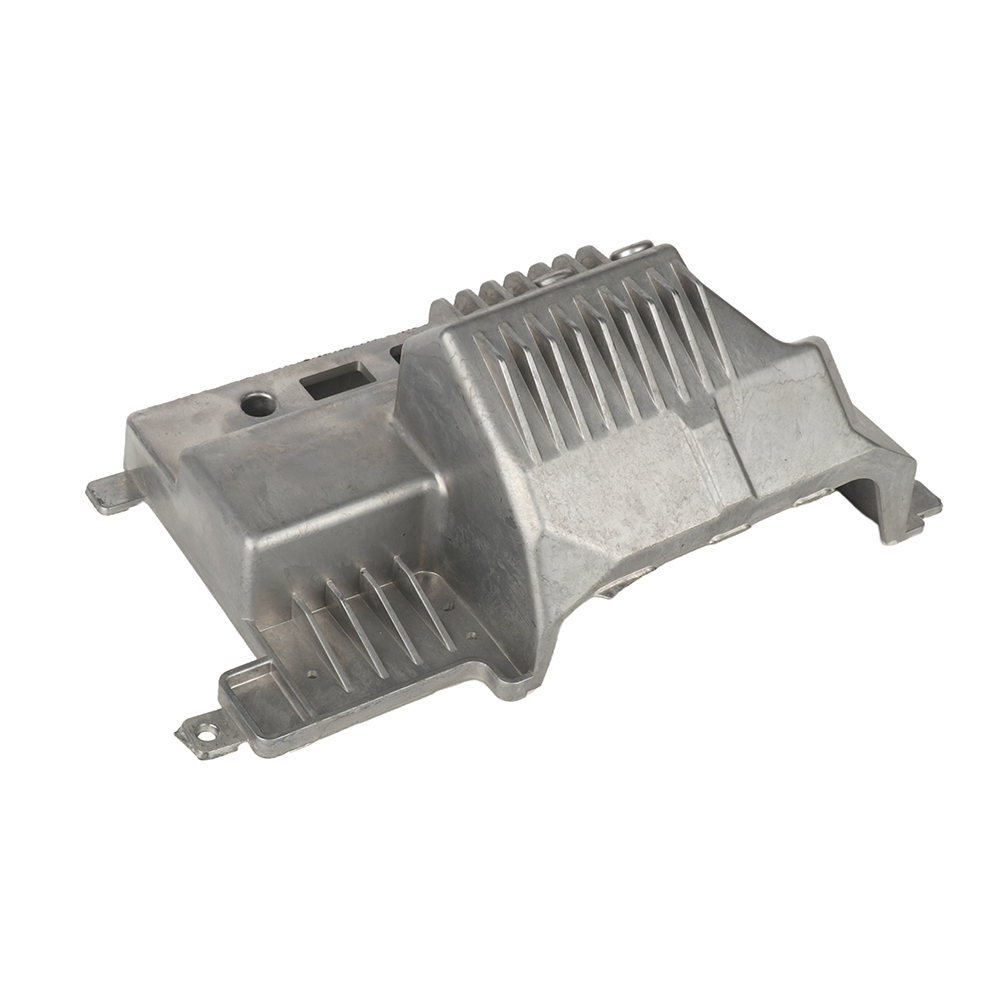
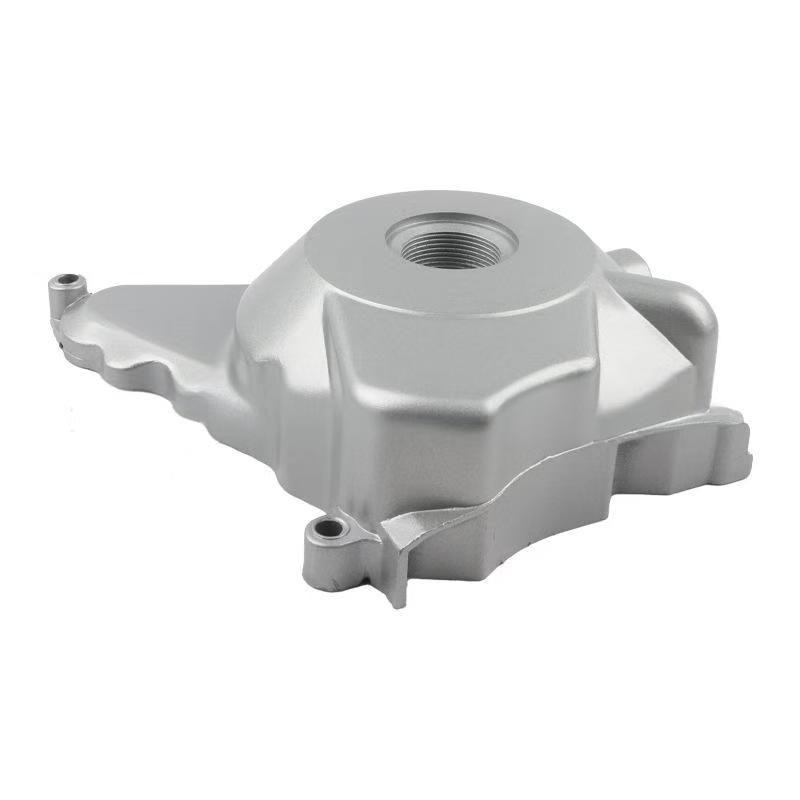
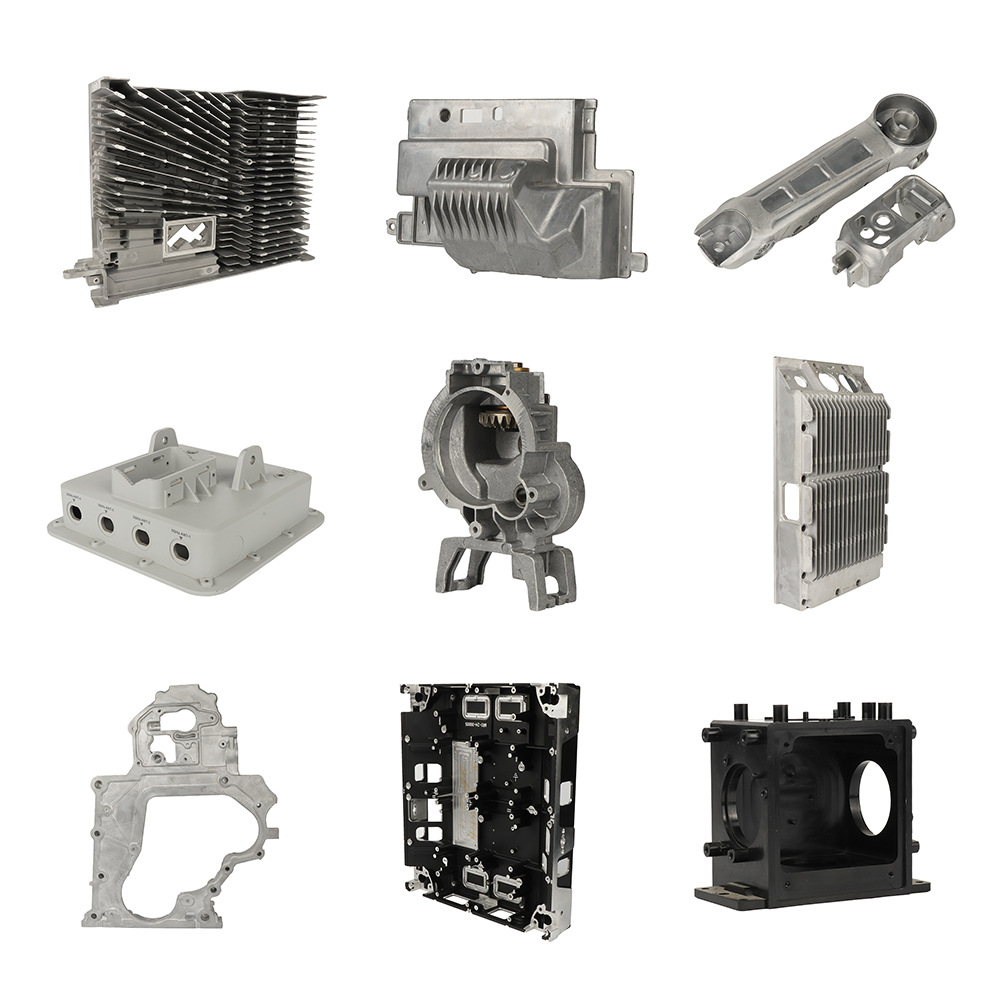
Power box | What is die casting for outdoor / indoor use? Focus on Power Box Die Casting
What is die casting for outdoor / indoor use? Focus on Power Box Die Casting
Table of Contents
- 1. Introduction to Die Casting for Outdoor & Indoor Applications
- 2. Key Overview of Power Box Die Casting
- 3. General Power Box Die Casting Parameters (Reference Table)
- 4. Pros and Cons Comparison of Die Cast Power Boxes
- 5. Expert Insights on Power Box Die Casting
- 6. FAQ: Common Questions About Power Box Die Casting
- 7. Conclusion
1. Introduction to Die Casting for Outdoor & Indoor Applications
Die casting is a high-pressure metal forming process that injects molten metal (such as aluminum, zinc, or magnesium alloys) into a precision mold (die) to produce complex, high-quality metal components with consistent dimensions and smooth surfaces. It is widely used in both outdoor and indoor scenarios, thanks to its ability to create durable, precise, and cost-effective parts that meet the unique requirements of different environments.
For indoor use, die casting components prioritize precision, aesthetics, and compatibility with indoor equipment—such as power distribution boxes, electronic enclosures, and small hardware fittings. For outdoor use, the focus shifts to weather resistance, corrosion resistance, and structural strength, as components must withstand harsh conditions like rain, extreme temperatures, UV radiation, and dust.

2. Key Overview of Power Box Die Casting
Power Box Die Casting refers to the process of manufacturing power box enclosures and components using die casting technology. Power boxes (also called electrical enclosures or distribution boxes) are used to house and protect electrical circuits, switches, transformers, and other sensitive electrical equipment—ensuring safe operation and preventing damage from external factors.
2.1 Core Materials for Power Box Die Casting
- Aluminum Alloy: Most widely used, excellent corrosion resistance, lightweight, good thermal conductivity (ADC12, A380, A356).
- Zinc Alloy: High precision, good impact resistance, lower cost, ideal for small indoor power boxes.
- Magnesium Alloy: Ultra-lightweight, great EMI shielding, used for high-end applications.
2.2 Application Scenarios of Die Cast Power Boxes
- Indoor: Residential distribution boxes, office electrical enclosures, server room cabinets, industrial control boxes.
- Outdoor: Street light boxes, solar energy enclosures, communication base station boxes, power grid distribution boxes (IP65–IP67 rated).
3. General Power Box Die Casting Parameters (Reference Table)
| Parameter Type | Detailed Specifications | Description | Application Significance |
|---|---|---|---|
| Die Cast Material | Aluminum (ADC12/A380), Zinc (ZAMAK 3/5), Magnesium | Main metals for power box die casting | Determines corrosion resistance, weight & strength |
| Dimensions Range | 100×80×50mm ~ 800×600×400mm (customizable) | Common enclosure sizes | Adapts to equipment & installation space |
| Wall Thickness | 1.5mm ~ 5.0mm | Enclosure wall thickness | Balances strength & lightweight design |
| Precision Level | ±0.05mm ~ ±0.10mm | Component tolerance range | Ensures tight fit & assembly accuracy |
| Surface Treatment | Powder Coating, Anodizing, Electrophoresis, Spray Painting | Post-processing methods | Enhances corrosion & weather resistance |
| Protection Level | IP54 ~ IP67 (Indoor: IP54; Outdoor: IP65–IP67) | Waterproof & dustproof rating | Protects internal electrical components |
| Die Casting Process | High-Pressure Die Casting (HPDC) | Primary manufacturing process | High efficiency & consistent quality |
| Max Working Temperature | -40℃ ~ 120℃ | Temperature resistance range | Adapts to indoor & outdoor environments |
4. Pros and Cons Comparison of Die Cast Power Boxes
| Comparison Item | Die Cast Power Boxes | Traditional Power Boxes (Sheet Metal/Plastic) |
|---|---|---|
| Structural Strength | High: Integral forming, no welding seams, strong impact resistance | Low-Medium: Sheet metal cracks easily; plastic fragile & deformable |
| Corrosion Resistance | Excellent: Alloy + surface treatment, ideal for outdoor use | Poor: Sheet metal rusts; plastic ages & breaks under UV |
| Precision & Aesthetics | High: Smooth surface, consistent dimensions, complex shapes | Low: Rough surface, shrinkage marks, poor accuracy |
| Production Efficiency | High: Fast cycle, mass production ready | Low: Multiple processing steps required |
| Mass Production Cost | Low: High efficiency, no secondary processing | High: Labor & material costs are high |
| Weight | Lightweight: Aluminum alloy is lighter than sheet metal | Heavy: Sheet metal heavy; plastic light but fragile |
4.2.1 Advantages
- Superior Structural Integrity: No welding seams, durable, impact-resistant
- Excellent Weather Resistance: Waterproof, anti-corrosion, UV-resistant
- High Precision & Aesthetics: Smooth surface, perfect fit
- Efficient Mass Production: Fast, cost-effective for large orders
- Good Thermal Conductivity: Prevents overheating of electrical parts
- Fully Customizable: Any size, shape, or configuration
4.2.2 Disadvantages
- High initial mold cost (offset in mass production)
- Limited to metal materials (aluminum minimizes weight issue)
- Potential porosity (avoidable with strict process control)
5. Expert Insights on Power Box Die Casting
“In both indoor and outdoor electrical systems, the power box is the first line of defense for sensitive electrical components, and die casting is undoubtedly the best manufacturing method for this critical component. What makes die cast power boxes stand out is their unique combination of strength, precision, and weather resistance—attributes that traditional manufacturing methods cannot match.”
For outdoor applications, corrosion resistance and structural durability are non-negotiable. Die cast aluminum power boxes can withstand harsh outdoor conditions for 15–20 years. For indoor applications, precision and aesthetics are key—die casting ensures perfect fit and improved system safety.
With the development of new energy, smart grids, and communication technologies, demand for high-quality power boxes is growing. Die casting will dominate the market in the next 5–10 years due to reliability, safety, and long service life.
6. FAQ: Common Questions About Power Box Die Casting
Q1: Best material for outdoor vs. indoor power boxes?
A1: Outdoor: Aluminum alloy (ADC12, A380). Indoor: Zinc alloy (cost-effective) or aluminum (long life).
Q2: Can die cast power boxes be customized?
A2: Yes—full customization for size, shape, holes, and structure based on drawings or samples.
Q3: How to ensure waterproof/dustproof for outdoor use?
A3: Tight sealing design + rubber gaskets + surface treatment. Most reach IP65–IP67.
Q4: Service life of die cast power boxes?
A4: Outdoor: 15–20 years. Indoor: 10–20+ years (depending on material & maintenance).
Q5: Are die cast power boxes cost-effective?
A5: Yes for mass production. Higher mold cost but lower unit & long-term maintenance cost.
Q6: Required quality certifications?
A6: ISO9001, IATF16949, RoHS, IP54–IP67.
7. Conclusion
Die casting is a versatile, efficient, and high-quality manufacturing process that plays a crucial role in both outdoor and indoor applications—especially in the production of power boxes. Power Box Die Casting combines the advantages of die casting technology with the specific needs of electrical enclosures, offering superior structural strength, weather resistance, precision, and cost-effectiveness compared to traditional manufacturing methods.
Whether for indoor residential/industrial power distribution or outdoor new energy, communication, and power grid applications, die cast power boxes provide reliable protection for electrical components, ensuring safe and stable operation.
For businesses and individuals looking for reliable, cost-effective power box solutions, die cast power boxes are undoubtedly the optimal choice—balancing performance, aesthetics, and longevity to meet the diverse needs of indoor and outdoor use.
Automotive parts manufacturer | What are aluminium die casting manufacturers | Focus on Automotive Parts Manufacturer
RF cavity filter | What is an aluminium high pressure die casting? Focus on Cavity Filter Applications
Related Article


