
HOT PRODUCTS
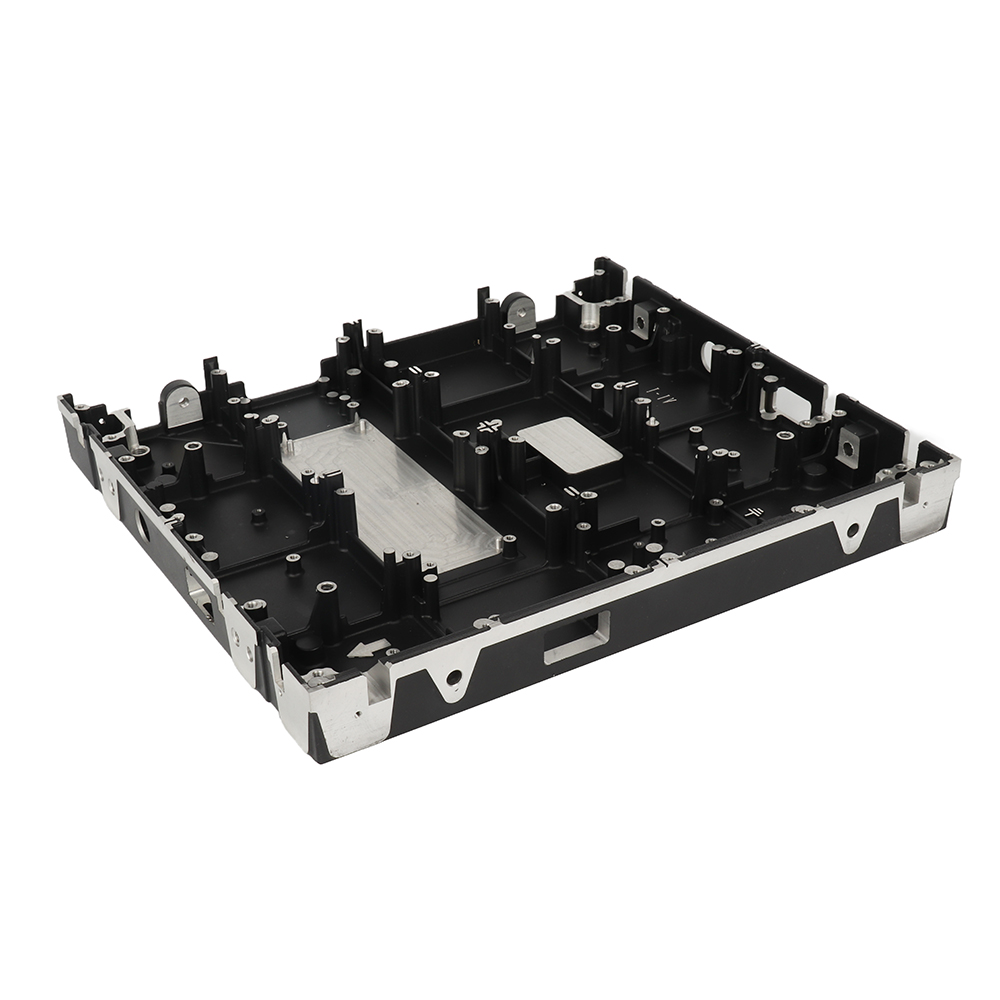
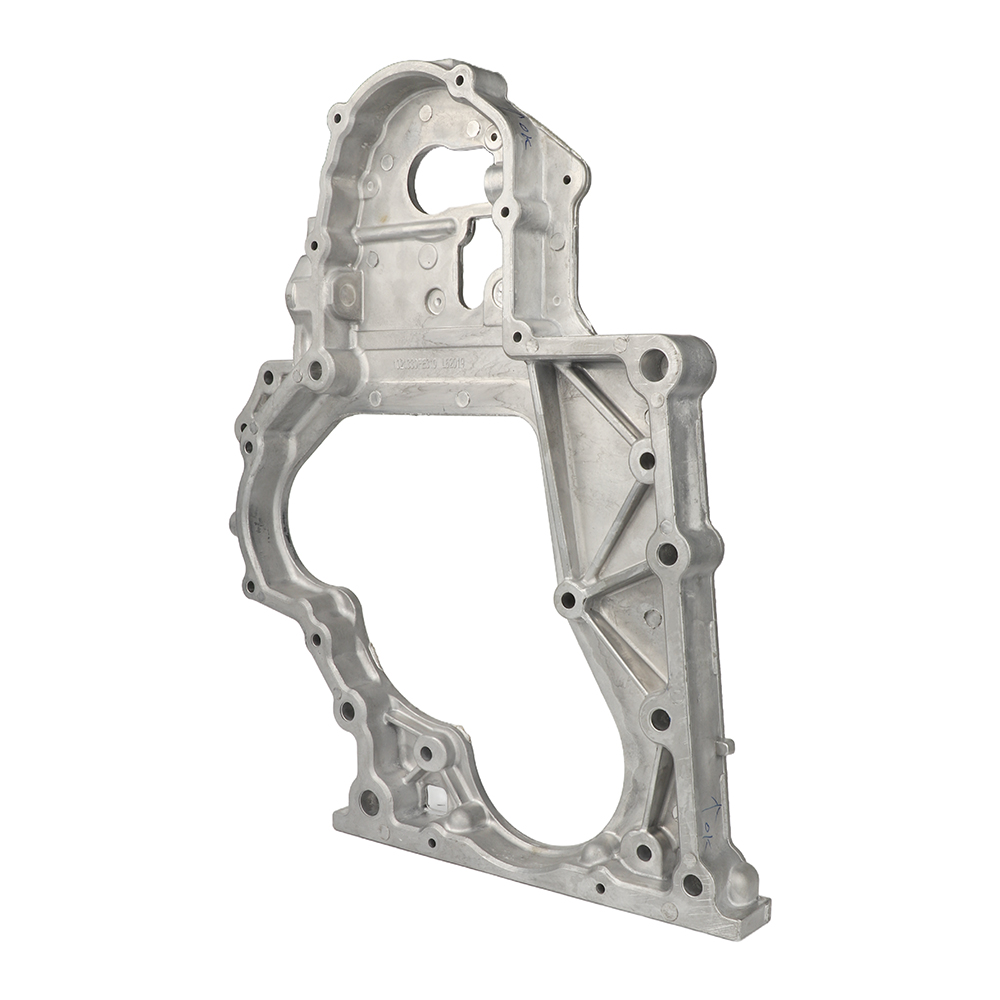
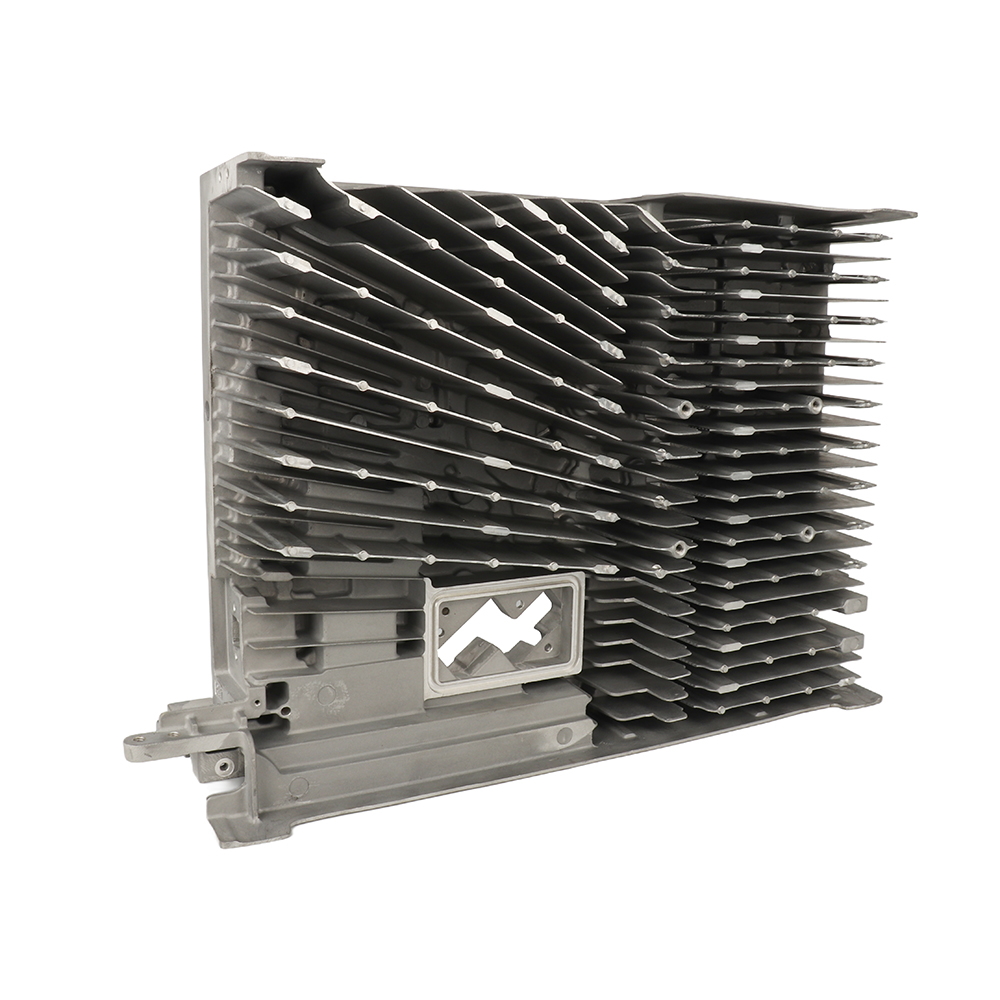
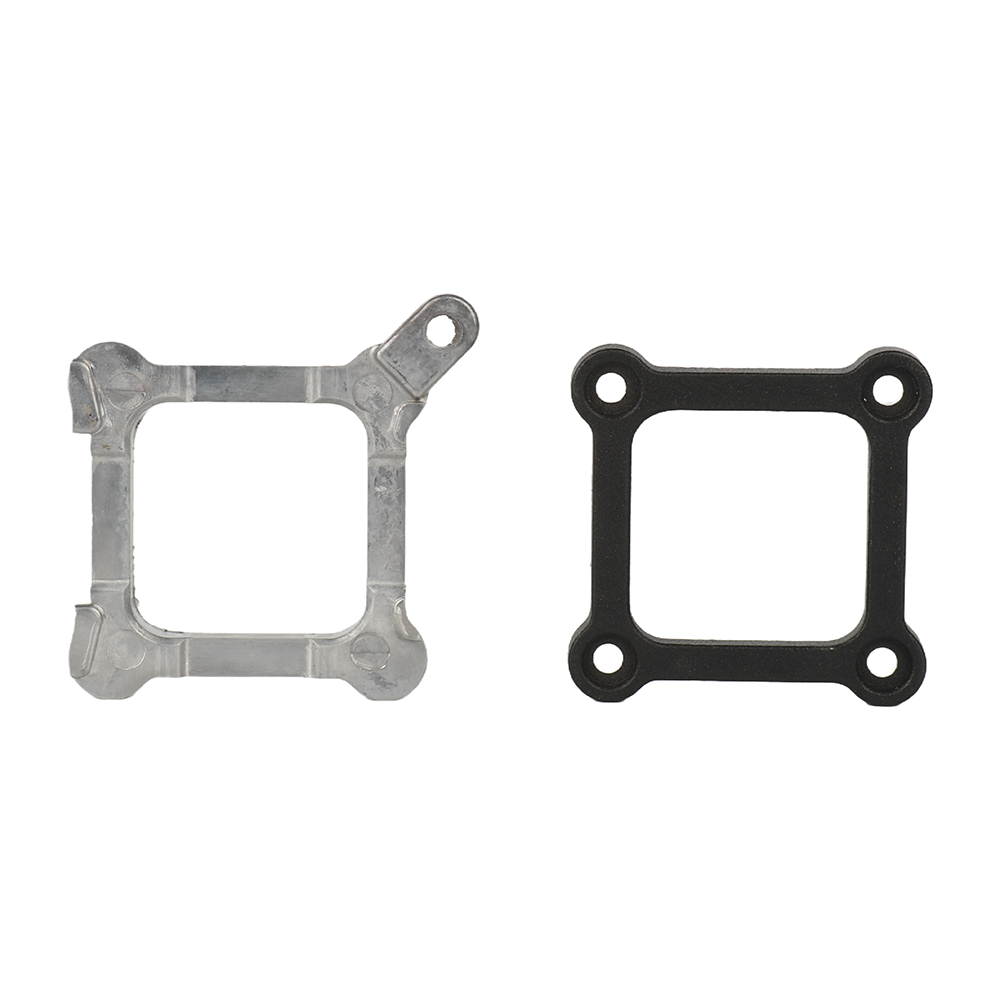
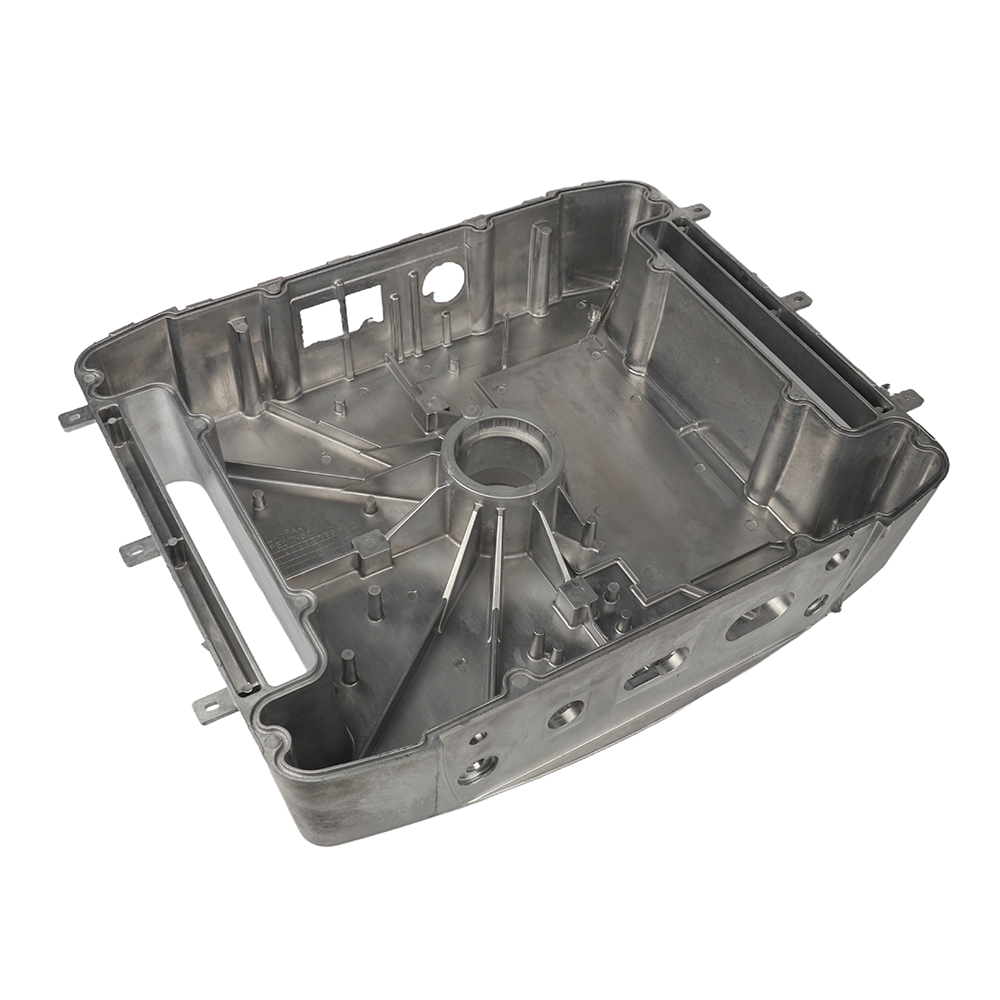
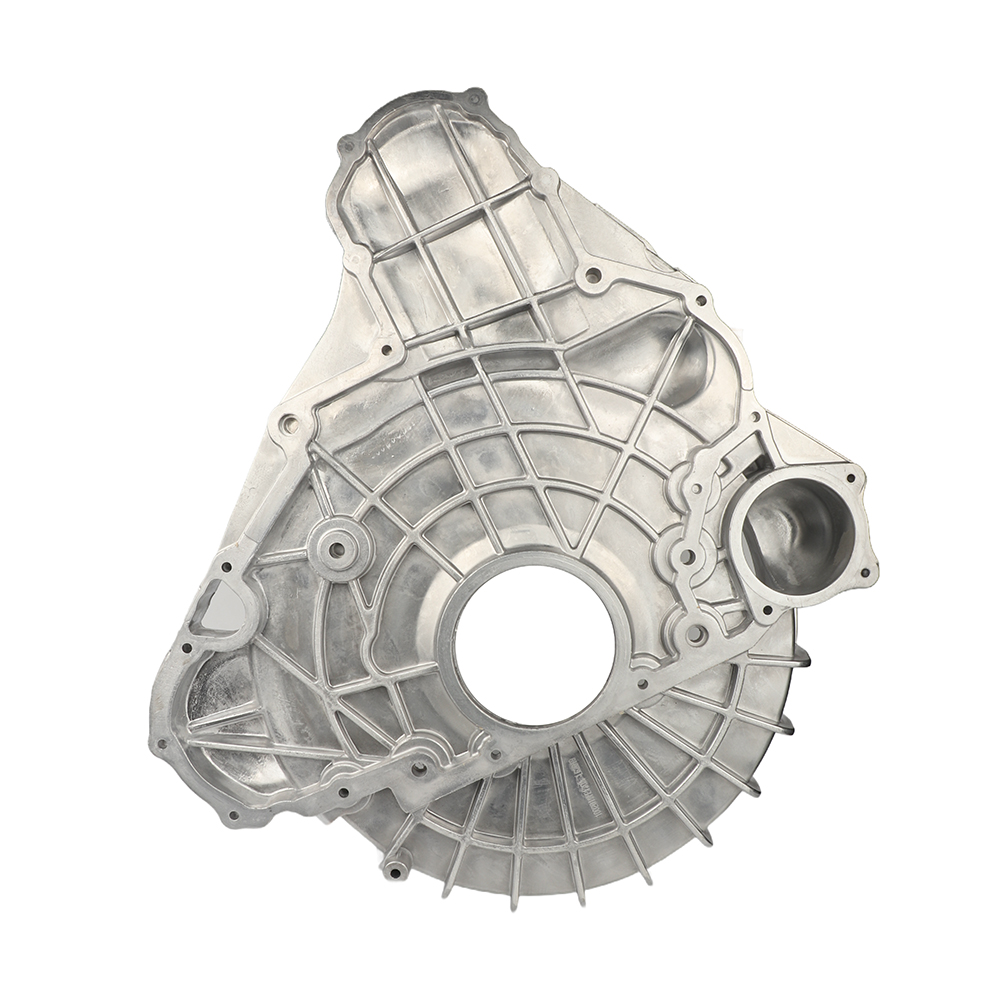
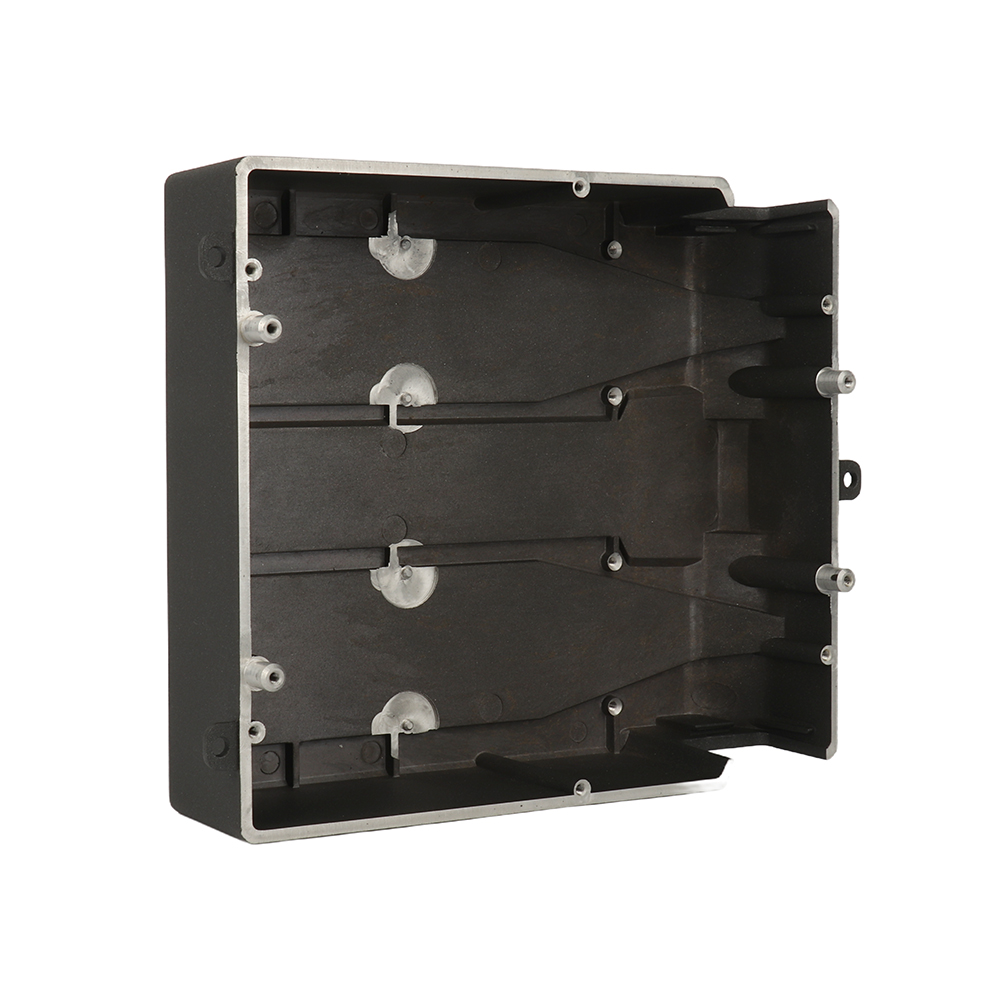
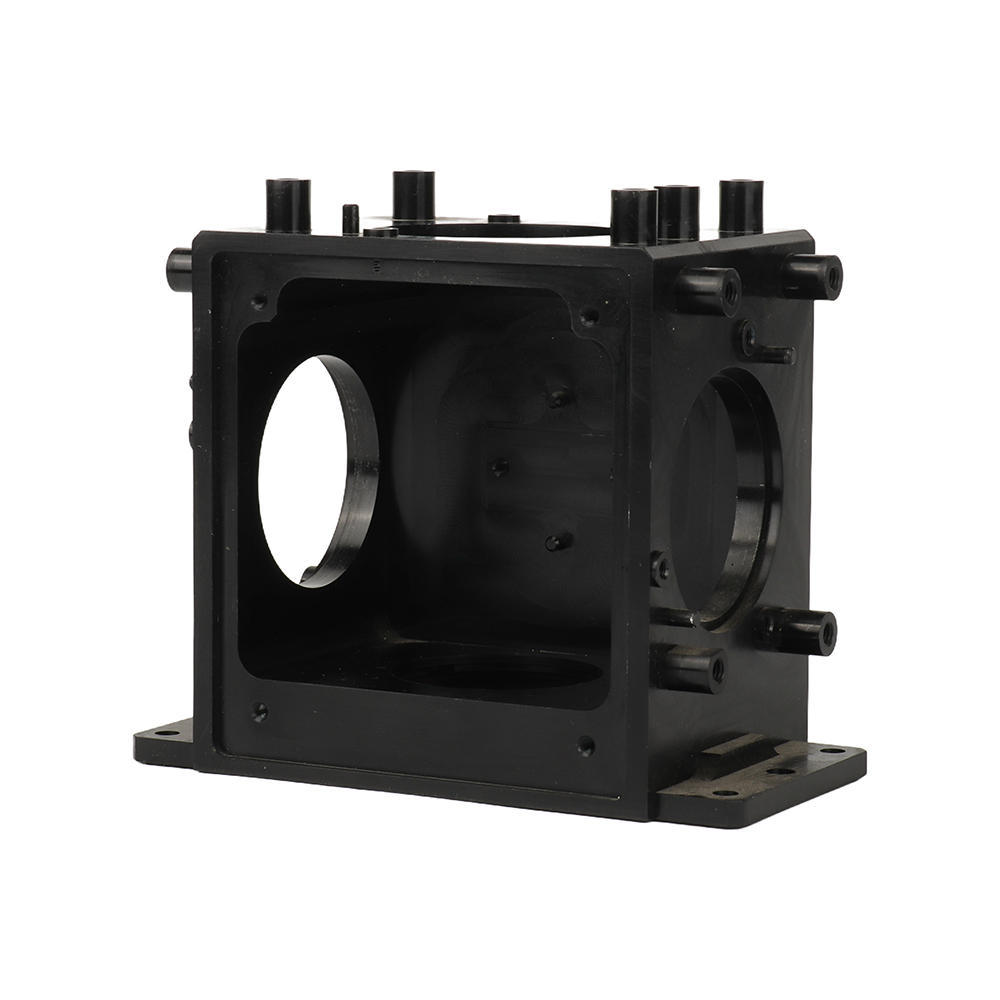
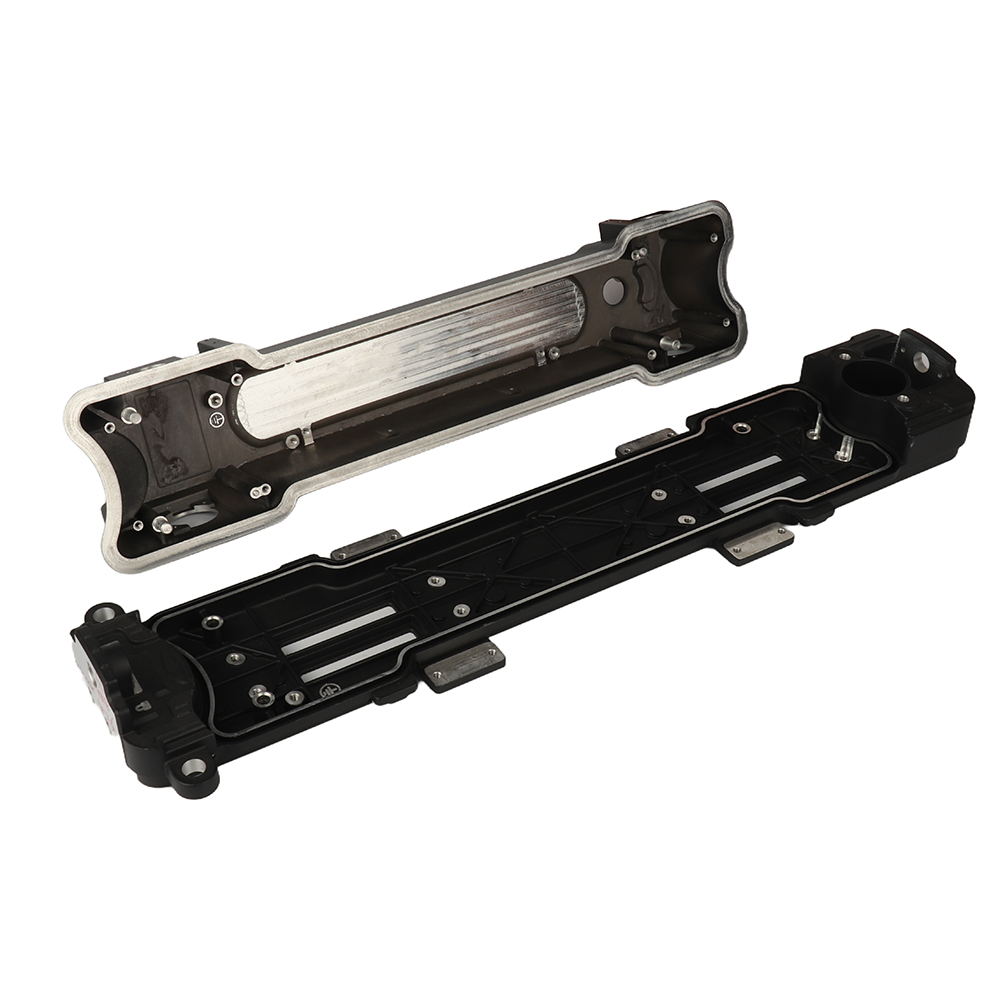
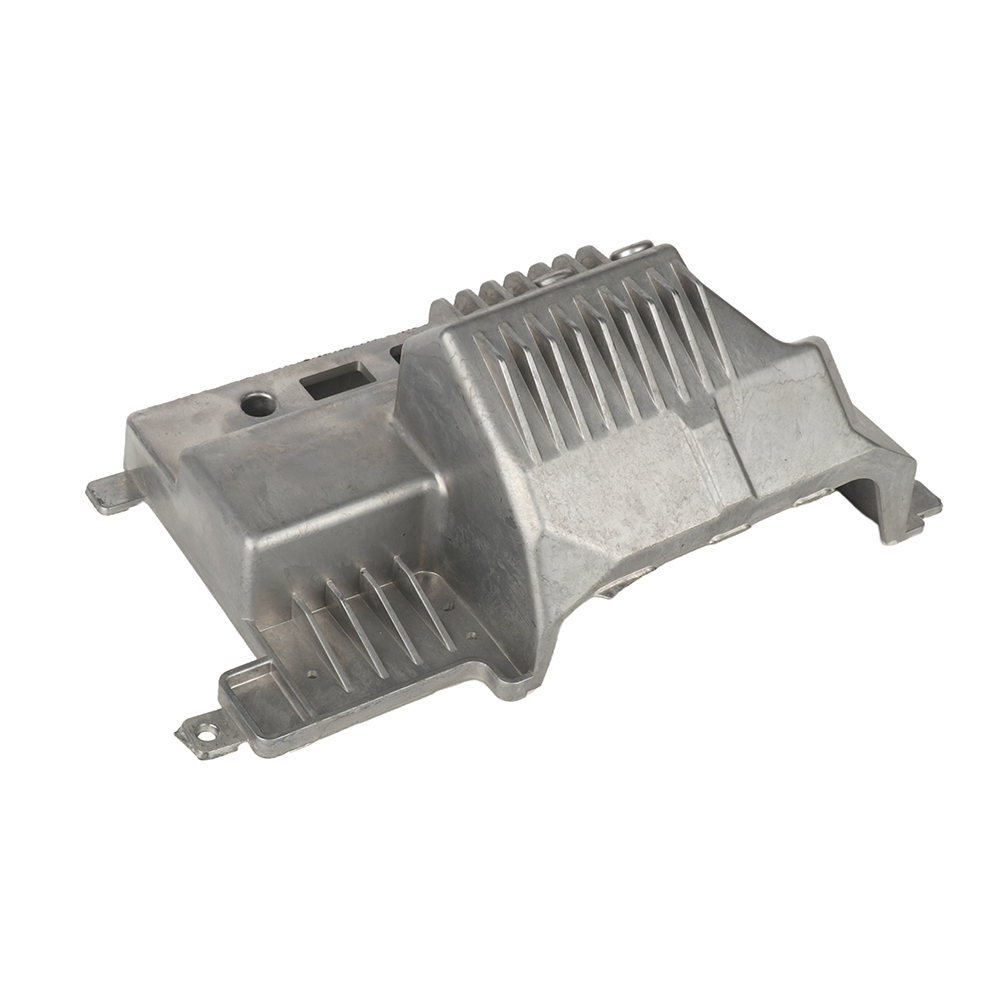
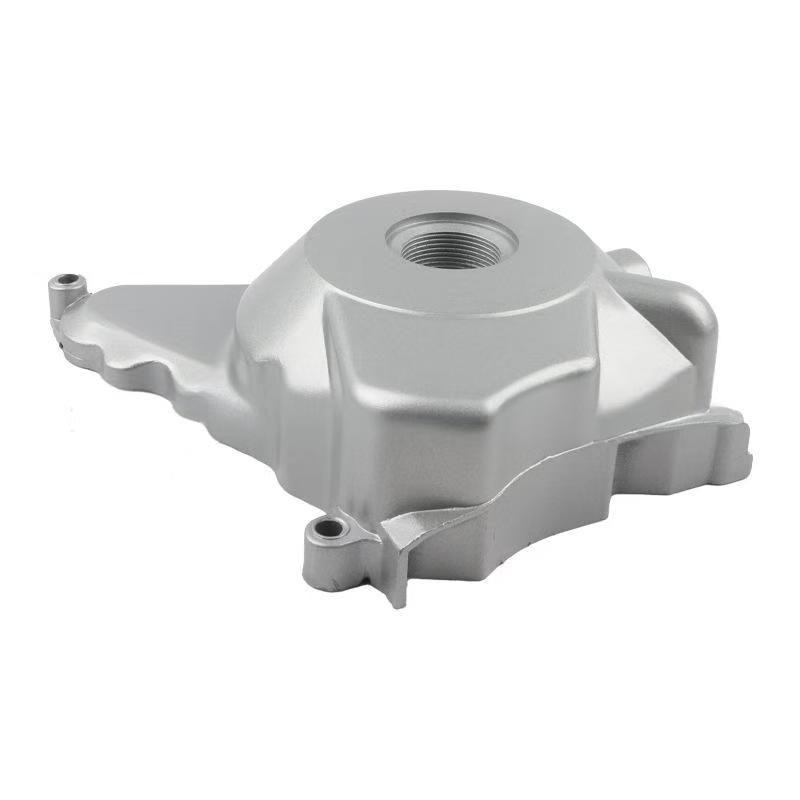
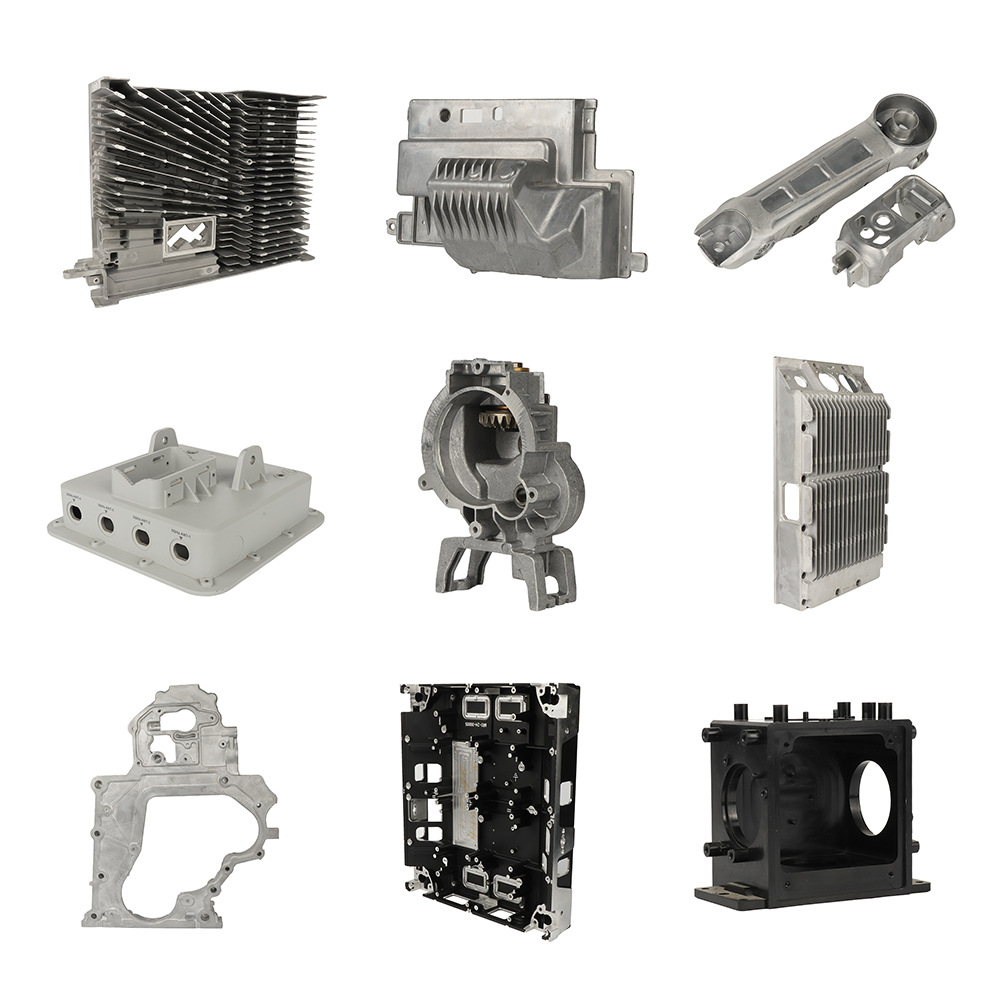
Projector screen frame | What is aluminum casting? Focus on Aluminum Casting Projector Screen Frame
What is Aluminum Casting? Focus on Aluminum Casting Projector Screen Frame
Table of Contents
- 1. What is Aluminum Casting? (Basic Definition & Core Process)
- 2. Aluminum Casting in Projector Screen Frames: An Overview
- 3. Types of Aluminum Casting for Projector Screen Frames
- 4. Pros & Cons of Aluminum Casting Projector Screen Frames (vs. Other Materials)
- 5. Expert Opinions on Aluminum Casting Projector Screen Frames
- 6. FAQs About Aluminum Casting Projector Screen Frames
- 7. Conclusion: Why Choose Aluminum Casting for Projector Screen Frames?
1. What is Aluminum Casting? (Basic Definition & Core Process)
Aluminum casting is a manufacturing process that involves melting aluminum alloy into a liquid state, pouring it into a pre-designed mold, and allowing it to cool and solidify into a specific shape. It is a versatile and cost-effective method used to produce complex, lightweight, and durable parts across various industries—from automotive and aerospace to electronics and home entertainment.
The core process of aluminum casting typically includes four key steps: mold preparation (creating a mold that matches the desired part shape), melting (heating aluminum to its melting point, around 660°C), pouring (transferring molten aluminum into the mold), and solidification & finishing (allowing the metal to cool, removing it from the mold, and refining the surface if needed). This process can be adapted to different production needs, making it suitable for both small-batch custom parts and large-scale mass production.
One of the most popular applications of aluminum casting in the home entertainment industry is the aluminum casting projector screen frame—a component that combines the process’s strengths to deliver high-performance, aesthetically pleasing results for home theaters, conference rooms, and outdoor presentations.
2. Aluminum Casting in Projector Screen Frames: An Overview
A projector screen frame is more than just a support structure; it directly impacts the image quality, durability, and installation convenience of the entire projection system. Aluminum casting has become the preferred manufacturing method for high-quality projector screen frames, thanks to its unique combination of lightweight design, structural rigidity, and corrosion resistance.
An aluminum casting projector screen frame is produced by casting aluminum alloy into a mold tailored to the screen’s size and shape—whether it’s a fixed wall-mounted frame, a ceiling-mounted retractable frame, or a portable foldable frame. Unlike frames made from other materials (such as wood or steel), aluminum casting frames offer a perfect balance of strength and weight, ensuring the screen remains taut and flat (critical for clear, distortion-free images) while being easy to install and transport.These frames are widely used in home theaters, classrooms, corporate conference rooms, and even outdoor events, as they can be customized to fit various screen sizes and mounting styles.
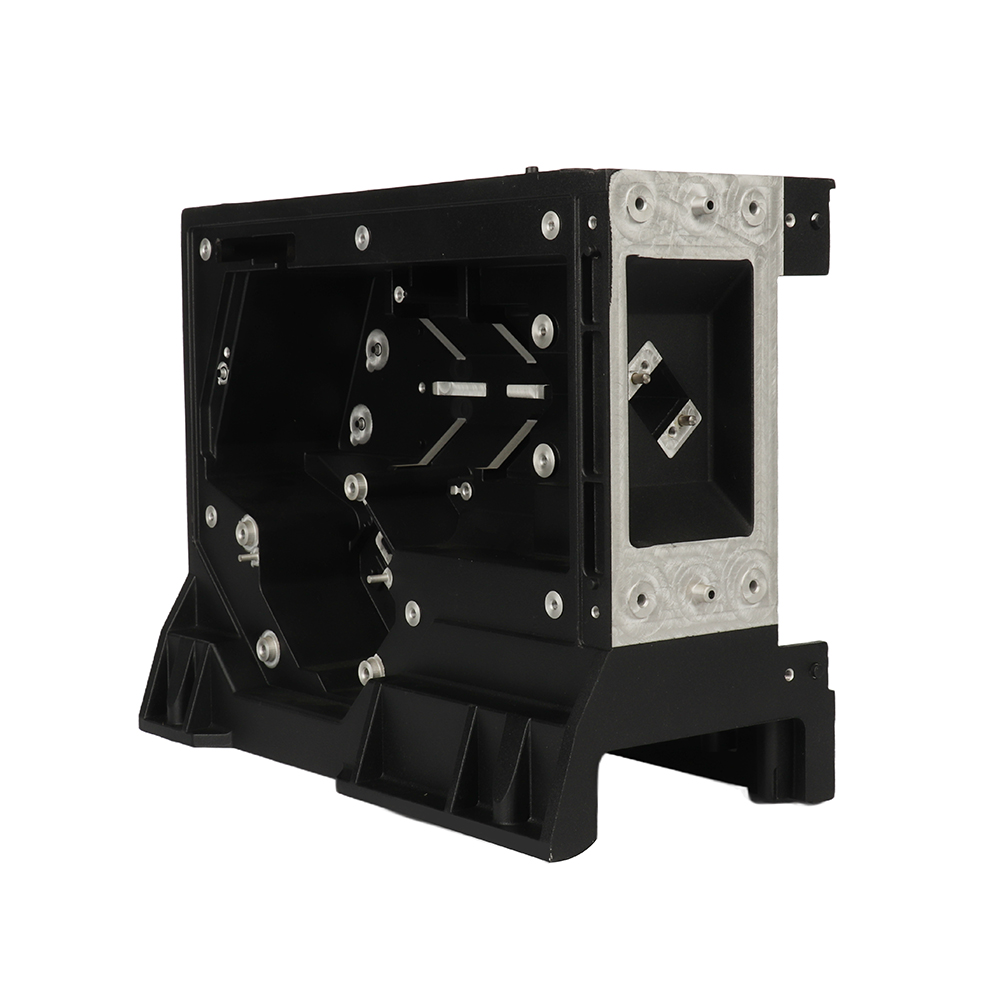
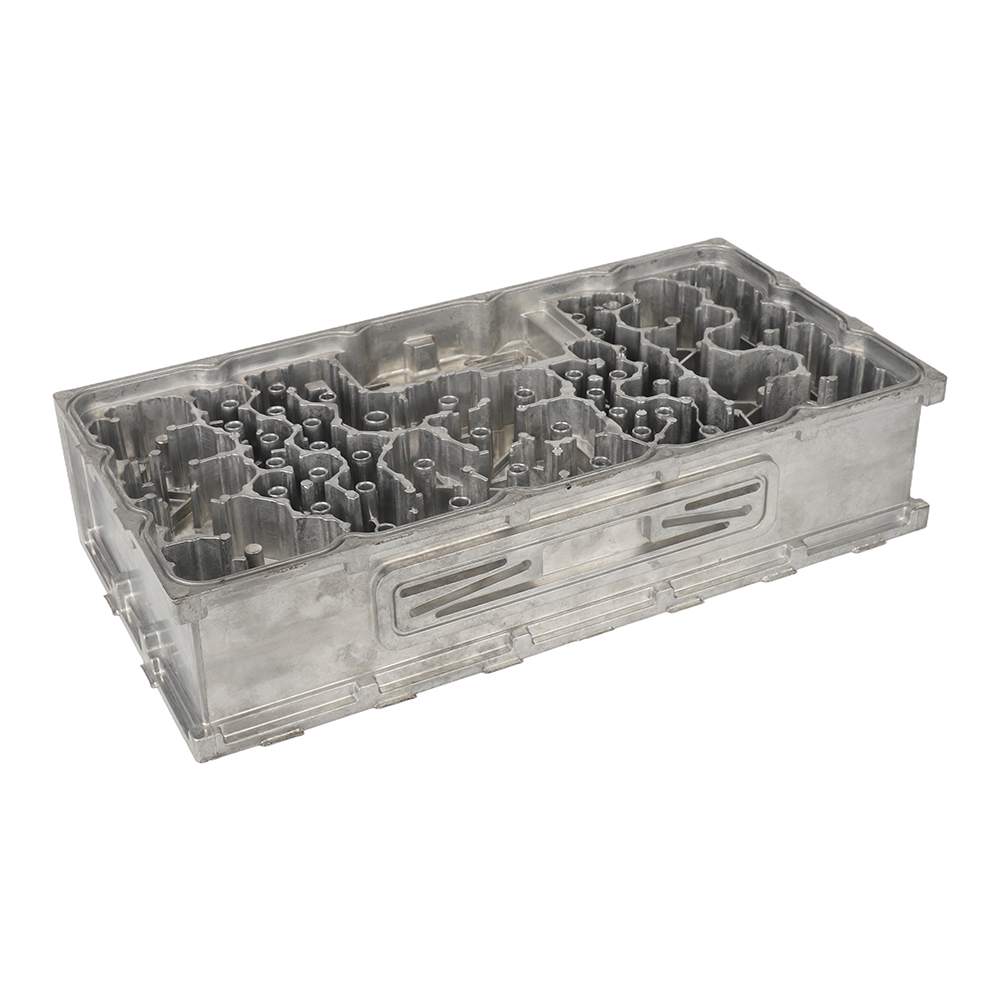
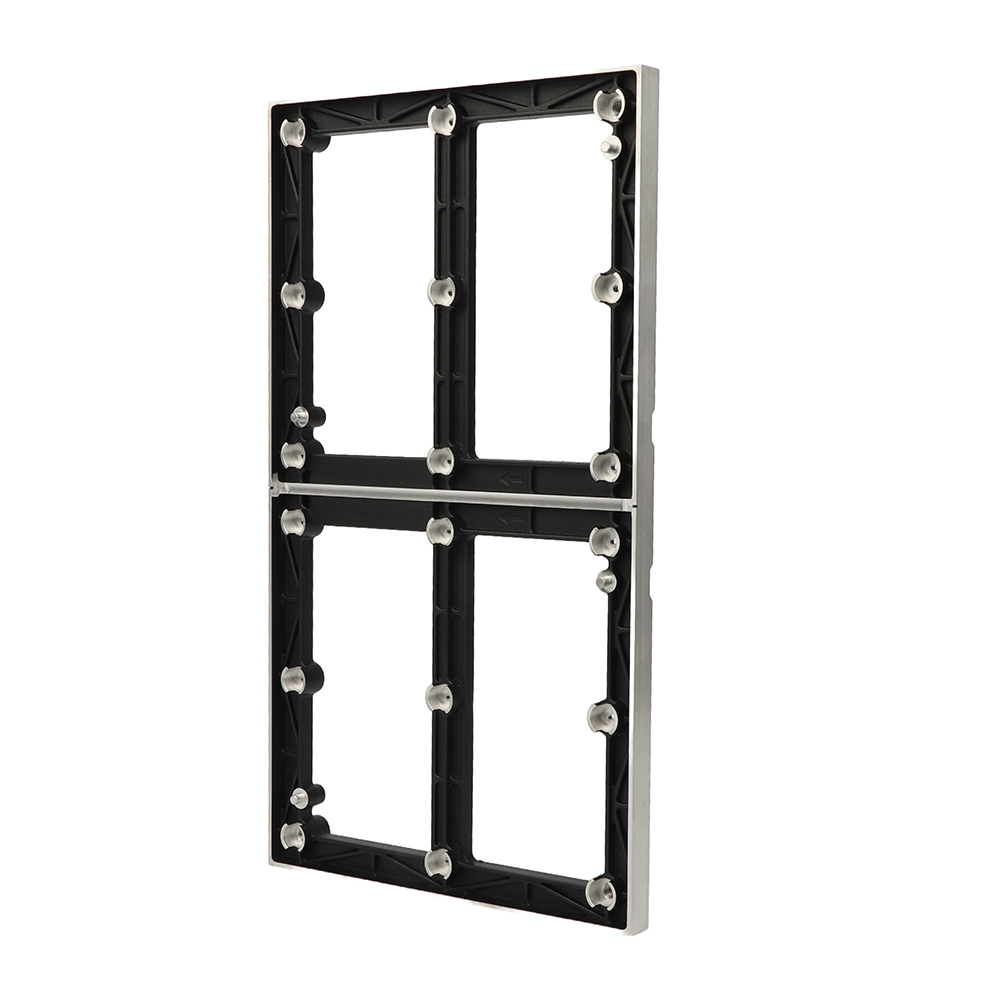
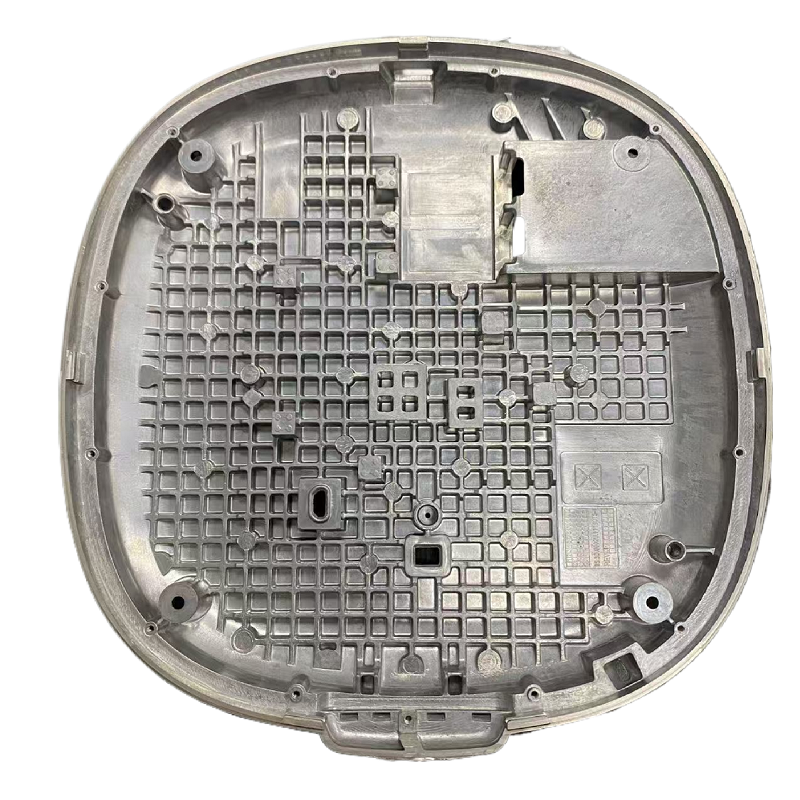
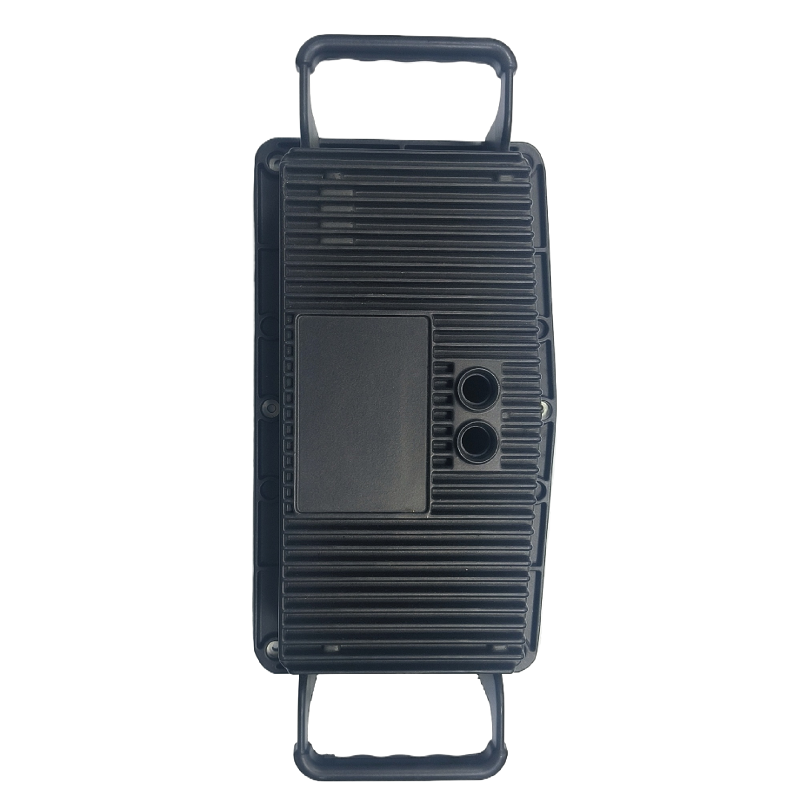
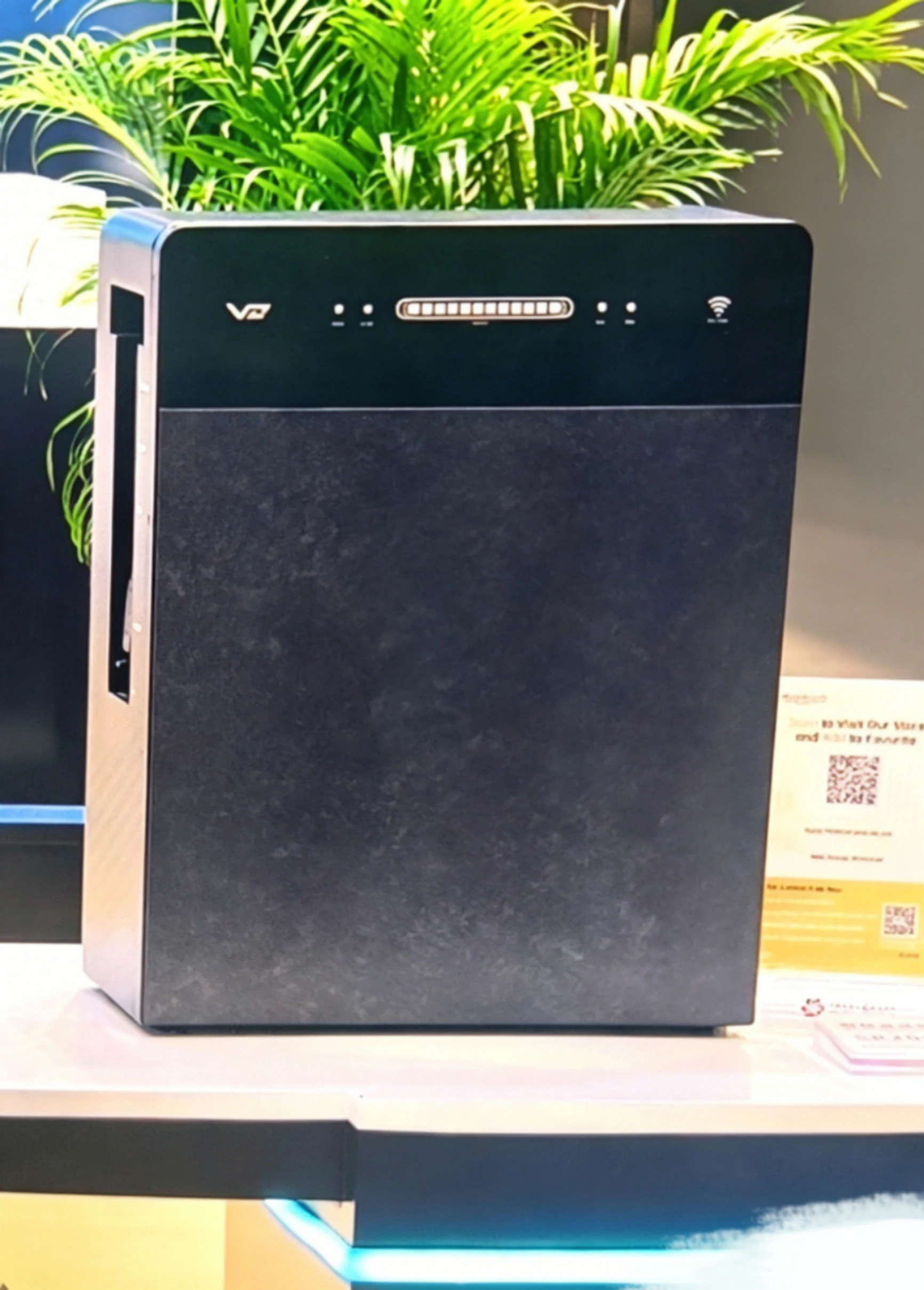
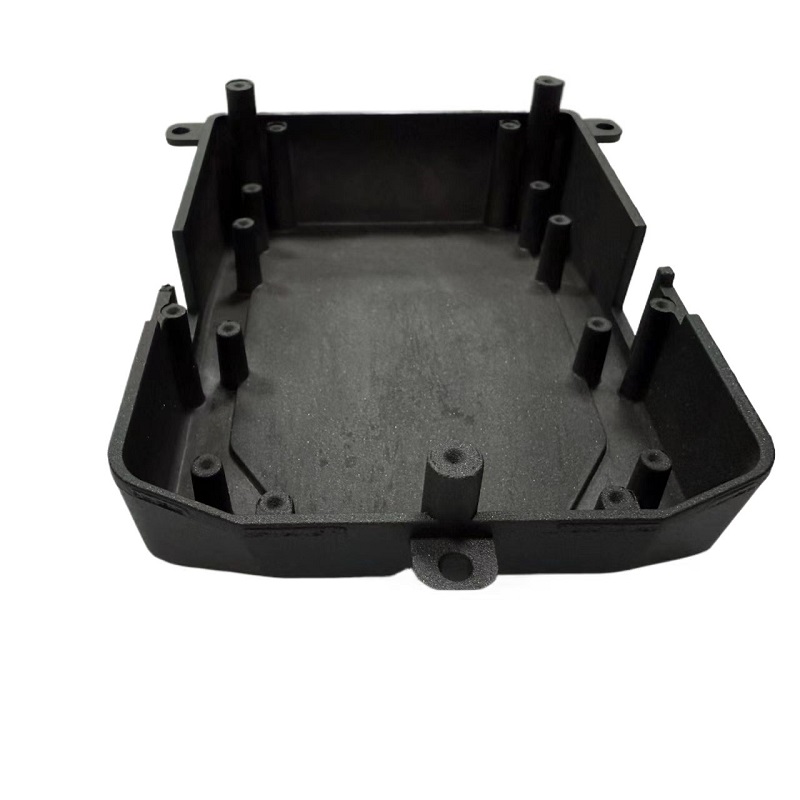
Aluminum casting projector screen frames in home theater and portable settings—showcasing sleek design and structural rigidity.
3. Types of Aluminum Casting for Projector Screen Frames
Not all aluminum casting processes are the same—different methods are used based on the projector screen frame’s intended use, size, and budget. The most common types for projector screen frames are:
3.1 Die Casting (Most Common for Projector Screen Frames)
Die casting is a high-pressure process where molten aluminum is injected into a steel mold (die) at high speed. This method is ideal for projector screen frames because it produces parts withhigh dimensional accuracy, smooth surface finish, and consistent quality—eliminating the need for extensive post-processing. It is perfect for mass-produced frames (e.g., standard-sized home theater frames) and can create complex shapes (such as curved frames for immersive viewing) with tight tolerances.
3.2 Sand Casting (For Custom & Large Frames)
Sand casting uses a sand mold (made from quartz sand or clay sand) to shape the aluminum frame. This method is more cost-effective for custom-sized frames (e.g., large auditorium screens) or small-batch production, as it requires less expensive mold tooling than die casting. While the surface finish is not as smooth as die casting, it can be refined with post-processing (e.g., sanding or painting) to meet aesthetic requirements.
3.3 Gravity Casting (For High-Strength Frames)
Gravity casting relies on gravity to pour molten aluminum into a permanent mold. This method produces frames with excellent mechanical strength and density, making it suitable for heavy-duty applications (e.g., outdoor projector screens that need to withstand wind and weather). It balances cost and performance, making it a popular choice for commercial-grade projector screen frames.
4. Pros & Cons of Aluminum Casting Projector Screen Frames (vs. Other Materials)
To understand why aluminum casting is the top choice for projector screen frames, we compare it to two common alternatives: wooden frames and steel frames. Below is a detailed breakdown of the pros and cons of aluminum casting projector screen frames, with a focus on their unique advantages.
4.1 Pros of Aluminum Casting Projector Screen Frames
- Lightweight & Easy to Install: Aluminum has a density of only about 1/3 of steel, making casting frames much lighter than steel frames. This makes installation easier (no heavy lifting equipment needed) and reduces stress on walls or ceilings. Even large aluminum frames can be installed by 1-2 people.
- High Rigidity & Taut Screen Surface: Aluminum casting frames have excellent structural rigidity, which ensures the projector screen remains taut and flat—eliminating wrinkles or sagging that can distort images. This is critical for 4K and 8K projections, where even minor surface imperfections are noticeable.
- Corrosion & Rust Resistance: Aluminum naturally forms a dense oxide film on its surface, protecting it from moisture, humidity, and corrosion. Unlike steel frames (which rust easily) or wooden frames (which warp or rot), aluminum casting frames are suitable for humid environments (e.g., basements) or even outdoor use.
- Sleek Aesthetic & Customizable: Aluminum casting allows for smooth, clean surfaces that can be painted, anodized, or powder-coated to match any decor (e.g., black frames for home theaters to reduce glare). It can also be customized into curved or irregular shapes to fit unique spaces.
- Durable & Long-Lasting: Aluminum is resistant to wear, impact, and warping, ensuring the frame lasts for years without damage. Unlike wooden frames (which can crack or warp over time) or plastic frames (which are brittle), aluminum casting frames maintain their shape and performance even with regular use.
- Environmentally Friendly & Recyclable: Aluminum is 100% recyclable, and the recycling process consumes far less energy than producing new aluminum. Choosing aluminum casting frames aligns with sustainable development goals, making them a eco-friendly choice.
4.2 Cons of Aluminum Casting Projector Screen Frames
- Higher Initial Cost Than Wooden Frames: Aluminum casting requires specialized mold tooling, which can make the initial cost higher than wooden frames (which are often made from low-cost lumber). However, the long-term durability and low maintenance costs offset this upfront investment.
- Less "Warm" Aesthetic Than Wood: For users who prefer a classic, warm look (e.g., traditional home decor), aluminum frames may feel too modern or industrial compared to wooden frames. However, this can be mitigated with custom finishes (e.g., wood-grain powder coating).
- Not Ideal for Extremely Large Complex Frames: While aluminum casting works well for most screen sizes, extremely large and complex frames may be more expensive to produce than steel frames, as they require larger molds and more precise casting techniques.
4.3 Comparison with Other Materials
| Feature | Aluminum Casting Frames | Wooden Frames | Steel Frames |
|---|---|---|---|
| Weight | Lightweight (easy to install) | Medium (varies by wood type) | Heavy (requires lifting equipment) |
| Durability | High (resistant to warping/corrosion) | Low (warps/rots over time) | High (but prone to rust) |
| Image Quality Impact | Excellent (taut, flat surface) | Poor (sags/wrinkles easily) | Good (rigid, but heavy) |
| Aesthetic | Modern, sleek (customizable) | Warm, classic | Industrial, bulky |
| Maintenance | Low (no painting/staining needed) | High (requires regular painting/staining) | Medium (needs rust prevention) |
5. Expert Opinions on Aluminum Casting Projector Screen Frames
Industry experts agree that aluminum casting is the optimal choice for high-performance projector screen frames, citing its unique combination of strength, weight, and durability. Below are insights from two leading experts:
5.1 Expert 1: Sarah Miller, Senior Product Designer at XY Screens
“When designing projector screen frames, the number one priority is image quality—and that starts with a rigid, stable frame. Aluminum casting allows us to create frames that are lightweight yet strong enough to keep the screen perfectly taut, which is essential for 4K and 8K projections. Unlike wooden frames, which warp with humidity, or steel frames, which are too heavy for most home installations, aluminum casting frames strike the perfect balance. We’ve seen a 30% increase in customer satisfaction since switching to aluminum casting for our premium frames, as they’re easier to install, last longer, and look better in any space.”
5.2 Expert 2: Michael Chen, Aluminum Casting Engineer with 12+ Years of Experience
“Aluminum casting is a game-changer for projector screen frames because it solves the biggest pain points of other materials. Die casting, in particular, allows for precise, consistent frames that require minimal post-processing—saving manufacturers time and cost, while delivering a superior product to consumers. The corrosion resistance of aluminum is another key advantage, especially for outdoor or humid environments where wooden or steel frames would fail. I often recommend aluminum casting to clients because it’s not just a cost-effective choice in the long run; it’s the most reliable way to ensure a high-quality viewing experience.”
6. FAQs About Aluminum Casting Projector Screen Frames
Below are answers to the most common questions about aluminum casting projector screen frames, based on industry expertise and customer feedback:
6.1 Q: Are aluminum casting projector screen frames suitable for outdoor use?
A: Yes! Aluminum’s natural corrosion resistance makes it ideal for outdoor use. Most aluminum casting frames are also powder-coated or anodized to further protect against UV rays, rain, and humidity, ensuring they last for years in outdoor environments. Just be sure to choose a frame designed for outdoor use (with weather-sealed edges) to protect the screen material.
6.2 Q: How much does an aluminum casting projector screen frame cost compared to wooden frames?
A: Aluminum casting frames are typically 20-30% more expensive upfront than wooden frames, due to the cost of mold tooling and aluminum material. However, they require no maintenance (unlike wooden frames, which need regular painting/staining) and last 2-3 times longer, making them more cost-effective in the long run.
6.3 Q: Can aluminum casting projector screen frames be customized to fit non-standard screen sizes?
A: Absolutely! Sand casting and custom die casting allow manufacturers to create frames in any size or shape—from small 50-inch frames to large 300-inch+ frames, and even curved frames for immersive home theaters. Most manufacturers offer custom sizing options to fit unique spaces.
6.4 Q: Are aluminum casting frames difficult to install?
A: No—aluminum casting frames are lightweight (much lighter than steel frames) and often come with pre-drilled holes and mounting hardware, making installation quick and easy. Most standard-sized frames can be installed by 1-2 people in 30-60 minutes, without the need for heavy lifting equipment.
6.5 Q: How do I maintain an aluminum casting projector screen frame?
A: Maintenance is minimal! Simply wipe the frame with a soft, damp cloth to remove dust or dirt. Avoid using harsh chemicals (which can damage the finish). If the frame is powder-coated or anodized, it will not need repainting or staining—unlike wooden frames.
6.6 Q: Can aluminum casting frames reduce glare from the projector?
A: Yes! Many aluminum casting frames are finished with a matte black powder coating, which absorbs light and reduces glare—improving the viewing experience by minimizing reflections from the projector light. This is a key advantage over wooden frames (which can reflect light if not painted properly).
7. Conclusion: Why Choose Aluminum Casting for Projector Screen Frames?
Aluminum casting is a versatile, reliable manufacturing process that brings numerous benefits to projector screen frames—from lightweight design and high rigidity to corrosion resistance and sleek aesthetics. When compared to wooden or steel frames, aluminum casting frames stand out as the best choice for anyone seeking a high-performance, long-lasting projection system.
Whether you’re setting up a home theater, a conference room, or an outdoor projection space, an aluminum casting projector screen frame ensures your screen remains taut, your images stay clear, and your frame lasts for years—all while being easy to install and maintain. As experts point out, the upfront cost of aluminum casting is offset by its durability and low maintenance, making it a smart investment for both residential and commercial use.
In short, if you want a projector screen frame that combines functionality, durability, and style, aluminum casting is the way to go.
What is heat sink ? Die casting | A Comprehensive Guide to Die Casting Heat Sinks
End motor plate |What is die cast aluminum? Focus on End Motor Plate
Related Article


