
HOT PRODUCTS
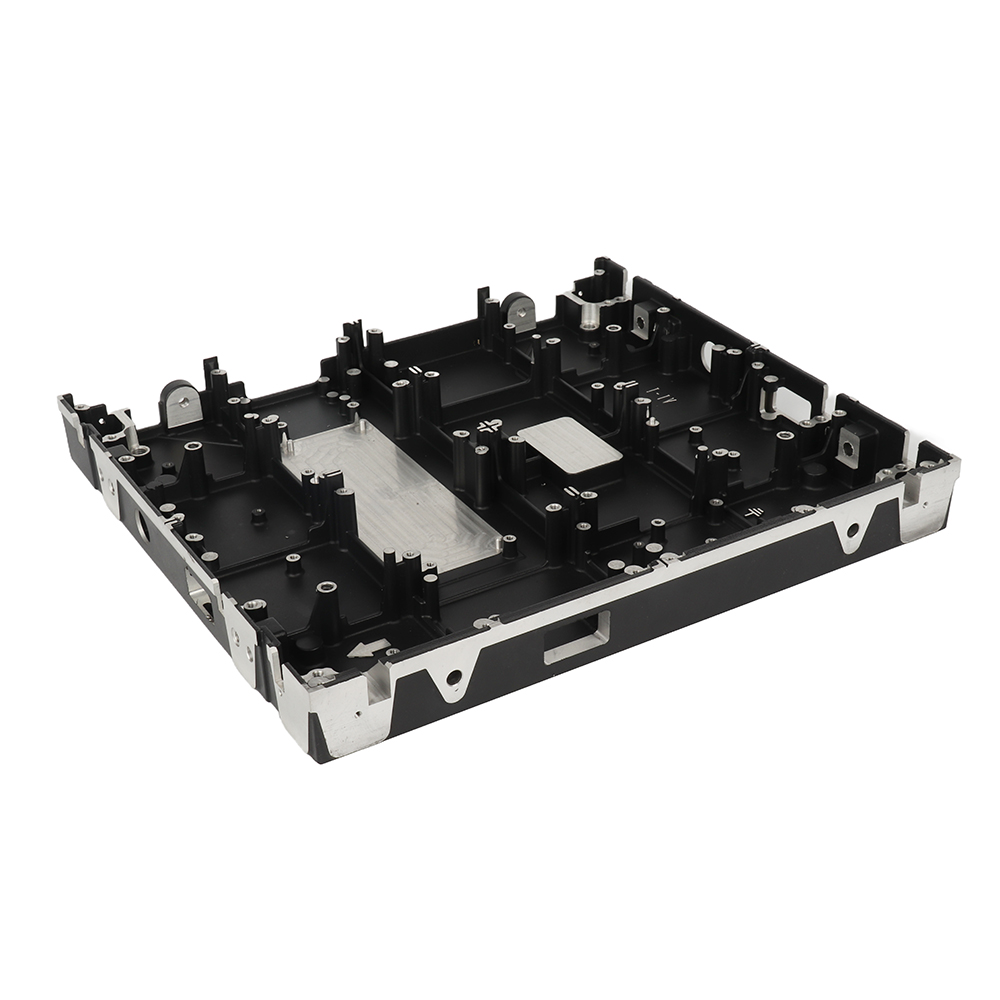
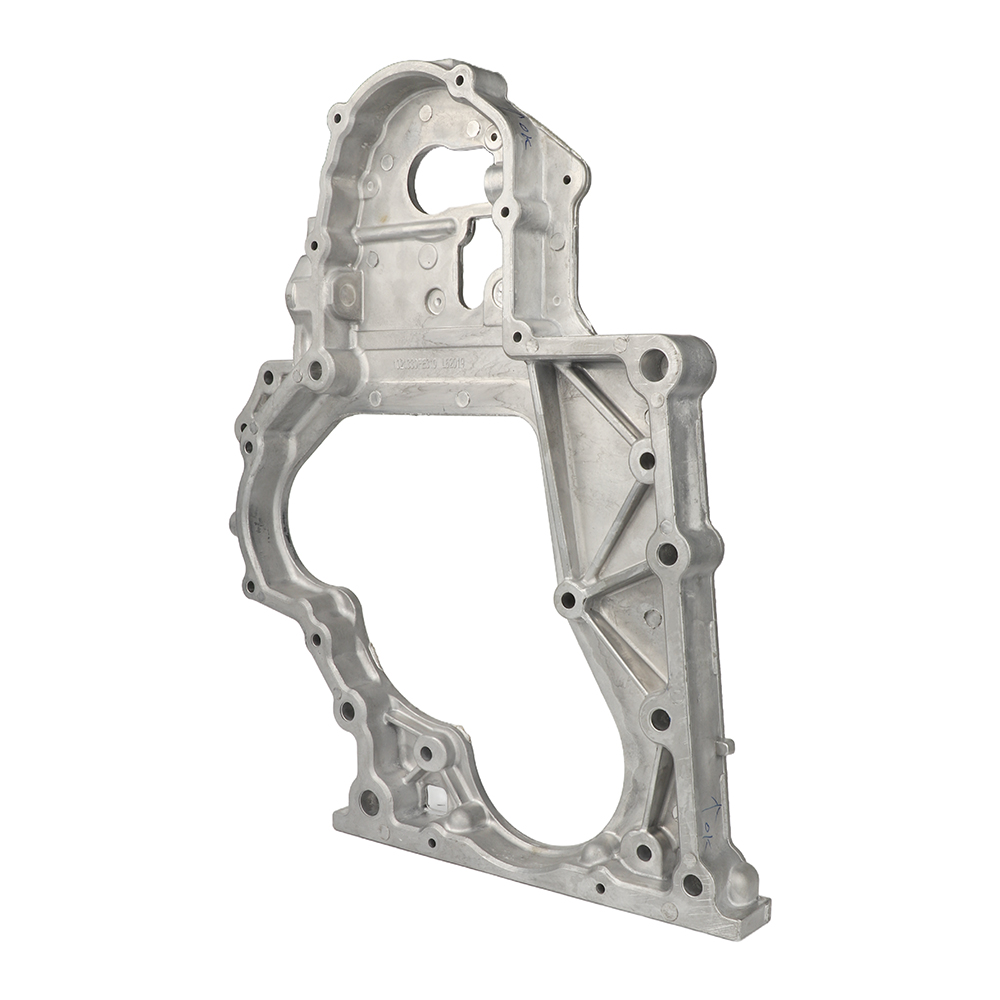
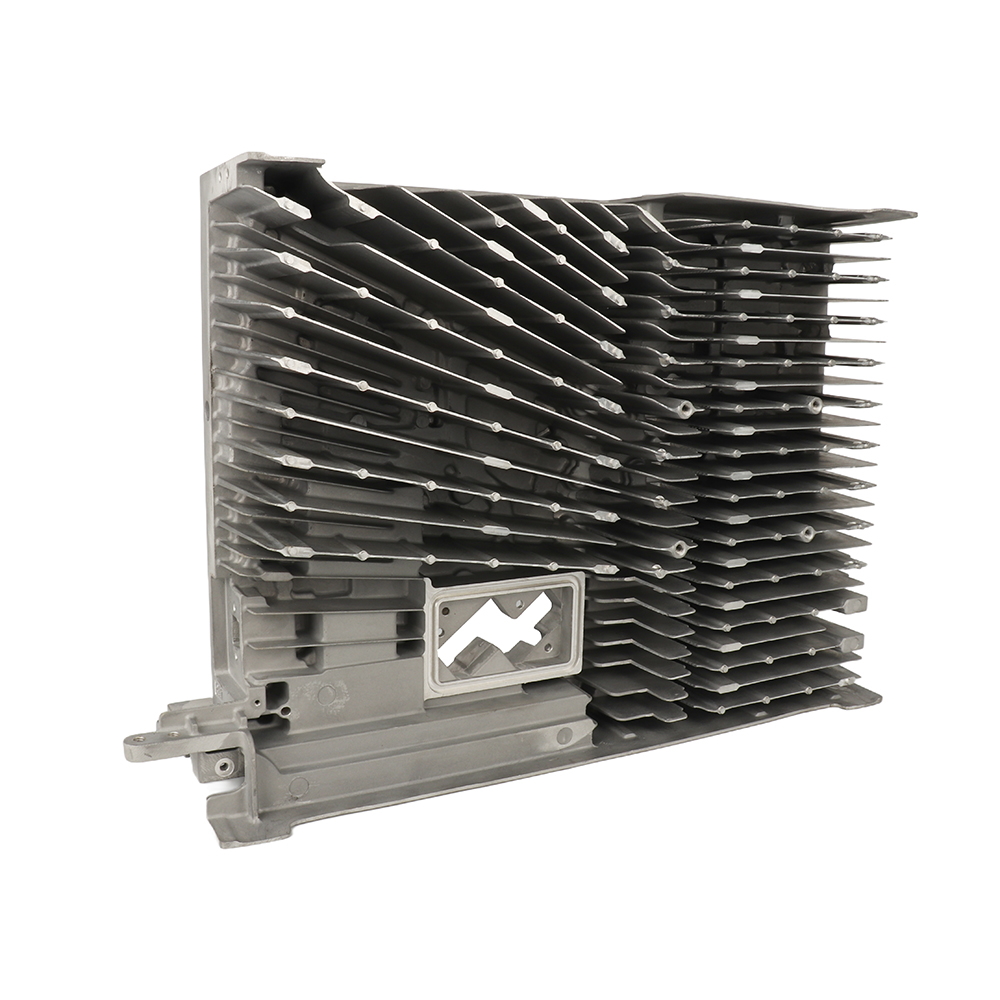
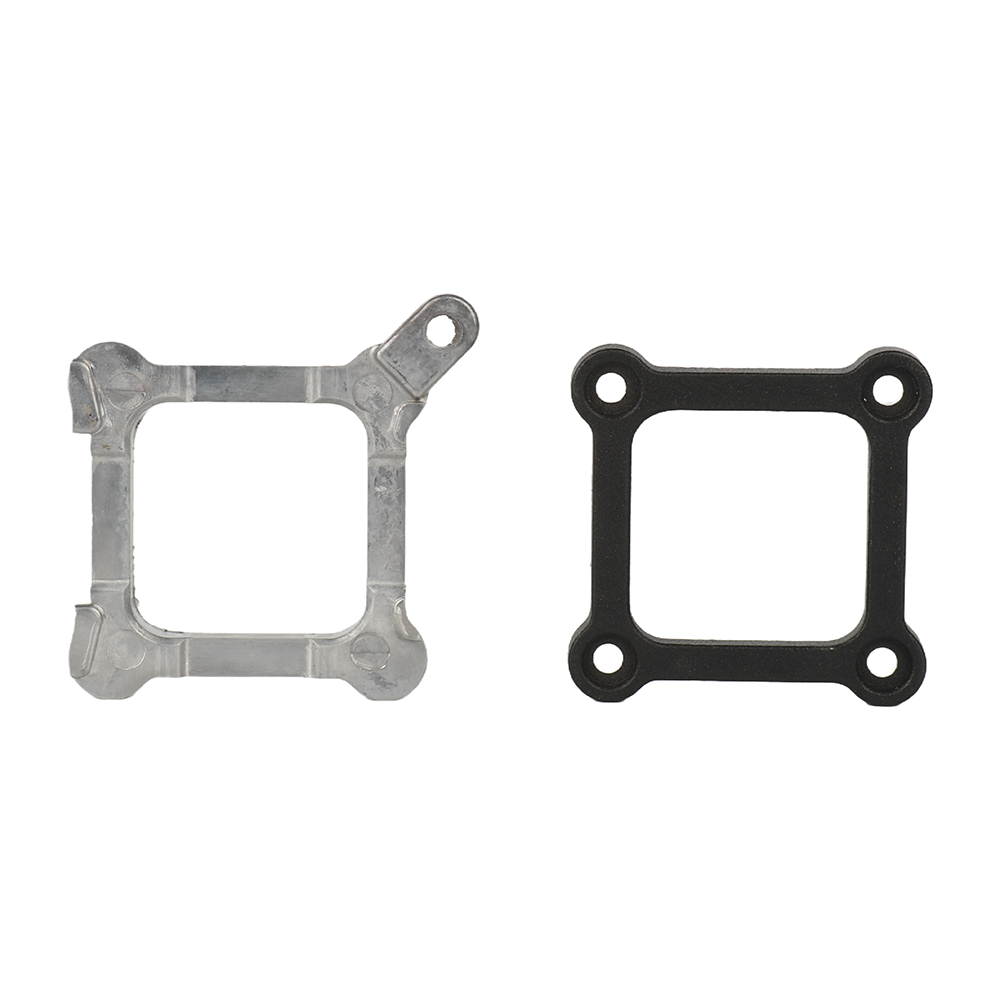
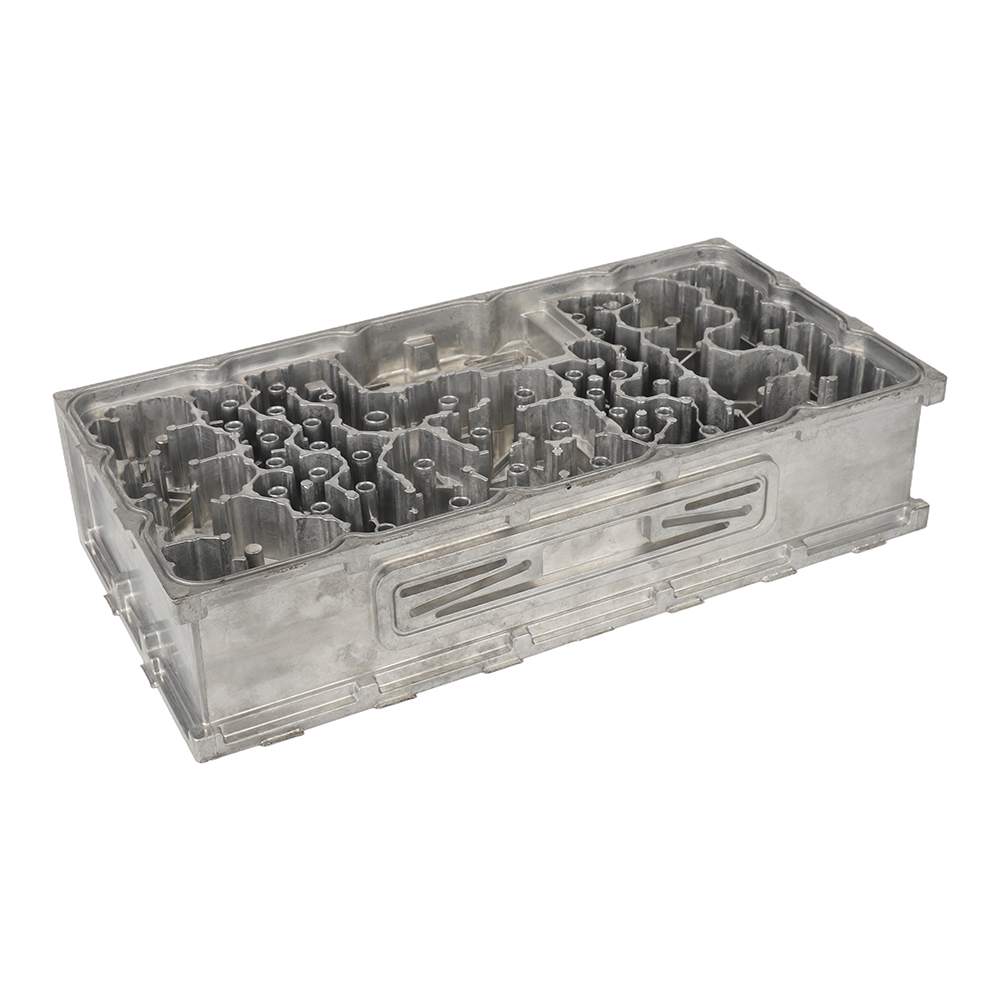
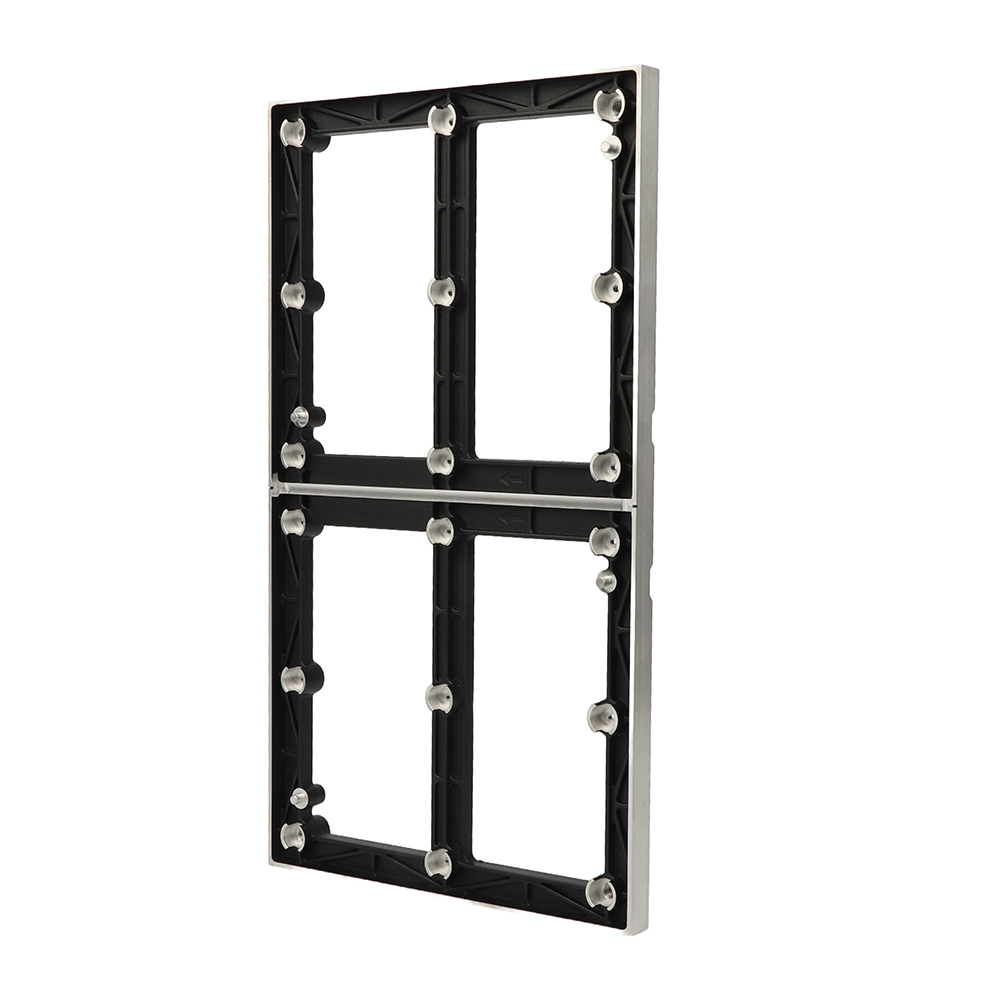
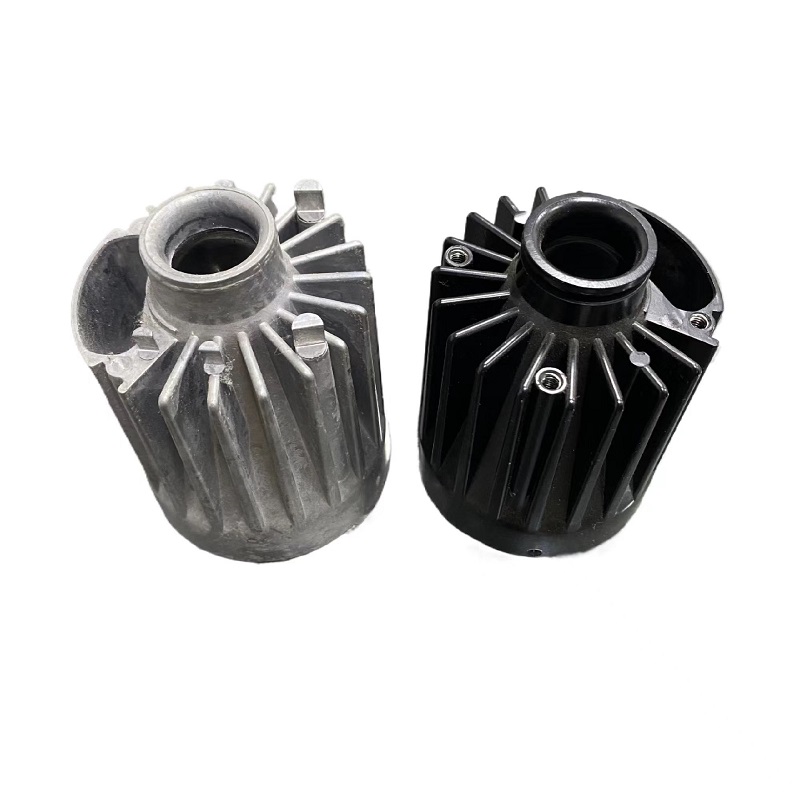
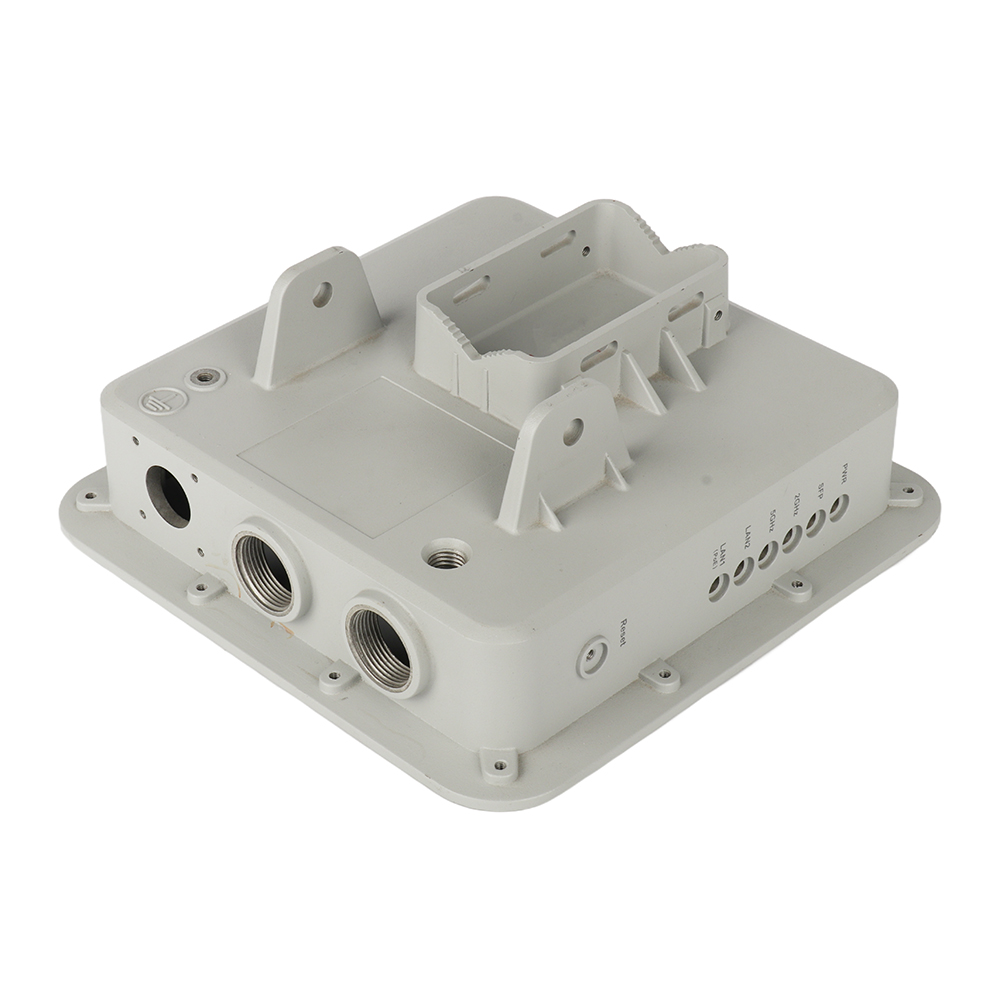
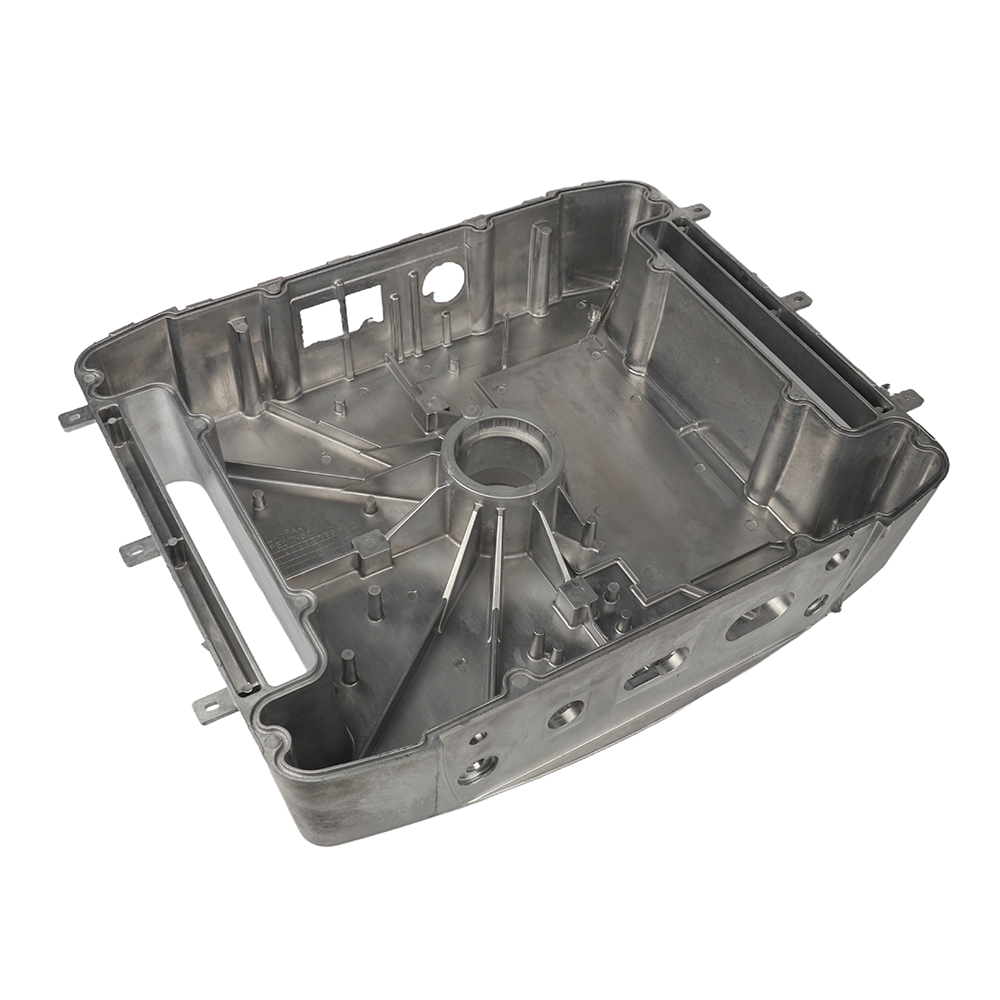
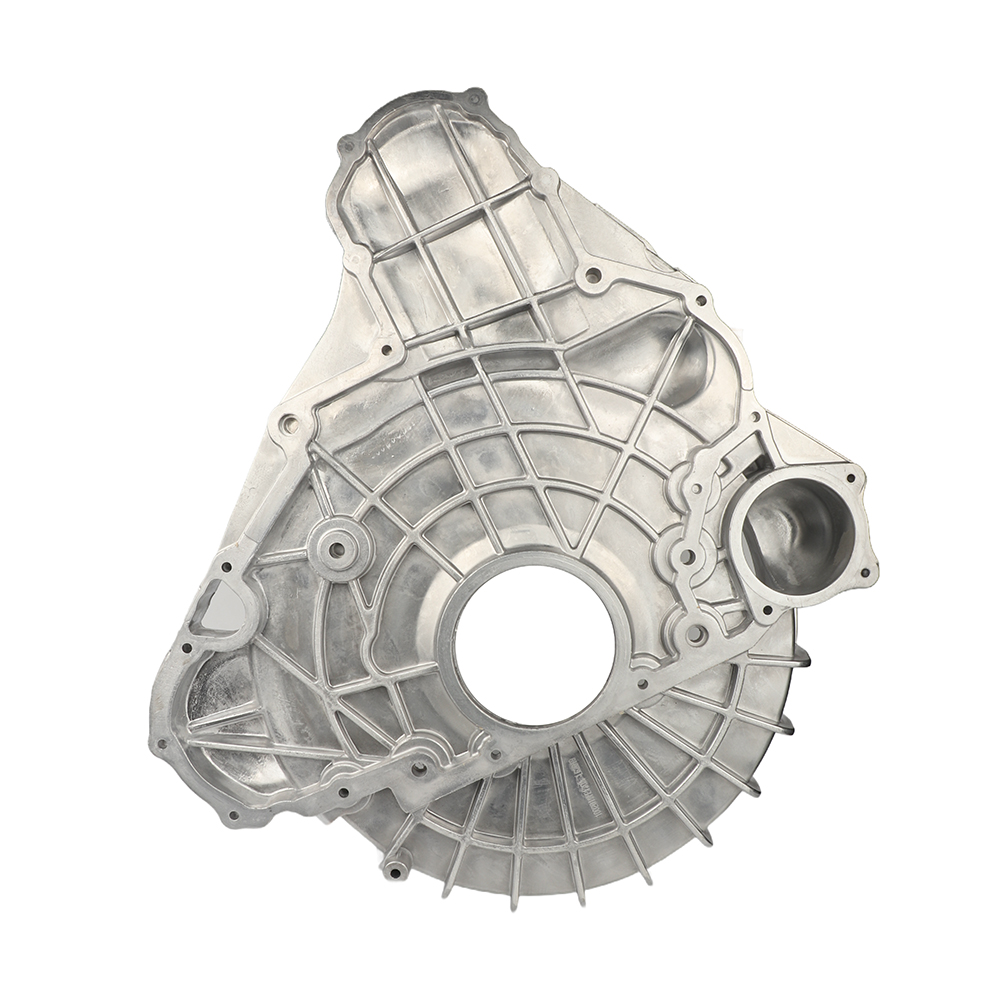
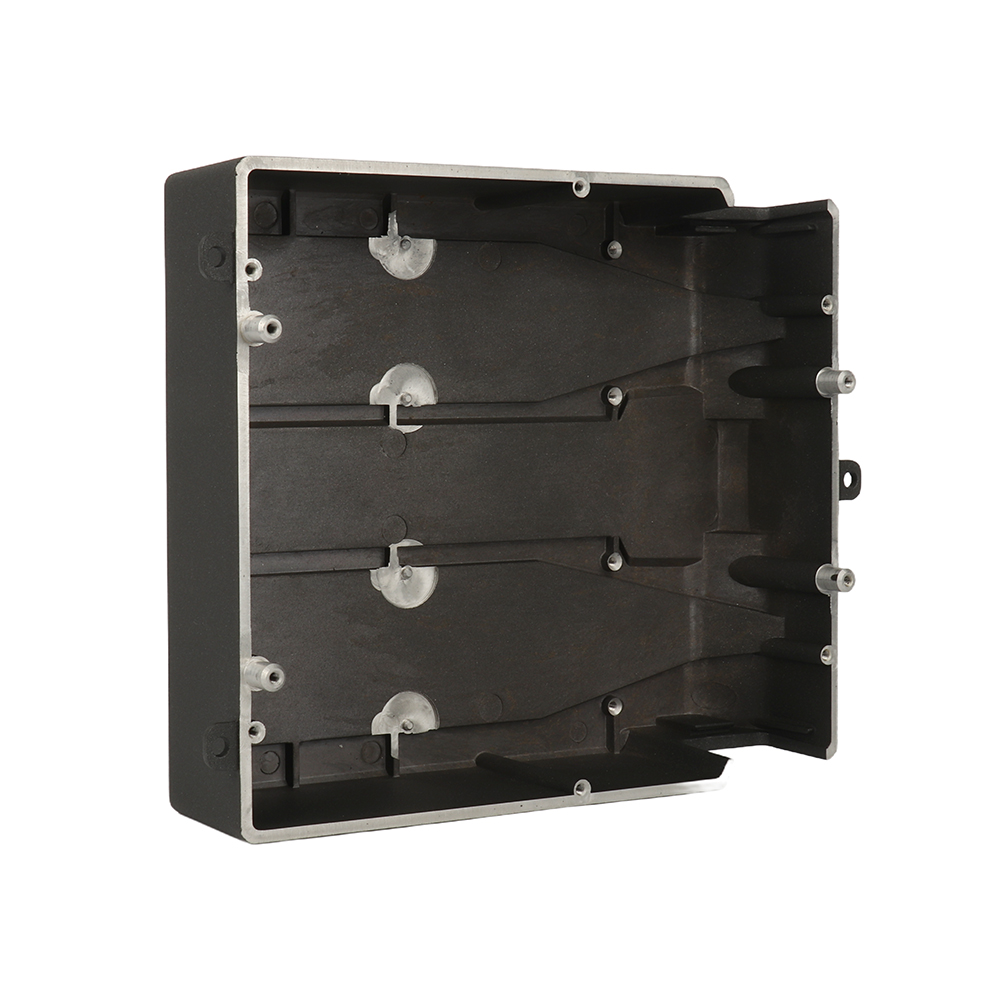
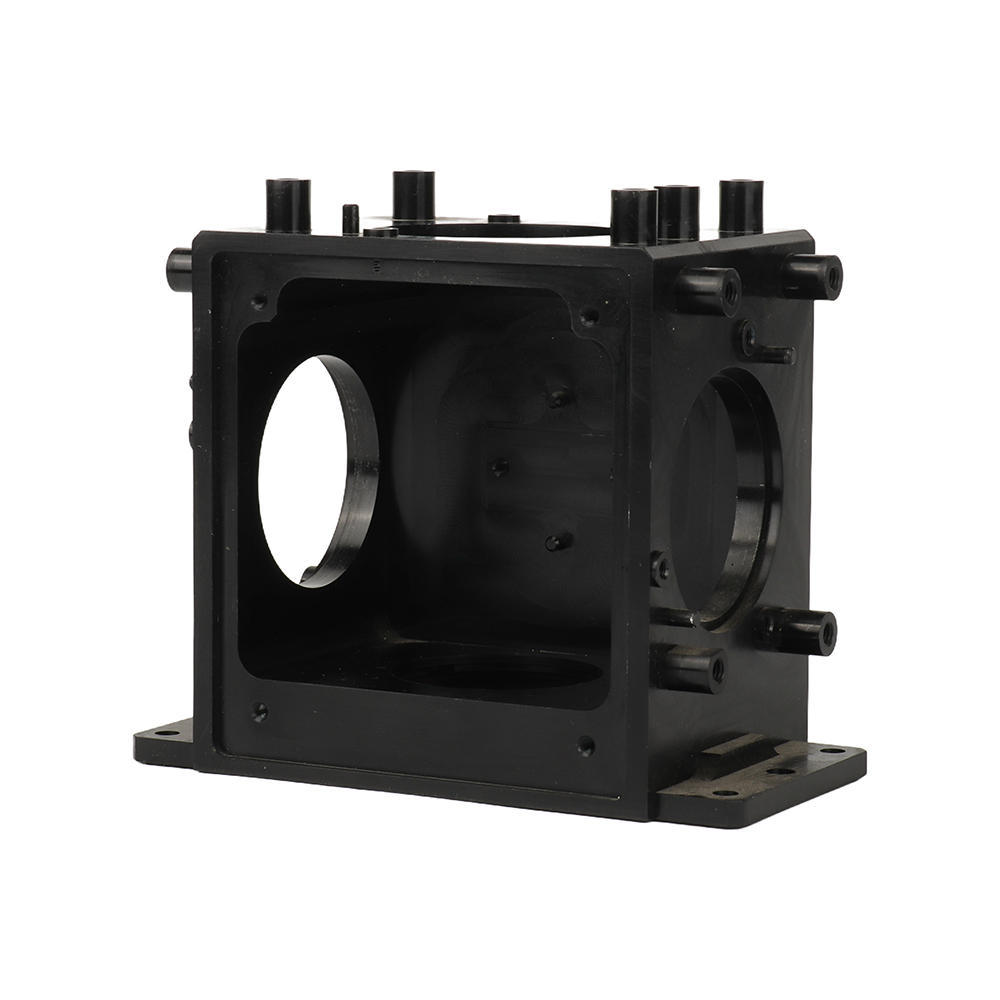
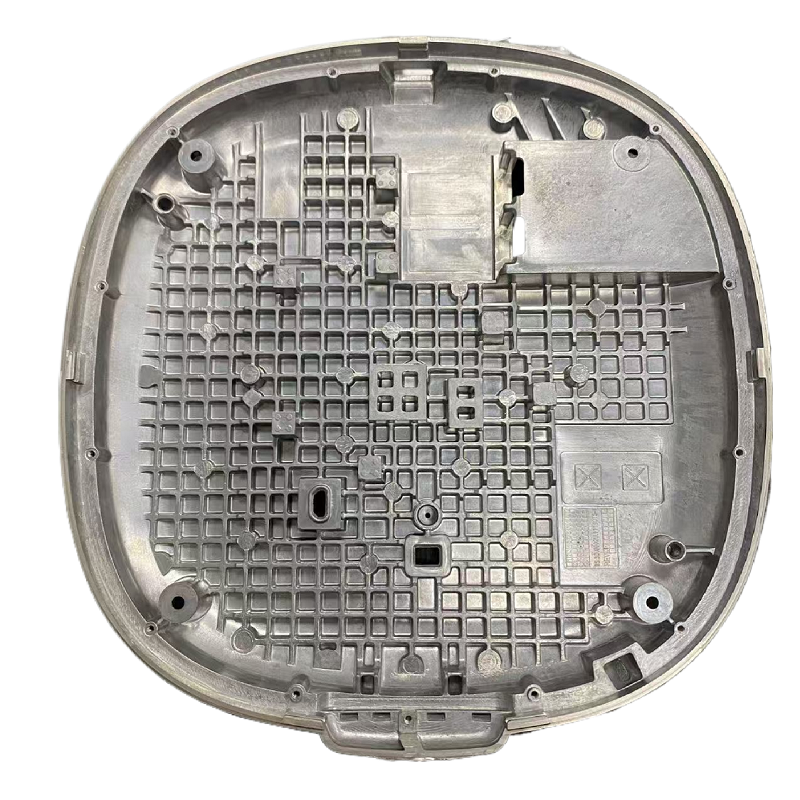
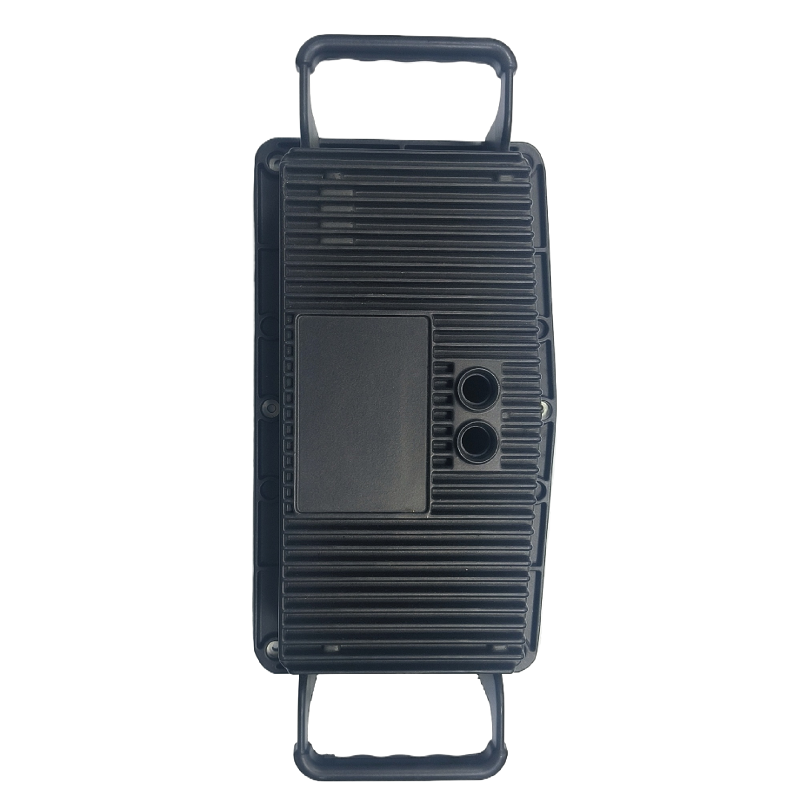
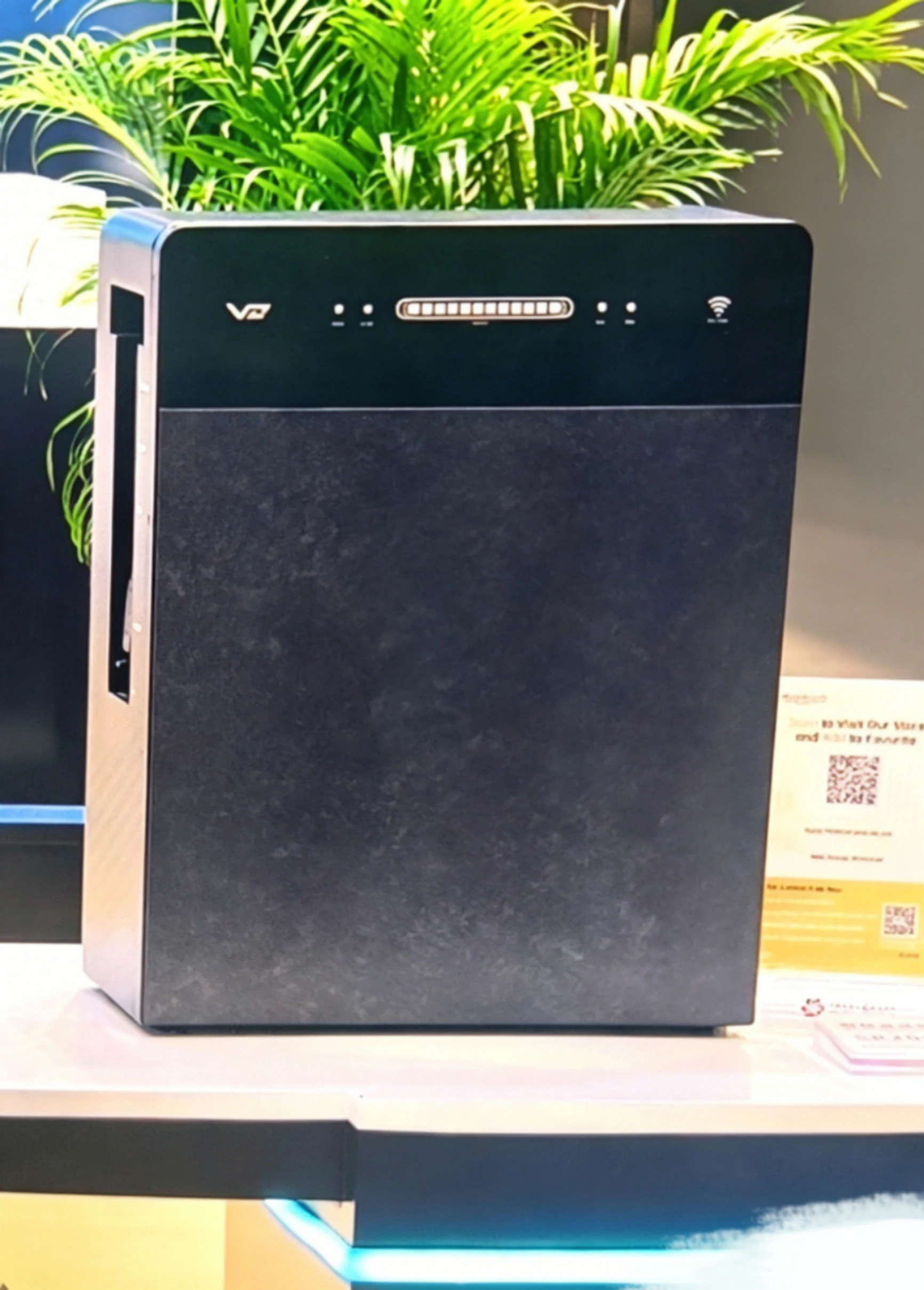
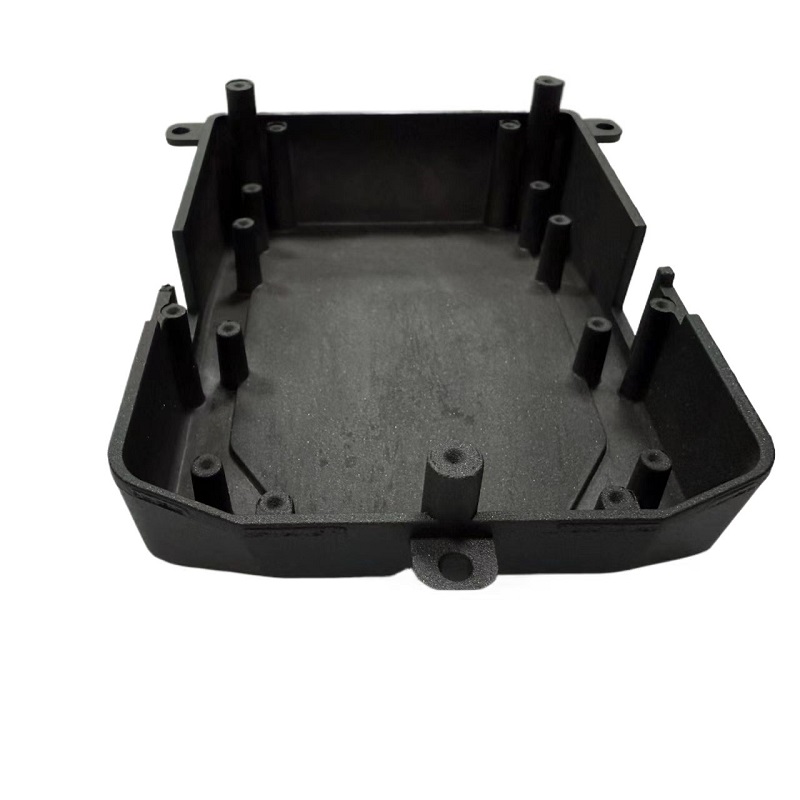
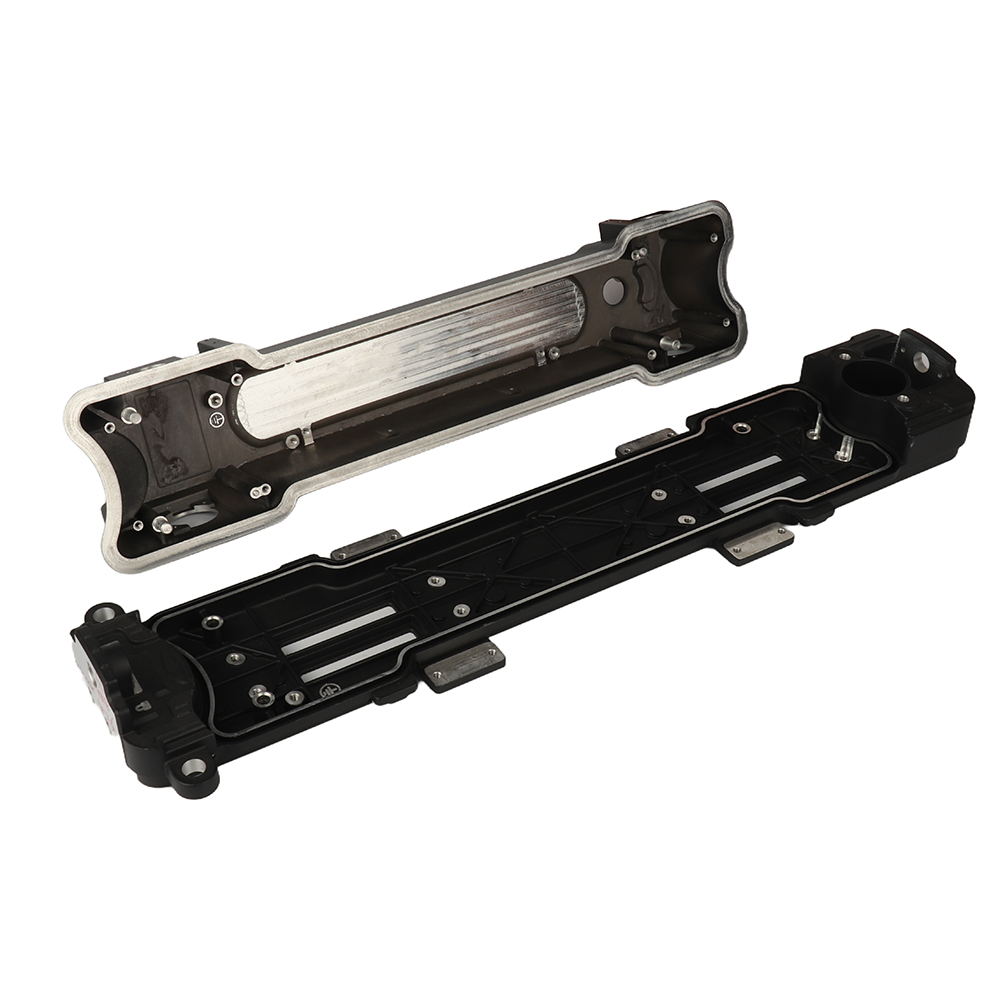
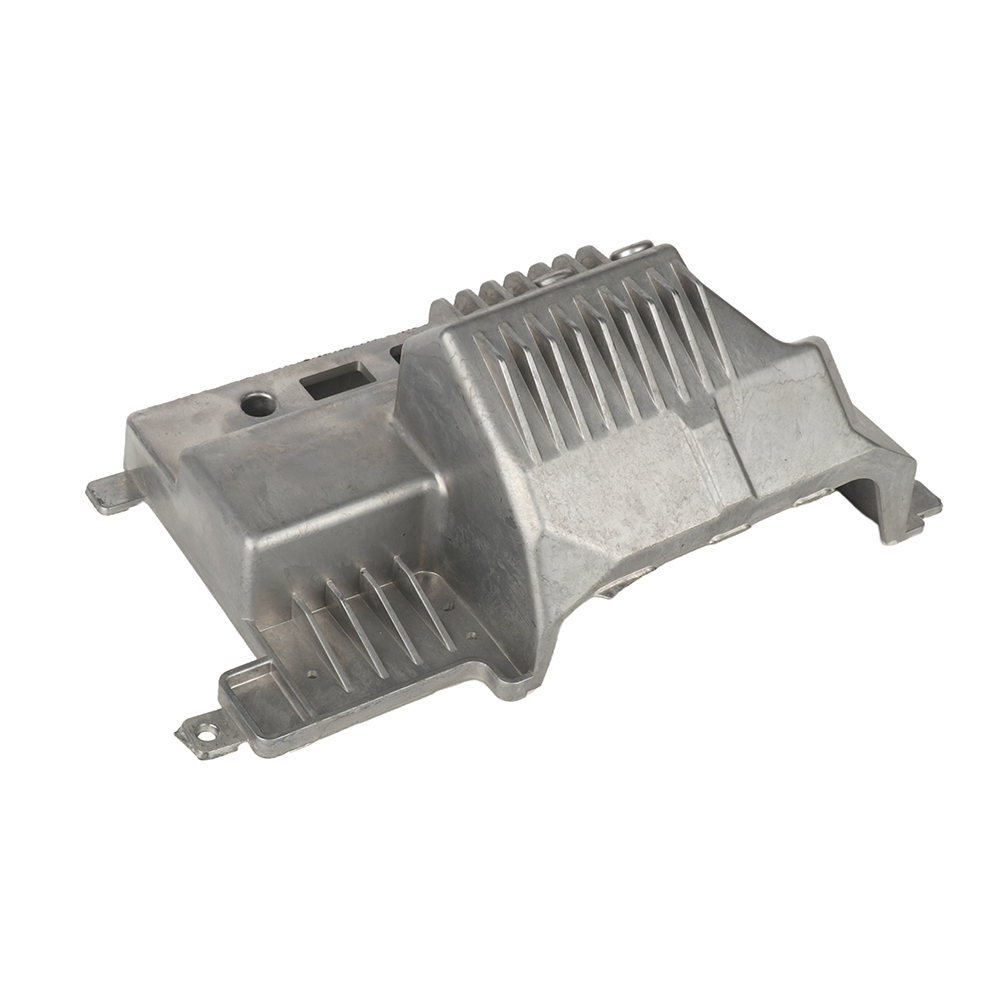
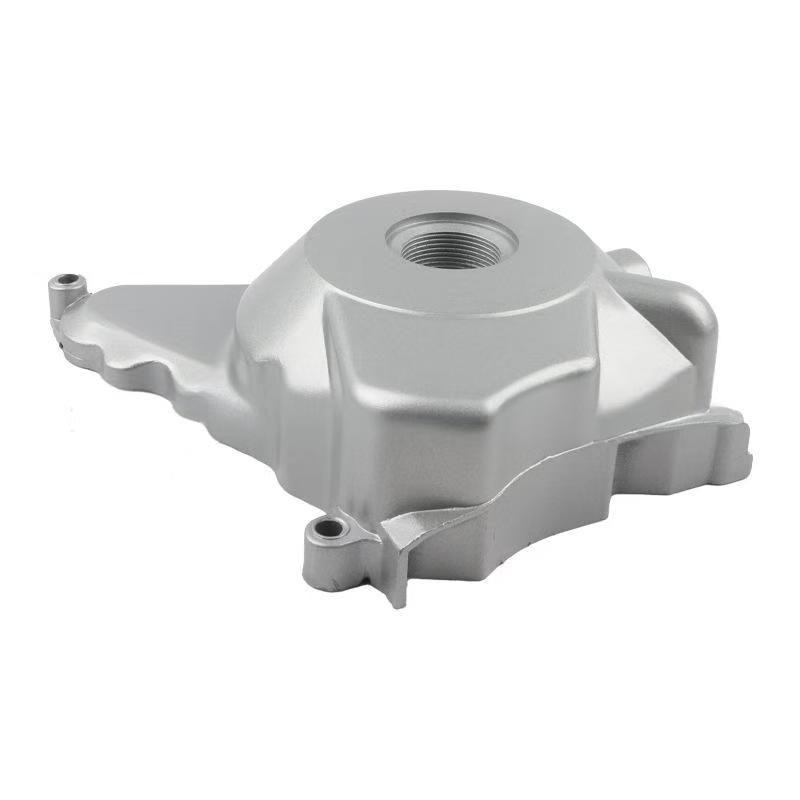
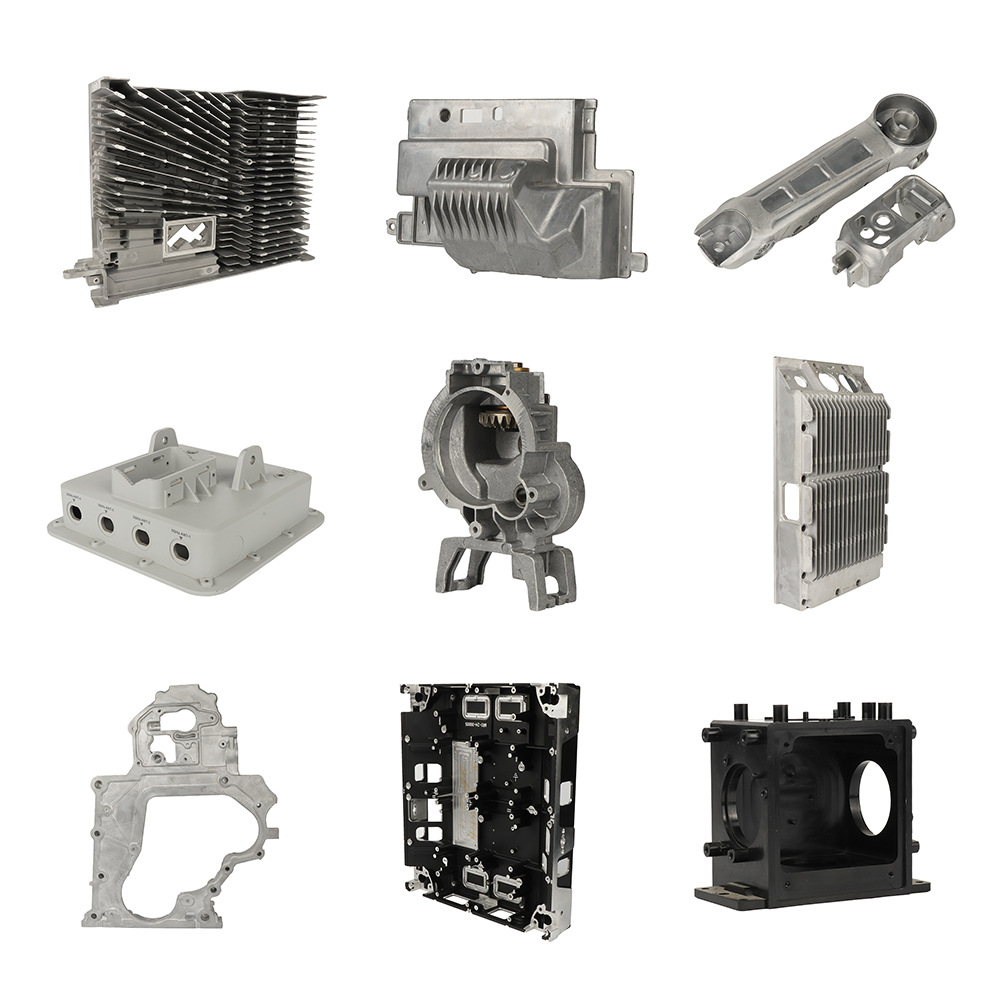
Aluminium die casting material | What aluminium die casting material is best for enclosures | A Complete ADC12 Guide
What Aluminium Die Casting Material Is Best for Enclosures? A Complete ADC12 Guide
1. Introduction: Why Aluminium Die Casting Dominates Enclosure Manufacturing
Industrial and electronic enclosures require materials that balance precision dimensional stability, durability, thermal conductivity, and cost-effectiveness. Among all die casting alloys, aluminium die casting materials stand out for their lightweight properties and excellent processability, replacing traditional plastic, iron, and steel enclosures in most high-end industrial scenarios.
For professional enclosure production, ADC12 aluminium alloy is universally recognized as the most versatile and reliable die casting material. It perfectly meets the strict requirements of thin-wall forming, complex structural design, surface treatment, and long-term operational stability for enclosures. This blog will comprehensively analyze the performance, functions, applications, and advantages of ADC12, helping manufacturers select the optimal enclosure die casting material.
2. What Is ADC12 Aluminium Die Casting Material?
2.1 Basic Definition of ADC12 Alloy
ADC12 is a high-performance Al-Si-Cu series aluminium die casting alloy compliant with the Japanese JIS H 5302 standard, belonging to the most widely used general-purpose die casting aluminium alloy globally. With a silicon content of 11–13%, it features ultra-high casting fluidity and excellent mold filling performance, making it the preferred material for mass production of complex-shaped enclosures.
2.2 Industry Positioning of ADC12
Compared with other aluminium alloys such as A380 and ADC10, ADC12 achieves the best balance of castability, mechanical strength, and surface machinability. It avoids the defects of poor fluidity of high-strength alloys and insufficient rigidity of low-silicon alloys, fully adapting to the diverse production needs of electronic, electrical, automotive, and communication enclosures.
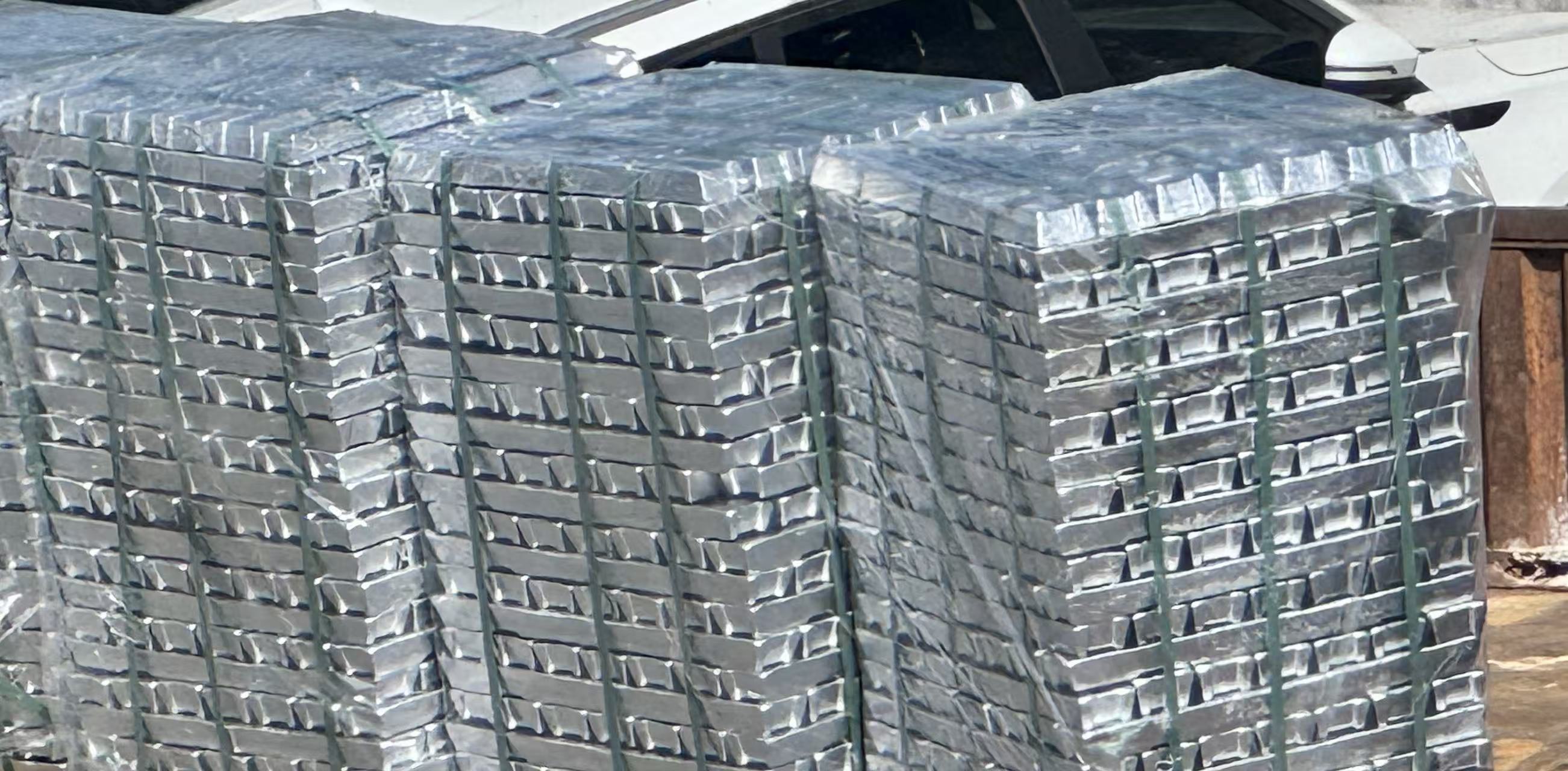
3. Standard Technical Parameters of ADC12 Aluminium Alloy
The stable physical and chemical parameters of ADC12 lay the foundation for high-quality enclosure production. Below are the universal industry standard parameters for ADC12 aluminium die casting material:
| Parameter Item | Standard Value | Remarks |
|---|---|---|
| Silicon (Si) Content | 11.0–13.0 wt% | Ensures excellent casting fluidity |
| Copper (Cu) Content | 1.5–3.5 wt% | Improves structural hardness and strength |
| Iron (Fe) Content | ≤0.9 wt% | Reduces casting crack defects |
| Tensile Strength | ≥220 MPa | Guarantees enclosure structural stability |
| Hardness | 50–55 HRB | Excellent wear and impact resistance |
| Density | 2.66 g/cm³ | Lightweight, reduces overall equipment weight |
| Thermal Conductivity | 96 W/(m·K) | Efficient heat dissipation for electronic devices |
| Dimensional Tolerance | ±0.05 mm | Supports high-precision enclosure assembly |
| Surface Treatment Compatibility | Anodizing, powder coating, sandblasting | Rich surface processing options |
4. Core Functions of ADC12 for Die Cast Enclosures
4.1 Structural Protection Function
ADC12 alloy has high rigidity and impact resistance, which can effectively protect internal electronic components, circuits, and mechanical parts from external collision, extrusion, and vibration damage. Its stable mechanical properties ensure that the enclosure does not deform or crack during long-term use.
4.2 Efficient Heat Dissipation Function
With superior thermal conductivity, ADC12 enclosures can quickly export heat generated by operating equipment, reduce internal equipment temperature accumulation, avoid component burnout, and extend the service life of electrical and electronic products.
4.3 Environmental Isolation Function
ADC12 aluminium material has good corrosion resistance and airtightness. After professional surface treatment, it can isolate dust, moisture, and corrosive gases in the external environment, ensuring stable operation of internal equipment in harsh industrial environments.
4.4 Lightweight Optimization Function
Compared with iron and steel materials, ADC12 aluminium alloy is 35% lighter, which effectively reduces the overall weight of equipment, facilitates product transportation, installation and mobile use, and meets the lightweight development trend of modern industrial equipment.
5. Main Application Fields & Scenarios of ADC12 Enclosures
5.1 Electronic & Electrical Enclosures
Widely used in power supply enclosures, inverter shells, adapter housings, and industrial control box casings. The high-precision forming performance of ADC12 ensures smooth enclosure assembly, and its heat dissipation performance solves the overheating problem of electronic equipment operation.
5.2 Automotive Industry Enclosures
Applied to automotive electronic control unit (ECU) shells, sensor enclosures, and new energy vehicle charging module housings. ADC12’s vibration resistance and high-temperature stability adapt to complex and variable automotive operating environments.
5.3 Communication Equipment Enclosures
Suitable for 5G base station accessory shells, signal transceiver enclosures, and communication power enclosures. The material’s dimensional stability ensures no deformation of precision communication structures, and corrosion resistance adapts to outdoor long-term exposure scenarios.
5.4 Smart Hardware & Industrial Equipment
Used for smart device shells, instrument and meter enclosures, and automation equipment casings. ADC12 supports thin-wall and complex structural die casting, meeting the miniaturization and refined design requirements of modern smart hardware.
6. Key Advantages of ADC12 Aluminium Die Casting Material
6.1 Excellent Casting & Forming Performance
High silicon content endows ADC12 with ultra-high fluidity and mold filling capacity. It can complete one-time die casting of thin-wall (minimum 1.5mm) and irregular complex enclosures, with high product yield and no secondary trimming for most structures, greatly improving production efficiency.
6.2 Stable Mechanical & Physical Properties
ADC12 has balanced tensile strength and hardness, with low shrinkage rate after casting, excellent dimensional consistency, and no deformation after long-term use. It can withstand daily vibration, impact and temperature changes, ensuring high reliability of enclosure products.
6.3 Flexible Surface Treatment Performance
The material can freely undergo sandblasting, anodizing, powder coating, electroplating and other surface treatments, with high coating adhesion. It can meet diverse customer needs for enclosure appearance, insulation, and anti-corrosion upgrading.
6.4 High Cost-Effectiveness for Mass Production
Compared with high-end aviation aluminium alloys, ADC12 has lower raw material and processing costs. Its high die-casting efficiency and low defective rate greatly reduce unit production costs, making it the best choice for large-batch enclosure manufacturing.
6.5 Good Machinability
After die casting, ADC12 blanks are easy to drill, tap, cut and polish, with low tool loss. It supports precise secondary processing of enclosure mounting holes, grooves and assembly structures, meeting customized precision production requirements.
7. Industry Expert View on ADC12 Enclosure Applications
“In the field of industrial enclosure die casting, ADC12 has irreplaceable comprehensive advantages. Many manufacturers blindly pursue high-strength alloy materials but ignore the matching of material performance and application scenarios. For most electronic, automotive and communication enclosures, ADC12’s strength, heat dissipation and casting performance fully meet industrial standards, and its mass production stability and cost performance are far better than other alternative alloys.
In recent years, with the upgrading of precision enclosure design, thin-wall and complex-structured products have become mainstream. ADC12’s excellent mold filling ability can perfectly adapt to this trend, and it is still the most cost-effective and stable universal die casting material for enclosure manufacturing in 2026.”
—— Senior Material Engineer, China Non-Ferrous Metal Die Casting Industry Association
8. About Xinghang Precision Hardware
Xinghang Precision Hardware is a professional manufacturer integrating aluminium die casting, precision hardware processing, mold development, and surface treatment, focusing on high-quality ADC12 aluminium die casting enclosure customization and mass production for more than 10 years. The company has a full set of advanced die-casting equipment, precision CNC processing machines, and standardized surface treatment production lines.
We specialize in customized production of various high-precision aluminium die cast enclosures, covering electronic, automotive, communication, smart hardware and other industry scenarios. From mold design, die casting forming, precision machining to surface finishing, we implement full-process quality control to ensure that every batch of products meets international industry standards.
Adhering to the principle of quality first, customer-oriented, we support OEM/ODM customized services, and provide flexible bulk order discount policies to help customers reduce procurement costs and improve product competitiveness.
9. Frequently Asked Questions (FAQs)
Q1: Why choose ADC12 instead of A380 for enclosure die casting?
A: ADC12 has higher silicon content and better fluidity than A380, with higher yield for thin-wall and complex enclosures. It has more stable dimensional accuracy and better surface flatness after casting, and the cost of mass production is lower, making it more suitable for most civilian and industrial enclosure scenarios.
Q2: Can ADC12 enclosures be used in outdoor and high-temperature environments?
A: Yes. After professional powder coating or anodizing treatment, ADC12 enclosures have excellent anti-corrosion and high-temperature resistance. They can work stably in the temperature range of -40℃ to 120℃, adapting to outdoor exposure, industrial high-temperature workshops and other harsh environments.
Q3: What is the precision tolerance of your ADC12 die cast enclosures?
A: Xinghang Precision Hardware controls the conventional tolerance of ADC12 die cast enclosures within ±0.05mm. For high-precision customized products, we can achieve tighter tolerance standards through secondary CNC finishing, fully meeting precision assembly requirements.
Q4: Do you support customized enclosure shapes and surface processes?
A: Absolutely. We provide one-stop customized services, including personalized enclosure shape design, hole position adjustment, and multiple surface processes such as sandblasting, black oxidation, color anodizing, and matte powder coating to meet diverse customer needs.
Q5: What is your bulk order discount policy?
A: We implement a progressive bulk discount policy: the larger the order quantity, the higher the discount. For long-term cooperative customers and large-batch customized orders, we can provide exclusive preferential prices, free mold maintenance, and priority delivery services to maximize customer benefits.
10. Conclusion: Industry Trends & Supplier Selection Tips
10.1 Aluminium Die Casting Industry Development Trends
With the rapid development of new energy vehicles, 5G communication, smart manufacturing and electronic consumer industries, the market demand for precision aluminium die cast enclosures continues to grow. The industry is developing towards thin-wall precision, lightweight, high environmental adaptability, and low-cost mass production.
As a universal high-performance alloy, ADC12 will still occupy the dominant market share in the enclosure die casting field in the next few years. Upgrading surface treatment technology and improving processing precision will become the core competition direction of die casting enterprises.
10.2 How to Choose a High-Quality Hardware Processing Supplier
First, focus on material standardization: ensure that the supplier uses genuine standard ADC12 aluminium alloy materials to avoid inferior recycled materials affecting product performance and service life.
Second, verify processing strength: select manufacturers with independent mold development, die casting production and precision CNC processing capabilities to ensure product consistency and delivery stability.
Third, check quality control system: formal manufacturers with complete testing procedures can effectively control product defects and reduce after-sales risks.
Fourth, prioritize cost-effective bulk cooperation: choose suppliers with flexible discount policies for large orders to reduce long-term procurement costs.
11. Contact Us & Bulk Order Discount Policy
Xinghang Precision Hardware sincerely welcomes global customers to consult and cooperate. We provide free sample testing, customized solution design, and fast quotation services. Our core advantage: the more you order in bulk, the more discounts you get, with super cost-effective mass production prices and reliable product quality.
Contact Information
Mobile / Whatsapp / WeChat: +86 18819502691
Email: liqine@xinghangcn.com
We look forward to establishing long-term stable cooperative relations with you and providing high-quality ADC12 aluminium die casting enclosure solutions for your products!
Custom cast aluminum | How long is the lead time for custom cast aluminum parts?Complete Guide
High pressure die casting process | What are the advantages of high pressure die casting process?A Complete Guide
Related Article


