
HOT PRODUCTS
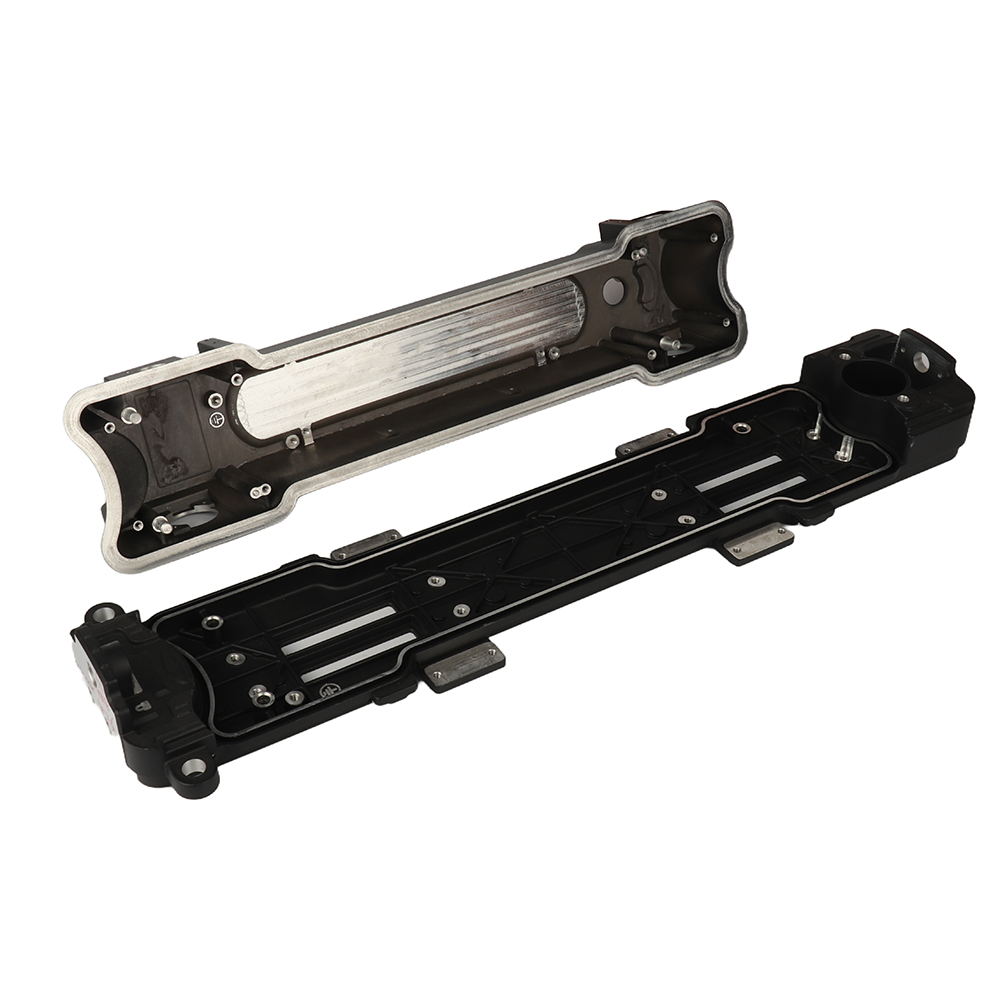
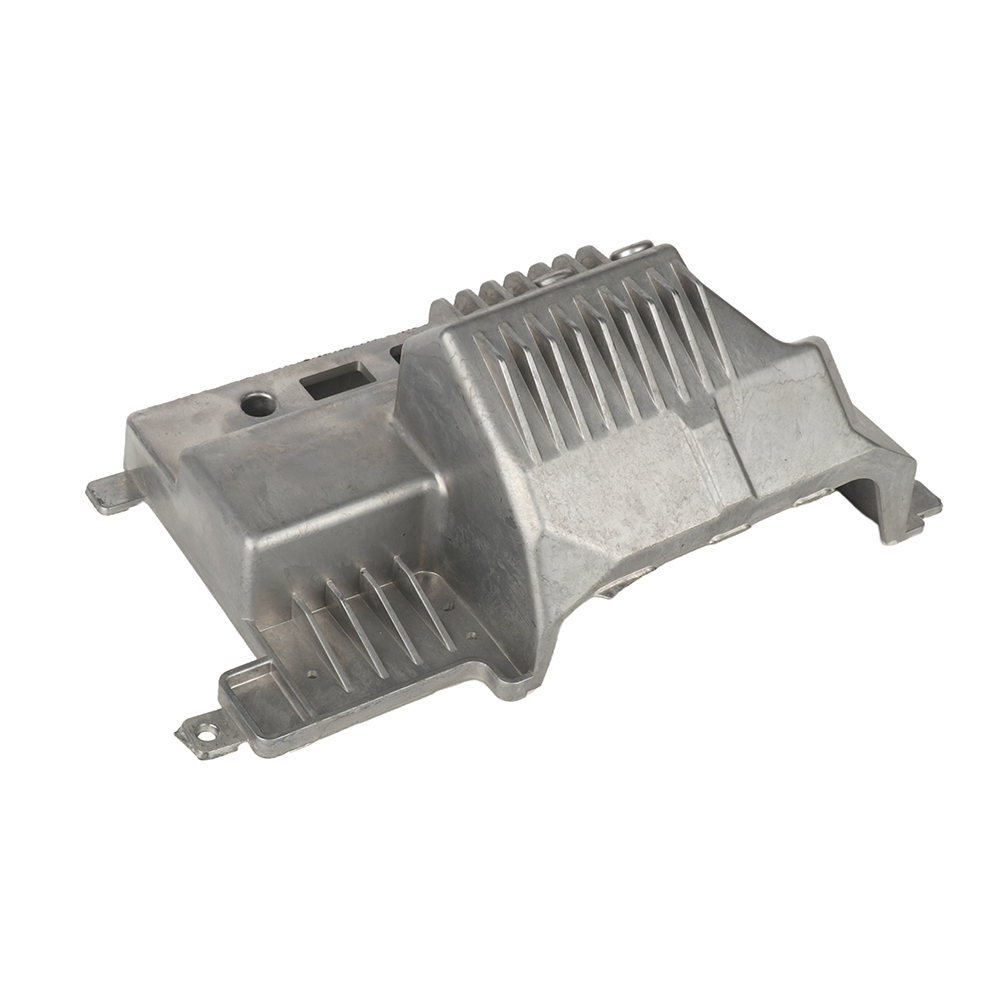
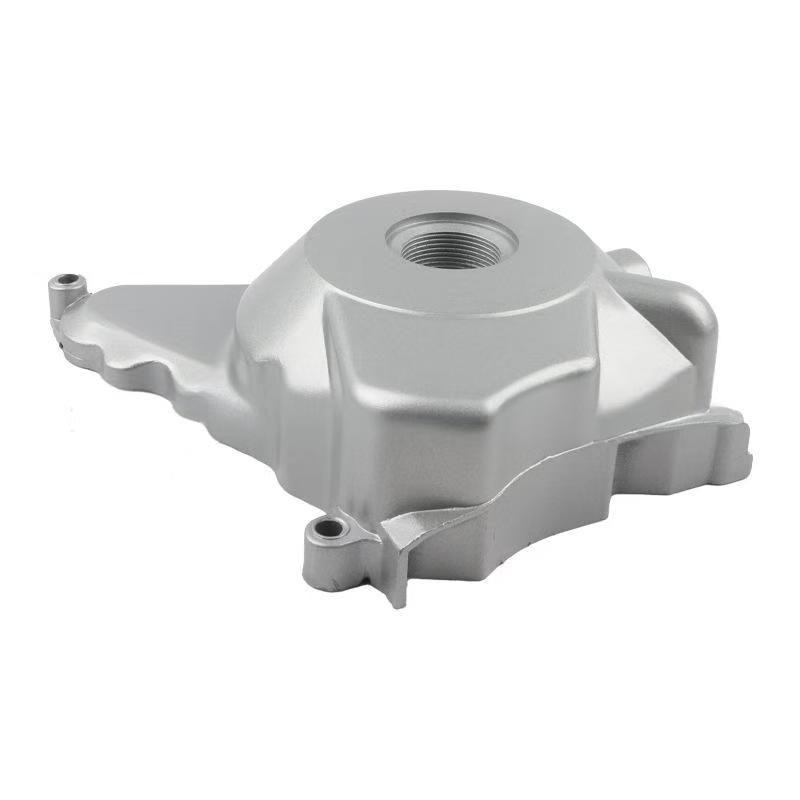
Auto castings | What are ADC12 auto castings? A Complete Guide
What are ADC12 Auto Castings? A Complete Guide
Table of Contents
- 1. Introduction: What are ADC12 Auto Castings?
- 2. Core Characteristics of ADC12 Auto Castings
- 3. Pros and Cons of ADC12 Auto Castings
- 3.1 Key Advantages of ADC12 Auto Castings
- 3.2 Minor Disadvantages of ADC12 Auto Castings
- 3.3 ADC12 vs. Other Auto Casting Alloys (Zamak 5, A380)
- 4. Expert Insights on ADC12 Auto Castings
- 5. Common Applications of ADC12 Auto Castings
- 6. FAQ: Frequently Asked Questions About ADC12 Auto Castings
- 7. Conclusion
1. Introduction: What are ADC12 Auto Castings?
ADC12 auto castings are precision-manufactured aluminum alloy components produced through high-pressure die casting technology, specifically engineered to meet the strict performance and safety requirements of the automotive industry. As a Japanese-standard Al-Si-Cu series die-casting aluminum alloy (equivalent to China’s YL113, America’s 384, and Europe’s EN AC-46000), ADC12 auto castings are primarily composed of aluminum (Al) as the base material, with key alloying elements including silicon (Si: 9.6~12.0%), copper (Cu: 1.5~3.5%), and trace amounts of iron (Fe), zinc (Zn), and magnesium (Mg).
As a mainstream option in recycled aluminum castings, ADC12 auto castings have become indispensable in modern automotive manufacturing, thanks to their unbeatable balance of cost-effectiveness, mechanical performance, and processability. They are widely applied in both traditional internal combustion engine (ICE) vehicles and new energy vehicles (NEVs), serving as critical structural and functional components that support vehicle operation, safety, and energy efficiency.
2. Core Characteristics of ADC12 Auto Castings
The unique chemical composition and advanced die casting process of ADC12 give ADC12 auto castings distinct traits that make them a top choice for automotive applications. Below are their key characteristics:
2.1 Excellent Castability for Complex Automotive Components
ADC12 boasts superior molten fluidity, allowing ADC12 auto castings to fill intricate mold cavities with high precision, enabling the production of complex automotive parts in a single casting. The practical minimum wall thickness can reach 0.8mm, further expanding their applicability for lightweight components.
2.2 Balanced Mechanical Properties
With a tensile strength of 200–280 MPa and a Brinell hardness of 50–70 HB, ADC12 auto castings offer sufficient strength and rigidity to withstand daily vehicle vibration and stress, ideal for non-load-bearing and medium-load parts.
2.3 Lightweight and Energy-Efficient
ADC12 has a density of approximately 2.7 g/cm³, lighter than zinc and steel. This helps reduce vehicle weight, improve fuel efficiency for ICE vehicles, and extend driving range for NEVs.
2.4 Good Thermal Conductivity
ADC12 has a thermal conductivity of around 100–120 W/m·K, effectively dissipating heat for high-temperature automotive parts and maintaining stability up to 150°C.
2.5 Cost-Effective for Mass Production
Made from recycled aluminum, ADC12 auto castings lower raw material costs. Short die casting cycles and minimal post-processing further reduce production expenses.

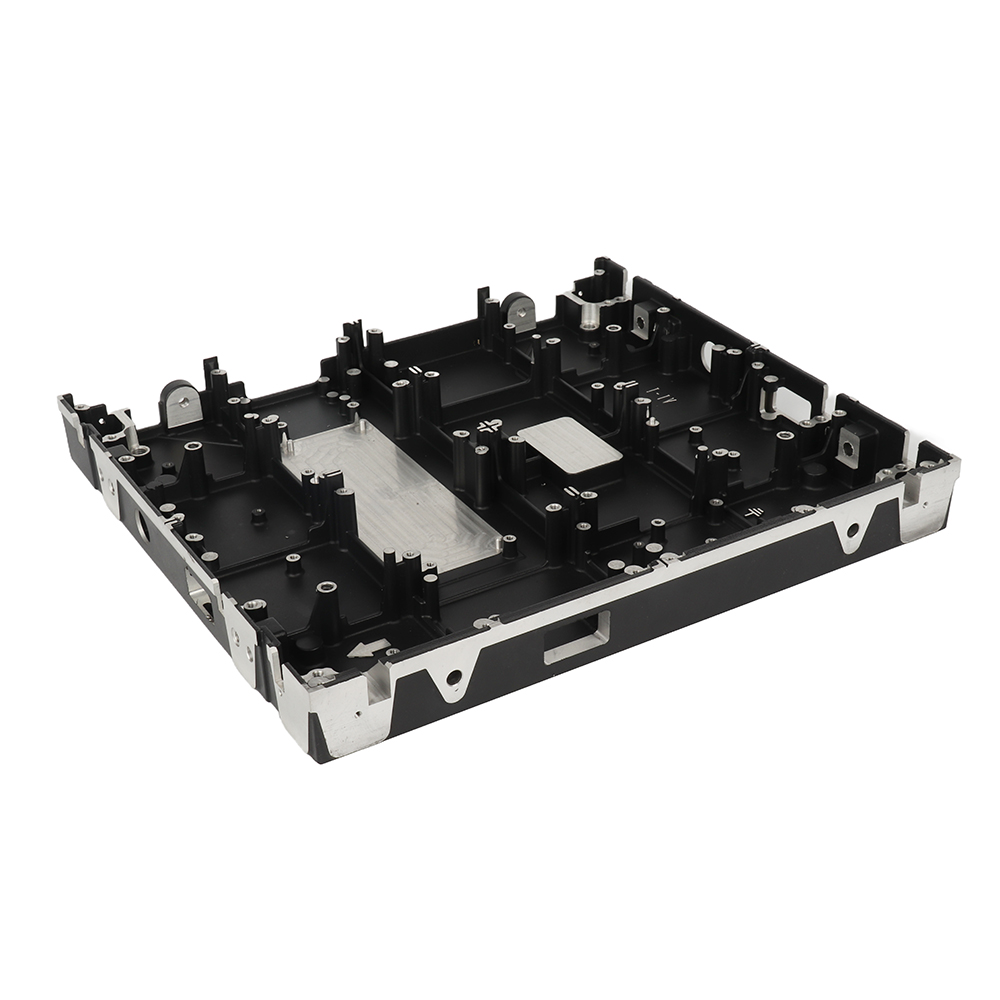
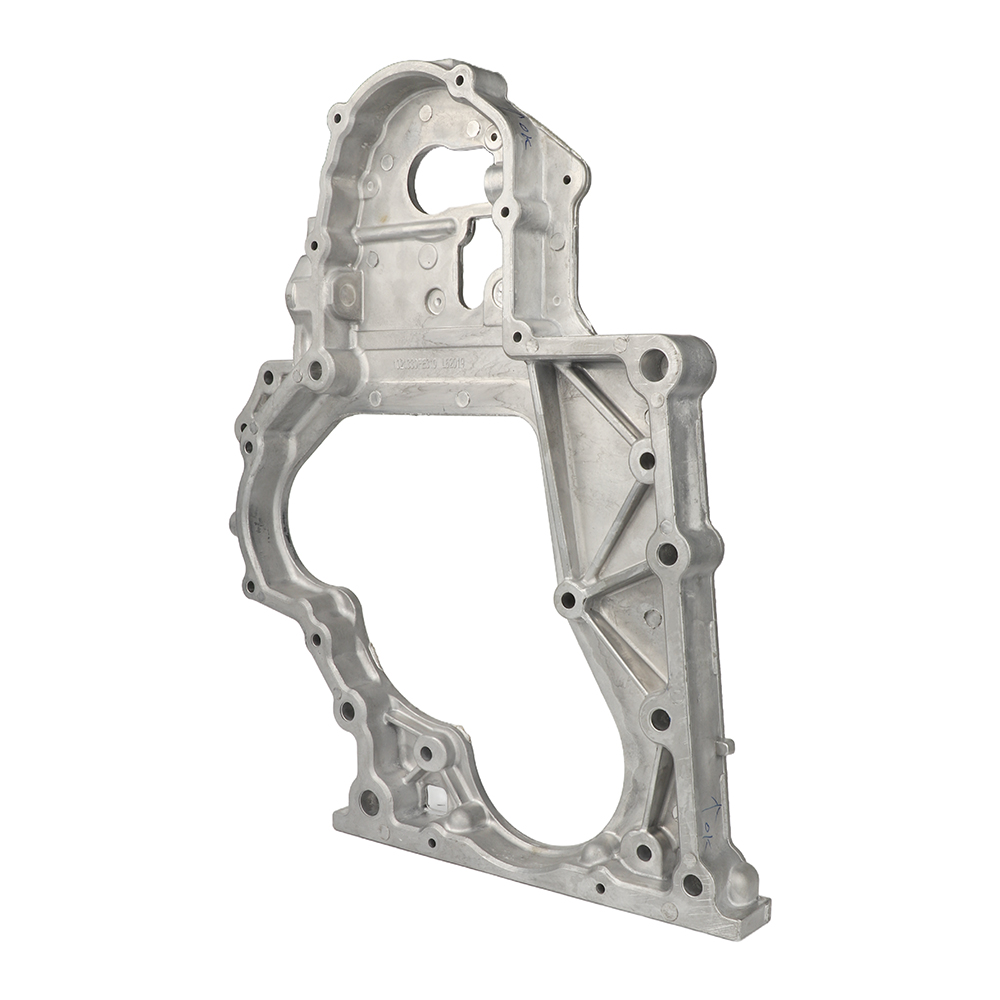
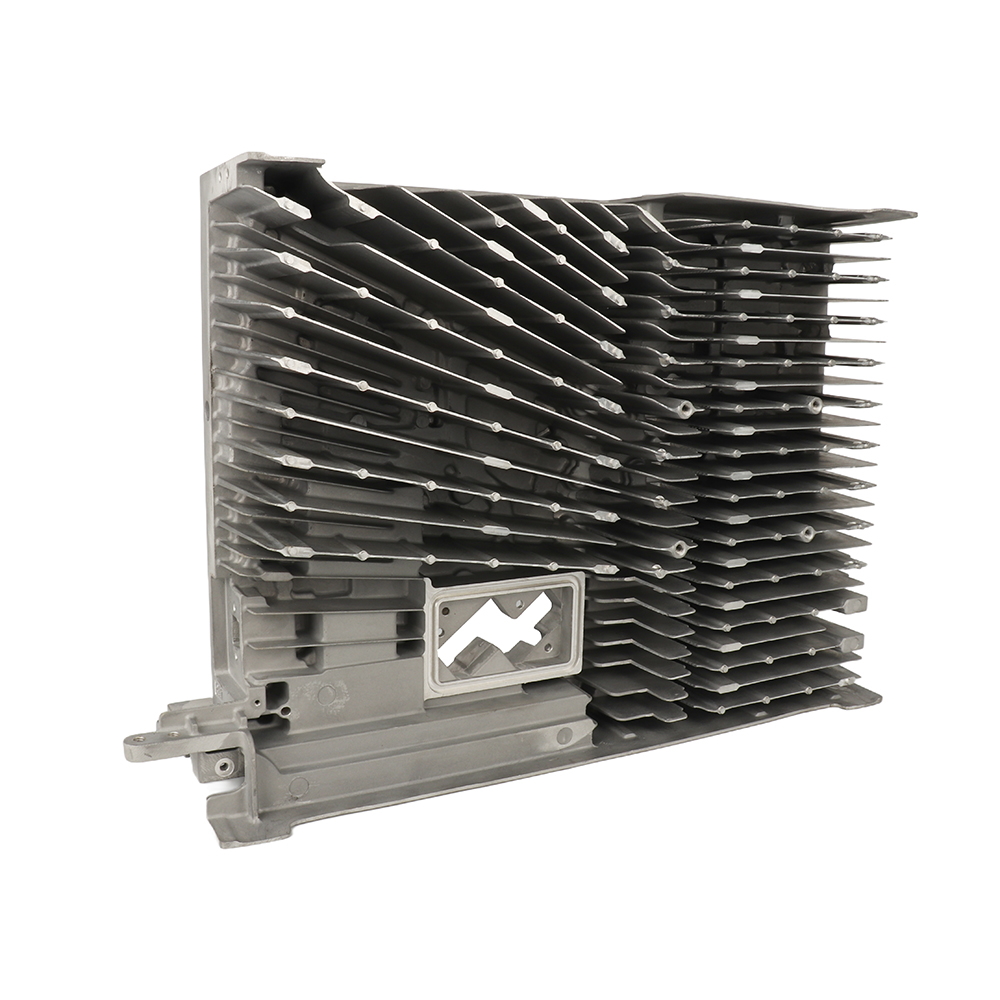
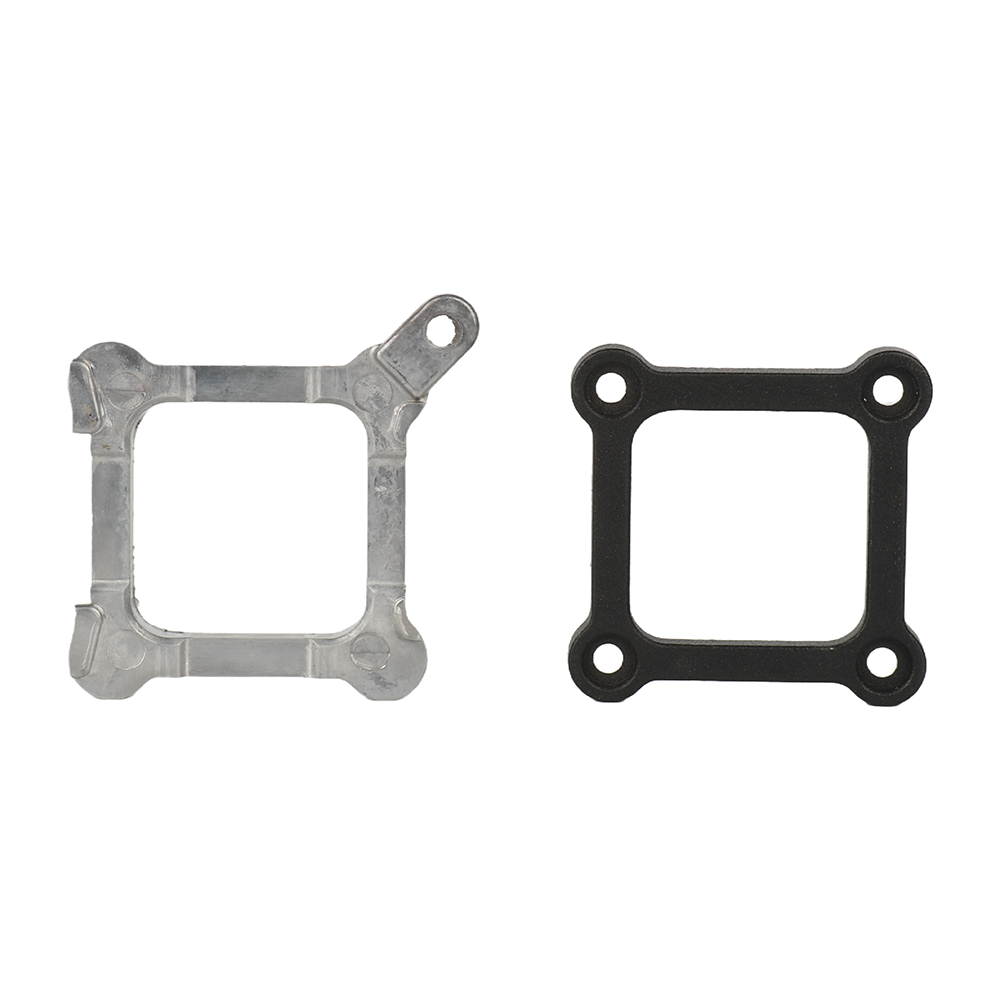
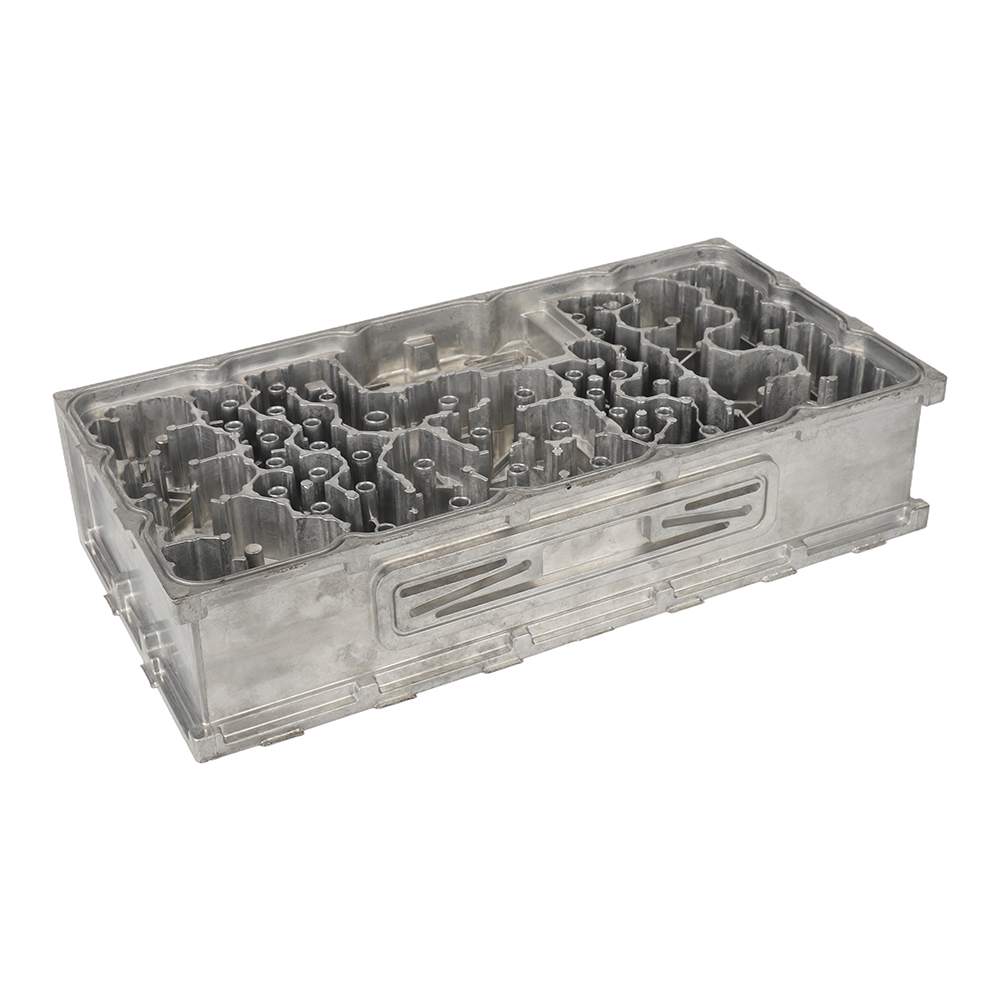
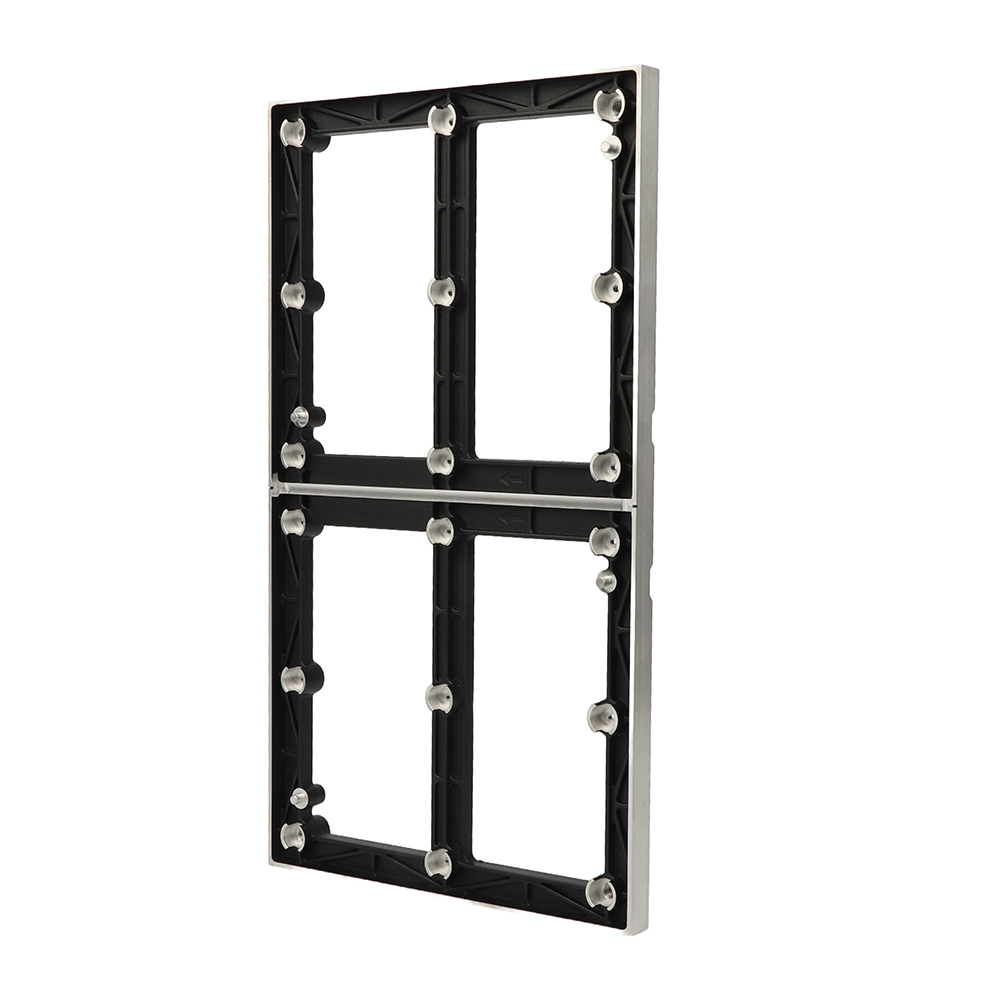
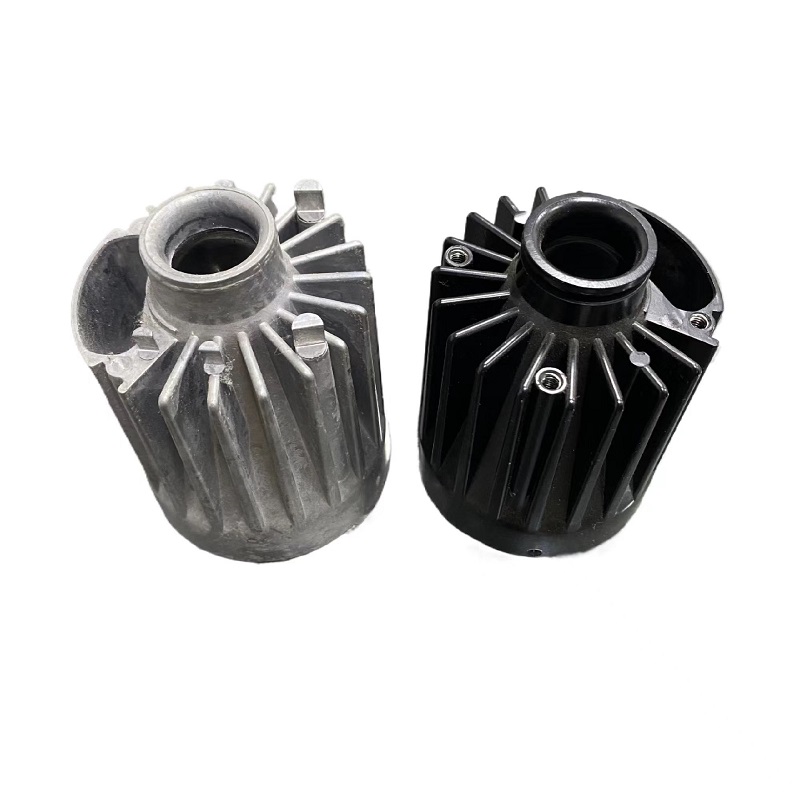
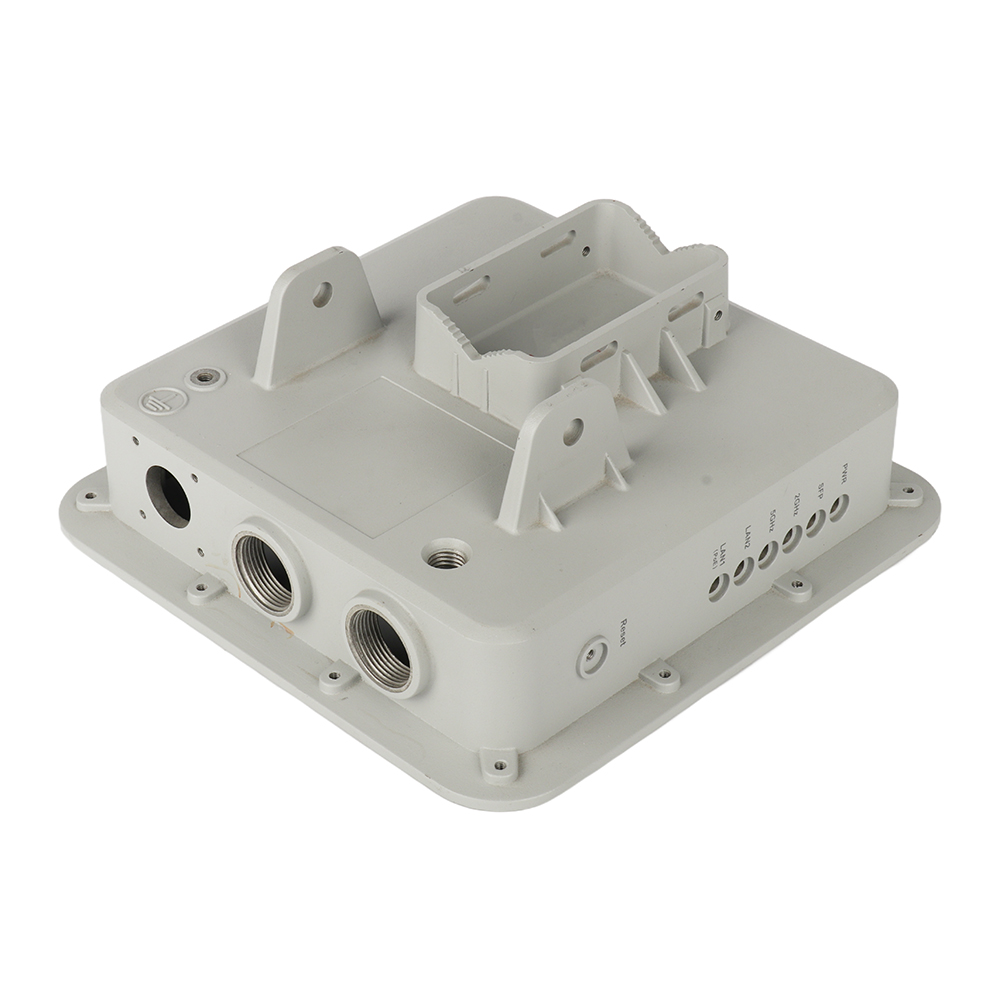
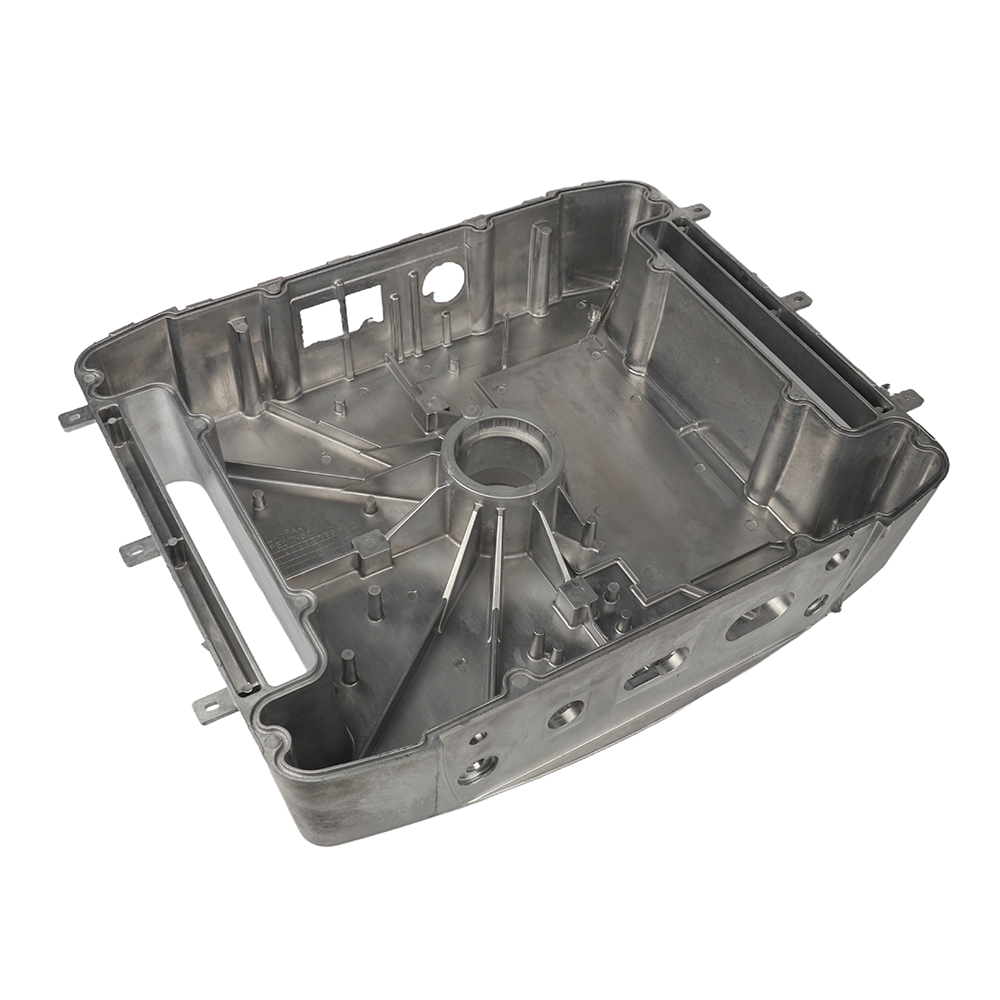
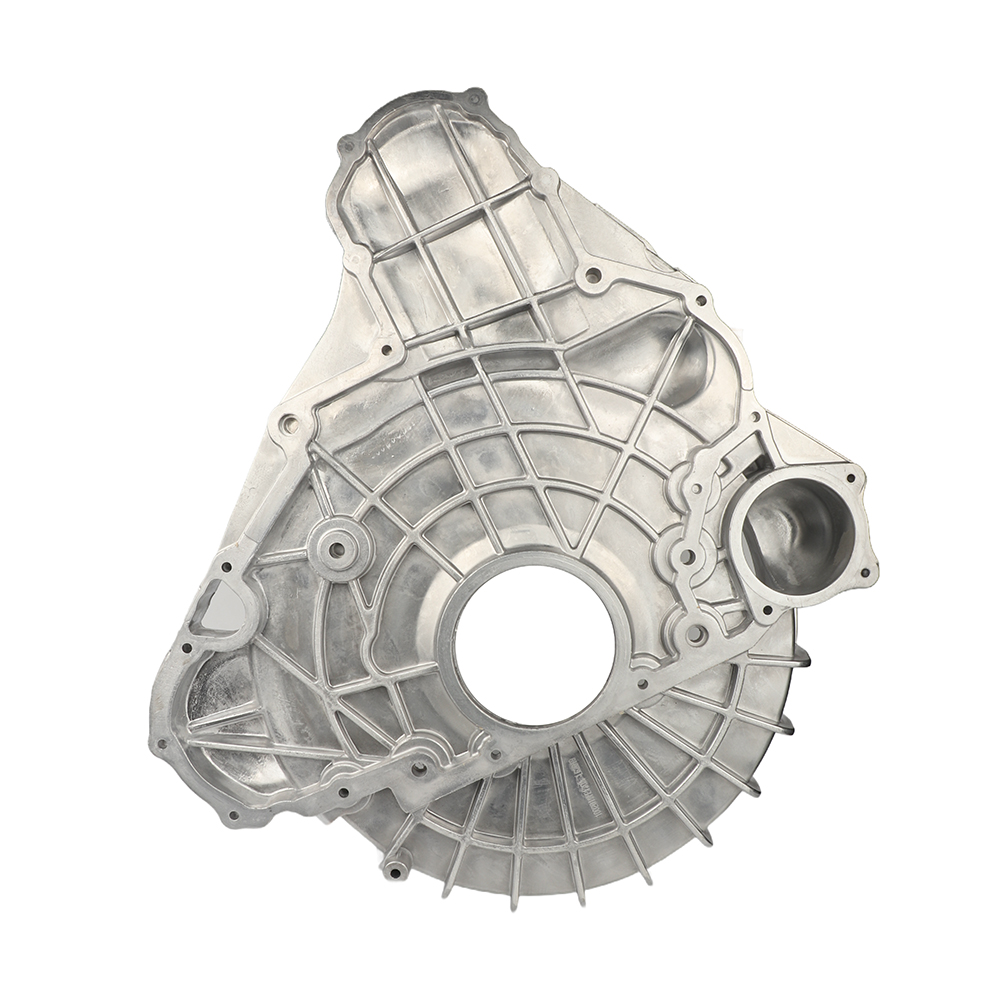
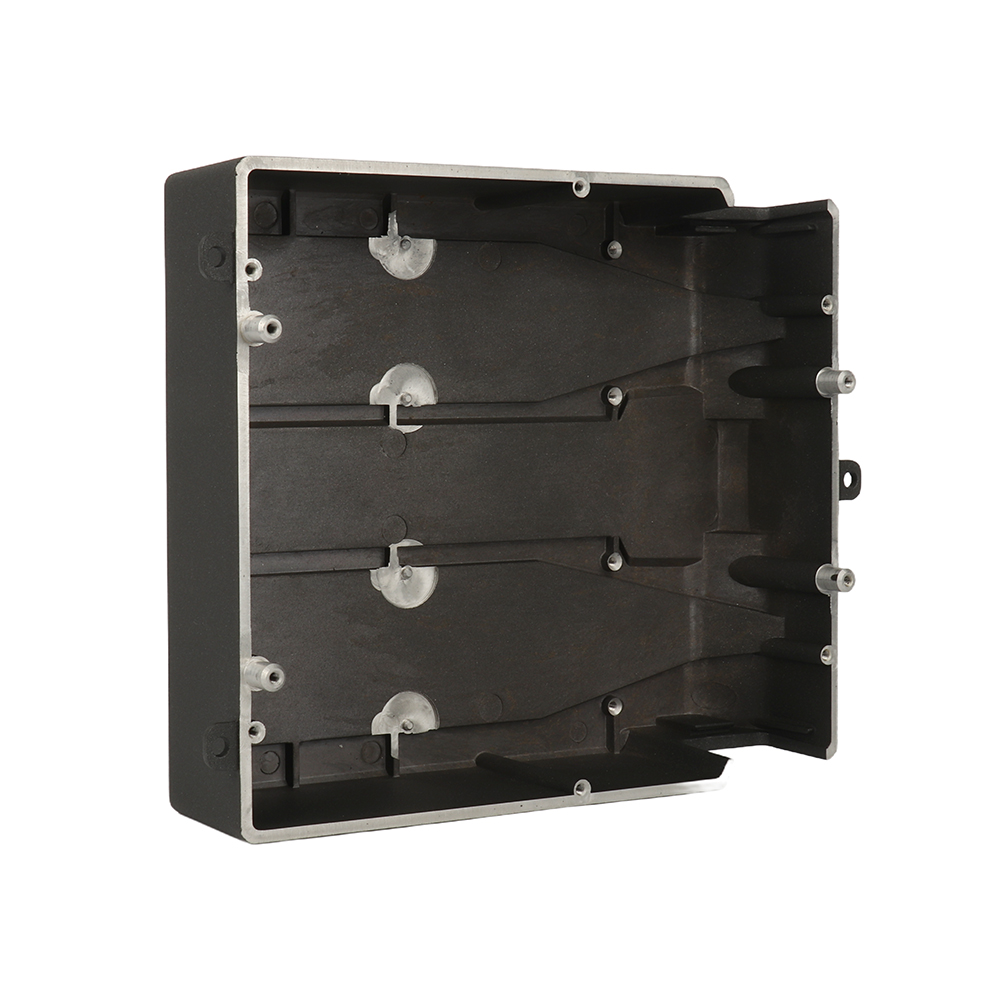
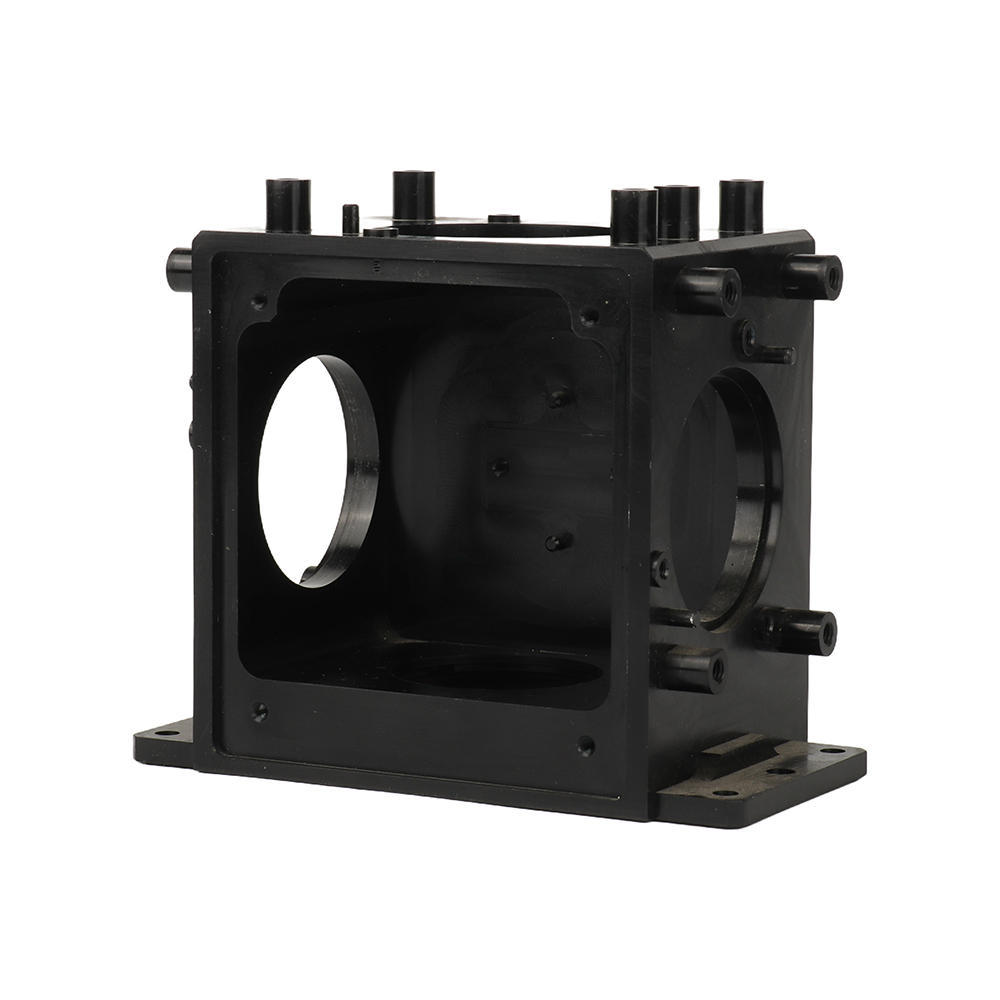
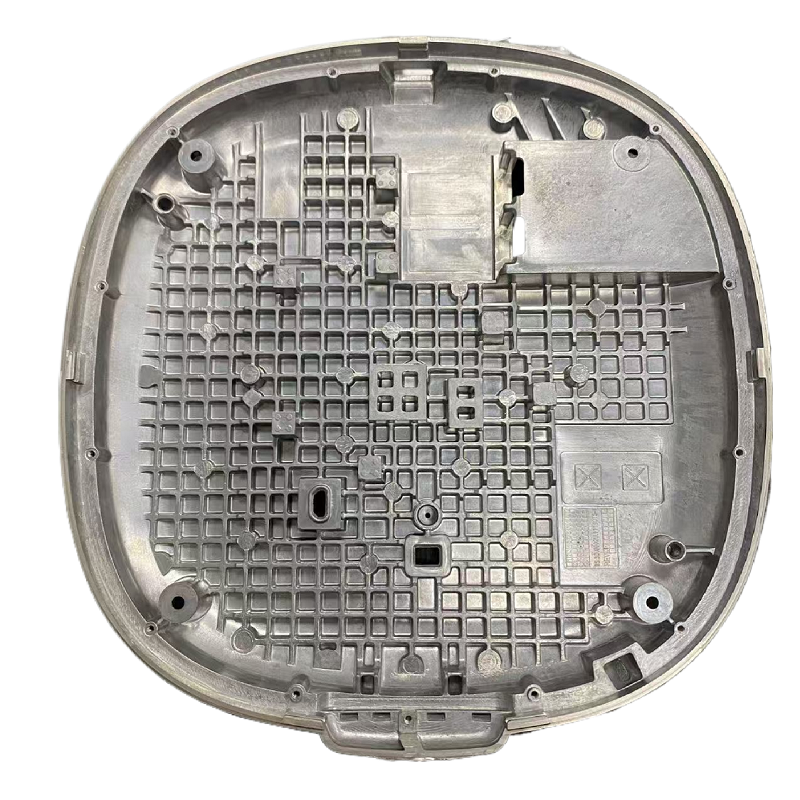
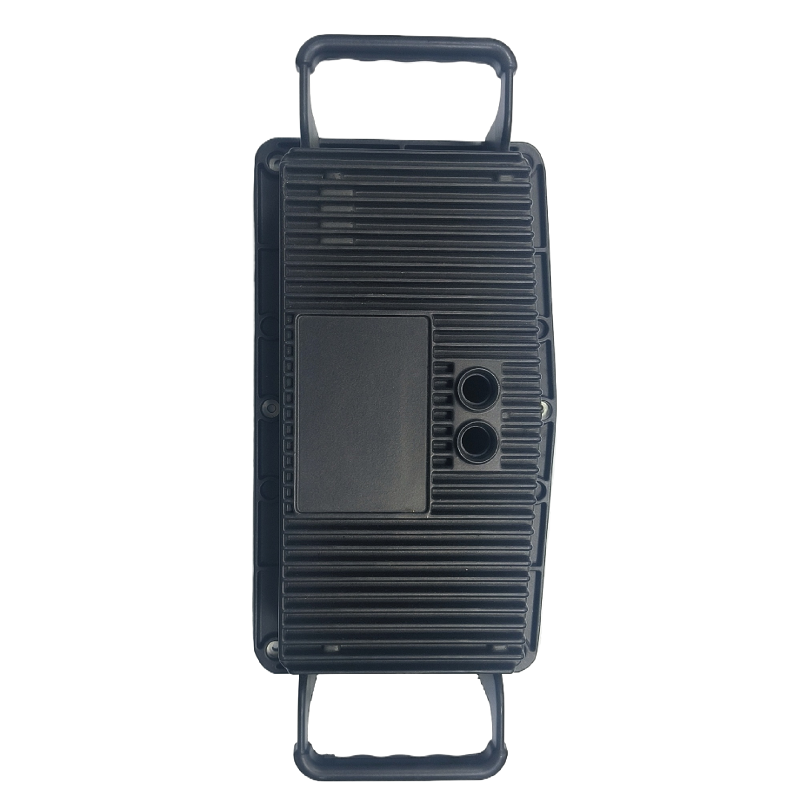
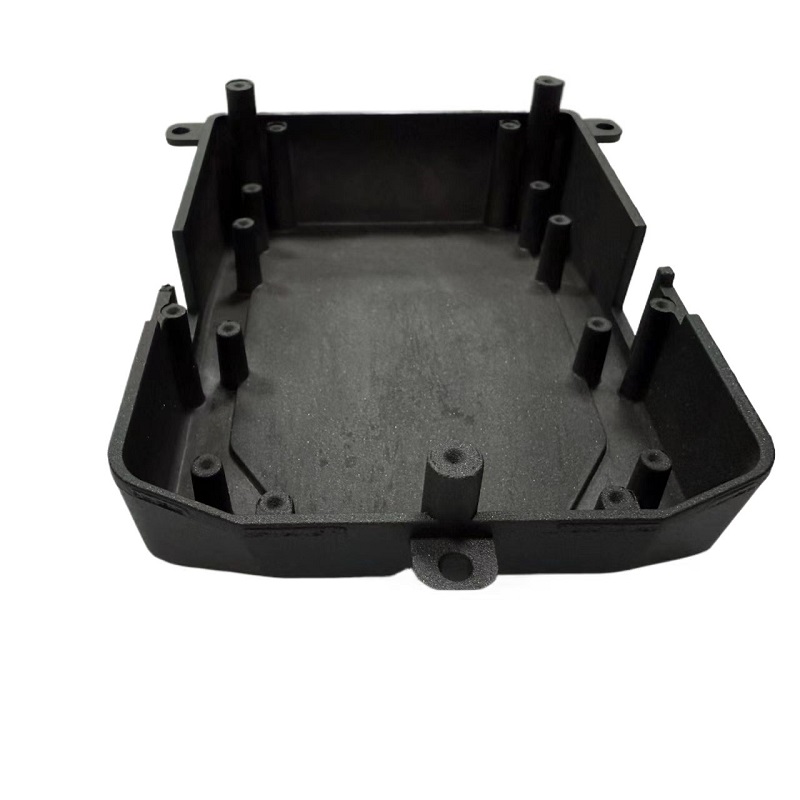
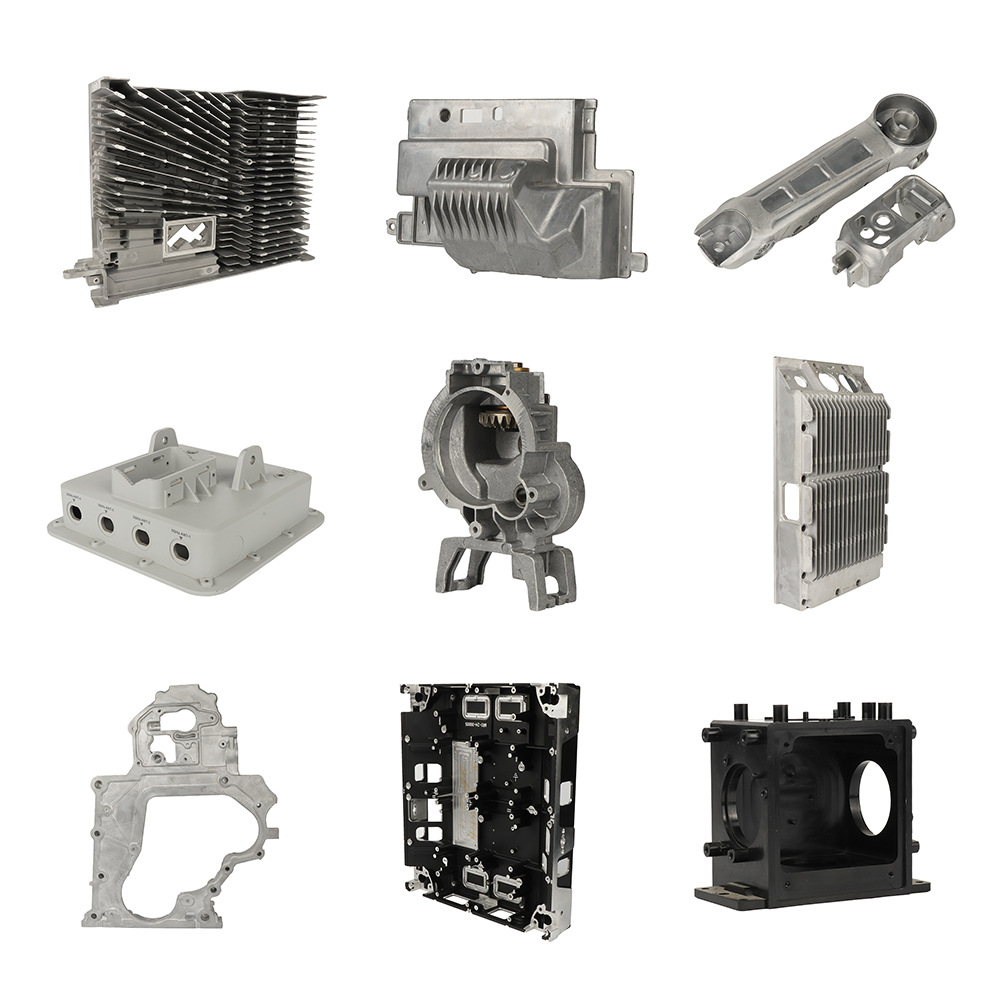
General ADC12 Auto Castings for Automotive Components (Engine Brackets and Gearbox Housings
3. Pros and Cons of ADC12 Auto Castings
To fully understand why ADC12 auto castings are widely used, we analyze their advantages and disadvantages compared with other materials.
3.1 Key Advantages of ADC12 Auto Castings
3.1.1 Unmatched Cost-Effectiveness - Made from recycled aluminum with low post-processing costs, perfect for mass production.
3.1.2 Superior Castability - Forms complex, thin-walled parts with high precision in one step.
3.1.3 Lightweight & Performance Balance - Reduces vehicle weight while ensuring structural reliability.
3.1.4 Strong Environmental Adaptability - Good heat dissipation and corrosion resistance for automotive working conditions.
3.2 Minor Disadvantages of ADC12 Auto Castings
- Lower tensile strength than high-strength alloys, not suitable for heavy load-bearing parts
- Limited weldability due to high silicon and copper content
- Needs surface treatment in highly corrosive environments (coastal/salty areas)
3.3 ADC12 vs. Other Auto Casting Alloys (Zamak 5, A380)
ADC12 vs. Zamak 5: ADC12 is much lighter, better thermal conductivity, stronger corrosion resistance, and more cost-efficient for auto parts.
ADC12 vs. A380: ADC12 offers better castability for complex parts and lower cost, while A380 has higher strength for heavy-duty parts.
4. Expert Insights on ADC12 Auto Castings
4.1 John Smith, Senior Die Casting Engineer (20+ Years)
“ADC12 auto castings are the workhorse of automotive die casting. Their balanced castability, cost, and performance make them the first choice for engine brackets, transmission cases, and mass-produced components.”
4.2 Sarah Lee, Automotive Material Specialist
“ADC12 supports lightweight and energy-saving trends in vehicles. It is ideal for both ICE and NEVs, and will remain a mainstream material in the automotive industry for the long term.”
5. Common Applications of ADC12 Auto Castings
5.1 ICE Vehicles
- Engine: brackets, cylinder head covers, oil pans, intake manifolds
- Transmission: cases, gearbox housings, clutch housings
- Chassis: steering brackets, suspension parts, brake calipers
5.2 New Energy Vehicles (NEVs)
- Battery: brackets, BMS housings
- Motor: brackets, housings, inverter shells
- Charging: port housings, pile brackets
6. FAQ: Frequently Asked Questions About ADC12 Auto Castings
Q1: What’s the difference between ADC12 and other alloys?
A1: ADC12 excels in castability and cost-efficiency, with equivalent grades YL113, 384, EN AC-46000.
Q2: Can ADC12 be used for high-temperature parts?
A2: Yes, stable up to 150°C, suitable for most engine and heat dissipation parts.
Q3: Are ADC12 auto castings eco-friendly?
A3: Yes, made from recycled aluminum, 100% recyclable, high material utilization up to 95%.
Q4: What surface treatments are available?
A4: Painting, electroplating, anodizing, powder coating to improve corrosion and wear resistance.
Q5: Is ADC12 suitable for mass production?
A5: Yes, it is the most cost-effective and efficient choice for automotive mass production.
7. Conclusion
ADC12 auto castings are a versatile, cost-effective, high-performance solution for the automotive industry. With excellent castability, lightweight design, thermal conductivity, and mass-production efficiency, they are widely used in ICE vehicles and NEVs.
Their advantages far outweigh limitations, making them irreplaceable in automotive lightweight and energy-saving development. ADC12 will continue to be a core material for reliable, efficient, and eco-friendly vehicles.
Brake pedal | What are aluminium casting companies? A Focus on Brake Pedal Manufacturing
Motor bracket | What is Zinc alloy die casting motor bracket? A Comprehensive Guide
Related Article


