
HOT PRODUCTS
Die cast aluminum part | What are LED module back plate & rear housing? Focus on Die Casting Aluminum Types
What are LED module back plate & rear housing? Focus on Die Casting Aluminum Types
Table of Contents
- 1. Introduction: LED Module Back Plate & Rear Housing – Core Components of LED Systems
- 2. What are LED Module Back Plate & Rear Housing?
- 3. Die Casting Aluminum LED Module Back Plate & Rear Housing – Key Focus
- 4. Expert Insights on Die Casting Aluminum LED Module Back Plate & Rear Housing
- 5. Frequently Asked Questions (FAQs) About LED Module Back Plate & Rear Housing
- 6. Conclusion
1. Introduction: LED Module Back Plate & Rear Housing – Core Components of LED Systems
LED modules are the backbone of modern lighting systems, powering everything from commercial displays and architectural lighting to residential fixtures and outdoor signage. Behind the bright, efficient illumination of LEDs lies a pair of critical components that determine performance, durability, and longevity: LED module back plate and LED module rear housing. These components work in tandem to protect internal LED chips, ensure heat dissipation, and provide structural stability—making them indispensable for reliable LED operation.
Among the various materials used to manufacture these components, die casting aluminum stands out as the industry’s top choice for high-performance applications. Die casting aluminum LED module back plate & rear housing combine the lightweight advantage of aluminum with the precision and durability of die casting technology, addressing the most critical needs of LED systems. This blog explores the fundamentals of LED module back plates and rear housings, with a focused deep dive into why die casting aluminum variants are the preferred solution for modern LED applications.
2. What are LED Module Back Plate & Rear Housing?
2.1 Basic Definition of LED Module Back Plate & Rear Housing
An LED module back plate is a flat, rigid component attached to the back of an LED module, serving as a base for mounting LED chips, PCBs (Printed Circuit Boards), and other internal components. It acts as a foundational structure that supports the entire module and facilitates heat transfer. The LED module rear housing, on the other hand, is an enclosure that covers the back plate and internal components, providing protection against external factors such as dust, moisture, impact, and UV radiation.
Together, these two components form the "backbone" of an LED module: the back plate ensures structural integrity and heat dissipation, while the rear housing safeguards the module from environmental damage—both critical for maintaining consistent LED performance and extending service life.
2.2 Key Functions of LED Module Back Plate & Rear Housing
The role of LED module back plates and rear housings extends far beyond simple structural support. Their key functions include:
- Heat Dissipation: LEDs generate heat during operation, and excess heat can degrade performance, reduce lifespan, and cause color distortion. The back plate acts as a heat sink, transferring heat away from LED chips and PCBs to the surrounding environment. This is one of the most critical functions, as proper heat management can extend LED lifespan by 50% or more.
- Structural Support: LED modules are often used in demanding environments (e.g., outdoor signage, industrial lighting), so the back plate and rear housing must provide rigid support to prevent bending, warping, or damage to internal components. They ensure the module maintains its shape and alignment, even under mechanical stress.
- Environmental Protection: The rear housing creates a barrier against dust, water, humidity, and physical impact—all of which can damage sensitive LED components. For outdoor applications, this protection is especially critical, with many housings meeting IP65 or higher waterproof standards.
- Electrical Insulation: Both components help insulate internal electrical parts, reducing the risk of short circuits, electric shock, and interference with other electronic devices.
- Mounting Convenience: Back plates and rear housings are designed with mounting holes, brackets, or slots, making it easy to install LED modules on walls, ceilings, displays, or other surfaces.
2.3 Common Materials for LED Module Back Plate & Rear Housing
Several materials are used to produce LED module back plates and rear housings, each with its own advantages and limitations. The most common options include:
- Plastic: Low-cost and lightweight, plastic (e.g., ABS, PC) is used for basic, low-power LED modules (e.g., small residential lights). However, it has poor heat dissipation and limited durability, making it unsuitable for high-power or outdoor applications.
- Sheet Metal (Steel/Aluminum): Sheet metal is lightweight and offers better heat dissipation than plastic. Steel is durable but heavy, while sheet aluminum is lighter but less rigid than die casting aluminum.
- Die Casting Aluminum: The premium choice for high-performance LED modules. Die casting aluminum combines lightweight properties, excellent heat conductivity, high rigidity, and corrosion resistance—addressing the key pain points of other materials. It is widely used in commercial, industrial, and outdoor LED applications.
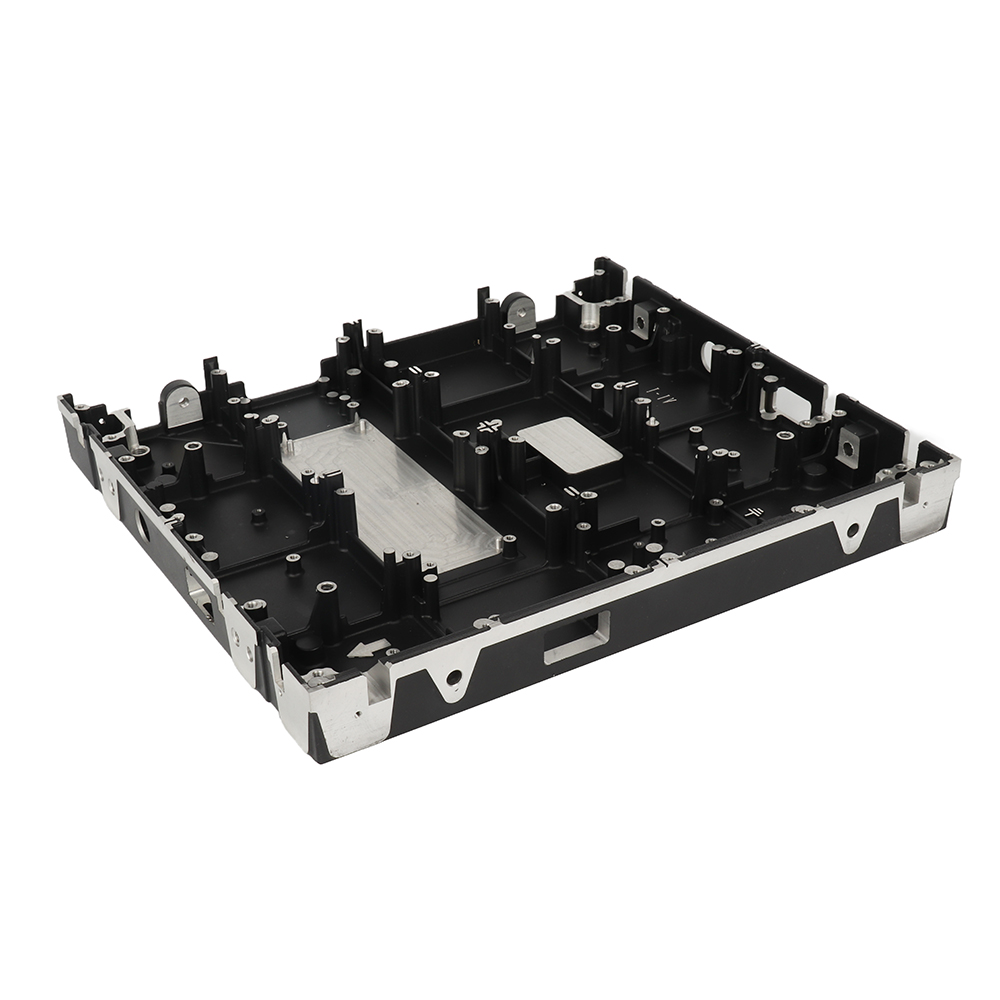
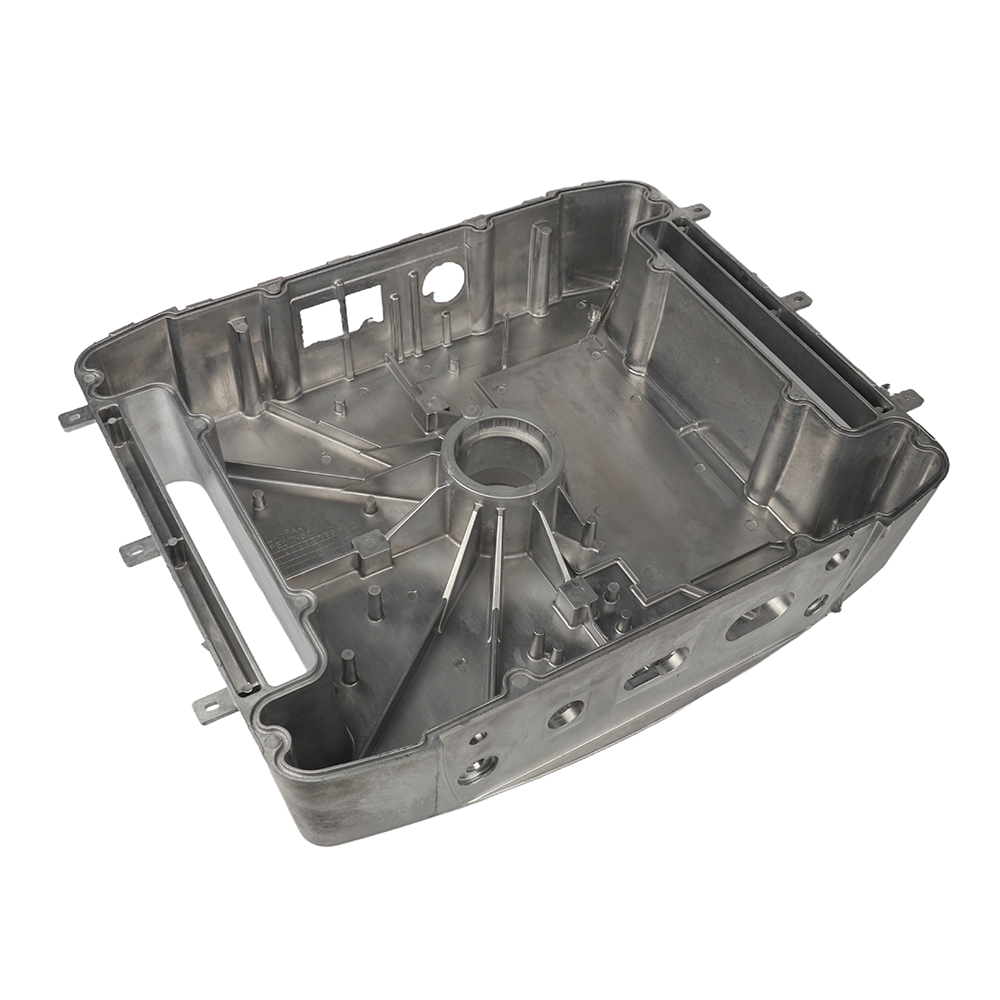
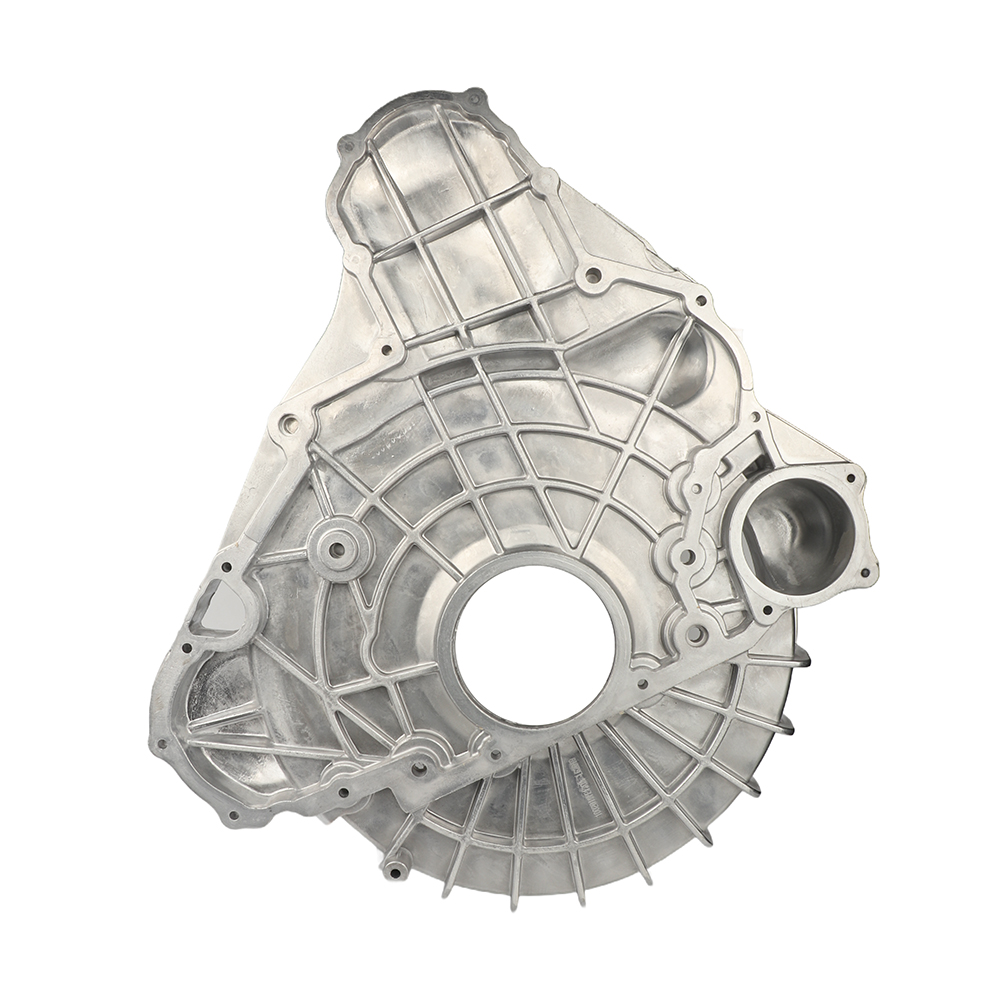
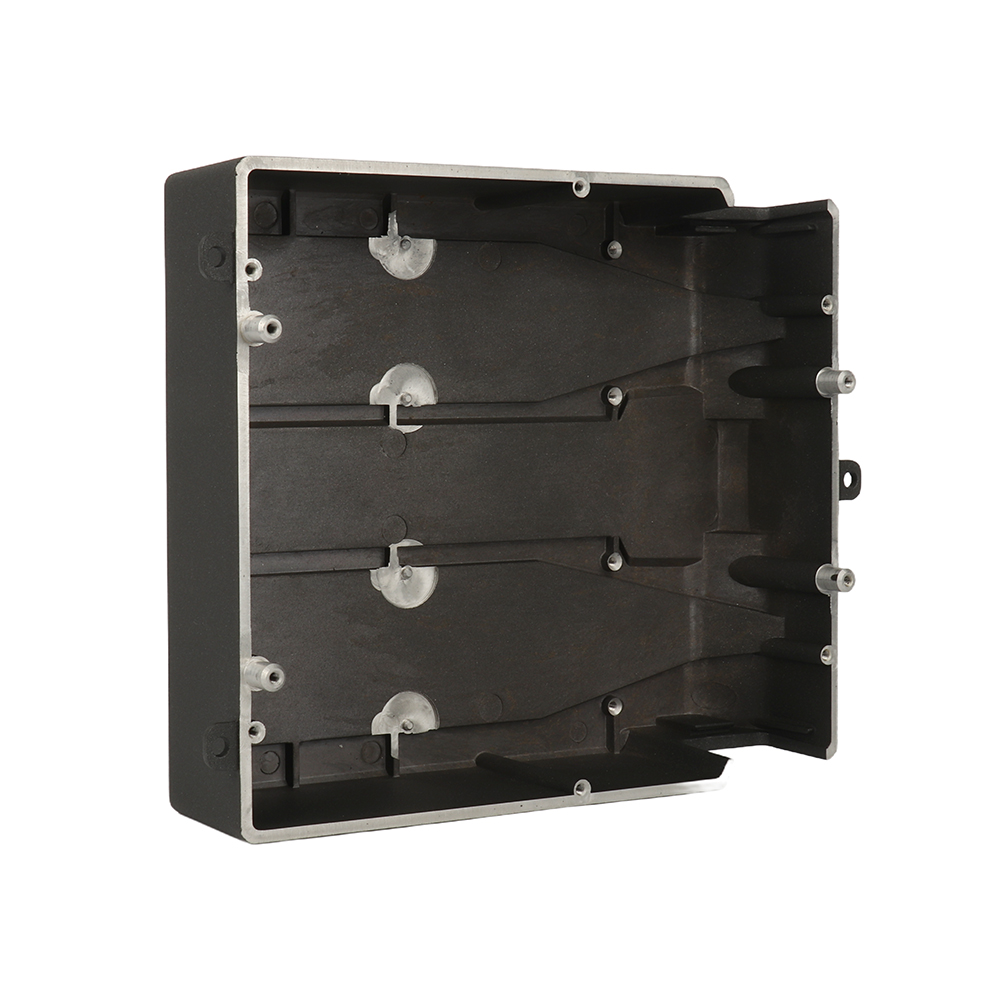
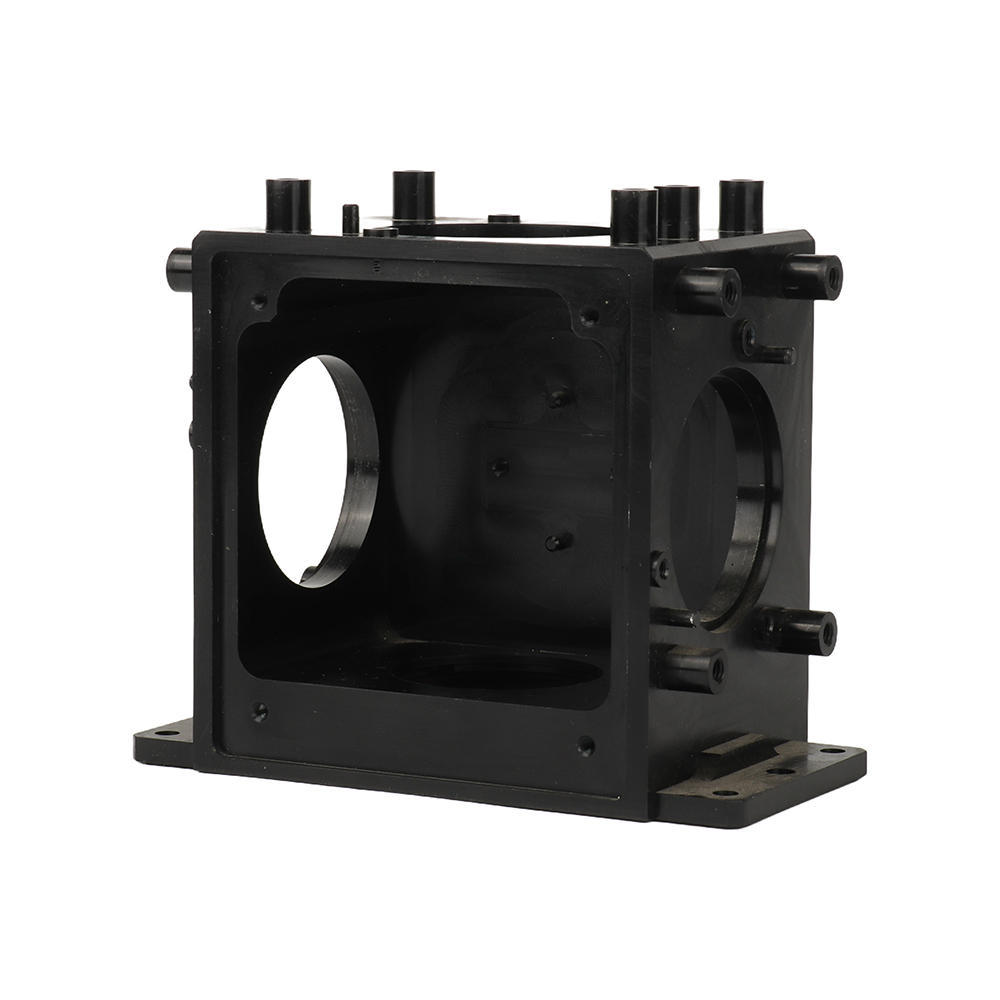
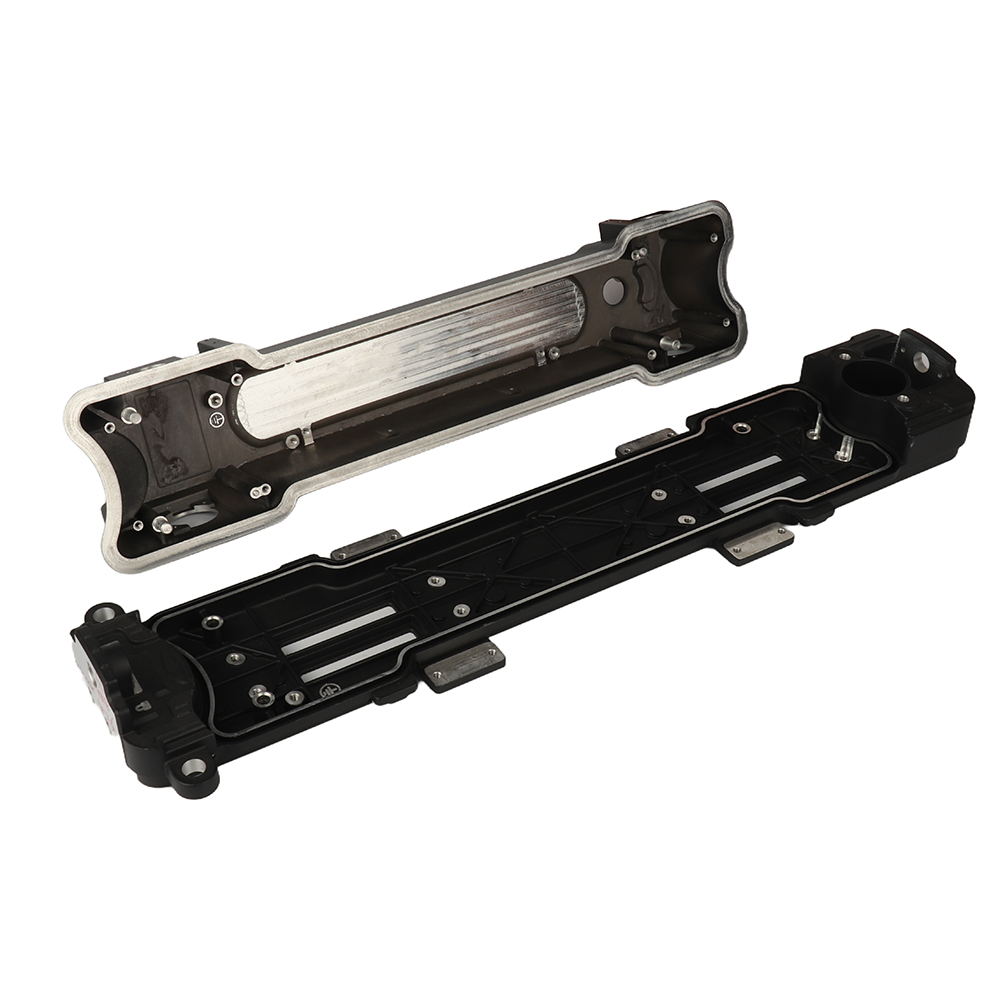
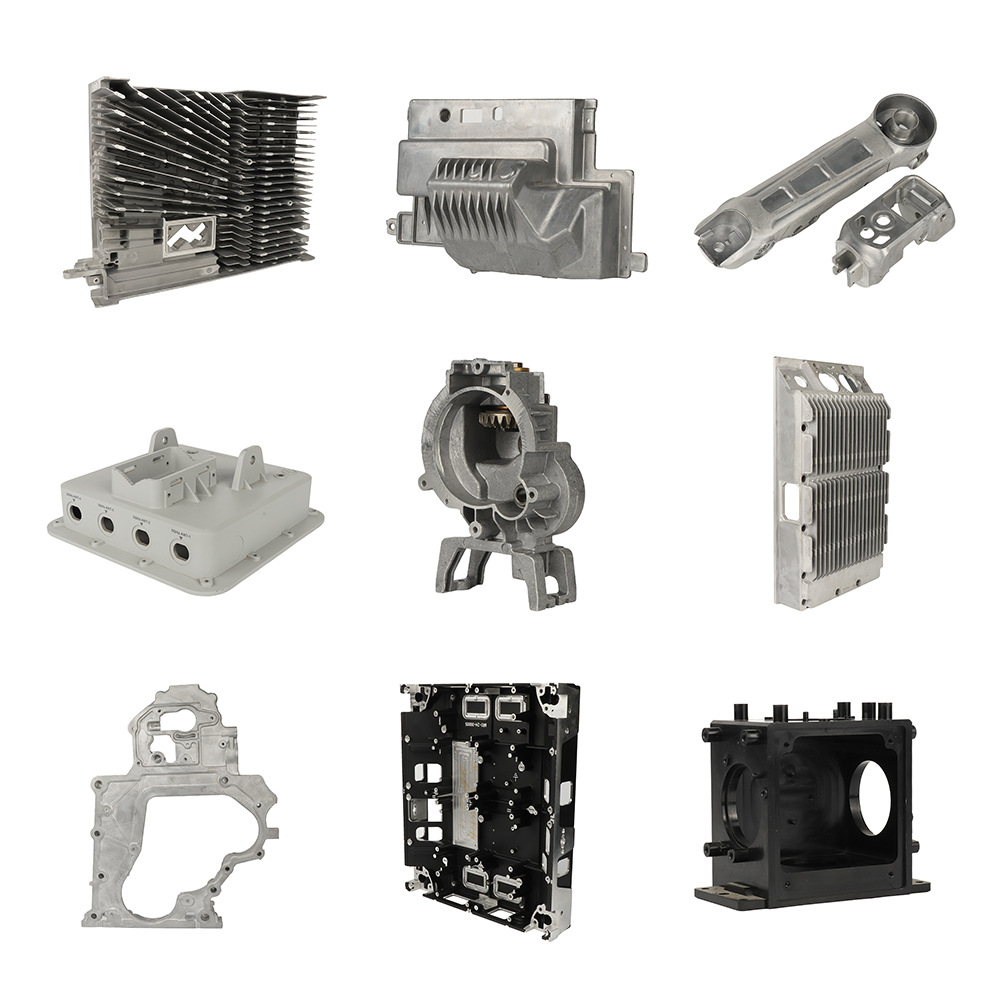
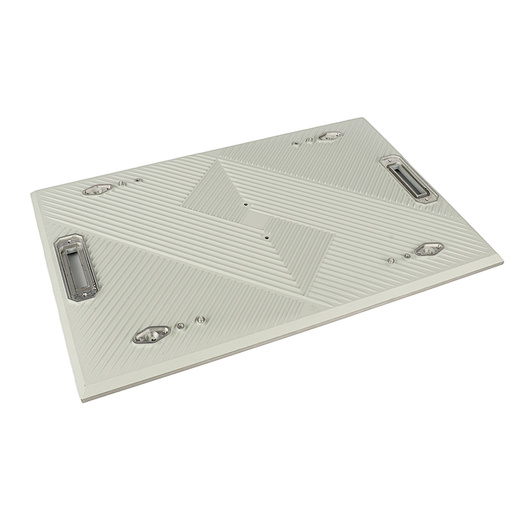
2.4 Image of General LED Module Back Plate & Rear Housing
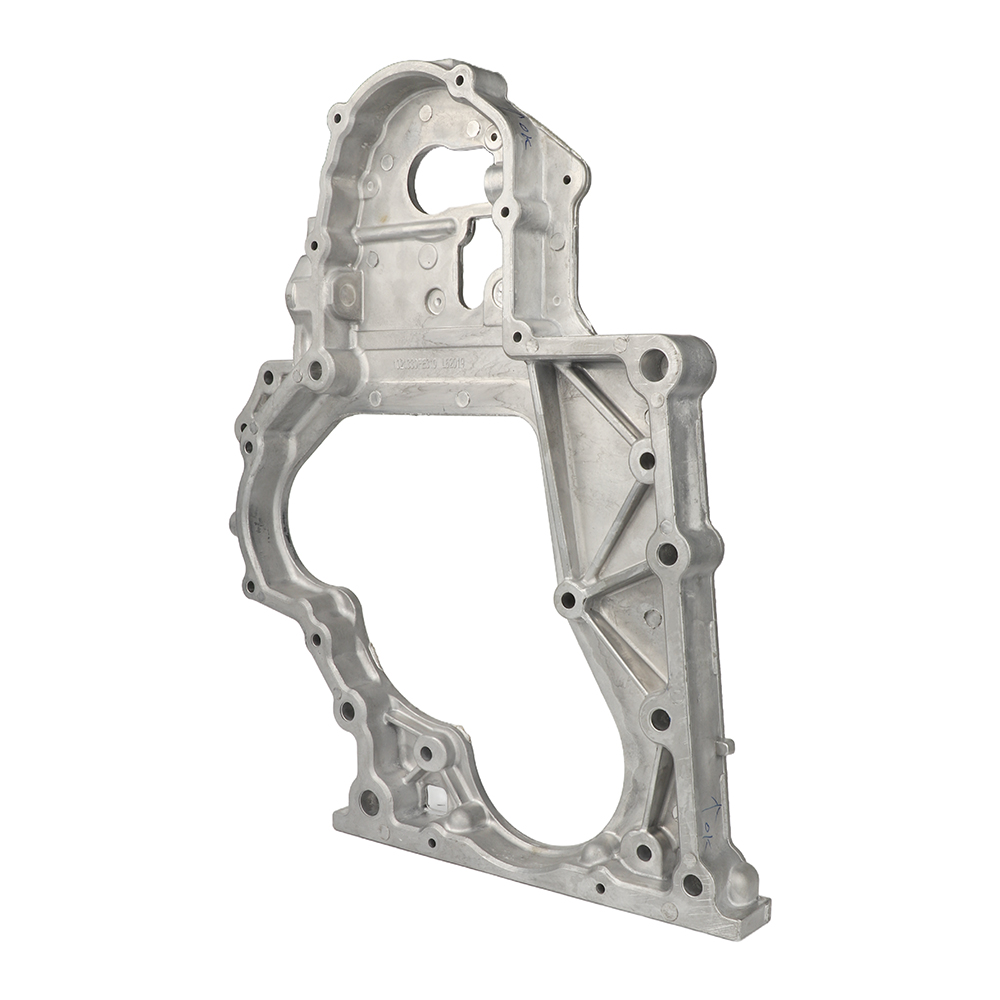
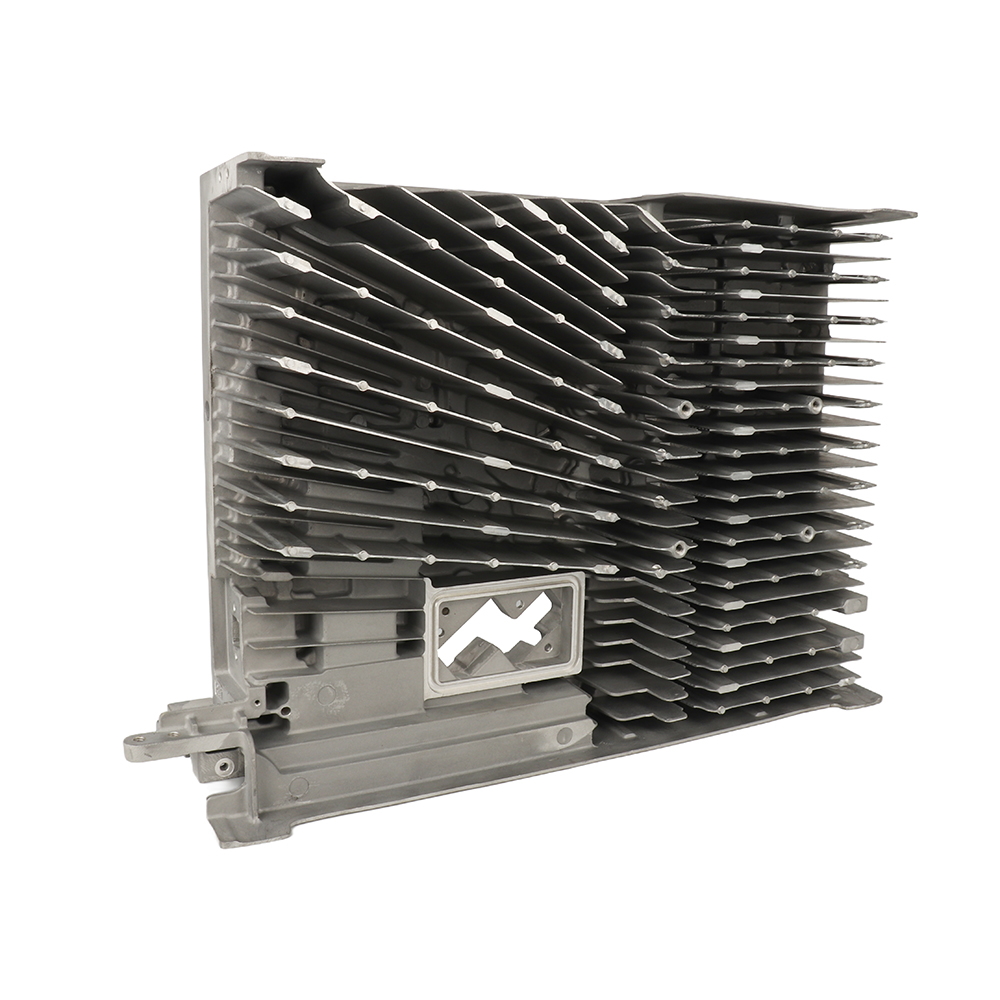
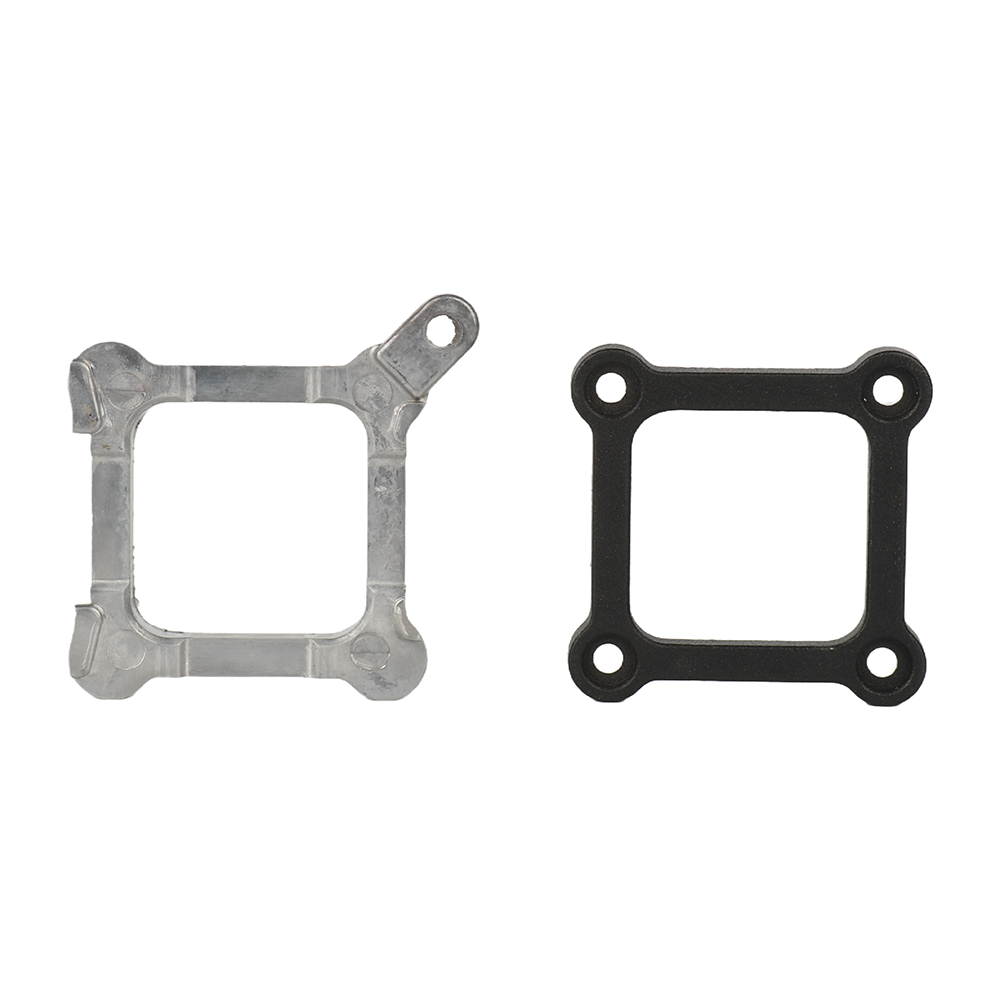
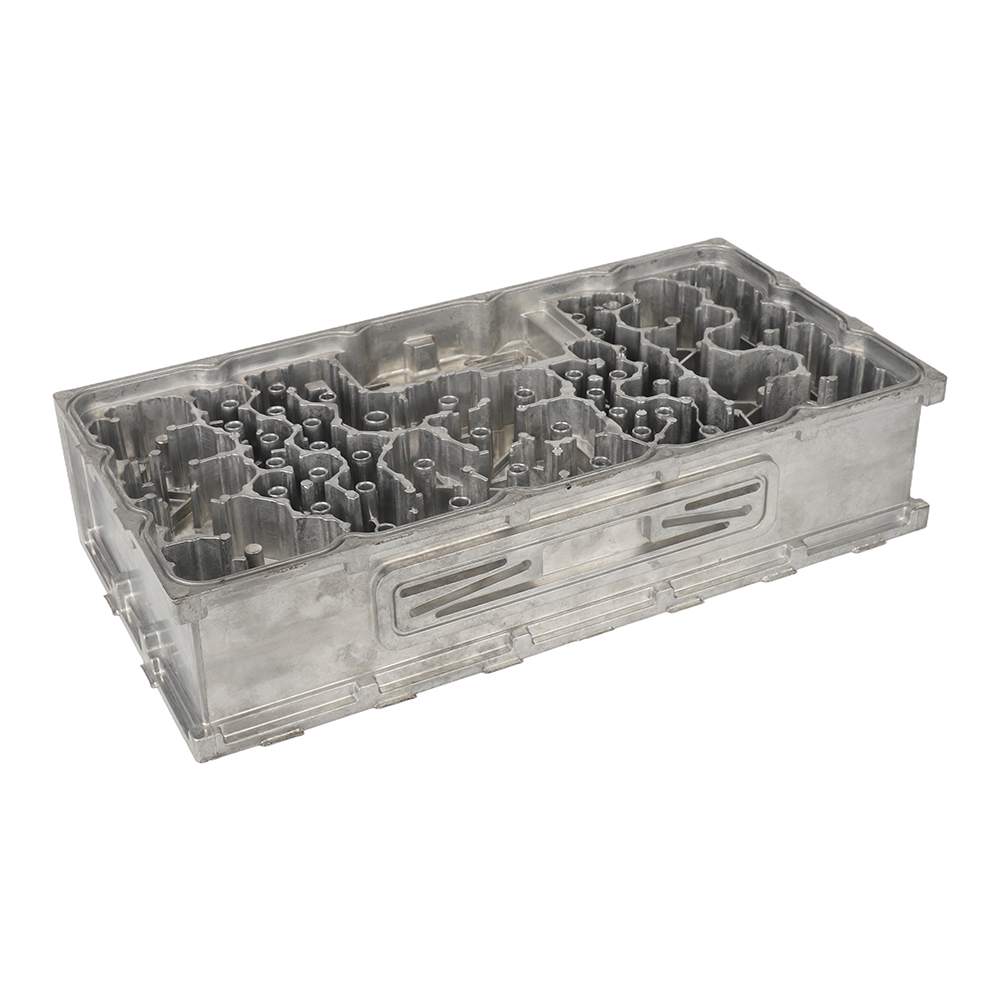
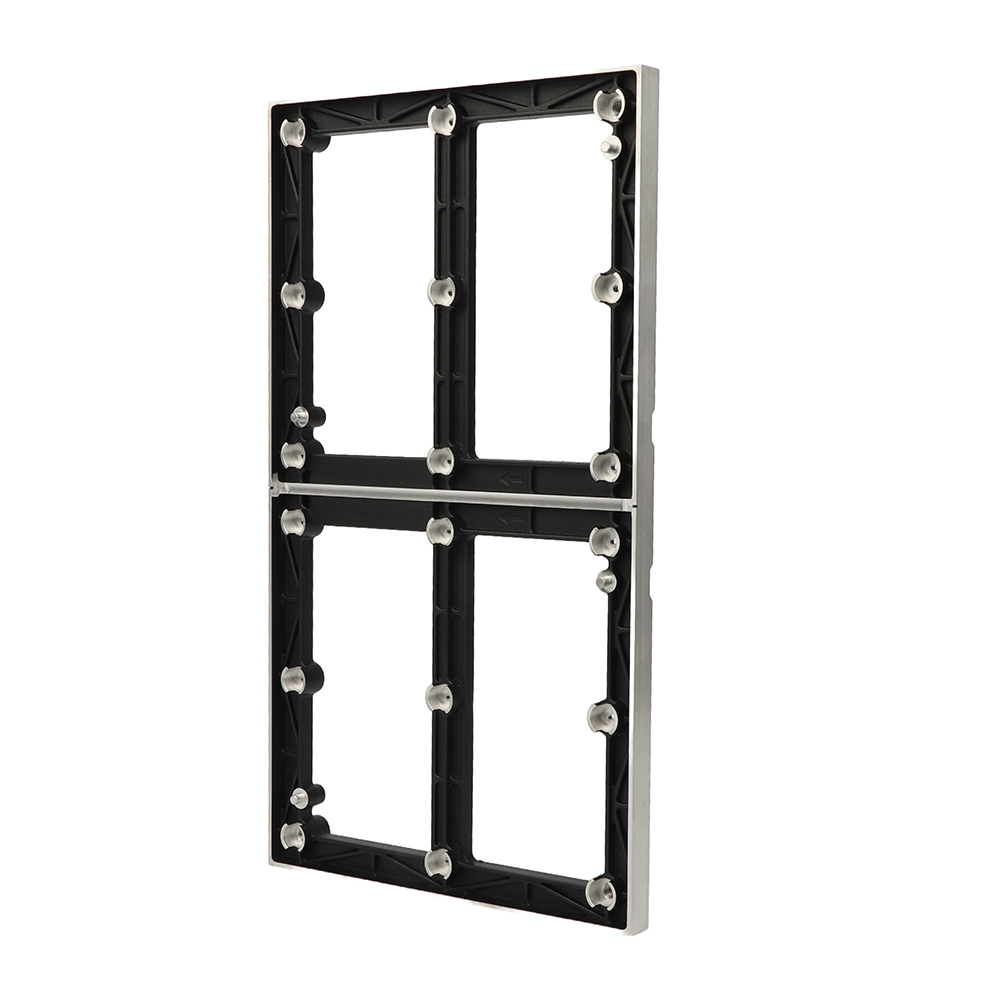
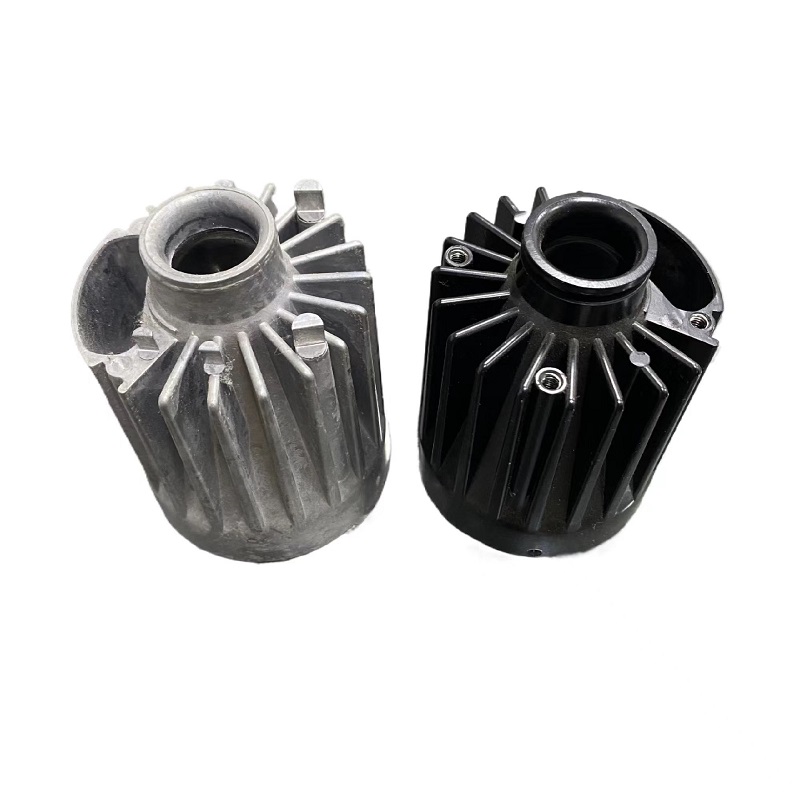
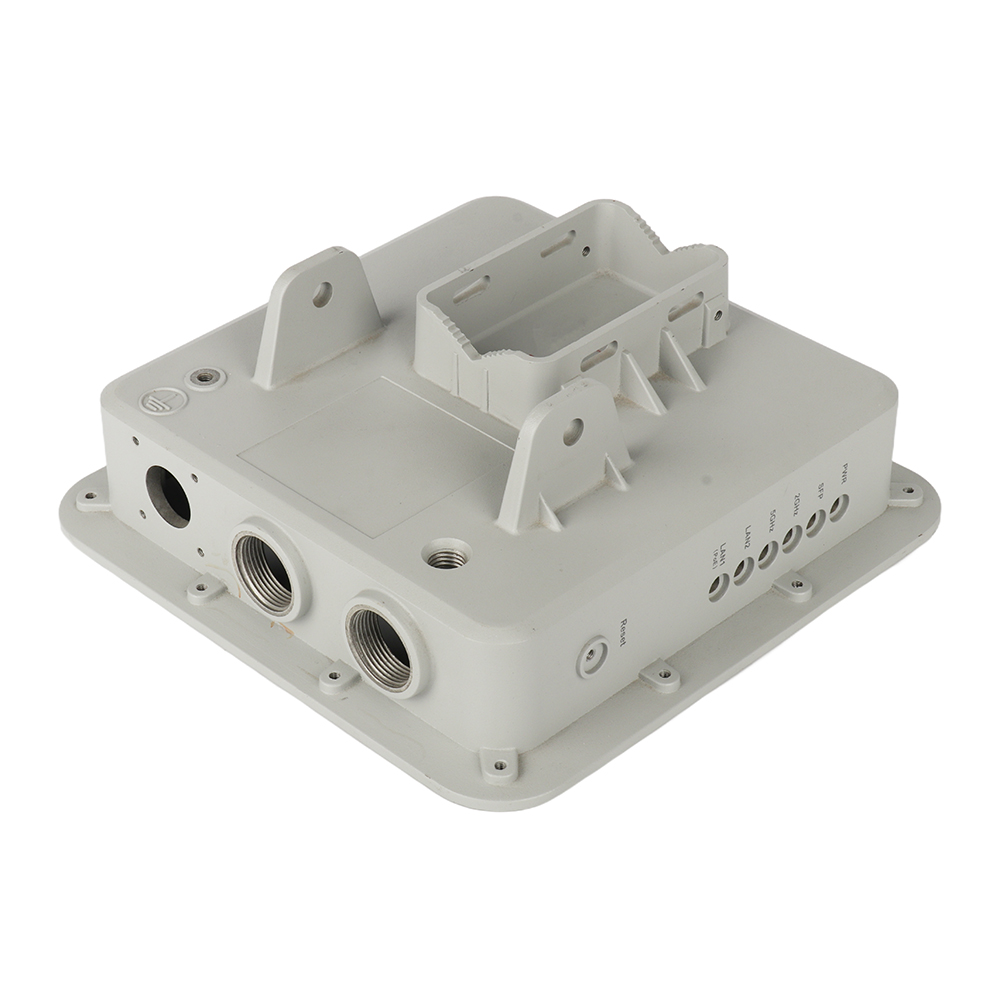
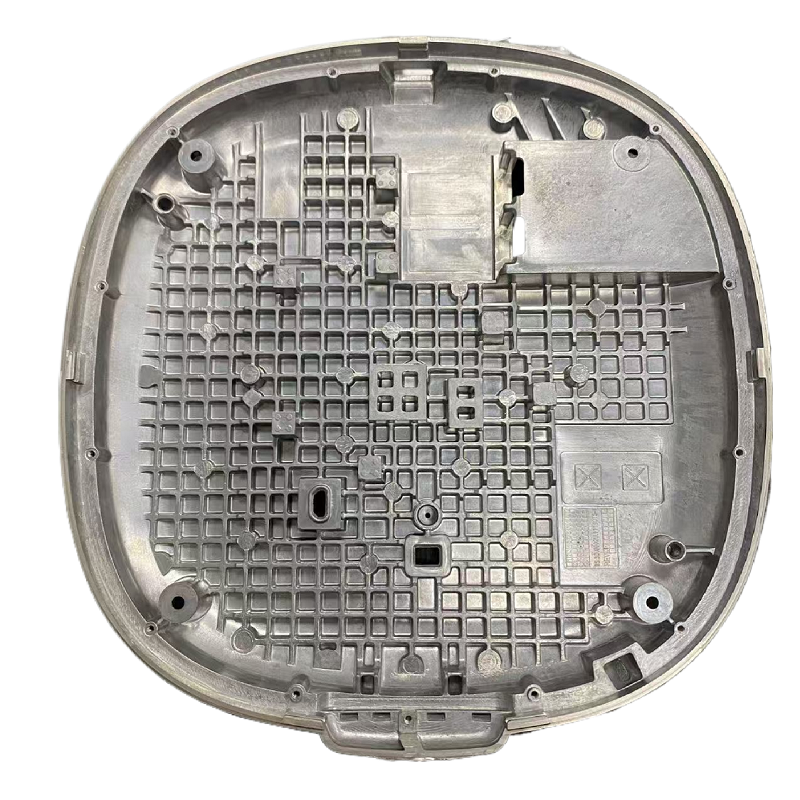
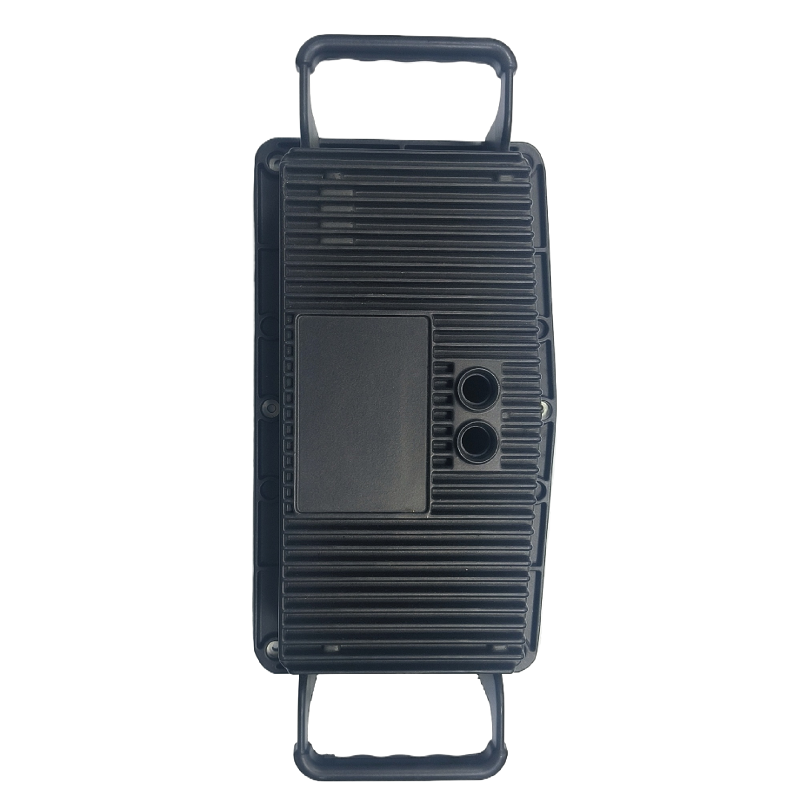
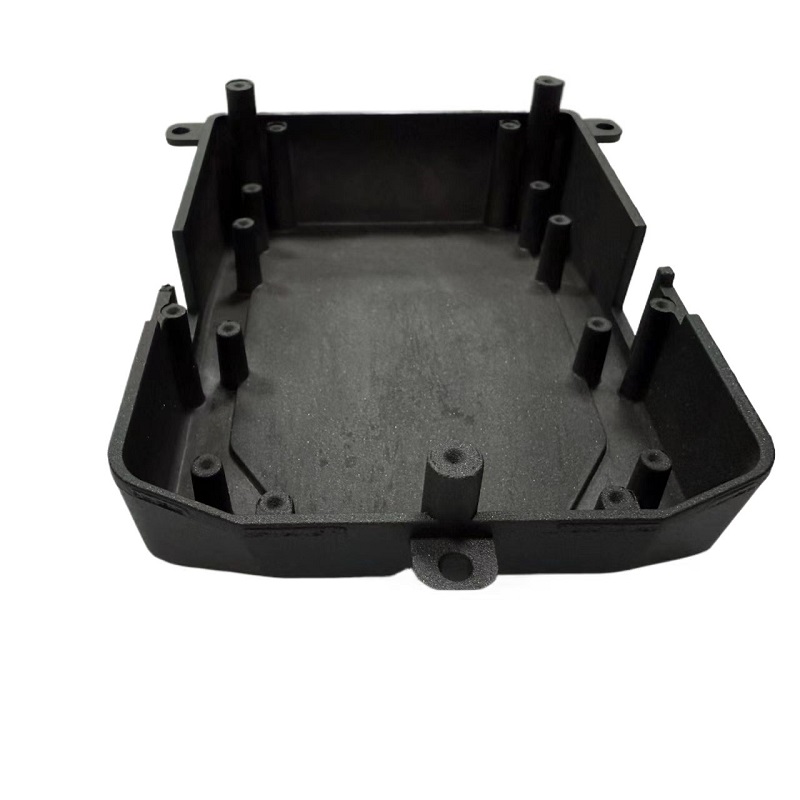
Below is an image of general LED module back plate & rear housing, showcasing common designs used in commercial, residential, and outdoor LED modules. The image highlights the back plate (flat base with heat dissipation structures) and rear housing (enclosure that covers and protects internal components):
3. Die Casting Aluminum LED Module Back Plate & Rear Housing – Key Focus
3.1 What is Die Casting Aluminum LED Module Back Plate & Rear Housing?
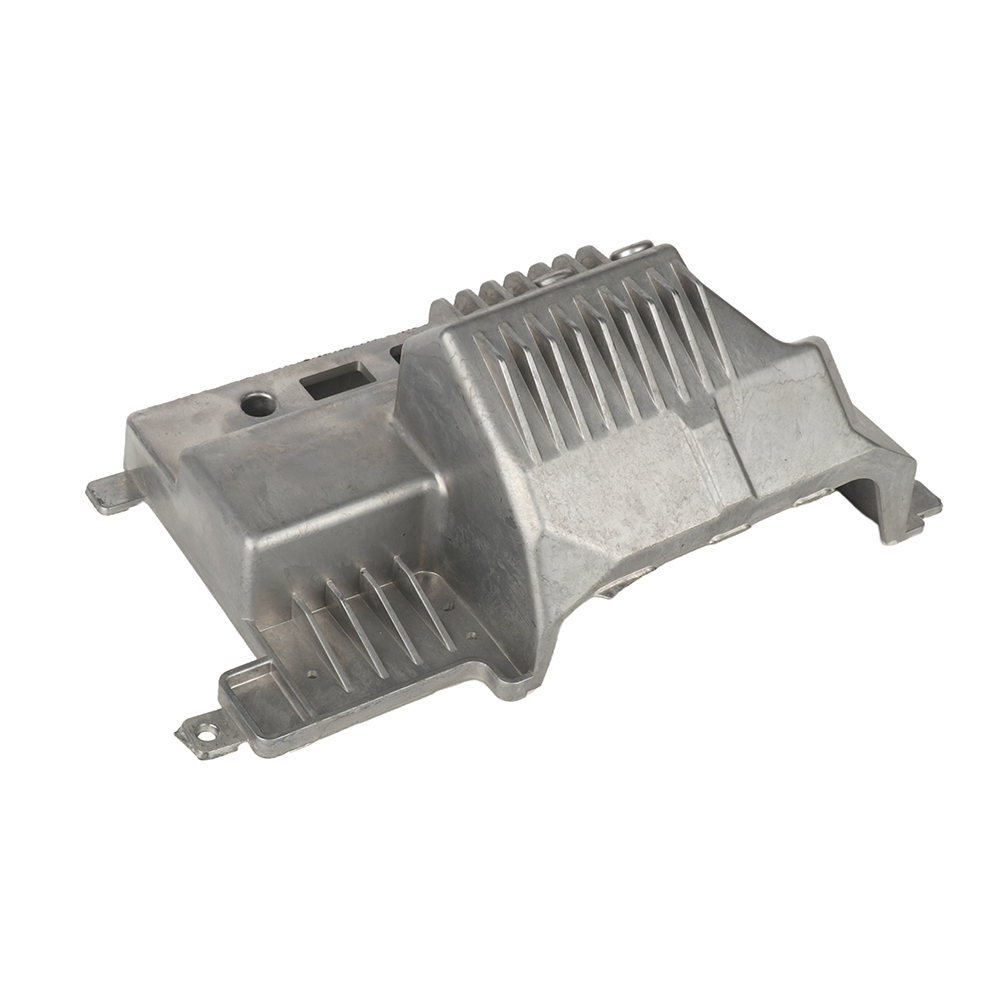
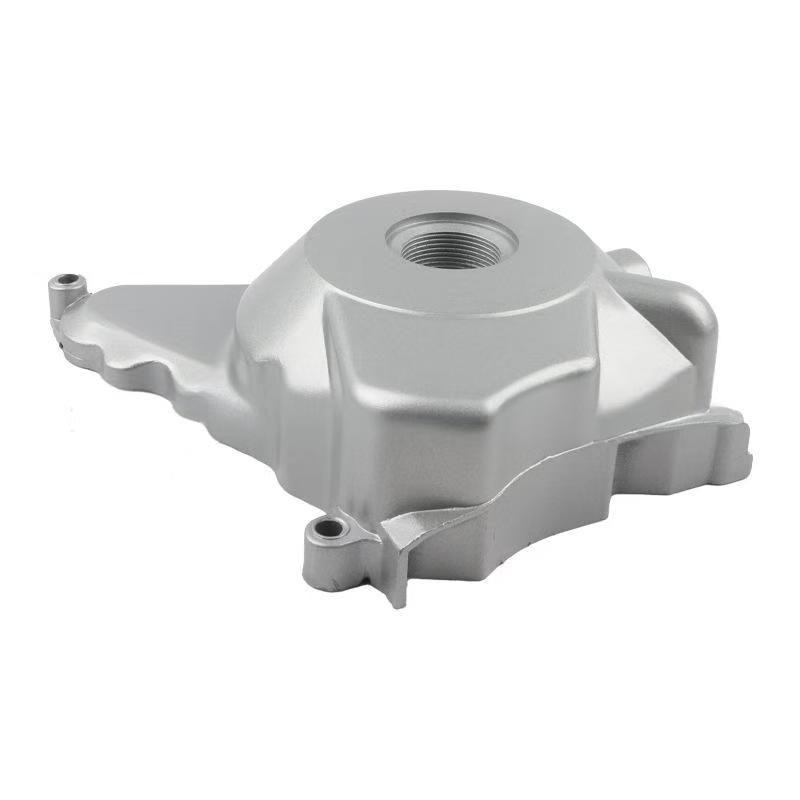
Die casting aluminum LED module back plate & rear housing are components manufactured using aluminum die casting technology— a process where molten aluminum alloy is injected into a precision mold under high pressure, creating complex, dimensionally accurate parts with consistent quality. These components are specifically engineered for LED modules, leveraging aluminum’s natural properties and die casting’s precision to meet the demanding requirements of modern lighting systems.
Unlike sheet aluminum or plastic components, die casting aluminum back plates and rear housings can be designed with intricate features (e.g., integrated heat sinks, mounting slots, and wiring channels) in a single manufacturing step, eliminating the need for additional assembly and reducing production costs.
3.2 Core Manufacturing Process of Die Casting Aluminum Components
The die casting process for aluminum LED module back plates and rear housings follows strict quality control protocols to ensure precision and durability. The key steps include:
- Design & Mold Fabrication: Using CAD software to design the back plate or rear housing, including heat dissipation structures, mounting points, and internal channels. A precision steel mold is then fabricated to match the design, ensuring tight tolerances (typically ±0.02mm).
- Material Preparation: High-quality aluminum alloys (e.g., ADC12, A380) are melted at temperatures between 650–700°C to form a molten liquid. These alloys are chosen for their excellent die castability, heat conductivity, and corrosion resistance.
- Die Casting: The molten aluminum is injected into the steel mold under high pressure (100–1500 bar), filling every detail of the mold. The mold is then cooled rapidly to solidify the aluminum, creating the final component shape.
- Trimming & Finishing: Excess material (e.g., sprue, runner) is trimmed from the component. Surface treatments such as anodizing, powder coating, or electrophoretic coating are applied to enhance corrosion resistance, heat dissipation, and aesthetics.
- Quality Inspection: Each component is inspected for dimensional accuracy, surface quality, and structural integrity using precision tools (e.g., CMM, visual inspection) to ensure compliance with industry standards.
3.3 Key Features of Die Casting Aluminum LED Module Back Plate & Rear Housing
Die casting aluminum LED module back plate & rear housing offer unique features that set them apart from other materials, making them ideal for high-performance LED applications:
- Exceptional Heat Conductivity: Aluminum has a thermal conductivity of 205 W/m·K, far superior to plastic (0.2–0.5 W/m·K) and even sheet steel (50 W/m·K). This allows die casting aluminum components to efficiently dissipate heat, keeping LED chips cool and extending their lifespan to up to 100,000 hours.
- High Precision & Dimensional Stability: The die casting process ensures tight tolerances and consistent dimensions across batches, eliminating gaps or misalignments that can affect LED module performance. This precision is critical for mounting LED chips and PCBs accurately.
- Lightweight & High Rigidity: Aluminum is 30% lighter than steel, making die casting aluminum components easy to install and transport. Despite being lightweight, they offer high rigidity and impact resistance, ensuring durability in harsh environments.
- Corrosion Resistance: Aluminum naturally forms a protective oxide layer, and additional surface treatments (anodizing, powder coating) further enhance resistance to moisture, chemicals, and UV radiation—ideal for outdoor and industrial applications.
- Complex Design Flexibility: Die casting allows for intricate designs, including integrated heat sinks, wiring channels, and mounting brackets, in a single component. This reduces assembly time and costs, while improving overall module efficiency.
3.4 Unmatched Benefits of Die Casting Aluminum LED Module Back Plate & Rear Housing
The unique features of die casting aluminum translate to tangible benefits for LED module manufacturers and end-users, making them the preferred choice for most high-performance applications:
- Extended LED Lifespan: Superior heat dissipation reduces LED chip degradation, extending the module’s service life by 30–50% compared to plastic or sheet metal components. This reduces maintenance costs and replacement frequency.
- Consistent LED Performance: By keeping LED chips at optimal operating temperatures, die casting aluminum components prevent color distortion, brightness dimming, and performance fluctuations—ensuring consistent illumination over time.
- Cost-Effective in Mass Production: While the initial mold cost is higher, die casting aluminum components can be produced in large batches with minimal waste and fast lead times. The elimination of additional assembly steps (due to integrated design) further reduces production costs.
- Versatility Across Applications: Die casting aluminum components are suitable for all LED applications, from small residential modules to large outdoor displays and industrial lighting. They meet IP65+ waterproof standards and can withstand extreme temperatures (-40°C to 85°C).
- Environmentally Friendly: Aluminum is 100% recyclable, and the die casting process produces minimal waste. This aligns with the global push for sustainable, eco-friendly lighting solutions.
- Easy Installation & Maintenance: Lightweight design and integrated mounting features make die casting aluminum components easy to install. Their corrosion resistance and durability also reduce maintenance requirements, even in harsh environments.
4. Expert Insights on Die Casting Aluminum LED Module Back Plate & Rear Housing
We invited three industry experts to share their insights on die casting aluminum LED module back plate & rear housing, covering their role in LED innovation, key advantages, and future trends:
David Chen, Senior Material Engineer at LED Tech Solutions (15+ years of LED component research experience): "Die casting aluminum has revolutionized the LED industry by solving the biggest challenge of LED modules—heat management. Unlike plastic or sheet metal, die casting aluminum LED module back plate & rear housing provide efficient heat dissipation while maintaining lightweight and rigidity. We’re seeing a growing shift from other materials to die casting aluminum, especially in commercial and outdoor applications, where durability and performance are non-negotiable. The ability to integrate heat sinks and mounting features in a single component also streamlines production, helping manufacturers reduce costs and improve lead times."
Emily Parker, LED Product Designer at Global Lighting Innovations (12+ years of LED module design experience): "As LED modules become more powerful and compact, the demand for high-performance back plates and rear housings has never been higher. Die casting aluminum is the only material that can meet the trifecta of requirements: heat dissipation, precision, and durability. For outdoor displays and architectural lighting, die casting aluminum components withstand extreme weather conditions—from heavy rain to intense sunlight—without compromising performance. The design flexibility of die casting also allows us to create sleeker, more compact LED modules, which is critical for modern lighting design."
Michael Wang, Industry Analyst at Lighting Market Insights (10+ years of LED industry analysis): "The global market for die casting aluminum LED module back plate & rear housing is expected to grow at a CAGR of 15% over the next 5 years, driven by the expansion of outdoor LED displays, smart lighting, and industrial lighting. Manufacturers are increasingly choosing die casting aluminum over other materials because it offers a better balance of performance and cost. The future will see more advanced aluminum alloys and die casting technologies, further improving heat dissipation and design flexibility—making die casting aluminum the gold standard for LED module components."
5. Frequently Asked Questions (FAQs) About LED Module Back Plate & Rear Housing
Below are the most common questions about LED module back plates, rear housings, and their die casting aluminum variants, with detailed answers to help you make informed decisions:
Q1: What is the difference between LED module back plate and rear housing?
A1: The LED module back plate is a flat, rigid base that supports LED chips, PCBs, and other internal components, primarily responsible for heat dissipation and structural support. The LED module rear housing is an enclosure that covers the back plate and internal components, providing protection against dust, moisture, and impact. Together, they work to ensure LED module performance and durability.
Q2: Why is die casting aluminum better than plastic for LED module back plates and rear housings?
A2: Die casting aluminum is superior to plastic because it offers exceptional heat dissipation (critical for LED lifespan), high rigidity, corrosion resistance, and precision. Plastic has poor heat conductivity, which can cause LED chips to overheat and degrade quickly. Die casting aluminum also withstands harsh environments better than plastic, making it suitable for outdoor and high-power applications.
Q3: What aluminum alloys are commonly used for die casting LED module back plates and rear housings?
A3: The most common aluminum alloys for die casting LED components are ADC12 and A380. ADC12 offers excellent die castability, good heat conductivity, and cost-effectiveness, making it ideal for most LED applications. A380 provides higher strength and corrosion resistance, suitable for high-load or outdoor applications.
Q4: Can die casting aluminum LED module back plates and rear housings be customized?
A4: Yes, customization is one of the key advantages of die casting aluminum. The die casting process allows for custom designs, including integrated heat sinks, mounting brackets, wiring channels, and unique shapes, tailored to specific LED module sizes and applications. Manufacturers can also customize surface treatments (anodizing, powder coating) for color and corrosion resistance.
Q5: Do die casting aluminum components meet waterproof standards for outdoor LED modules?
A5: Yes, with proper design and surface treatments, die casting aluminum LED module back plate & rear housing can meet IP65, IP66, or even IP67 waterproof standards. The die casting process creates a seamless, leak-proof enclosure, and surface treatments like anodizing or powder coating further enhance water and moisture resistance—making them ideal for outdoor use.
Q6: How does die casting aluminum improve LED module lifespan?
A6: LED chips degrade quickly when exposed to excess heat. Die casting aluminum has excellent heat conductivity, transferring heat away from LED chips and PCBs efficiently. This keeps the chips at optimal operating temperatures (typically 25–60°C), reducing degradation and extending the LED module’s lifespan by 30–50% compared to plastic or sheet metal components.
Q7: Are die casting aluminum LED module back plates and rear housings cost-effective?
A7: Yes, despite the higher initial mold cost, die casting aluminum components are cost-effective in mass production. The die casting process produces parts with minimal waste, fast lead times, and no need for additional assembly (due to integrated design). This reduces production costs over time, and the extended LED lifespan also reduces maintenance and replacement costs.
6. Conclusion
LED module back plate & rear housing are critical components that determine the performance, durability, and lifespan of LED systems. While various materials are used to manufacture these components, die casting aluminum LED module back plate & rear housing stand out as the superior choice for high-performance applications.
With exceptional heat dissipation, high precision, lightweight design, corrosion resistance, and design flexibility, die casting aluminum components address the key pain points of other materials, ensuring consistent LED performance and extended service life. They are versatile enough to suit all LED applications—from residential lighting to large outdoor displays—and offer cost savings in mass production.
As the LED industry continues to evolve, die casting aluminum LED module back plate & rear housing will remain at the forefront, driven by advancements in die casting technology and aluminum alloys. For manufacturers and end-users seeking reliable, high-performance LED modules, die casting aluminum components are the clear solution—delivering unbeatable value, durability, and efficiency.
Intermediate beam | What is an aluminum middle beam used for display screens?
Medical housing | What is a die-cast medical housing? Key Focuses, Roles & Benefits
Related Article


