
HOT PRODUCTS
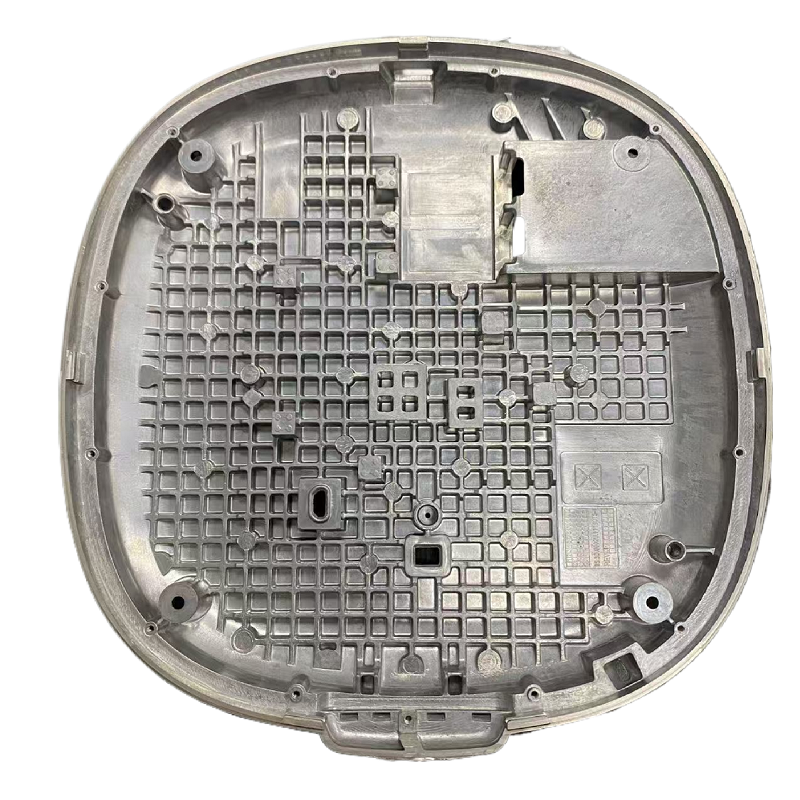
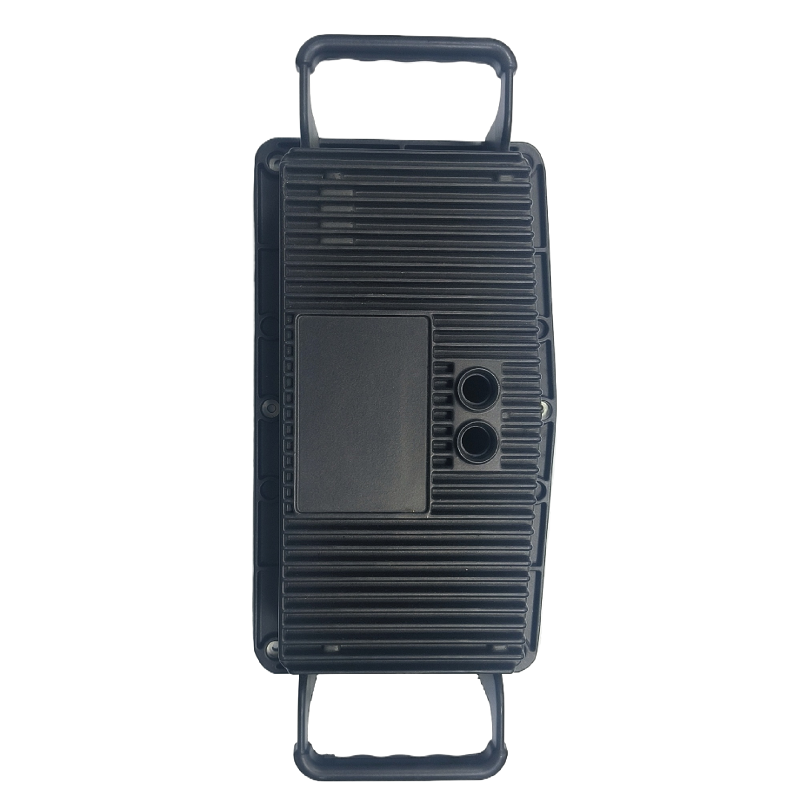

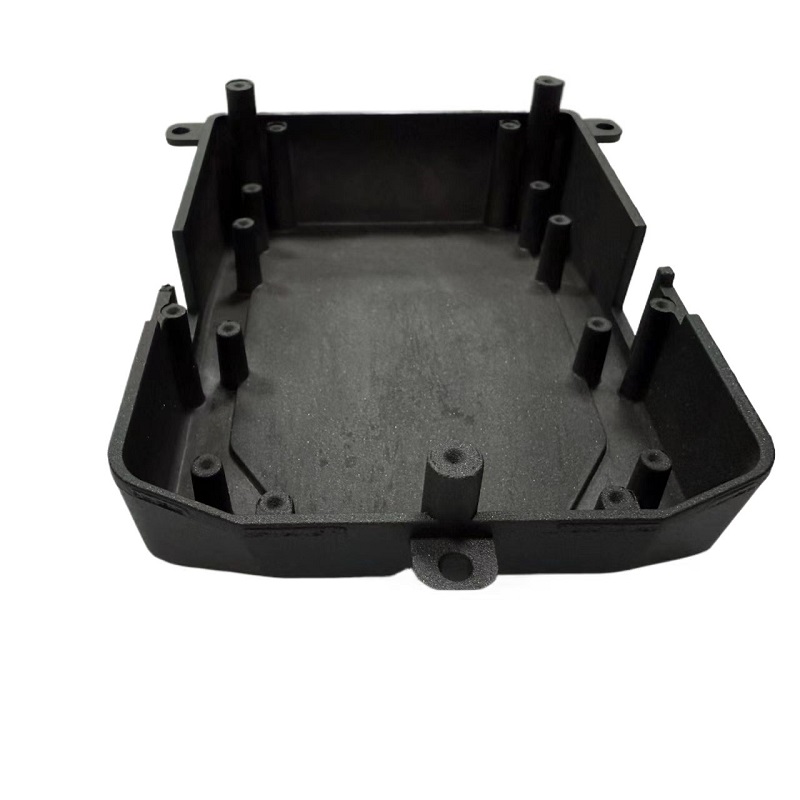
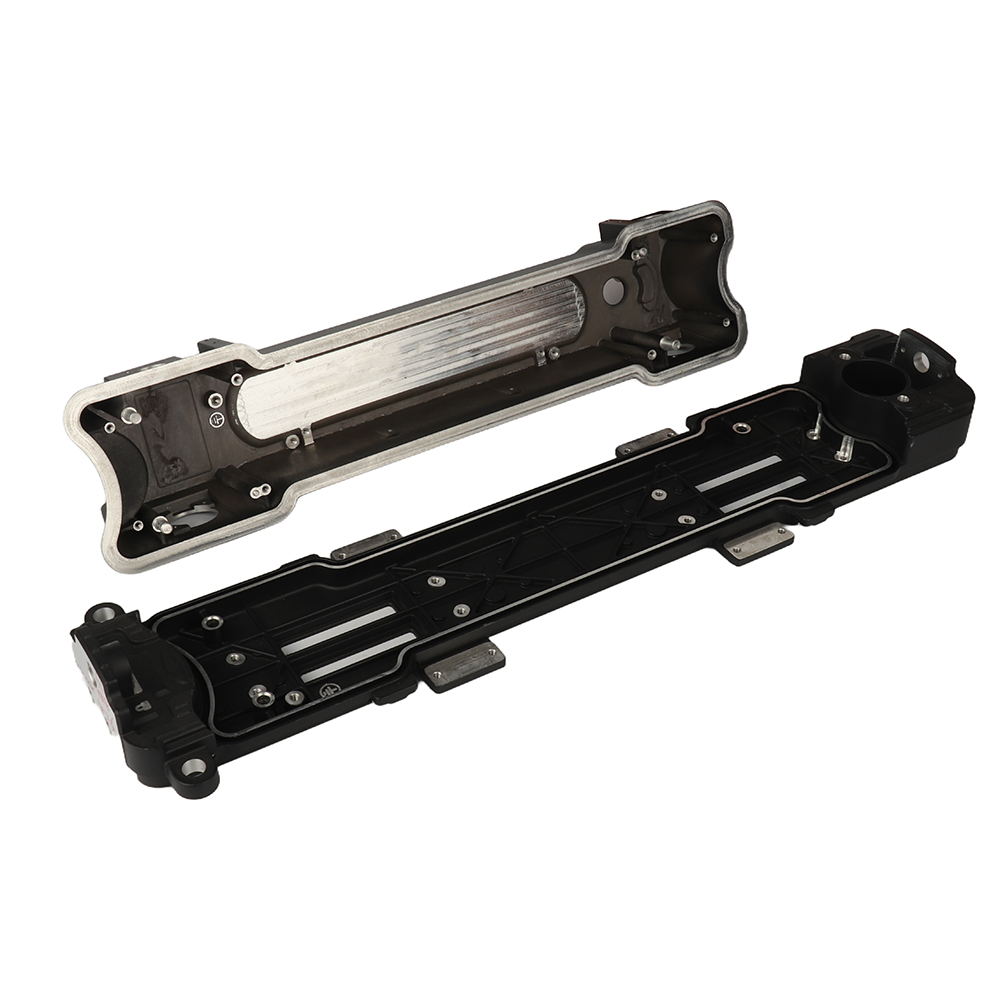
Brake pedal | What are aluminium casting companies? A Focus on Brake Pedal Manufacturing
What are Aluminium Casting Companies? A Focus on Brake Pedal Manufacturing
Table of Contents
- 1. Introduction: What Are Aluminium Casting Companies?
- 2. Aluminium Casting Companies and Brake Pedal Production
- 3. General Brake Pedal Specifications (Parameter Table)
- 4. Aluminium Die-Cast Brake Pedals: Pros, Cons & Competitive Advantages
- 4.1 Key Advantages of Aluminium Die-Cast Brake Pedals
- 4.2 Minor Disadvantages of Aluminium Die-Cast Brake Pedals
- 4.3 Aluminium Die-Cast vs. Steel/Welded Steel Brake Pedals
- 5. Expert Insights on Aluminium Die-Cast Brake Pedals
- 6. FAQ: Common Questions About Aluminium Casting Companies & Brake Pedals
- 7. Conclusion
1. Introduction: What Are Aluminium Casting Companies?
Aluminium casting companies are specialized manufacturing entities that transform molten aluminium into precision components using various casting techniques—including high-pressure die casting, sand casting, and investment casting—catering to diverse industries like automotive, aerospace, and industrial machinery. These companies combine expertise in material science, engineering, and advanced manufacturing technologies to produce components that balance lightweight properties, durability, and cost-effectiveness, which is especially critical for safety-critical automotive parts like brake pedals.
Unlike general manufacturing firms, aluminium casting companies focus on optimizing the casting process to meet industry-specific standards, particularly in the automotive sector where safety and performance are non-negotiable. For brake pedals—one of the most vital safety components in a vehicle—these companies leverage aluminium’s unique traits to create parts that are strong, lightweight, and reliable, aligning with global automotive trends toward lightweighting and energy efficiency.
2. Aluminium Casting Companies and Brake Pedal Production
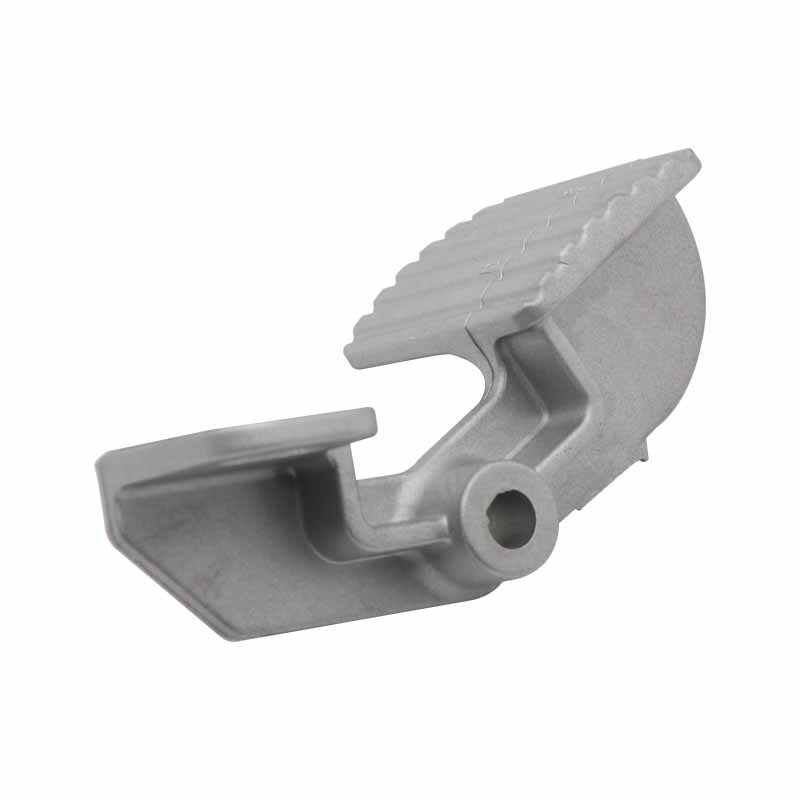
For aluminium casting companies, brake pedal manufacturing is a specialized niche that demands strict adherence to safety standards and precision engineering. Brake pedals are safety-critical components: they transmit the driver’s force to the braking system, requiring high strength, rigidity, and resistance to wear and fatigue. Aluminium casting companies use high-pressure die casting (HPDC) as the primary method for producing brake pedals, as it enables mass production of complex, dimensionally accurate parts with minimal post-processing.
These companies work closely with automotive manufacturers to design brake pedals that meet specific vehicle requirements—from compact cars to high-performance sports cars. For example, in the Chevrolet Corvette, aluminium casting companies reimagined the brake pedal from a heavy welded steel assembly to a lightweight cast aluminium component, delivering significant weight savings and performance improvements. The process involves melting aluminium alloys (such as ADC12 or A380), injecting the molten metal into precision molds under high pressure, and finishing the part to ensure it meets mechanical and safety standards.
3. General Brake Pedal Specifications (Parameter Table)
Aluminium casting companies follow strict parameters to ensure brake pedals meet automotive safety and performance requirements. Below is a table of general brake pedal specifications for passenger vehicles, commonly referenced by casting companies during production:
| Specification Category | Details | Standard Range (Aluminium Die-Cast Brake Pedal) |
|---|---|---|
| Material | Aluminium Alloy (Primary/Recycled) | ADC12, A380, A356 |
| Tensile Strength | Minimum strength to withstand braking force | 200–320 MPa (35 ksi typical for high-performance models) |
| Yield Strength | Resistance to permanent deformation | 120–220 MPa (25 ksi typical for high-performance models) |
| Elongation | Ductility to prevent brittle failure | 1–8% (7% minimum for safety-critical designs) |
| Length | Pedal arm length (from pivot to foot pad) | 250–350 mm (15" typical for sports cars) |
| Foot Pad Dimensions | Surface area for driver contact | 80×120 mm (with anti-slip slots) |
| Weight | Lightweight design for vehicle efficiency | 1.5–2.5 kg (1.7 kg typical for cast aluminium vs. 6 kg for steel) |
| Surface Finish | Corrosion resistance and aesthetics | Powder Coated, Anodized, or Painted (Ra ≤ 1.6 µm) |
| Operating Temperature Range | Resistance to under-hood heat | -40°C to 150°C |
4. Aluminium Die-Cast Brake Pedals: Pros, Cons & Competitive Advantages
Aluminium casting companies prioritize aluminium die-cast brake pedals for their unique combination of benefits, which far outweigh their minor limitations. Below is a detailed analysis of their pros, cons, and how they compare to traditional alternatives.
4.1 Key Advantages of Aluminium Die-Cast Brake Pedals
4.1.1 Significant Weight Savings
Aluminium has a density of approximately 2.7 g/cm³—less than half the density of steel (7.8 g/cm³). This translates to a 70–75% weight reduction compared to welded steel brake pedals, improving vehicle acceleration, fuel efficiency, and EV range.
4.1.2 Excellent Strength-to-Weight Ratio
Despite being lightweight, aluminium die-cast brake pedals offer 200–320 MPa tensile strength, ensuring they can withstand high stress without deformation.
4.1.3 Cost-Effective Mass Production
High-pressure die casting enables one-piece forming with minimal post-processing, lowering production costs and lead times.
4.1.4 Superior Corrosion Resistance
Aluminium forms a natural oxide layer to prevent rust, ideal for harsh driving environments.
4.1.5 Aesthetic and Design Flexibility
Smooth surfaces and complex integrated designs improve interior appearance and structural integrity.
4.2 Minor Disadvantages of Aluminium Die-Cast Brake Pedals
- Lower impact resistance than high-strength steel (improved via alloy optimization)
- Limited weldability (not required for one-piece die-cast designs)
- Higher initial tooling cost (offset in mass production)
4.3 Aluminium Die-Cast vs. Steel/Welded Steel Brake Pedals
- Weight: Aluminium pedals are 60–75% lighter for better efficiency
- Production Cost: Lower overall cost for mass production
- Durability: Better corrosion resistance and longer service life
- Design Flexibility: One-piece complex structure vs. multi-part welded assembly
5. Expert Insights on Aluminium Die-Cast Brake Pedals
5.1 Michael Davis, Senior Aluminium Casting Engineer (25+ Years)
“Aluminium casting companies have revolutionized brake pedal manufacturing. The strength-to-weight ratio is unmatched: light enough to boost performance, strong enough to meet strict safety standards. Aluminium die-cast pedals will remain the industry standard for lightweighting and sustainability.”
5.2 Emily Carter, Automotive Safety and Material Specialist
“Aluminium die-cast brake pedals are safe, reliable, and sustainable. They don’t rust, last longer, and reduce vehicle emissions. Modern casting techniques make them equally safe as steel pedals—with far greater efficiency benefits.”
6. FAQ: Common Questions About Aluminium Casting Companies & Brake Pedals
Q1: What makes aluminium casting companies suitable for brake pedal production?
A1: They specialize in high-pressure die casting, material science, and strict quality control to meet automotive safety standards.
Q2: What aluminium alloys are most commonly used?
A2: ADC12, A380 for mass production; A356 for high-performance and high-ductility applications.
Q3: Are aluminium die-cast brake pedals as safe as steel?
A3: Yes, they meet or exceed global safety standards with excellent strength and fatigue resistance.
Q4: How do companies ensure quality?
A4: Material testing, dimensional inspection, non-destructive testing, and ISO/TS 16949 compliance.
Q5: Are they environmentally friendly?
A5: Yes, 100% recyclable, mostly made from recycled aluminium, with low waste and emissions.
Q6: Can they customize brake pedals?
A6: Yes, full customization for vehicle models, performance, and design requirements.
7. Conclusion
Aluminium casting companies are critical partners in the automotive industry, specializing in the production of lightweight, high-performance components—with brake pedals being one of their most important safety-critical products. By leveraging high-pressure die casting and aluminium’s unique properties, these companies deliver brake pedals that offer significant weight savings, excellent strength-to-weight ratio, cost-effectiveness, and corrosion resistance—outperforming traditional steel alternatives in nearly every category.
While aluminium die-cast brake pedals have minor limitations, aluminium casting companies easily mitigate these through advanced design, alloy optimization, and quality control. Expert insights confirm that these pedals are not only safe and reliable but also aligned with global automotive trends toward lightweighting, energy efficiency, and sustainability.
Whether you’re an automotive manufacturer seeking to improve vehicle performance or a professional looking to understand aluminium casting’s role in safety components, aluminium casting companies remain at the forefront of innovation—delivering brake pedals that balance safety, efficiency, and cost for the modern automotive industry.
Power controller | What is a casting housing? Focus on Power Controller Applications
Auto castings | What are ADC12 auto castings? A Complete Guide
Related Article


