HOT PRODUCTS
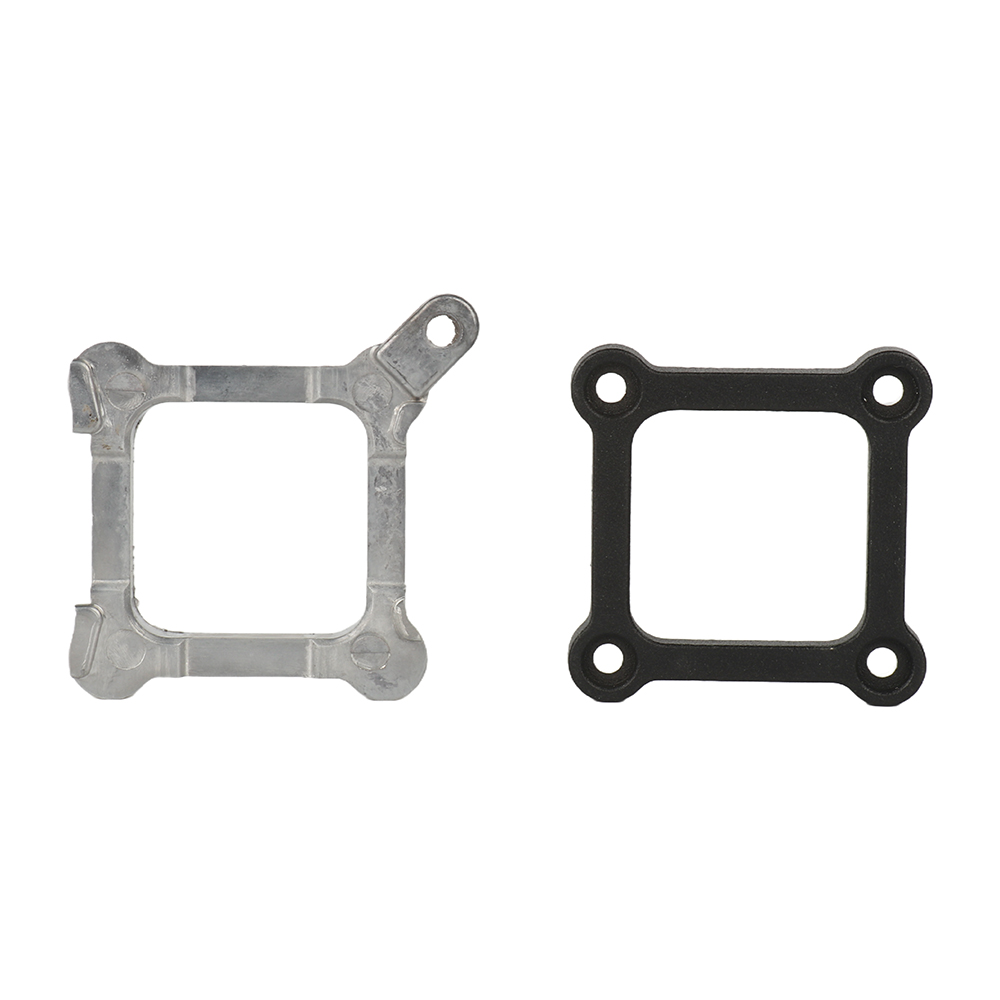
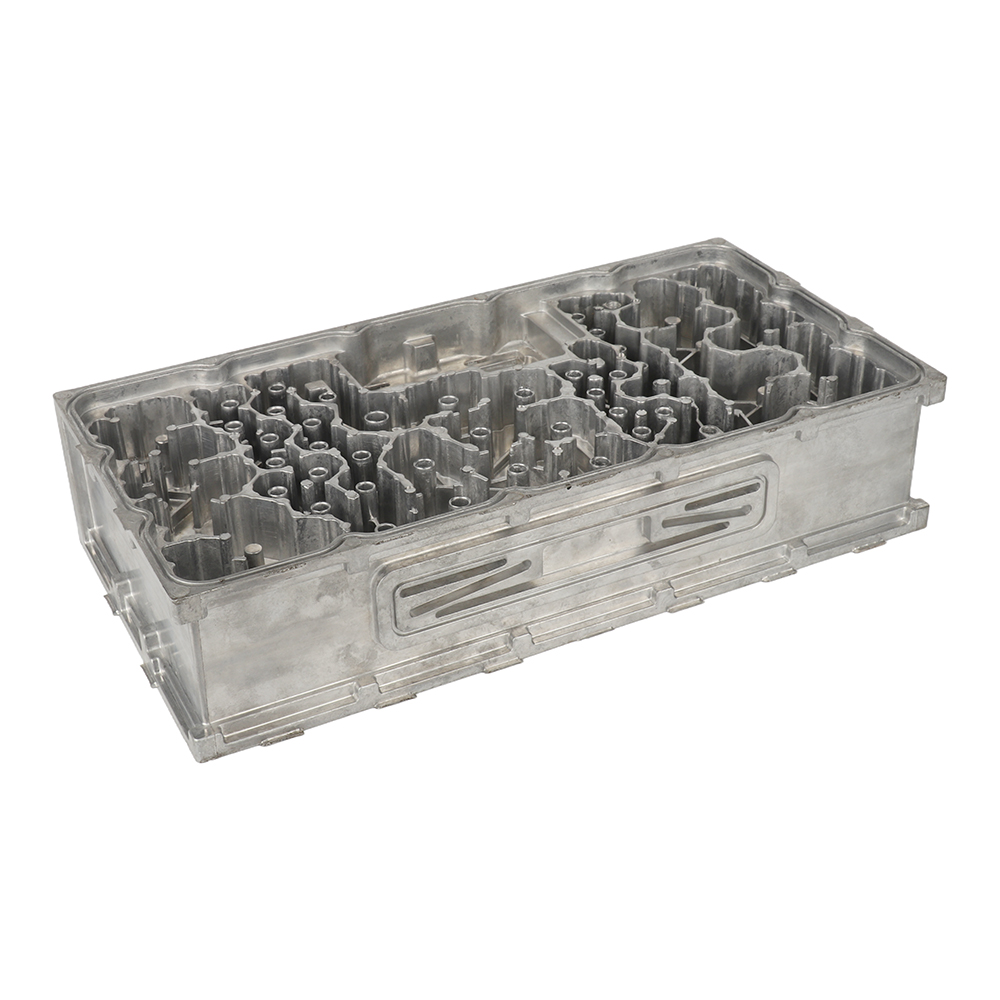
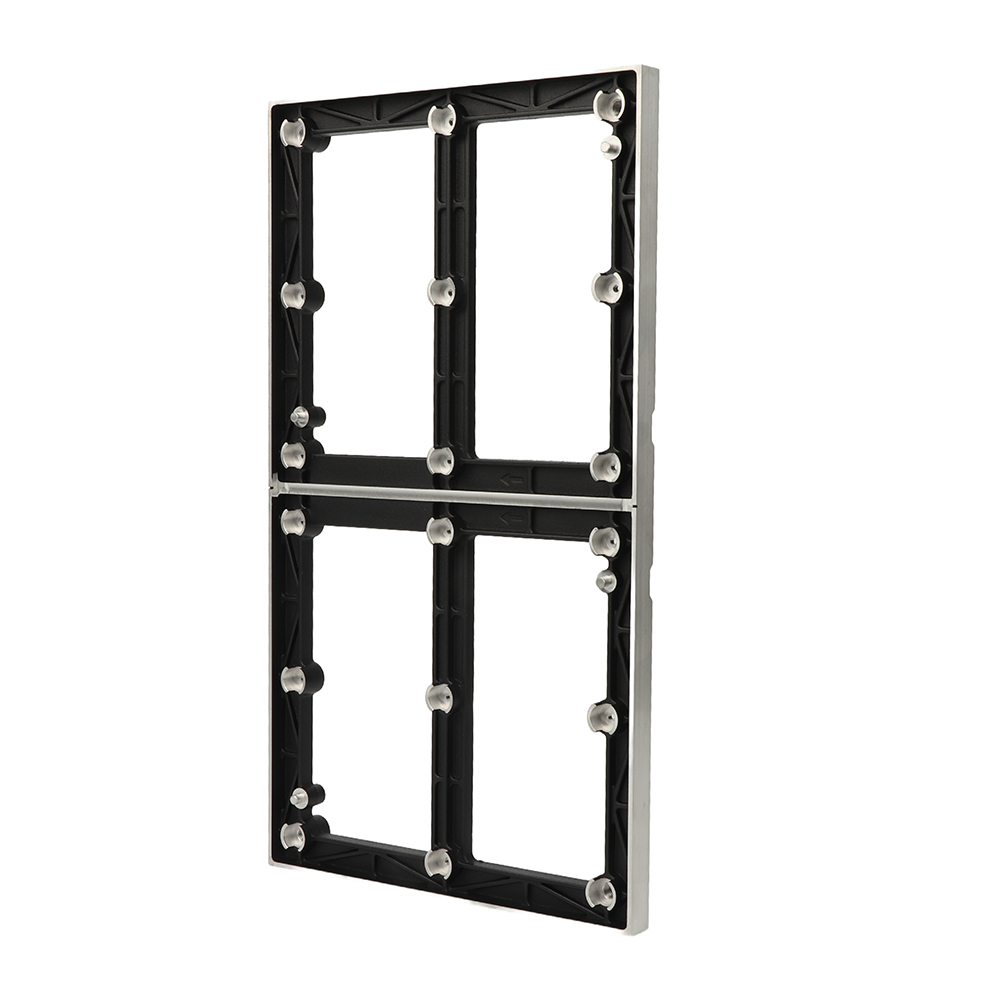
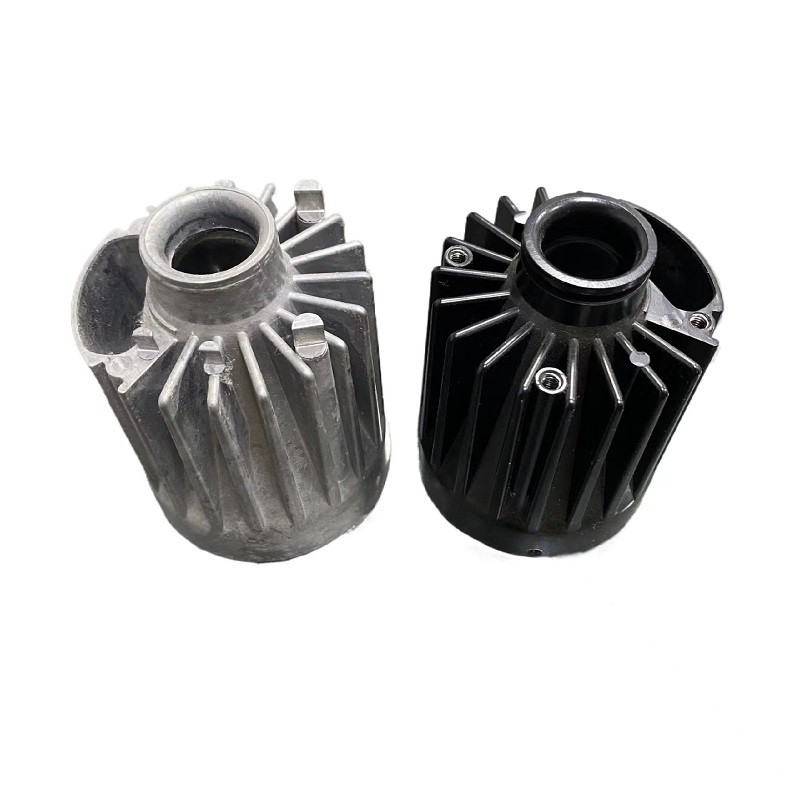
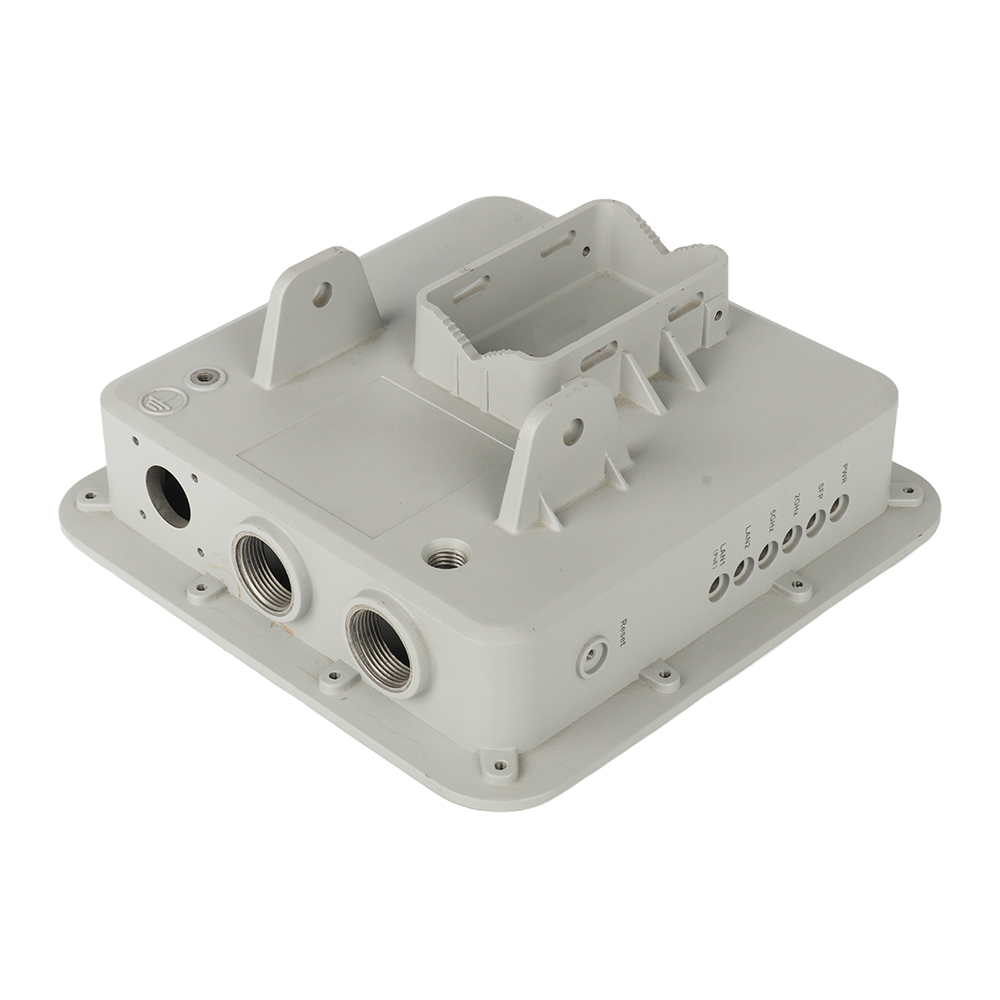
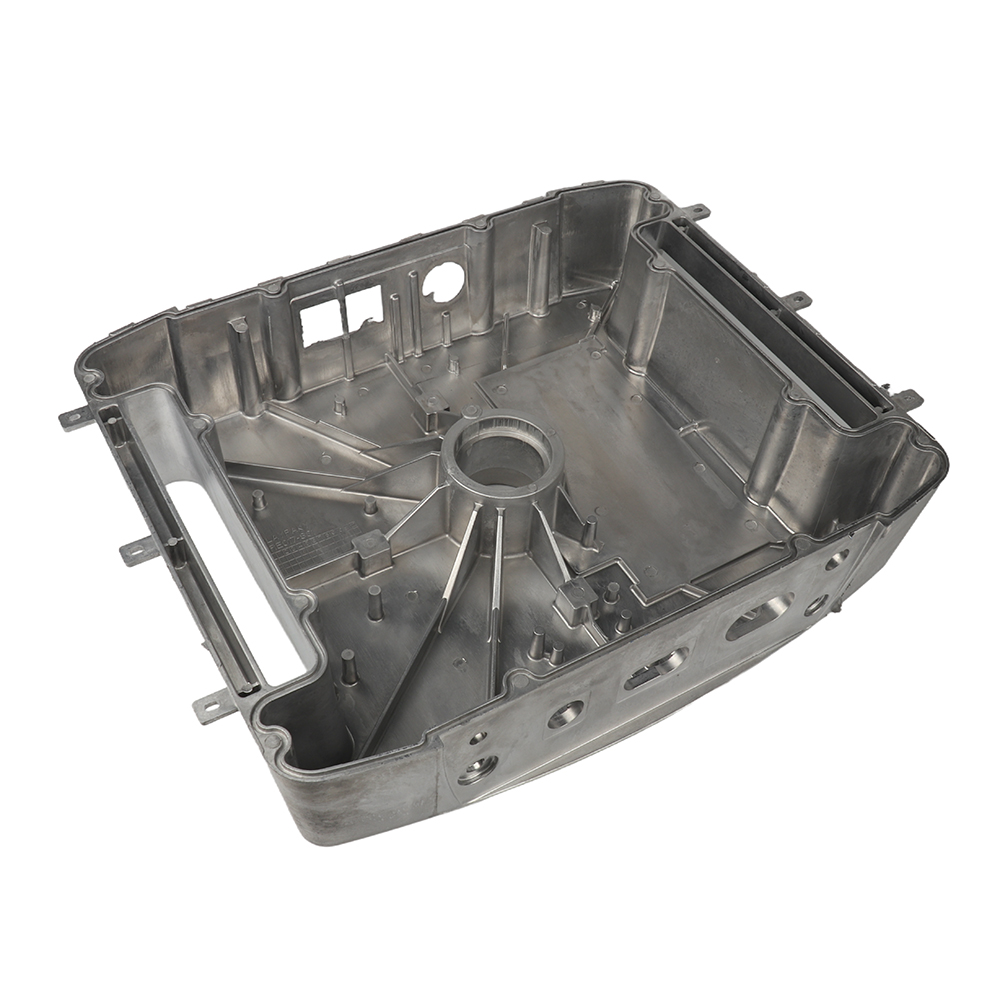
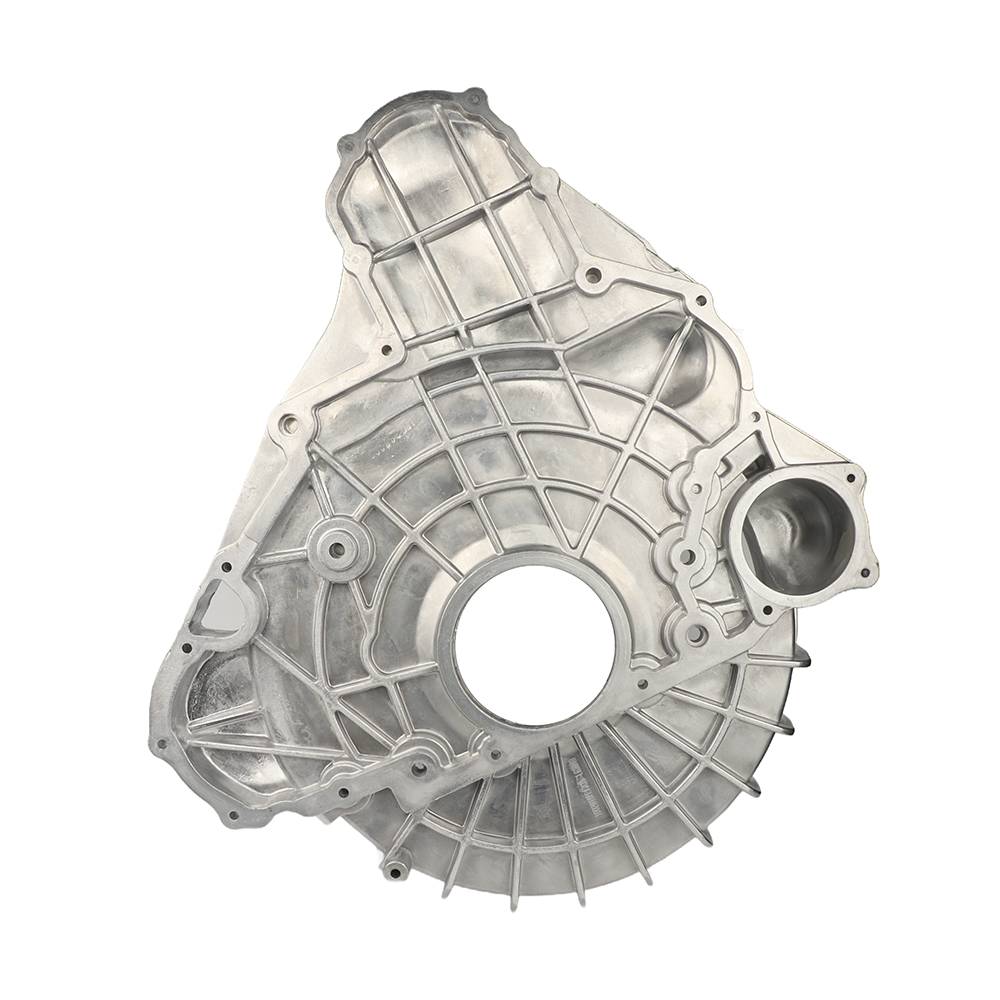
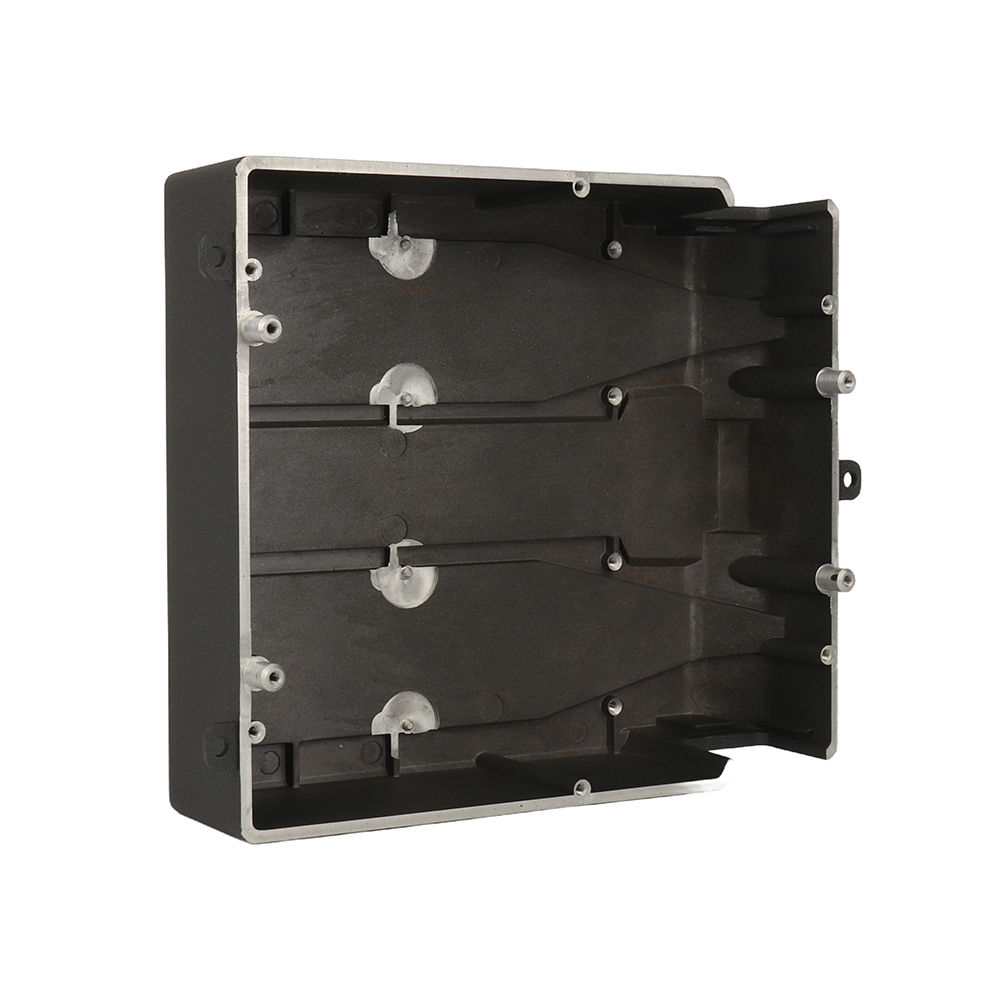
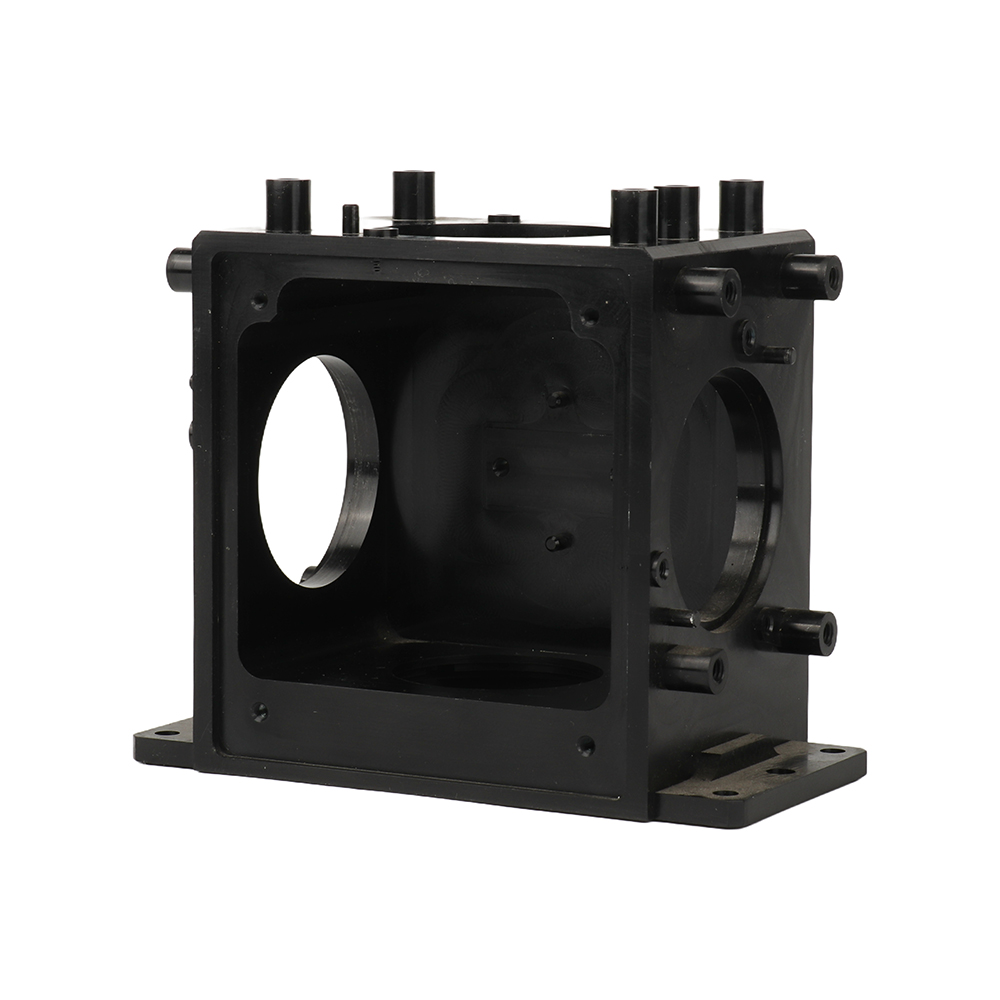
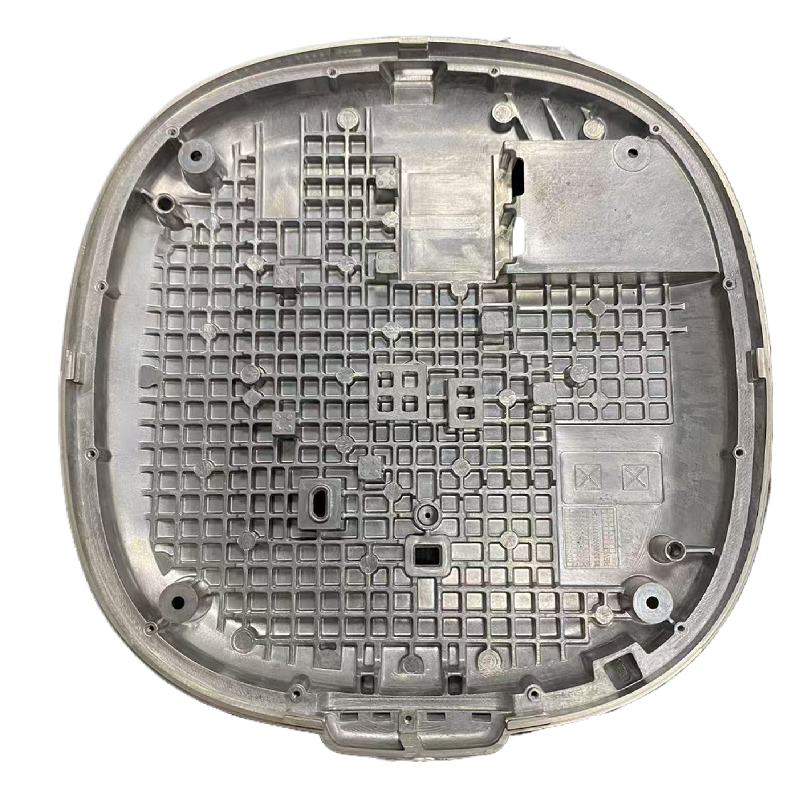
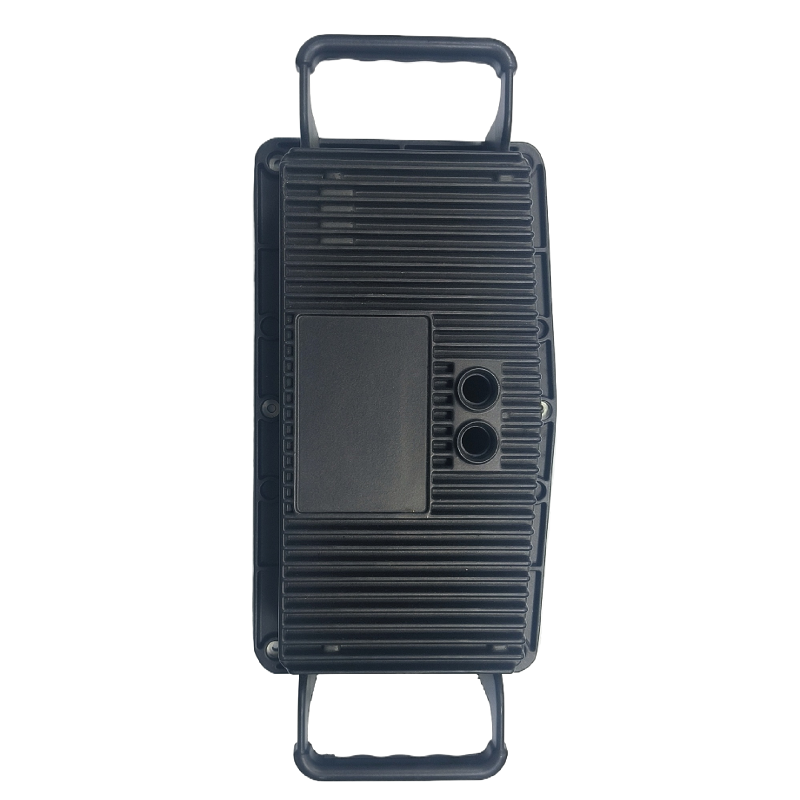
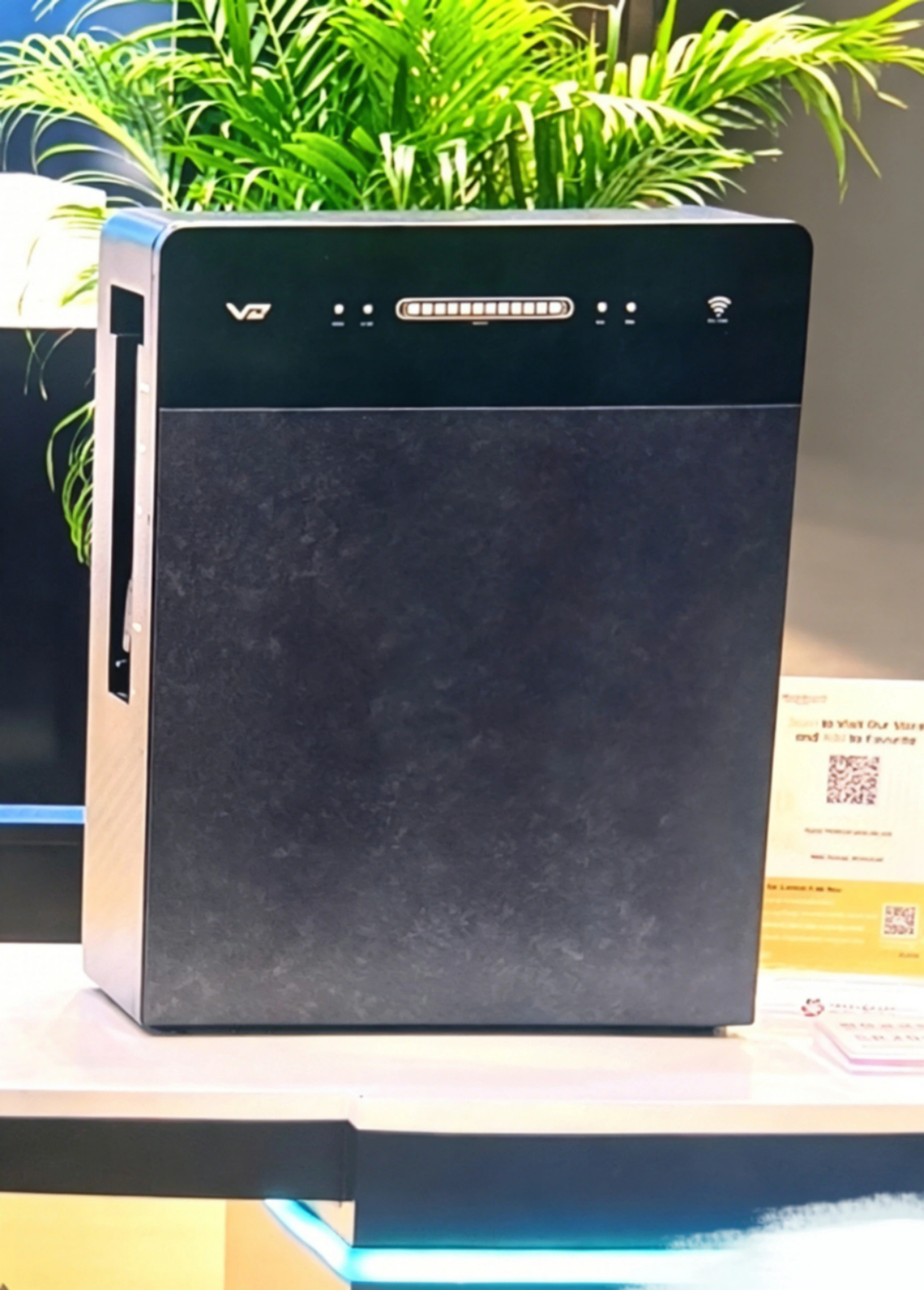
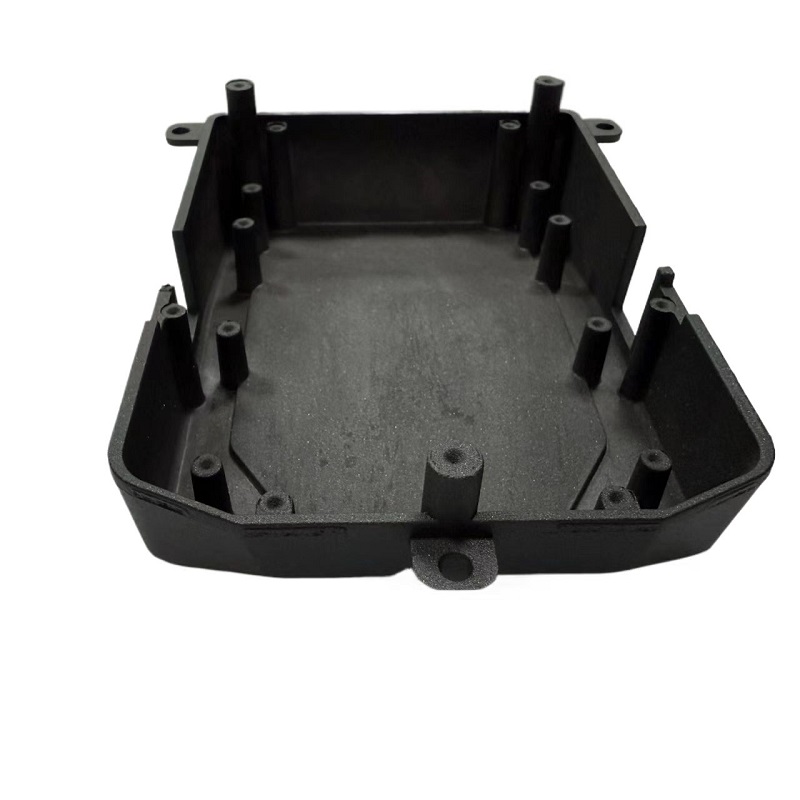
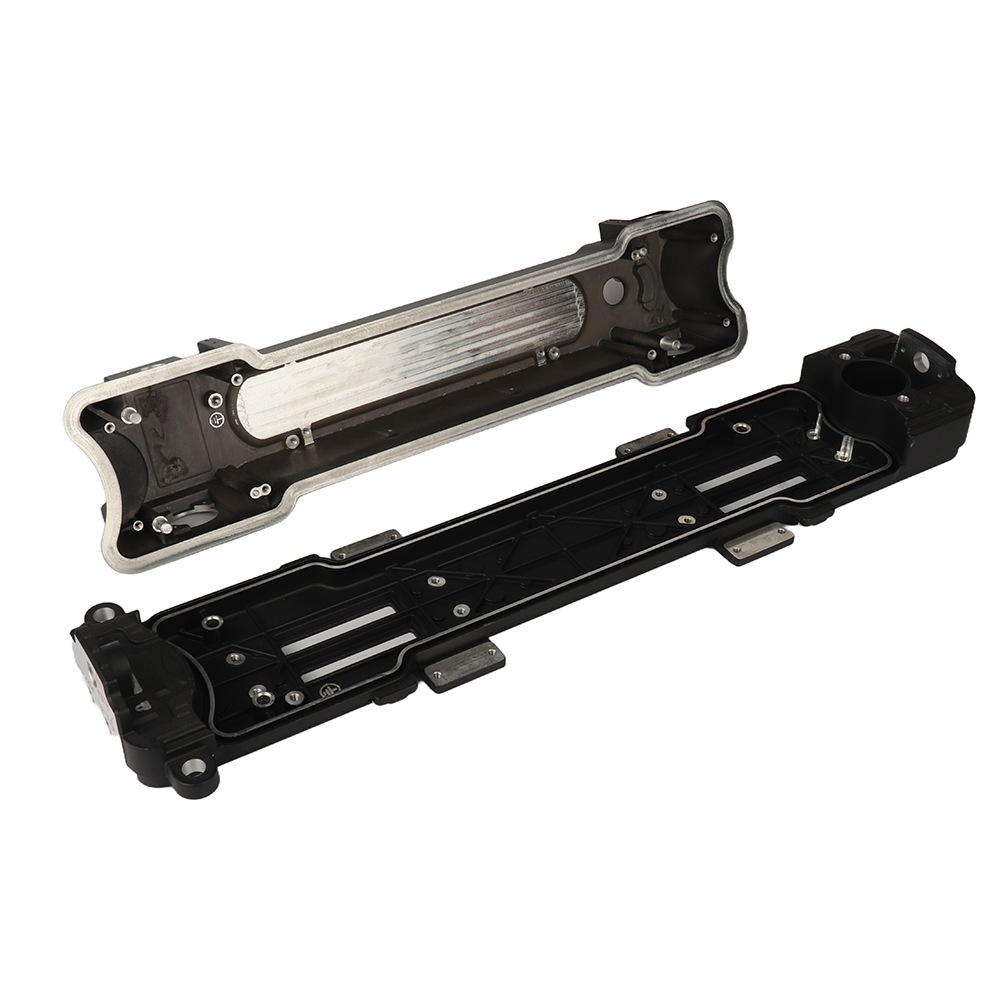
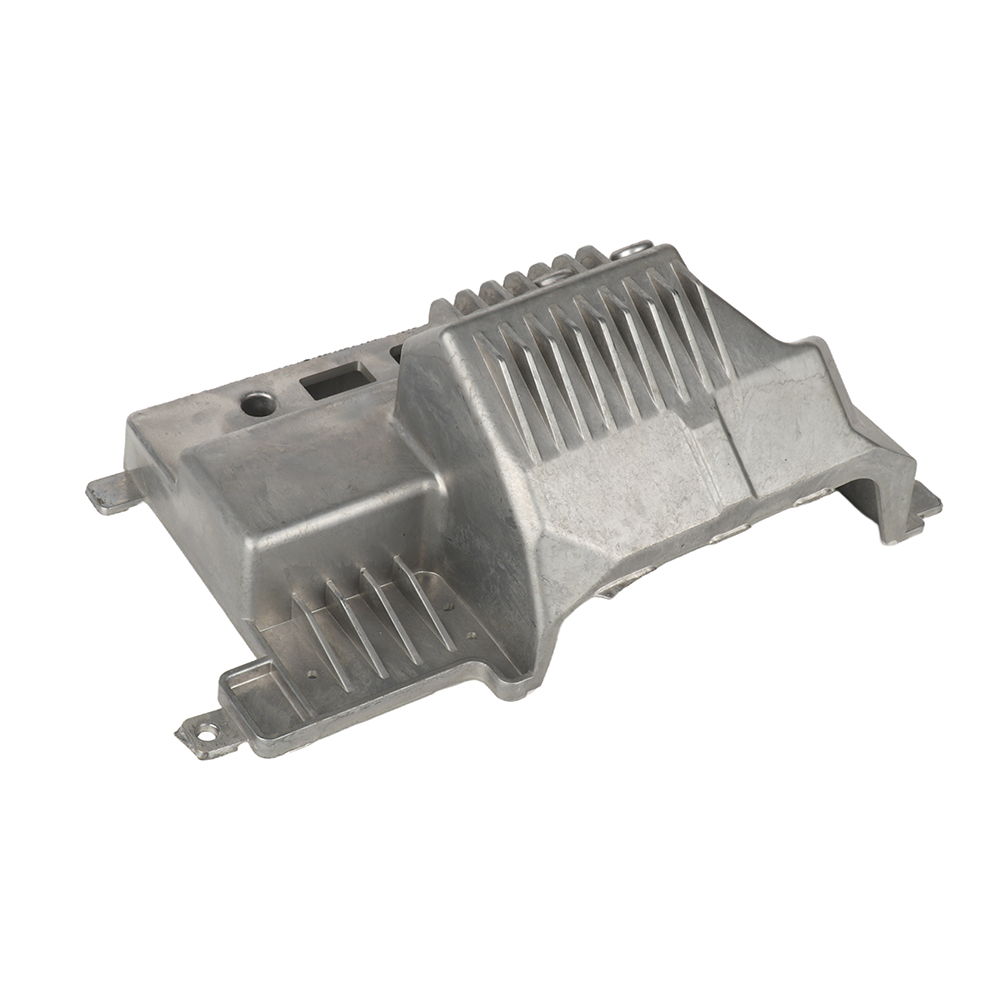
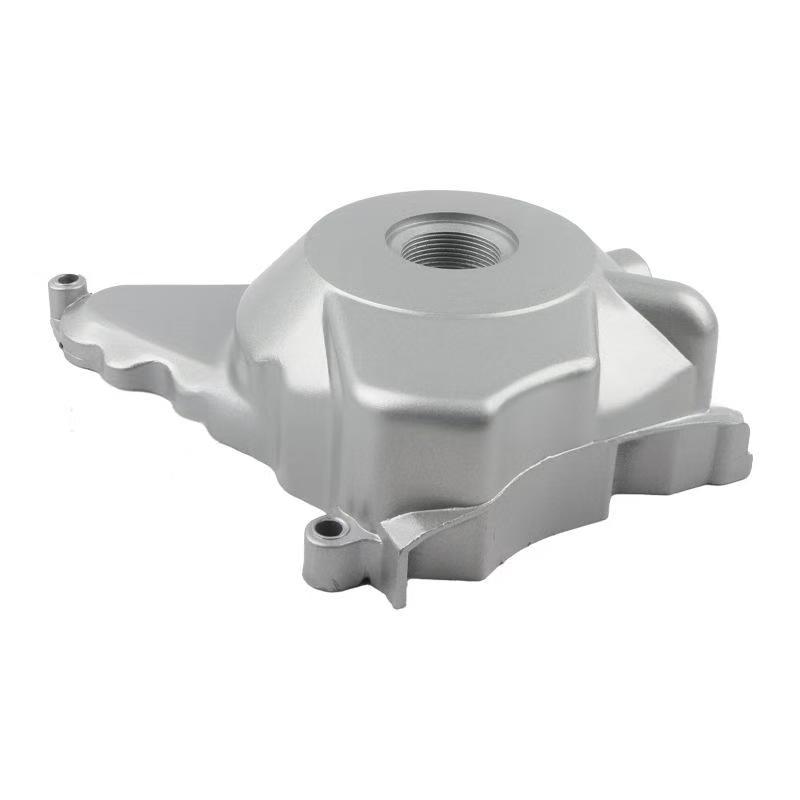
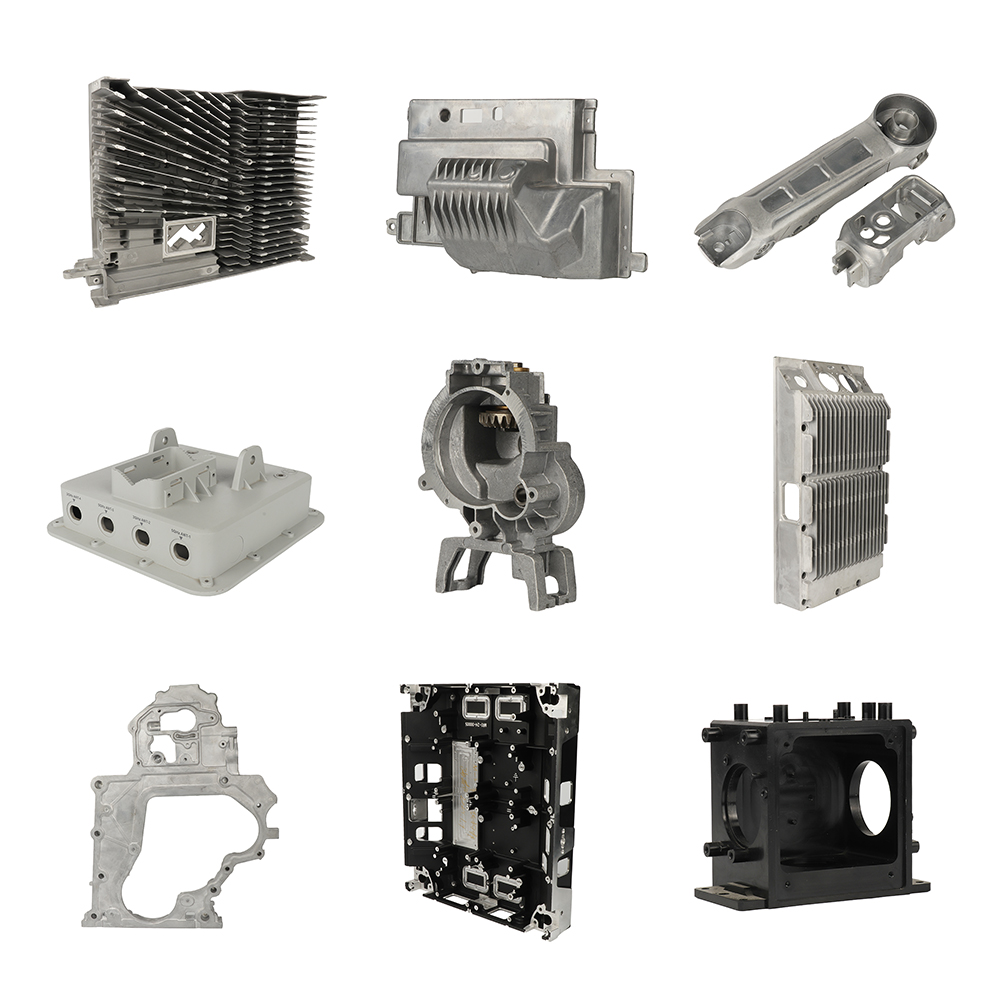
aluminium casting parts | What are aluminium casting parts?A Complete Guide to ADC12 Aluminum Die-Cast Components
2026-08-10
What Are Aluminium Casting Parts? A Complete Guide to ADC12 Aluminum Die‑Cast Components
Table of Contents
1. Overview of Aluminium Casting Parts
Aluminium casting parts are precision metal components manufactured through professional die‑casting, gravity casting and other molding processes with aluminum alloy as the core raw material. As one of the most widely used lightweight metal structural parts in the modern manufacturing industry, they integrate the advantages of light weight, high structural strength, excellent thermal conductivity and low production cost, and have completely replaced traditional iron and steel parts in many industrial fields.
Among all aluminum casting materials, ADC12 aluminum alloy is the most mainstream and cost‑effective material for die‑casting production. With excellent fluidity, mold filling performance and stable mechanical properties, it is suitable for mass production of complex‑shaped shell parts, structural brackets and heat dissipation components, and is the preferred material for customized aluminium casting parts in the hardware processing industry.

2. Core Product Introduction of ADC12 Aluminium Casting Parts
2.1 Basic Product Definition
ADC12 aluminium casting parts refer to die‑cast molded parts made of Japanese standard ADC12 high‑silicon aluminum alloy. The material contains 7%‑13% silicon and 1%‑2% copper, with low impurity content and stable molding performance. It can realize one‑time integral molding of complex irregular structures, thin‑walled shells and multi‑functional integrated parts, avoiding assembly gaps and structural instability caused by multi‑piece splicing.
2.2 Main Product Types
2.2.1 Equipment Outer Shell Parts
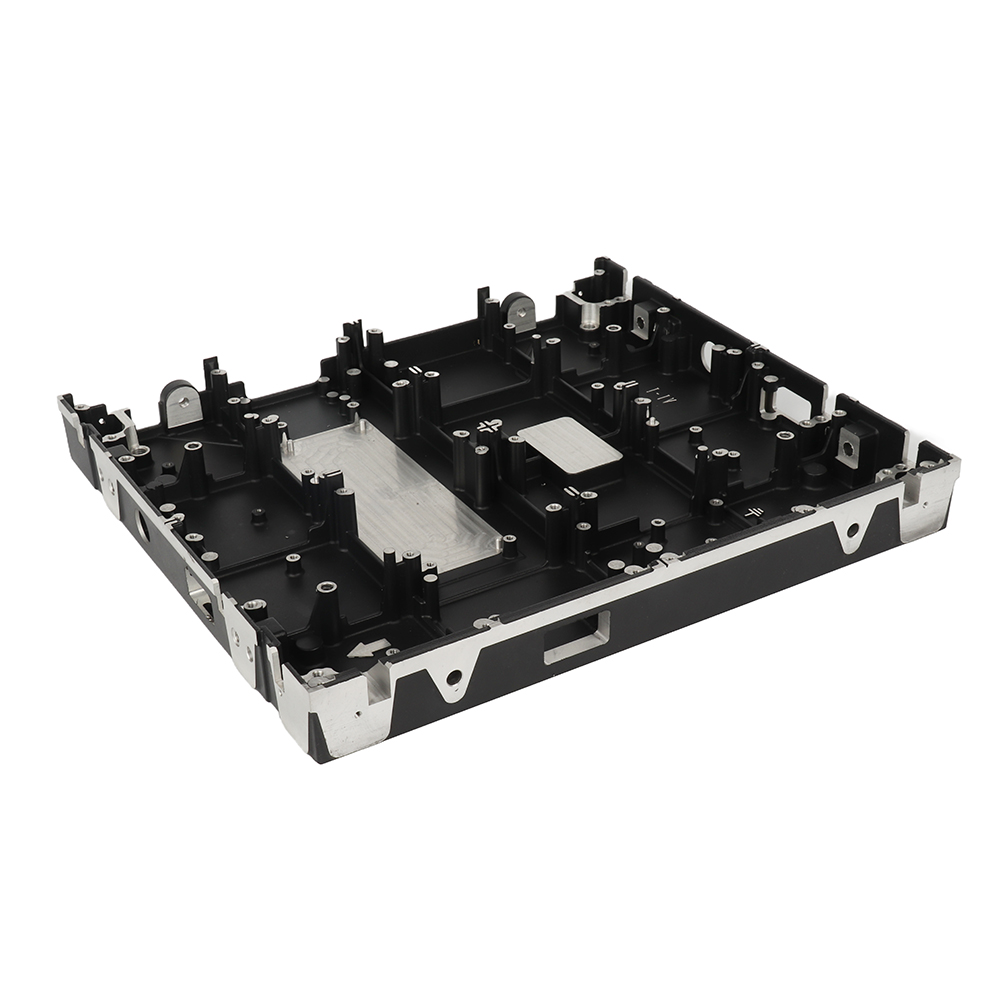
Including electronic equipment shells, LED display cabinet frames, new energy equipment housings, communication device casings, etc. These parts require high dimensional accuracy and good surface flatness, and ADC12 die‑casting perfectly meets the assembly and appearance requirements of terminal equipment.
2.2.2 Structural Support Parts
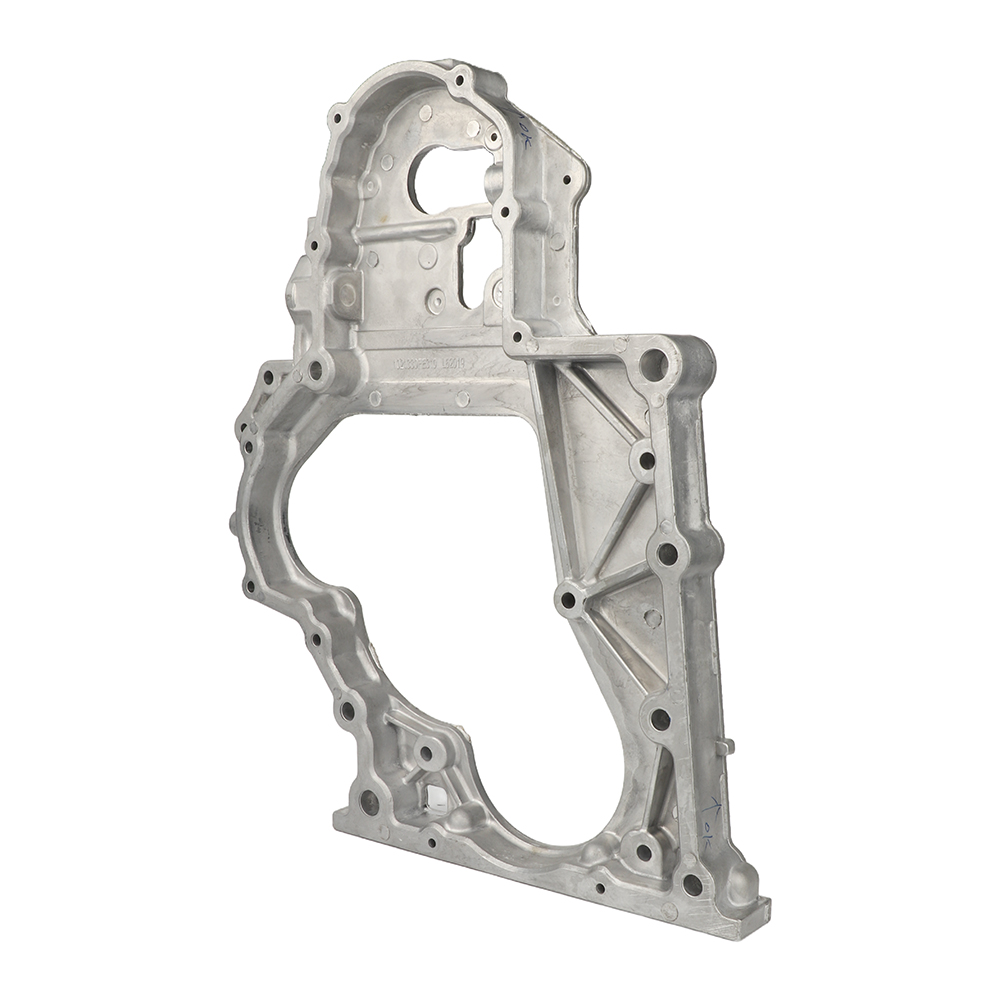
Covering automotive suspension brackets, mechanical fixing bases, industrial equipment support frames, etc. With tensile strength of 230‑330MPa, it can bear long‑term structural load and ensure the stable operation of mechanical equipment.
2.2.3 Heat Dissipation Functional Parts
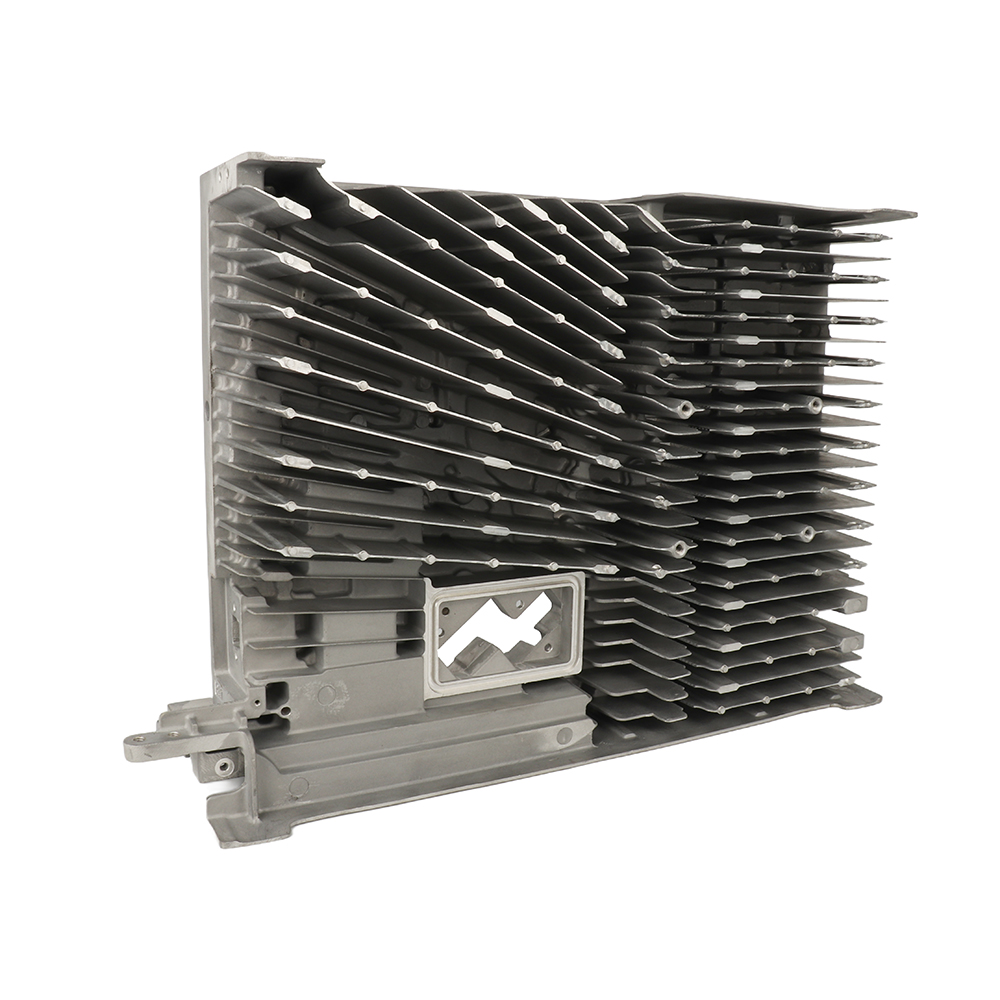
Such as equipment heat dissipation frames, heat conduction bases and radiating structural parts. ADC12 alloy has outstanding thermal conductivity, which can quickly export equipment heat and effectively reduce the operating temperature of electronic and electrical equipment.
2.3 Product Processing Characteristics
All custom ADC12 aluminium casting parts support personalized customization according to customer drawings and samples. After die‑casting molding, they can be matched with five‑axis CNC precision finishing, sandblasting, conductive oxidation and other post‑processing technologies to achievemirror‑level surface quality and ultra‑high assembly tolerance accuracy, meeting the differentiated needs of different industries.
3. Standard Technical Parameter Table of ADC12 Aluminium Casting Parts
The following are the unified standard parameters of mass‑produced ADC12 aluminium casting parts, covering material composition, mechanical properties, processing accuracy and surface indicators, which are applicable to most industrial customized die‑cast parts:
| Parameter Category | Specific Item | Standard Parameter Value | Remarks |
|---|---|---|---|
| Material Chemical Composition | Aluminum (Al) | 85.0%‑90.0% | Main substrate |
| Silicon (Si) | 7.0%‑13.0% | Ensure casting fluidity | |
| Copper (Cu) | 1.0%‑2.5% | Improve structural strength | |
| Impurity Total | ≤1.5% | Guarantee product stability | |
| Mechanical Properties | Tensile Strength | 230‑330MPa | Meet industrial load requirements |
| Yield Strength | 130‑170MPa | Strong deformation resistance | |
| Brinell Hardness | 90‑110HB | Wear‑resistant and durable | |
| Density | 2.68g/cm³ | Lightweight advantage prominent | |
| Processing & Surface Parameters | Processing Tolerance | ±0.005mm~±0.01mm | Precision finishing standard |
| Surface Roughness | Ra0.8~Ra3.2 | Support subsequent surface treatment | |
| Heat Dissipation Coefficient | 110W/(m·K) | Excellent heat conduction performance |
4. Core Market Advantages of Aluminium Casting Parts
4.1 Outstanding Lightweight & Energy‑Saving Performance
ADC12 aluminium casting parts are 60% lighter than steel parts of the same volume, which can effectively reduce the weight of terminal equipment. In automotive and new energy industries, lightweight parts can reduce energy consumption and improve equipment operating efficiency, bringing long‑term energy‑saving benefits for enterprises.
4.2 Excellent Molding & Batch Production Capacity
Benefiting from the high fluidity of ADC12 alloy, it can fill complex mold cavities at one time, realizing integral molding of thin‑walled, curved and multi‑groove special‑shaped parts. The one‑time die‑casting molding process greatly shortens the production cycle and is very suitable for large‑batch standardized and customized production.
4.3 High Cost Performance & Low Comprehensive Cost
Compared with 6061/7075 forged aluminum parts, ADC12 aluminium casting parts have lower raw material and production costs. While ensuring structural strength and precision, they reduce enterprise procurement costs. In addition, the parts have strong corrosion resistance and low maintenance frequency, effectively reducing the later operation cost of equipment.
4.4 Strong Customization & Compatibility
The product supports full‑process personalized customization including size, structure, surface process and assembly interface. It is compatible with multiple post‑processing technologies such as sandblasting, conductive oxidation and powder spraying, and can meet the differentiated application needs of electronics, automobile, communication and other industries.
5. Main Application Fields & Market Price Analysis
5.1 Main Market Application Scenarios
5.1.1 LED Display & Commercial Display Industry
Widely used in indoor and outdoor LED display cabinet frames, stage special‑shaped screen shells and commercial splicing screen structural parts. The high‑precision die‑casting process ensures seamless splicing of display modules, and the lightweight material reduces the overall load of the display screen, which is the mainstream structural part material of the display industry.
5.1.2 Automotive & New Energy Industry
Applied to automotive engine guard plates, ventilation ducts, suspension brackets and new energy battery heat dissipation shells. The high strength and heat conduction performance of ADC12 alloy adapt to the complex working environment of automobiles, improving the safety and stability of vehicle operation.
5.1.3 Communication & Electronic Equipment Industry
Used for 5G communication equipment shells, industrial control equipment casings, household electrical appliance structural parts, etc. The material’s electromagnetic shielding performance and structural stability can effectively protect internal electronic components and ensure the stable operation of precision equipment.
5.1.4 Industrial Intelligent Equipment Industry
Suitable for mechanical equipment fixing bases, automated equipment support frames and precision instrument structural parts. It meets the high‑precision assembly and long‑term stable operation requirements of industrial intelligent equipment.
5.2 Market Price Analysis of ADC12 Aluminium Casting Parts
The market price of ADC12 aluminium casting parts is affected by raw material price, processing precision, order quantity and surface technology, showing obvious tiered pricing characteristics:
5.2.1 Raw Material Base Price
As of 2026, the market price of ADC12 aluminum ingots is stable at $2100‑$2600 per ton, with small fluctuations affected by LME aluminum benchmark price and raw material purity.
5.2.2 Finished Product Tiered Quotation
-
Small‑batch customized parts (1‑500pcs): Unit price is relatively high, with customized processing fee and mold opening fee included
-
Medium‑batch orders (500‑2000pcs): The unit price is reduced by 5%‑10% with the cancellation of partial mold fees
-
Large‑batch bulk orders (≥2000pcs): The unit price is reduced by 10%‑15%, with the lowest comprehensive processing cost and the highest market cost performance
Overall, the bulk purchase cost of ADC12 aluminium casting parts is far lower than other high‑precision alloy parts, with strong market competitive advantages.
6. Common Problems & Solutions in the Use of Aluminum Die‑Cast Parts
6.1 Surface Oxidation & Color Difference Problem
Problem: ADC12 alloy contains high silicon content, which is prone to surface graying, oxidation spots and color difference after long‑term use, and ordinary anodization is easy to produce defects.
Solution: Adopt special conductive oxidation and oil mist sealing process to form a uniform protective film on the surface of the parts, which can resist 96‑hour neutral salt spray test and effectively avoid oxidation and color difference.
6.2 Thin‑Wall Part Deformation Problem
Problem: Thin‑walled aluminium casting parts are prone to deformation and dimensional deviation during processing and assembly, affecting assembly accuracy.
Solution: Use five‑axis CNC one‑clamp integrated processing technology, control the cutting depth and feed rate in sections, avoid extrusion deformation, and ensure the dimensional stability of thin‑walled parts.
6.3 Tool Adhesion & Burr Residue
Problem: Aluminum alloy material is soft, and burrs are easy to remain during cutting, and tool adhesion often occurs, affecting surface smoothness.
Solution: Use aluminum‑specific anti‑stick coating tungsten steel tools, match with professional oil mist cooling technology, and complete fine deburring in one process to ensure smooth and burr‑free parts surface.
6.4 Low Assembly Matching Accuracy
Problem: The dimensional tolerance of ordinary die‑cast parts is unstable, resulting in poor assembly matching and gaps between parts.
Solution: Control the processing tolerance within ±0.005mm through precision finishing, and conduct full inspection of finished product size to ensure 100% assembly matching rate.
7. Industry Expert Viewpoints on ADC12 Aluminium Casting Parts
“ADC12 aluminum alloy has become the irreplaceable core material of the domestic precision die‑casting industry. Its excellent casting fluidity and moderate mechanical strength perfectly fit the mass production needs of electronic shells and display structural parts. In the past, many enterprises chose low‑cost inferior alloys, resulting in high product rework rates. With the upgrading of terminal industry standards, high‑precision ADC12 die‑cast parts with stable quality will become the industry standard.”— Dr. Zhang, Senior Research Expert, China Hardware Processing Industry Association
“The biggest advantage of ADC12 aluminium casting parts lies in the balance of cost and performance. Compared with other aluminum alloys, it has lower production cost and better complex molding ability. After five‑axis precision finishing, its dimensional accuracy and surface quality can fully meet the high‑end assembly standards of new energy, display and communication industries. In the next five years, the market demand for customized ADC12 die‑cast parts will continue to grow steadily.”— Li Ming, Senior Process Engineer, National Non‑Ferrous Metal Machining Laboratory
8. Industry FAQ for Aluminium Casting Parts
8.1 Is ADC12 aluminium casting part suitable for outdoor long‑term use?
Answer: Yes. After professional conductive oxidation or powder spraying surface treatment, ADC12 die‑cast parts have excellent anti‑corrosion and waterproof performance, which can adapt to outdoor high temperature, rain and other harsh environments, and the service life can reach more than 5 years.
8.2 Can ADC12 aluminium casting parts be customized with special shapes and sizes?
Answer: Absolutely support. We provide full‑process customized services according to customer drawings, samples and functional requirements, including special‑shaped curved structures, non‑standard hole positions and personalized shell structures, to meet all differentiated customization needs.
8.3 What is the difference between ADC12 and 6061 aluminum parts?
Answer: ADC12 is a die‑casting aluminum alloy with good fluidity and suitable for complex mass‑produced parts; 6061 is a forged aluminum alloy with good toughness and suitable for simple structural parts. ADC12 has lower comprehensive cost and better molding effect for shell and special‑shaped parts, which is more suitable for industrial batch customization.
8.4 What is the delivery cycle of customized aluminium casting parts?
Answer: The sample trial production cycle is 3‑5 working days, and the mass production delivery cycle is determined by the order quantity. Small batches are delivered within 7 working days, and large batches are delivered on schedule with priority production arrangement to ensure stable delivery.
8.5 What post‑processing technologies can be matched for the parts?
Answer: We support sandblasting, conductive oxidation, powder spraying, anodization, precision drilling and tapping, five‑axis finishing and other one‑stop post‑processing services to meet different appearance and functional needs of customers.
9. Industry Summary & Future Development Trends
9.1 Industry Summary
ADC12 aluminium casting parts occupy a core position in the precision hardware processing industry by virtue of lightweight, high strength, excellent molding performance and high cost performance. They cover almost all industrial fields such as display, new energy, communication and automobile, and are the most widely used customized die‑cast products in the market. With the continuous upgrading of industrial manufacturing standards, high‑precision, customized and integrated aluminium casting parts have become the mainstream demand of the market, and the traditional single standard parts can no longer meet the differentiated development needs of terminal enterprises.
9.2 Future Development Trends of Custom Die‑Cast Industry
9.2.1 High Precision & Integrated Molding
The industry will gradually eliminate rough die‑casting processes, and one‑time integrated molding + five‑axis precision finishing will become the standard process of the industry. The dimensional accuracy and surface quality of products will be further improved to adapt to high‑end equipment assembly standards.
9.2.2 Intelligent & Green Production
Die‑casting production will realize intelligent full‑process monitoring, reduce product defective rate and improve batch consistency. At the same time, green environmental protection cooling process and low‑energy consumption production technology will be popularized to realize low‑carbon and sustainable development of the industry.
9.2.3 Customized Diversified Development
Market demand will shift from standardized parts to personalized customized products. Enterprises with independent customization capability and one‑stop processing service will occupy the core market share, and small‑batch, multi‑variety customized orders will become the mainstream of the market.
9.2.4 Expanded Downstream Application Market
Driven by the development of new energy vehicles, intelligent display and 5G communication industries, the market demand for high‑quality ADC12 aluminium casting parts will continue to expand, and the industry development prospect is broad.
10. How to Choose a High‑Quality Hardware Processing Supplier
Choosing a professional aluminium casting parts processing supplier is the key to ensure product quality and stable delivery. The core selection standards are as follows:
10.1 Professional Equipment & Technical Strength
Priority should be given to suppliers equipped with full‑linkage five‑axis CNC equipment and professional die‑casting production lines to avoid pseudo‑precision processing and ensure the stability of product precision and batch quality.
10.2 Mature ADC12 Processing Experience
Select manufacturers with rich experience in ADC12 aluminum die‑casting batch production, familiar with the material’s processing characteristics and common defect solutions, which can effectively reduce product rework rate.
10.3 Complete Quality Inspection System
Formal suppliers need to have ISO9001 quality system certification, equipped with professional precision detection equipment, to realize full‑process inspection from raw materials to finished products and ensure product qualification rate.
10.4 Stable Delivery & Perfect After‑Sales Service
Choose manufacturers with independent production workshops and sufficient production capacity to ensure on‑time delivery of large‑batch orders, and provide professional after‑sales technical support and customized service docking.
10.5 Transparent Quotation & Bulk Preferential Mechanism
Excellent suppliers have transparent and standardized quotation rules, and provide tiered preferential policies for bulk orders to help customers reduce procurement costs.
11. Company Introduction & Bulk Order Preferential Policy
11.1 About Xinghang Precision Hardware
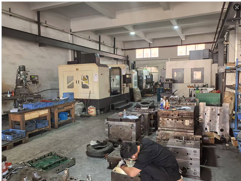
Xinghang Precision Hardware is a professional one‑stop customized die‑cast parts manufacturer integrating die‑casting molding, precision processing and surface treatment, located in Guangdong, China. We focus on ADC12 aluminium casting parts customization, die‑cast shell processing and five‑axis CNC precision finishing, with 12 sets of high‑precision full‑linkage five‑axis processing centers and mature die‑casting production lines.
Our company supports personalized customization of various die‑cast product shells, structural brackets and heat dissipation parts, covering display equipment, new energy, communication, automobile and other industries. We provide sample trial production, small‑batch customization and large‑batch OEM mass production services, with full‑process quality inspection and stable product quality.
11.2 Core Competitive Advantages
-
Professional ADC12 aluminum die‑casting processing technology, product rework rate lower than 1%
-
Full‑process one‑stop service from mold opening, die‑casting, finishing to surface treatment
-
Support full drawing customization and sample trial production to meet personalized needs
-
ISO9001 certified, strict quality control and stable batch consistency
11.3 Bulk Order Preferential Policy
To reward new and old customers for long‑term cooperation, our company launches tiered bulk discount policy: the more the order quantity, the higher the discount, effectively reducing customer procurement costs:
-
Small batch (1‑499pcs): Original quotation + free conventional quality inspection
-
Medium batch (500‑1999pcs): 5%‑10% exclusive discount + free customized packaging
-
Large batch (≥2000pcs): 10%‑15% super discount + priority production + free door‑to‑door delivery
-
Long‑term monthly cooperative orders: Negotiable exclusive lowest price + dedicated project manager one‑to‑one docking
All preferential policies are signed with formal contracts to fully guarantee the legitimate rights and interests of customers.
12. Contact Information
Welcome global purchasers and enterprise customers to consult ADC12 aluminium casting parts customization, die‑cast shell processing and bulk order cooperation. We provide free drawing evaluation, professional scheme design and accurate quotation services:
-
Phone / WhatsApp / WeChat: +86 18819502691
-
Official Business Email: liqine@xinghangcn.com
-
Core Service Scope: Customized ADC12 aluminum die‑cast parts, various hardware shell die‑casting, five‑axis precision processing, OEM batch production
We look forward to establishing long‑term stable strategic cooperative relations with you and creating win‑win development!
Aluminum display frame | What is an aluminum display frame | Complete Guide to ADC12 Die-Cast Display Frame
Control enclosure | What is a Control Enclosure?ADC12 Aluminum Alloy Complete Guide
Related Article

Residential energy storage systems have become increasingly popular as homeowners pursue energy independence, solar self-consumption and backup power for grid outages.
Energy storage enclosure | What Are the Benefits of Die-Cast Home Energy Storage Enclosures?
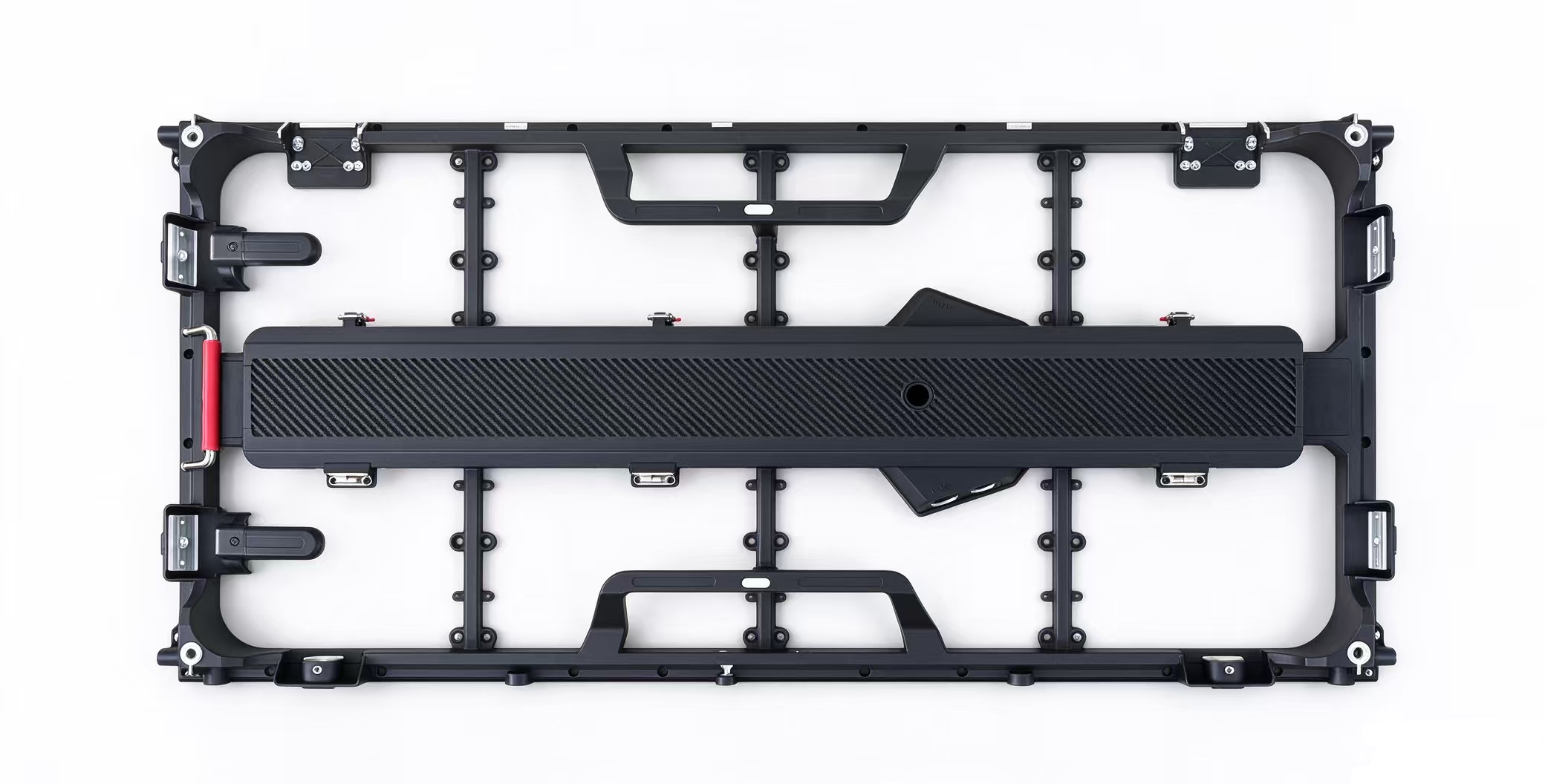
A custom LED display frame is the core structural carrier for LED screen modules, widely manufactured with ADC12 aluminum alloy via high-pressure die casting.
LED display frame | What Are the Benefits of Custom LED Display Frames?