
HOT PRODUCTS
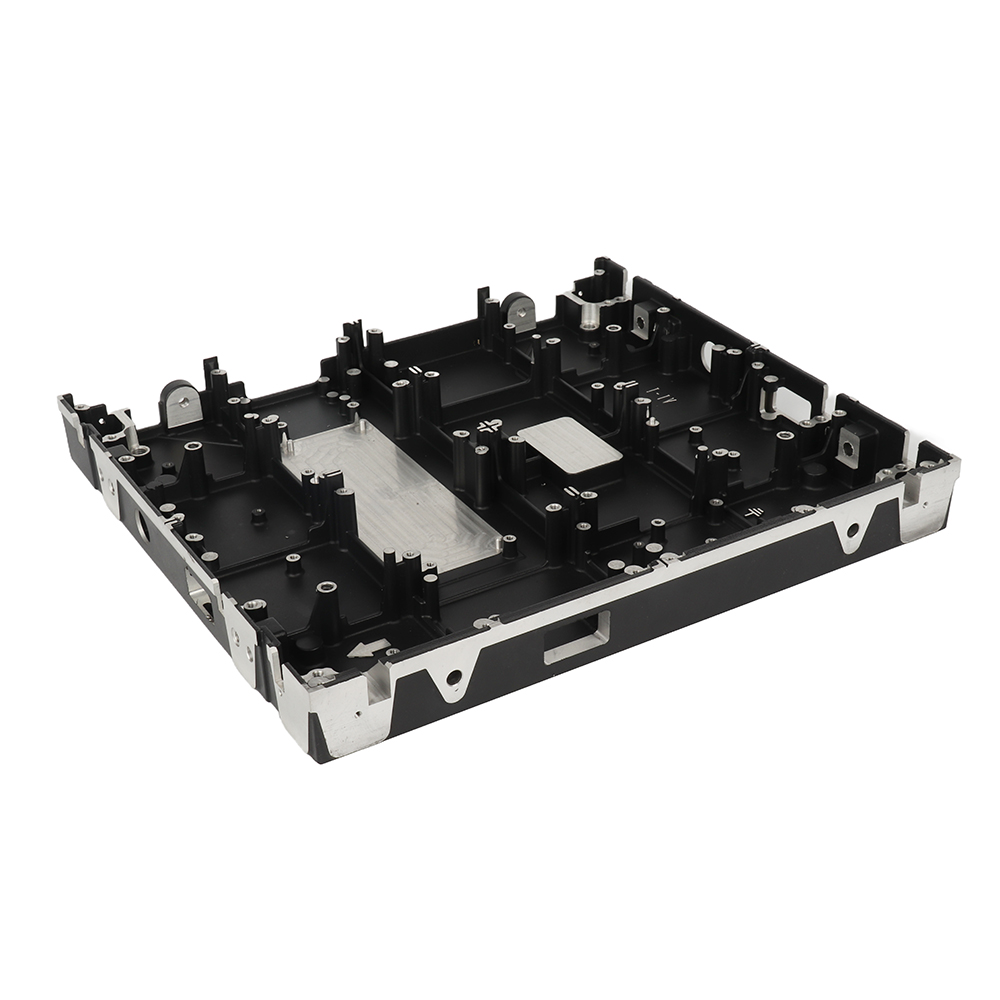
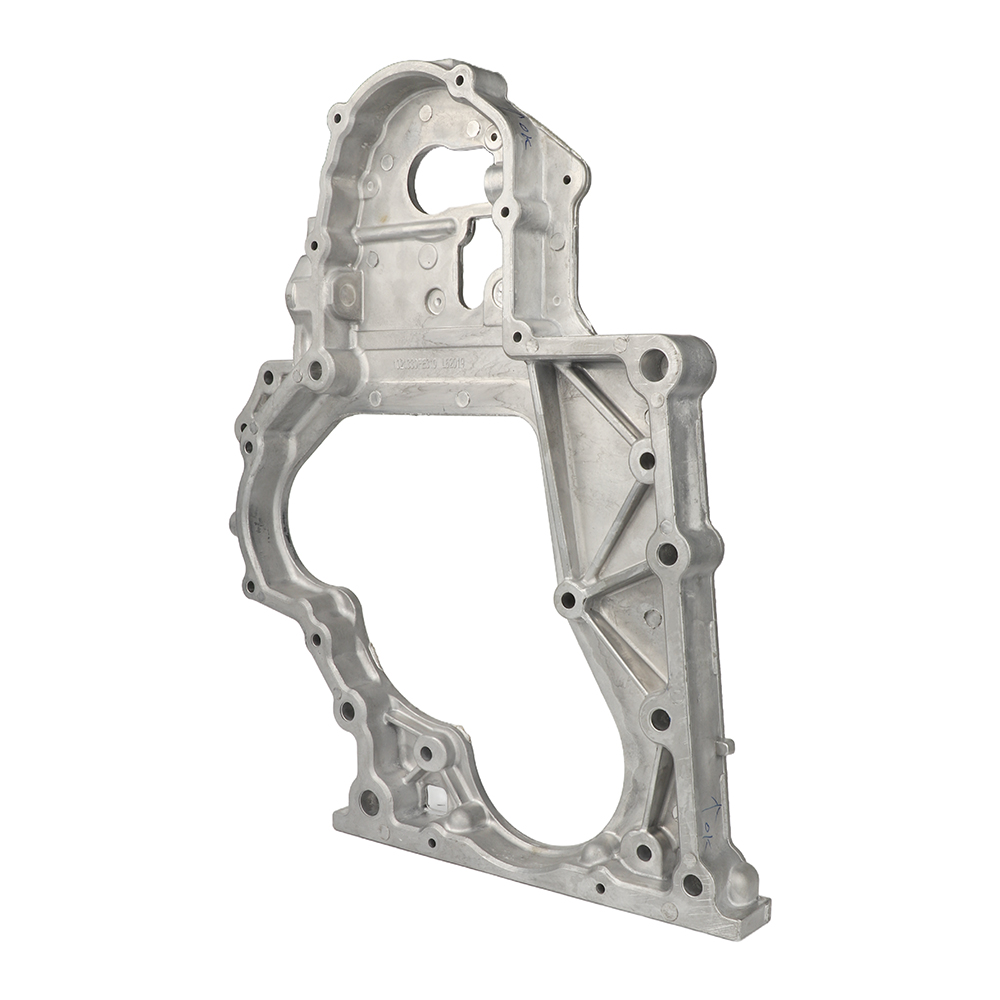
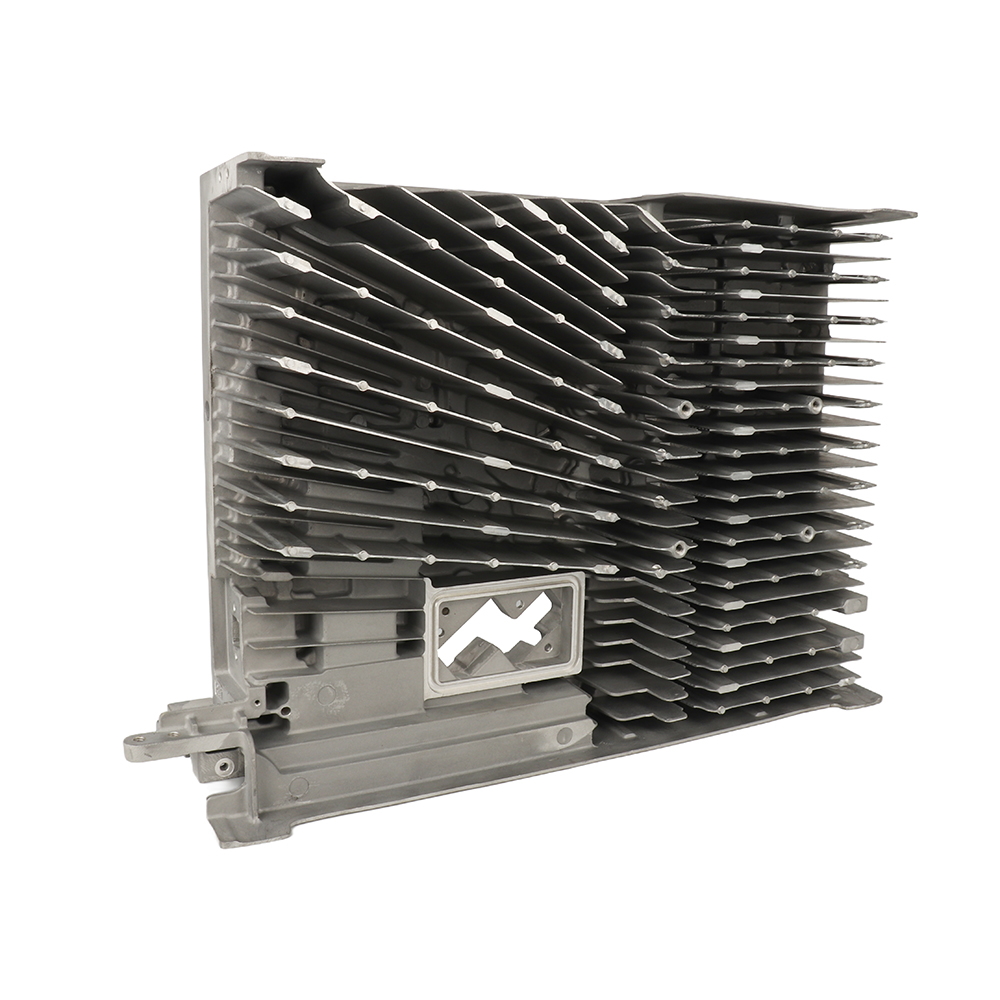
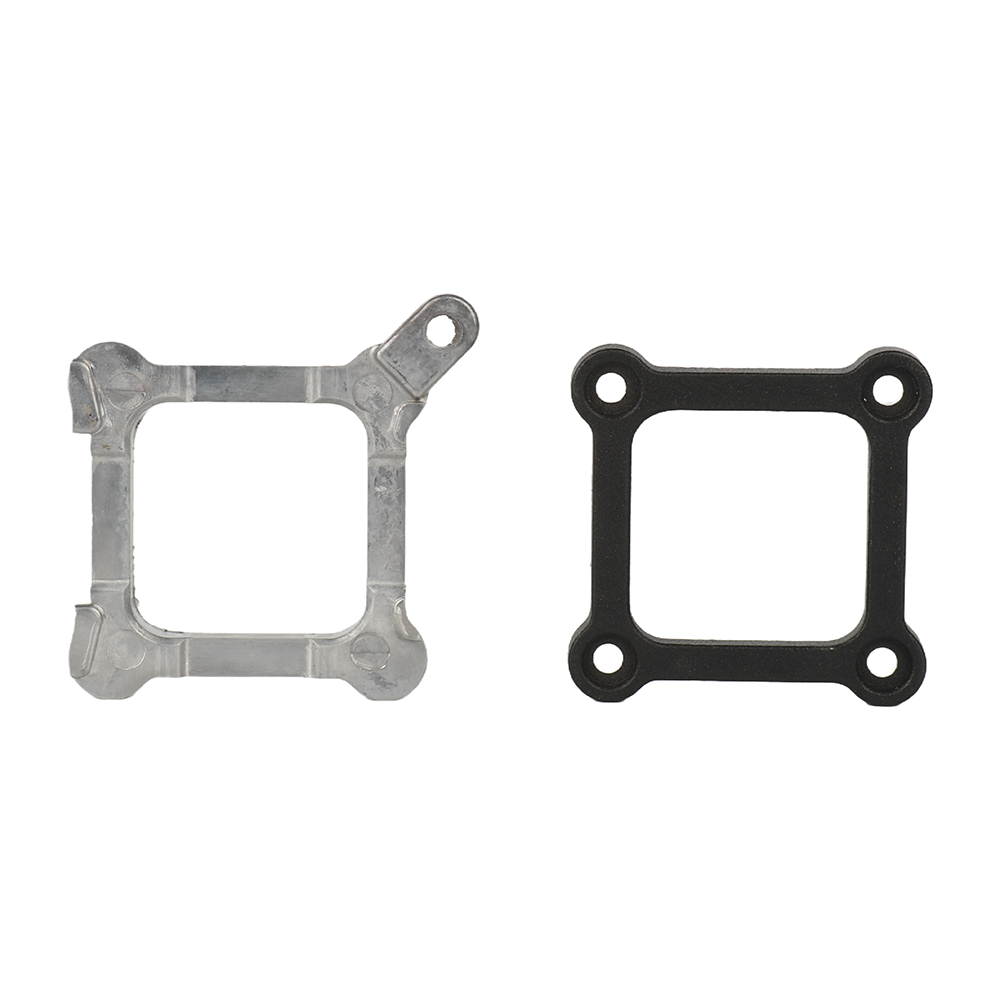
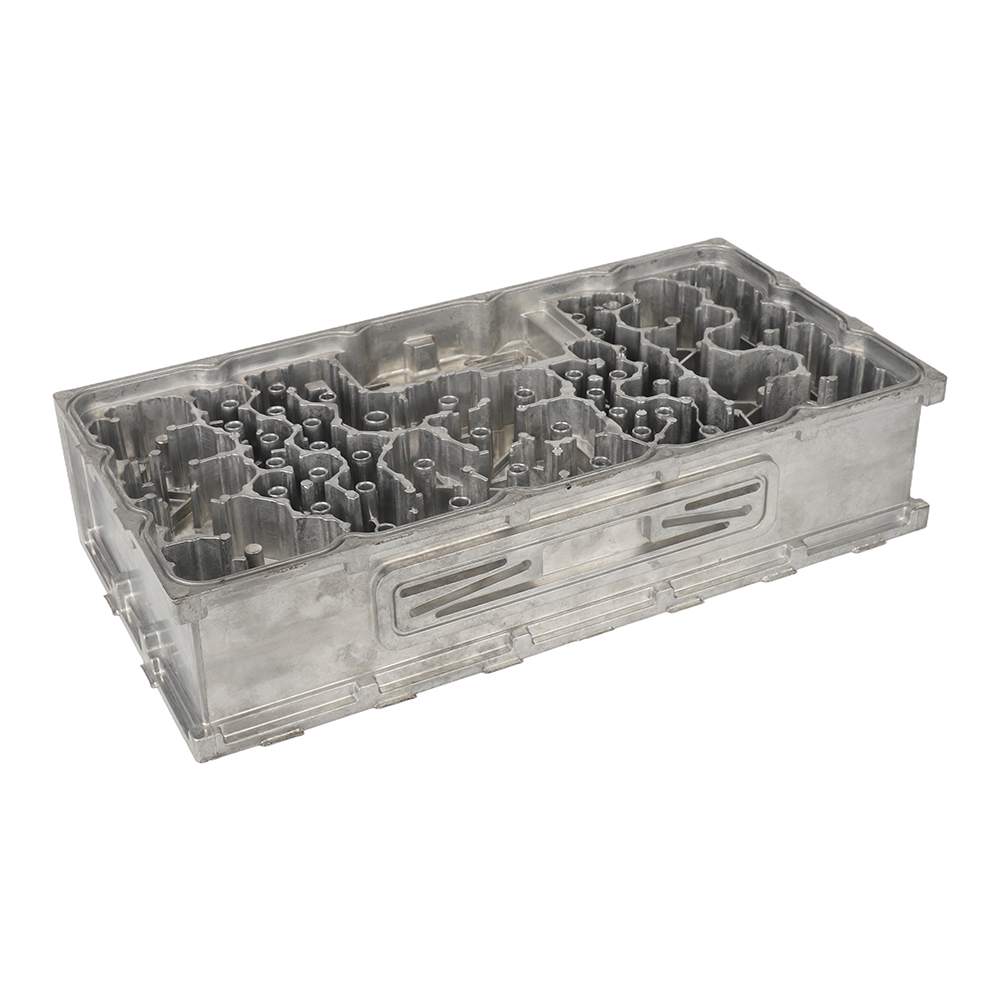
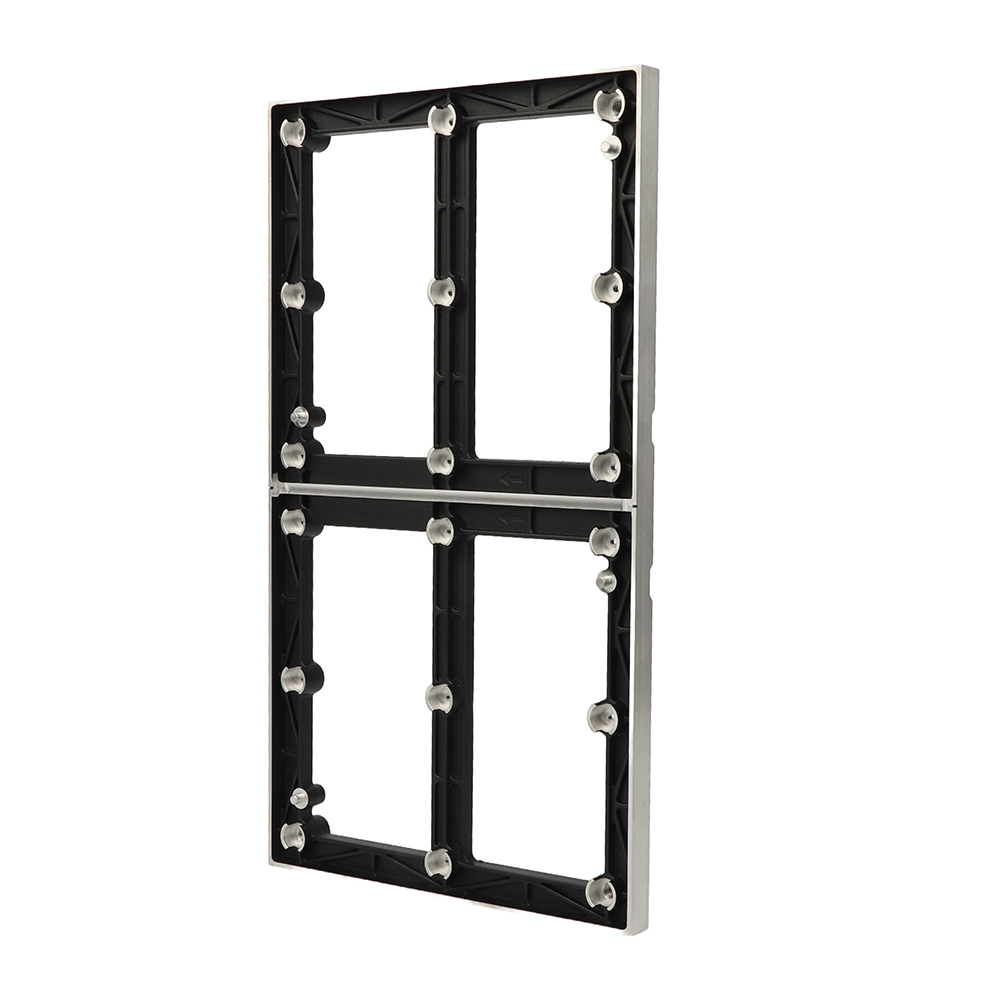
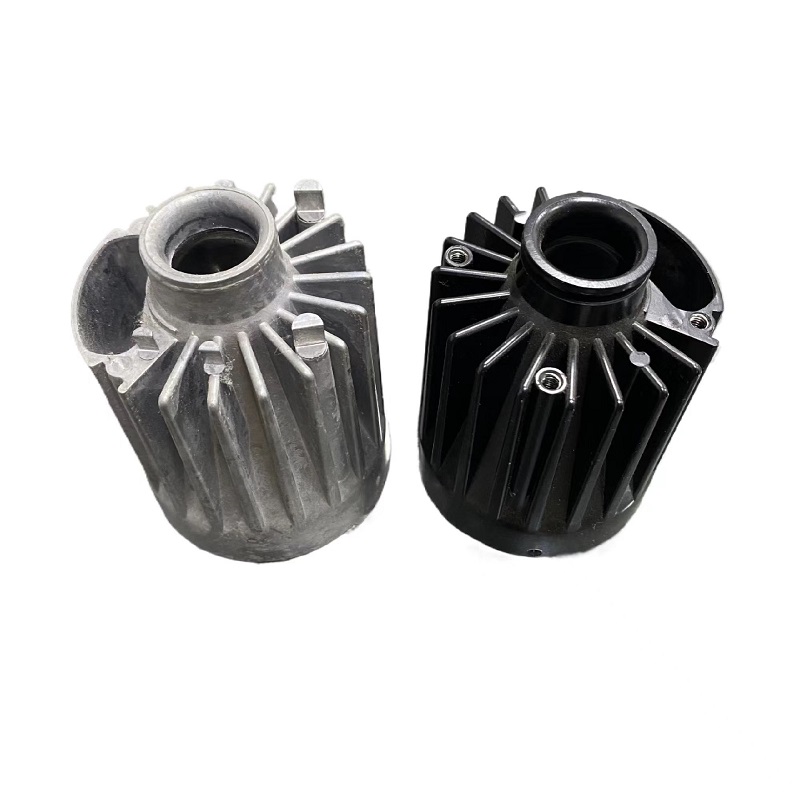
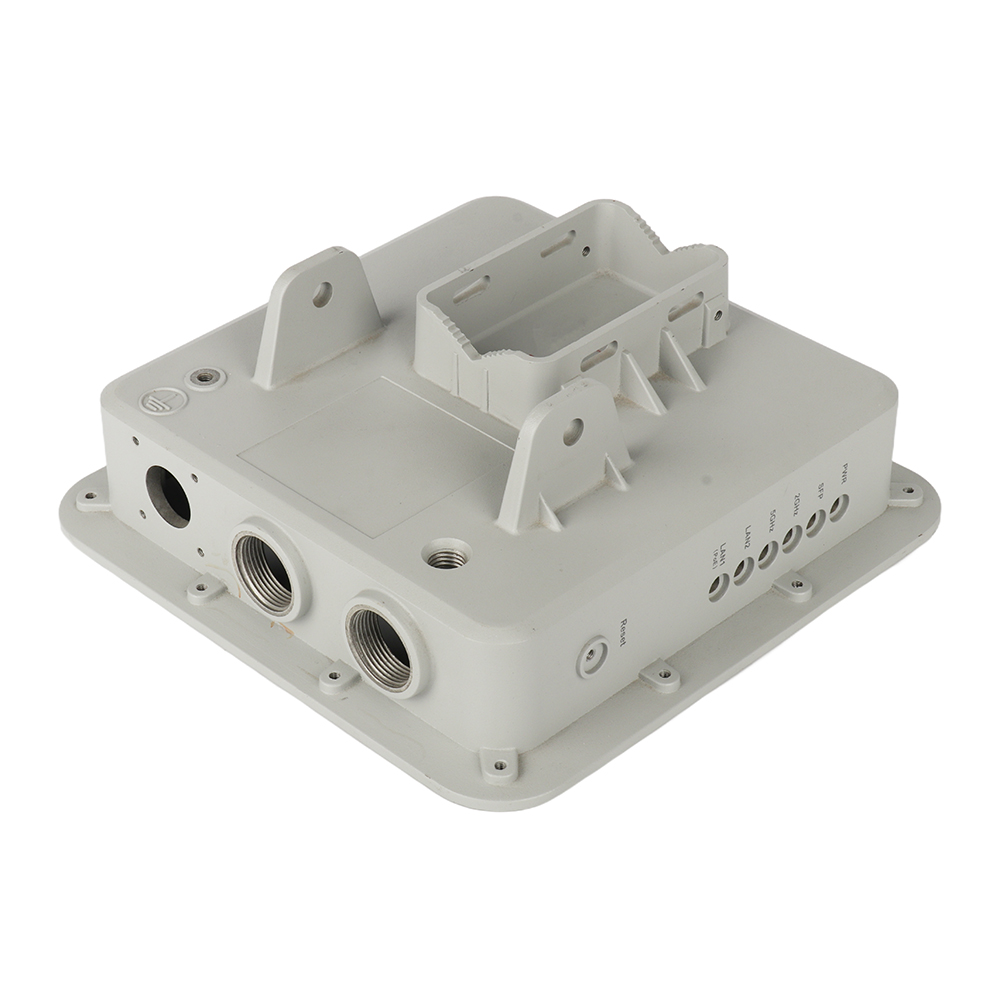
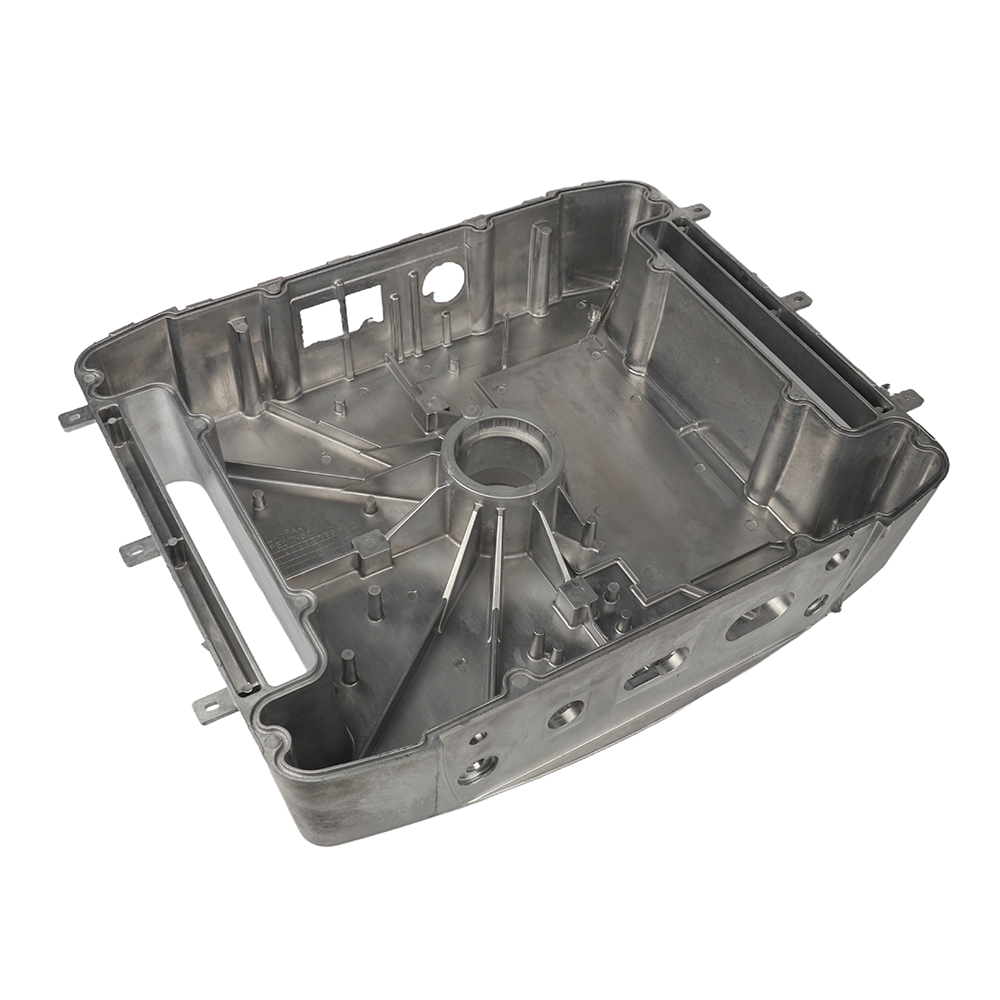
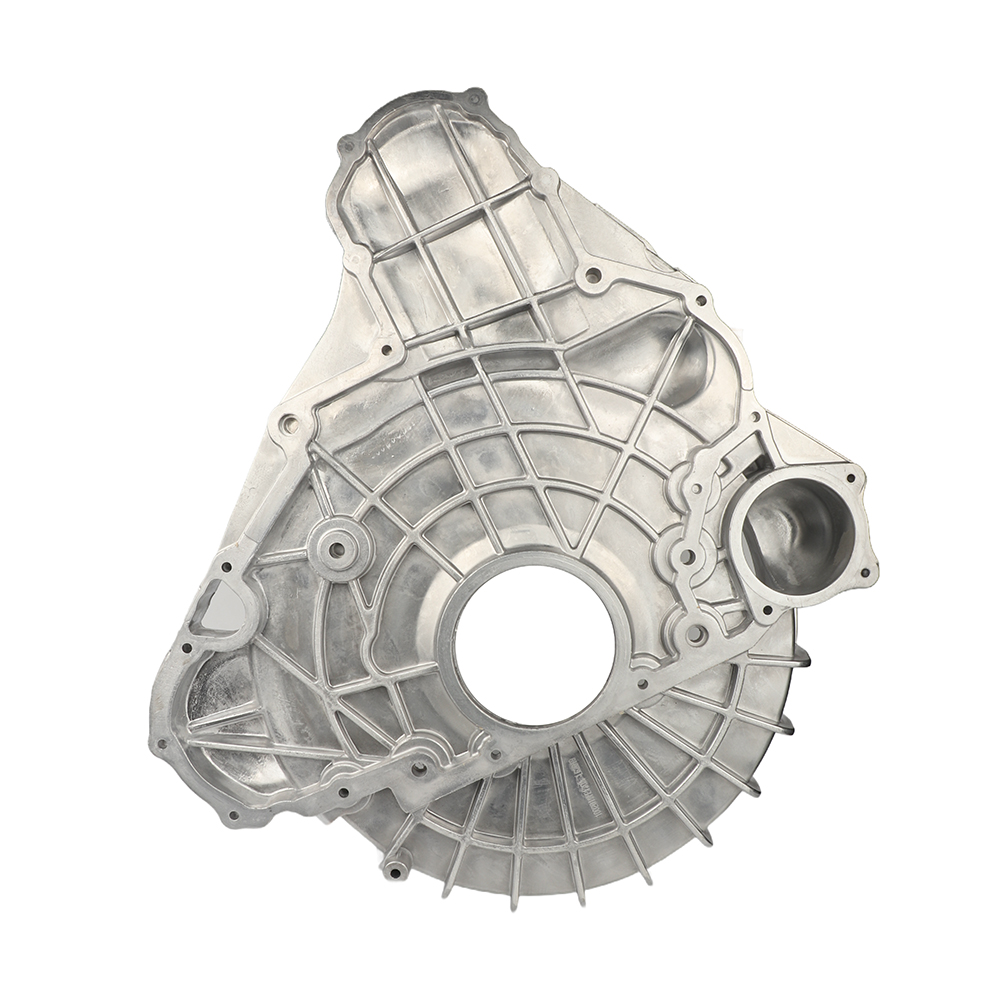
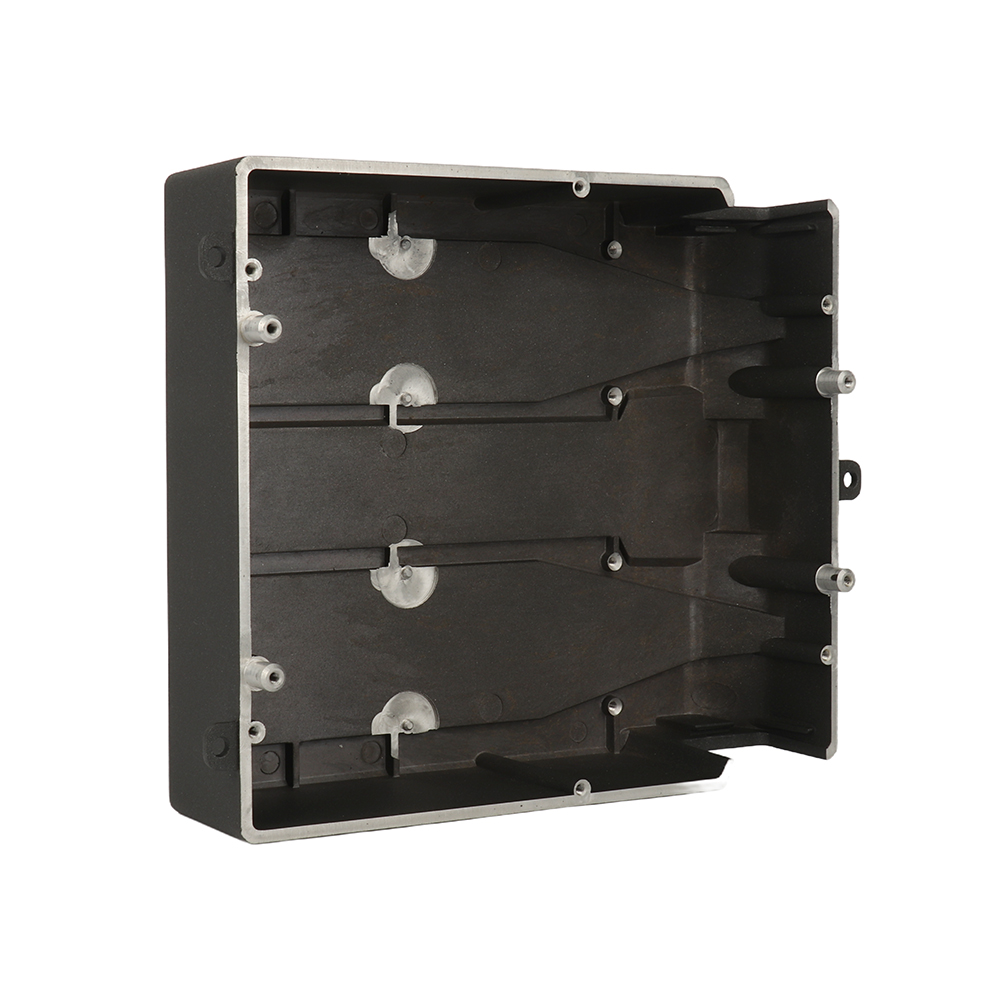
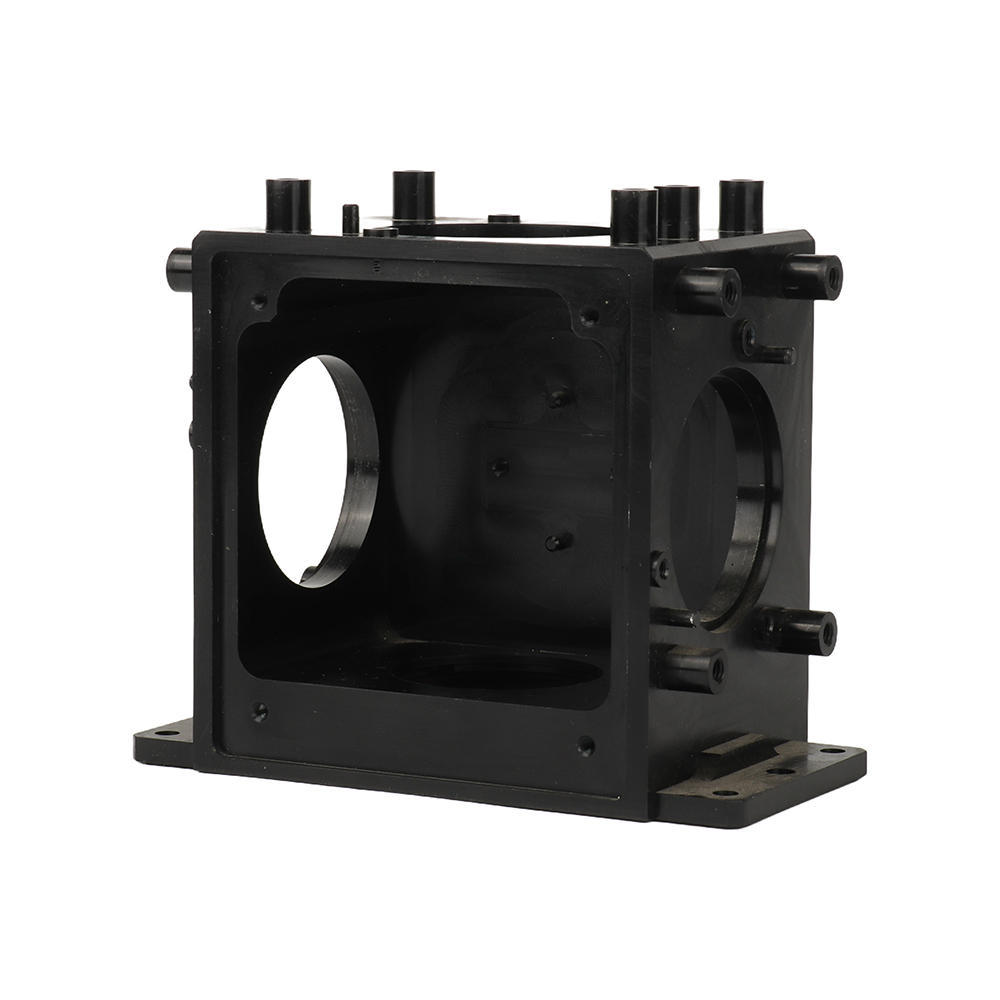
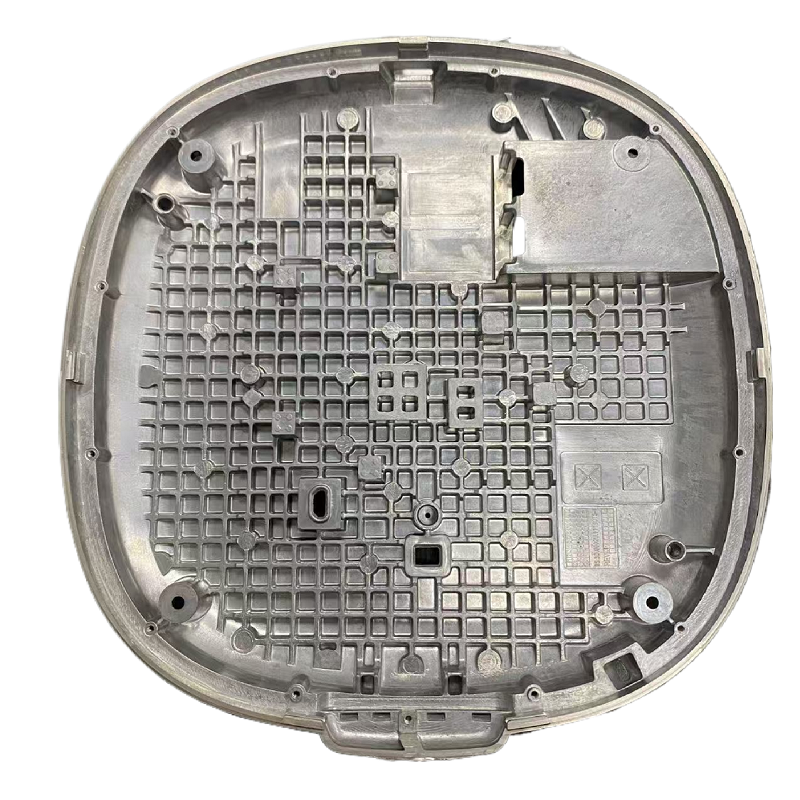
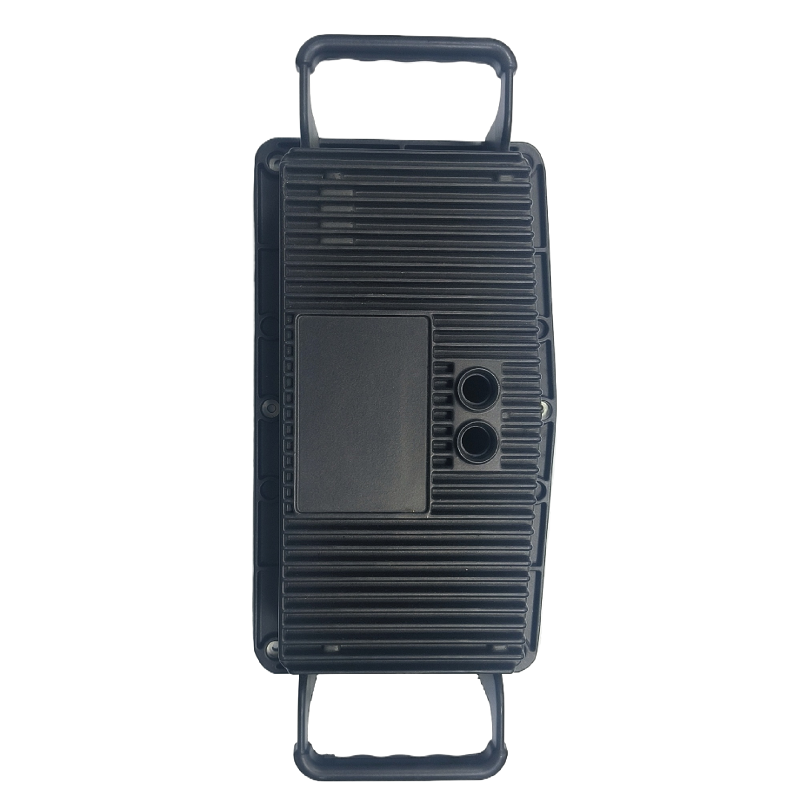
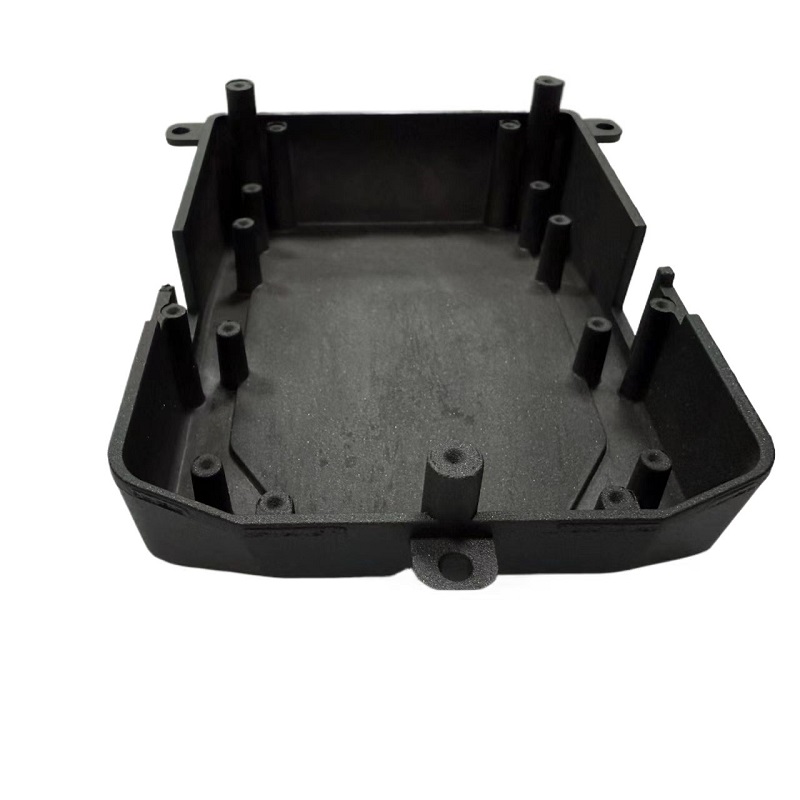
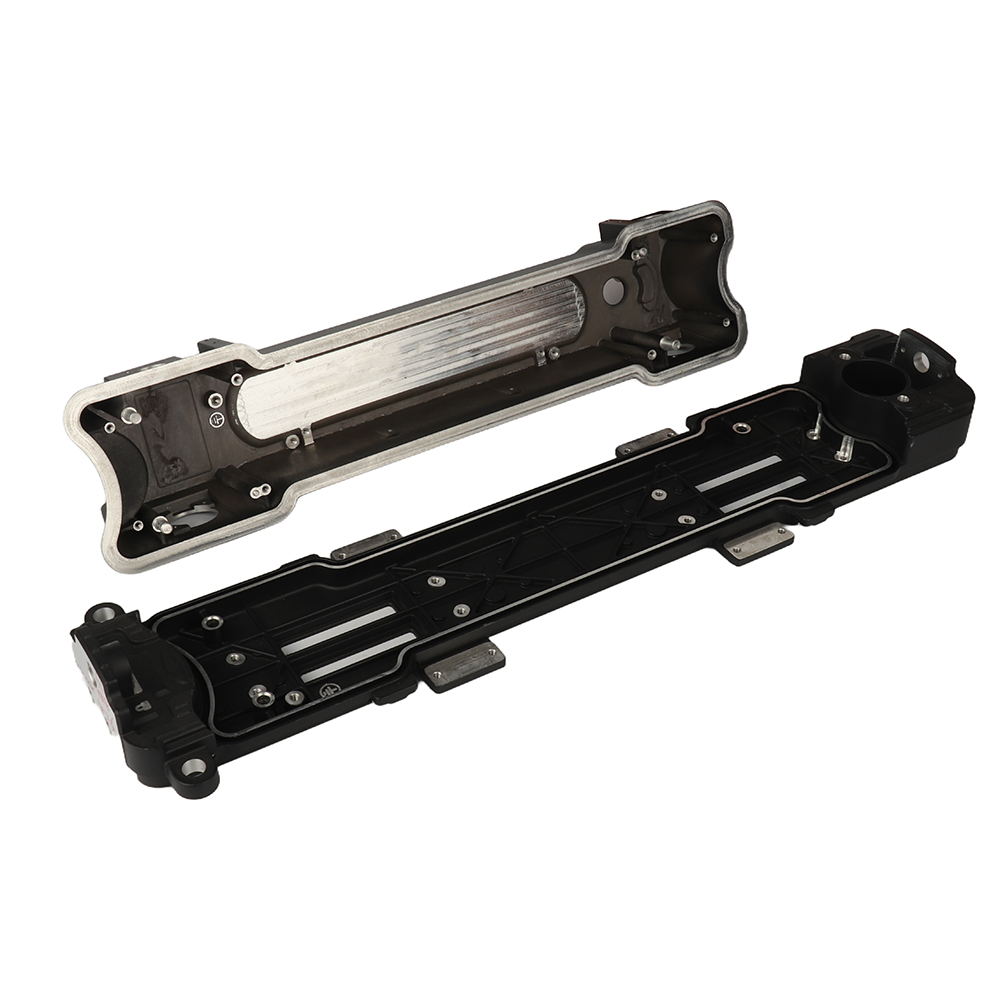
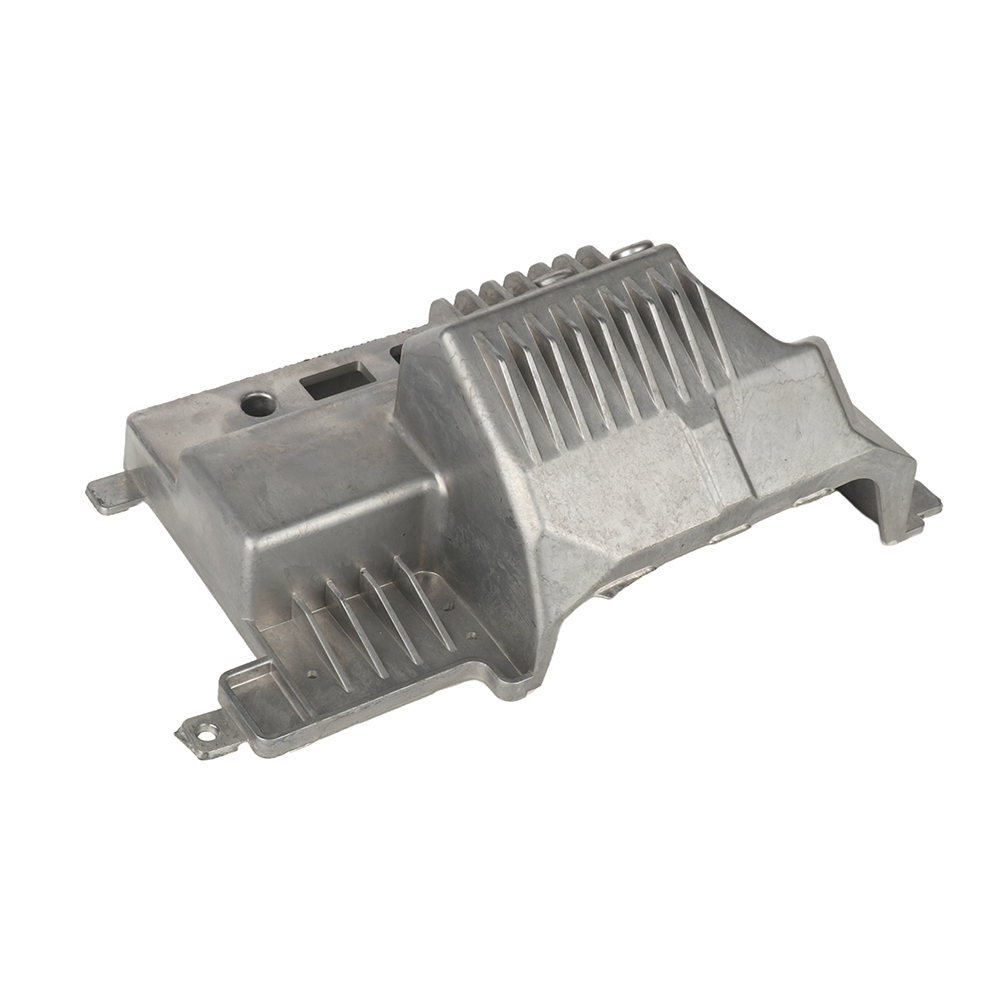
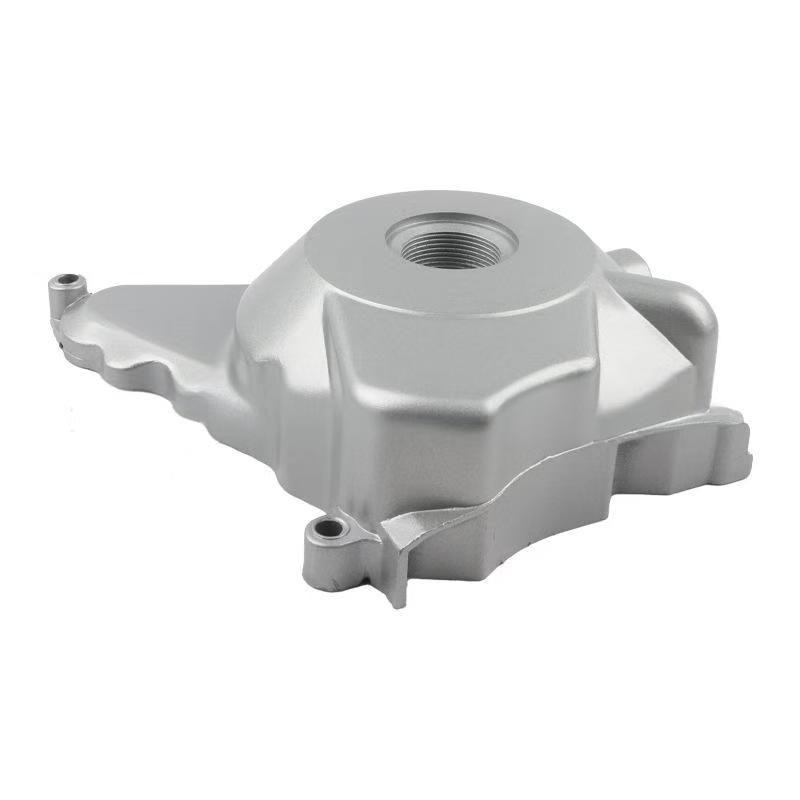
Automotive parts manufacturer | What are aluminium die casting manufacturers | Focus on Automotive Parts Manufacturer
What are Aluminium Die Casting Manufacturers? Focus on Automotive Parts Manufacturer
Table of Contents
- 1. Introduction: What Are Aluminium Die Casting Manufacturers?
- 2. Core Focus: Aluminium Die Casting Automotive Parts Manufacturer
- 2.1 Key Focus of Automotive Parts Manufacturers (Aluminium Die Casting)
- 2.2 Critical Points of Aluminium Die Casting Automotive Parts Manufacturing
- 3. Key Advantages of Aluminium Die Casting for Automotive Parts
- 4. Expert Insights on Aluminium Die Casting Automotive Parts Manufacturing
- 5. FAQ: Common Questions About Aluminium Die Casting Automotive Parts Manufacturers
- 6. Conclusion
1. Introduction: What Are Aluminium Die Casting Manufacturers?
Aluminium die casting manufacturers are professional enterprises specializing in the high-pressure die casting process to produce high-quality aluminium alloy components. They integrate design, mold development, die casting production, surface treatment, and quality inspection, providing customized aluminium die casting solutions for various industries—including automotive, electronics, aerospace, and construction. Globally, the aluminum die casting market is expected to expand to over $45 billion by 2027, driven by the demand for lightweight and durable components across industries.
Among all industries served, automotive parts manufacturers that focus on aluminium die casting are the most prominent. With the automotive industry’s increasing pursuit of lightweight, fuel efficiency, and environmental protection, aluminium die casting has become the core manufacturing technology for modern automotive components. Unlike general die casting manufacturers, aluminium die casting manufacturers prioritize the unique properties of aluminium alloys—such as lightweight, corrosion resistance, and excellent thermal conductivity—and optimize their production processes to meet the strict standards of different industries, especially the automotive sector.
For automotive parts manufacturers, this means adhering to rigorous quality control systems and industry certifications to ensure that every die cast component meets the safety and performance requirements of automotive production, as even minor defects can affect vehicle safety and reliability. These manufacturers are the backbone of the automotive supply chain, powering both traditional fuel vehicles and new energy vehicles (NEVs) with precision components.
2. Core Focus: Aluminium Die Casting Automotive Parts Manufacturer
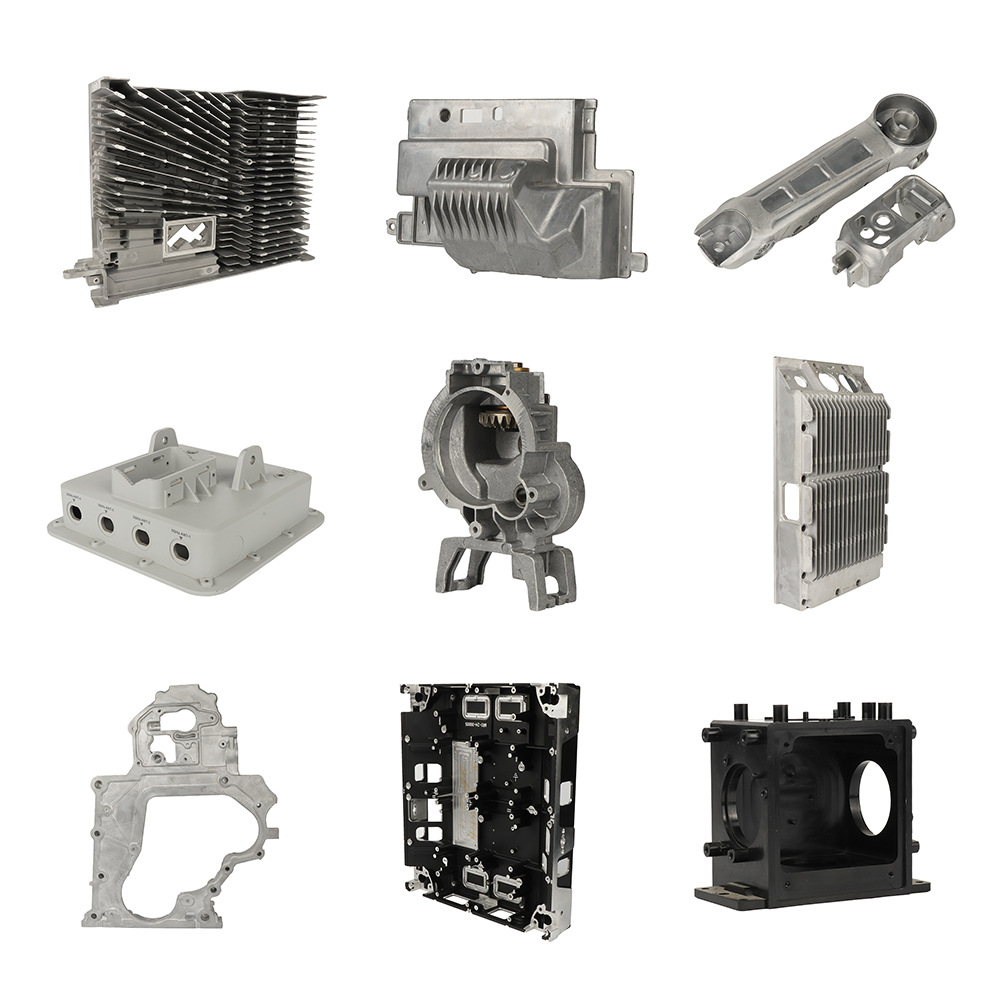
An aluminium die casting automotive parts manufacturer is a specialized type of aluminium die casting enterprise that focuses exclusively on producing die cast aluminium components for the automotive industry. Their core business revolves around manufacturing parts that are critical to vehicle performance, safety, and efficiency, covering multiple systems of a vehicle—from powertrain to chassis and new energy vehicle battery systems. Below are the key focuses and critical points of these manufacturers, along with a visual overview of their core operations:
2.1 Key Focus of Automotive Parts Manufacturers (Aluminium Die Casting)
The primary focus of aluminium die casting automotive parts manufacturers is to deliver high-precision, durable, and cost-effective components that align with the automotive industry’s evolving needs. Their key focuses include:
- Component Customization: Tailoring die casting solutions to match the specific requirements of automotive OEMs (Original Equipment Manufacturers), including custom shapes, sizes, and performance standards. This includes parts for powertrains, chassis, battery enclosures, and intelligent supporting components like sensor brackets.
- Lightweight Design: Leveraging the lightweight property of aluminium alloys (density only one-third of steel) to produce components that reduce overall vehicle weight, improve fuel efficiency, and lower carbon emissions—critical for meeting global environmental regulations.
- Quality Compliance: Adhering to strict industry standards (such as ISO/TS 16949) and OEM-specific requirements to ensure components meet safety and performance benchmarks. This includes rigorous testing for strength, corrosion resistance, and dimensional accuracy (tolerances as tight as ±0.05 mm).
- Mass Production Capability: Optimizing die casting processes to enable large-scale production, ensuring timely delivery of components to meet the high-volume demands of the automotive industry. Advanced machinery allows for production of thousands of parts per hour with consistent quality.
2.2 Critical Points of Aluminium Die Casting Automotive Parts Manufacturing
To achieve their core focuses, aluminium die casting automotive parts manufacturers must prioritize several critical points in the production process:
2.2.1 Mold Development
The mold is the foundation of high-quality die casting. Manufacturers invest in precision mold design and development, using materials like H13 steel to ensure mold durability and component accuracy. Digital twin mold design has reduced development cycles from 8 weeks to 2 weeks, improving efficiency significantly.
2.2.2 Alloy Selection
Choosing the right aluminium alloy is crucial for automotive components. Common alloys include ADC12 (for transmission cases, porosity ≤3%), A356-T6 (for steering knuckles, yield strength ≥160MPa), and AlSi10Mg (for laser radar housings), each selected based on the component’s function—such as strength, thermal conductivity, or corrosion resistance.
2.2.3 Process Control
Strict control of the die casting process (injection pressure, temperature, and cooling time) is essential to avoid defects like porosity, shrinkage, or cracks. Real-time process monitoring systems with injection speed control precision of ±0.01m/s ensure consistent quality, with defect prediction accuracy>90%.
2.2.4 Post-Production Treatment
After die casting, components undergo surface treatment (such as anodizing, powder coating, or electroplating) to enhance corrosion resistance and appearance. Additional processes like CNC machining and leakage testing ensure components meet the strict fit and performance requirements of automotive assembly.

Aluminium die casting production line for automotive parts, showing precision die casting equipment and finished components like engine housings and transmission parts
3. Key Advantages of Aluminium Die Casting for Automotive Parts
Aluminium die casting offers numerous advantages for automotive parts manufacturing, making it the preferred choice for OEMs worldwide. These benefits directly address the industry’s goals of lightweighting, safety, and cost efficiency:
3.1 Lightweight and Fuel Efficiency
Aluminium components are up to 34% lighter than steel equivalents, reducing overall vehicle weight. This lightweight design improves fuel efficiency by 5-10% for traditional vehicles and extends battery range by 8-12% for electric vehicles (EVs). For example, die casting replacing cast iron in engine cylinders reduces weight by 40%.
3.2 High Strength and Durability
Aluminium alloys used in die casting have excellent strength-to-weight ratio, providing components with sufficient strength to withstand the harsh conditions of automotive operation (e.g., high temperatures, vibrations, and impacts). High vacuum die casting ensures porosity<0.5%, making components suitable for critical safety parts like suspension components with fatigue life>500,000 cycles.
3.3 Precision and Complex Shapes
Die casting allows for the production of complex-shaped components with tight dimensional tolerances (as low as ±0.005 inches), eliminating the need for extensive post-machining. This is ideal for automotive parts like engine blocks, transmission housings, and battery enclosures, which have intricate internal structures and strict fit requirements.
3.4 Cost-Effectiveness for Mass Production
The die casting process is highly automated, reducing labor costs and increasing production efficiency. Additionally, aluminium is 100% recyclable, with recycling requiring only 5% of the energy needed to produce primary aluminium—lowering material costs and environmental impact. For example, Tesla’s Model Y rear floor integrates 79 parts into 1 via mega-casting, reducing production time from 1-2 hours to 3-5 minutes.
3.5 Excellent Thermal Conductivity
Aluminium has superior thermal conductivity (≥150W/m·K), making it ideal for components that require heat dissipation, such as EV motor housings, battery cooling plates, and engine heat sinks. This improves component lifespan and overall vehicle performance.
4. Expert Insights on Aluminium Die Casting Automotive Parts Manufacturing
Industry experts highlight the critical role of aluminium die casting manufacturers in shaping the future of the automotive industry, especially as the sector shifts toward electrification and sustainability. Below are key insights from leading experts:
4.1 Expert Opinion 1: Dr. Sarah Chen, Materials Science Specialist
“Aluminium die casting is no longer just an alternative to steel—it’s the backbone of modern automotive manufacturing. As OEMs strive to meet carbon neutrality goals, the demand for lightweight, recyclable aluminium components will only grow. The key for manufacturers is to invest in advanced processes like mega-casting and semi-solid die casting (SSM), which enable the production of larger, more integrated components with higher precision and lower defects. This not only reduces vehicle weight but also simplifies assembly, cutting costs for OEMs.”
4.2 Expert Opinion 2: Mark Williams, Senior Engineer
“The biggest challenge for aluminium die casting automotive parts manufacturers is balancing precision and cost. Automotive components require zero defects—even a small porosity issue can compromise safety. To address this, we’re leveraging digitalization: real-time process monitoring and AI-driven defect prediction allow us to catch issues before they affect production. Additionally, the shift to EVs has created new demands, such as battery enclosures that require both strength and thermal management—aluminium die casting is uniquely positioned to meet these needs.”
4.3 Expert Opinion 3: Professor Thomas Müller
“Mega-casting represents a revolutionary simplification of the automotive production system. By using large-format high-pressure die casting machines (locking force over 5,000 kN), manufacturers can integrate dozens of parts into a single component, reducing assembly time and material waste. This shift is not just technical—it’s reshaping the automotive supply chain, with OEMs increasingly partnering with die casting manufacturers to develop custom solutions for EVs. The future belongs to manufacturers who can combine material innovation, process efficiency, and digitalization.”
5. FAQ: Common Questions About Aluminium Die Casting Automotive Parts Manufacturers
Below are answers to the most frequently asked questions about aluminium die casting automotive parts manufacturers, helping you understand their role, capabilities, and value:
5.1 What types of automotive parts are produced by aluminium die casting manufacturers?
Aluminium die casting manufacturers produce a wide range of critical automotive parts, including: powertrain components (engine blocks, transmission housings, oil pump covers), chassis components (steering knuckles, control arms, crossmembers), EV components (battery enclosures, motor housings, inverter covers), and intelligent components (sensor brackets, laser radar housings).
5.2 How do aluminium die casting automotive parts compare to steel parts?
Aluminium parts are significantly lighter (34% lighter than steel) while offering comparable strength-to-weight ratio. They have better corrosion resistance, superior thermal conductivity, and are more recyclable. Steel parts are still used for heavy-duty components, but aluminium is preferred for most automotive parts due to its lightweight and cost-efficiency in mass production.
5.3 What certifications do reputable aluminium die casting automotive parts manufacturers hold?
Reputable manufacturers hold industry-specific certifications such as ISO/TS 16949 (quality management system for automotive suppliers), ISO 9001 (general quality management), and ISO 14001 (environmental management). They may also hold OEM-specific certifications to ensure compliance with individual automaker requirements.
5.4 Can aluminium die casting manufacturers produce custom parts for EVs?
Yes, most aluminium die casting manufacturers specialize in custom solutions for EVs. They produce parts like battery enclosures, motor housings, and charging port components—all tailored to the unique requirements of electric vehicles, such as lightweight, thermal management, and structural integrity.
5.5 What is the lead time for automotive parts production from die casting manufacturers?
Lead times vary based on part complexity, mold development, and order volume. Mold development typically takes 2-8 weeks, while mass production lead times range from 2-6 weeks. For high-volume orders, manufacturers can optimize production to meet tight deadlines.
6. Conclusion
Aluminium die casting manufacturers are critical players in the global manufacturing landscape, and those specializing in automotive parts are at the forefront of the automotive industry’s transformation. By focusing on precision, lightweight design, and quality compliance, these manufacturers deliver components that enhance vehicle performance, safety, and sustainability.
The key advantages of aluminium die casting—lightweight, high strength, precision, and cost-efficiency—make it the ideal manufacturing process for modern automotive parts, supporting both traditional and electric vehicles. With expert-driven innovations like mega-casting, digital process control, and alloy advancements, aluminium die casting automotive parts manufacturers will continue to shape the future of mobility, helping OEMs meet environmental goals and deliver better vehicles to consumers.
Whether you’re an automotive OEM looking for a reliable component supplier or simply interested in understanding the manufacturing behind modern vehicles, aluminium die casting automotive parts manufacturers are the unsung heroes powering the cars we drive today—and tomorrow.
Quality control equipment | What is die casting inspection equipment? Focus on Quality Control Equipment
Power box | What is die casting for outdoor / indoor use? Focus on Power Box Die Casting
Related Article


