
HOT PRODUCTS
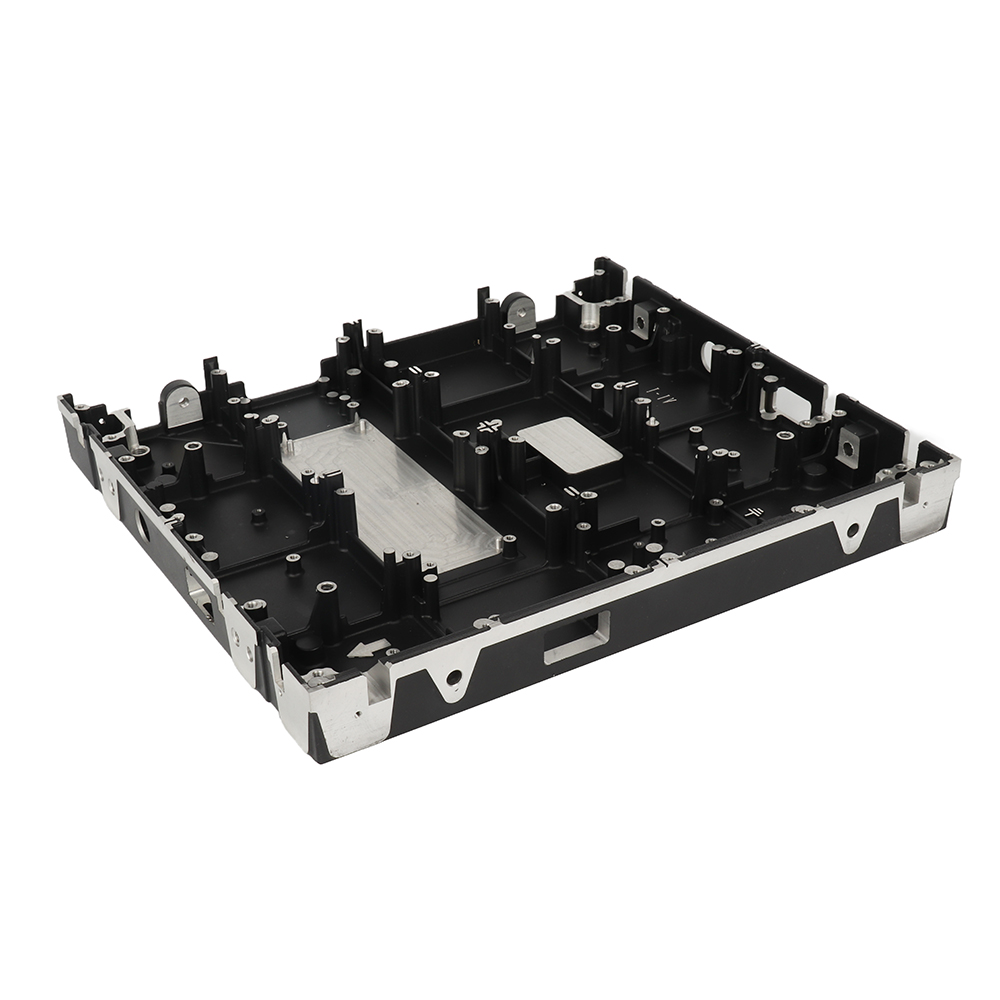
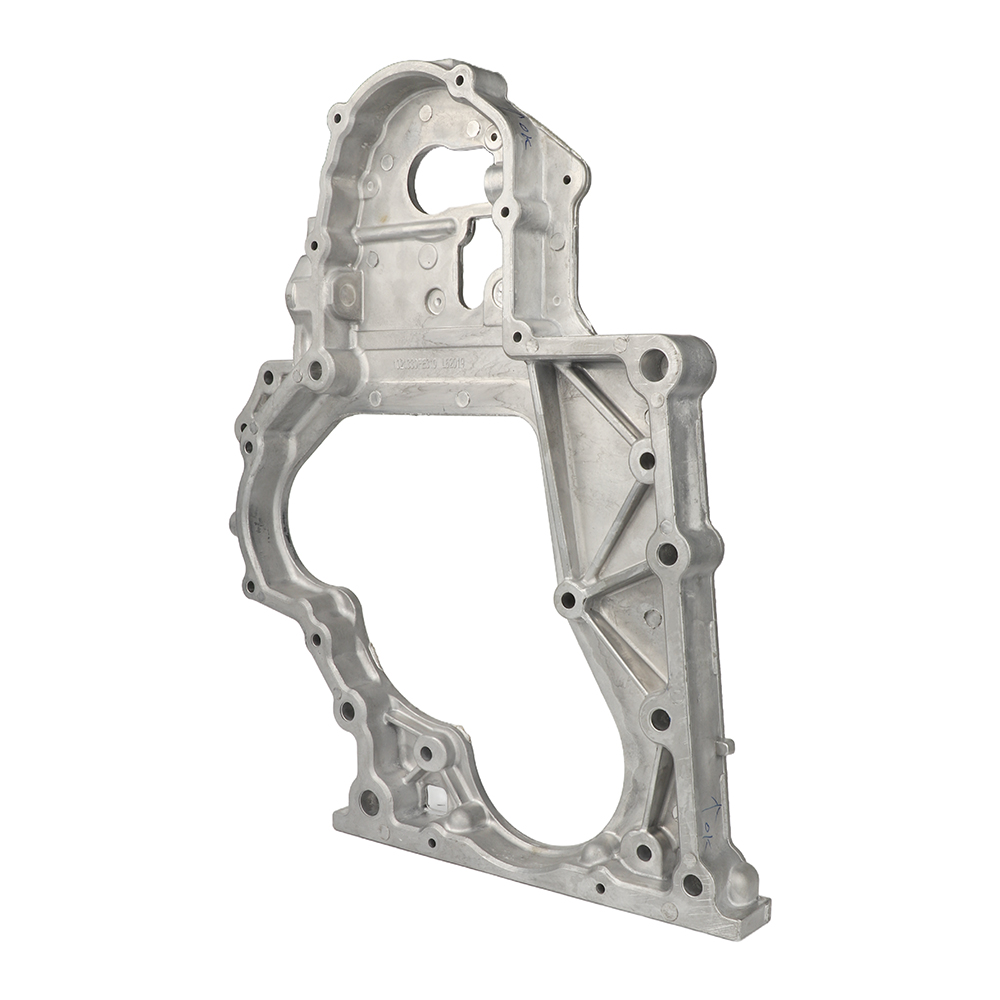
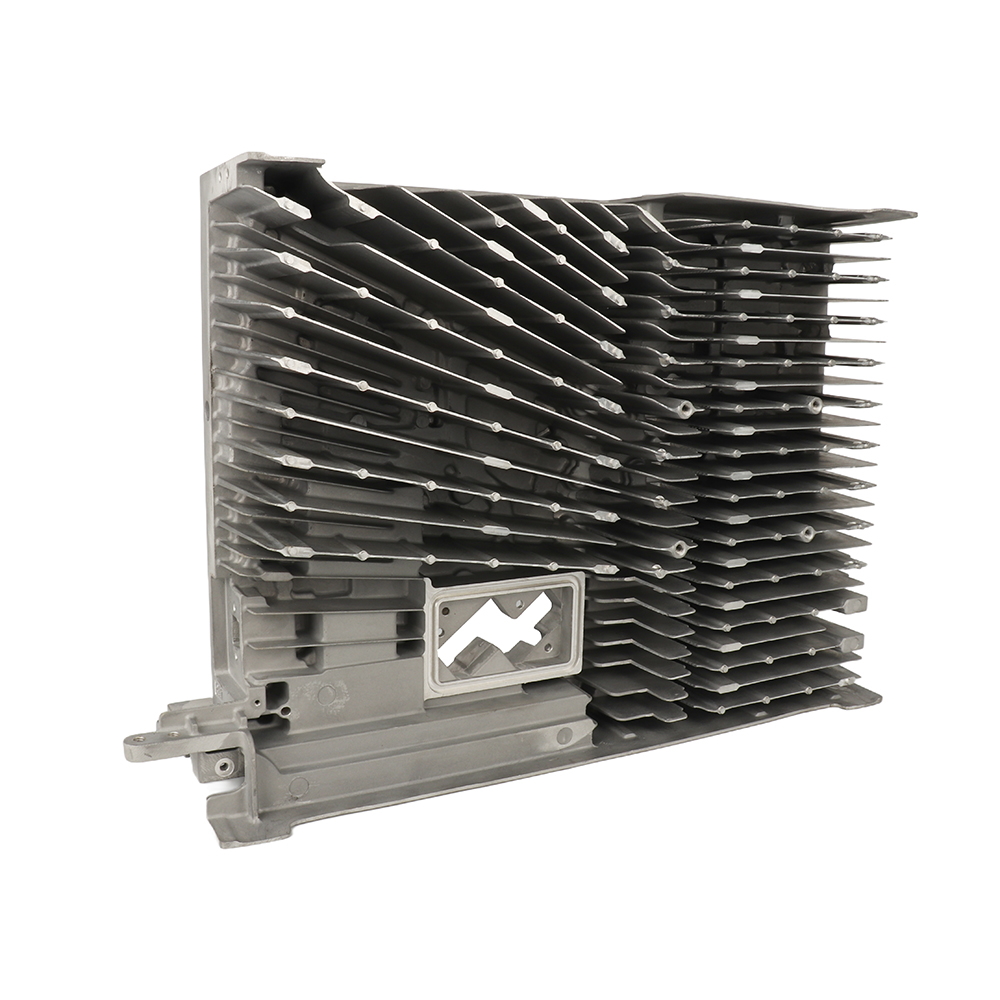
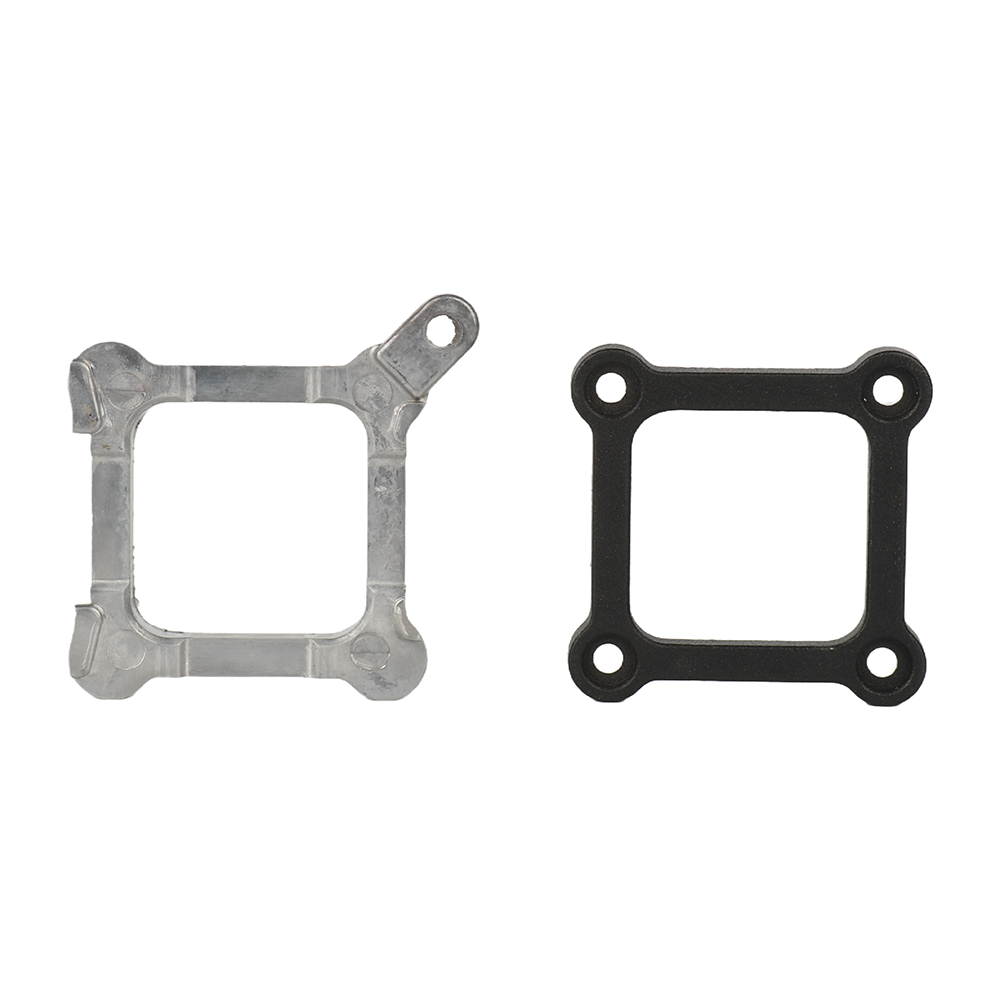
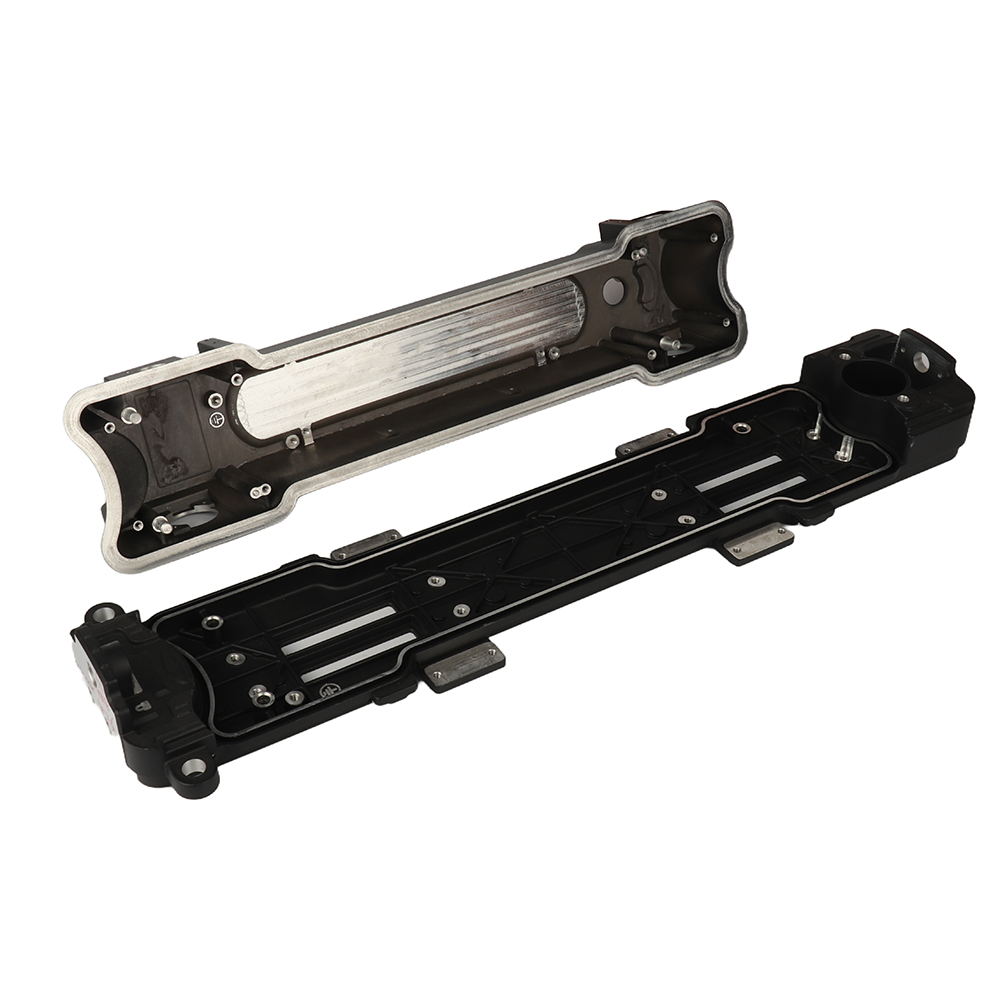
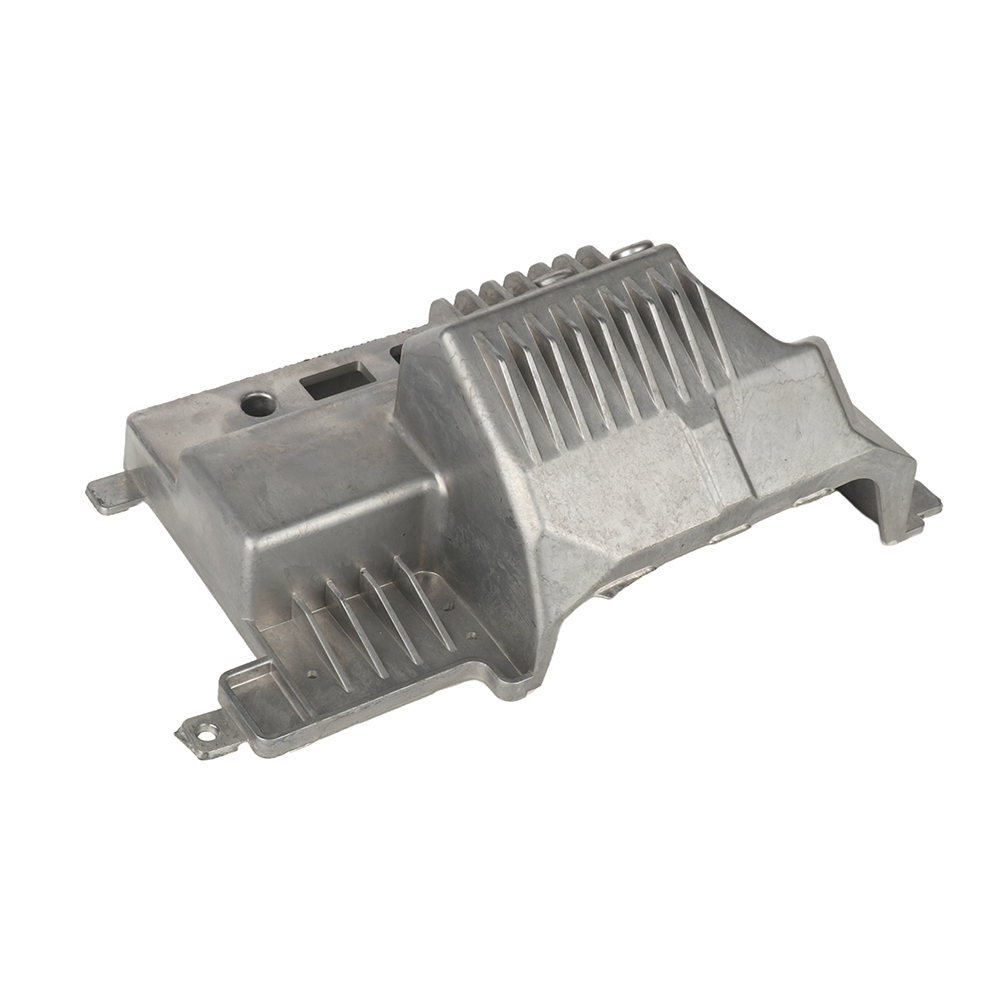
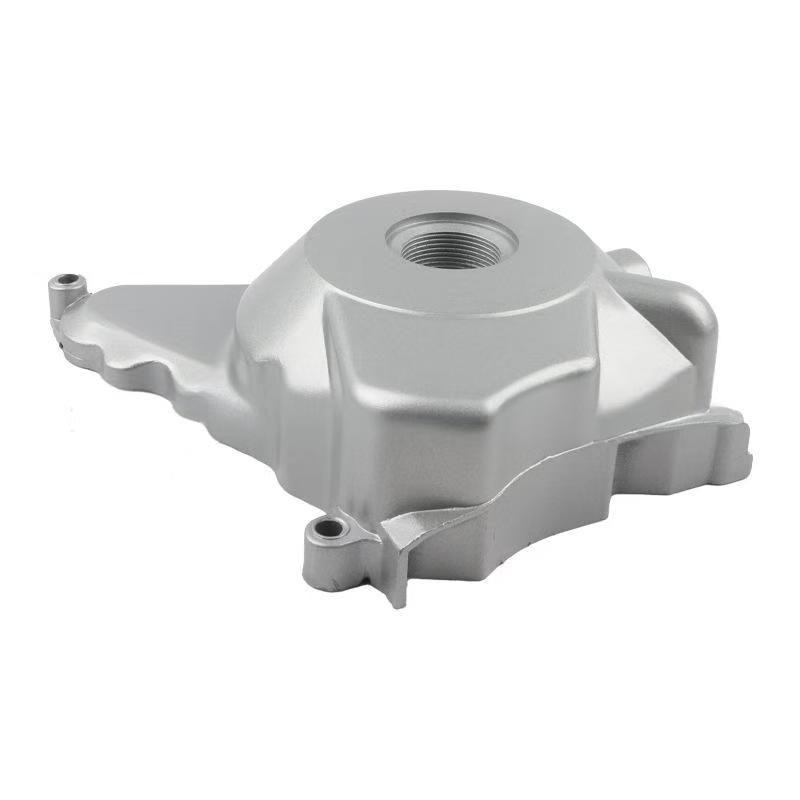
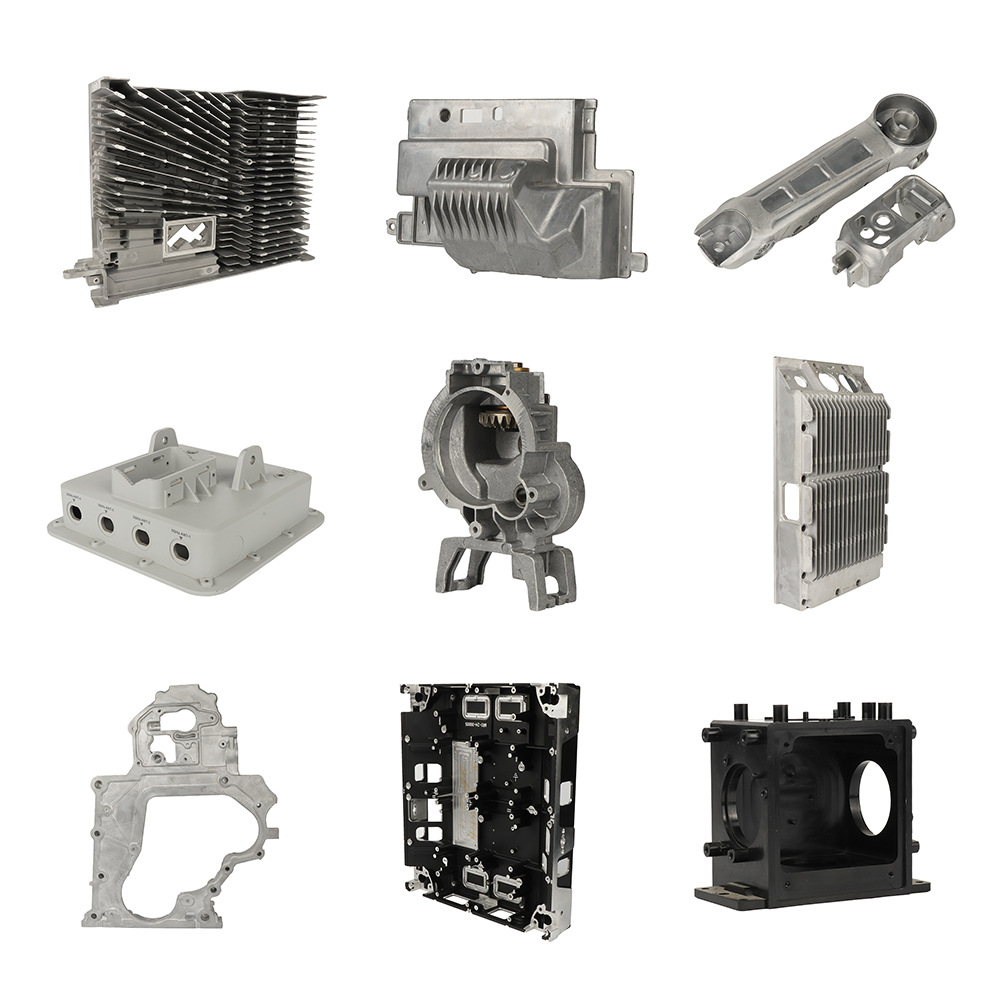
Cast and die | What are casting and die? A Complete Guide for Industrial Metal Parts
2026-05-08
What are Casting and Die? A Complete Guide for Industrial Metal Parts
Table of Contents
- 1. Basic Definition: What Are Casting and Die?
- 2. The Inseparable Relationship Between Casting and Die
- 3. Core Classification of Casting & Die Parts
- 4. Key Benefits of Casting and Die Manufacturing Process
- 5. Xinghang Cast & Die Parts: Product Introduction
- 6. Industry Expert Opinion on Casting and Die Technology
- 7. Frequently Asked Questions (FAQs)
- 8. Conclusion: Industry Trends & Supplier Selection Guide
1. Basic Definition: What Are Casting and Die?
1.1 What is Casting?
Casting is a traditional yet advanced metal forming manufacturing process. It melts metal raw materials into liquid molten metal, then pours or injects the molten metal into a specific container. After cooling, solidification, and shaping, intact metal blanks or finished parts are formed. As one of the most widely used metal processing technologies in modern industry, casting is suitable for mass production of complex-shaped metal components.
1.2 What is Die?
Die (Mold) is a customized precision metal tool used to shape molten metal during the casting process. It is made of high-hardness alloy steel through CNC machining, heat treatment, and surface hardening treatment. The inner cavity of the die determines the final shape, size, structure, and surface texture of casting parts. A high-quality die is the fundamental premise for producing qualified cast metal components.
1.3 What Are Cast & Die Parts?
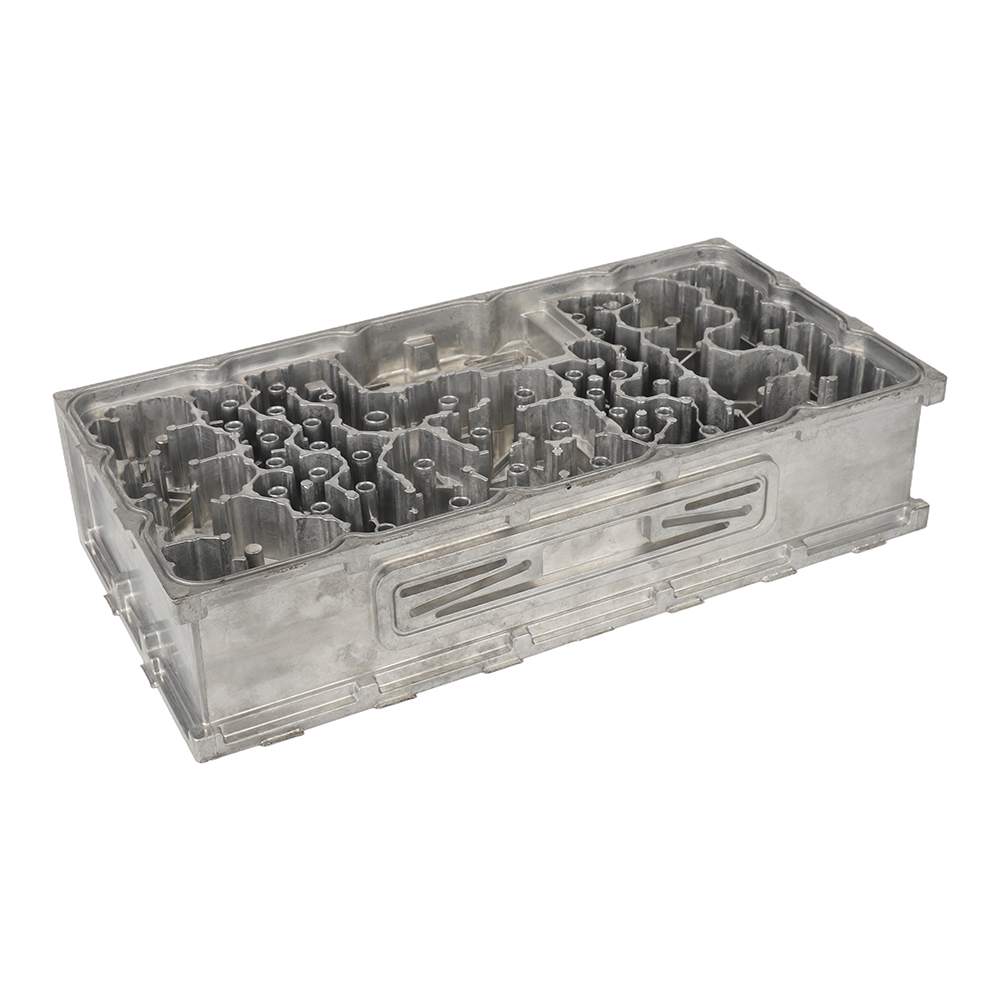
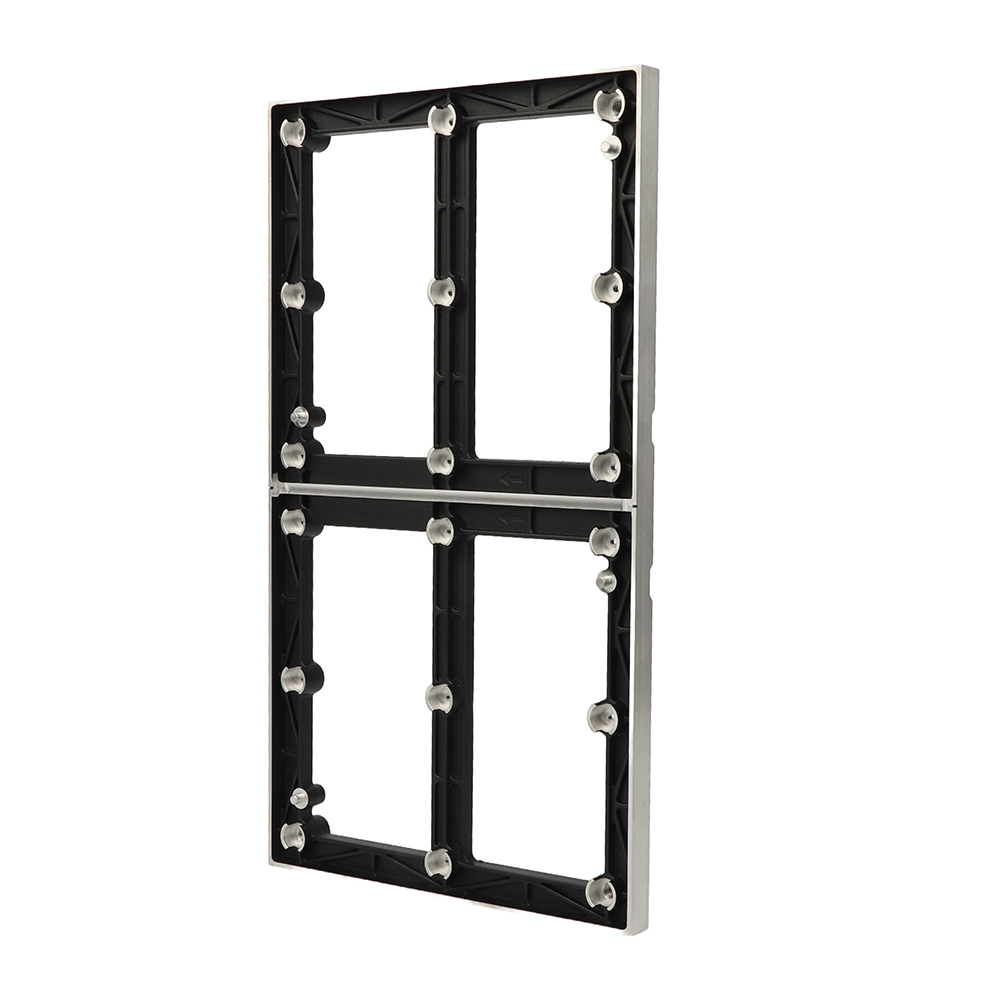
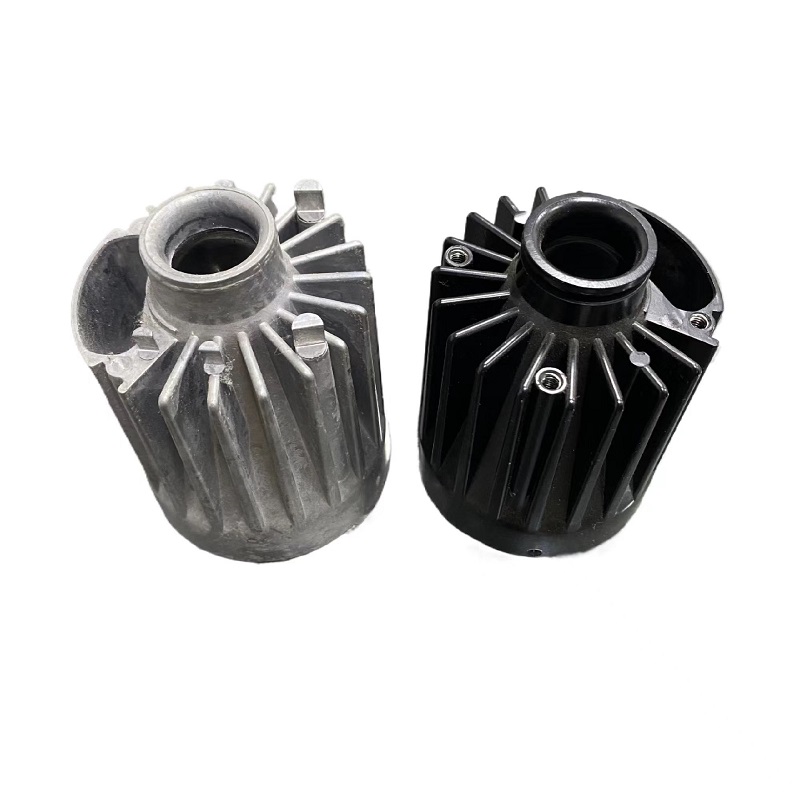
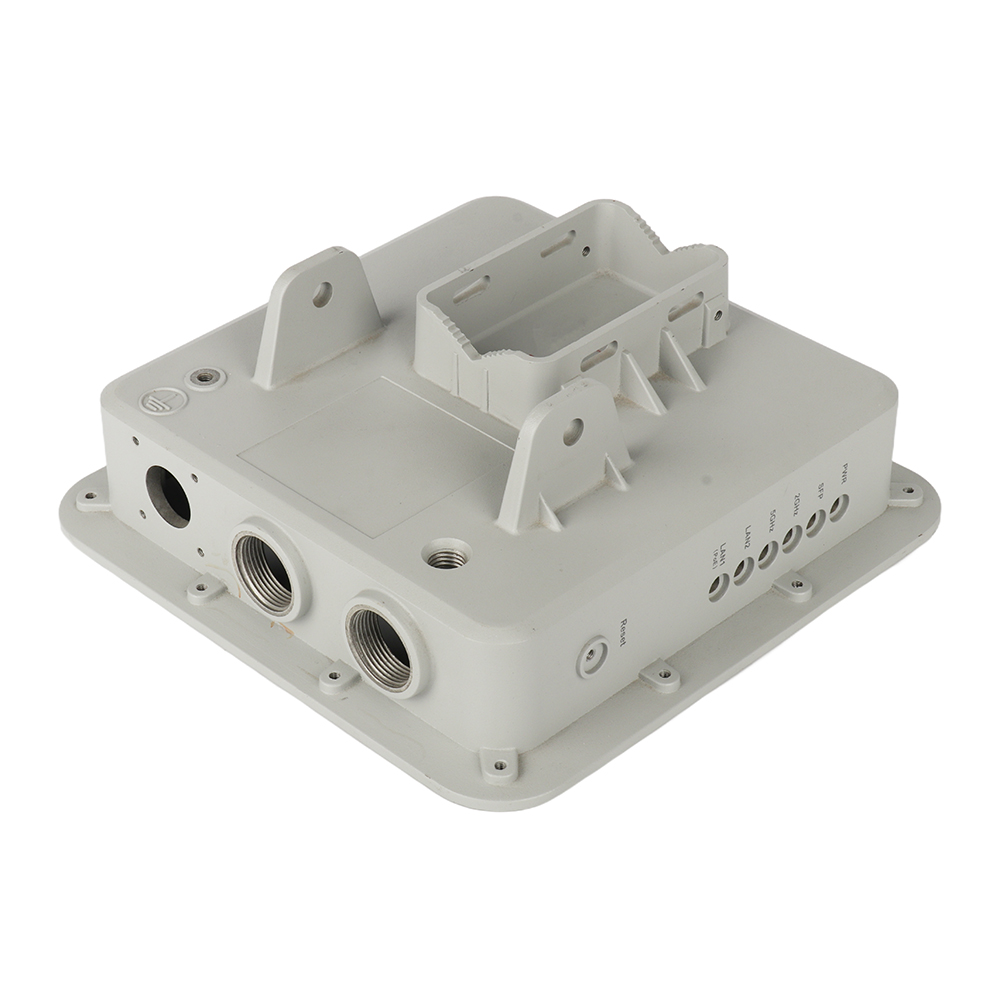
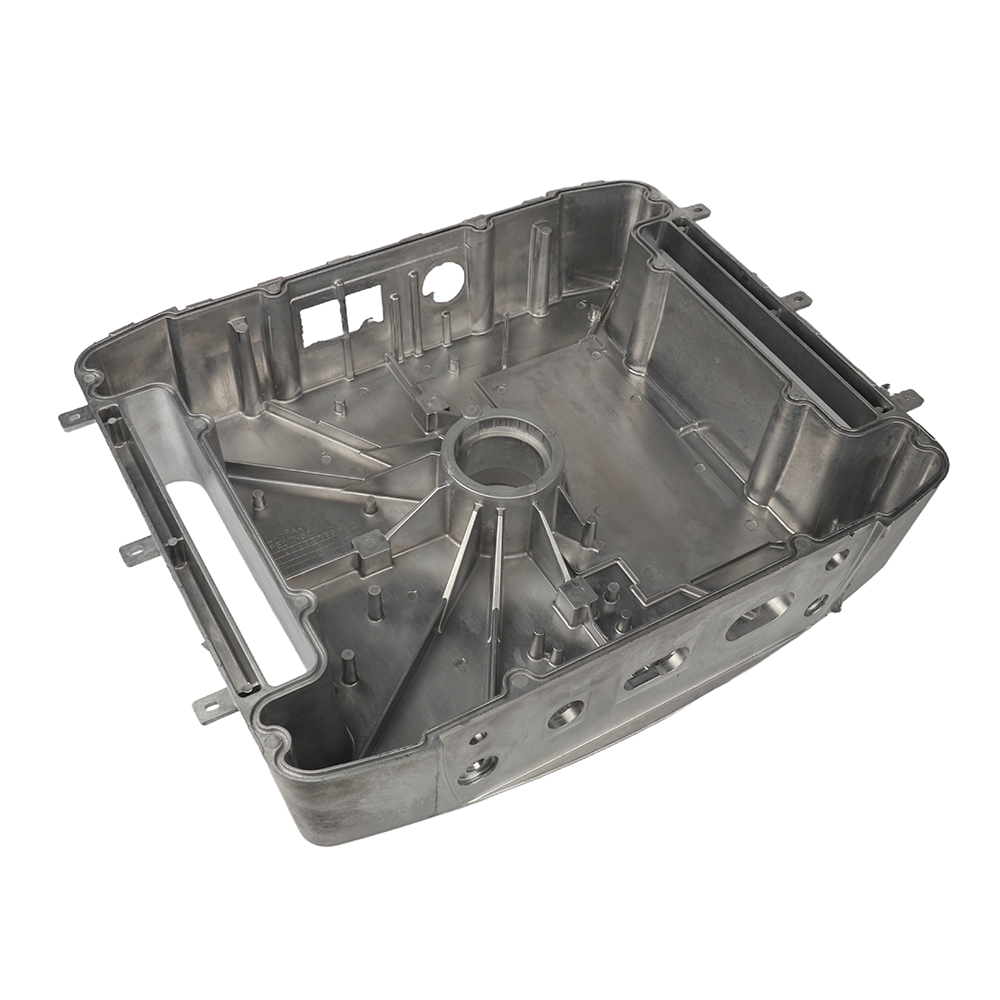
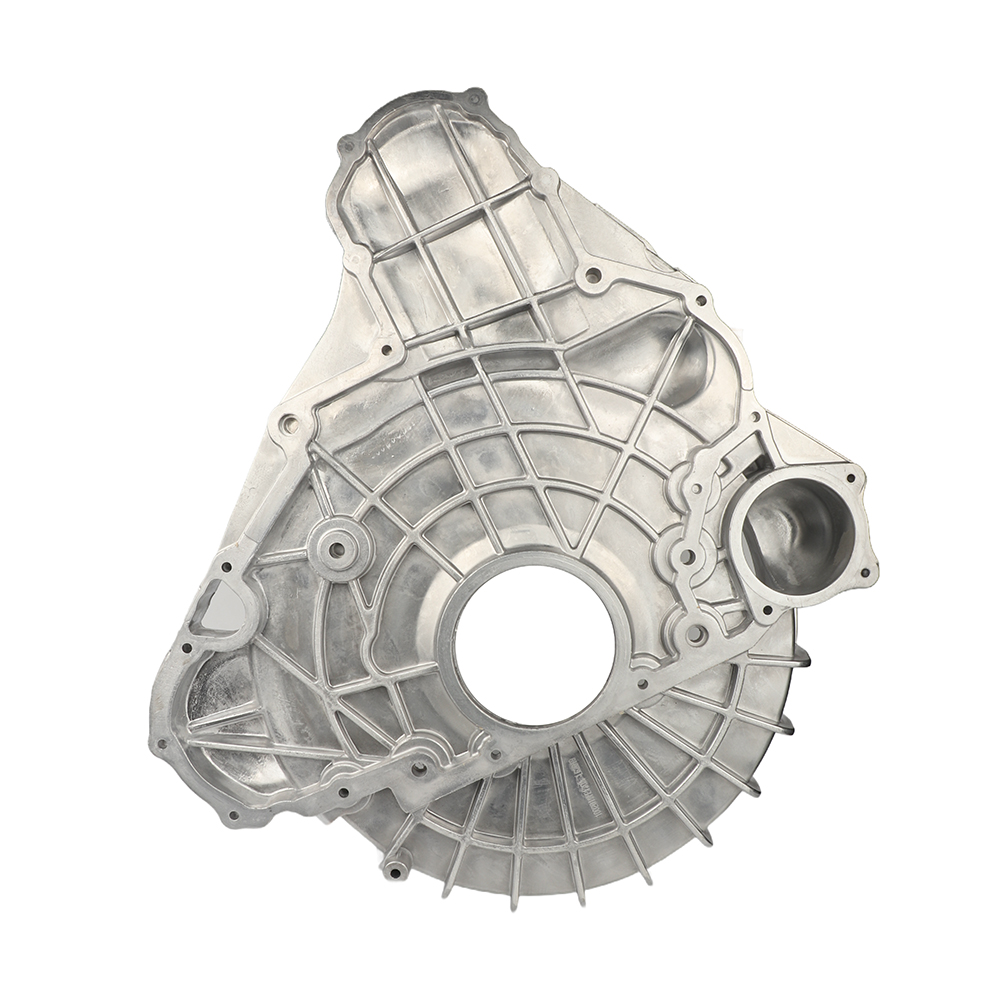
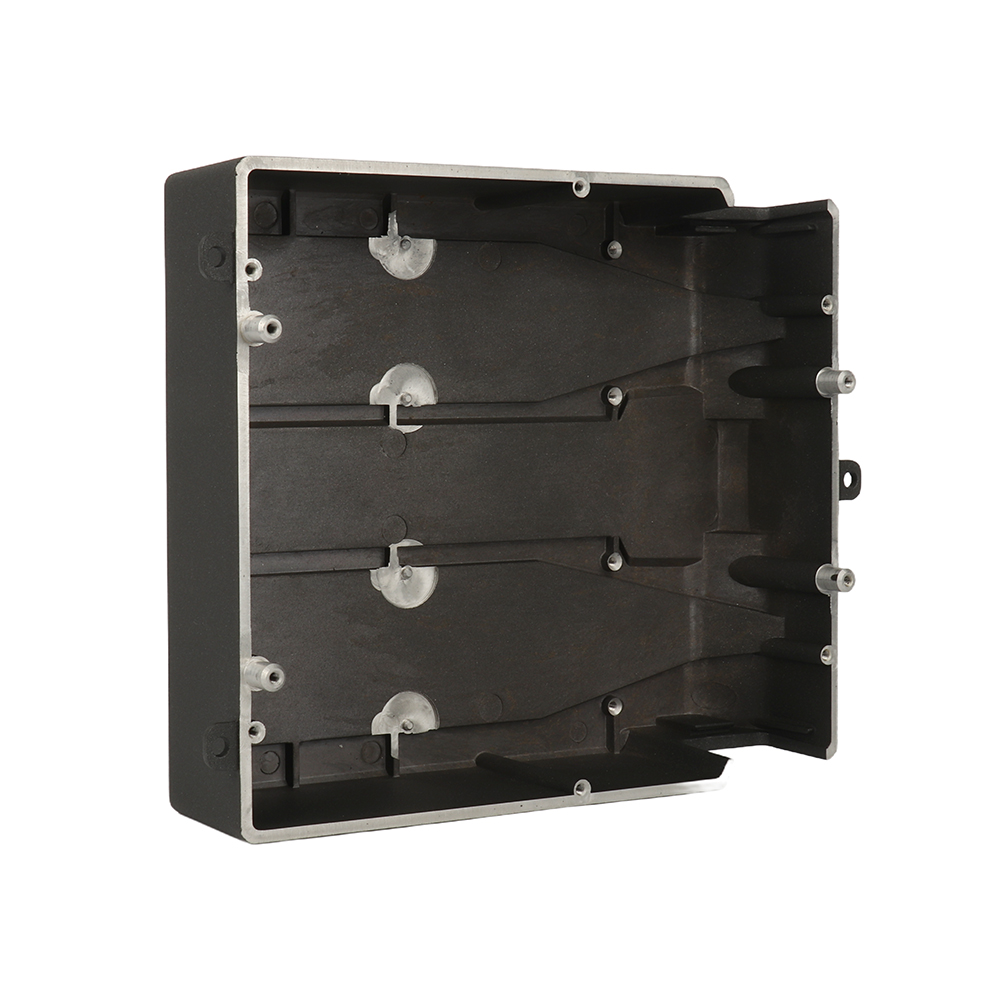
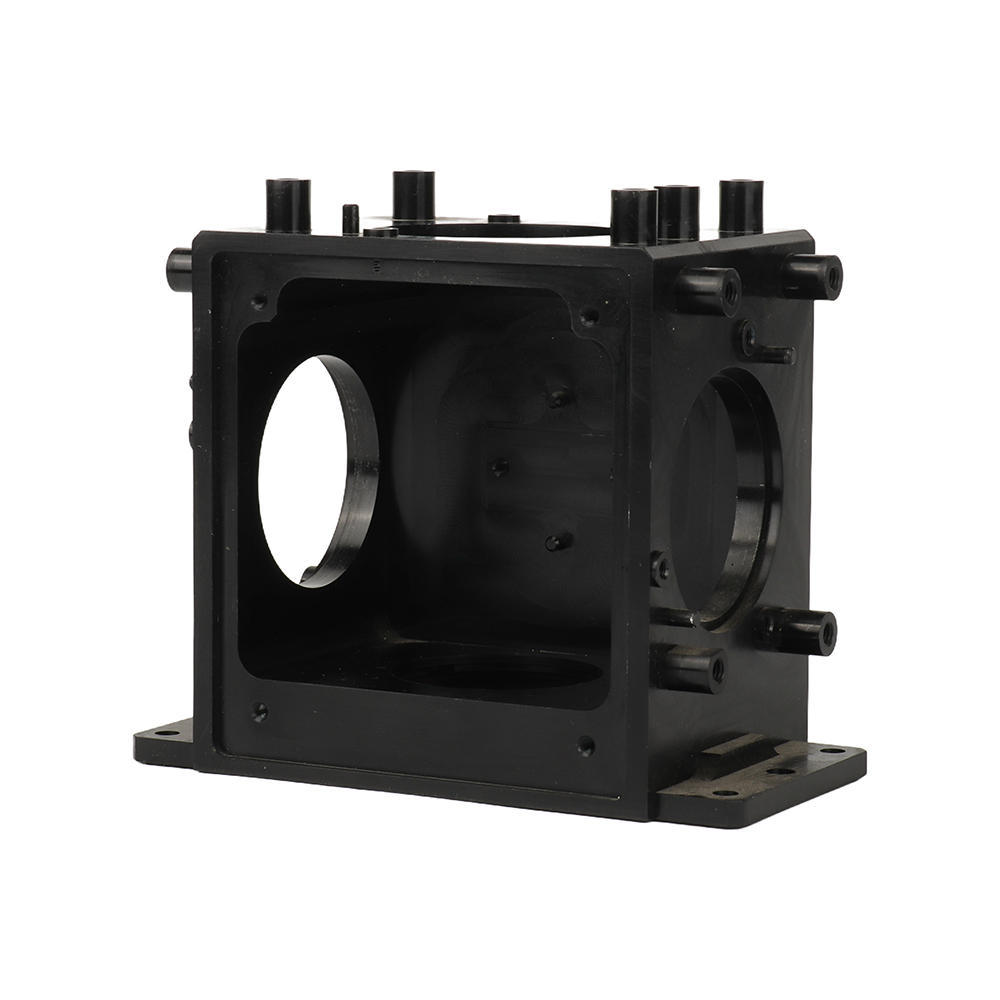
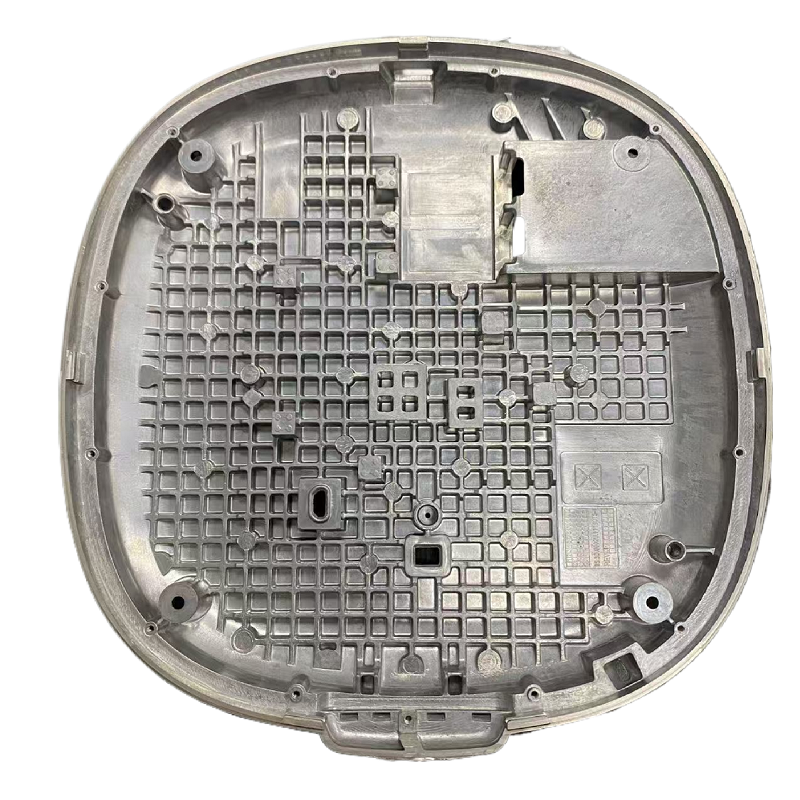
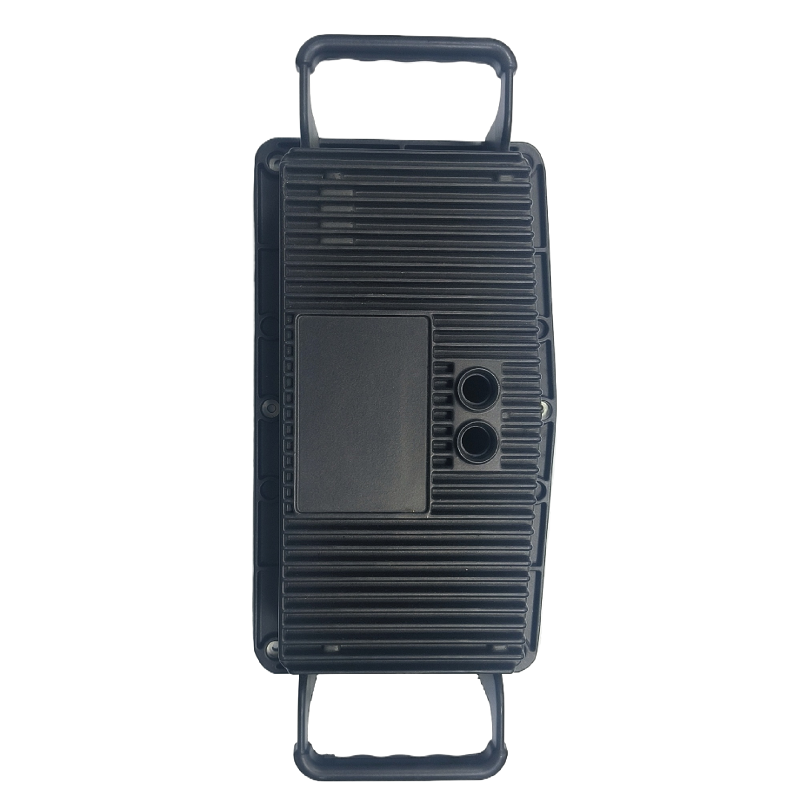
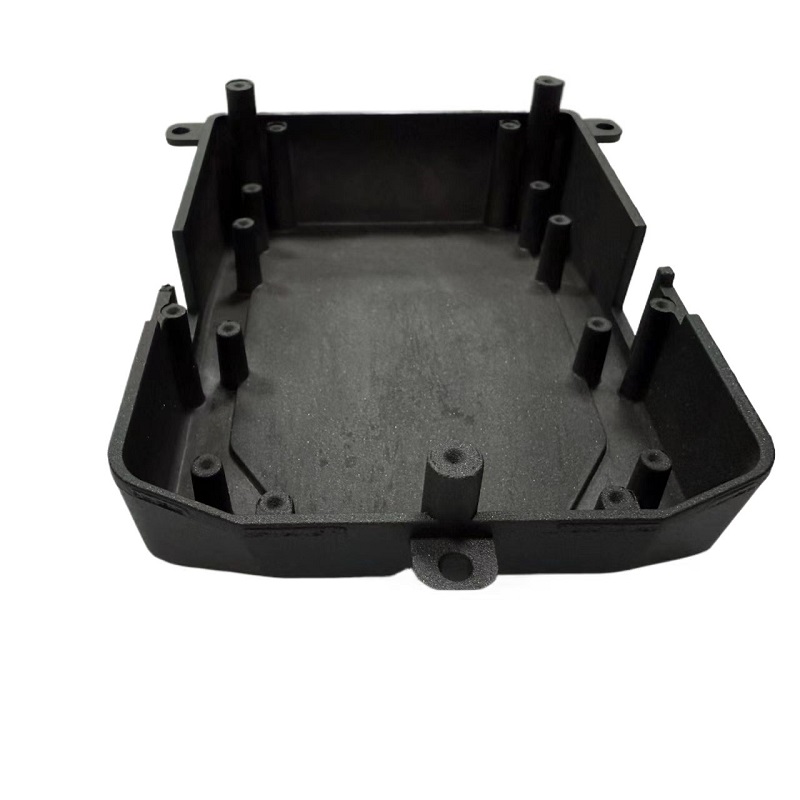
Cast and die parts refer to metal components manufactured by combining casting technology and precision dies. Under high pressure and high temperature, molten aluminum, zinc, magnesium and other alloys fill the die cavity, and complete one-time forming after rapid cooling. These industrial metal parts feature stable structure, low production cost and excellent metal performance, widely applied in industrial equipment, automation machinery, and electronic enclosures.
2. The Inseparable Relationship Between Casting and Die
Casting and die are interdependent and mutually restrictive, forming an indivisible integrated manufacturing system. Neither process can independently complete high-quality metal part production.
2.1 Die Determines Casting Quality
The precision, flatness, and structural rationality of the die directly control the dimensional tolerance, surface finish, and structural stability of castings. A well-polished die cavity effectively reduces burrs, pores, and shrinkage cavities, greatly improving the yield rate of finished parts.
2.2 Casting Tests Die Durability
Long-term high-temperature molten metal impact and high-pressure injection will test the heat resistance, hardness, and fatigue resistance of the die. Stable casting parameters can reduce die wear and extend the service life of the mold, realizing long-cycle mass production.
2.3 Parameter Matching Ensures Batch Consistency
Casting temperature, injection pressure, cooling time and other parameters need to be accurately matched with die structure. Reasonable parameter coordination ensures that every batch of cast & die parts maintains consistent size, weight and mechanical properties.
3. Core Classification of Casting & Die Parts
3.1 By Casting Process
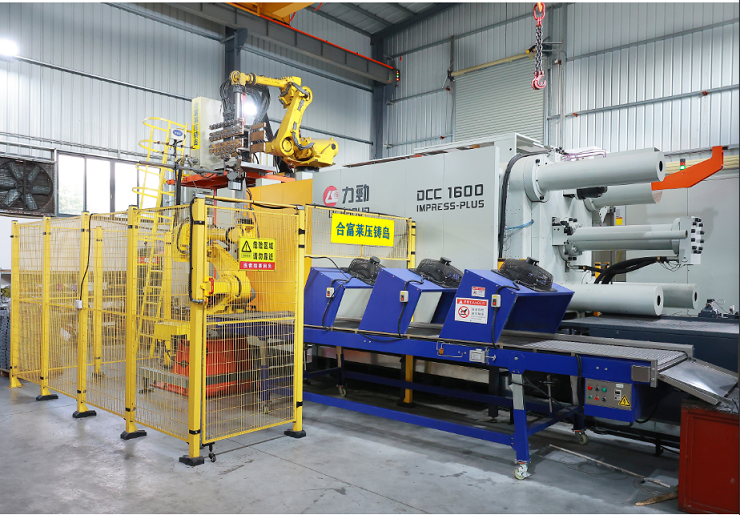
- High-Pressure Die Casting: The mainstream industrial process, applying 300-2000 tons of injection pressure. It features fast molding speed and high density, suitable for aluminum alloy industrial parts.
- Low-Pressure Casting: Slow filling and stable molding, mostly used for thick-wall structural parts with low precision requirements.
- Gravity Casting: Simple process with low cost, suitable for small-batch non-precision metal parts.
3.2 By Production Material
- Aluminum Alloy Cast Parts: ADC12, A380, A383 materials, lightweight and heat-resistant, the most popular industrial casting material.
- Zinc Alloy Cast Parts: High hardness and good wear resistance, suitable for small precision hardware accessories.
- Magnesium Alloy Cast Parts: Ultra-light weight, applied in high-end automation and aerospace equipment.
4. Key Benefits of Casting and Die Manufacturing Process
The combination of casting technology and precision die molds has become the mainstream manufacturing solution for modern industrial metal parts, with irreplaceable comprehensive advantages:
4.1 Excellent Complex Structure Forming Ability
Customized die cavities can realize one-time molding of complex structures such as curved surfaces, deep grooves, and special-shaped holes. It integrates multiple scattered parts into a single casting component, eliminating welding and assembly processes and reducing structural failure risks.
4.2 Ultra-High Material Utilization Rate
Compared with pure CNC cutting processing (material waste up to 70%-80%), the material utilization rate of cast & die parts reaches 95%-98%. The redundant material can be recycled and remelted, greatly saving raw material costs and conforming to green manufacturing standards.
4.3 Low Unit Cost for Mass Production
Although the one-time die opening cost is relatively high, the mold can support more than 500,000 production cycles. With the increase of order quantity, the production cost of a single part decreases significantly, which is very suitable for medium and large-batch industrial procurement.
4.4 Stable Mechanical Performance & Long Service Life
Molten metal is compacted under high pressure to form a dense metal structure. Cast & die parts have strong compression resistance, corrosion resistance and shock resistance. After surface treatment such as powder coating, the service life can be extended to more than 10 years.
4.5 Simple Post-Processing & Short Lead Time
High-precision dies produce parts with smooth surfaces and few defects. Most finished products only need simple deburring or CNC finishing, without complex secondary processing. The production cycle is short, which effectively meets customers' urgent delivery needs.
5. Xinghang Cast & Die Parts: Product Introduction
Xinghang Precision Hardware has focused on die mold development and alloy casting production since its establishment. We integrate die design, mold manufacturing, alloy casting, precision machining and surface treatment to provide one-stop cast & die parts customization services for global industrial buyers.
| Item | Product Specifications |
|---|---|
| Product Name | Industrial Cast & Die Parts |
| Brand Name | XingHang |
| Processing Technology | High-Pressure Die Casting + Custom Precision Die |
| Available Materials | ADC12 / A380 / A383 / Zinc / Magnesium Alloy |
| Certification | ISO9001 / TS16949 / RoHS / ISO14001 |
| Surface Treatment | Powder Coating / Sandblasting / Anodizing |
| Quality Control | 100% Full Inspection Before Shipment |
| Application Scope | Industrial Equipment, Automation Machinery, Electronic Housings |
Our factory is equipped with 300-2000 tons casting machines and automated robotic arm production lines. All dies are independently developed and polished by our mold workshop, ensuring low mold loss and stable batch quality. We support customized drawings and personalized structural design to meet diverse industrial production needs.
6. Industry Expert Opinion on Casting and Die Technology
We invited Robert King, a senior metal manufacturing engineer with 28 years of experience in die development and casting production, to share professional industry insights:
“The die is the soul of casting production. Many buyers only focus on the price of finished parts but ignore the importance of die precision and durability. High-quality customized dies can reduce defective rates to below 1% and greatly cut long-term production costs. In industrial manufacturing, cast & die parts are the most cost-effective solution for medium and large batches. Integrated manufacturers with independent mold-making capabilities will always occupy a dominant position in the market.”
Robert King also added: “Automation and high-precision molds are the inevitable trend of the casting industry. Manufacturers such as Xinghang Precision Hardware that own independent die workshops and automated casting lines can strictly control every production link. Their 100% full inspection standard ensures zero defective products delivered to customers, which is extremely valuable for long-term industrial procurement cooperation.”
7. Frequently Asked Questions (FAQs)
Q1: What is the core difference between casting parts and machined parts?
A: Casting parts are formed by one-time molten metal filling dies, suitable for complex structures and mass production with low unit cost. Machined parts are formed by cutting solid blanks, featuring higher precision but higher material waste and production cost. Most industrial projects combine casting and CNC machining to balance cost and accuracy.
Q2: How long is the service life of an industrial casting die?
A: High-quality industrial alloy dies can support 500,000+ production cycles. With regular maintenance and surface hardening treatment, the service life can be further extended. Xinghang implements professional die maintenance procedures to ensure stable long-term production.
Q3: Which material is best for industrial cast & die parts?
A: Aluminum alloys ADC12 and A380 are the most recommended. They have excellent fluidity for die filling, good heat dissipation and corrosion resistance, and affordable material cost, perfectly matching daily industrial equipment application scenarios.
Q4: Can I customize the shape and tolerance of cast die parts?
A: Yes. Xinghang supports full customization according to customer 2D/3D drawings, including special-shaped structures, mounting holes, tolerance standards and surface colors. Our independent mold workshop can complete personalized die opening within 7 working days.
Q5: What defects are easy to appear in poor-quality casting dies?
A: Inferior dies are prone to cause product defects such as surface burrs, internal pores, uneven wall thickness and deformation. These problems will reduce assembly accuracy and shorten equipment service life. Therefore, choosing suppliers with professional die-making capabilities is crucial.
8. Conclusion: Industry Trends & Supplier Selection Guide
8.1 Development Trends of Casting and Die Industry
The global casting and die manufacturing industry is developing towards automation, high precision and green environmental protection. Firstly, automated robotic production lines replace manual operations to reduce human error and improve production efficiency; secondly, high-precision customized dies gradually replace simple molds to meet the demand for complex industrial parts; thirdly, recyclable aluminum-zinc alloy materials and environmentally friendly surface treatments become industry standards to comply with global environmental protection policies. In addition, integrated one-stop services from die design to finished delivery have become the core competitiveness of excellent manufacturers.
8.2 How to Choose a High-Quality Cast & Die Parts Supplier
Industrial buyers need to screen suppliers from four core dimensions: first, with independent die R&D and manufacturing capabilities to ensure mold quality; second, complete international certifications to meet export industrial standards; third, automated production lines and strict full inspection system to control batch consistency; fourth, mature one-stop service to simplify procurement processes. Avoid low-price small factories without mold workshops to prevent delayed delivery and defective batches.
8.3 Choose Xinghang Precision Hardware as Your Reliable Partner
Xinghang Precision Hardware is your trustworthy supplier for high-quality cast & die parts. Founded in 2017 and located in Dongguan manufacturing hub, we own a 9,410-square-meter modern factory. We have independent die mold workshop, automated casting production lines and nearly 100 high-speed CNC equipment. With ISO9001/TS16949/RoHS/ISO14001 certifications and 100% full inspection system, we provide customized alloy casting parts for global industrial customers. From die opening, casting forming to surface treatment, we offer one-stop manufacturing solutions to help buyers reduce procurement costs and optimize supply chains.
Contact Us for Die Customization & Casting Part Quotation:
Mobile/WeChat: +86 18819502691
Email: liqine@xinghangcn.com
Mobile/WeChat: +86 18819502691
Email: liqine@xinghangcn.com
aluminum alloy casting | What is aluminum alloy casting? Complete Industrial Guide
Aluminum die casting parts | What is an aluminum die-cast component? Complete Industrial Buyer Guide
Related Article

Residential energy storage systems have become increasingly popular as homeowners pursue energy independence, solar self-consumption and backup power for grid outages.
Energy storage enclosure | What Are the Benefits of Die-Cast Home Energy Storage Enclosures?

A custom LED display frame is the core structural carrier for LED screen modules, widely manufactured with ADC12 aluminum alloy via high-pressure die casting.
LED display frame | What Are the Benefits of Custom LED Display Frames?

