
HOT PRODUCTS
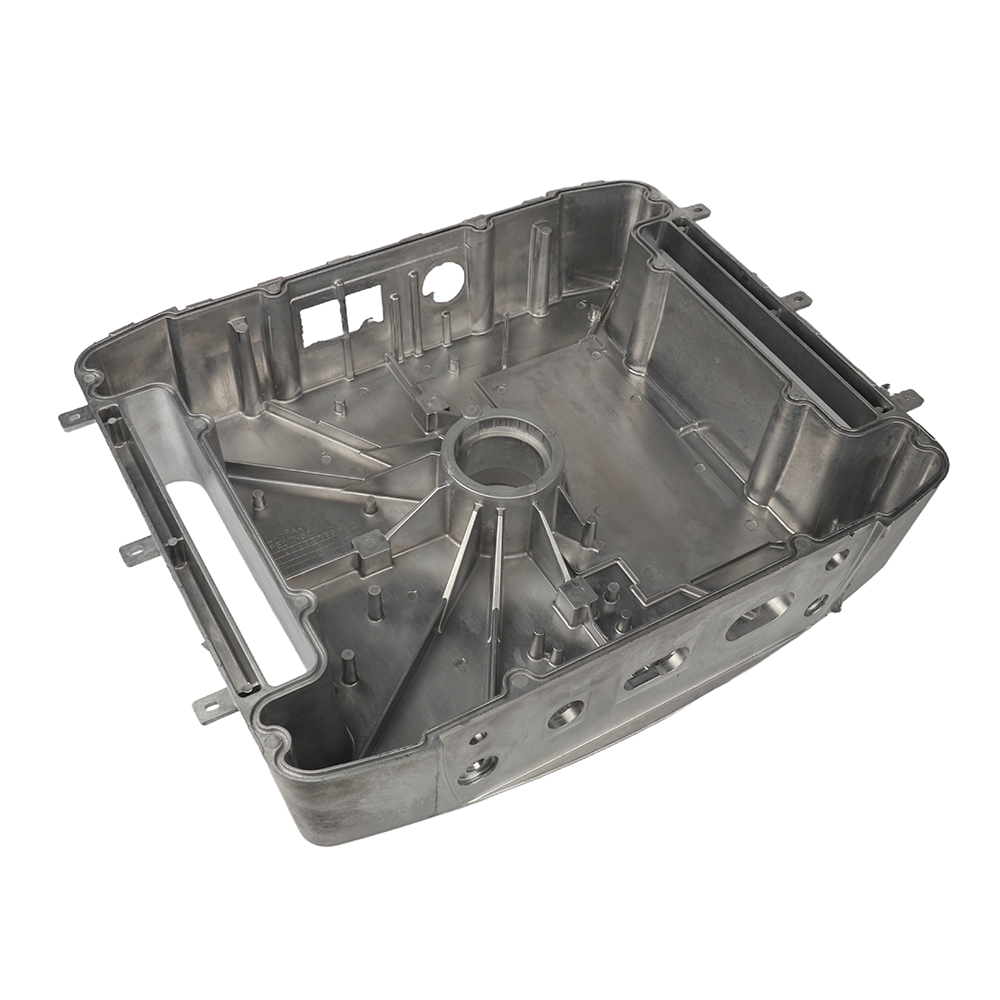
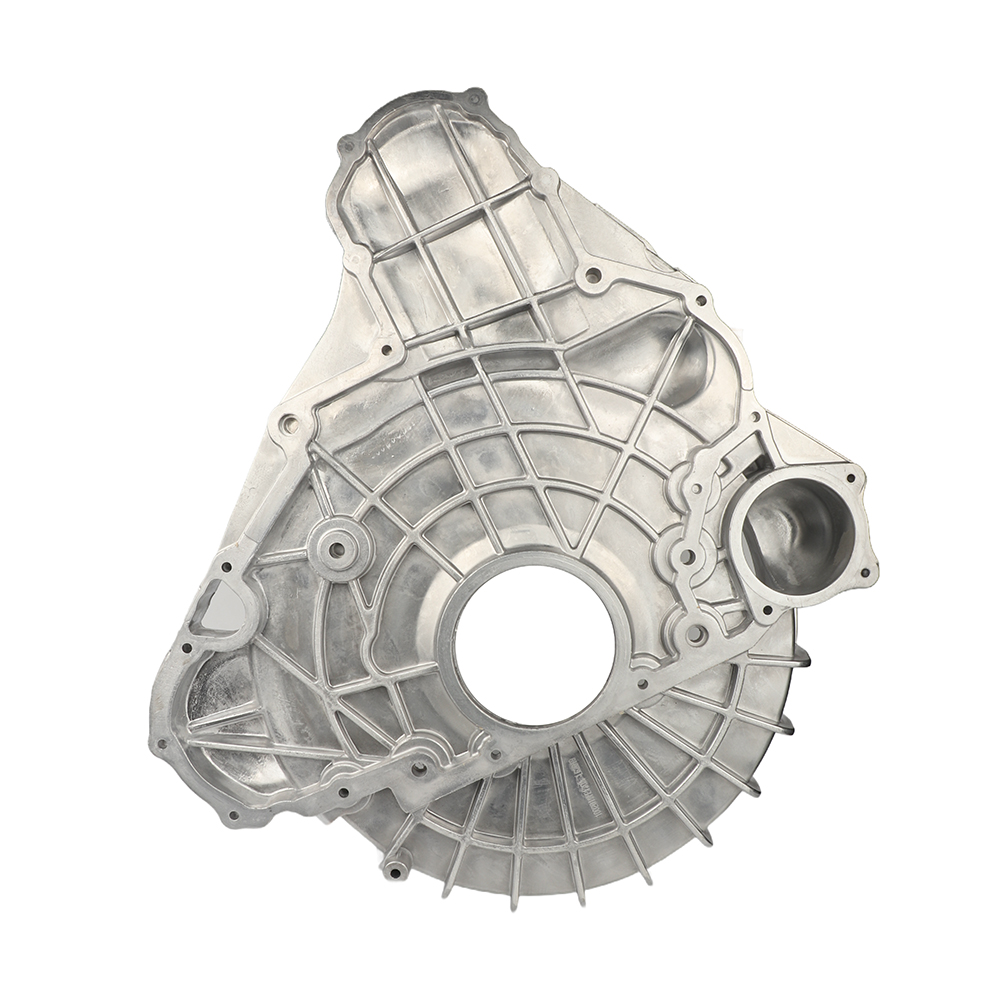
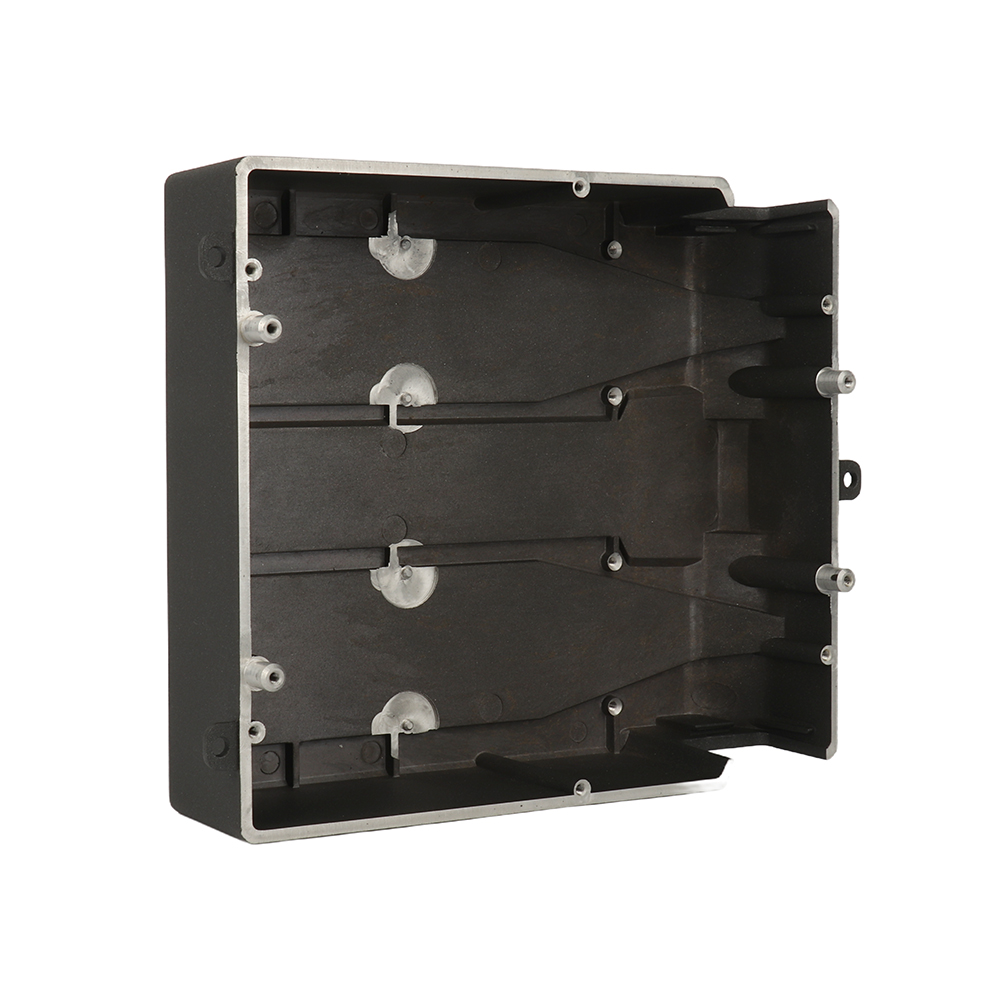
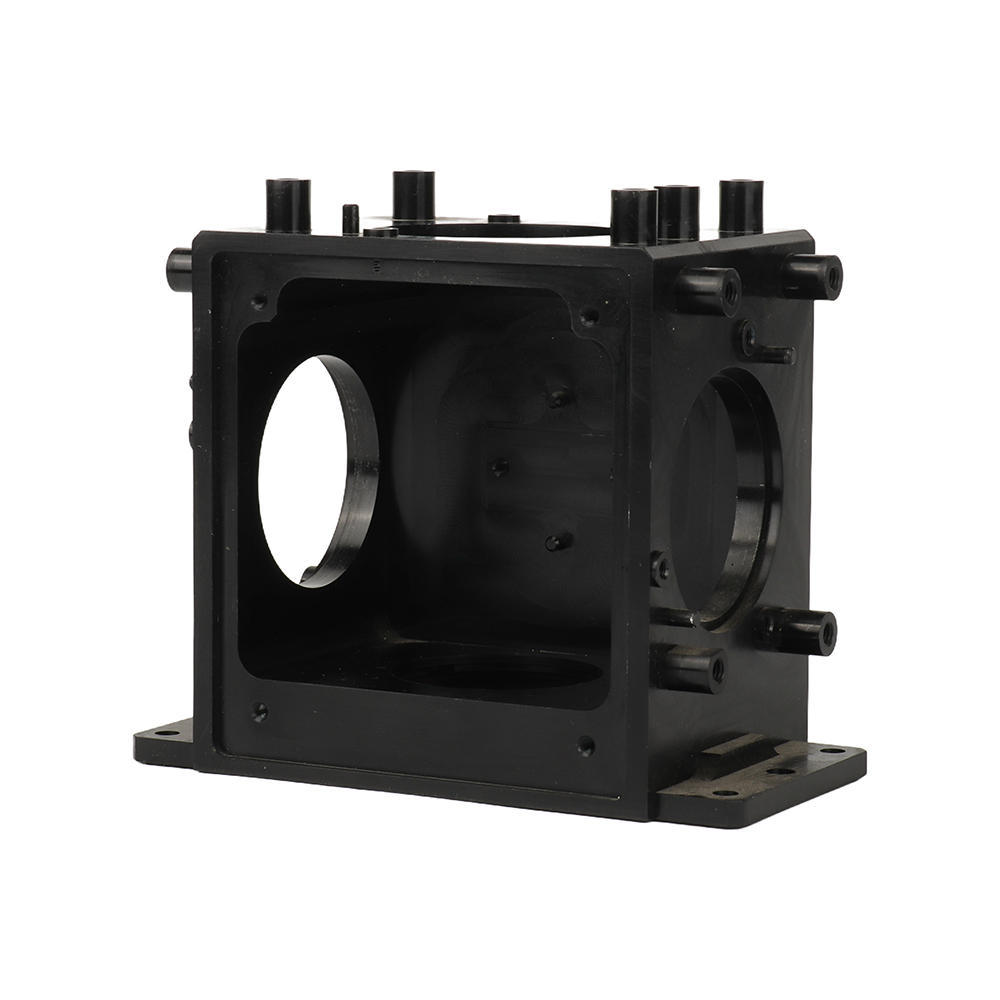
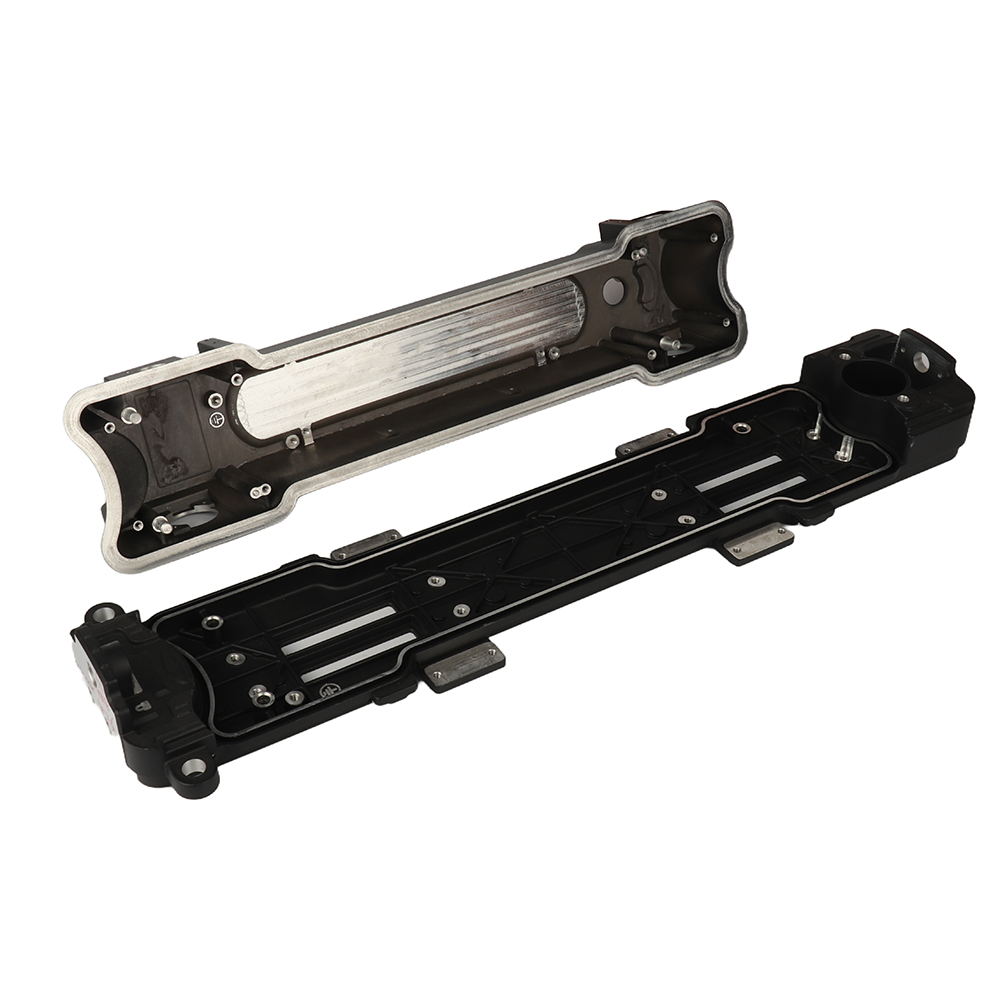
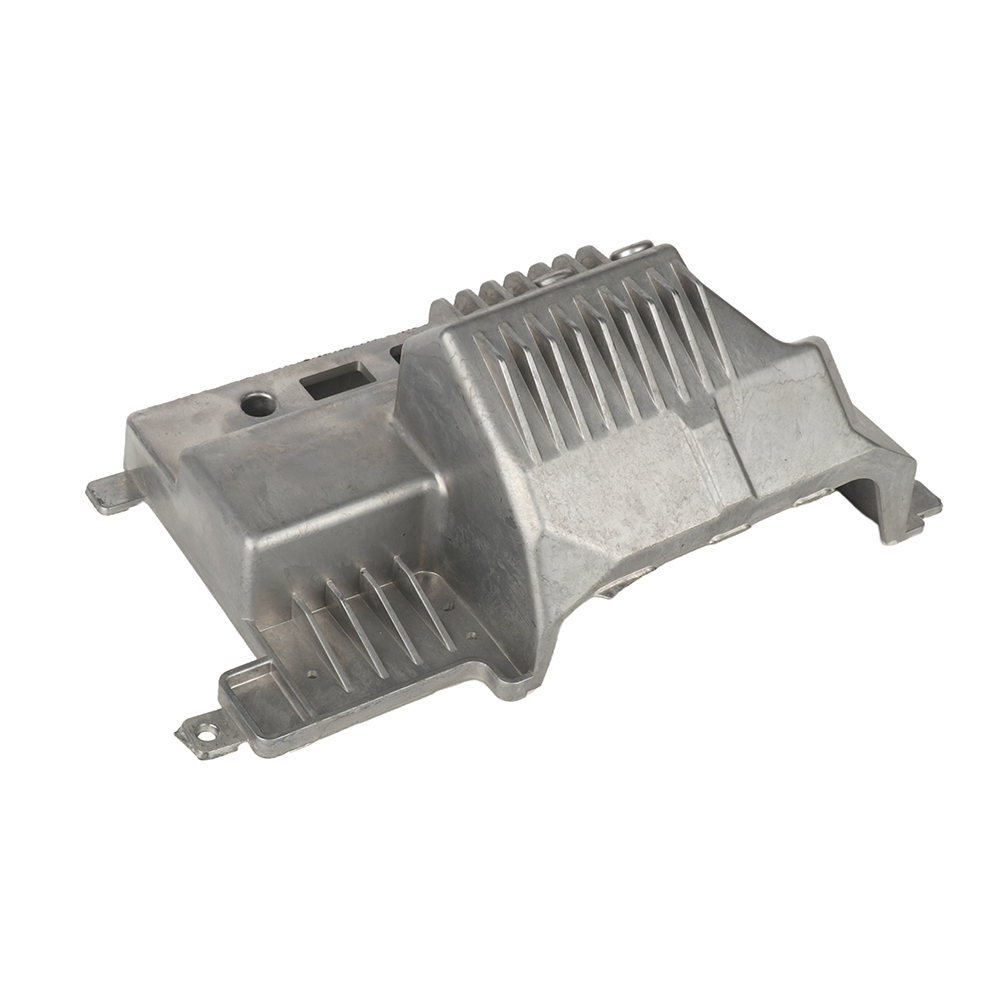
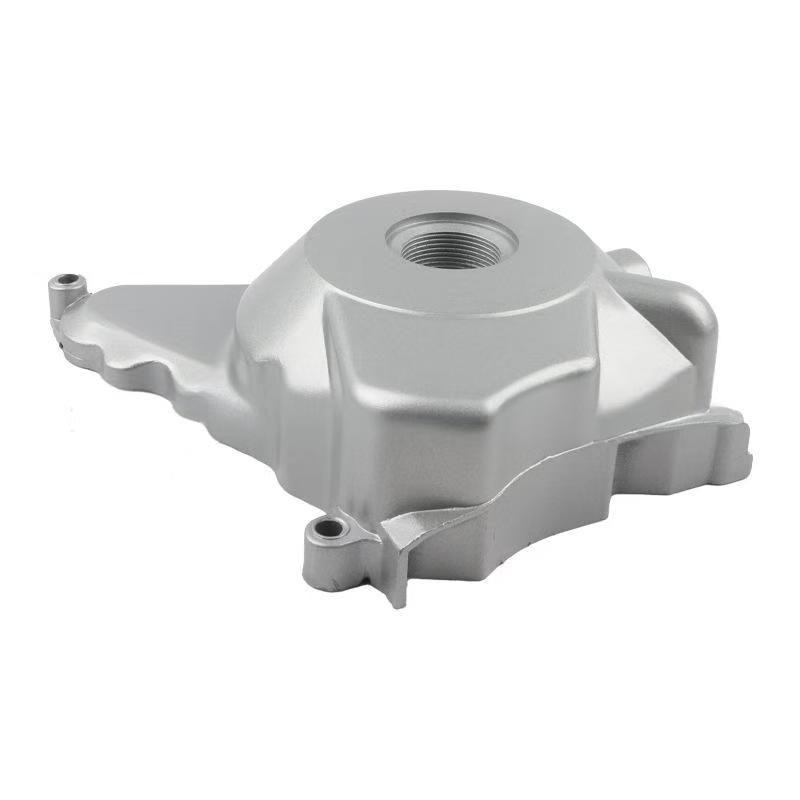
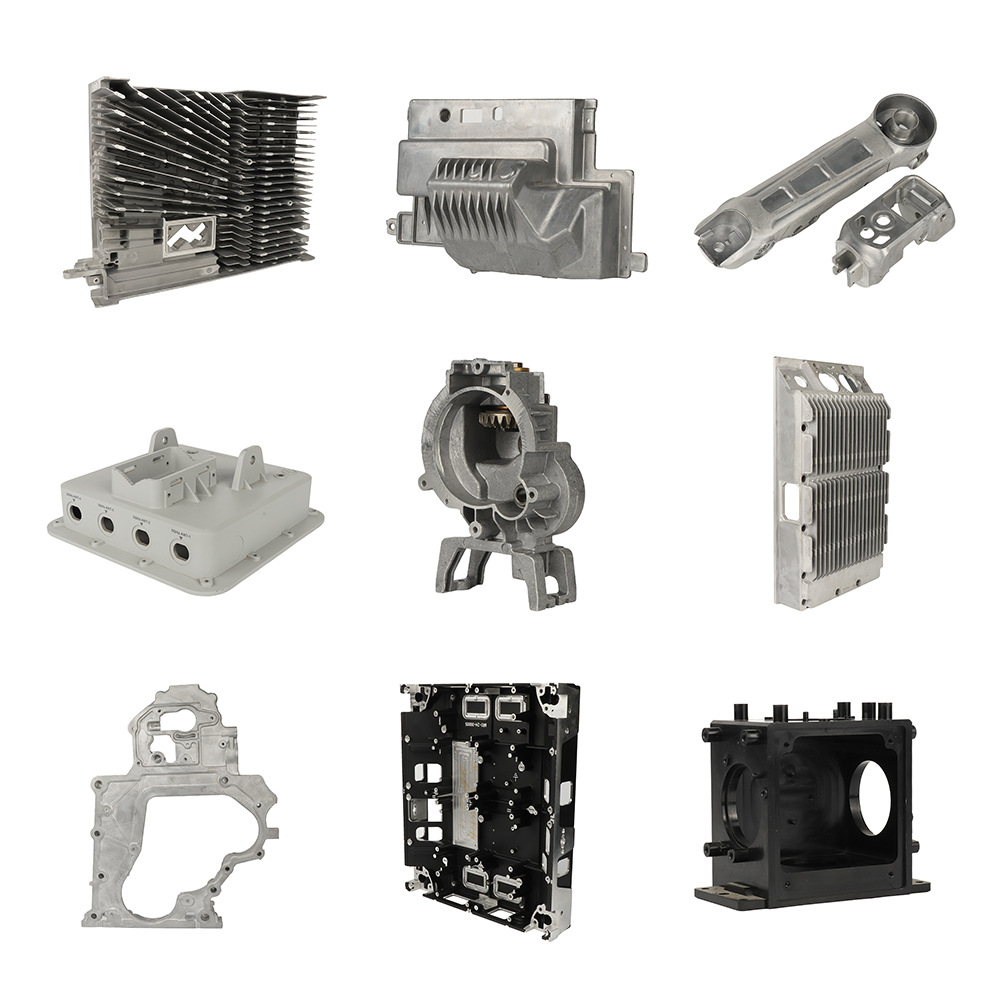
For power supply | What are die-cast aluminum enclosures? Focus on Die-Cast Aluminum Enclosures for Power Supply
What are Die-Cast Aluminum Enclosures? Focus on Die-Cast Aluminum Enclosures for Power Supply
Table of Contents
- 1. What are Die-Cast Aluminum Enclosures?
- 2. Die-Cast Aluminum Enclosures for Power Supply: Overview
- 3. Core Advantages of Die-Cast Aluminum Enclosures for Power Supply
- 4. Pros & Cons Comparison: Die-Cast Aluminum vs. Other Power Supply Enclosures
- 5. Expert Opinions on Die-Cast Aluminum Enclosures for Power Supply
- 6. FAQs About Die-Cast Aluminum Enclosures for Power Supply
- 7. Conclusion
1. What are Die-Cast Aluminum Enclosures?
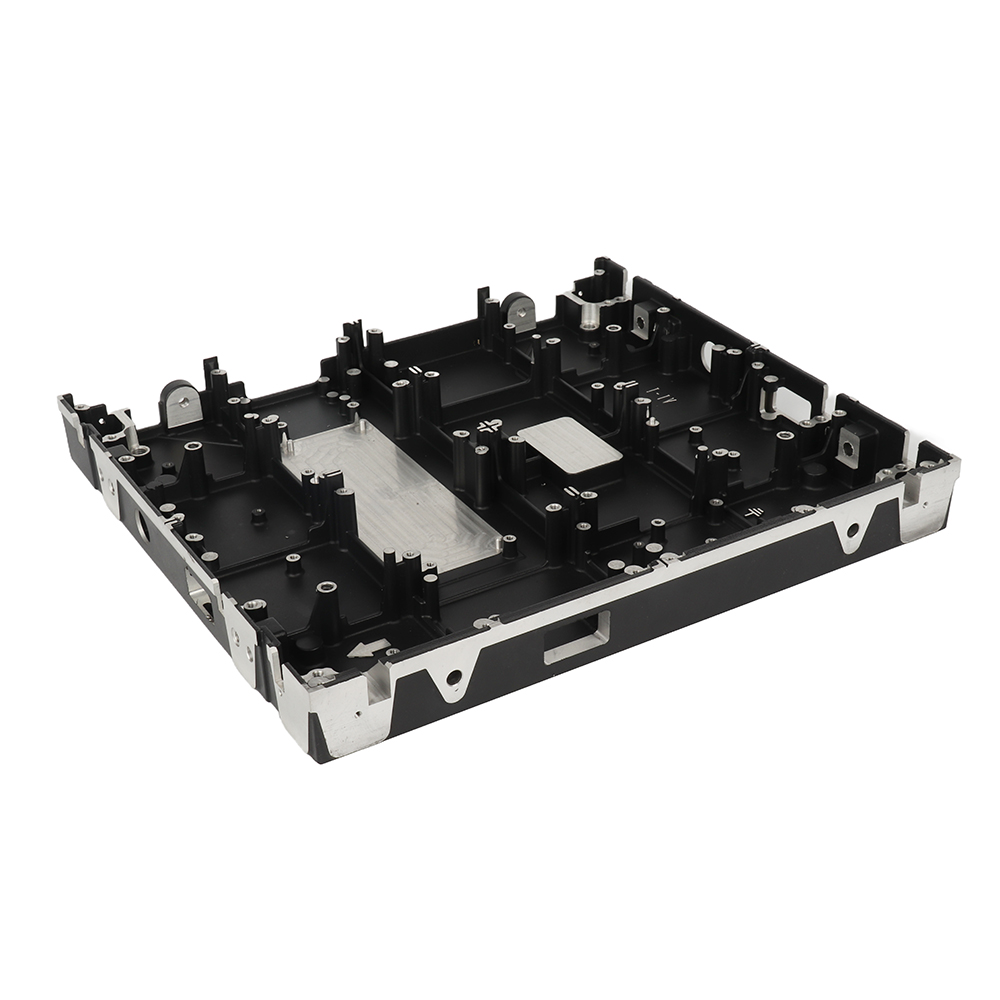
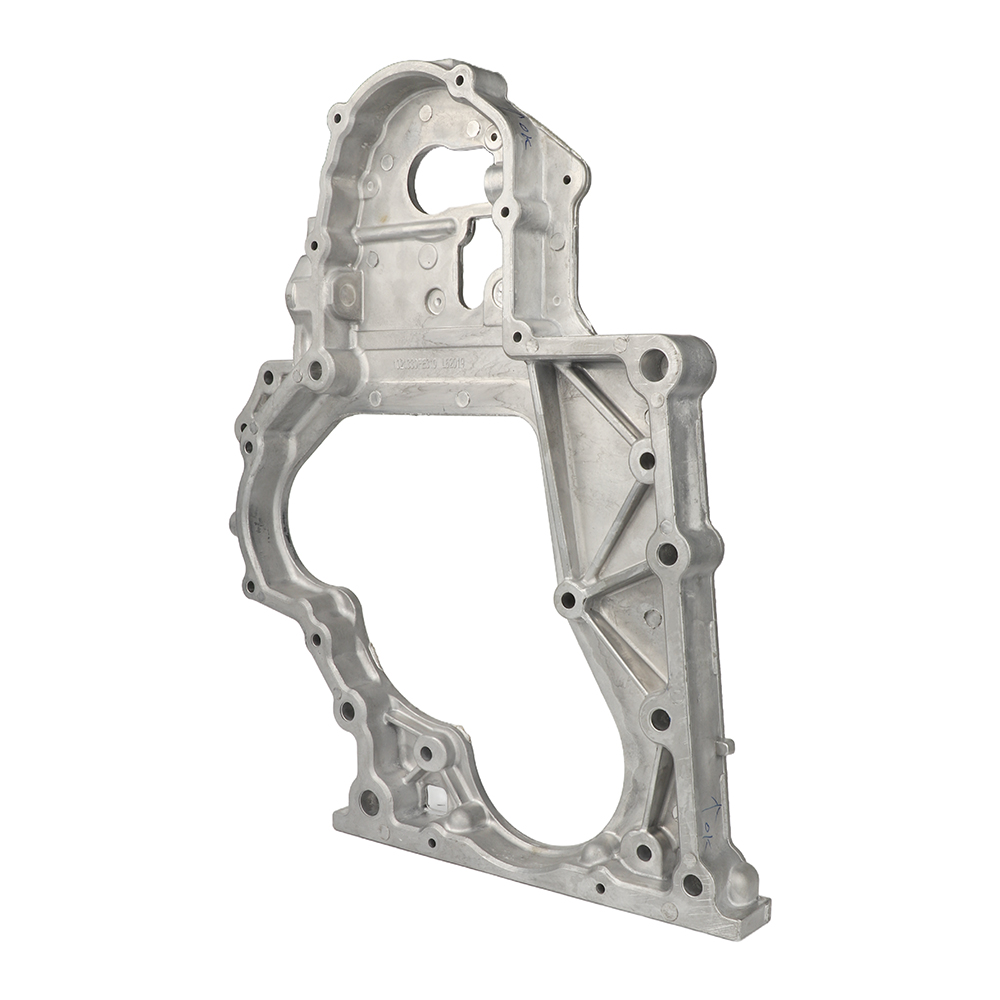
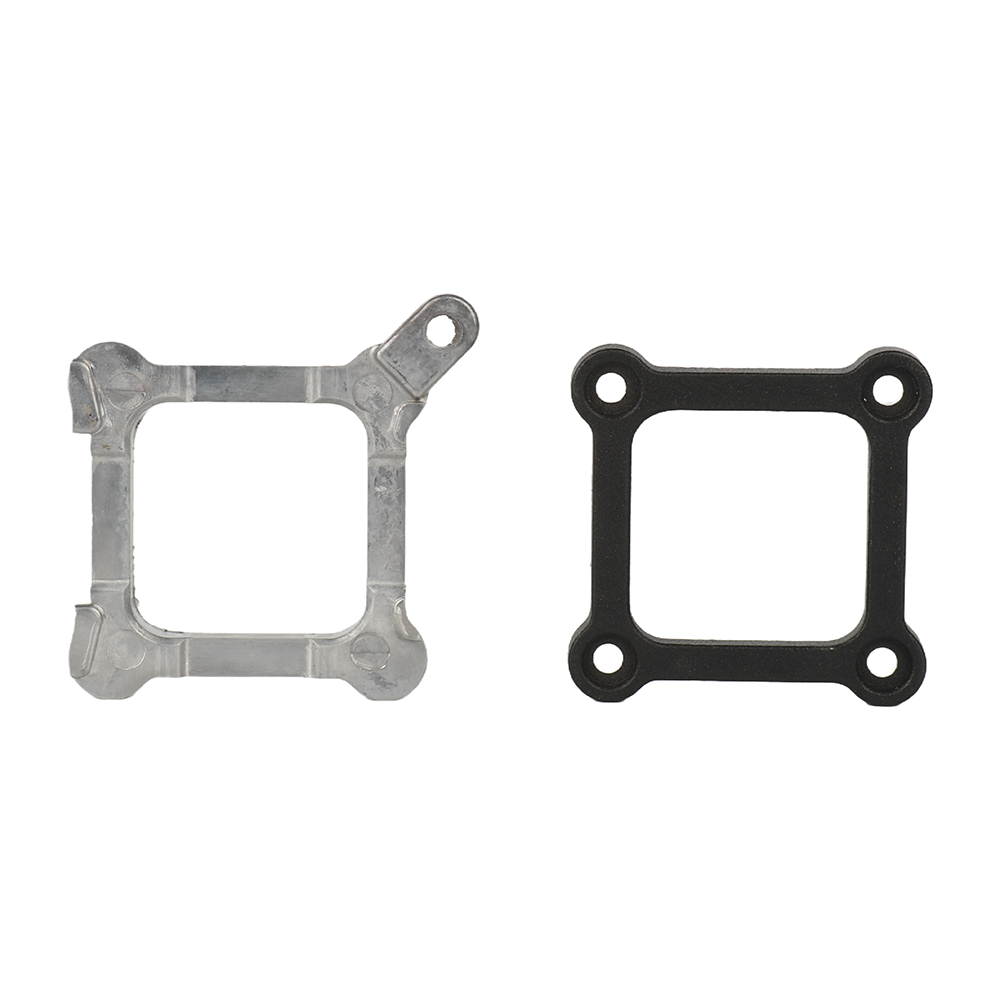
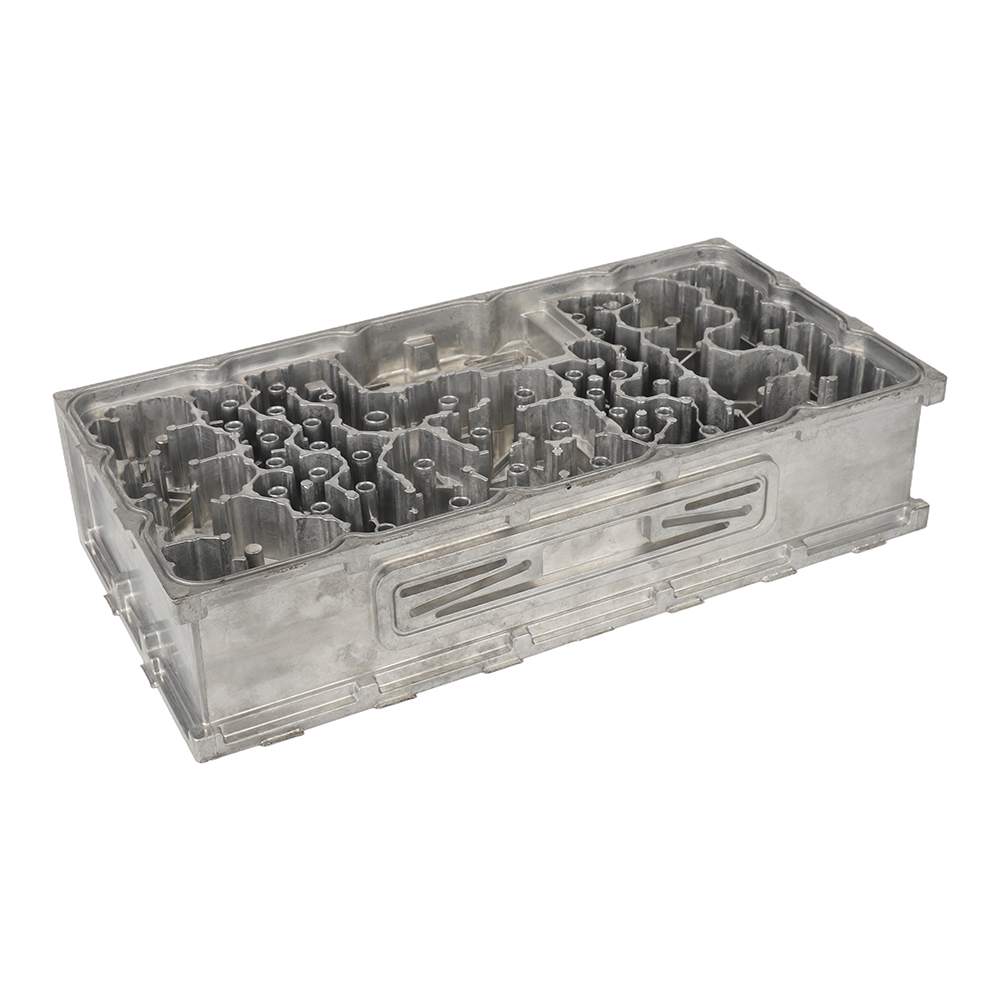
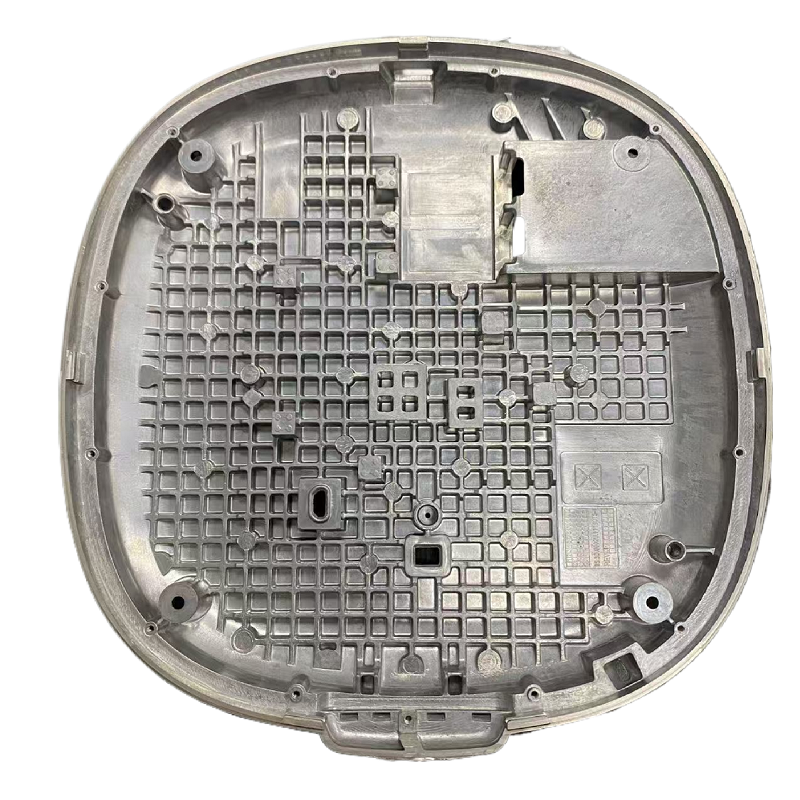
A die-cast aluminum enclosure is a precision-manufactured housing made by injecting molten aluminum alloy (such as ADC12, A380, or AlSi9Cu3) into a custom steel mold (die) under high pressure (10-200MPa), followed by rapid cooling and solidification to form a near-net-shape component. This manufacturing process, known as aluminum die-casting, enables the production of enclosures with complex geometries, tight dimensional tolerances (±0.05mm), and uniform structural strength—making them ideal for housing sensitive electronic components across industries.
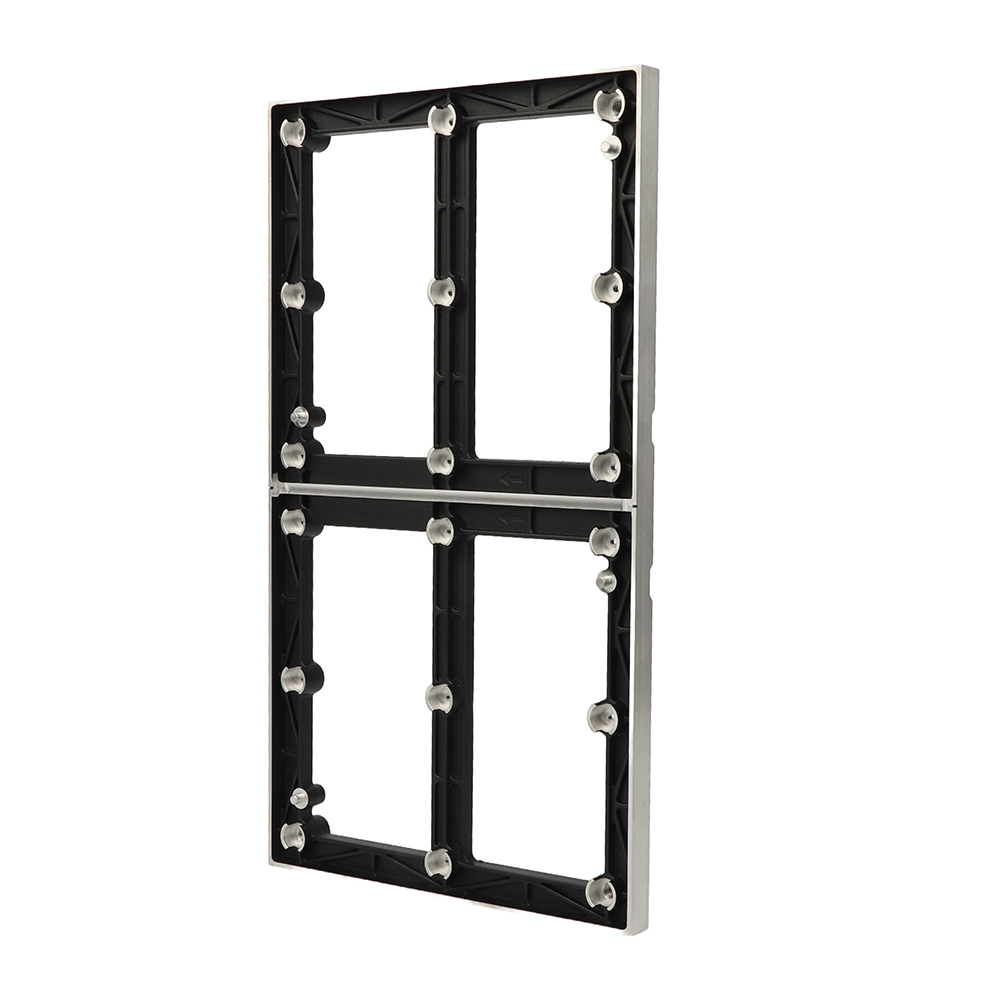
Unlike traditional metal enclosures (e.g., stamped steel, extruded aluminum), die-cast aluminum enclosures offer unique advantages: they are lightweight yet durable, corrosion-resistant (with proper surface treatment), and cost-effective for mass production. Common surface treatments include anodization, powder coating, and electroplating, which further enhance their performance and aesthetic appeal. Die-cast aluminum enclosures are widely used in electronics, automotive, industrial automation, and telecommunications, with die-cast aluminum enclosures for power supply being one of the most critical and high-demand applications.
2. Die-Cast Aluminum Enclosures for Power Supply: Overview
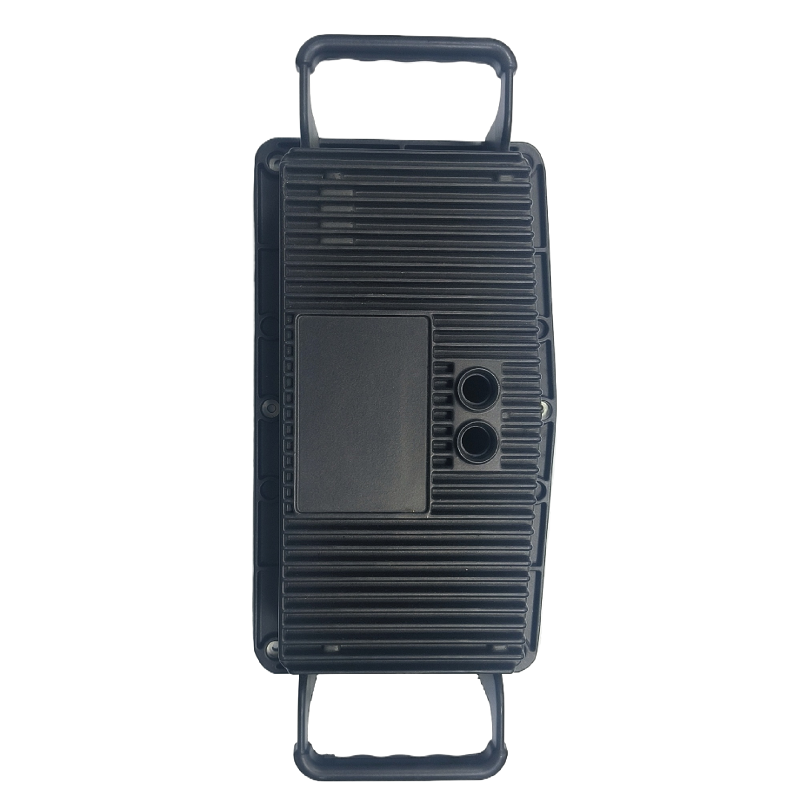
Die-cast aluminum enclosures for power supply are specialized housings designed to protect power supply units (PSUs)—the "heart" of electronic devices—from external damage, environmental factors, and electromagnetic interference (EMI). Power supplies generate heat during operation, require precise fitting for internal components (e.g., transformers, capacitors, PCBs), and often need to withstand harsh operating conditions (e.g., industrial environments, outdoor use), making die-cast aluminum the ideal material choice.
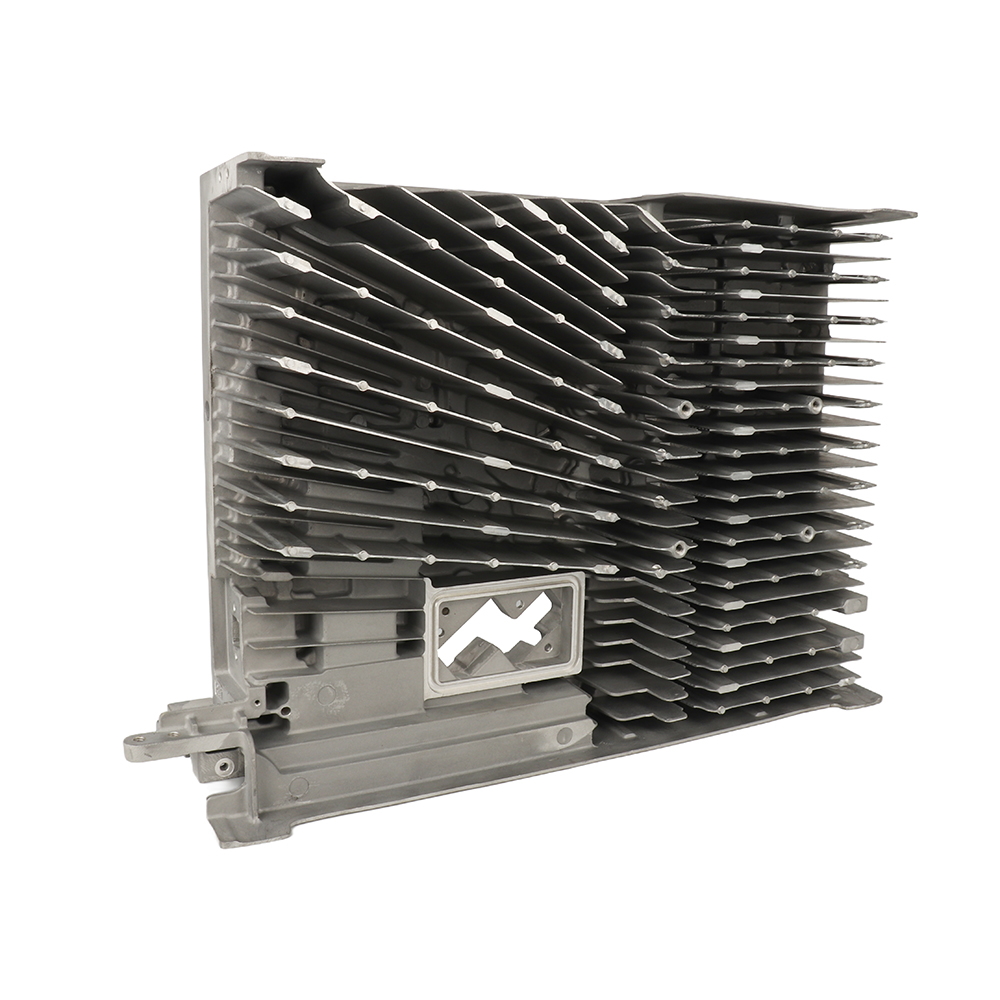
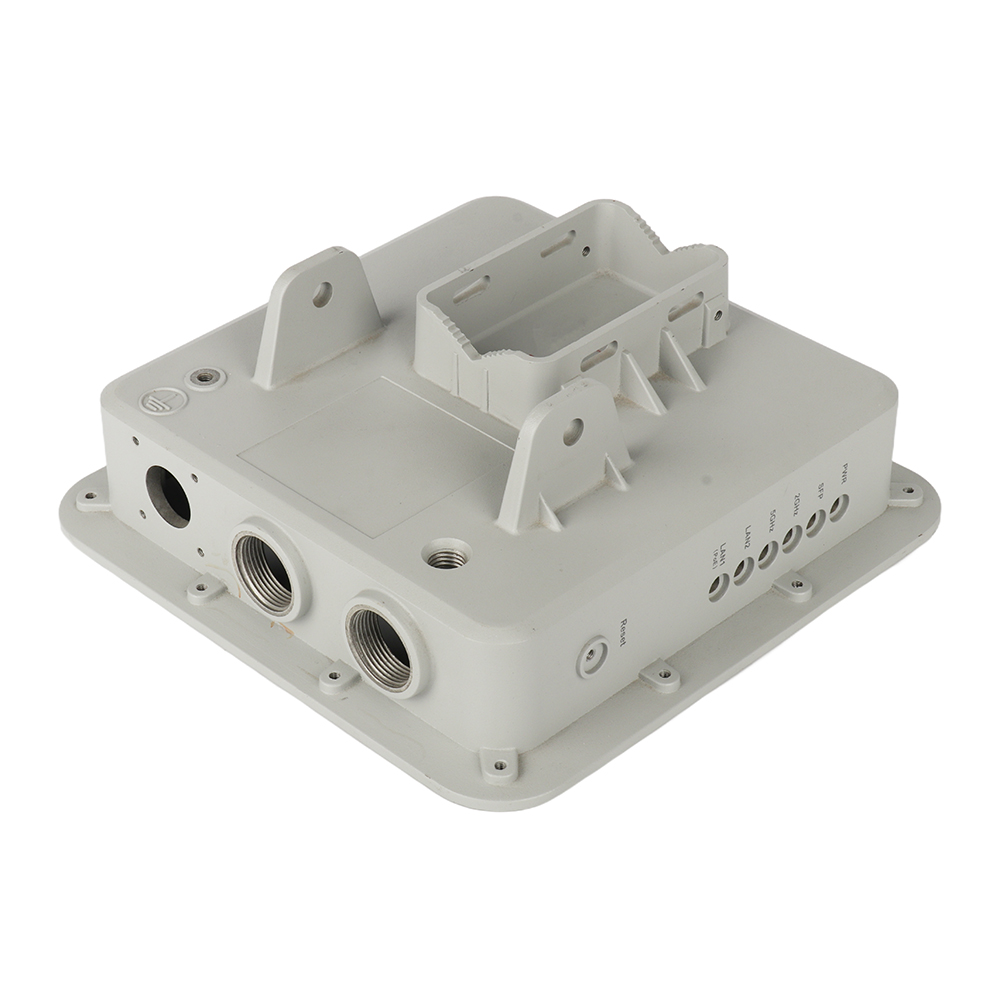
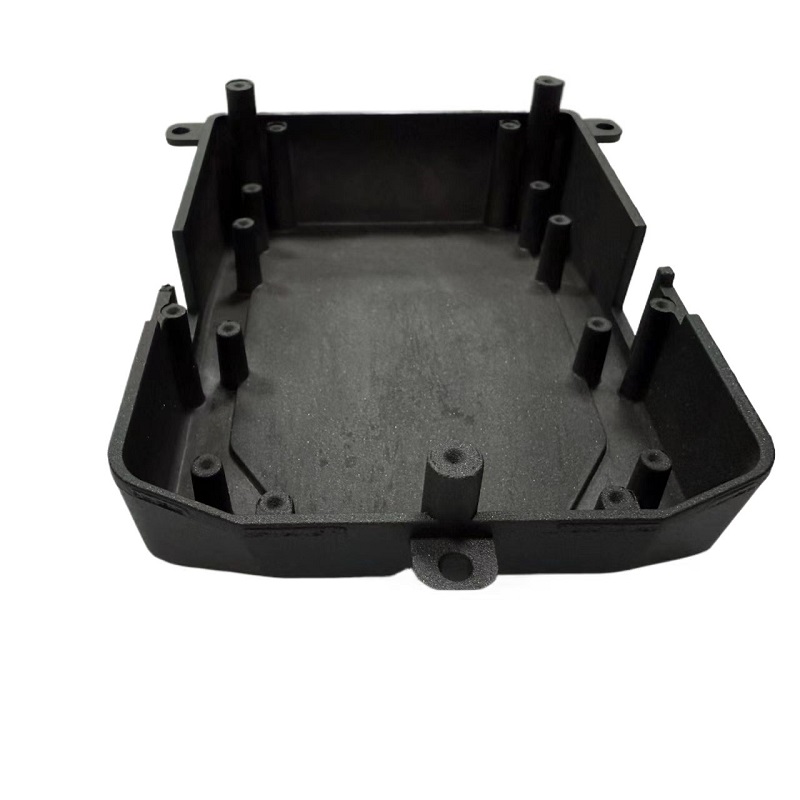
These enclosures are customized to match the size and configuration of different power supply types, including AC/DC power supplies, switching power supplies, and industrial power supplies. They typically feature integrated heat sinks, cable management ports, and mounting brackets to ensure optimal performance and easy installation.
From small household power adapters to large industrial power modules, die-cast aluminum enclosures for power supply are tailored to meet diverse needs, with options for waterproofing (IP65-IP68 ratings), EMI shielding, and modular designs to accommodate future upgrades.
3. Core Advantages of Die-Cast Aluminum Enclosures for Power Supply
3.1 Excellent Thermal Dissipation
Power supplies generate significant heat during operation, and overheating can reduce efficiency, shorten component lifespan, or even cause failure. Aluminum has excellent thermal conductivity (120–160 W/m·K for ADC12), and the die-casting process allows for integrated heat sinks and internal ribs, which accelerate heat transfer and keep PSUs running at optimal temperatures. Compared to other materials, die-cast aluminum enclosures can reduce surface temperatures by 10-20℃ under the same load, significantly extending the service life of power supply components.
3.2 Strong EMI Shielding Performance
Power supplies produce electromagnetic interference (EMI) during operation, which can disrupt nearby electronic devices.Die-cast aluminum enclosures act as a natural Faraday cage, effectively blocking EMI leakage and preventing external electromagnetic signals from interfering with the internal components of the power supply. This is critical for sensitive applications such as medical equipment, industrial control systems, and automotive electronics, where signal stability is paramount.
3.3 High Structural Strength & Durability
Die-cast aluminum enclosures have high tensile strength (≥250 MPa) and impact resistance, making them capable of withstanding harsh operating conditions—including vibration, shock, and physical impact—in industrial or outdoor environments. They are also corrosion-resistant (especially with anodization or powder coating), ensuring long-term reliability even in humid, dusty, or corrosive settings, with a salt spray test resistance of ≥96 hours (neutral).
3.4 Precision Customization & Cost-Effectiveness
The die-casting process allows for the production of enclosures with complex shapes, tight tolerances, and integrated features (e.g., mounting holes, cable ports, heat sinks) in a single step, reducing the need for secondary processing. For mass production, die-cast aluminum enclosures become highly cost-effective, as the high initial mold cost is offset by low per-unit production costs—especially with mold lifespans exceeding one million cycles and yield rates of 99.1% or higher.
4. Pros & Cons Comparison: Die-Cast Aluminum vs. Other Power Supply Enclosures
To better highlight the advantages of die-cast aluminum enclosures for power supply, we compare them with three common alternatives: plastic enclosures, extruded aluminum enclosures, and stamped steel enclosures.
4.1 Die-Cast Aluminum vs. Plastic Enclosures
| Features | Die-Cast Aluminum Enclosures | Plastic Enclosures |
|---|---|---|
| Thermal Dissipation | Excellent (aluminum’s high thermal conductivity + integrated heat sinks) | Poor (easily softens at high temperatures, traps heat) |
| EMI Shielding | Superior (natural Faraday cage effect) | Weak (requires additional shielding layers) |
| Durability | High (impact-resistant, corrosion-resistant) | Low (prone to cracking, aging, and deformation) |
| Customization | High (complex shapes and integrated features) | Limited (simple shapes only, low precision) |
| Cost (Mass Production) | Cost-effective | Cheaper initially, but higher long-term maintenance costs |
4.2 Die-Cast Aluminum vs. Extruded Aluminum Enclosures
| Features | Die-Cast Aluminum Enclosures | Extruded Aluminum Enclosures |
|---|---|---|
| Shape Complexity | High (3D complex shapes, internal ribs, and bosses) | Low (only uniform 2D cross-sections) |
| Waterproof Performance | Excellent (seamless design, IP65-IP68 ratings) | Poor (requires separate end-caps and gaskets) |
| Dimensional Tolerance | Tight (±0.05mm) | Looser (requires secondary machining) |
| Production Suitability | High-volume, complex parts | Medium to high-volume, simple shapes |
4.3 Die-Cast Aluminum vs. Stamped Steel Enclosures
| Features | Die-Cast Aluminum Enclosures | Stamped Steel Enclosures |
|---|---|---|
| Weight | Lightweight (reduces overall device weight) | Heavy (increases transportation and installation costs) |
| Corrosion Resistance | Good (with surface treatment) | Poor (prone to rust without heavy coating) |
| Thermal Dissipation | Excellent | Poor (steel has low thermal conductivity) |
| Customization | High (integrated features, complex shapes) | Limited (simple flat shapes, requires welding) |
Key Takeaway: While other enclosure types may have minor advantages (e.g., lower initial cost for plastic, lower tooling cost for extruded aluminum), die-cast aluminum enclosures outperform them in thermal management, EMI shielding, durability, and customization—making them the best choice for high-performance power supply applications, especially in harsh or sensitive environments.
5. Expert Opinions on Die-Cast Aluminum Enclosures for Power Supply
We interviewed three industry experts to gain insights into the value of die-cast aluminum enclosures for power supply in real-world applications.
5.1 Stan, Senior Engineer at EMP Tech (Automotive & Power Electronics)
"In my work helping tier 1 automotive suppliers, the power inverter enclosure is one of the most critical components we develop. It’s far more than just a metal box—it’s a high-performance system that must protect, cool, and support some of the most expensive and sensitive electronics in the entire vehicle. Aluminum die-casting has become the go-to solution because it uniquely satisfies all the demanding, and often conflicting, requirements of this application. Its ability to integrate cooling features, provide robust EMI shielding, and enable cost-effective mass production makes it irreplaceable for automotive power supplies."
5.2 Wilson, Product Manager at Ya Ji Aluminum (Enclosure Manufacturing)
"When it comes to power supply enclosures, customers prioritize reliability and long-term performance. Die-cast aluminum enclosures stand out because they offer an unbeatable balance of strength, lightweight design, and thermal conductivity. Unlike extruded or stamped alternatives, die-casting allows us to create enclosures with complex internal ribbing and seamless seals, which are essential for power supplies operating in outdoor or industrial environments. We’ve seen customers reduce their power supply failure rates by 30% simply by switching to die-cast aluminum enclosures."
5.3 Lisa, Electrical Engineer at a Leading Industrial Automation Company
"In industrial settings, power supplies are exposed to vibration, dust, and extreme temperatures—so their enclosures must be tough. Die-cast aluminum enclosures not only provide the structural strength to withstand these conditions but also offer superior thermal dissipation, which is critical for industrial power modules that run 24/7. We also value their precision customization: we can design enclosures with integrated mounting flanges and cable management ports, which reduces installation time and improves overall system efficiency. For us, die-cast aluminum is the only choice for reliable power supply housing."
6. FAQs About Die-Cast Aluminum Enclosures for Power Supply
6.1 What surface treatments are best for die-cast aluminum power supply enclosures?
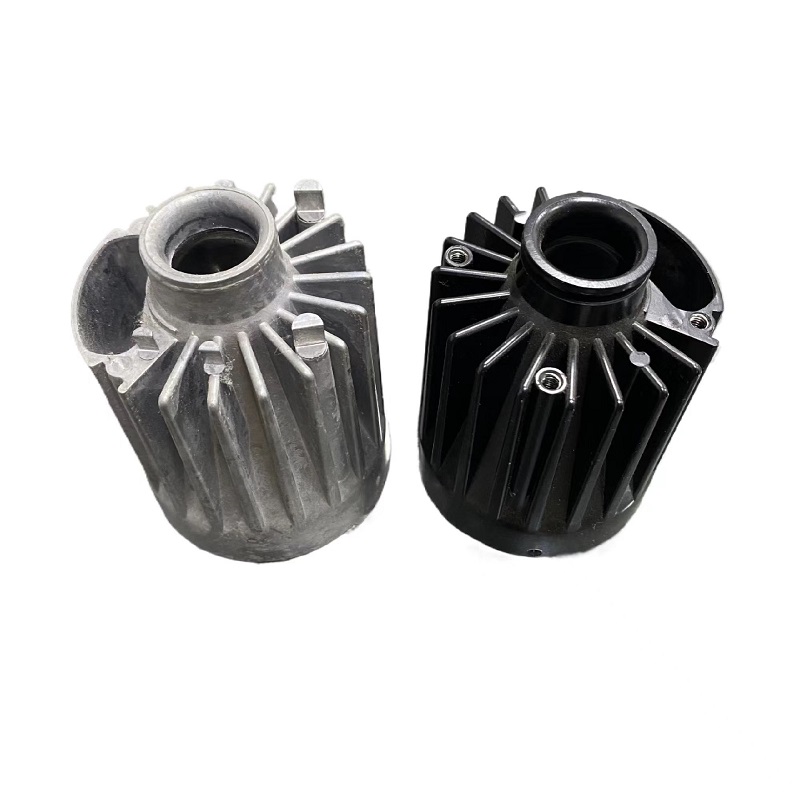
The most common and effective surface treatments are anodization, powder coating, and electrophoretic coating. Anodization enhances corrosion resistance and wear resistance, making it ideal for outdoor applications; powder coating offers a smooth, durable finish and can be customized to different colors; electrophoretic coating provides excellent adhesion and corrosion protection for harsh environments. For power supplies requiring enhanced heat radiation, thermal black coating or nano-ceramic coating is also an option.
6.2 Can die-cast aluminum enclosures be customized for small-volume power supply projects?
Yes, but it’s important to note that die-casting requires custom steel molds, which have higher initial costs. For small-volume projects (e.g., 100-1000 units), manufacturers often offer shared molds or modified standard molds to reduce costs. Additionally, the die-casting process’s high precision reduces secondary processing, making it cost-effective even for small batches compared to other customization methods.
6.3 How do die-cast aluminum enclosures improve power supply efficiency?
The primary way is through excellent thermal dissipation: aluminum’s high thermal conductivity and integrated heat sinks prevent power supply components from overheating, which directly improves efficiency (overheating can reduce power supply efficiency by 5-10%). Additionally, the tight dimensional tolerances of die-cast enclosures ensure a precise fit for internal components, reducing airflow resistance and further optimizing heat dissipation. The EMI shielding also prevents signal interference, which helps maintain stable power output.
6.4 Are die-cast aluminum enclosures waterproof? Can they be used outdoors?
Yes, with proper design and surface treatment, die-cast aluminum enclosures can achieve IP65-IP68 waterproof ratings, making them suitable for outdoor use. Key waterproof features include seamless die-cast construction, neoprene or silicone gaskets, and sealed cable ports. Many outdoor power supplies (e.g., solar power inverters, outdoor LED power supplies) use die-cast aluminum enclosures to withstand rain, dust, and temperature changes.
6.5 What is the typical lifespan of a die-cast aluminum power supply enclosure?
With proper surface treatment and maintenance, die-cast aluminum enclosures can last 10-15 years in indoor environments and 5-10 years in harsh outdoor environments. This is significantly longer than plastic enclosures (2-5 years) and stamped steel enclosures (3-7 years), as aluminum is corrosion-resistant and not prone to aging or cracking. The high structural strength also ensures the enclosure remains intact even after long-term use in high-vibration settings.
7. Conclusion
Die-cast aluminum enclosures are precision-manufactured, high-performance housings that offer unique advantages for protecting sensitive electronic components—especially in power supply applications. As highlighted throughout this blog, die-cast aluminum enclosures for power supply outperform alternative materials in thermal dissipation, EMI shielding, durability, and customization, making them the ideal choice for a wide range of applications, from household power adapters to industrial power modules.
The pros & cons comparison clearly shows that while other enclosure types may have minor cost advantages, die-cast aluminum enclosures provide long-term value by reducing failure rates, improving power supply efficiency, and withstanding harsh operating conditions. Expert opinions further confirm their irreplaceable role in modern power electronics, particularly in automotive, industrial, and outdoor applications.
Whether you’re designing a small power adapter or a large industrial power system, choosing a die-cast aluminum enclosure ensures that your power supply is protected, efficient, and reliable—helping you deliver high-quality products to your customers.
Pressure die casting | what is pressure die casting? A Complete Guide for Manufacturers
Display case with led | What is Anodized Aluminum Die Castings?Focus on LED Display Empty Cabinet
Related Article


