
HOT PRODUCTS
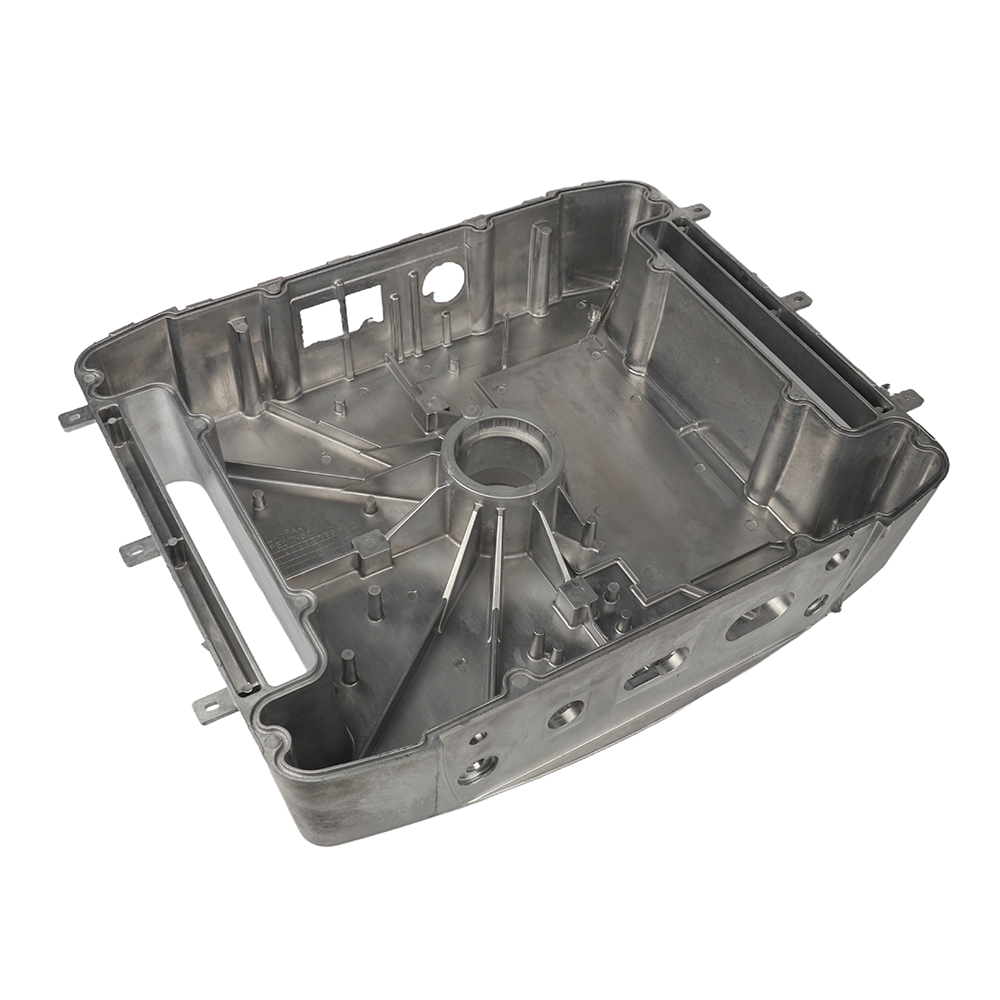
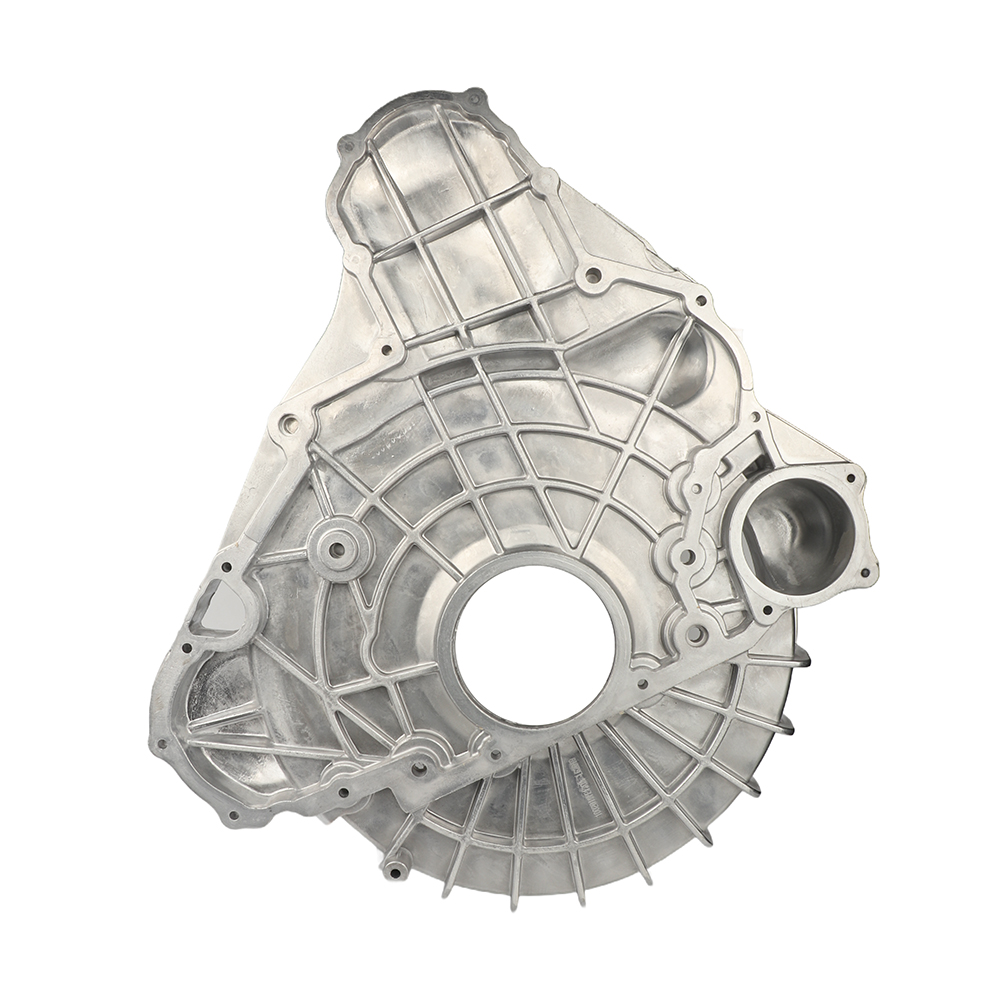
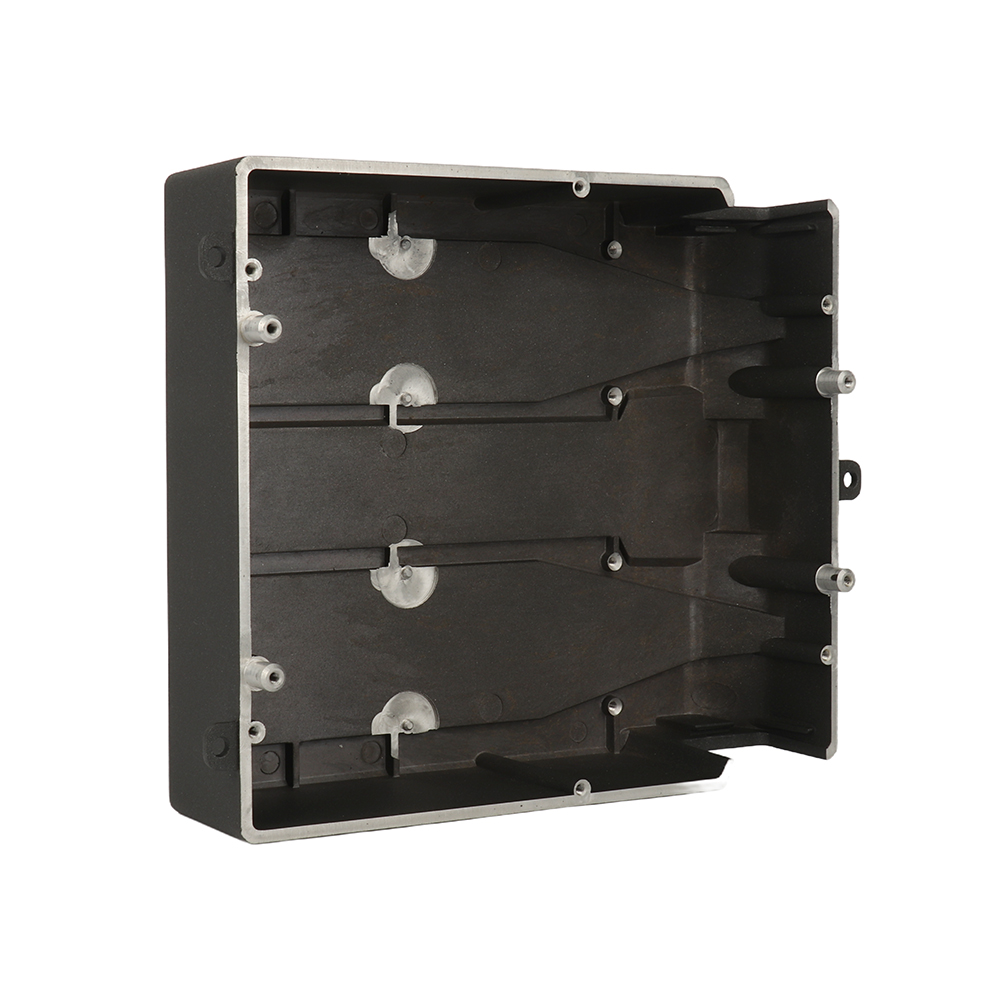
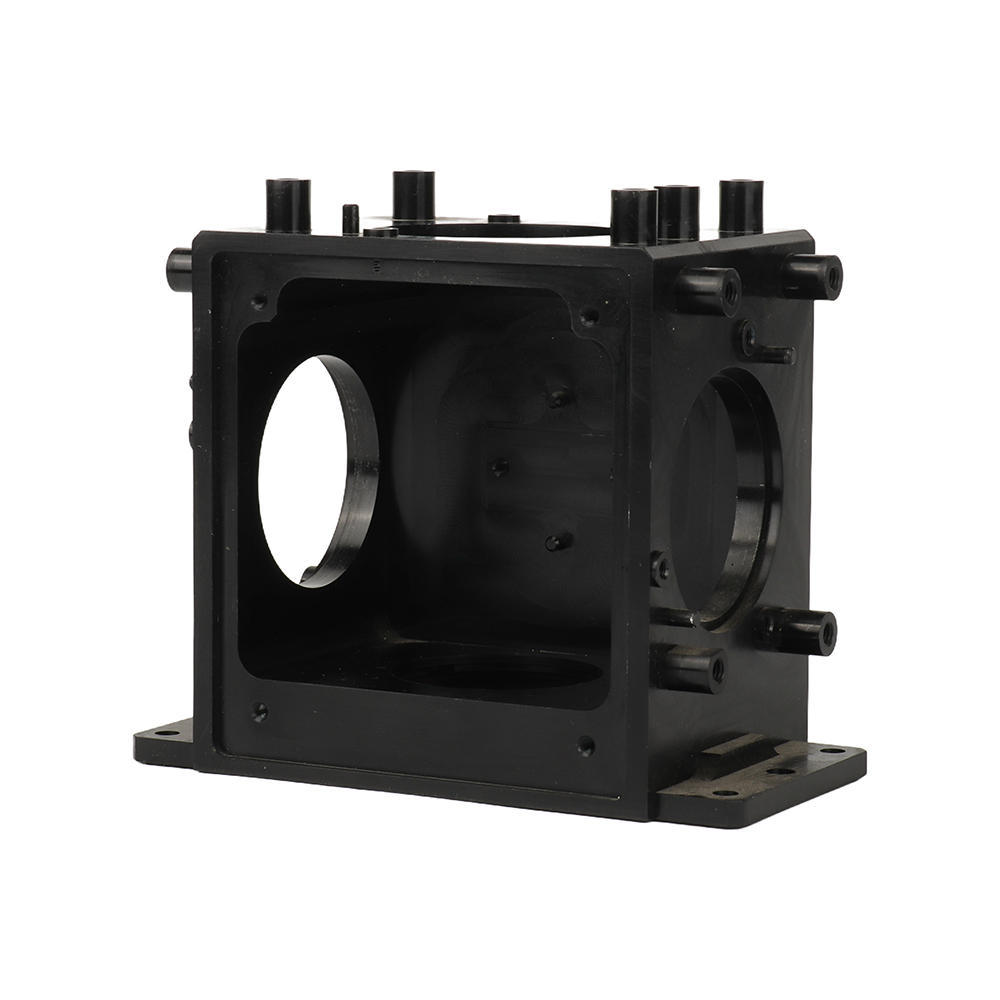
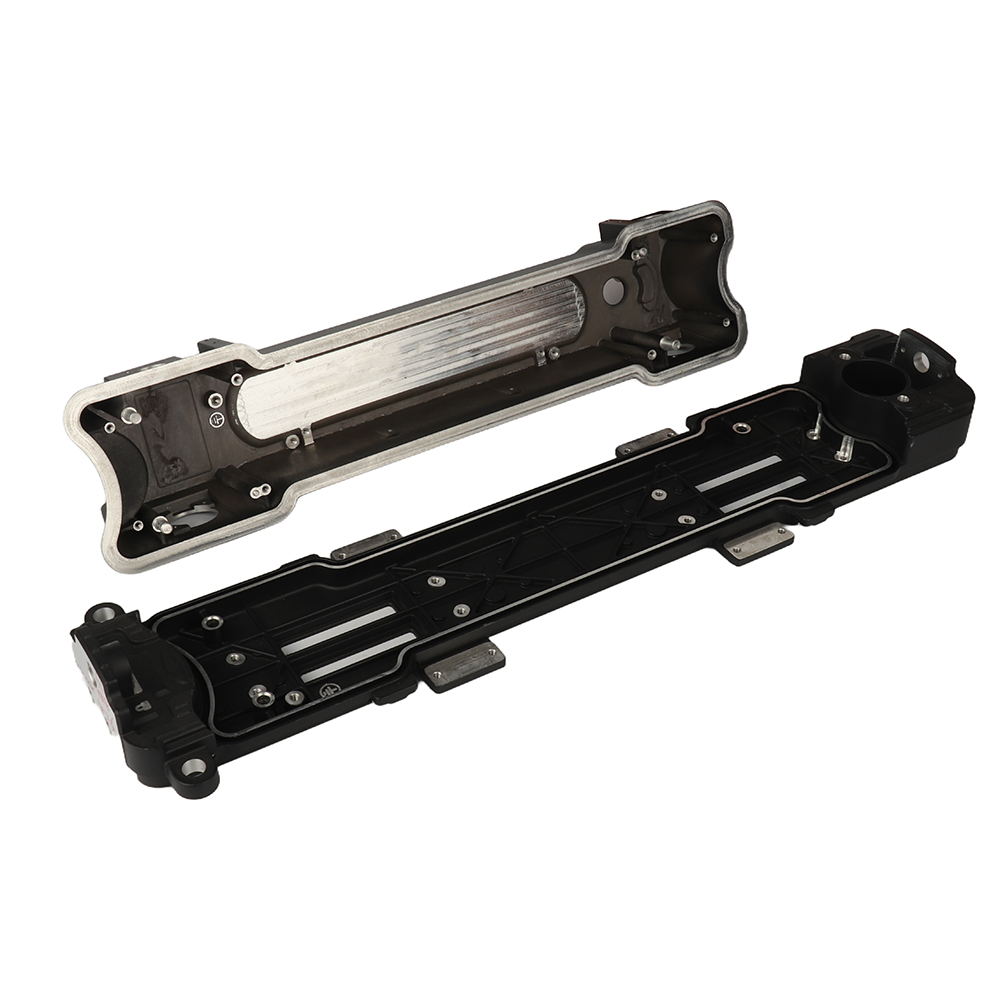
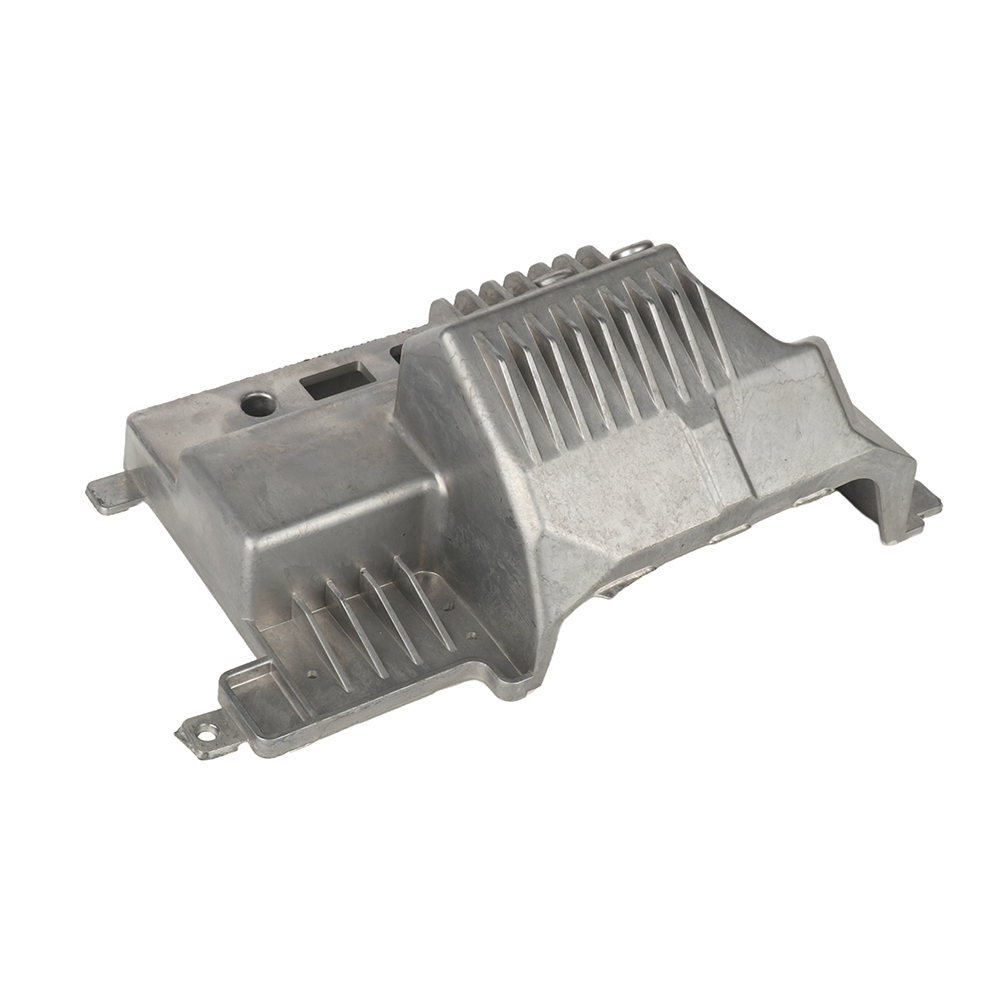
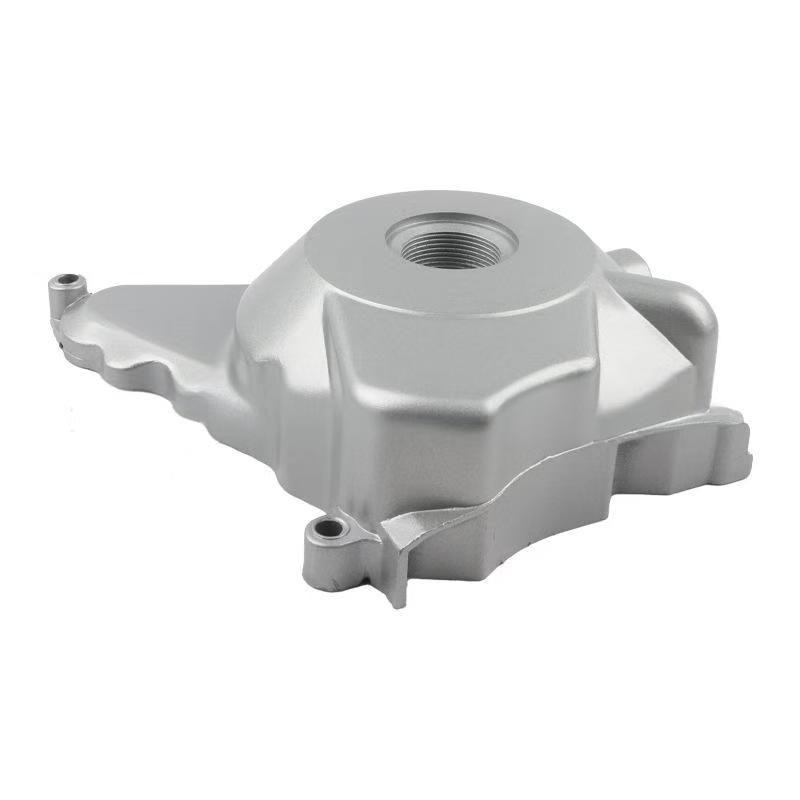
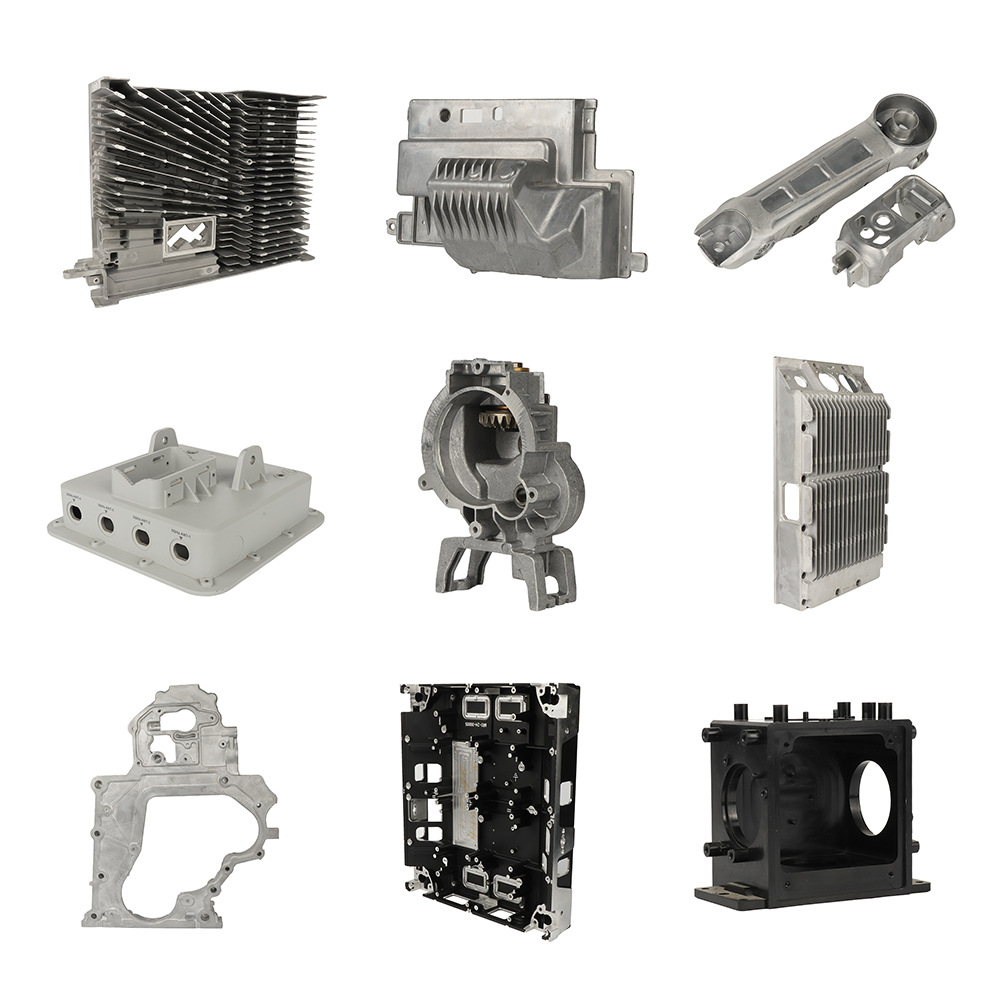
Die casting parts | What are die-cast aluminum server chassis parts? Uses, Advantages & Supplier Guide
What are Die-Cast Aluminum Server Chassis Parts? Uses, Advantages & Supplier Guide
Table of Contents
- 1. Introduction: What are Die-Cast Aluminum Server Chassis Parts?
- 2. Core Definition & Manufacturing Process of Aluminum Die Cast Parts
- 3. Uses & Roles of Die-Cast Aluminum Server Chassis Parts
- 4. Key Advantages of Aluminum Die Cast Parts for Server Chassis
- 5. Industrial Application Areas of Die-Cast Aluminum Server Chassis Parts
- 6. Xinghang Precision Hardware: Premium Aluminum Die Cast Parts Supplier (Model XH-014)
- 7. Expert Insights on Die-Cast Aluminum Server Chassis Parts
- 8. FAQs About Die-Cast Aluminum Server Chassis Parts
- 9. Conclusion: Industry Trends & How to Choose a Quality Hardware Supplier
1. Introduction: What are Die-Cast Aluminum Server Chassis Parts?
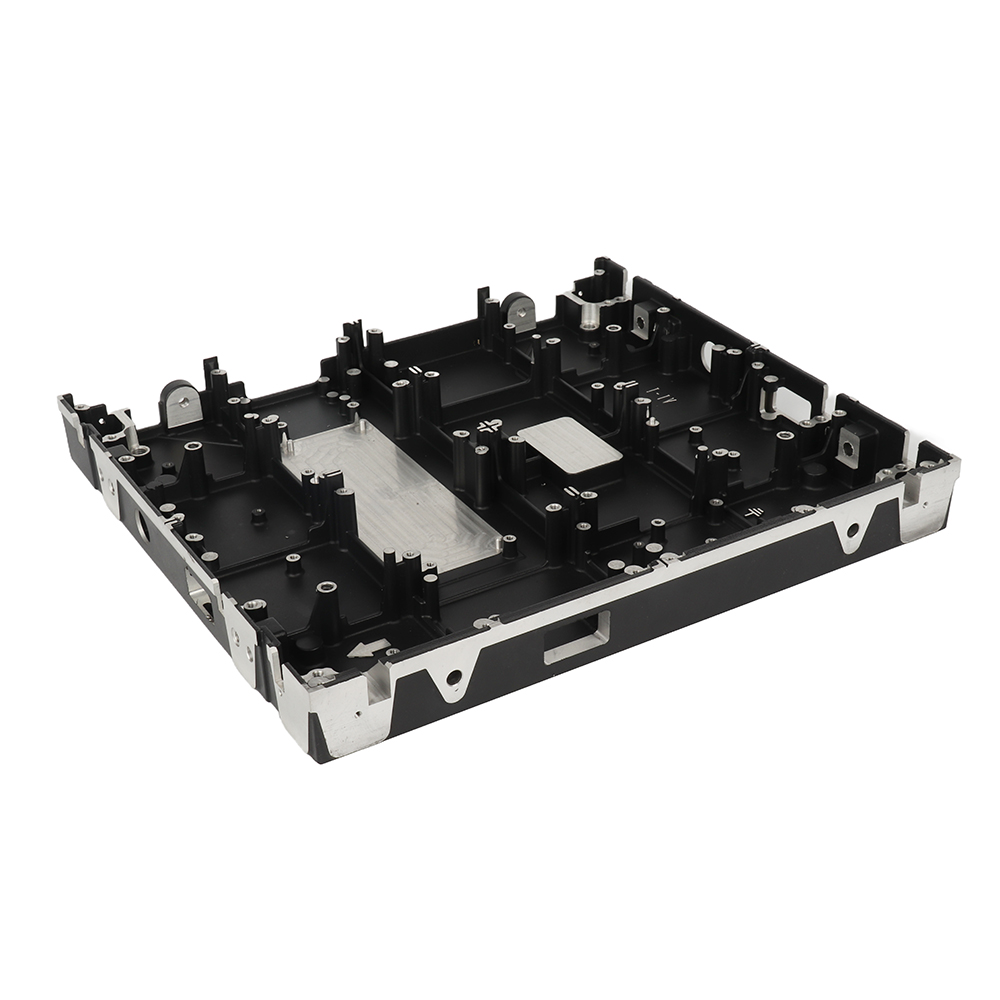
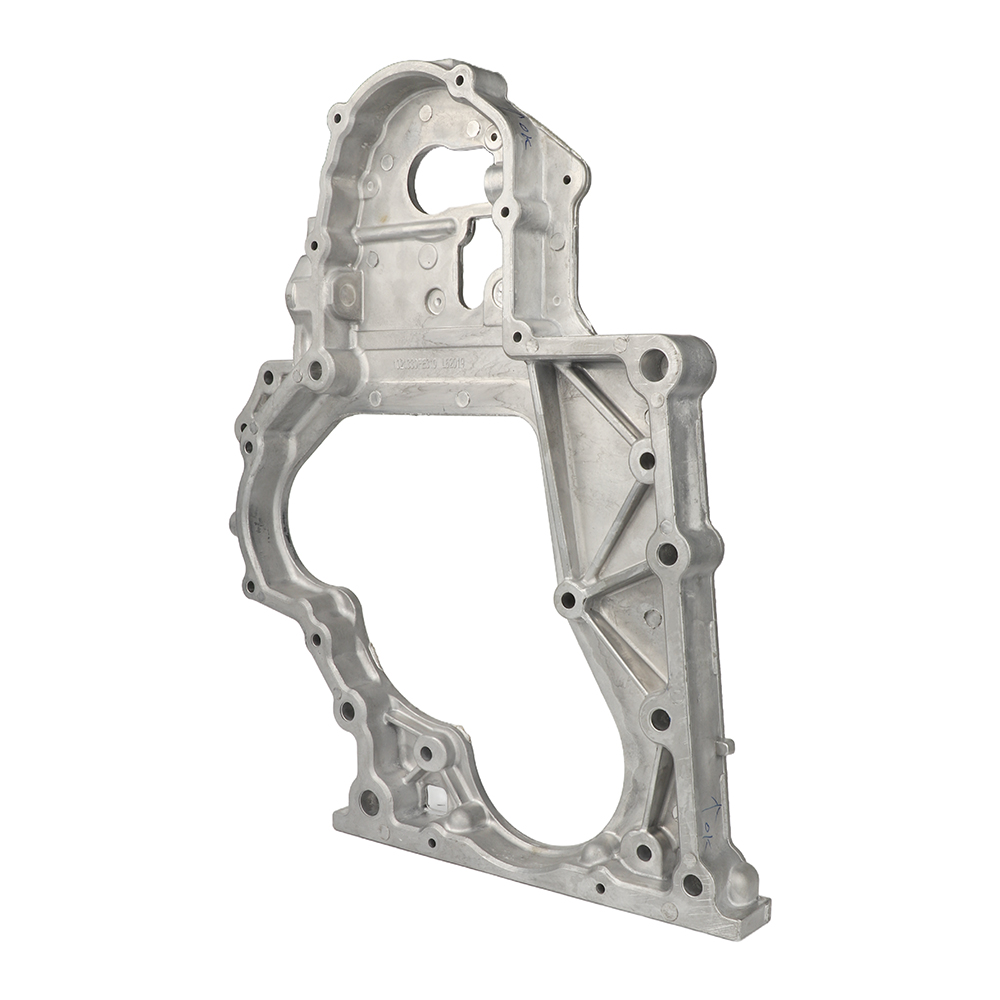
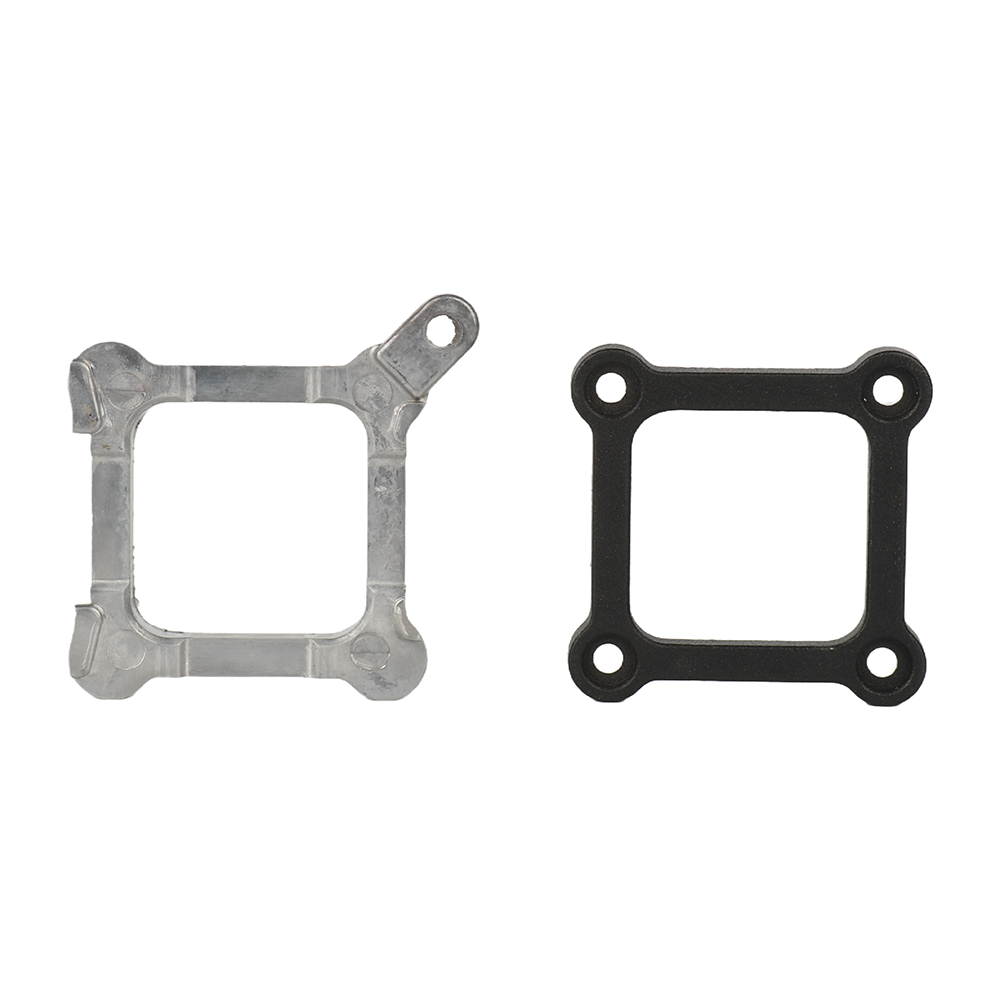
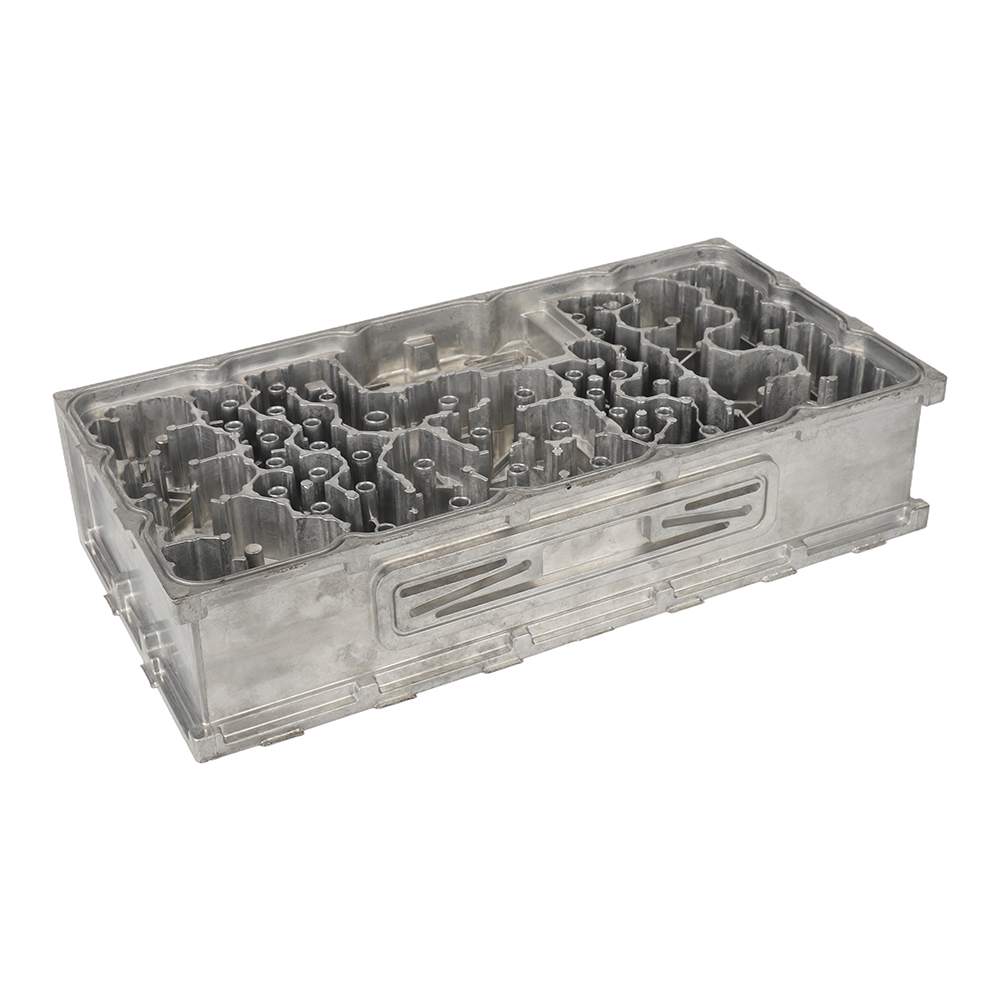
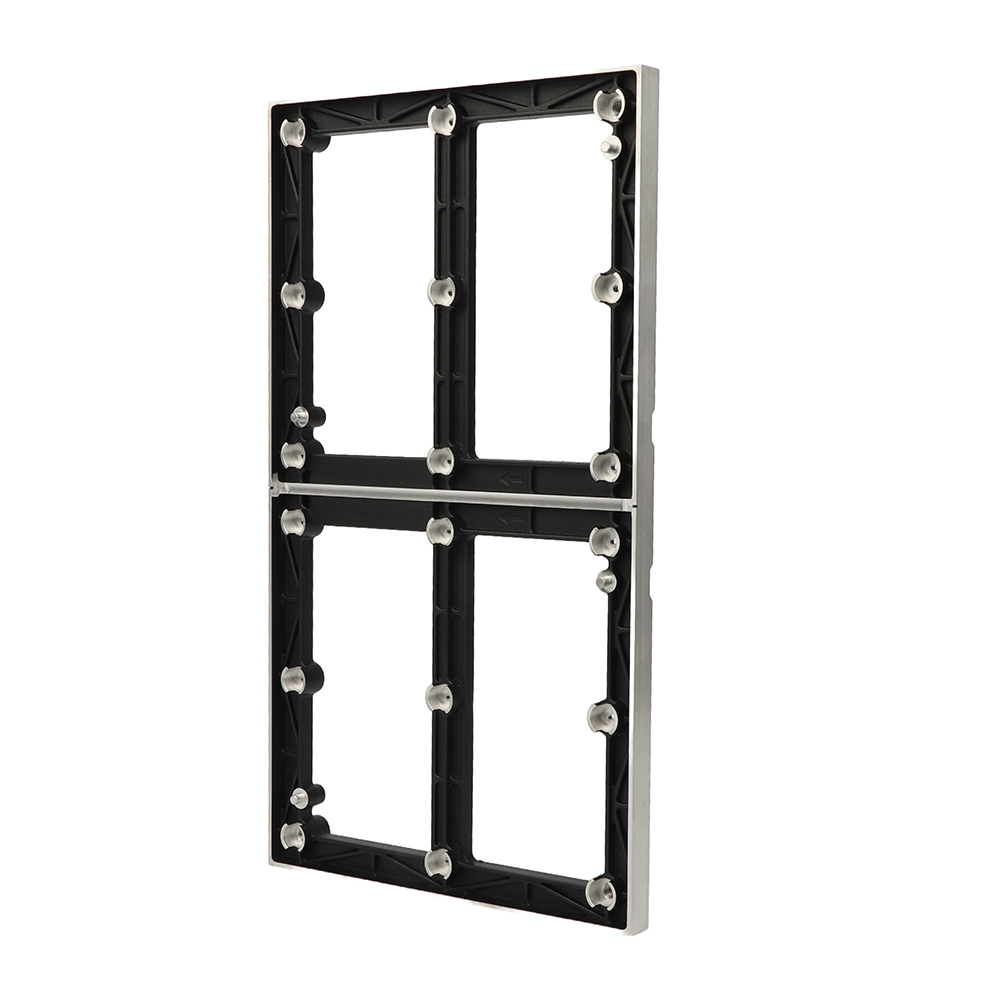
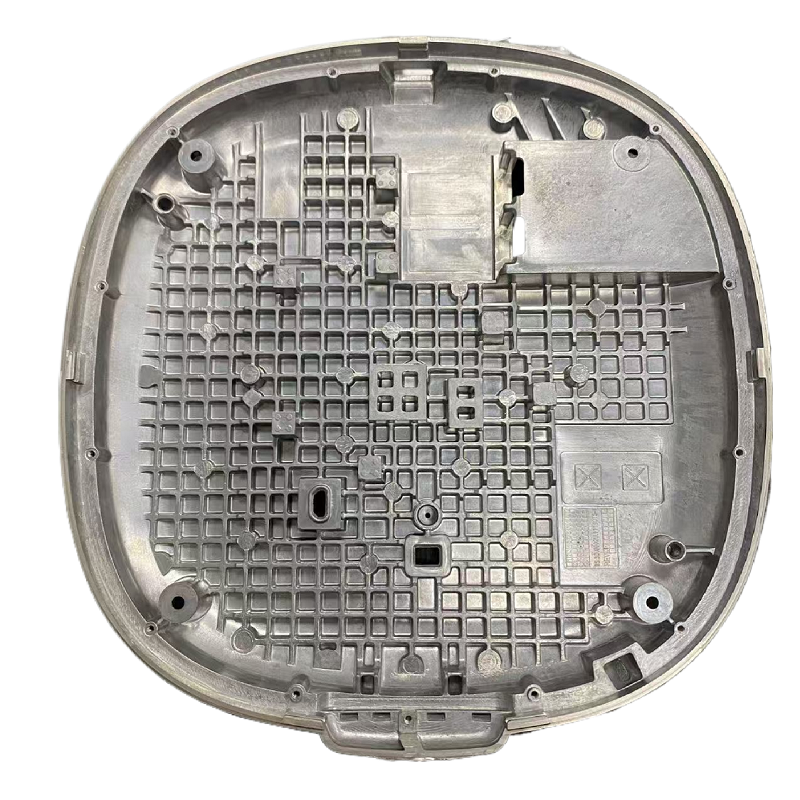
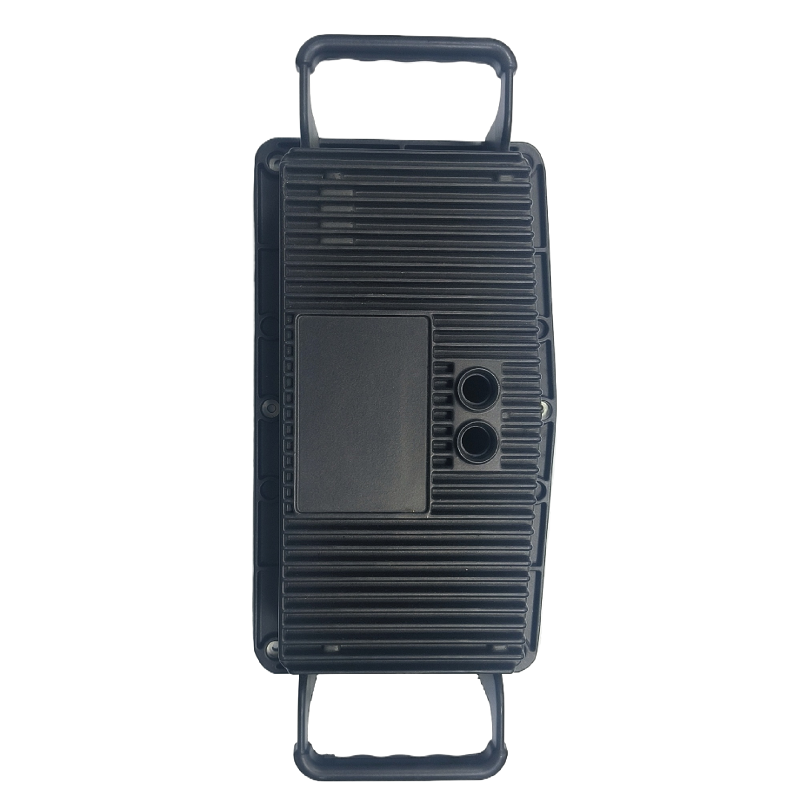
In the era of digital transformation, servers are the backbone of data centers, industrial networks, and enterprise operations—relying on robust, high-precision components to ensure 24/7 reliability. Die-cast aluminum server chassis parts are critical structural and functional components that form the foundation of server chassis, designed to support, protect, and optimize server performance. These aluminum die cast parts are precision-manufactured via high-pressure die casting technology, combining durability, precision, and performance to meet the rigorous demands of industrial server applications.
Unlike generic chassis parts, aluminum die cast parts for server chassis are engineered to address the unique challenges of server operation—including heat management, structural stability, and long-term durability. This blog will break down what die-cast aluminum server chassis parts are, their uses, key advantages, application areas, and how to choose a trusted supplier—with a focus on Xinghang Precision Hardware’s premium aluminum die cast parts (Model XH-014).
2. Core Definition & Manufacturing Process of Aluminum Die Cast Parts
Aluminum die cast parts for server chassis are precision components made by injecting molten aluminum alloy into a custom steel mold (die) under high pressure (typically 100–1500 bar). This high-pressure die casting process ensures the parts have a seamless finish, tight dimensional tolerances, and uniform structural integrity—critical for components that must fit perfectly within server chassis and withstand continuous operation.
The manufacturing process of these die-cast aluminum server chassis parts involves four key steps: 1) Melting high-performance aluminum alloys (e.g., ADC12, A380) to a molten state, ensuring optimal strength and machinability; 2) Injecting the molten aluminum into a precision steel die at high pressure and velocity, filling every detail of the mold; 3) Allowing the aluminum to cool and solidify rapidly, forming the exact shape of the chassis part; 4) Post-processing (precision machining, surface treatment) to refine dimensions, add functional features (e.g., mounting holes, heat sinks), and enhance corrosion resistance.
At Xinghang Precision Hardware, our aluminum die cast parts (Model XH-014) follow this rigorous process, ensuring each component meets the highest standards of precision and durability for server chassis applications.
3. Uses & Roles of Die-Cast Aluminum Server Chassis Parts
Die-cast aluminum server chassis parts serve multiple critical roles in server design and operation, acting as the “building blocks” of reliable server systems. Their core uses and roles include:
3.1 Structural Support & Stability
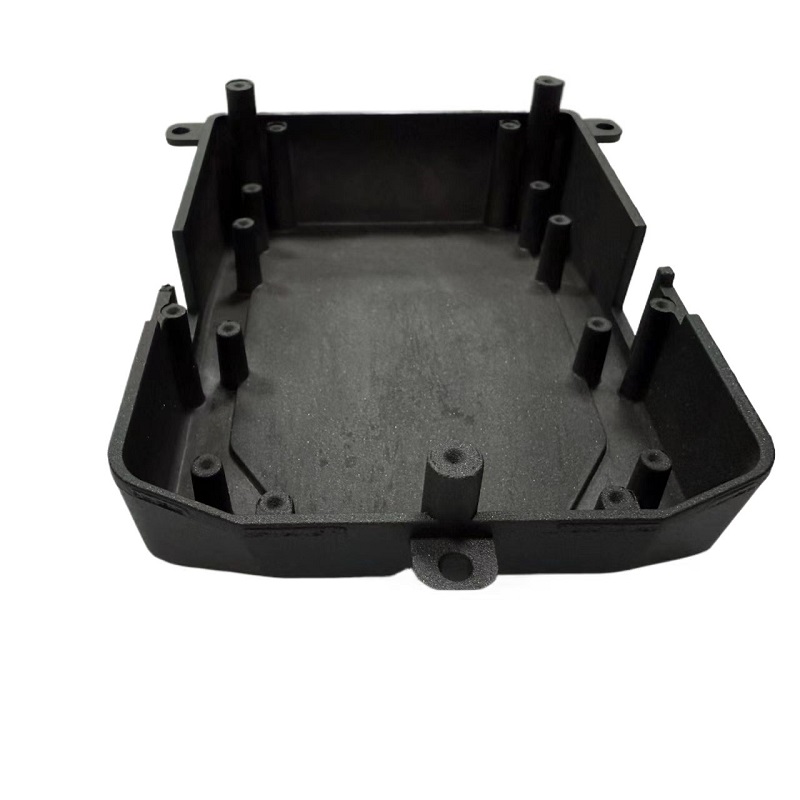
The primary use of aluminum die cast parts in server chassis is to provide robust structural support. These parts (e.g., frame rails, mounting brackets, chassis panels) hold server components—such as motherboards, hard drives, and power supplies—in place, ensuring stability even during continuous operation and minor vibrations. Their high strength-to-weight ratio ensures the chassis remains rigid without adding unnecessary weight.
3.2 Heat Dissipation & Temperature Regulation
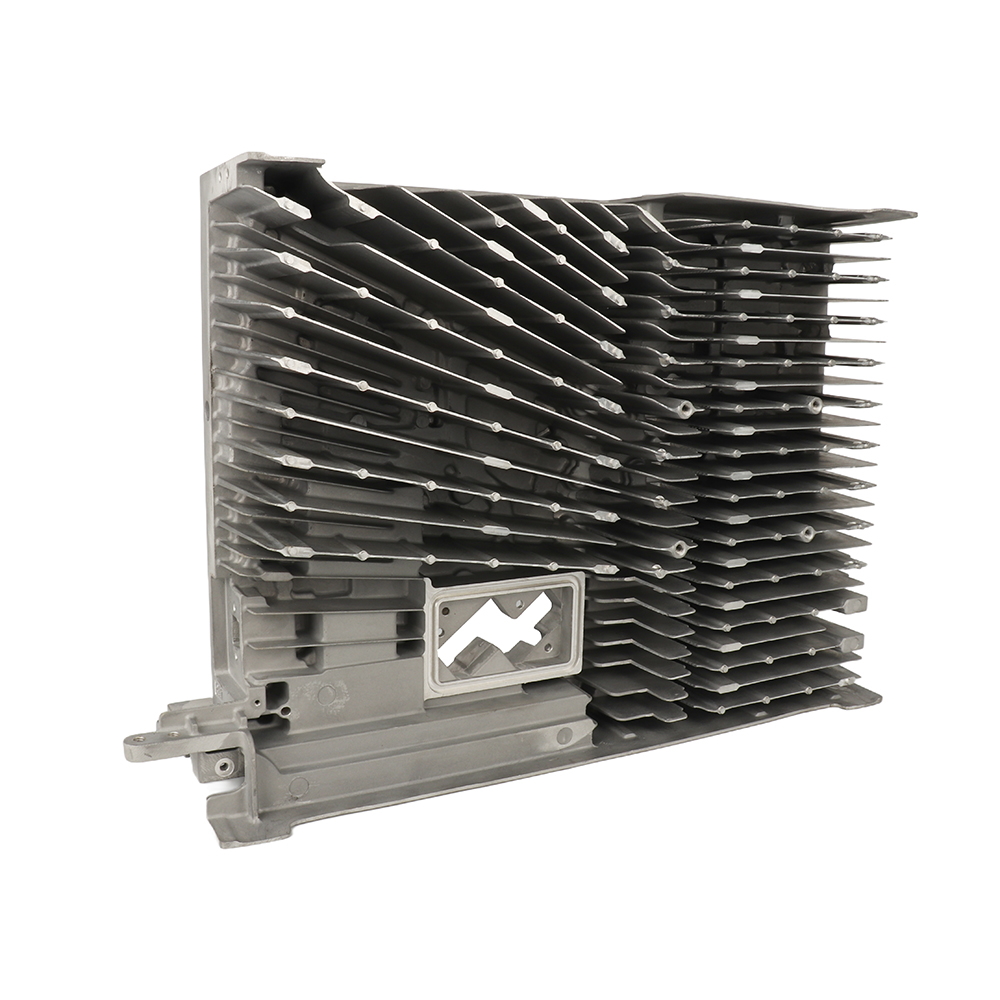
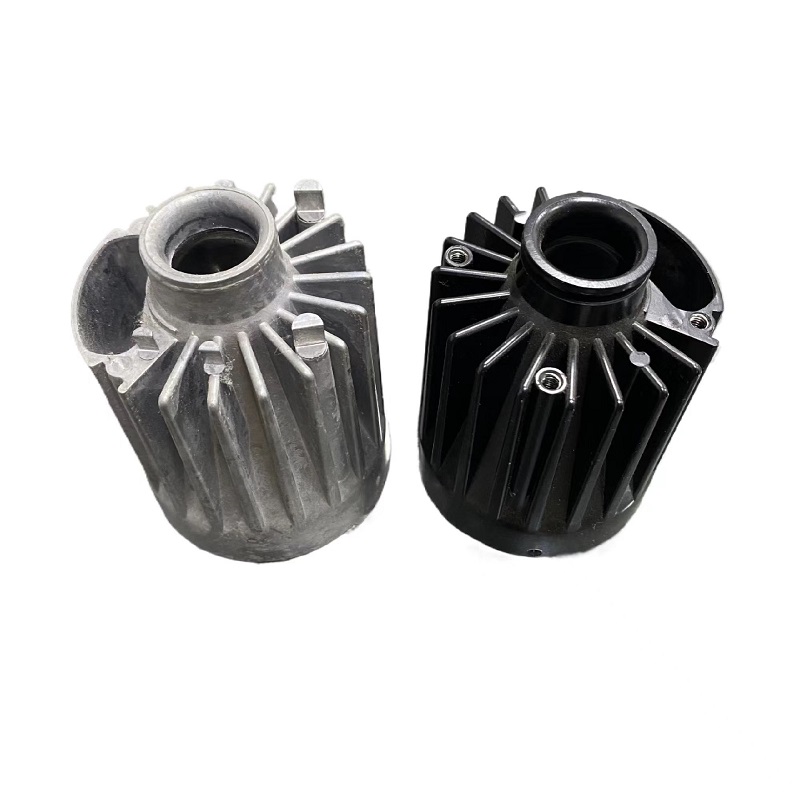
Servers generate significant heat during operation, and overheating can damage components and reduce performance. Die-cast aluminum server chassis parts act as natural heat sinks, leveraging aluminum’s excellent thermal conductivity to dissipate heat away from sensitive electronic components. This reduces the need for additional cooling systems, improving energy efficiency and extending the lifespan of server hardware.
3.3 Protection of Server Components
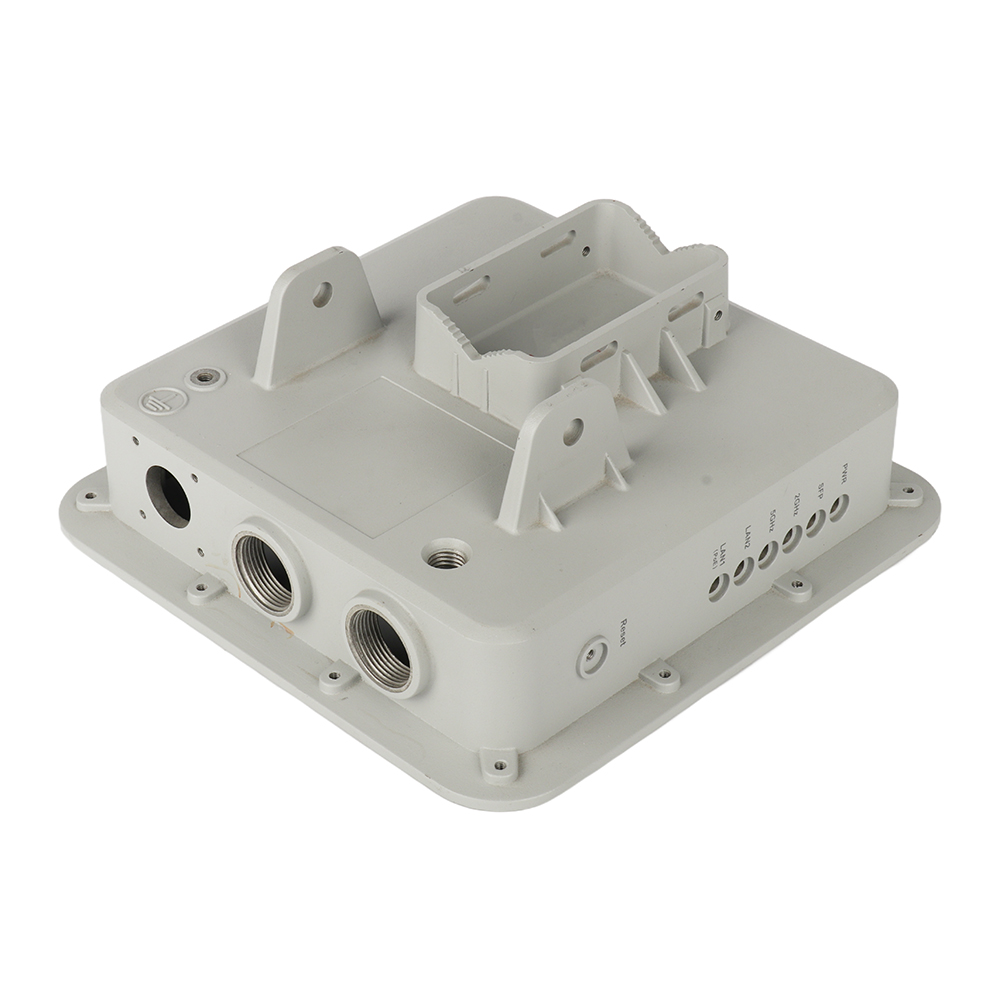
These aluminum die cast parts form a protective barrier around critical server components, shielding them from dust, moisture, impact, and electromagnetic interference (EMI). Seamless die-cast construction eliminates gaps that could allow contaminants to enter, ensuring server reliability in industrial environments.
3.4 Integration & Assembly Convenience
Precision-manufactured aluminum die cast parts are designed with integrated features (e.g., pre-drilled mounting holes, alignment guides) that simplify server assembly. This reduces assembly time, minimizes errors, and ensures all components fit together seamlessly—critical for large-scale server production in data centers and industrial facilities.
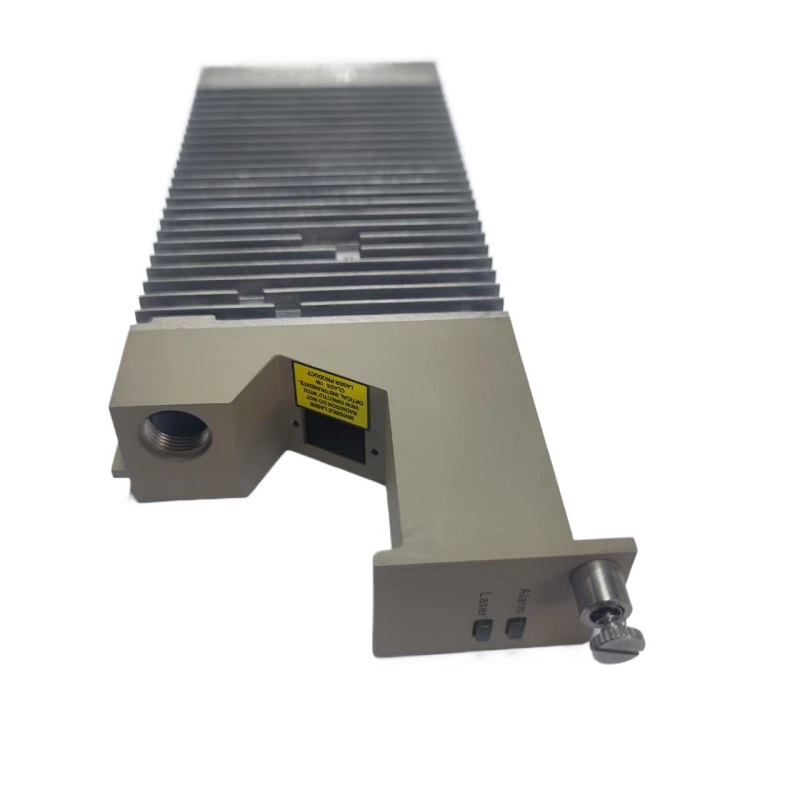
4. Key Advantages of Aluminum Die Cast Parts for Server Chassis
Compared to server chassis parts made from other materials (e.g., steel, plastic, sheet metal), aluminum die cast parts offer distinct advantages that make them the preferred choice for industrial server applications. These advantages directly enhance server performance, reliability, and cost-effectiveness:
- Superior Precision & Dimensional Consistency: High-pressure die casting ensures tight tolerances and consistent dimensions across all parts. This ensures perfect fit and compatibility with other server components, reducing assembly errors and improving overall server reliability.
- Exceptional Durability & Corrosion Resistance: Aluminum’s inherent strength and the die casting process create a dense, uniform structure that resists wear, impact, and corrosion. This ensures die-cast aluminum server chassis parts have a long service life (10–20 years with proper maintenance), even in harsh industrial environments.
- Optimal Heat Dissipation: Aluminum is a top thermal conductor, far superior to steel or plastic. Die-cast parts efficiently dissipate heat from server components, preventing overheating and maintaining optimal performance—critical for 24/7 server operation.
- Lightweight Design: Aluminum is significantly lighter than steel, reducing the overall weight of server chassis. This makes server installation, transportation, and maintenance easier, while also reducing energy consumption in data centers.
- Customization Flexibility: The die casting process supports complex geometries, allowing aluminum die cast parts to be tailored to custom server chassis designs. This includes unique shapes, integrated features, and custom sizes to meet the specific needs of industrial equipment applications.
- Cost-Effective for Mass Production: Die casting is a high-efficiency process that allows for mass production of aluminum die cast parts with minimal material waste. This reduces per-unit costs, making them a cost-effective choice for large-scale server manufacturing.
- Sustainability: Aluminum is 100% recyclable, and the die casting process is energy-efficient, producing minimal waste. This aligns with global green manufacturing trends and helps businesses reduce their environmental footprint.
5. Industrial Application Areas of Die-Cast Aluminum Server Chassis Parts
Aluminum die cast parts for server chassis are widely used in various industrial sectors, thanks to their durability, precision, and performance. Key application areas include:
5.1 Data Centers
Data centers rely on thousands of servers to store and process data, making die-cast aluminum server chassis parts essential. These parts are used in server racks, chassis frames, and cooling components, ensuring reliable operation and heat management in high-density data center environments.
5.2 Industrial Control Systems
Industrial control servers (used in manufacturing plants, power stations, and oil refineries) require robust chassis parts to withstand harsh industrial conditions. Die-cast aluminum parts provide the necessary durability, corrosion resistance, and heat dissipation to ensure these servers operate reliably in extreme temperatures and dusty environments.
5.3 Enterprise Servers
Large enterprises use on-premises servers for critical business operations (e.g., ERP systems, customer data management). Aluminum die cast parts ensure these servers are stable, durable, and efficient, minimizing downtime and maintenance costs.
5.4 Telecommunications Infrastructure
Telecommunication servers (e.g., 5G base station servers, network routers) require compact, heat-dissipating chassis parts. Die-cast aluminum parts are ideal for these applications, as they offer a balance of lightweight design and thermal performance.
5.5 Medical & Aerospace Servers
Medical and aerospace servers (used in diagnostic equipment, aircraft systems) require high-precision, sterile, and durable chassis parts. Die-cast aluminum server chassis parts meet these requirements, ensuring compliance with industry standards and reliable operation in critical applications.
6. Xinghang Precision Hardware: Premium Aluminum Die Cast Parts Supplier (Model XH-014)
When it comes to high-quality aluminum die cast parts for server chassis, Xinghang Precision Hardware is your trusted partner. Our premium die-cast aluminum server chassis parts (Model XH-014) are designed to meet the demands of modern industrial server applications, with the following specifications and advantages:
6.1 Product Overview (Model XH-014)
| Product Details | Specifications |
| Product Name | High-Quality Die-Cast Aluminum Server Chassis Parts |
| Place of Origin | Guangdong, China |
| Brand Name | XingHang |
| Model Number | XH-014 |
| Certification | ISO9001/TS16949/RoHS/ISO14001 |
| Key Features | Precision-made, durable, excellent heat dissipation, custom-designed, corrosion-resistant |
| Manufacturing Process | High-pressure die casting + precision machining + surface treatment (optional) |
| Application | Industrial Equipment (server chassis, data centers, industrial control systems, etc.) |
6.2 Our Advantages for Aluminum Die Cast Parts
- Integrated Production Capabilities: We integrate R&D design, mold manufacturing, high-pressure die casting, precision machining, surface treatment, and assembly into a one-stop service. This ensures full control over the production process, from design to delivery, and reduces supply chain costs.
- Advanced Equipment & Technology: We use high-precision die casting machines (300–2000 tons) and automated production lines, ensuring consistent quality and high efficiency. Our R&D team uses 3D design and simulation technology to optimize aluminum die cast parts, reducing errors and improving performance.
- Strict Quality Control: Backed by ISO9001/TS16949/RoHS/ISO14001 certifications, we implement 100% inspection throughout the production process. Our defect rate is kept below 0.5%, far below the industry average, ensuring each aluminum die cast part meets your exact requirements.
- OEM/ODM Expertise: Our team has rich experience in custom manufacturing, able to tailor die-cast aluminum server chassis parts to your unique specifications—whether it’s size, shape, functional features, or surface treatment. We offer free design optimization and prototype testing to ensure satisfaction.
- Timely Delivery & After-Sales Service: For custom orders, our typical lead time is 10–15 days (faster than the industry average), and we offer expedited production for urgent needs. Our dedicated after-sales team provides technical support, product replacement, and maintenance advice to ensure long-term cooperation.
7. Expert Insights on Die-Cast Aluminum Server Chassis Parts
To gain deeper insights into the value and future of aluminum die cast parts for server chassis, we interviewed Dr. Michael Carter, a senior mechanical engineer with over 18 years of experience in server design and precision manufacturing, and a consultant for leading data center and industrial equipment companies.
“Die-cast aluminum server chassis parts are the unsung heroes of reliable server operation,” says Dr. Carter. “Servers operate 24/7, generating heat and enduring constant use—so their chassis parts must be precise, durable, and efficient. Aluminum die cast parts excel in all these areas: their thermal conductivity prevents overheating, their precision ensures perfect component fit, and their durability reduces maintenance and replacement costs. Unlike steel or plastic parts, they offer a balance of strength and lightweight design that is critical for modern server systems.”
Dr. Carter also emphasized: “The future of server technology lies in miniaturization and energy efficiency, and die-cast aluminum parts are key to this evolution. As servers become more compact and powerful, the demand for high-precision, heat-dissipating chassis parts will only grow. Suppliers like Xinghang, which offer integrated production and custom solutions, are well-positioned to meet this demand. The biggest advantage of aluminum die cast parts is their ability to adapt to custom server designs while maintaining the highest standards of quality and performance—something that generic parts simply cannot match.”
8. FAQs About Die-Cast Aluminum Server Chassis Parts
Q1: What is the difference between die-cast aluminum server chassis parts and steel parts?
A: Die-cast aluminum parts are lighter, offer better heat dissipation, and are more corrosion-resistant than steel parts. Steel parts are heavier and have poor thermal conductivity, which can lead to server overheating. Aluminum die cast parts are ideal for servers that require durability, heat management, and easy installation, while steel parts are better for low-cost, low-performance applications.
Q2: What aluminum alloys are used for die-cast server chassis parts, and why?
A: We use high-performance aluminum alloys such as ADC12, A380, and A383 for our aluminum die cast parts (Model XH-014). These alloys offer excellent castability, strength, corrosion resistance, and machinability—ideal for die casting and the demands of server chassis applications. They balance durability and lightweight properties, ensuring the parts are strong yet easy to integrate into server systems.
Q3: Can die-cast aluminum server chassis parts be customized for my specific server design?
A: Yes. At Xinghang, we specialize in custom aluminum die cast parts (Model XH-014 can be tailored) to meet your unique server chassis requirements—including size, shape, mounting points, heat dissipation features, and surface treatment. Our R&D team will work with you to design parts that fit your server perfectly and enhance performance.
Q4: Are die-cast aluminum server chassis parts suitable for outdoor server applications?
A: Yes. Die-cast aluminum parts can be designed with weather-resistant surface treatments (e.g., powder coating, anodizing) to withstand outdoor conditions such as rain, wind, UV radiation, and extreme temperatures. Our outdoor-rated parts have a service life of 10–15 years with proper maintenance, making them ideal for outdoor server enclosures.
Q5: What certifications do your aluminum die cast parts have?
A: Our die-cast aluminum server chassis parts (Model XH-014) are certified by ISO9001 (quality management), TS16949 (automotive and industrial quality), RoHS (environmental compliance), and ISO14001 (environmental management). These certifications ensure our products meet global quality and environmental standards, making them suitable for domestic and international markets.
Q6: How long does it take to produce custom die-cast aluminum server chassis parts?
A: The lead time depends on the complexity of the custom design. For simple customizations (e.g., adjusting size or adding mounting points), the lead time is 7–10 days. For complex designs (e.g., custom geometries, special heat dissipation features), the lead time is 10–15 days—faster than the industry average of 15–20 days. We also offer expedited production for urgent orders.
Q7: What is the service life of die-cast aluminum server chassis parts?
A: With proper maintenance, die-cast aluminum server chassis parts can last 10–20 years, depending on the operating environment. Indoor server parts typically last 15–20 years, while outdoor parts (with weather-resistant treatments) last 10–15 years—significantly longer than plastic parts (3–8 years) and steel parts (8–12 years).
9. Conclusion: Industry Trends & How to Choose a Quality Hardware Supplier
9.1 Trends in the Die-Cast Aluminum Server Chassis Parts Industry
The die-cast aluminum server chassis parts industry is poised for robust growth, driven by several key trends. First, the rapid expansion of data centers (fueled by cloud computing, AI, and IoT) has increased demand for high-quality, high-precision server chassis parts. According to industry reports, the global aluminum die casting market for server components is projected to grow at a CAGR of 7.2% through 2034. Second, the shift toward energy-efficient and compact servers has boosted the demand for lightweight, heat-dissipating aluminum die cast parts. Third, customization has become a core requirement—businesses need tailored parts to fit unique server designs, driving innovation in die casting technology. Finally, sustainability has become a priority, with more companies choosing recyclable aluminum parts to reduce their environmental footprint.
9.2 How to Choose a Quality Hardware Processing Supplier
Selecting the right supplier for aluminum die cast parts is critical to ensuring server performance, reliability, and cost-effectiveness. Key factors to consider include:
- Integrated Production Capabilities: Choose a supplier with one-stop services (R&D, die casting, machining, surface treatment) to ensure full control over the production process and consistent quality.
- Relevant Certifications: Ensure the supplier has ISO9001/TS16949/RoHS/ISO14001 certifications, guaranteeing product quality and environmental compliance.
- Customization Expertise: Look for a supplier with strong OEM/ODM capabilities, a dedicated R&D team, and experience in tailoring aluminum die cast parts to unique server chassis requirements. They should offer design optimization and prototype testing.
- Quality Control Processes: Verify the supplier implements 100% inspection to ensure low defect rates (ideally below 1%) and consistent product performance.
- Equipment & Technology: Choose a supplier with advanced die casting and machining equipment, as this ensures precision and production efficiency. Automated equipment also reduces human error.
- After-Sales Service: A reliable supplier should offer timely technical support, product replacement, and maintenance advice to address any issues after delivery.
9.3 Choose Xinghang Precision Hardware: Your Trusted Partner
For businesses seeking high-quality, custom aluminum die cast parts for server chassis, Xinghang Precision Hardware is your ideal supplier. We embody all the key qualities of a top-tier supplier: integrated production capabilities, advanced equipment, strict quality control, ISO certifications, and strong OEM/ODM expertise. Our die-cast aluminum server chassis parts (Model XH-014) are tailored to meet your unique industrial application needs, offering precision, durability, and optimal heat dissipation to enhance server performance.
We are committed to delivering exceptional products and services, with timely delivery and reliable after-sales support. Whether you need standard aluminum die cast parts or a fully customized solution, we have the experience and capability to exceed your expectations.
To discuss your die-cast aluminum server chassis parts requirements or request a quote, contact us today:
Mobile/WeChat: +86 18819502691
Email: liqine@xinghangcn.com
Aluminium radiator | What is an aluminum die-casting manufacturer? Focus on Aluminium Radiator Excellence
Die cast enclosure | What is a die-cast aluminum electronic enclosure? Benefits, Comparisons & Supplier Guide
Related Article


