
HOT PRODUCTS
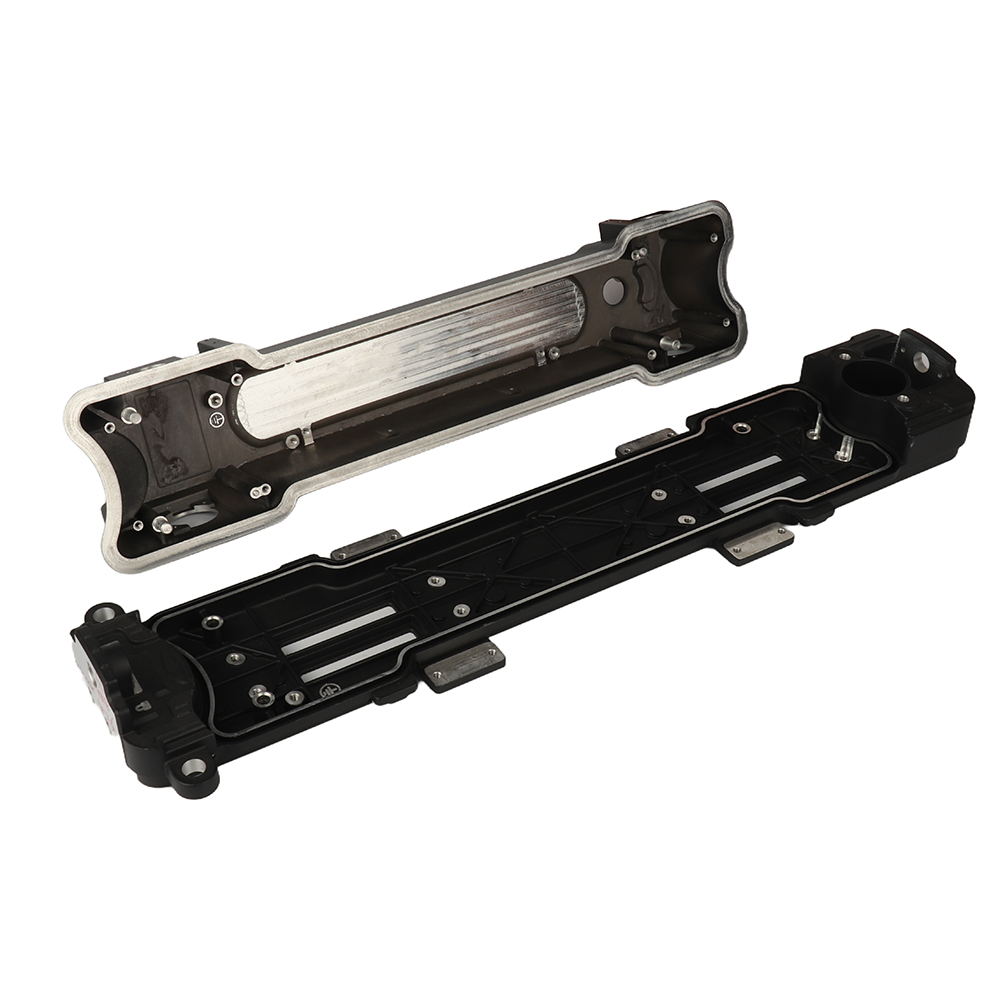
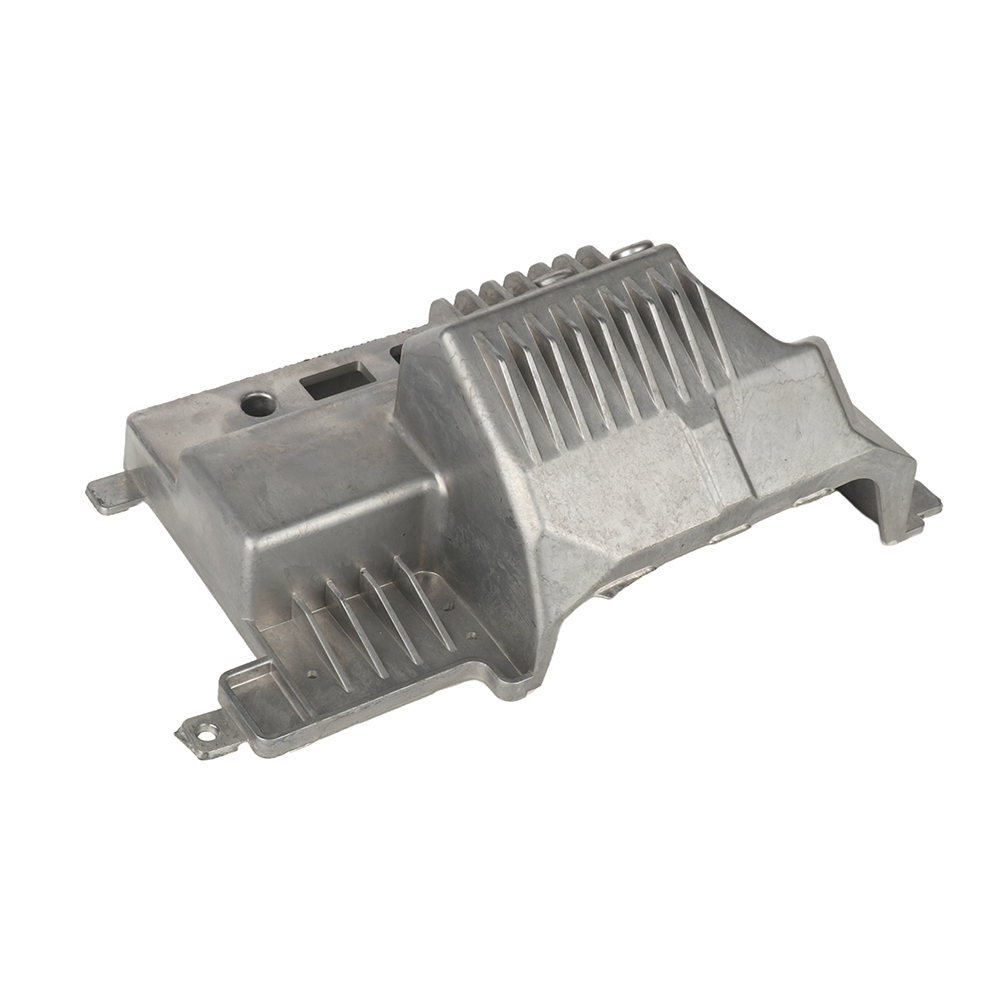
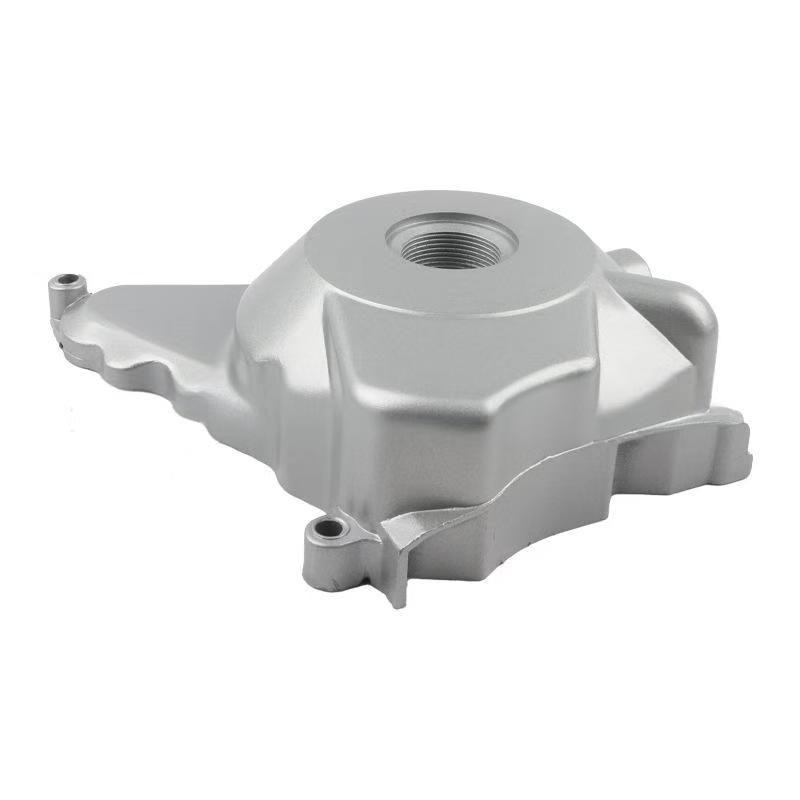
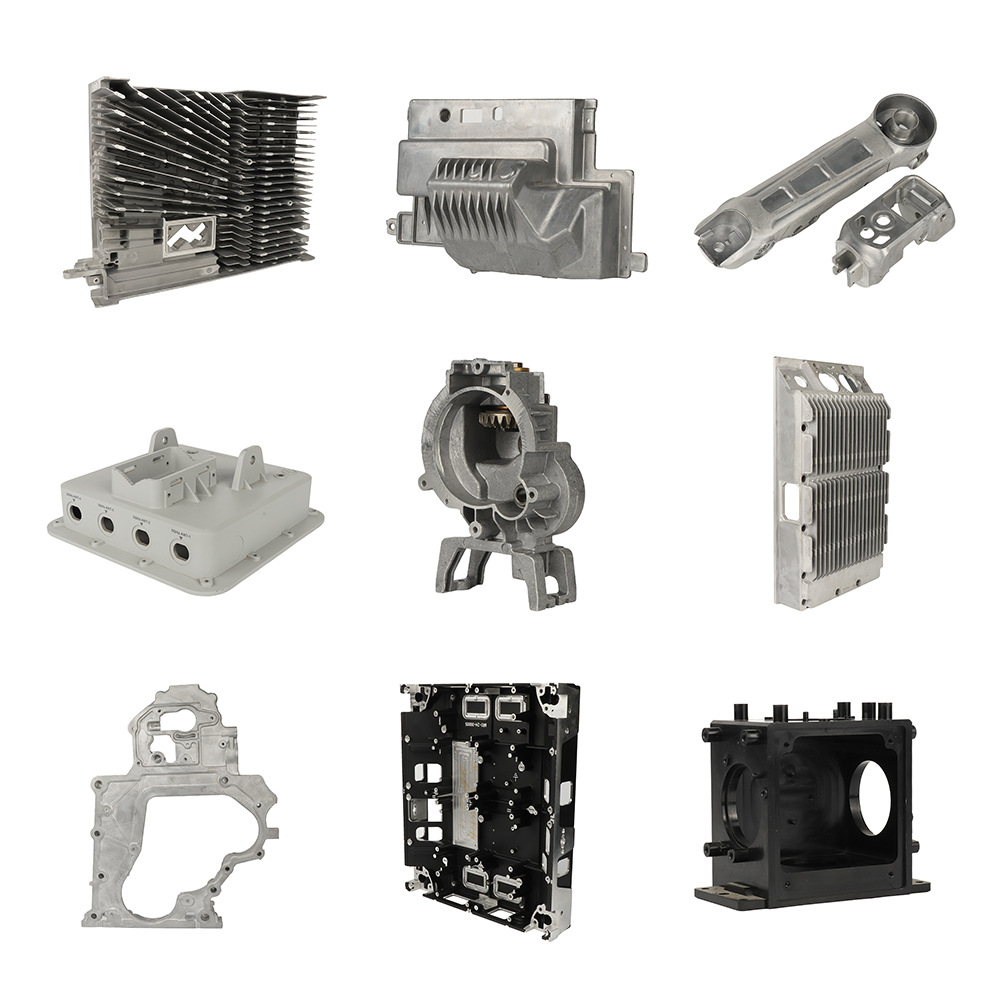
Automotive components technology | What are die-cast automotive components? Technology, Benefits & Supplier Guide
2026-05-27
What Are Die-Cast Automotive Components? Technology, Benefits & Supplier Guide
Table of Contents
- 1. Overview of Die-Cast Automotive Components
- 2. Core Automotive Die-Casting Technology & Standard Technical Parameters
- 3. ADC12 Aluminum Alloy: Core Material for Automotive Die-Cast Parts
- 4. Key Features & Functional Benefits of Die-Cast Automotive Components
- 5. Featured Product: XingHang XH-73 Car Battery Inverter Aluminum Housing
- 6. Industry Expert Views on Automotive Die-Casting Development
- 7. How to Select High-Quality Hardware Processing Suppliers
- 8. Automotive Die-Casting Industry Development Trends & Full Summary
- 9. Industry Common FAQs
- 10. Reliable Supplier Recommendation: Xinghang Precision Hardware & Preferential Policies
1. Overview of Die-Cast Automotive Components
1.1 Definition & Core Application
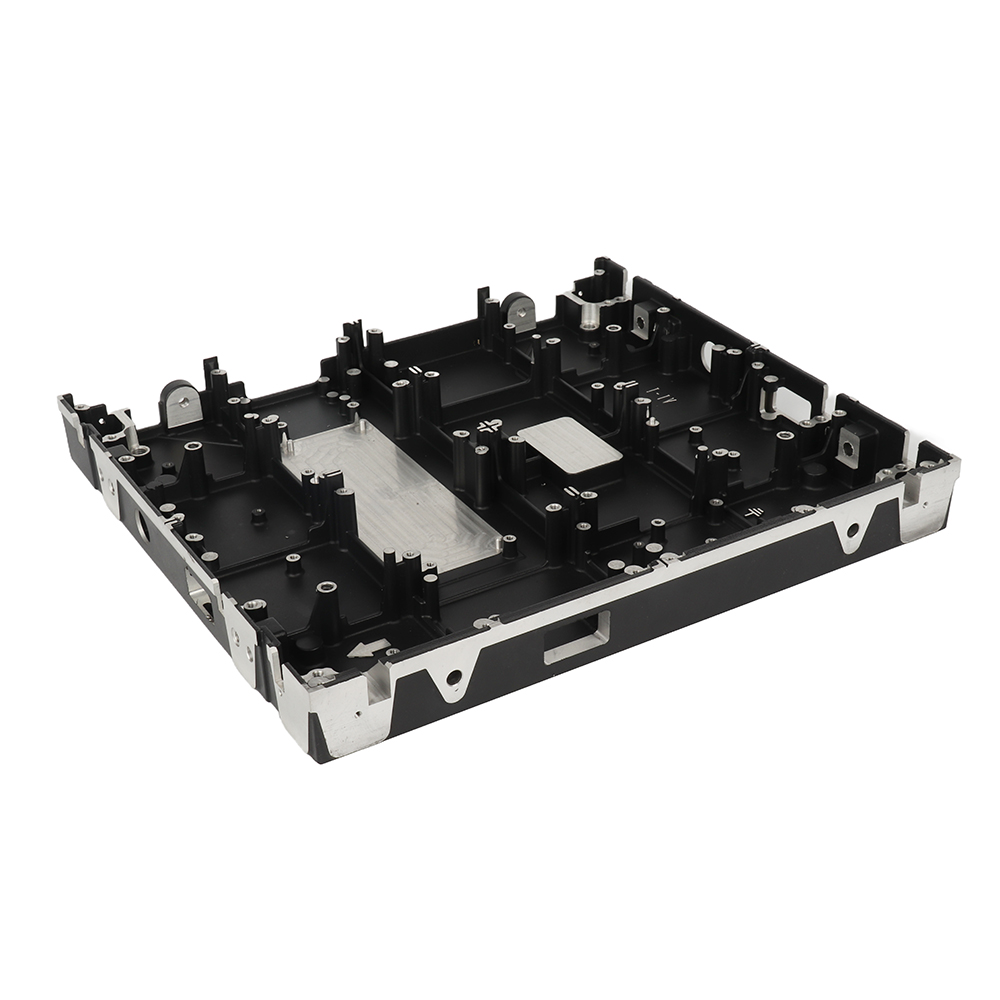
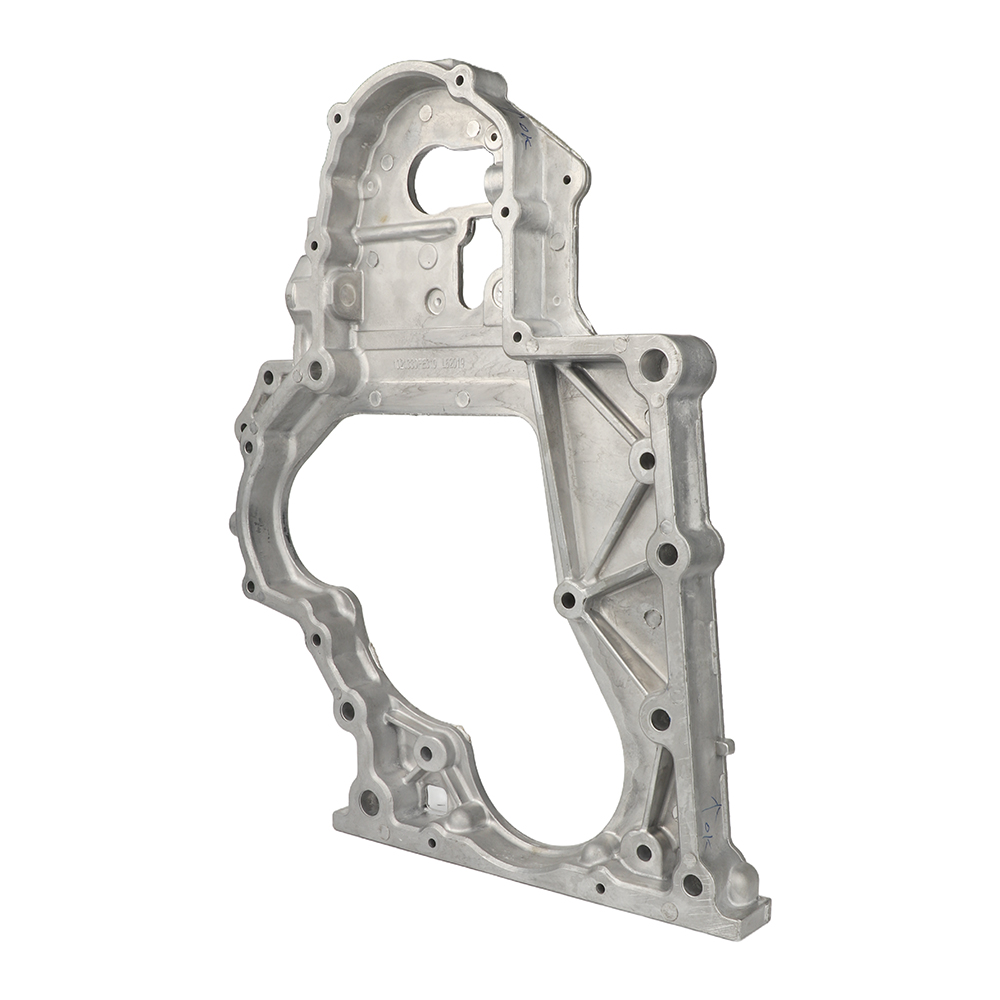
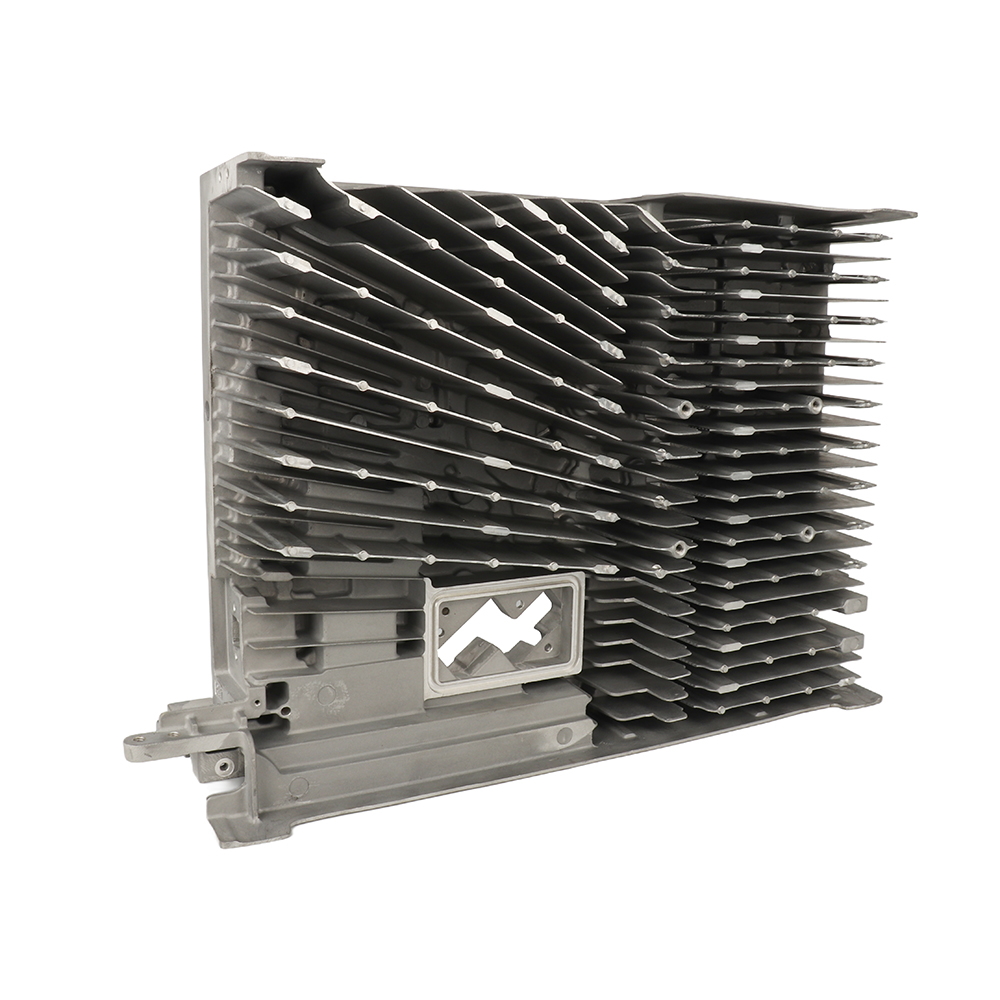
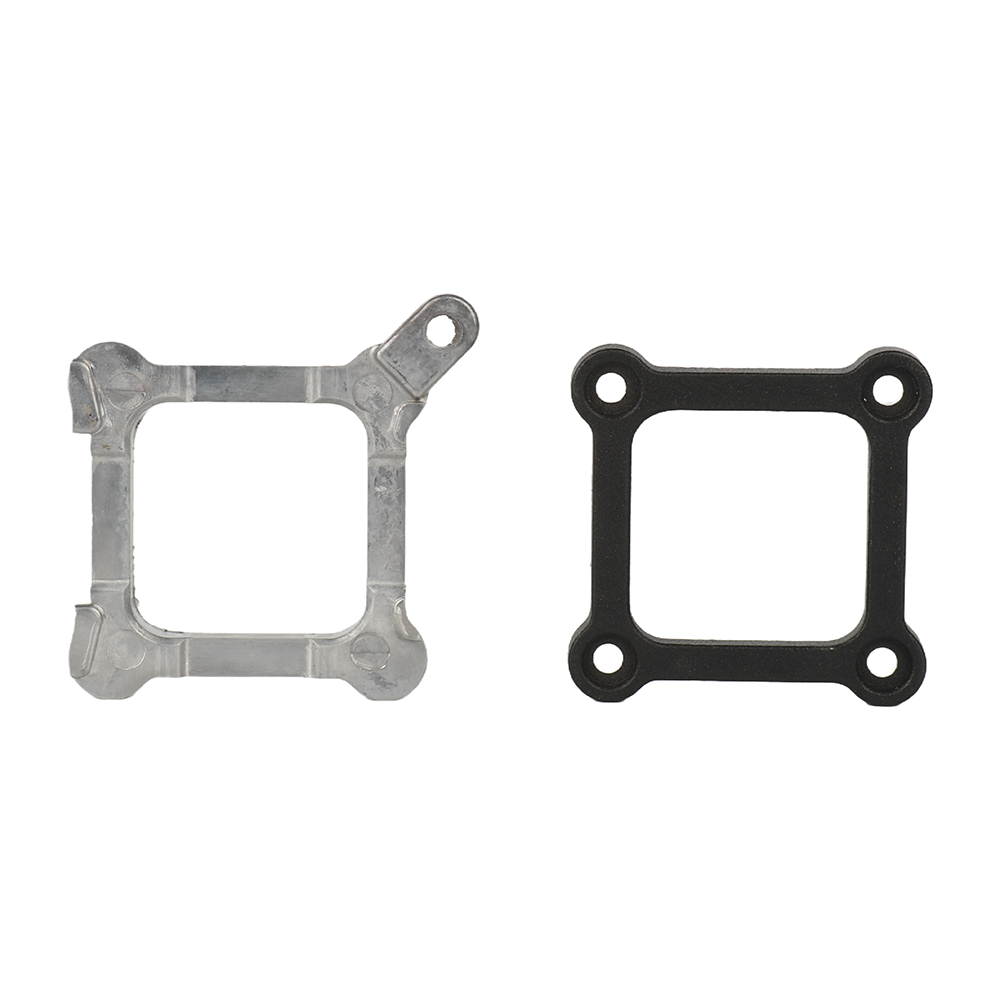
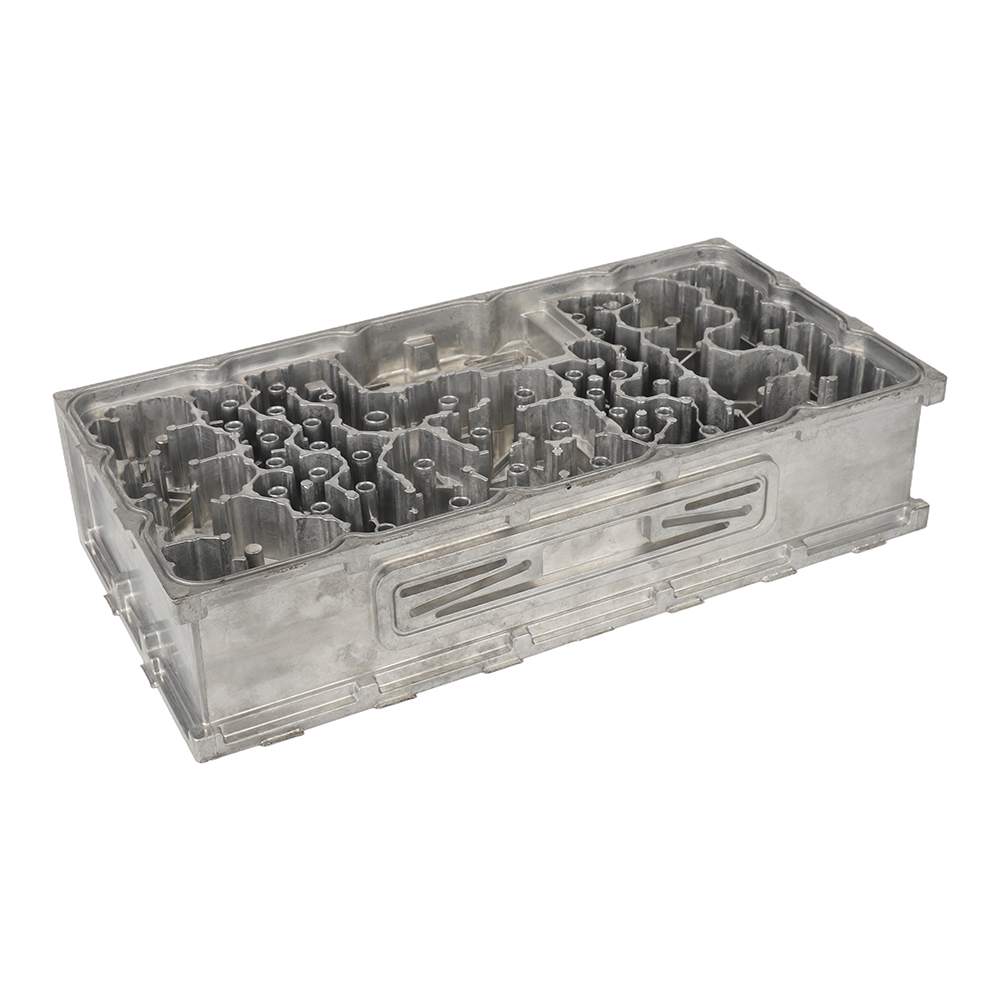
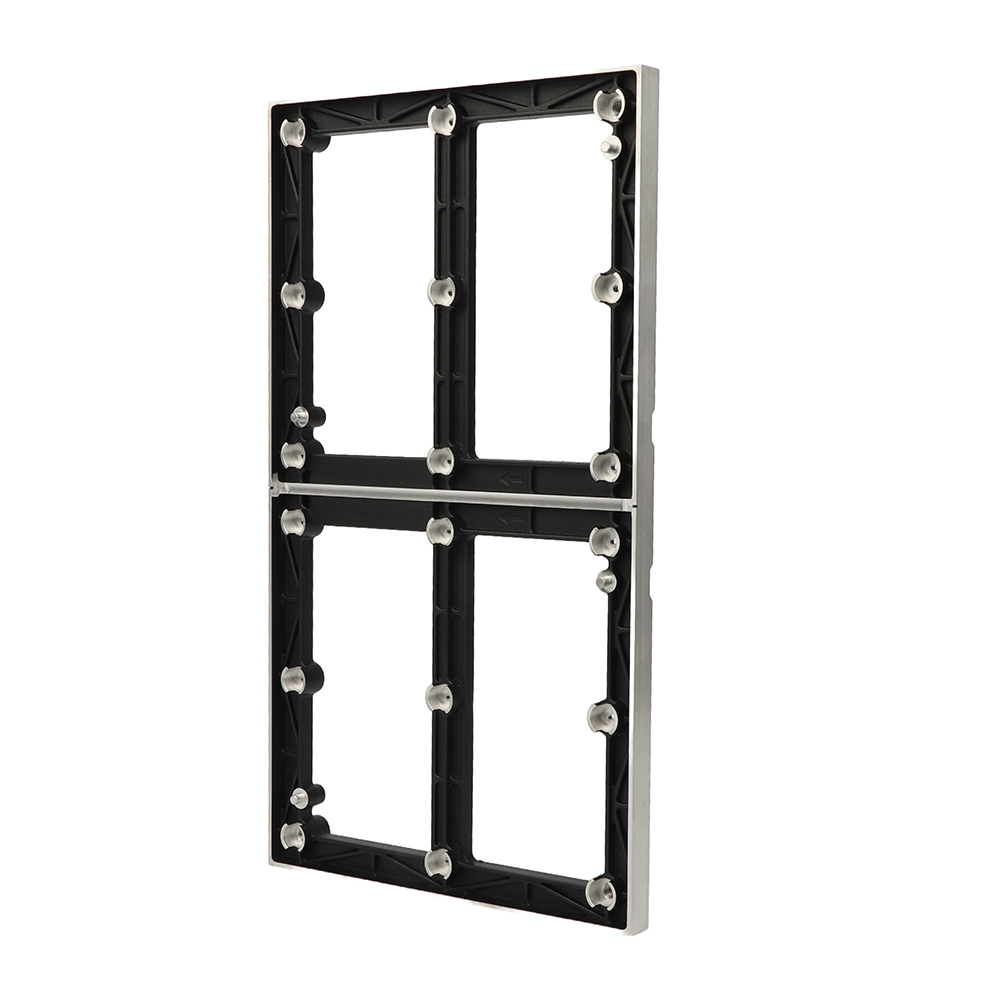
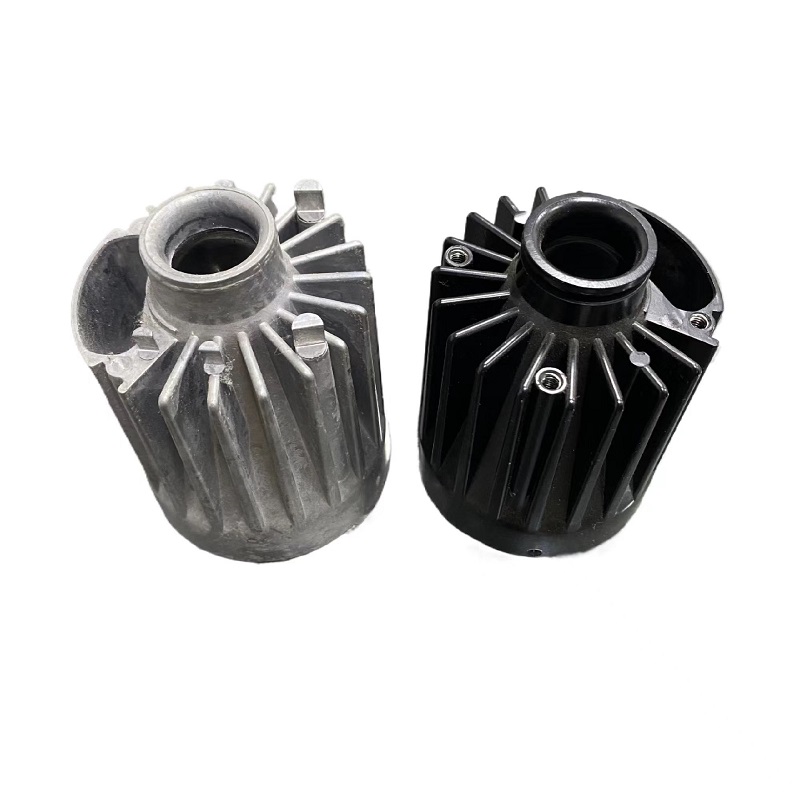
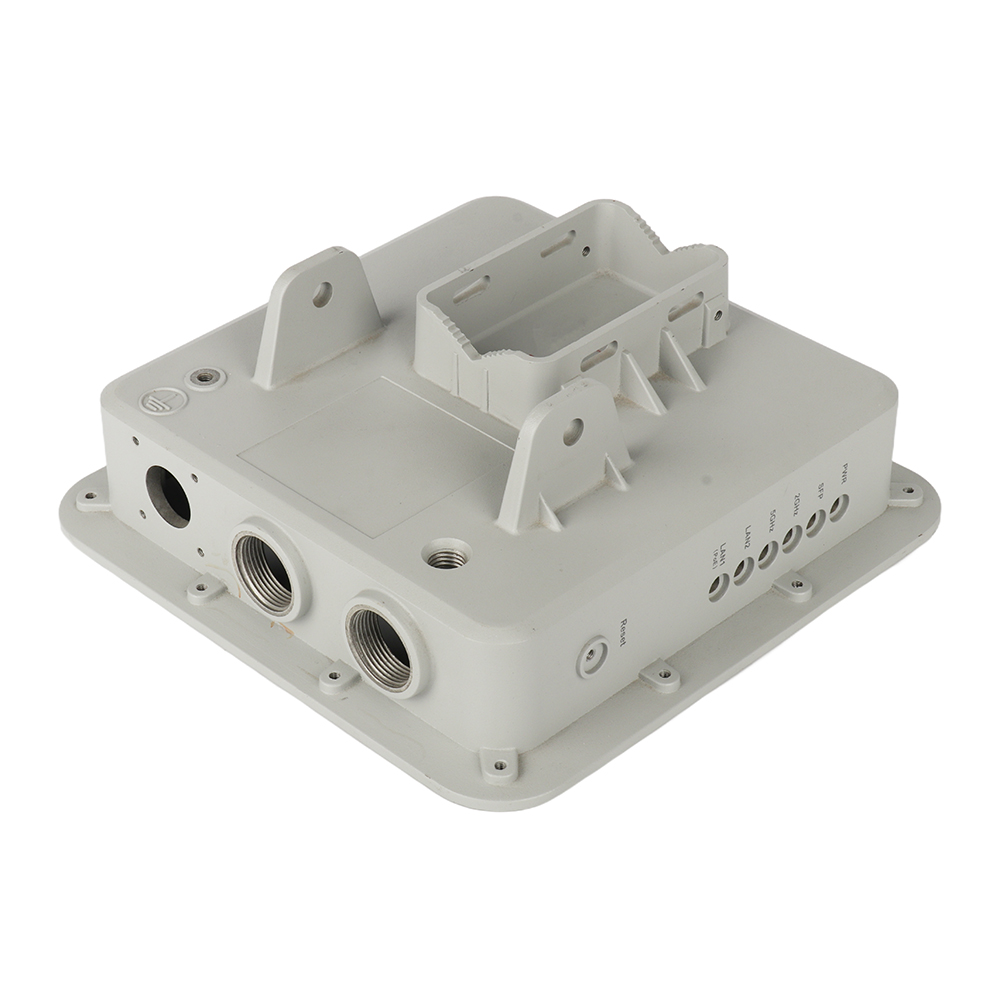
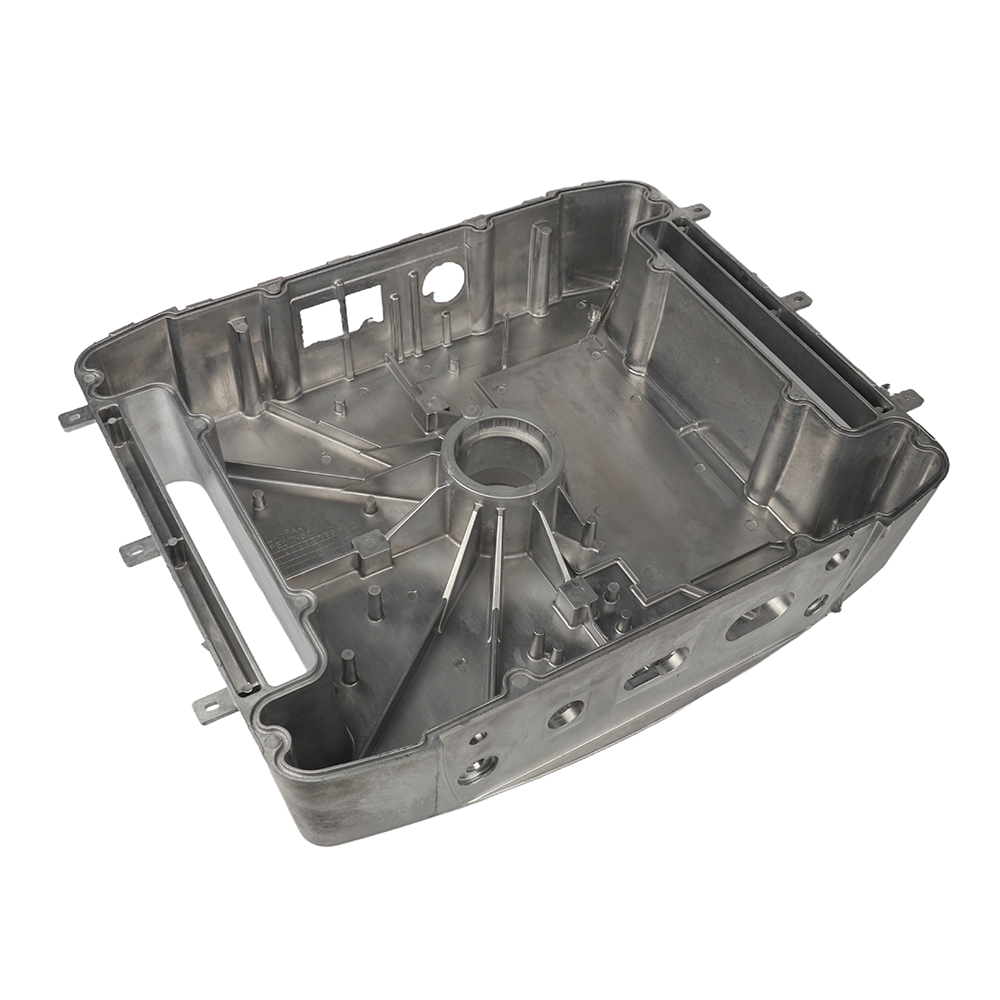
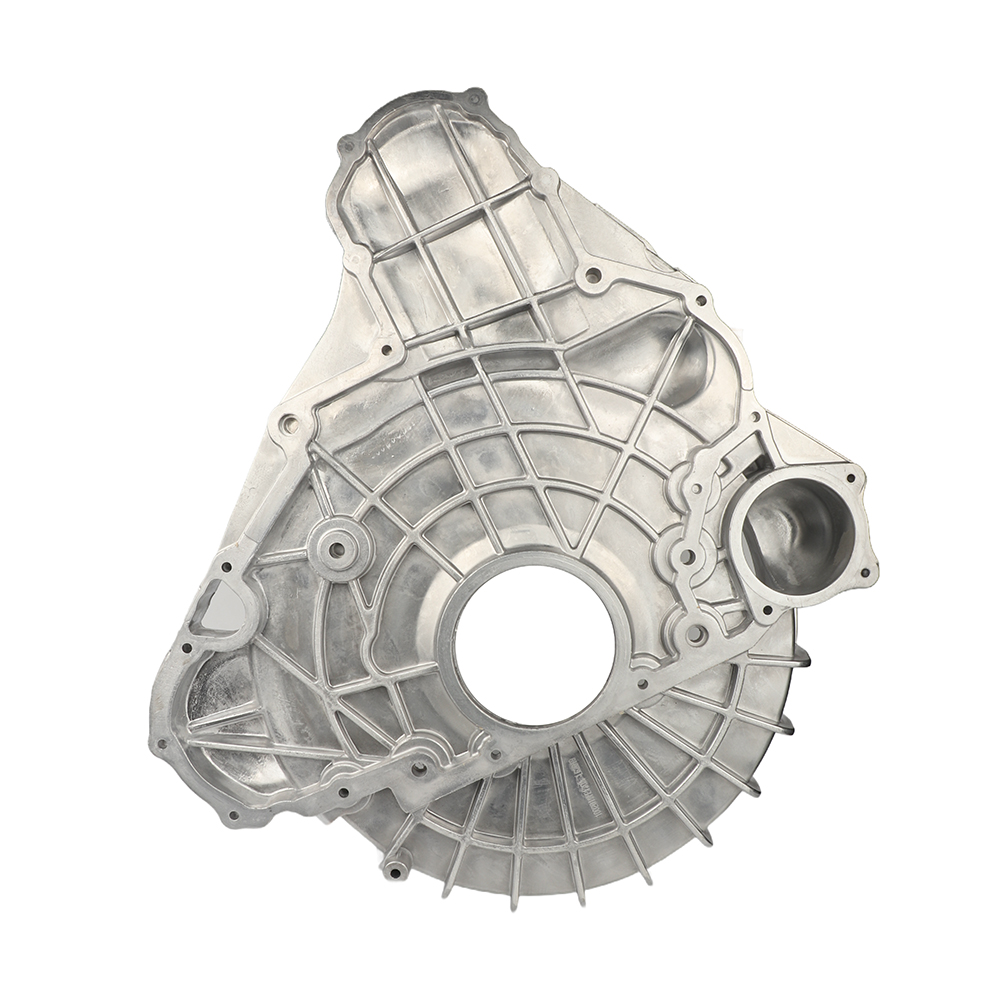
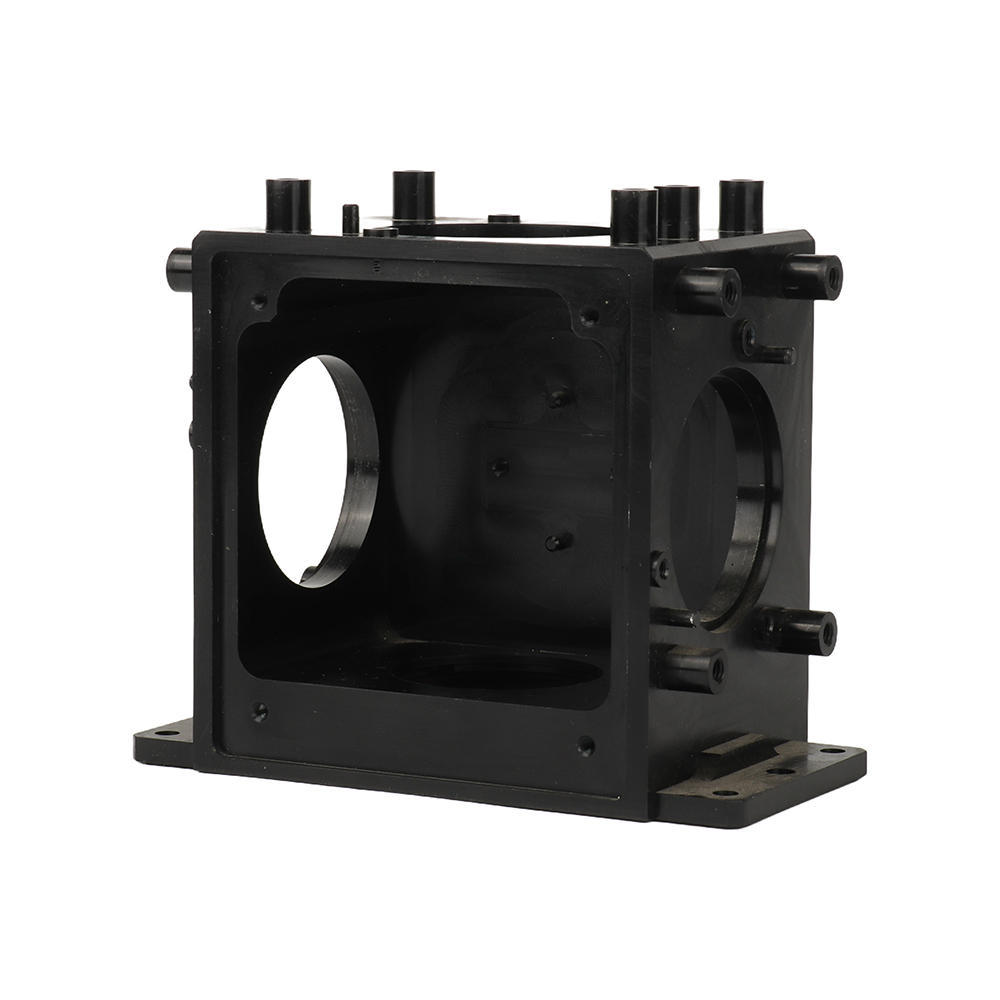
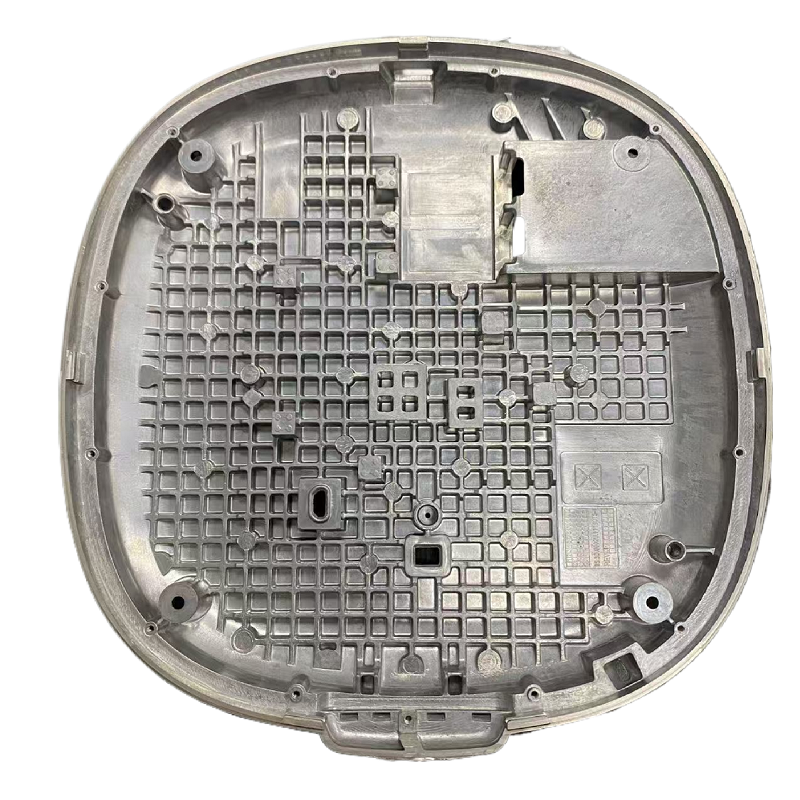
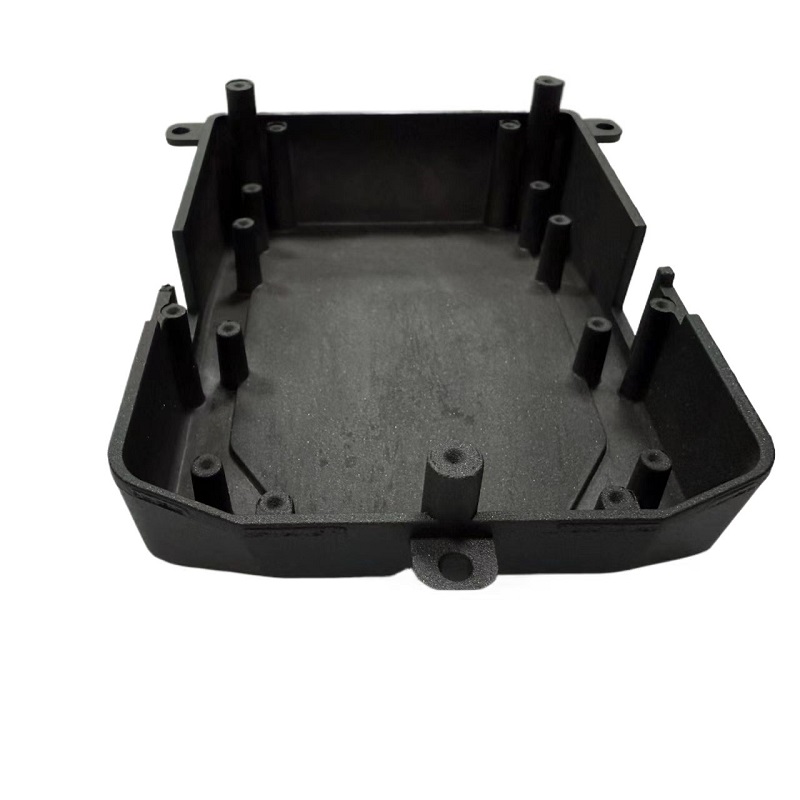
Die-cast automotive components are precision metal parts manufactured through high-pressure die-casting technology, which injects molten alloy into customized precision molds for one-time high-speed forming. As core lightweight structural and functional parts in modern automobiles, these components are widely applied in new energy vehicle battery systems, inverter systems, engine accessories, chassis structures and automotive electronic equipment. They are indispensable core parts for realizing automotive lightweighting, energy saving and performance upgrading.
1.2 Industry Application Scope
Die-cast automotive parts cover both traditional fuel vehicles and new energy vehicles. Especially in new energy automotive manufacturing, aluminum die-cast components dominate key parts such as battery housings, motor shells and inverter casings, effectively solving the problems of heavy vehicle weight, poor heat dissipation and low structural stability of traditional metal parts.

2. Core Automotive Die-Casting Technology & Standard Technical Parameters
2.1 Core Die-Casting Process Technology
2.1.1 High-Pressure Forming Technology
Professional automotive die-casting adopts 30MPa–70MPa high-pressure injection technology and 160T–800T mold clamping force, which ensures dense internal structure, no pores or trachoma defects of automotive parts, and realizes integrated forming of complex thin-walled parts. This technology greatly reduces secondary processing procedures and improves production efficiency and part consistency.
2.1.2 Precision Machining Technology
Finished die-cast blanks are processed by CNC high-precision finishing, with professional deburring, polishing and surface treatment processes. It ensures seamless assembly of automotive parts and meets the strict assembly standards of high-end automotive equipment.
2.2 Universal Standard Technical Parameters
2.2.1 Dimensional Precision Parameters
2.2.1.1 Tolerance Control Standard
Qualified automotive die-cast parts strictly control conventional dimensional tolerance within ±0.05mm, and ultra-precision customized parts can reach ±0.01mm high-precision tolerance, complying with CT4-CT6 national precision grade standards for automotive parts.
2.2.1.2 Surface Precision Standard
The surface roughness of finished parts reaches Ra 0.8μm–Ra 3.2μm, with smooth surface, no burrs, cracks or oxidation defects, meeting the high-standard surface requirements of automotive precision components.
2.2.2 Mechanical Performance Parameters
2.2.2.1 Strength & Hardness
Standard automotive aluminum die-cast parts have tensile strength ≥200MPa and Brinell hardness stable at 60–90 HB, with excellent compression resistance and impact resistance, adapting to long-term complex road working environments.
2.2.2.2 Air Tightness & Stability
Key automotive functional parts have excellent air tightness with leakage rate<10 Pa·m³/s, ensuring stable operation of vehicle electrical systems and power systems and avoiding failure caused by heat accumulation and air leakage.
2.2.3 Qualification Certification Parameters
Formal automotive die-cast parts must pass ISO9001 quality certification, ISO14001 environmental certification, RoHS environmental protection certification and IATF16949 automotive industry special certification, fully meeting global automotive industry access standards.
3. ADC12 Aluminum Alloy: Core Material for Automotive Die-Cast Parts
3.1 Basic Physical & Mechanical Properties of ADC12
ADC12 aluminum alloy is the most mainstream and cost-effective core material for automotive die-cast parts, occupying over 70% of the market share of automotive precision aluminum die-casting products. It is specially optimized for high-pressure die-casting processes, perfectly matching the production and performance requirements of automotive components.
3.1.1 Physical Properties
ADC12 alloy has a light density of 2.75g/cm³, far lighter than steel and iron materials. It can effectively reduce the overall weight of automobiles, reduce vehicle energy consumption, and realize the core goal of automotive lightweight upgrading.
3.1.2 Mechanical Properties
It has stable 70–85 HB Brinell hardness and 220–240MPa tensile strength, with moderate toughness and strong deformation resistance. It will not deform or damage after long-term vehicle vibration and load bearing, ensuring long-term stable service of automotive parts.
3.2 Unique Advantages of ADC12 for Automotive Scenarios
3.2.1 Excellent Formability for Complex Automotive Parts
ADC12 molten liquid has high fluidity and uniform structure, which can perfectly fill complex mold cavities and realize one-time forming of thin-walled, multi-curved and special-shaped automotive parts such as inverter housings and battery shells, reducing assembly gaps and secondary processing costs.
3.2.2 Superior Heat Dissipation & Corrosion Resistance
Automotive power and electronic parts generate a lot of heat during operation. ADC12 alloy has outstanding thermal conductivity, which can quickly export internal heat to avoid equipment overheating failure. Meanwhile, its natural oxidation and corrosion resistance adapts to high-temperature, humid and bumpy automotive working environments, extending part service life.
3.2.3 Ultra-High Cost Performance for Mass Production
Compared with high-end aluminum alloys, ADC12 maintains excellent comprehensive performance with lower material cost, which is very suitable for large-batch mass production of automotive parts and effectively reduces overall procurement costs for automobile manufacturers.
4. Key Features & Functional Benefits of Die-Cast Automotive Components
4.1 Ultra-Stable Batch Consistency
Professional standardized die-casting production and precise process control ensure zero difference in size and performance of batch automotive parts. It completely avoids assembly deviation and vehicle system jitter caused by part inconsistency, ensuring the overall assembly precision and driving stability of finished automobiles.
4.2 Lightweight & High Structural Strength
Die-cast automotive aluminum parts combine light weight and high structural strength, replacing traditional heavy metal parts. It reduces vehicle self-weight, lowers fuel consumption and power consumption, and meanwhile maintains strong structural support, improving vehicle safety and endurance.
4.3 Customized Matching for Diverse Automotive Needs
Die-casting technology supports OEM/ODM personalized customization of non-standard special-shaped automotive parts. According to customer drawings, samples and functional parameters, it can produce customized parts matching different vehicle models, meeting the personalized production needs of new energy vehicles and modified vehicles.
4.4 Long Service Life & Low Maintenance Cost
High-quality ADC12 die-cast automotive parts have excellent wear resistance, weather resistance and oxidation resistance. They can operate stably for a long time in complex automotive working environments, greatly reducing parts replacement frequency and vehicle later maintenance costs.
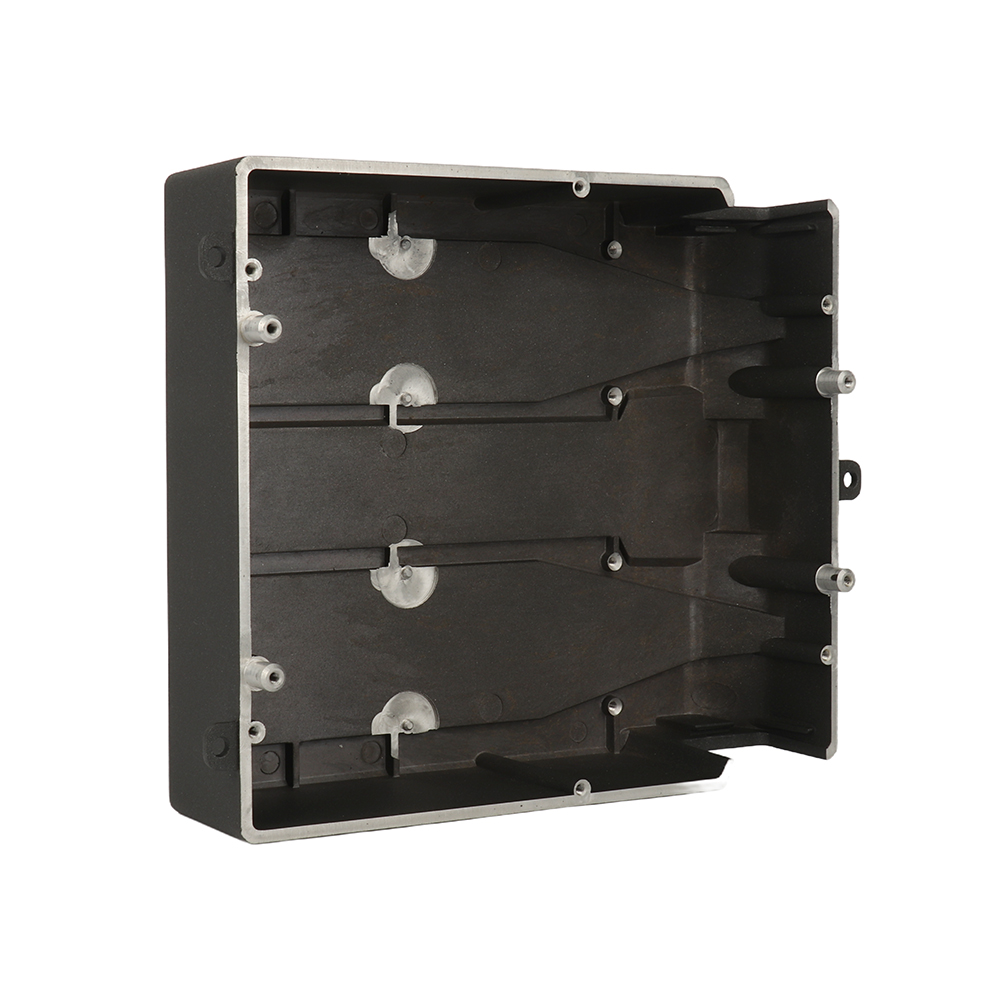
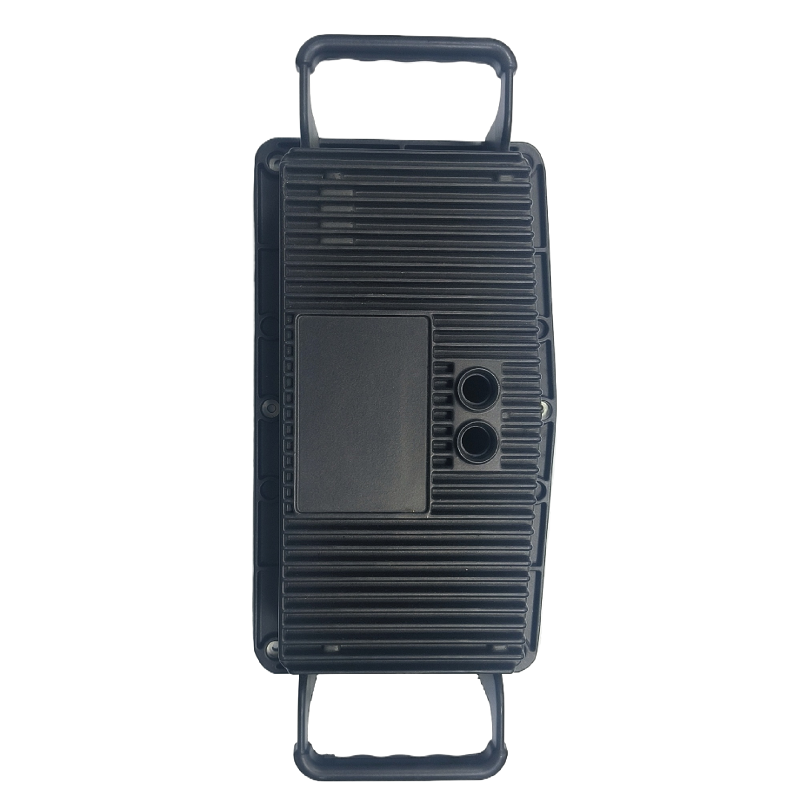
5. Featured Product: XingHang XH-73 Car Battery Inverter Aluminum Housing
5.1 Product Basic Information
Brand Name: XingHang Model Number: XH-73 Core Certification: ISO9001/IATF16949/RoHS/ISO14001 Main Application: Automotive battery inverter systems, industrial precision equipment supporting parts
5.2 Core Product Advantages
5.2.1 High-Quality ADC12 Aluminum Material
The XH-73 inverter housing adopts 100% authentic ADC12 aluminum alloy raw materials, with dense internal structure, no defective pores, stable overall performance, and excellent heat dissipation and pressure resistance, fully adapting to long-term high-load operation of automotive battery inverters.
5.2.2 Ultra-Precision Machining Technology
Adopting one-time high-pressure die-casting forming + secondary CNC precision finishing, the product achieves ultra-high dimensional accuracy and smooth surface, with precise hole position and groove size, realizing seamless assembly with inverter equipment and no loose deviation after long-term use.
5.2.3 Stable Performance & High Safety
The product has shock resistance, heat resistance and corrosion resistance, which can effectively protect the internal circuit and battery inverter core components, avoid equipment failure caused by external vibration and temperature change, and improve the overall safety and stability of automotive power systems.
5.2.4 Cost-Effective & Customizable Solutions
As a professional OEM factory for car battery inverter housings, XingHang provides flexible personalized customization services. We can adjust product size, structure and surface treatment according to customer demands. With stable batch quality and competitive pricing, it is the preferred cost-effective choice for automotive parts procurement.
5.2.5 Support Bulk Order Cooperation
The factory supports large-batch customized production of XH-73 inverter housings, with sufficient production capacity and stable delivery cycle. Bulk order customers can enjoy exclusive gradient preferential policies to reduce long-term procurement costs.
6. Industry Expert Views on Automotive Die-Casting Development
Senior experts from the Global Automotive Precision Manufacturing Industry Association released forward-looking industry views: “Driven by the rapid upgrading of new energy vehicles and intelligent manufacturing, the automotive die-casting industry has bid farewell to simple single forming processing. High-precision integration, lightweight structure, green environmental protection and customized full-process service have become the new core standards of the industry.”
Industry analysts further emphasized that ADC12 aluminum alloy will remain the mainstream material for automotive die-cast parts in the next 3–5 years due to its balanced performance and ultra-high cost performance. Professional manufacturers with full-process production capacity, authoritative automotive certifications and stable batch quality will occupy the dominant market share, while small processing factories with single process and unstable quality will be gradually eliminated by the market.
7. How to Select High-Quality Hardware Processing Suppliers
7.1 Verify Complete Authoritative Qualifications
Prioritize suppliers with complete ISO9001, ISO14001, RoHS and IATF16949 automotive industry certifications. Complete qualifications are the basic guarantee for product compliance, quality stability and global market access, avoiding procurement quality risks.
7.2 Inspect Full-Process Production Capacity
Excellent suppliers need to have independent mold R&D, die-casting forming, CNC precision machining and surface treatment capabilities. One-stop in-house production can effectively control product precision, quality and delivery cycle, avoiding quality differences caused by intermediate outsourcing.
7.3 Evaluate Material & Precision Control Level
Confirm whether the supplier adopts authentic standard ADC12 aluminum alloy and check its dimensional tolerance control, surface treatment effect and batch production stability to ensure that the parts meet high-end automotive assembly standards.
7.4 Check Customization Service & After-Sales System
High-quality suppliers support flexible OEM/ODM personalized customization, provide professional drawing optimization and sample confirmation services, and have a complete after-sales technical support system to solve customer production problems in a timely manner.
7.5 Focus on Cost Performance & Bulk Preferential Policies
Formal large-scale manufacturers have stable large-batch production capacity and gradient preferential policies: the larger the order quantity, the more favorable the unit price. Long-term bulk cooperation can greatly reduce customers’ overall procurement costs.
8. Automotive Die-Casting Industry Development Trends & Full Summary
8.1 Future Industry Development Trends
First, ultra-precision & integrated lightweight upgrading. With the iteration of new energy vehicle technology, integrated die-casting will replace scattered small parts, and higher precision and thinner wall thickness will become the new development direction of automotive die-cast parts. Second, green & standardized production. Environmental protection materials and low-carbon processes have become the mandatory entry threshold for the automotive parts industry. Third, customized full-process service iteration. Single processing will be replaced by one-stop solutions including mold development, production, finishing and assembly. Fourth, popularization of high-cost-performance aluminum materials. ADC12 aluminum alloy will be widely used in more new energy vehicle core parts relying on its comprehensive advantages.
8.2 Full-Text Comprehensive Summary
Die-cast automotive aluminum components represented by ADC12 alloy are core supporting parts for modern automotive lightweight and performance upgrading, with unique advantages of high precision, high strength, light weight and long service life. High-quality automotive die-cast parts rely on professional die-casting technology, strict parameter control and standardized production. When selecting suppliers, enterprises should comprehensively inspect qualification certifications, full-process production strength, precision control level and service capacity instead of only focusing on low prices. In the future, high-precision customization, full-process service and stable batch quality will become the core competitiveness of excellent die-casting enterprises. Choosing a professional and reliable supplier is crucial to improving automotive product quality and reducing long-term procurement costs.
9. Industry Common FAQs
Q1: Why is ADC12 aluminum alloy the first choice for automotive die-cast parts?
ADC12 aluminum alloy has balanced mechanical properties, excellent fluidity and formability, outstanding heat dissipation and corrosion resistance, and ultra-high cost performance. It can meet the lightweight and high-stability requirements of automotive parts, and is suitable for large-batch mass production, so it has become the most mainstream material for automotive die-casting.
Q2: What is the standard precision of high-quality automotive die-cast parts?
High-quality automotive die-cast parts have a conventional tolerance of ±0.05mm, and ultra-precision customized parts can reach ±0.01mm with surface roughness up to Ra 0.8μm, fully meeting the strict assembly standards of high-end new energy vehicles.
Q3: Can automotive die-casting manufacturers support personalized OEM customization?
Yes. Professional manufacturers like XingHang support full OEM/ODM personalized customization. We can produce non-standard special-shaped parts, inverter housings, battery shell parts and other automotive components according to customer drawings, samples and functional requirements.
Q4: Are XingHang’s automotive die-cast products compliant with international standards?
All XingHang’s products have passed ISO9001, ISO14001, RoHS and IATF16949 international authoritative certifications, fully complying with global automotive industry quality and environmental protection standards, suitable for global sales and industrial supporting applications.
Q5: What preferential policies are available for bulk orders?
We implement gradient preferential policies for bulk orders: the larger the order quantity, the lower the unit price. Bulk and long-term cooperative customers can enjoy exclusive price discounts, free sample testing, priority production and delivery, and lifelong free technical after-sales support.
10. Reliable Supplier Recommendation: Xinghang Precision Hardware & Preferential Policies
10.1 Supplier Core Strength Advantages
Xinghang Precision Hardware is a professional high-tech OEM manufacturer focusing on automotive aluminum die-cast parts and precision hardware processing, located in Dongguan, China’s core manufacturing hub. Founded in 2017, the company owns a 9410 square meters modern standardized factory, integrating independent mold R&D, die-casting production, CNC precision machining, surface treatment and assembly one-stop service. We specialize in the production of car battery inverter aluminum housings (XH-73) and various automotive precision die-cast parts, serving global industrial and automotive customers with high-quality, cost-effective customized solutions.
Adhering to strict quality control standards, all products pass multiple precision tests and international authoritative certifications, with stable batch quality and fast delivery. We support flexible personalized customization and large-batch order production, committed to helping customers reduce procurement costs and improve product competitiveness.
10.2 Enterprise Information & Contact Card
Enterprise Name: Xinghang Precision Hardware
Brand & Core Model: XingHang, XH-73 Car Battery Inverter Aluminum Housing
Established Year: 2017
Factory Scale: 9410 Square Meters Modern Standard Factory
Location: Dongguan, China (Core Precision Manufacturing Hub)
Core Business: Automotive aluminum die-cast parts, battery inverter housing OEM customization, precision CNC machining, mold R&D & manufacturing
Core Material: High-purity ADC12 Aluminum Alloy
Authoritative Certifications: ISO9001 / ISO14001 / RoHS / IATF16949
Core Advantages: High-precision processing, stable performance, cost-effective, custom OEM/ODM solutions, bulk order discount, fast delivery, full after-sales service
Mobile/WeChat: +86 18819502691
Official Email: liqine@xinghangcn.com
Aluminium heatsink profile | What are the benefits of aluminum heat sinks ?
Aluminium die casting companies | How to select excellent aluminium die casting companies?
Related Article

Residential energy storage systems have become increasingly popular as homeowners pursue energy independence, solar self-consumption and backup power for grid outages.
Energy storage enclosure | What Are the Benefits of Die-Cast Home Energy Storage Enclosures?

A custom LED display frame is the core structural carrier for LED screen modules, widely manufactured with ADC12 aluminum alloy via high-pressure die casting.
LED display frame | What Are the Benefits of Custom LED Display Frames?

