
HOT PRODUCTS
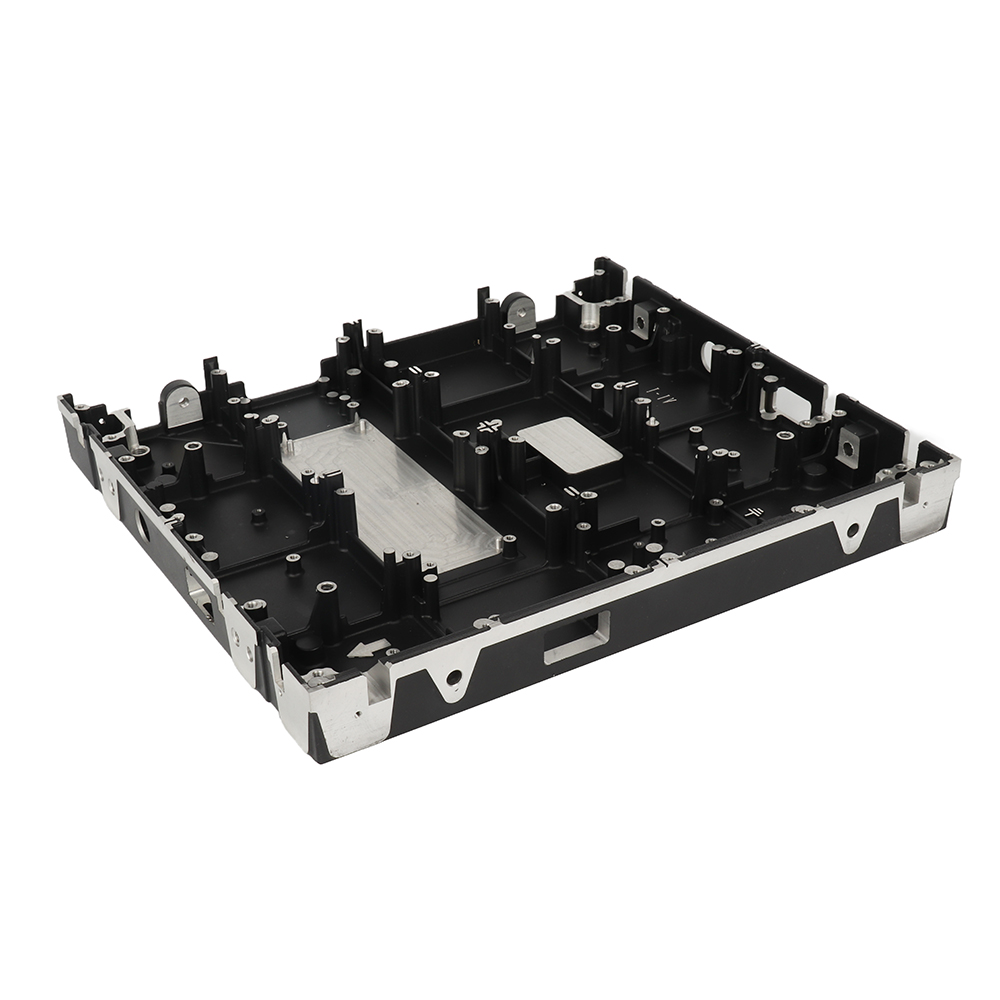
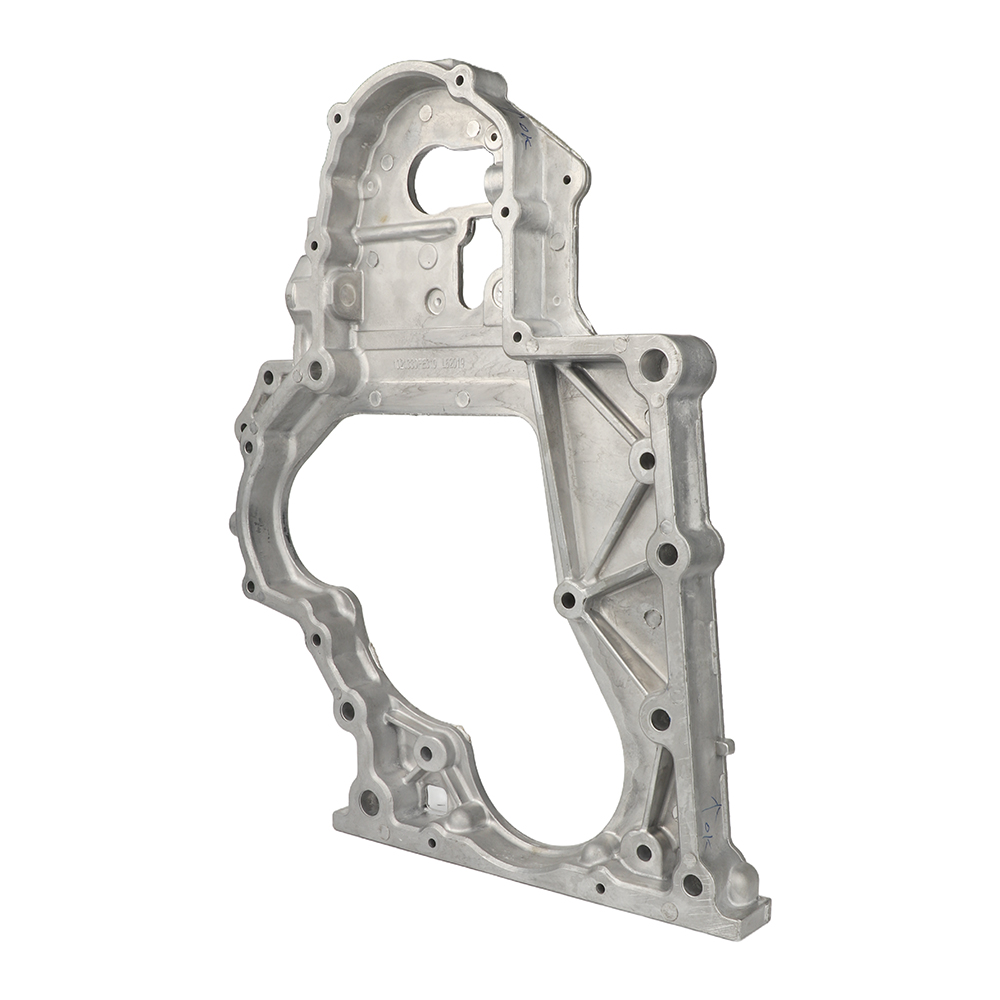
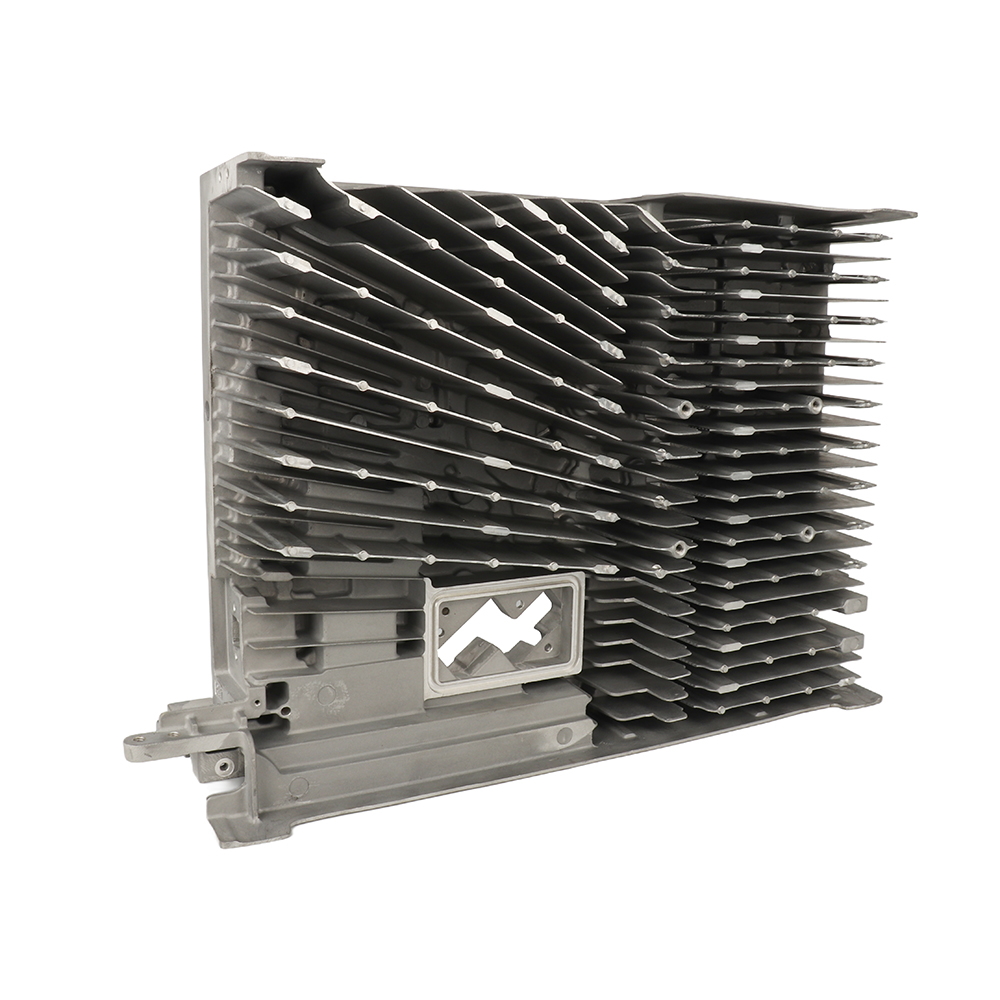
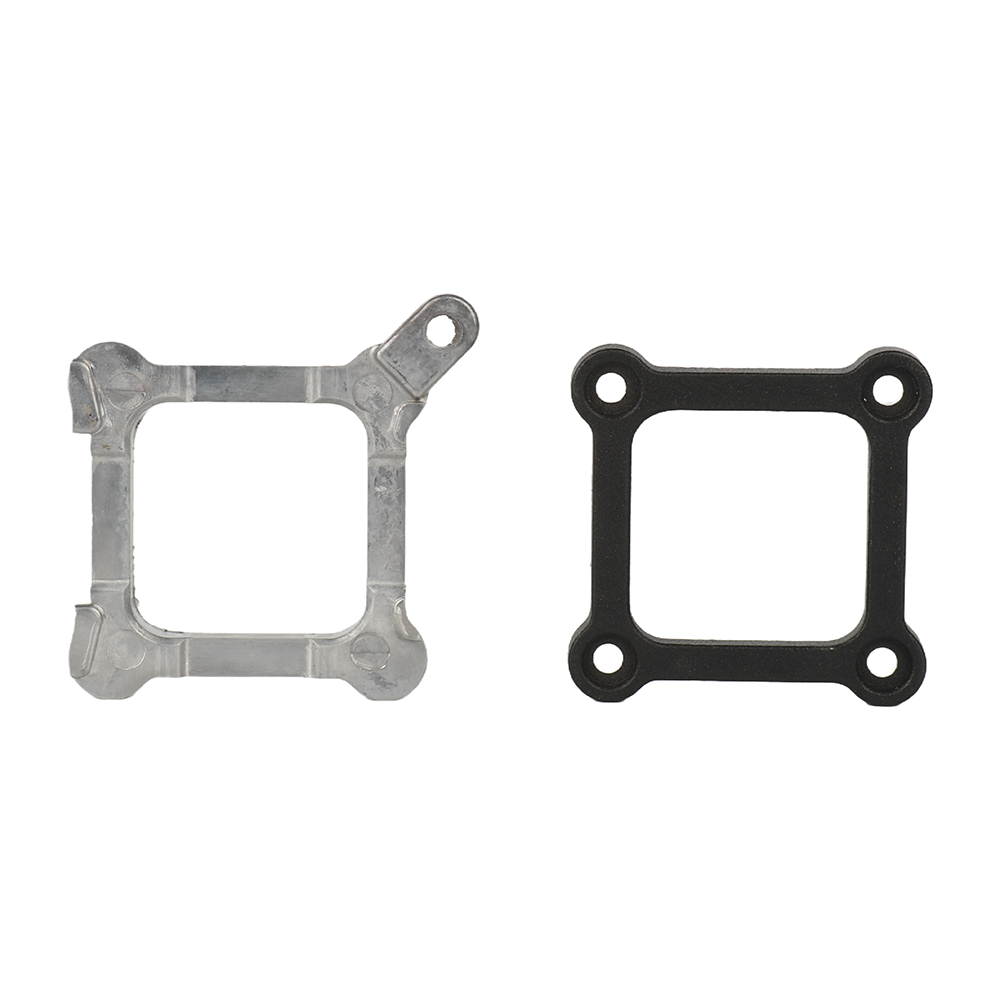
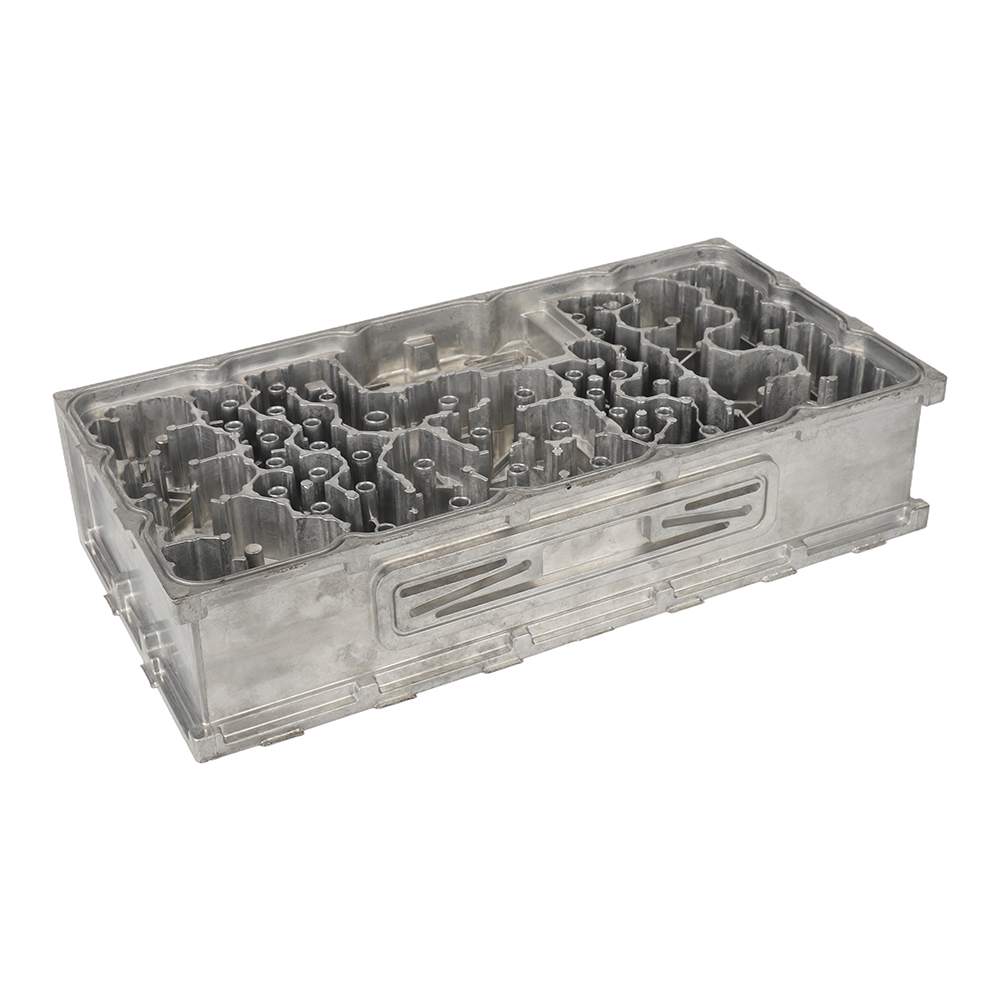
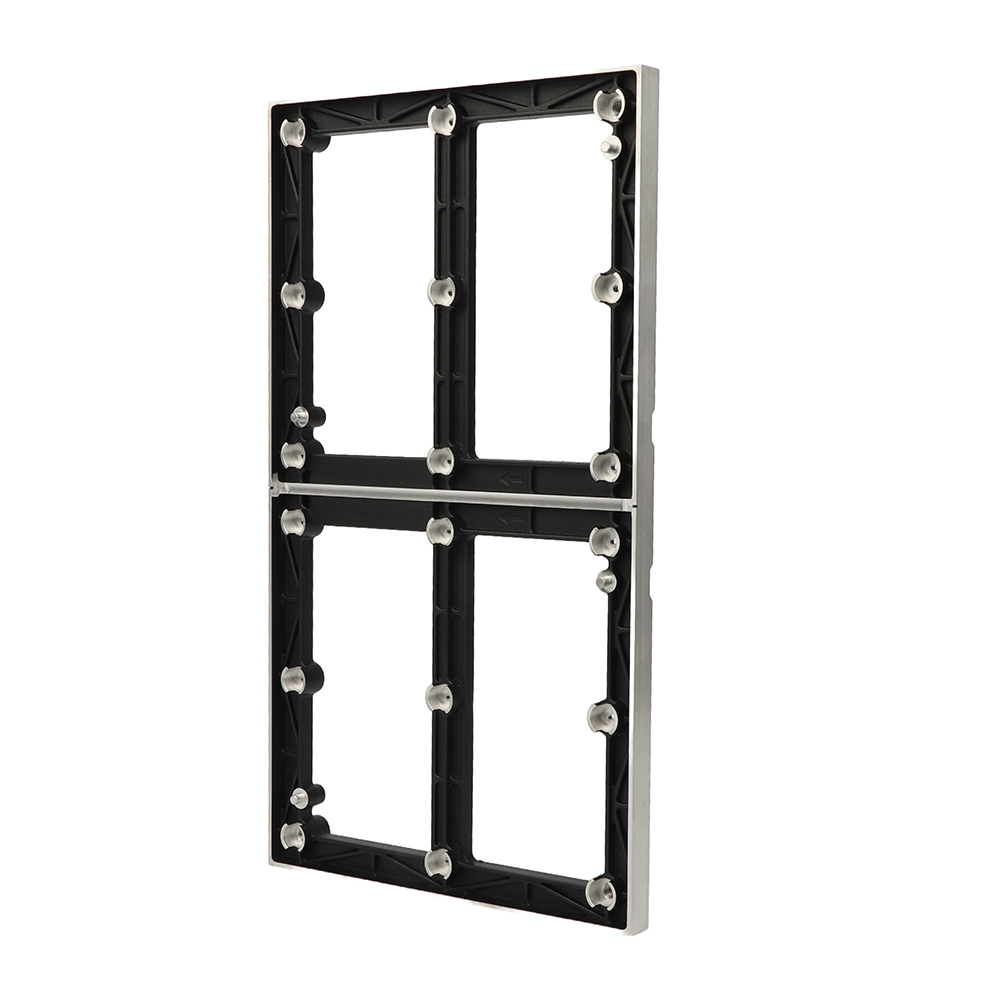
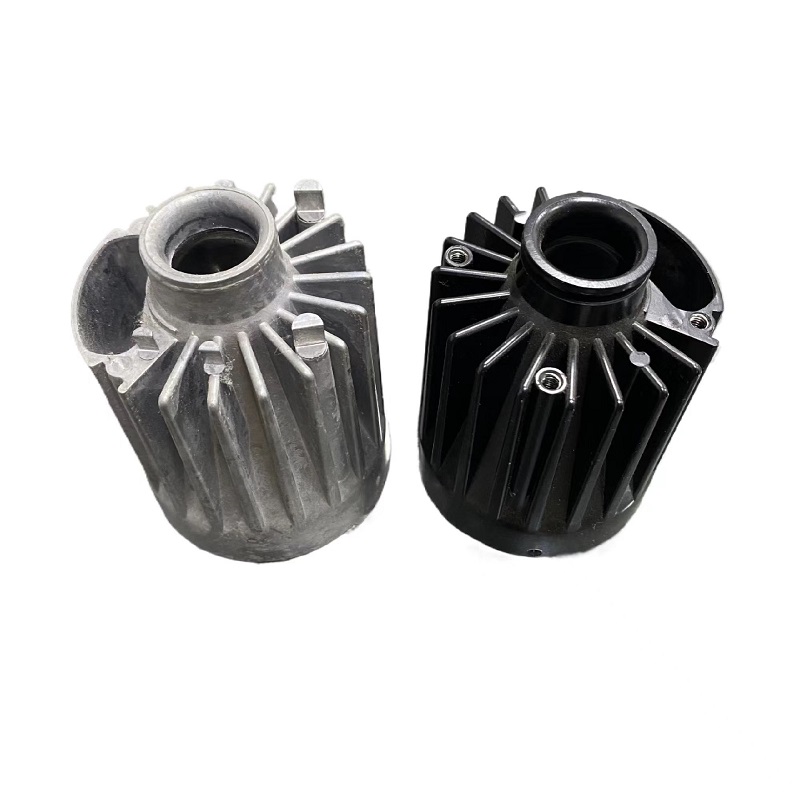
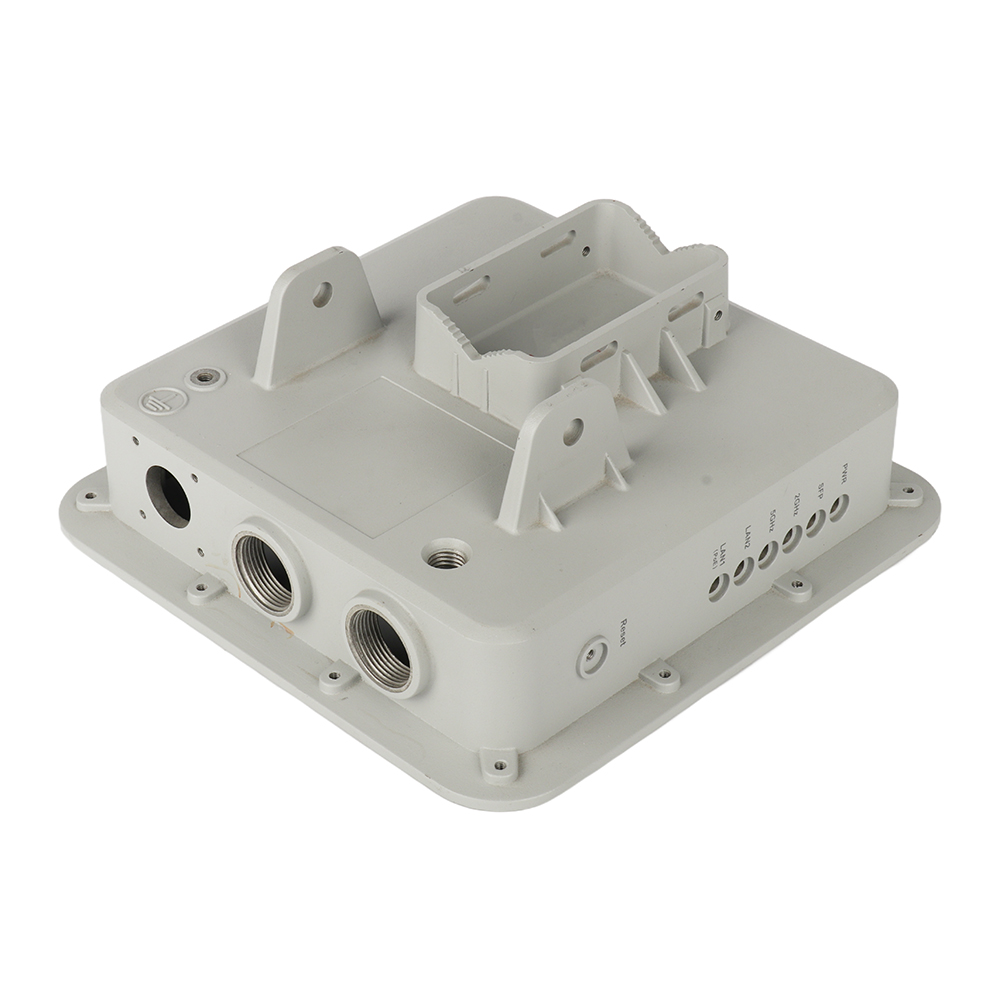
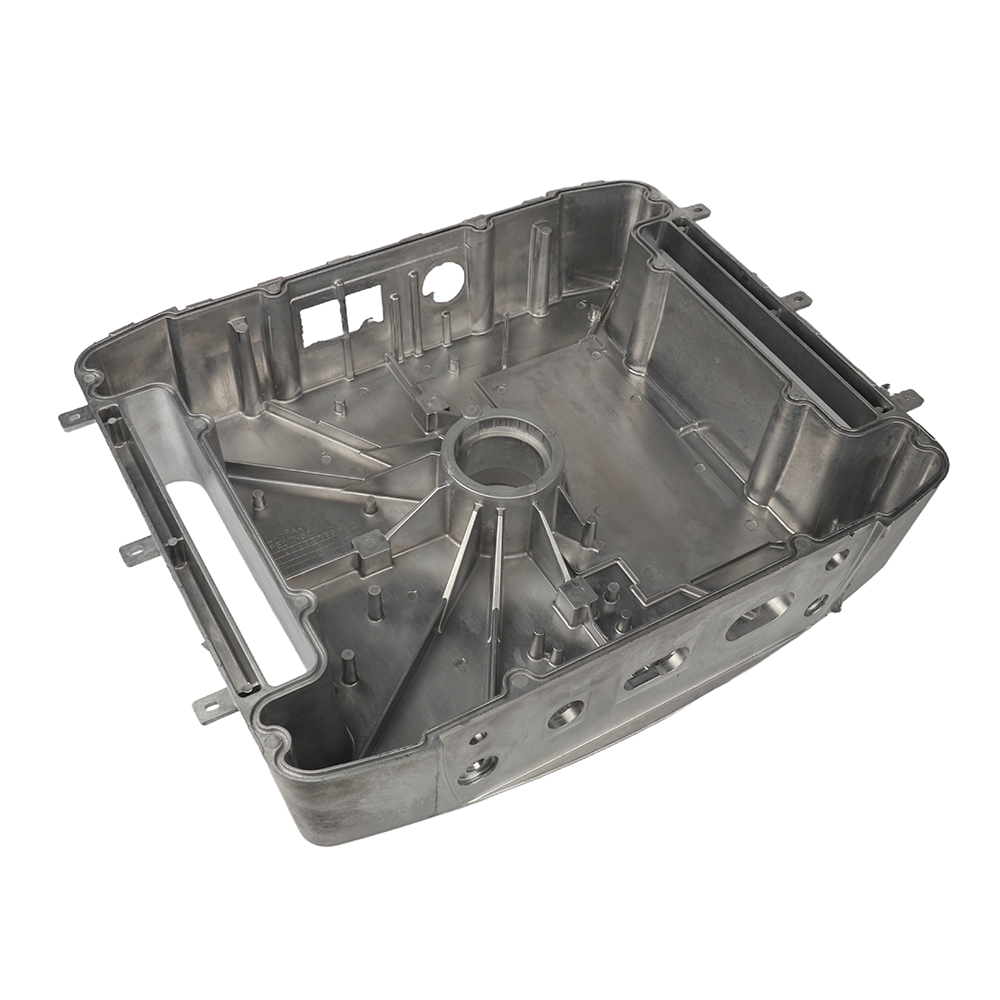
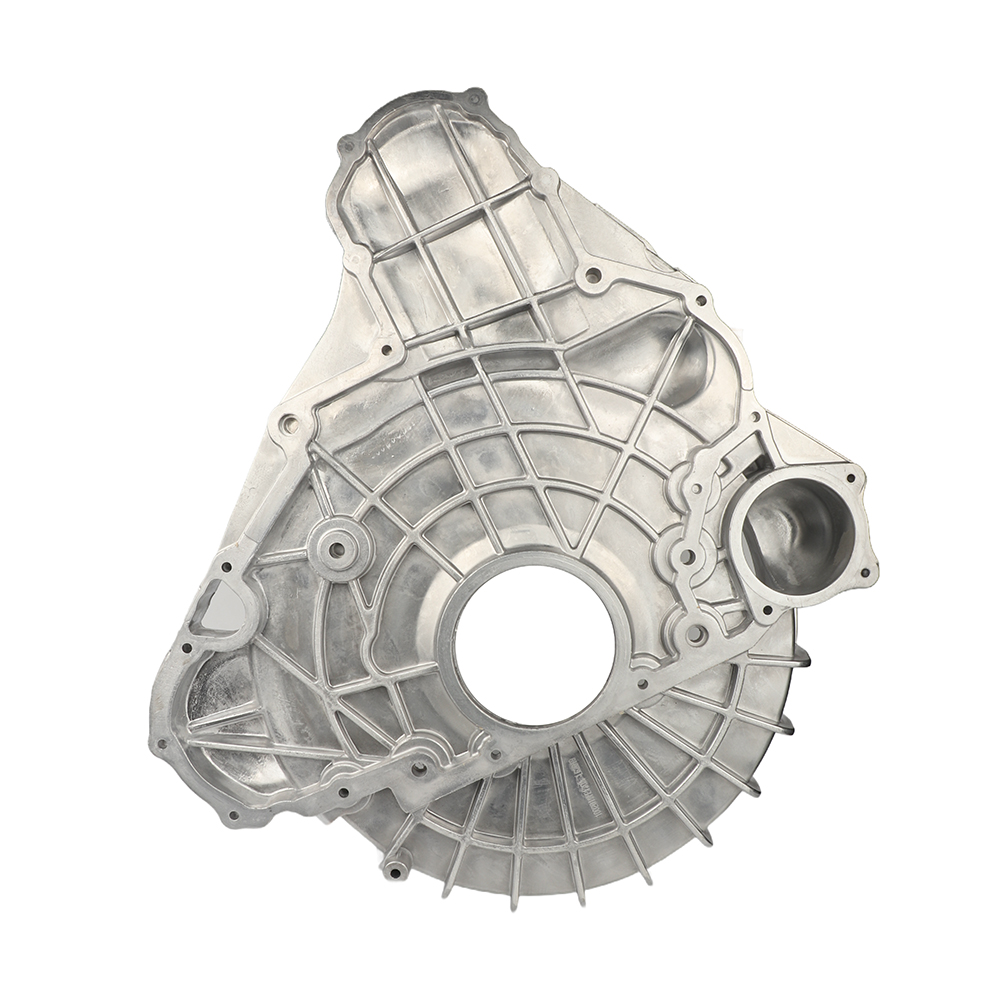
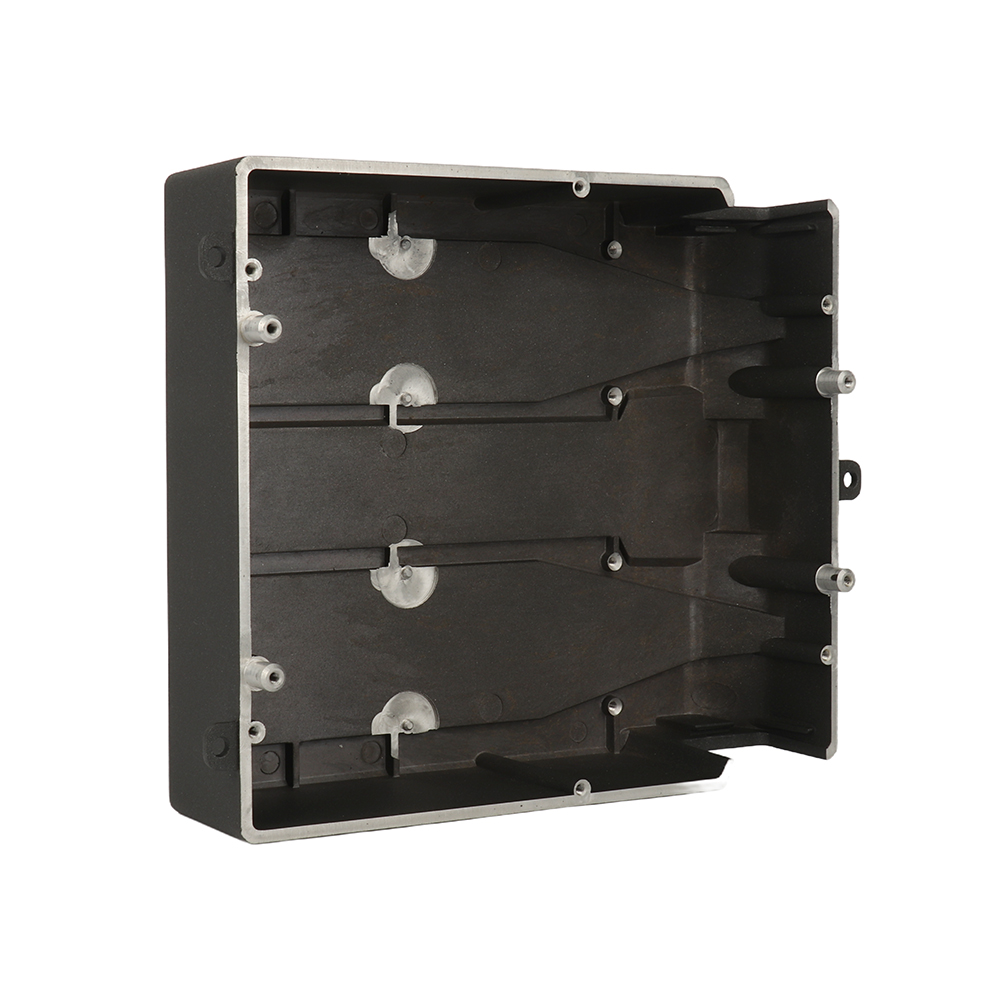
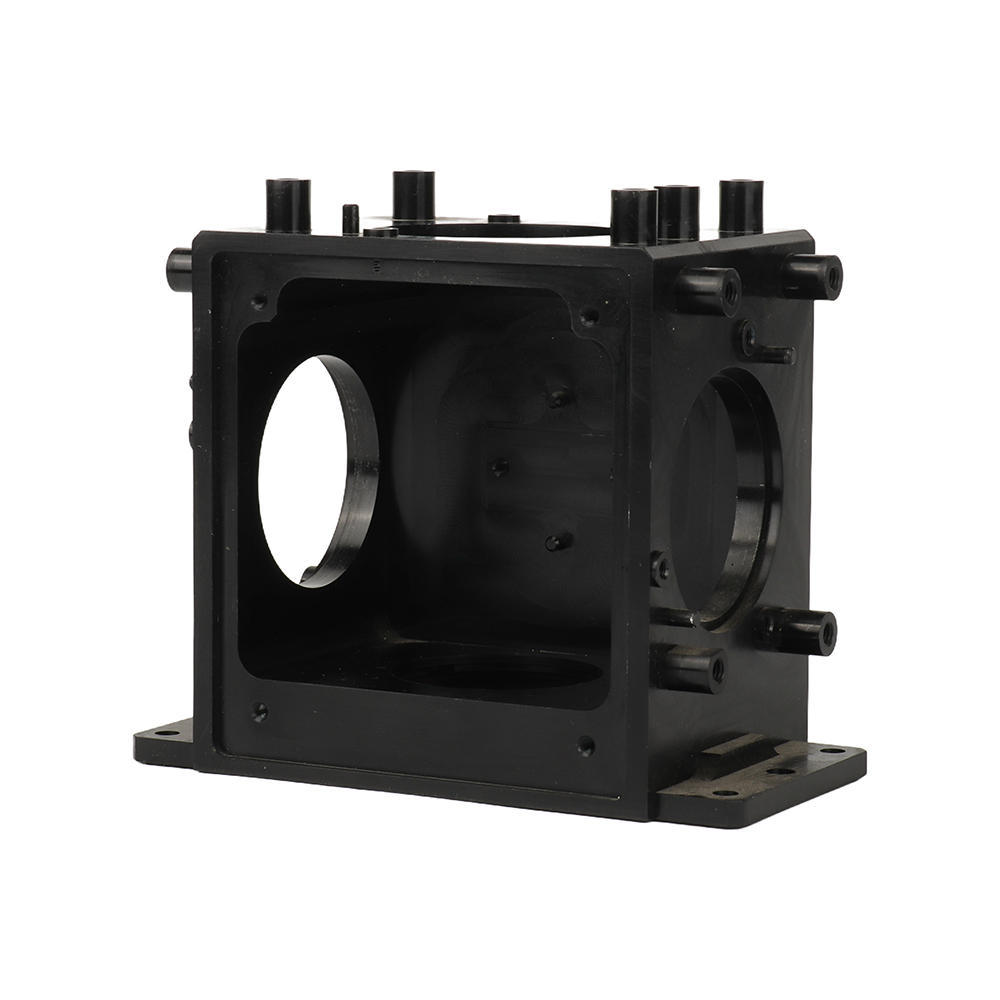
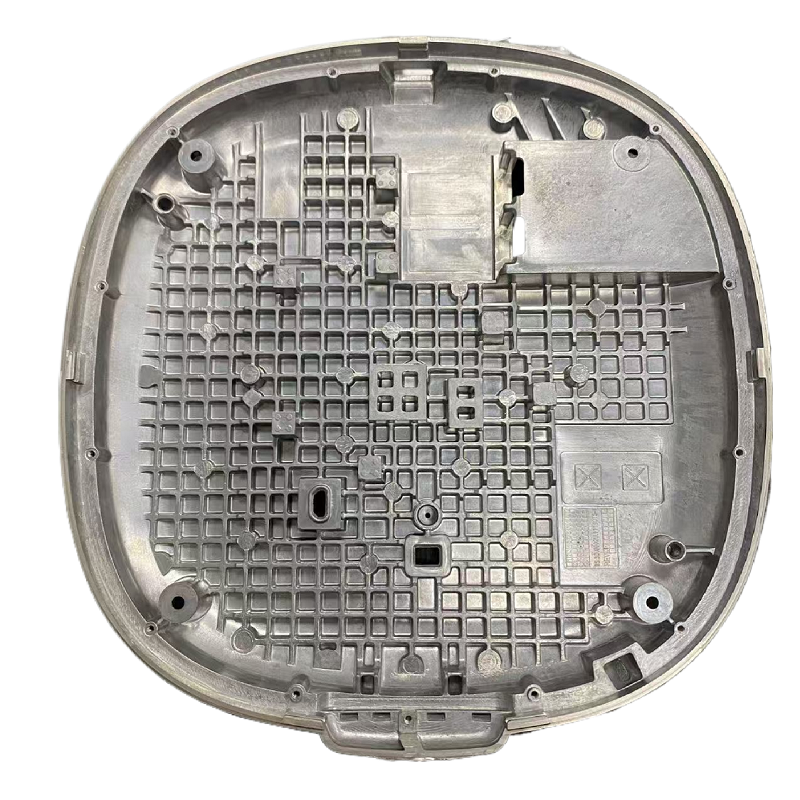
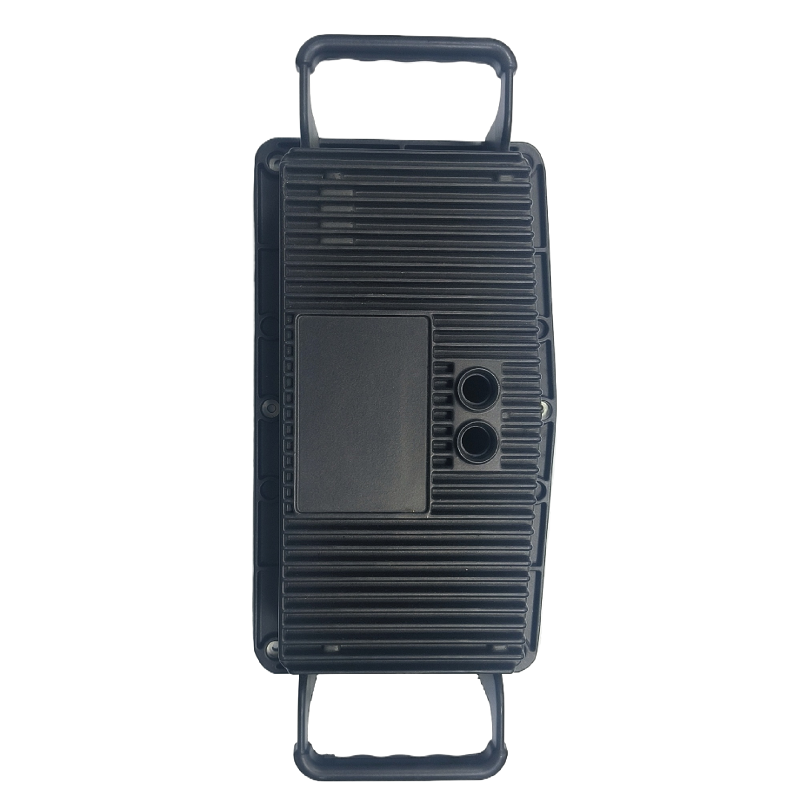
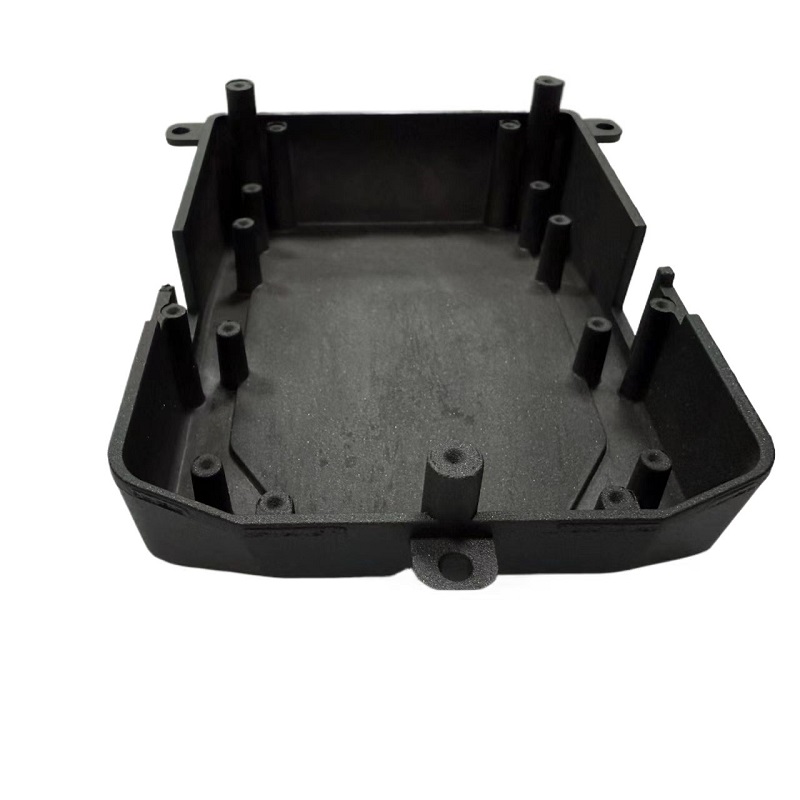
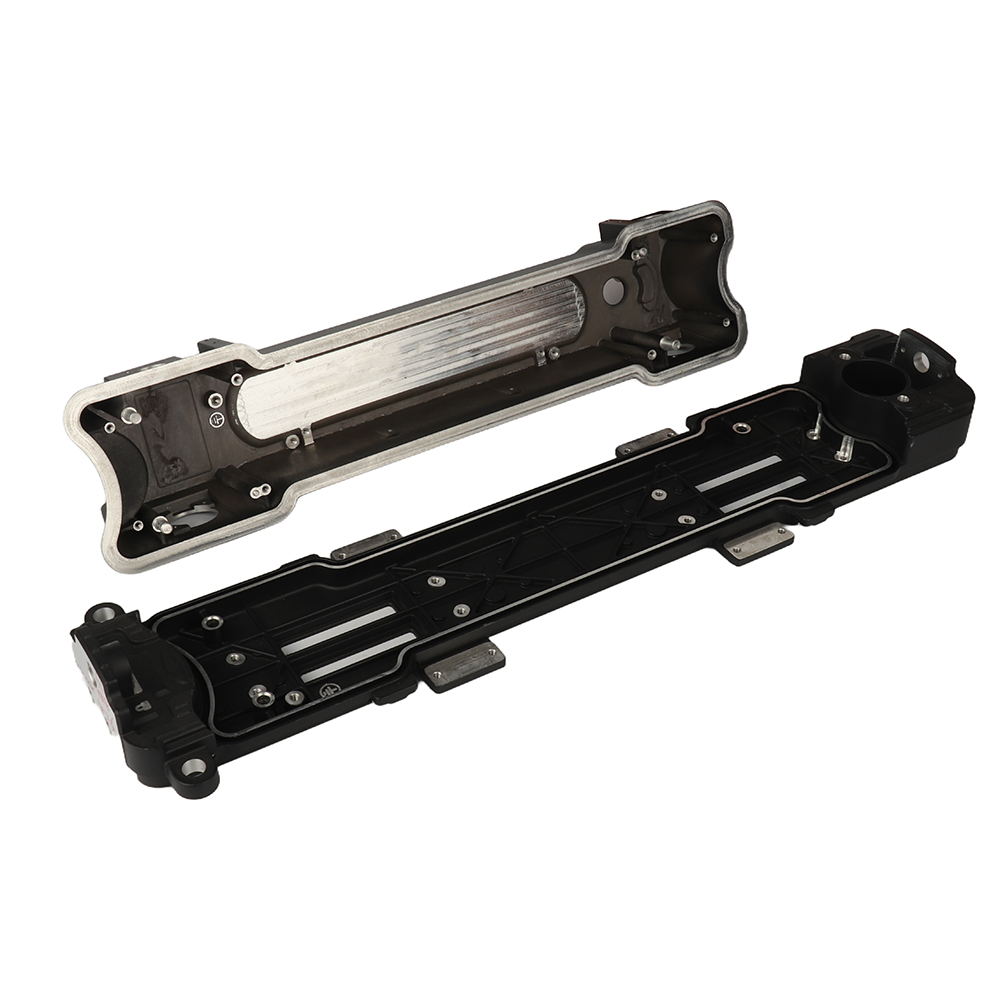
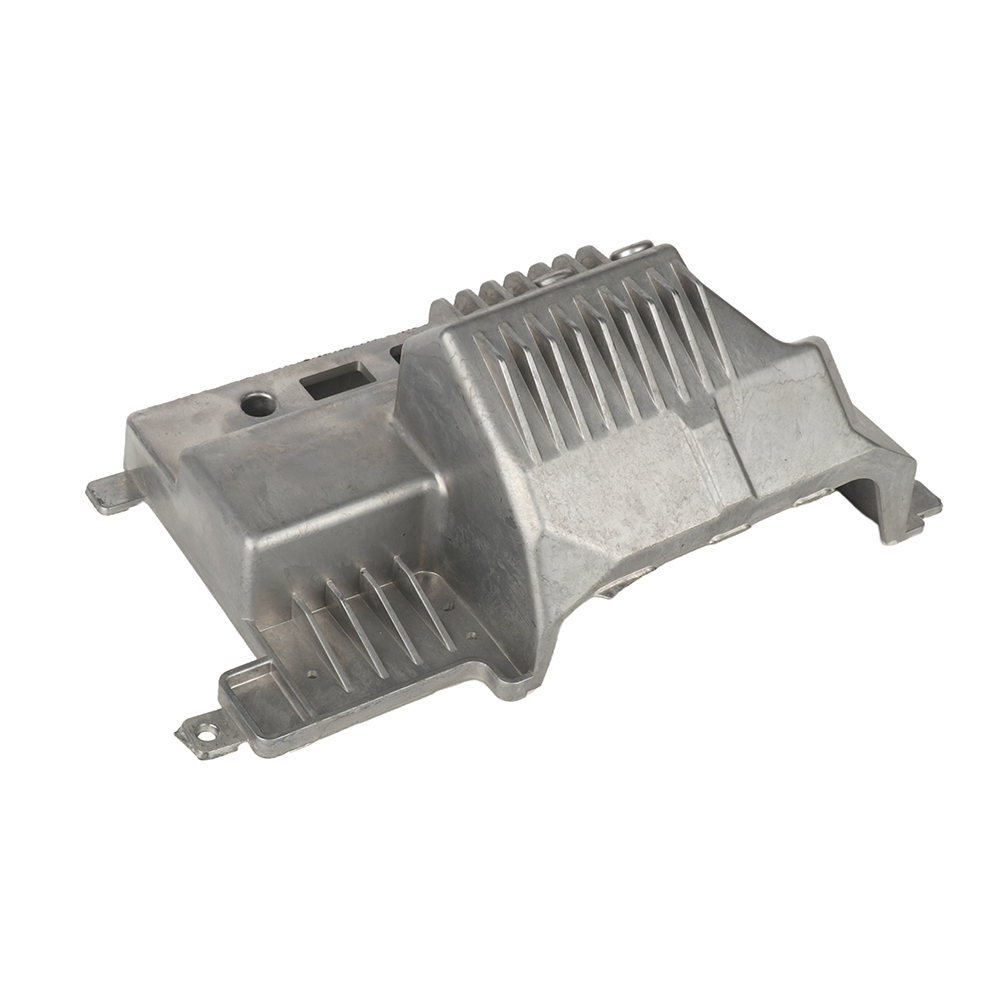
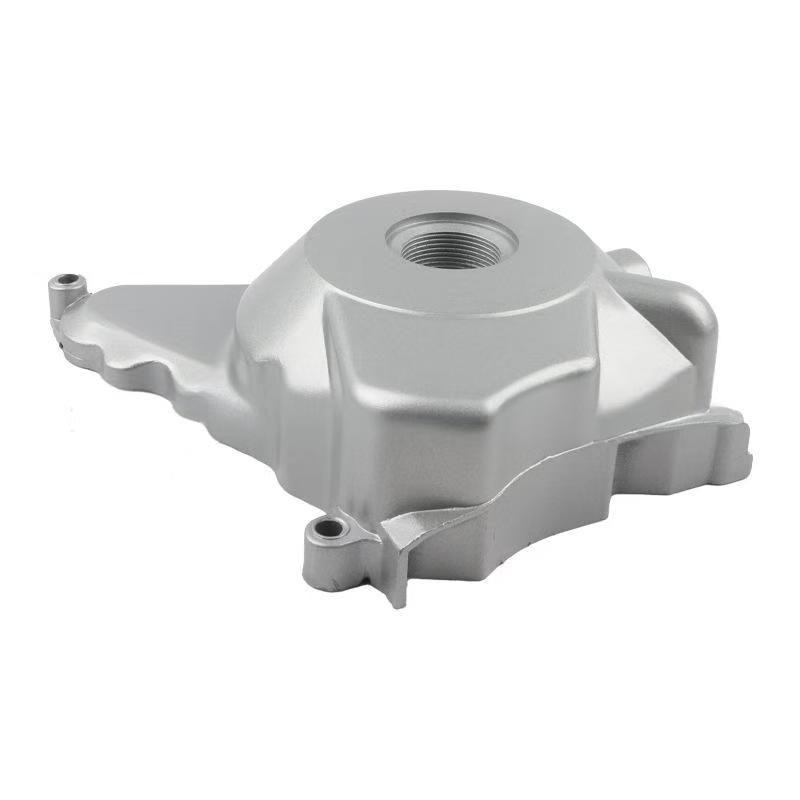
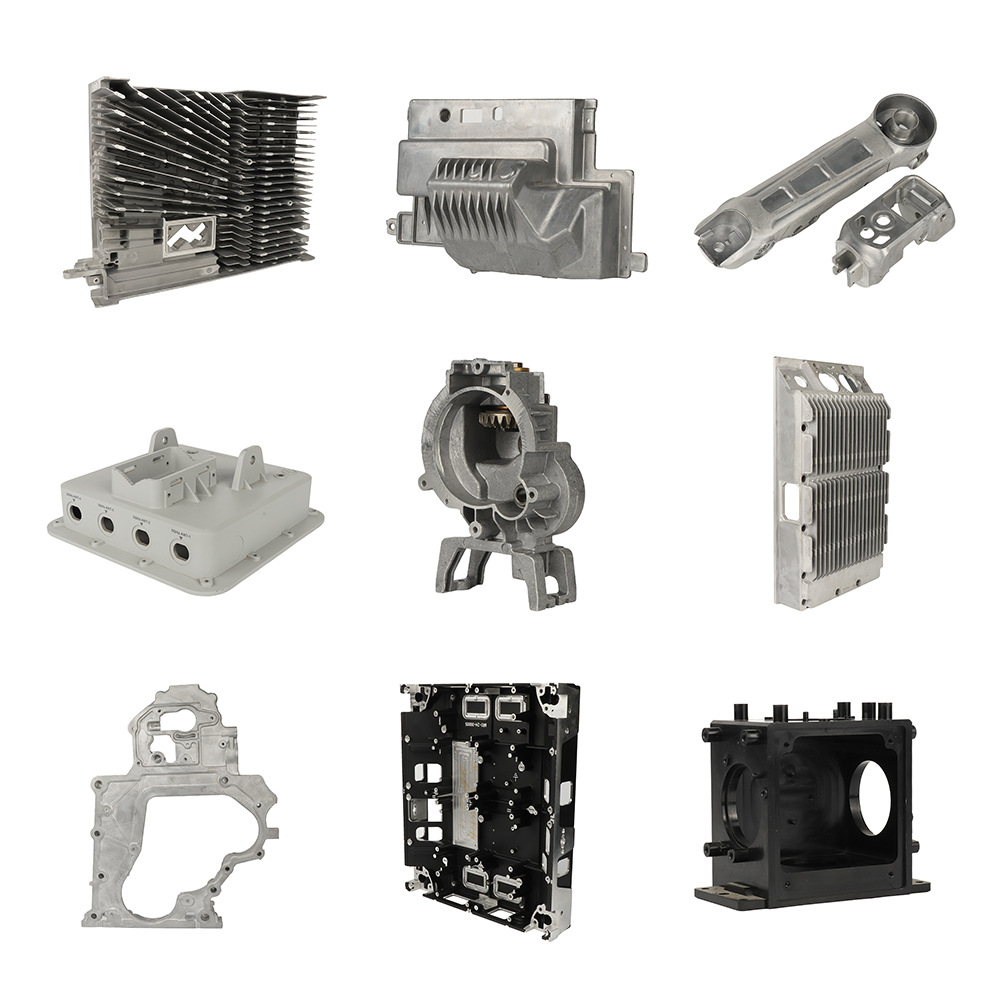
Die clamps | What are mold fixtures? Key Roles, Die Clamps Focus & Supplier Guide
2026-05-07
What are Mold Fixtures? Key Roles, Die Clamps Focus & Supplier Guide
Table of Contents
- 1. Introduction: What are Mold Fixtures?
- 2. Core Components of Mold Fixtures: Highlight on Die Clamps
- 3. Key Focus & Core Roles of Mold Fixtures (Die Clamps as the Core)
- 4. Unique Benefits of Mold Fixtures & Die Clamps
- 5. Xinghang Precision Hardware: Trusted Mold Fixtures & Die Clamps Supplier
- 6. Expert Insights on Mold Fixtures & Die Clamps
- 7. FAQs About Mold Fixtures & Die Clamps
- 8. Conclusion: Trends of Mold Fixtures & How to Choose a Quality Supplier
1. Introduction: What are Mold Fixtures?
Mold fixtures are precision-engineered tools designed to secure, position, and support molds during various manufacturing processes—including die-casting, injection molding, and plastic molding. They serve as the foundation of efficient, high-quality molding operations, ensuring molds remain stable, aligned, and functional throughout production cycles. Unlike generic fixtures, mold fixtures are tailored to the unique size, shape, and operational requirements of specific molds, with die clamps standing out as their most critical and indispensable component.
In modern manufacturing, the performance of mold fixtures—especially the reliability of die clamps—directly determines production efficiency, product quality, and operational safety. Whether for small precision parts or large industrial components, high-quality mold fixtures with robust die clamps are non-negotiable. As a professional hardware processing supplier, Xinghang Precision Hardware specializes in crafting premium mold fixtures and die clamps, engineered to withstand the harsh conditions of industrial molding processes. This blog explores the definition, key components, roles, and benefits of mold fixtures, with a focus on die clamps, and guides you in selecting a trusted supplier.
2. Core Components of Mold Fixtures: Highlight on Die Clamps
A high-performance mold fixture is composed of multiple integrated components, each playing a vital role in ensuring smooth and precise molding operations. Among these components, die clamps are the core—responsible for securing mold halves tightly, preventing misalignment, leaks, and defects that could compromise product quality. Below is a detailed breakdown of the key components, with special focus on die clamps:
2.1 Die Clamps: The Heart of Mold Fixtures
Die clamps (also referred to as mold clamps) are specialized clamping devices designed to apply uniform, adjustable pressure to mold halves, keeping them securely closed during the molding process. Engineered to withstand extreme temperatures (up to 600°C) and high pressures (up to 1500 bar in high-pressure applications), die clamps ensure molds remain stable and aligned from the moment molten material is injected until the final product is ejected. They are available in three main types to suit different applications:
- Hydraulic Die Clamps: The most common type in industrial settings, offering precise pressure control, uniform force distribution, and fast clamping/unclamping speeds—ideal for high-volume, high-pressure molding.
- Pneumatic Die Clamps: Suitable for low-pressure molding or smaller molds, providing quick operation and cost-effectiveness for light-duty applications.
- Manual Die Clamps: Best for small-scale production, prototypes, or low-volume runs, offering flexibility and simplicity for custom mold setups.
2.2 Other Essential Components of Mold Fixtures
While die clamps are the core, other components work in tandem to enhance the performance of mold fixtures:
- Locating Pins: Work with die clamps to ensure precise alignment of mold halves, preventing misalignment that causes flash, uneven product walls, or mold damage.
- Support Blocks: Distribute the pressure from die clamps evenly across the mold surface, avoiding localized stress and mold deformation.
- Guide Rails: Facilitate smooth opening and closing of mold halves, working with die clamps to ensure consistent, uninterrupted operation.
- Cooling Systems: Prevent overheating of the fixture and mold, protecting die clamps and other components from thermal damage and extending their lifespan.
Without reliable die clamps, even the most precision-engineered mold and fixture components will fail to deliver high-quality products, leading to production downtime, material waste, and increased costs.
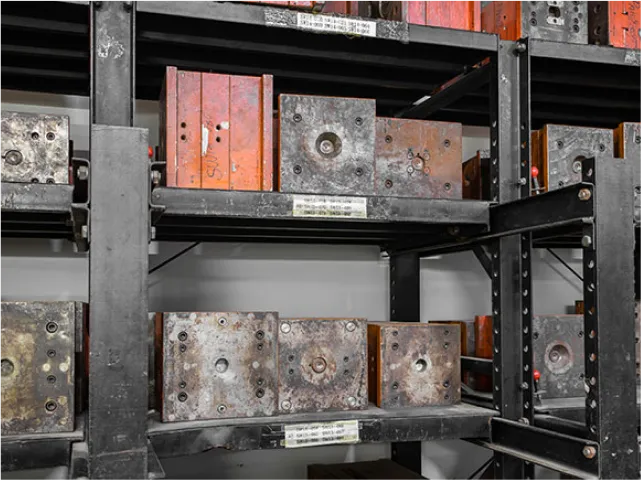
3. Key Focus & Core Roles of Mold Fixtures (Die Clamps as the Core)
The primary focus of mold fixtures is to ensure molds remain stable, aligned, and secure throughout the molding process—with die clamps driving this focus. Their core roles revolve around precision, safety, and efficiency, directly impacting the quality and consistency of the final product. Below are the key roles, with emphasis on how die clamps contribute:
3.1 Ensuring Mold Alignment & Stability (Die Clamps’ Primary Role)
Die clamps apply uniform pressure to mold halves, ensuring they are perfectly aligned and securely closed. This prevents mold movement or misalignment during material injection—a critical issue that would cause flash (excess material leakage), uneven product dimensions, or even mold damage. Die clamps maintain this alignment throughout the entire production cycle, from material injection to product solidification and mold opening.
3.2 Preventing Material Leakage
The high pressure of molten material injection (especially in die-casting and injection molding) can easily force mold halves apart if not secured properly. Die clamps apply sufficient clamping force to seal the mold cavity tightly, preventing molten material from leaking out. This not only reduces material waste but also avoids safety hazards (e.g., burns from hot material spills) and product defects.
3.3 Protecting Molds & Extending Their Lifespan
Die clamps distribute pressure evenly across the mold surface, preventing localized stress that could lead to mold cracking or deformation. By keeping the mold stable and aligned, die clamps reduce wear and tear, extending the mold’s lifespan by 30–50% compared to low-quality clamps or improper fixture setup. This is especially valuable for high-cost, precision molds used in mass production.
3.4 Ensuring Consistent Product Quality
Consistency is critical in manufacturing, and die clamps play a pivotal role in achieving it. By maintaining uniform pressure and alignment, die clamps ensure every product has consistent dimensions, surface finish, and structural integrity. This eliminates the need for extensive post-processing and reduces the risk of defective parts—essential for industries like automotive, industrial equipment, and electronics, where precision is non-negotiable.
3.5 Enhancing Operational Safety
Die clamps prevent mold movement and material leakage, creating a safer working environment for operators. They also ensure the mold opens and closes smoothly, reducing the risk of jams or equipment failure that could cause accidents. In industrial settings, reliable die clamps are essential for complying with global safety standards and protecting workers.
4. Unique Benefits of Mold Fixtures & Die Clamps
Investing in high-quality mold fixtures—especially robust die clamps—delivers significant benefits for manufacturers, from improved product quality to reduced operational costs. These benefits are amplified when working with a trusted supplier like Xinghang Precision Hardware, which crafts fixtures and die clamps to the highest industrial standards:
- Superior Product Precision & Consistency: Die clamps ensure tight mold alignment and uniform pressure, resulting in products with tight tolerances and smooth surface finishes. This reduces defects and post-processing time, saving costs and improving product quality.
- Reduced Material Waste: By preventing material leakage, die clamps minimize waste—critical for cost control, especially with high-value materials like aluminum, zinc, and magnesium alloys. This aligns with green manufacturing trends, reducing environmental impact.
- Extended Mold Lifespan: Die clamps distribute pressure evenly, reducing wear and tear on molds. This extends mold lifespan, lowering replacement costs and production downtime.
- Improved Production Efficiency: Reliable die clamps ensure smooth, uninterrupted production cycles. They reduce the risk of jams, mold misalignment, and leaks, minimizing downtime and increasing output. Hydraulic die clamps, in particular, offer fast operation, further boosting efficiency.
- Enhanced Operational Safety: Die clamps eliminate the risk of mold movement and material leakage, creating a safer workplace. This reduces accidents and ensures compliance with global industrial safety standards.
- Customization Flexibility: High-quality die clamps and mold fixtures can be customized to fit different mold sizes, shapes, and manufacturing processes. This flexibility makes them suitable for a wide range of applications, from small precision parts to large industrial components.
- Long-Term Cost-Effectiveness: While high-quality die clamps and fixtures may have a higher initial cost, their durability, efficiency, and ability to reduce defects and downtime make them a cost-effective investment. They lower long-term operational costs by reducing material waste, mold replacement, and post-processing.
5. Xinghang Precision Hardware: Trusted Mold Fixtures & Die Clamps Supplier
When it comes to high-quality mold fixtures and die clamps, Xinghang Precision Hardware is a trusted hardware processing supplier with years of experience in precision manufacturing. Located in Guangdong, China—a global manufacturing hub—we specialize in crafting custom mold fixtures and die clamps that meet the strictest industrial standards, supporting die-casting, injection molding, and other molding processes.
5.1 Our Mold Fixtures & Die Clamps Capabilities
- Die Clamps Expertise: We produce high-precision die clamps (hydraulic, pneumatic, and manual) designed to withstand extreme temperatures and pressures. Our hydraulic die clamps offer adjustable pressure control, ensuring uniform clamping force for any mold size or manufacturing process.
- Customization: We offer full customization of mold fixtures and die clamps, tailored to your specific mold dimensions, manufacturing process, and product requirements. Our R&D team supports 3D/CAD design to ensure the fixture and die clamps fit perfectly with your existing equipment.
- Quality & Certifications: Our mold fixtures and die clamps undergo 100% inspection to ensure zero defects. We hold ISO9001/TS16949/RoHS/ISO14001 certifications, complying with global quality, safety, and environmental standards.
- Durability & Reliability: We use high-grade materials (e.g., hardened steel) for die clamps and fixtures, ensuring they can withstand repetitive use, extreme temperatures, and high pressures. This durability reduces maintenance costs and extends the service life of our products.
- One-Stop Service: We integrate R&D design, mold manufacturing, fixture production, precision machining, and surface treatment into a one-stop service. This simplifies your supply chain, reduces costs, and ensures timely delivery of mold fixtures and die clamps.
Our commitment to quality, precision, and customer satisfaction makes us a preferred partner for industrial manufacturers worldwide. Whether you need custom die clamps, complete mold fixtures, or technical support, we deliver reliable solutions tailored to your needs.
6. Expert Insights on Mold Fixtures & Die Clamps
To gain deeper insights into the value and future of mold fixtures and die clamps in industrial manufacturing, we interviewed Mr. Robert Davis, a senior molding engineer with over 25 years of experience in mold design, fixture development, and industrial manufacturing consulting.
“Die clamps are the unsung heroes of mold fixtures—they may not be the most visible component, but they are the most critical to quality and efficiency,” says Mr. Davis. “Many manufacturers overlook the importance of high-quality die clamps, opting for low-cost alternatives that lead to frequent mold misalignment, leaks, and defective parts. A reliable die clamp ensures uniform pressure, perfect alignment, and safe operation—all of which are non-negotiable for modern molding processes.”
Mr. Davis also emphasized: “The performance of a mold fixture is only as good as its die clamps. As molding processes become more advanced—with higher pressures and tighter tolerances—the demand for precision die clamps will continue to grow. Suppliers like Xinghang, which focus on customization, quality, and durability, are key to helping manufacturers unlock the full potential of their molding operations. Additionally, as the industry moves toward integration of mold and fixture manufacturing, suppliers with one-stop capabilities will have a distinct advantage.”
He added: “The biggest mistake manufacturers make is underestimating the impact of die clamps on their bottom line. A high-quality die clamp reduces waste, extends mold life, and boosts efficiency—saving money in the long run. As the molding industry evolves, die clamps will become more advanced, with smart features to monitor pressure and alignment in real time. Suppliers that invest in this technology, like Xinghang, will lead the market.”
7. FAQs About Mold Fixtures & Die Clamps
Q1: What is the difference between mold fixtures and die-casting fixtures?
A: Mold fixtures are a broader category of tools designed to support all types of molds (injection molding, die-casting, plastic molding, etc.), while die-casting fixtures are specifically tailored for die-casting molds. Both rely on die clamps as the core component, but mold fixtures are more versatile, adapting to different molding processes.
Q2: What types of die clamps are most commonly used in industrial mold fixtures?
A: Hydraulic die clamps are the most common, as they offer adjustable pressure control, uniform clamping force, and fast operation—ideal for high-volume, high-pressure molding. Pneumatic die clamps are used for smaller molds or low-pressure applications, while manual die clamps suit small-scale or prototype production.
Q3: How do die clamps affect product quality?
A: Die clamps directly impact product quality by ensuring mold alignment and preventing material leakage. Poor-quality or improperly adjusted die clamps cause misalignment (leading to uneven walls, flash, or warping) and material leakage (leading to waste and defects). High-quality die clamps ensure consistent pressure and alignment, resulting in products with tight tolerances and smooth surface finishes.
Q4: Can Xinghang customize die clamps and mold fixtures for specific mold sizes?
A: Yes. We offer full customization of die clamps and mold fixtures, including size, pressure capacity, and type (hydraulic, pneumatic, manual). Our R&D team works with you to design products that fit your specific mold dimensions, manufacturing process, and product requirements.
Q5: How long is the lifespan of Xinghang’s die clamps and mold fixtures?
A: With high-grade materials and precision manufacturing, our die clamps can last 8–10 years or more in industrial molding environments, while mold fixtures have a lifespan of 10–15 years. Their durability reduces maintenance costs and production downtime, making them a cost-effective investment.
Q6: Do mold fixtures and die clamps require regular maintenance?
A: Yes, regular maintenance (e.g., lubrication, pressure checks, inspection for wear) is recommended to ensure optimal performance. Xinghang provides maintenance guidelines and support to help you extend the lifespan of your die clamps and fixtures.
Q7: Are Xinghang’s mold fixtures and die clamps compliant with global standards?
A: Yes. Our products hold ISO9001 (quality management), TS16949 (automotive/industrial quality), RoHS (environmental compliance), and ISO14001 (environmental management) certifications, meeting global quality, safety, and environmental standards for industrial manufacturing.
Q8: Why are die clamps more important in high-pressure molding processes?
A: High-pressure molding (e.g., high-pressure die-casting) uses extreme injection pressures (100–1500 bar), which exert significant force on mold halves. Die clamps must apply sufficient pressure to keep the mold closed, preventing leaks and misalignment. Low-pressure processes rely on less force, but die clamps are still critical for alignment and stability, ensuring consistent product quality.
8. Conclusion: Trends of Mold Fixtures & How to Choose a Quality Supplier
8.1 Key Trends in the Mold Fixtures & Die Clamps Industry
The global mold fixtures and die clamps industry is evolving to meet the growing demands of modern industrial manufacturing, with several key trends shaping its future:
- Precision & Automation: As molding processes become more advanced, there is a growing demand for precision die clamps with automated pressure control and real-time monitoring. Smart die clamps that detect misalignment or pressure fluctuations are becoming more prevalent, reducing human error and improving efficiency.
- Customization: Industrial equipment is becoming more specialized, driving demand for custom mold fixtures and die clamps tailored to unique mold sizes, shapes, and manufacturing processes. Suppliers with flexible customization capabilities are well-positioned to meet this demand.
- Durability & Sustainability: Manufacturers are prioritizing die clamps and fixtures made from high-grade, recyclable materials, aligning with green manufacturing trends. Durable products that reduce waste and extend service life are becoming a top priority.
- Integration of One-Stop Services: Clients are seeking suppliers that offer integrated services (R&D, design, production, maintenance) to simplify supply chains, reduce costs, and ensure timely delivery. This integration is becoming a key competitive advantage in the industry.
- Focus on Safety: With stricter industrial safety standards, there is an increased emphasis on die clamps that enhance operational safety—e.g., automatic pressure release, anti-jam features, and heat-resistant materials.
8.2 How to Choose a Quality Hardware Processing Supplier for Mold Fixtures & Die Clamps
Selecting the right supplier for mold fixtures and die clamps is critical to ensuring production efficiency, product quality, and long-term cost-effectiveness. Key factors to consider include:
- Expertise & Experience: Choose a supplier with rich experience in mold fixture and die clamp manufacturing, particularly in your industry (e.g., automotive, industrial equipment). Look for expertise in handling your specific molding process.
- Quality Control & Certifications: Verify the supplier holds ISO9001/TS16949/RoHS/ISO14001 certifications and implements strict quality control processes (e.g., 100% inspection) to ensure defect-free products.
- Customization Capabilities: Ensure the supplier can design and produce custom die clamps and mold fixtures tailored to your unique mold size, manufacturing process, and product requirements.
- Durability & Reliability: Choose a supplier that uses high-grade materials and precision manufacturing to produce durable, long-lasting die clamps and fixtures—reducing maintenance costs and production downtime.
- One-Stop Service: Prefer a supplier that offers integrated services (R&D, design, production, maintenance) to simplify your supply chain and reduce costs.
8.3 Choose Xinghang Precision Hardware: Your Trusted Mold Fixtures & Die Clamps Supplier
For businesses seeking high-quality, reliable mold fixtures and die clamps—whether custom hydraulic die clamps, complete fixtures, or technical support—Xinghang Precision Hardware is your ideal hardware processing supplier. We combine advanced manufacturing technology, strict quality control, flexible customization, and one-stop service to meet the diverse needs of global industrial clients. Our die clamps and mold fixtures are engineered for durability, precision, and safety, ensuring they enhance your molding operations and reduce long-term costs.
Welcome to cooperate with us! To discuss your mold fixtures and die clamps needs, request a custom quote, or place an order, contact us today:
Mobile/WeChat: +86 18819502691
Email: liqine@xinghangcn.com
Email: liqine@xinghangcn.com
Aluminum casting factory | Xinghang Aluminum Die Casting Factory | Your Trusted Partner for Precision Hardware Manufacturing
Gravity die casting | What is gravity die casting? Tonnage, Roles, Benefits & Top Supplier Guide
Related Article

Residential energy storage systems have become increasingly popular as homeowners pursue energy independence, solar self-consumption and backup power for grid outages.
Energy storage enclosure | What Are the Benefits of Die-Cast Home Energy Storage Enclosures?

A custom LED display frame is the core structural carrier for LED screen modules, widely manufactured with ADC12 aluminum alloy via high-pressure die casting.
LED display frame | What Are the Benefits of Custom LED Display Frames?

