
HOT PRODUCTS
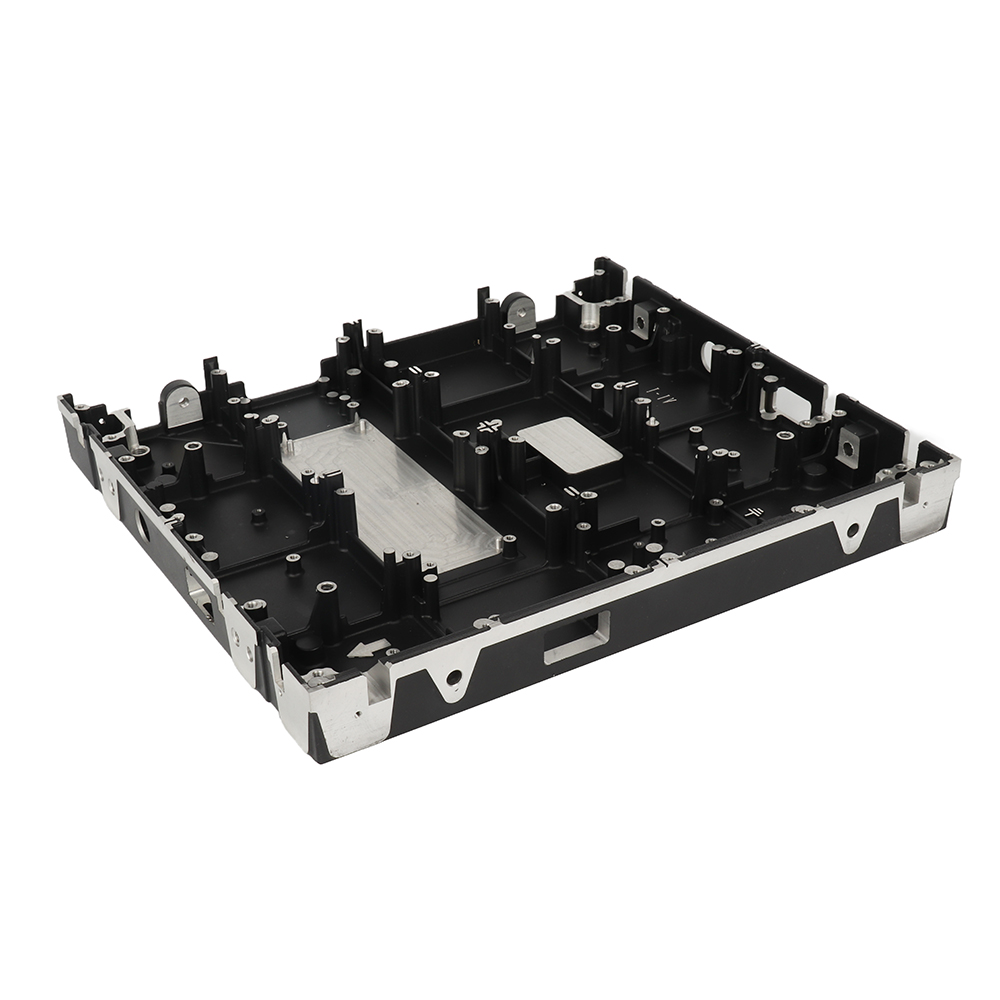
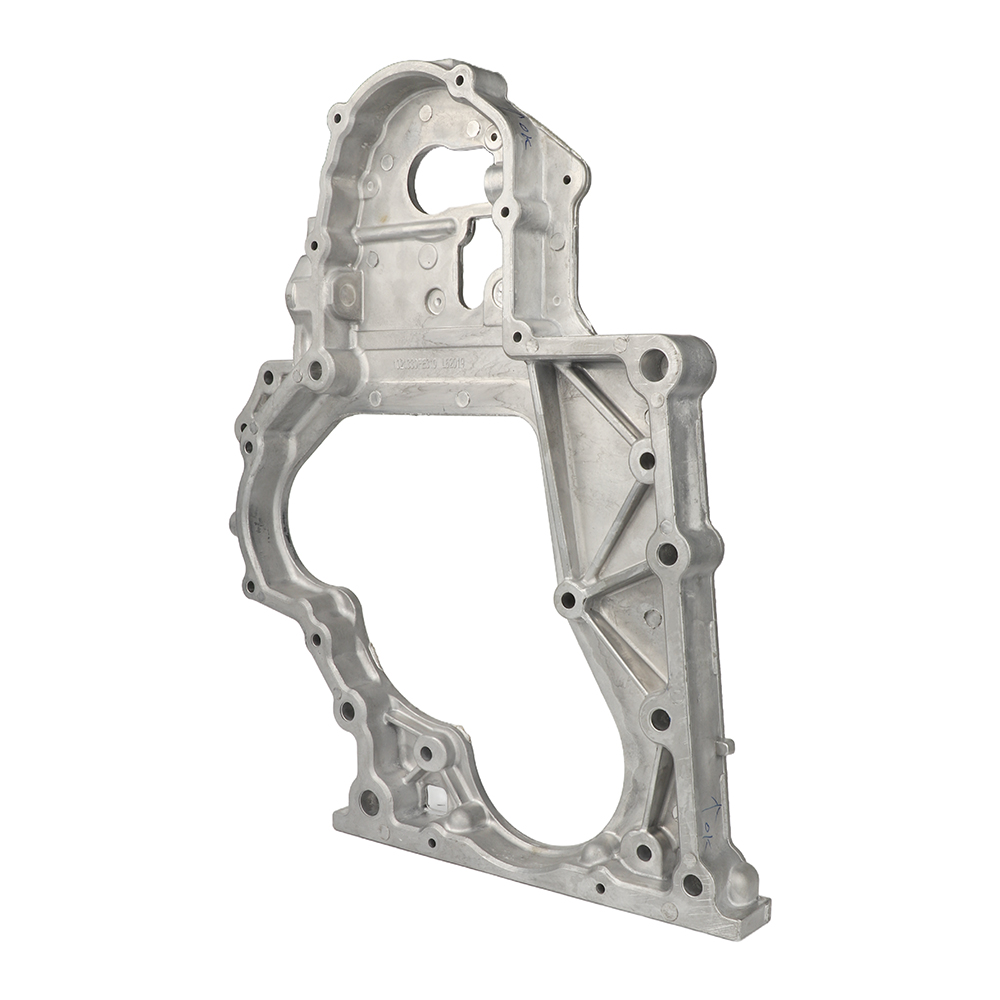
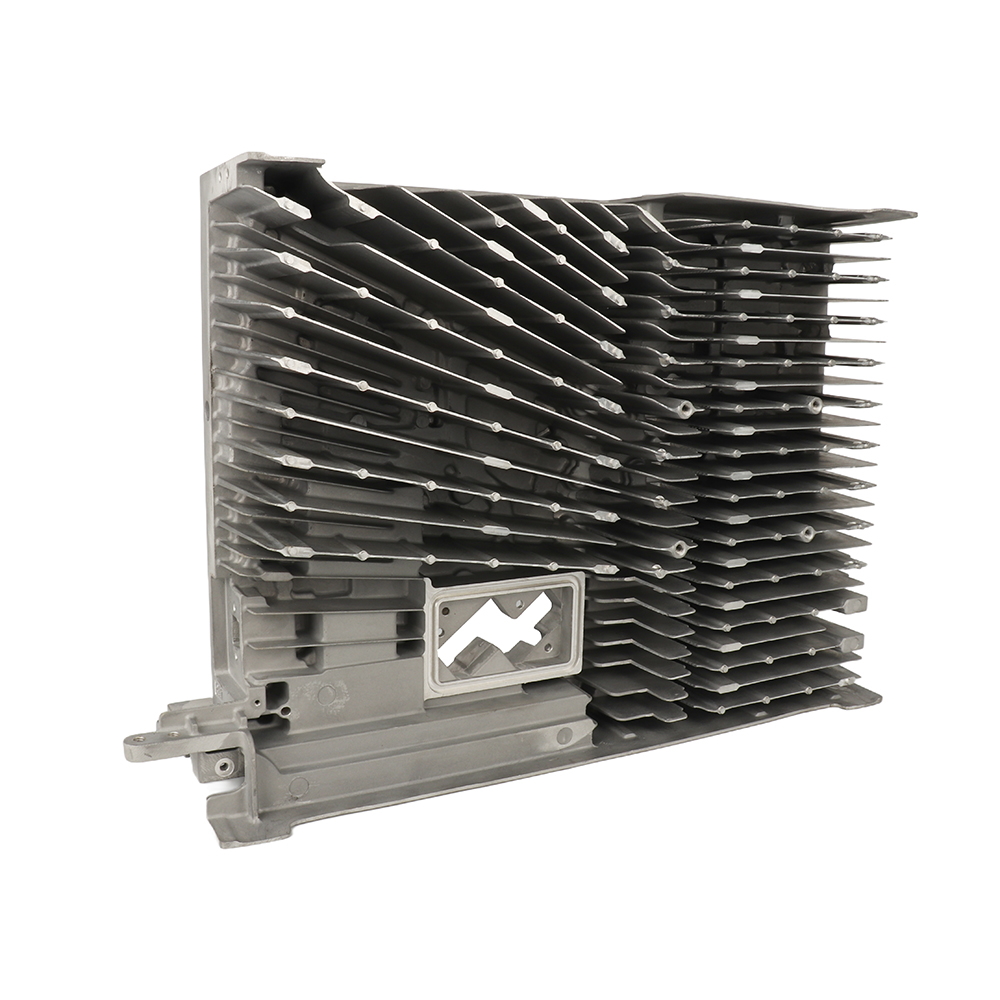
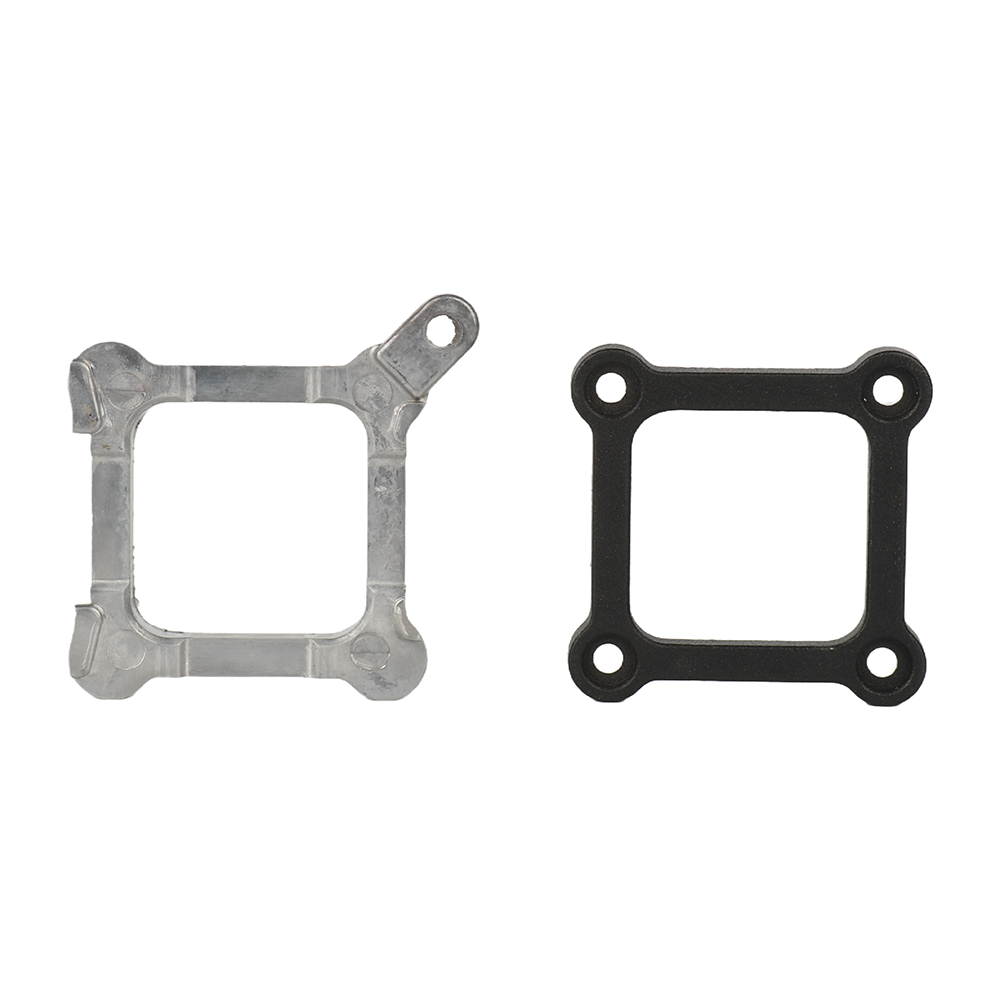
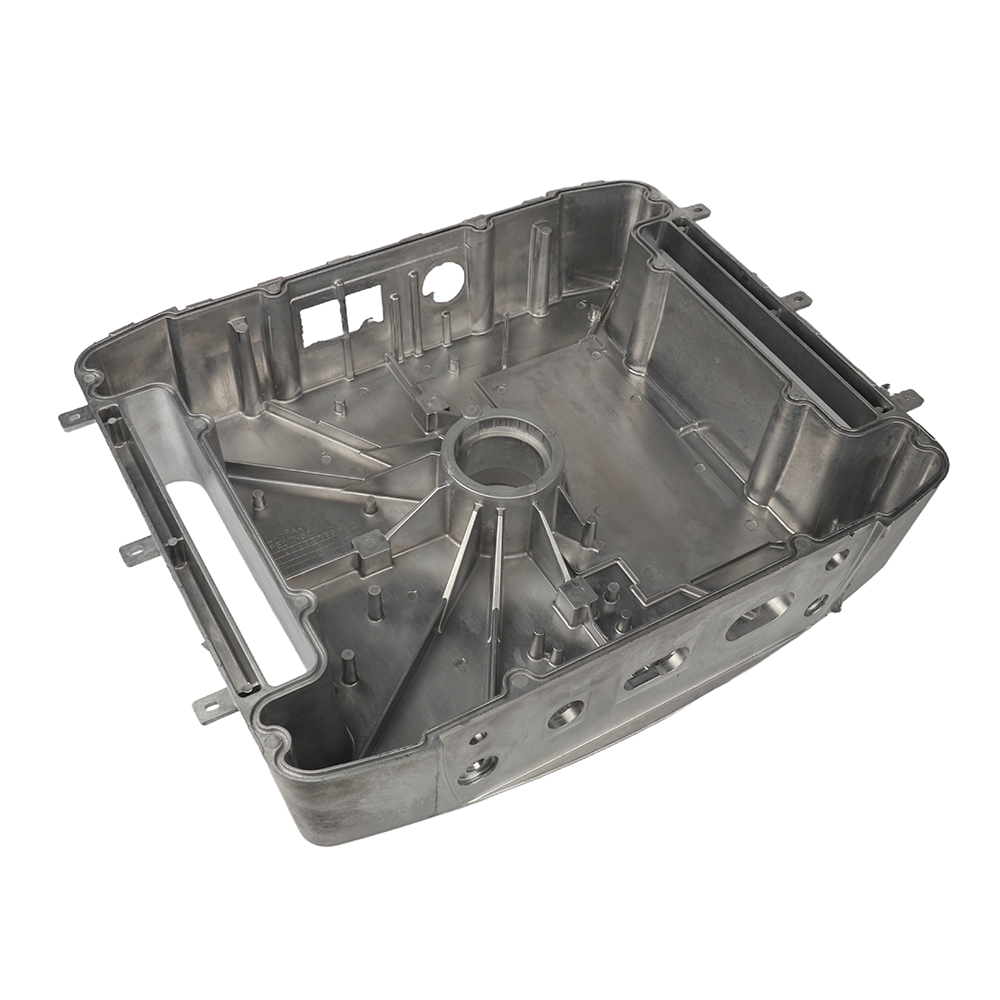
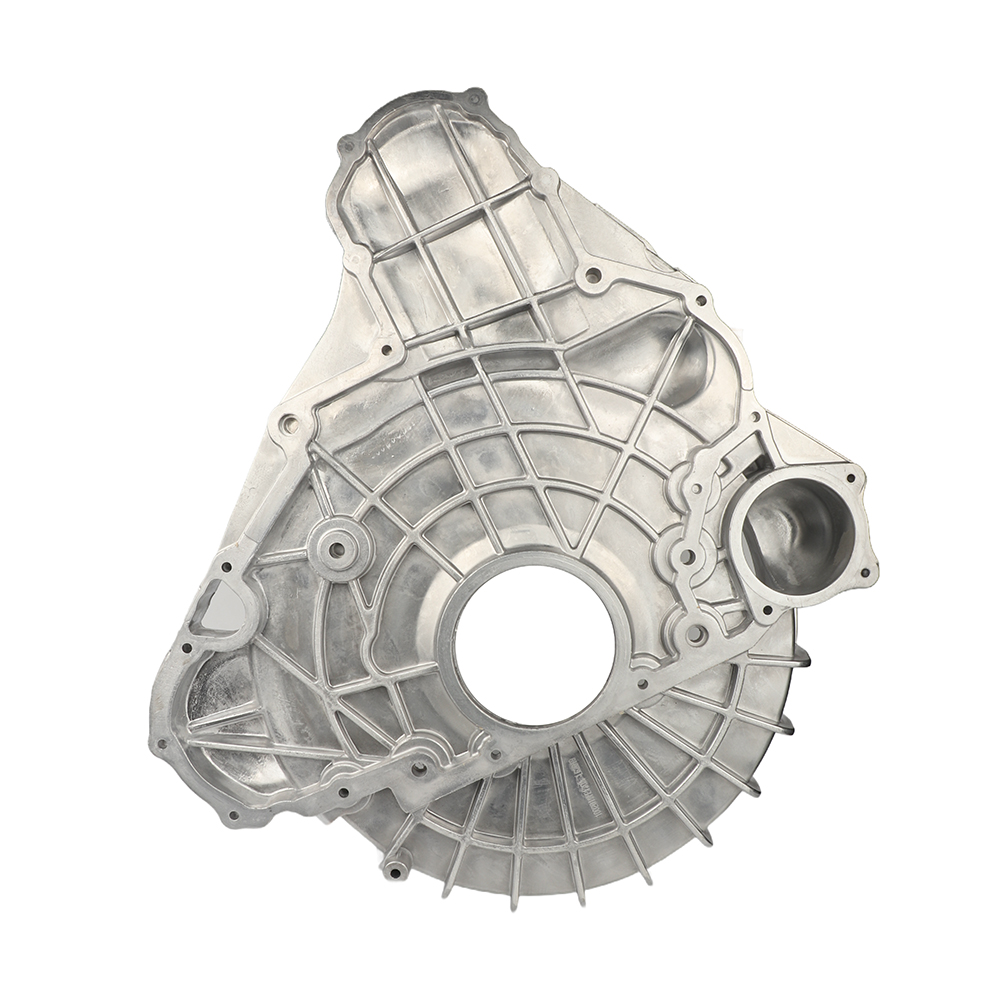
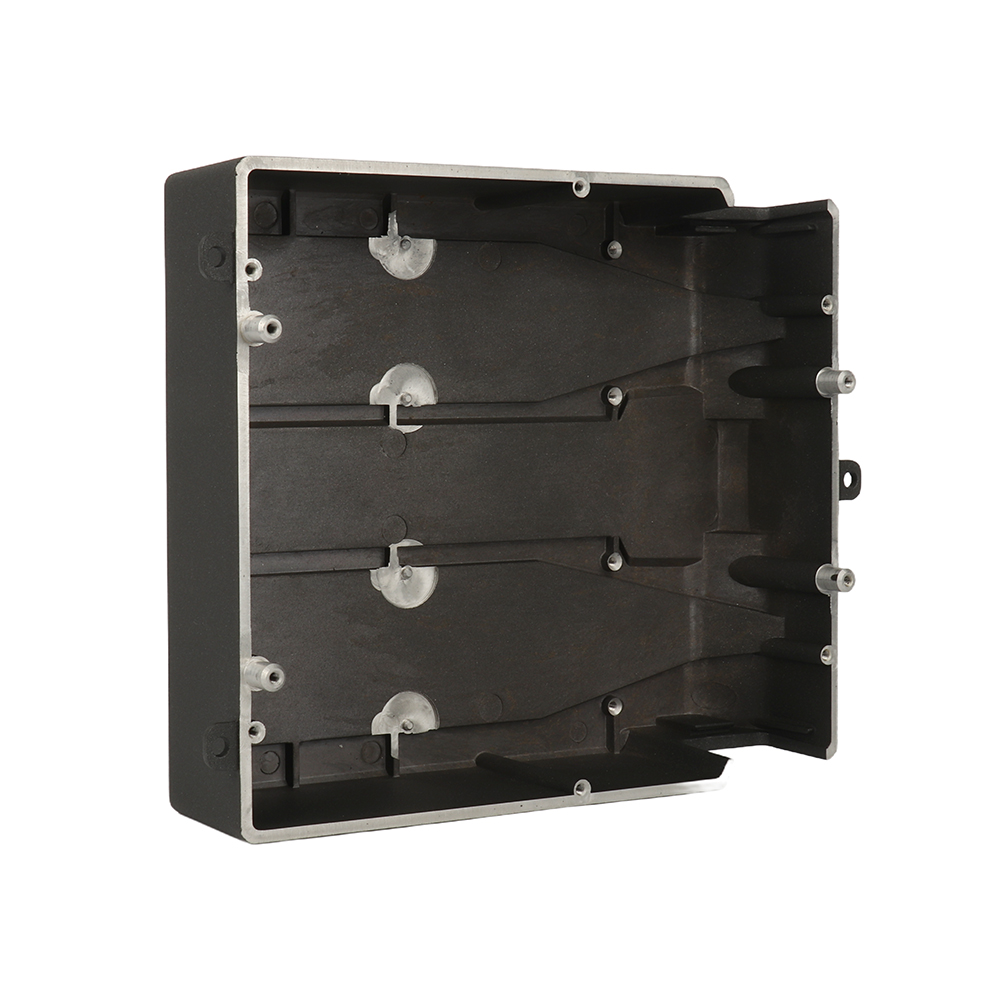
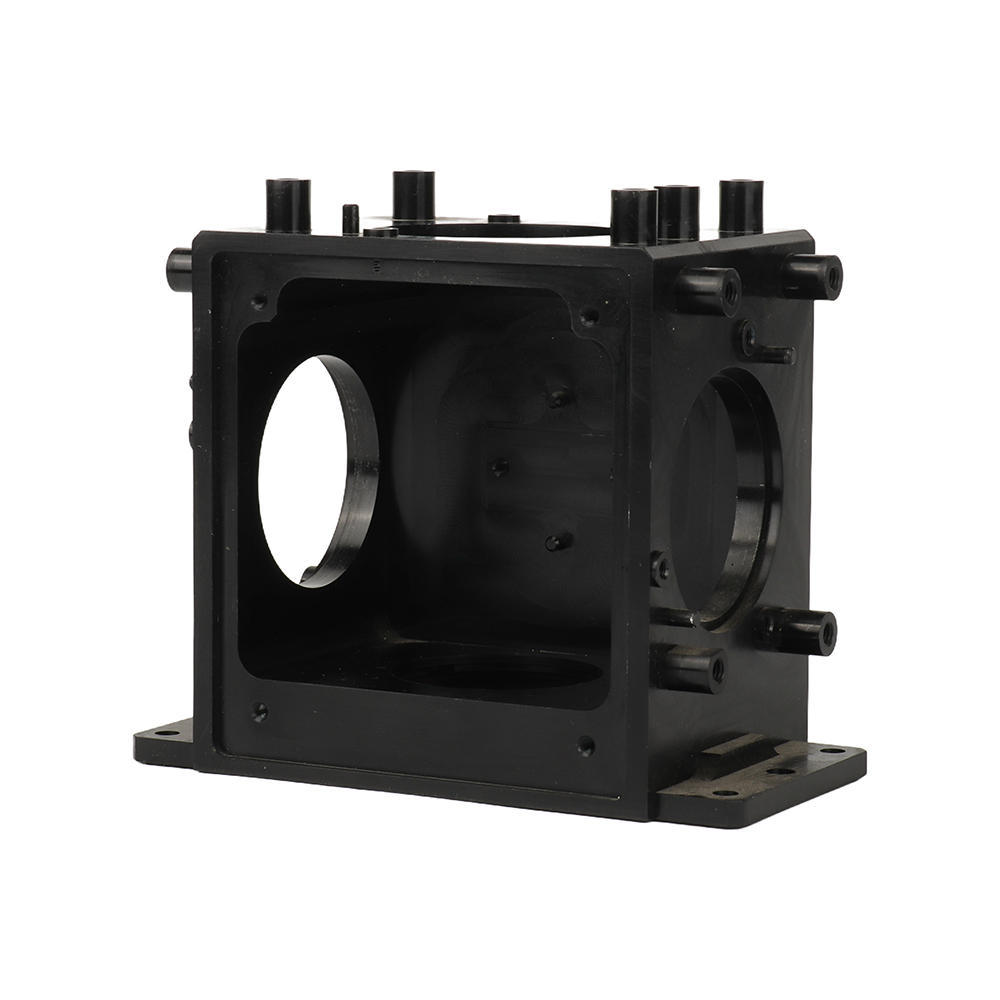
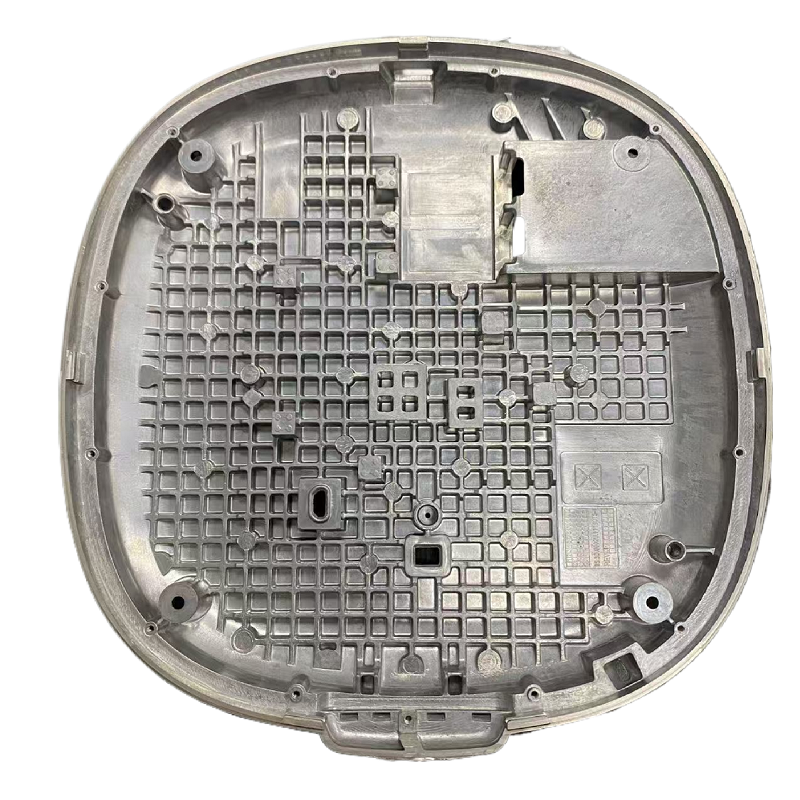
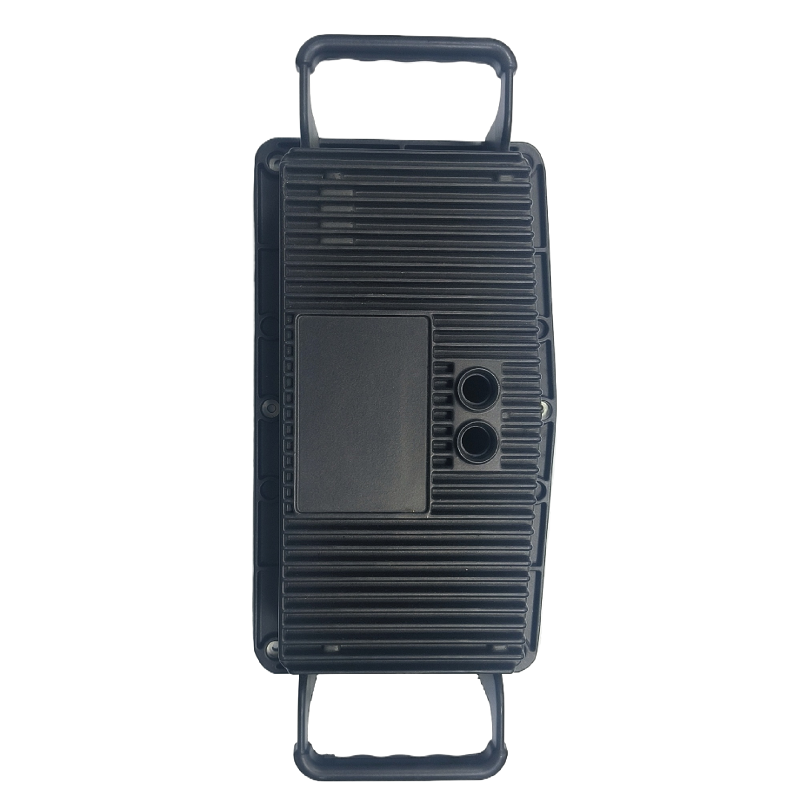
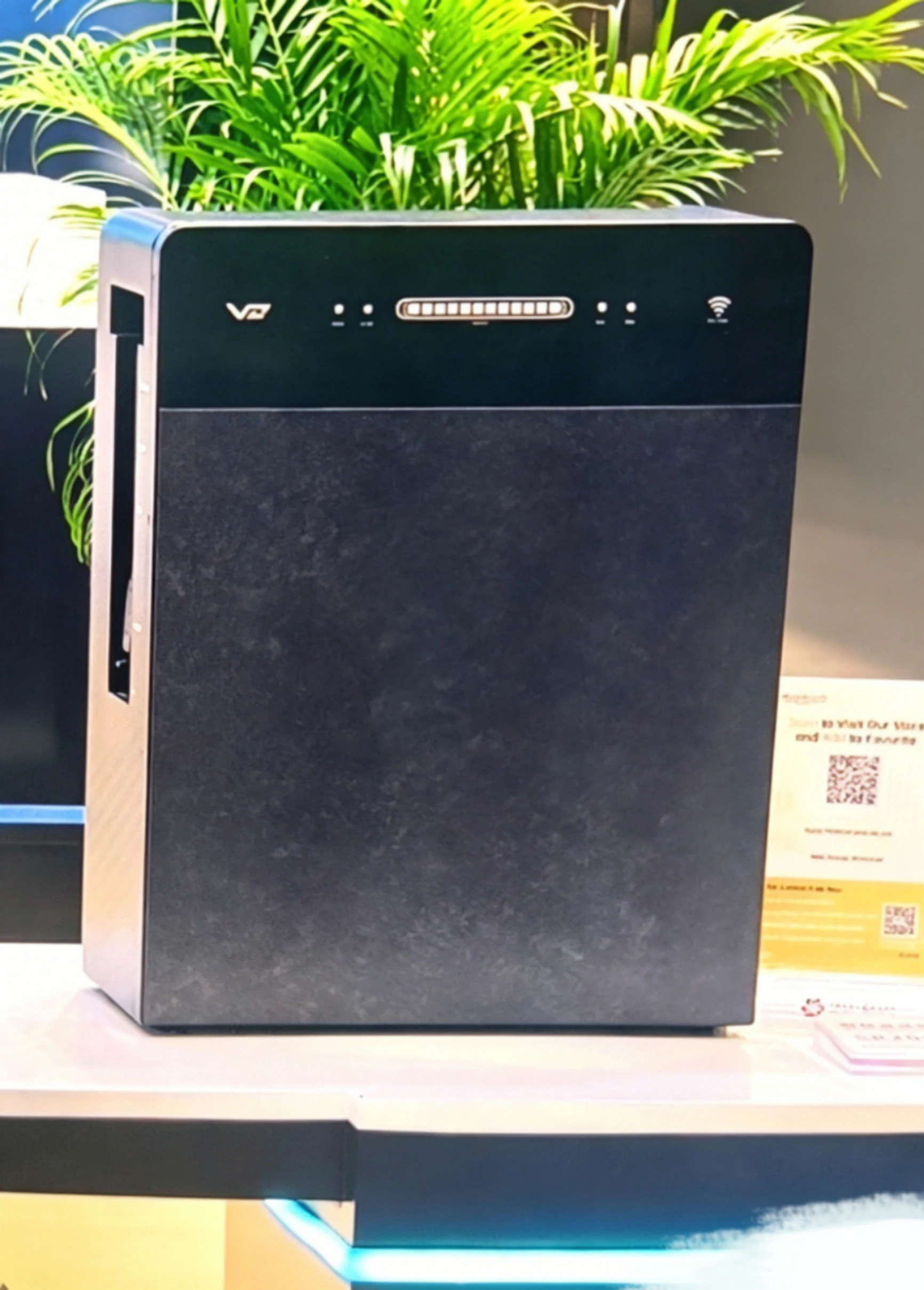
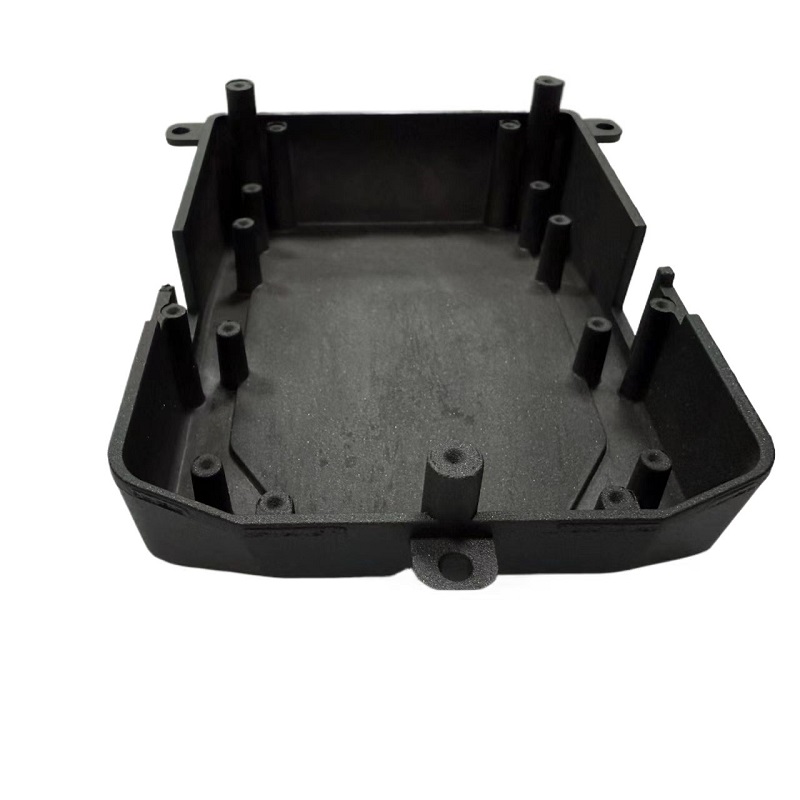
Precision die casting parts | What Are Precision Die Casting Parts?Ultimate Guide
2026-08-12
What Are Precision Die Casting Parts? Ultimate Guide
Table of Contents
1. Basic Overview of Precision Die Casting Parts
1.1 Definition of Precision Die Casting Parts
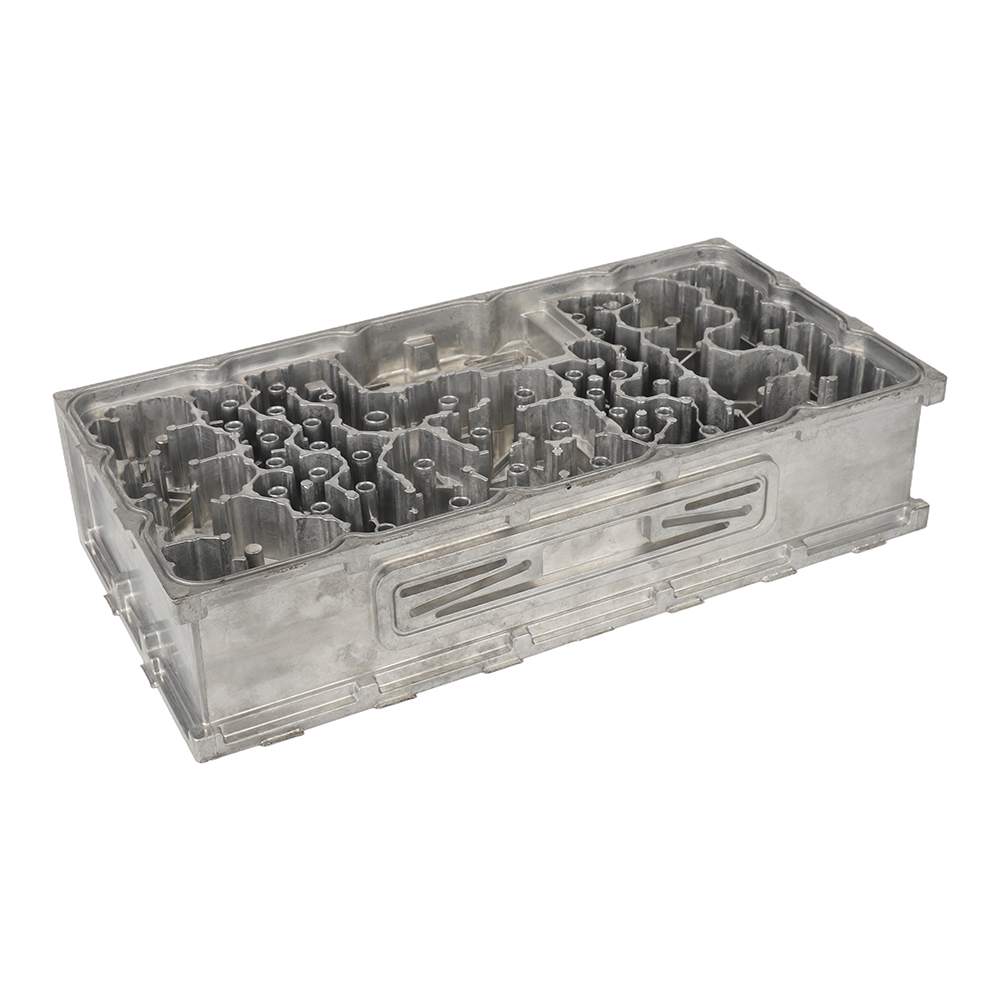
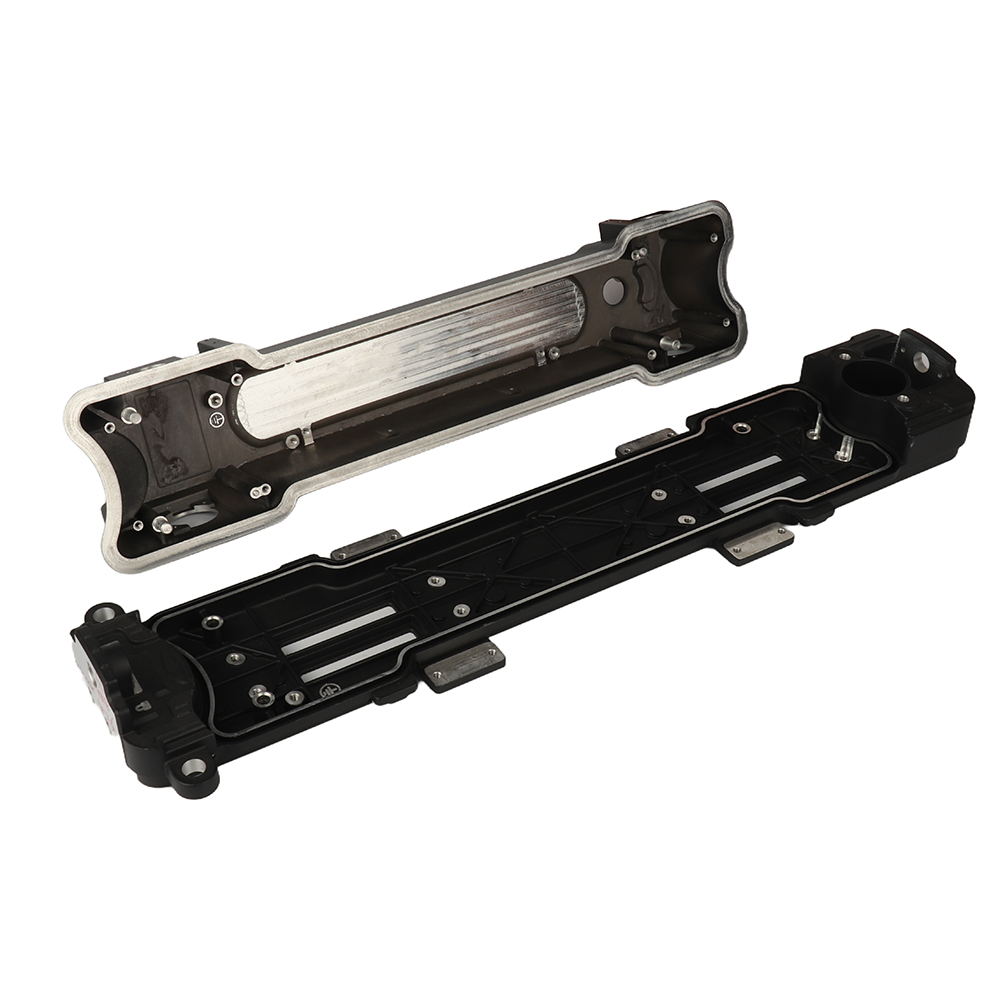
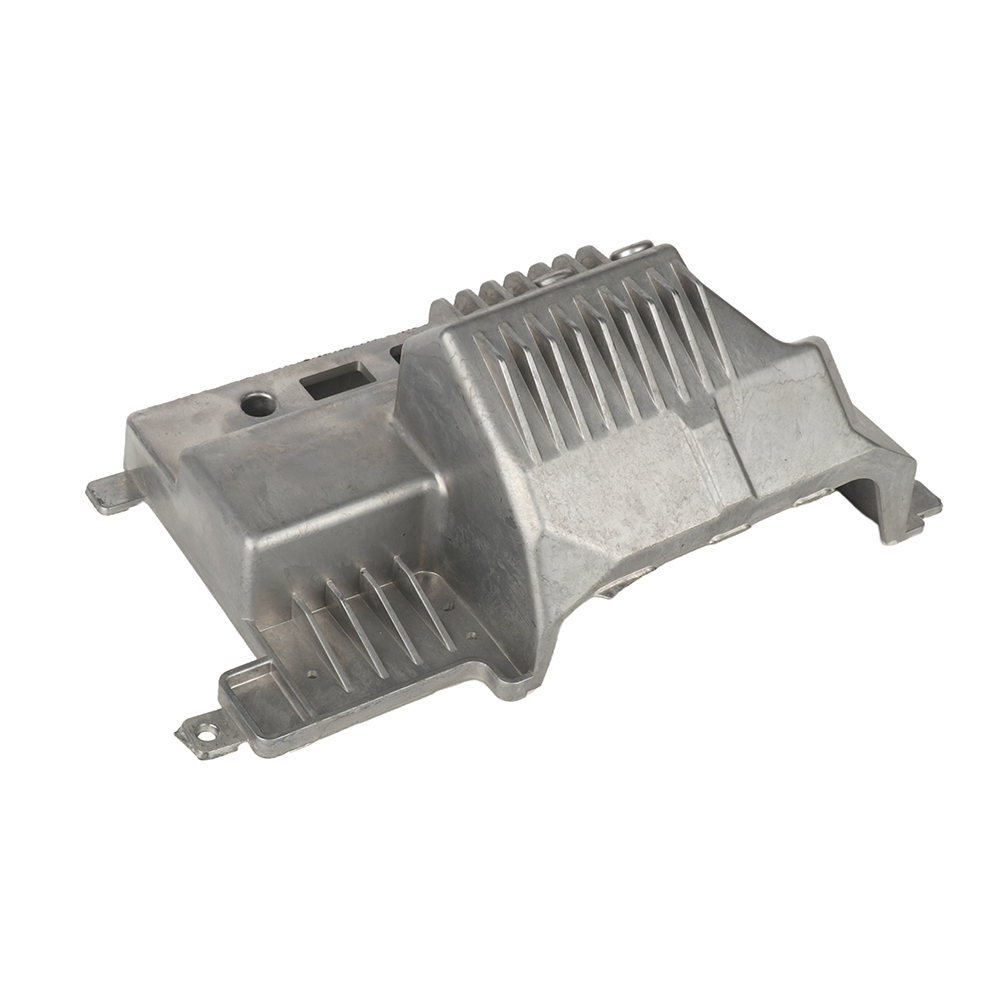
Precision die casting parts are high-precision, dimensionally stable metal components manufactured through high-pressure die casting (HPDC) technology and refined post-processing procedures. Different from ordinary die casting products with low precision and rough surfaces, precision die casting parts strictly follow customized 2D/3D drawings, ultra-tight tolerance standards and personalized structural design requirements. They integrate one-time mold forming, precision trimming and surface finishing to meet the high-standard assembly and functional needs of high-end industrial equipment and consumer products.
In the global precision die casting industry,ADC12 aluminum alloy is recognized as the most mainstream and cost-effective core material. With excellent molten metal fluidity, superior mold filling performance, moderate hardness and stable mechanical properties, ADC12 perfectly adapts to the mass production of complex thin-wall structures, irregular special-shaped shells and precision mounting components, covering 90% of medium and low-load precision die casting application scenarios.
1.2 Core Structural & Processing Characteristics
1.2.1 High Dimensional Accuracy
Qualified precision die casting parts adopt closed-loop mold calibration and automatic pressure control systems, with dimensional tolerance stably controlled within ±0.05mm. After secondary CNC finishing, the tolerance can reach ±0.01mm, fully meeting the precise matching requirements of high-end equipment.
1.2.2 Excellent Forming Consistency
The whole production process adopts digital intelligent control, with fixed injection speed, mold temperature and pressure parameters. The shot-to-shot weight variation is controlled within 3%, ensuring zero obvious difference between batches of products and avoiding assembly failure caused by dimensional deviation.
1.2.3 Complex Structure Formability
Benefiting from ADC12’s ultra-high fluidity, the technology can realize one-time forming of thin-wall structures (minimum 0.8mm), deep cavities, cross holes and special-shaped grooves that cannot be processed by traditional stamping and ordinary casting processes, greatly reducing subsequent processing procedures.
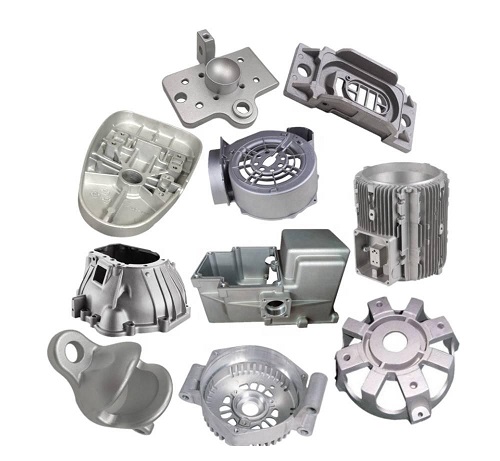
2. Core Manufacturing Principles & Standard Parameter Table (ADC12 Aluminum Alloy)
2.1 Precision Die Casting Manufacturing Principle
The production of ADC12 precision die casting parts relies on high-pressure die casting molding technology. The core principle is to heat ADC12 aluminum alloy ingots to a fully molten state, inject the molten metal into high-precision customized molds at a fixed high speed and high pressure, and complete rapid cooling, solidification and molding. After automatic demolding, the parts are processed through deburring, trimming, CNC finishing and surface treatment to form finished precision products.
The core technical advantage lies in integrated one-time forming + secondary precision calibration, which effectively eliminates cumulative processing errors, ensures stable internal density of parts, and avoids common defects such as porosity, shrinkage and deformation of ordinary die castings.
2.2 Universal Standard Processing Parameter Table for ADC12 Precision Die Casting
The following table summarizes the 2026 industry-universal standard parameters for ADC12 precision die casting production, covering trial production and mass production scenarios, balancing production efficiency, product precision and yield rate:
| Parameter Item | Trial Production (100-1000pcs) | Mass Production (≥1000pcs) | Precision Standard & Remarks |
|---|---|---|---|
| Melting Temperature | 655℃-665℃ | 660℃-670℃ | Stable temperature ensures uniform alloy fluidity |
| Mold Preheating Temperature | 200℃-220℃ | 230℃-260℃ | Avoid product cold shut and surface cracks |
| Injection Speed | 2.0-2.2m/s | 2.3-2.5m/s | Ensure full filling of complex mold cavities |
| Standard Wall Thickness | 1.2-6mm | 0.8-8mm | Supports ultra-thin wall precision customization |
| Dimensional Tolerance | ±0.05mm | ±0.03mm | Up to ±0.01mm after CNC finishing |
| Internal Porosity | ≤1.0% | ≤0.5% | Meet ASTM E505 Class 1 precision standard |
| Surface Roughness (Ra) | 3.2μm | 1.6μm | Smooth surface for subsequent surface treatment |
2.3 Core Mechanical Properties of ADC12 Aluminum Alloy
ADC12 aluminum alloy has a tensile strength of 180-230MPa and moderate hardness and toughness. Its density is only 2.7g/cm³, realizing lightweight while ensuring structural stability. Compared with other die-cast aluminum alloys, it has lower mold loss, higher forming yield rate and better corrosion resistance, which is the optimal material for mass production of precision die casting parts.
3. Key Functions of Precision ADC12 Die Casting Parts
3.1 Structural Support & Fixed Installation
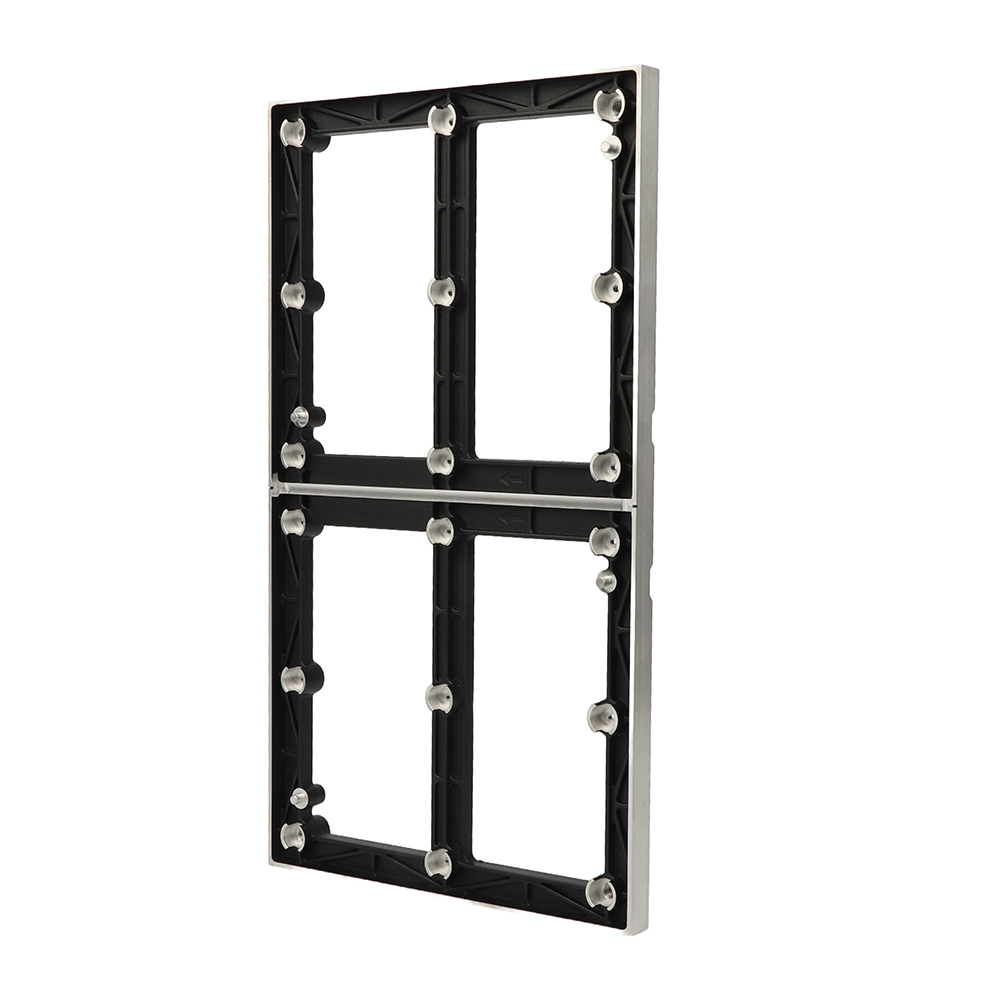
Precision die casting parts are widely used as equipment brackets, fixed bases and mounting frames. Their stable structural strength and high dimensional accuracy ensure the firm assembly of mechanical components, effectively avoiding equipment vibration and displacement during long-term operation.
3.2 Efficient Heat Dissipation & Thermal Insulation
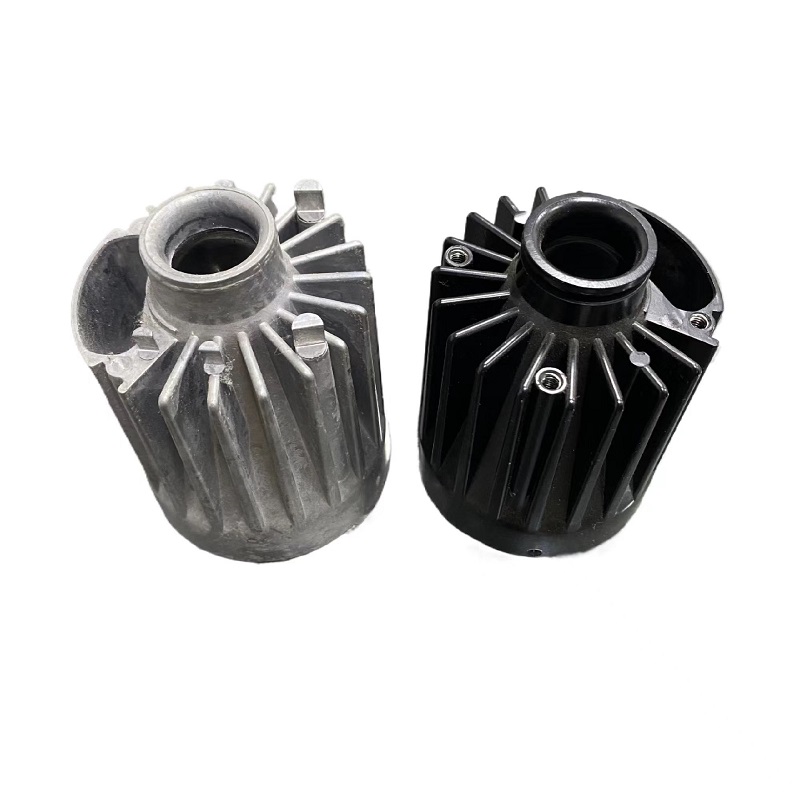
Relying on ADC12’s excellent thermal conductivity, customized die-cast heat dissipation shells and fin structures can quickly export internal heat of electronic and electrical equipment, reducing equipment operating temperature and extending service life, which is a core functional part of new energy and electronic products.
3.3 Equipment Protection & Appearance Decoration
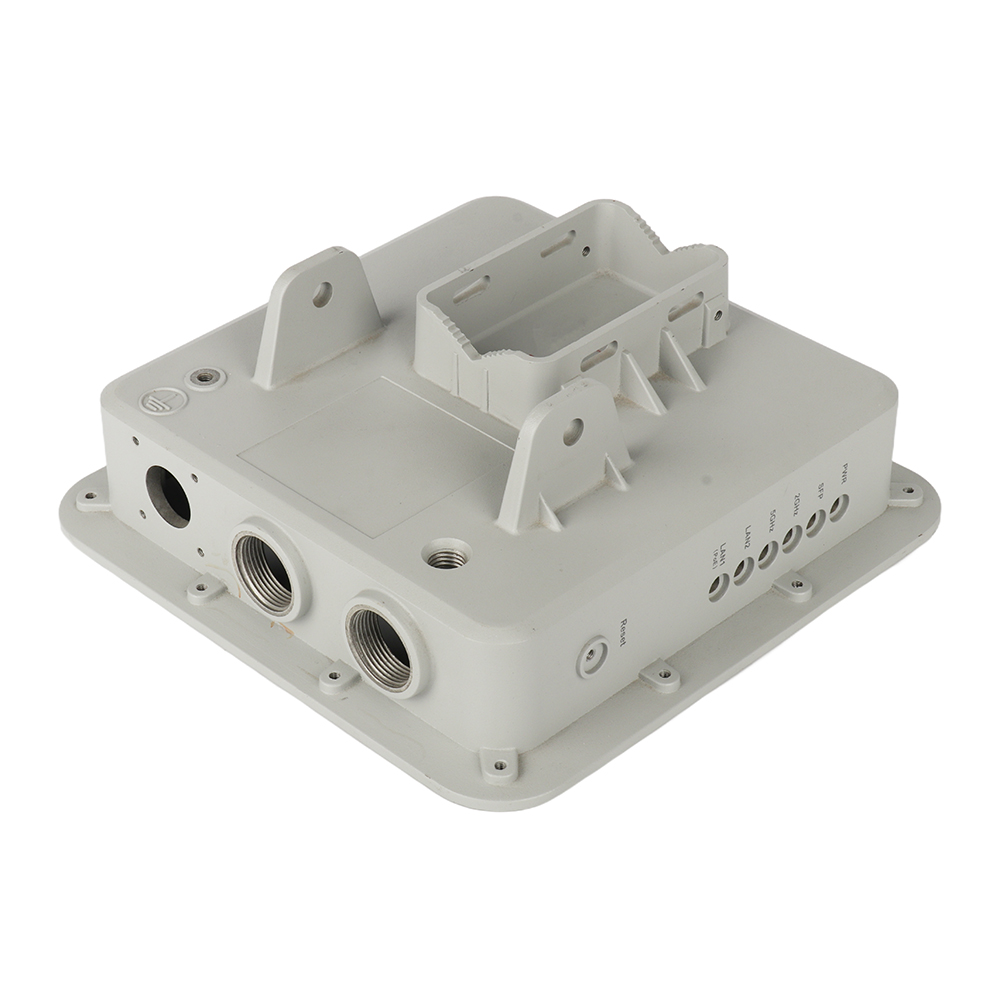
Precision die-cast shells can fully wrap internal precision components, playing a role in anti-collision, dustproof and anti-corrosion protection. Meanwhile, through subsequent anodizing, sandblasting and coloring processes, they can improve product appearance grade and meet high-end product aesthetic needs.
3.4 Precision Connection & Stable Transmission
Precision reserved hole positions, threads and groove structures ensure the precise matching of equipment transmission components, realizing stable power and signal transmission, and meeting the high-precision operation requirements of automation and intelligent equipment.
4. Core Market Advantages of Precision Die Casting Parts
4.1 Ultra-High Customization Adaptability
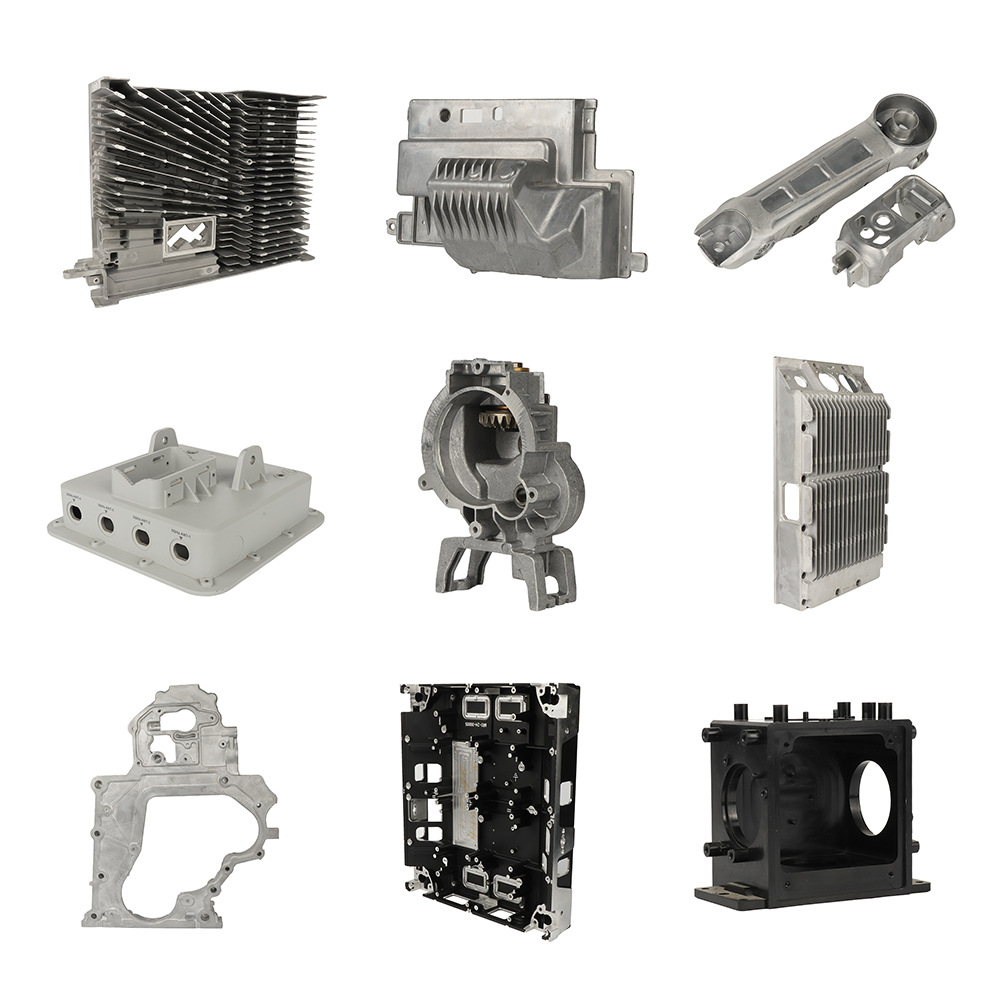
Precision die casting parts support full-scene personalized customization. Manufacturers can adjust product size, wall thickness, structural shape, hole position distribution and surface technology according to customer drawings and usage scenarios. It perfectly solves the problem that standard parts cannot adapt to non-standard and special equipment, covering small-batch trial production and large-batch mass customization needs.
4.2 Lightweight & Superior Structural Performance
Compared with steel and iron parts, ADC12 precision die casting parts reduce equipment weight by 30%-50% with higher specific strength. Compared with plastic parts, they have stronger wear resistance, high temperature resistance and structural stability, adapting to harsh working environments such as high load and outdoor exposure.
4.3 High Precision & Ultra-Low Defect Rate
Adopting intelligent mold opening and closed-loop precision control technology, the product dimensional error is extremely small, and the batch consistency is excellent. The product qualification rate is stably above 99.5%, effectively reducing customer’s after-sales maintenance and replacement costs.
4.4 Significant Comprehensive Cost Advantages
Compared with full CNC machining parts, precision die casting realizes one-time mold forming, greatly improving production efficiency and reducing unit processing cost. Although the initial mold opening cost is required, the larger the batch, the more obvious the cost advantage, which is very suitable for medium and large-batch industrial production.
4.5 Diversified Surface Treatment Options
Products support anodizing, sandblasting, oxidation coloring, electroplating, passivation and mirror polishing and other processes. It can not only enhance the wear resistance and corrosion resistance of parts, but also realize personalized appearance customization to meet the differentiated needs of different industries.
5. Main Application Scenarios & 2026 Market Price Analysis
5.1 Core Market Application Scenarios
5.1.1 Industrial Automation Equipment
Precision die casting parts are used for automation equipment bases, robotic arm structural parts, transmission shells and sensor fixing accessories. Their high precision and structural stability ensure the continuous and stable operation of automated production lines and reduce equipment failure rate.
5.1.2 Consumer Electronics & Smart Home
They are widely applied in shell accessories, heat dissipation components and internal fixing frames of smart phones, tablets, Bluetooth devices and smart home appliances. The lightweight and high thermal conductivity effectively improve product portability and heat dissipation performance.
5.1.3 New Energy Equipment
In new energy charging piles, photovoltaic equipment, battery casings and energy storage accessories, precision die casting parts undertake heat dissipation, structural protection and insulation functions. Their high temperature resistance and corrosion resistance adapt to outdoor and high-temperature working environments.
5.1.4 Medical & Communication Equipment
High-precision die-cast accessories are used in medical testing equipment, communication base station shells and signal transmission components. Ultra-tight tolerance standards ensure the precision and safety of high-end medical and communication equipment operation.
5.1.5 Automotive & Motorcycle Parts
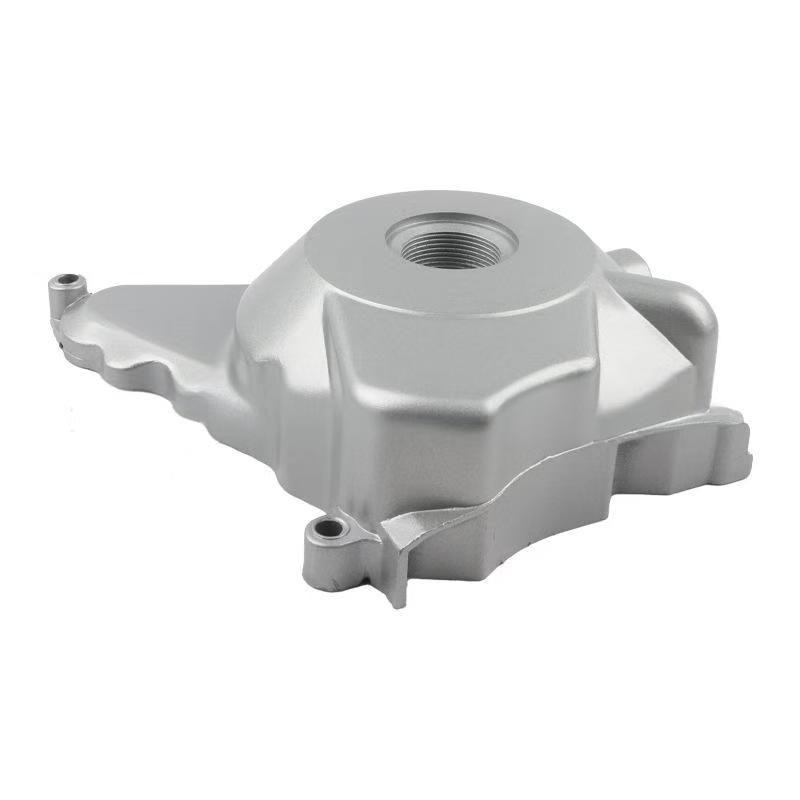
As the largest application field of ADC12 die castings, it covers engine casings, transmission parts, oil pump shells and new energy vehicle charging accessories, relying on stable mechanical properties to adapt to complex vehicle operating conditions.
5.2 2026 Latest Market Price Analysis
The price of precision die casting parts is mainly affected by processing difficulty, precision requirements, batch quantity and surface treatment technology. The 2026 industry mainstream price range is sorted out as follows:
-
Ordinary precision die-cast parts (simple structure, conventional tolerance): $1.0-$3.2 per piece, suitable for conventional industrial brackets and common equipment accessories
-
Medium-precision customized parts (standard surface treatment, complex structure): $3.2-$7.5 per piece, the most mainstream product in the market, widely used in electronics, automation and automotive fields
-
High-precision special-shaped parts (tolerance ≤0.01mm, thin-wall complex structure): $7.5-$18.0 per piece, applied to high-end medical, communication and new energy precision equipment
-
Batch order preferential policy: Unit price can be reduced by 10%-30% on the basis of the original price, with larger batches bringing more favorable discounts
Overall, with the upgrading of die casting technology and intelligent production equipment in 2026, the production cost of precision die casting parts has decreased slightly, and the cost performance of customized services has been further improved.
6. Common Problems & Practical Solutions in Precision Die Casting Production
6.1 Surface Defects (Burrs, Cold Shut, Pinholes)
Problem Cause: Unreasonable mold temperature control, unstable injection speed, impure alloy materials or incomplete mold exhaust lead to unsmooth product surface, burrs and tiny pinholes.
Practical Solutions: Optimize mold preheating parameters, clean mold exhaust grooves regularly, adopt high-purity ADC12 aluminum alloy raw materials, and add professional deburring and shot blasting post-processing procedures to ensure flat and flawless product surface.
6.2 Dimensional Tolerance Deviation & Product Deformation
Problem Cause: Uneven mold cooling speed, unreasonable product wall thickness design or thermal deformation during rapid cooling and solidification of aluminum alloy.
Practical Solutions: Optimize mold cooling system, adopt balanced cooling process, standardize product wall thickness design, and conduct full-size inspection and shaping correction after product molding to ensure dimensional compliance.
6.3 Internal Porosity & Insufficient Compactness
Problem Cause: Excessive gas in molten aluminum, unreasonable injection pressure or insufficient mold filling lead to internal porosity and loose structure of parts, affecting structural strength.
Practical Solutions: Conduct degassing treatment of molten aluminum before production, adjust optimal injection pressure and speed parameters, adopt vacuum die casting technology, and use X-ray inspection to screen unqualified products.
6.4 Poor Surface Treatment Adhesion
Problem Cause: Residual oil stains and oxide layers on the product surface, unreasonable pretreatment process parameters lead to uneven coloring and poor adhesion of anodizing and electroplating layers.
Practical Solutions: Standardize degreasing and polishing pretreatment processes, strictly control surface treatment time and temperature, and adopt professional treatment potions to ensure uniform and firm surface coating.
7. Industry Expert Viewpoints on ADC12 Precision Die Casting
Senior Die Casting Technical Expert – Mr. Li (18-year precision die casting industry experience, senior engineer of industrial manufacturing):
“In the 2026 precision die casting market, ADC12 aluminum alloy will still be the irreplaceable mainstream material for customized precision die casting parts. Many enterprises blindly pursue high-grade aluminum alloys, but ADC12 can fully meet the precision and strength needs of more than 90% of industrial and consumer scenarios with its excellent mold filling performance and ultra-high cost performance.
At present, the industry competition has shifted from simple product precision to customized solution capability, batch stability and one-stop service level. Excellent die casting manufacturers need to optimize processing technology according to customers’ product usage scenarios, not only meet drawing customization requirements, but also help customers reduce comprehensive costs and improve product market competitiveness.
In the future, with the continuous upgrading of lightweight and miniaturized industrial equipment, the market demand for thin-wall, high-precision and special-shaped customized die casting parts will continue to grow. Manufacturers with mature precision die casting and post-processing technology will occupy the core market share.”
8. Industry FAQ: Common Questions About Precision Die Casting Parts
8.1 Is ADC12 precision die casting suitable for high-precision equipment?
Yes absolutely. After professional high-pressure die casting and CNC finishing, the tolerance of ADC12 parts can reach ±0.01mm, meeting the high-precision assembly needs of automation, new energy, medical and communication equipment. It is the most cost-effective high-precision die casting material in the industry.
8.2 What is the minimum customization batch for precision die casting parts?
Formal professional manufacturers supportsmall-batch sample customization and large-batch mass production. There is no rigid minimum batch limit, which can meet customers’ product trial production, small-batch testing and large-scale ordering needs.
8.3 What is the conventional production cycle of customized die casting parts?
The sample customization cycle of ordinary precision parts is 4-6 working days, and the mass production cycle is 8-16 working days (adjusted according to processing difficulty and batch). High-precision special-shaped parts support urgent processing services to meet customers’ urgent delivery needs.
8.4 Can precision die casting parts support personalized surface customization?
Yes. We support multiple personalized surface treatment processes including anodizing, sandblasting, oxidation coloring, electroplating, passivation and mirror polishing, which can meet anti-corrosion, anti-wear and high-grade appearance decoration needs.
8.5 What quality standards do finished products comply with?
All customized precision die casting parts strictly comply with ASTM E505 international precision standard and ISO2768 tolerance standard. They pass three full-process inspections of raw material incoming, production processing and finished product delivery, with a product qualification rate of over 99.5% and complete inspection reports.
9. Industry Summary & Future Development Trends
9.1 Industry Overall Summary
Precision die casting parts represented by ADC12 aluminum products are core precision components of modern industrial manufacturing. Relying on high customization flexibility, stable precision performance, lightweight advantage and high cost performance, they are widely used in automation, consumer electronics, new energy, medical, automobile and other fields. Compared with traditional casting and stamping parts, precision die casting parts have obvious advantages in structural matching degree, batch stability and comprehensive production cost, and have become the preferred solution for medium and high-end precision metal component customization.
9.2 Future Development Trends of Custom Die Casting Industry
9.2.1 Intelligent & High-Precision Production
With the upgrading of industrial manufacturing standards, the market’s precision requirements for die casting parts will continue to improve. Intelligent mold calibration, automatic parameter adjustment and vacuum precision die casting technology will become the mainstream of the industry, realizing zero-defect batch production.
9.2.2 Lightweight & Specialized Customization
Terminal equipment is developing towards lightweight and miniaturization, driving the continuous growth of market demand for ultra-thin wall, special-shaped and miniaturized precision die casting parts. Customized services will be more refined and scenario-oriented.
9.2.3 Green & Low-Consumption Production
The industry will gradually eliminate backward high-consumption processes, promote energy-saving melting and efficient recycling technology, reduce production energy consumption and waste discharge, and realize green and sustainable development while ensuring product quality.
9.2.4 Integrated One-Stop Service
Customers’ demand for integrated services ofdrawing design, mold development, precision die casting, post-processing and assembly is increasing. Suppliers with full-process service capability will have stronger market competitiveness.
9.3 Selection Standards for High-Quality Precision Hardware Processing Suppliers
First, mature technical process & rich customization experience. Excellent suppliers need to have many years of ADC12 precision die casting production experience, master mature mold development and precision processing technology, and be able to solve complex structural processing and precision control problems.
Second, complete production & testing equipment. Equipped with high-precision die casting machines, CNC finishing equipment and professional testing instruments to ensure product precision, batch consistency and stable yield rate.
Third, strict full-process quality control system. Implement whole-process quality monitoring from raw material screening to finished product delivery, provide formal inspection reports, and ensure product compliance.
Fourth, flexible customization & efficient delivery capability. Support sample trial production to large-batch customization, with standardized production process and fast delivery cycle, and respond to customer needs efficiently.
Fifth, transparent pricing & perfect after-sales service. No hidden charges, reasonable quotation according to processing difficulty and batch, and provide professional after-sales technical support and batch preferential policies.
11. Custom Service & Bulk Discount Policy of Xinghang Precision Hardware
11.1 Company Strength Introduction
Xinghang Precision Hardware is a professional manufacturer focusing on custom precision die casting parts and aluminum alloy die-cast shell customization, with 10+ years of precision hardware processing experience. We focus on ADC12 aluminum precision die casting, special-shaped structural parts customization, equipment shell die casting and one-stop precision processing services.
Our factory is equipped with full set of intelligent high-pressure die casting equipment, high-precision CNC finishing centers and professional surface treatment production lines. We have a professional technical team that can independently complete the whole process from drawing optimization, mold design and development, die casting molding, precision trimming to personalized surface treatment, providing global customers with high-quality, high-precision and cost-effective customized die casting solutions.
We support customized production of various precision die-cast equipment shells, automation structural parts, electronic heat dissipation components, new energy accessories and special-shaped hardware parts, serving customers in electronics, new energy, automation, medical, automobile and other global industries.
11.2 Gradient Bulk Order Discount Policy
To repay new and old customers for their long-term trust and support, our company launches gradient bulk order preferential policies. The larger the order quantity, the higher the discount, helping customers reduce procurement costs:
-
Order quantity 500-1000 pieces: 10% discount on the basis of the original quotation
-
Order quantity 1000-5000 pieces: 20% discount on the basis of the original quotation
-
Order quantity more than 5000 pieces: 30% maximum discount + free sample service + free surface treatment optimization
We provide exclusive customized price policies for long-term cooperative customers and stable bulk orders all year round, with more favorable long-term cooperation prices.
12. Official Contact Information
Welcome global customers to consult precision die casting parts sample customization, bulk order cooperation and personalized processing scheme customization. Our professional technical team will provide you with accurate scheme evaluation and official quotation within 24 hours!
Mobile / Whatsapp / WeChat: +86 18819502691
Official Email: liqine@xinghangcn.com
Core Service Advantages: 24-hour online customer service, free drawing evaluation, free sample proofing for bulk orders, fast delivery cycle and full after-sales quality guarantee
Custom camera housing | What is a custom aluminum camera housing?Complete Guide
LED light cover | What is a die-cast aluminum LED light cover housing?Ultimate Guide
Related Article

Residential energy storage systems have become increasingly popular as homeowners pursue energy independence, solar self-consumption and backup power for grid outages.
Energy storage enclosure | What Are the Benefits of Die-Cast Home Energy Storage Enclosures?

A custom LED display frame is the core structural carrier for LED screen modules, widely manufactured with ADC12 aluminum alloy via high-pressure die casting.
LED display frame | What Are the Benefits of Custom LED Display Frames?

