
HOT PRODUCTS
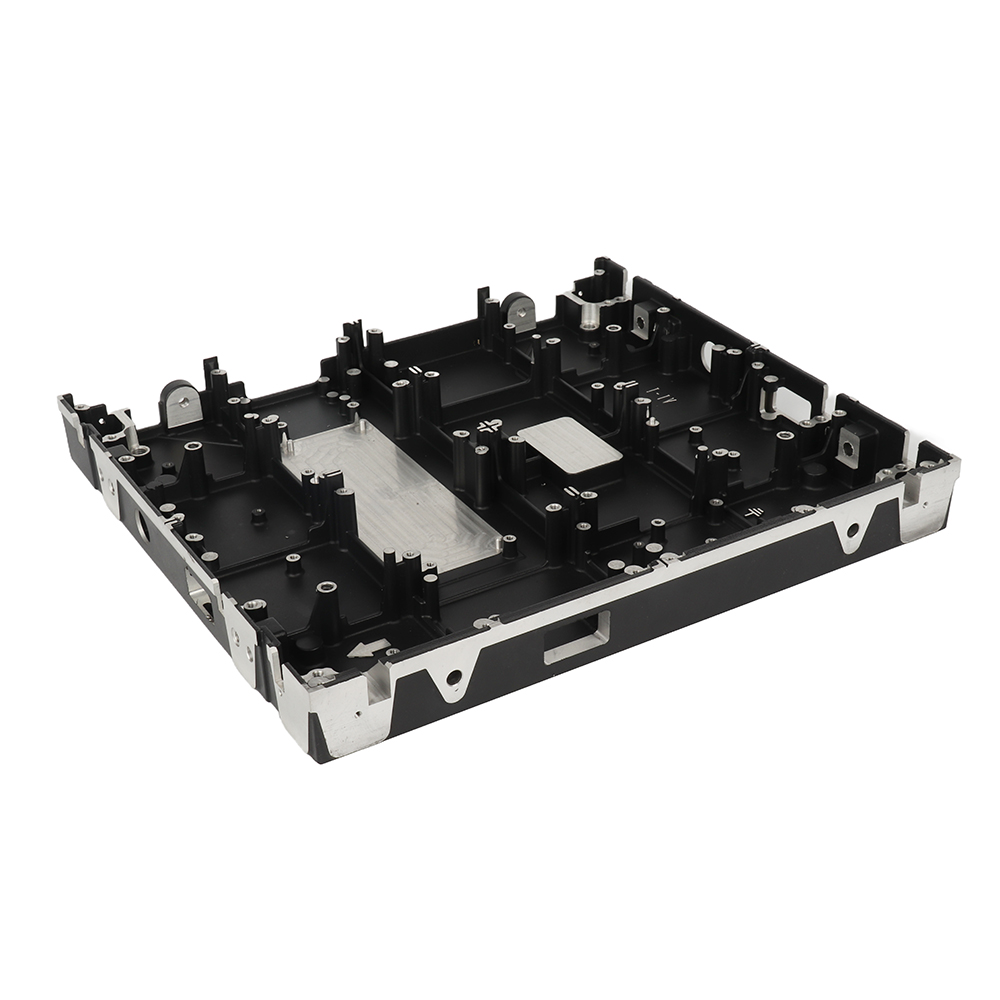
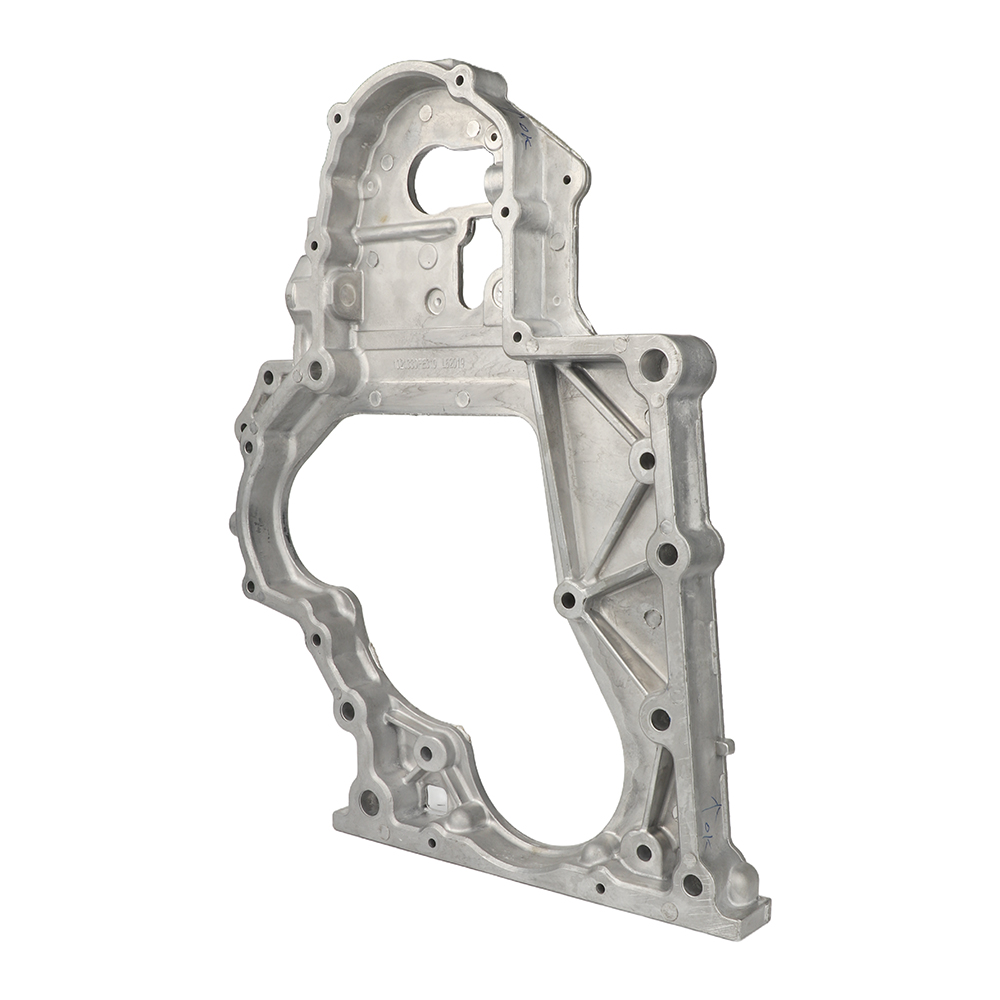
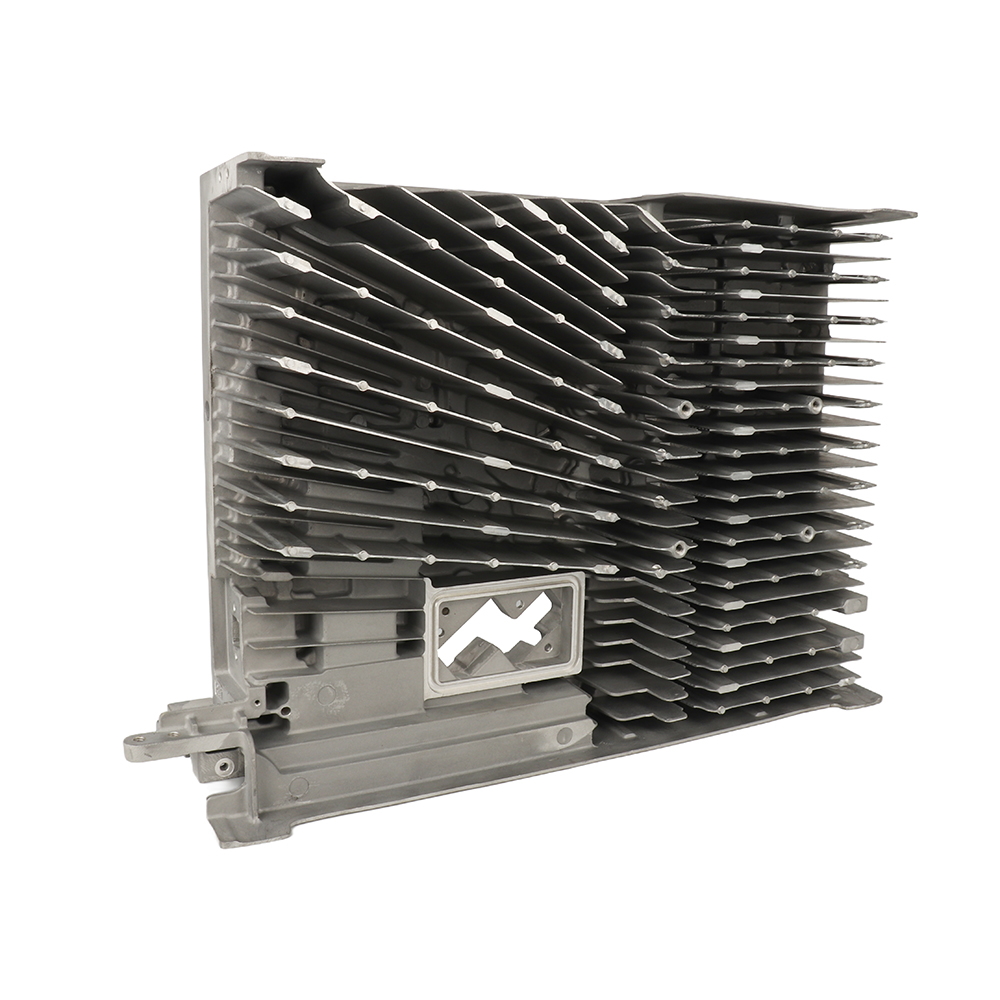
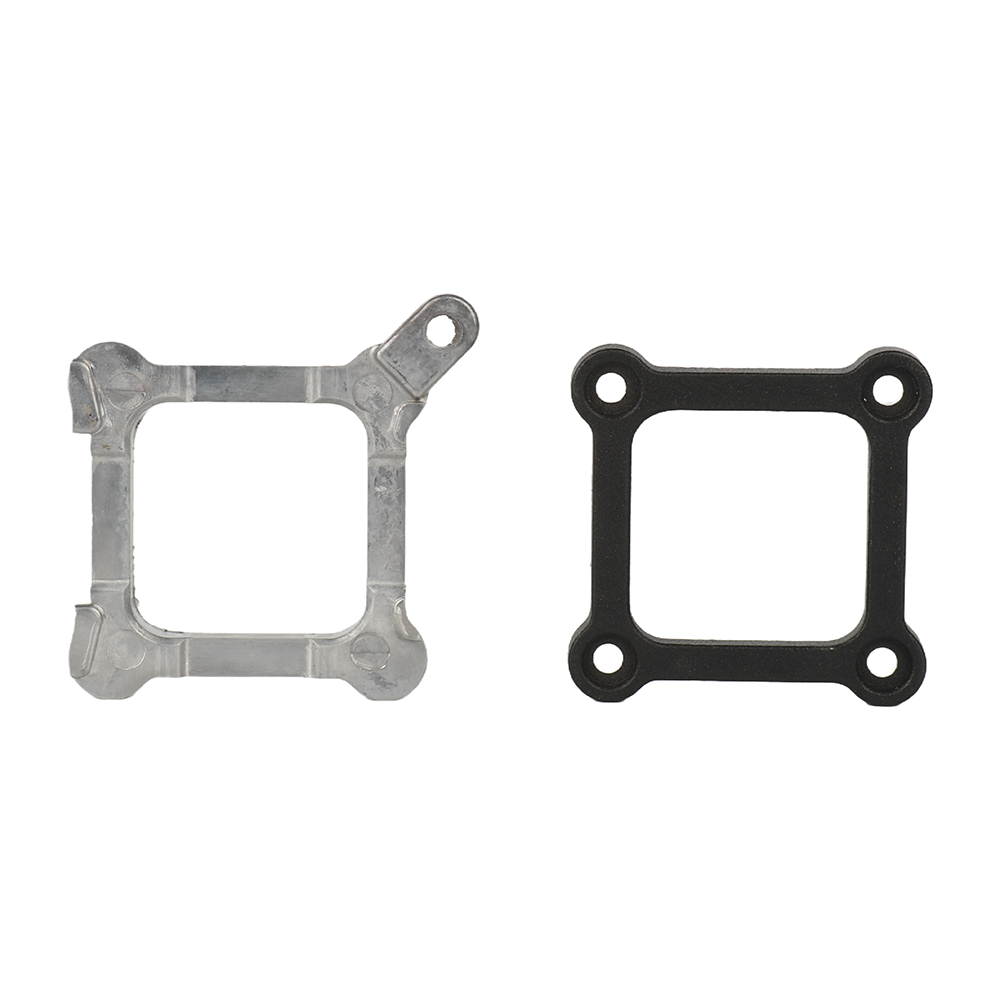
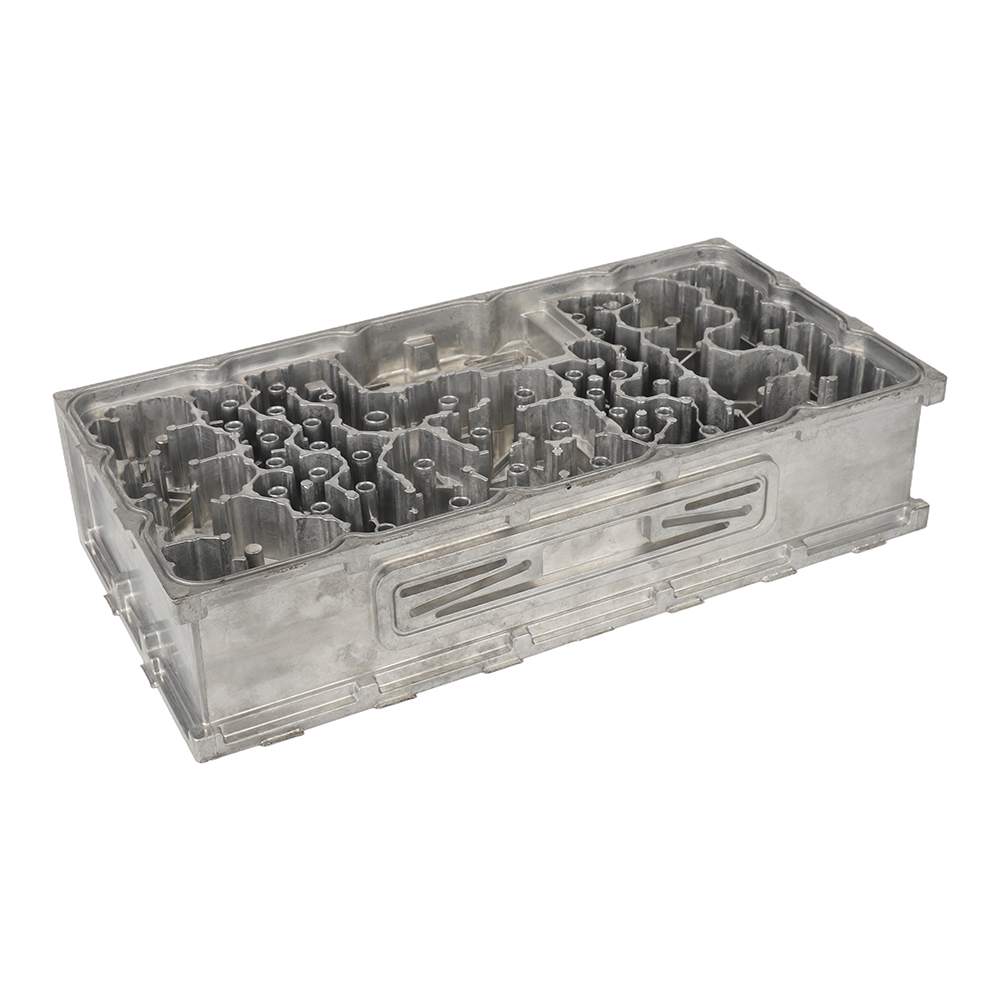
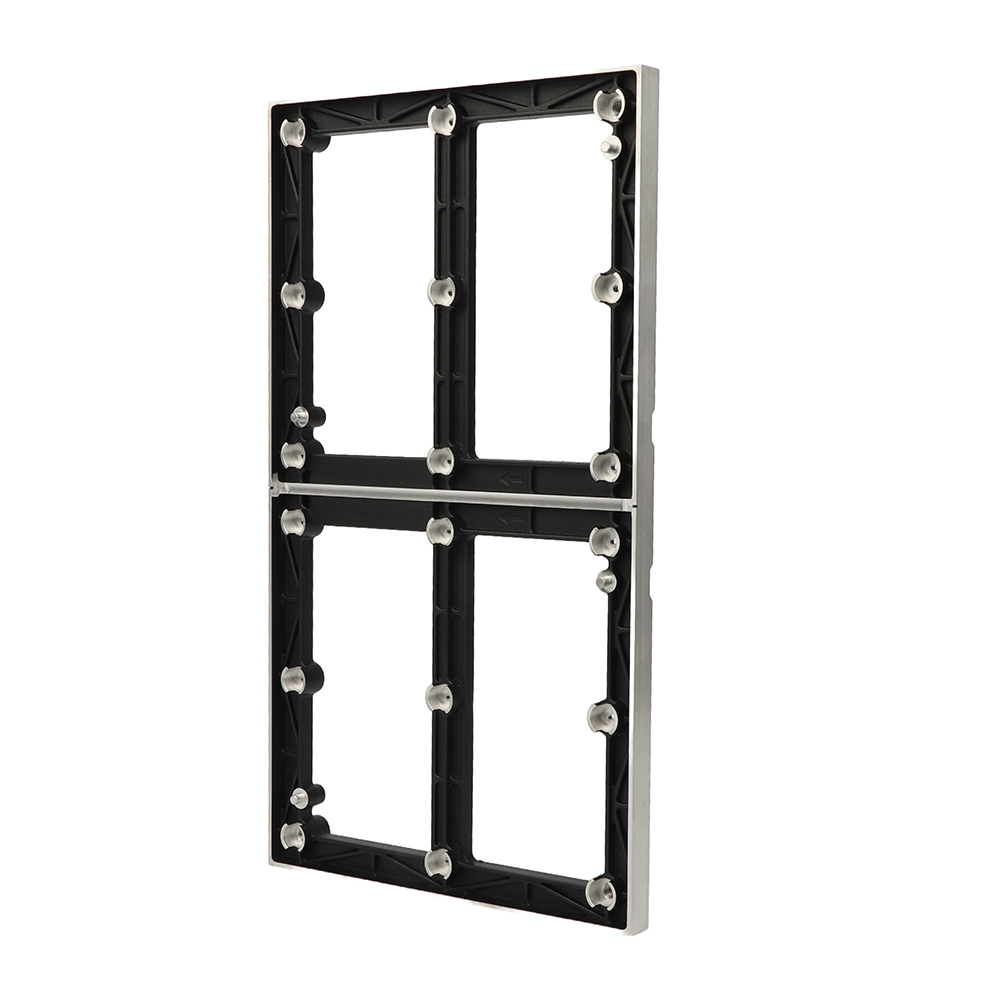
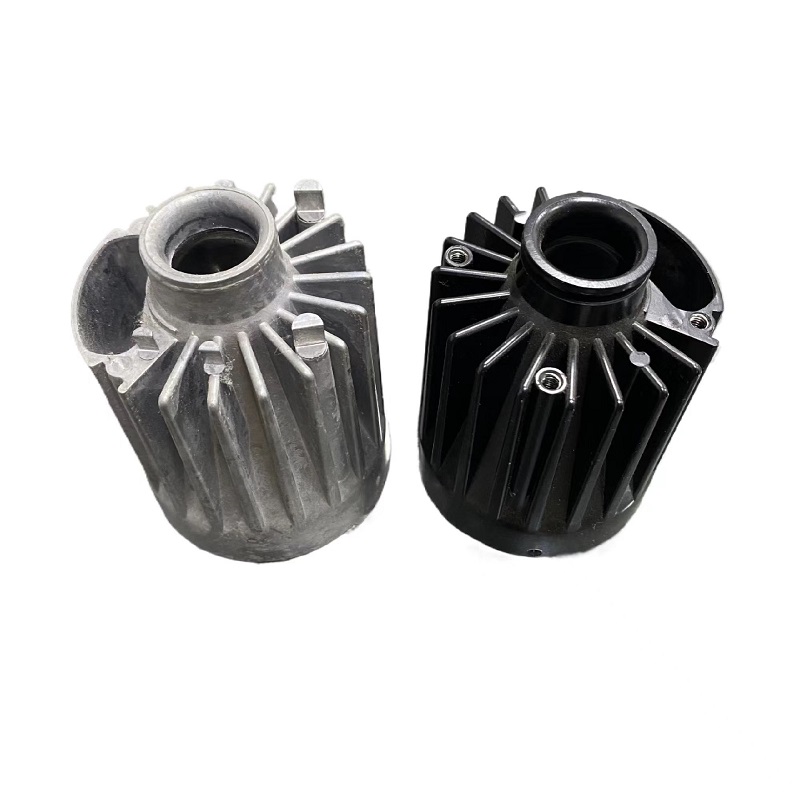
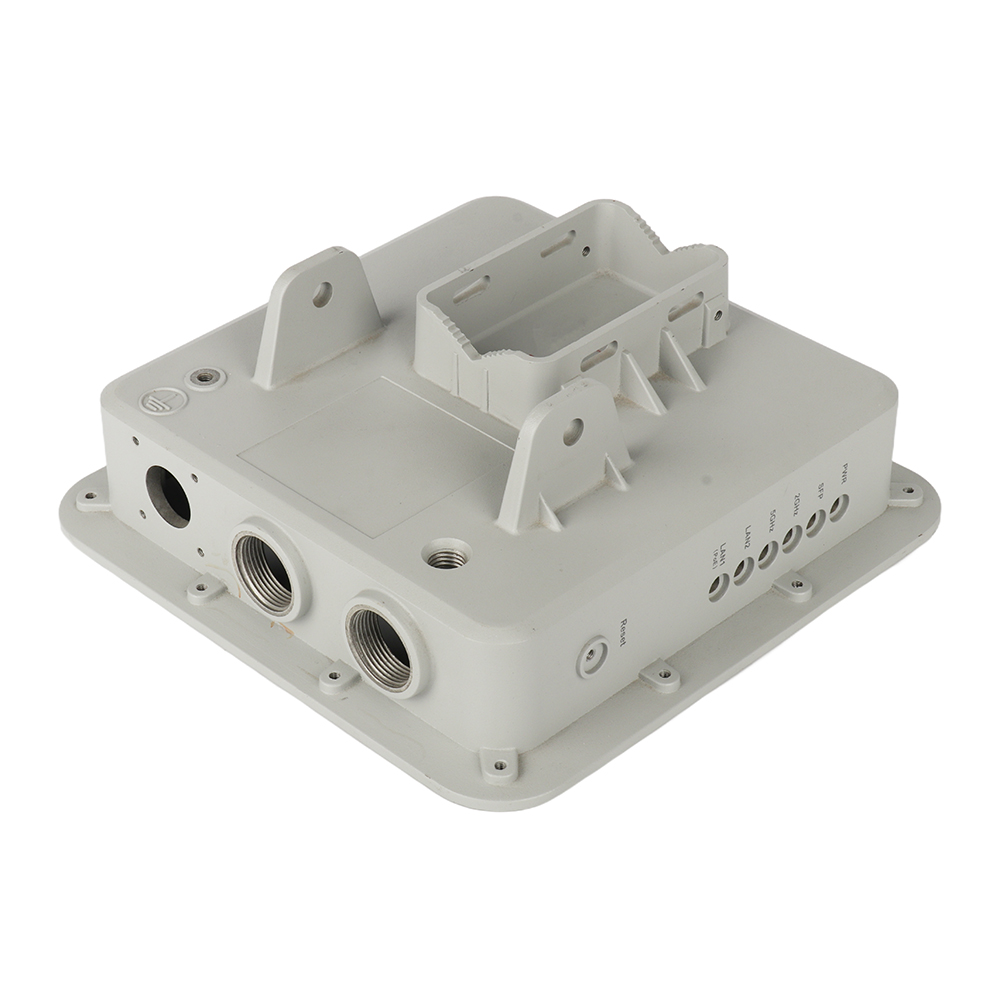
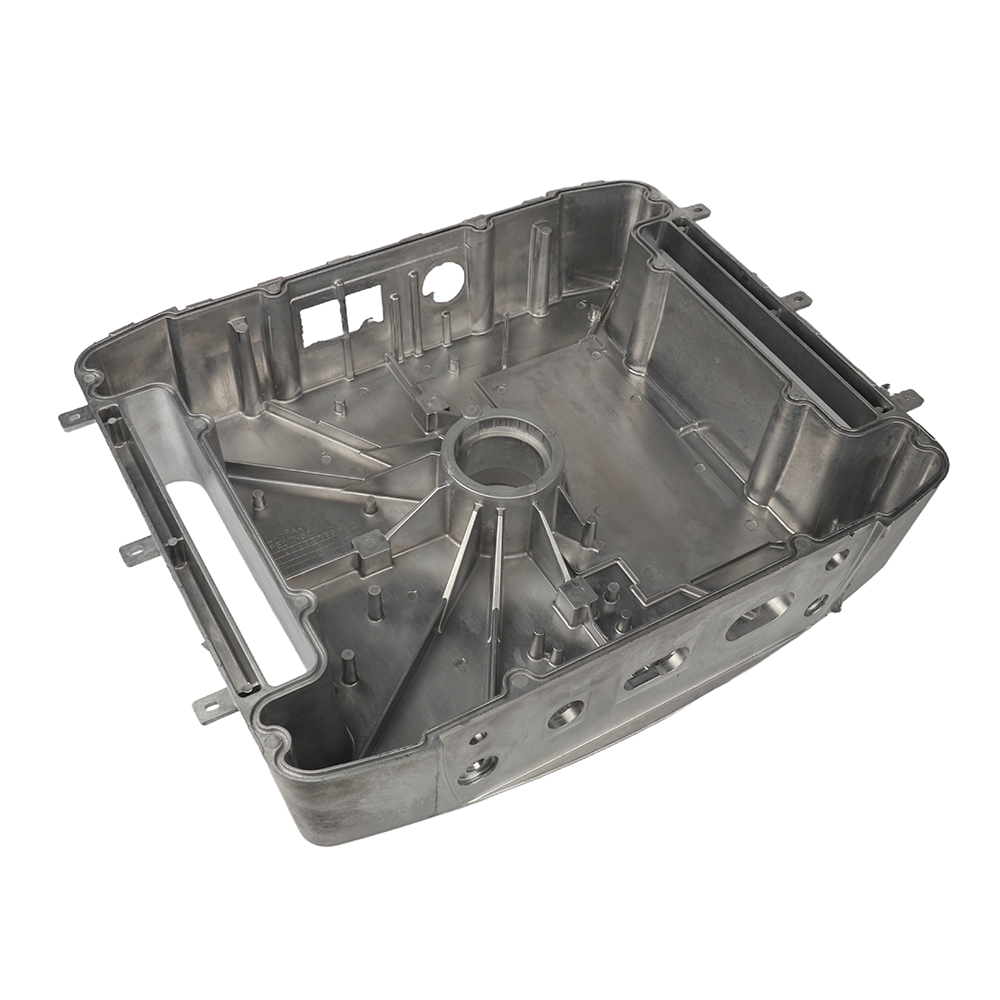
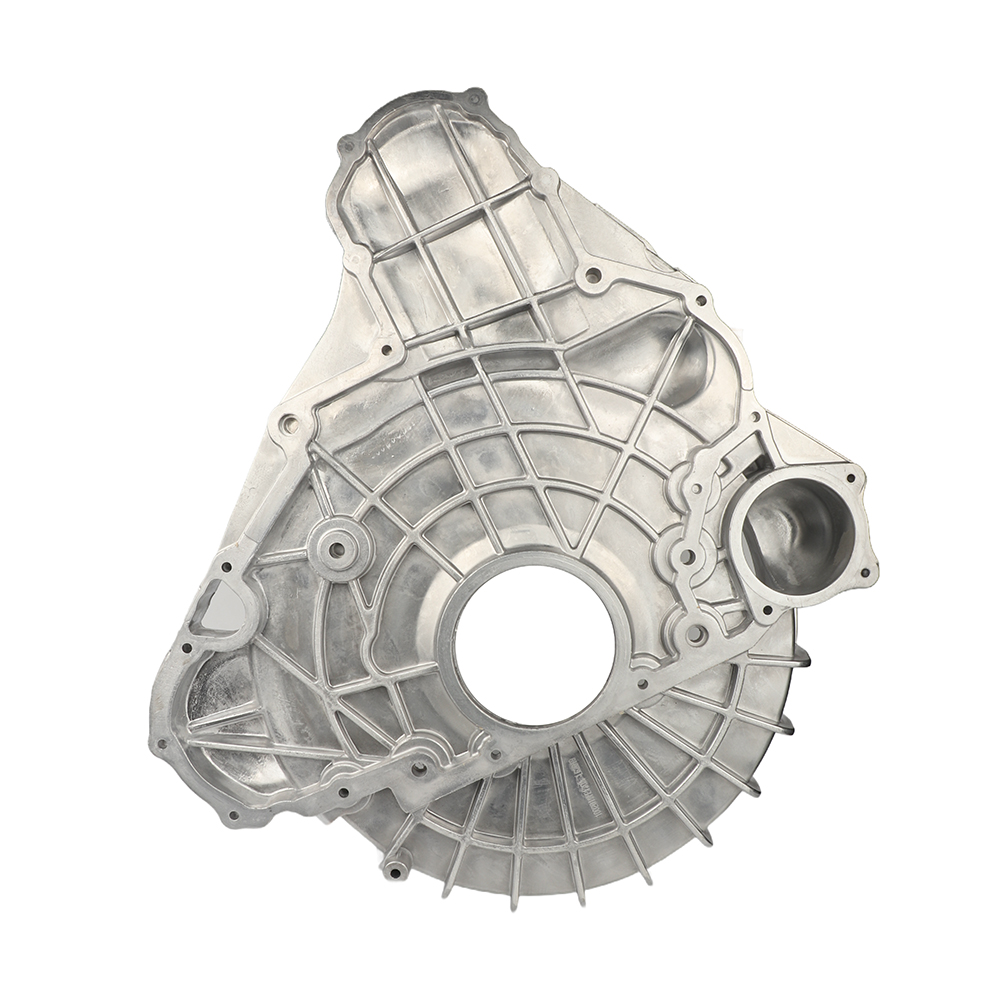
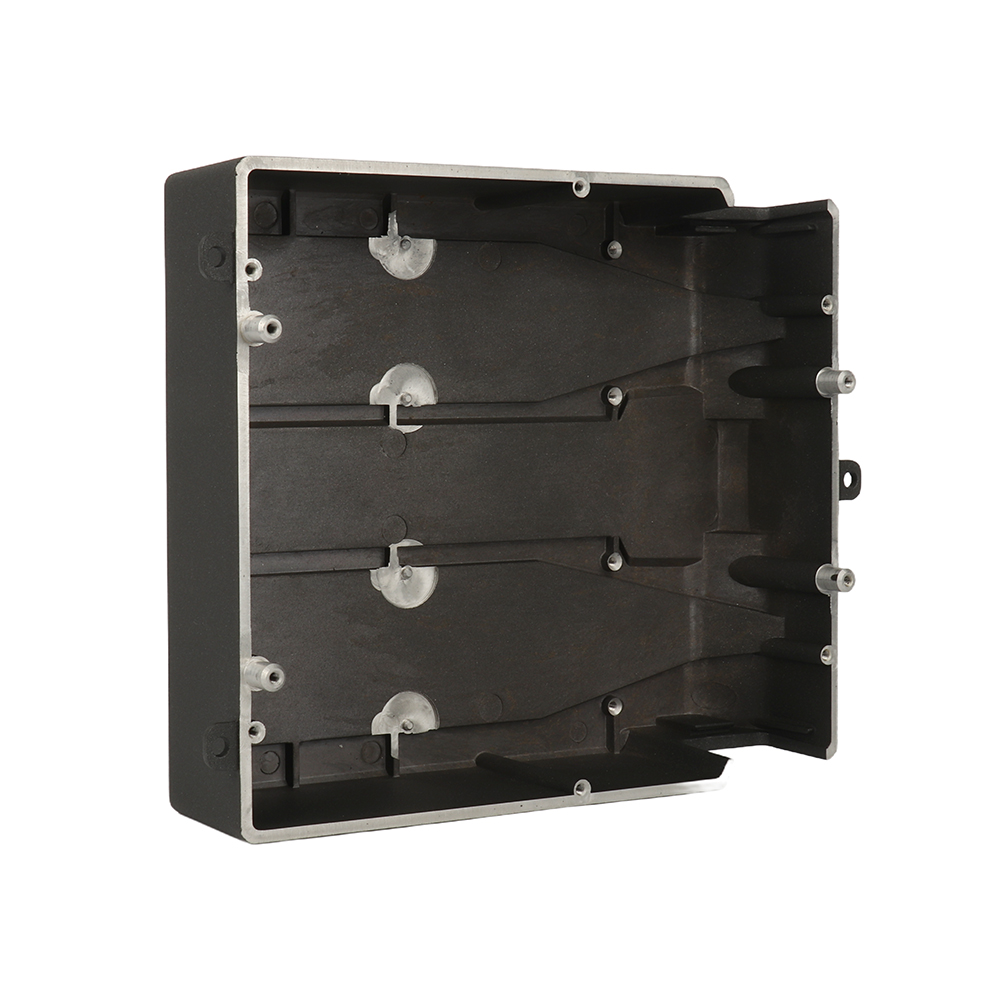
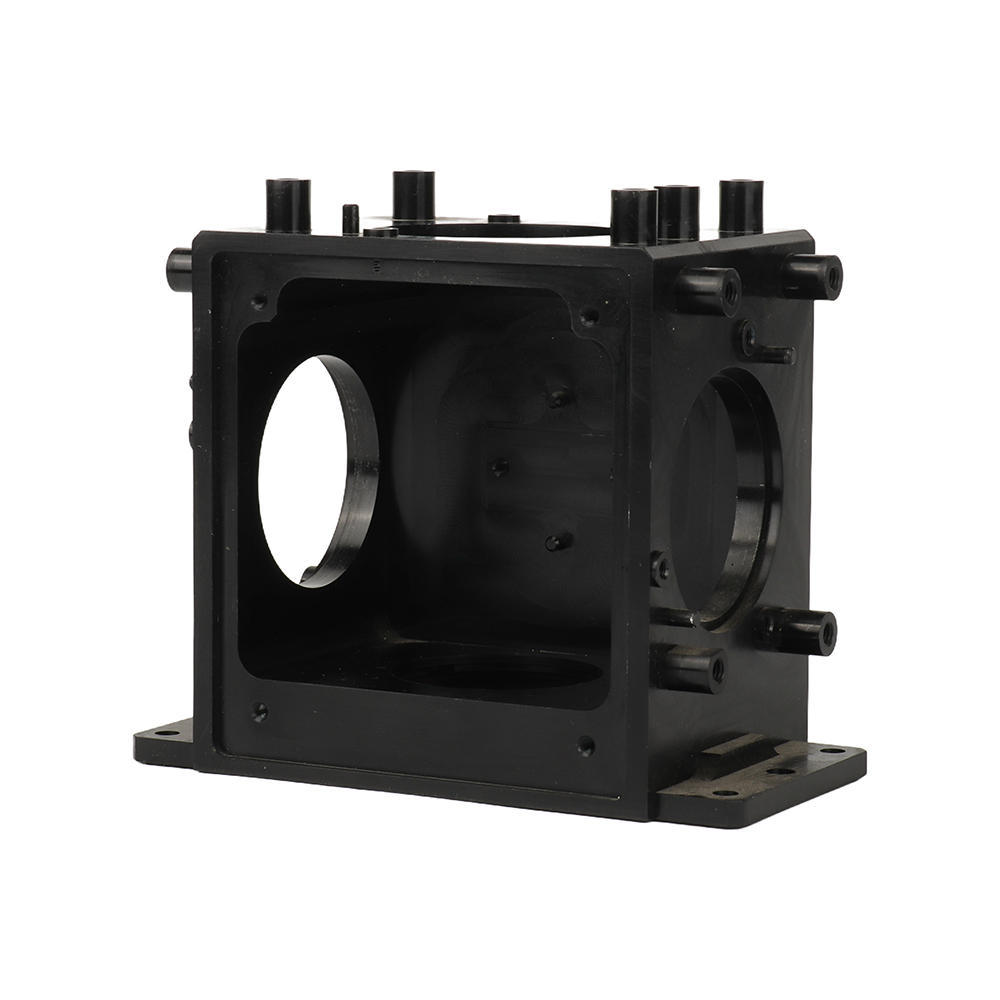
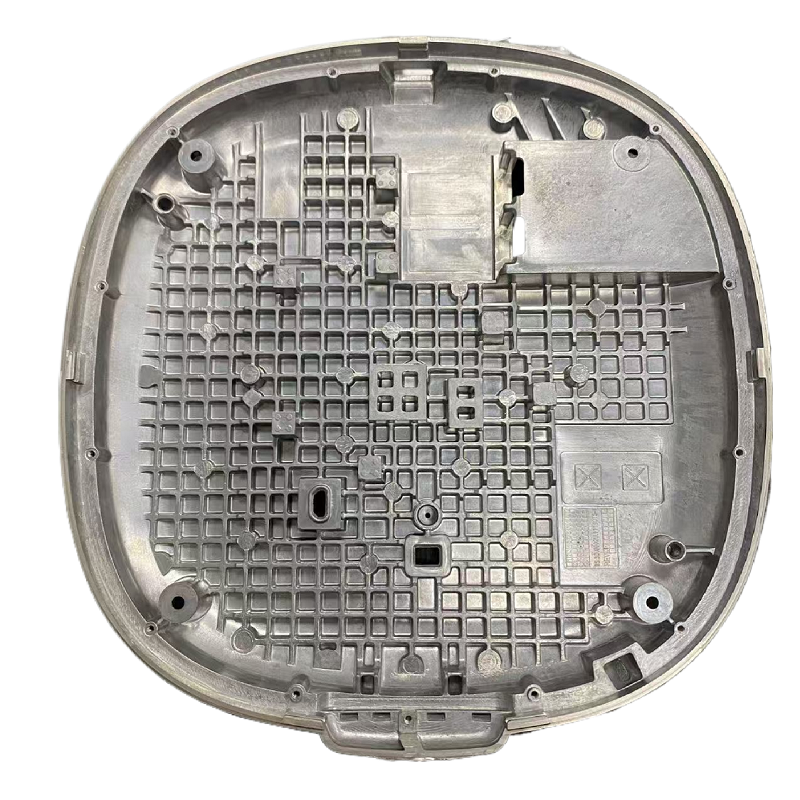
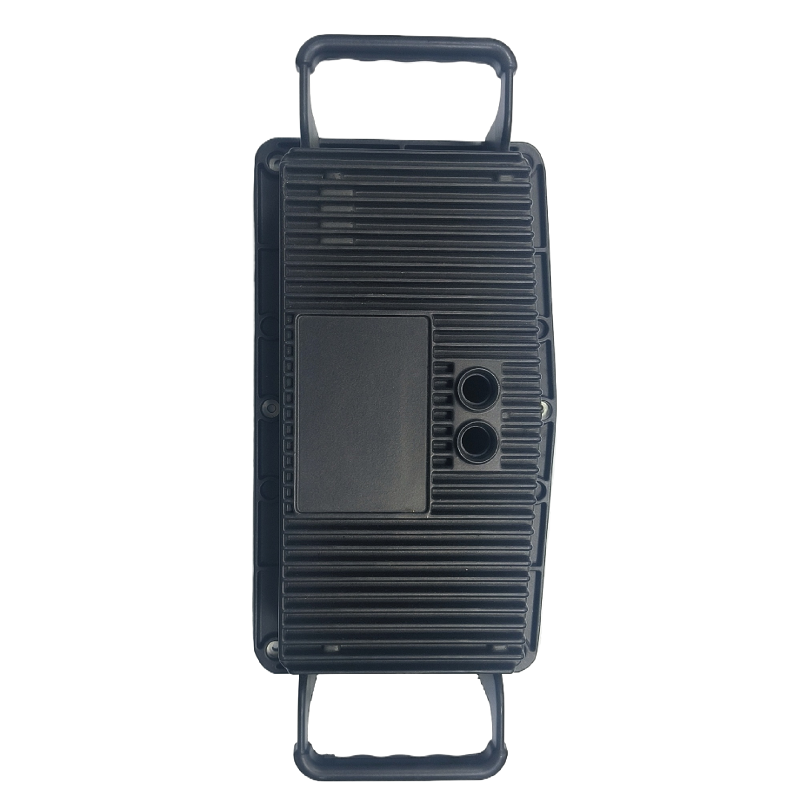
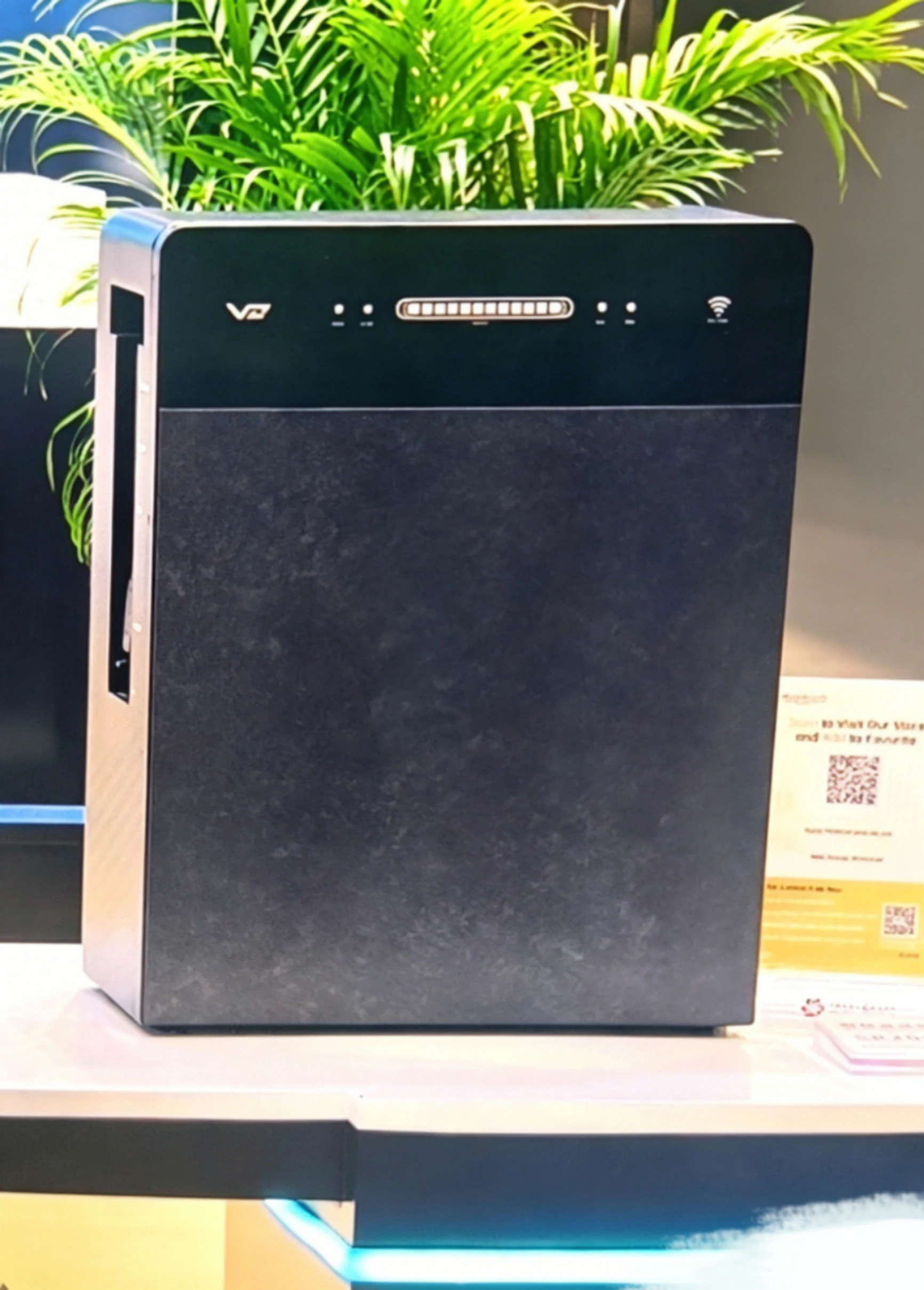
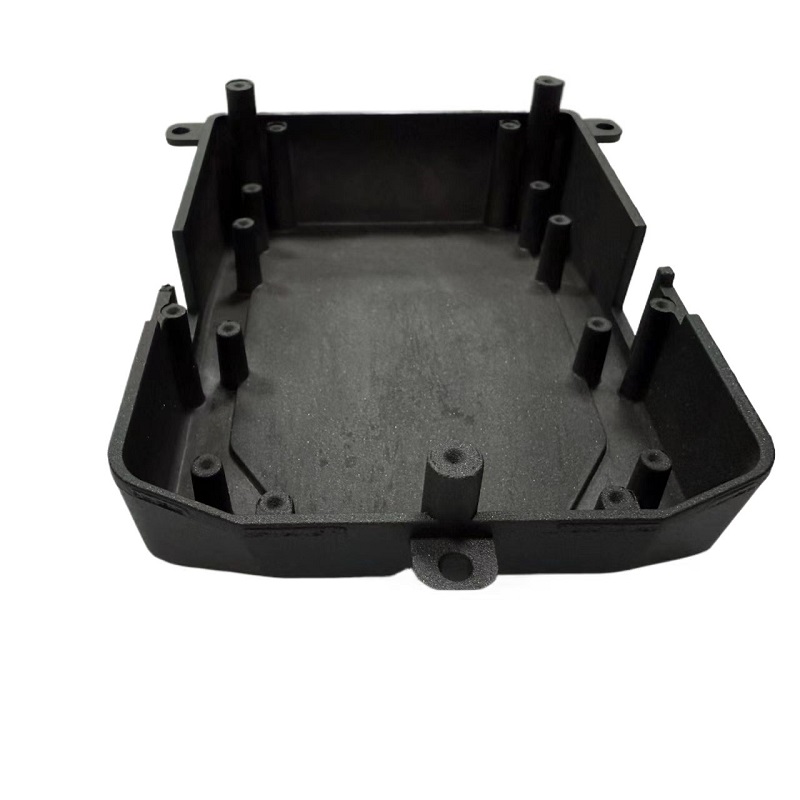
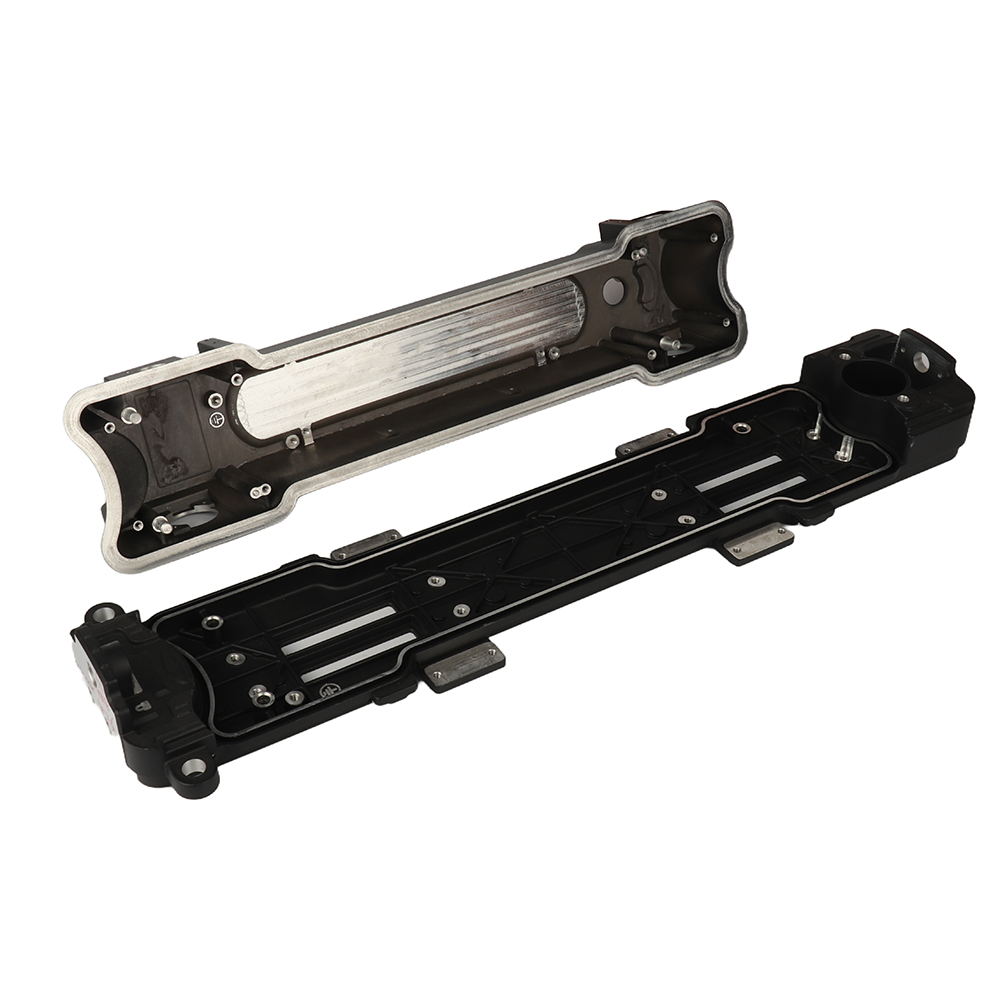
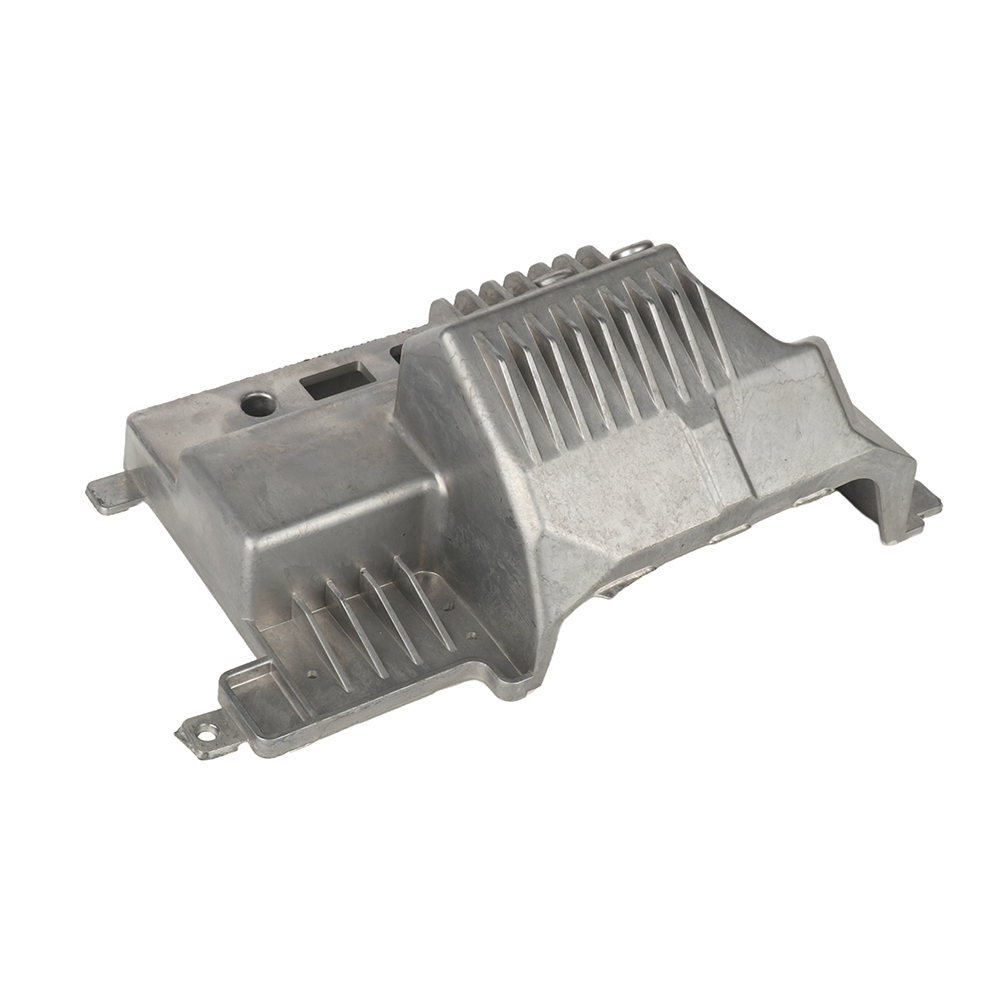
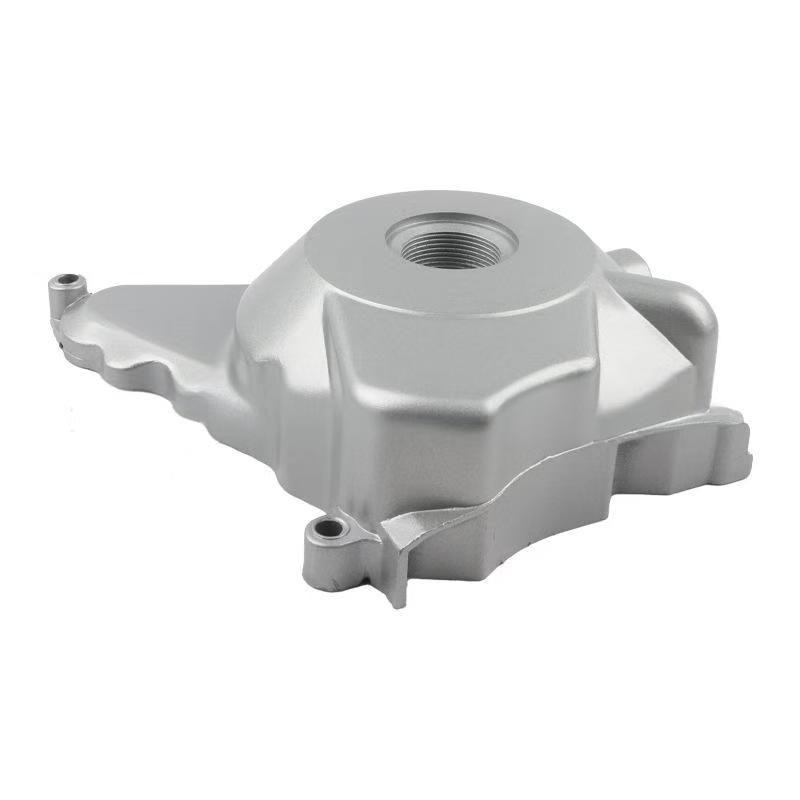
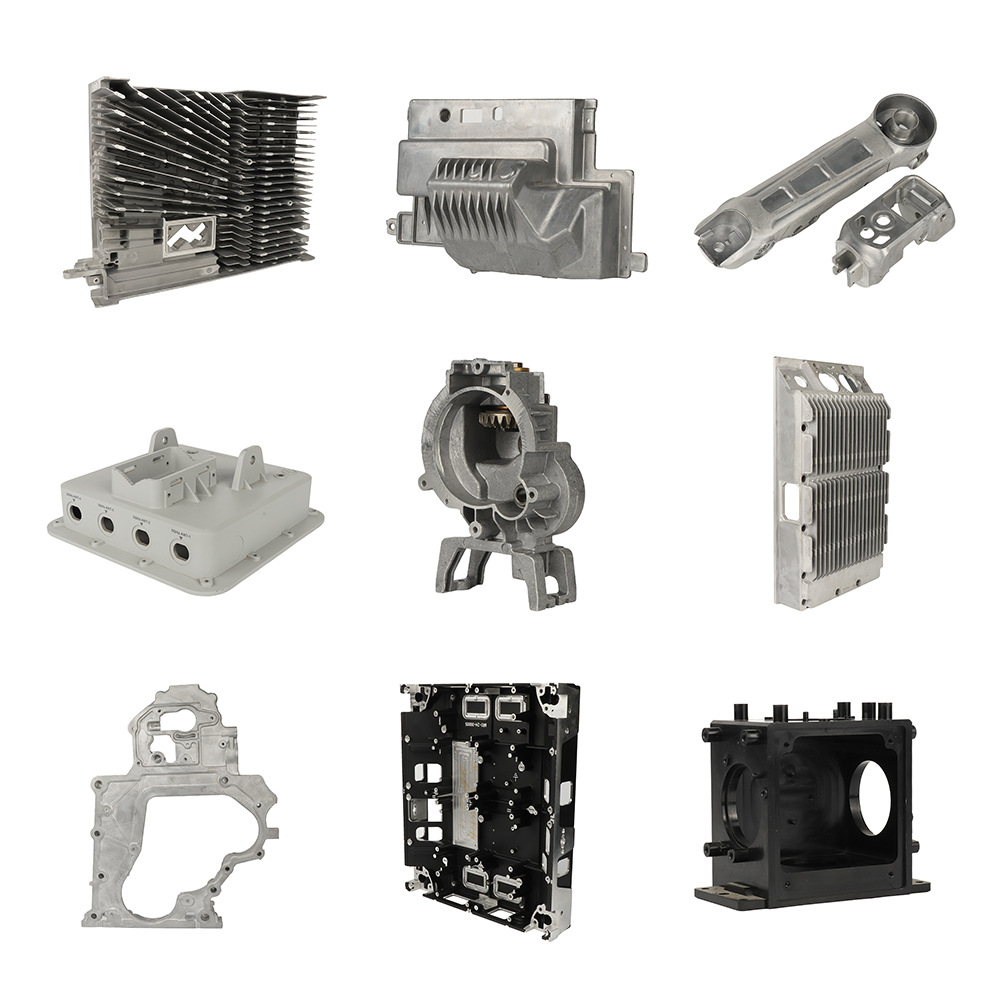
Cast aluminum parts | What are server chassis parts? Focus on Cast Aluminum Components
What are Server Chassis Parts? Focus on Cast Aluminum Components
Table of Contents
- 1. Introduction to Server Chassis and Its Core Components
- 2. Key Server Chassis Parts: An Overview
- 3. Cast Aluminum Parts for Server Chassis: Core Roles and Focus Points
- 4. Advantages of Using Cast Aluminum Server Chassis Parts
- 5. Expert Insights on Cast Aluminum Server Chassis Components
- 6. FAQ: Common Questions About Server Chassis and Cast Aluminum Parts
- 7. Conclusion
1. Introduction to Server Chassis and Its Core Components
The server chassis is the backbone of any server system, serving as a protective enclosure that houses, organizes, and secures all critical hardware components. From motherboards and power supplies to cooling systems and storage drives, every server part relies on the chassis for structural support, thermal management, and stability. While server chassis are composed of various materials and components, cast aluminum parts for server chassis have emerged as a top choice for modern data centers and enterprise-grade servers—thanks to their unique combination of strength, durability, and performance.
2. Key Server Chassis Parts: An Overview
A typical server chassis is a modular assembly of interconnected parts, each designed to fulfill a specific function. Below are the essential components that make up a standard server chassis, with emphasis on where cast aluminum server chassis parts integrate:
2.1 Chassis Frame (Enclosure)
The main structural body of the server, responsible for holding all internal components in place. It protects hardware from physical damage, dust, and electromagnetic interference (EMI). Many high-performance chassis use cast aluminum chassis frames for superior strength-to-weight ratio.
2.2 Backplane
A circuit board that connects the server’s blades, storage drives, and other components. Mounting brackets and housing are frequently cast aluminum parts for stability and heat dissipation.
2.3 Power Supply Unit (PSU) Mounts
Dedicated brackets that secure the power supply units. Cast aluminum PSU mounts are strong, heat-dissipating, and corrosion-resistant.
2.4 Cooling System Components
Includes fan mounts, heat sinks, and airflow ducts. Cast aluminum heat sinks deliver excellent thermal conductivity for high-density servers.
2.5 Drive Bays and Trays
Slots for HDDs/SSDs. Cast aluminum drive trays are durable, lightweight, and corrosion-resistant for long-term data center use.
2.6 Riser Cards and Expansion Slots
Brackets for PCIe expansion are often cast aluminum parts to maintain rigidity and support heavy GPUs/network cards.
3. Cast Aluminum Parts for Server Chassis: Core Roles and Focus Points
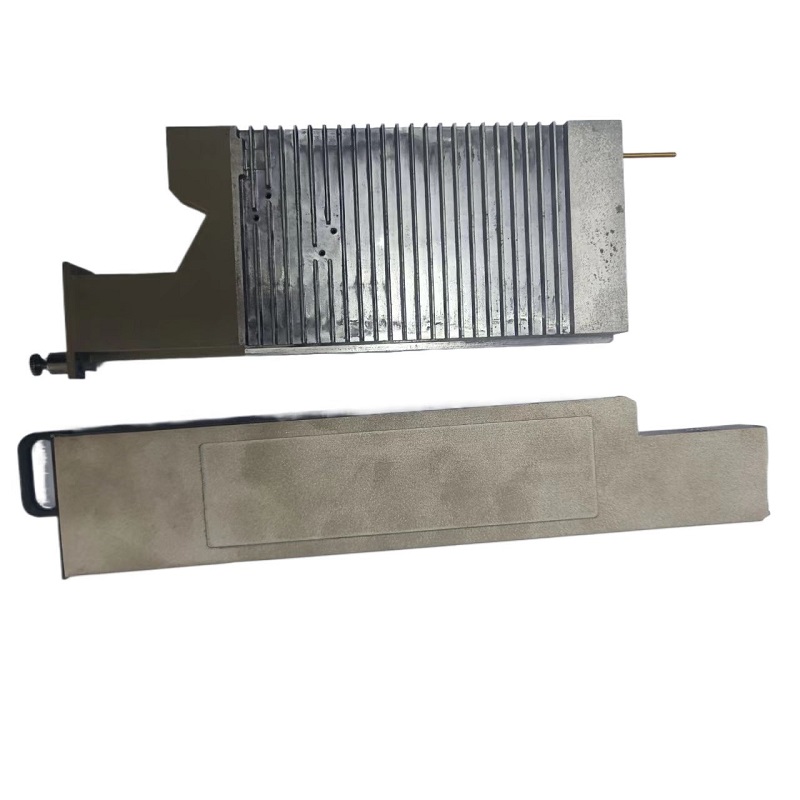
3.1 Core Roles of Cast Aluminum Server Chassis Parts
Structural Support: High strength-to-weight ratio bears heavy loads without excess weight.
Thermal Management: Excellent heat dissipation prevents server overheating.
Protection & Durability: Resists corrosion, vibration, and EMI for long service life.
3.2 Focus Points for Cast Aluminum Server Chassis Parts
- Alloy Selection: 356, 6061, 6063 alloys for strength, heat, and corrosion resistance
- Casting Precision: Die casting ensures tight tolerances (±0.1mm) for perfect fit
- Surface Finishing: Anodizing / powder coating extends lifespan
4. Advantages of Using Cast Aluminum Server Chassis Parts
- Superior Strength-to-Weight Ratio: 30% the weight of steel with similar rigidity
- Exceptional Thermal Conductivity: 3–4x higher than steel for better cooling
- Excellent Corrosion Resistance: Natural oxide layer prevents rust
- High Customization: Complex shapes via die/sand/investment casting
- Long-Term Cost-Effectiveness: Low maintenance, long lifespan, fully recyclable
5. Expert Insights on Cast Aluminum Server Chassis Components
5.1 Sarah Chen, Senior Hardware Engineer
“In data centers, cast aluminum parts reduce hardware failure by 40%. Thermal conductivity is unmatched for high-density racks. We use 356 alloy for all high-performance servers.”
5.2 Dr. Michael Torres, Materials Science Specialist
“Cast aluminum lasts longer, enables compact designs, and is fully recyclable. Tight tolerances (±0.05mm) ensure perfect fit. For enterprise servers, it’s a necessity.”
6. FAQ: Common Questions About Server Chassis and Cast Aluminum Parts
6.1 Cast aluminum vs wrought aluminum?
Cast aluminum supports complex shapes (heat sinks, trays); wrought is for simple flat parts. Cast is better for servers.
6.2 Can cast aluminum replace steel?
Yes for 90% of use cases: lighter, better heat dissipation, comparable strength.
6.3 How long do cast aluminum parts last?
10–15 years with minimal maintenance.
6.4 Are they more expensive?
Slightly higher upfront cost, but far more cost-effective long-term.
6.5 Best alloy?
356 (corrosion/heat), 6061 (structural), 6063 (heat sinks).
6.6 Special maintenance?
No — just routine dust cleaning.
7. Conclusion
The server chassis is the foundation of any reliable server system, and cast aluminum server chassis parts stand out as the optimal choice for modern data centers and enterprise-grade servers. Their superior strength-to-weight ratio, thermal conductivity, corrosion resistance, and customization flexibility address the core needs of high-performance server environments.
Cast aluminum improves reliability, reduces downtime, and supports sustainable data center operations. Whether for small server setups or large-scale data centers, cast aluminum components ensure long-lasting, high-performance chassis design.
Motor bracket | What is Zinc alloy die casting motor bracket? A Comprehensive Guide
Casting parts in automobile | What is a new energy shock absorber arm? Focus on Casting Parts in Automobile
Related Article


