
HOT PRODUCTS

Low pressure casting | What are the advantages of low pressure casting? A Comprehensive Guide
What are the advantages of low pressure casting? A Comprehensive Guide
Table of Contents
- Introduction: An Overview of Low Pressure Casting
- General Technical Parameters of Low Pressure Casting
- Pros & Cons of Low Pressure Casting (vs Other Casting Methods)
- Core Advantages of Low Pressure Casting (Key Highlights)
- Expert Insights on Low Pressure Casting Advantages
- Frequently Asked Questions (FAQs) About Low Pressure Casting
- Conclusion: Industry Trends & How to Choose a Qualified Hardware Supplier
- Xinghang Precision Hardware: Your Trusted Partner with Bulk Discounts
Introduction: An Overview of Low Pressure Casting
In industrial metal manufacturing, low pressure casting is a precision-oriented, cost-effective process that has gained widespread popularity for producing high-quality aluminum components. It operates by applying controlled low pressure (usually 0.02–0.15 MPa) to push molten metal into a preheated mold, ensuring uniform filling, minimal defects, and consistent performance. Unlike traditional casting methods, it balances quality, efficiency, and versatility—making it a top choice for automotive, telecom, and industrial equipment industries. This blog focuses on the core advantages of low pressure casting, supplemented by parameters, comparisons, expert views, and supplier guidance to help you fully understand its value.
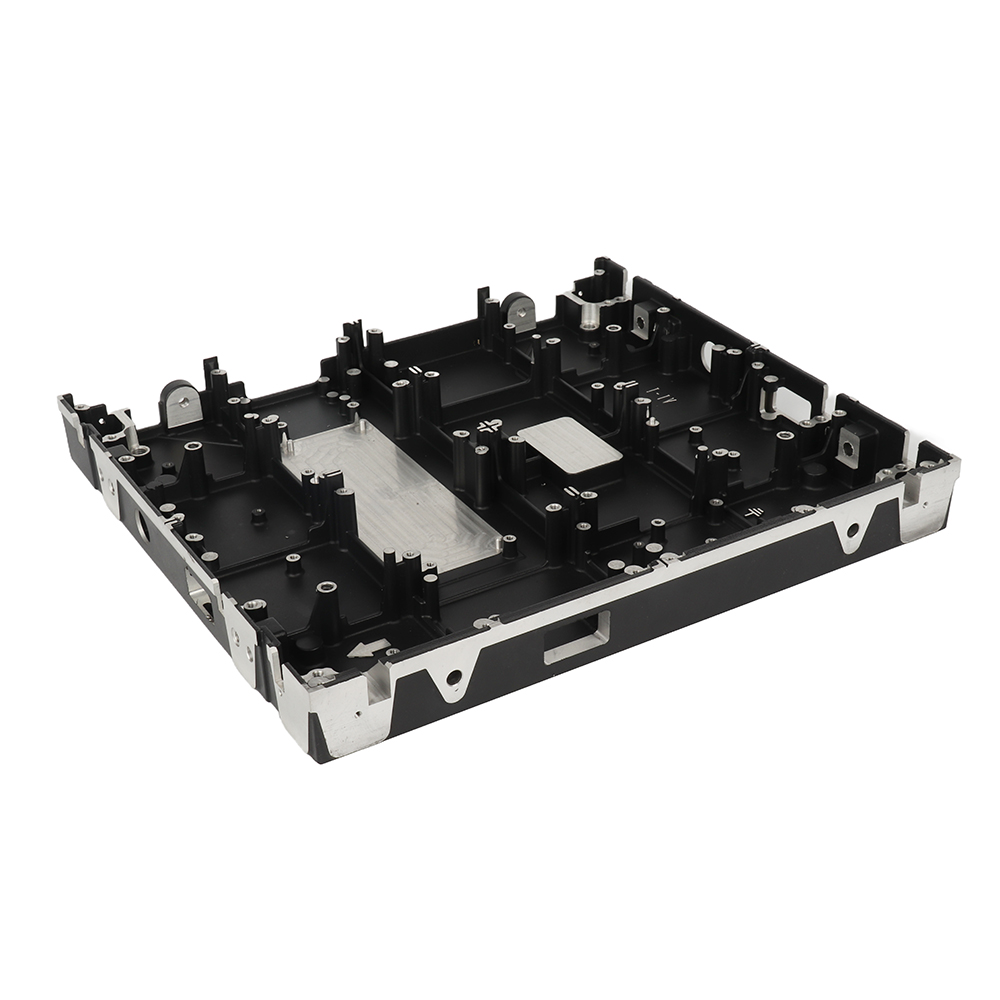
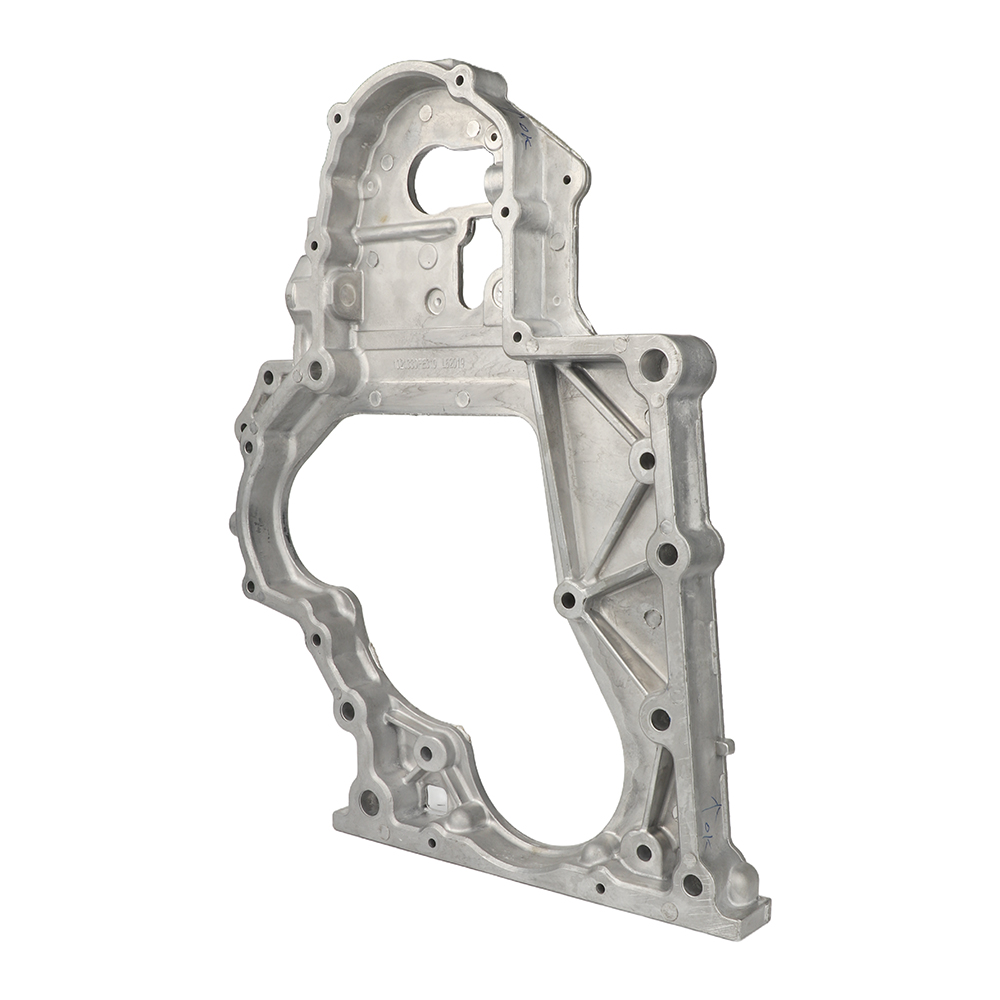
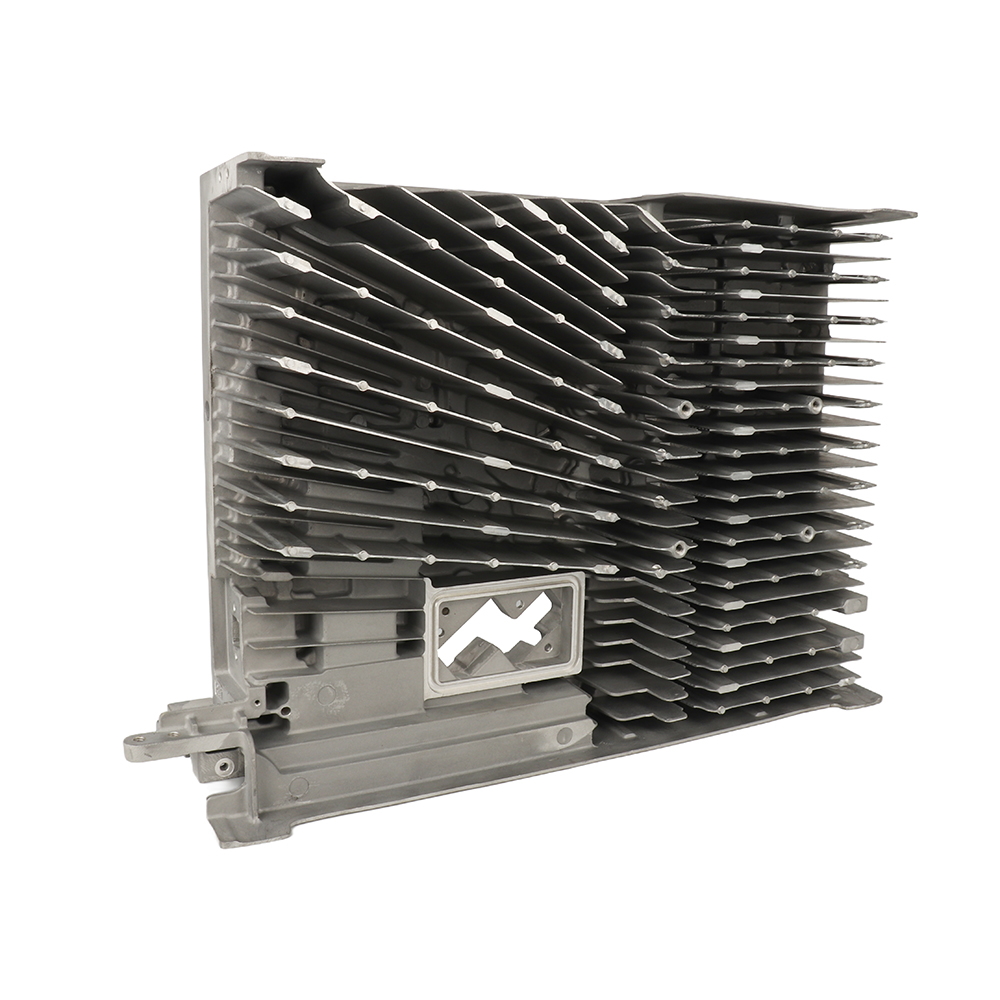
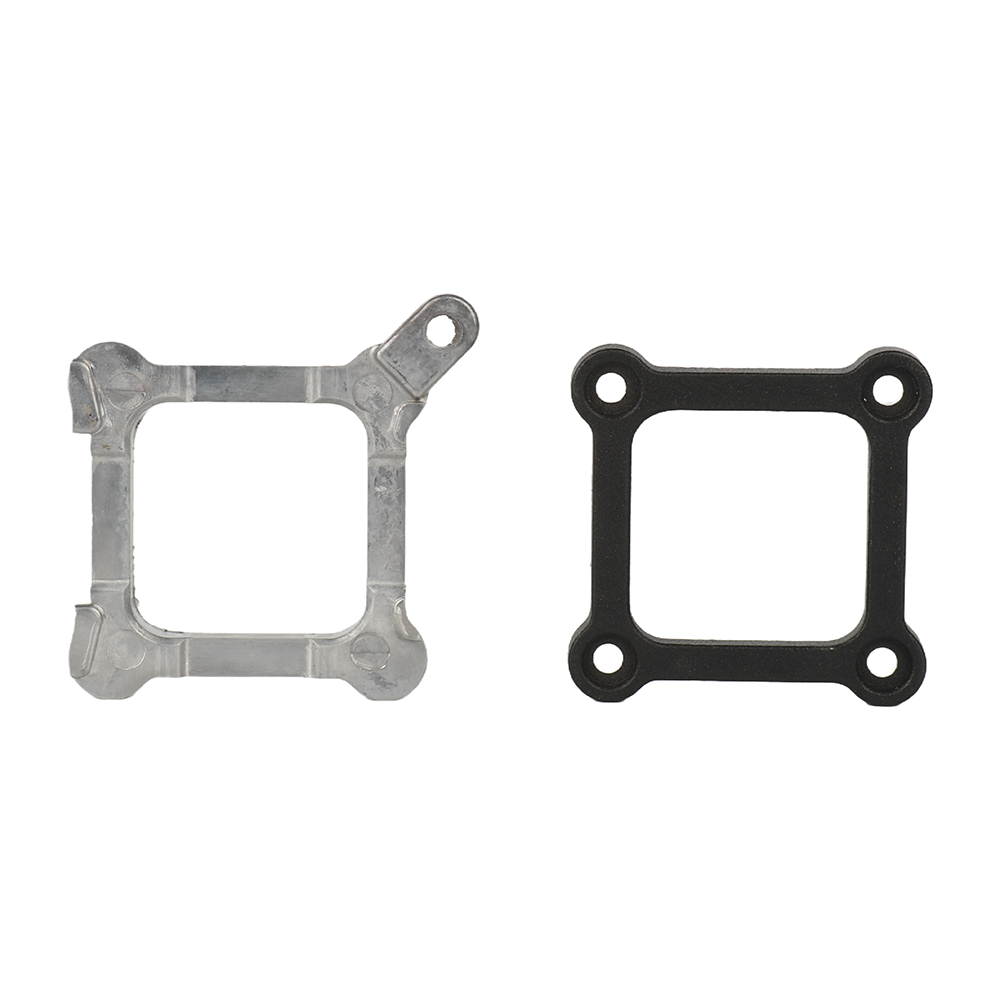
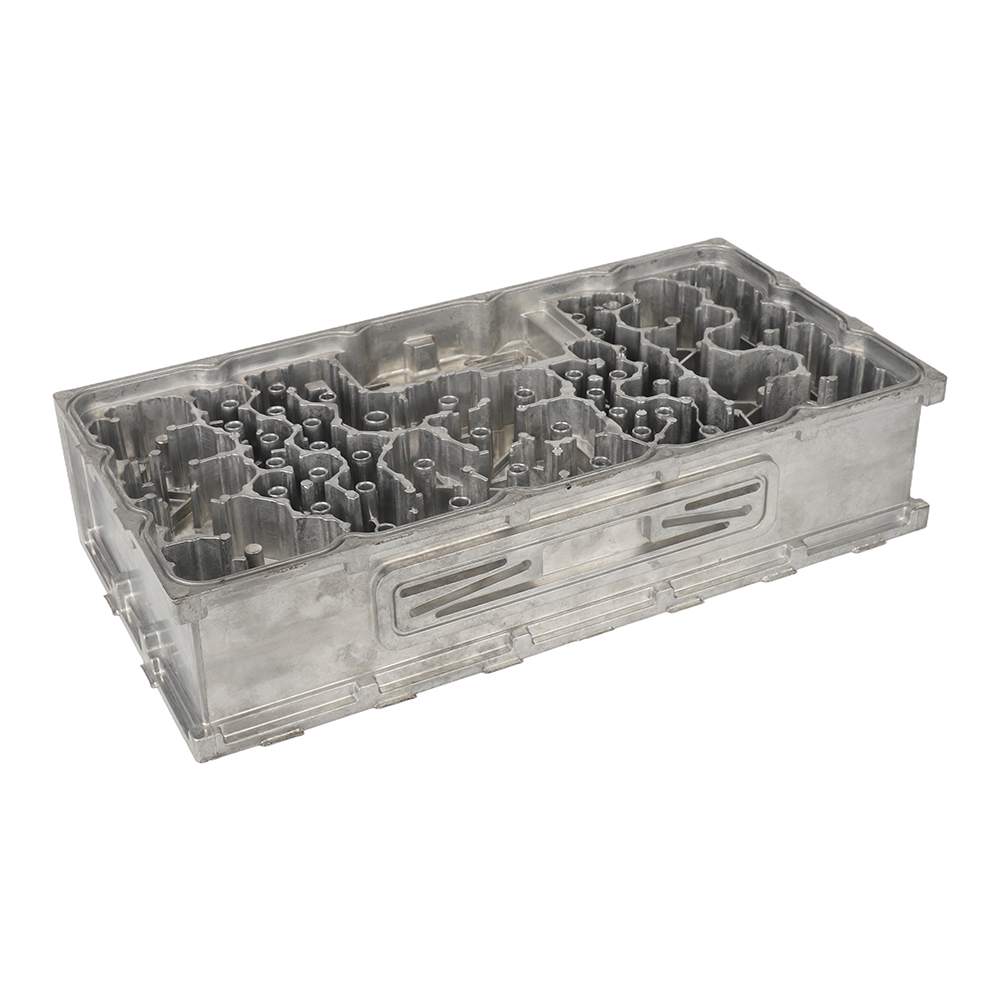
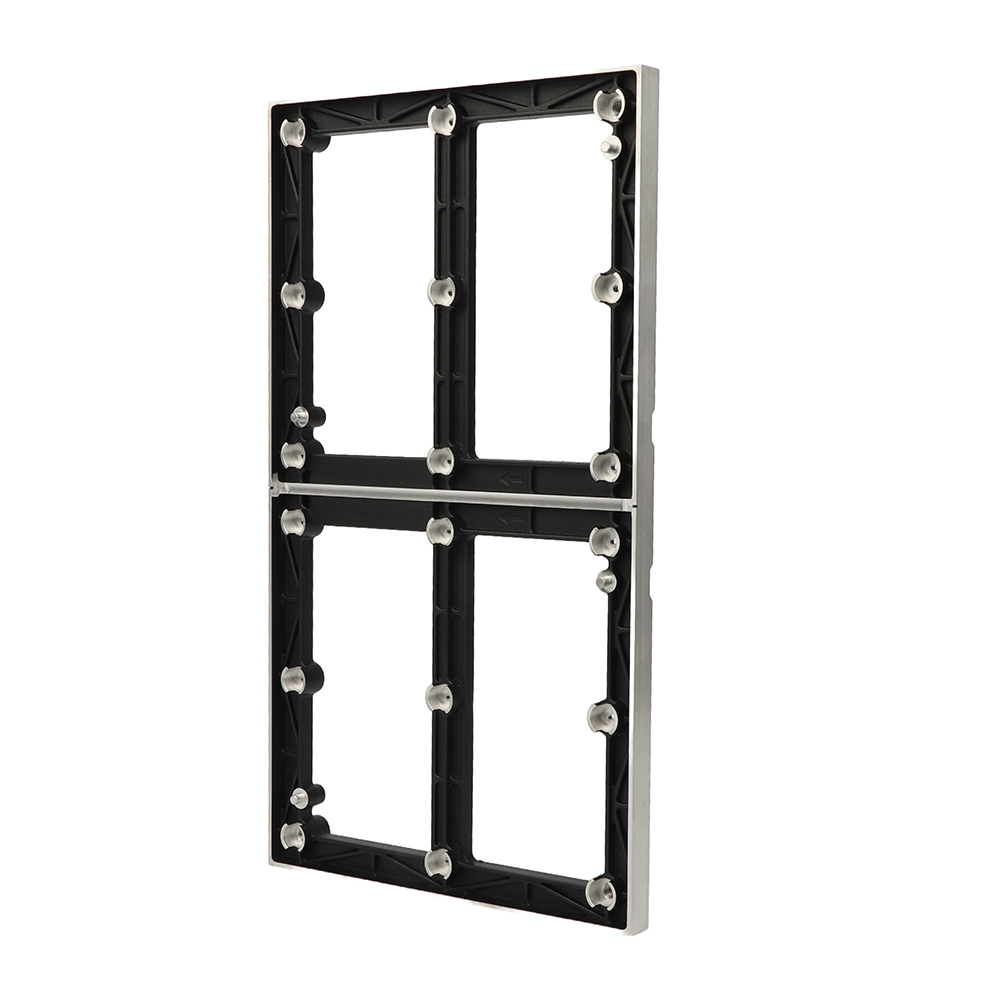
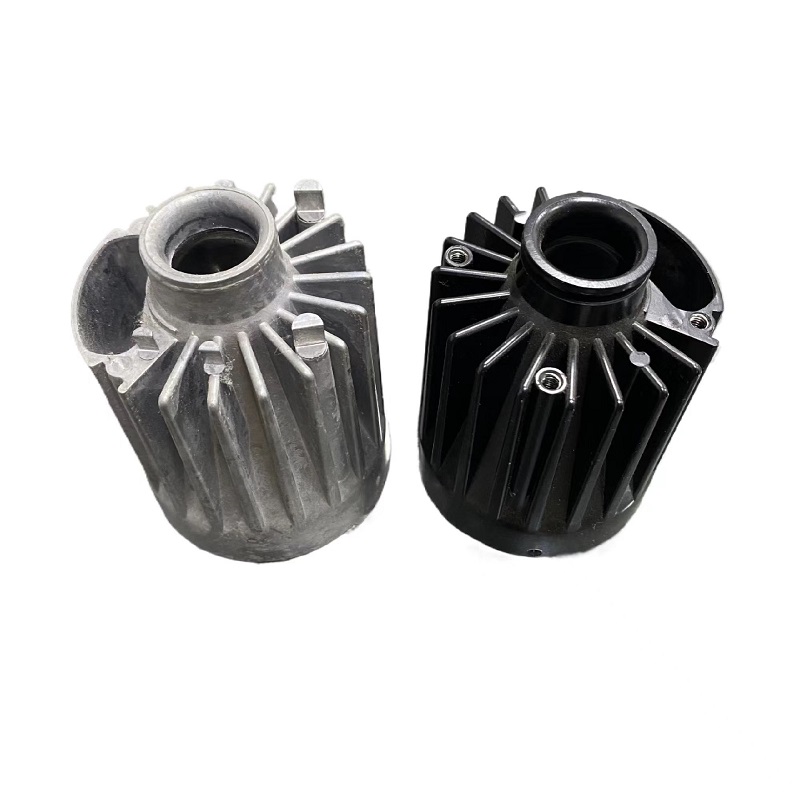
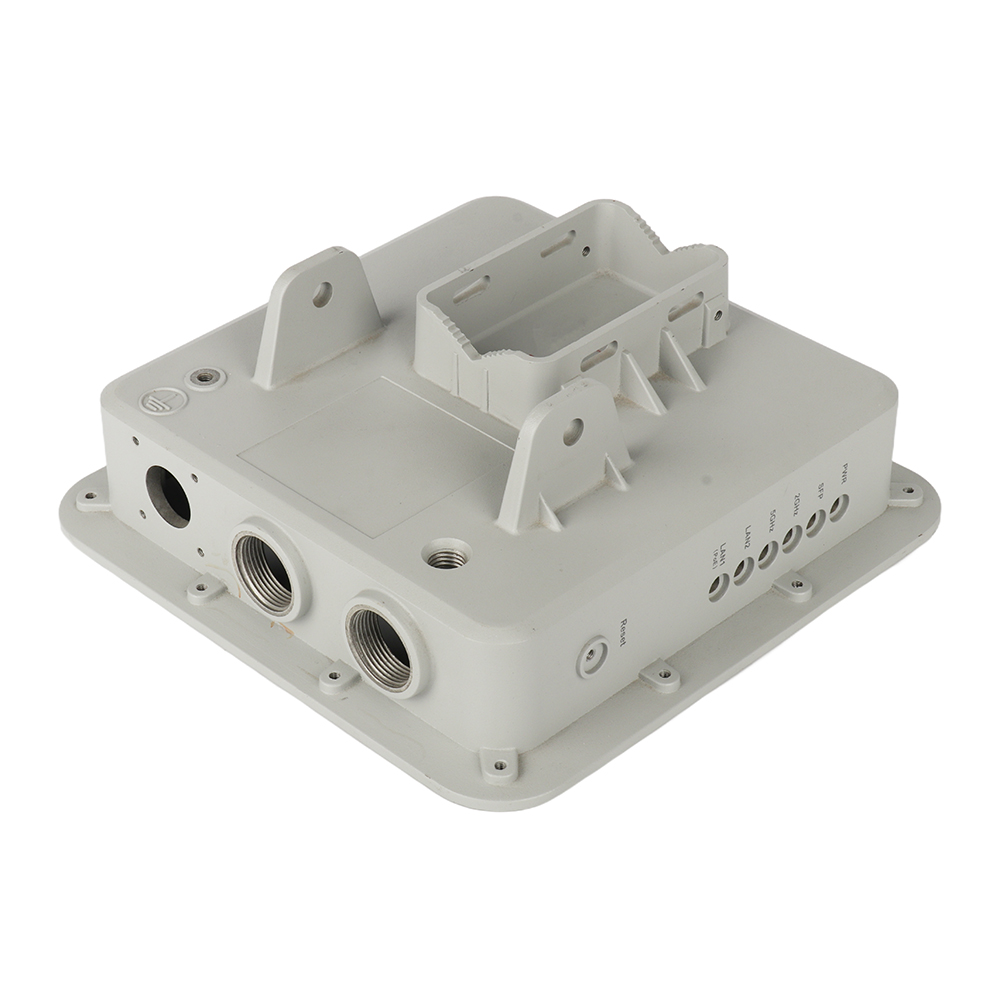
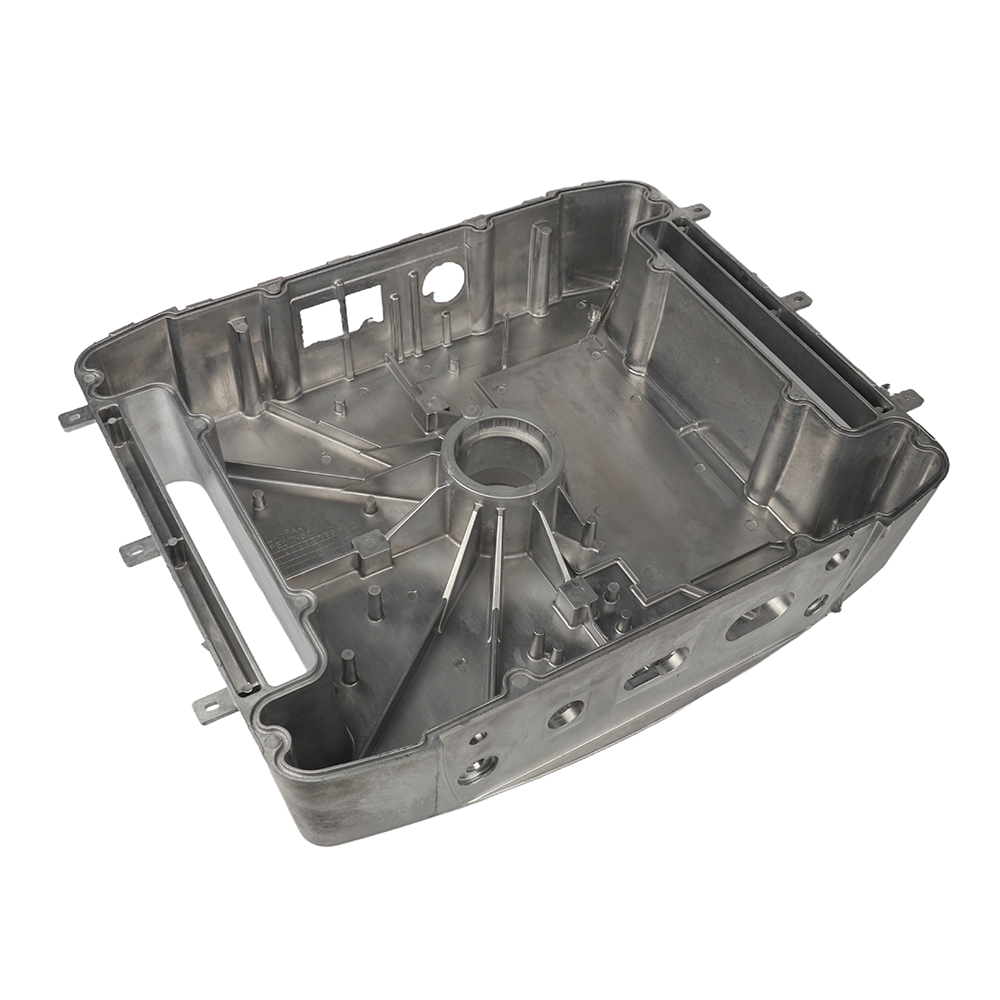
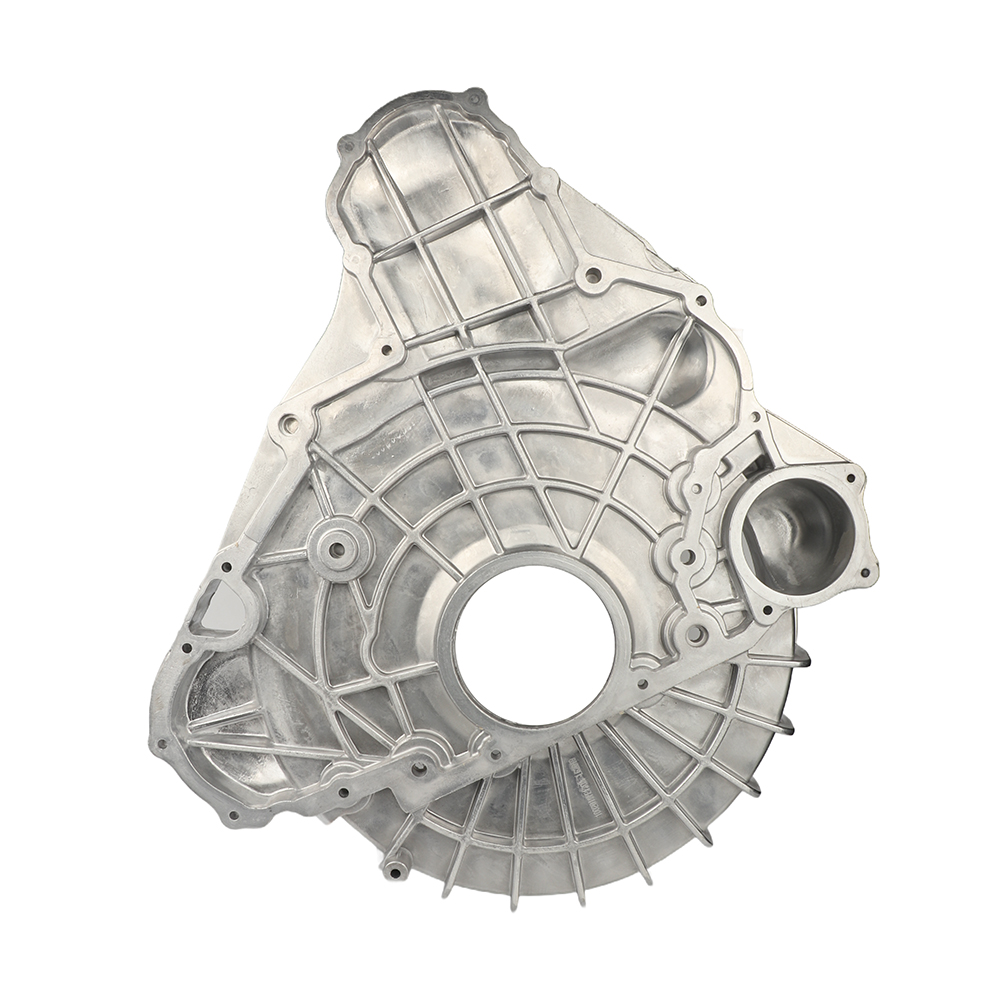
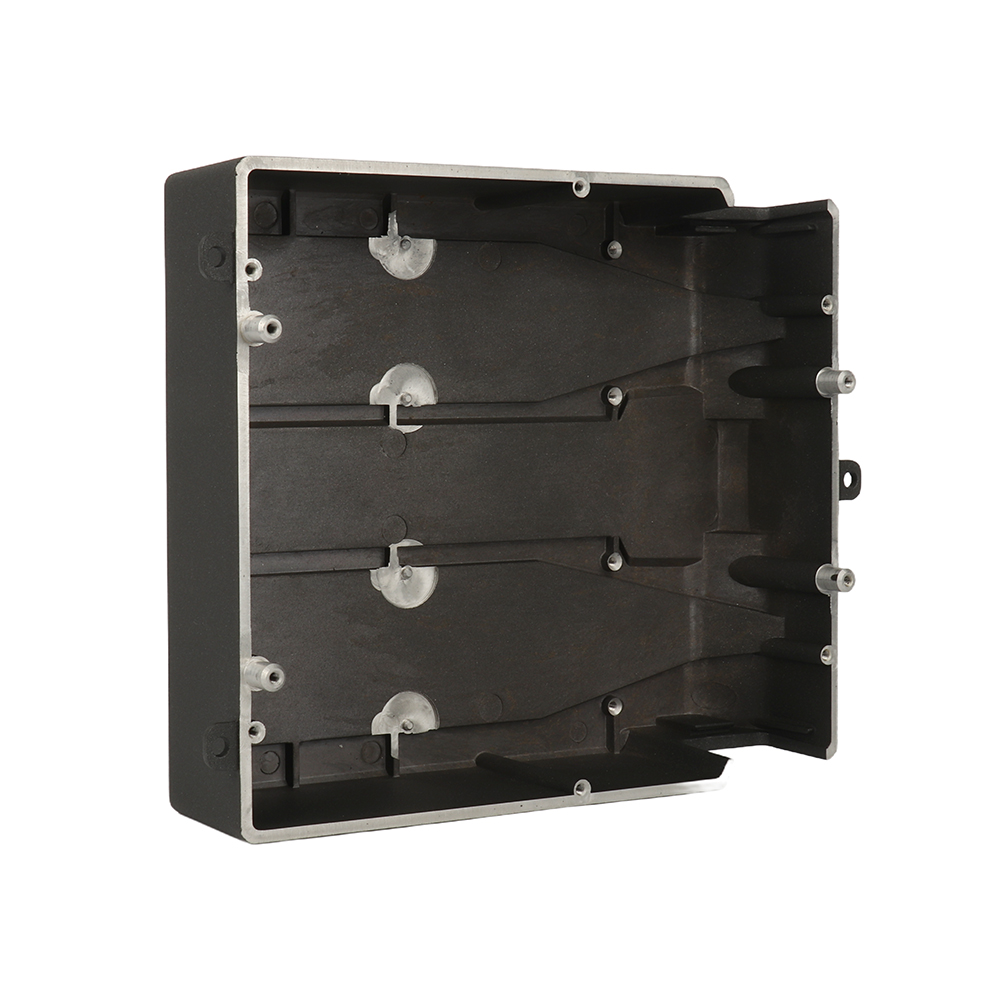
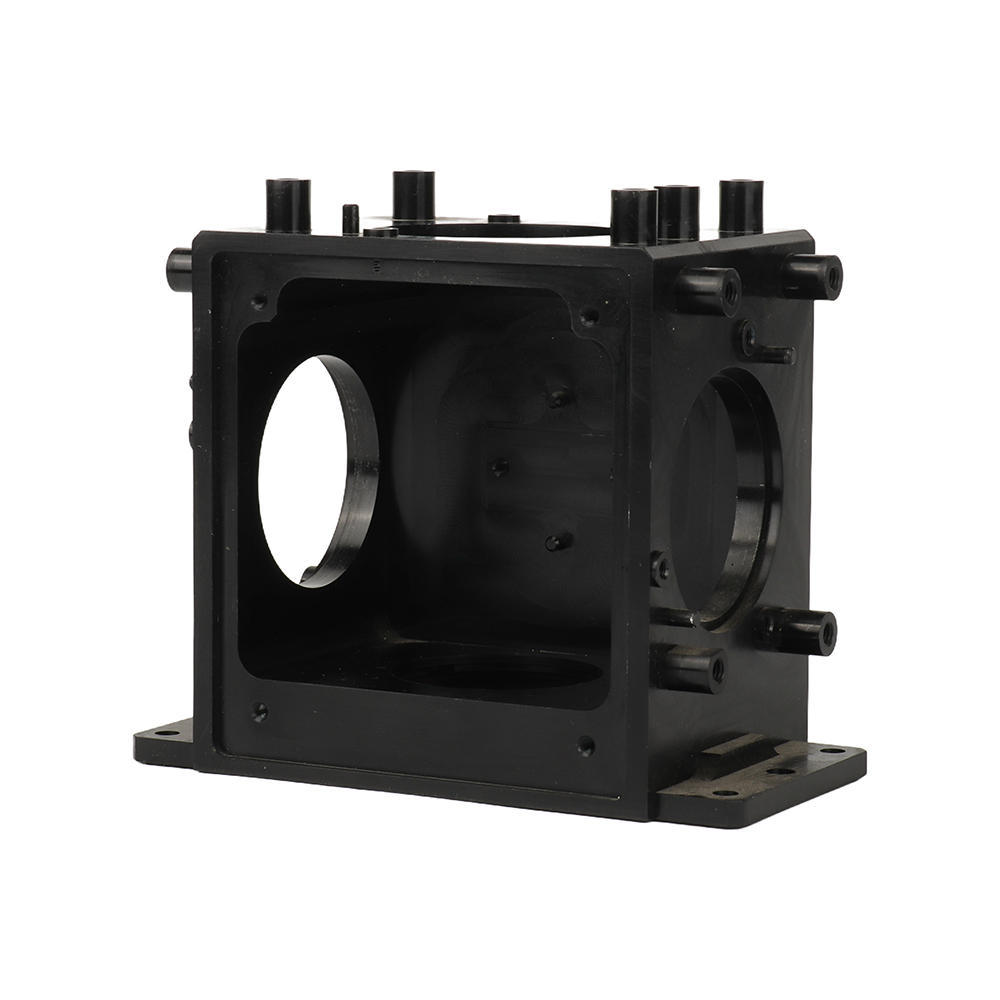
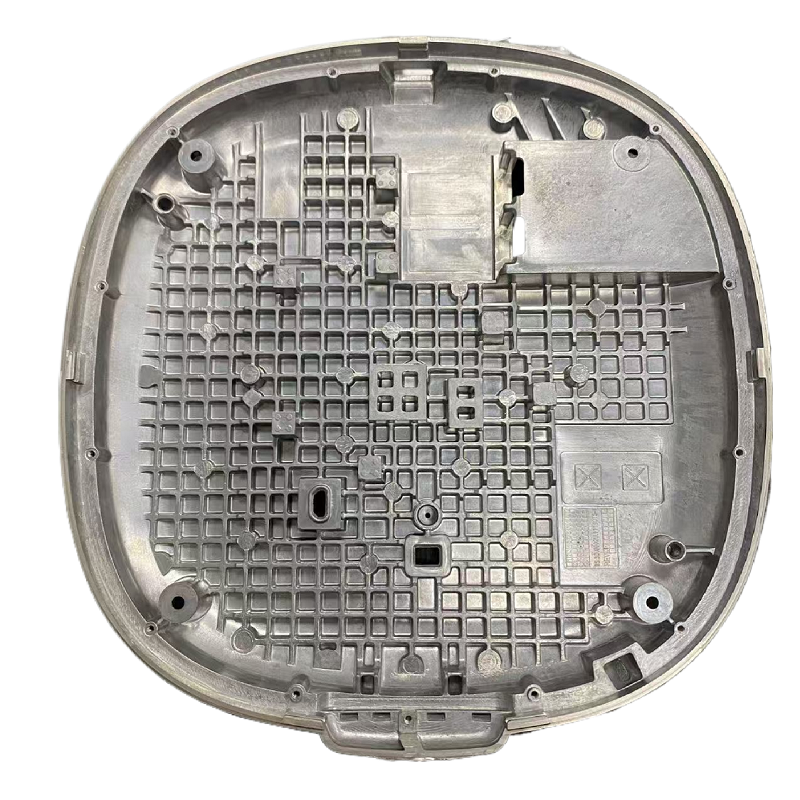
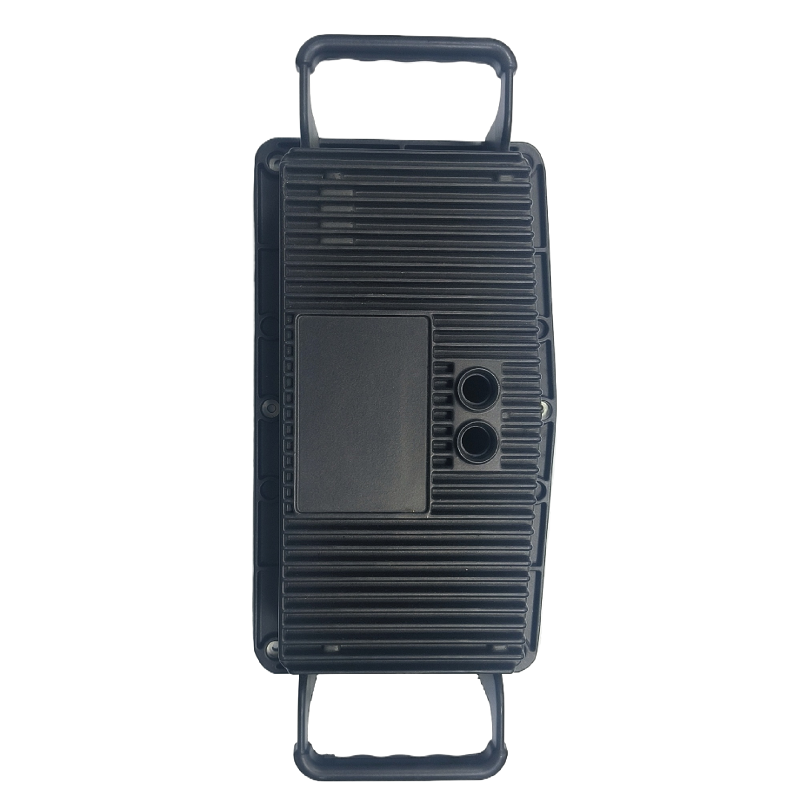
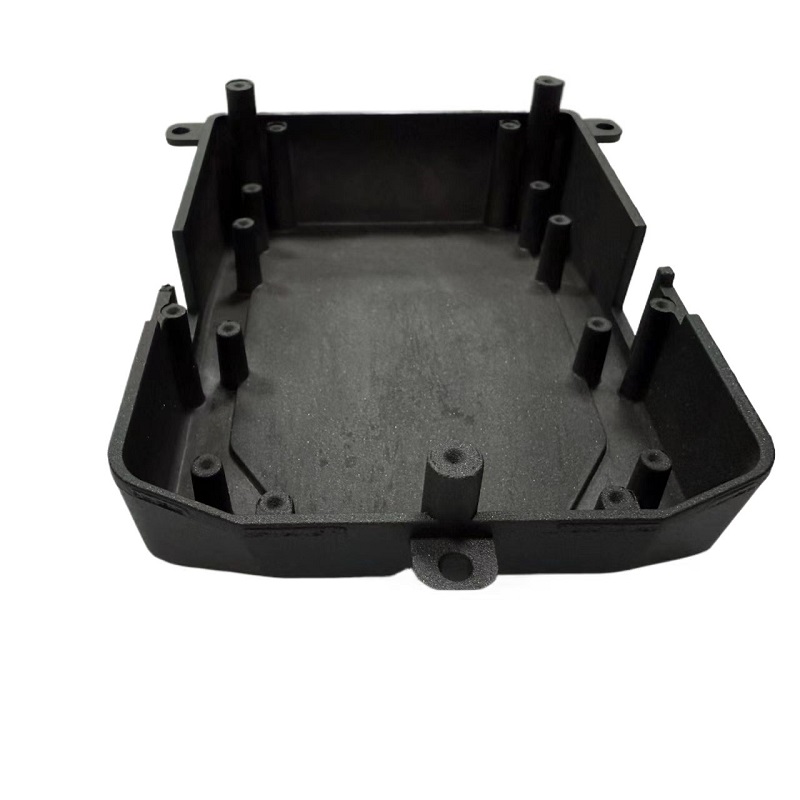
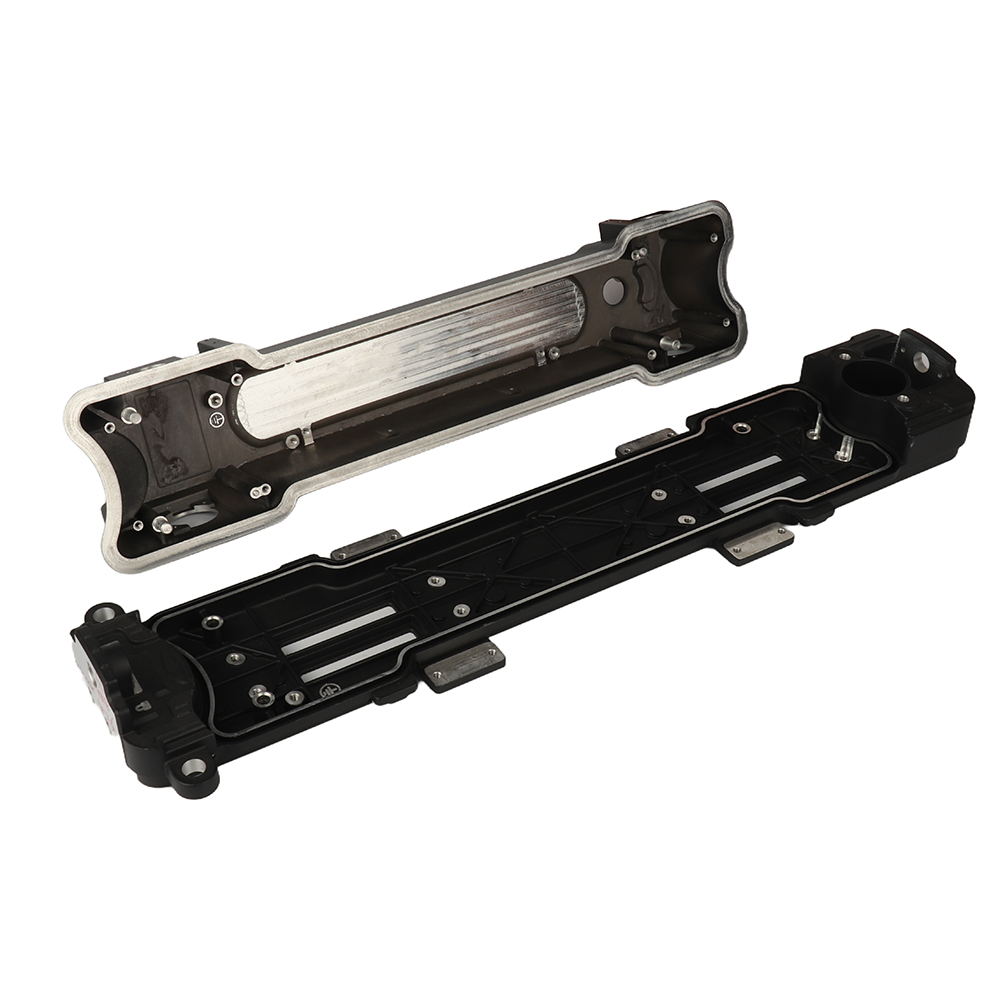
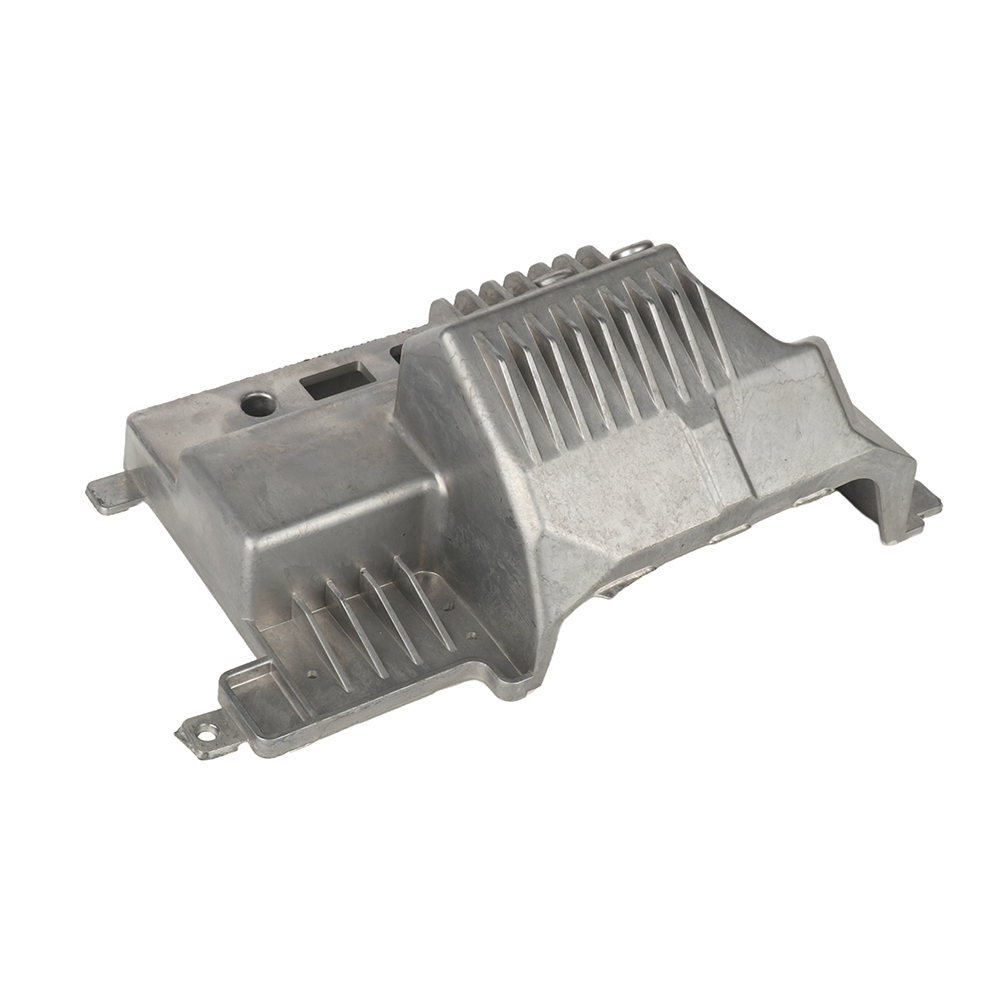
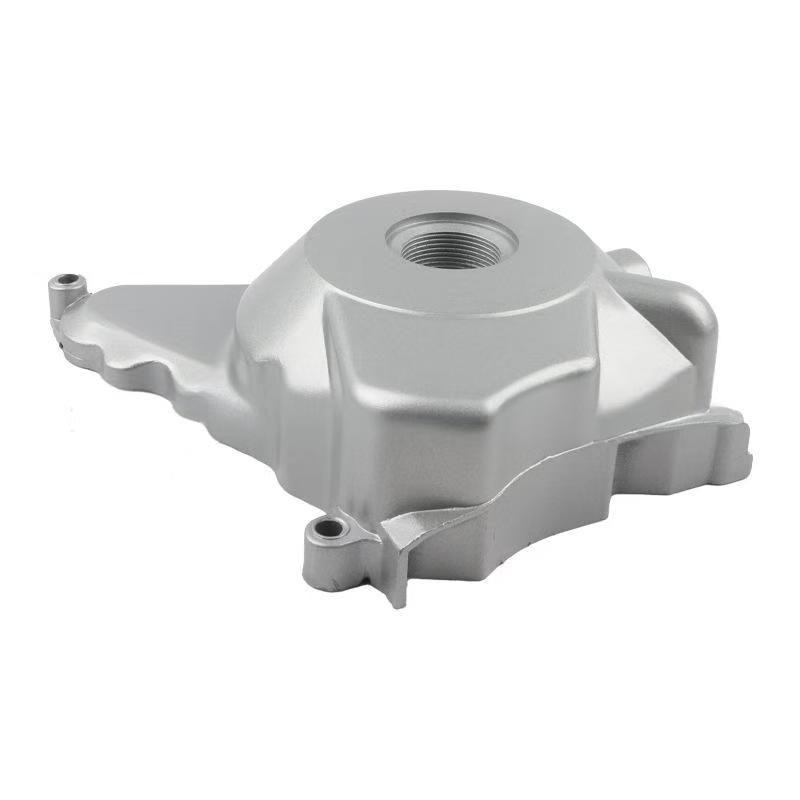
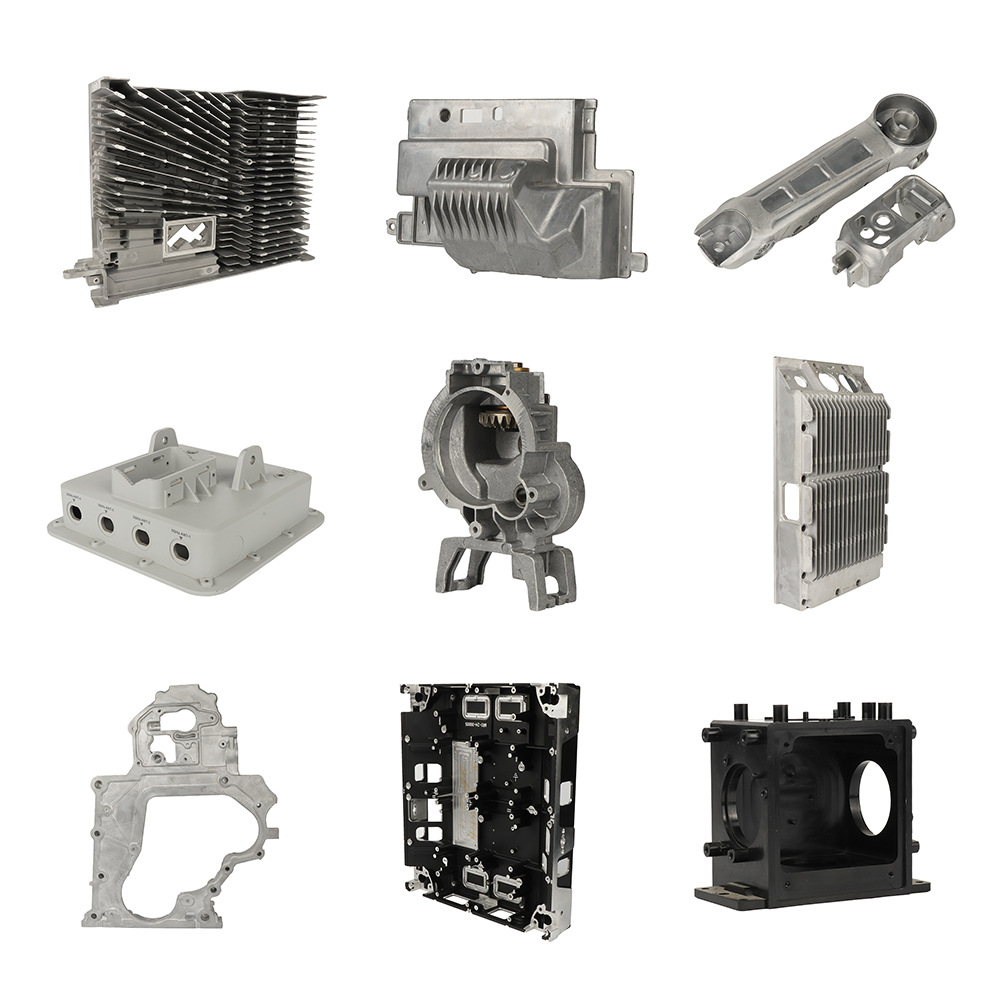
Below is a generic image of low pressure casting

General Technical Parameters of Low Pressure Casting
To better understand low pressure casting, here are its general technical parameters, applicable to most industrial applications and customizable according to specific product requirements:
| Parameter Category | Specific Parameters | Remarks |
| Casting Pressure | 0.02–0.15 MPa (20–150 kPa) | Adjustable based on part complexity and thickness |
| Mold Temperature | 200–300℃ | Preheated to ensure uniform solidification and surface quality |
| Molten Aluminum Temperature | 680–750℃ | Depends on aluminum alloy type (e.g., A356, 6061) |
| Dimensional Tolerance | CT6–CT8 (GB/T 6414), ±0.05–0.10 mm | High-precision options up to CT5 for critical components |
| Surface Roughness | Ra ≤ 1.6–6.3 μm | Smoother finish for automotive/telecom components |
| Mechanical Properties (A356 Alloy) | Tensile strength ≥220MPa, Yield strength ≥140MPa, Elongation ≥5% | Improved by 10–20% with T6 heat treatment |
| Part Weight Range | 0.1–50 kg | Customizable for larger/smaller parts |
| Production Efficiency | 50–200 pieces/day (depends on part size) | Higher efficiency for mass production with automated lines |
| Certifications | ISO9001, IATF 16949, RoHS, ISO14001 | Compliant with global industrial standards |
Pros & Cons of Low Pressure Casting (vs Other Casting Methods)
To highlight the advantages of low pressure casting, we first summarize its own pros and cons, then compare it with two common casting methods (high-pressure die casting and sand casting) to show its unique value.
1. Pros of Low Pressure Casting
- Superior Product Quality: Controlled pressure filling avoids turbulence, minimizing internal defects (porosity, shrinkage) and ensuring dense, uniform material structure.
- High Precision & Surface Finish: Tight dimensional tolerances and smooth surfaces reduce post-processing costs (grinding, polishing) and improve assembly accuracy.
- Material & Cost Efficiency: High material utilization rate (up to 95%), recyclable excess metal, and lower long-term mold maintenance costs compared to high-pressure die casting.
- Versatility: Suitable for small-batch and mass production, accommodating simple to complex parts and various aluminum alloys.
- Environmental Friendliness: Low pollution, low noise, and compliance with global environmental standards (ISO14001), aligning with green manufacturing trends.
2. Cons of Low Pressure Casting
- Higher Initial Investment: Mold and equipment costs are higher than sand casting, making it less cost-effective for ultra-small batches (fewer than 100 pieces).
- Lower Efficiency Than High-Pressure Die Casting: Slower filling speed, not ideal for ultra-large-volume production (e.g., millions of pieces/year).
- Thickness Limitations: Not suitable for extremely thin-walled parts (thinner than 1mm), which may cause incomplete filling.
3. Comparison with Other Casting Methods
| Casting Method | Key Advantages | Key Disadvantages | Best Application Scenarios |
| Low Pressure Casting | High precision, low defects, material-efficient, versatile, eco-friendly | High initial investment, lower efficiency than high-pressure die casting | Automotive parts, telecom enclosures, industrial equipment (medium-to-large batch) |
| High-Pressure Die Casting | High production efficiency, suitable for mass production | High internal porosity, poor surface finish, high mold costs | Consumer electronics, small auto parts (mass production) |
| Sand Casting | Low initial investment, suitable for large parts | Low precision, rough surface, high material waste | Rough industrial parts, small-batch large components |
Core Advantages of Low Pressure Casting (Key Highlights)
Among various casting methods, low pressure casting stands out with its unmatched advantages, which are the core reasons for its wide application in high-end industrial fields.
1. Superior Quality & Consistency
The gentle, controlled pressure filling process of low pressure casting eliminates turbulence, a major cause of internal defects in other methods. This ensures that every part has a dense structure, uniform material properties, and consistent quality across batches—critical for critical applications like automotive engine parts and telecom enclosures, where product failure can lead to serious consequences.
2. Long-Term Cost Savings
While the initial investment in molds and equipment is higher, low pressure casting reduces long-term costs significantly. Its high material utilization rate (up to 95%) minimizes waste, and the smooth surface finish reduces post-processing costs. Additionally, high-quality parts reduce replacement and maintenance costs for end-users, enhancing overall value.
3. Excellent Strength-to-Weight Ratio
Aluminum is 1/3 the weight of steel, and low pressure casting retains its high strength while optimizing part structure. This makes it ideal for industries pursuing lightweighting, such as new energy vehicles and aerospace, where reducing weight improves energy efficiency and performance without compromising durability.
4. Strong Adaptability to Harsh Environments
Low pressure castings have a dense surface and no gaps, combined with aluminum’s natural oxide layer, providing excellent corrosion resistance. They can withstand extreme temperatures (-40℃ to 120℃), rain, dust, and vibration—making them suitable for outdoor and harsh industrial environments, such as 5G base stations and coastal industrial equipment.
5. Flexible Customization
Low pressure casting supports one-piece forming of complex components, eliminating the need for welding or assembly. It can be customized according to specific requirements, including part size, shape, mounting holes, cooling fins, and surface treatment, meeting diverse industrial application needs.
Expert Insights on Low Pressure Casting Advantages
We invited Dr. Michael Chen, a senior industrial manufacturing expert with 20+ years of experience in aluminum casting and a consultant for global automotive and telecom enterprises, to share his insights on the advantages of low pressure casting:
“The core advantage of low pressure casting lies in its perfect balance of quality, cost, and versatility. In the era of industrial upgrading, industries are increasingly demanding high-precision, high-integrity components—low pressure casting solves the pain points of high defects in sand casting and high porosity in high-pressure die casting. Its material efficiency and environmental friendliness also align with global green manufacturing trends. With the rapid development of new energy vehicles and 5G communication, the demand for low pressure casting will continue to grow, as it can provide customized, high-quality components that meet the strict requirements of these industries. For enterprises, choosing low pressure casting is a strategic investment in product quality and market competitiveness.”
Dr. Chen added: “Compared with other methods, low pressure casting’s consistency and reliability can help enterprises reduce quality control costs and improve customer satisfaction, which is particularly important in today’s competitive market.”
Frequently Asked Questions (FAQs) About Low Pressure Casting
Q1: Why is low pressure casting better than high-pressure die casting for high-precision parts?
A1: The core difference is the filling pressure: low pressure casting uses 0.02–0.15 MPa, while high-pressure die casting uses 10–150 MPa. The gentle filling of low pressure casting avoids turbulence, reducing internal porosity and ensuring better surface finish and dimensional accuracy—making it more suitable for high-precision parts that require high structural integrity.
Q2: What aluminum alloys are suitable for low pressure casting?
A2: Most aluminum alloys can be used, including A356 (AlSi7Mg), 6061, 6063, ZL101, and ZL102. A356 is the most commonly used for automotive and industrial parts due to its excellent mechanical properties and castability; its performance can be improved by 10–20% with T6 heat treatment.
Q3: Can low pressure castings be used for outdoor applications?
A3: Yes. Aluminum’s natural oxide layer and the dense surface of low pressure castings provide good corrosion resistance. With additional surface treatments (anodizing, spraying), they can withstand harsh outdoor environments (rain, dust, extreme temperatures) for 10+ years, making them ideal for outdoor telecom and industrial equipment.
Q4: What is the lead time for low pressure casting production?
A4: It depends on part complexity and batch size. Mold development takes 2–4 weeks; mass production (1000+ pieces) takes 3–5 weeks; small-batch production (100–500 pieces) can be completed in 1–2 weeks.
Q5: Is low pressure casting environmentally friendly?
A5: Yes. Low pressure casting produces minimal waste (excess aluminum can be recycled), low noise, and low emissions. Most qualified manufacturers (including Xinghang Precision Hardware) have passed ISO14001 environmental certification, adopting waste gas treatment and waste sand recycling technologies to meet global environmental standards.
Conclusion: Industry Trends & How to Choose a Qualified Hardware Supplier
Industry Trends of Low Pressure Casting
Driven by global industrial upgrading, new energy vehicles, 5G communication, and aerospace industries, the low pressure casting industry is showing three clear trends:
- High Precision & Complexity: Demand for high-precision (CT5–CT6 level) and complex-shaped castings is growing, with advanced technologies like electromagnetic pump low pressure casting widely adopted to improve process stability.
- Green & Sustainable Development: Stricter environmental policies promote energy conservation, emission reduction, and recycling—low pressure casting’s high material utilization rate and low pollution make it the first choice for green manufacturing.
- Automation & Intelligence: Integration of automated production lines, digital process control, and intelligent detection (X-ray non-destructive testing, three-coordinate measurement) improves efficiency and consistency, reducing labor costs.
According to industry reports, the global low pressure aluminum casting market size is expected to grow at a CAGR of 8.5% from 2024 to 2030, driven by increasing demand for lightweight, high-precision components.
How to Choose a Qualified Hardware Processing Supplier
Choosing a reliable low pressure casting supplier is crucial for product quality and production efficiency. Here are 5 key criteria:
- Certifications: Ensure the supplier has ISO9001, IATF 16949 (for automotive), RoHS, and ISO14001 certifications to guarantee quality and environmental compliance.
- Technical Strength: Check for independent mold design, advanced casting equipment, and full-process testing capabilities (spectral analysis, X-ray testing, three-coordinate measurement).
- Production Experience: Prioritize suppliers with 5+ years of experience in low pressure casting, especially in your industry (automotive, telecom, etc.).
- Customization Capability: The supplier should provide personalized solutions (mold design, process optimization, surface treatment) to meet your specific needs.
- After-Sales Service: Reliable after-sales support (quality feedback, technical guidance, mold maintenance) ensures smooth production.
Xinghang Precision Hardware: Your Trusted Partner with Bulk Discounts
If you are looking for a high-quality, cost-effective low pressure casting supplier, Xinghang Precision Hardware is your best choice. With 10+ years of experience in industrial aluminum casting, we have a complete production system from mold design, casting, heat treatment to surface treatment, winning trust from customers worldwide.
Our Advantages
- Full Certifications: ISO9001, TS16949, RoHS, ISO14001, ensuring product quality and environmental compliance.
- Advanced Equipment: Automated low pressure casting lines, precision mold processing, and full-process testing equipment for high precision and consistency.
- Professional Team: 20+ technical engineers with rich experience in custom solutions for automotive, telecom, and industrial equipment.
- Bulk Discounts: The more you purchase in bulk, the more discounts you get—helping you reduce production costs significantly.
- Customization & After-Sales: Support personalized customization and 24-hour technical support, ensuring timely delivery and smooth production.
Contact Us
For more information about low pressure casting, to get a customized quote, or to learn more about our bulk discount policy, please contact us:
- Mobile/WeChat: +86 18819502691
- Email: liqine@xinghangcn.com
Xinghang Precision Hardware is committed to providing you with high-quality low pressure casting products, professional services, and favorable bulk discounts—helping you gain an advantage in the competitive market!
Aluminum low pressure die casting | What are the functions and advantages of aluminum low pressure die casting?
Low pressure aluminum casting | What is low pressure aluminum casting ? A Complete Guide for Industrial Applications
Related Article


