
HOT PRODUCTS
Automotive die casting | What are the automotive die-cast parts? Complete Guide to Automotive Die Casting
2026-05-12
What Are Automotive Die-Cast Parts? Complete Guide to Automotive Die Casting
Table of Contents
- Basic Overview of Automotive Die-Cast Parts
- Main Types & Common Automotive Die Casting Products
- Core Functions of Automotive Die-Cast Parts in Vehicles
- Key Benefits of Automotive Die Casting Components
- Common Material Grades for Automotive Die Casting
- Professional Expert Opinion on Automotive Die Casting Industry
- FAQs About Automotive Die-Cast Parts
- Industry Trends & Supplier Selection Tips
- Conclusion & Reliable Supplier Recommendation
1. Basic Overview of Automotive Die-Cast Parts
1.1 Clear Definition
Automotive die-cast parts are precision metal components manufactured through high-pressure die-casting technology, mainly using aluminum alloy, zinc alloy and other lightweight metal raw materials. Under high temperature and extreme pressure, molten metal is injected into customized precision molds to form integrated automotive parts with stable size, dense structure and smooth surface. As the core components of modern automobiles, die casting parts account for 77% of automotive aluminum processing parts, becoming the mainstream manufacturing solution for automotive lightweight production.
1.2 General Product Characteristics
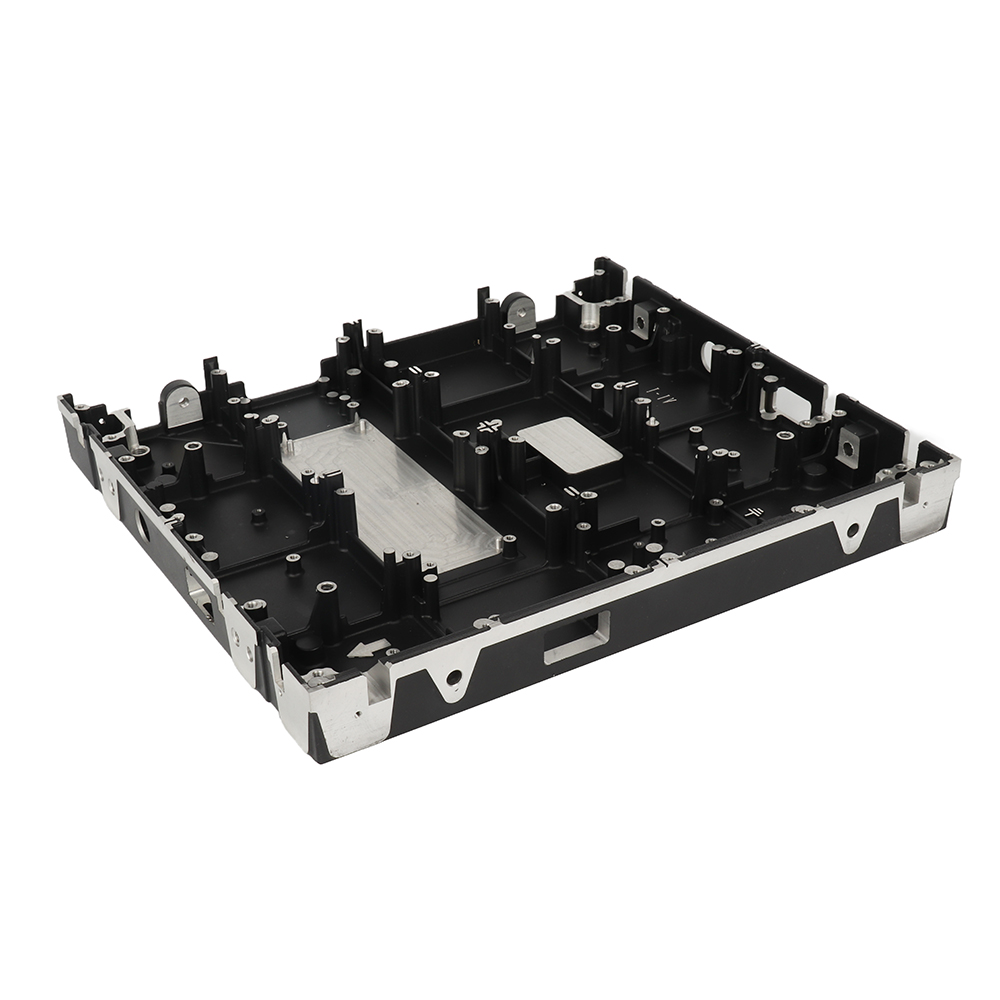
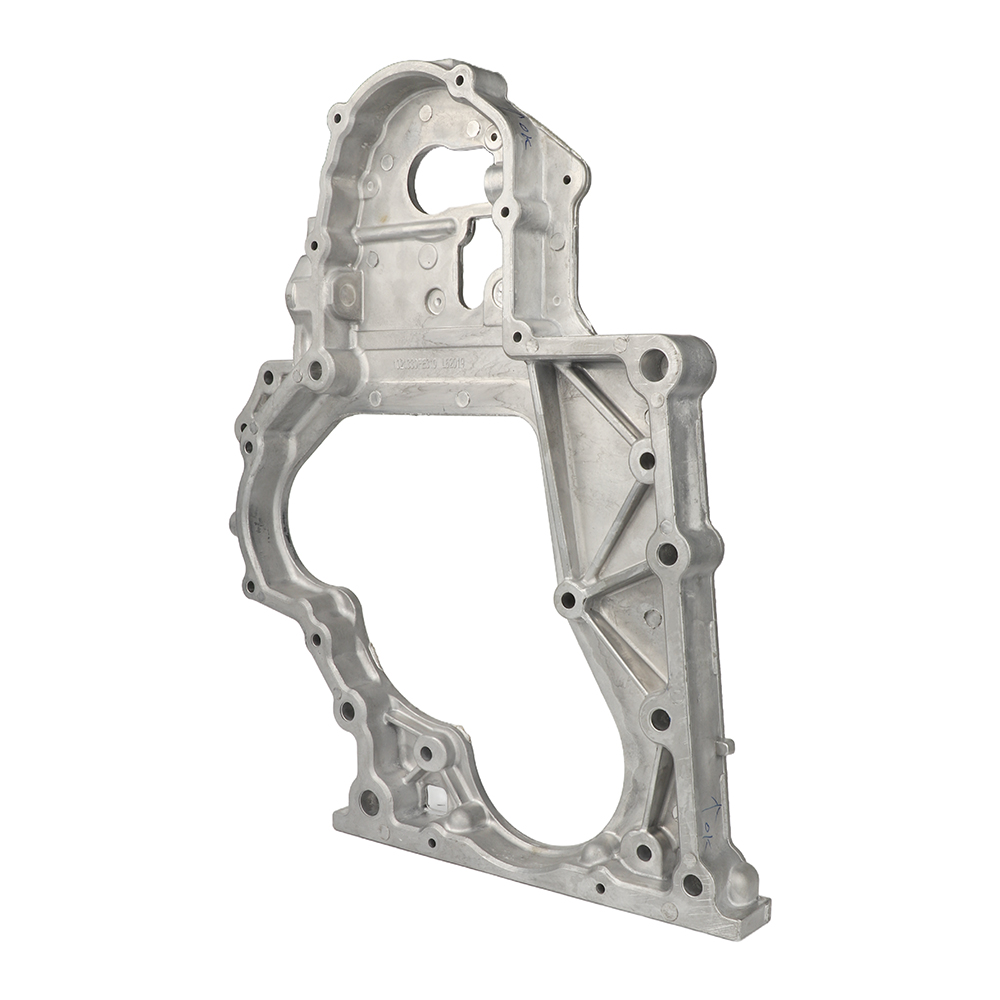
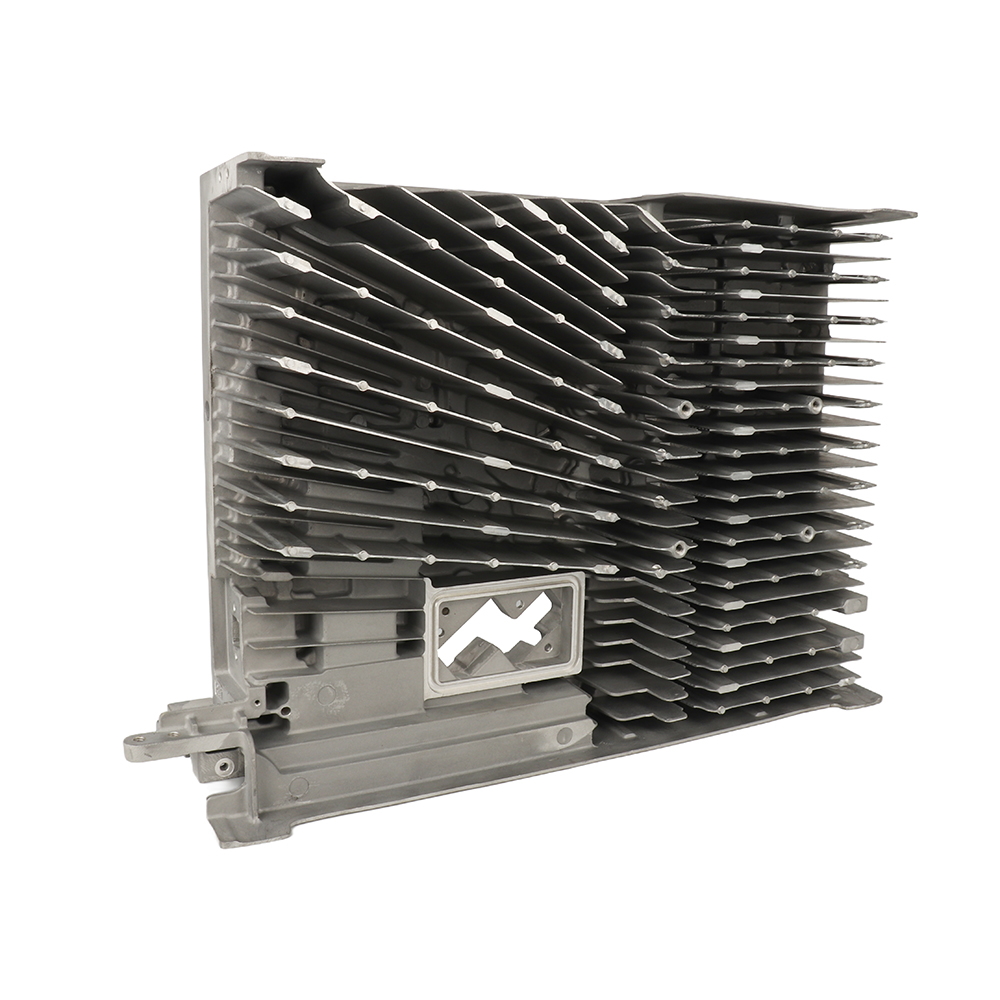
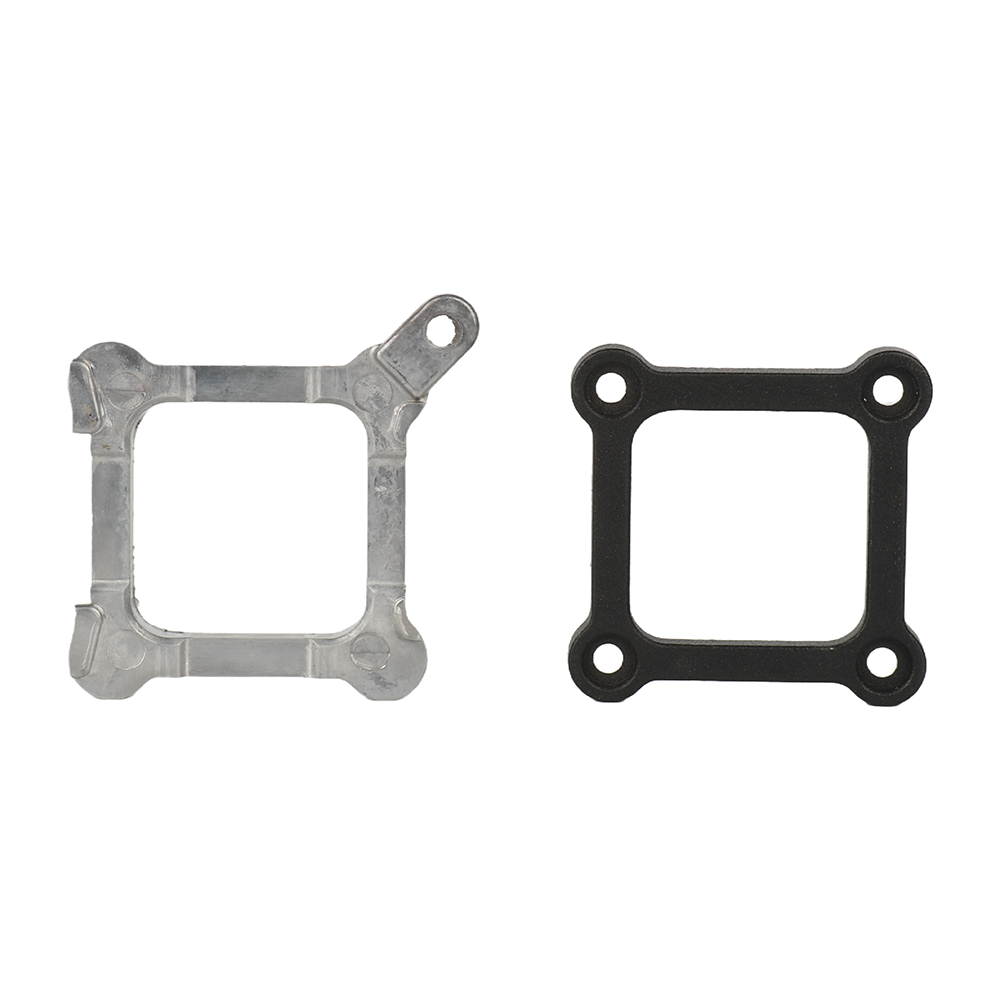
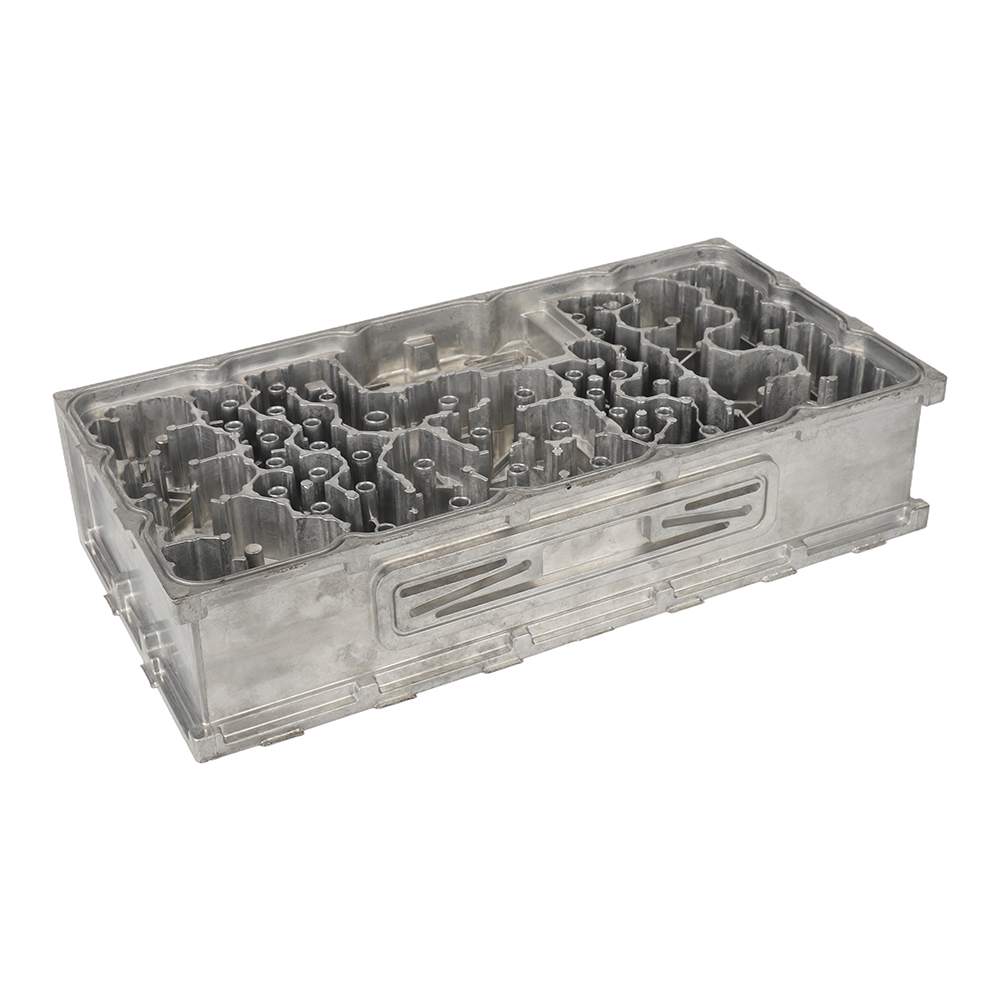
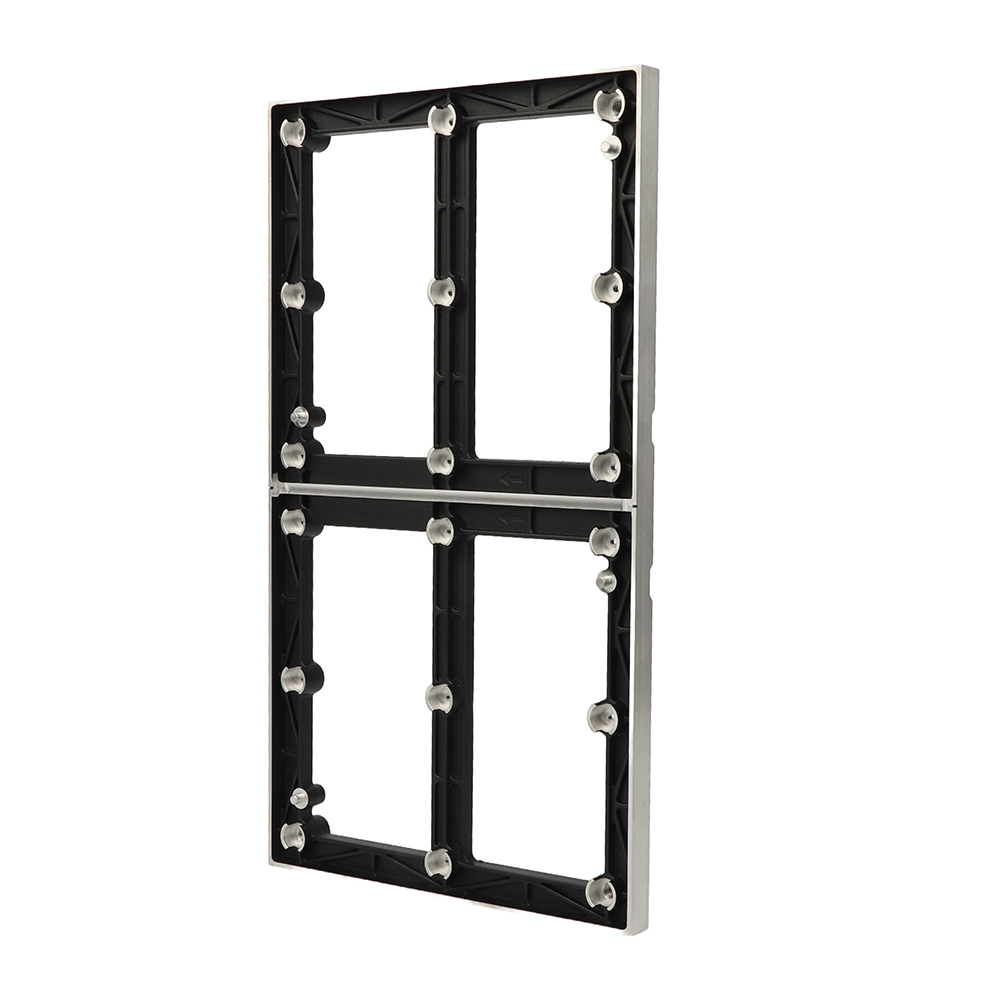
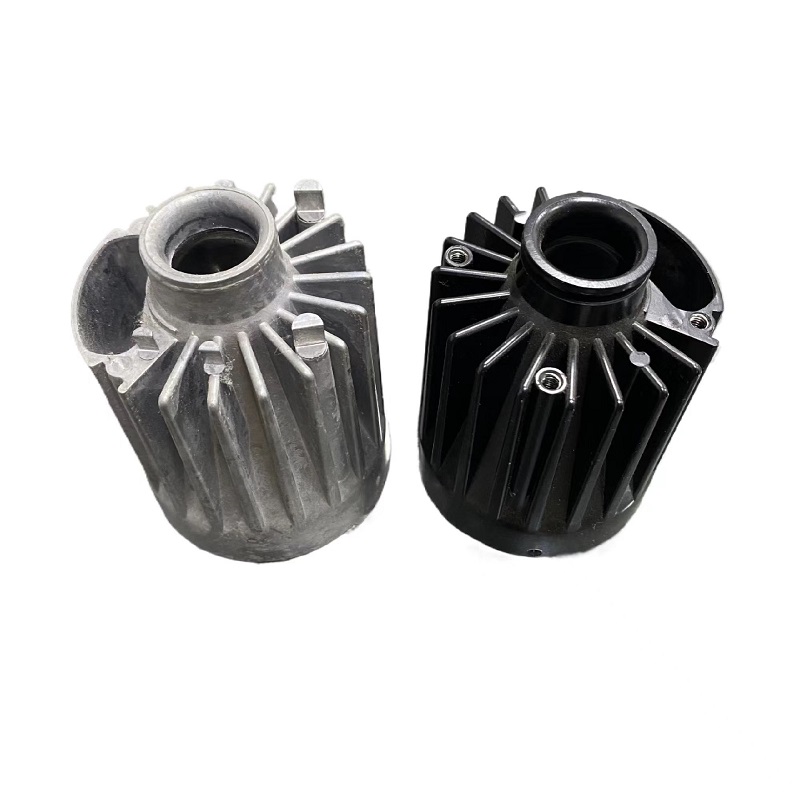
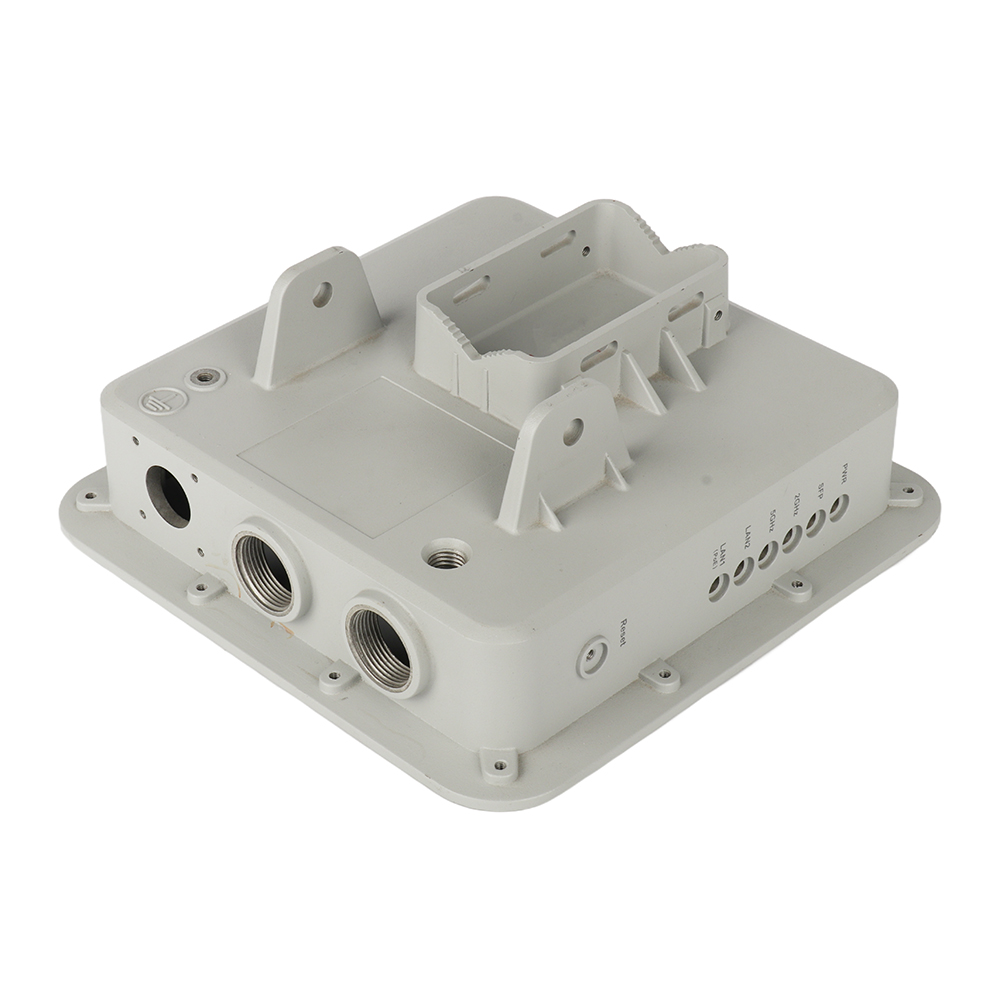
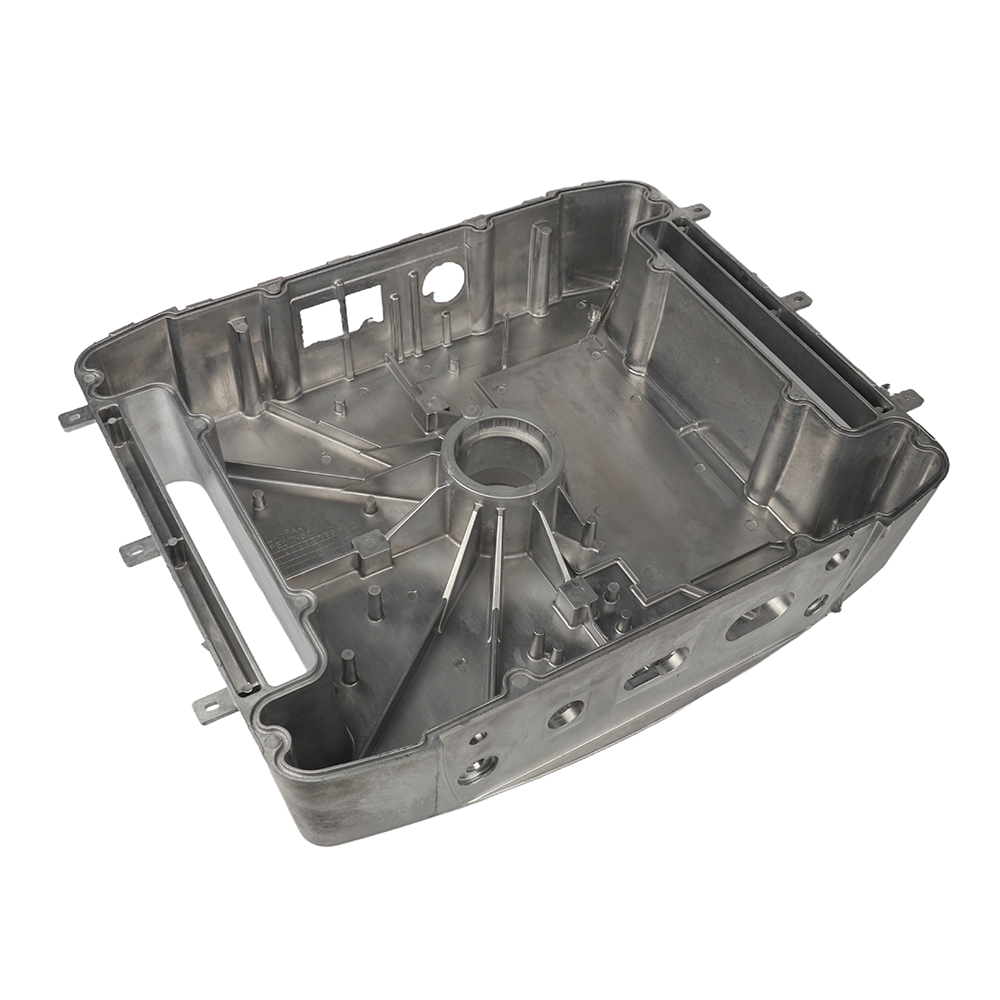
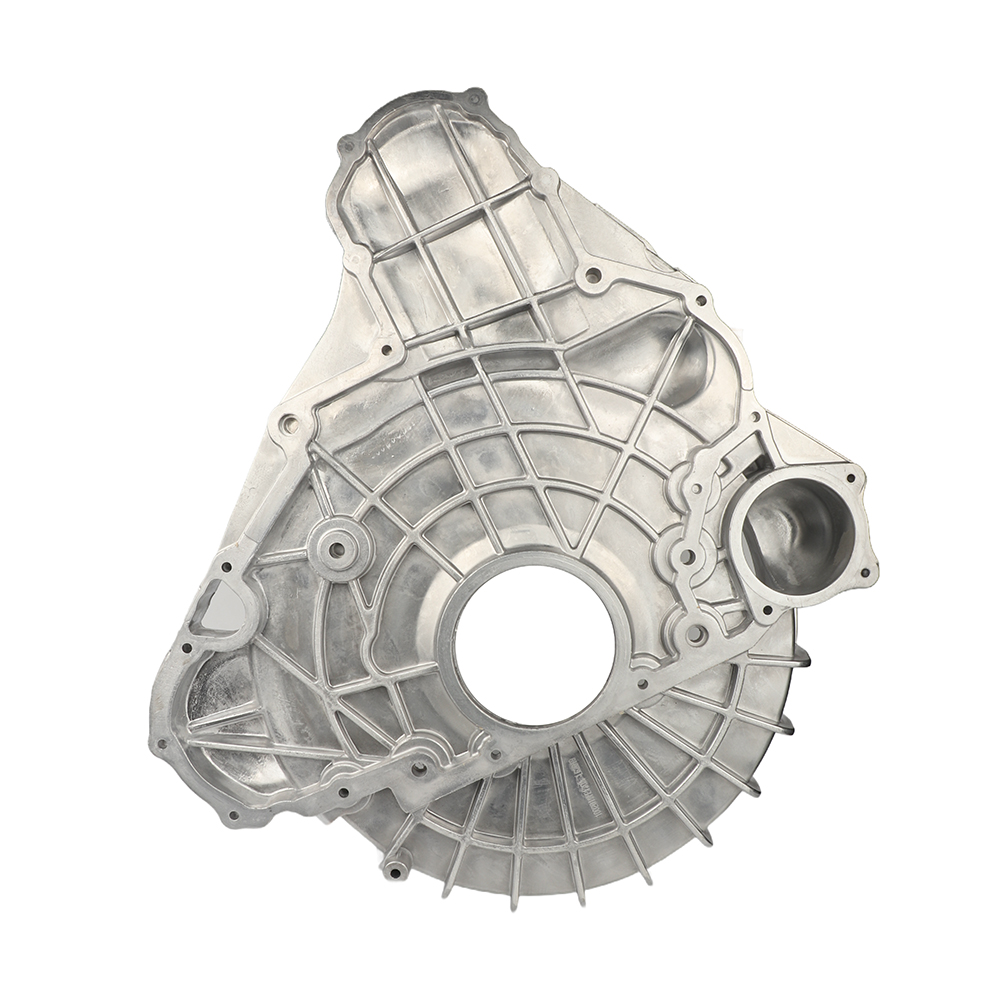
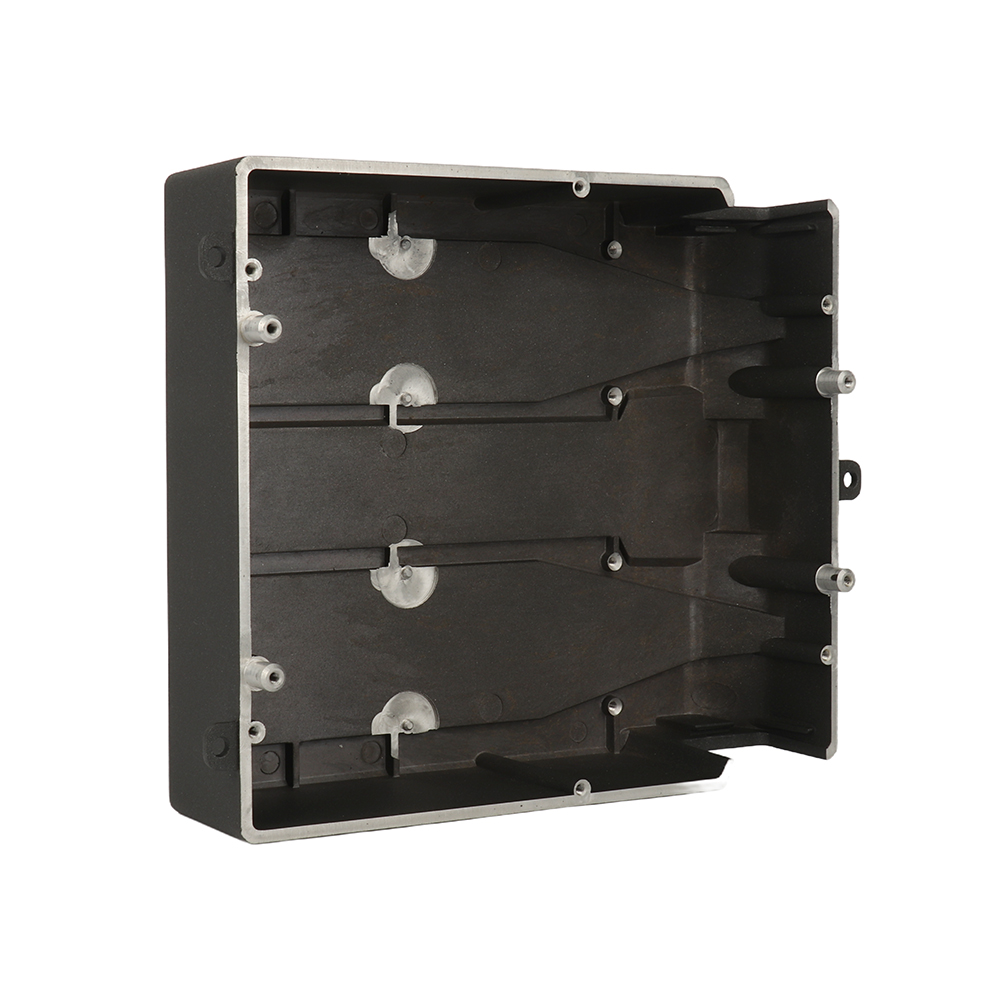
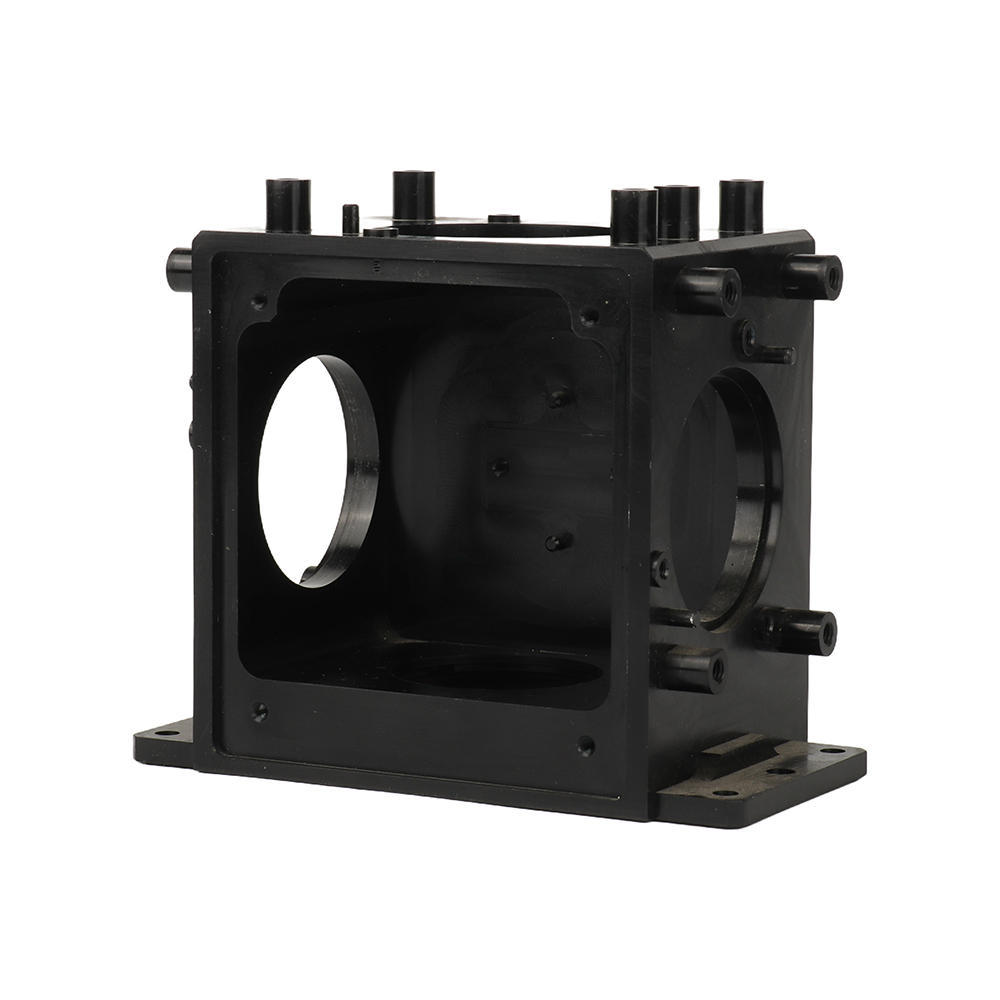
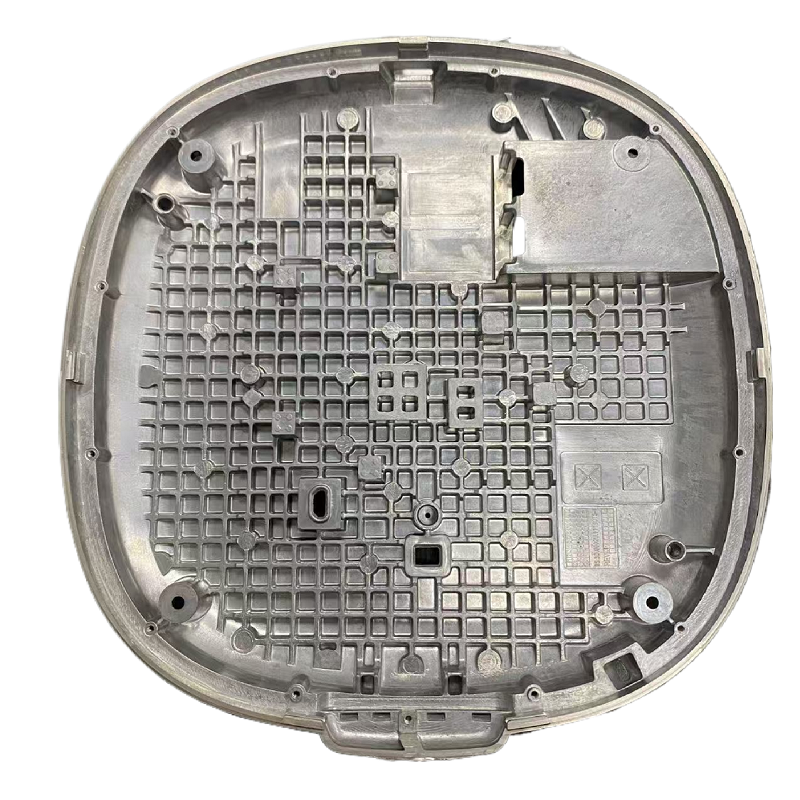
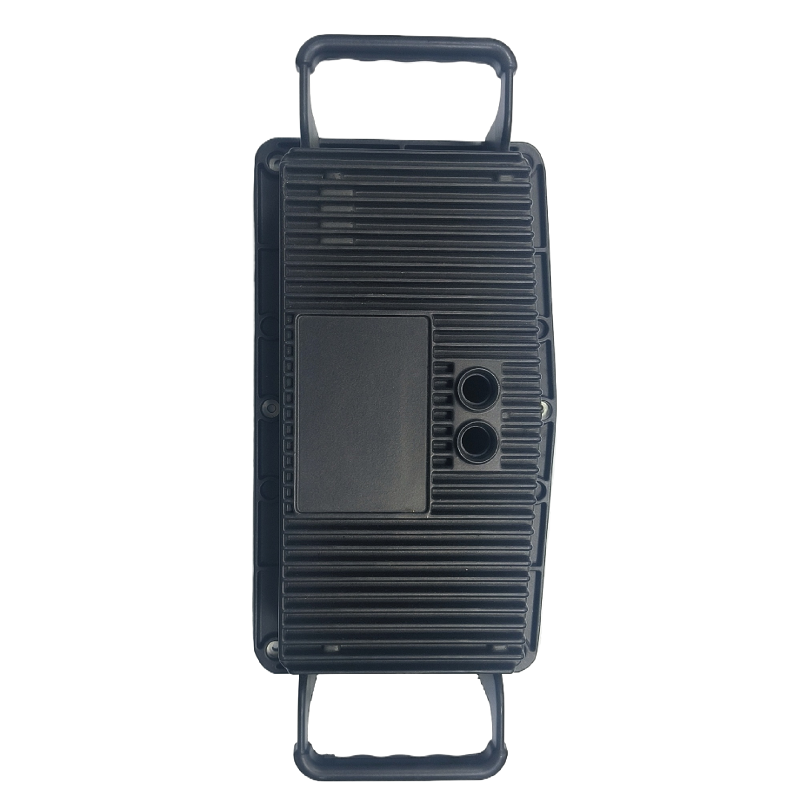
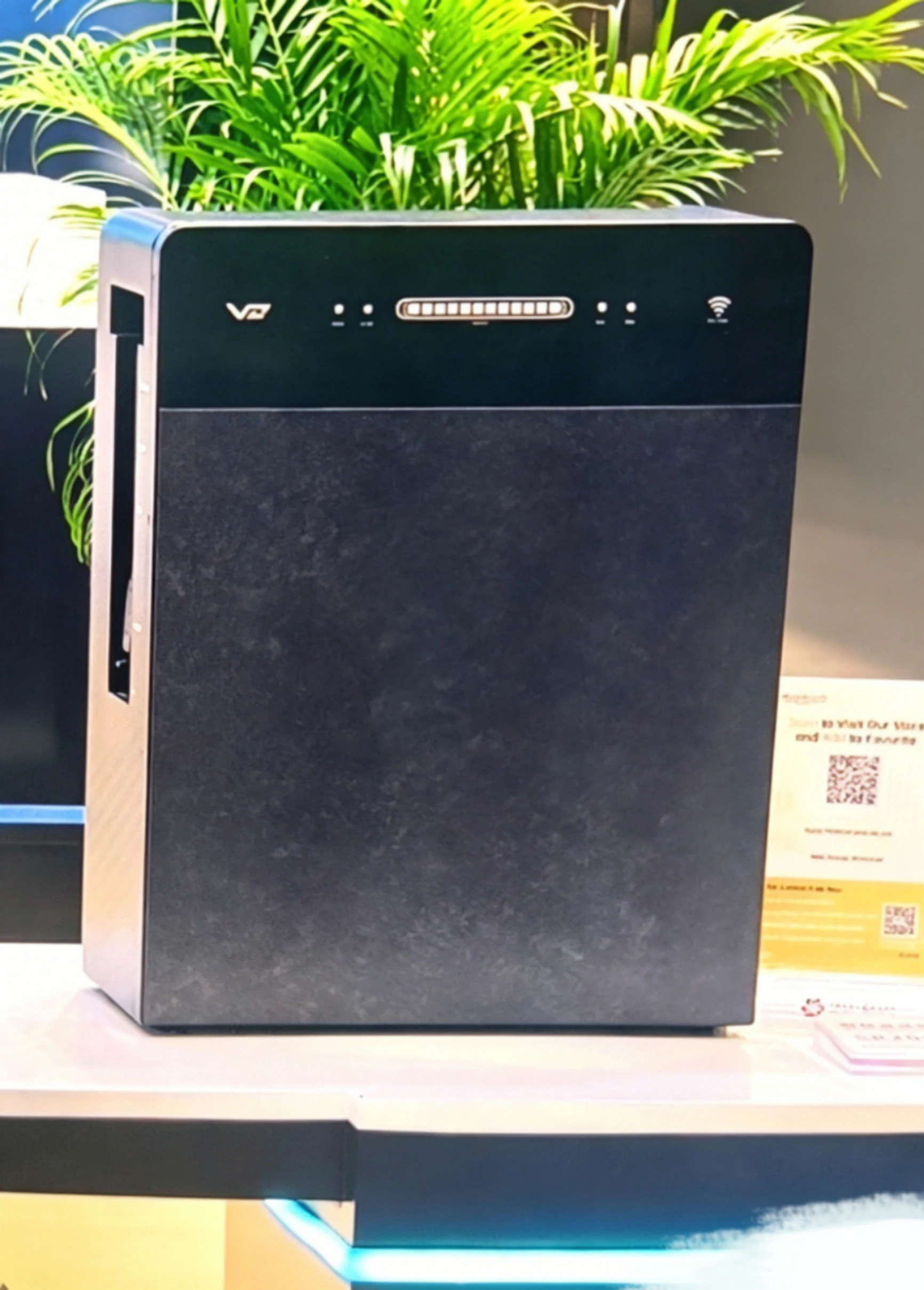
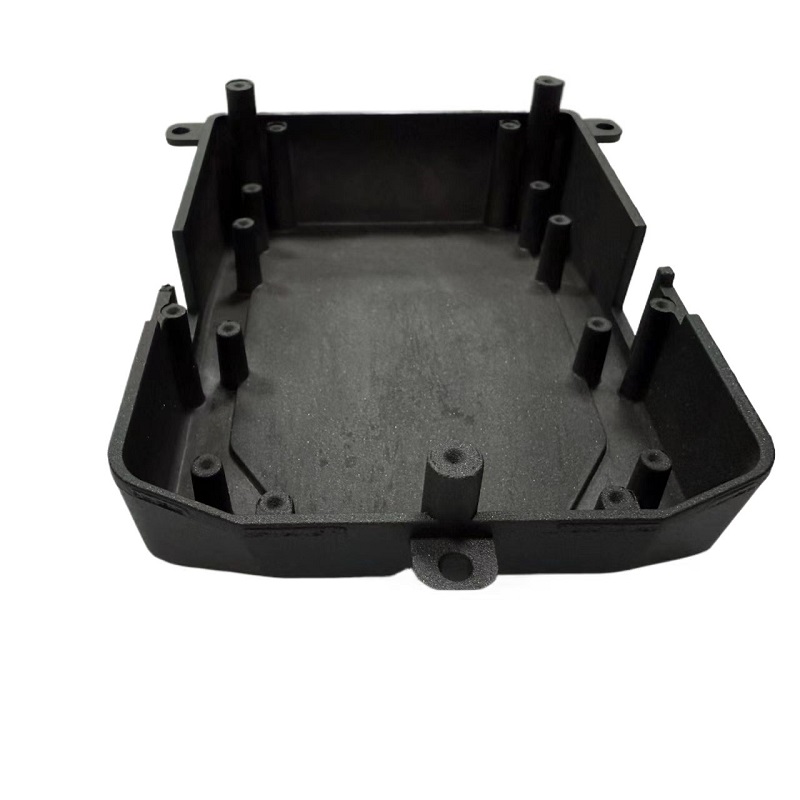
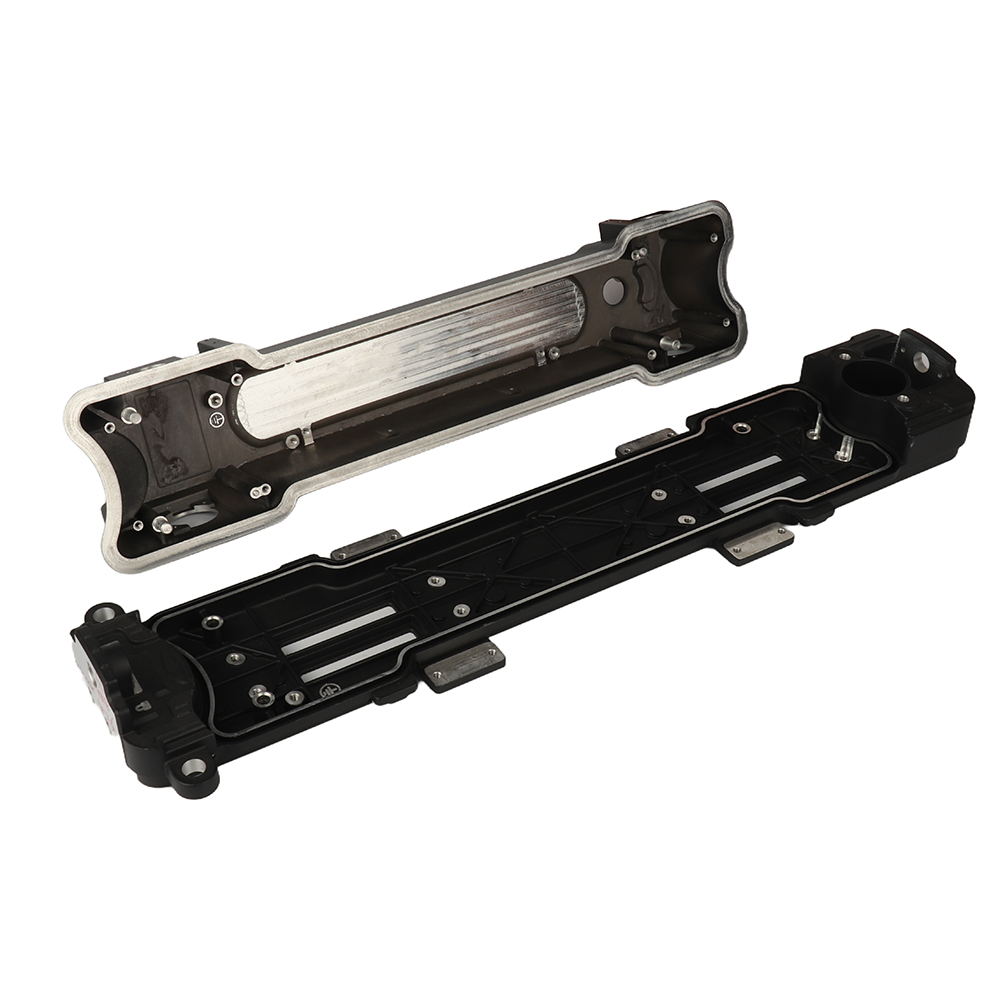
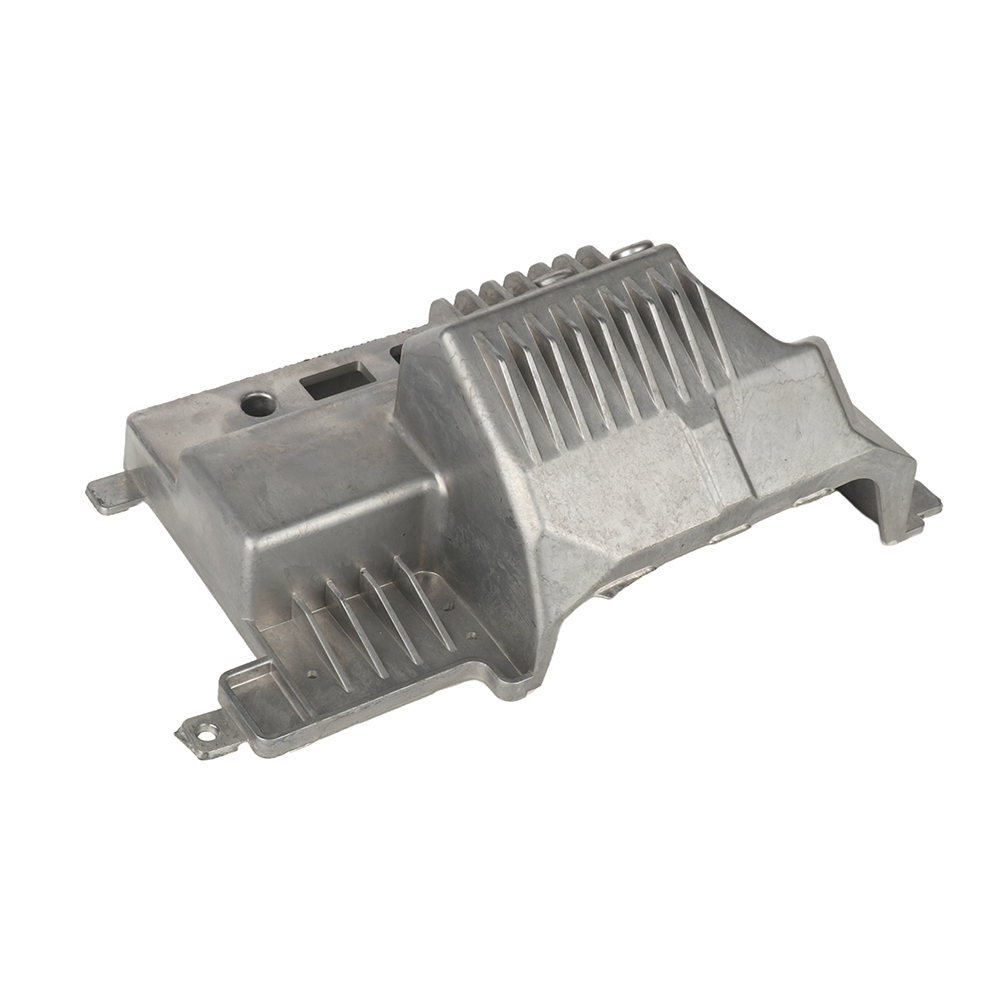
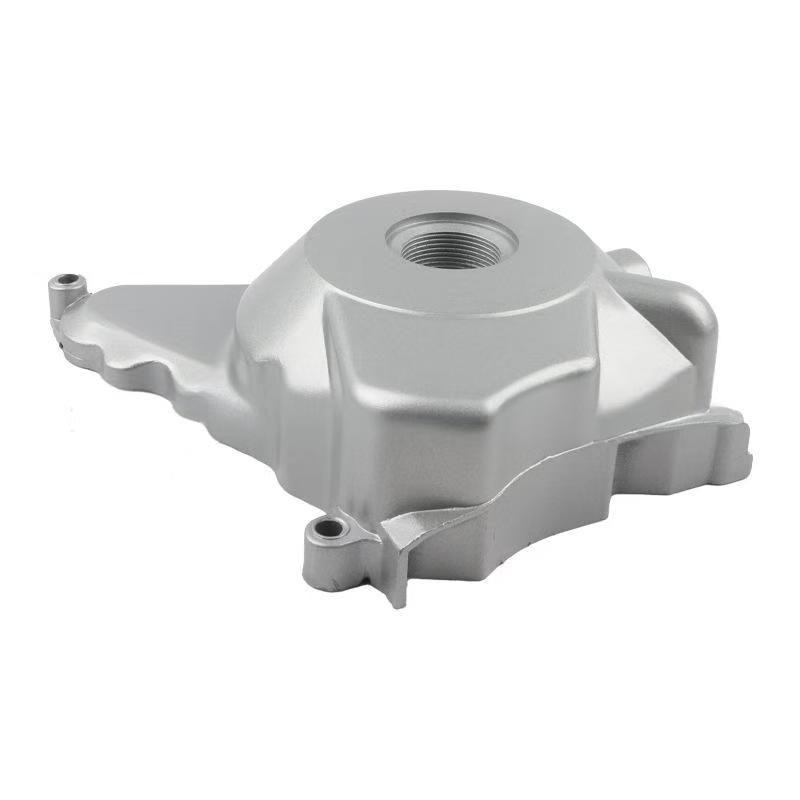
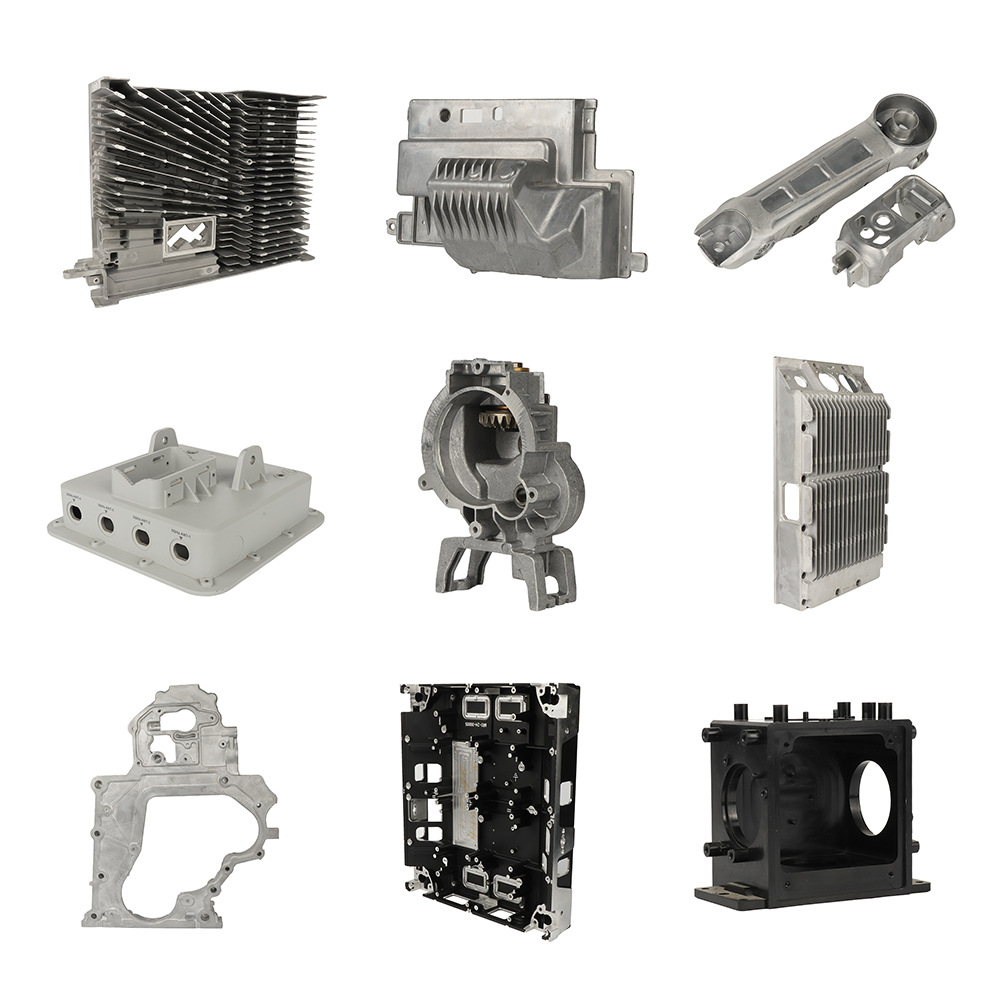
[Image: General Automotive Die-Cast Parts Display] — This picture displays mainstream automotive die-cast products, including integrated motor housings, battery trays, engine shells and chassis structural parts. These parts feature one-piece molding, reserved mounting holes, compact sealing grooves and smooth anti-corrosion surfaces. The wall thickness is controlled between 1.2mm-4mm to balance structural hardness and overall vehicle weight, perfectly adapting to complex automotive assembly requirements.
1.3 Core Application Scope
Automotive die-cast parts cover the full industrial chain of fuel vehicles and new energy vehicles. They are widely used in powertrain systems, new energy three-electric systems (motor, electric control, battery), chassis structural parts and automotive electronic accessories. Among them, new energy vehicle die-cast components have the fastest market growth rate, with integrated structural parts becoming the hottest product in the industry.
2. Main Types & Common Automotive Die Casting Products
2.1 Classification by Vehicle Application System
2.1.1 New Energy Vehicle Three-Electric System Parts
This is the most widely used die-casting product category in new energy vehicles. The mainstream products include automotive motor housing, battery pack tray, electronic control box shell and high-voltage distribution box shell. These parts require excellent thermal conductivity and air tightness to ensure stable operation of new energy power systems.
2.1.2 Fuel Vehicle Powertrain Parts
Traditional fuel vehicles rely on die-cast parts to optimize power output. Common products include engine cylinder block, cylinder head, oil pan and transmission housing. These high-strength die-cast parts resist high temperature and vibration, protecting the internal power transmission structure of the vehicle.
2.1.3 Automotive Chassis & Structural Parts
With the popularity of integrated die-casting technology, chassis parts such as shock tower, subframe and rear longitudinal beam have become mainstream products. One-piece die-cast body structural parts replace traditional welded components, effectively simplifying the vehicle structure and reducing assembly errors.
2.1.4 Automotive Electronic & Decorative Parts
This category includes automotive sensor shells, cooling system accessories and interior metal decorative parts. These small die-cast parts feature high dimensional accuracy, meeting the precision assembly requirements of automotive intelligent electronic systems.

3. Core Functions of Automotive Die-Cast Parts in Vehicles
2.1 Mechanical Protection Function
3.1.1 Anti-Vibration & Impact Resistance
Automotive die-cast parts have dense metal internal structure and high mechanical strength. They can effectively buffer external impact and road vibration during vehicle driving, protecting internal precision components such as circuits, chips and power parts. This function greatly improves the driving safety and durability of automobiles.
3.1.2 Dustproof & Waterproof Isolation
The integrated die-casting molding minimizes shell gaps. With customized sealing structures, automotive die-cast parts can reach IP65-IP67 protection level, isolating rainwater, dust and humid air. It prevents internal metal parts from oxidation and short circuit, adapting to complex driving environments such as muddy roads and rainy days.
3.2 Efficient Heat Dissipation Function
3.2.1 Rapid Heat Conduction & Emission
Aluminum alloy die-cast parts have excellent thermal conductivity, 3 times higher than iron materials. They can quickly dissipate high heat generated by automobile engines, motors and electronic control components during operation, avoiding equipment failure caused by overheating and ensuring long-term stable driving of vehicles.
3.3 Electromagnetic Shielding Function
3.3.1 Anti-Electromagnetic Interference
The metal alloy structure forms a reliable electromagnetic shielding layer. It isolates external electromagnetic wave interference and prevents internal electronic signal leakage, ensuring the accurate operation of automotive intelligent sensing systems, positioning systems and communication modules.
3.4 Lightweight Optimization Function
3.4.1 Vehicle Weight Reduction
Die-cast aluminum parts have low density, which can reduce the overall weight of the vehicle by 15%-30% compared with traditional iron parts. Lighter vehicle body effectively reduces fuel consumption of fuel vehicles and increases the cruising range of new energy electric vehicles by about 6%.
4. Key Benefits of Automotive Die Casting Components
4.1 Lightweight & High Structural Strength
The density of mainstream aluminum alloy raw materials is only 2.7g/cm³. High-pressure die-casting process makes the internal structure compact, realizing lightweight and high rigidity. It effectively reduces vehicle body load while ensuring bearing capacity, which is the core advantage of modern automotive lightweight manufacturing.
4.2 Excellent Corrosion & Rust Resistance
After anodizing, sandblasting and electrophoretic surface treatment, automotive die-cast parts form a dense protective film. They can resist high salt spray, high humidity and temperature changes, avoiding aging, rust and deformation, and extending the service life of auto parts to more than 10 years.
4.3 High Dimensional Accuracy & Customization
The die-casting process realizes precise one-time molding, with product dimensional tolerance controlled within ±0.02mm. It supports personalized customization of irregular shapes, special-shaped grooves and hole positions, meeting the customized production needs of different models and brand automobiles.
4.4 High Cost-Effectiveness for Mass Production
Although the initial mold investment is moderate, the die-casting process supports rapid automated mass production with low single-piece production cost. Integrated molding reduces assembly processes and labor costs, helping automobile manufacturers optimize the overall production budget.
5. Common Material Grades for Automotive Die Casting
5.1 Mainstream Aluminum Alloy Materials
The most widely used materials for automotive die-cast parts are A380, ALSi9Cu3 and A356. A380 has balanced heat dissipation and mechanical strength, suitable for motor housings and electronic control shells; ALSi9Cu3 is used for high-precision chassis structural parts with strict tolerance requirements; A356 features high toughness, ideal for automobile bearing components.
6. Professional Expert Opinion on Automotive Die Casting Industry
By Michael Zhang, Senior Automotive Metal Processing Engineer of Global Auto Parts Research Institute: "In 2026, automotive die casting has become an indispensable core technology in the global automobile manufacturing industry. Driven by new energy vehicles, the industry is accelerating the transformation to integrated die-casting and thin-wall precision manufacturing. Traditional scattered parts will be gradually replaced by one-piece molded components. Automobile manufacturers should prioritize suppliers with vacuum die-casting technology and complete quality inspection systems to ensure product stability. In addition, low-carbon and environmentally friendly die-casting materials will become the mainstream development direction of the industry in the next five years."
Experts suggest that auto parts purchasers should not only focus on product price and appearance. It is necessary to strictly check material composition, dimensional tolerance, surface treatment process and factory detection standards. For new energy vehicle three-electric system parts, it is recommended to select products with IP67 protection level and high temperature resistance certification.
7. FAQs About Automotive Die-Cast Parts
Q1: What are the differences between aluminum die-cast parts and plastic auto parts?
A1: Aluminum automotive die-cast parts have higher mechanical strength, better heat dissipation and electromagnetic shielding performance. They are resistant to high temperature, compression and corrosion, with a service life 5-8 times longer than plastic parts. Plastic parts are low-cost but poor in environmental adaptability, only suitable for non-core decorative auxiliary parts.
Q2: What protection level can standard automotive die-cast parts reach?
A2: Conventional automotive die-cast parts can stably reach IP65 protection level. After optimized sealing groove design and waterproof gasket assembly, key parts such as battery trays and motor shells can reach IP67 protection, adapting to extreme driving environments.
Q3: Can automotive die-cast parts support personalized customization?
A3: Yes. Professional manufacturers support one-stop customization including shape, size, hole position, surface color and laser marking. The sample customization cycle is 7-15 working days, and mass production can be carried out after sample confirmation.
Q4: How to judge the quality of automotive die-cast parts?
A4: High-quality products have smooth surfaces without burrs, pores and cracks, with accurate hole position tolerance and uniform oxidation coating. It is necessary to check factory qualification, spectral analysis report and pressure resistance test report before bulk purchasing.
Q5: What is the mass production delivery cycle of customized die-cast parts?
A5: The sample production cycle is 3-7 working days, and the mass production delivery cycle is 15-30 working days. Professional high-strength suppliers can provide priority delivery services for urgent orders to meet customers' production schedules.
8. 2026 Industry Trends & Supplier Selection Tips
8.1 2026 Latest Automotive Die Casting Industry Trends
8.1.1 Integrated & Ultra-Thin Wall Upgrading
Driven by new energy vehicles, the industry is moving towards large-scale integrated die-casting, ultra-thin wall precision and green low-carbon. More than 6000T super-large die-casting machines are widely used to integrate dozens of scattered parts into one piece, reducing vehicle weight and assembly costs. Vacuum die-casting technology effectively reduces product internal pores and improves yield.
8.1.2 Market Demand Trends
The market demand for high-end automotive die-cast parts continues to expand. The demand for new energy vehicle three-electric system parts and integrated body structural parts grows the fastest. At the same time, the industry has raised higher requirements for supplier environmental protection production capacity and product consistency.
8.2 Core Standards for Selecting High-Quality Hardware Processing Suppliers
Firstly, verify the supplier's production equipment (high-pressure die-casting machine, automatic polishing equipment) and quality inspection system (X-ray flaw detection, spectral analysis). Secondly, check industry certification and cooperative brand cases. Finally, evaluate after-sales service and delivery stability to avoid small factories with unstable quality.
9. Conclusion & Reliable Supplier Recommendation
9.1 Industry Summary & Development Outlook
To sum up, automotive die-cast parts have core functions such as mechanical protection, heat dissipation, electromagnetic shielding and lightweight optimization. With the advantages of high strength, corrosion resistance, high precision and low production cost, they have become indispensable components in modern automobiles. In 2026 and the next few years, the automotive die casting industry will continue to develop towards integration, intelligence and low carbon, and high-quality customized die-cast parts will occupy the mainstream market share.
9.2 High-Quality Supplier Recommendation: Xinghang Precision Hardware
Xinghang Precision Hardware is a professional manufacturer focusing on automotive die-cast parts processing and customization, with more than 10 years of industrial hardware production experience. The factory is equipped with advanced high-pressure die-casting machines, automatic processing equipment and professional quality inspection laboratories. We strictly control the product tolerance within ±0.02mm, and provide IP65/IP67 high-protection automotive die-cast parts.
Our products cover new energy vehicle three-electric parts, chassis structural parts and automotive electronic shells, which are widely exported to Europe, Southeast Asia and other global regions. Adhering to the principle of high quality and competitive price, we provide one-stop services including mold development, die-casting production, surface treatment and finished product packaging.
Mobile/WeChat: +86 18819502691
Email: liqine@xinghangcn.com
Email: liqine@xinghangcn.com
Welcome global customers to consult product samples, customize automotive die-cast parts and negotiate long-term cooperation. We also support factory inspection at any time.
High pressure casting | What is high pressure casting? Ultimate Guide to High-Pressure Aluminum Die Casting
Die cast aluminum housing | What is the Function of the Die-Cast Housing? Complete Guide to Die Cast Aluminum Housing
Related Article
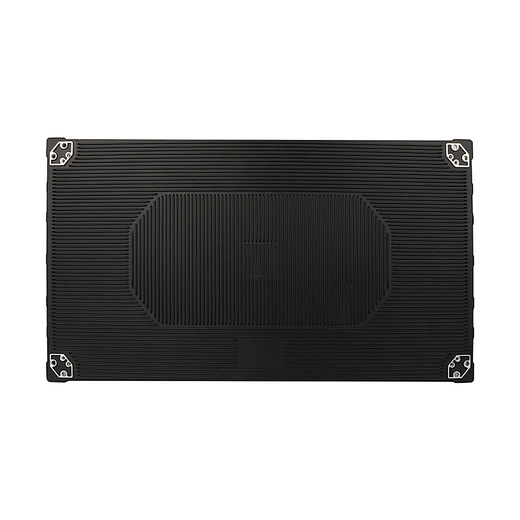
A die-cast aluminum LED cabinet is a high-precision, durable industrial enclosure specially designed for LED display screens, manufactured through high-pressure die-casting technology and secondary precision finishing.
Cast aluminum boxes | What is a die-cast aluminum LED cabinet?Ultimate Guide to ADC12 Cast Aluminum Boxes

Custom die cast parts are tailor-made precision industrial components manufactured through high-pressure die casting technology, secondary precision machining, and professional surface treatment.
Custom die cast parts | What are custom die cast parts?Complete Guide to ADC12 Aluminum Die Casting

When sourcing precision metal components for industrial, automotive, electronic, and hardware projects, the search for aluminium die casting near me is one of the most common and critical inquiries for global buyers.
Aluminium die casting near me | Where can I find a reliable aluminium die casting manufacturer near me?

Pressure die cast aluminium parts are high-precision industrial components manufactured throughhigh-pressure die casting technology, secondary precision machining and professional surface treatment processes.
Pressure die cast aluminium | Looking for high-quality pressure die cast aluminium parts for your project?