HOT PRODUCTS
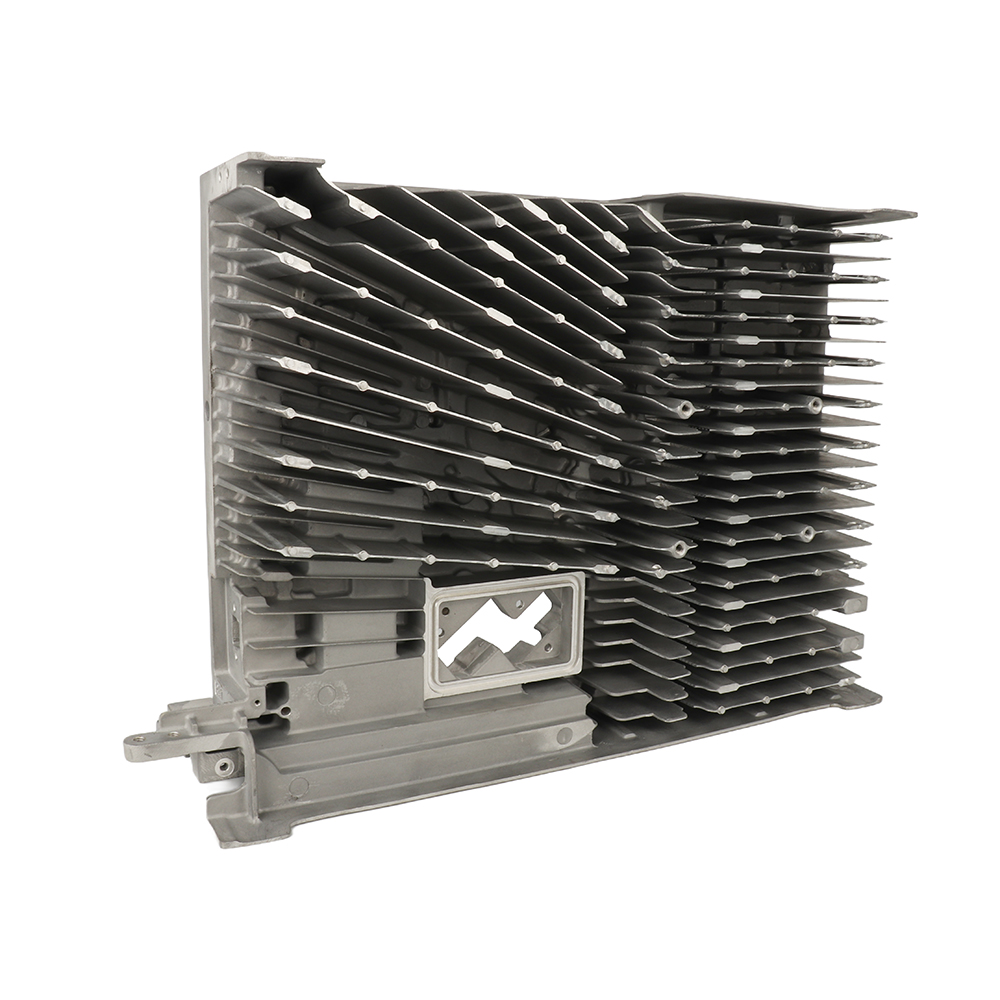
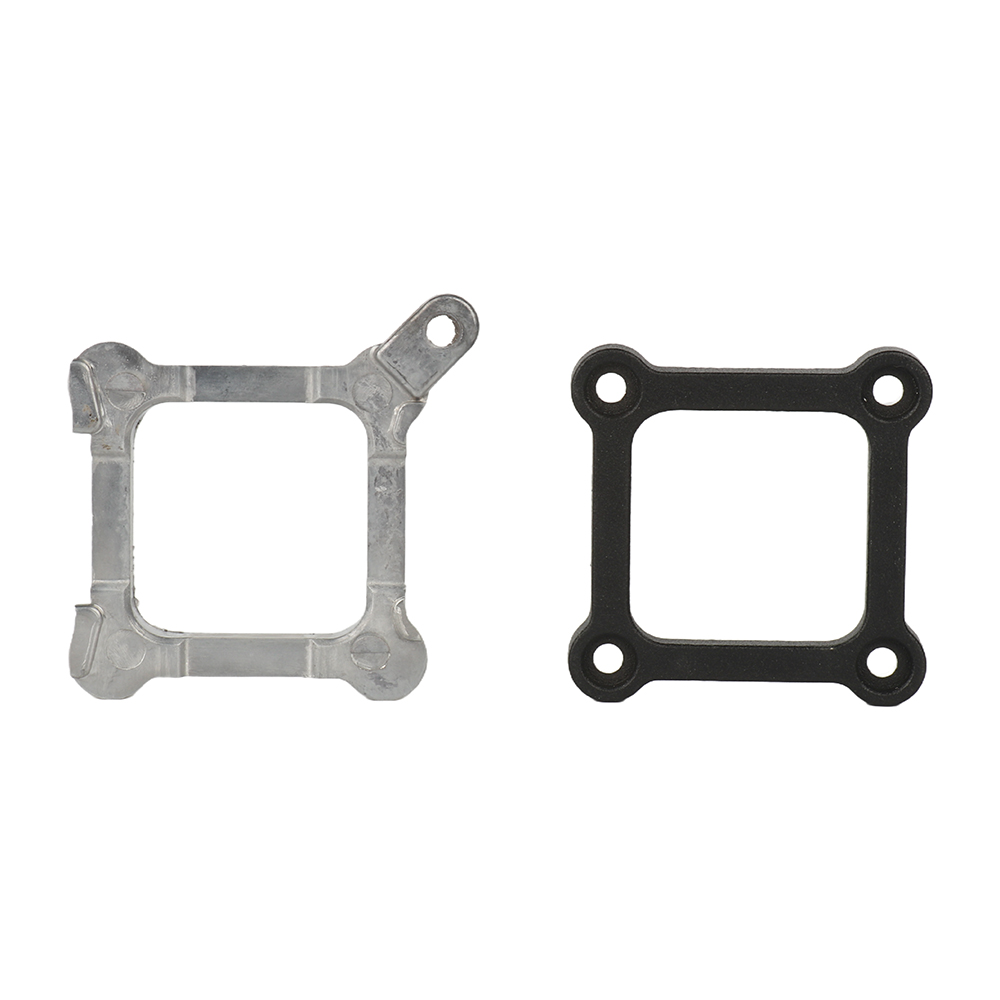
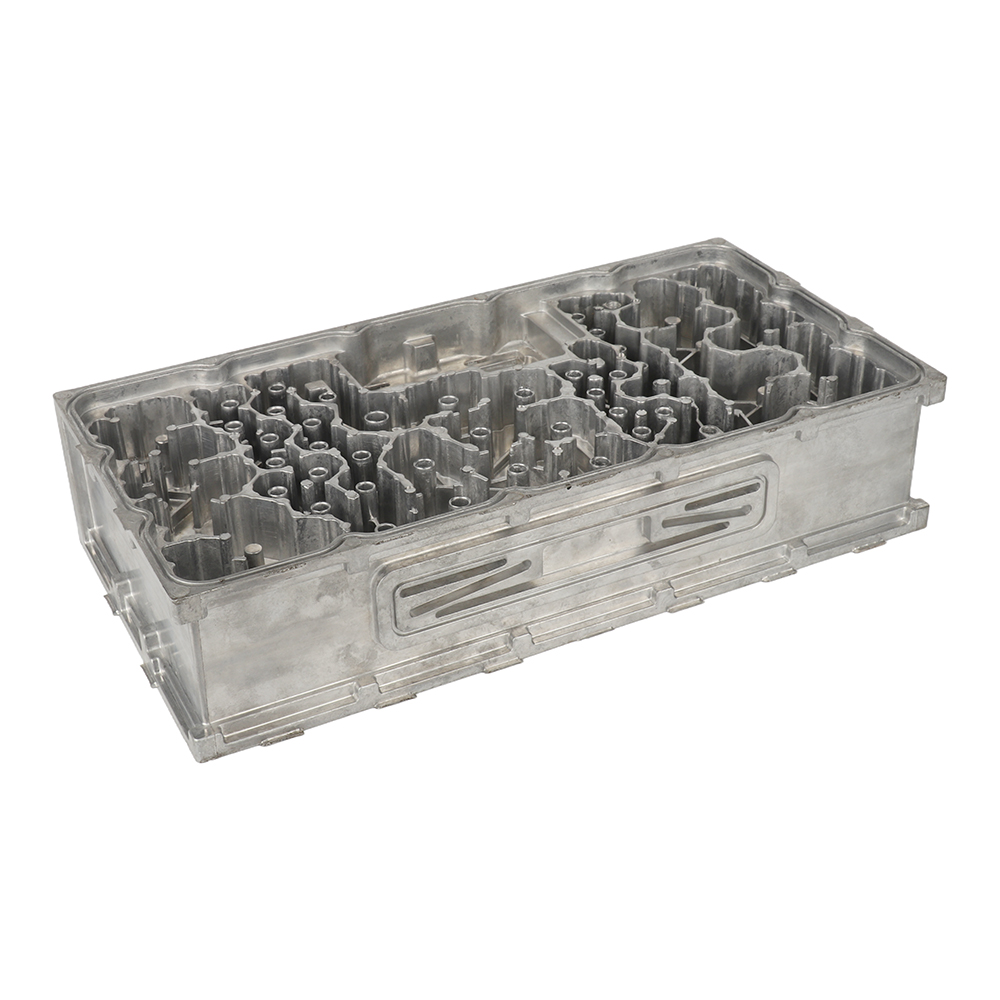
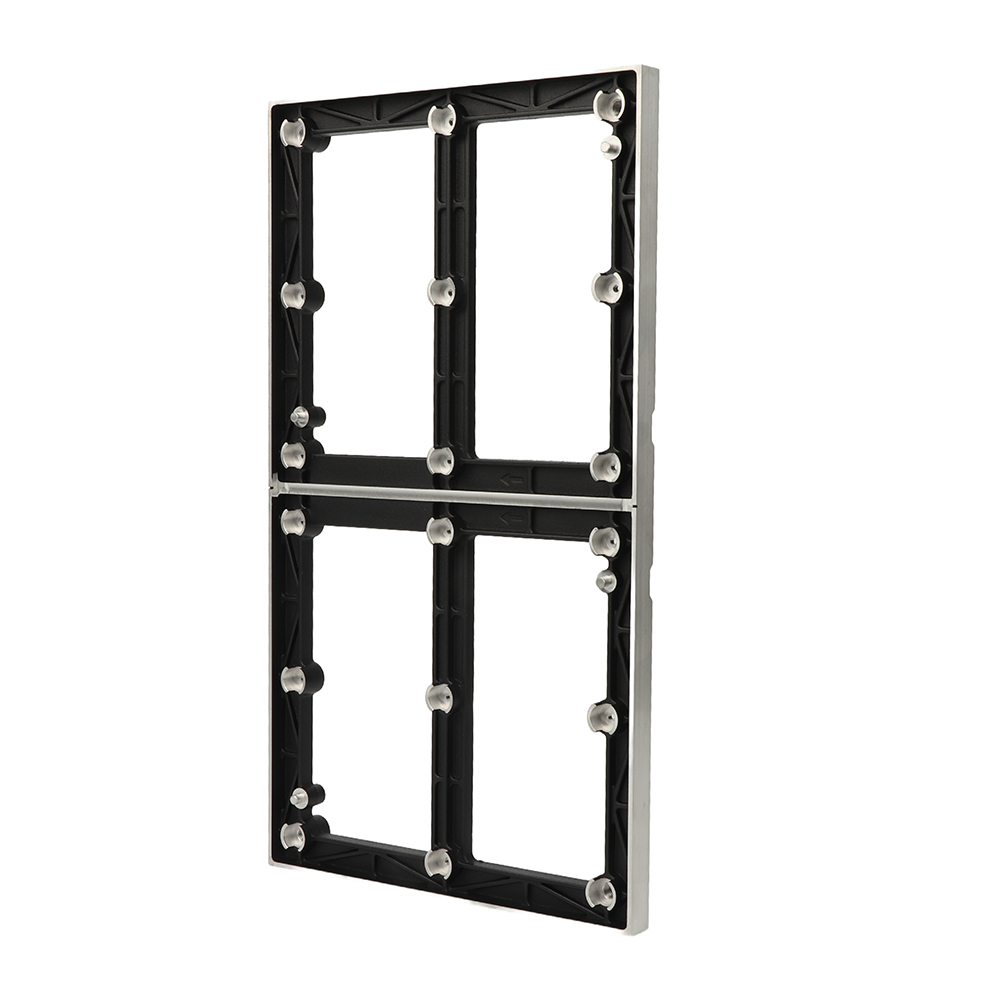
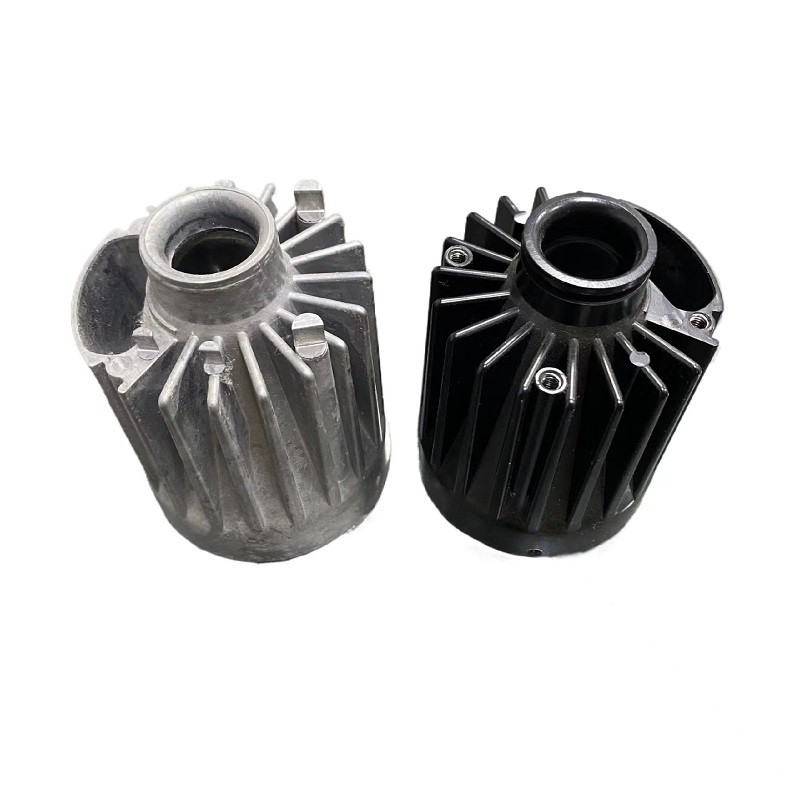
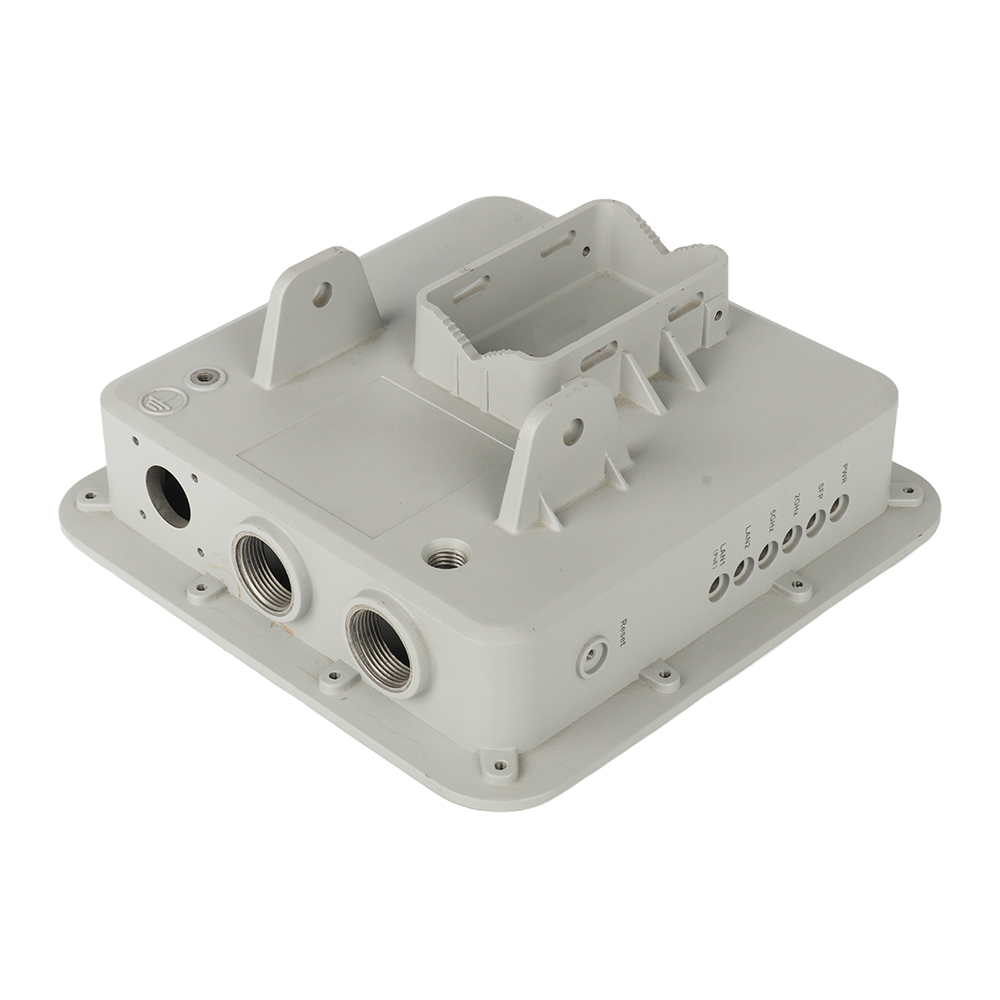
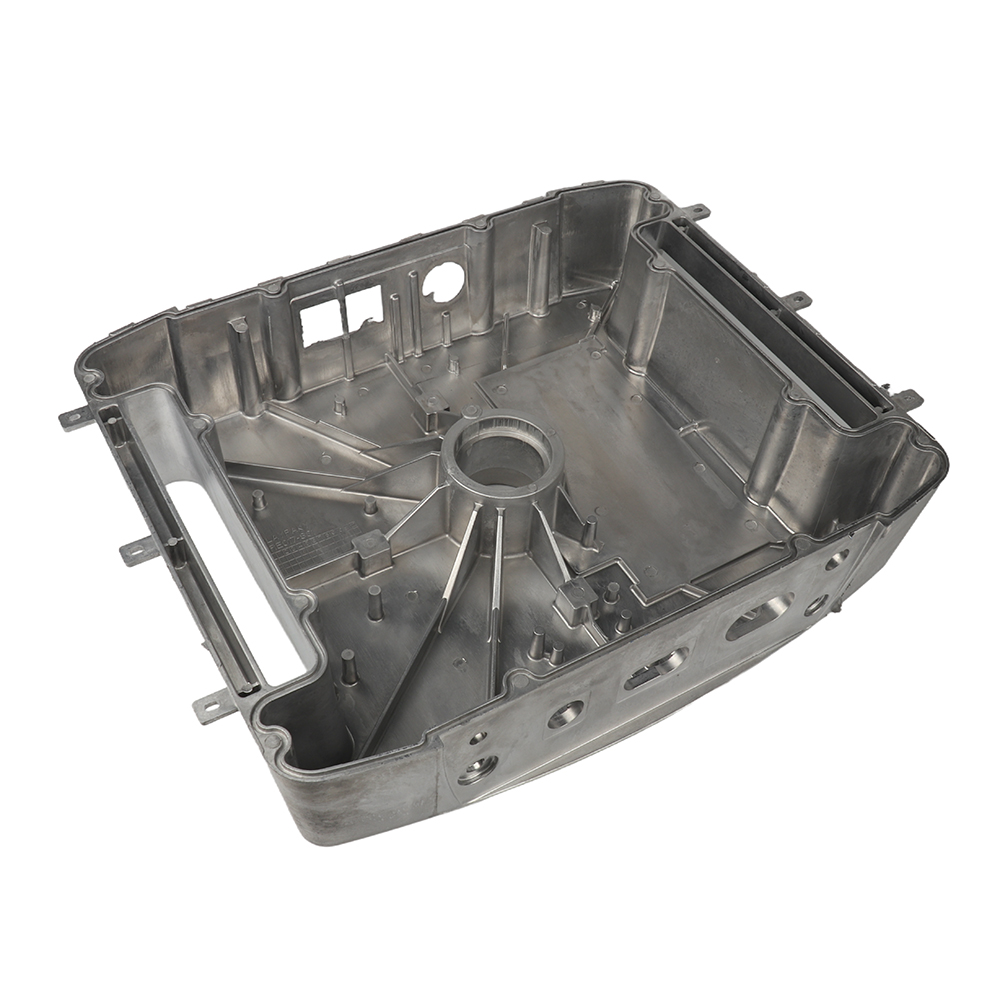
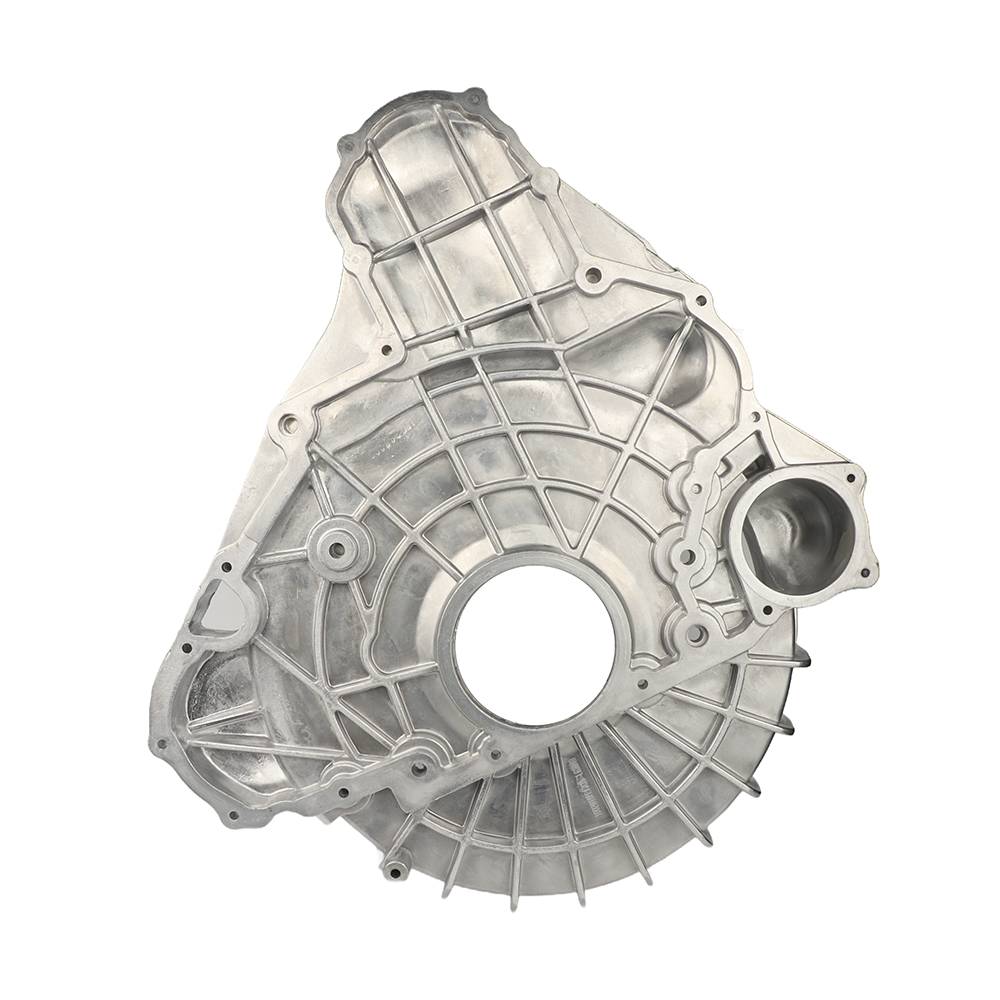
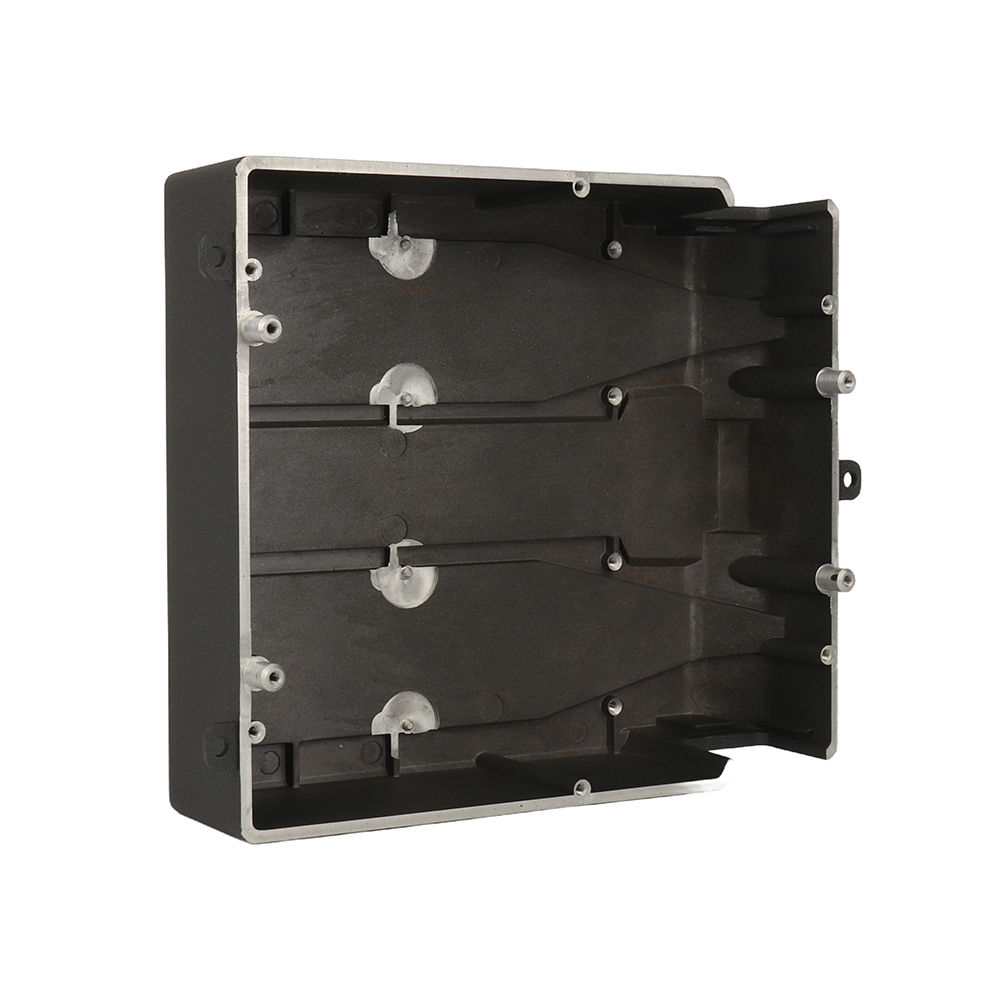
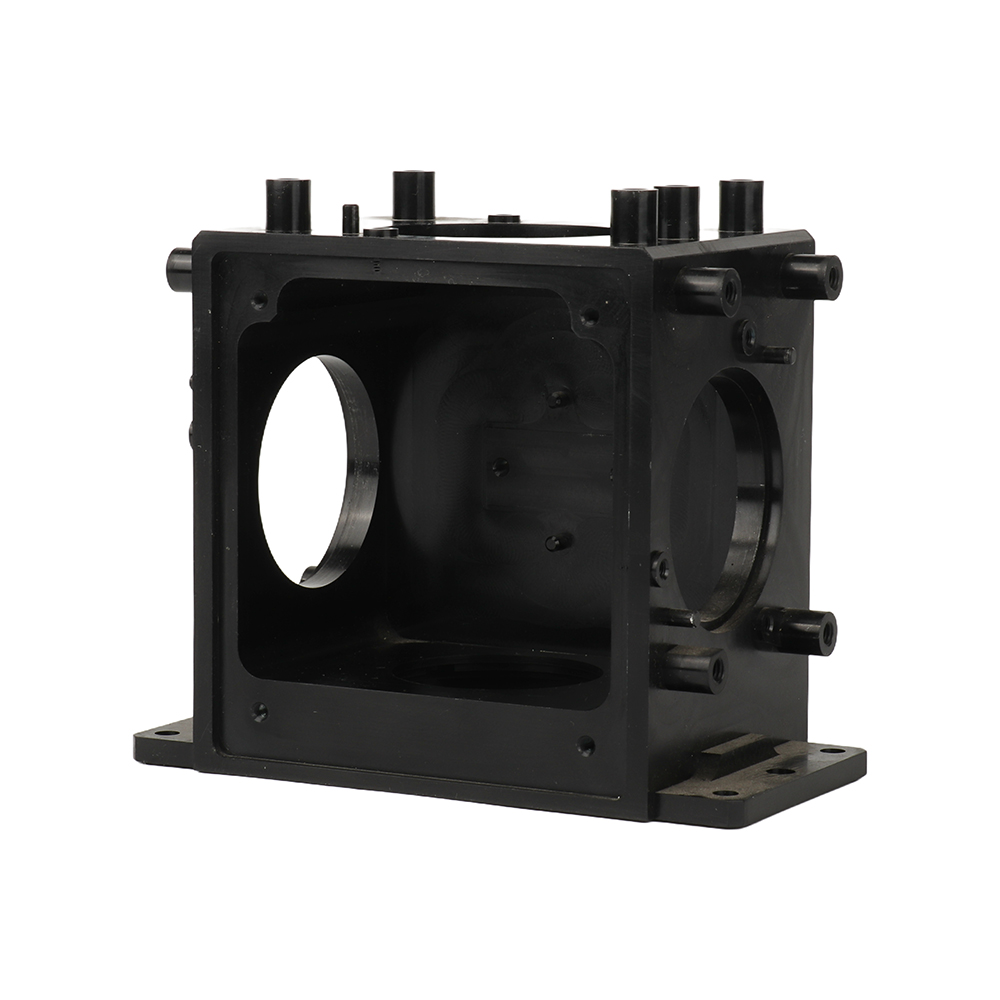
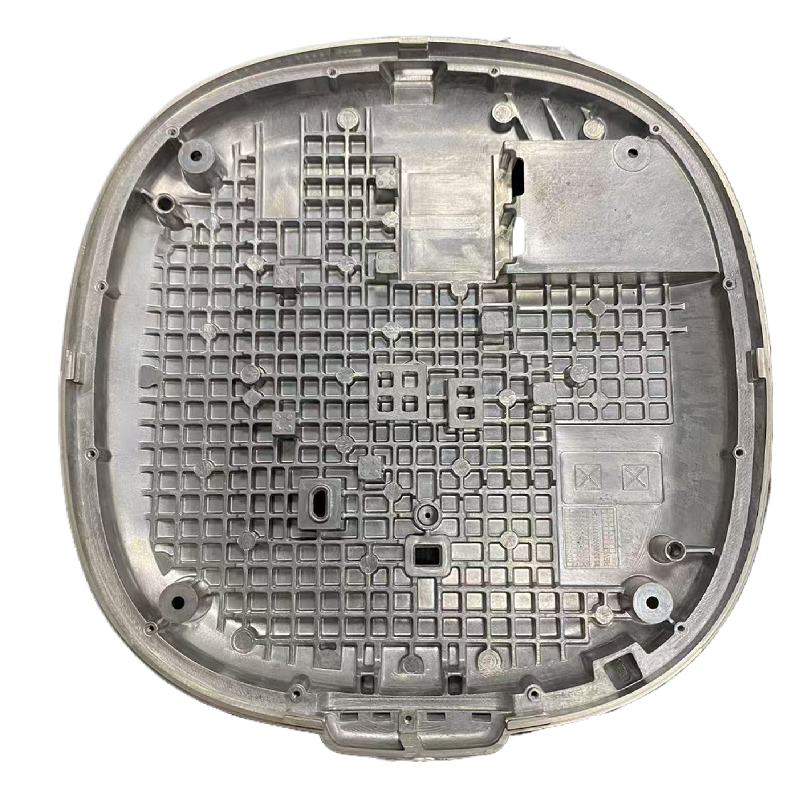
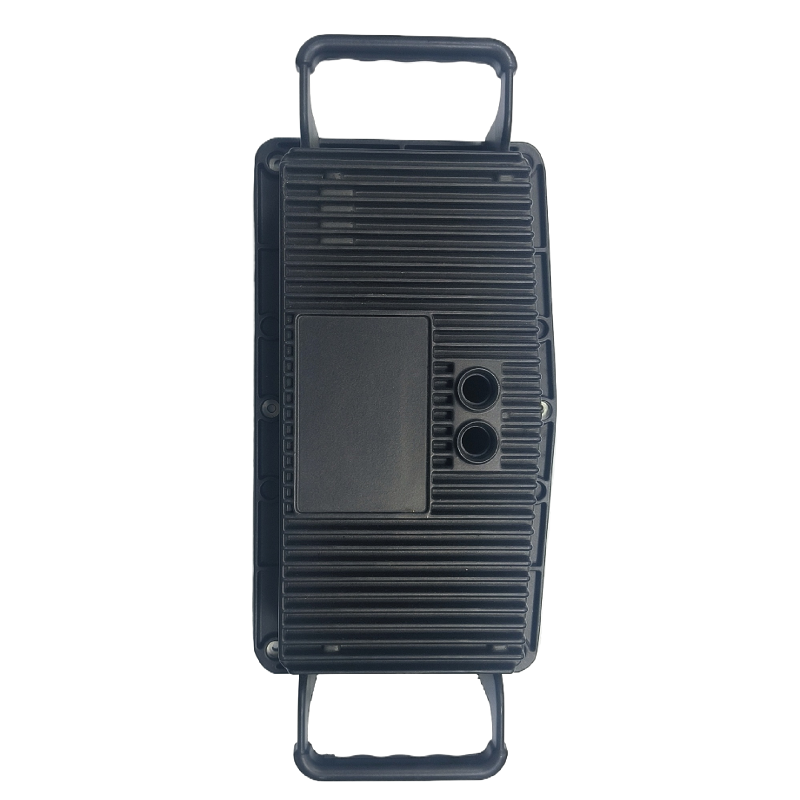
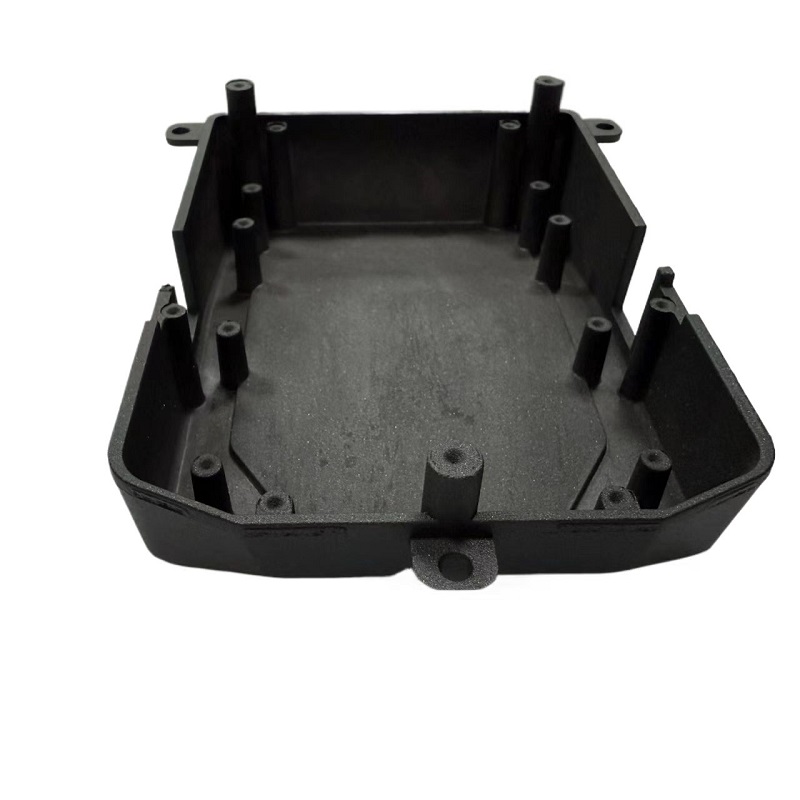
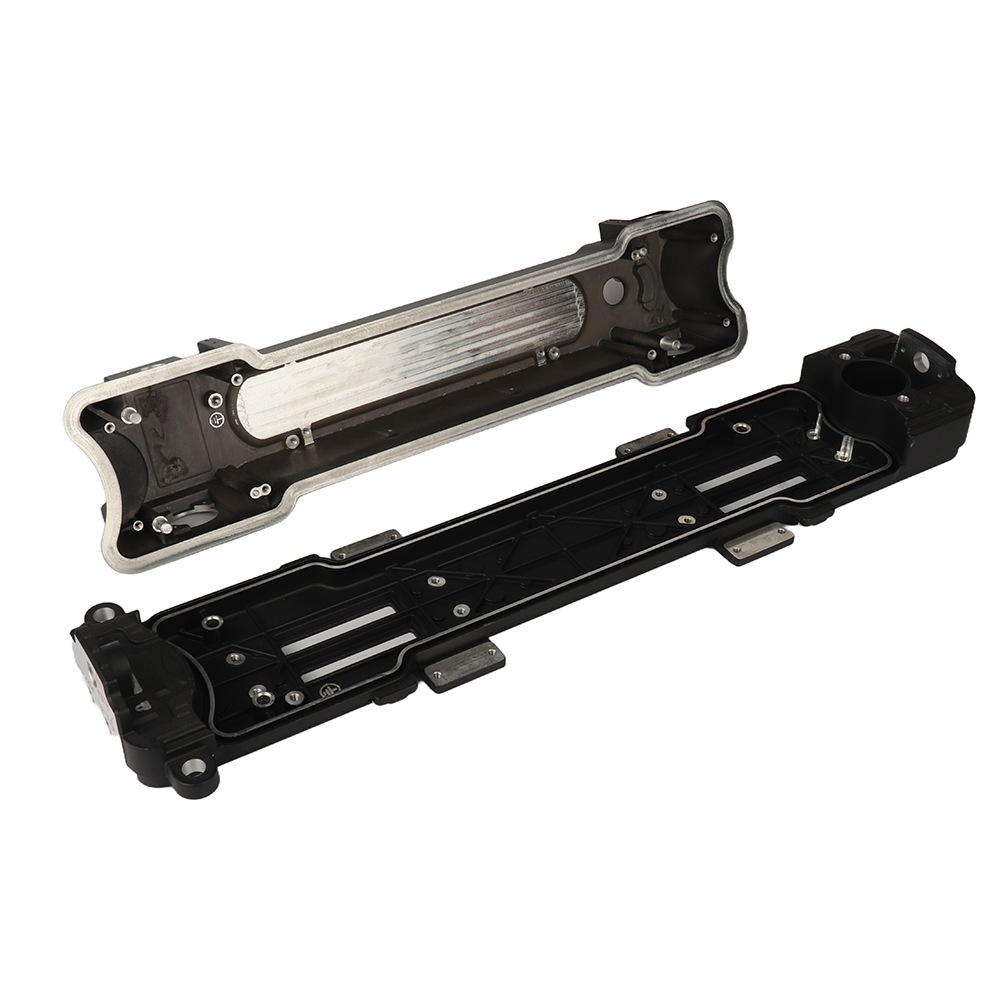
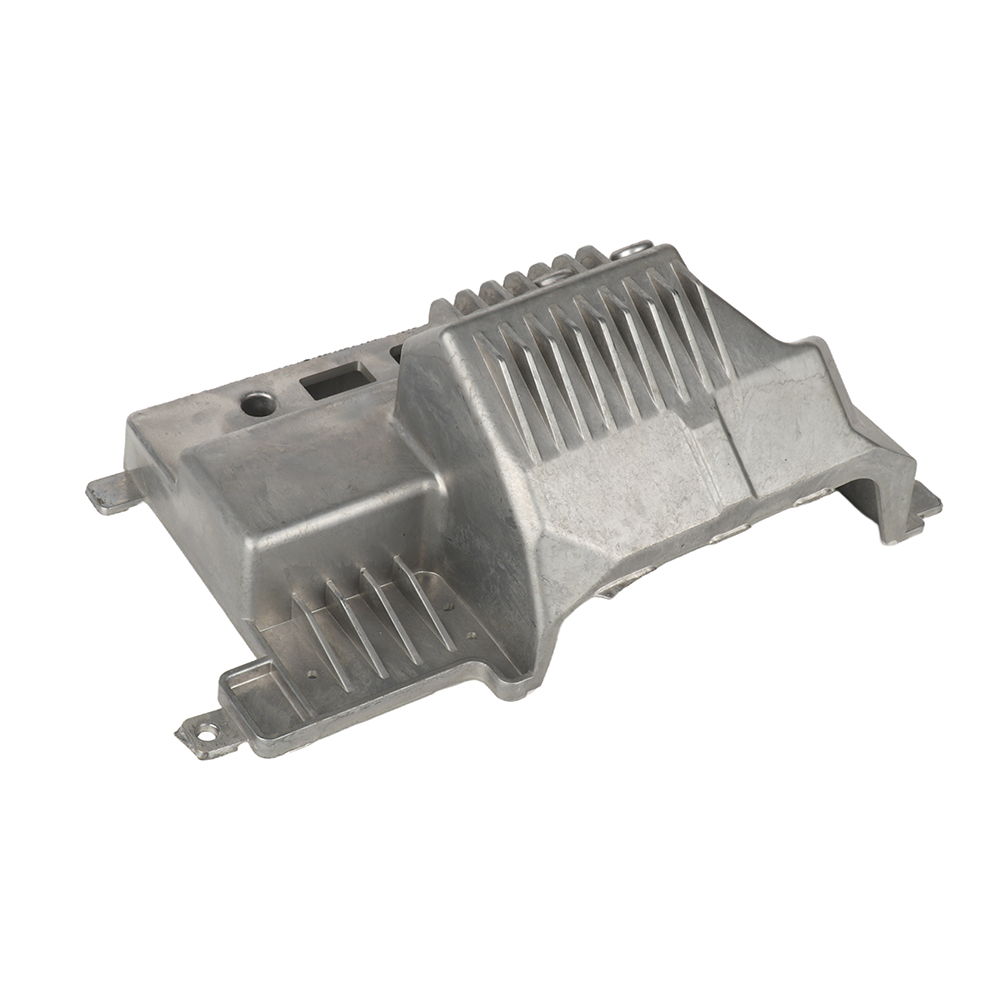
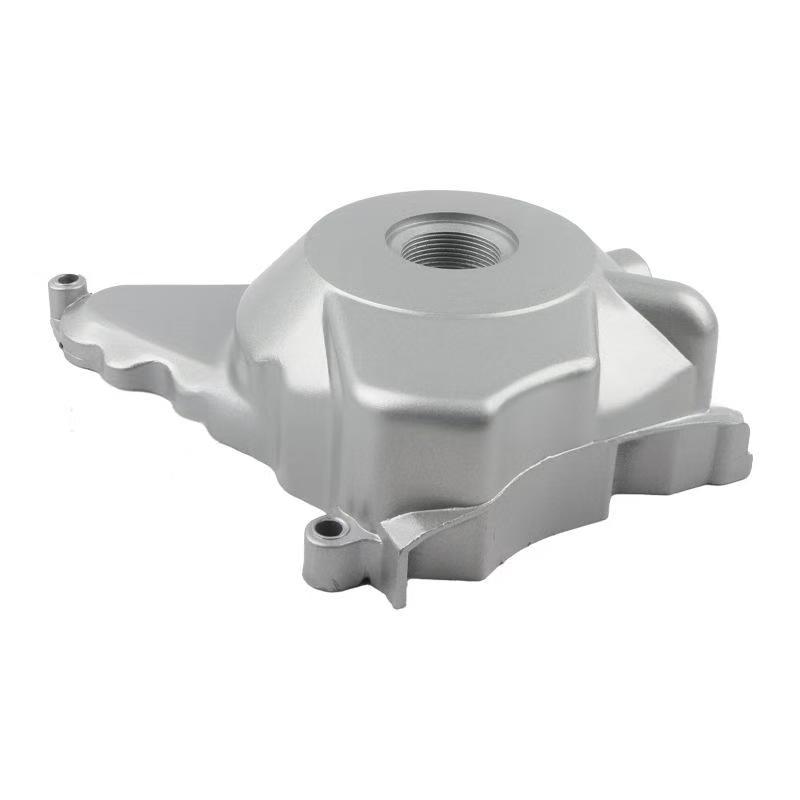
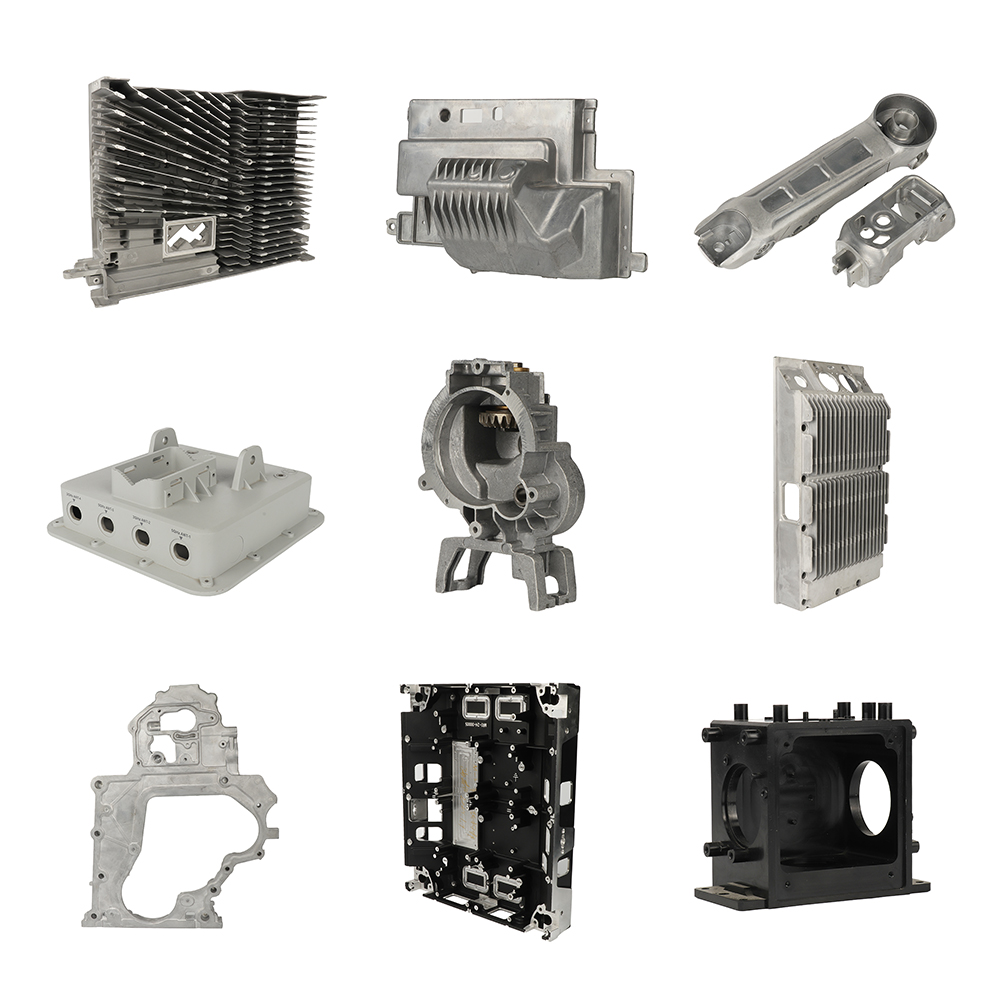
Steering gear | Why choose aluminum die casting for steering gear housing?
Why choose aluminum die casting for steering gear housing?
Table of Contents
- What is an aluminum die-cast steering gear housing
- General specification & parameter table for ADC12 steering gear housing
- Core functions of steering gear housing in automotive steering systems
- Key benefits of ADC12 aluminum die-cast steering gear housing
- Common practical problems & solutions during application
- Main market application scenarios
- Market price reference
- Industry expert viewpoint
- Why work with Xinghang Precision Hardware for custom steering gear housing
- Industry FAQ
- Summary: Custom die casting industry trends & guide to select reliable hardware supplier
1.What is an aluminum die-cast steering gear housing
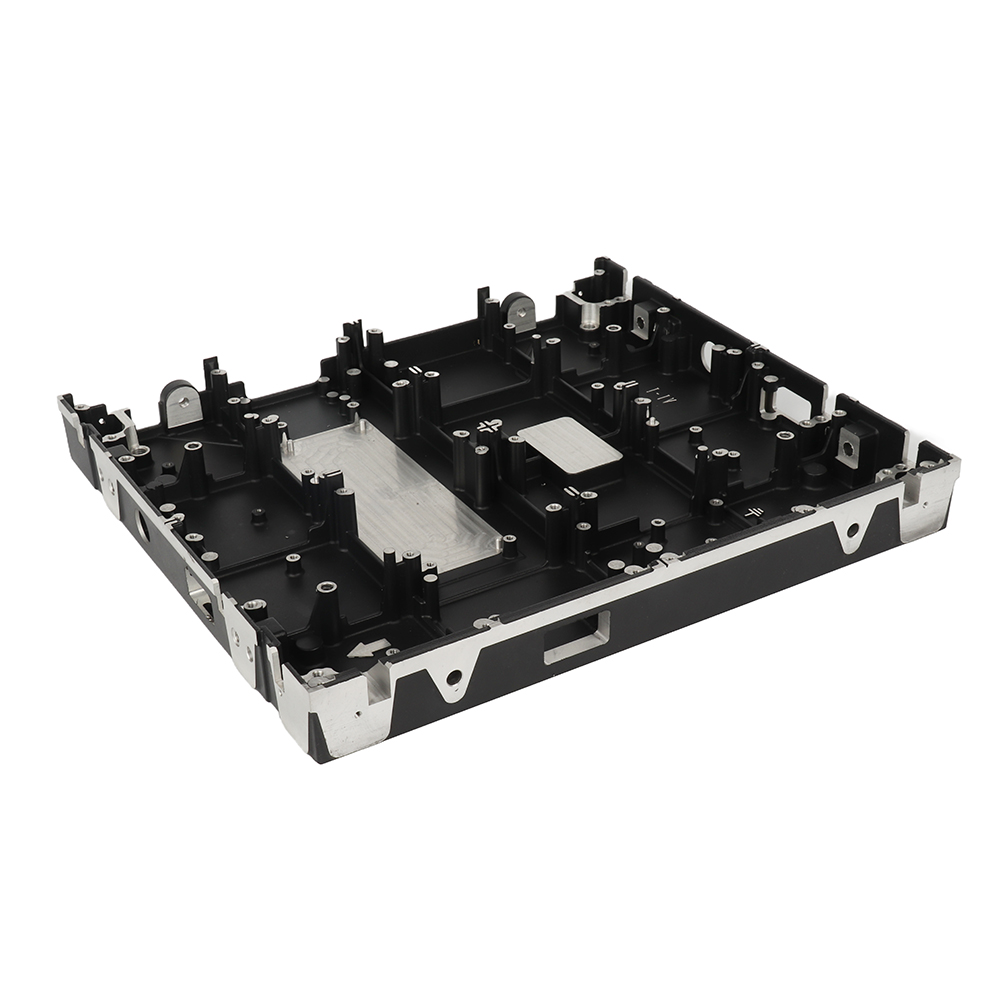
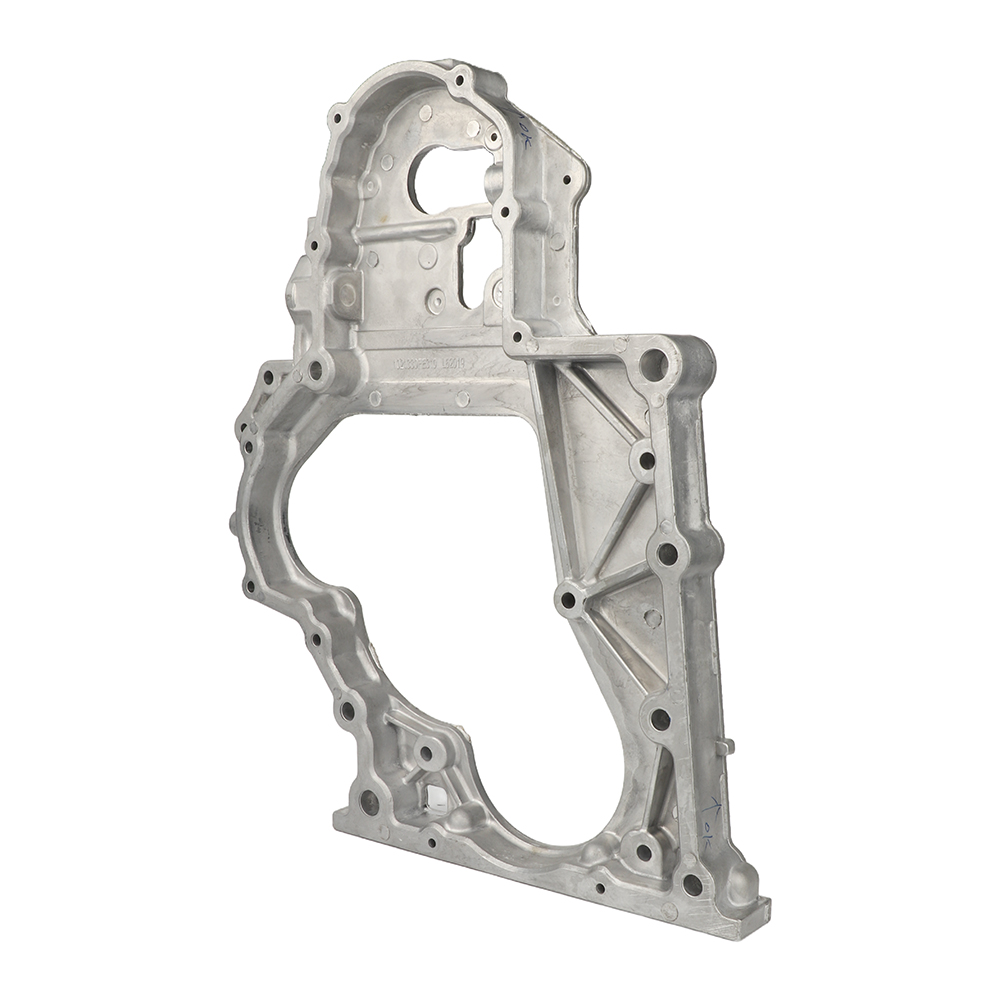
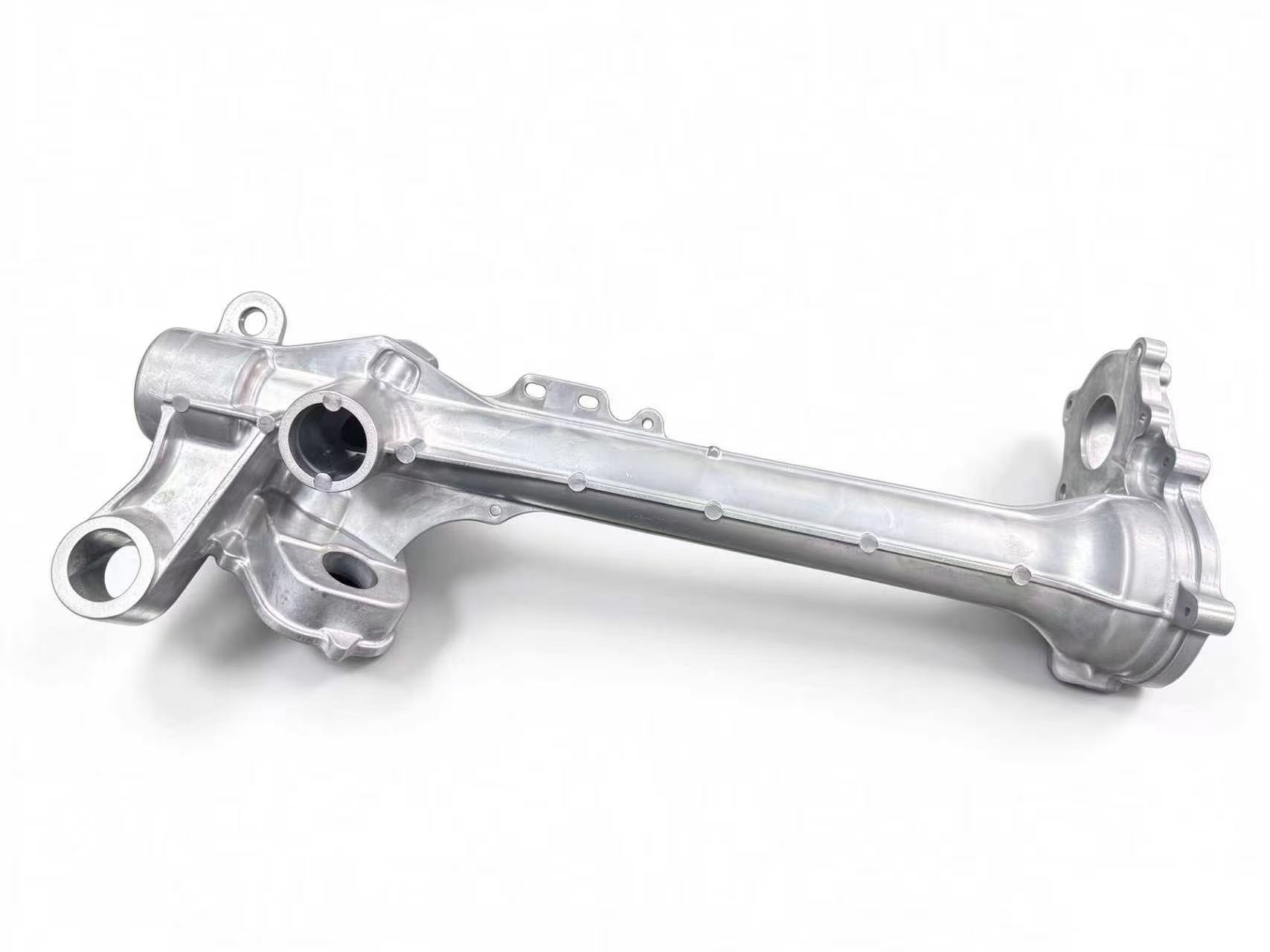
The steering gear housing is a core safety-critical structural part assembled inside vehicle steering systems. It locks, supports and protects rack-and-pinion, bearings, seals, lubricant and electronic power assist modules. Compared with traditional cast iron, aluminum die casting becomes the mainstream production process for modern passenger cars, commercial vehicles and new energy vehicles. We mainly adopt ADC12 aluminum alloy for this component, which balances excellent fluidity, casting performance and mechanical stability for complex internal cavity structures of steering gear housing.
2.General specification & parameter table for ADC12 steering gear housing
| Item | Standard Parameter |
|---|---|
| Product Name | ADC12 Aluminum Die Cast Steering Gear Housing |
| Material Grade | ADC12 (AlSi11Cu3) |
| Density | 2.74 g/cm³ |
| Tensile Strength | ≥228 MPa |
| Hardness | 70–85 HB |
| Wall Thickness Range | 1.8 mm – 6 mm |
| Dimensional Tolerance | ±0.05 mm for key mounting holes & fitting surfaces |
| Surface Roughness after CNC | Ra 1.6 – Ra 6.3 |
| Available Post-treatment | Shot blasting, powder coating, painting, anodizing |
| Inspection Items | Dimensional check by CMM, penetrant inspection, X-ray flaw detection, material spectrum test |
| Suitable Process | High-pressure die casting + CNC precision machining |
| Typical Single Weight | 1.2 kg – 4.5 kg (customized per client drawing) |
3.Core functions of steering gear housing in automotive steering systems
First, it provides rigid positioning for internal steering transmission components, keeps the rack and pinion aligned steadily during repeated steering movements, avoids offset and abnormal backlash. Second, it forms a sealed cavity to store lubricating grease and hydraulic oil, preventing leakage, dust, water and road corrosive media from entering the gear assembly. Third, it transfers steering impact load from wheels to vehicle chassis. For new energy EPS (electric power steering) systems, the housing also serves as a heat dissipation carrier for electronic control modules. A stable steering gear housing directly determines steering smoothness, response accuracy and driving safety. Any deformation, porosity or oil leakage defect will bring huge hidden risks for whole vehicles.
4.Key benefits of ADC12 aluminum die-cast steering gear housing
1. Outstanding lightweight performance ADC12 aluminum alloy is much lighter than cast iron and steel. Weight reduction on steering assemblies helps cut total curb weight, lift EV cruising mileage and improve fuel economy for fuel vehicles. It also reduces unsprung mass to optimize driving handling.
2. Superior casting ability for complex structures ADC12 has high silicon content and excellent molten metal fluidity. It can form integrated complex cavities, oil grooves, mounting bosses and reinforcing ribs in one single die casting step. Integrated forming reduces separate welding and assembly procedures, lowers cumulative tolerance error.
3. Good thermal conductivity Continuous steering friction and EPS controller operation generate heat. Aluminum housing dissipates heat quickly, stabilizes working temperature of internal electronic and moving parts, extends service life of power steering systems.
4. Competitive cost for mass production Once the mold is finished, high-pressure die casting supports stable, fast cyclic production. The unit cost drops greatly as order volume increases. ADC12 raw material supply chain is mature and stable for long-term automotive batch projects.
5. Stable dimensional repeatability High-pressure die casting locks core sizes reliably. With follow-up CNC finishing, key fitting surfaces and bolt holes can consistently hit tight tolerance requirements, which is essential for automotive mass assembly.
6. Recyclable material & environmental advantage ADC12 aluminum scrap can be fully recycled with low energy loss, matching global automotive carbon reduction and sustainability requirements for OEM and Tier 1 suppliers.
5.Common practical problems & solutions during application
Problem 1: Porosity and shrinkage cavity inside casting Causes: Unreasonable gating system design, improper injection speed or insufficient mold cooling. Solution: Run mold flow simulation before production, optimize runner and overflow structure. We support full flaw detection to screen defective parts before delivery.
Problem 2: Oil leakage after assembly Causes: Rough sealing surface, deformation under clamping force, tiny microcracks. Solution: Reserve machining allowance for sealing mating surfaces, finish by five-face CNC machine, carry out leak test for critical housing samples.
Problem 3: Dimensional out of tolerance after machining Causes: Uneven internal stress release after casting. Solution: Arrange stress relief process, formulate dedicated fixture for CNC processing, inspect all key dimensions by three-coordinate measuring machine (CMM).
Problem 4: Corrosion on outer surface Causes: No protective coating, working in salt-spray heavy areas such as coastal regions. Solution: Add shot blasting + powder coating or painting treatment according to customer environmental requirement.
6.Main market application scenarios
- Passenger car EPS electric power steering gear assembly
- New energy sedan, SUV and MPV steering system
- Light commercial vehicles, pickup trucks and small engineering vehicles
- Aftermarket replacement steering gear parts for auto repair market
- Special vehicle and agricultural machinery customized steering assemblies
7.Market price reference
The price of ADC12 die-cast steering gear housing changes with part structure complexity, machining workload, surface treatment requirement, order quantity and quality standard. Simple structure with basic shot blasting treatment: generally USD 3.5 – USD 8 per piece. Complex EPS housing with full five-axis CNC machining, sealing surface finishing and flaw inspection: USD 8 – USD 18 per piece. For small prototype orders, mold opening cost is charged separately. For bulk mass orders, unit price will decrease obviously. Larger batch brings more favorable discount. All quotation is based on official drawings, tolerance list and inspection specification.
8.Industry expert viewpoint
David Carter, senior automotive system engineer with over 22 years experience in chassis and steering component development, shared his opinion: “For safety-related steering gear housing, many buyers only compare unit price and ignore casting compactness and tolerance consistency. ADC12 high-pressure die casting is the most balanced choice at present. But the gap between different suppliers lies in DFM drawing review capability, in-house precision machining and non-destructive testing. A cheap housing with hidden internal porosity may pass dimension inspection, but fails after road vibration test and causes steering oil leakage risk. Automotive component sourcing must treat quality control as the first priority.”
9.Why work with Xinghang Precision Hardware for custom steering gear housing
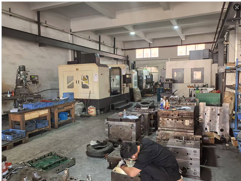
We are a professional manufacturer focusing on custom aluminum die cast components. Our factory covers nearly 10,000 square meters of self-owned workshop. We can customize all kinds of die casting housings including automotive steering gear housing, battery pack housing, motor housing and structural covers. Our workshop is equipped with professional flaw detectors, high-precision five-face CNC machines and three-coordinate measuring equipment. We are confident in strict tolerance control. Our technical team provides full drawing analysis at the early stage. We evaluate design feasibility, wall thickness, draft angle, machining allowance and check whether your dimensional requirements can be achieved before mold making. We support OEM and ODM service, from mold development, die casting, CNC machining, surface finishing to full inspection and shipment. We have obvious advantages on pricing, quality stability and delivery schedule. The more quantity you order in batch, the bigger discount you can get.
Contact us: Mobile / Whatsapp / WeChat: +86 18819502691 Email: liqine@xinghangcn.com
10.Industry FAQ
Q1: Can ADC12 steering gear housing meet IATF16949 automotive quality requirement?
A1: ADC12 itself is widely accepted for automotive steering components. We can build full PPAP document package and control process according to IATF16949 standard if your project needs.
Q2: Is aluminum die cast steering gear housing stronger than cast iron?
A2: It has lower absolute hardness than cast iron, but much better strength-to-weight ratio. Proper structural rib design can reach the load requirement of steering system while cutting weight.
Q3: Can you develop steering gear housing only by 3D model?
A3: Yes. We accept STEP / IGES 3D files. But 2D drawing with marked tolerance, material requirement and inspection standard is better for accurate quotation and quality confirmation.
Q4: What is your lead time for prototype and mass production?
A4: Mold development lead time usually takes 25–40 days according to structure difficulty. Small prototype samples can be delivered after mold trial. Mass production cycle depends on order volume.
Q5: What testing reports can you provide for steering gear housing?
A5: We can supply CMM dimension report, X-ray / penetrant flaw detection report, material spectrum report, salt spray test report and surface roughness inspection record as requested.
11.Summary: Custom die casting industry trends & guide to select reliable hardware supplier
The global custom aluminum die casting industry is pushed forward by new energy vehicle development. Three clear trends can be observed: lightweight design, higher integration of single die cast part and stricter safety & traceability standards for automotive parts. Buyers no longer only chase low price; stable yield, in-house full-process capability and engineering support become core evaluation factors.
When you select a qualified hardware and die casting supplier for steering gear housing or other auto safety parts, you need to check these points: First, confirm whether the supplier can complete drawing feasibility analysis and DFM optimization before mold manufacturing. Second, verify its equipment configuration: five-face CNC, CMM three-coordinate detector and non-destructive flaw testing devices are essential for safety automotive components. Third, confirm the factory owns self-owned workshop and stable production capacity instead of outsourcing all processes. Fourth, check whether they can provide complete inspection records and accept third-party audit. Fifth, confirm flexible price policy for mass batches and stable delivery schedule.
Xinghang Precision Hardware is ready to be your long-term custom die casting partner. Whether you need small prototype trial or large-volume serial production of ADC12 aluminum die-cast steering gear housing, our team will offer professional technical feedback, stable quality and competitive batch pricing. Send your drawings to us anytime for detailed evaluation and quotation.
Energy storage enclosure | What Are the Benefits of Die-Cast Home Energy Storage Enclosures?
Related Article