
HOT PRODUCTS
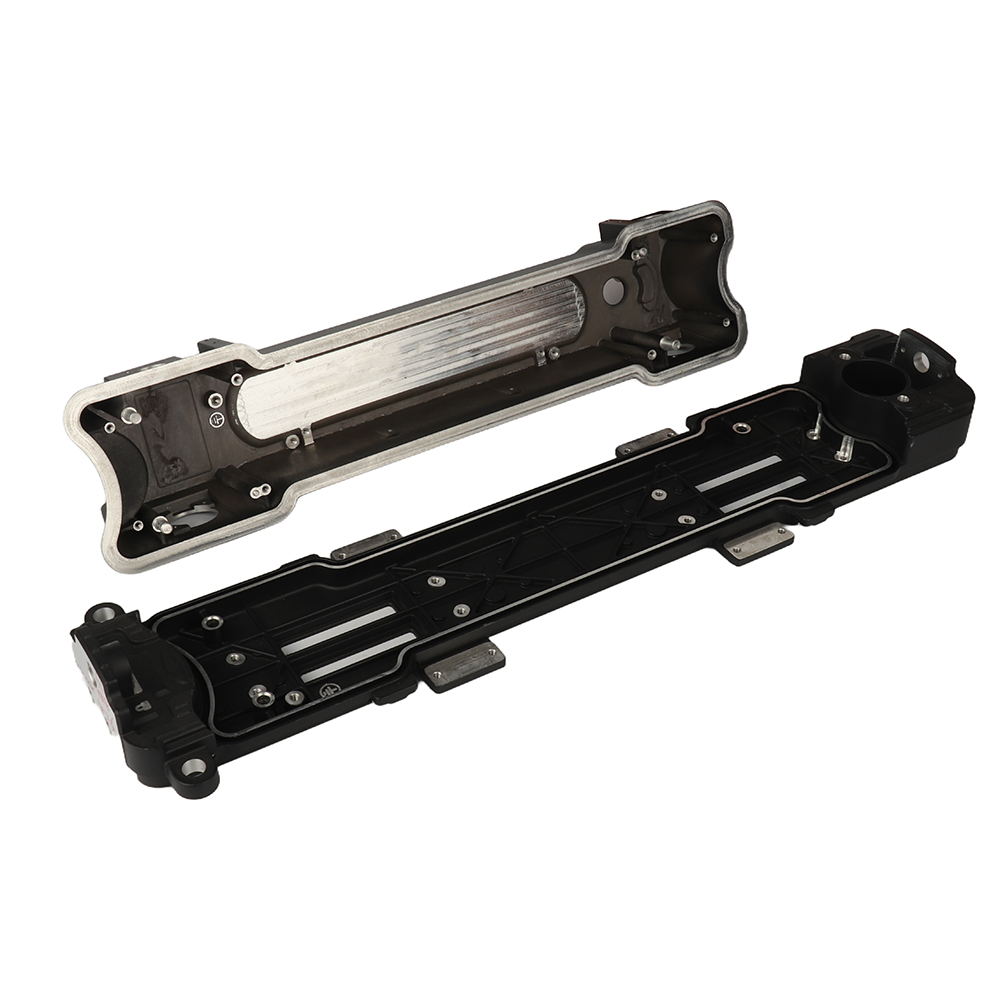
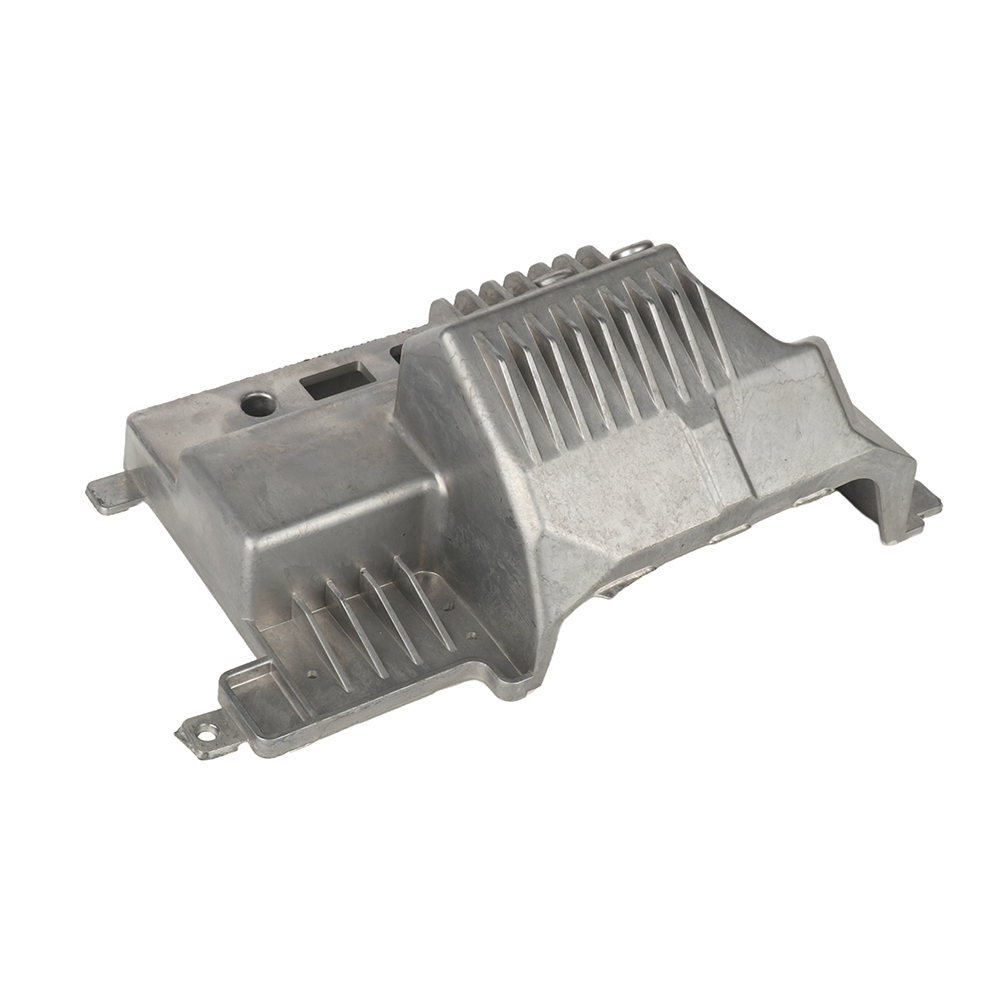
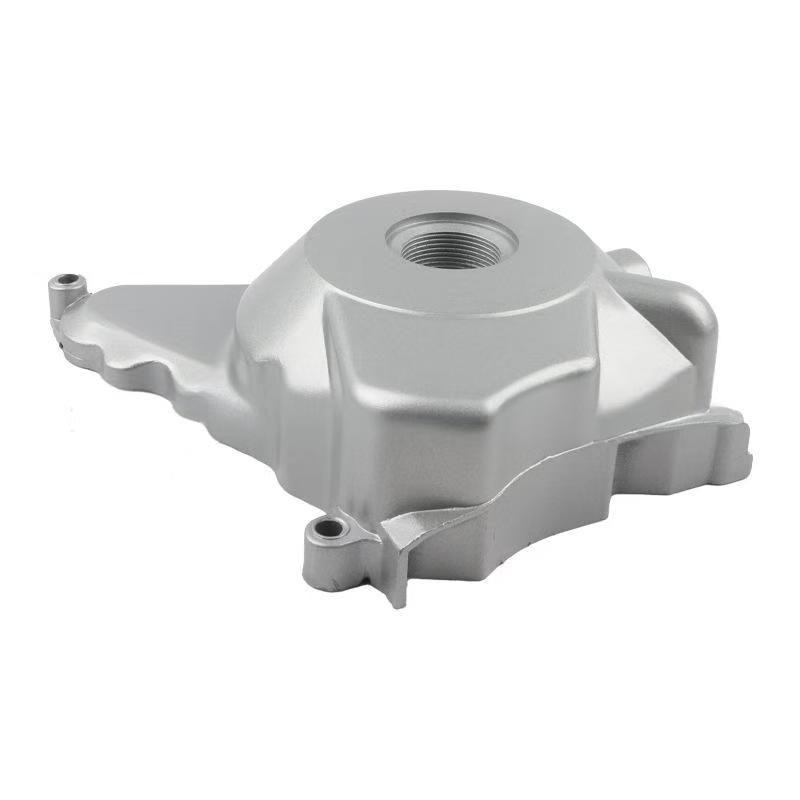
Die casting automotive parts | What are the automotive die-casting parts? A Complete Guide
What are the automotive die-casting parts? A Complete Guide
Table of Contents
- Introduction to Automotive Die-Casting Parts
- Product Overview: XingHang XH-86 Die-Cast Automotive Parts
- Where Are Die-Cast Automotive Parts Used in Cars?
- Uses and Functions of Die-Cast Automotive Parts
- Core Advantages of Die-Cast Automotive Parts
- Product Image: General Die-Cast Automotive Parts
- Expert Opinion on Die-Cast Automotive Parts
- Frequently Asked Questions (FAQs) About Die-Cast Automotive Parts
- Conclusion: Trends in Aluminum Die Casting Industry & Supplier Selection
1. Introduction to Automotive Die-Casting Parts
In the automotive manufacturing industry, die-cast automotive parts are core components that determine the performance, safety, and durability of vehicles. These parts are produced through high-pressure die-casting technology, which injects molten metal (typically aluminum alloy) into precision molds to form complex, high-precision components in one piece. Among all materials used for automotive die-casting, aluminum alloy—especially ADC12 aluminum alloy—stands out for its excellent balance of lightweight, strength, and cost-effectiveness, making it the preferred choice for modern automotive manufacturing. Die-cast automotive parts cover a wide range of applications in vehicles, from engine systems to power supply components, playing an irreplaceable role in optimizing vehicle performance, reducing weight, and ensuring operational reliability. This blog will comprehensively answer the question “What are the automotive die-casting parts?”, detail their installation positions, uses, advantages, and share expert insights, industry FAQs, and guidance on choosing high-quality suppliers.
2. Product Overview: XingHang XH-86 Die-Cast Automotive Parts
As a professional manufacturer of die-cast automotive parts, XingHang Precision Hardware provides high-quality solutions for global automotive and industrial applications. Our flagship product,XingHang XH-86 Die-Cast Automotive Parts, is specially designed to meet the strict requirements of automotive manufacturing, with the following detailed specifications:
2.1 Product Core Information
- Product Name: Die-Cast Automotive Parts
- Brand Name: XingHang
- Model Number: XH-86
- Material: High-quality ADC12 aluminum alloy
- Production Process: Precision die casting
- Place of Origin: Guangdong, China
- Certifications: ISO9001, TS16949, RoHS, ISO14001
- Applications: Industrial Applications, Power Supply (and various key positions in automobiles, detailed in Section 3)
- Core Features: Durable, lightweight, reliable, high-precision, corrosion-resistant, and suitable for harsh automotive operating environments
2.2 Why ADC12 Aluminum Alloy?
ADC12 aluminum alloy is widely used in die-cast automotive parts due to its outstanding properties: it has good fluidity and castability, enabling the formation of complex-shaped parts with high precision; it offers excellent mechanical strength and wear resistance, ensuring the parts can withstand long-term vibration and pressure during vehicle operation; and it is lightweight, helping to reduce the overall weight of the vehicle and improve fuel efficiency. Combined with our precision die-casting process, XingHang XH-86 parts achieve tight dimensional tolerances and consistent quality, fully complying with international automotive industry standards.

3. Where Are Die-Cast Automotive Parts Used in Cars?
Die-cast automotive parts are widely used in various key systems of vehicles, covering engine, chassis, body, power supply, and other core components. Their installation positions are closely related to vehicle performance and safety, with the following key applications:
3.1 Engine System
The engine is the “heart” of a vehicle, and die-cast automotive parts play a crucial role in its stable operation. Key parts include:
- Engine Block: The core component of the engine, made of ADC12 aluminum alloy die-casting, which supports and protects internal components such as pistons and crankshafts, while facilitating heat dissipation.
- Cylinder Head: Seals the top of the cylinder, ensures airtightness of the combustion chamber, and integrates valve seats and cooling channels, requiring high precision and heat resistance—perfectly achieved by die-casting technology.
- Crankcase: Stores engine oil and protects the crankshaft, with a complex structure that can be efficiently formed in one piece through die-casting, reducing assembly processes and improving reliability.
3.2 Power Supply System
In line with the product’s application in power supply, die-cast automotive parts are essential for the stable operation of vehicle power supply components:
- Power Supply Housing: The outer shell of the vehicle power supply (such as the battery pack shell and generator shell), made of die-cast aluminum alloy, which is lightweight, corrosion-resistant, and effectively protects internal electrical components from external impact and moisture.
- Power Connector Brackets: Fix and support power supply connectors, ensuring stable power transmission, with high precision and structural stability to avoid loose connections caused by vehicle vibration.
3.3 Chassis System
The chassis is the “foundation” of the vehicle, and die-cast automotive parts enhance its stability and load-bearing capacity:
- Control Arms: Connect the suspension and wheels, transmit steering and braking forces, requiring high strength and wear resistance—die-cast aluminum parts meet these requirements while reducing chassis weight.
- Brake Calipers: Core components of the braking system, with a complex internal structure that can be precisely formed by die-casting, ensuring stable braking performance and high temperature resistance.
- Axle Components: Support the vehicle’s weight and transmit power, made of die-cast aluminum alloy to reduce unsprung weight and improve driving comfort and handling stability.
3.4 Body and Other Systems
- Body Structural Parts: Including shock towers, front longitudinal beams, and rear longitudinal beams, which are key safety components. Die-cast aluminum parts achieve lightweight while enhancing collision resistance, effectively dispersing impact force to protect passengers.
- Interior Components: Steering wheel frames, instrument panel brackets, and center console bases—die-cast parts have a smooth surface, good texture, and are easy to clean, while being lightweight to reduce vehicle weight.
- Wheel Hubs: Lightweight die-cast aluminum wheel hubs reduce rotational inertia, improve fuel efficiency, and enhance driving stability, becoming a common application of die-cast automotive parts in modern vehicles.
4. Uses and Functions of Die-Cast Automotive Parts
Die-cast automotive parts are not only structural components but also play multiple critical roles in ensuring vehicle safety, optimizing performance, and extending service life. Their core uses and functions are as follows:
4.1 Core Uses
- Support and Fixation: As structural components (e.g., engine blocks, control arms), they support and fix key vehicle parts, ensuring the integrity and stability of the vehicle structure.
- Protection: Protect internal components (e.g., power supply housing, engine crankcase) from external impact, dust, and moisture, extending the service life of vulnerable parts.
- Power Transmission: Transmit power and forces (e.g., axle components, control arms) to ensure the normal operation of steering, braking, and power systems.
- Heat Dissipation: Aluminum alloy die-cast parts (e.g., engine cylinder heads, heat sinks) have excellent thermal conductivity, helping to dissipate heat generated by high-temperature components and prevent overheating.
4.2 Key Functions
- Ensure Operational Stability: High-precision die-cast parts fit tightly with other components, avoiding loose connections caused by vehicle vibration, ensuring stable operation of the engine, power supply, and chassis systems.
- Improve Vehicle Safety: High-strength die-cast parts (e.g., body structural parts, brake calipers) enhance collision resistance and braking performance, reducing the risk of accidents and protecting passenger safety.
- Optimize Fuel Efficiency: Lightweight aluminum alloy die-cast parts reduce the overall weight of the vehicle, reducing fuel consumption (for traditional fuel vehicles) and extending battery life (for new energy vehicles).
- Reduce Maintenance Costs: Durable and corrosion-resistant die-cast parts have a long service life, reducing the frequency of part replacement and maintenance costs for vehicle owners.
5. Core Advantages of Die-Cast Automotive Parts
Compared with traditional forging, stamping, or plastic parts, die-cast automotive parts (especially those made of ADC12 aluminum alloy) have unique advantages that make them the first choice for modern automotive manufacturing. The core advantages are as follows:
5.1 Lightweight & Energy-Saving
ADC12 aluminum alloy has a density of only 1/3 that of steel. Die-cast automotive parts made of this material can reduce the overall weight of the vehicle by 20–30%, which directly improves fuel efficiency (reducing fuel consumption by 5–10%) and extends the battery life of new energy vehicles. This aligns with the global trend of automotive energy conservation and environmental protection, while also optimizing vehicle acceleration and braking performance.
5.2 High Precision & Complex Shapes
Precision die-casting technology enables one-piece molding of parts with complex structures (e.g., internal channels, irregular shapes) that are difficult to achieve with traditional processes. The dimensional tolerance of die-cast automotive parts can reach ±0.02mm, ensuring tight fit with other components, reducing assembly gaps, and improving overall vehicle performance. This also reduces secondary processing, saving production time and costs.
5.3 Durable & Corrosion-Resistant
ADC12 aluminum alloy has excellent mechanical strength, wear resistance, and impact resistance, and after professional surface treatment (e.g., anodizing, powder coating), die-cast automotive parts have strong corrosion resistance, able to withstand harsh environments such as high temperature, humidity, and road salt spray. Their service life can reach more than 15 years, far longer than plastic parts (3–5 years) and ordinary steel parts (8–10 years).
5.4 Cost-Effective & Efficient Production
Die-casting is a high-efficiency mass production process, with a production cycle of 30–60 seconds per part (for small parts) and 2–5 minutes for large parts, which is much higher than traditional processes. The one-piece molding reduces assembly steps and material waste, while the recyclability of aluminum alloy further reduces production costs. For automotive manufacturers, die-cast automotive parts achieve a balance between quality and cost, improving production efficiency and market competitiveness.
5.5 Environmentally Friendly & Sustainable
Aluminum alloy is 100% recyclable, and recycling aluminum only requires 5% of the energy needed to produce primary aluminum, with almost no loss of performance. Die-cast automotive parts comply with RoHS and ISO14001 environmental standards, reducing carbon emissions and resource waste, which is in line with the global trend of green manufacturing and sustainable development in the automotive industry.
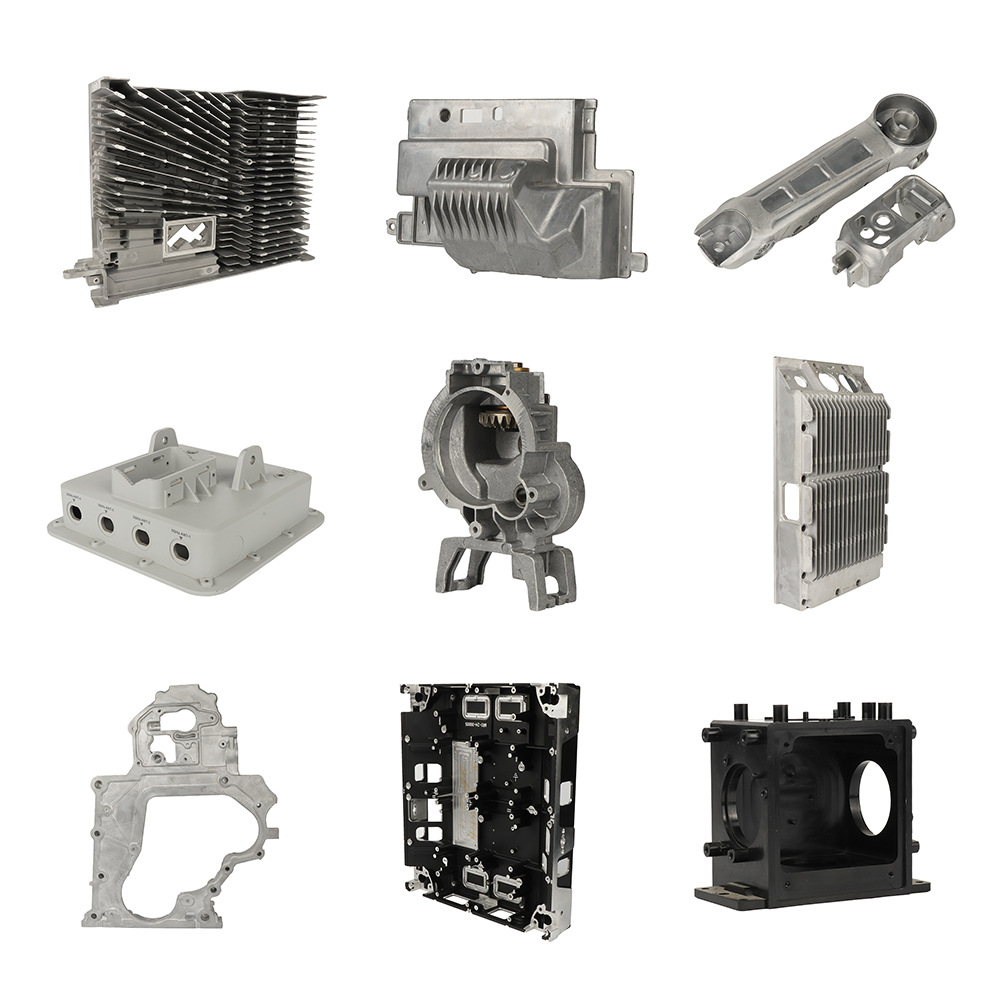
6. Product Image: General Die-Cast Automotive Parts
6.1 General Die-Cast Automotive Parts Image
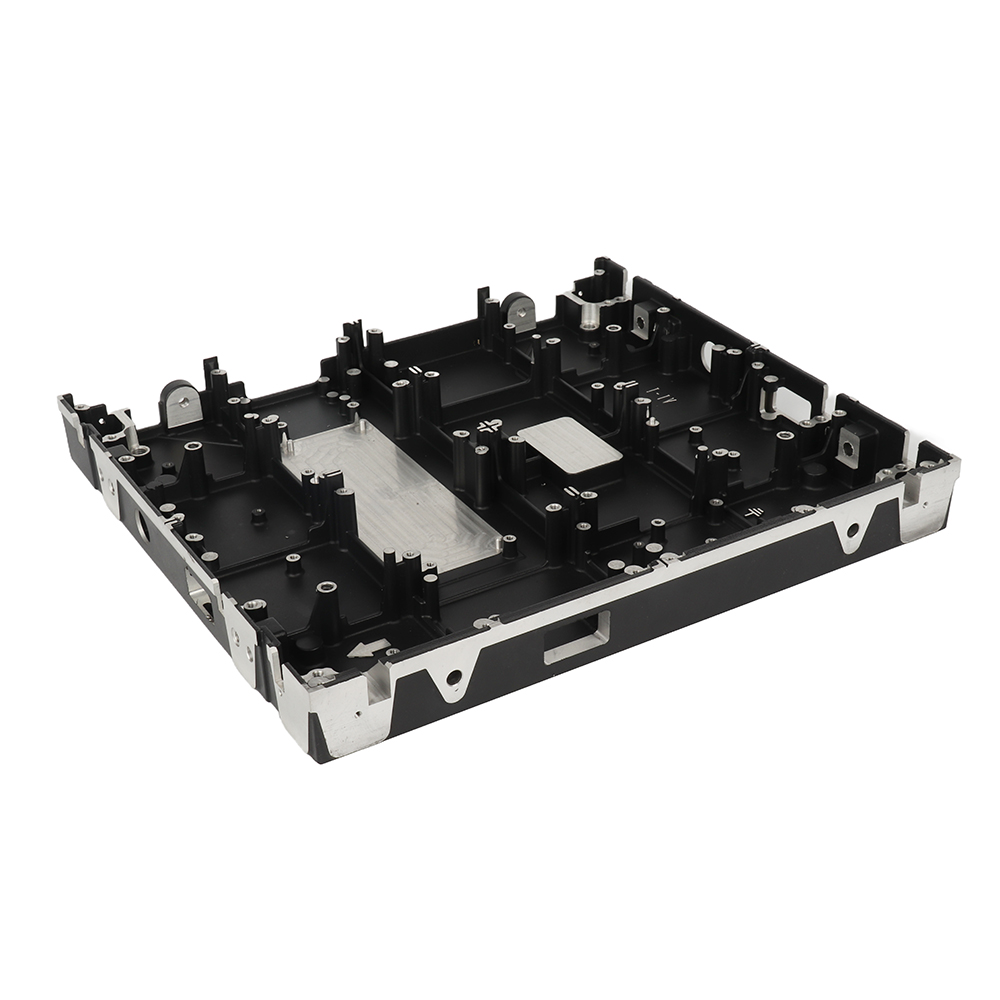
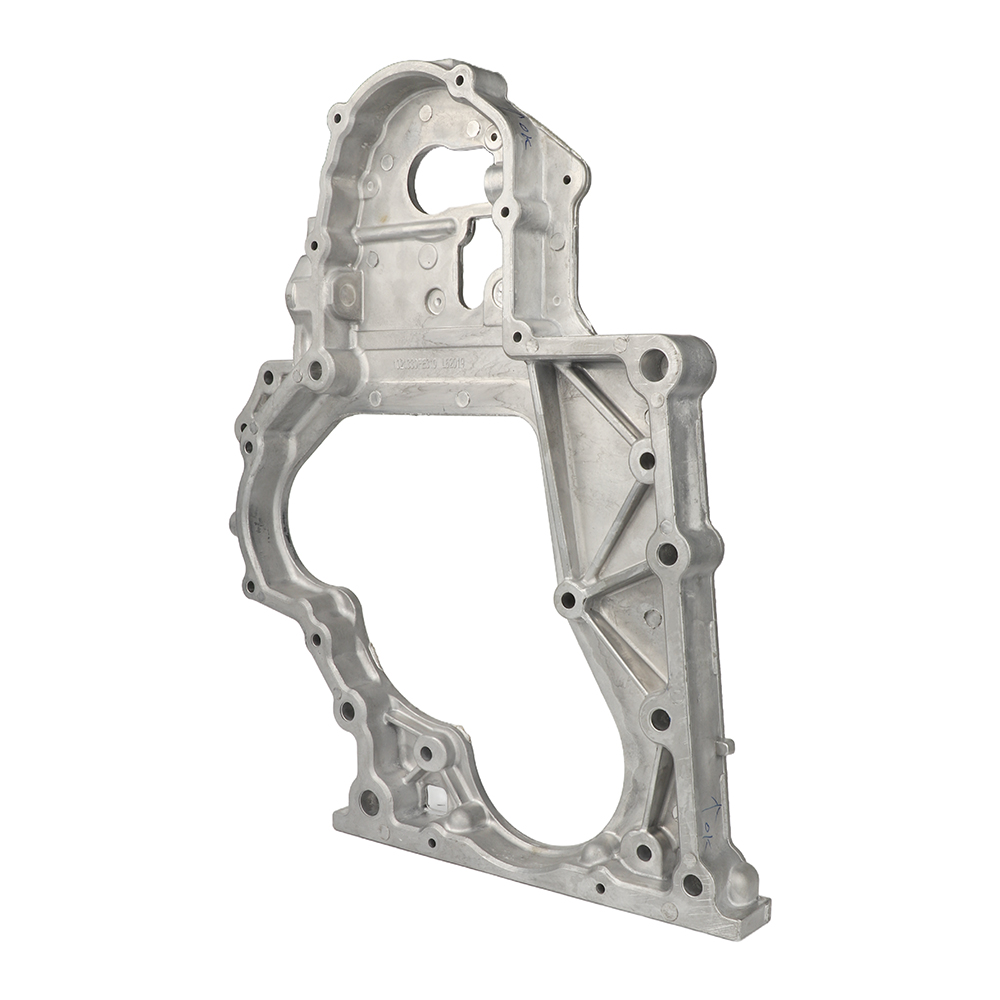
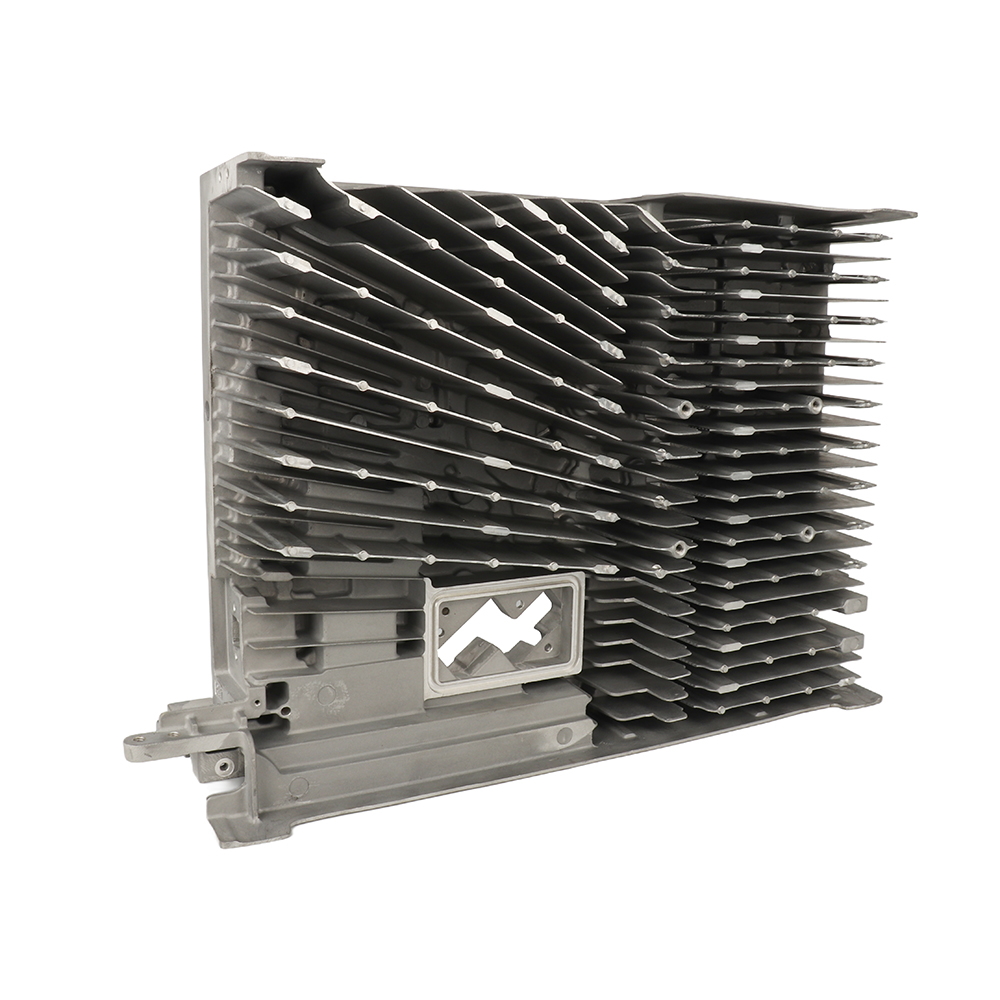
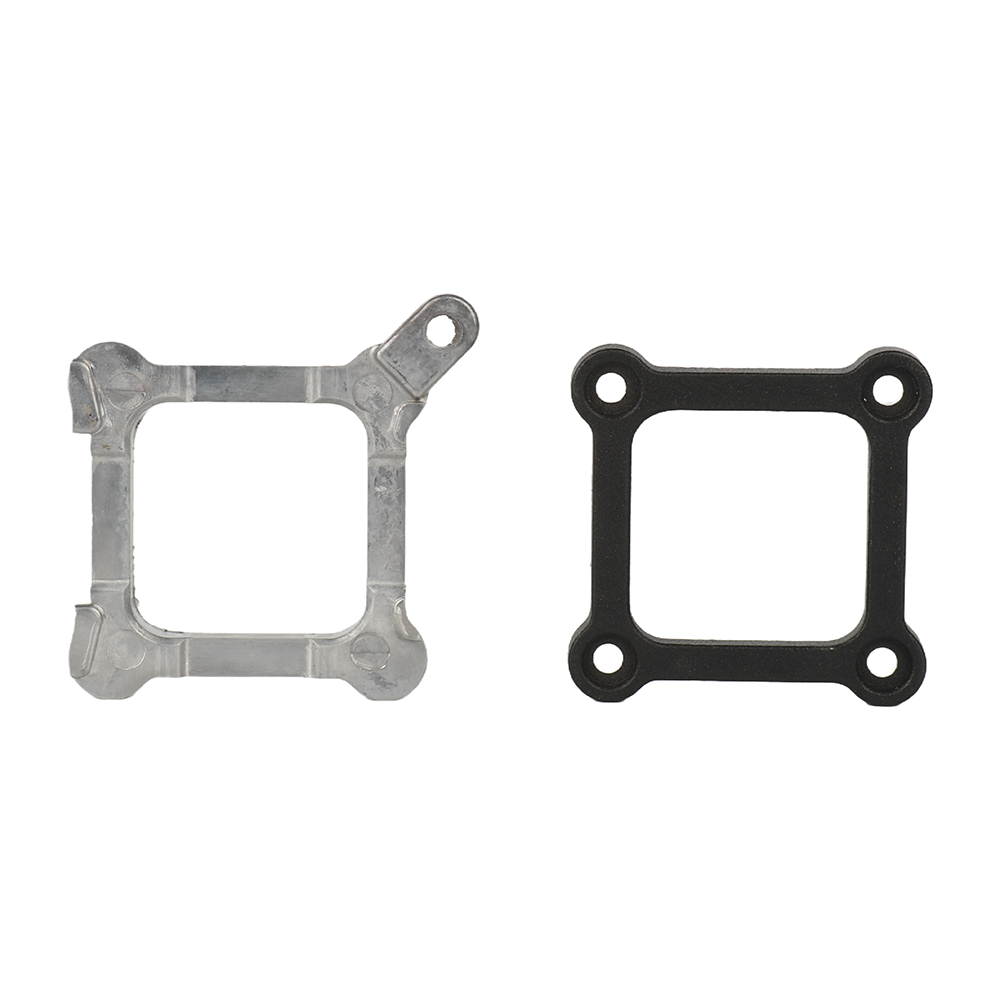
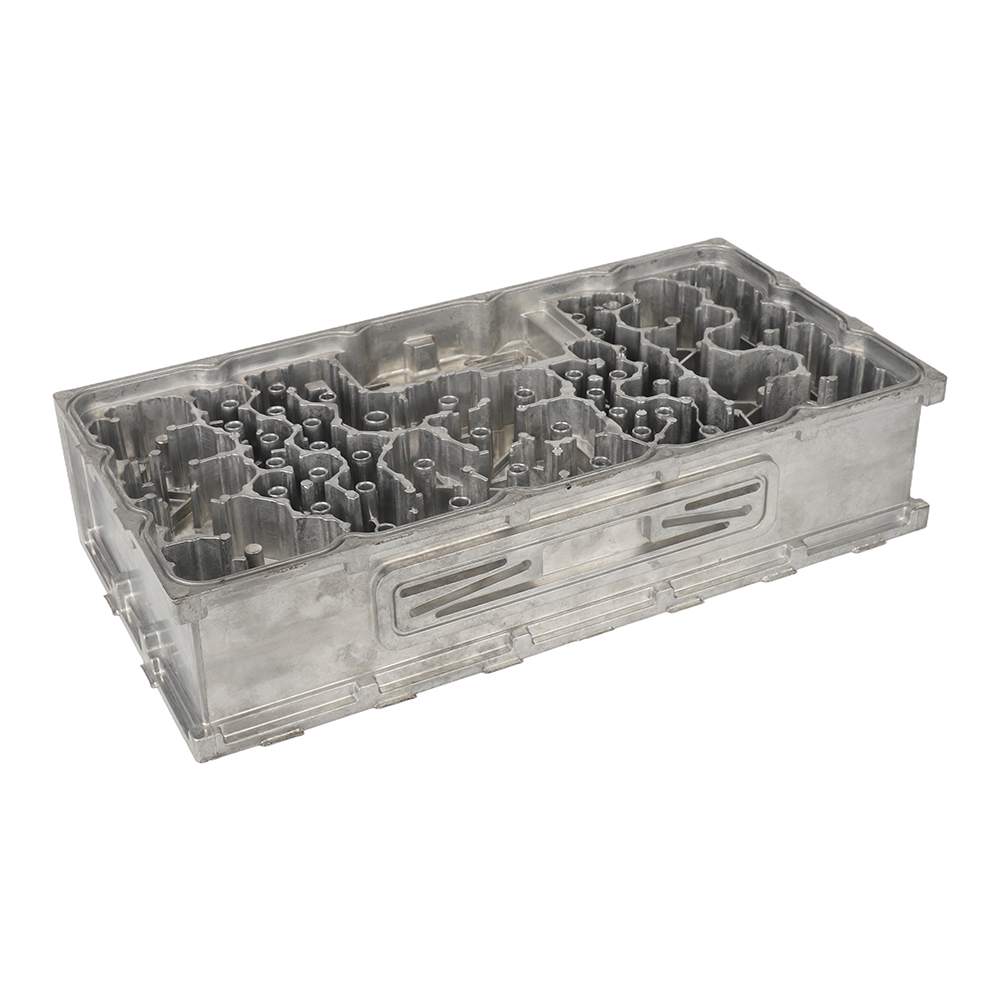
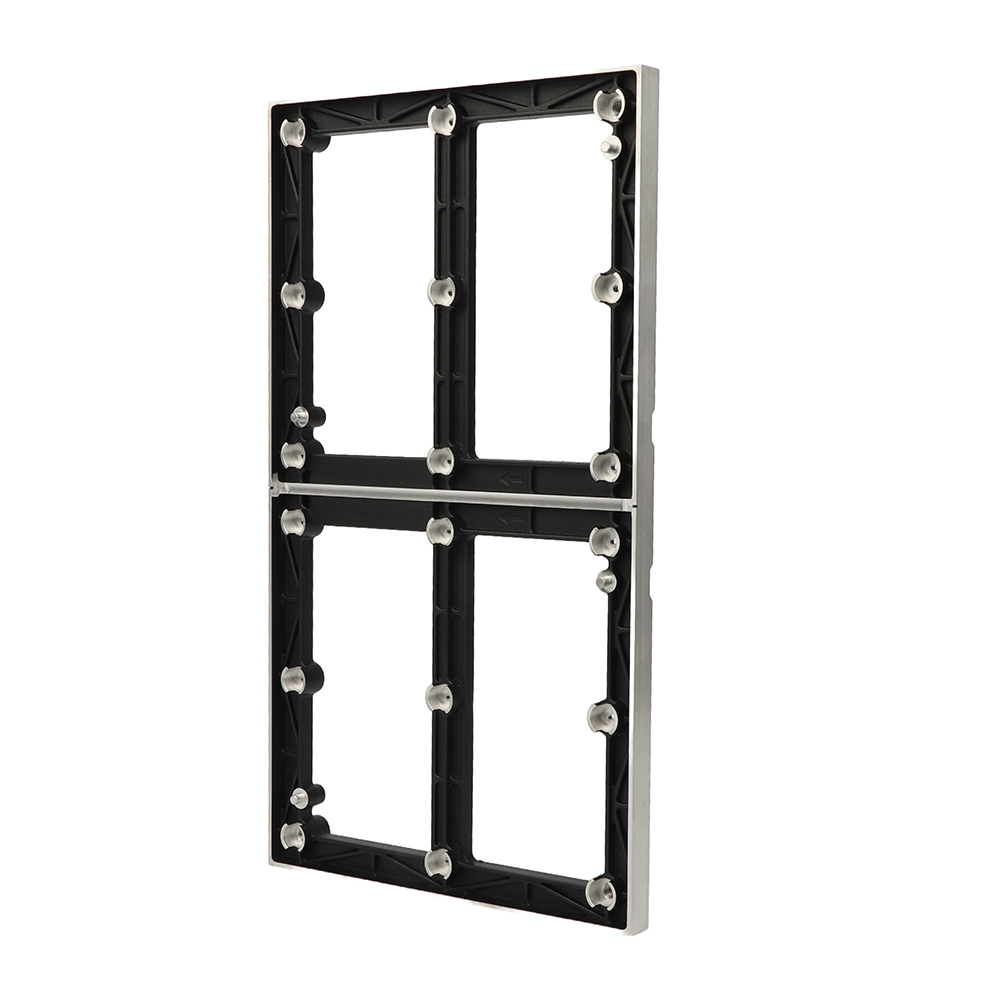
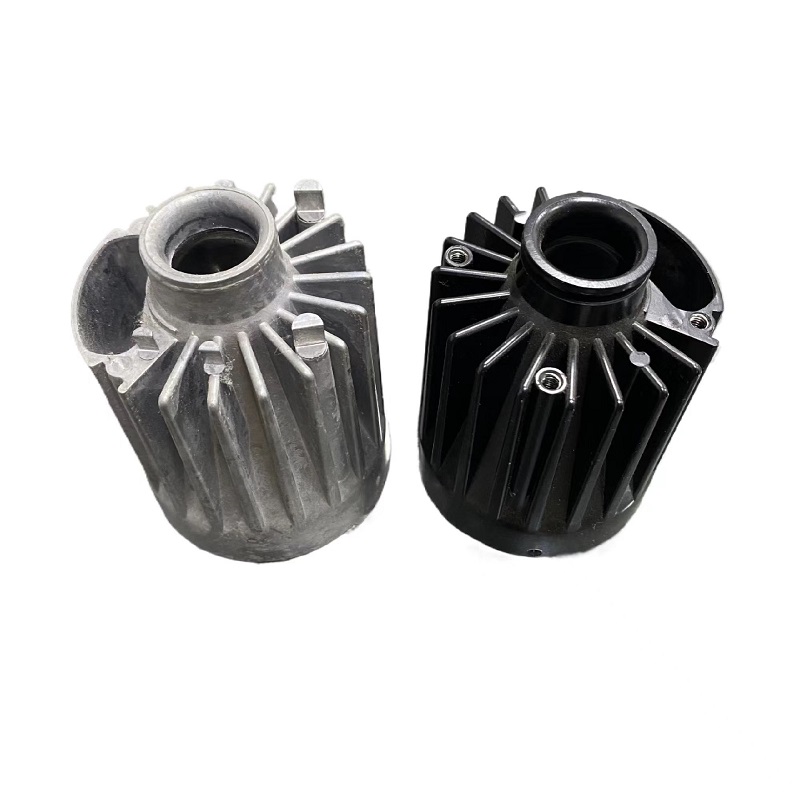
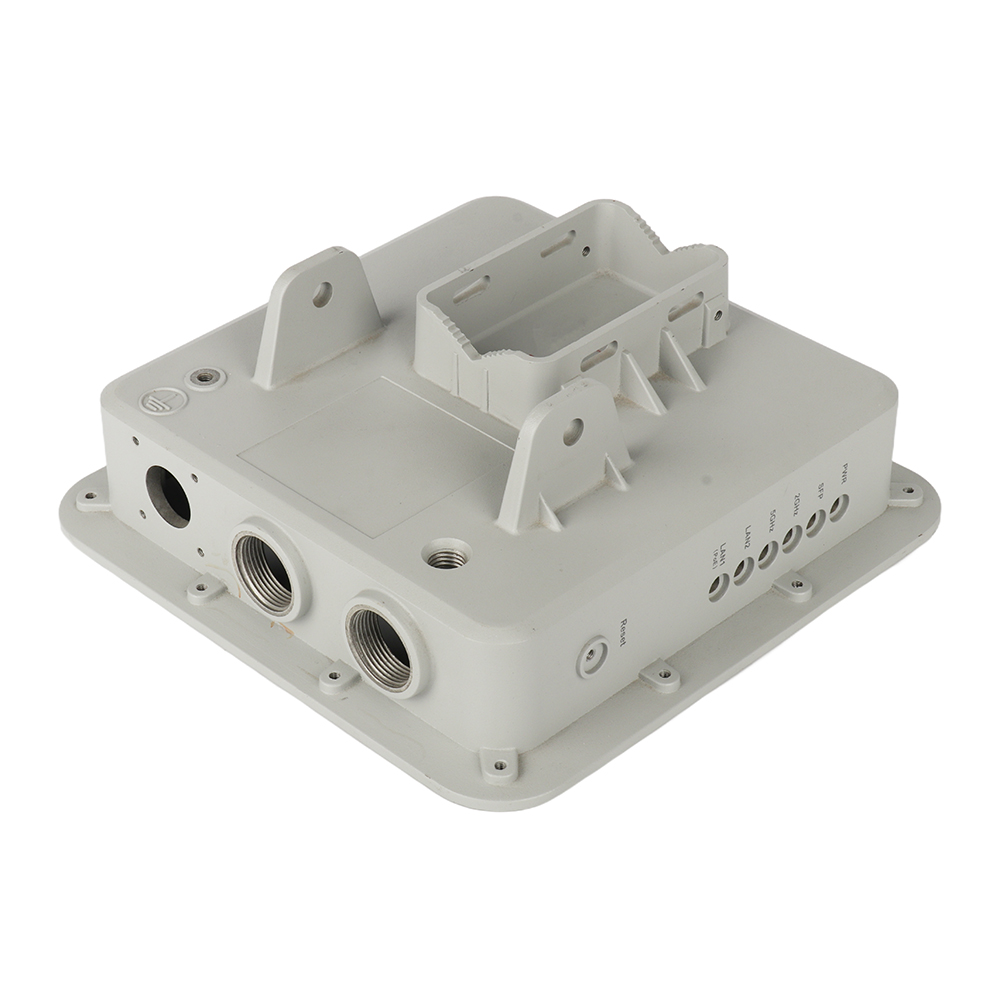
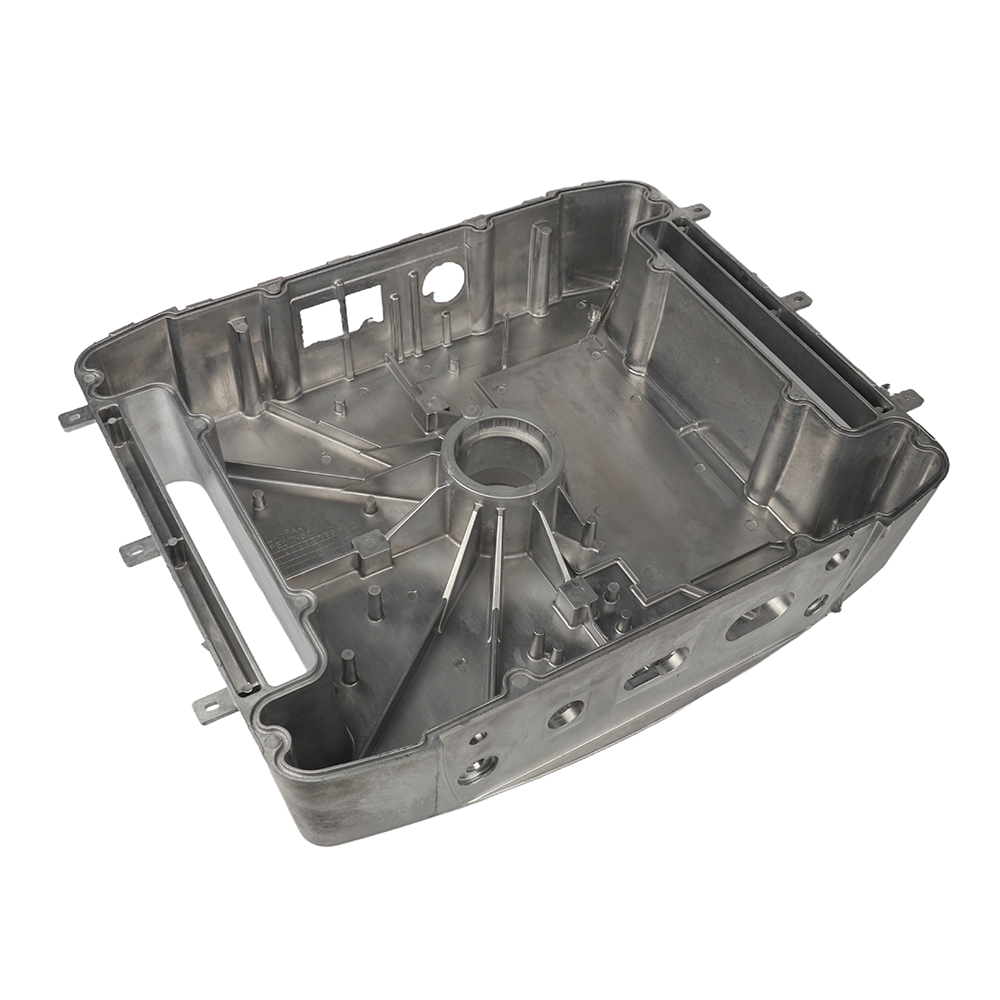
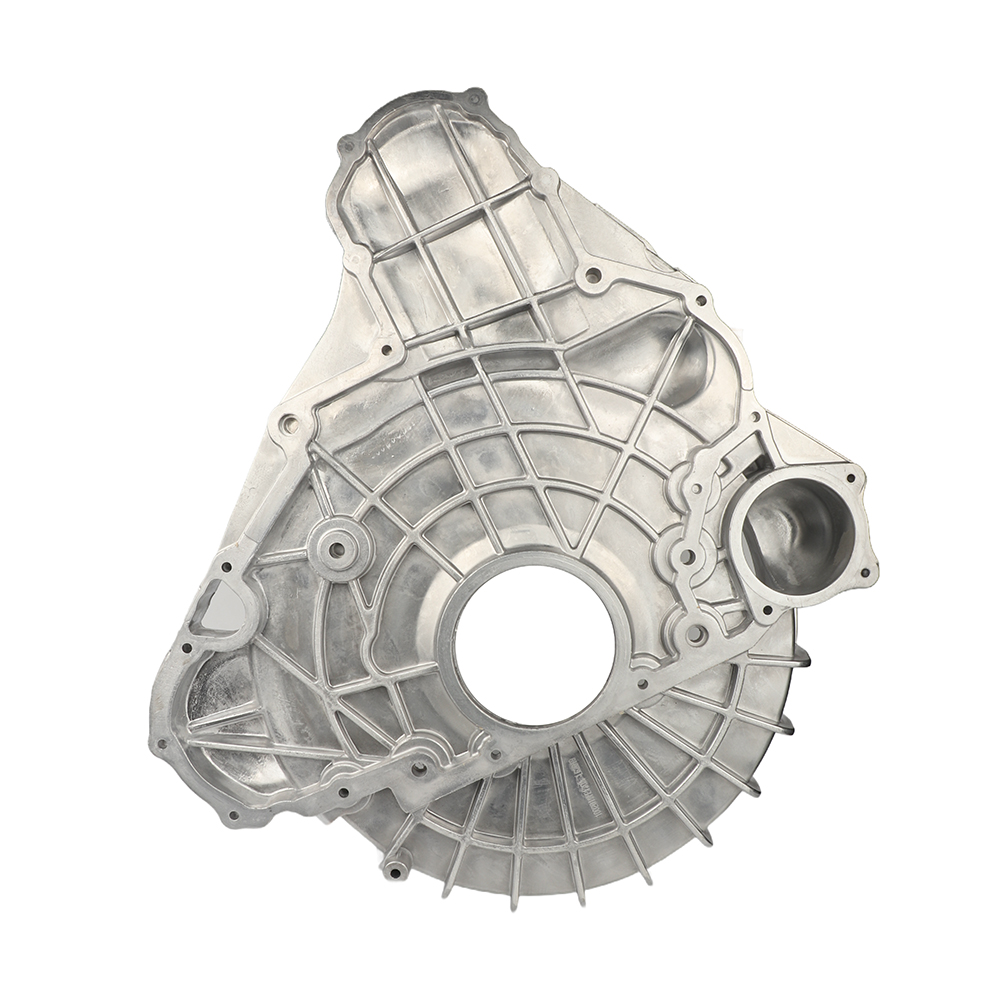
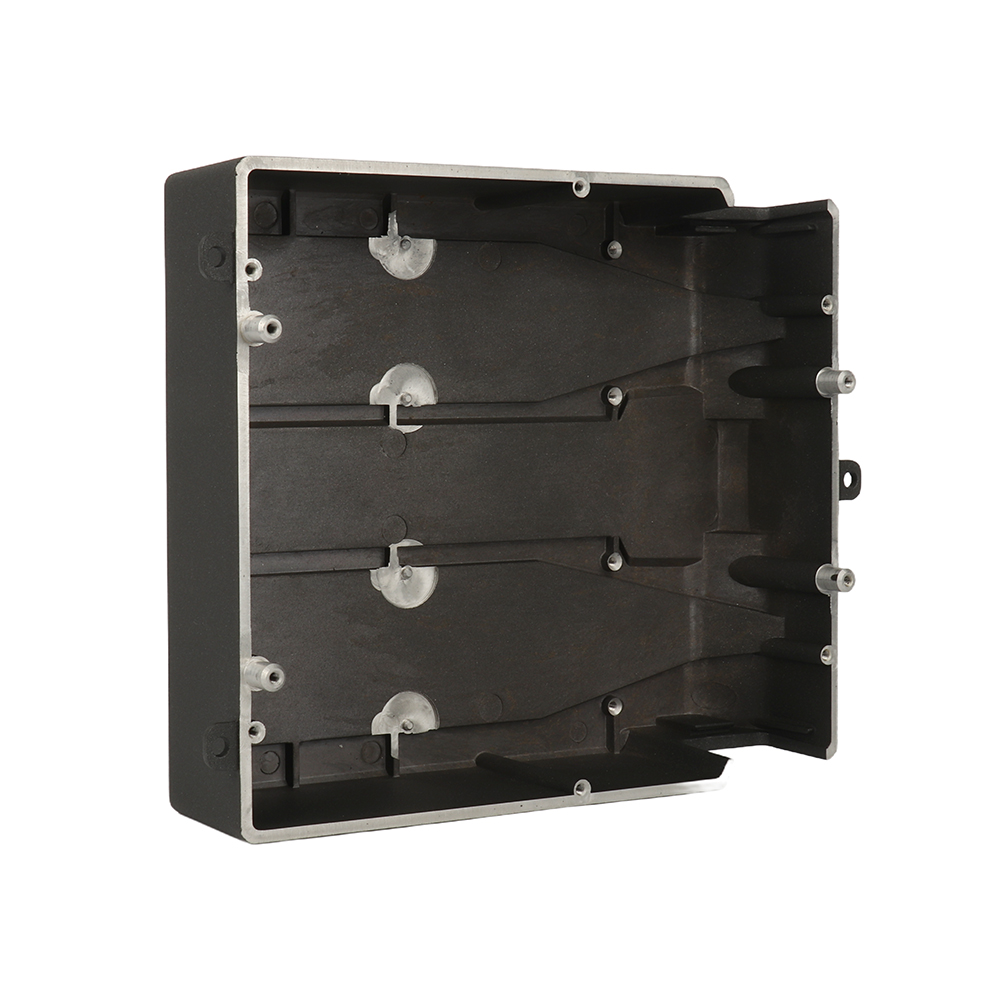
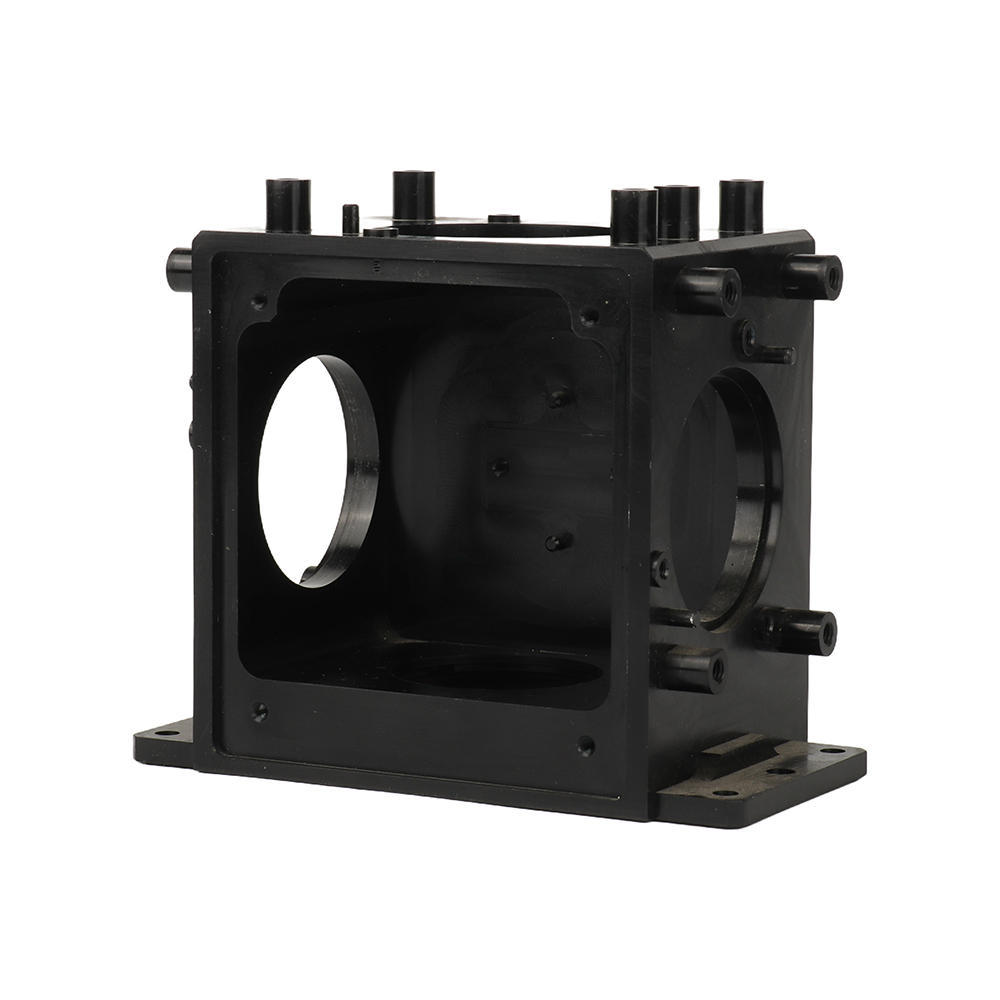
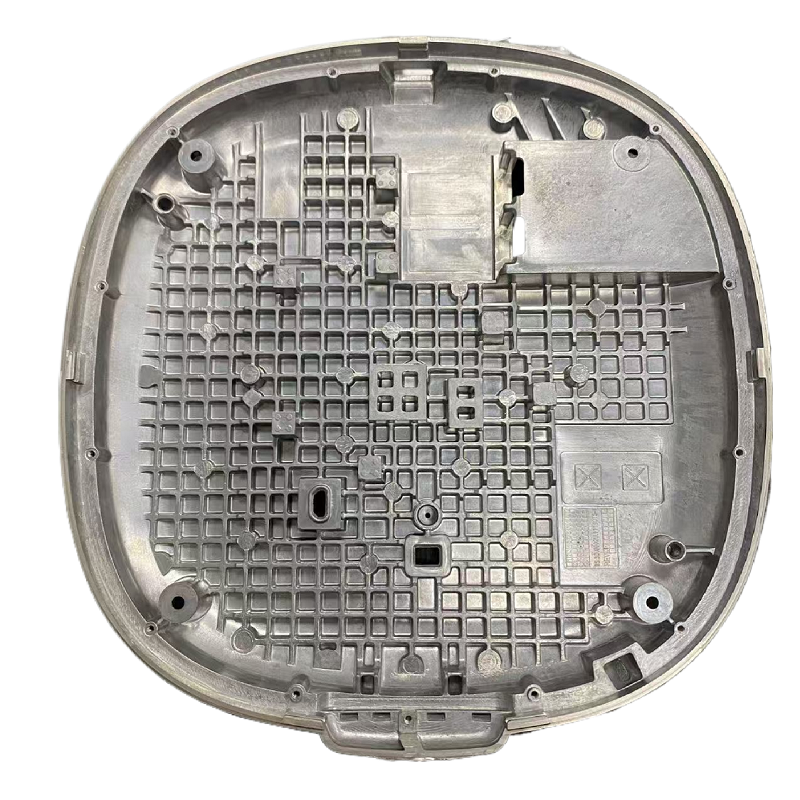
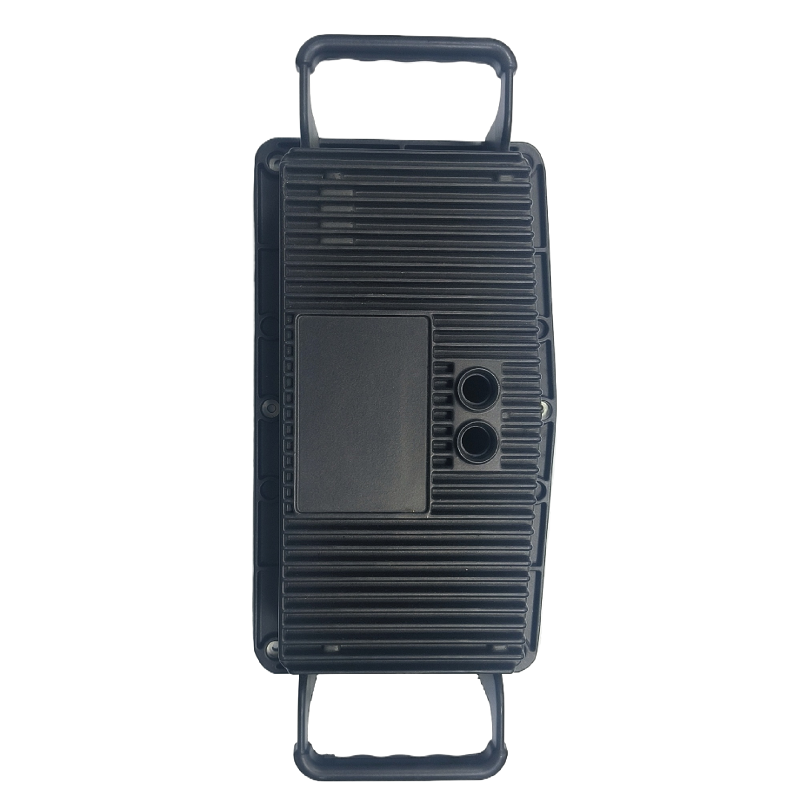
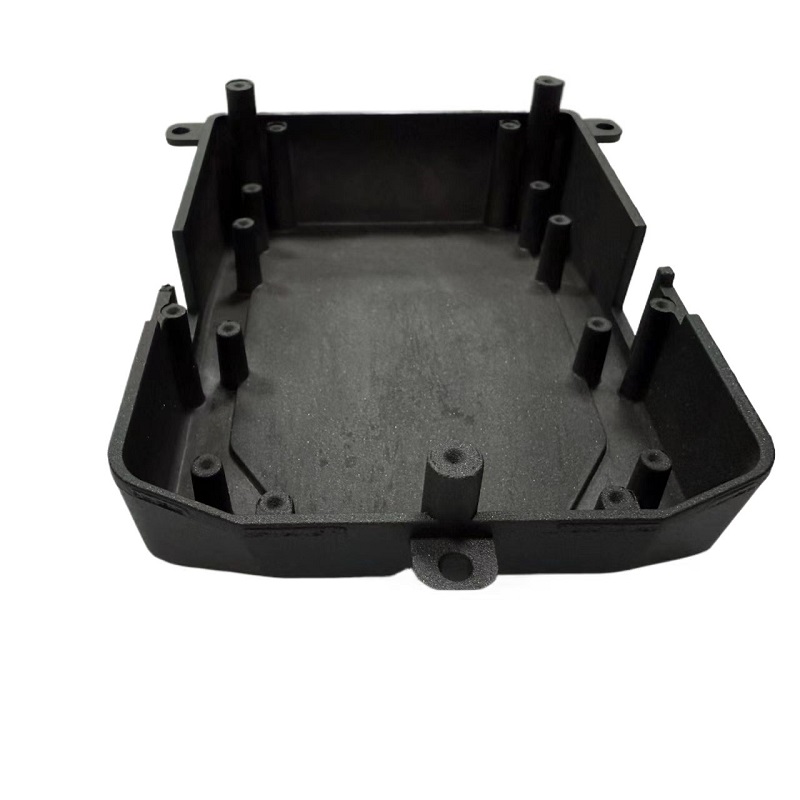
The following is a general image of die-cast automotive parts (XingHang XH-86 series), showing their precision structure, smooth surface, and application adaptability—suitable for engine systems, power supply components, and chassis systems of various vehicles:
7. Expert Opinion on Die-Cast Automotive Parts
To further verify the value and importance of die-cast automotive parts in the automotive industry, we invited Mr. Robert Davis, a senior automotive engineer with 22 years of experience in automotive manufacturing and component research, to share his professional insights:
“The development of the automotive industry is closely linked to the advancement of die-casting technology, and die-cast automotive parts have become the core of modern vehicle manufacturing. In the past decade, with the rise of new energy vehicles and the demand for lightweight and energy-saving, aluminum alloy die-cast parts have replaced traditional steel and plastic parts in many key positions. ADC12 aluminum alloy, in particular, has become the preferred material for automotive die-casting due to its excellent castability, strength, and lightweight properties. What impresses me most is the precision and durability of die-cast parts—they can achieve complex structures that were previously impossible, while ensuring stable performance in harsh automotive environments. For example, in new energy vehicle power supply systems, die-cast aluminum housings not only protect internal components but also improve heat dissipation efficiency, which is crucial for battery life. With the popularization of integrated die-casting technology, die-cast automotive parts will become larger, more complex, and more integrated, further driving the upgrading of the automotive industry. Choosing high-quality die-cast parts is the key to ensuring vehicle safety and reliability.”
In addition, Ms. Lisa Wang, a procurement director of a well-known global automotive manufacturer, shared her practical experience: “We have been cooperating with XingHang Precision Hardware for 5 years, and their XH-86 die-cast automotive parts have never disappointed us. The ADC12 aluminum alloy material ensures lightweight and durability, and the precision die-casting process ensures consistent quality. These parts are widely used in our engine and power supply systems, reducing our vehicle weight by 15% and maintenance costs by 25%. XingHang’s professional customization capability and strict quality control make them a reliable partner for us.”
8. Frequently Asked Questions (FAQs) About Die-Cast Automotive Parts
We have sorted out the most common questions about die-cast automotive parts in the industry, and given professional answers to help you better understand the product and make wise decisions for your automotive manufacturing projects:
8.1 Q: What is the main material of die-cast automotive parts, and why is ADC12 aluminum alloy widely used?
A: The main material of die-cast automotive parts is aluminum alloy, among which ADC12 aluminum alloy is the most widely used. The reason is that ADC12 has excellent fluidity and castability, which can be used to produce complex-shaped parts with high precision; it has good mechanical strength and wear resistance, adapting to the harsh operating environment of vehicles; it is lightweight, helping to reduce vehicle weight and improve fuel efficiency; and it is cost-effective, suitable for mass production in the automotive industry. Our XingHang XH-86 series uses high-quality ADC12 aluminum alloy, fully complying with international standards.
8.2 Q: Can die-cast automotive parts be customized according to different vehicle models and requirements?
A: Yes. We provide one-stop customization services for die-cast automotive parts. According to your vehicle model, application position (engine, power supply, chassis, etc.), and performance requirements (strength, size, heat dissipation, etc.), our professional R&D team can design and produce customized parts. We support customized mold development, material adjustment, and surface treatment, ensuring that the parts perfectly match your vehicle and meet your specific needs. The minimum order quantity for customized parts is 50 units, supporting both small-batch prototyping and mass production.
8.3 Q: Are die-cast automotive parts compatible with both traditional fuel vehicles and new energy vehicles?
A: Absolutely. Die-cast automotive parts have a wide range of applications, suitable for both traditional fuel vehicles and new energy vehicles (pure electric, hybrid). For traditional fuel vehicles, they are mainly used in engine, chassis, and body systems to reduce weight and improve fuel efficiency; for new energy vehicles, they are widely used in power supply (battery pack shell, generator shell), motor, and chassis systems, which not only reduce vehicle weight but also improve heat dissipation and safety performance. Our XingHang XH-86 series is compatible with various vehicle models and has been widely used in both traditional and new energy automotive projects.
8.4 Q: What certifications do your die-cast automotive parts have, and are they suitable for global markets?
A: Our XingHang XH-86 die-cast automotive parts have passed multiple international certifications, including ISO9001 (quality management system), TS16949 (automotive industry quality management system), RoHS (environmental protection standard), and ISO14001 (environmental management system). These certifications ensure that our products meet the quality and environmental protection requirements of global automotive markets, including Europe, North America, and Southeast Asia, and can be directly used in global automotive manufacturing projects.
8.5 Q: How to maintain die-cast automotive parts to extend their service life?
A: The maintenance of die-cast automotive parts is relatively simple. First, regularly clean the surface of the parts to remove dust, oil stains, and road debris, avoiding corrosion caused by debris accumulation; second, check the connection parts regularly to ensure there is no looseness, and tighten them in time if necessary; third, avoid severe collision and scratch of the parts, preventing damage to the surface protective layer; fourth, for parts used in harsh environments (e.g. coastal areas), regular anti-corrosion treatment can be performed to further extend their service life. Under normal maintenance, the service life of our die-cast parts can reach more than 15 years.
9. Conclusion: Trends in Aluminum Die Casting Industry & How to Choose a High-Quality Hardware Supplier
9.1 Trends in the Aluminum Die Casting Industry
With the continuous development of the global automotive industry (especially the rapid growth of new energy vehicles) and the increasing demand for lightweight, energy-saving, and intelligent vehicles, the aluminum die casting industry is showing three obvious development trends:
- Integration & Large-Scale: Integrated die-casting technology is becoming increasingly popular, which can integrate multiple small parts into one large die-cast part (e.g., integrated vehicle rear floor), reducing assembly steps, improving structural strength, and reducing production costs. This technology has been widely adopted by major automotive manufacturers such as Tesla, NIO, and Xpeng, and will become the mainstream trend in the future.
- Precision & Intelligence: With the upgrading of die-casting equipment and technology (e.g., vacuum die-casting, AI-driven process control), the precision of die-cast automotive parts is continuously improved, and the production process is becoming more intelligent. Digital twin simulation, robot automatic loading and unloading, and visual inspection are widely used, reducing defect rates and improving production efficiency. The dimensional tolerance of parts can reach ±0.01mm, meeting the requirements of high-end automotive manufacturing.
- Green & Sustainable: Under the global environmental protection trend, the aluminum die casting industry is moving towards green manufacturing. Recycled aluminum is widely used, and energy-saving production processes are adopted to reduce carbon emissions and resource waste. At the same time, environmentally friendly surface treatment technologies (e.g., water-based anodizing) are promoted to meet the increasingly strict environmental protection requirements of various countries. The recyclability of aluminum alloy has become a key advantage of die-cast parts, aligning with the sustainable development strategy of the automotive industry.
9.2 How to Choose a High-Quality Hardware Processing Supplier
Choosing a high-quality hardware processing supplier is the key to ensuring the quality of die-cast automotive parts and the smooth operation of automotive manufacturing projects. When selecting a supplier, you should focus on the following four core points:
- Certifications & Quality Control: The supplier must have relevant international certifications (ISO9001, TS16949, RoHS, ISO14001) to ensure that the product quality meets the automotive industry standards. At the same time, the supplier should have a strict quality control system, covering raw material inspection, production process monitoring, and finished product testing, to ensure consistent product quality.
- Technical Strength & Production Capacity: The supplier should have advanced die-casting equipment (e.g., high-pressure die-casting machines, vacuum die-casting machines), a professional R&D team, and rich experience in automotive die-casting. It should be able to provide customized solutions, support mold development and product optimization, and have the capacity to meet both small-batch prototyping and large-scale mass production needs.
- Product Quality & Material Assurance: The supplier should use high-quality raw materials (e.g., ADC12 aluminum alloy) and adopt precision die-casting processes to ensure that the parts have high precision, durability, and corrosion resistance. It should also provide product performance test reports to verify the quality of the parts (e.g., strength test, corrosion resistance test).
- After-Sales Service: The supplier should have a complete after-sales service system, providing timely technical support, product maintenance, and replacement services. It should respond to customer questions and problems within 24 hours, and provide long-term technical guidance to solve the worries of customers in the use process.
9.3 Recommendation: Xinghang Precision Hardware
If you are looking for a reliable die-cast automotive parts supplier, we strongly recommend Xinghang Precision Hardware. As a professional hardware processing enterprise with 18+ years of experience in aluminum die casting, we are committed to providing high-quality, high-precision die-cast automotive parts for global automotive manufacturers.
Our advantages are obvious:
- Premium Quality: Our XingHang XH-86 die-cast automotive parts are made of high-quality ADC12 aluminum alloy, produced through precision die-casting technology, and passed ISO9001, TS16949, RoHS, and ISO14001 certifications. We have strict quality control at every production stage, ensuring that each part meets the highest standards of the automotive industry.
- Customization Capability: We have a professional R&D team and advanced mold development equipment, providing one-stop customization services from product design, mold making, to production and surface treatment. We can tailor die-cast automotive parts according to your specific needs, ensuring perfect compatibility with your vehicle models.
- Advanced Production Capacity: Equipped with advanced high-pressure die-casting machines, vacuum die-casting machines, and CNC precision machining equipment, we have strong production capacity, supporting both small-batch prototyping (MOQ 50 units) and large-scale mass production (50,000+ units per month), with fast delivery and stable quality.
- Perfect After-Sales Service: We have a professional after-sales team, providing 24-hour technical support, product testing, and maintenance services. We are committed to solving all problems encountered by customers in the use process, providing long-term and reliable cooperation guarantees.
Contact us now to get a free quote and technical consultation, and let us provide you with high-quality die-cast automotive parts solutions:
- Mobile/WeChat: +86 18819502691
- Email: liqine@xinghangcn.com
Xinghang Precision Hardware is committed to becoming your trusted partner in automotive die-casting parts, helping your automotive manufacturing projects achieve better performance, higher efficiency, and greater value! We look forward to cooperating with you to create a better future for the automotive industry.
Die casting services | What is an aluminum bracket? A Complete Guide to Die Casting Services & Industrial Applications
Power supply enclosures | What is the purpose of the die-cast aluminium power supply enclosure?
Related Article


