
HOT PRODUCTS
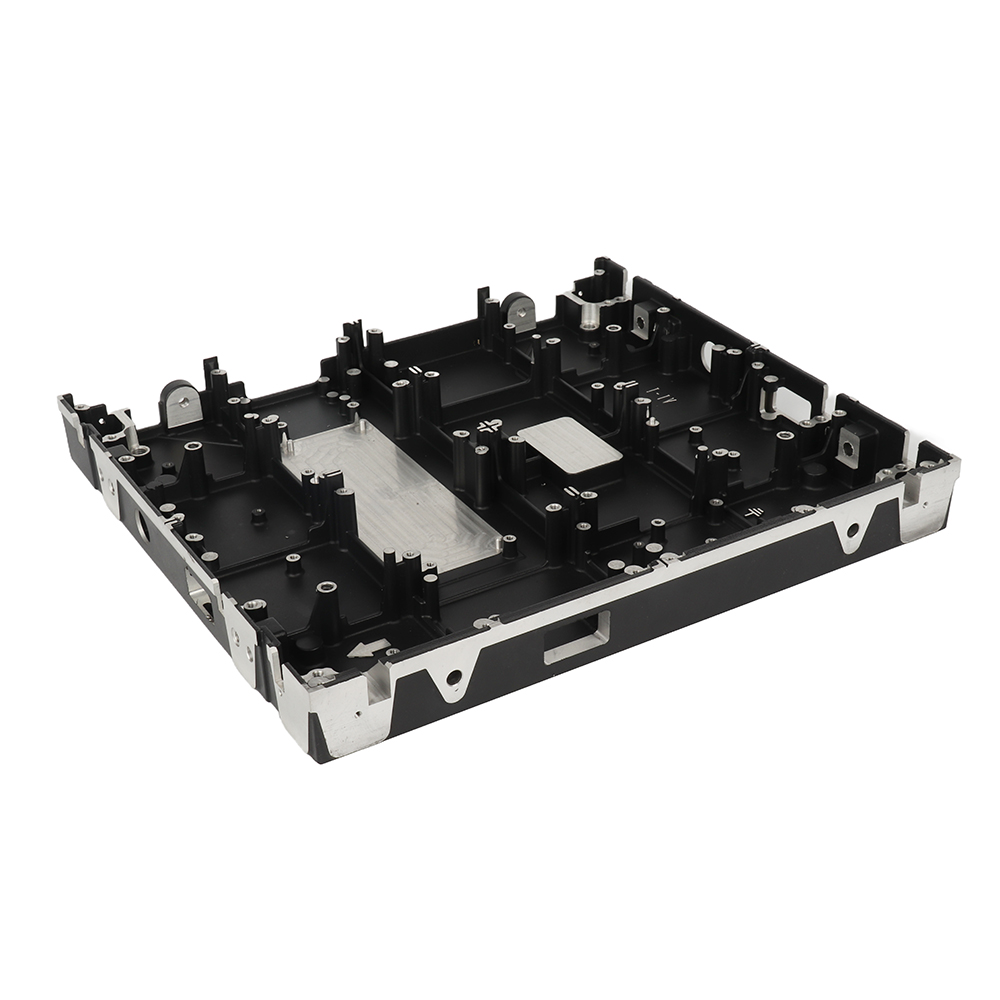
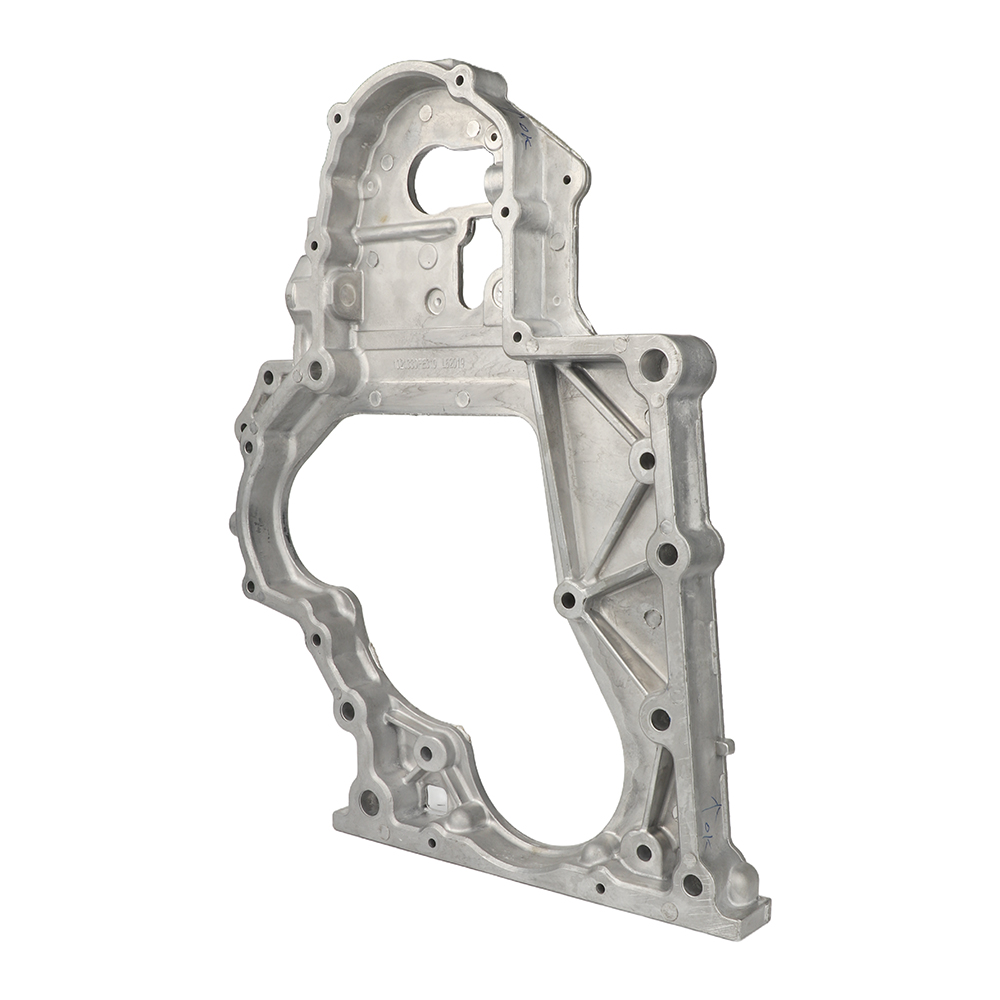
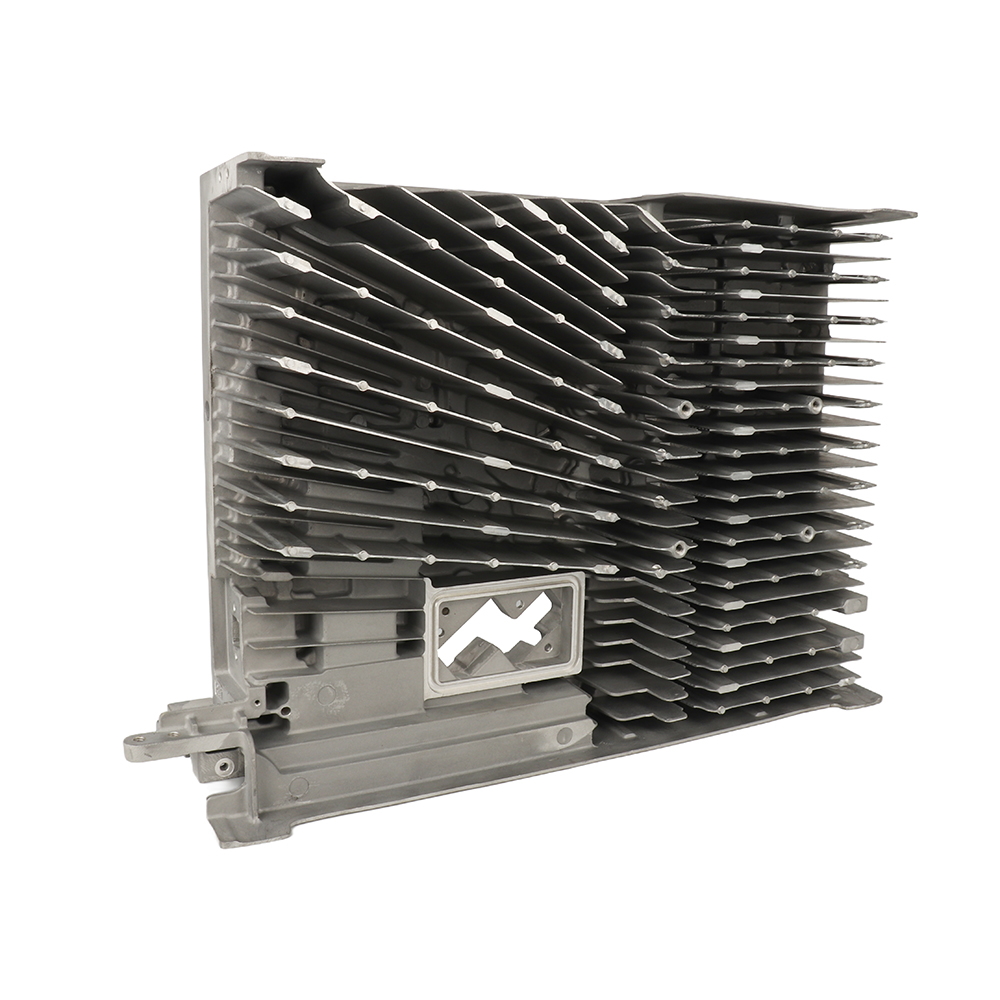
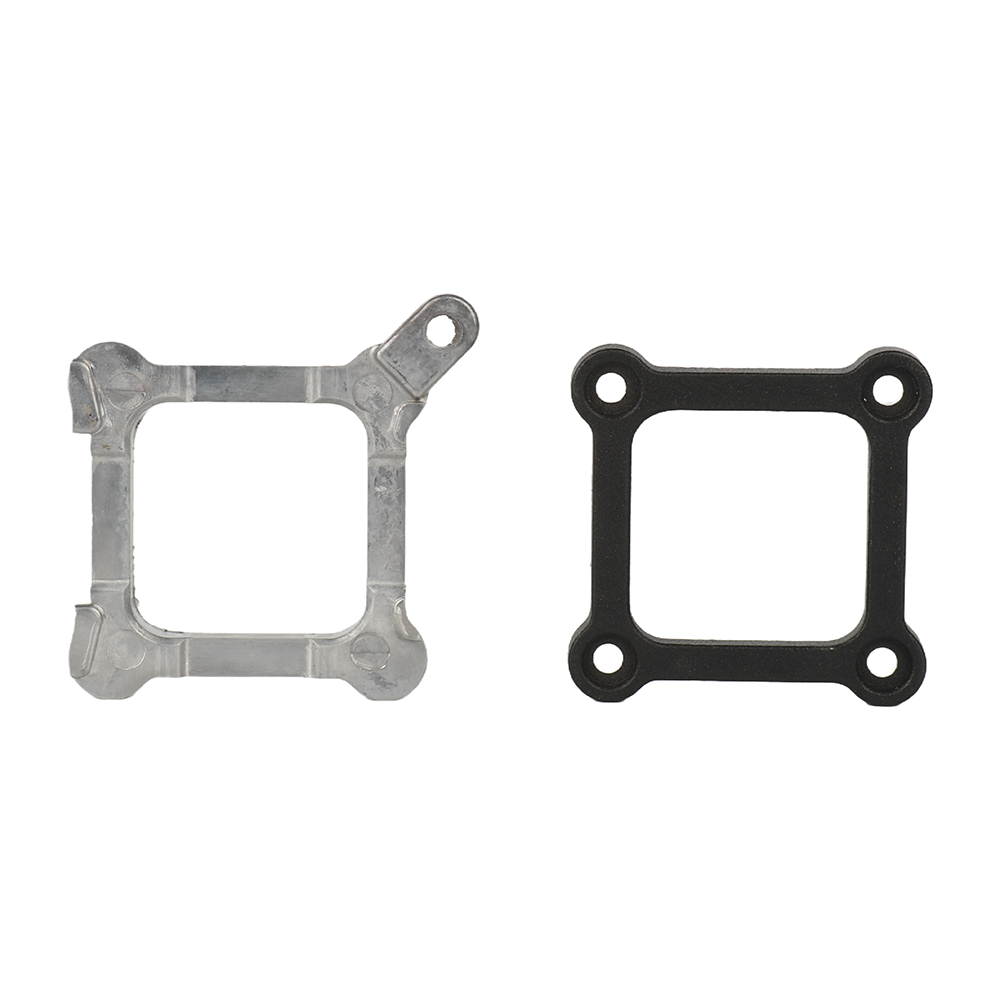
Die cast robot | What are the benefits of using die-cast robot parts for industrial automation?
2026-08-26
What Are the Benefits of Using Die‑Cast Robot Parts for Industrial Automation?
Table of Contents
1. Overview of ADC12 Aluminum Die‑Cast Robot Parts
1.1 What Are Die‑Cast Robot Parts
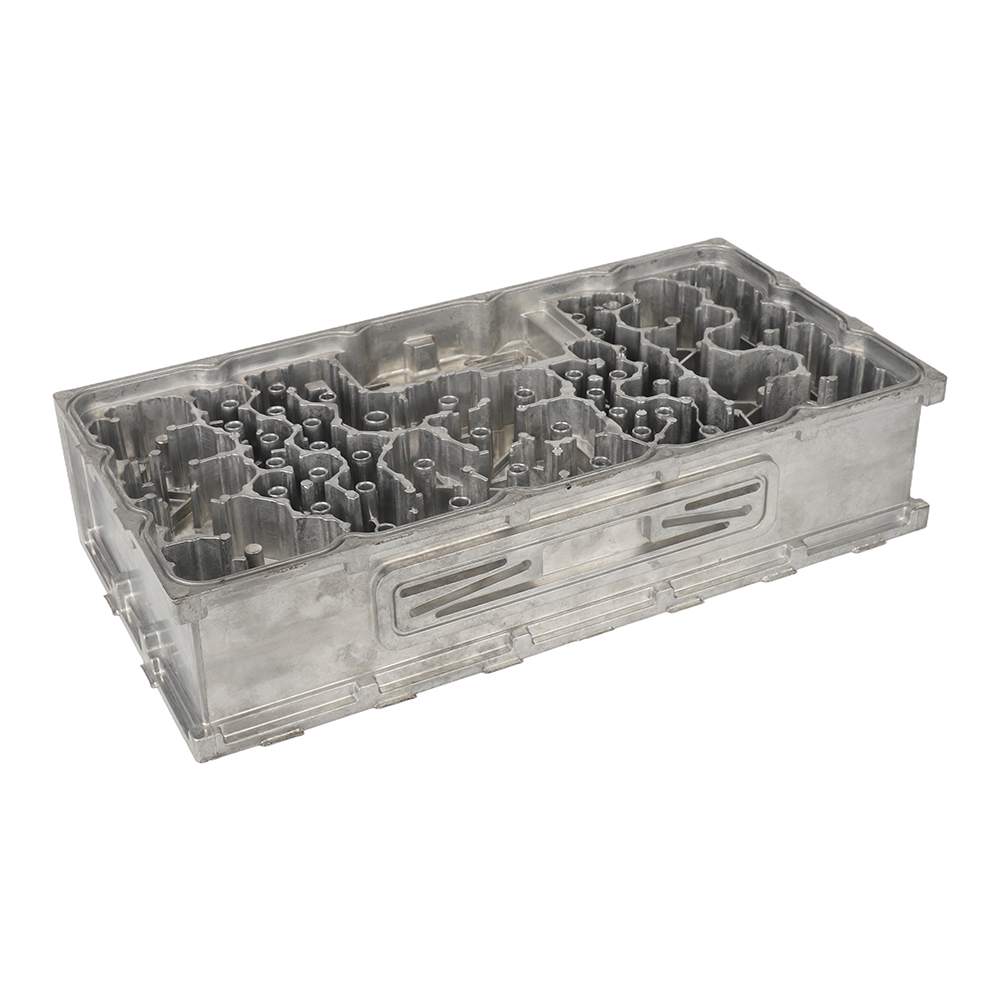
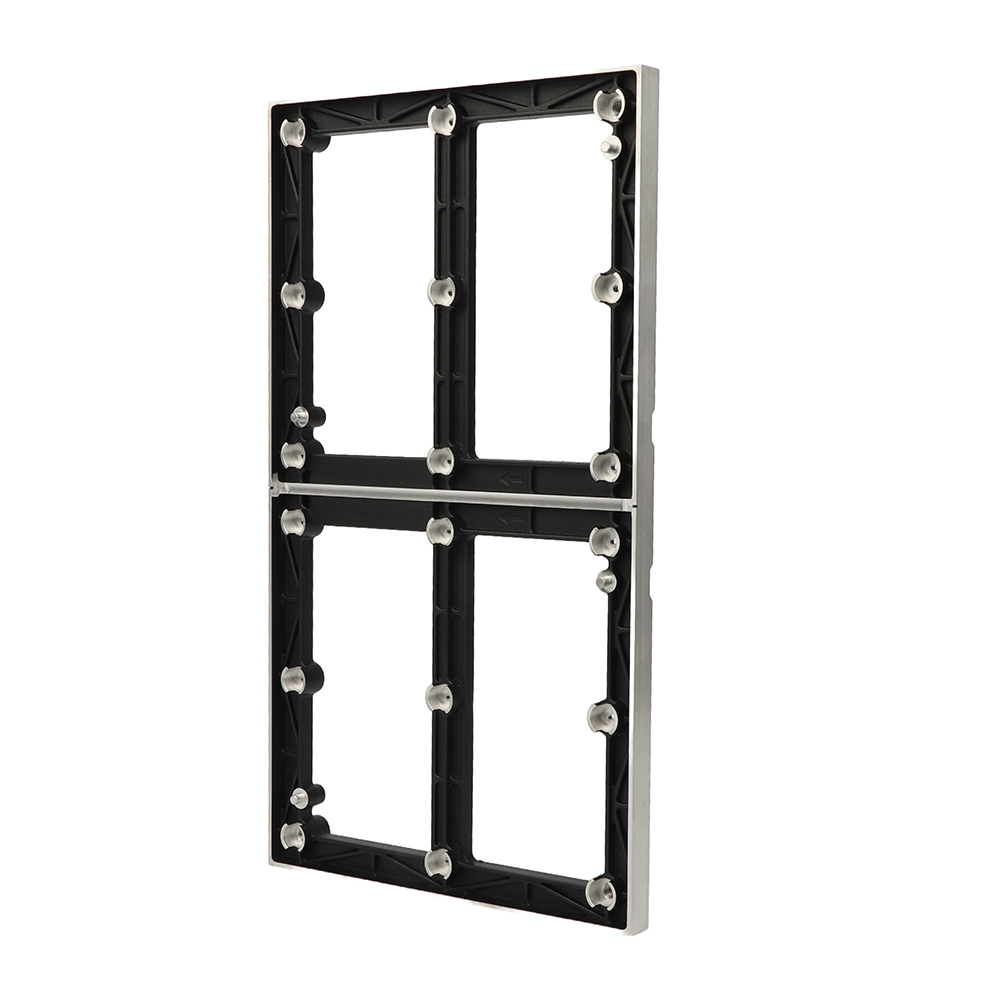
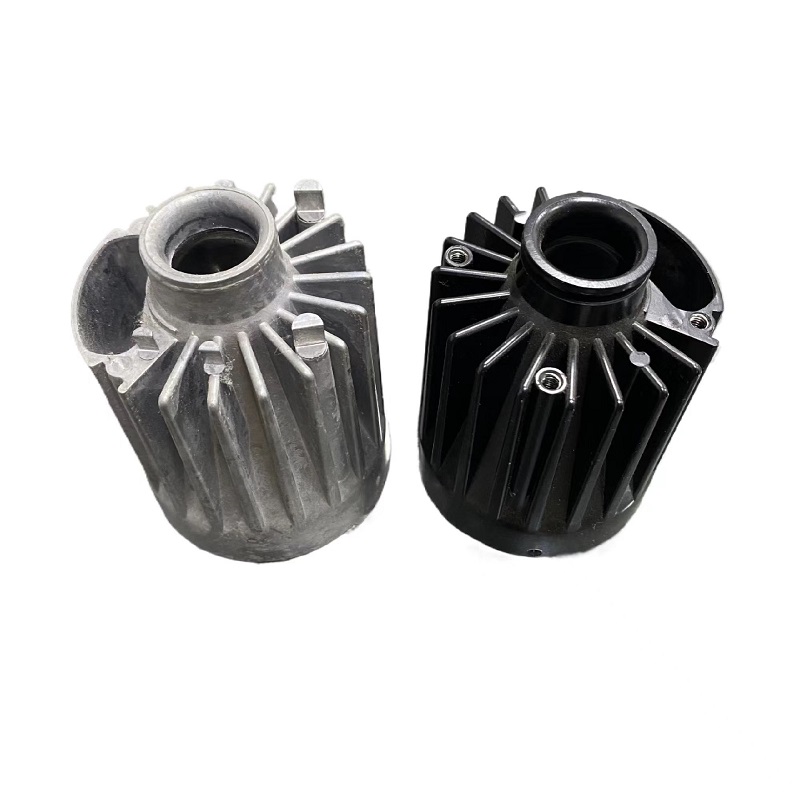
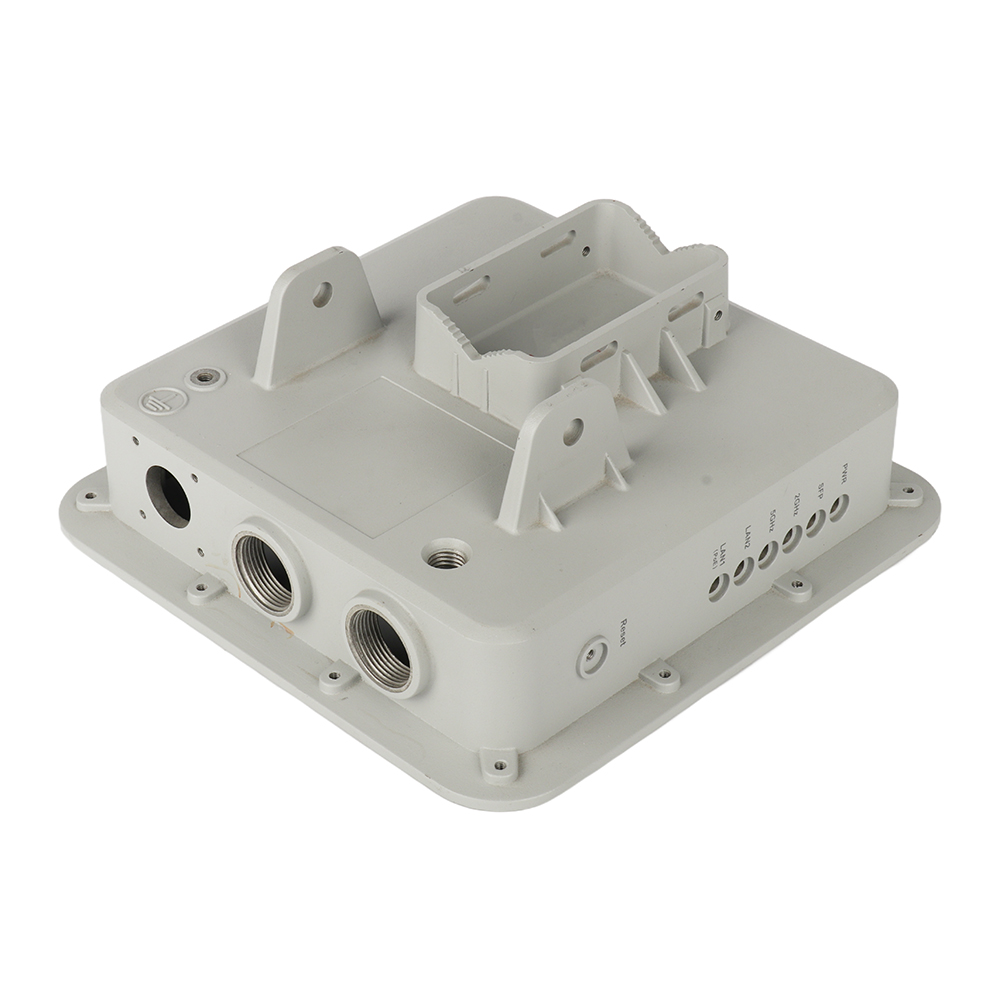
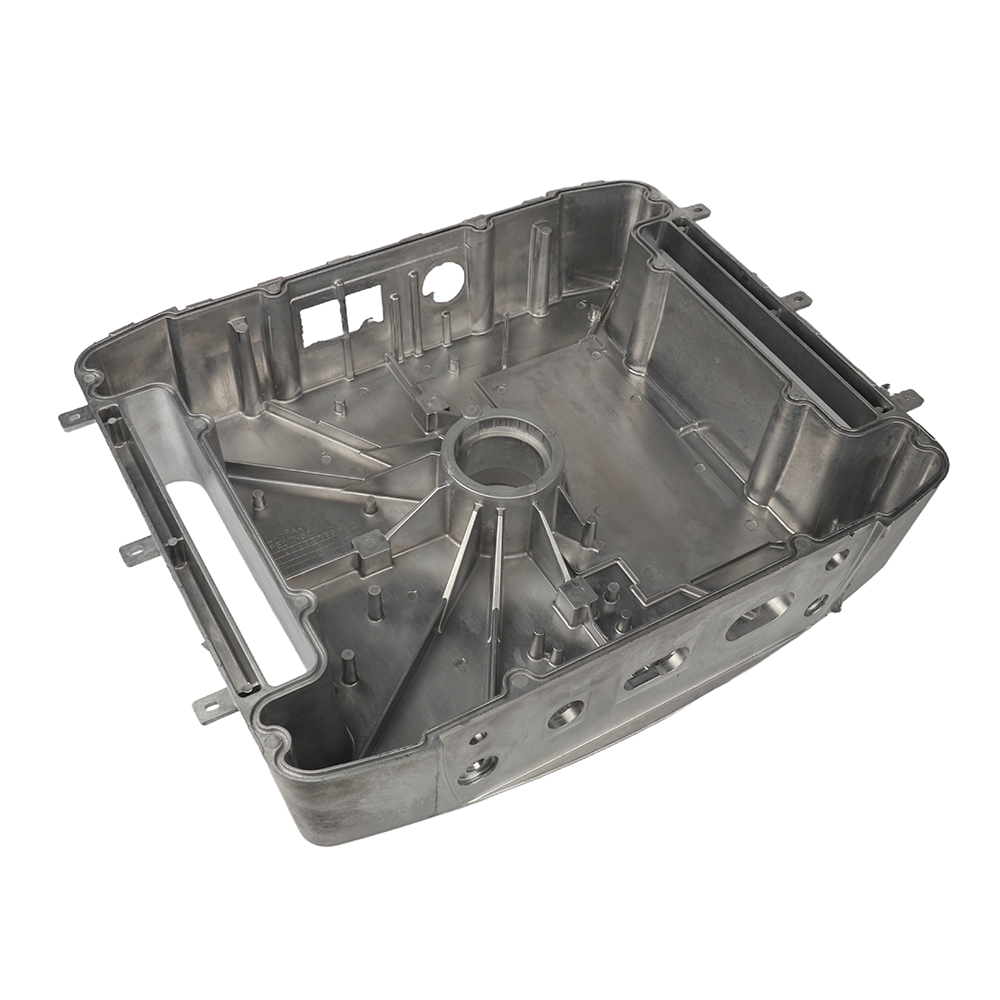
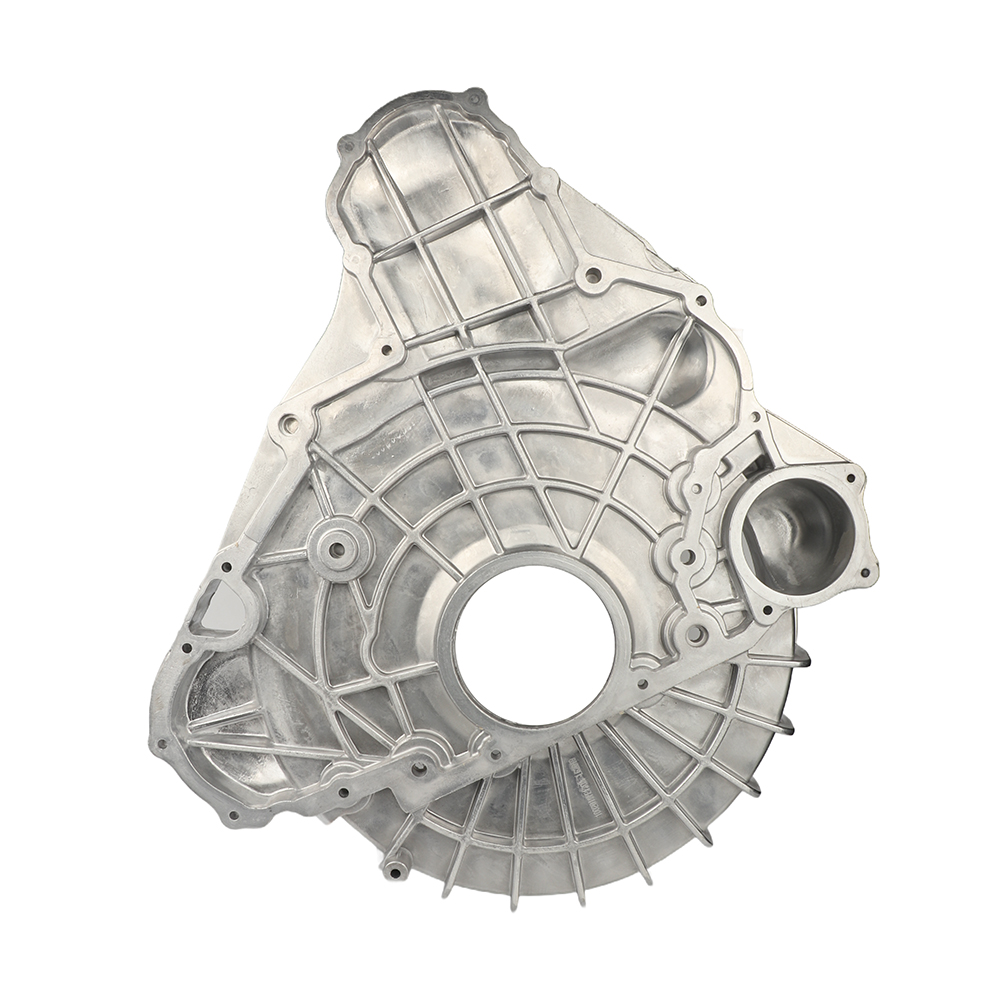
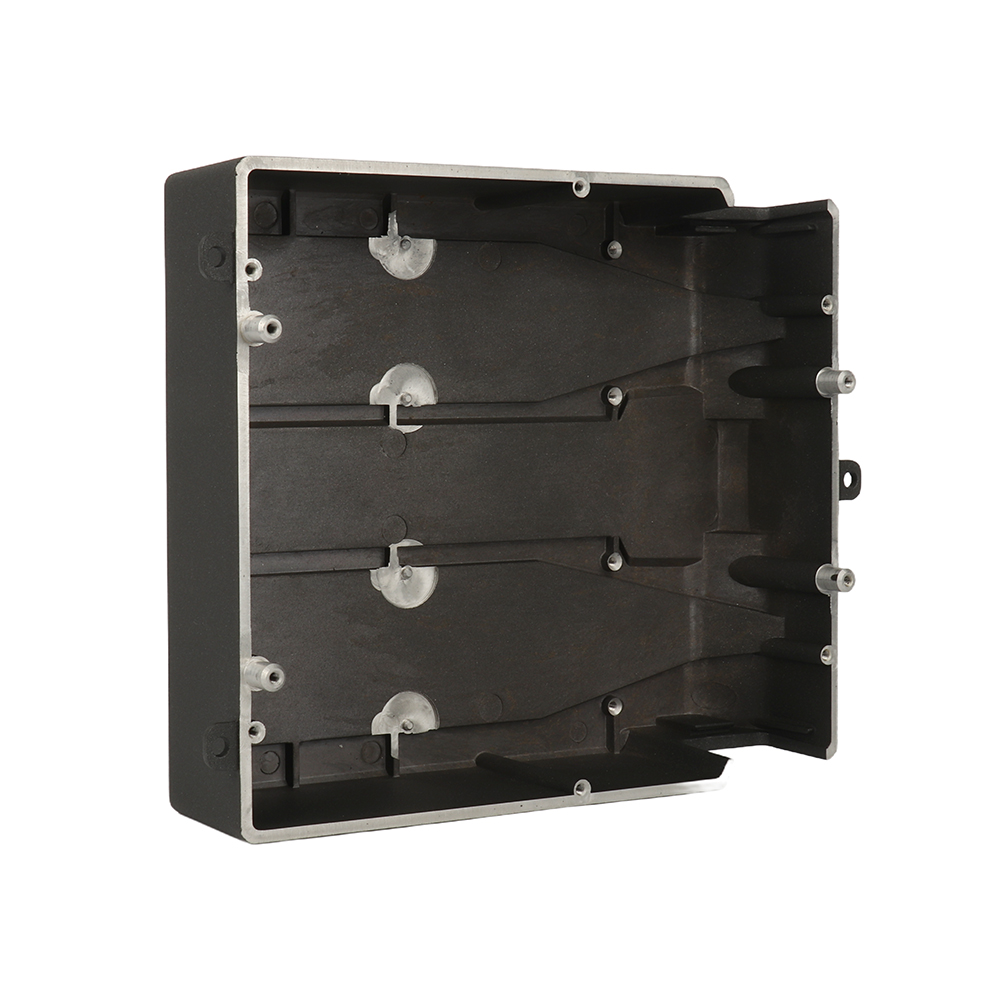
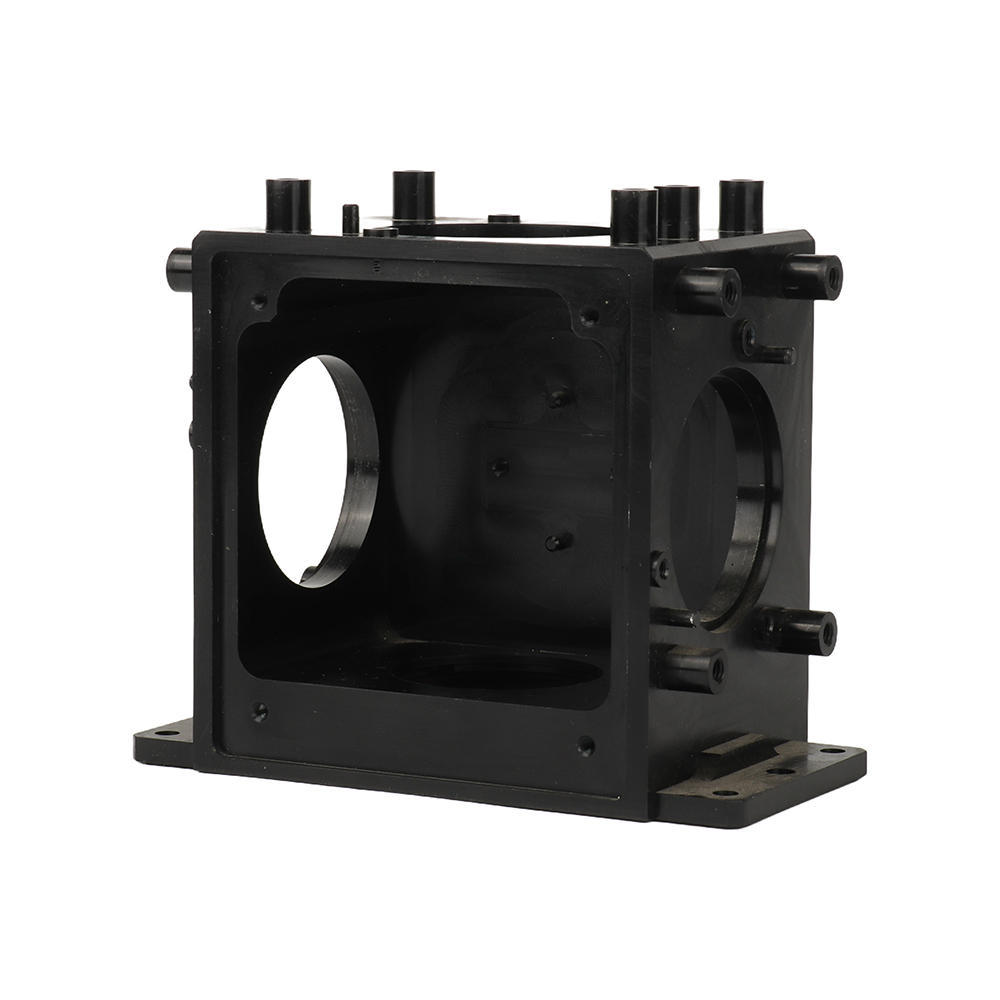
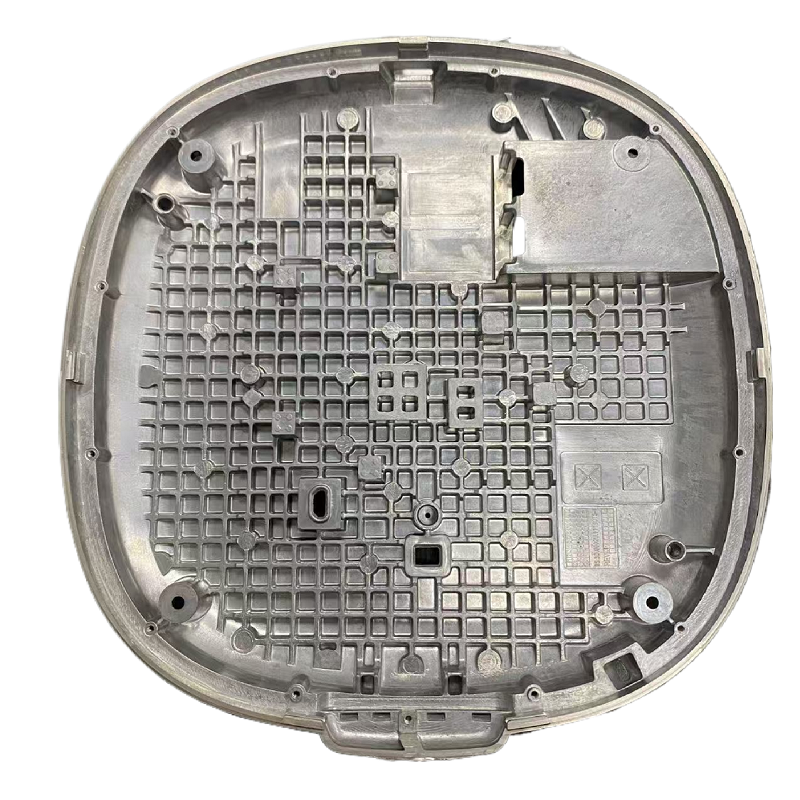
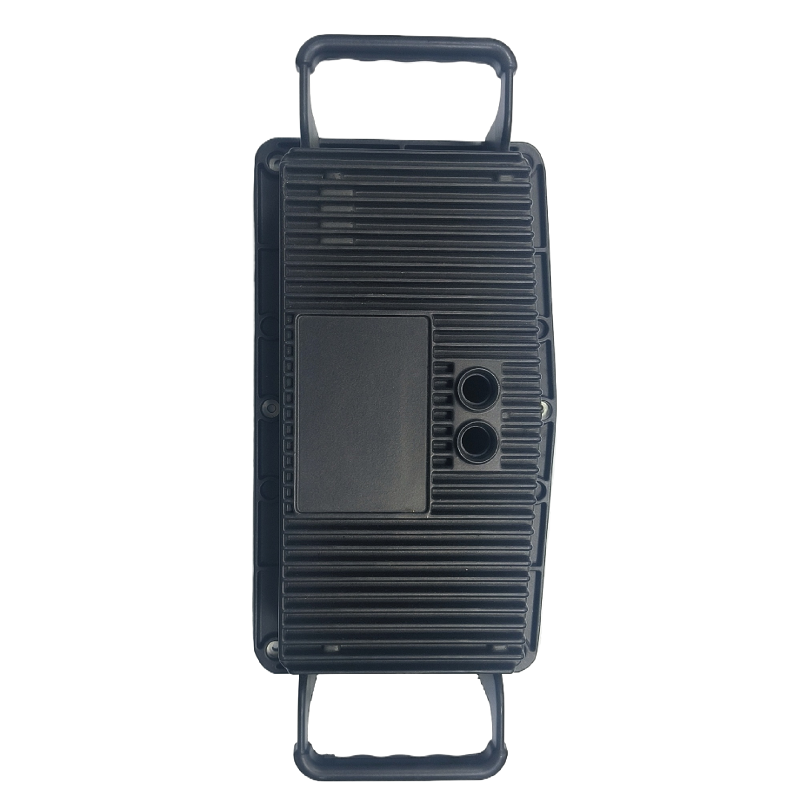
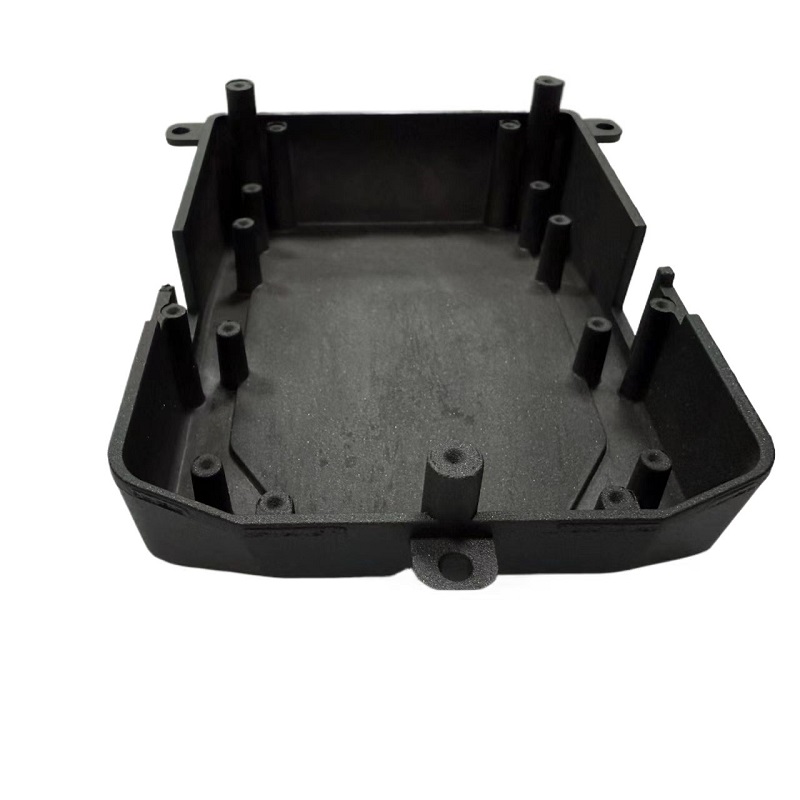
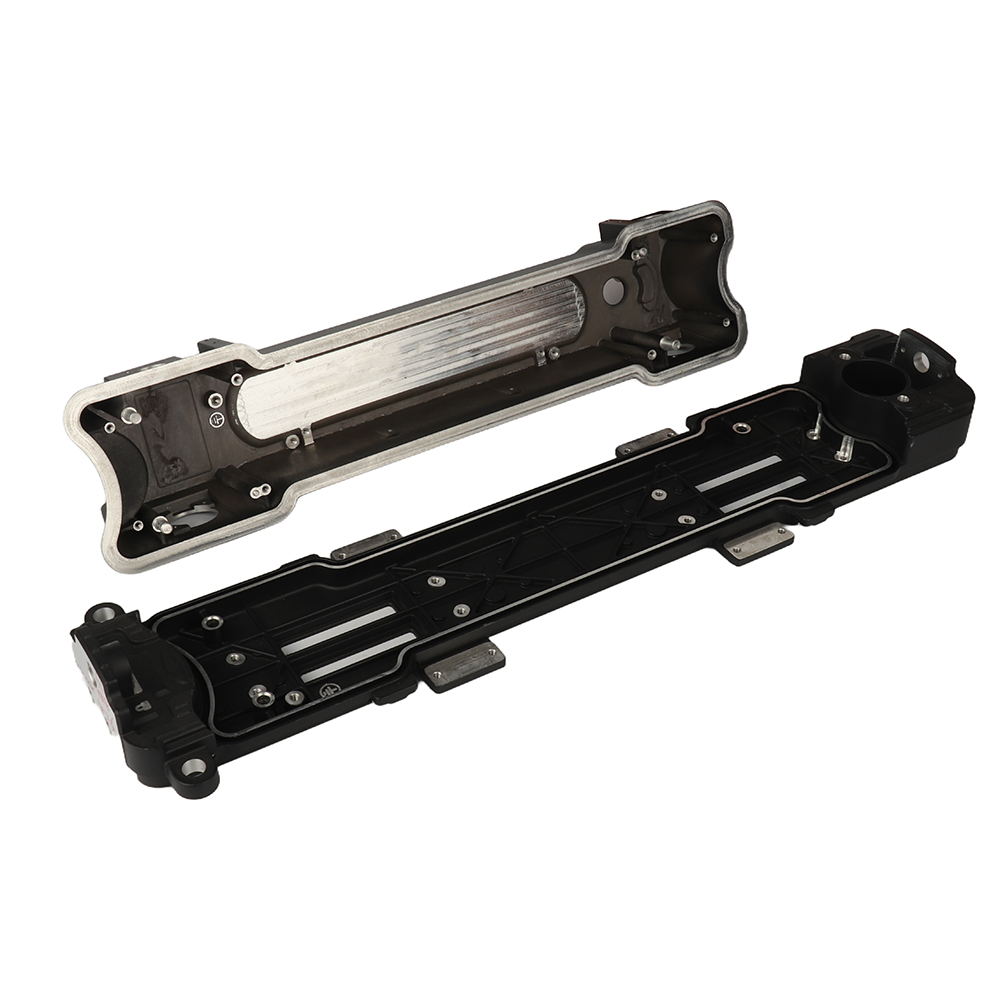
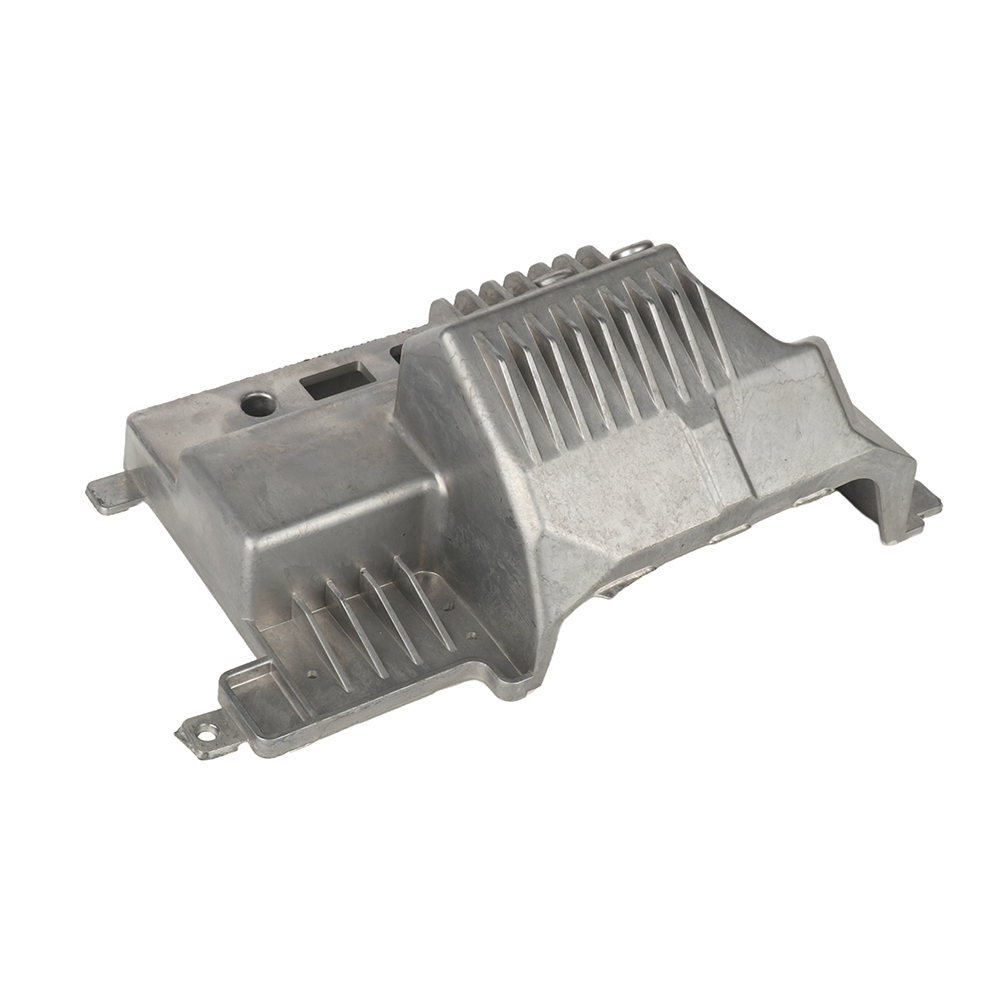
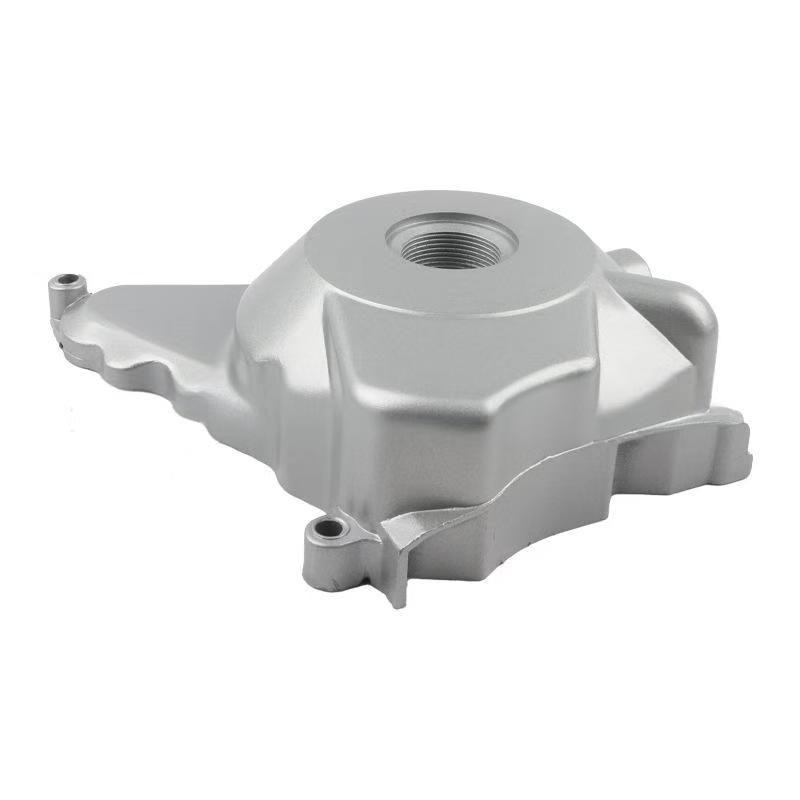
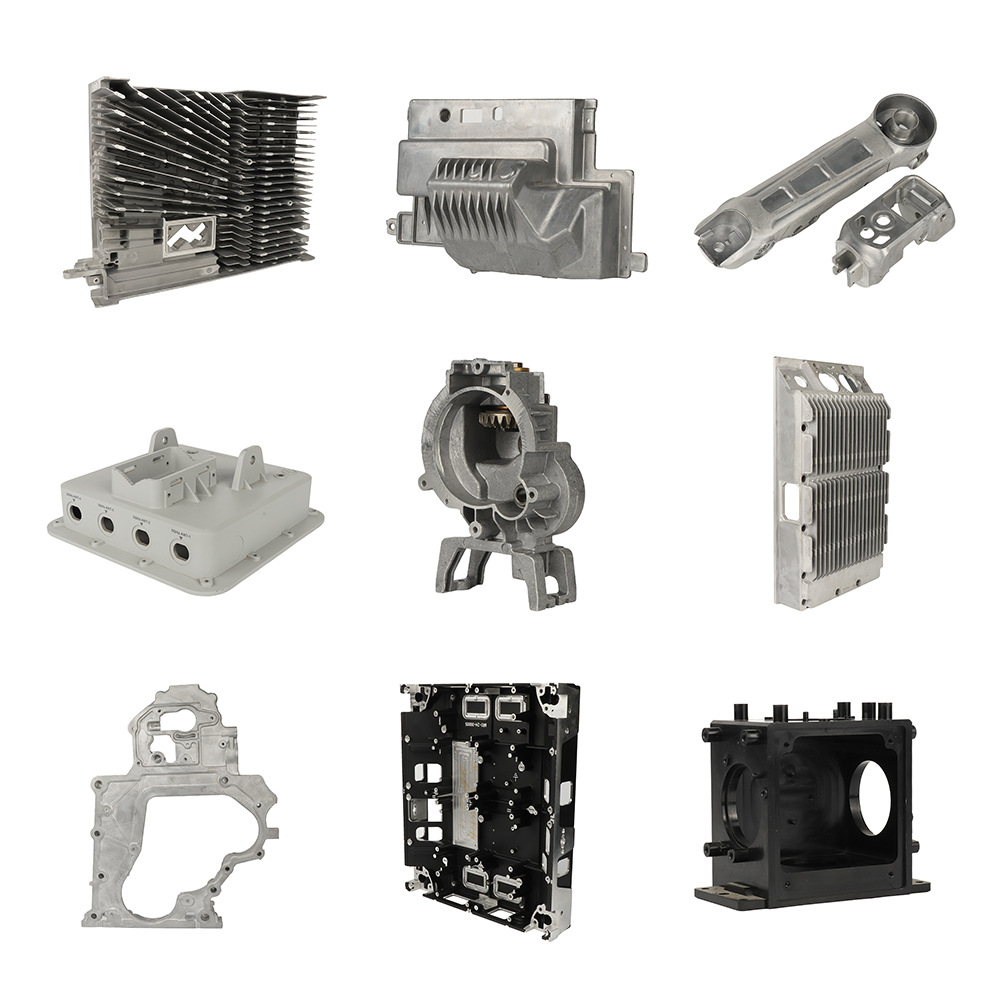
Die‑cast robot parts are high‑precision structural components specially developed for industrial automation equipment, manufactured via high‑pressure aluminum die‑casting integrated molding technology. The product portfolio covers robot arm shells, joint housings, base support brackets, sensor fixing frames, motor protective shells and various customized auxiliary structural parts, serving as the core structural carrier of intelligent industrial robots.
Compared with traditional stamping, forging and fully machined robot parts, die‑cast robot parts eliminate secondary splicing, welding and assembly processes. This effectively avoids structural gaps, assembly looseness and precision attenuation, perfectly adapting to the high‑frequency reciprocating operation, sub‑millimeter precision positioning and long‑term continuous load‑bearing work characteristics of modern industrial automation equipment, and has become the mainstream component solution for automated production line upgrades.
1.2 Core Raw Material: ADC12 Aluminum Alloy
Nearly all high‑end customized die‑cast robot components in the automation industry adopt ADC12 aluminum alloy, which strictly complies with JIS H 5302 and EN AC‑46000 international industrial standards. As a classic Al‑Si‑Cu series alloy, it features stable chemical properties, excellent casting fluidity, balanced mechanical rigidity and superior thermal conductivity.
Different from ordinary pure aluminum, zinc alloy and low‑grade aluminum alloy materials, ADC12 aluminum alloy realizes the dual advantages oflightweight design and high structural strength. It can resist mechanical vibration, surface friction and mild chemical corrosion in complex factory environments, fully meeting the long‑term stable operation and durability requirements of industrial robots.
1.3 Core Production Process Characteristics
All customized die‑cast robot parts adopt one‑piece high‑pressure die‑casting integral forming process. Complex structures including irregular grooves, precision mounting holes, reinforcing ribs and integrated heat dissipation structures are formed at one time without secondary processing and assembly, greatly improving the overall structural stability and positioning accuracy of the parts.
Subsequent professional processes such as fine CNC machining, precision sandblasting, anodizing and deburring further optimize the wear resistance, corrosion resistance, surface finish and dimensional consistency of the products, fully matching the high‑standard application requirements of industrial automation scenarios.
2. Standard Technical Parameters of Custom ADC12 Die‑Cast Robot Components
The following are universal industry standard parameters for mainstream customized ADC12 aluminum die‑cast robot parts, covering material performance, processing precision, surface treatment and industrial test standards, applicable to most industrial robots, automated handling equipment, welding robots and intelligent assembly equipment supporting components:
|
Parameter Item
|
Standard Specification
|
Execution & Test Standard
|
|
Material Grade
|
ADC12 Aluminum Alloy (AlSi9Cu3)
|
JIS H 5302 / EN AC‑46000
|
|
Thermal Conductivity
|
≥120 W/m·K
|
Room temperature conventional test
|
|
Tensile Strength
|
≥250 MPa
|
Industrial mechanical performance test
|
|
Brinell Hardness
|
75 HB
|
Standard hardness detection
|
|
Dimensional Tolerance
|
±0.05mm (precision robot parts); ±0.1mm (conventional parts)
|
ISO precision processing standard
|
|
Surface Roughness
|
Ra ≤1.6μm
|
Post‑machining surface treatment
|
|
Wall Thickness Range
|
0.8mm ‑ 5.0mm (customizable per robot demands)
|
One‑piece die‑casting forming
|
|
Melting Point
|
Approx. 549°C
|
Material physical property test
|
|
Salt Spray Resistance
|
≥96 hours neutral salt spray test pass
|
With anodizing / sandblasting treatment
|
|
Compliance Certification
|
RoHS / ISO9001 environmental quality standard
|
Global industrial universal certification
|
3. Core Functional Roles of Custom Die‑Cast Robot Parts in Industrial Automation
3.1 High‑Precision Structural Support & Positioning Guarantee
Industrial automated production puts forward ultra‑high requirements for robot positioning accuracy and motion repeatability. Custom ADC12 die‑cast robot parts adopt precision die‑casting and secondary finishing technology, with extremely low dimensional tolerance errors. The integrated reinforcing rib structure effectively improves the structural rigidity of robot arms, joints and base components, preventing structural deformation and positioning deviation during high‑frequency reciprocating motion. It ensures that automated robots maintain sub‑millimeter‑level stable operation in long‑term continuous production, fully meeting the precision standards of automated assembly, handling, welding and sorting processes.
3.2 Efficient Heat Dissipation & Long‑Term Equipment Stability
Industrial robots will generate continuous cumulative heat during long‑term high‑load operation of internal motors, sensors and control modules. Relying on the excellent thermal conductivity of ADC12 aluminum alloy, customized die‑cast shells and structural parts can quickly absorb and conduct internal heat to the external environment, effectively reducing the operating temperature of core components. This avoids equipment failure, performance attenuation and service life reduction caused by overheating, greatly improving thecontinuous operation stability and fault tolerance rate of automated equipment.
3.3 Lightweight Design & Energy‑Saving Operation
Different from heavy steel structural parts, ADC12 aluminum die‑cast robot parts have significant lightweight advantages while ensuring structural strength. The low‑density material effectively reduces the overall load of the robot power system, lowers the inertia of high‑speed movement, enables the robot to complete faster acceleration, deceleration and flexible switching actions, and effectively improves production line operation efficiency. At the same time, lightweight operation reduces motor energy consumption, realizing energy saving and low‑consumption automated production.
3.4 Customized Adaptation & Strong Environmental Durability
Custom die‑cast robot parts can be flexibly optimized in structure, size, wall thickness and surface process according to the personalized needs of different automated production lines and robot models. The optimized anodizing and sandblasting surface treatment endows the parts with excellent wear resistance, corrosion resistance and anti‑oxidation performance, which can adapt to harsh industrial environments such as high dust, humidity and mild chemical corrosion, ensuring long‑term stable operation of equipment.

4. Unique Market Advantages of ADC12 Custom Die‑Cast Robot Parts
4.1 Integrated Molding, Higher Structural Reliability
Traditional robot parts require multi‑piece splicing and assembly, which is prone to loose gaps and precision loss after long‑term operation. Custom ADC12 die‑cast parts adopt one‑piece integrated molding, with no assembly gaps inside the structure. The overall rigidity and structural stability are far higher than traditional processed parts, which can effectively resist vibration and impact during robot operation and reduce equipment failure rates.
4.2 High Customization Flexibility, Matching Diverse Automation Needs
Standard parts are difficult to meet the personalized structural design of special automated equipment. Custom die‑cast robot parts support full‑process personalized customization from drawing design, mold opening, die‑casting molding to surface treatment. It can perfectly adapt to special structural requirements such as irregular shapes, special mounting holes and integrated heat dissipation structures of different industrial robots, covering all types of automation equipment customization scenarios.
4.3 High Cost‑Performance, Suitable for Mass Production
Although customized die‑casting has one‑time mold opening cost, it has prominent cost advantages in medium and large batch production. The one‑piece molding process reduces secondary processing and assembly links, saves labor and processing costs, and improves product consistency and yield. Compared with full CNC machining parts, customized ADC12 die‑cast robot parts can reduce comprehensive production cost by 20%‑30% while ensuring performance, with extremely high market cost performance.
4.4 Compliant & Reliable, Wide Industry Adaptability
All customized ADC12 die‑cast robot parts comply with RoHS environmental protection standards and ISO9001 quality system certification, meeting the access standards of global industrial automation industries. The stable material performance and standardized processing technology make the products applicable to almost all industrial automation scenarios, with strong market universality and industry recognition.
5. Main Application Scenarios & Market Price Analysis
5.1 Core Market Application Scenarios
Custom ADC12 aluminum die‑cast robot parts are widely used in various intelligent industrial automation fields, covering mainstream scenarios as follows:
-
Industrial Handling Robots: Customized arm shells, base brackets and connecting joint parts, ensuring stable and high‑frequency handling operation.
-
Automated Welding Robots: High‑temperature resistant and heat‑dissipating structural housings, adapting to high‑temperature working environment of welding equipment.
-
Intelligent Assembly Robots: Precision positioning structural parts, meeting sub‑millimeter assembly precision requirements.
-
Logistics Sorting Automation Equipment: Lightweight and high‑rigidity bracket parts, improving sorting efficiency and equipment durability.
-
Electronic Product Automated Production Line: Precision sensor fixing frames and motor shells, suitable for high‑precision electronic manufacturing scenarios.
-
Smart Manufacturing Automated Machinery: Various customized special‑shaped structural parts and heat dissipation shells.
5.2 Industry Market Price Analysis
The market price of custom ADC12 die‑cast robot parts is affected by product complexity, processing precision, surface technology and order batch, with a clear tiered pricing system in the industry:
-
Conventional Standard Structural Parts: Simple brackets and ordinary shells, with low processing difficulty, the market unit price is relatively low, suitable for large‑batch conventional supporting equipment.
-
Medium‑Precision Custom Parts: Regular joint housings and sensor fixing parts with certain precision requirements, moderate price, the most mainstream product in the automation market.
-
High‑Precision Special‑Shaped Custom Parts: Irregular structural parts, ultra‑thin wall parts and high‑precision positioning parts with complex processes, high technical threshold and relatively high unit price, suitable for high‑end intelligent robot equipment.
In addition, the industry has an obviousbatch preferential rule: the larger the order quantity, the lower the unit processing cost. Mass customized orders can effectively reduce mold opening and single‑piece production costs, bringing higher cost‑performance for enterprise procurement.
6. Common Usage Problems & Practical Solutions for Die‑Cast Robot Components
6.1 Surface Oxidation & Corrosion
Problem Manifestation: Long‑term operation in humid and dusty factory environment may cause surface oxidation, discoloration and slight corrosion of die‑cast parts, affecting appearance and partial performance.
Practical Solution: Adopt professional anodizing and sandblasting composite surface treatment process to form a dense protective film on the product surface. Regular daily cleaning of equipment surface can effectively avoid oxidation and corrosion, and extend product service life.
6.2 Dimensional Precision Deviation After Long‑Term Operation
Problem Manifestation: After long‑term high‑frequency vibration and load operation, individual parts may have slight dimensional deviation, resulting in reduced robot positioning accuracy.
Practical Solution: Optimize the internal reinforcing rib structure during customization to improve structural rigidity; conduct regular precision calibration and equipment maintenance. Select high‑standard ADC12 raw materials and standardized die‑casting process to ensure structural stability of parts.
6.3 Local Heat Accumulation & Poor Heat Dissipation
Problem Manifestation: Individual customized parts lack integrated heat dissipation structure design, resulting in local heat accumulation during high‑load operation, affecting equipment stability.
Practical Solution: Add integrated heat dissipation grooves and heat conduction structures in the customized design stage based on equipment operating characteristics, and make full use of the high thermal conductivity of ADC12 aluminum alloy to realize efficient heat dissipation.
6.4 Loose Assembly & Inaccurate Fitting
Problem Manifestation: Unreasonable mold design or insufficient finishing precision leads to poor fitting of mounting holes and assembly gaps, affecting equipment operation stability.
Practical Solution: Adopt secondary CNC finishing for key assembly positions, strictly control the tolerance within ±0.05mm; confirm assembly drawings and size parameters in advance during customized production to avoid fitting errors.
7. Industry Expert Viewpoints on Die‑Cast Robot Parts Application
Senior experts from the Industrial Automation Hardware Processing Industry Association pointed out that: With the rapid iteration of intelligent manufacturing, industrial automation equipment is developing towards lightweight, high‑precision and high‑efficiency operation. Traditional steel and ordinary alloy parts have been unable to meet the new generation of robot equipment's requirements for energy saving, precision and durability.
ADC12 aluminum custom die‑cast robot parts have become the optimal choice for automated component upgrading by virtue of their balanced lightweight, high strength, efficient heat dissipation and low‑cost mass production advantages. In the next stage, customized integrated die‑cast structural parts will gradually replace multi‑piece assembled parts and become the mainstream standard of industrial robot supporting components. Enterprises that adopt customized die‑cast solutions will gain obvious competitive advantages in equipment stability and production cost control.
In addition, technical experts emphasized that standardized material selection and refined customization processing are the core guarantees for the performance of die‑cast robot parts. Only by strictly following international material standards and precision processing specifications can we meet the long‑term stable operation needs of high‑end automation equipment.
8. Industry FAQ for Custom Aluminum Die‑Cast Robot Parts
Q1: Why choose ADC12 aluminum alloy instead of other alloys for robot die‑cast parts?
ADC12 aluminum alloy has balanced mechanical strength, excellent casting fluidity and thermal conductivity, with stable chemical properties and low cost. It perfectly matches the lightweight, heat dissipation and structural stability requirements of industrial robots, and is the most cost‑effective universal material for automation die‑cast parts, far superior to zinc alloy and ordinary pure aluminum materials.
Q2: Can customized die‑cast robot parts support personalized structural design?
Yes. Professional customized die‑casting services support full personalized customization including product structure, size, wall thickness, mounting hole position and surface technology. We can design and produce exclusive die‑cast parts according to customers’ equipment drawings and actual application scenarios to meet diverse personalized automation equipment needs.
Q3: What is the service life of custom ADC12 die‑cast robot parts?
Under standard industrial operating environment and regular maintenance, the service life of qualified ADC12 die‑cast robot parts can reach 5‑8 years. After anodizing and anti‑corrosion treatment, the parts can resist industrial fatigue and corrosion for a long time, with far longer service life than traditional processed parts.
Q4: Is the batch customization cost of die‑cast parts controllable?
It is highly controllable. Although customized mold opening has a one‑time investment, the unit cost will drop significantly with the increase of order quantity. Mass batch customization can save 20%‑30% of comprehensive procurement costs compared with small‑batch processing, with prominent cost advantages in long‑term enterprise procurement.
Q5: Do your products meet international industrial certification standards?
All our customized ADC12 die‑cast robot parts strictly comply with JIS H 5302, EN AC‑46000 material standards, and pass ISO9001 quality system certification and RoHS environmental protection certification, fully meeting the global industrial automation equipment access standards.
9. Industry Summary & Future Development Trends
9.1 Industry Summary
Custom ADC12 aluminum die‑cast robot parts are core supporting components for modern industrial automation upgrading. Relying on one‑piece integrated molding technology, excellent material performance and flexible customized services, they solve the pain points of low precision, poor stability and high cost of traditional robot parts. They are widely used in various intelligent manufacturing and automation scenarios, and have become an indispensable key part of the industrial automation industry chain.
9.2 Future Development Trends of Custom Die‑Cast Automation Products
First, ultra‑precision & integrated development: With the improvement of automation equipment intelligence, die‑cast parts will develop towards higher precision, more complex integrated structure, realizing multi‑functional integration of heat dissipation, positioning and structural support.
Second, lightweight & energy‑saving upgrading: Future customized die‑cast products will further optimize material ratio and structural design, reduce equipment energy consumption while ensuring strength, and meet the industry's green and low‑carbon development trend.
Third, intelligent customization & rapid mass production: The industry will realize rapid mold opening and personalized customized mass production, shorten the product delivery cycle, and improve the efficiency of enterprise equipment upgrading and iteration.
Fourth, high durability & environmental protection standardization: Surface treatment technology will be further upgraded to improve the environmental adaptability and service life of products, and all products will fully meet global environmental protection and quality certification standards.
10. How to Select a High‑Quality Precision Hardware Processing Supplier
Choosing a reliable customized die‑cast robot parts supplier is the key to ensuring product quality and equipment stability. Enterprises can judge from the following core dimensions:
-
Qualification & Standardization: The supplier must have complete ISO9001 quality certification, environmental protection certification and standardized production system, and strictly implement international material and processing standards.
-
Customization Capability: Possess independent mold opening, structural design and finishing processing capabilities, support personalized customized production of various special‑shaped parts.
-
Technical & Process Strength: Have advanced high‑pressure die‑casting equipment, CNC finishing equipment and professional surface treatment technology, with stable product precision and yield.
-
Quality Testing System: Equipped with professional precision testing equipment, which can complete dimensional tolerance, hardness, salt spray and other performance tests to ensure product compliance.
-
After‑Sales & Batch Service: Provide perfect after‑sales technical support, flexible delivery cycle and favorable batch discount policies, suitable for long‑term enterprise cooperation.
11. Xinghang Precision Hardware Customization Services & Bulk Discount Policy
Xinghang Precision Hardware is a professional manufacturer focusing on custom ADC12 aluminum die‑cast robot parts and precision hardware processing. We have complete production equipment, professional technical team and standardized production management system, supporting all types of precision die‑cast product shell and structural part customization, covering industrial robot parts, automation equipment structural parts, precision hardware shells and other customized services.
We provide one‑stop full‑process services including drawing design, mold opening, die‑casting molding, CNC finishing, surface treatment and quality testing. All products strictly comply with international industrial standards, with stable performance, high precision and strong durability, serving global industrial automation manufacturing enterprises.
Exclusive Bulk Discount Policy: In order to reward long‑term cooperative customers, our company implements a hierarchical preferential policy for batch orders. The more the order quantity, the higher the discount. Large‑batch customized orders can enjoy super low factory direct sales prices and priority delivery rights, helping customers reduce procurement costs comprehensively.
12. Official Contact Information
Welcome global customers to consult and customize precision die‑cast robot parts and hardware products! We provide free drawing evaluation, customized scheme design and factory quotation services.
Mobile / Whatsapp / WeChat: +86 18819502691
Email: liqine@xinghangcn.com
Aluminum pressure die casting process | What is the Aluminum Pressure Die Casting Process?A Complete Guide
aluminum motor housing | What is an aluminum motor housing?Ultimate Guide to ADC12 Die-Cast Motor Enclosure
Related Article

Residential energy storage systems have become increasingly popular as homeowners pursue energy independence, solar self-consumption and backup power for grid outages.
Energy storage enclosure | What Are the Benefits of Die-Cast Home Energy Storage Enclosures?

A custom LED display frame is the core structural carrier for LED screen modules, widely manufactured with ADC12 aluminum alloy via high-pressure die casting.
LED display frame | What Are the Benefits of Custom LED Display Frames?

