
HOT PRODUCTS
Aluminum die cast | What are the common applications of aluminum die cast parts? Complete Guide
2026-05-22
What Are the Common Applications of Aluminum Die Cast Parts? Complete Guide
Table of Contents
- Introduction: Overview of Aluminum Die Cast Parts
- Core Technical Parameters of Aluminum Die Casting & ADC12 Aluminum Material
- Core Functions & Key Values of Aluminum Die Cast Parts
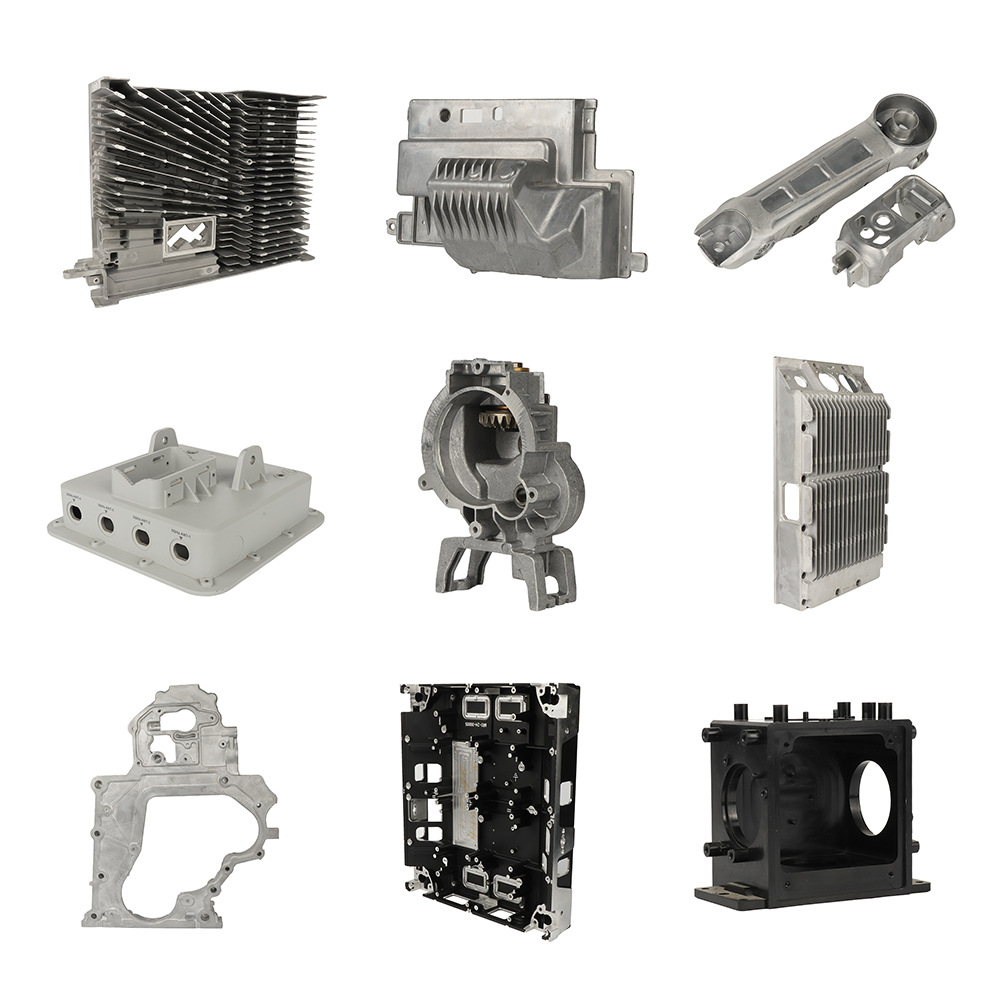
- Top Industry Applications of Aluminum Die Cast Components
- Unbeatable Benefits of Aluminum Die Cast Parts
- Industry Expert Viewpoints on Aluminum Die Casting Technology
- FAQs About Aluminum Die Cast Parts & ADC12 Die Casting
- Future Development Trends of Aluminum Die Casting Industry
- How to Select a High-Quality Hardware Processing Supplier
- Choose Xinghang Precision Hardware: Bulk Discounts & Contact Information
Introduction: Overview of Aluminum Die Cast Parts
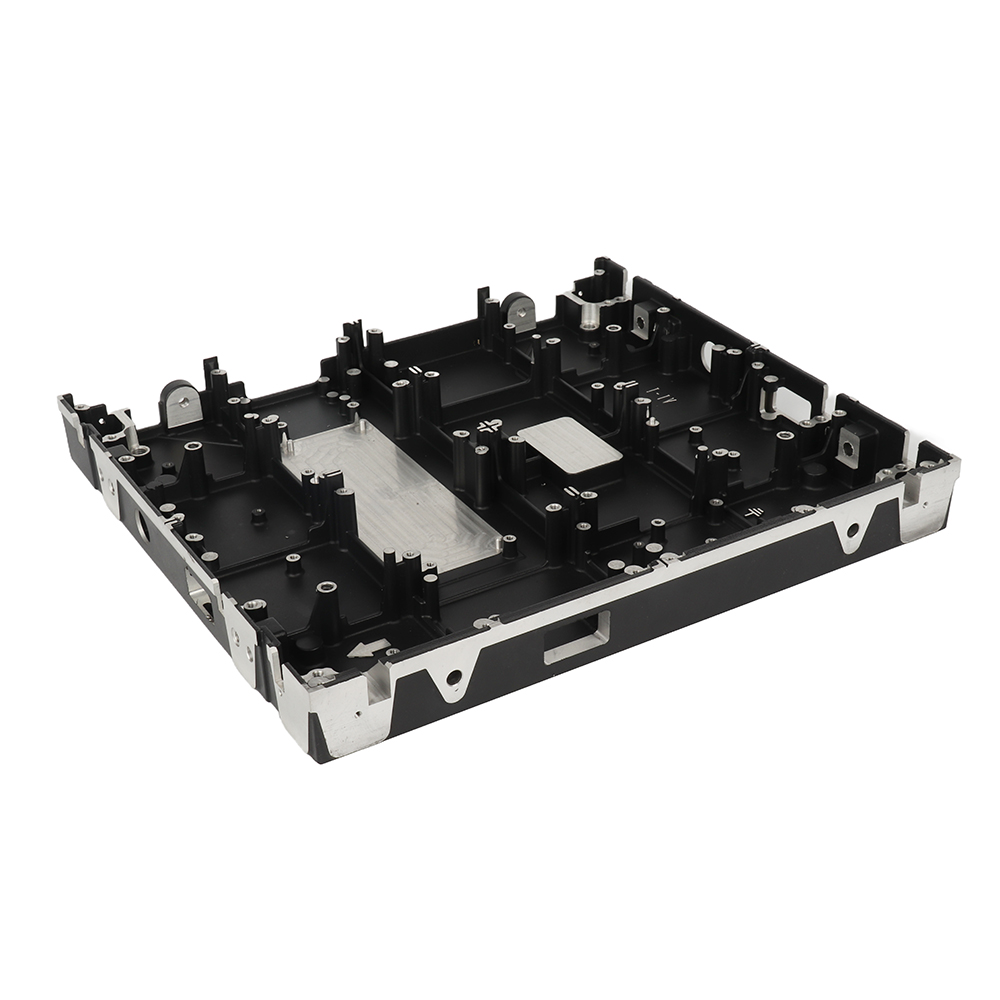
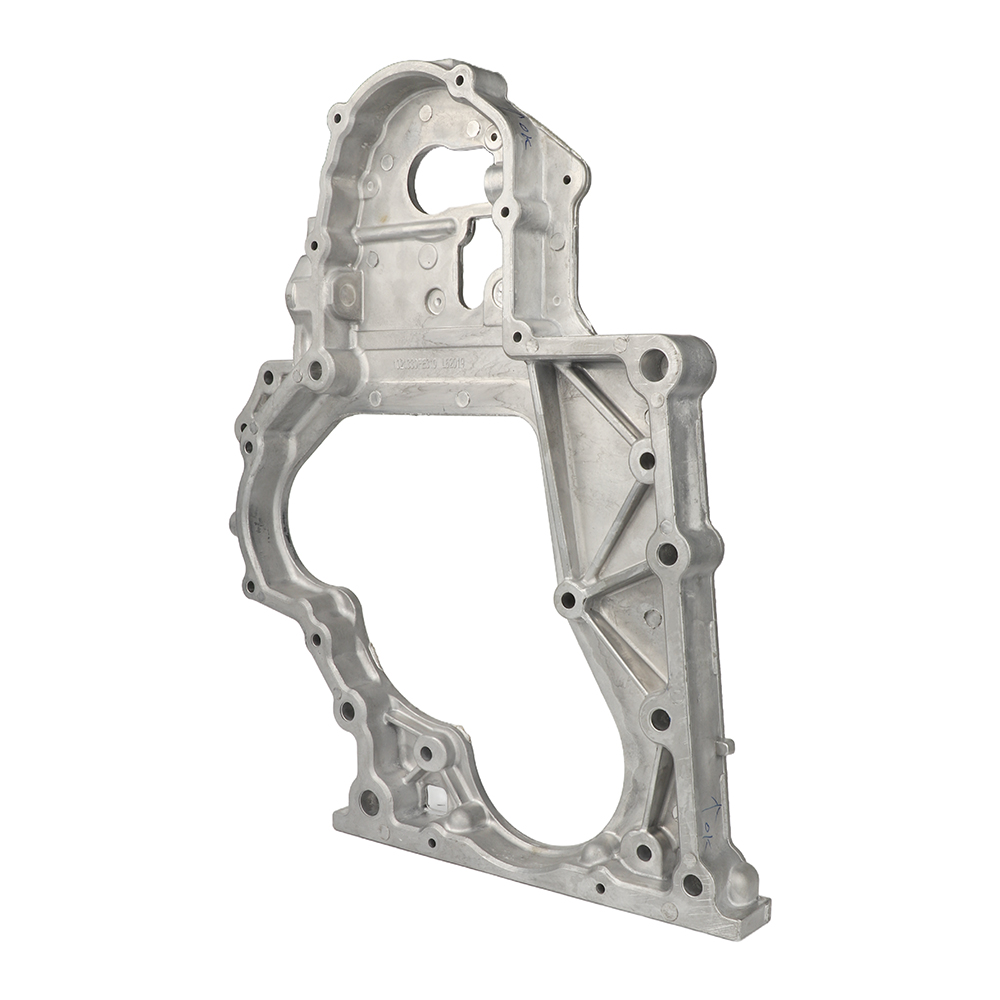
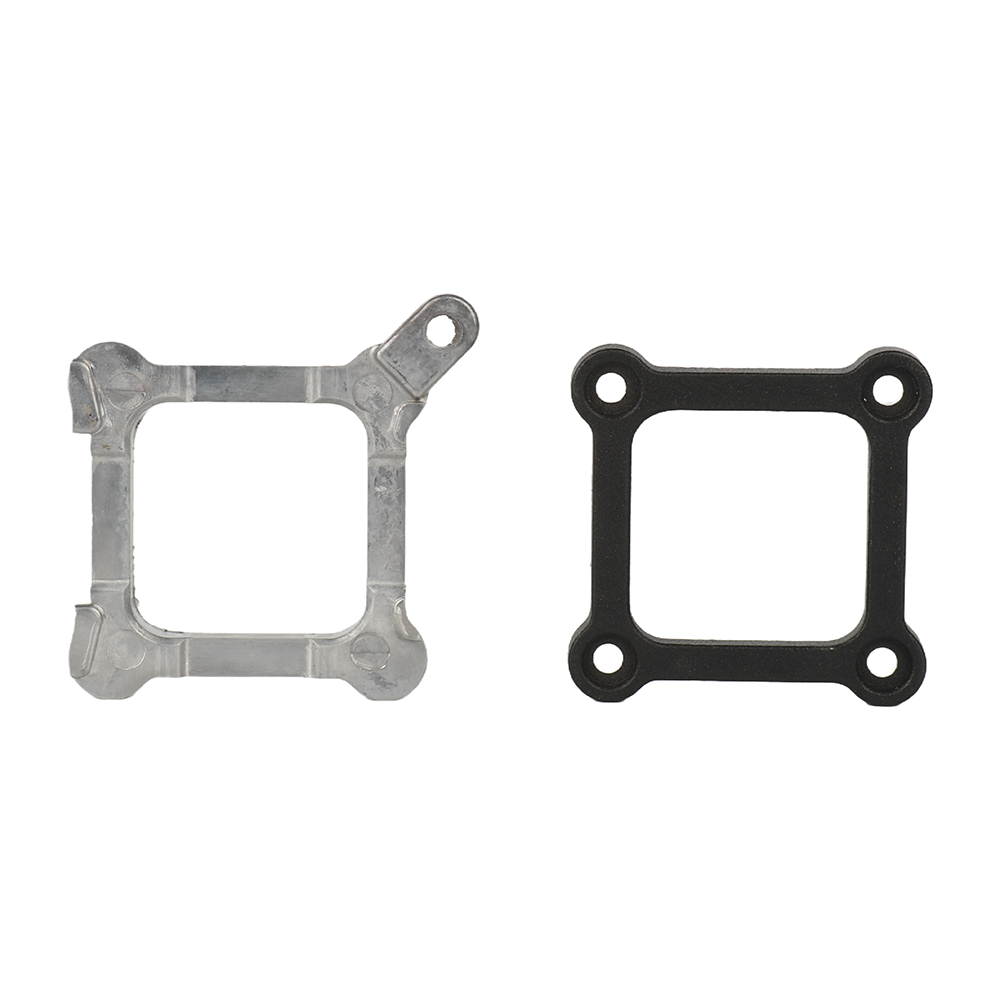
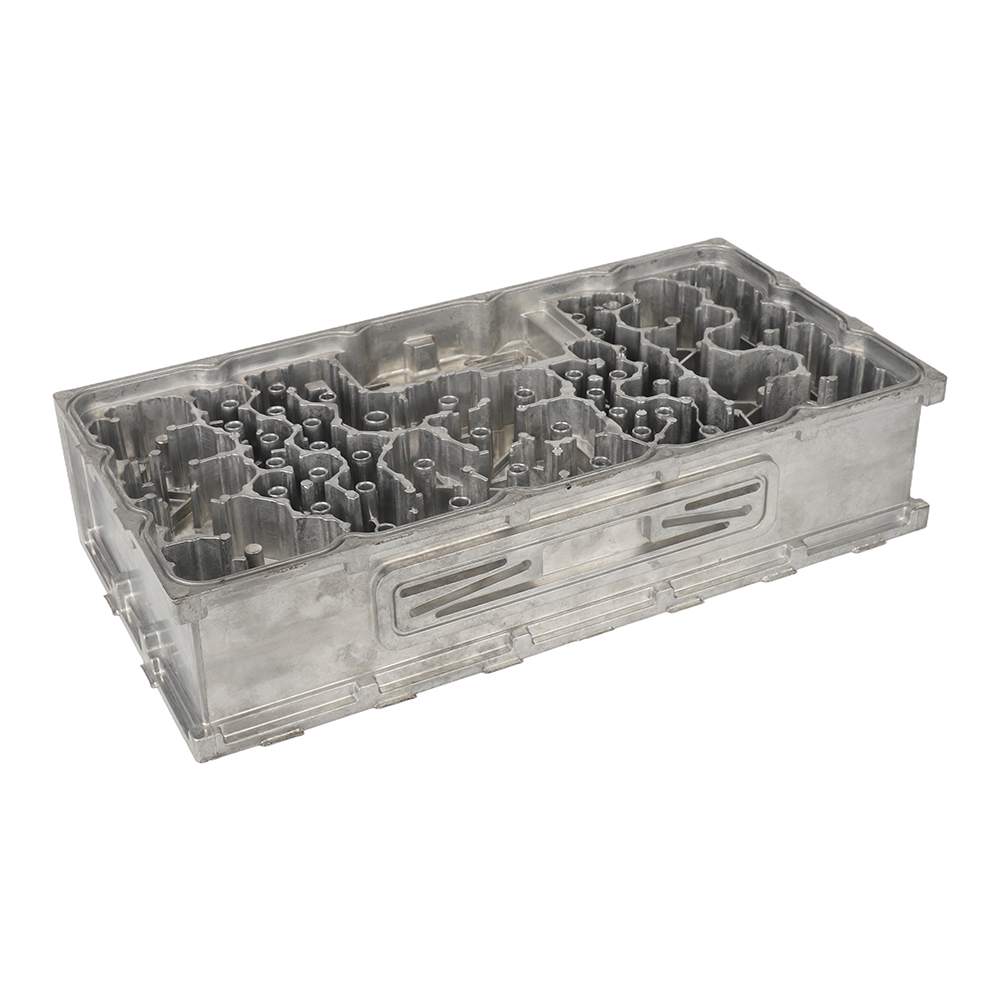
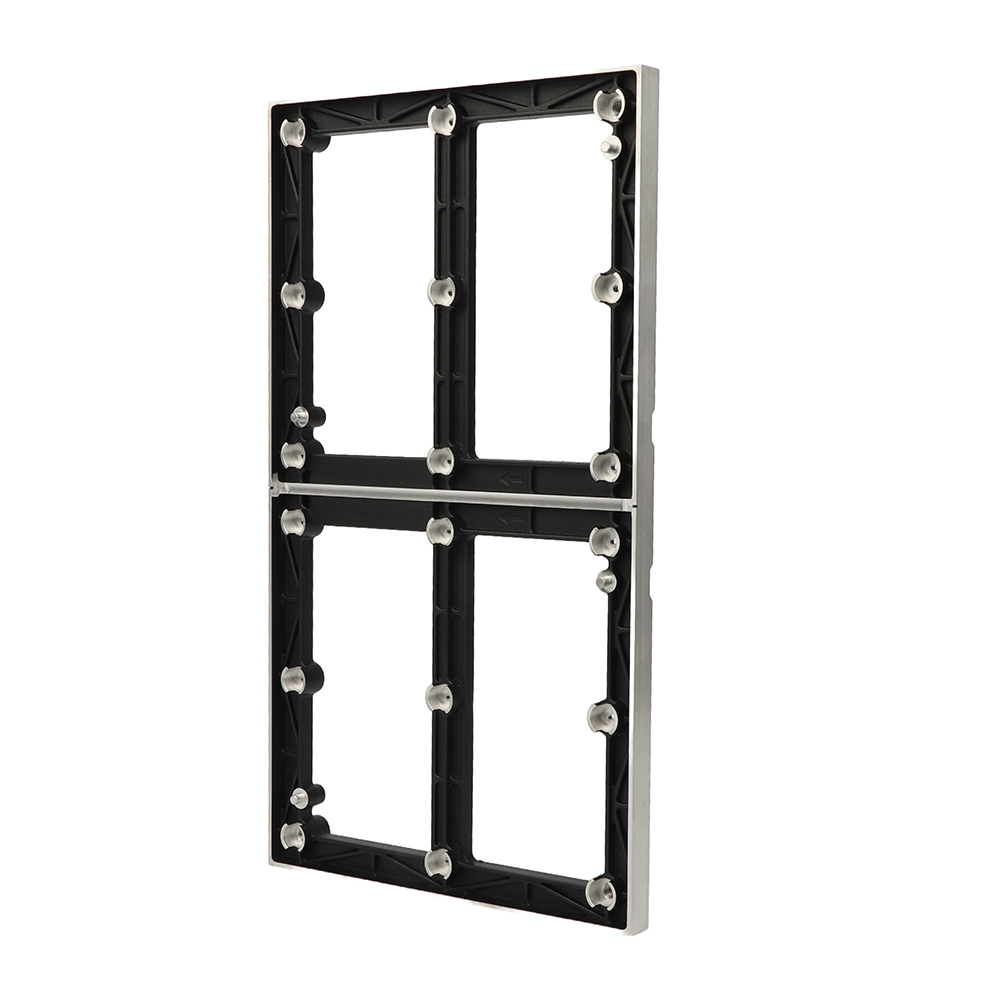
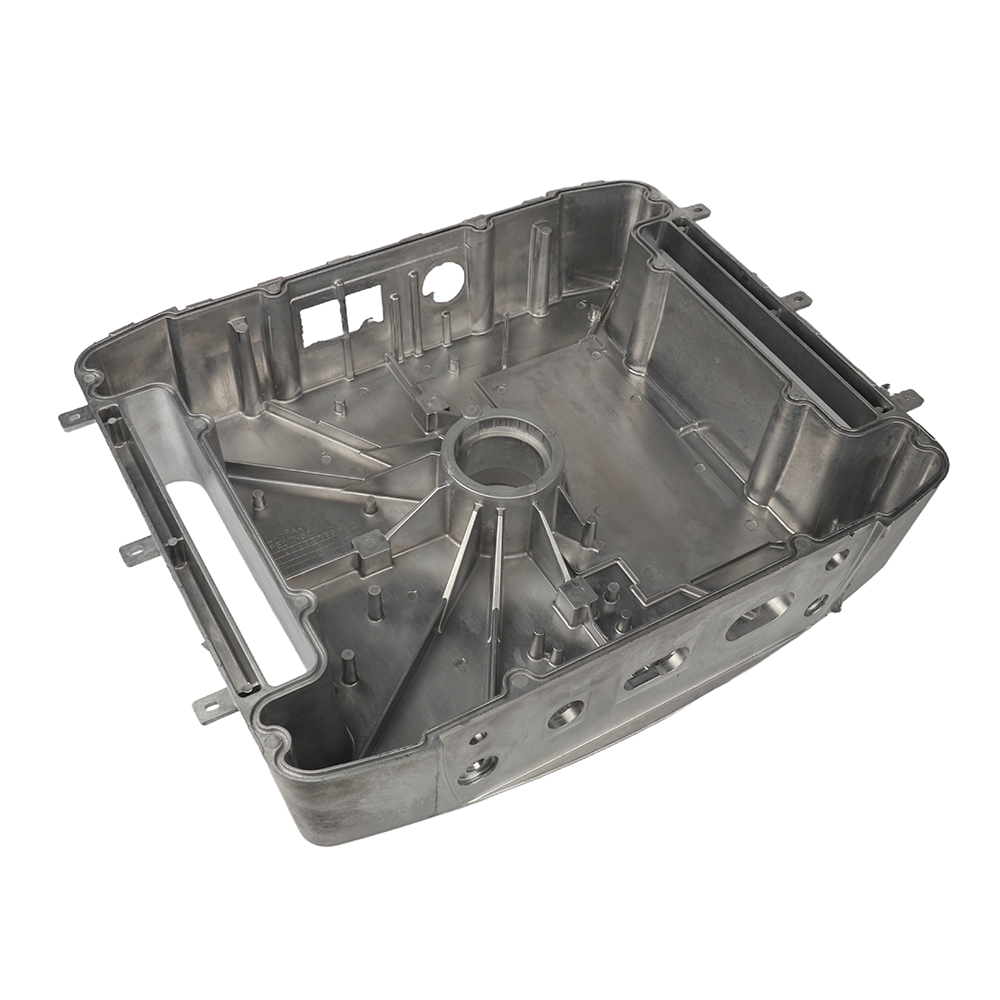
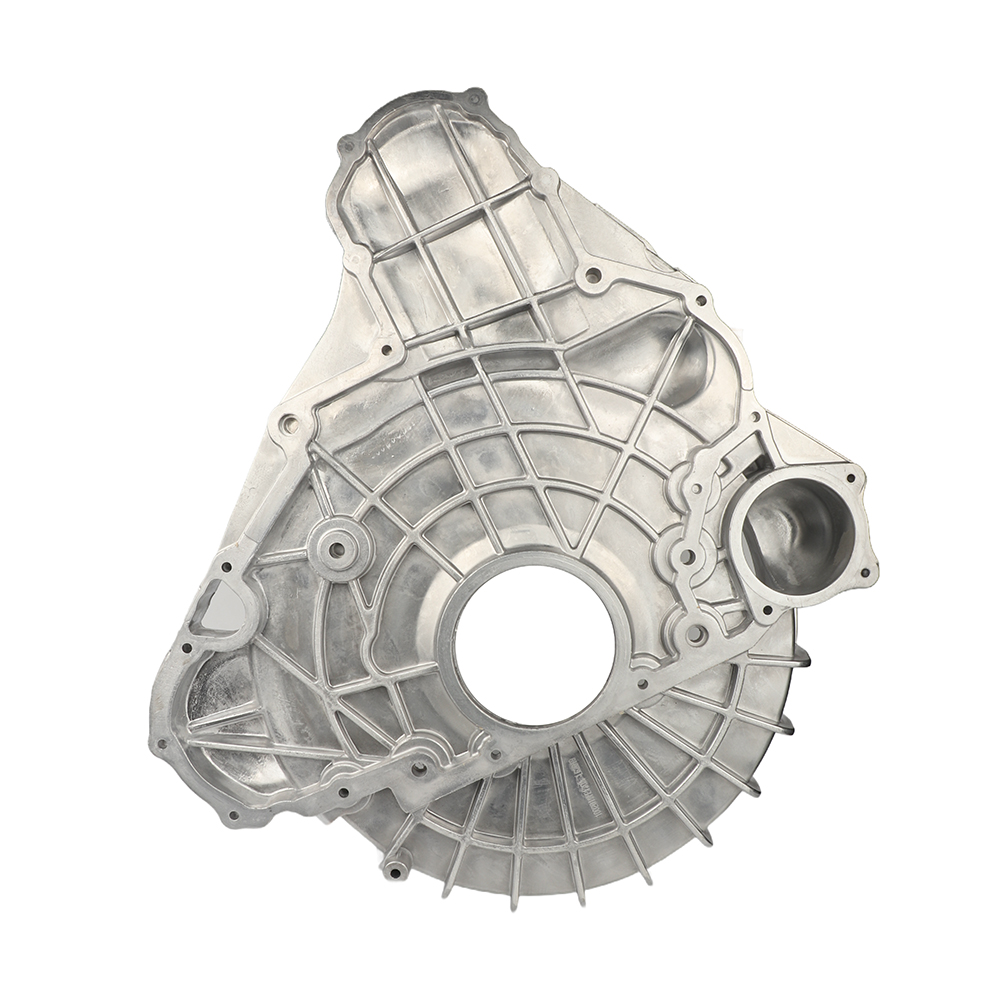
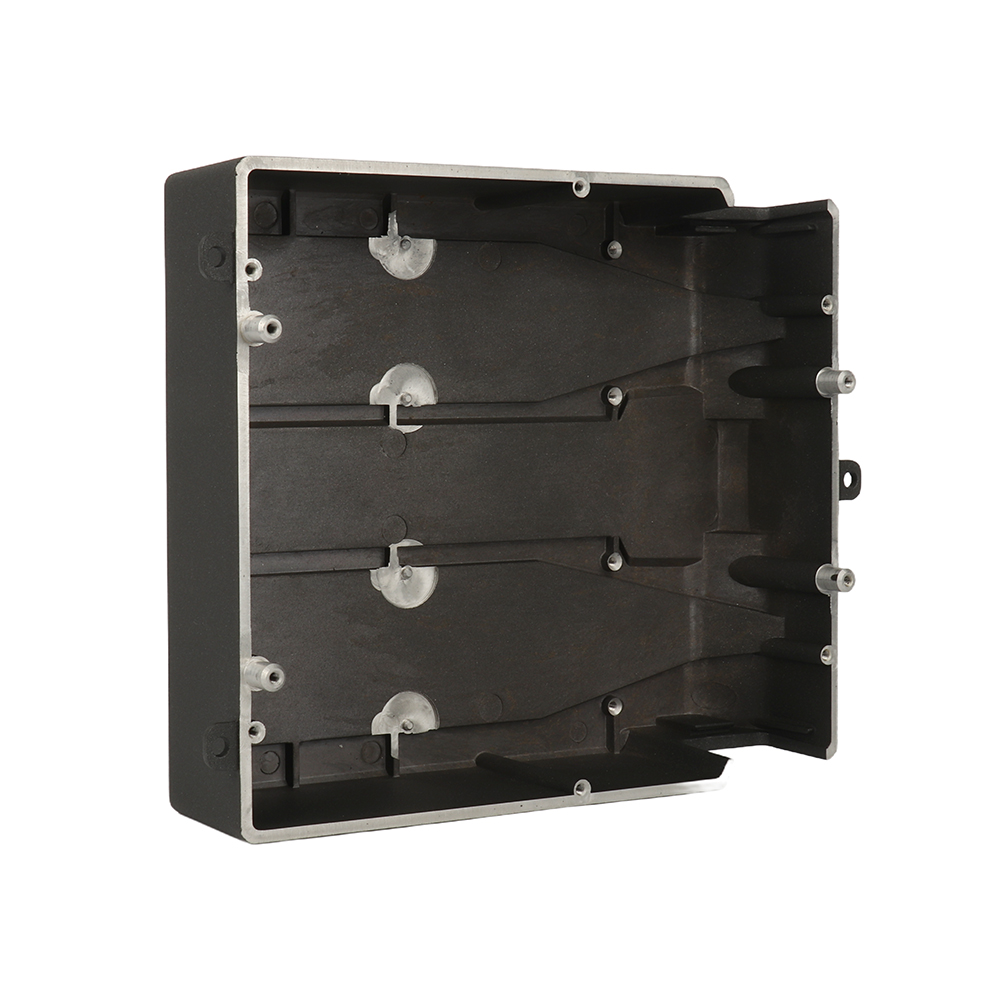
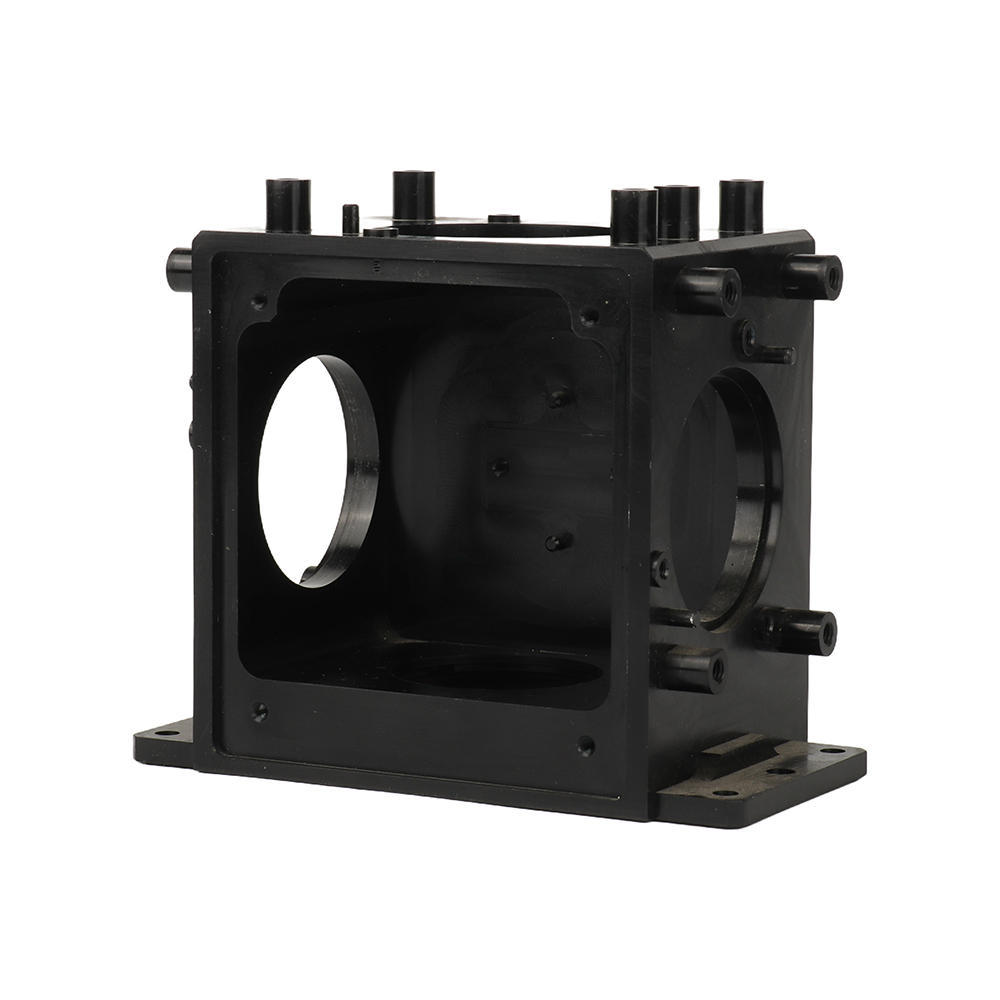
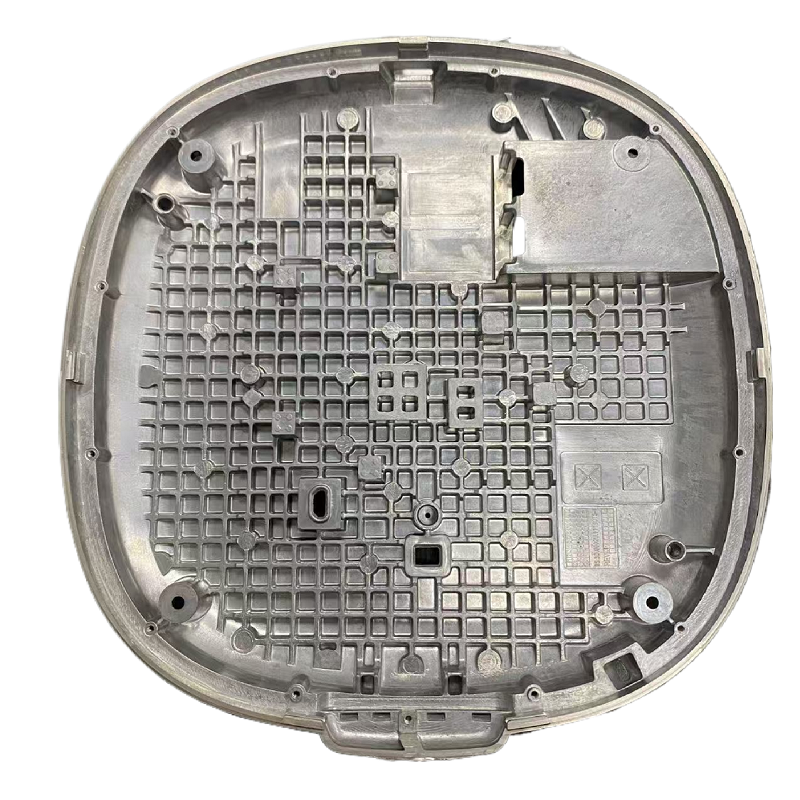
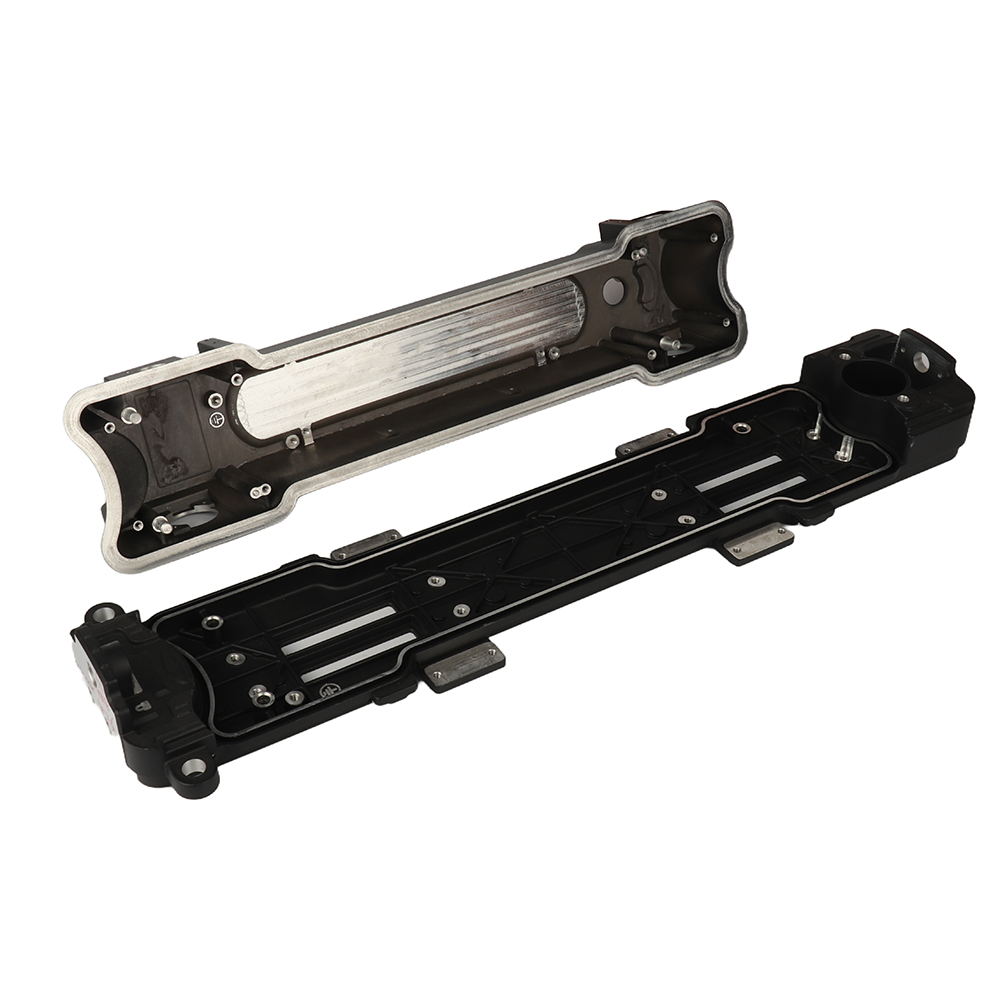
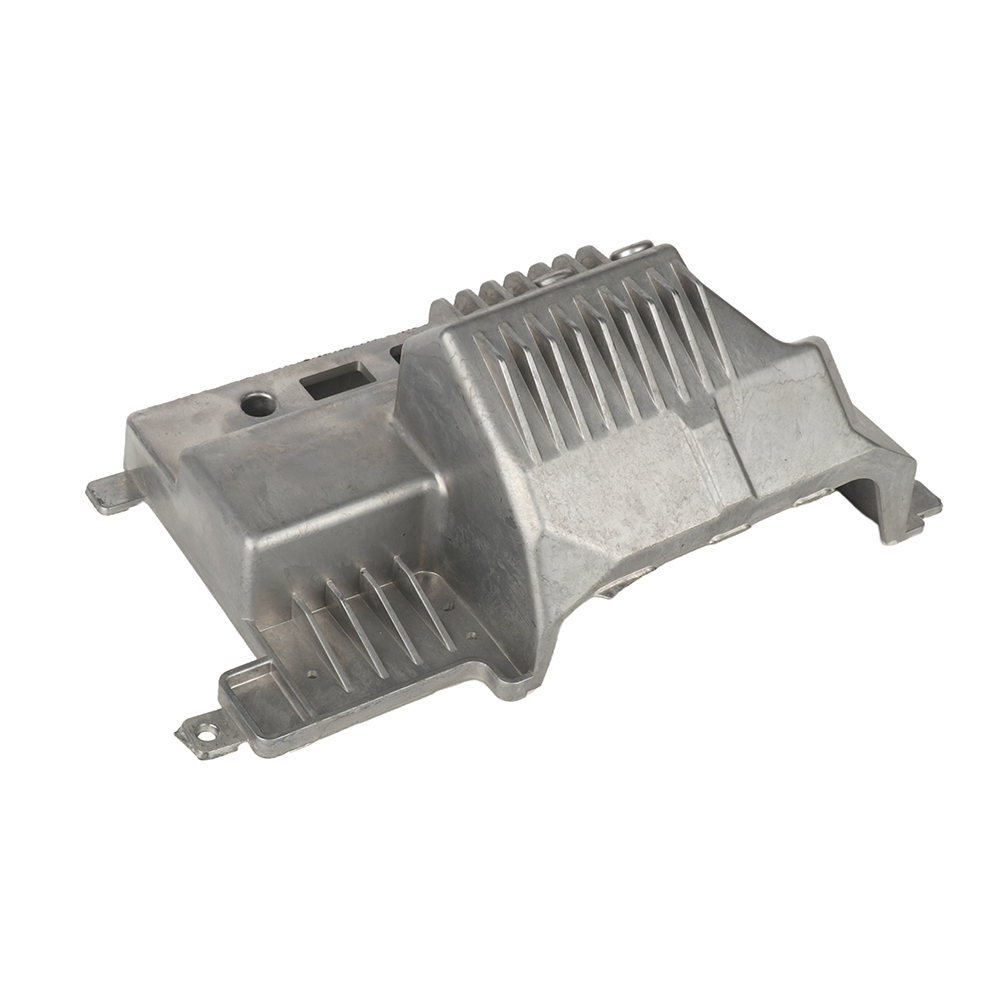
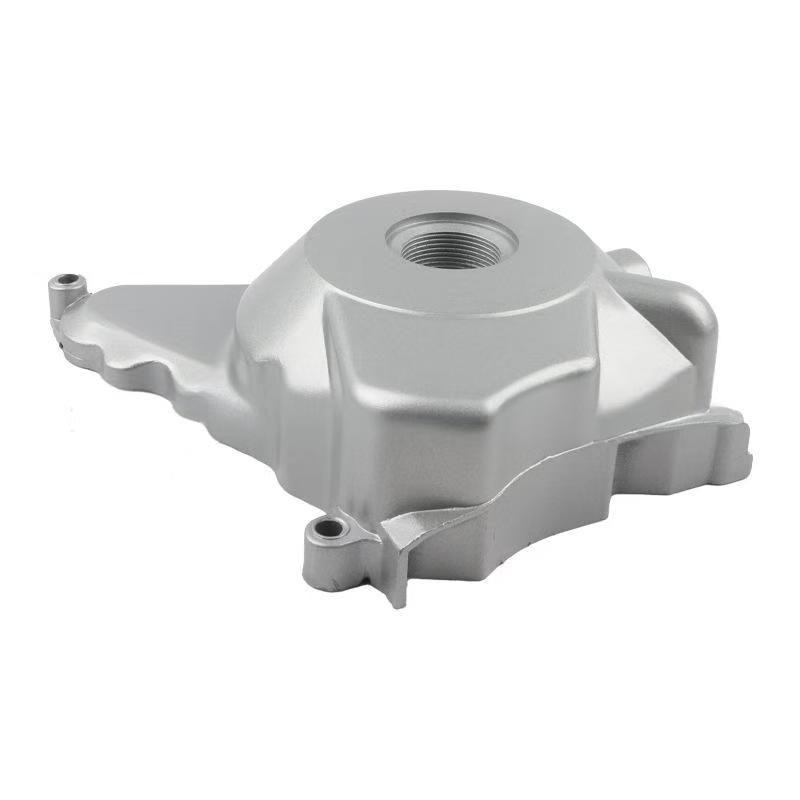
Aluminum die casting is one of the most mature and widely used metal forming processes in modern precision manufacturing. It utilizes high-pressure injection of molten aluminum alloy into custom metal molds to produce high-precision, complex-structured, and high-strength aluminum parts in large batches. Aluminum die cast parts are renowned for their lightweight, excellent thermal conductivity, superior structural stability, and cost-effectiveness, making them indispensable core components across industrial, automotive, telecom, and electronic industries.
Among all aluminum alloys for die casting, ADC12 aluminum alloy stands out as the most mainstream material. It balances outstanding castability, mechanical strength, corrosion resistance, and economic efficiency, perfectly adapting to diverse industrial application scenarios. This blog comprehensively introduces the core parameters, functions, advantages, and mainstream applications of aluminum die cast parts, combined with industry expert insights, market trends, and professional supplier selection guidelines to help enterprises make optimal procurement decisions.
Core Technical Parameters of Aluminum Die Casting & ADC12 Aluminum Material
2.1 General Technical Parameters of Aluminum Die Casting Process
Professional aluminum die casting production adopts standardized high-pressure die-casting technology, with stable and reliable technical parameters to ensure consistent quality of finished parts:
- Die Casting Pressure: 30–70 MPa, ensuring full mold filling and dense internal structure
- Dimensional Tolerance: ±0.05mm–±0.1mm, meeting industrial precision assembly requirements
- Surface Roughness: Ra 1.6μm–Ra 3.2μm, smooth surface with minimal post-processing
- Wall Thickness Range: 1.5mm–10mm, supporting thin-wall lightweight structural design
- Production Efficiency: 50–500 pcs/h (varies by part structure), suitable for mass production
- Optional Surface Treatment: Sandblasting, anodizing, powder coating, passivation, electroplating
2.2 Key Performance Parameters of ADC12 Aluminum Alloy
ADC12 aluminum alloy is the preferred material for industrial aluminum die cast parts, widely recognized for its comprehensive performance and cost advantages:
2.2.1 Chemical Composition
Al (85.3% balance), Si (9.6–12.0%), Cu (1.5–3.5%), Fe (≤1.3%), Mg (≤0.3%), Zn (≤1.0%), other trace elements ≤0.5%
2.2.2 Mechanical & Physical Properties
- Density: 2.7 g/cm³, ultra-light weight for equipment lightweight upgrading
- Hardness: 65–85 HB, excellent wear resistance and anti-deformation ability
- Tensile Strength: 190–240 MPa, stable structural bearing capacity
- Thermal Conductivity: 96 W/(m·K), superior heat dissipation performance
- Corrosion Resistance: Natural oxidation protection, adaptable to most industrial environments
Core Functions & Key Values of Aluminum Die Cast Parts
3.1 Structural Support & Mechanical Protection
Aluminum die cast parts provide rigid and stable structural support for various equipment. The integral one-piece die-casting structure avoids loose assembly gaps, effectively resisting external vibration, impact and pressure, and protecting internal precision components from mechanical damage.
3.2 Efficient Thermal Dissipation & Temperature Control
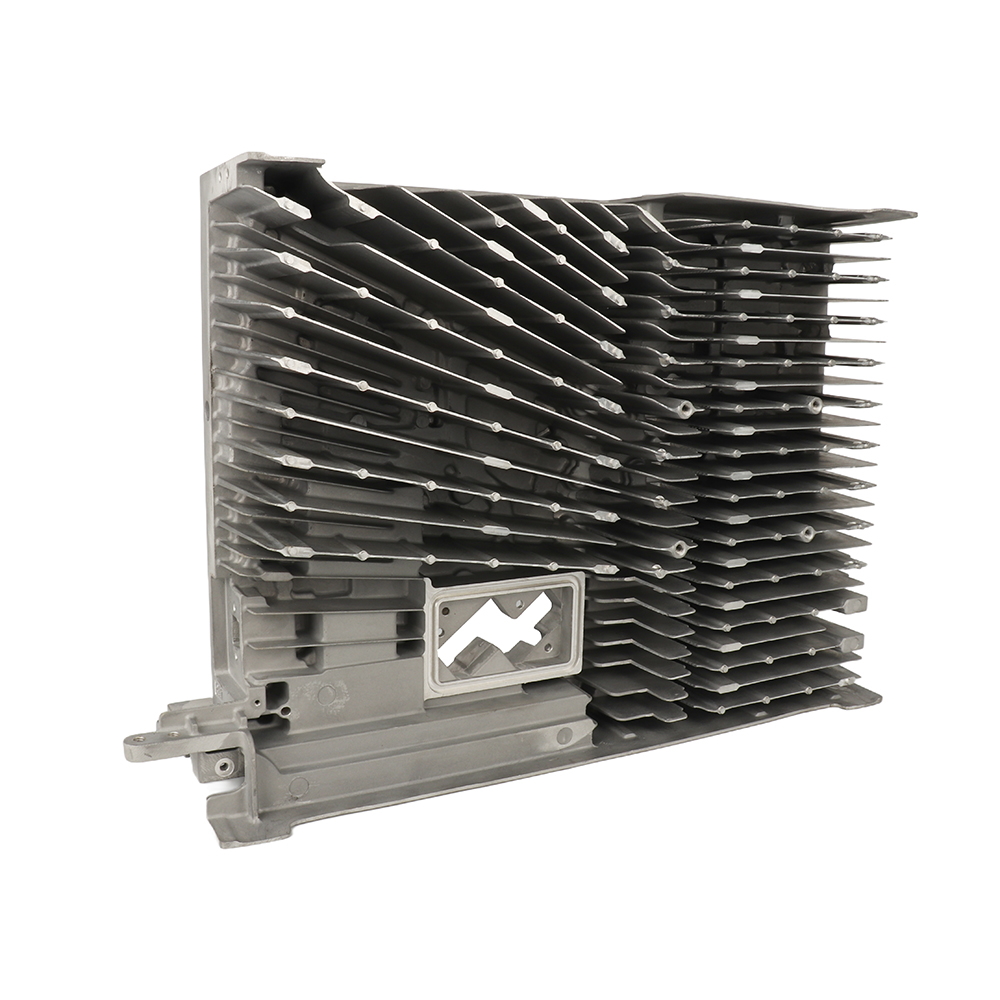
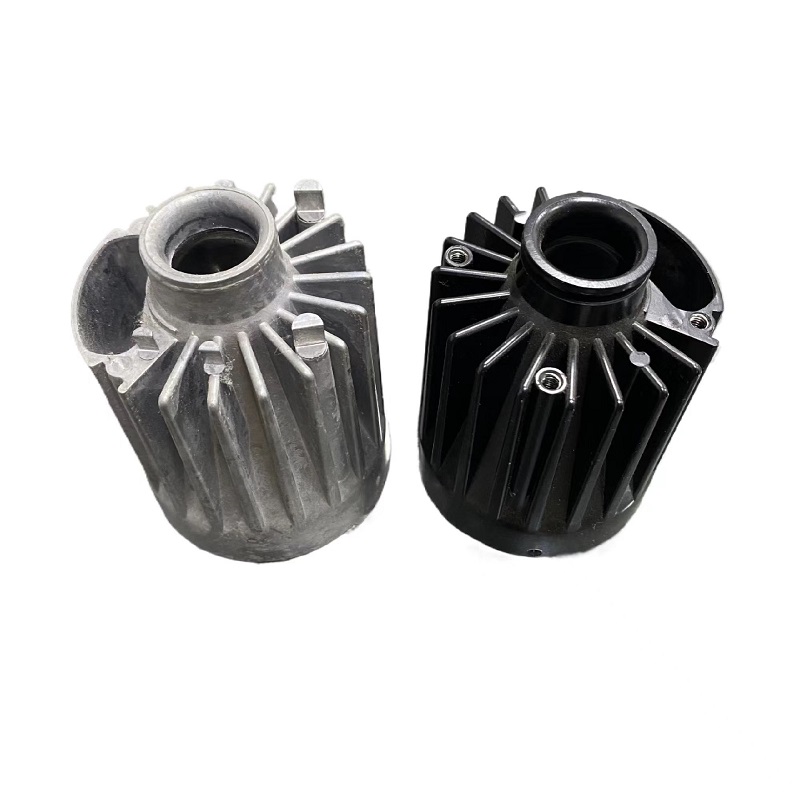
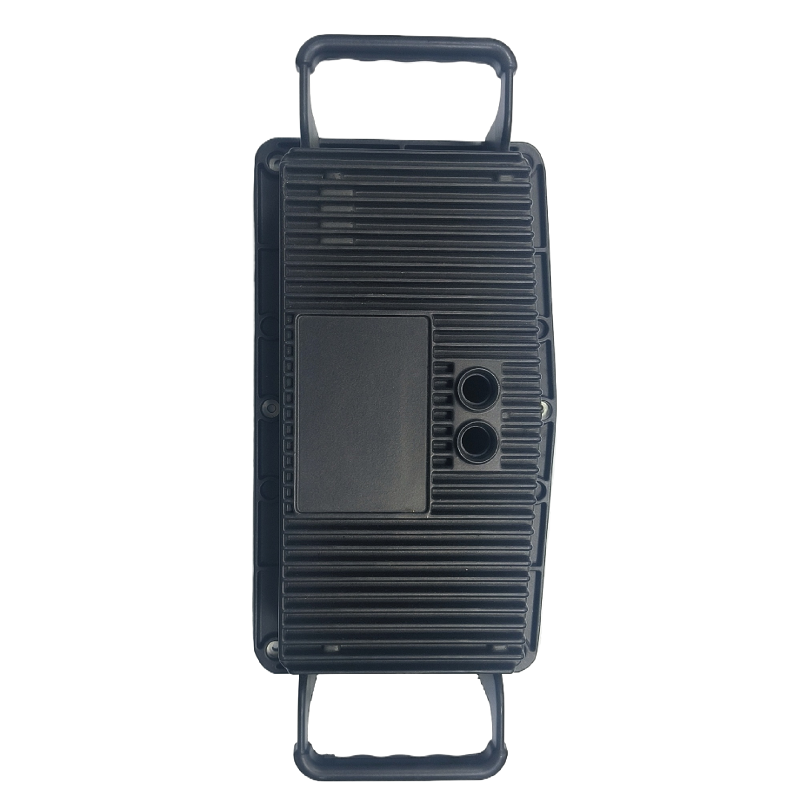
Benefiting from the excellent thermal conductivity of ADC12 aluminum alloy, die-cast parts with customized heat dissipation fins and grooves can quickly export heat generated by high-power equipment. This prevents equipment overheating failure, reduces thermal attenuation, and effectively extends the service life of industrial equipment.
3.3 EMI/RFI Electromagnetic Shielding
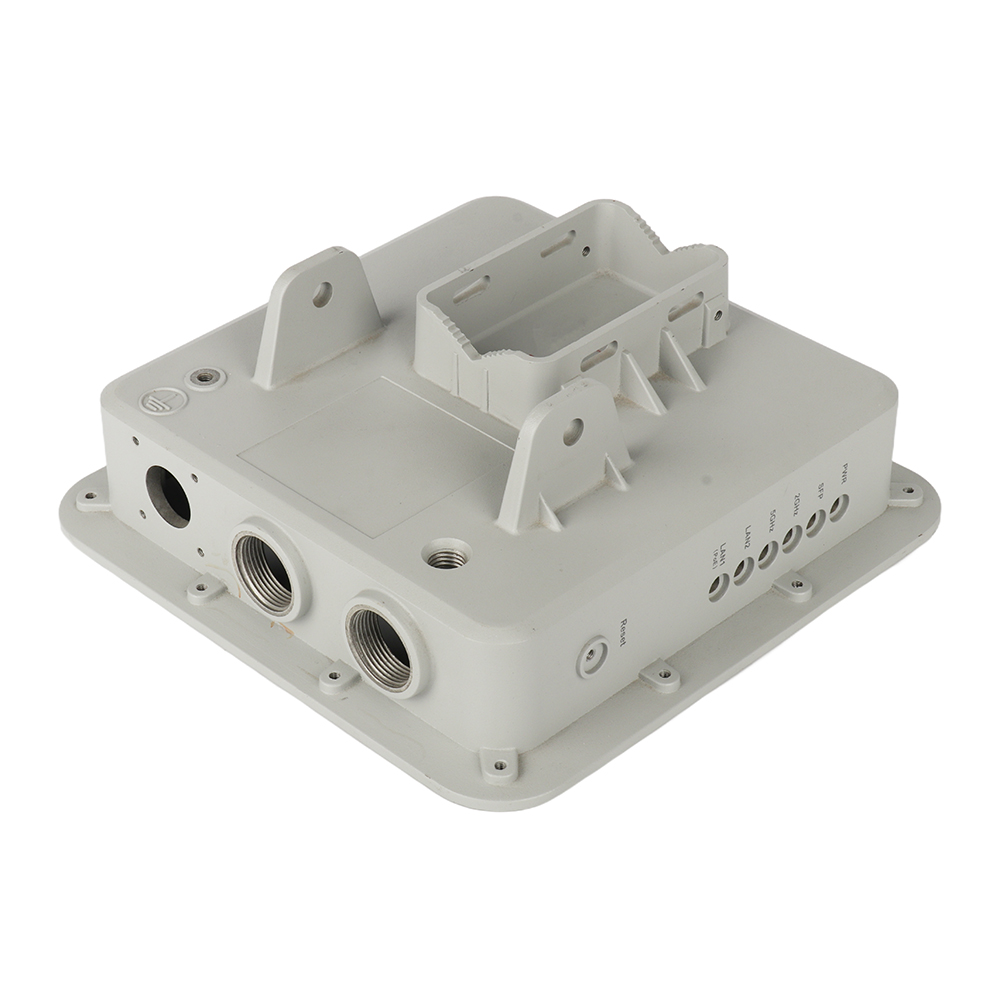
The dense metal structure of aluminum die cast housings forms a closed conductive barrier, which can effectively shield electromagnetic interference and radio frequency signal interference. It ensures stable operation and accurate signal transmission of electronic and communication equipment.
3.4 Environmental Adaptation & Anti-Aging
After professional surface treatment, aluminum die cast parts have excellent corrosion resistance, oxidation resistance and weather resistance. They can operate stably for a long time in harsh environments such as high temperature, high humidity, dust and coastal salt fog.
Top Industry Applications of Aluminum Die Cast Components
4.1 Telecommunication Equipment Industry
The telecom industry is one of the largest application scenarios for aluminum die cast parts. High-precision aluminum die cast enclosures, base station shell components, signal amplifier housings, and communication module brackets are widely used in 5G/4G base stations, industrial communication equipment, and network transmission devices. The lightweight, heat dissipation and anti-interference properties of ADC12 die-cast aluminum perfectly meet the long-term stable operation requirements of communication infrastructure.
4.2 Industrial Automation & Mechanical Equipment
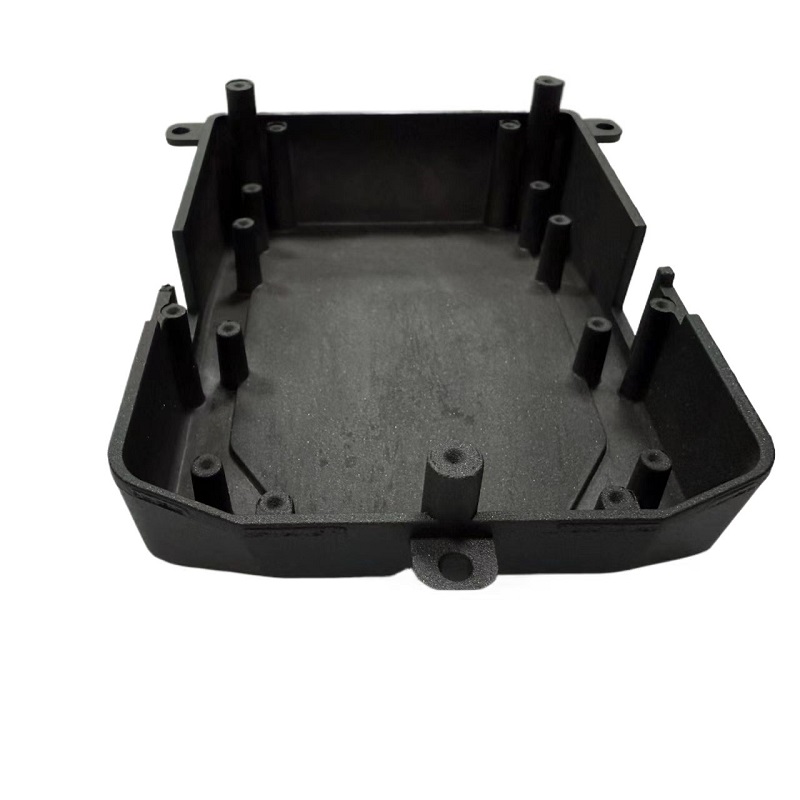
Aluminum die cast parts are core components of automation equipment, including servo motor housings, equipment brackets, pump valve shells, transmission parts and precision mechanical accessories. Their high strength, low deformation rate and high assembly precision ensure the stable operation of automated production lines and mechanical equipment.
4.3 Automotive Industry
In the automotive field, aluminum die cast components are widely used in new energy vehicle motor housings, battery brackets, auto parts shells, and heat dissipation modules. The lightweight advantage effectively reduces vehicle weight, reduces energy consumption, and improves driving endurance, complying with the lightweight development trend of the automotive industry.
4.4 Consumer Electronics & Electrical Appliances
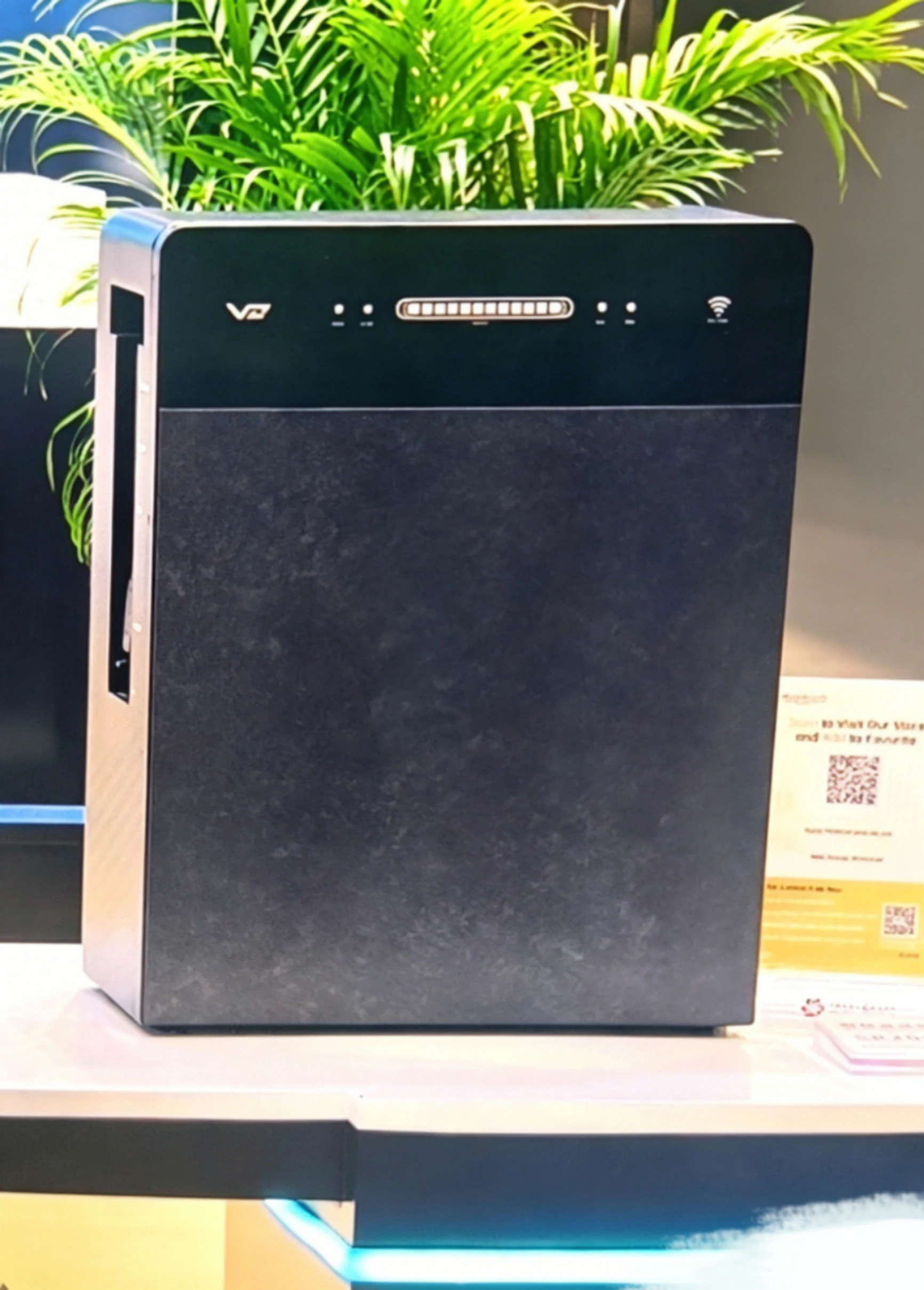
High-precision aluminum die cast parts are applied in power supply housings, electronic equipment shells, radiator accessories and household electrical component brackets. The smooth surface, stable performance and beautiful appearance meet the dual requirements of electronic equipment for functionality and appearance.
4.5 New Energy & Photovoltaic Industry
In photovoltaic power generation, energy storage equipment and wind power equipment, aluminum die cast parts are used for equipment fixing brackets, heat dissipation shells and protective housings. Their strong environmental adaptability ensures stable operation of new energy equipment in outdoor and complex working conditions.
Unbeatable Benefits of Aluminum Die Cast Parts
5.1 Lightweight & High Structural Strength
Compared with steel, iron and zinc alloy parts, aluminum die cast parts are 30%–40% lighter while maintaining high structural strength. They reduce equipment overall load, lower transportation and installation costs, and support equipment lightweight upgrading.
5.2 Excellent Heat Dissipation Performance
ADC12 aluminum alloy has far better thermal conductivity than plastic, iron and stainless steel. Custom die-cast heat dissipation structures can realize rapid heat exchange, solving the overheating problem of high-power electronic and industrial equipment and improving equipment operation efficiency.
5.3 High Production Efficiency & Low Batch Cost
Aluminum die casting adopts one-time mold forming, with fast production speed and high finished product consistency. It is suitable for large-batch standardized production, greatly reducing unit production cost. Compared with CNC single-piece processing, it has more prominent cost advantages in bulk orders.
5.4 Strong Customization & Structural Integrity
The die-casting process supports the production of complex irregular structures, integrated forming of grooves, holes, heat dissipation fins and mounting brackets. It avoids assembly gaps caused by multi-piece splicing and improves the overall sealing and stability of parts.
5.5 Eco-Friendly & Standard Compliant
Aluminum die cast parts are 100% recyclable, pollution-free in processing, and fully compliant with RoHS, ISO9001, ISO14001 and other international environmental and quality standards, meeting global industrial green procurement requirements.
Industry Expert Viewpoints on Aluminum Die Casting Technology
We interviewed Michael Brown, a senior manufacturing engineer with 25 years of experience in precision metal die-casting industry, to analyze the market value and application prospects of aluminum die cast parts:
“Aluminum die casting has always been the backbone of industrial precision component manufacturing. With the rapid development of 5G communication, new energy vehicles and intelligent manufacturing, the market demand for high-precision, heat-dissipating and lightweight metal parts is exploding. ADC12 aluminum die cast parts are the most cost-effective solution in the current market, perfectly balancing precision, performance and production cost. Traditional stamping and plastic parts can no longer meet the high-standard requirements of high-end industrial equipment, so aluminum die-casting will maintain a dominant market position in the next decade.”
The expert further emphasized: “Enterprises should focus on the supplier’s mold precision, process control and batch quality stability when purchasing aluminum die cast parts. High-quality die-casting processing can maximize the performance advantages of ADC12 aluminum alloy and create long-term value for enterprise equipment operation.”
FAQs About Aluminum Die Cast Parts & ADC12 Die Casting
Q1: What is the difference between aluminum die casting and aluminum CNC machining?
A1: Aluminum die casting is suitable for large-batch standardized production with low unit cost and high efficiency, ideal for regular structural parts; CNC machining is suitable for small-batch, ultra-high-precision and complex customized parts. Most industrial enterprises adopt a combination of die-casting mass production and CNC finishing to balance cost and precision.
Q2: Why is ADC12 the most popular material for aluminum die cast parts?
A2: ADC12 aluminum alloy has excellent fluidity for die-casting forming, moderate hardness, good heat dissipation and anti-interference performance, and low raw material cost. It has stable performance after surface treatment, which is the most cost-effective material for industrial-grade aluminum die cast parts.
Q3: What industries are aluminum die cast parts most suitable for?
A3: They are widely applicable to telecommunication equipment, industrial automation machinery, new energy vehicles, photovoltaic energy storage, consumer electronics and other fields, especially suitable for equipment parts requiring lightweight, heat dissipation and electromagnetic shielding functions.
Q4: Can aluminum die cast parts be used in outdoor harsh environments?
A4: Yes. After sandblasting, anodizing or powder coating treatment, ADC12 aluminum die cast parts have strong corrosion resistance, weather resistance and anti-oxidation ability, which can work stably outdoors for more than 5–8 years.
Q5: Are aluminum die cast parts customizable in structure and appearance?
A5: Absolutely. Professional manufacturers can customize molds according to customer drawings, realizing personalized production of different sizes, structures, heat dissipation designs and appearance effects, supporting small-batch trial production and large-batch mass production.
Future Development Trends of Aluminum Die Casting Industry
8.1 High-Precision & Intelligent Manufacturing Trend
With the upgrading of high-end manufacturing, the aluminum die-casting industry is developing towards ultra-high precision and intelligent production. Intelligent mold monitoring, automatic production lines and full-process quality detection are gradually popularized, realizing zero-defect batch production of die-cast parts.
8.2 Lightweight & High-Performance Upgrading
Driven by new energy and 5G communication industries, the market puts forward higher requirements for thin-wall, lightweight and high-strength aluminum die cast parts. New alloy optimization formulas and precision die-casting processes will become the core development direction.
8.3 Green & Low-Carbon Sustainable Development
Aluminum alloy’s 100% recyclable feature conforms to global green manufacturing policies. The industry will continue to optimize energy-saving die-casting processes, reduce production energy consumption, and fully meet international environmental certification standards.
8.4 Customized & Diversified Market Demand
Standard single-type parts can no longer meet segmented industrial needs. Customized aluminum die casting solutions for different industries and equipment will become mainstream, and one-stop personalized processing services will gain more market favor.
How to Select a High-Quality Hardware Processing Supplier
9.1 Check Complete Qualification Certifications
Prioritize suppliers with ISO9001 quality management, IATF16949 automotive industry quality, RoHS environmental protection and ISO14001 environmental management certifications, which are the basic guarantee of standardized production and qualified product quality.
9.2 Verify Professional Process Capability
Choose manufacturers with mature ADC12 aluminum die casting experience, advanced die-casting equipment and professional mold R&D teams. Ensure that the supplier can meet precision, structural and surface treatment requirements of industrial-grade parts.
9.3 Evaluate Batch Production & Delivery Capacity
Excellent suppliers have stable large-batch production capacity and perfect production scheduling system, which can ensure on-time delivery of orders and avoid project delays caused by insufficient production capacity.
9.4 Focus on Quality Control System
Reliable suppliers implement full-process quality inspection from raw material incoming inspection, production process monitoring to finished product precision testing, with a product qualified rate of over 99.5% to ensure zero defective delivery.
9.5 Pay Attention to Cost Performance & Batch Discounts
On the premise of guaranteed quality, choose suppliers with flexible pricing mechanisms. Regular manufacturers providemore discounts for larger bulk purchases, which can effectively reduce long-term procurement costs for enterprises.
Choose Xinghang Precision Hardware: Bulk Discounts & Contact Information
10.1 Our Core Advantages
Xinghang Precision Hardware is a professional China-based manufacturer focusing on high-precision aluminum die cast parts production and customized processing, located in Guangdong Province. We have rich experience in ADC12 aluminum alloy die-casting, serving telecom, industrial automation, new energy and electronic equipment industries worldwide.
- Mature Die-Casting Technology: Specialized in ADC12 aluminum die casting, stable product precision and consistent batch quality
- Complete Qualifications: Certified by ISO9001, IATF16949, RoHS, ISO14001, fully compliant with global procurement standards
- One-Stop Service: Provide mold development, die-casting forming, CNC finishing and various surface treatment services
- Flexible Customization: Support personalized customization of drawings and samples, covering small trial orders and large batch orders
- Superior Bulk Discount Policy: The more you purchase, the more favorable the price, helping customers maximize cost savings
- Reliable After-Sales: Fast quotation, timely delivery and professional technical after-sales support
10.2 Contact Us
If you need high-quality aluminum die cast parts customization and bulk procurement, welcome to contact Xinghang Precision Hardware for free technical consultation and exclusive quotation:
- Mobile/WeChat: +86 18819502691
- Email: liqine@xinghangcn.com
Xinghang Precision Hardware always adheres to strict quality standards and customer-oriented service, committed to becoming your long-term and reliable aluminum die casting processing partner!
Photovoltaic energy storage | What are die-cast photovoltaic energy storage part? Full Guide
Gravity casting aluminium | What advantages does gravity casting aluminium have? Complete Guide
Related Article

Residential energy storage systems have become increasingly popular as homeowners pursue energy independence, solar self-consumption and backup power for grid outages.
Energy storage enclosure | What Are the Benefits of Die-Cast Home Energy Storage Enclosures?

A custom LED display frame is the core structural carrier for LED screen modules, widely manufactured with ADC12 aluminum alloy via high-pressure die casting.
LED display frame | What Are the Benefits of Custom LED Display Frames?

