
HOT PRODUCTS
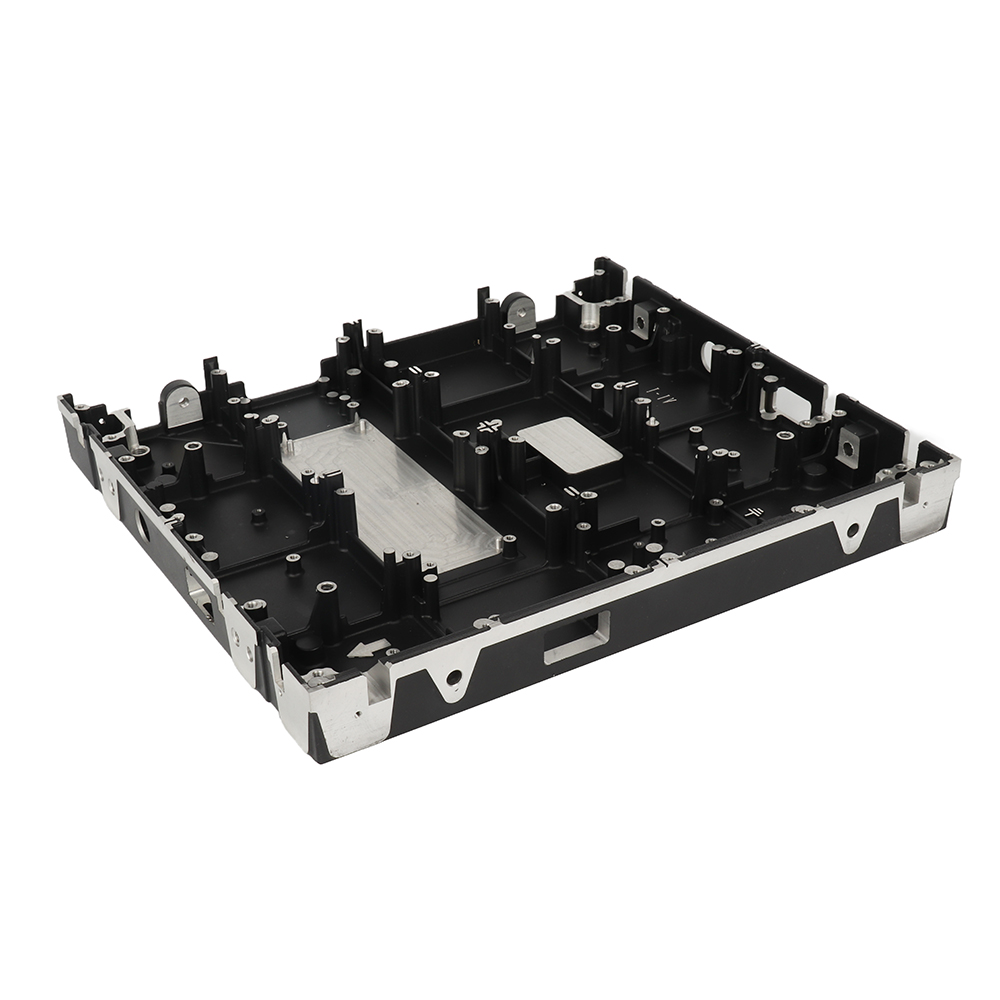
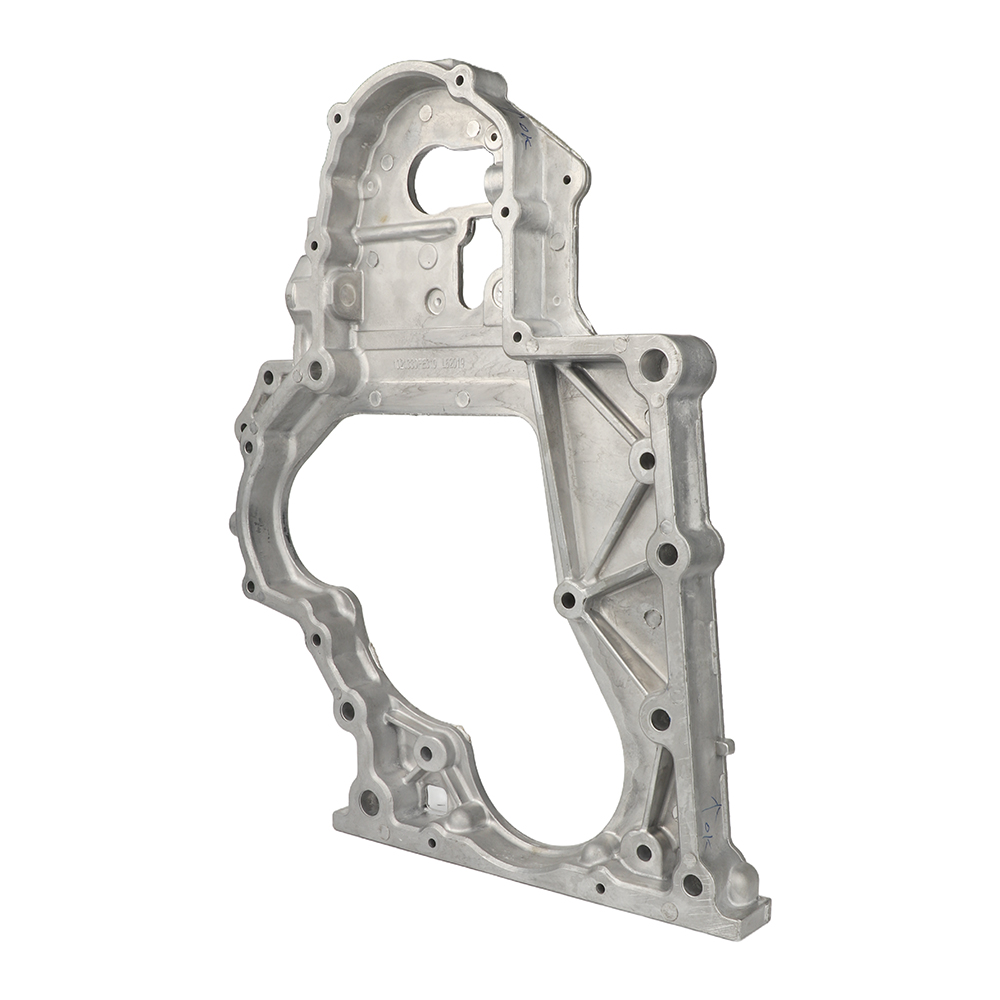
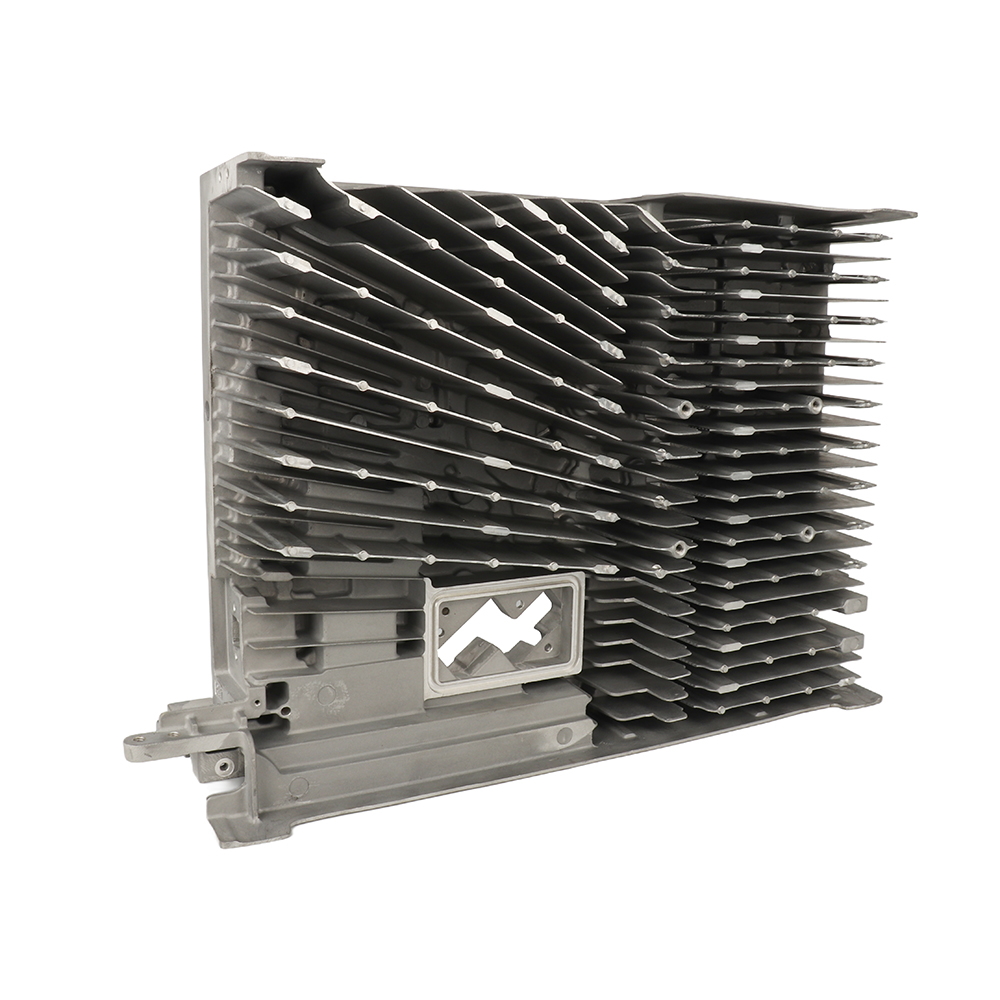
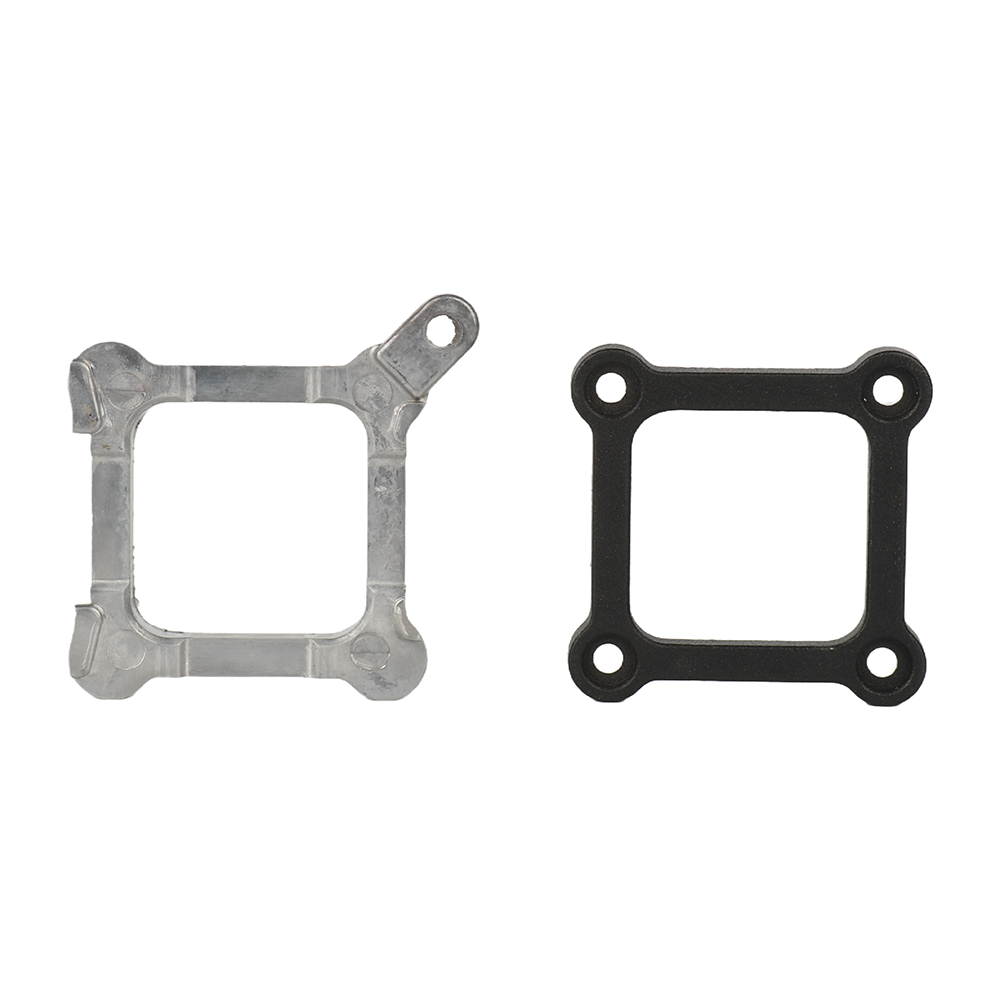
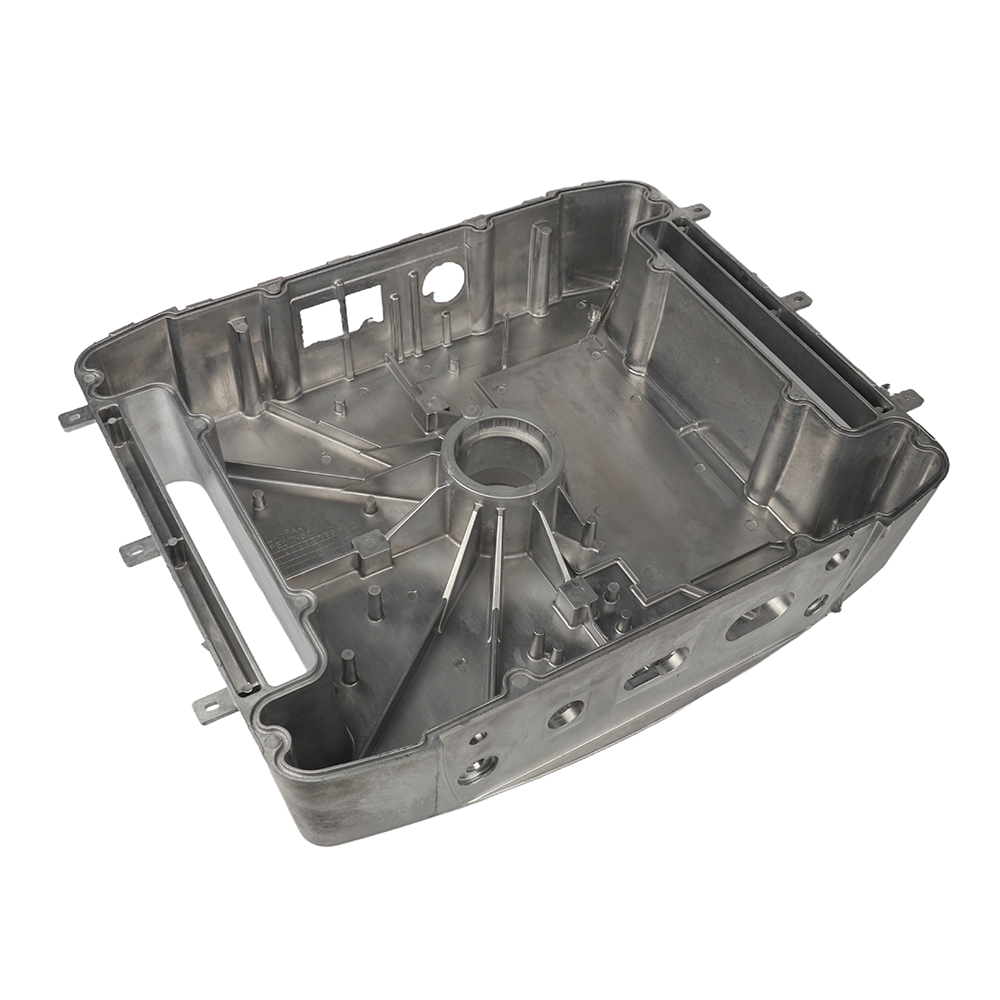
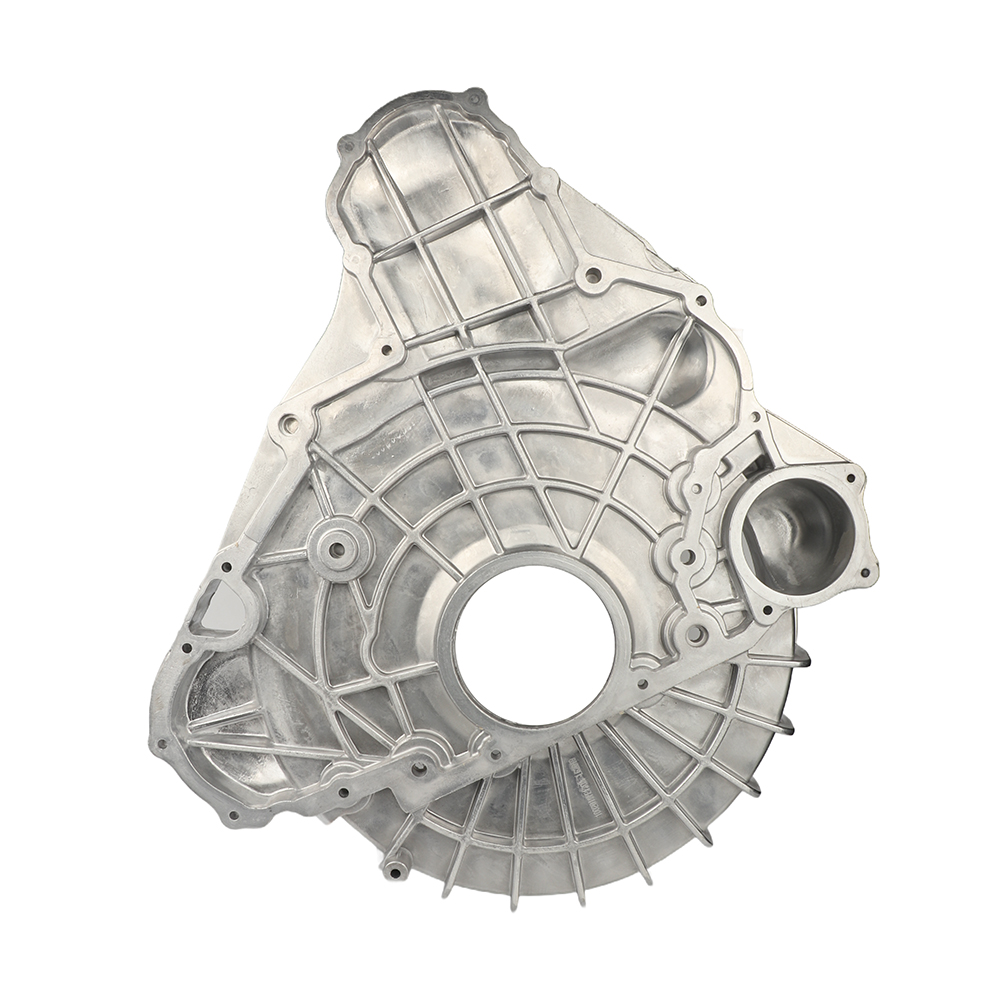
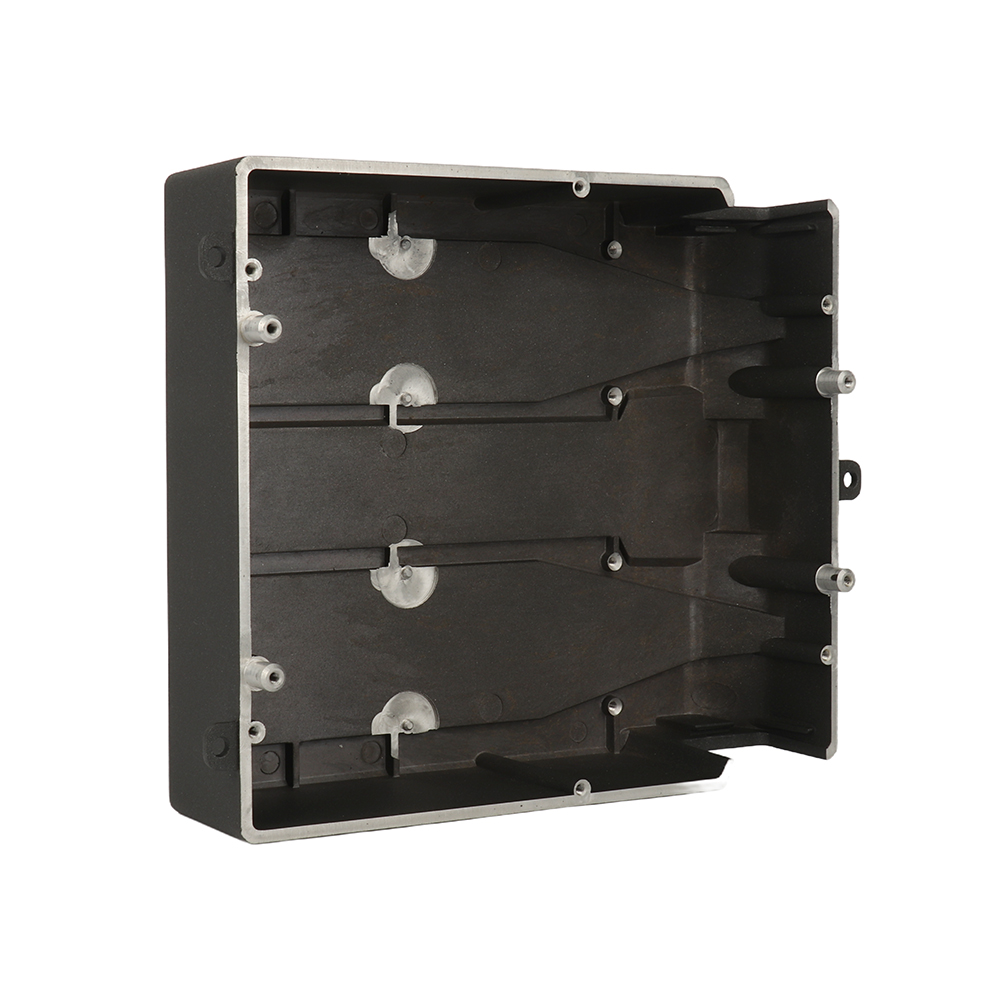
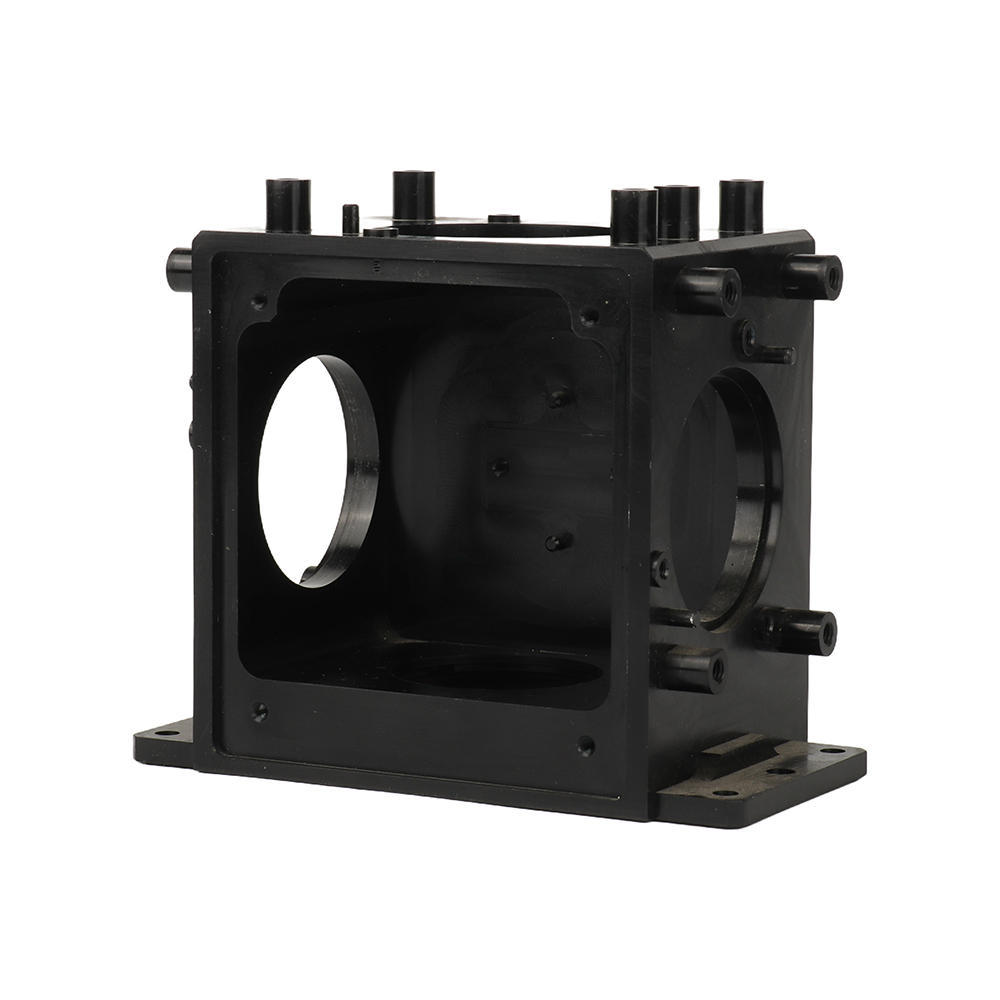
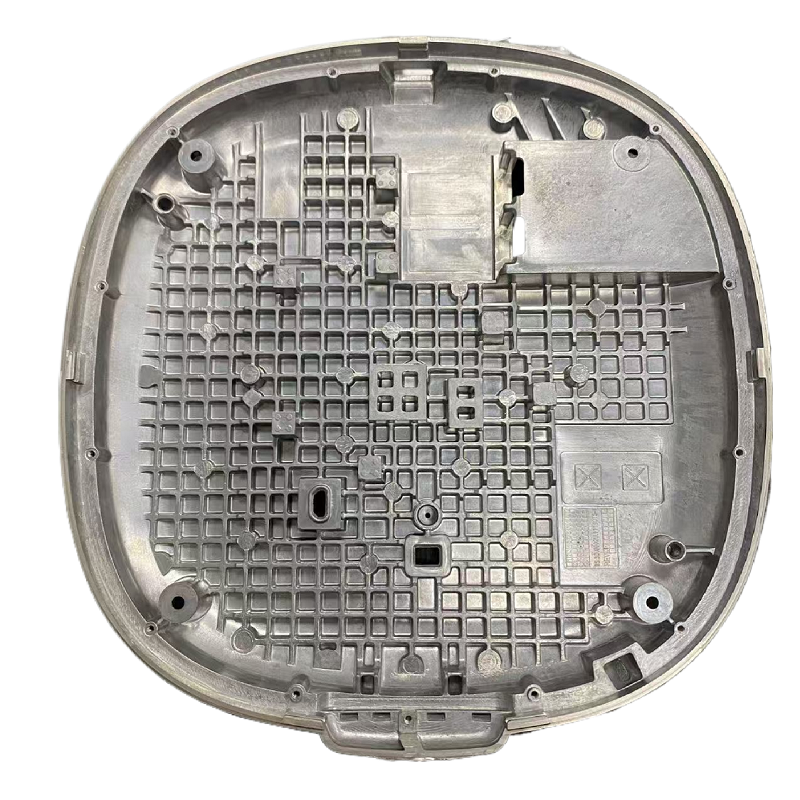
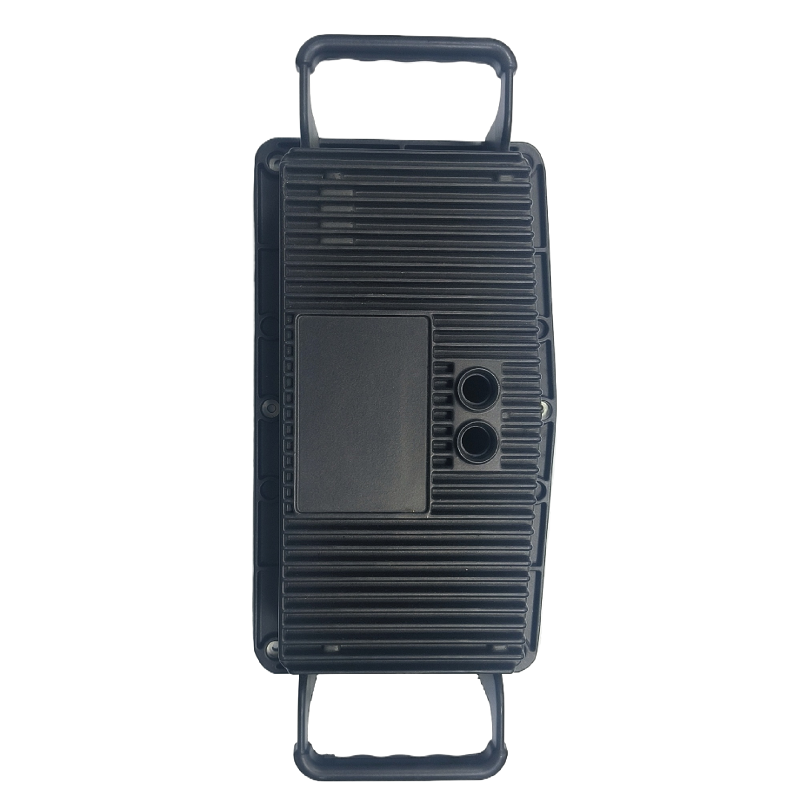
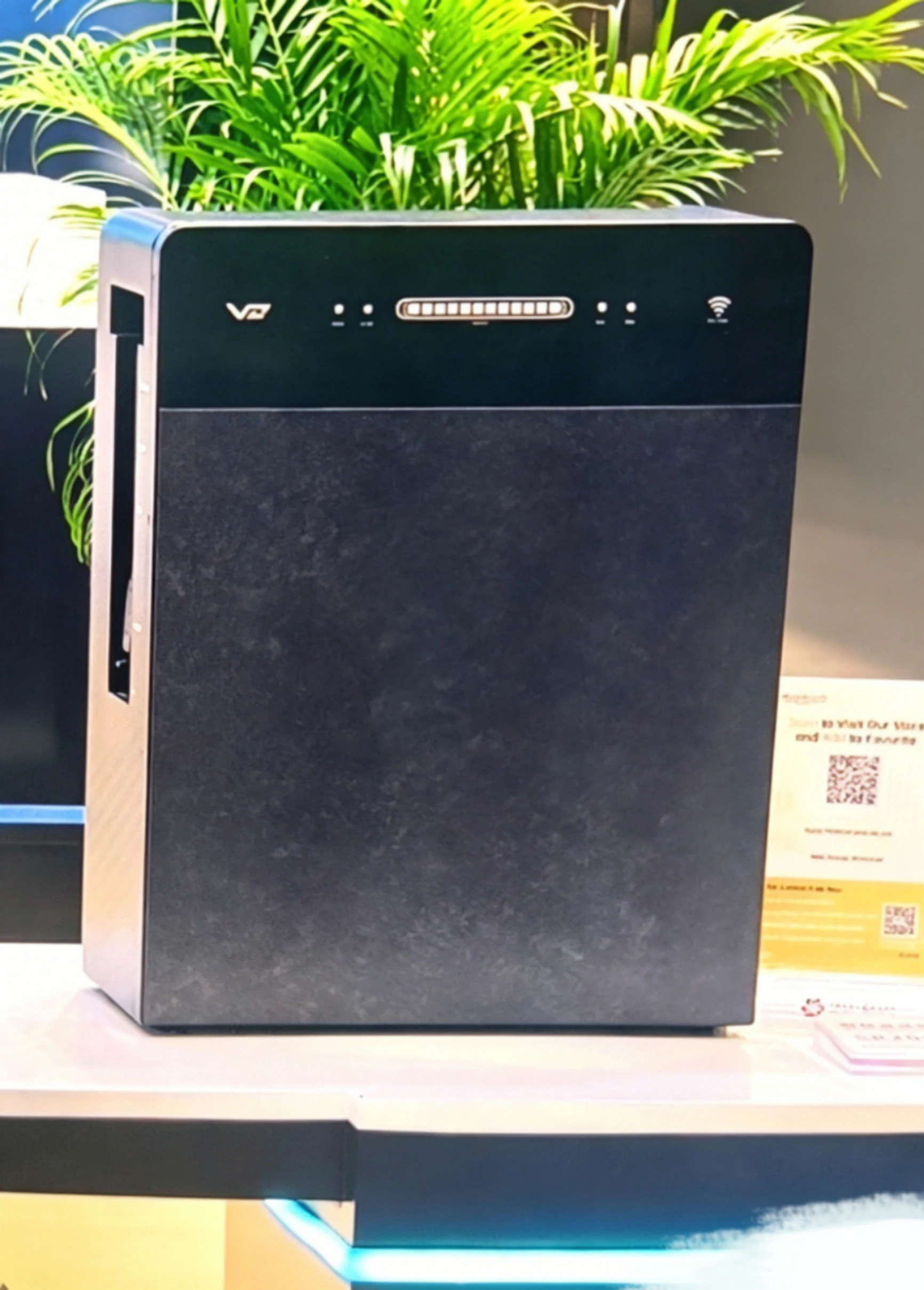
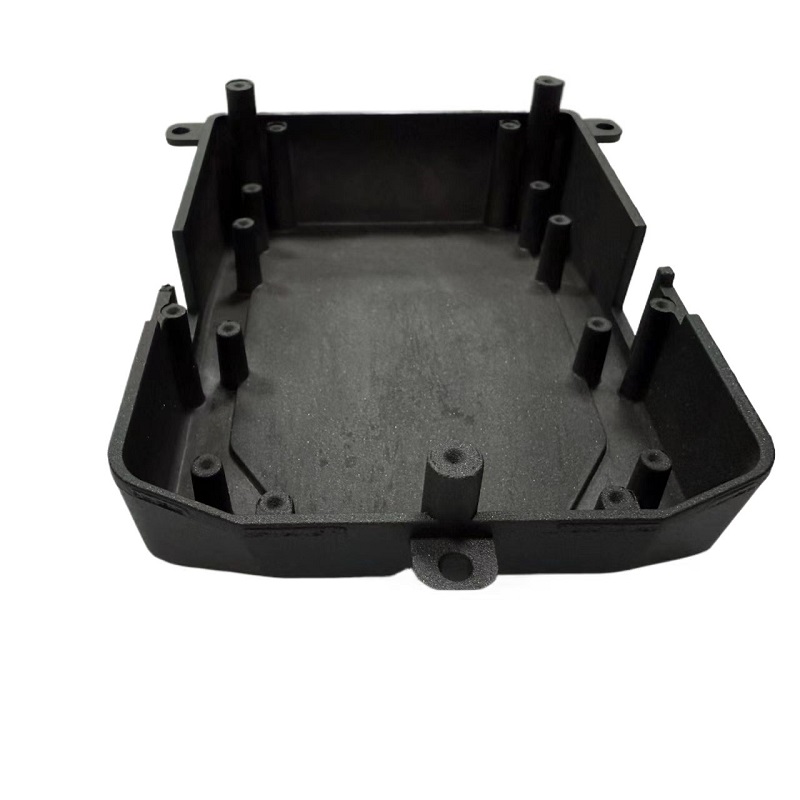
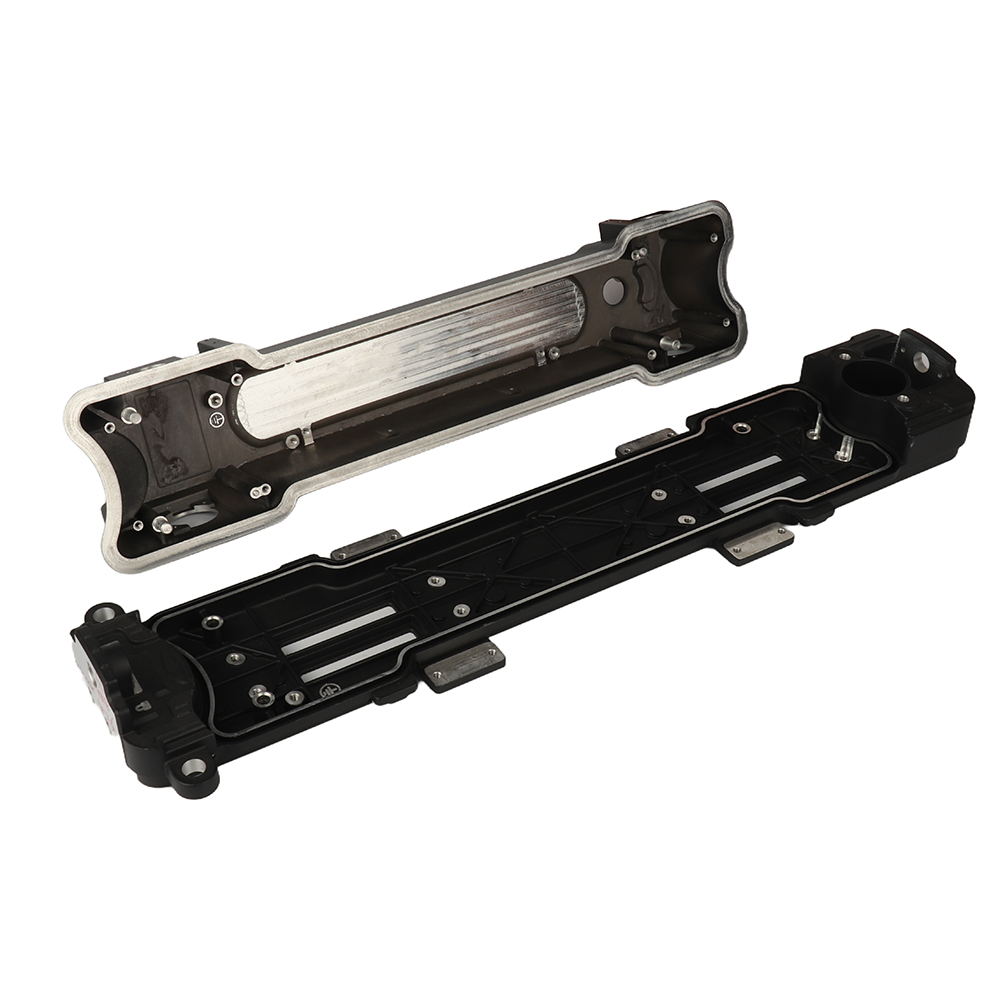
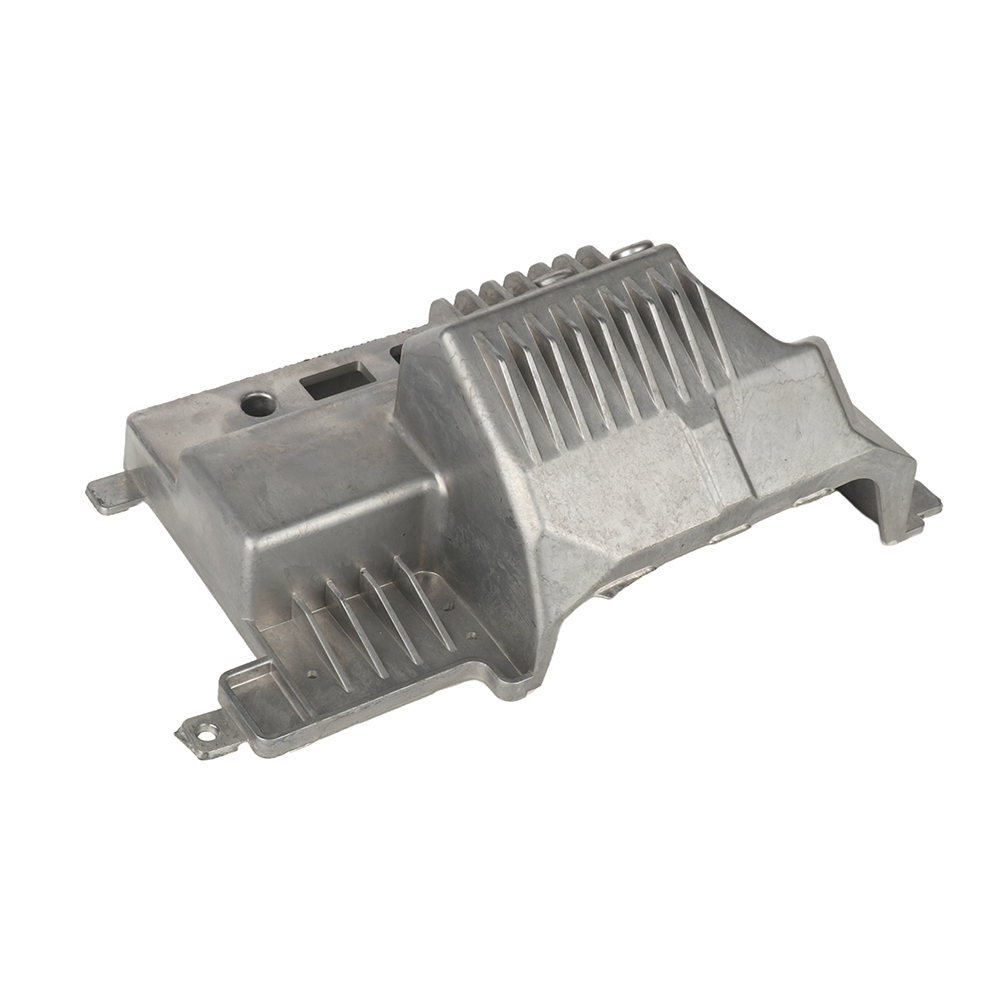
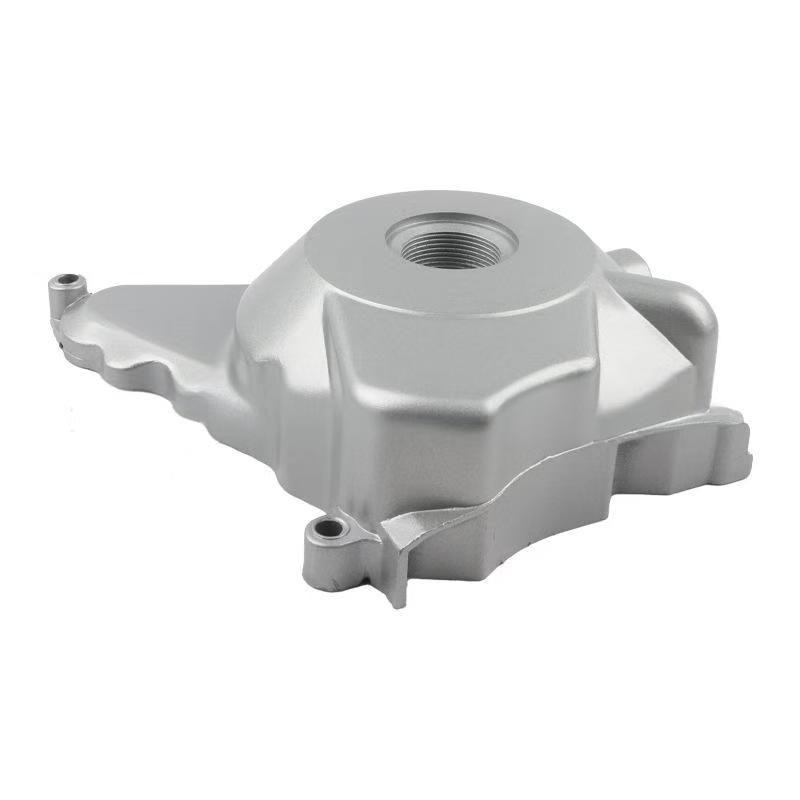
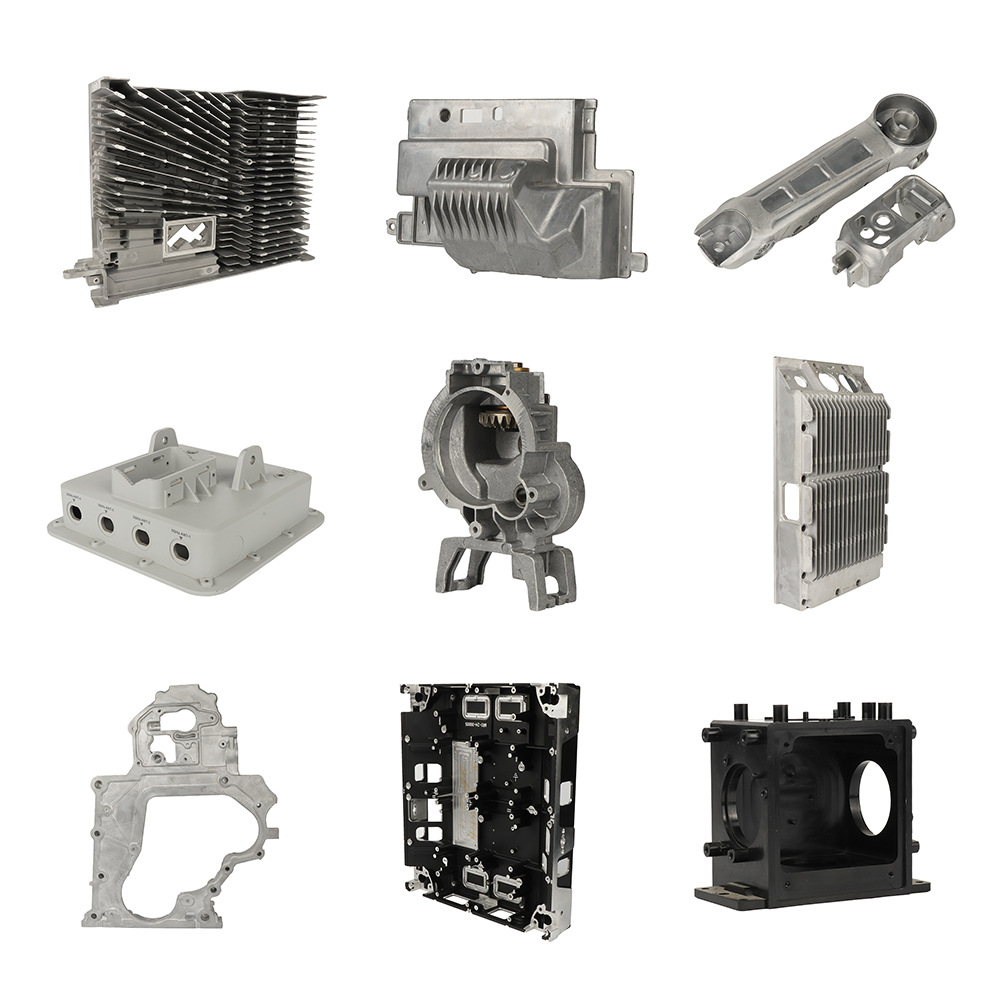
Die cast factory | What are the main jobs of a die cast factory ?
What Are the Main Jobs of a Die Cast Factory?
Table of Contents
- 1. Overview & Core Positioning of Modern Die Cast Factories
- 2. Full-Service Parameter Specification Table of Standard Die Cast Factories
- 3. 6 Core Job Modules of a Professional Die Cast Factory
- 4. Main Application Fields & Industrial Scenarios of Die Cast Products
- 5. Unique Competitive Advantages of Standard Die Casting Manufacturers
- 6. Authoritative Expert Viewpoints on Die Cast Factory Operation
- 7. Industry Frequently Asked Questions (FAQs)
- 8. Die Casting Industry Development Trends & Supplier Selection Guidelines
- 9. Xinghang Precision Hardware: Professional Die Cast Factory Service & Bulk Discount Policy
- 10. Full Text Conclusion
1. Overview & Core Positioning of Modern Die Cast Factories
1.1 Basic Definition of Die Cast Factory
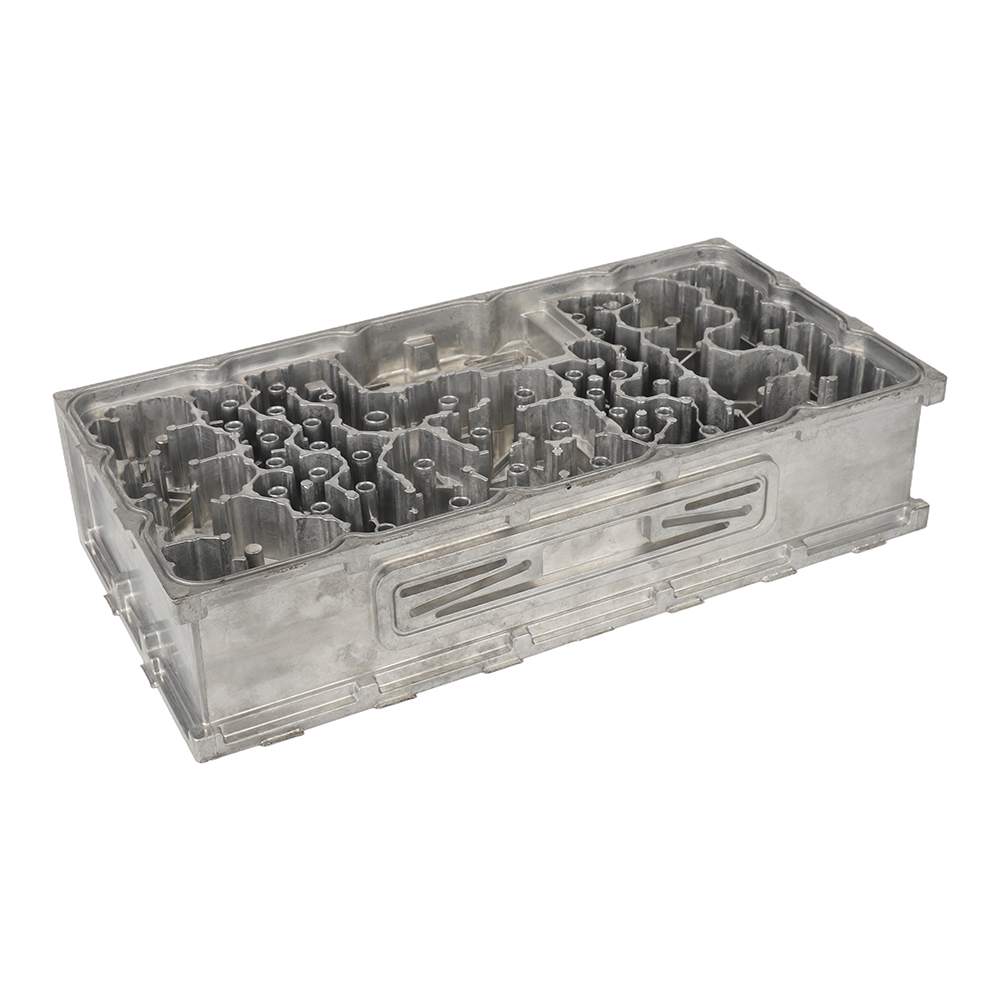
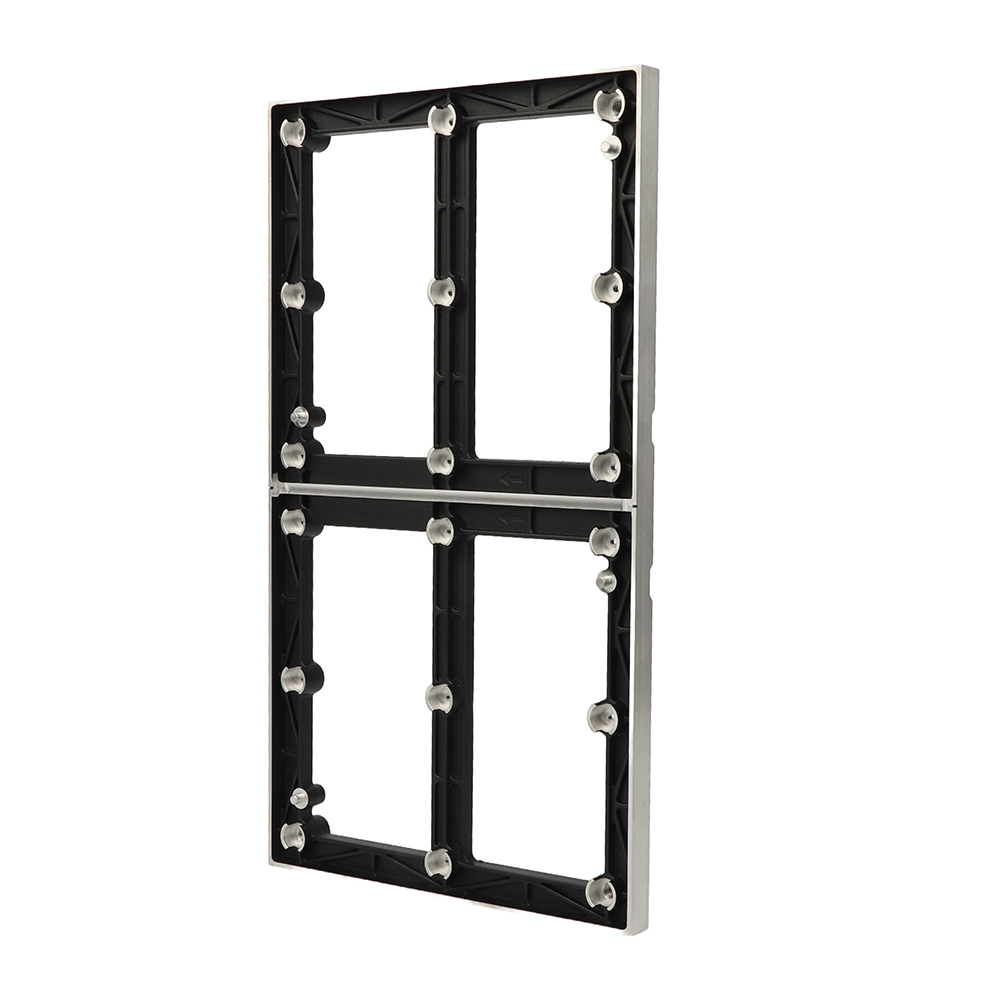
A die cast factory is a professional precision manufacturing enterprise that relies on high-pressure die casting technology to produce near-net-shape metal structural parts. It integrates mold development, metal forming, precision processing, surface treatment and finished product assembly, serving as the core upstream link of automotive, consumer electronics, industrial equipment and new energy industries. Different from ordinary machining factories, standard die cast factories focus on mass, high-precision and low-cost lightweight metal component production.
1.2 Corporate Profile: Xinghang Precision Hardware
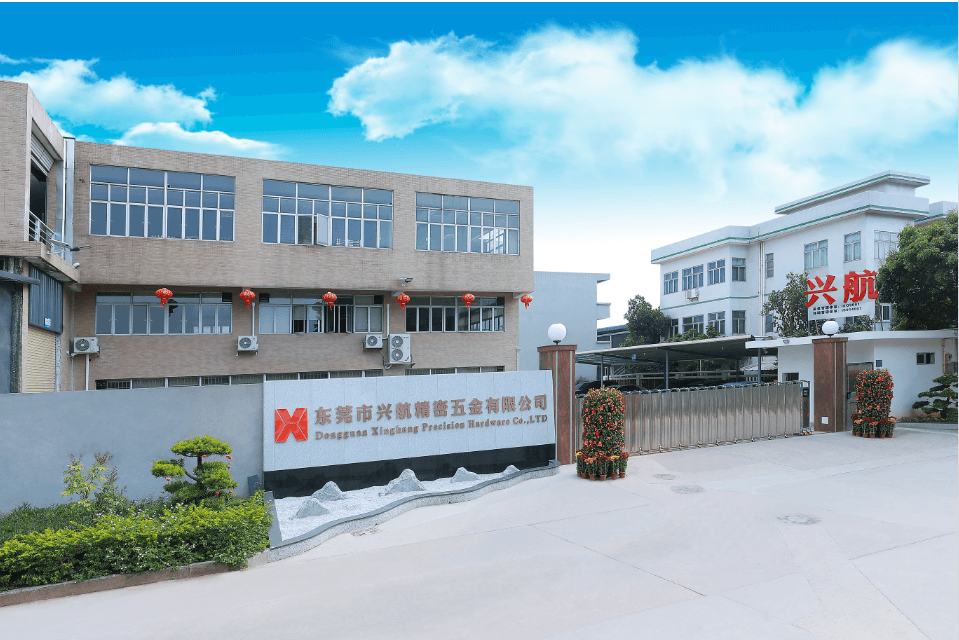
Xinghang Precision Hardware, established in 2017, has always been committed to providing customers with high-quality precision hardware manufacturing solutions. Located in Dongguan, a major hub for manufacturing in China, the company boasts a modern factory with a total area of 9,410 square meters. It is a high-tech manufacturing enterprise that integrates R&D design, mold manufacturing, aluminum-zinc-magnesium alloy die-casting, precision machining, surface treatment, and assembly. With full industrial chain capabilities, it can complete one-stop customized production from product design to finished product delivery.
1.3 Core Industrial Value of Die Cast Factories
Modern die cast factories solve two key industrial pain points: high cost of traditional metal cutting and low precision of stamping parts. They realize batch production of complex lightweight metal parts, greatly improving production efficiency and product consistency, and becoming an indispensable core support for lightweight manufacturing worldwide.
2. Full-Service Parameter Specification Table of Standard Die Cast Factories
The following parameters are universal industrial standards for formal die cast factories, covering mainstream alloy materials, processing accuracy and production indicators. All data comply with international manufacturing standards and are fully applicable to cross-border procurement and industrial customization.
| Core Parameter Item | Universal Industrial Standard Value | Xinghang Precision Hardware Actual Standard |
|---|---|---|
| Applicable Alloy Materials | Aluminum / Zinc / Magnesium Alloy | Aluminum / Zinc / Magnesium Alloy (full coverage) |
| Minimum Dimensional Tolerance | ±0.05mm | ±0.02mm (high-precision customization) |
| Maximum Single Die Casting Weight | 8kg | 10kg (supports large structural parts) |
| Standard Surface Roughness | Ra 1.6μm - Ra 6.3μm | Ra 0.8μm - Ra 6.3μm (customizable appearance) |
| Daily Mass Production Capacity | 10,000 - 30,000 pcs | Up to 35,000 pcs (automated production line) |
| Qualified Product Rate | ≥95% | ≥98.5% |
| Supporting Process Coverage | Casting + Machining + Surface Treatment | R&D + Mold + Casting + CNC + Surface Treatment + Assembly |
3. 6 Core Job Modules of a Professional Die Cast Factory
3.1 Product R&D & Customized Design
3.1.1 DFM Analysis & Structural Optimization
This is the pre-core work of die cast production. Professional die cast factories provide free DFM (Design for Manufacturing) analysis for customer drawings, optimize product wall thickness, fillet structure and rib position, avoid casting defects such as shrinkage cavity, bubble and deformation, and ensure products meet mass production standards. This work directly determines the yield and stability of subsequent production.
3.2 Precision Mold R&D & Manufacturing
3.2.1 Mold Development & Maintenance
Mold quality determines die casting accuracy. Formal die cast factories independently develop and manufacture high-precision die casting molds, including gating system design, cooling system layout and mold surface finishing. Meanwhile, regular mold maintenance and debugging are carried out to ensure long-term stable production and extend mold service life, reducing customer's repeated mold opening costs.
3.3 Automated Die Casting Forming Production
3.3.1 High-Pressure Die Casting Mass Production
Equipped with full-automatic high-pressure die casting machines, the factory completes molten alloy injection, pressure forming and rapid cooling molding. The core job is to control casting temperature, pressure and cycle time stably, ensure consistent product size and density, and realize efficient and standardized mass production of metal parts.
3.4 Secondary Precision Machining
3.4.1 CNC Finishing & Deburring
After die casting forming, factories conduct secondary processing including CNC precision drilling, tapping, milling, full deburring and edge trimming. This process eliminates tiny dimensional errors generated during casting and meets the high-precision assembly tolerance requirements of terminal products.
3.5 Customized Surface Treatment
3.5.1 Functional & Decorative Treatment
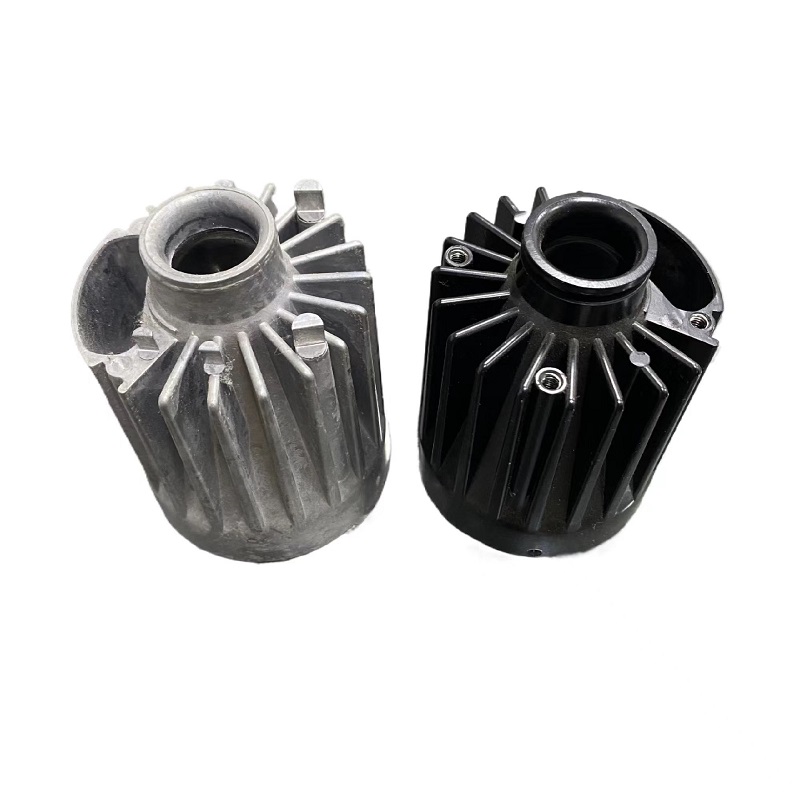
According to customer application scenarios, factories provide diversified surface treatments including anodizing, micro-arc oxidation, powder spraying, PVD coating, passivation and sandblasting. The core purposes are to improve product corrosion resistance, wear resistance, electromagnetic shielding performance and appearance aesthetics, and meet environmental certification standards such as RoHS and REACH.
3.6 Quality Inspection & Finished Product Delivery
3.6.1 Full Process Quality Control
3.6.1.1 Testing & After-Sales Service
Professional die cast factories implement full-process quality inspection, including raw material component testing, dimensional precision detection, salt spray corrosion testing, surface adhesion testing and finished product appearance screening. They provide complete test reports and after-sales technical support to ensure 100% compliance with customer delivery standards.
4. Main Application Fields & Industrial Scenarios of Die Cast Products
4.1 New Energy & Automotive Industry
As the largest application scenario for die cast parts, it covers new energy vehicle battery brackets, motor housings, chassis lightweight parts and automotive electronic shells. Die cast parts meet the industry's strict requirements for lightweight, high strength and vibration resistance, and effectively reduce vehicle energy consumption.
4.2 Consumer Electronics & 3C Industry
Widely used in 5G communication shells, drone fuselages, notebook computer structural parts and mobile phone middle frames. The ultra-light weight and excellent electromagnetic shielding performance of die cast alloys perfectly adapt to the thin and high-performance development trend of electronic products.
4.3 Industrial Equipment & Smart Hardware
Including robotic arm accessories, automation equipment brackets, instrument housings and hydraulic system parts. Die cast products feature stable structure and strong pressure resistance, adapting to long-term high-intensity industrial operation scenarios.
4.4 Outdoor & Communication Equipment
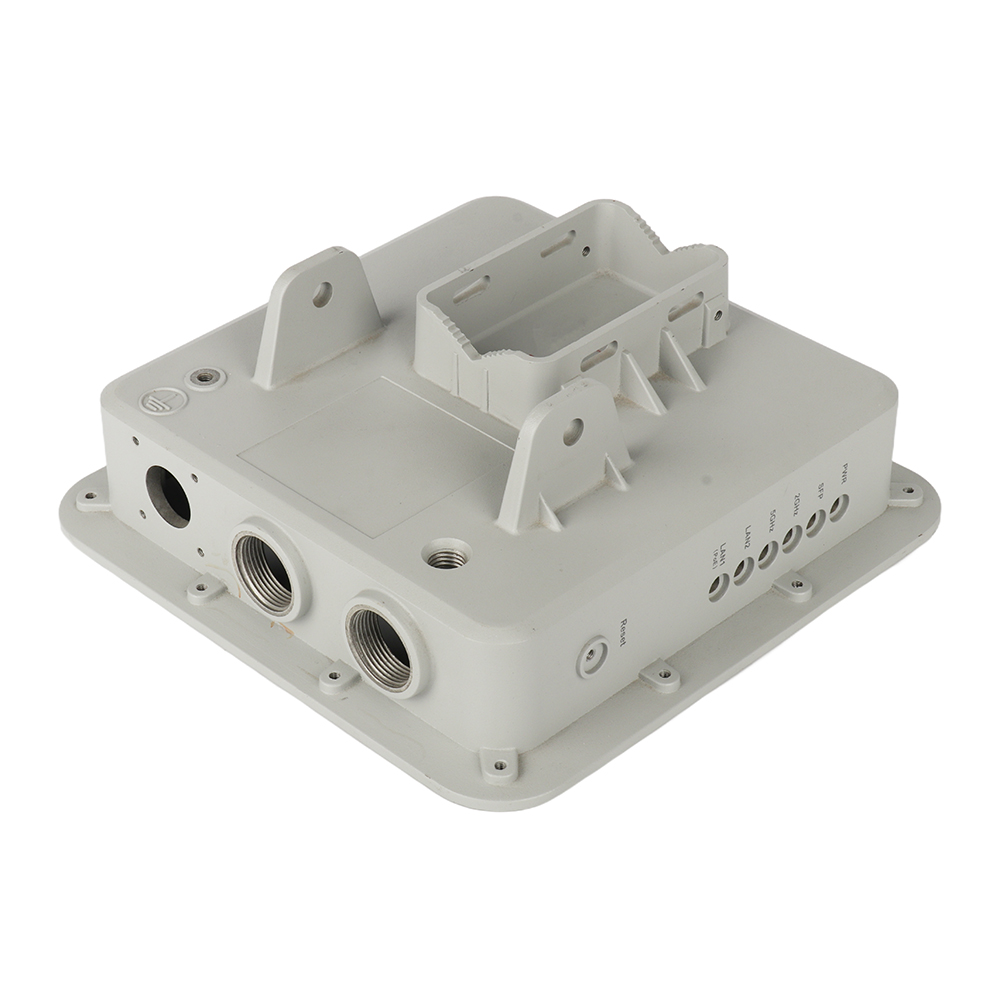
High-precision die cast parts with professional surface treatment can adapt to humid, salt fog and high and low temperature alternating environments, suitable for outdoor communication base station parts and outdoor intelligent monitoring equipment shells.
5. Unique Competitive Advantages of Standard Die Casting Manufacturers
- Full industrial chain one-stop service: Integrate R&D, mold making, casting, machining, surface treatment and assembly, avoid quality deviation and cost increase caused by multi-supplier cooperation
- Superior lightweight structural performance: Die cast alloy parts have high strength and low density, which can reduce product weight by 20%-40% compared with traditional steel parts
- High batch consistency & stability: Automated production lines ensure zero difference in size and performance of mass products, suitable for large-scale industrial assembly
- Strong customized adaptability: Support personalized customization of product structure, size, surface color and functional treatment to meet differentiated industry needs
- Strict environmental & quality compliance: All production processes comply with international environmental protection standards, supporting global cross-border procurement and customs clearance
6. Authoritative Expert Viewpoints on Die Cast Factory Operation
We quote the professional viewpoint of Mr. Jason Moore, a senior manufacturing engineer of the Global Light Alloy Processing Association, who has more than 15 years of research experience in die casting process optimization and factory operation management:
"The core competitiveness of a qualified die cast factory is not only high output, but also process matching capability and full-link quality control. Many small factories only focus on casting production but ignore early DFM optimization and later precision finishing, resulting in high defective rates for customers' mass orders. In addition, integrated mold development and surface treatment capability is the key to distinguishing high-quality manufacturers from ordinary processing factories. For industrial procurement, choosing a one-stop die cast manufacturer can save 30% of comprehensive time and cost on average."
Mr. Moore also emphasized that with the upgrading of global lightweight manufacturing, high-precision, low-defect and green environmental protection have become the core assessment indicators for modern die cast factories.
7. Industry Frequently Asked Questions (FAQs)
Q1: What is the difference between a die cast factory and an ordinary machining factory?
A1: Ordinary machining factories mainly cut and shape raw materials, with high material loss and low efficiency for complex parts. Professional die cast factories adopt one-time high-pressure forming technology, with low material loss, high production efficiency and better batch consistency. They are more suitable for mass production of complex lightweight metal structural parts.
Q2: Which alloy material is the most cost-effective for die casting customization?
A2: Aluminum alloy is the most widely used and cost-effective option for most structural parts. Zinc alloy is suitable for small precision appearance parts, and magnesium alloy is the best choice for ultra-lightweight high-end equipment parts. Professional die cast factories will recommend the most matching material according to customer application scenarios and budget.
Q3: Can die cast products support secondary modification and assembly?
A3: Yes. Standard die cast products reserve secondary machining tolerance. Factories can complete CNC drilling, tapping, bending and assembly processing to meet final product assembly and installation requirements.
Q4: What is the delivery cycle of formal die cast factories?
A4: The mold opening and sample confirmation cycle is 7-15 working days, and the mass production delivery cycle is 3-7 working days according to the order quantity. One-stop manufacturers with self-owned molds and production lines have more stable delivery cycles.
8. Die Casting Industry Development Trends & Supplier Selection Guidelines
8.1 Core Development Trends of Modern Die Casting Industry
- Integrated one-stop manufacturing becomes mainstream: The industry is gradually eliminating single-process processing factories, and full-chain manufacturers with mold development, casting, finishing and surface treatment capabilities occupy the main market share
- High-precision & lightweight upgrading: Terminal industries such as new energy and 3C electronics put forward higher requirements for product precision and lightweight performance, promoting the iteration of ultra-precision die casting technology
- Green and environmentally friendly production iteration: All production processes are moving towards low pollution and low energy consumption, and RoHS/REACH environmental compliance has become the basic threshold for cross-border trade
- Automated intelligent production popularization: Intelligent production lines replace manual operation, greatly improving production efficiency and product batch stability
8.2 Selection Standards for High-Quality Die Cast Hardware Suppliers
- Complete full industrial chain capabilities: Possess independent mold R&D, die casting production, precision machining and surface treatment capabilities, no need for third-party outsourcing
- Standardized quality inspection system: Equipped with professional testing equipment, able to provide complete product test reports and quality certification documents
- Rich multi-alloy processing experience: Proficient in processing aluminum, zinc, magnesium and other alloy materials, able to cope with differentiated industrial scenario needs
- Stable delivery capability & after-sales service: Have standardized production SOP and perfect after-sales technical support to solve product quality and process problems in a timely manner
- Flexible batch pricing mechanism: Support small-batch trial production and large-batch preferential policies, meeting the procurement needs of different enterprise stages
9. Xinghang Precision Hardware: Professional Die Cast Factory Service & Bulk Discount Policy
9.1 Our Core Service Advantages
As a professional high-tech die casting manufacturer in Dongguan, Xinghang Precision Hardware relies on 9,410 square meters of modern standardized factory buildings and full-chain production equipment to provide global customers with one-stop customized die casting solutions. We cover the whole process from product design optimization, independent mold opening, multi-alloy die casting, CNC precision finishing, customized surface treatment to finished product assembly. We support free sample testing, DFM design optimization and personalized process customization, with stable product quality and a pass rate of up to 98.5%.
9.2 Exclusive Bulk Order Preferential Policy
We implement a progressive discount mechanism: the more you order, the more discounts you get. The larger the batch quantity of a single order or annual framework order, the higher the comprehensive preferential strength, covering mold fee, die casting processing fee, CNC finishing fee and surface treatment fee. Long-term cooperative customers can also enjoy free mold maintenance and priority delivery services, effectively reducing customers' comprehensive procurement costs.
9.3 Official Contact Information
Mobile / WhatsApp / WeChat: +86 18819502691
Official Email: liqine@xinghangcn.com
We provide 24-hour professional inquiry response, free scheme customization and sample testing services for all global customers.
10. Full Text Conclusion
A professional die cast factory undertakes the core work of full-link customized production from product R&D, mold manufacturing, die casting forming, precision processing to surface treatment and quality inspection, and is an indispensable core supporting link for lightweight manufacturing industries. The die casting industry is developing towards integration, high precision, intelligence and green environmental protection. For global procurement buyers, selecting a high-quality one-stop die casting supplier is the key to balancing quality, efficiency and cost. As a reliable Dongguan-based die casting manufacturer, Xinghang Precision Hardware has complete industrial chain advantages and flexible bulk preferential policies. It can provide stable high-quality customized die casting products for global customers, and help enterprises reduce procurement costs and improve product market competitiveness through large-batch cooperative orders.
Aluminium gravity die casting process | What are the steps of the aluminium gravity die casting process?
Robot vacuum | What is the function of a robot vacuum cleaner?
Related Article


