
HOT PRODUCTS
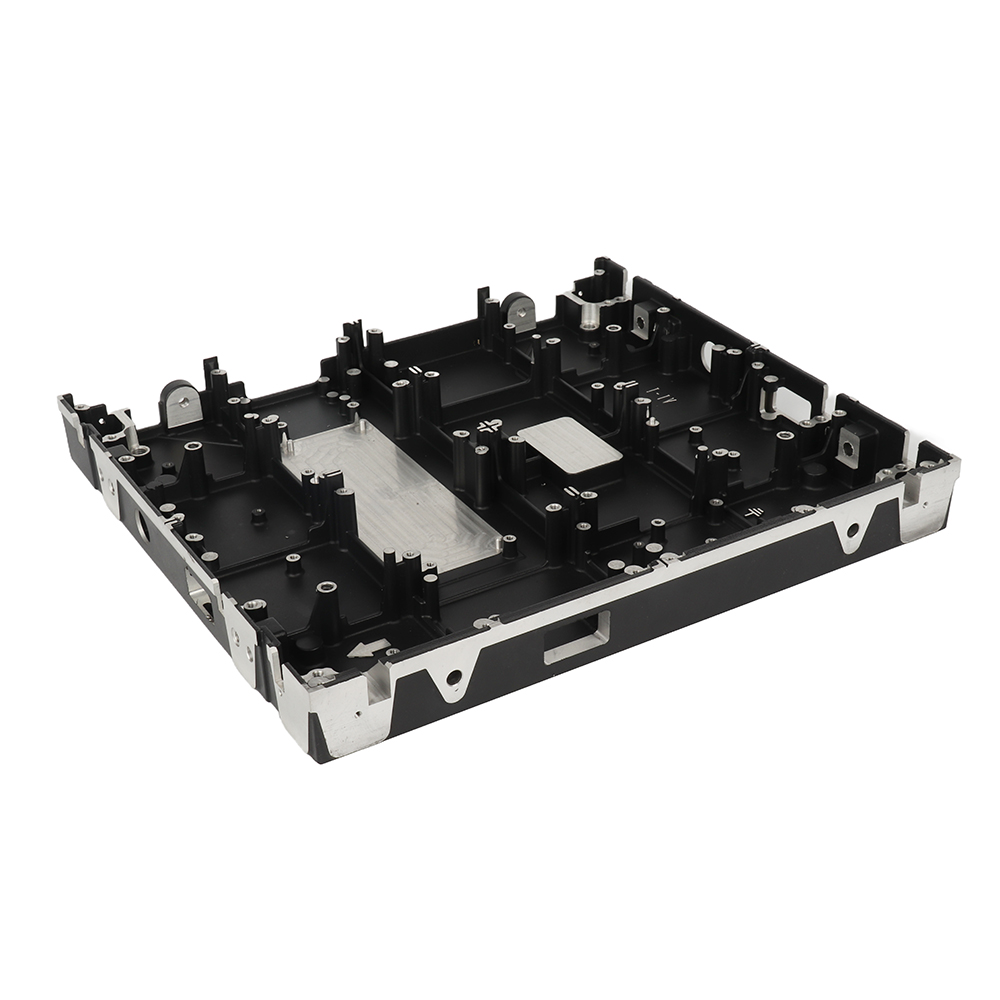
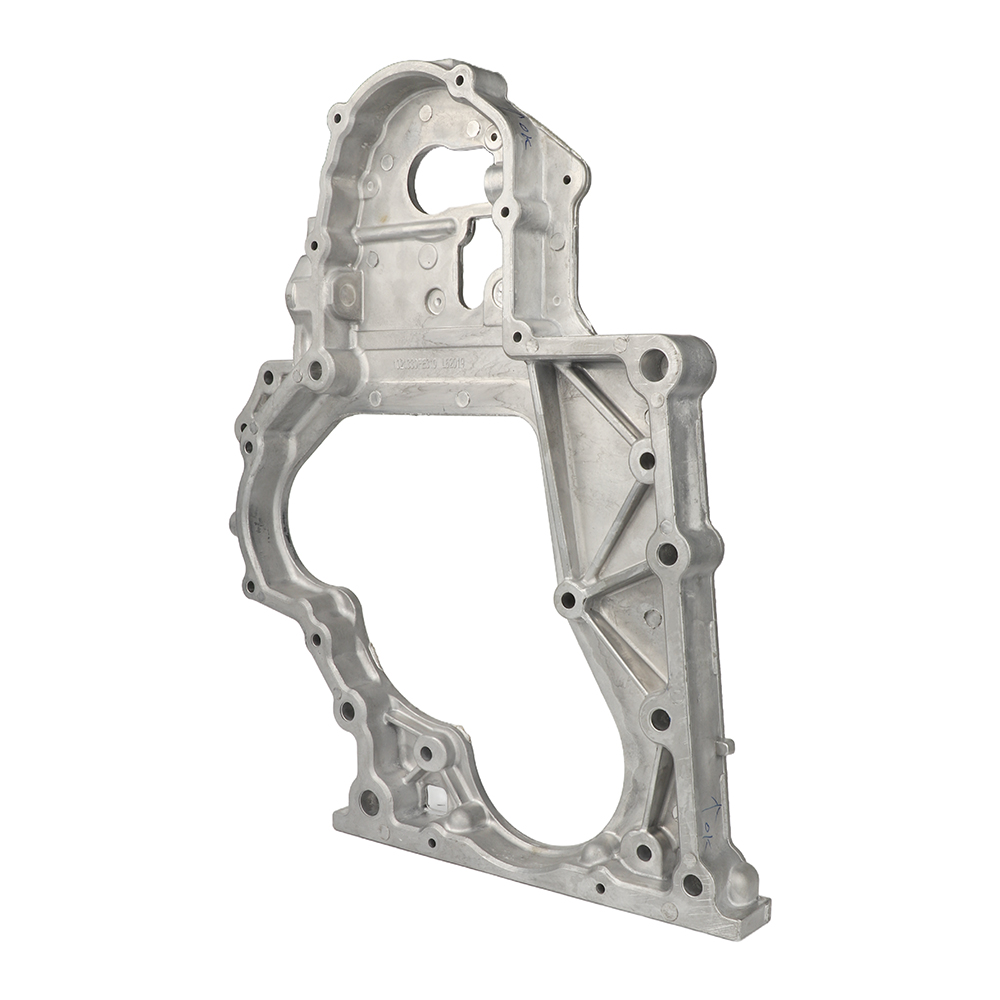
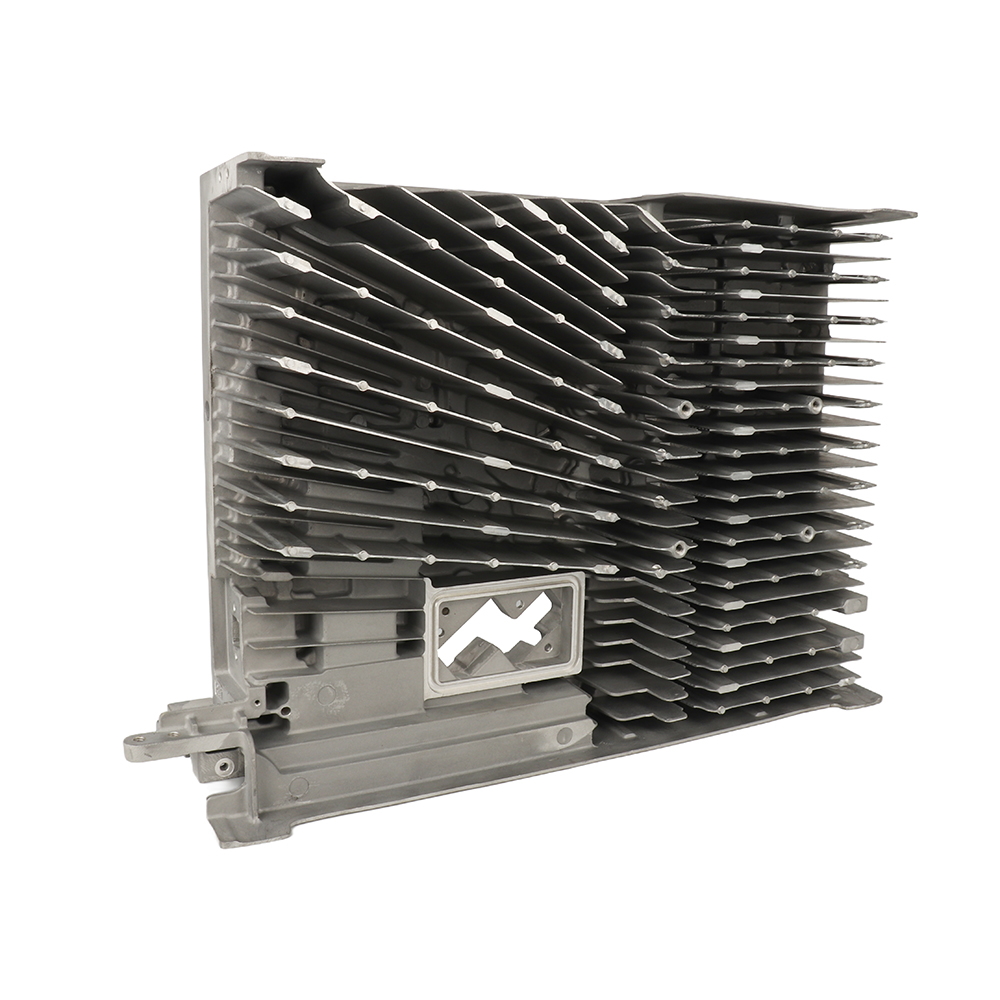
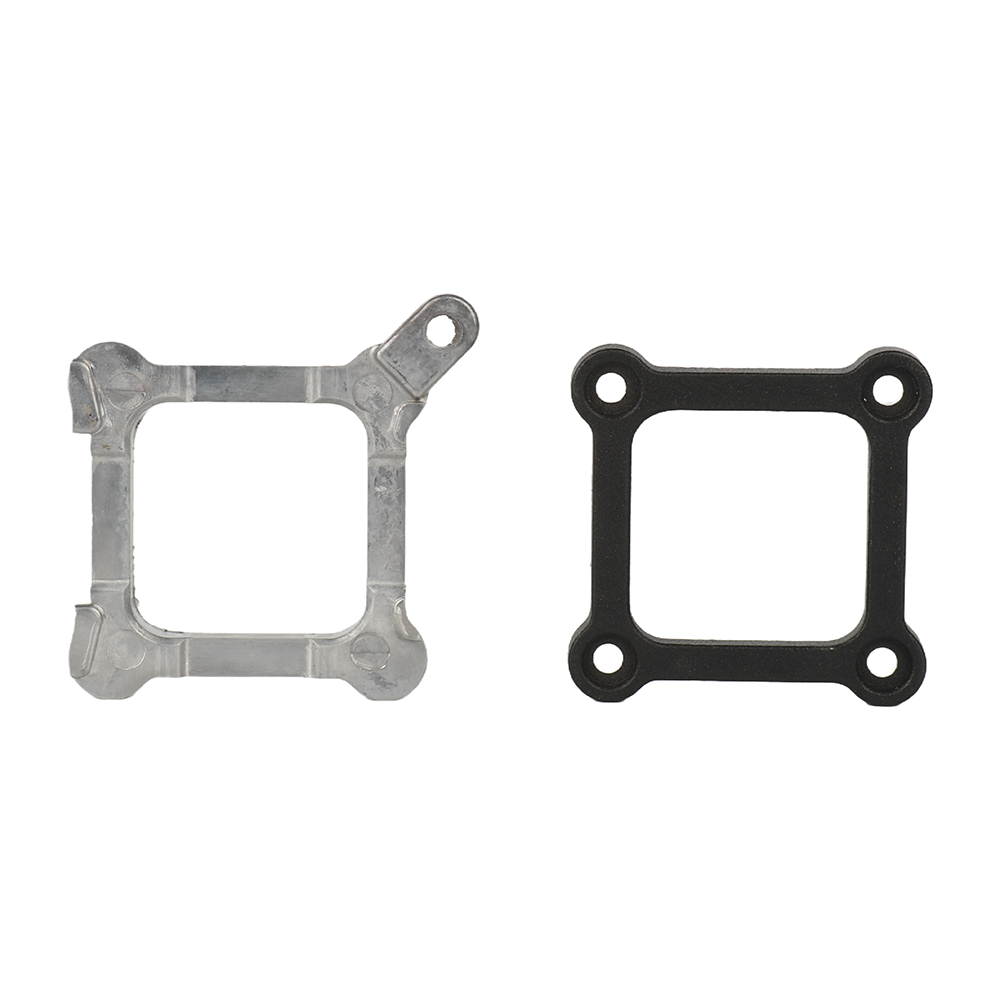
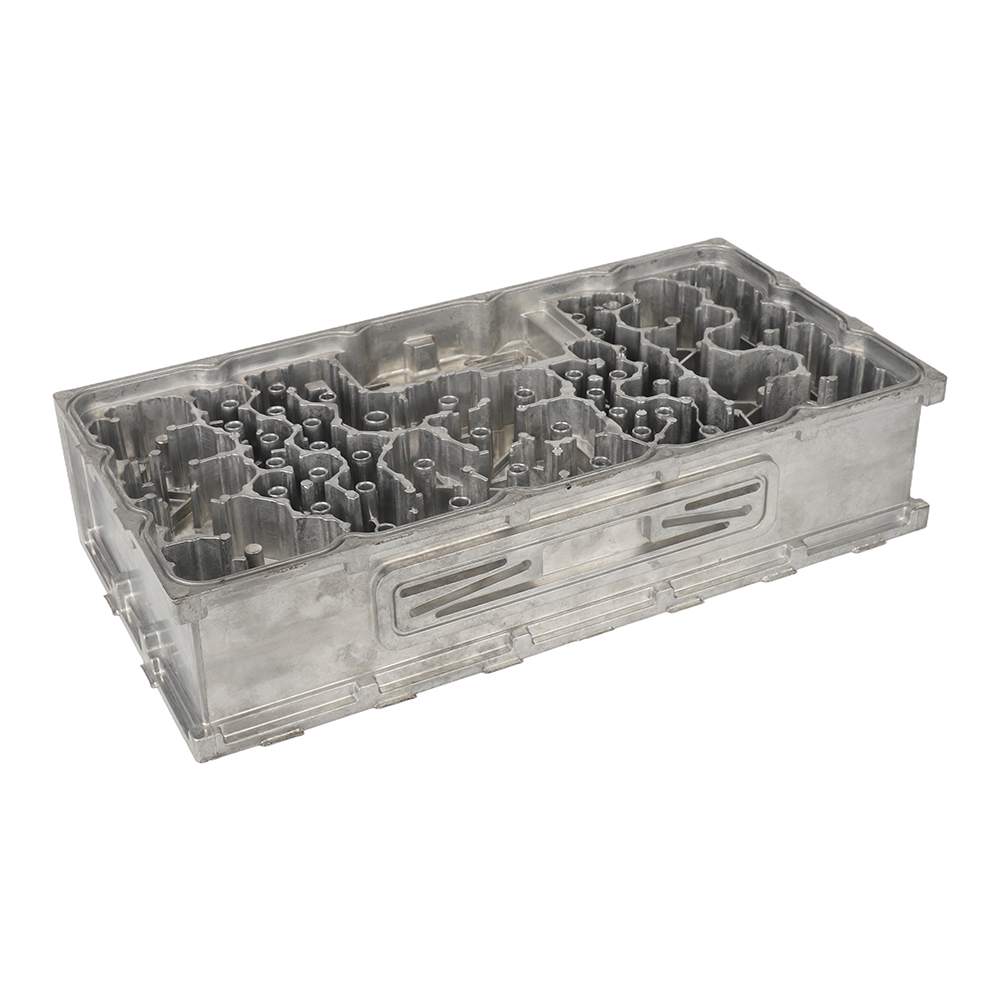
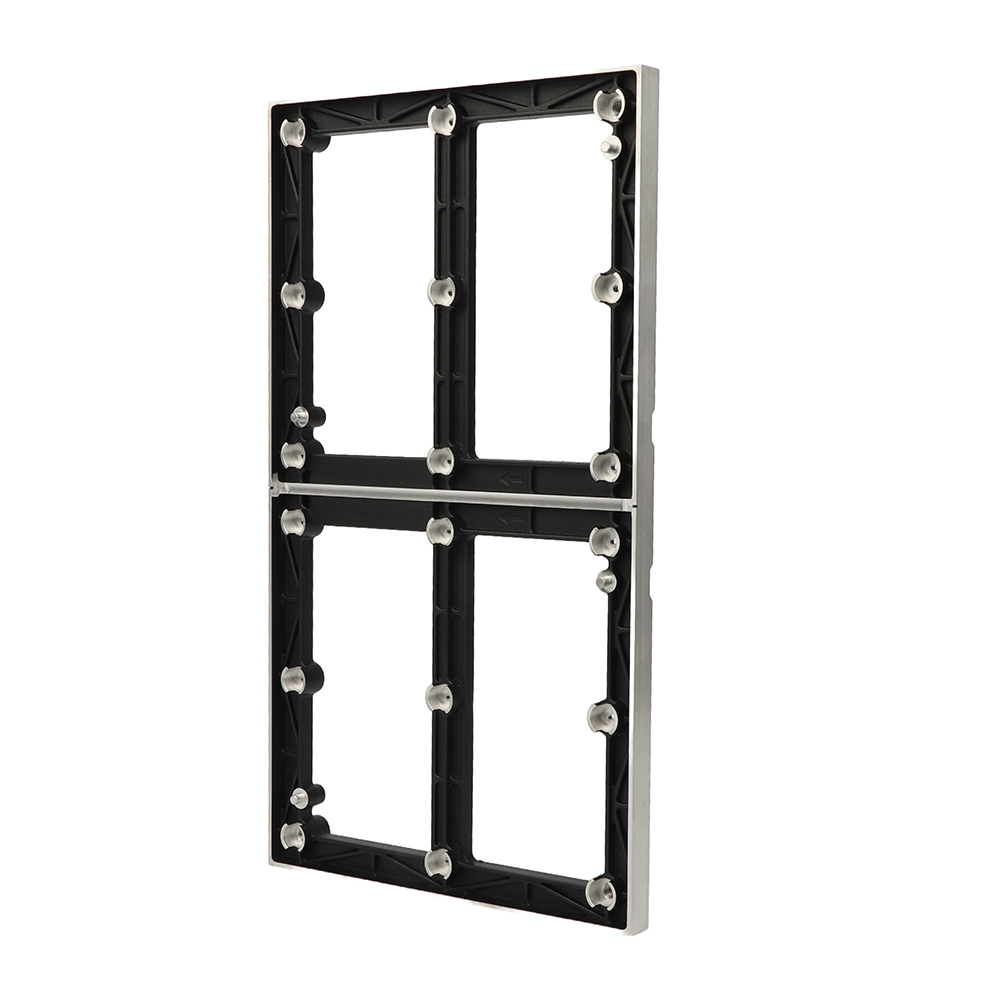
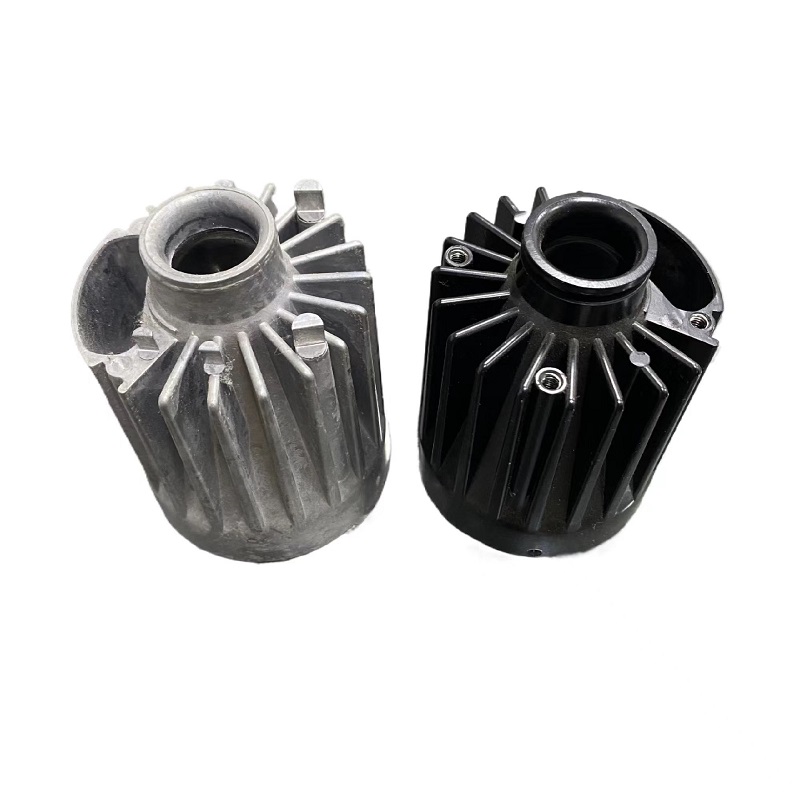
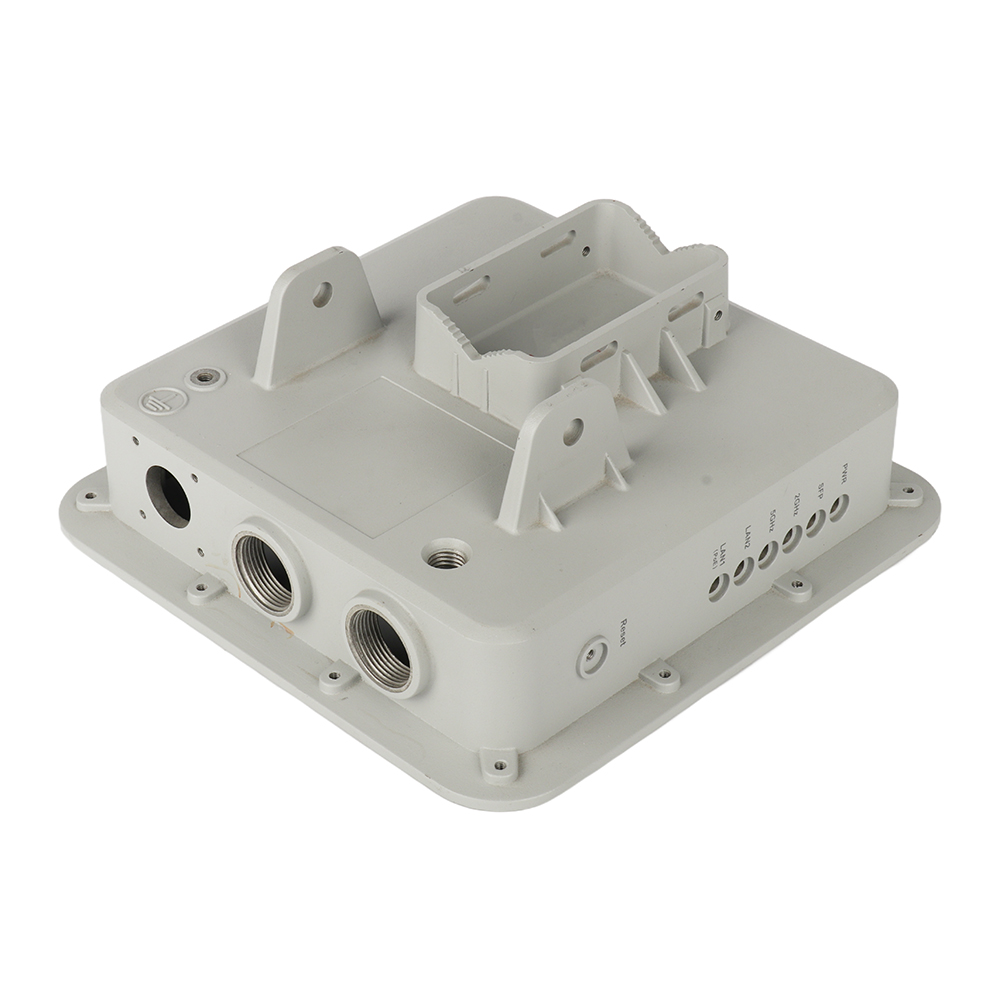
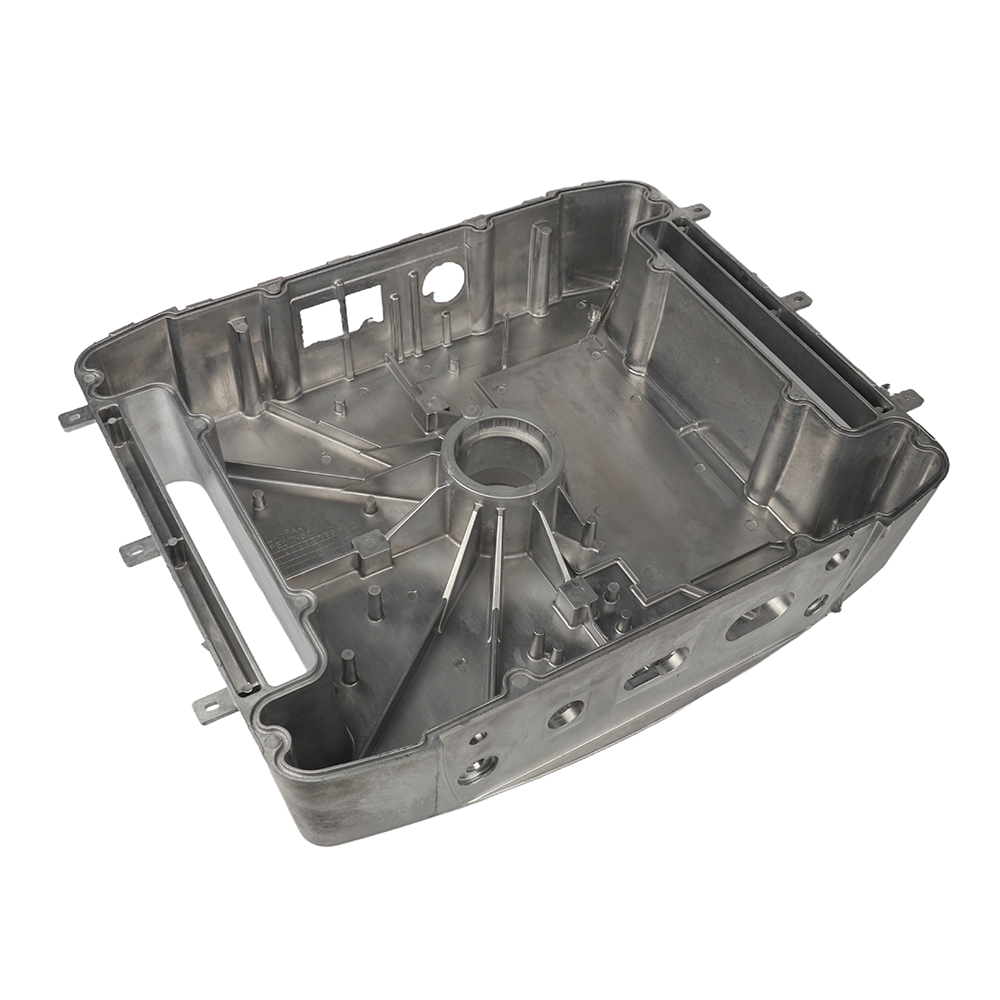
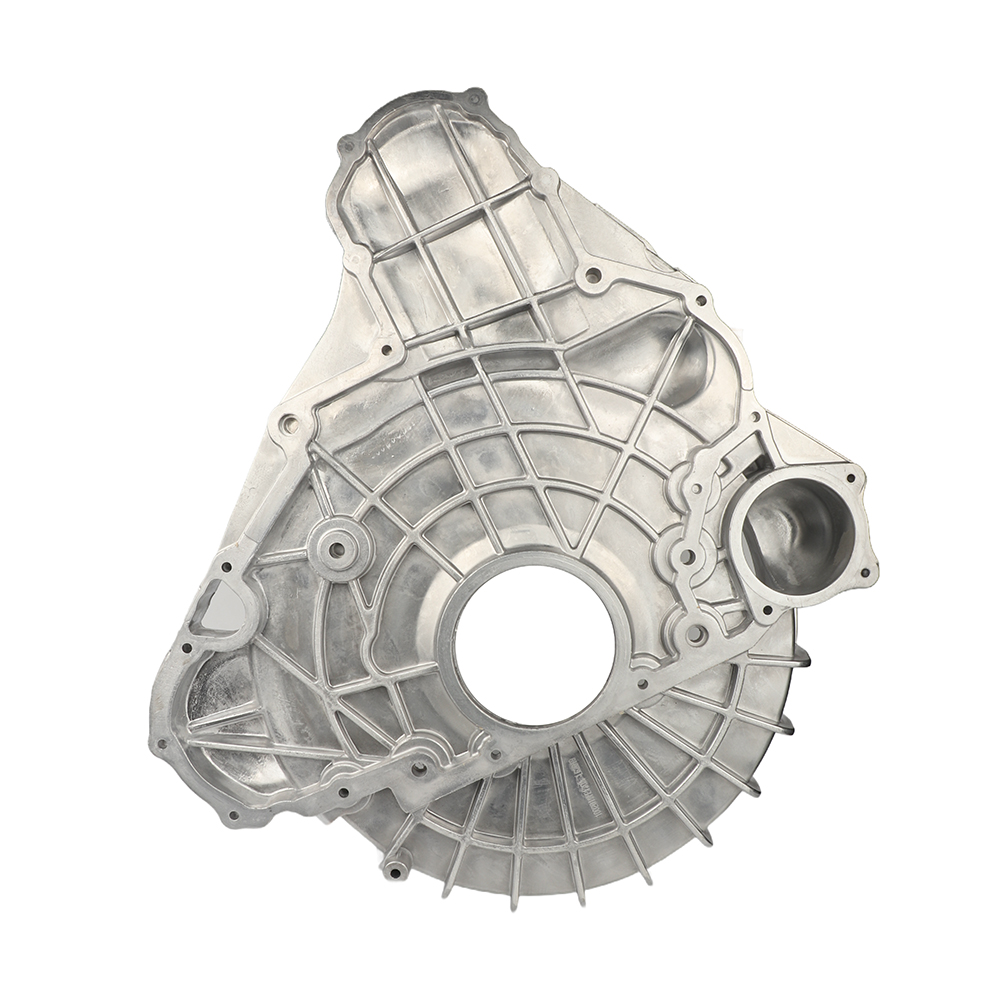
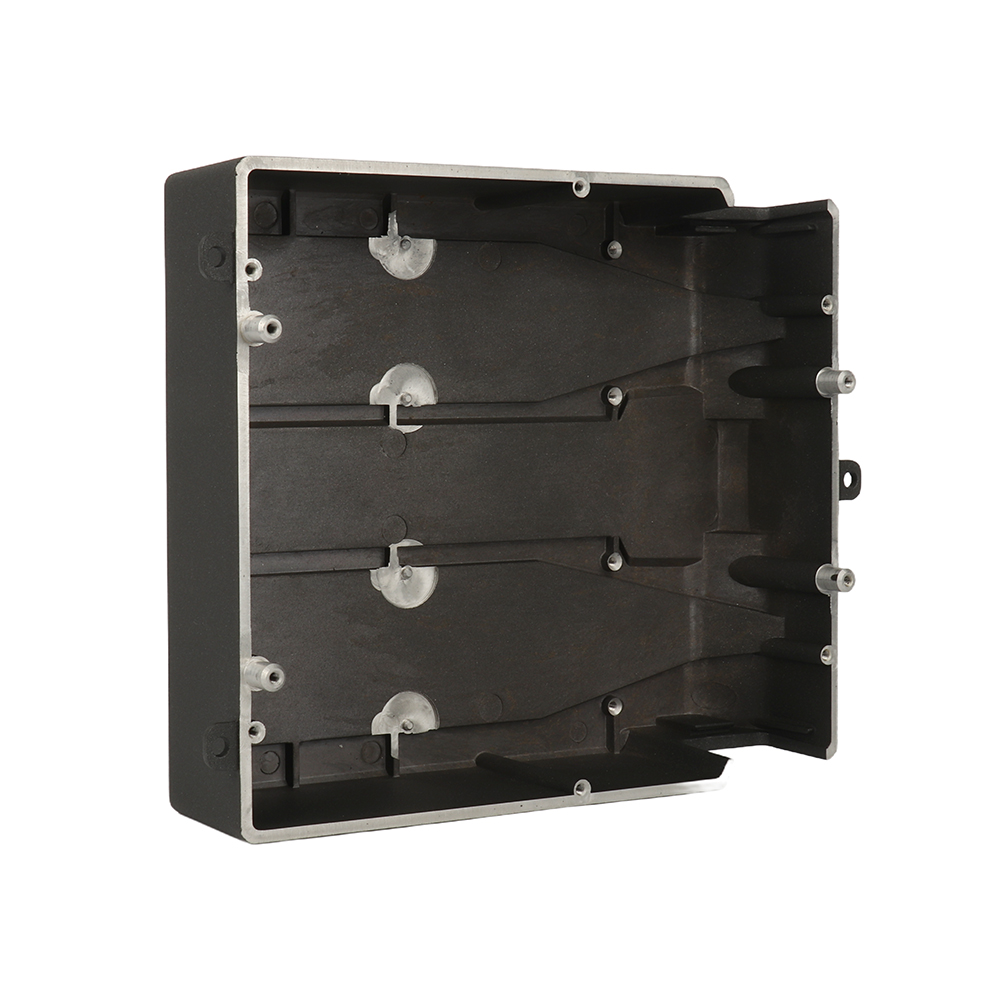
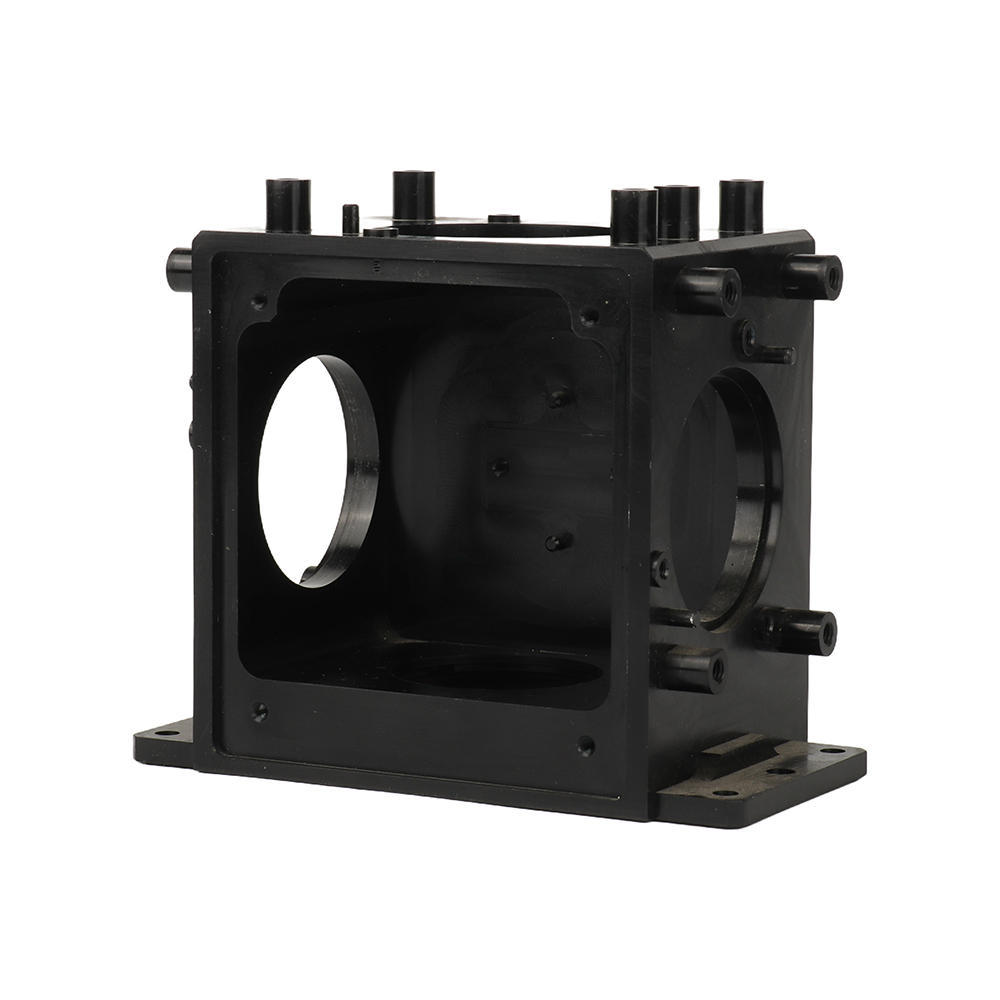
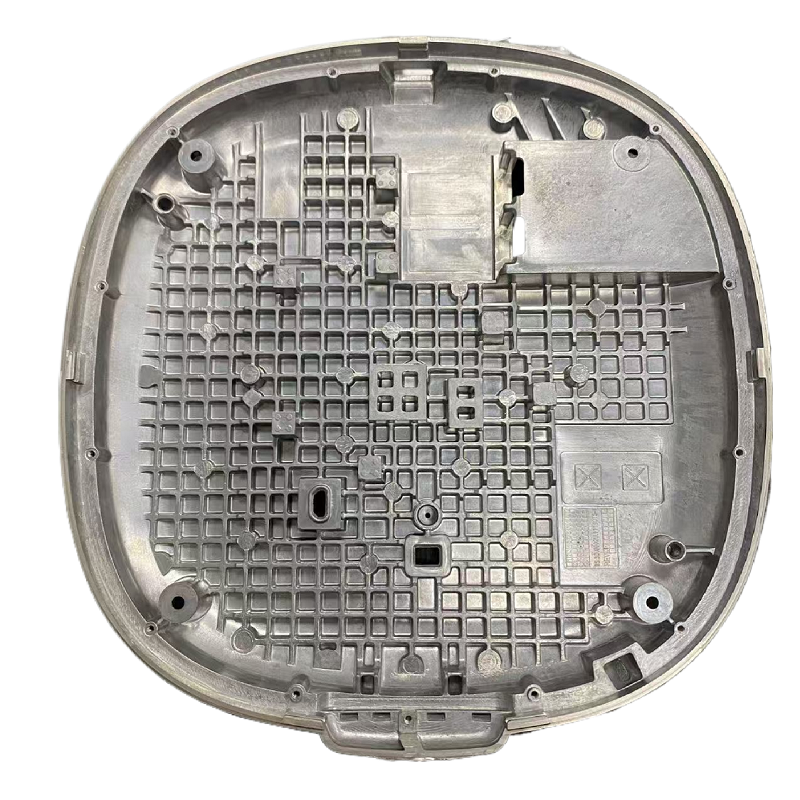
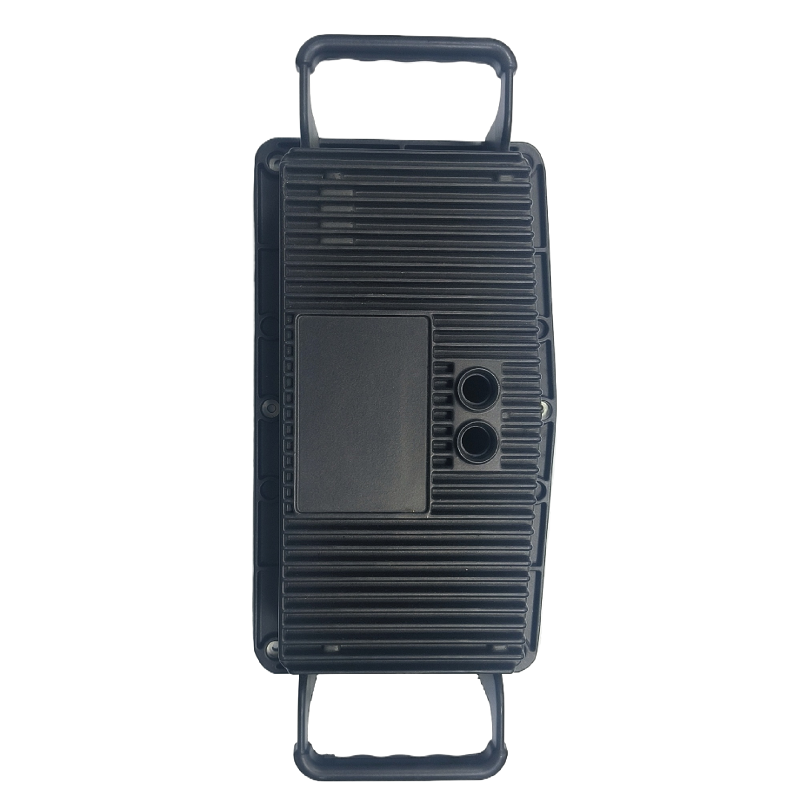
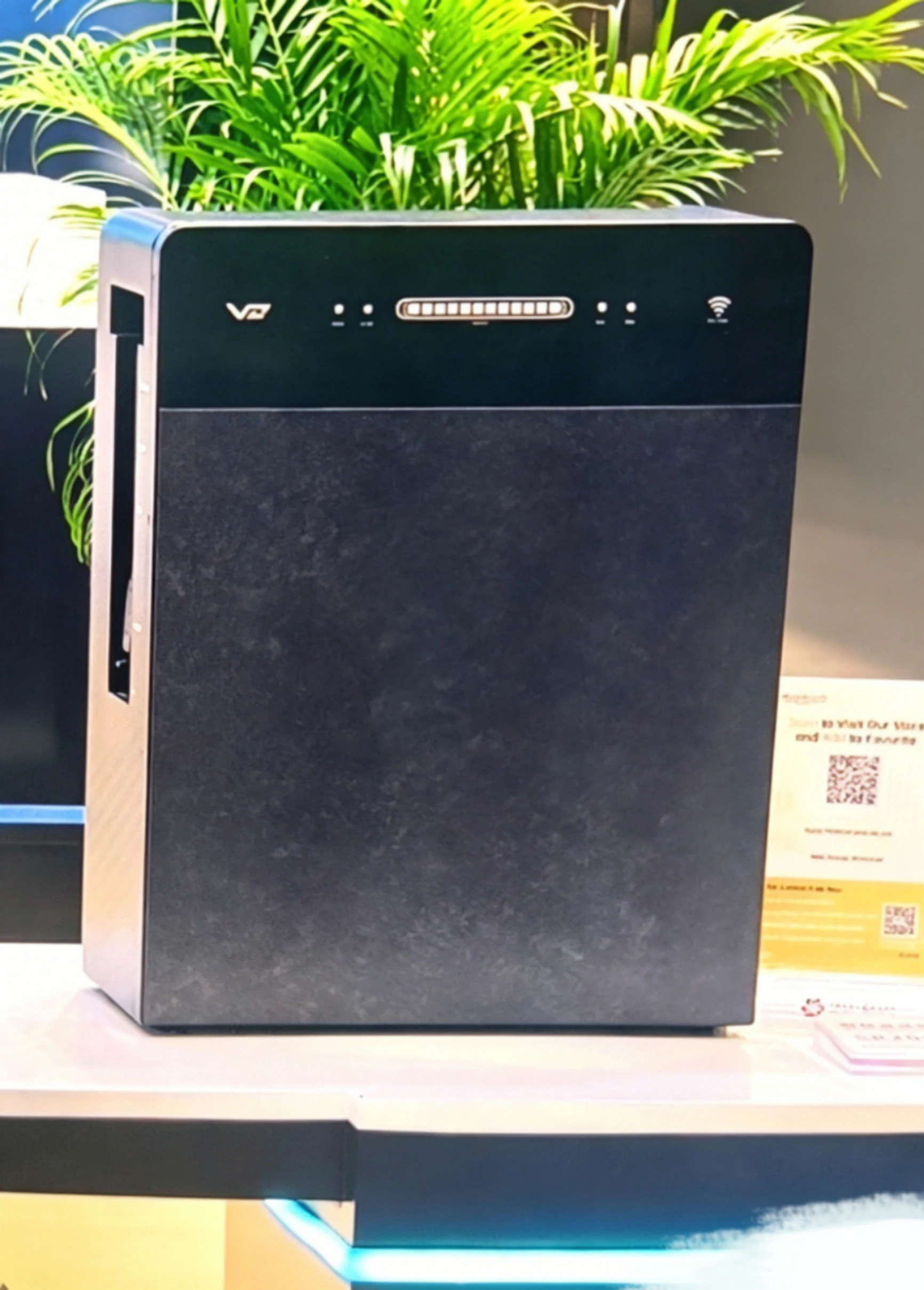
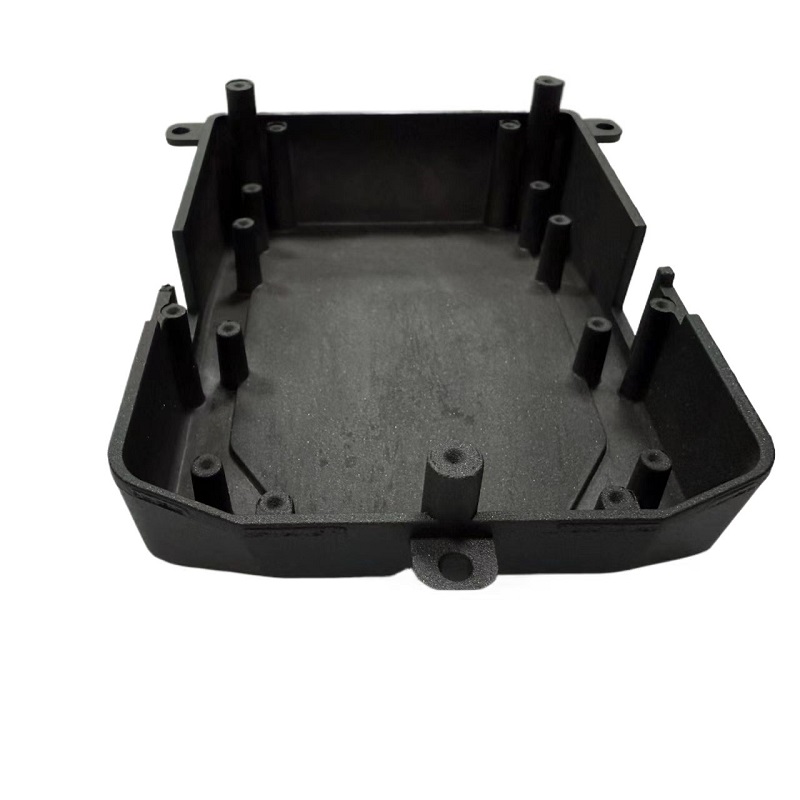
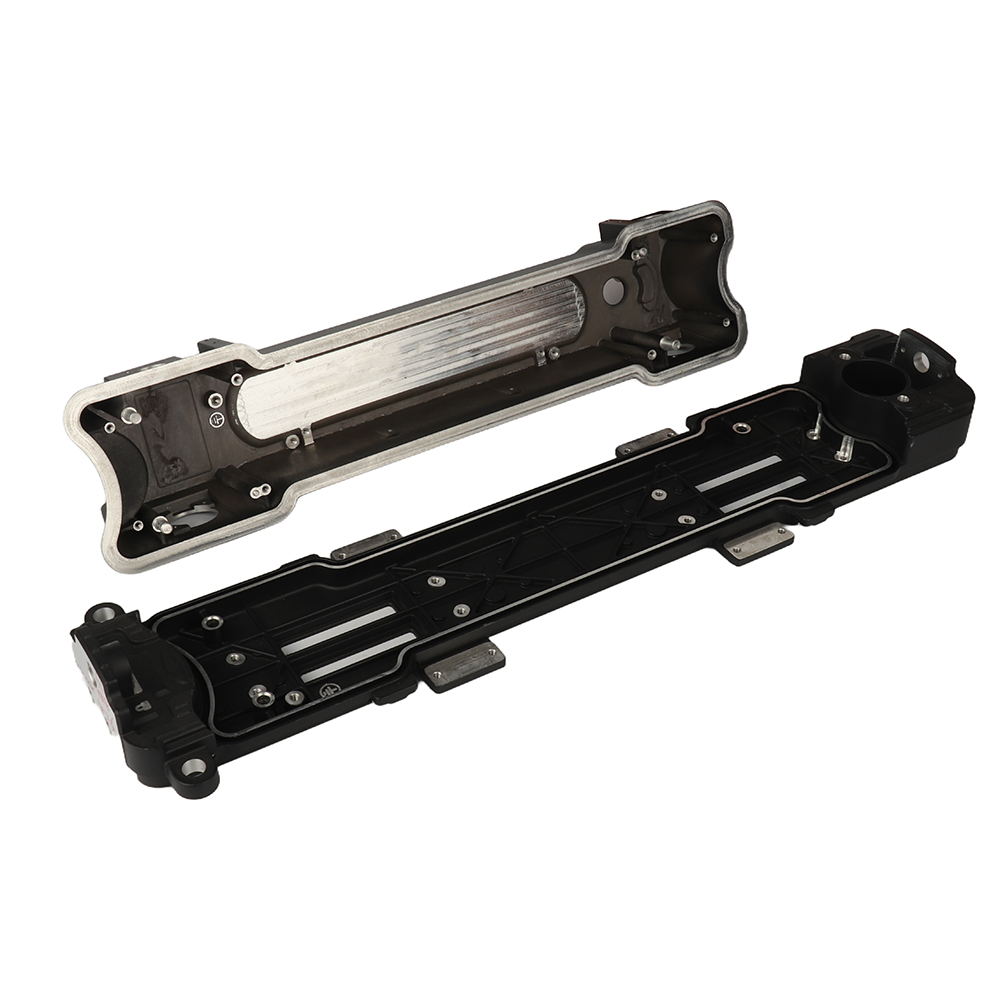
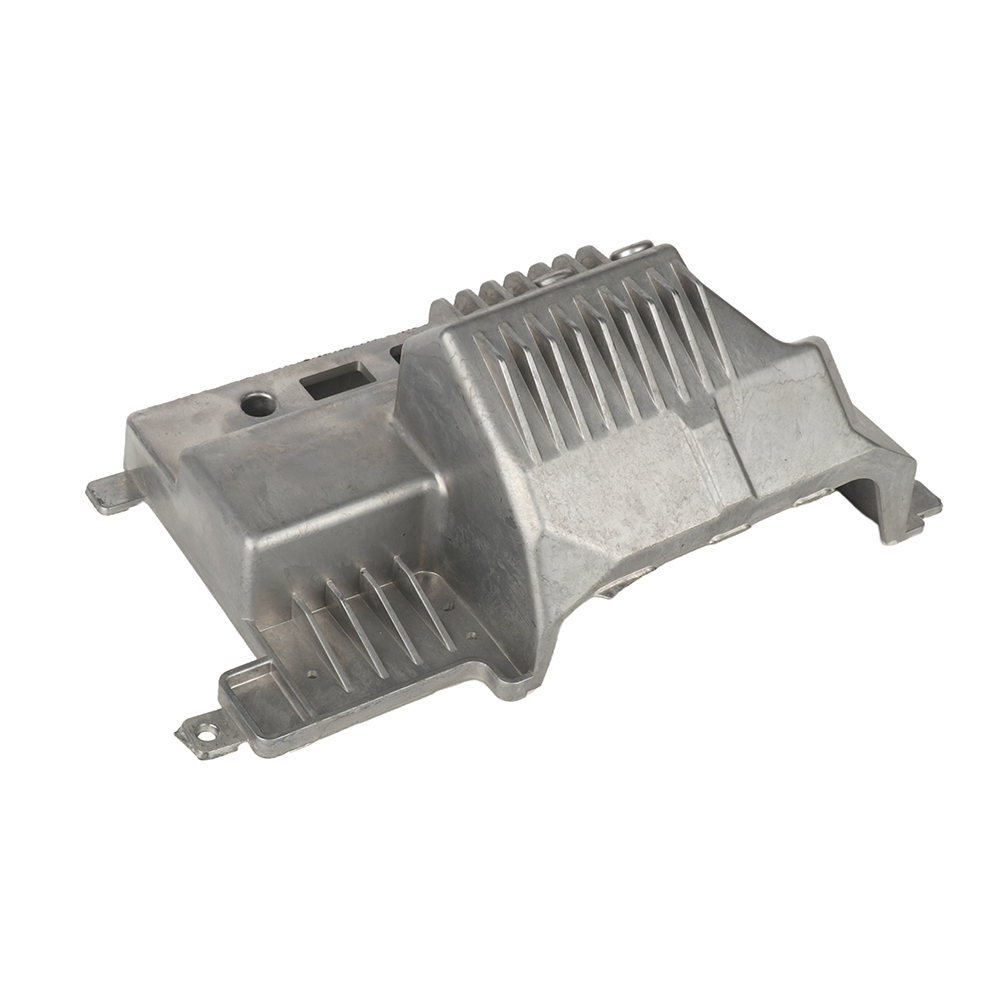
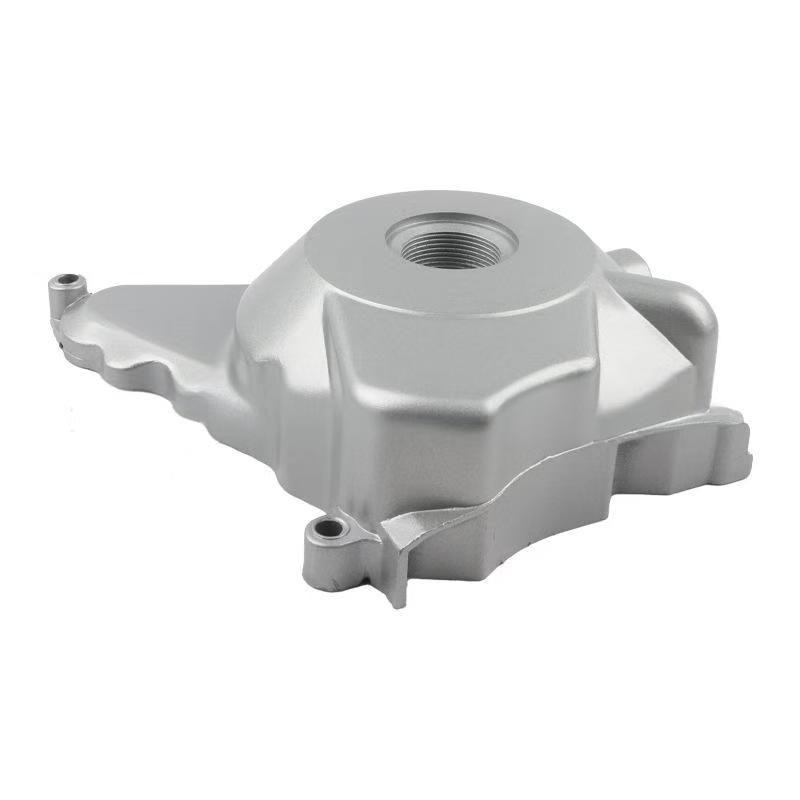
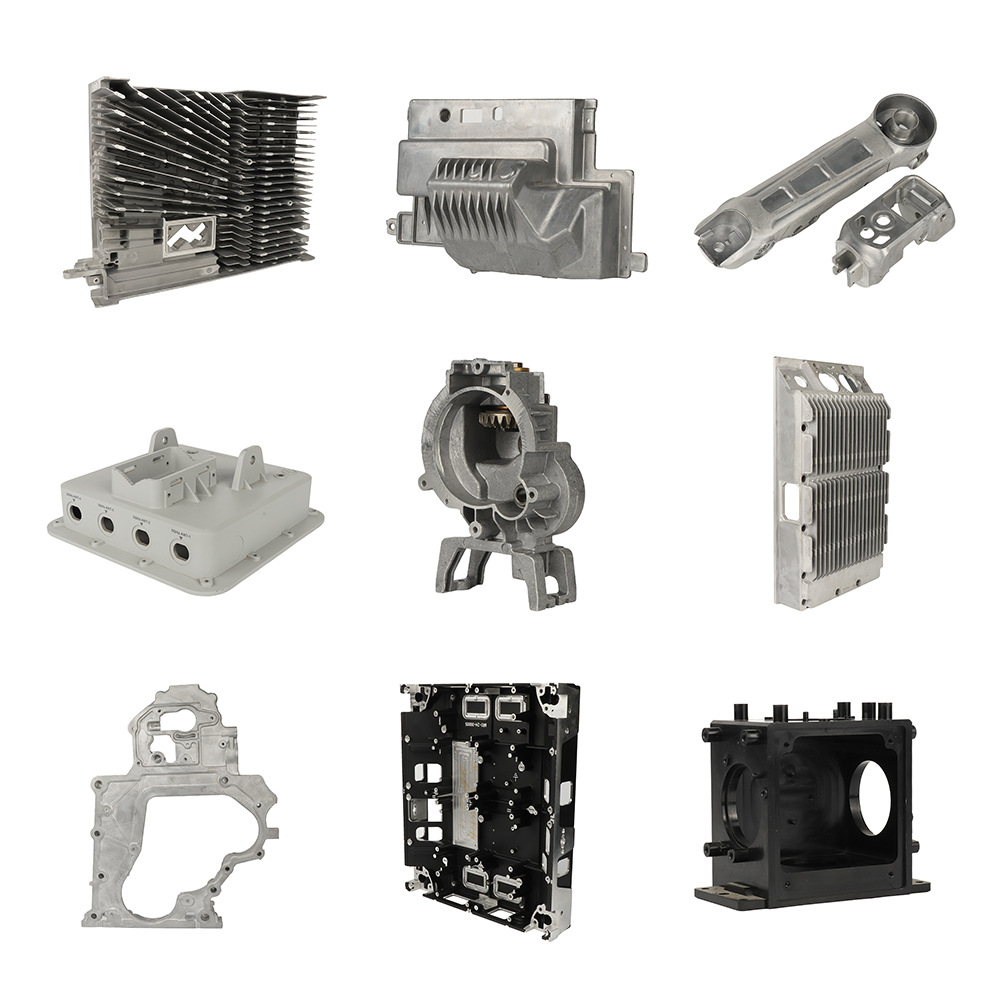
Aluminium gravity die casting process | What are the steps of the aluminium gravity die casting process?
What Are the Steps of the Aluminium Gravity Die Casting Process?
Table of Contents
- 1. Overview: What Is Aluminium Gravity Die Casting
- 2. Universal Technical Parameters of Aluminium Gravity Die Casting
- 3. Complete Step-by-Step Aluminium Gravity Die Casting Process
- 4. Core Advantages of Aluminium Gravity Die Casting Process
- 5. Main Application Fields & Usage Scenarios
- 6. Authoritative Expert Viewpoints on the Process
- 7. Frequently Asked Questions (FAQs)
- 8. Industry Development Trends & Supplier Selection Guidelines
- 9. Xinghang Precision Hardware Bulk Discount & Contact Information
- 10. Final Summary
1. Overview: What Is Aluminium Gravity Die Casting
1.1 Basic Definition
Aluminium gravity die casting is a classic and reliable metal forming process that relies entirely on natural gravity to pour molten aluminium alloy into preheated metal molds. Unlike high-pressure die casting that uses mechanical pressure, this process features low casting pressure, stable filling speed, and low mold wear, making it one of the most cost-effective metal forming technologies for medium and large aluminium structural parts.
1.2 Company Introduction: Xinghang Precision Hardware
Xinghang Precision Hardware is a professional integrated manufacturer focusing on aluminium gravity die casting, precision machining, surface treatment, and mass production service. Equipped with standard gravity casting production lines, CNC finishing equipment, and professional quality testing instruments, our factory supports customized production of various aluminium alloy castings.
We cover small-batch prototype trial production and large-batch standardized mass production, strictly implementing international casting quality standards. Adhering to customer-oriented service, we launch a preferential policy of the more you order in bulk, the more discounts you get, helping global customers optimize procurement costs while ensuring stable product quality.

2. Universal Technical Parameters of Aluminium Gravity Die Casting
The following universal parameters comply with international casting industry standards, covering conventional processing specifications, material performance, and production indicators, which can be used as a core reference for product customization and project evaluation.
| Parameter Item | Standard Specification | Industry Remarks |
|---|---|---|
| Applicable Aluminium Alloy | A356, A380, ADC12, ALSi7Mg, ALSi9Mg | Most mainstream casting-grade aluminium alloys |
| Casting Pressure | 0.02MPa - 0.05MPa (Natural Gravity) | No high-pressure impact, low mold loss |
| Mold Preheating Temperature | 180℃ - 280℃ | Avoid cold shut and porosity defects |
| Melting Temperature | 680℃ - 720℃ | Ensure full alloy liquefaction |
| Conventional Wall Thickness Range | 3mm - 30mm | Suitable for thick-walled structural parts |
| Dimensional Tolerance Level | CT7 - CT9 | Meet general industrial assembly needs |
| Surface Roughness (Ra) | 3.2μm - 12.5μm | Support secondary polishing and anodizing |
| Single Part Weight Range | 0.1kg - 50kg | Covers small and medium-large castings |
3. Complete Step-by-Step Aluminium Gravity Die Casting Process
3.1 Pre-Production Preparation Work
Step 1: Mold Design & Preprocessing
According to customer part drawings and structural requirements, complete custom mold design, CNC mold processing and finishing. Strictly polish the mold cavity to ensure smooth surface, and check the integrity of gating system, vent holes and cooling channels to avoid casting defects. Qualified molds will be preheated to the standard temperature range to balance the temperature field of the cavity.
Step 2: Aluminium Alloy Melting & Purification
Put qualified aluminium alloy ingots into the melting furnace for constant-temperature heating and liquefaction. Conduct degassing and slag removal treatment on molten aluminium to eliminate internal gas impurities and inclusions, which is the key to improve the compactness and mechanical properties of castings.
3.2 Core Casting Forming Process
Step 3: Gravity Pouring & Cavity Filling
This is the core step of aluminium gravity die casting. Pour the purified molten aluminium into the mold gating system slowly and evenly by relying on natural gravity. The molten metal fills the mold cavity steadily without strong turbulence, effectively reducing splash, oxidation and gas entrapment problems.
Step 4: Natural Cooling & Solidification
Keep the mold closed, and let the molten aluminium cool and solidify naturally according to the set cooling curve. The low-speed and stable solidification mode makes the internal structure of the casting dense and uniform, avoiding shrinkage cavity and shrinkage porosity defects common in high-pressure casting.
3.3 Post-Casting Finishing Process
Step 5: Demolding & Trimming
After the casting is completely solidified and cooled to the specified temperature, open the mold for demolding. Manually or mechanically remove excess gates, runners and burrs to obtain the primary blank of aluminium casting.
Step 6: Heat Treatment & Performance Optimization
For castings requiring high strength and toughness, carry out T6 heat treatment (solution treatment + aging treatment) to significantly improve the tensile strength, hardness and fatigue resistance of aluminium castings, meeting high-load working conditions.
Step 7: Surface Treatment & Quality Inspection
Support multiple surface treatments including sandblasting, anodizing, electroplating and powder coating. Finally, conduct full inspection on dimensional accuracy, surface quality and internal defects to ensure all products meet industry standards and customer requirements.
4. Core Advantages of Aluminium Gravity Die Casting Process
4.1 Low Production & Mold Cost
Compared with high-pressure die casting, aluminium gravity die casting has lower mold loss and simpler mold structure, greatly reducing mold opening and maintenance costs. The whole process does not require expensive high-pressure equipment, with lower overall production threshold and more competitive unit price for medium and large batch orders.
4.2 Dense Internal Structure & High Mechanical Performance
Steady gravity filling and natural solidification effectively avoid internal porosity and crack defects. The castings feature high compactness, good air tightness and strong load-bearing capacity, which is suitable for structural parts that require long-term stable operation.
4.3 Strong Structural Adaptability
The process is suitable for thick-walled, large-size and complex cavity aluminium parts that are difficult to form by high-pressure casting. It can flexibly adapt to various non-standard structural design requirements with high customization flexibility.
4.4 Excellent Secondary Processing Performance
Gravity cast aluminium blanks have uniform texture, which is convenient for subsequent CNC finishing, drilling, tapping and various surface treatments. The finished products have stable appearance and performance with high yield rate.
4.5 Low Defect Rate & High Stability
The mature and stable gravity pouring process avoids turbulent filling and metal splash, with low oxidation slag inclusion rate. The product quality is more stable in long-term batch production, reducing after-sales rework cost.
5. Main Application Fields & Usage Scenarios
5.1 Automotive Industry
Widely used in automotive engine parts, chassis brackets, suspension parts, gearbox shells and other thick-walled load-bearing structural parts. Its high strength and air tightness meet the long-term vibration and load-bearing requirements of auto parts.
5.2 Mechanical Equipment Industry
Applied in mechanical base frames, pump body shells, valve parts, and transmission structural parts. The process ensures the stability and durability of industrial equipment under long-term working conditions.
5.3 New Energy Industry
Suitable for new energy equipment brackets, heat dissipation structural parts, and energy storage equipment shells. The lightweight and high-strength characteristics effectively improve equipment energy efficiency and structural stability.
5.4 Aerospace & Precision Instrument Industry
Used for medium and large precision structural parts that require high compactness and low defect rate, providing reliable structural support for precision instruments and aerospace auxiliary equipment.
5.5 Daily Hardware & Communication Industry
Covers large communication equipment shells, outdoor hardware structural parts, and customized industrial aluminium accessories, meeting dual requirements of appearance and functionality.
6. Authoritative Expert Viewpoints on the Process
Senior process engineers from the precision casting industry commented:“Aluminium gravity die casting is irreplaceable in the field of medium and large thick-walled aluminium parts manufacturing. Although its production efficiency is lower than high-pressure die casting, its unique advantages of low porosity, high compactness and low mold cost make it the preferred process for structural load-bearing parts. In the current industrial manufacturing field, high-quality gravity casting manufacturers must focus on process refinement and quality stability, and realize customized process adjustment according to different product scenarios.”
Industry experts further pointed out that with the increasing demand for high-stability industrial parts, aluminium gravity die casting has ushered in new market opportunities, and customized precision casting + one-stop finishing service has become the core competitive advantage of leading manufacturers.
7. Frequently Asked Questions (FAQs)
Q1: What is the biggest difference between gravity die casting and high-pressure die casting?
The core difference is the filling power. Gravity casting relies on natural gravity with low pressure, stable filling, dense internal structure and low mold cost, suitable for thick-walled and large structural parts. High-pressure casting has fast forming speed but high internal porosity, more suitable for thin-walled and small-sized mass parts.
Q2: What types of aluminium parts are not suitable for gravity die casting?
Ultra-thin wall parts (wall thickness less than 3mm) and tiny precision parts with extremely high tolerance requirements are not applicable, as the natural gravity filling cannot meet the rapid forming and ultra-precision size requirements of thin-walled parts.
Q3: Can gravity cast aluminium parts be anodized and polished?
Yes. After deburring and finishing, gravity cast aluminium parts support anodizing, sandblasting, polishing, powder coating and other surface treatments, with good surface forming effect and strong corrosion resistance after treatment.
Q4: What is the delivery cycle of gravity die casting products?
The prototype customization cycle is 5-8 working days, and the batch production cycle is determined by product structure and order quantity. We support urgent order scheduling to meet customers' rapid project iteration needs.
Q5: Do you support customized alloy materials and process adjustment?
Absolutely. Xinghang Precision Hardware can adjust alloy ratio, casting temperature, cooling process and heat treatment scheme according to customer product performance requirements to realize personalized customized production.
8. Industry Development Trends & Supplier Selection Guidelines
8.1 Aluminium Gravity Die Casting Industry Trends
The aluminium gravity die casting industry is gradually developing towards process refinement, intelligent production, high-precision customization and integrated service. With the upgrading of automobile, new energy and intelligent equipment industries, the market has higher requirements for the compactness, precision and stability of aluminium castings.
Single casting processing can no longer meet market demand. One-stop service integrating mold opening, casting forming, heat treatment, precision finishing and surface treatment has become the mainstream industry trend. Meanwhile, flexible small-batch customization and stable large-batch mass production will coexist and become the core development direction of the industry.
8.2 How to Choose a Qualified Aluminium Casting Supplier
- Complete production equipment: Equipped with professional melting furnaces, gravity casting production lines, heat treatment equipment and precision testing instruments to ensure process standardization.
- Mature process technology: Have rich experience in gravity casting process adjustment, effectively solve common defects such as porosity, cold shut and deformation.
- Strict quality control system: Implement full-process quality inspection from raw material incoming inspection to finished product delivery to ensure batch quality consistency.
- Flexible production capacity: Support prototype trial production, small-batch customization and large-batch mass production to adapt to different customer procurement stages.
- Cost & service advantage: Direct factory supply without middlemen, with transparent quotation and reliable after-sales service guarantee.
9. Xinghang Precision Hardware Bulk Discount & Contact Information
9.1 Exclusive Bulk Preferential Policy
Xinghang Precision Hardware adheres to the principle of win-win cooperation and launches a long-term stable preferential policy for global customers: the more you order in bulk, the more discounts you get. For long-term cooperative large-batch orders, we will give exclusive additional discounts and cost optimization schemes. For small-batch prototype orders, we also provide competitive factory direct prices to help customers reduce R&D and procurement costs.
9.2 Official Contact Details
Mobile / Whatsapp / WeChat: +86 18819502691
Email: liqine@xinghangcn.com
We warmly welcome global customers to consult drawing quotation, process customization, prototype trial production and batch order cooperation. Our professional technical team will provide you with tailored aluminium gravity die casting solutions and high-quality one-stop processing services.
10. Final Summary
Aluminium gravity die casting process is a mature, stable and cost-effective metal forming technology, with irreplaceable advantages in manufacturing thick-walled, high-compactness and high-stability aluminium structural parts. It is widely used in automobile, new energy, mechanical equipment and many other core industrial fields, and is an indispensable processing technology in modern precision manufacturing.
With the continuous upgrading of industrial manufacturing standards, the industry will further develop towards high precision, high efficiency and integrated customized services. Choosing a professional and reliable casting supplier is the key to ensure product quality and control procurement costs. As a professional manufacturer focusing on aluminium gravity die casting, Xinghang Precision Hardware has standardized production processes, perfect quality control, flexible production capacity and favorable bulk discount policies, which can provide global customers with full-cycle, high-cost-performance customized casting services.
High pressure die casting parts | What are the functions of high pressure die casting parts?
Die cast factory | What are the main jobs of a die cast factory ?
Related Article


