
HOT PRODUCTS
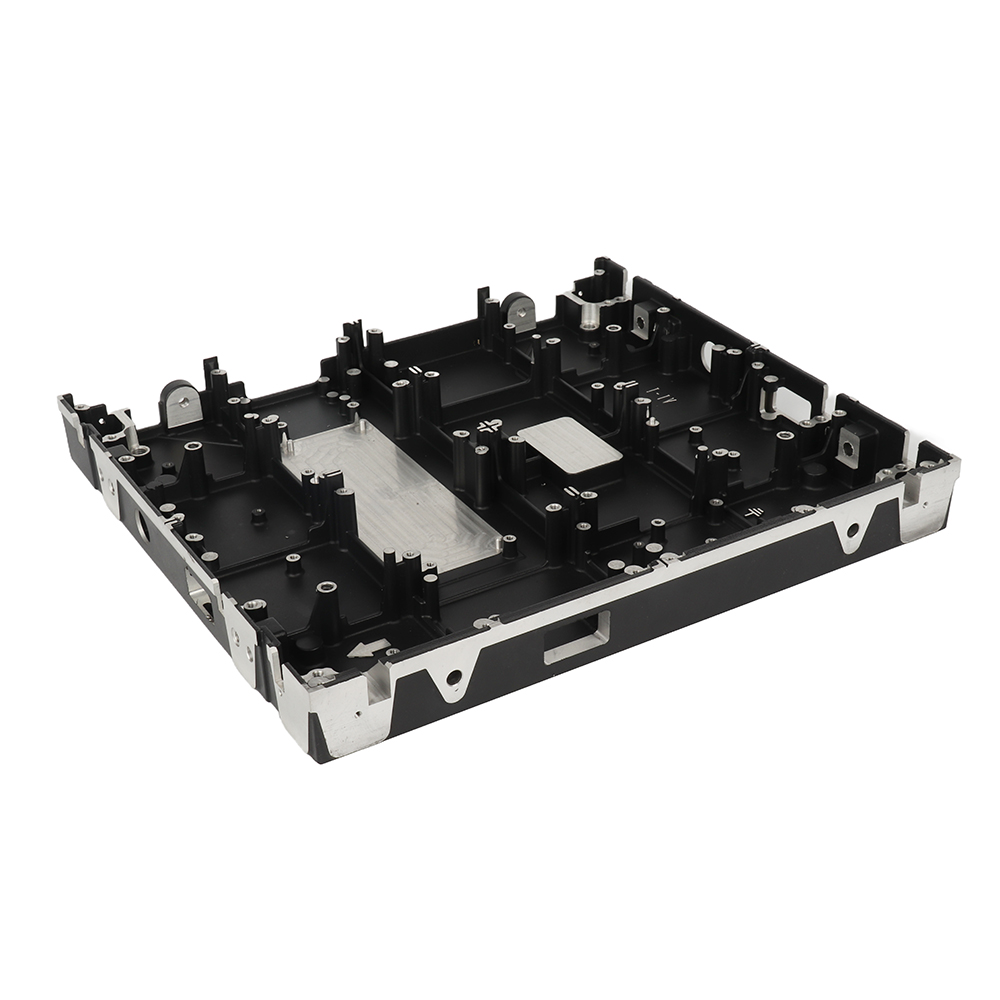
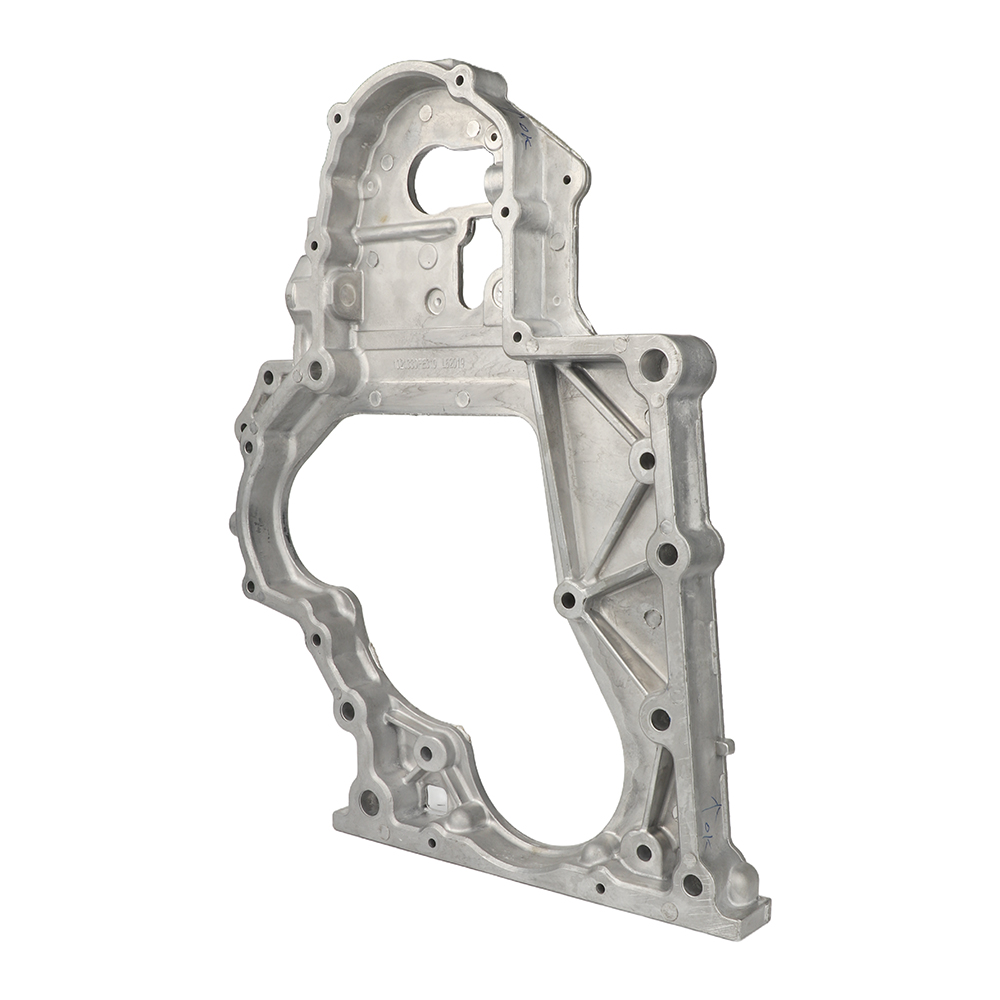
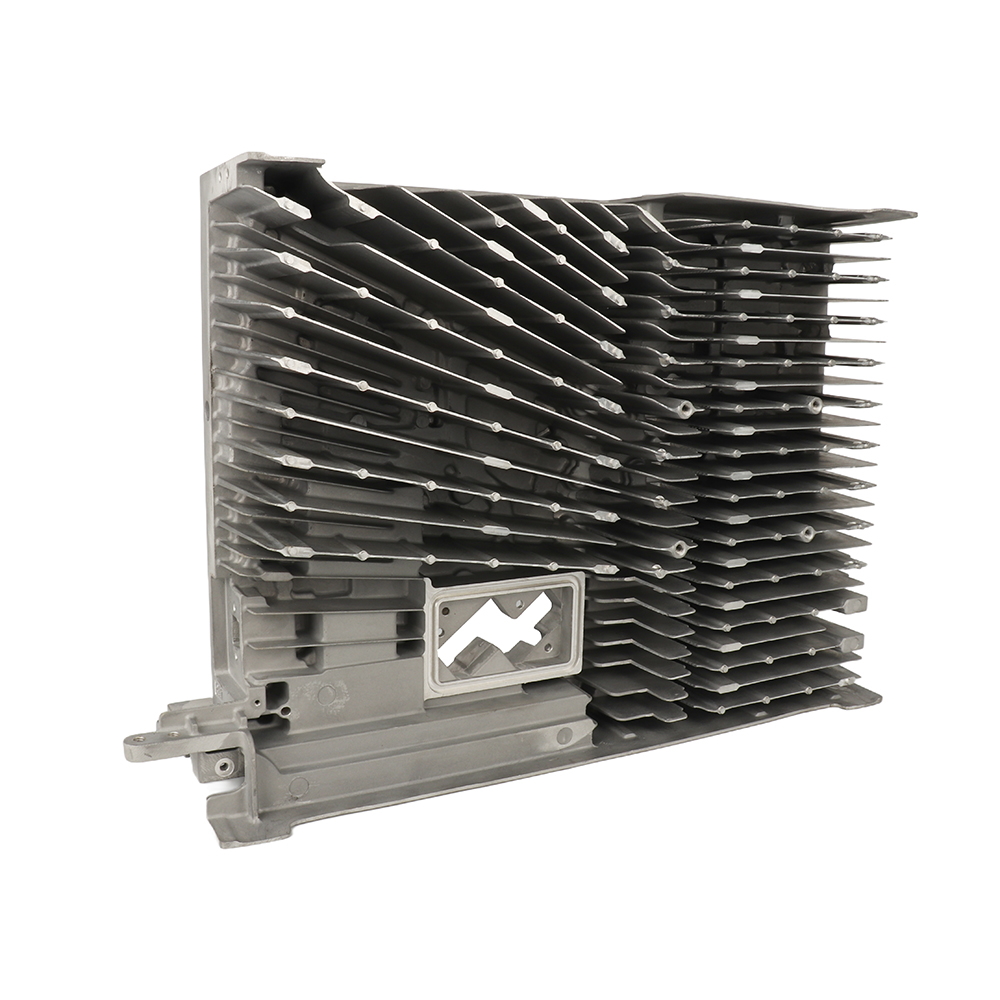
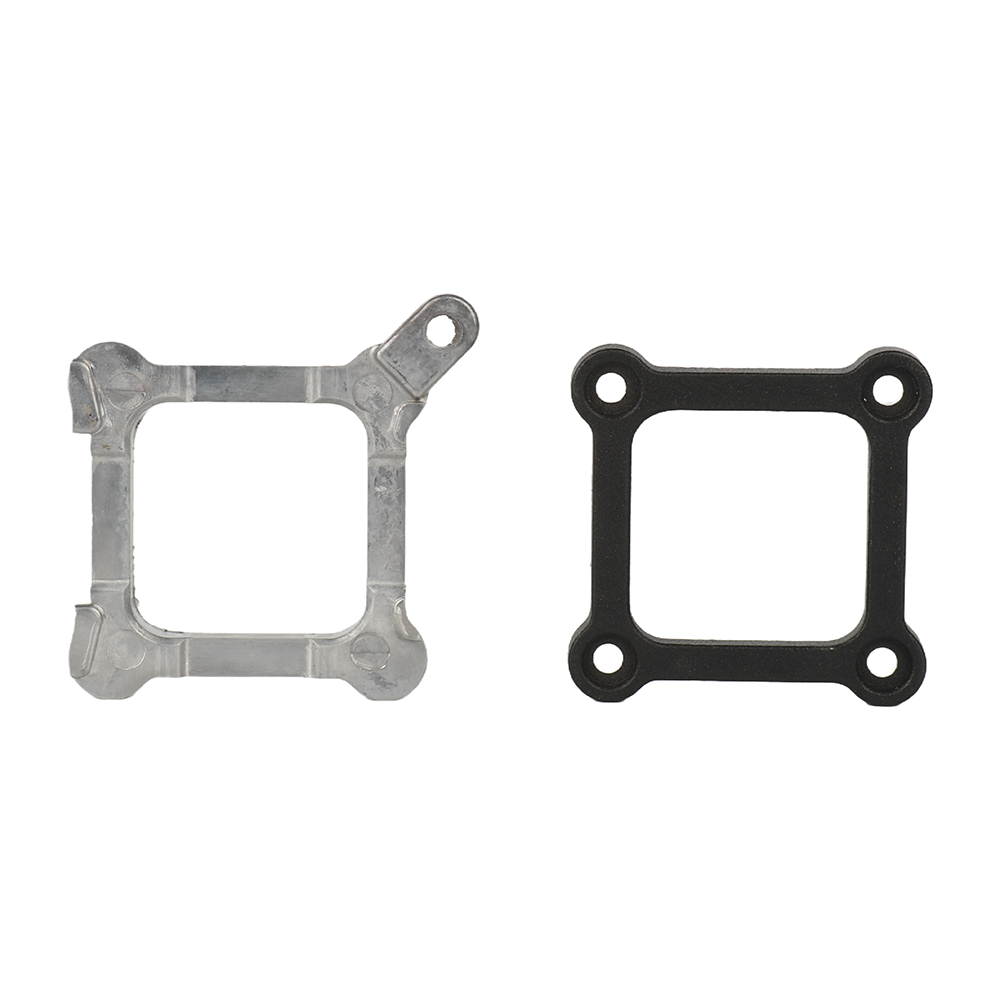
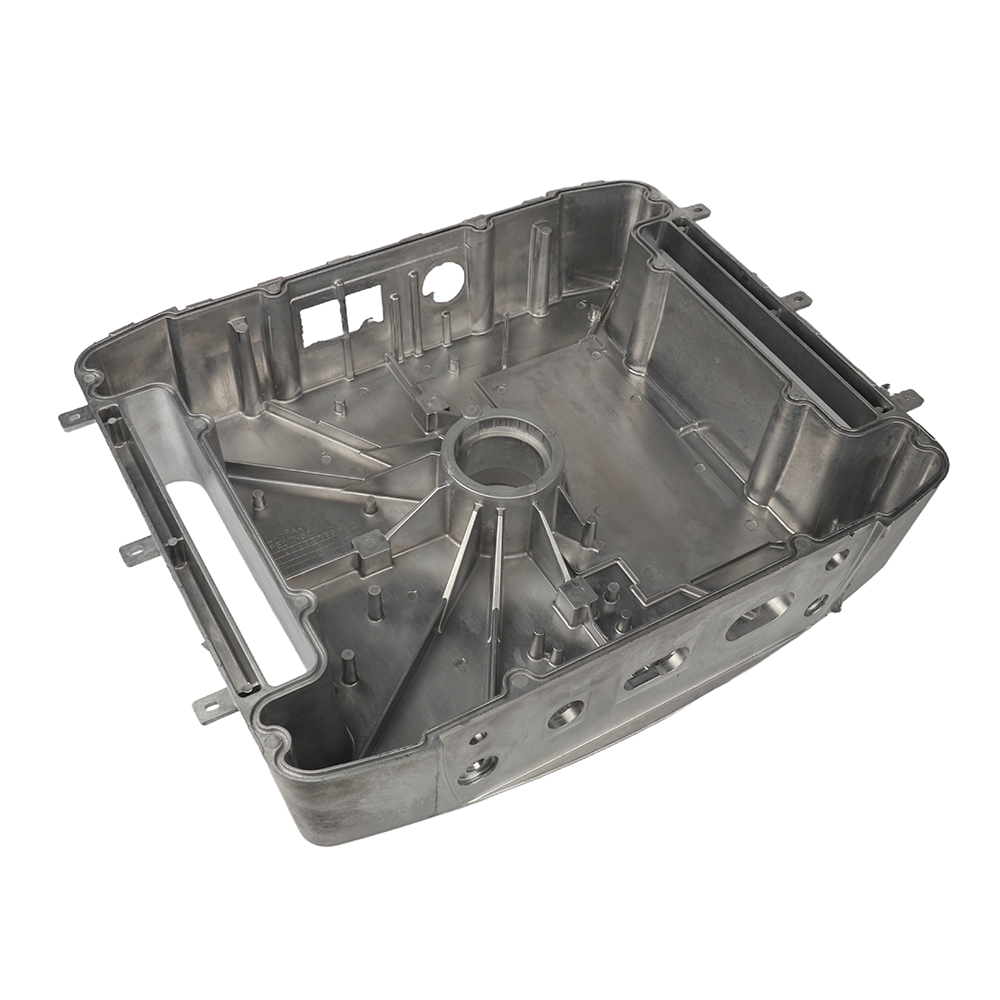
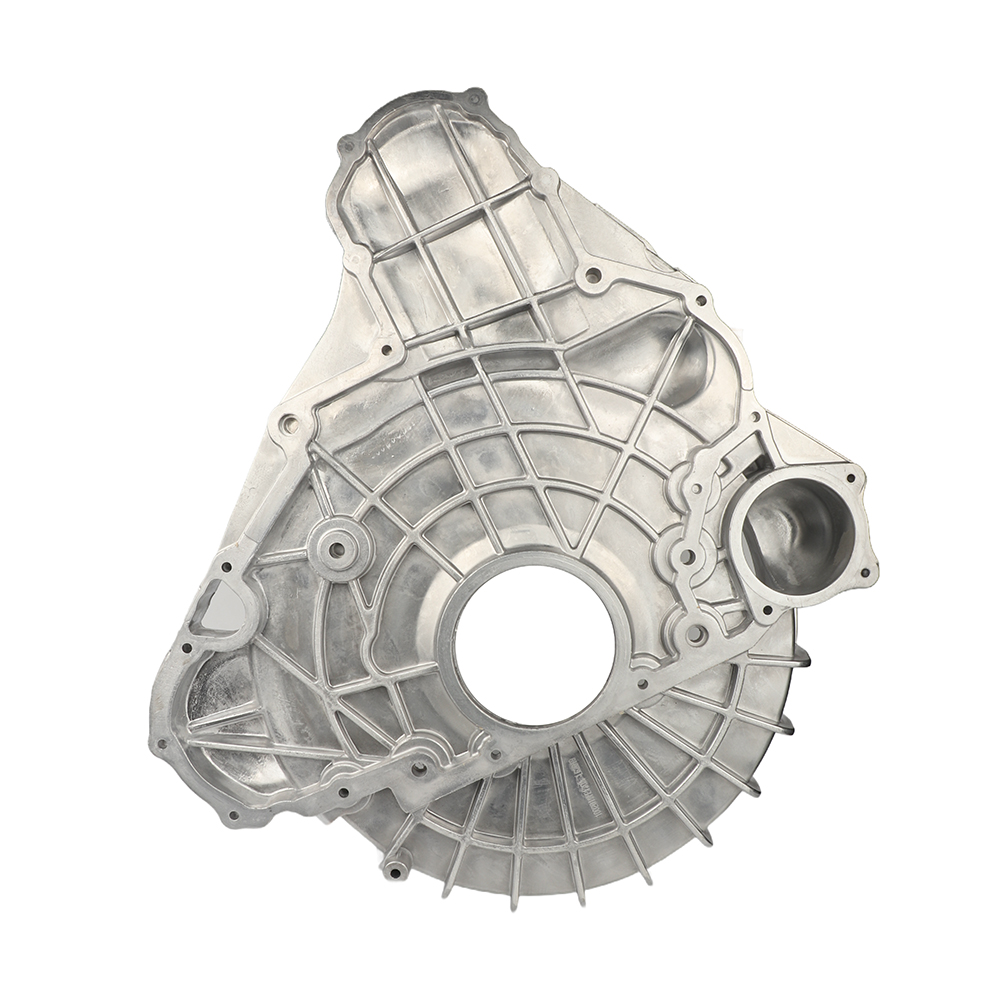
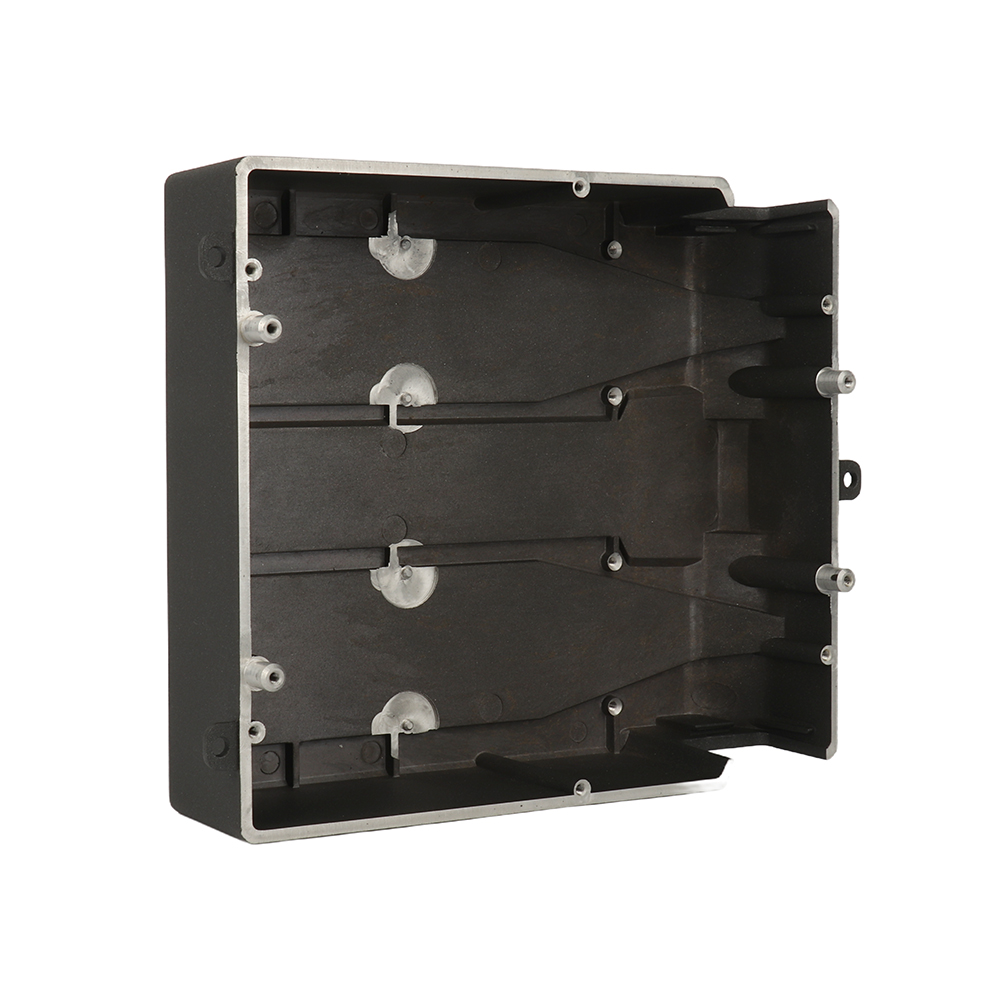
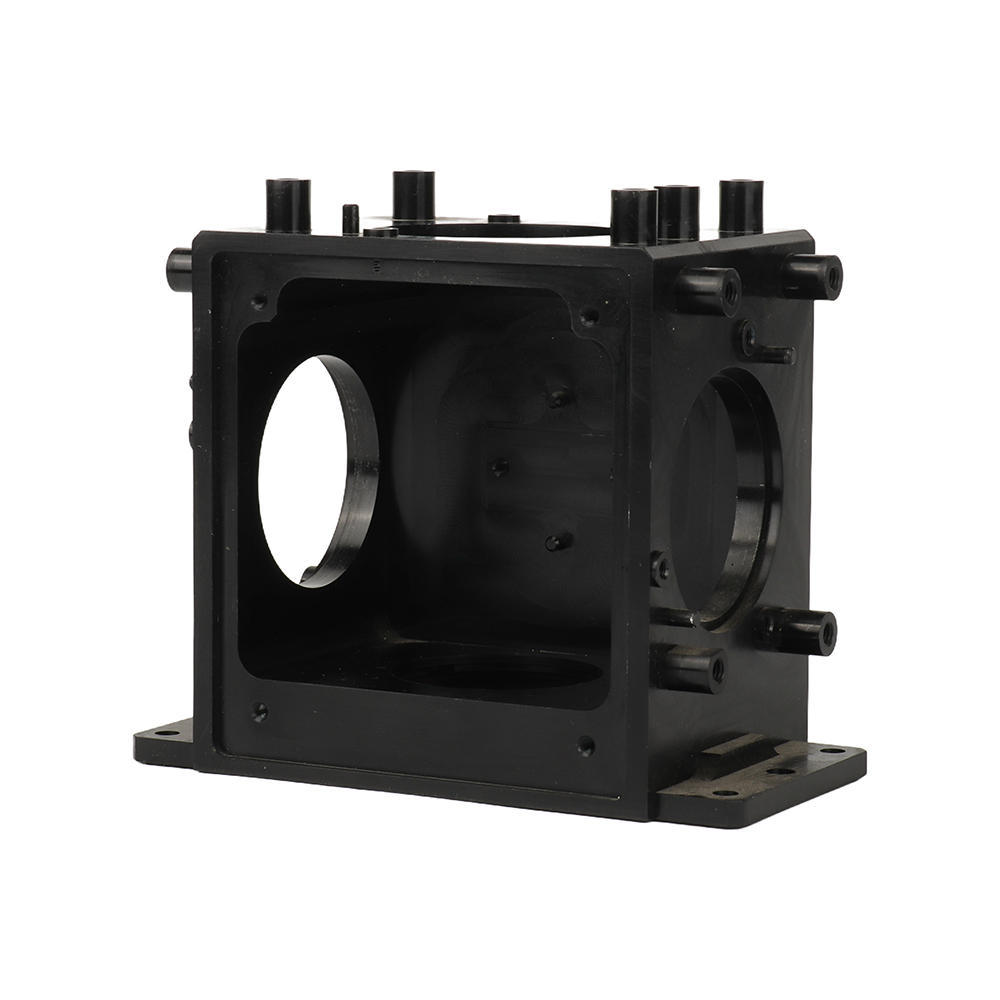
Casting | What is ADC12 die casting? A Comprehensive Guide
What is ADC12 Die Casting? A Comprehensive Guide
Table of Contents
- 1. Introduction to ADC12 Die Casting
- 2. What is ADC12 Aluminum Alloy?
- 3. Key Specifications of ADC12 Die Casting (Parameter Table)
- 4. Advantages of ADC12 Die Casting
- 5. Disadvantages of ADC12 Die Casting
- 6. ADC12 Die Casting vs. Other Die Casting Alloys
- 7. Expert Opinions on ADC12 Die Casting
- 8. Common FAQs About ADC12 Die Casting
- 9. Conclusion
1. Introduction to ADC12 Die Casting
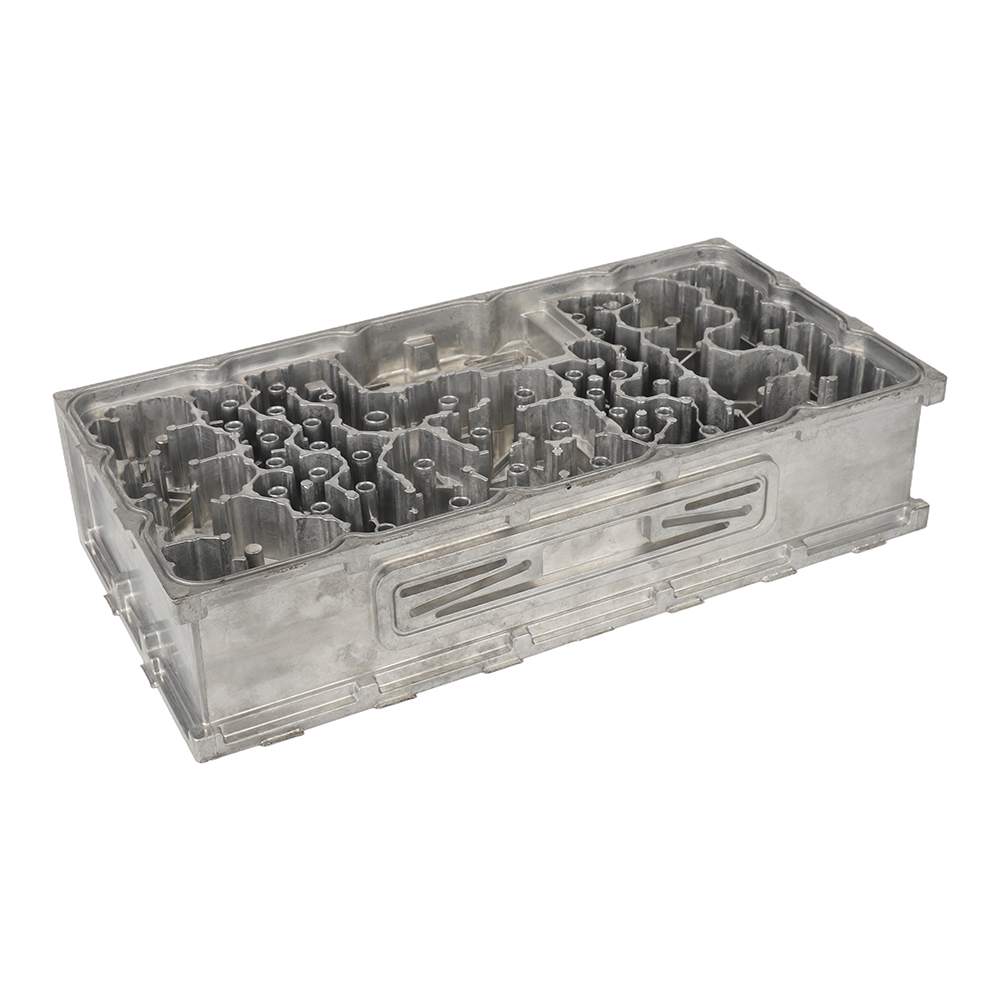
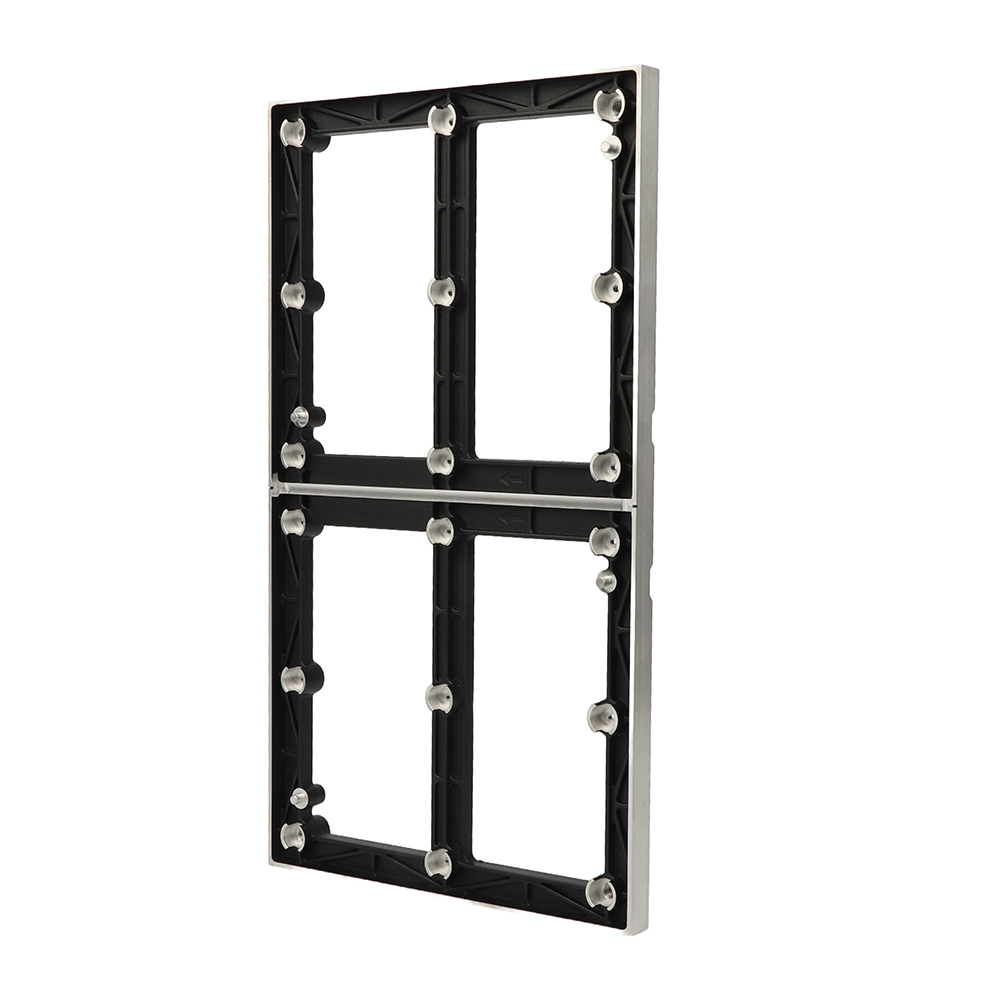
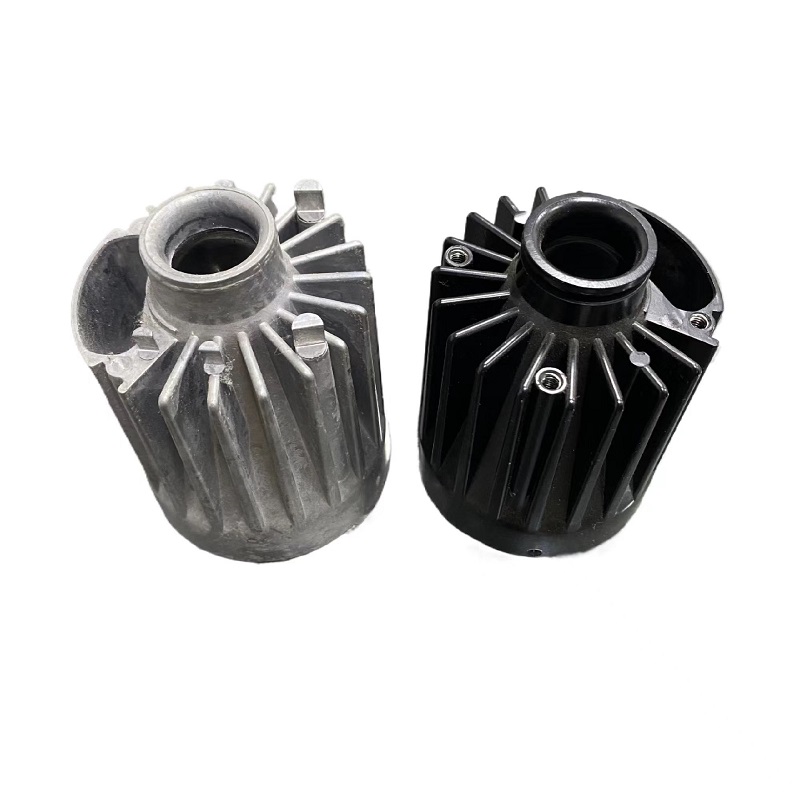
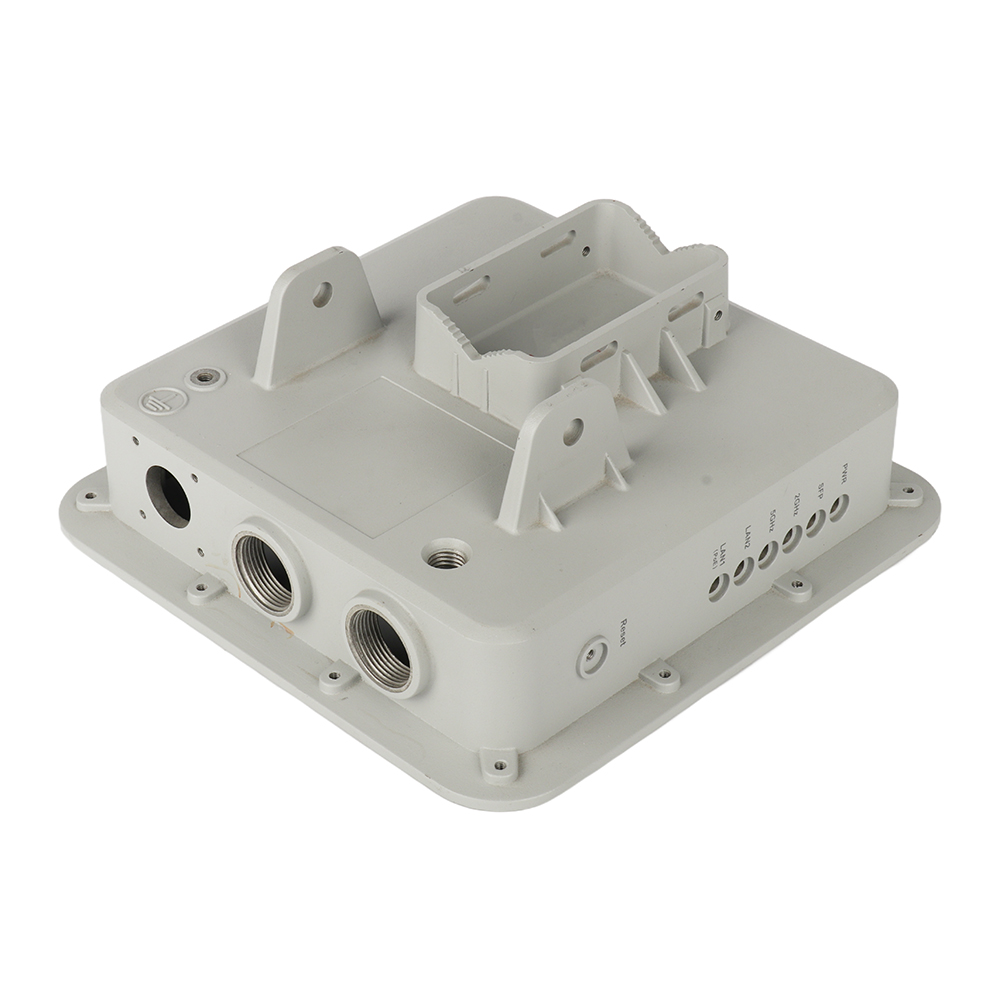
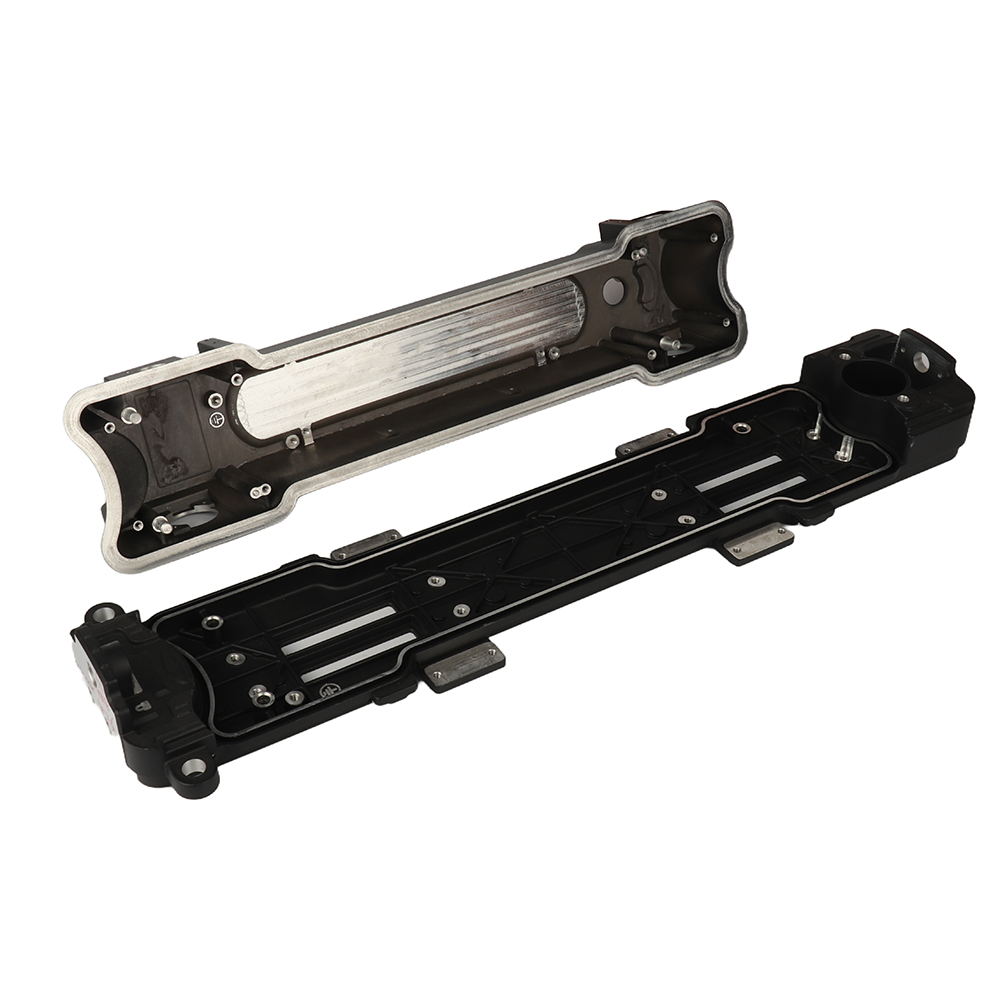
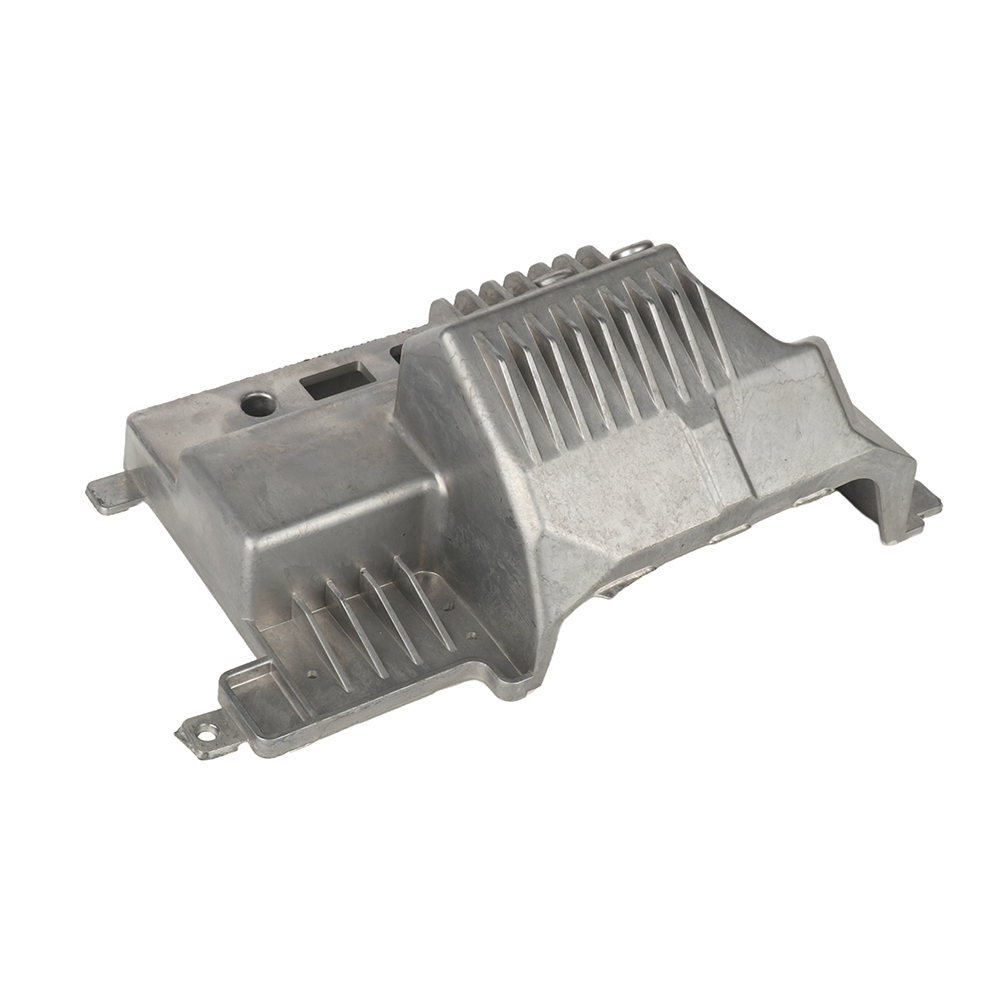
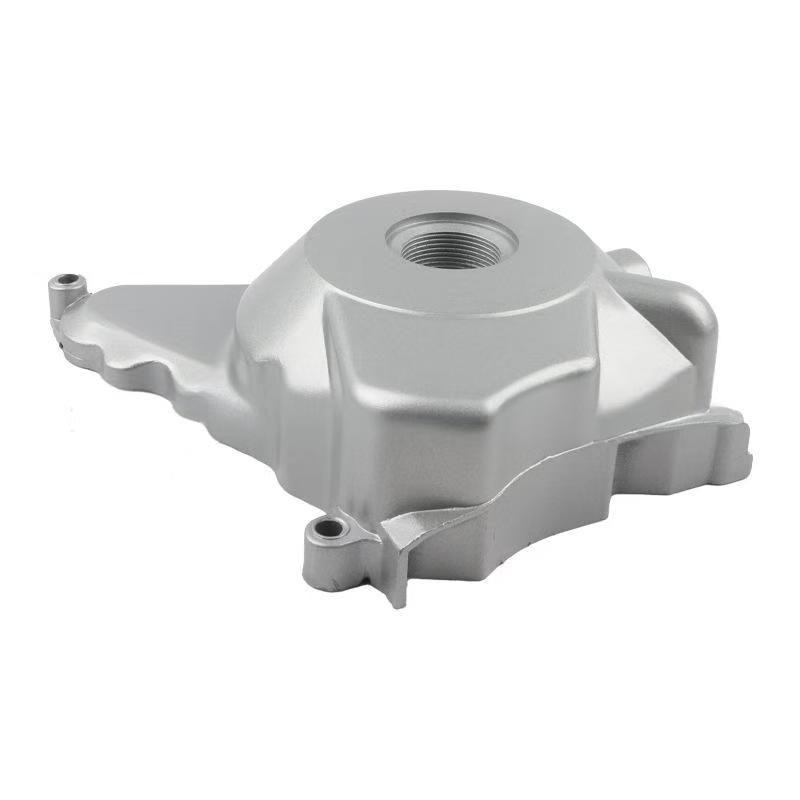
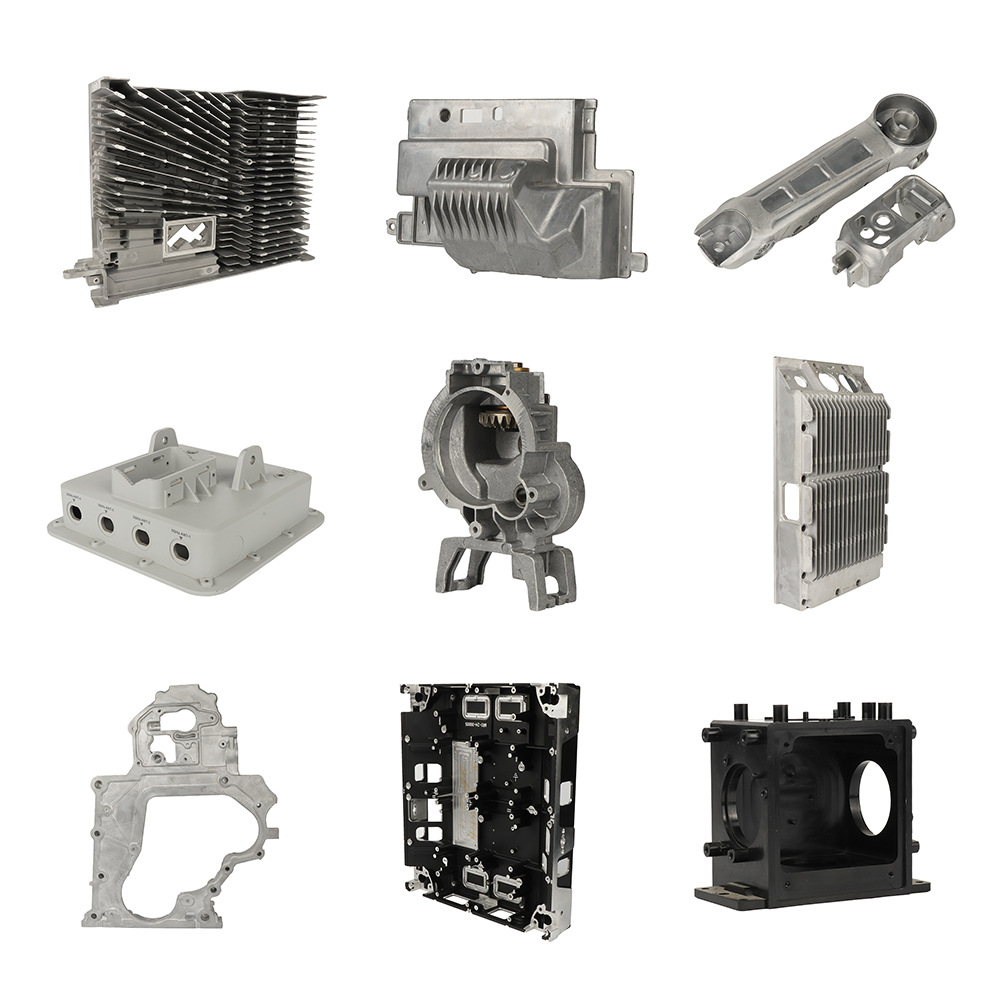
In the world of metal manufacturing, ADC12 die casting stands out as one of the most widely used and reliable processes for producing high-quality, complex aluminum components. From automotive parts to electronic enclosures, ADC12 die casting has become a cornerstone of modern production, thanks to its unique combination of cost-effectiveness, precision, and versatility. This blog will break down everything you need to know about ADC12 die casting—from its core definition to its key benefits, specifications, and industry insights.
2. What is ADC12 Aluminum Alloy?
Before diving into the die casting process, it’s critical to understand the material at its core: ADC12 aluminum alloy. ADC12 is a Japanese Industrial Standard (JIS) aluminum die casting alloy, classified as an Al-Si-Cu (aluminum-silicon-copper) alloy—a formulation specifically engineered for high-pressure die casting (HPDC) applications. The designation “ADC” stands for “Aluminum Die Casting,” while the suffix “12” refers to its nominal silicon content (approximately 10–13 wt%) and distinguishes it from other alloys in the ADC series.
The alloy’s composition is carefully balanced to optimize casting performance: silicon (Si) enhances molten fluidity, copper (Cu) boosts strength and hardness, and small additions of iron (Fe), manganese (Mn), and zinc (Zn) are strictly controlled to ensure stability and reduce casting defects. This unique blend makes ADC12 ideal for producing parts with complex geometries, thin walls, and tight dimensional tolerances—something many other alloys struggle to achieve consistently.
3. Key Specifications of ADC12 Die Casting (Parameter Table)
The performance of ADC12 die casting parts is defined by strict material and mechanical specifications. Below is a comprehensive parameter table outlining the key properties of ADC12 die casting, based on industry standards (JIS H 5302, ASTM B85, and EN AC-AlSi12Cu2):
| Property Category | Specific Property | Value (As-Cast Condition) | Value (T5 Temper) | Unit |
|---|---|---|---|---|
| Chemical Composition | Aluminum (Al) | Balanced | Balanced | % |
| Silicon (Si) | 9.6–12.0 | 9.6–12.0 | % | |
| Copper (Cu) | 1.5–3.5 | 1.5–3.5 | % | |
| Iron (Fe) | ≤1.3 | ≤1.3 | % | |
| Magnesium (Mg) | ≤0.3 | ≤0.3 | % | |
| Zinc (Zn) | ≤1.0 | ≤1.0 | % | |
| Manganese (Mn) | ≤0.5 | ≤0.5 | % | |
| Mechanical Properties | Tensile Strength | 210–260 | 240–280 | MPa |
| Yield Strength | 120–160 | 140–180 | MPa | |
| Elongation (in 50mm) | 2–4 | 1.5–3 | % | |
| Brinell Hardness (HB) | 70–90 | 80–100 | HB | |
| Physical Properties | Density | 2.74 | 2.74 | g/cm³ |
| Melting Range | 540–580 | 540–580 | °C | |
| Thermal Conductivity | 96–130 | 96–130 | W/m·K | |
| Coefficient of Thermal Expansion | 21.1 | 21.1 | µm/m·°K | |
| Casting Properties | Minimum Wall Thickness | 1.0 | 1.0 | mm |
| Recommended Draft Angle | 1–2 | 1–2 | ° |
4. Advantages of ADC12 Die Casting
ADC12 die casting’s popularity stems from its unmatched combination of performance, cost, and versatility. Below are its key benefits, which make it the top choice for many industries:
4.1 Exceptional Casting Fluidity
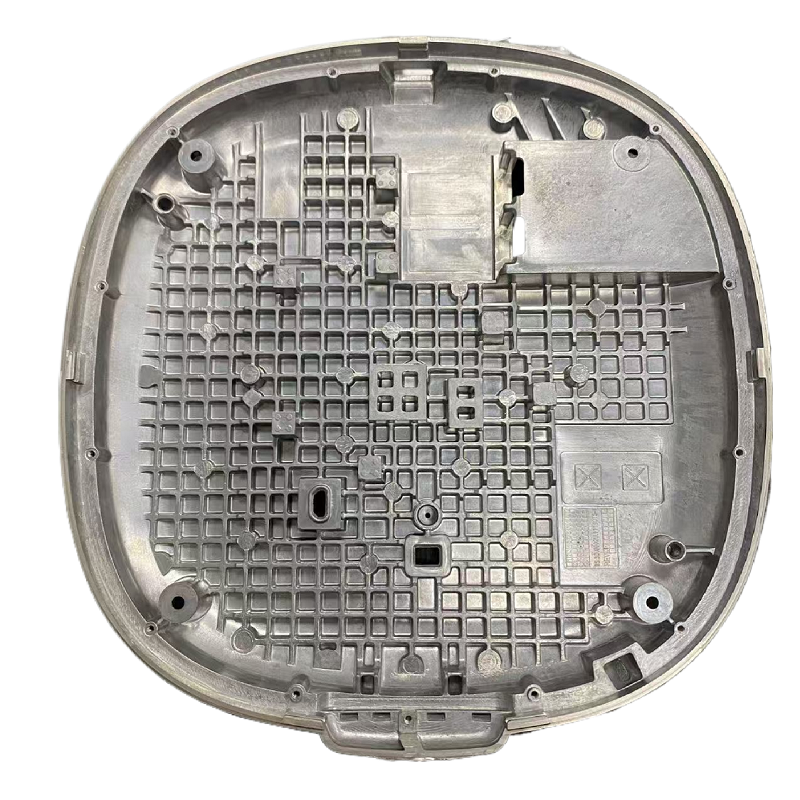
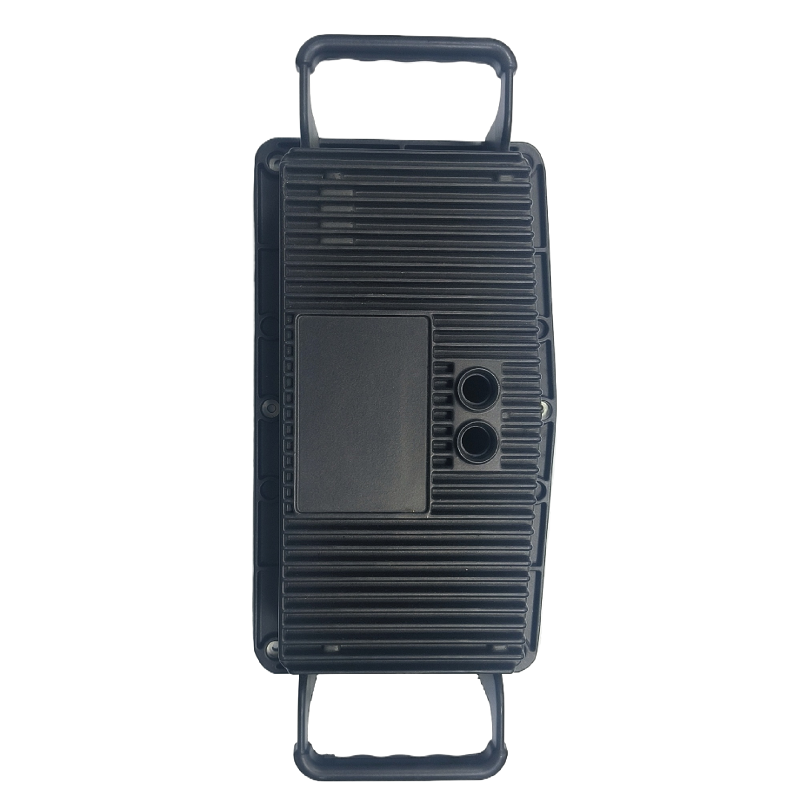
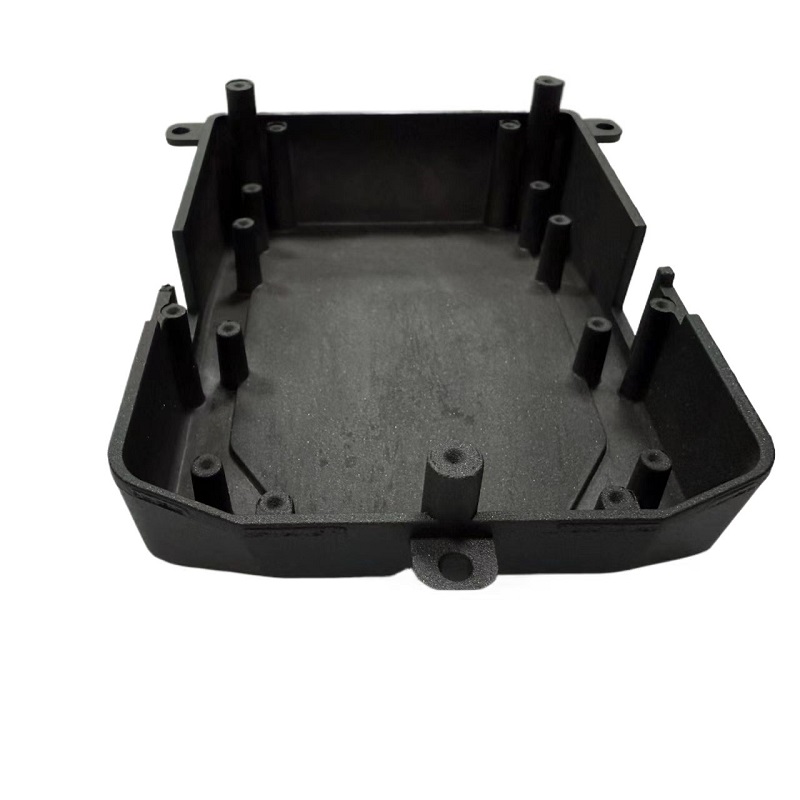
The high silicon content in ADC12 gives it excellent molten fluidity, allowing it to fill even the most complex mold cavities—including thin walls (as low as 1.0mm) and intricate details—without defects like cold runs or incomplete filling. This makes it ideal for parts with complex geometries, such as electronic enclosures, automotive sensor housings, and electric tool casings.
4.2 Superior Dimensional Stability
ADC12 exhibits low and predictable shrinkage during solidification, ensuring tight dimensional tolerances and consistent part-to-part accuracy. This is critical for mass production, as it reduces the need for post-casting machining and ensures compatibility with automated assembly lines.
4.3 Cost-Effective for Mass Production
ADC12 die casting is highly efficient for high-volume manufacturing. Its fast cycle times, low scrap rates (due to excellent casting properties), and minimal post-processing requirements reduce production costs significantly compared to other casting methods or alloys. Additionally, ADC12 is widely available globally, keeping material costs competitive.
4.4 Versatile Surface Treatment Options
ADC12 is compatible with a wide range of surface finishes, including powder coating, painting, and functional hard anodizing (Type III). While decorative anodizing (Type II) is not recommended due to its high silicon content (which causes uneven coloring), its ability to accept protective coatings makes it suitable for harsh environments.
4.5 Balanced Mechanical Properties
ADC12 offers a perfect balance of strength, hardness, and machinability in its as-cast state, eliminating the need for complex heat treatments (though T5 tempering can further enhance strength). It provides sufficient strength for medium-duty applications (e.g., automotive brackets, electronic housings) while remaining easy to machine for post-casting modifications.
4.6 Lightweight and Durable
With a density of 2.74 g/cm³, ADC12 is lightweight (about 1/3 the weight of steel) while maintaining good corrosion resistance (thanks to a natural aluminum oxide layer) and heat resistance (stable up to 150°C). This makes it ideal for weight-sensitive applications, such as automotive and aerospace components.
5. Disadvantages of ADC12 Die Casting
While ADC12 die casting offers numerous benefits, it is not suitable for every application. Below are its main limitations:
5.1 Limited Ductility and Weldability
ADC12 has relatively low elongation (2–4% in as-cast state), meaning it is not ideal for parts subjected to high impact or bending forces. Additionally, its high silicon and copper content makes it difficult to weld, limiting its use in applications requiring welded joints.
5.2 Not Ideal for Decorative Anodizing
As mentioned earlier, ADC12’s high silicon content results in a uneven, grayish surface when subjected to decorative anodizing (Type II), making it unsuitable for parts where aesthetic appearance is a top priority.
5.3 Reduced Corrosion Resistance in Severe Environments
While ADC12 has good general corrosion resistance, its copper content slightly reduces its resistance to saltwater and harsh chemicals. For marine or chemical processing applications, other alloys (e.g., A356, AlSi10Mg) may be more suitable.
5.4 Limited Heat Treatment Potential
Unlike some other aluminum alloys (e.g., A356), ADC12 cannot be significantly strengthened through solution heat treatment and aging (T6 temper) due to its chemical composition. While T5 tempering (artificial aging) can improve strength slightly, it does not match the performance of heat-treatable alloys.
6. ADC12 Die Casting vs. Other Die Casting Alloys
To better understand ADC12’s strengths, it’s helpful to compare it to other common die casting alloys. Below is a concise comparison focusing on key properties and applications:
| Alloy | Key Strengths | Key Limitations | Typical Applications |
|---|---|---|---|
| ADC12 | Excellent fluidity, dimensional stability, cost-effective, good machinability | Low ductility, poor weldability, limited decorative anodizing | Automotive housings, electronic enclosures, electric tools, brackets |
| A380 (Equivalent to ADC12) | Similar to ADC12, slightly higher strength, widely used in North America | Same as ADC12, slightly higher cost | Automotive components, consumer electronics |
| A356 | High strength (heat-treatable), good corrosion resistance, weldable | Poor fluidity, higher cost, longer cycle times | Aerospace parts, high-stress automotive components |
| AlSi10Mg | Good ductility, weldable, better corrosion resistance | Lower fluidity, higher cost than ADC12 | Marine components, structural parts |
| Zamak 3 (Zinc Alloy) | Low cost, excellent castability, good ductility | Low strength, poor heat resistance | Small parts, decorative components |
The comparison clearly shows that ADC12 is the best choice for applications requiring complex geometries, mass production, and cost-effectiveness—where balanced performance is more important than extreme strength or weldability.
7. Expert Opinions on ADC12 Die Casting
Industry experts consistently recognize ADC12 as a reliable workhorse in die casting. Below are insights from leading professionals in the field:
7.1 Expert Quote 1: John Miller, Senior Materials Engineer at EMP Tech (20+ Years of Experience)
“In my twenty-plus years in the die casting industry, I’ve seen many materials come and go, but ADC12 remains the ‘gold standard’ for aluminum die casting. It’s not the strongest or the most corrosion-resistant alloy, but it offers the perfect balance of castability, mechanical performance, and cost—making it the go-to choice for global automotive and electronics manufacturers. When clients need complex, high-volume parts that are reliable and affordable, ADC12 is almost always the answer.”
7.2 Expert Quote 2: Sarah Chen, Die Casting Process Specialist at LangHe Industry
“ADC12’s greatest strength is its fluidity. It can fill molds with intricate details and thin walls that other alloys can’t, reducing scrap rates and improving production efficiency. For manufacturers focused on high-volume, precision parts—like electronic enclosures or automotive sensor brackets—ADC12’s dimensional stability and low shrinkage make it irreplaceable. While it has limitations, its benefits far outweigh them for most mainstream applications.”
7.3 Expert Quote 3: Michael Lee, Metallurgist at Cast-Mold
“Engineers often ask me whether to choose ADC12 or A380, but for most practical purposes, they’re interchangeable. The real advantage of ADC12 is its ability to handle complex geometries—when full mold filling is the main challenge, ADC12 is the superior choice. Its compatibility with powder coating and functional anodizing also makes it versatile, adapting to a wide range of end-use requirements.”
8. Common FAQs About ADC12 Die Casting
Below are answers to the most frequently asked questions about ADC12 die casting, based on industry experience and standards:
Q1: Is ADC12 the same as A380?
A: For all practical purposes, yes. ADC12 (JIS standard) and A380 (ANSI/AA standard) are considered equivalent alloys, with nearly identical chemical compositions and mechanical properties. They can be used interchangeably in most applications, though A380 is more commonly used in North America, while ADC12 is prevalent in Asia and Europe.
Q2: Can ADC12 be heat treated to improve strength?
A: ADC12 is not a heat-treatable alloy in the traditional sense (it cannot be significantly strengthened via solution treatment and aging like A356). However, it can undergo T5 tempering (artificial aging after casting) to slightly improve strength and dimensional stability. In most cases, ADC12’s as-cast properties are sufficient for its intended applications.
Q3: Is ADC12 suitable for CNC machining after casting?
A: Yes, ADC12 has excellent machinability—one of its key advantages. Its composition allows for smooth cutting, drilling, and tapping, reducing tool wear and post-casting processing time. This makes it ideal for parts that require precise machining after casting, such as threaded holes or mating surfaces.
Q4: Can ADC12 be used for high-temperature applications?
A: ADC12 maintains its mechanical properties at temperatures up to 150°C, making it suitable for applications like automotive engine compartments or electronic housings that generate moderate heat. However, it is not recommended for high-temperature environments (above 200°C), where heat-treatable alloys like A356 would be more appropriate.
Q5: What surface treatments are recommended for ADC12?
ADC12 works well with powder coating and painting (after proper pre-treatment, such as cleaning and conversion coating) to enhance corrosion resistance and aesthetics. It can also undergo functional hard anodizing (Type III) to improve wear resistance, but decorative anodizing (Type II) is not recommended due to its uneven surface appearance caused by high silicon content.
Q6: When should I choose ADC12 over other alloys?
Choose ADC12 if you need: complex geometries with thin walls, high-volume production at a low cost, tight dimensional tolerances, good machinability, and compatibility with protective surface treatments. Avoid ADC12 if you need high ductility, weldability, decorative anodizing, or extreme corrosion resistance.
9. Conclusion
ADC12 die casting is a versatile, cost-effective, and reliable manufacturing process that has become a staple in industries ranging from automotive to electronics. Its unique combination of excellent fluidity, dimensional stability, machinability, and affordability makes it the ideal choice for high-volume production of complex aluminum parts.
While ADC12 has limitations—such as low ductility and limited weldability—its benefits far outweigh these drawbacks for most mainstream applications. As industry experts note, ADC12 is the “workhorse” of die casting, offering a balanced performance that few other alloys can match.
Whether you’re producing automotive sensor housings, electronic enclosures, or electric tool casings, ADC12 die casting delivers consistent quality, efficiency, and value—making it a smart investment for any manufacturer looking to optimize their production process.
Power supply case | What is Aluminum Housing? Focus on Power Supply Case
Surface polishing | What is surface polishing of die casting products? Benefits, Key Points & FAQs
Related Article


