
HOT PRODUCTS
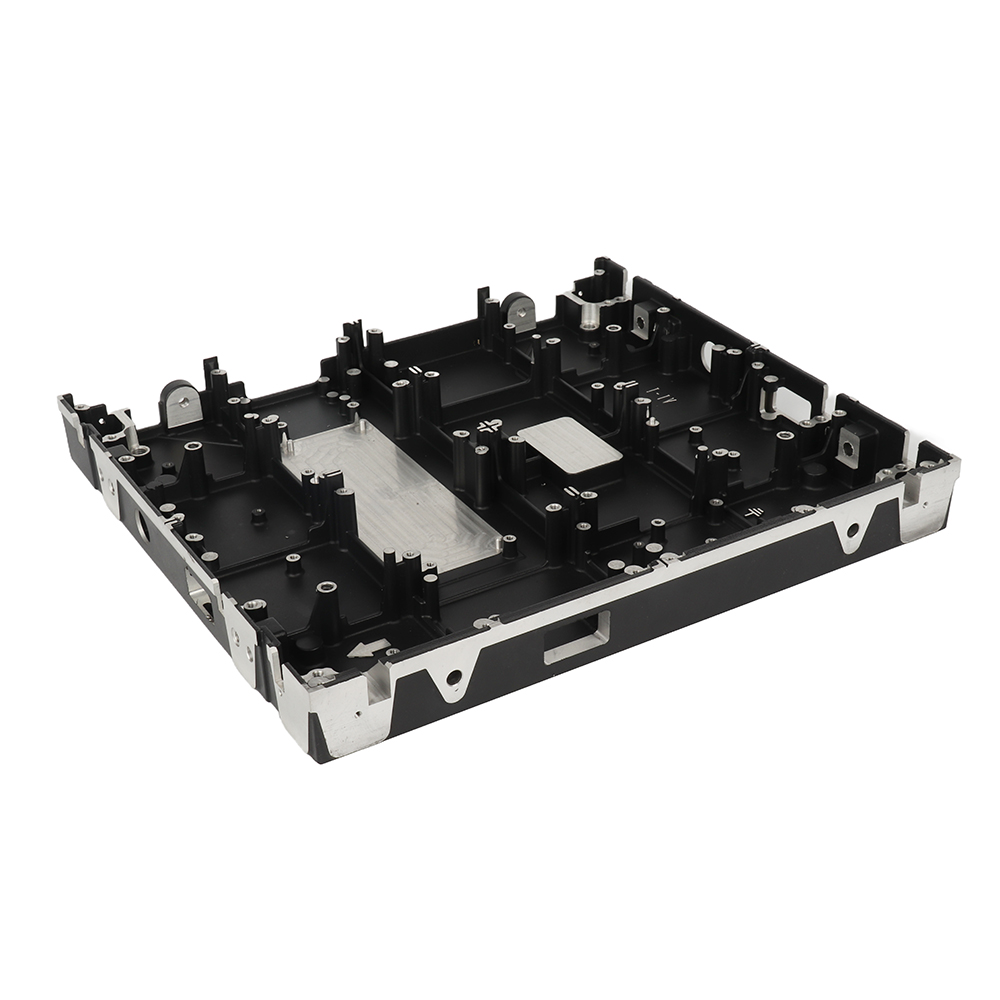
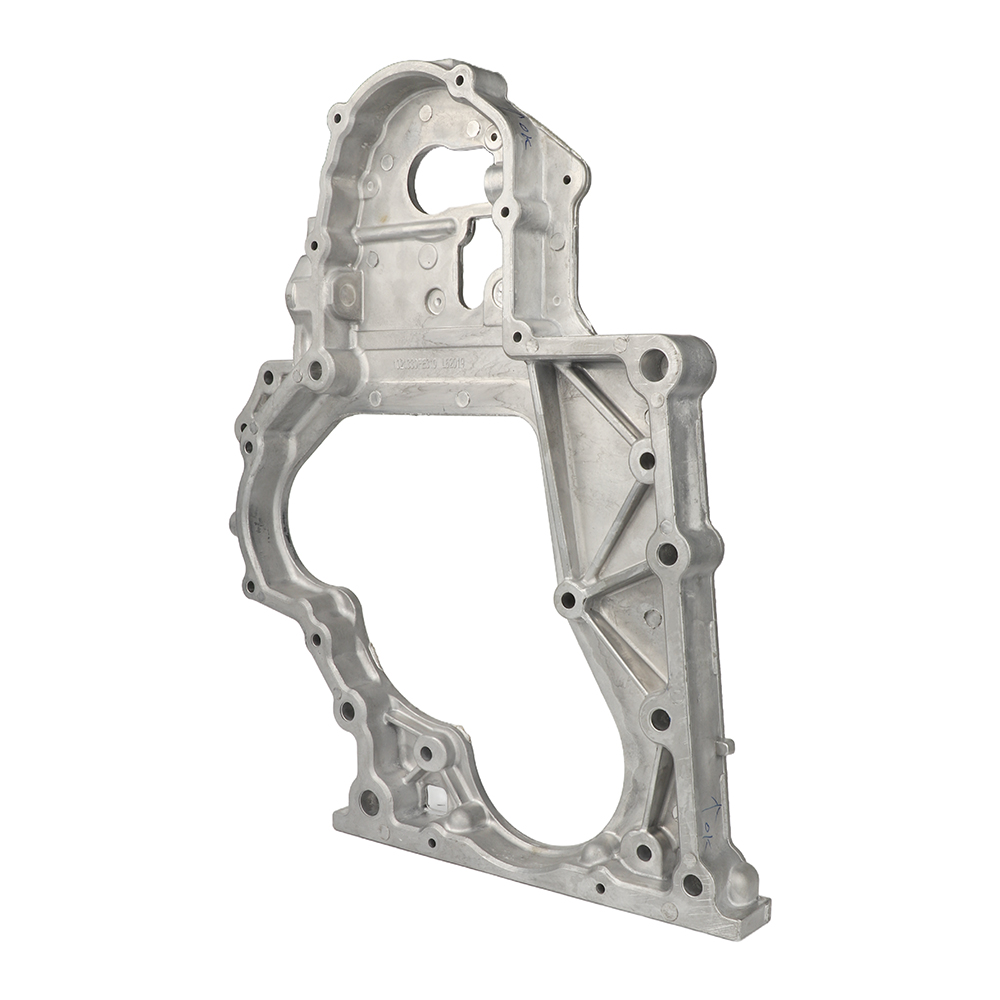
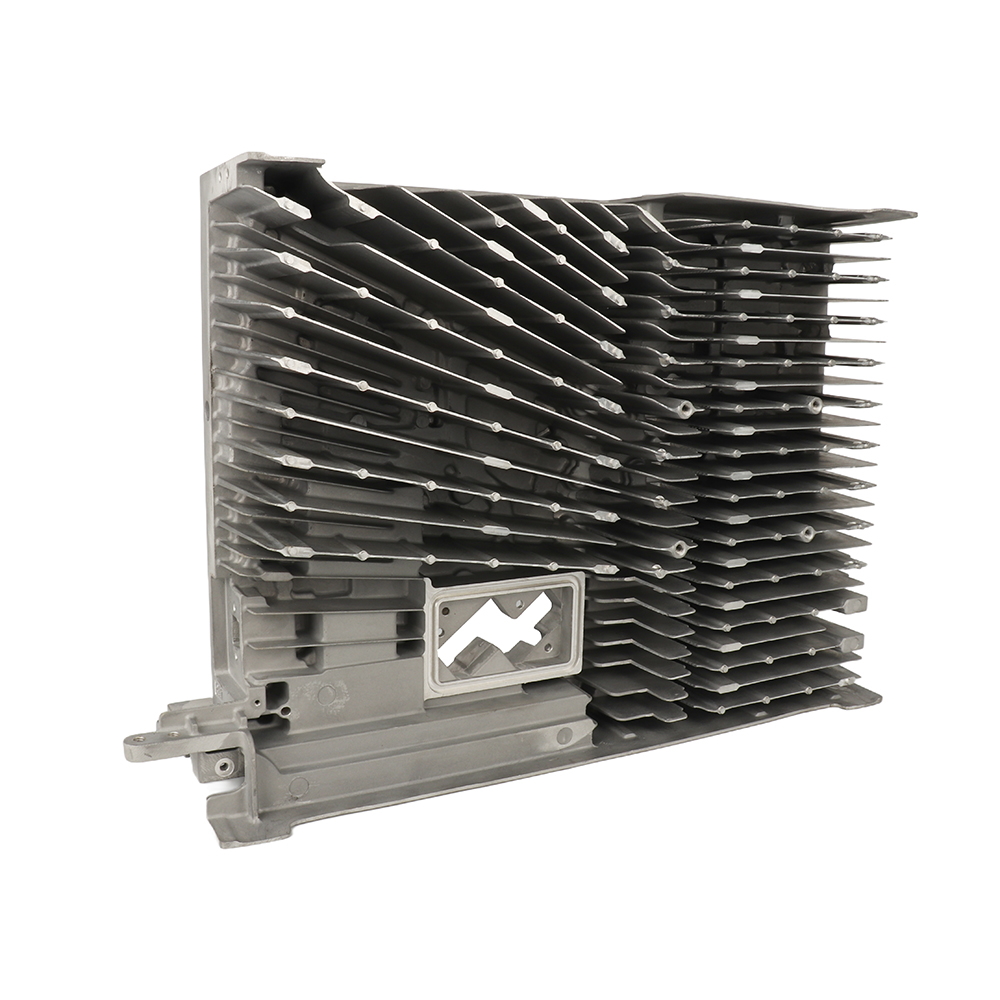
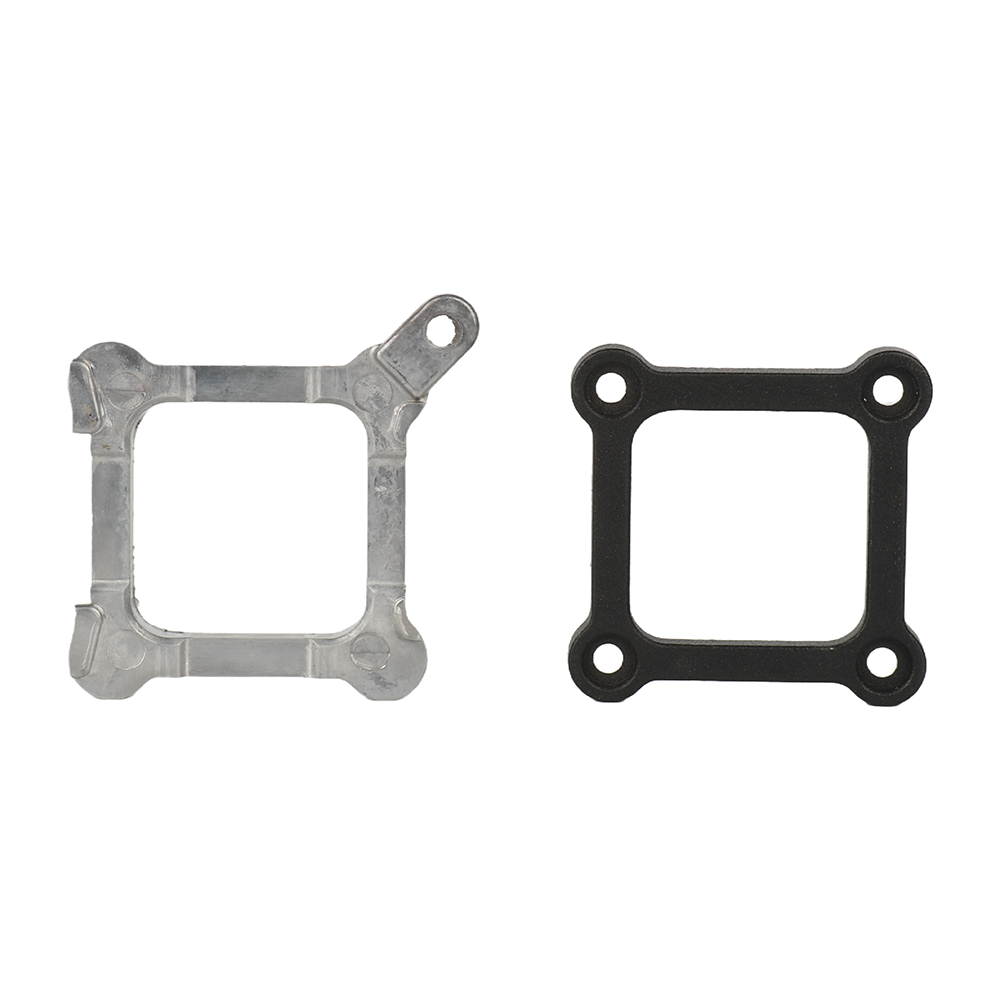
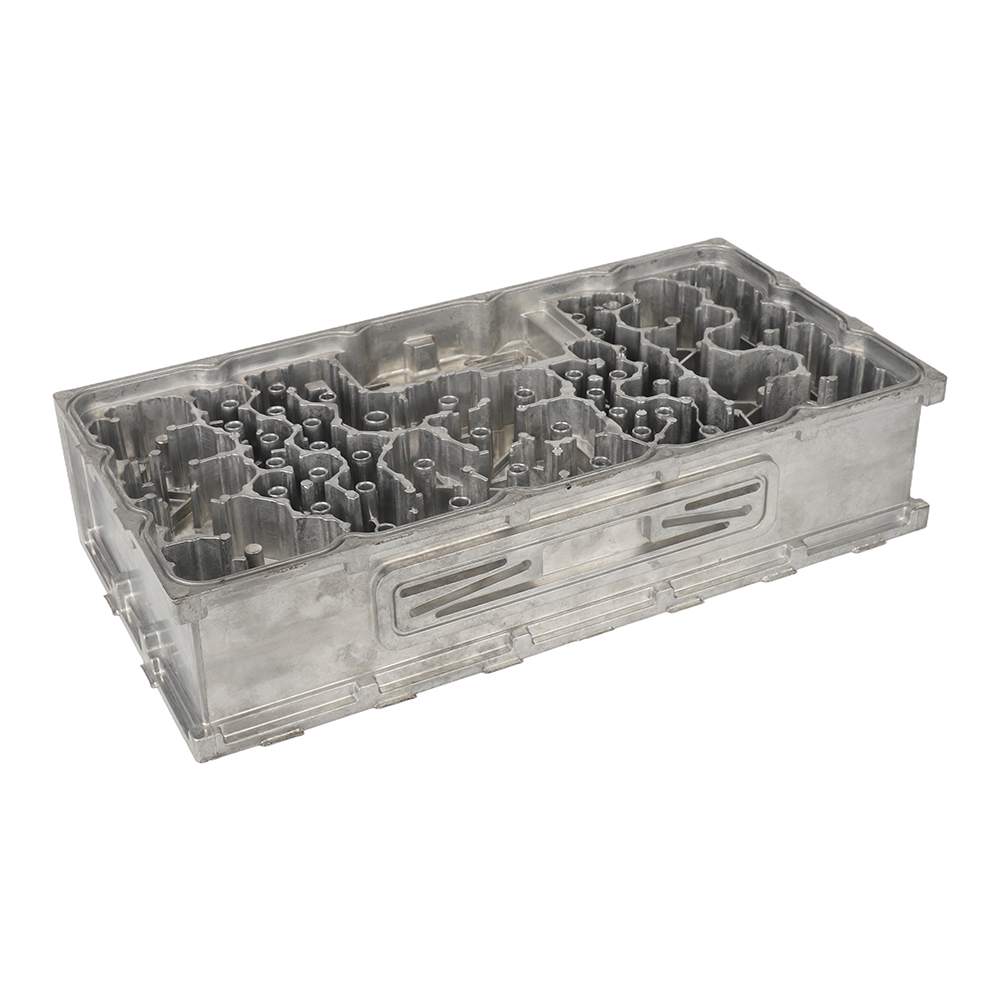
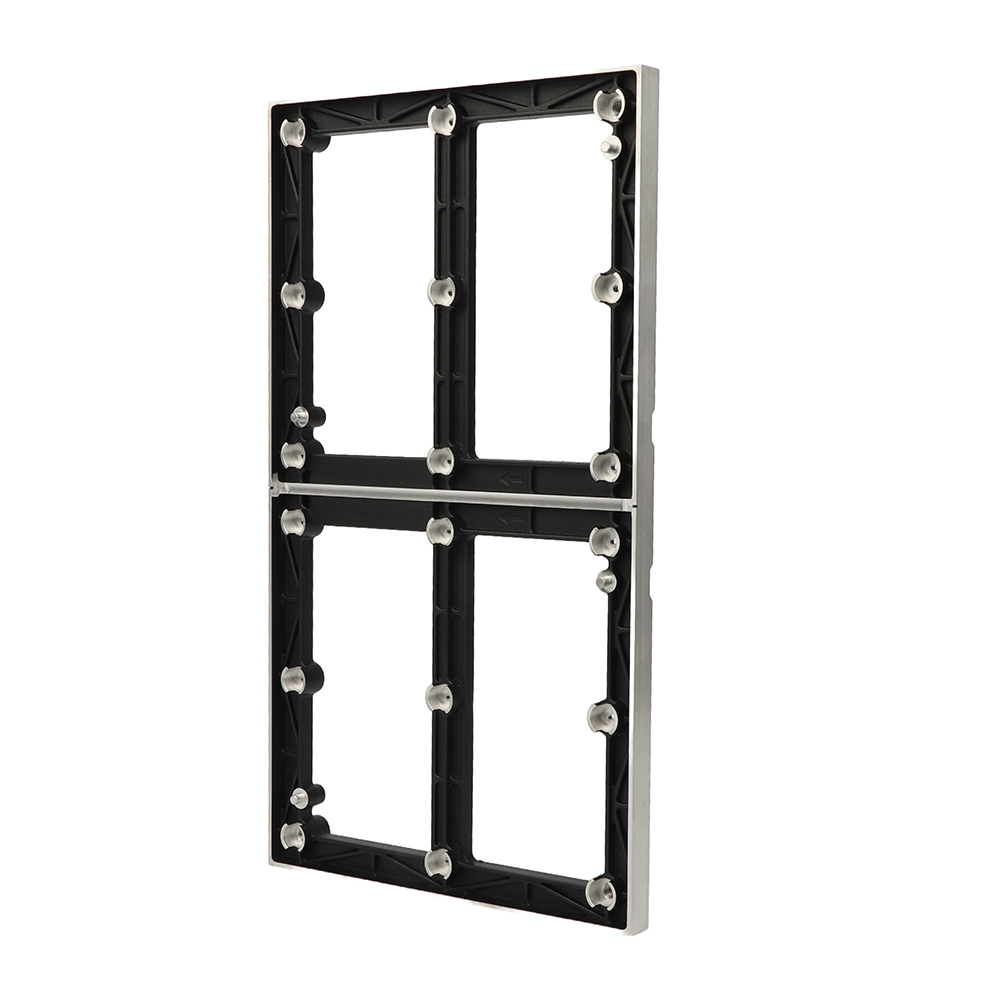
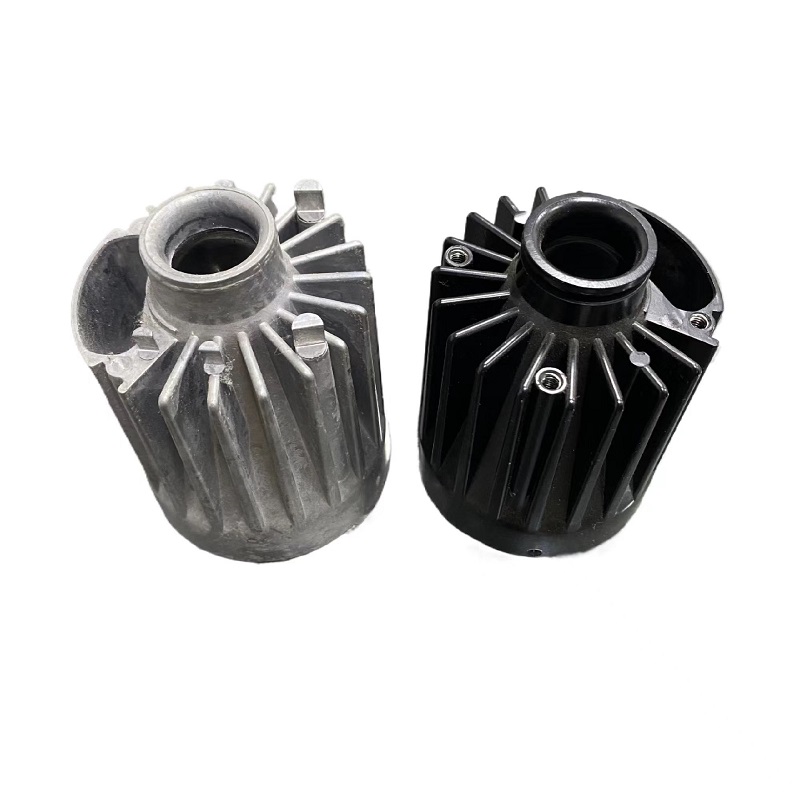
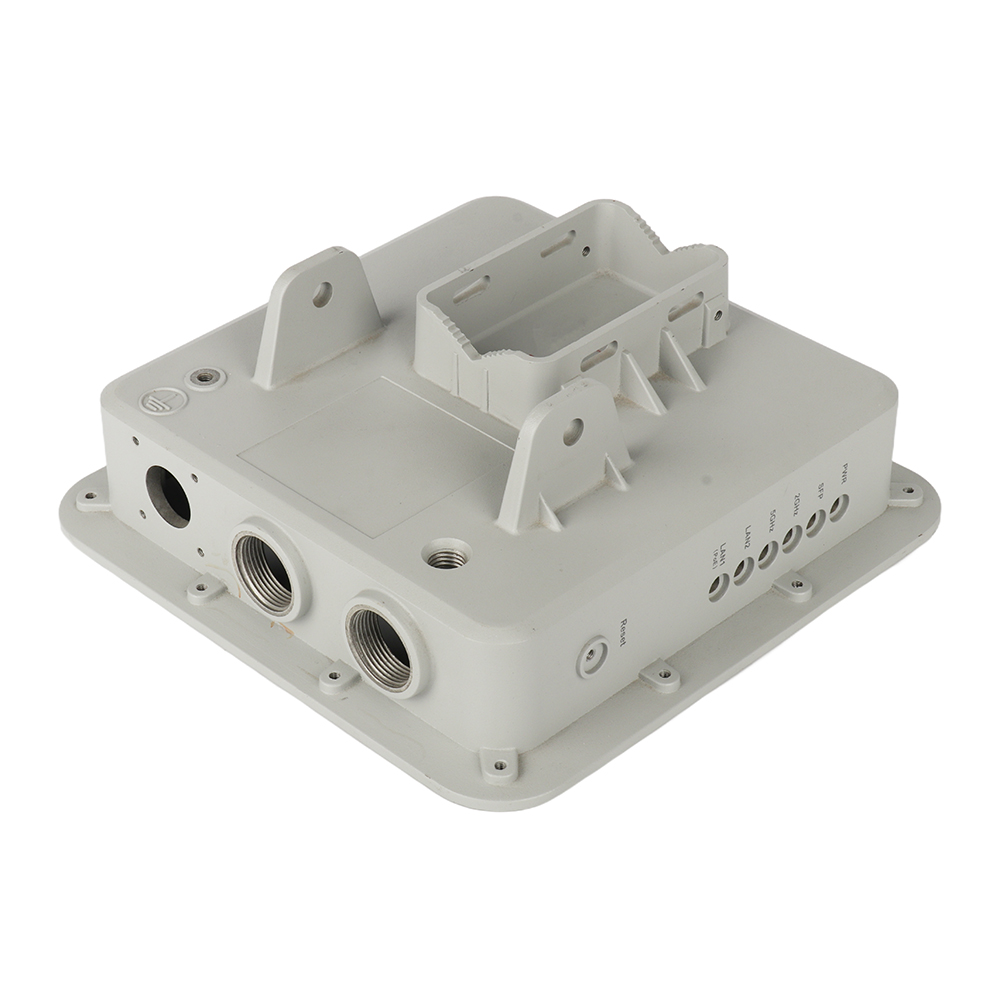
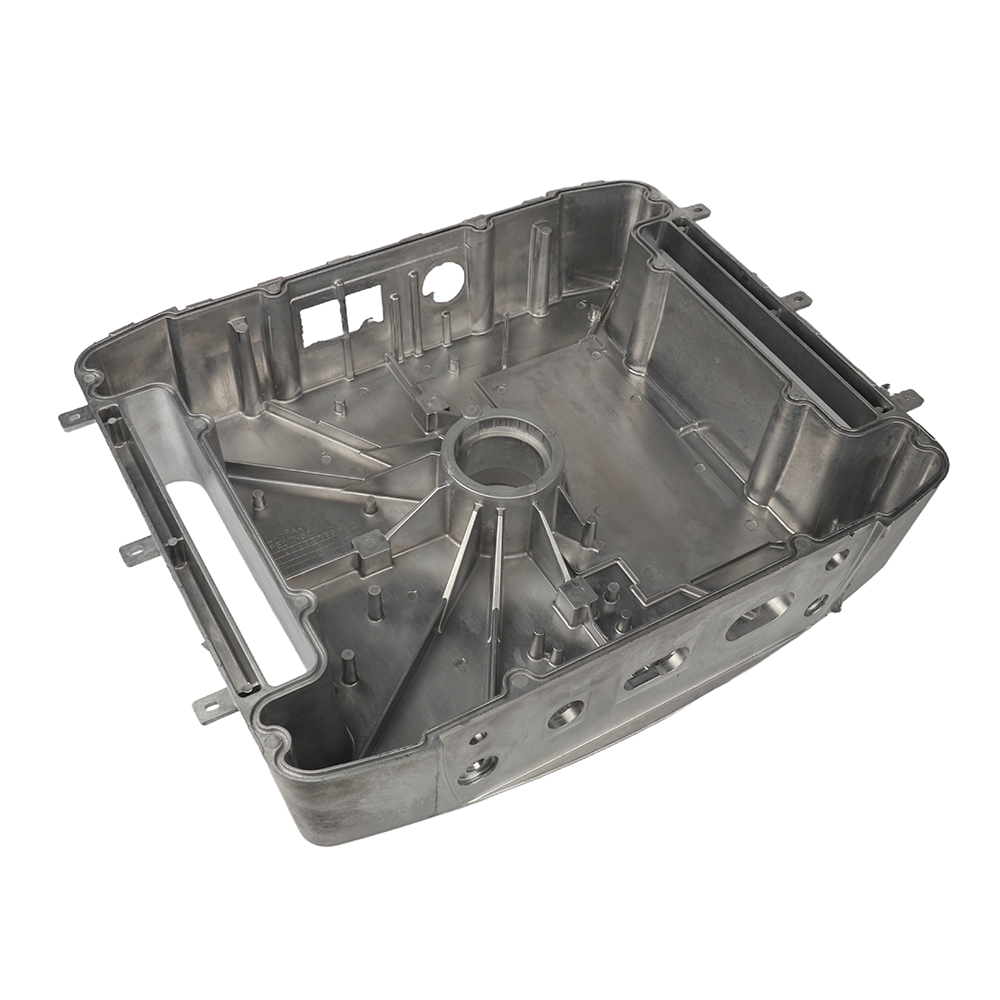
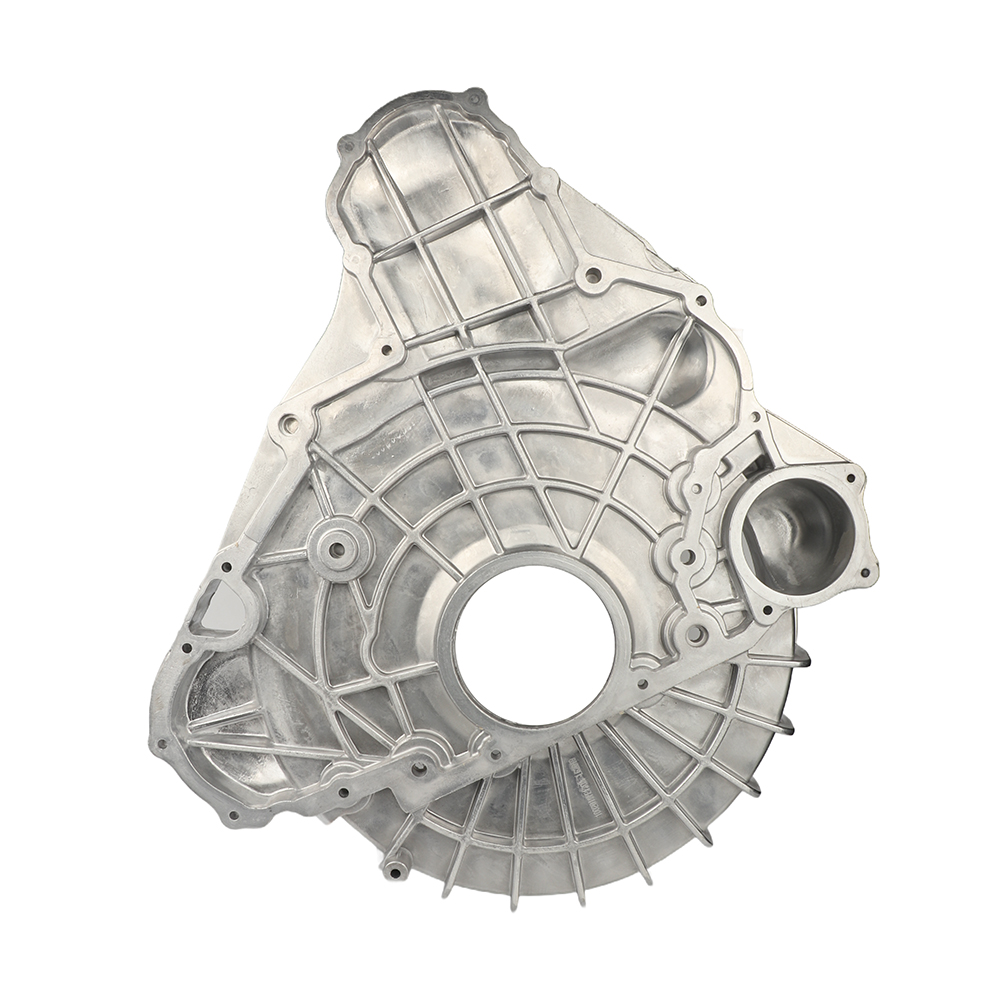
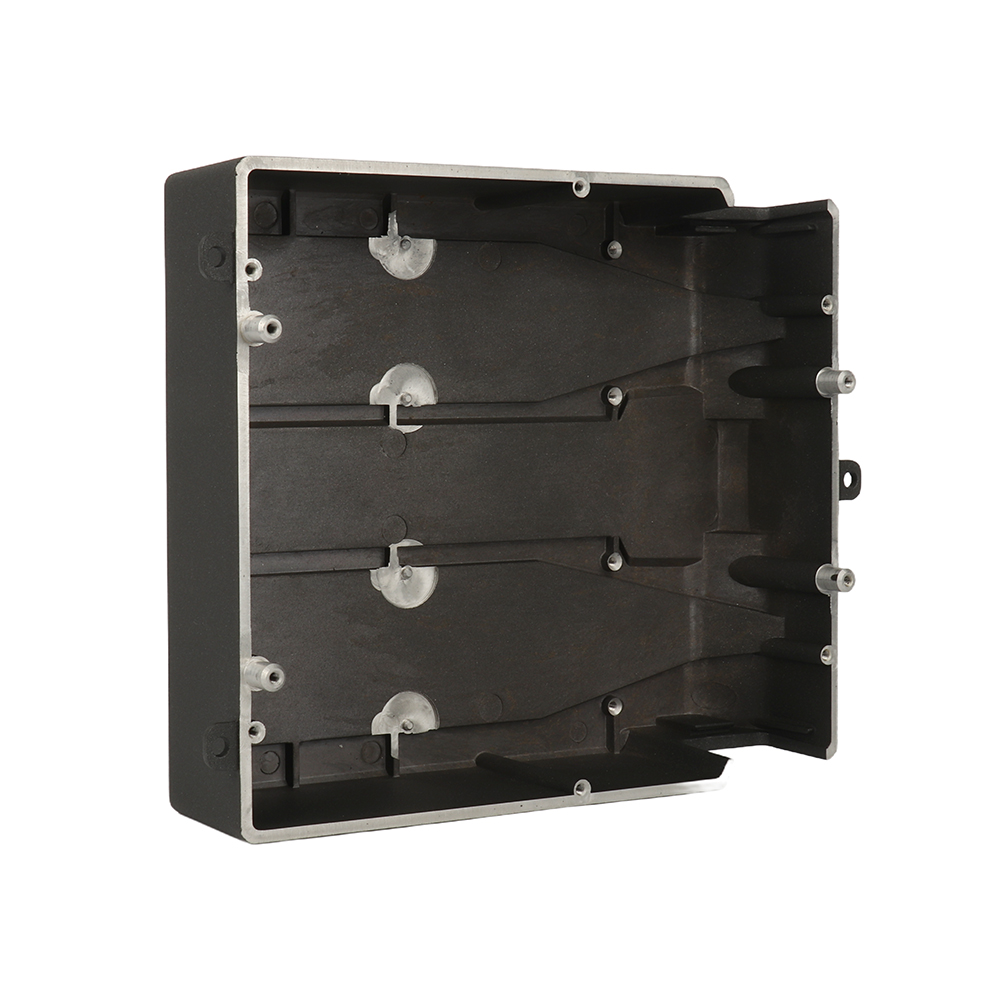
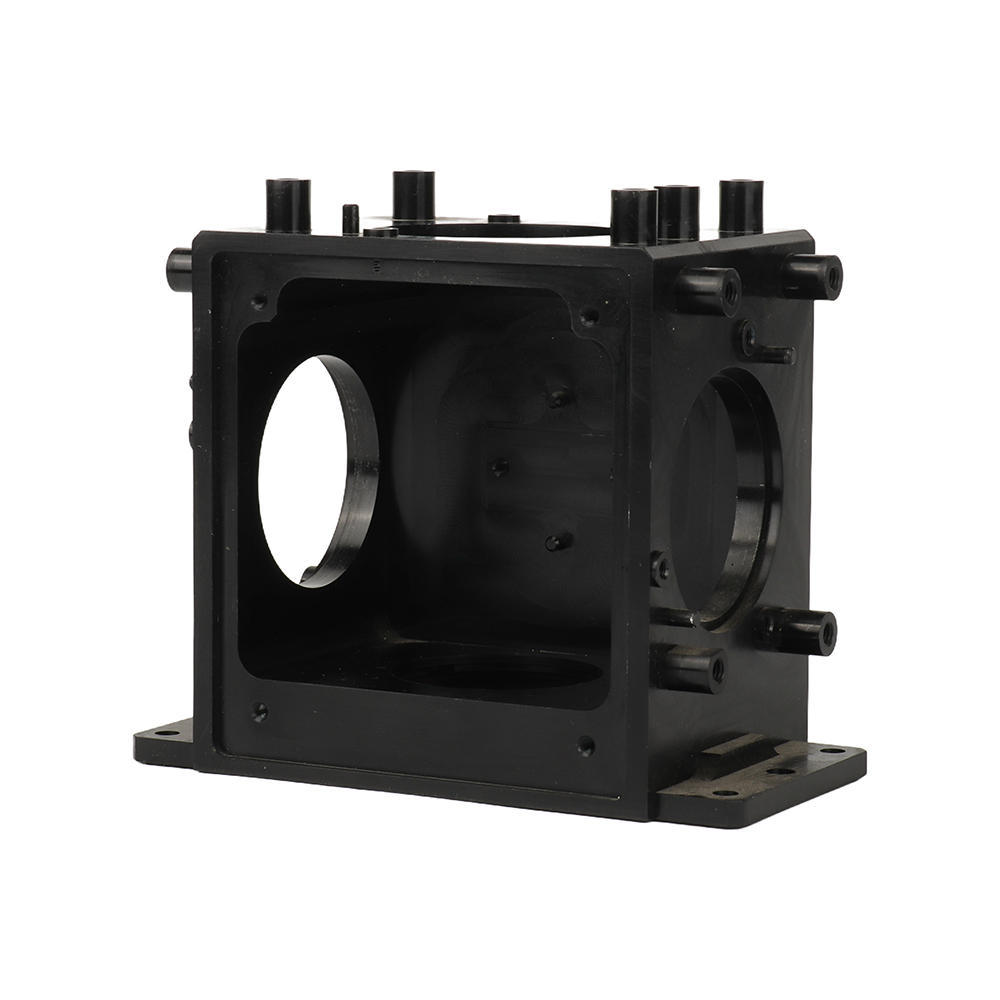
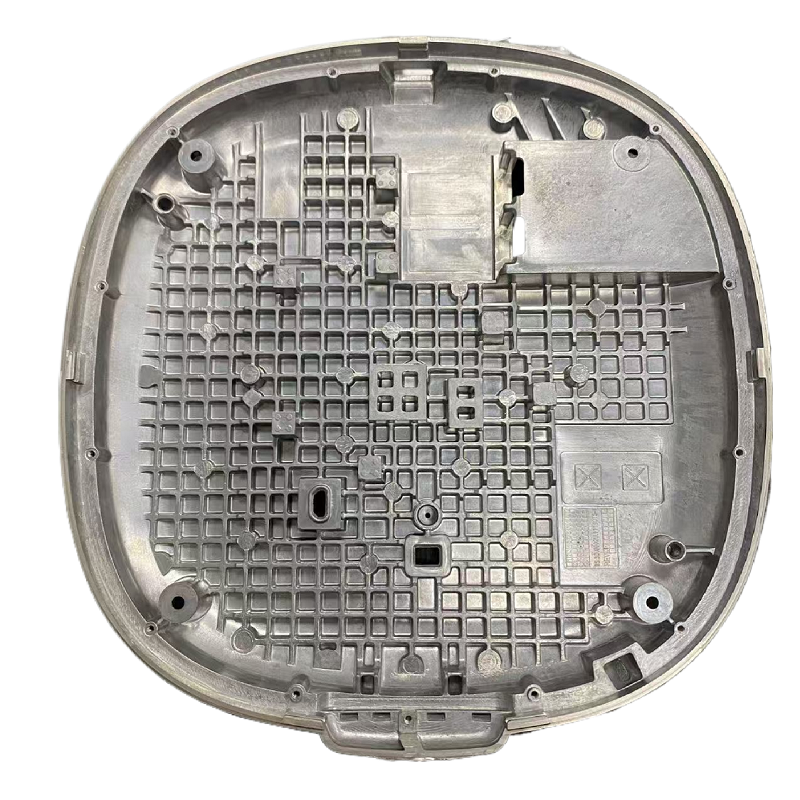
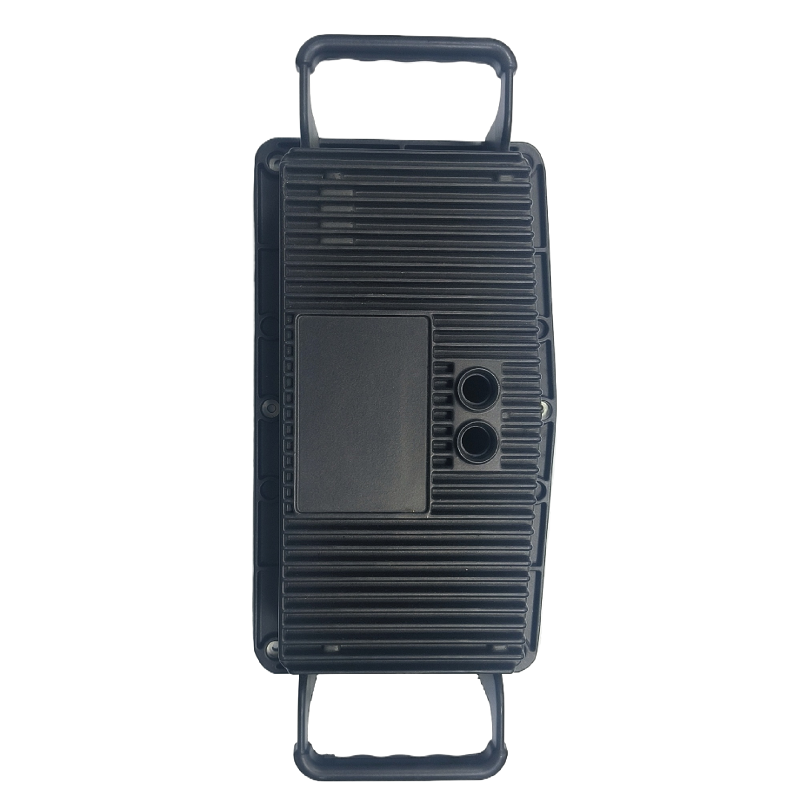

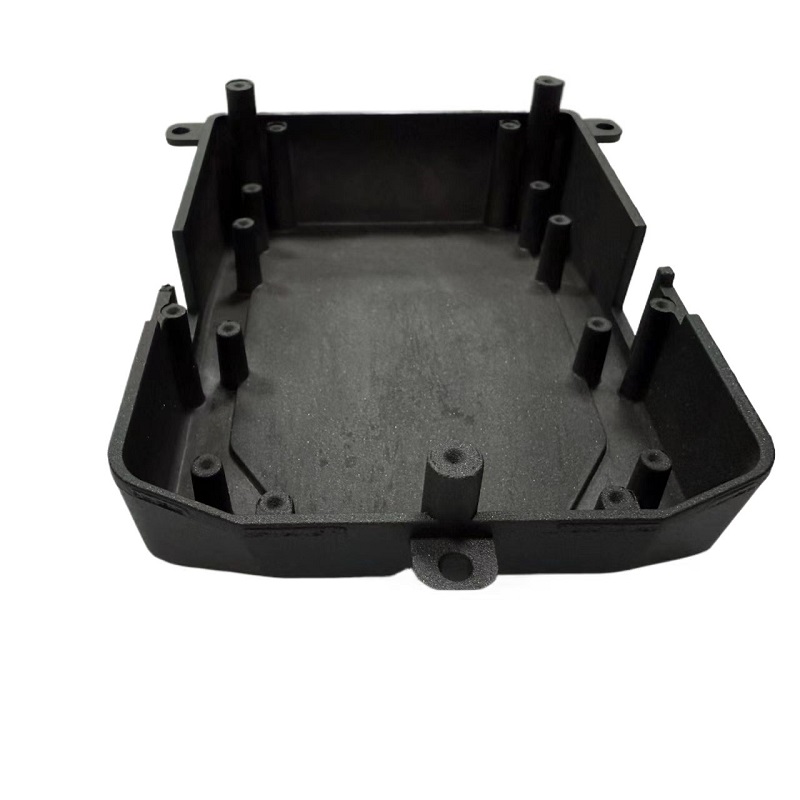
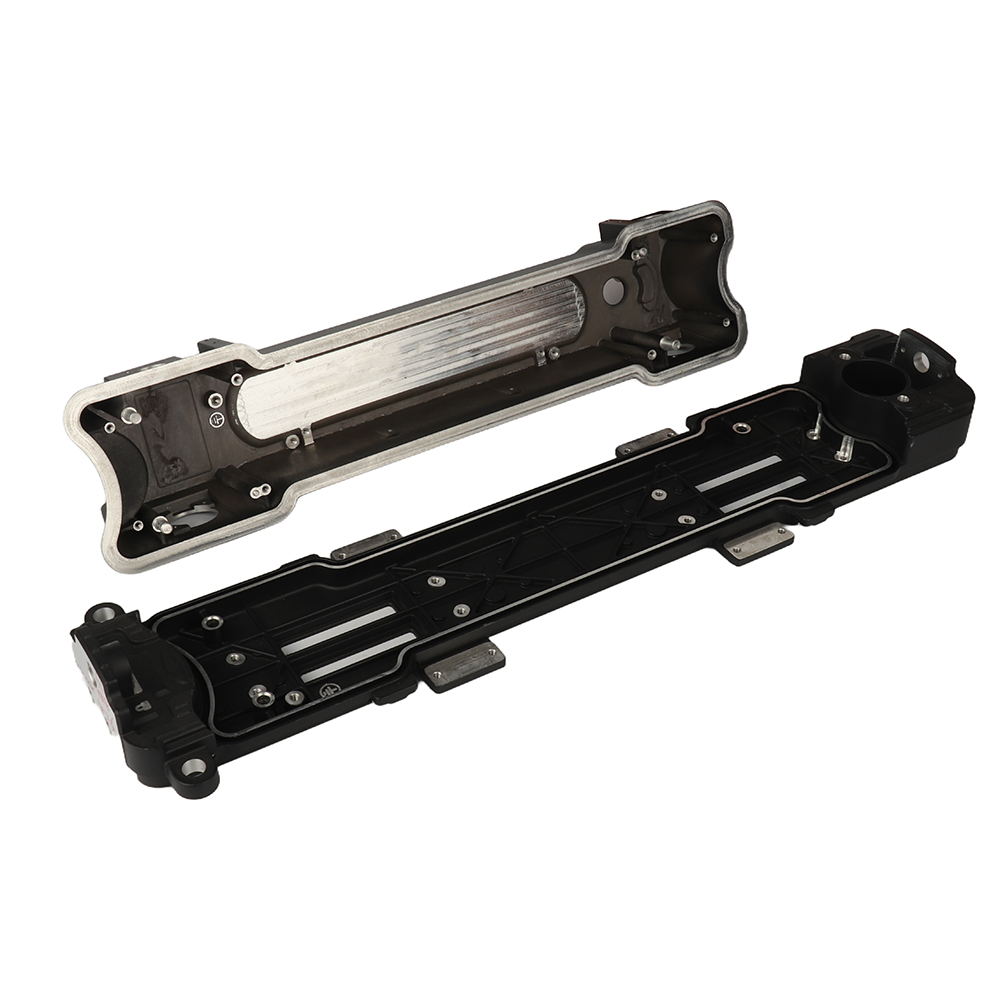
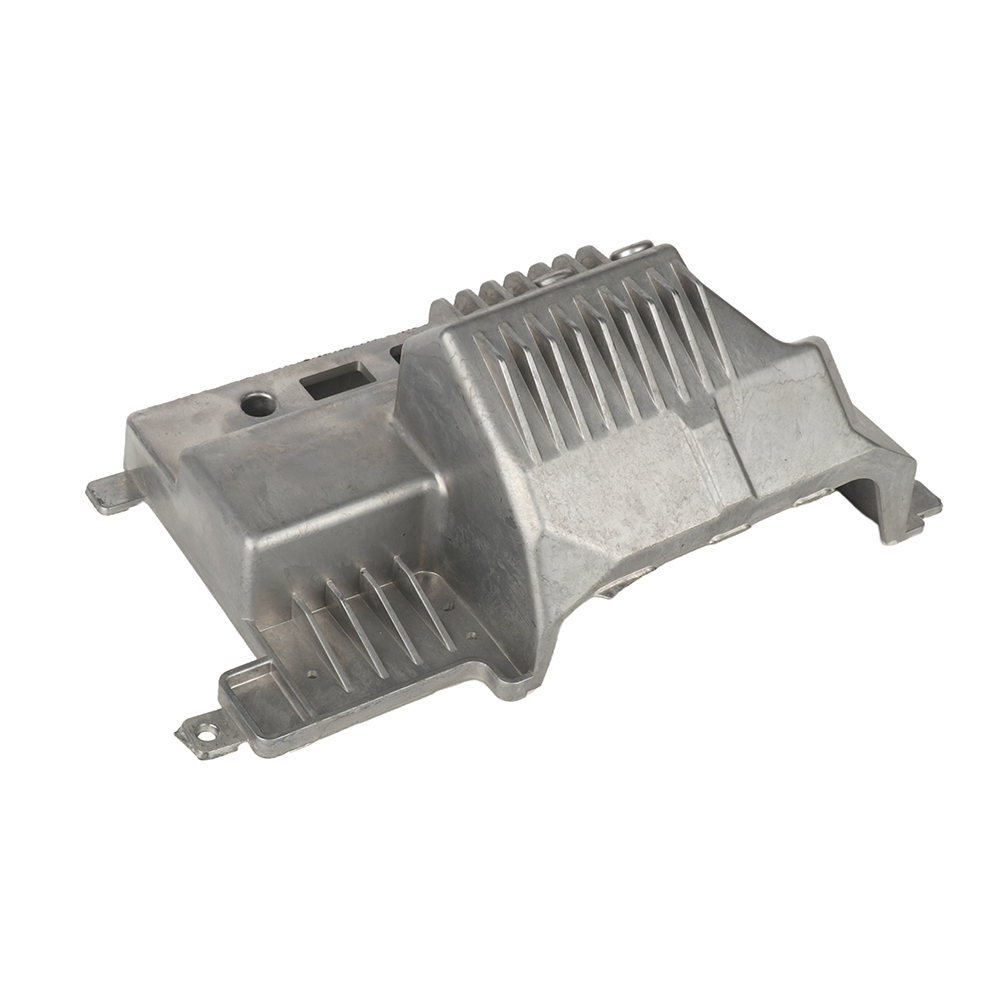
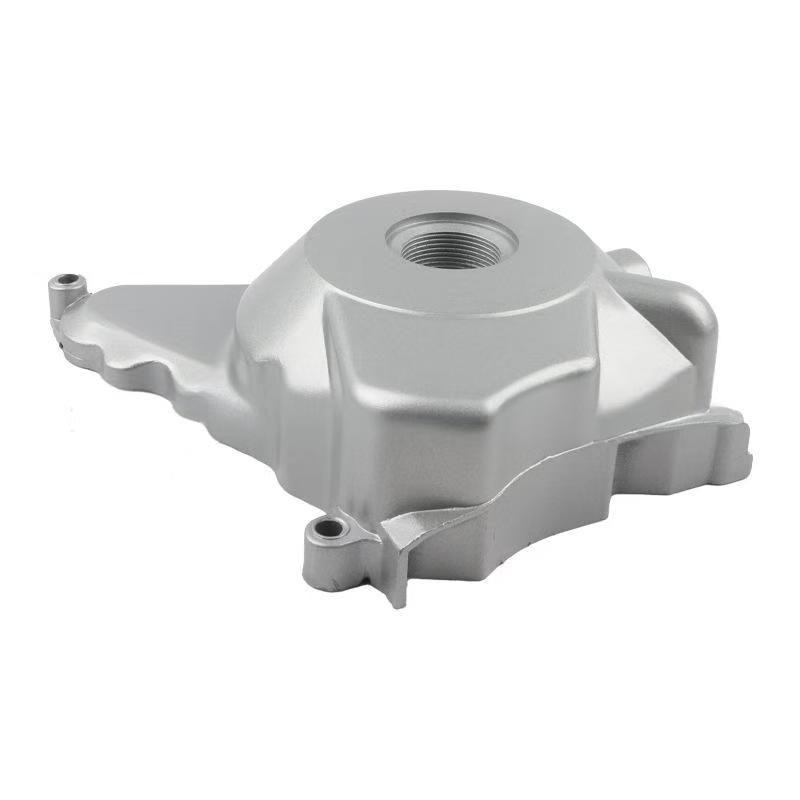
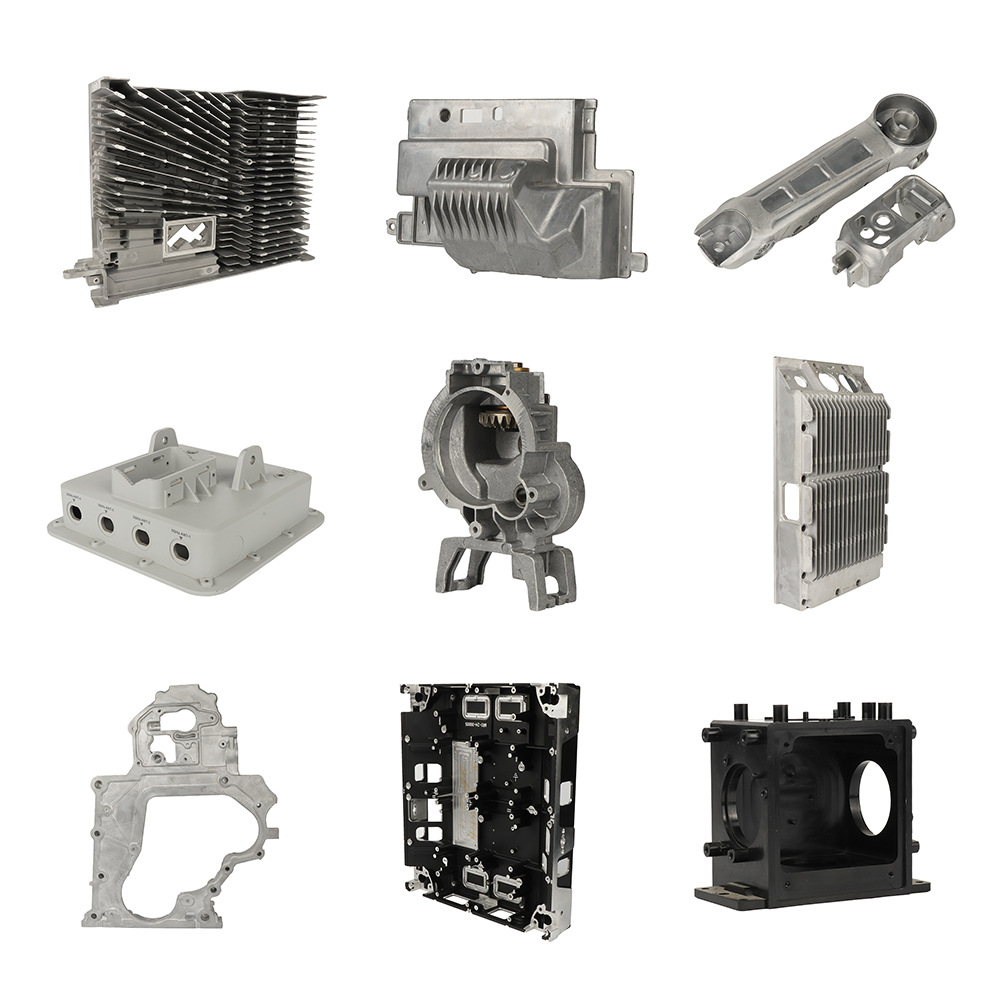
Precision aluminum casting | What is ADC12 precision aluminum casting? Key Roles, Benefits & Expert Insights
What is ADC12 Precision Aluminum Casting? Key Roles, Benefits & Expert Insights
Table of Contents
- 1. What is ADC12 Precision Aluminum Casting? Definition & Core Process
- 2. Core Roles of Precision Aluminum Casting (Industry Significance)
- 3. Key Benefits of Precision Aluminum Casting (Core Advantages)
- 4. Expert Opinions on ADC12 Precision Aluminum Casting
- 5. FAQs About ADC12 Precision Aluminum Casting
- 6. Conclusion
1. What is ADC12 Precision Aluminum Casting? Definition & Core Process
ADC12 precision aluminum casting is a specialized manufacturing process that integrates the excellent properties of ADC12 aluminum alloy with the strict accuracy requirements of precision aluminum casting. It produces near-net-shape components with tight dimensional tolerances, excellent surface finish, and reliable structural integrity—core features that distinguish precision aluminum casting from traditional casting methods. ADC12, a Japanese industrial standard (JIS) aluminum alloy (equivalent to A383 in the US and YL113 in China), is a high-silicon, low-copper alloy specifically formulated for high-pressure die casting, making it ideal for mass-producing complex, thin-walled parts that rely on the precision of precision aluminum casting.
Unlike traditional casting methods that require extensive post-machining, ADC12 precision aluminum casting prioritizes exactitude and efficiency, leveraging the unique fluidity of ADC12 alloy to create parts that need minimal or no additional processing to meet strict industry standards. The core process of precision aluminum casting for ADC12 involves four key steps, each designed to ensure the highest level of accuracy:
1.1 Mold Design & Fabrication (Foundation of Precision)
The foundation of precision aluminum casting lies in high-precision mold design and fabrication. A mold (typically made of heat-resistant steel or ceramic) is designed based on the final component’s exact specifications, using advanced CAD software to capture every intricate detail—from internal channels to thin walls—required for the application. The mold’s precision directly determines the accuracy of the final precision aluminum casting, so strict quality control is applied during mold manufacturing to avoid any deviations.
1.2 Alloy Melting & Preparation (Guarantee of Consistency)
ADC12 aluminum alloy (composed of 9.6–12.0% silicon, 1.5–3.5% copper, and other controlled elements) is heated to approximately 1200°F (650°C) until it reaches a fully fluid state. Silicon enhances the alloy’s fluidity—critical for precision aluminum casting to fill every crevice of the mold—while copper boosts its tensile strength and machinability, ensuring the final casting can withstand practical application demands. Each batch of molten alloy is tested to maintain consistent chemical composition, a key factor in achieving uniform precision aluminum casting quality.
1.3 Controlled Casting & Solidification (Core of Precision Control)
The molten ADC12 alloy is injected or poured into the precision mold under strictly controlled temperature and pressure conditions—another hallmark of precision aluminum casting. This controlled process ensures the molten alloy fills every detail of the mold, replicating even the finest features. Controlled cooling rates are also applied to minimize defects like porosity and shrinkage, ensuring each precision aluminum casting has consistent structural integrity and dimensional accuracy.
1.4 Finishing & Quality Control (Final Check for Precision)
After solidification, the cast part is removed from the mold, and minimal finishing (if any) is performed—thanks to the high accuracy of precision aluminum casting. Rigorous quality control checks are then conducted, including dimensional measurement with precision tools and defect inspection (such as X-ray or ultrasonic testing), to ensure each component meets the tight tolerances of precision aluminum casting. Only parts that pass these checks are deemed qualified precision aluminum casting products.

2. Core Roles of Precision Aluminum Casting (Industry Significance)
Precision aluminum casting is a cornerstone of modern manufacturing, playing irreplaceable roles across multiple high-demand industries. Its ability to produce high-accuracy, complex components has made it a critical enabler of technological advancement, with ADC12 as the preferred alloy for mass-produced, precision-critical parts. Below are its core roles in key industries:
2.1 Automotive Industry: Lightweight & Precision-Driven Innovation
In the automotive sector, precision aluminum casting is pivotal for achieving lightweighting goals while maintaining structural reliability. ADC12 precision aluminum casting components—such as engine brackets, transmission housings, and EV battery enclosures—reduce vehicle weight (aluminum is about one-third the weight of steel) to improve fuel efficiency and reduce emissions. The tight tolerances of precision aluminum casting ensure these components fit seamlessly into automated assembly lines, reducing assembly errors and enhancing overall vehicle performance.
2.2 Electronics Industry: Thermal Management & Miniaturization
For electronics, precision aluminum casting addresses two critical needs: thermal management and miniaturization. ADC12’s excellent thermal conductivity (approximately 96 W/m·K) makes precision aluminum casting ideal for manufacturing heat sinks, ECU housings, and LED fixture enclosures. The process’s ability to produce complex, thin-walled parts allows for smaller, more compact electronic devices without compromising heat dissipation or structural strength.
2.3 Industrial & Aerospace: Reliability in Demanding Environments
In industrial and aerospace applications, precision aluminum casting delivers components that withstand extreme conditions. From industrial machinery brackets to lightweight aerospace parts, ADC12 precision aluminum casting offers a balance of strength (tensile strength 230–310 MPa) and durability, ensuring reliable performance in high-temperature, high-vibration environments. Its dimensional precision also eliminates the need for extensive post-machining, reducing production time for critical components.
3. Key Benefits of Precision Aluminum Casting (Core Advantages)
The widespread adoption of precision aluminum casting (especially with ADC12 alloy) stems from its unique set of benefits, which address the core needs of manufacturers: cost efficiency, quality consistency, and performance versatility. Below are the most significant advantages:
3.1 Exceptional Dimensional Precision & Surface Finish
Unlike traditional casting, precision aluminum casting achieves tight dimensional tolerances (as tight as ±0.1 mm) and superior surface finishes (down to Ra 0.8 μm). This eliminates the need for costly and time-consuming post-machining, reducing production costs and shortening lead times. For applications requiring seamless assembly, this precision ensures every precision aluminum casting component fits perfectly, minimizing waste and rework.
3.2 Cost-Effective Mass Production
ADC12 alloy’s excellent fluidity, combined with the efficiency of precision aluminum casting, enables high-volume production of complex parts at scale. The process reduces material waste (over 95% material utilization) and labor costs, as minimal finishing is required. This makes precision aluminum casting a cost-effective solution for industries that demand large quantities of consistent, high-quality components.
3.3 Superior Strength-to-Weight Ratio
Precision aluminum casting leverages aluminum’s inherent lightweight properties (density around 2.74 g/cm³) while maintaining robust mechanical strength. ADC12 precision aluminum casting components offer a perfect balance of strength and lightness, making them ideal for weight-sensitive applications—such as automotive and aerospace—where reducing mass does not compromise structural integrity.
3.4 Excellent Corrosion Resistance & Durability
Aluminum naturally forms a dense oxide layer, giving precision aluminum casting components inherent corrosion resistance. This makes them suitable for outdoor, marine, or humid environments, extending the service life of end products. Additionally, ADC12’s composition (controlled silicon and copper levels) enhances wear resistance (Brinell hardness 75–100 HB), ensuring precision aluminum casting parts withstand long-term use.
3.5 Design Flexibility for Complex Components
Precision aluminum casting allows for the production of complex, intricate parts—including thin walls, internal channels, and fine details—that would be difficult or impossible to achieve with other manufacturing methods. This design flexibility empowers engineers to create innovative components that optimize performance, such as complex EV battery enclosures or advanced electronic housings.
4. Expert Opinions on ADC12 Precision Aluminum Casting
Industry experts recognize precision aluminum casting (with ADC12 alloy) as a game-changing manufacturing process, citing its unique combination of precision, efficiency, and versatility. Below are insights from leading professionals in the field:
4.1 Expert Insight from John Miller, Senior Metallurgical Engineer (20+ Years of Experience)
“In my 20+ years in the industry, I’ve seen many materials come and go, but ADC12 precision aluminum casting remains the gold standard for high-volume, precision-critical applications. It’s not the strongest or lightest alloy, but its balanced properties—excellent fluidity, consistent strength, and cost-effectiveness—make it irreplaceable. When clients from Europe or the US need reliable parts that work in mass production without defects, ADC12 precision aluminum casting is almost always the answer. Its ability to produce complex, thin-walled parts with tight tolerances reduces waste and lowers total production costs, which is why it’s the backbone of automotive and electronics manufacturing.”
4.2 Expert Insight from Sarah Chen, Manufacturing Process Specialist at Stahl Specialty Company
“Precision aluminum casting is redefining what’s possible in technology and industrial manufacturing. ADC12’s unique composition, paired with the precision of the casting process, delivers components that are lightweight, thermally efficient, and dimensionally consistent—critical for advanced systems like data center cooling units and renewable energy assemblies. The key advantage of precision aluminum casting is its ability to bridge the gap between performance and scalability: it produces high-quality parts at scale, without sacrificing accuracy or durability. As industries move toward miniaturization and sustainability, precision aluminum casting will only grow in importance.”
4.3 Expert Insight from David Lee, Quality Control Director at Dongguan Yuhui Die Casting
“The success of precision aluminum casting lies in its attention to detail—from mold design to quality control. ADC12 precision aluminum casting achieves defect rates below 0.5% when executed properly, thanks to strict process control and alloy consistency. Clients value it not just for its precision, but for its reliability: every precision aluminum casting component is identical, which is essential for automated assembly. In today’s fast-paced manufacturing environment, precision aluminum casting is the most efficient way to produce complex parts that meet international quality standards.”
5. FAQs About ADC12 Precision Aluminum Casting
Below are answers to the most common questions about precision aluminum casting (ADC12) from industry professionals, buyers, and engineers:
5.1 What is the difference between ADC12 precision aluminum casting and traditional aluminum casting?
The key difference lies in precision and efficiency. Traditional aluminum casting produces parts with loose tolerances and requires extensive post-machining to meet specifications. Precision aluminum casting (with ADC12) uses controlled processes and high-precision molds to produce near-net-shape parts with tight tolerances (±0.1 mm) and excellent surface finishes, minimizing or eliminating the need for post-processing. ADC12’s fluidity also makes it ideal for complex, thin-walled parts that traditional casting cannot produce.
5.2 What industries benefit most from ADC12 precision aluminum casting?
The automotive, electronics, industrial, and aerospace industries benefit most. Automotive relies on it for lightweight components (EV battery enclosures, engine parts) to improve efficiency; electronics uses it for thermal management (heat sinks, housings); industrial for durable machinery parts; and aerospace for lightweight, high-precision components. Any industry that requires high-volume, complex, precision parts will benefit from precision aluminum casting.
5.3 Is ADC12 precision aluminum casting suitable for high-temperature applications?
Yes. ADC12 precision aluminum casting maintains its mechanical strength and dimensional stability at temperatures up to 150°C, making it suitable for applications like engine compartments, industrial machinery, and electronic devices that generate moderate heat. For extreme high-temperature applications (above 200°C), specialized alloys may be needed, but ADC12 precision aluminum casting covers most industrial and automotive needs.
5.4 How does precision aluminum casting reduce production costs?
Precision aluminum casting reduces costs in three key ways: 1) Minimal post-machining (saves labor and tooling costs); 2) High material utilization (over 95%, reducing waste); 3) High-volume production efficiency (fast cycle times, low defect rates). These factors combine to lower the total cost per part compared to traditional casting or machining.
5.5 What quality control measures are used for ADC12 precision aluminum casting?
Rigorous quality control is critical for precision aluminum casting. Measures include: 1) Chemical composition testing of molten ADC12 alloy to ensure consistency; 2) Dimensional measurement with precision tools (e.g., calipers, CMMs) to verify tolerances; 3) Defect inspection (X-ray, ultrasonic, or dye penetrant testing) to detect internal or external flaws; 4) Surface finish testing to ensure compliance with Ra standards. Only parts that pass all checks are deemed qualified.
5.6 Can ADC12 precision aluminum casting be recycled?
Yes. Aluminum is 100% recyclable with no loss of quality, and precision aluminum casting leverages this sustainability benefit. Scrap from the casting process can be recycled and reused, reducing material waste and environmental impact. This makes ADC12 precision aluminum casting a more eco-friendly option compared to many other manufacturing processes.
6. Conclusion
ADC12 precision aluminum casting is a versatile, efficient, and cost-effective manufacturing process that combines the excellent properties of ADC12 alloy with the strict accuracy of precision aluminum casting. Its core roles in automotive, electronics, industrial, and aerospace industries highlight its importance as a driver of innovation—enabling lightweight, complex, and reliable components that meet modern manufacturing demands.
The key benefits of precision aluminum casting—exceptional precision, cost-effective mass production, superior strength-to-weight ratio, corrosion resistance, and design flexibility—make it the preferred choice for high-volume, precision-critical applications. Backed by expert consensus and rigorous quality control, ADC12 precision aluminum casting will continue to play a vital role in shaping the future of manufacturing, as industries pursue miniaturization, sustainability, and performance optimization.
Inverter car battery | What is aluminum housing car battery inverter? Key Functions, Benefits & Expert Insights
Communication equipment | What is an aluminum die-cast communication equipment enclosure? Key Benefits & Industry Insights
Related Article


