
HOT PRODUCTS
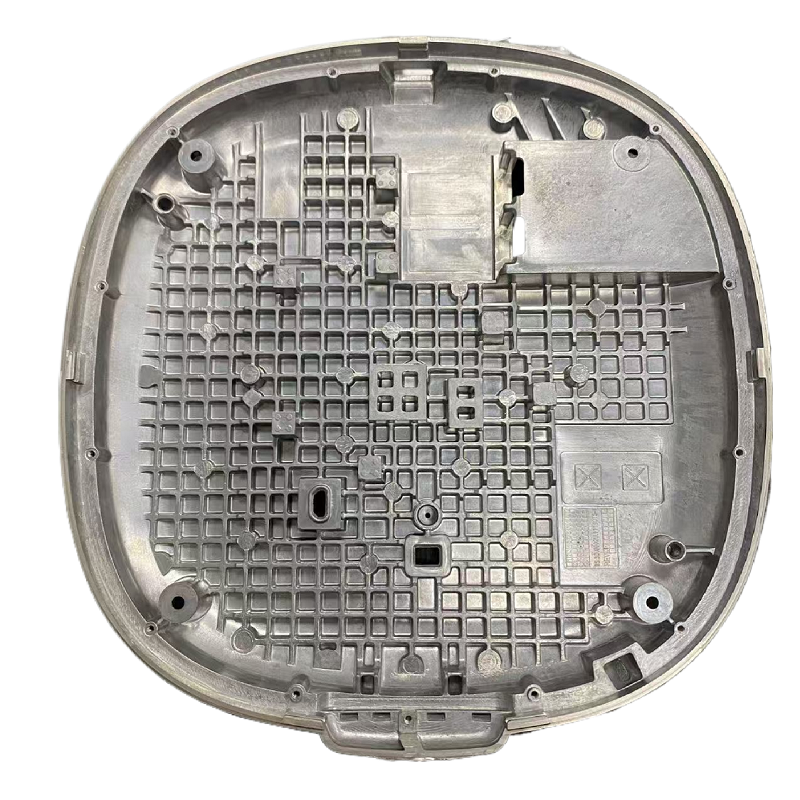
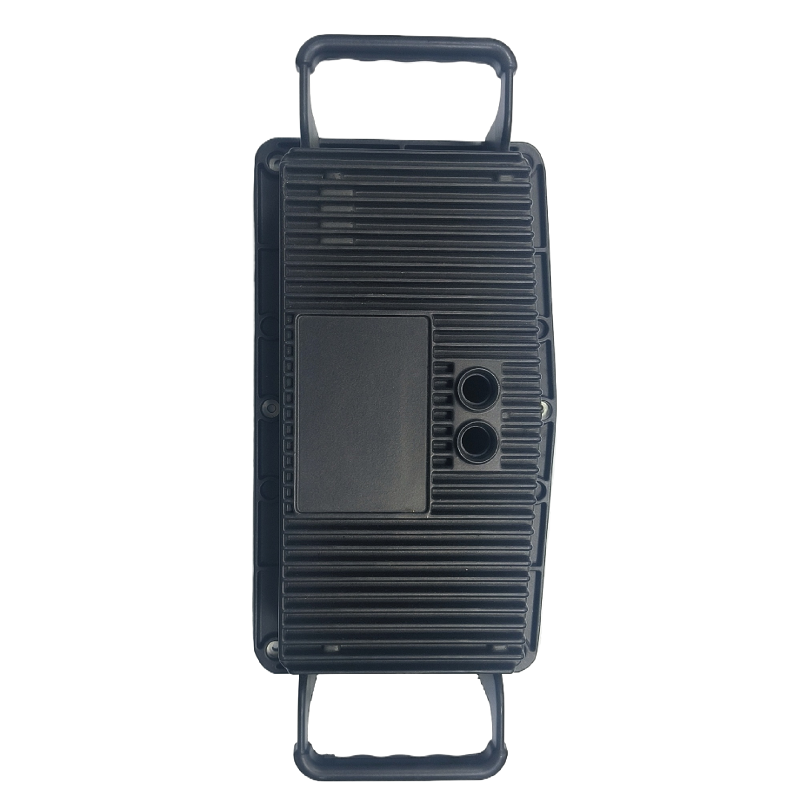
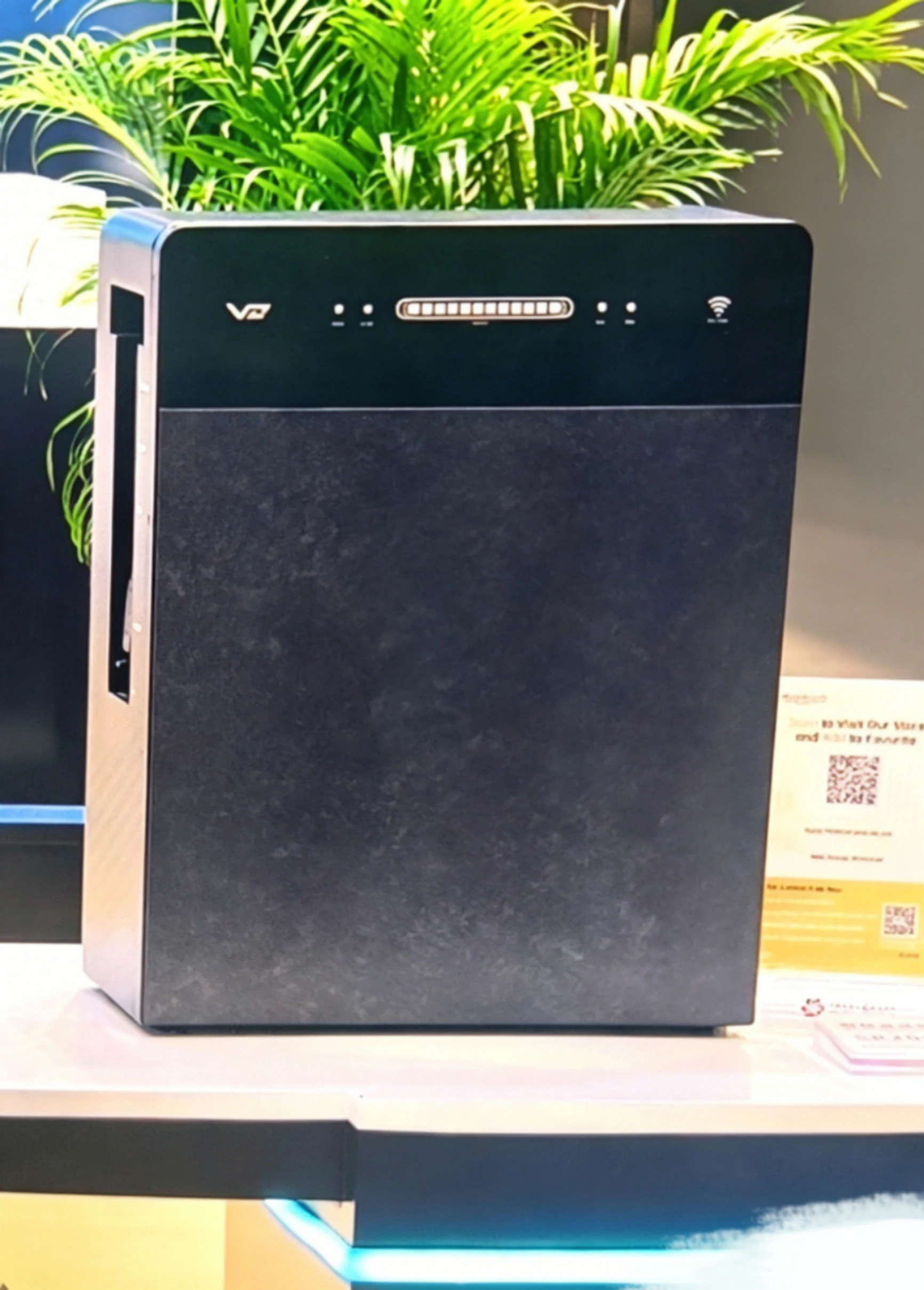
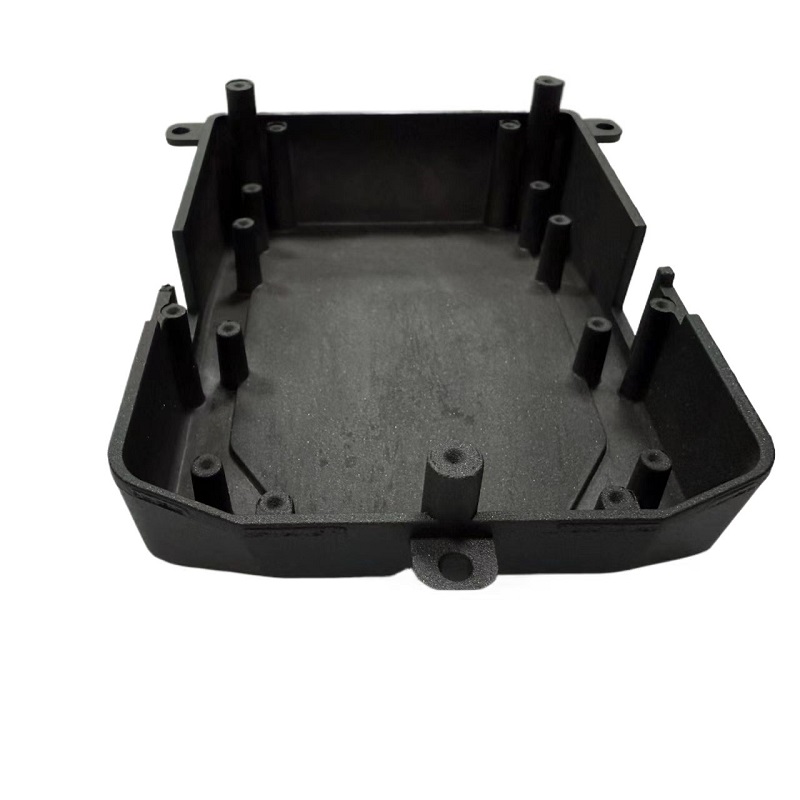
Power controller | What is a casting housing? Focus on Power Controller Applications
What is a Casting Housing? Focus on Power Controller Applications
Table of Contents
- 1. Introduction: What is a Casting Housing?
- 2. Casting Housing for Power Controllers: Core Definition & Significance
- 3. Key Focus & Functions of Power Controller Casting Housings
- 3.1 Core Focus of Power Controller Casting Housings
- 3.2 Essential Functions of Power Controller Casting Housings
- 4. General Power Controller Parameters (Reference Table)
- 5. Advantages of Die-Cast Housings for Power Controllers
- 6. Expert Insights on Power Controller Casting Housings
- 7. FAQ: Common Questions About Power Controller Casting Housings
- 8. Conclusion
1. Introduction: What is a Casting Housing?
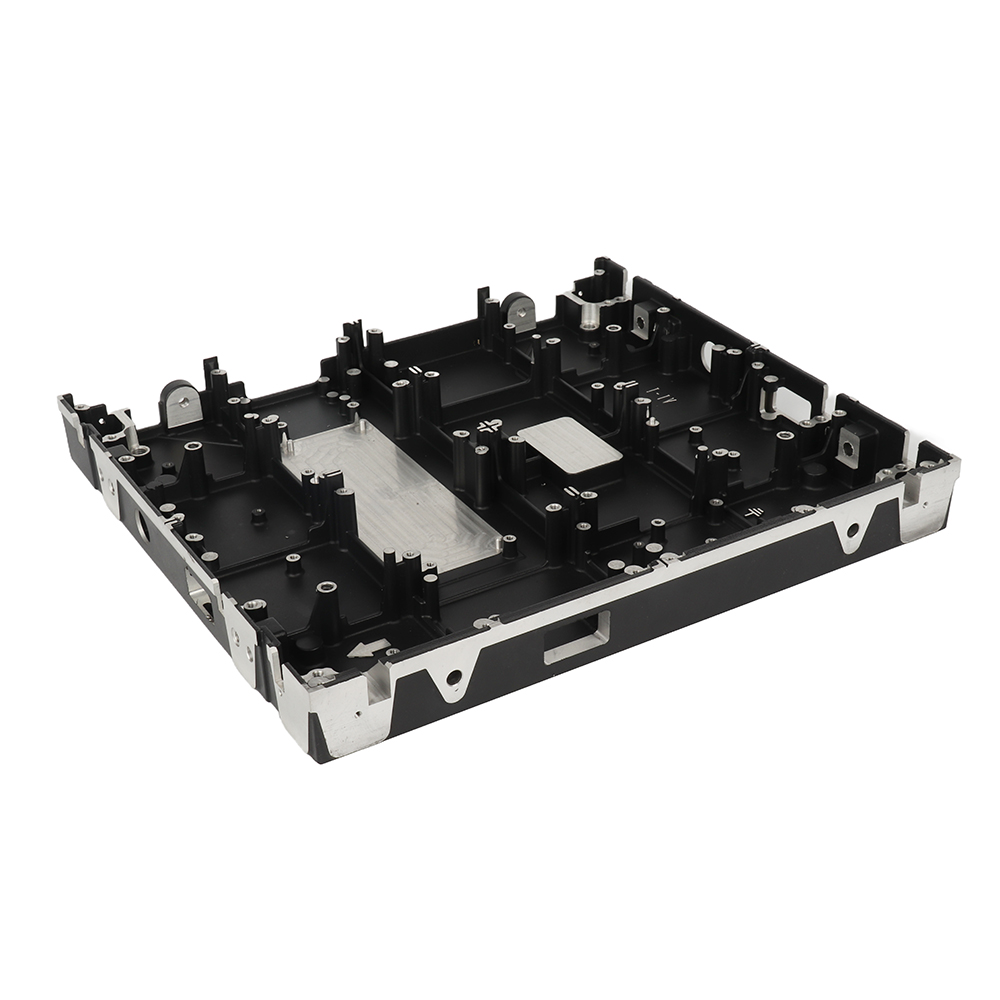
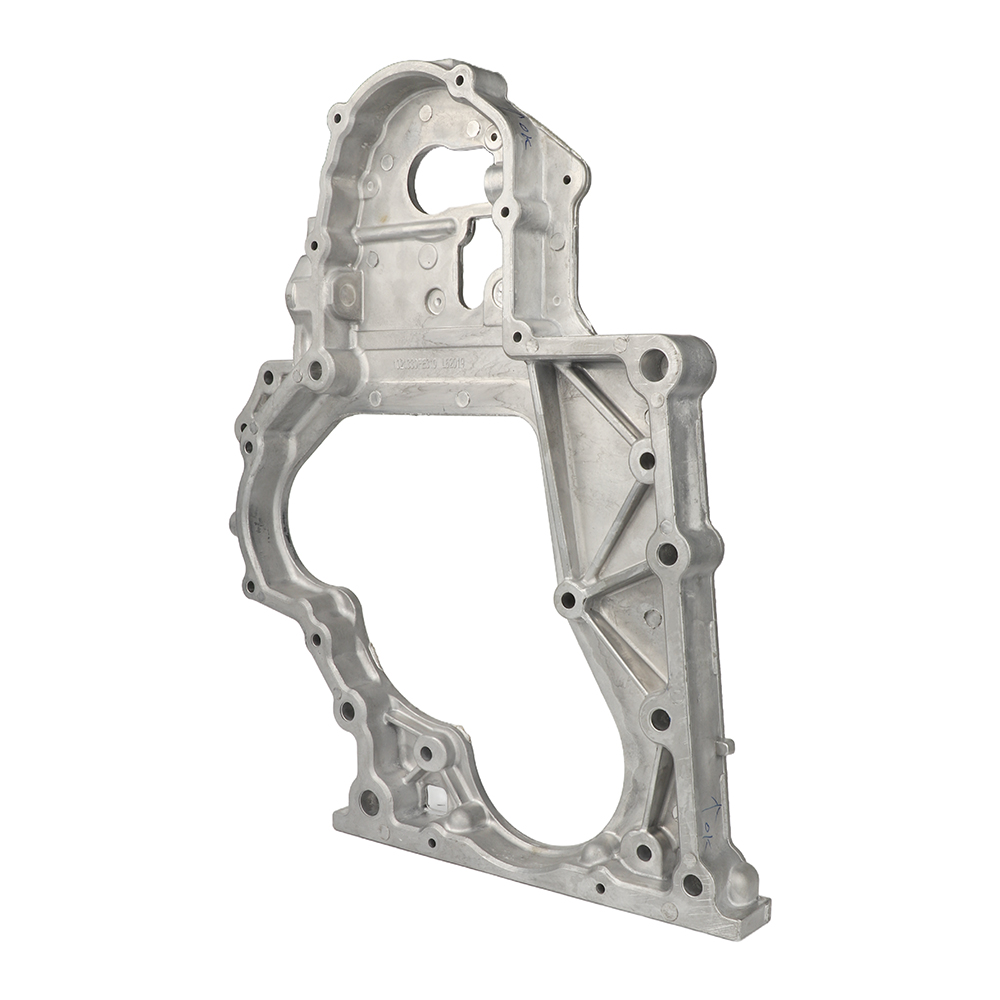
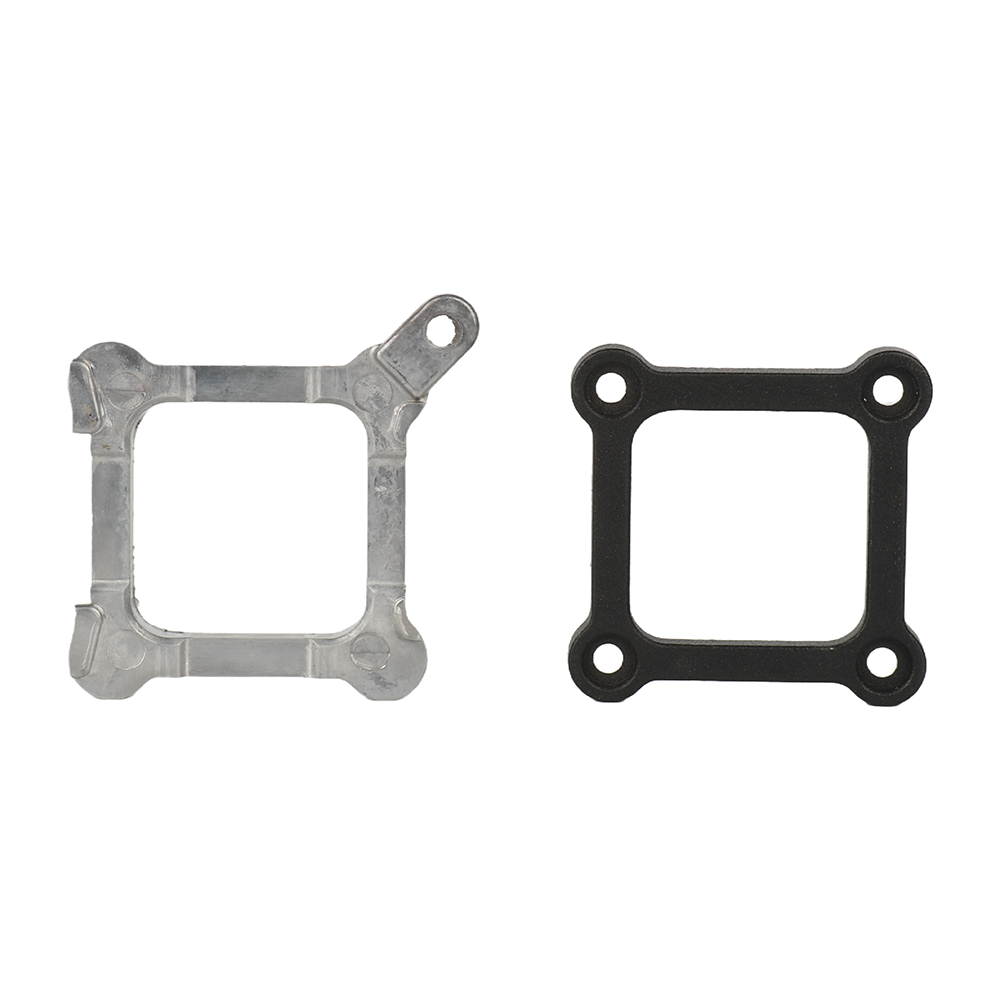
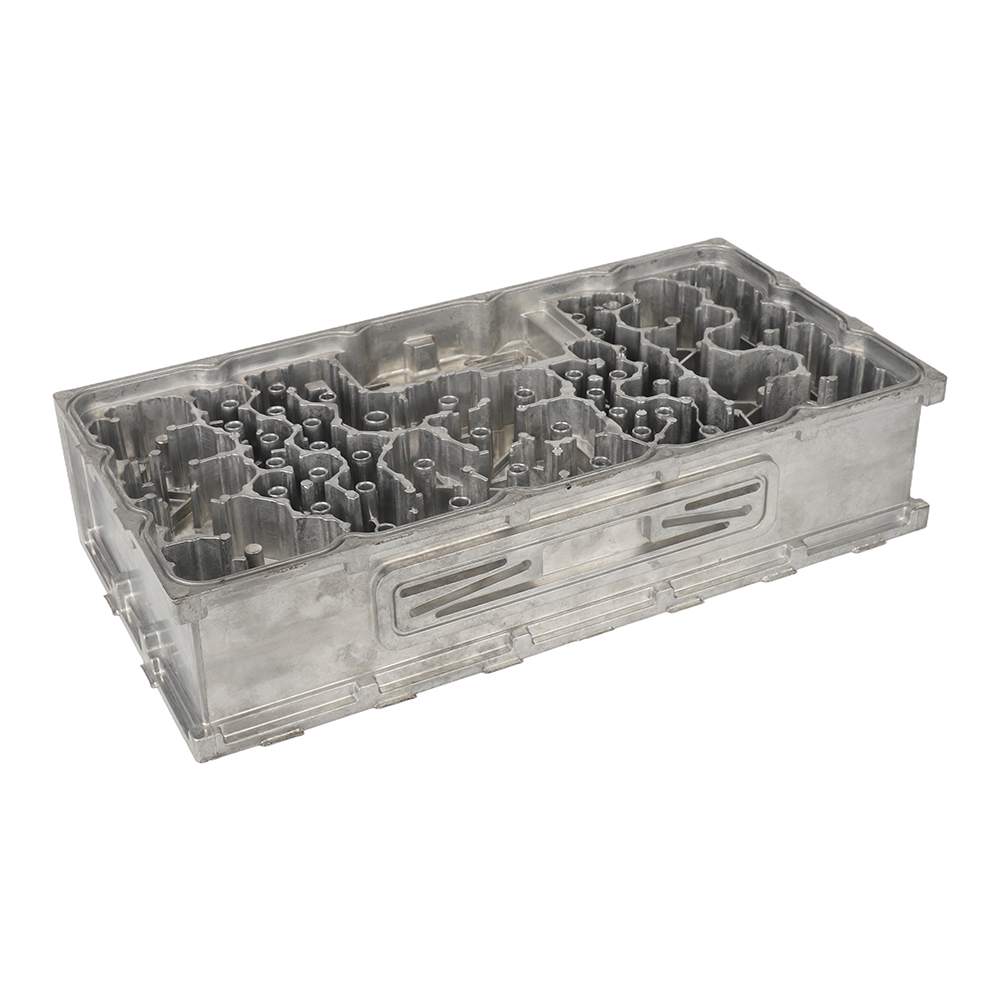
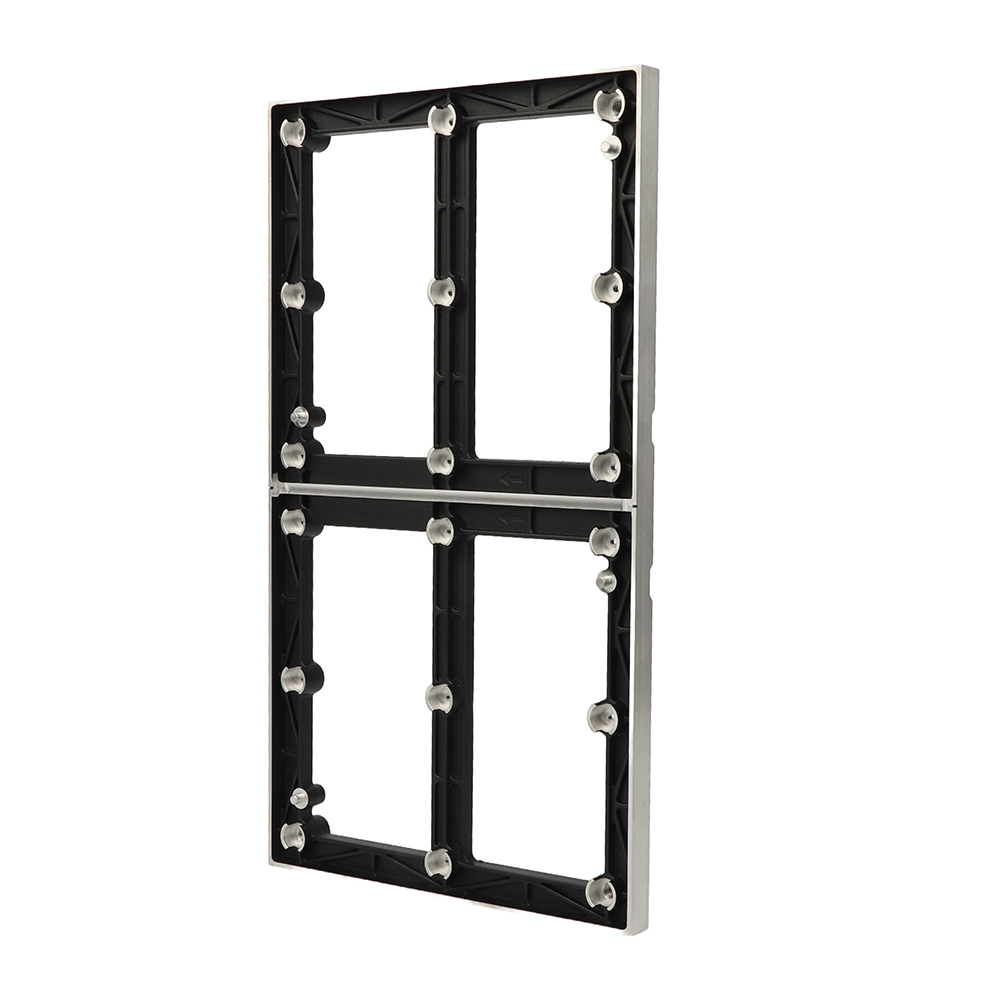
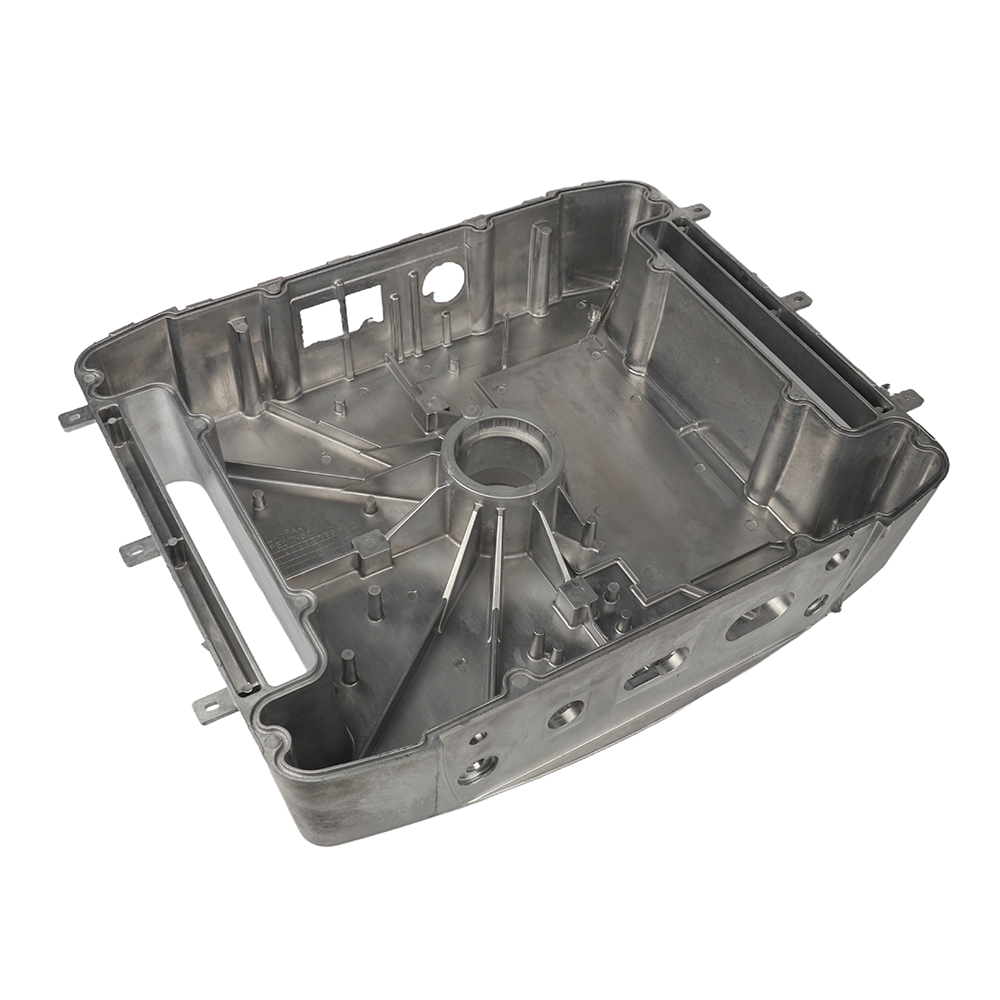
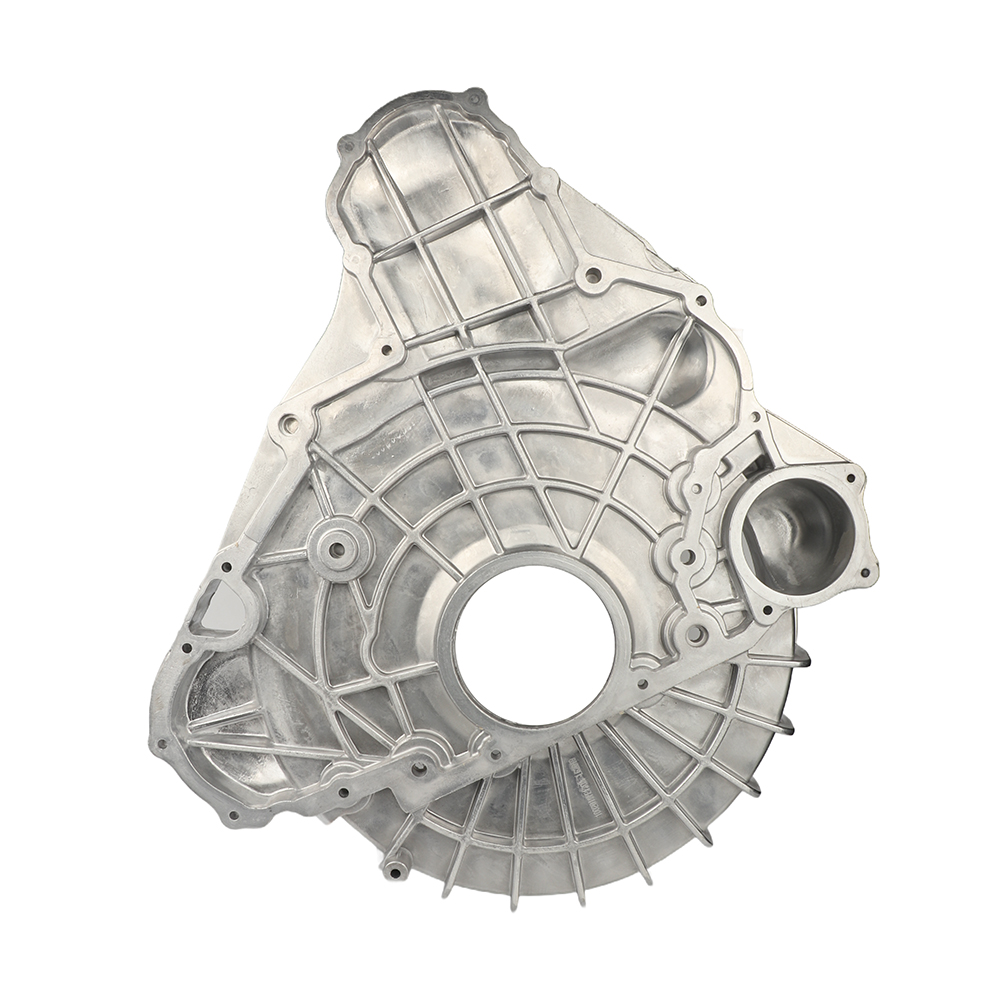
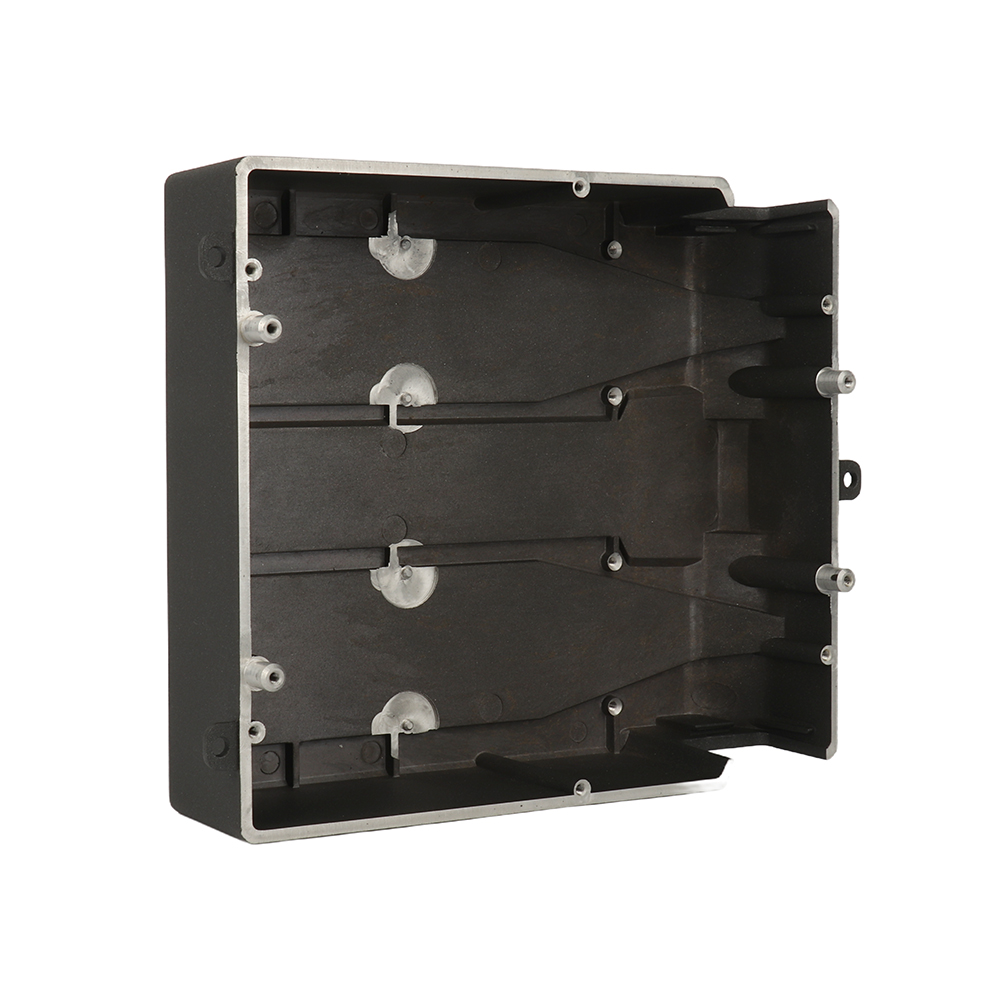
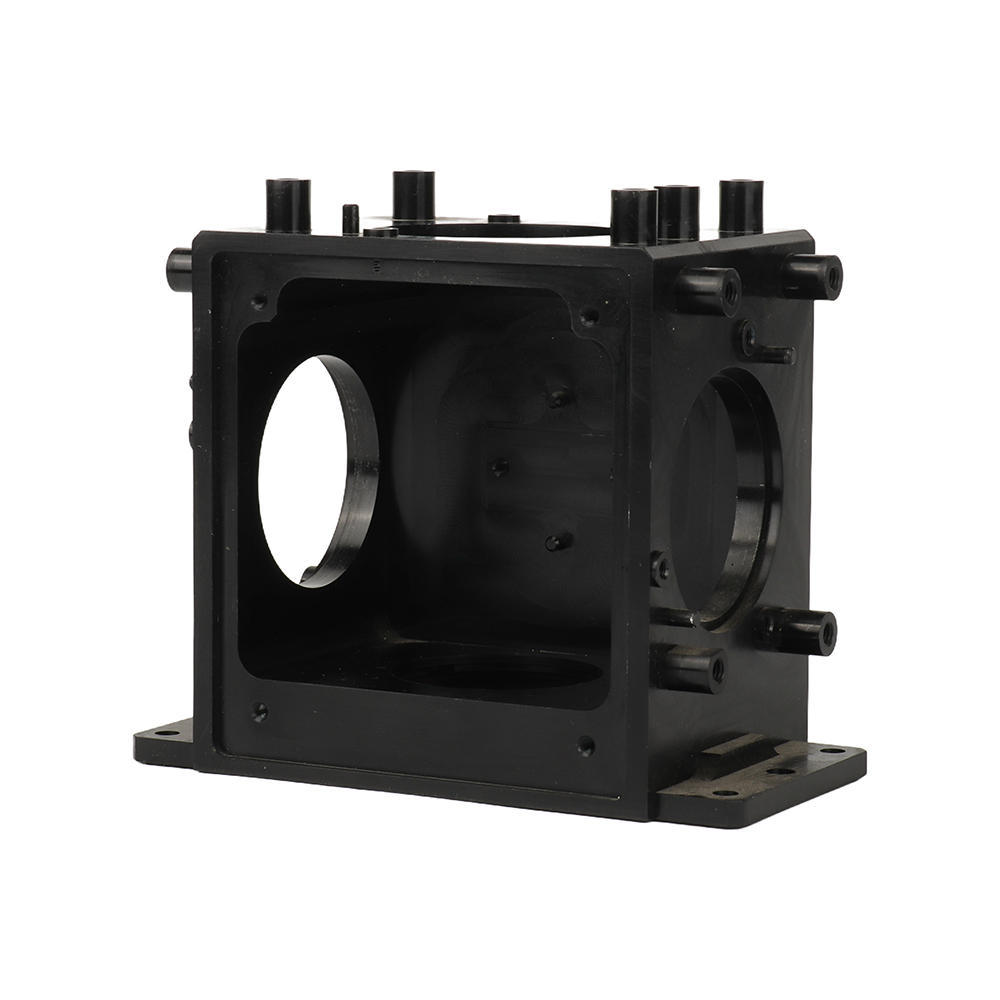
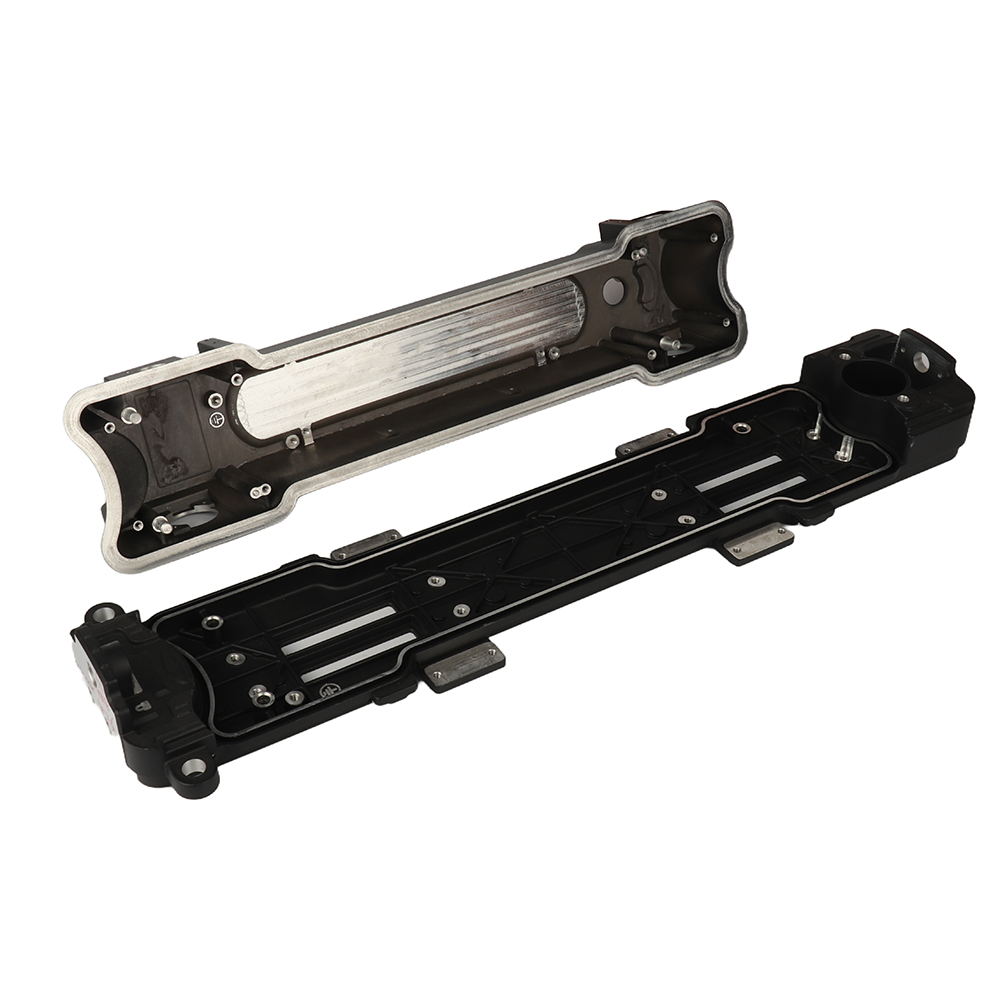
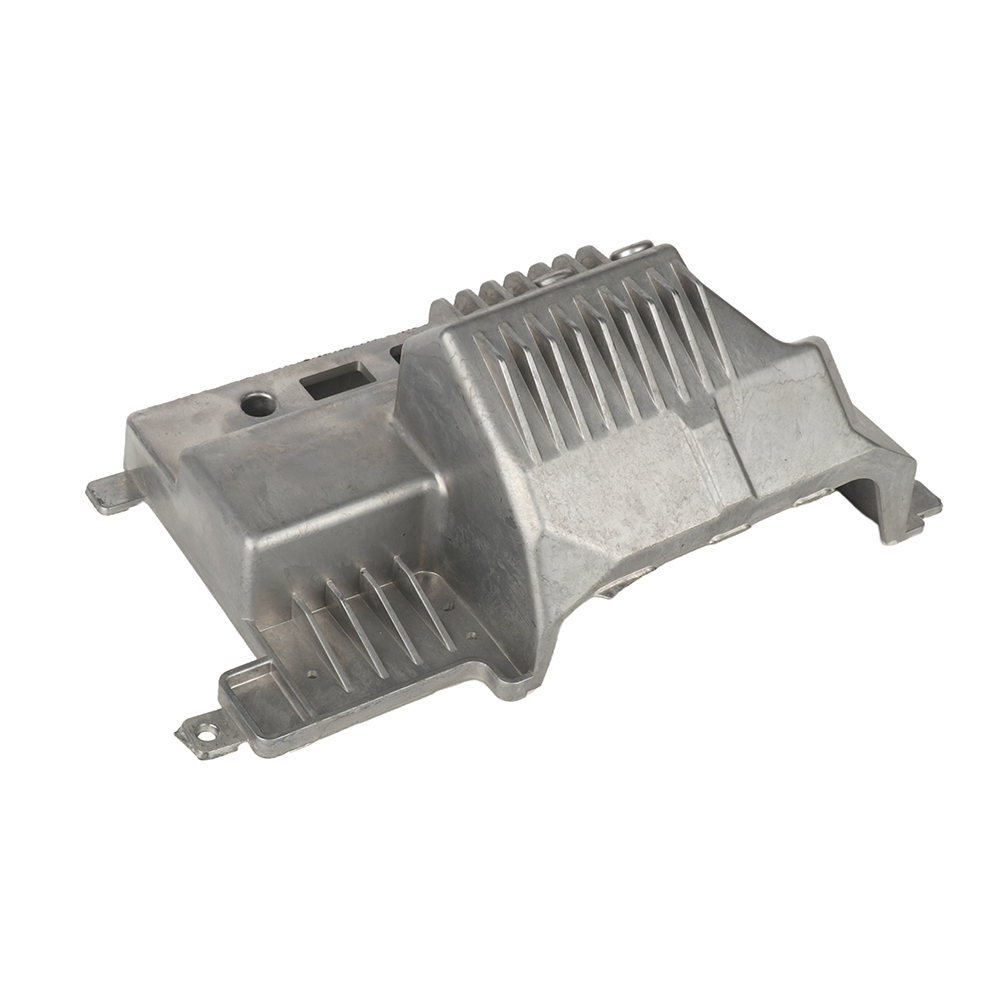
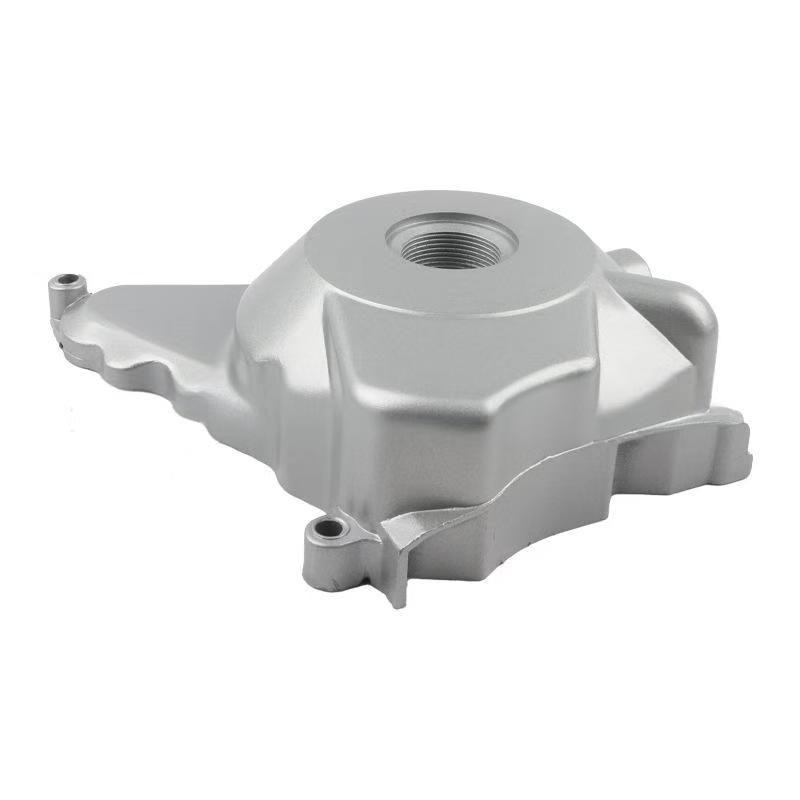
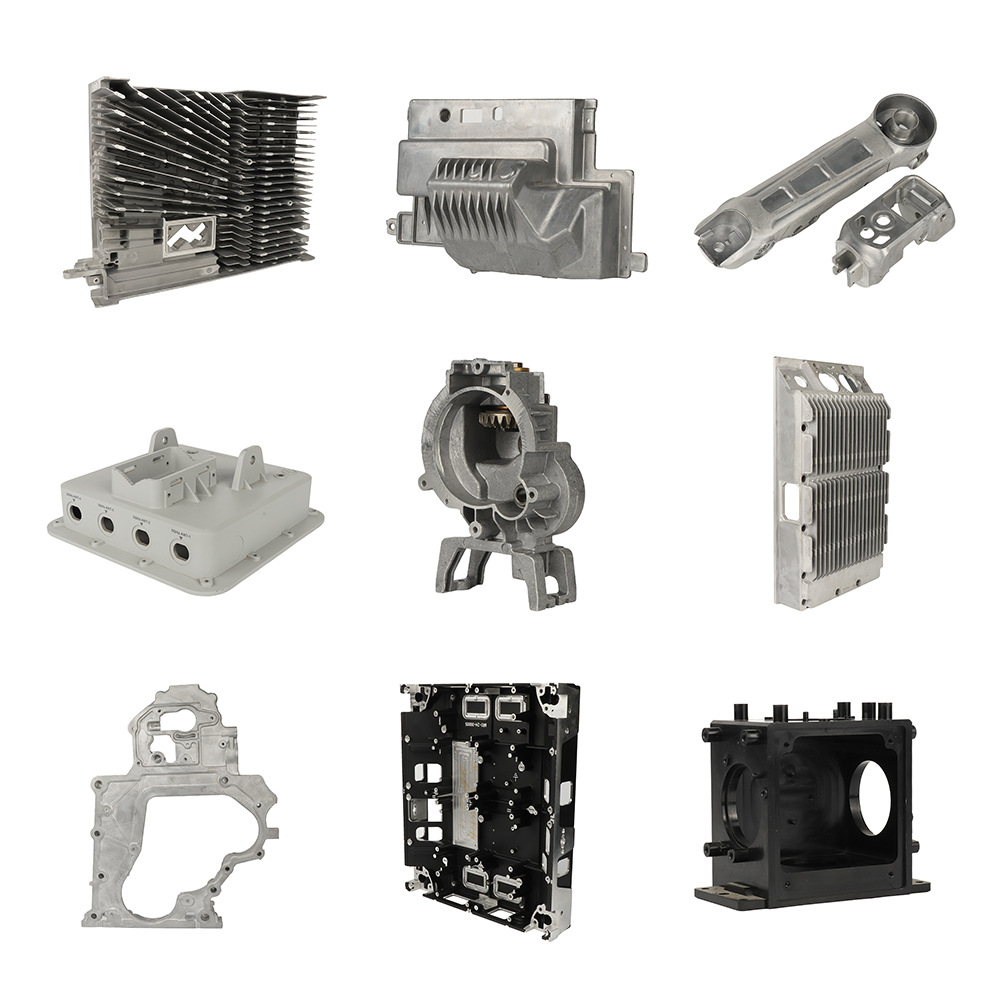
A casting housing is a structural enclosure manufactured through casting technology, where molten materials—typically metals like aluminum, zinc, or steel—are poured or injected into a precision mold to form a specific shape tailored to its application. Unlike fabricated enclosures (assembled from multiple parts), casting housings are produced as a single, integrated piece, offering superior structural integrity, customization, and adaptability to complex designs.
While casting housings are used across industries—from automotive and aerospace to industrial machinery—this blog focuses on their critical role in power controllers. As the "protective backbone" of power controllers (the core component that regulates electrical power flow, voltage, and current for devices and systems), casting housings are not just enclosures—they are essential to the performance, safety, and longevity of power control equipment.

2. Casting Housing for Power Controllers: Core Definition & Significance
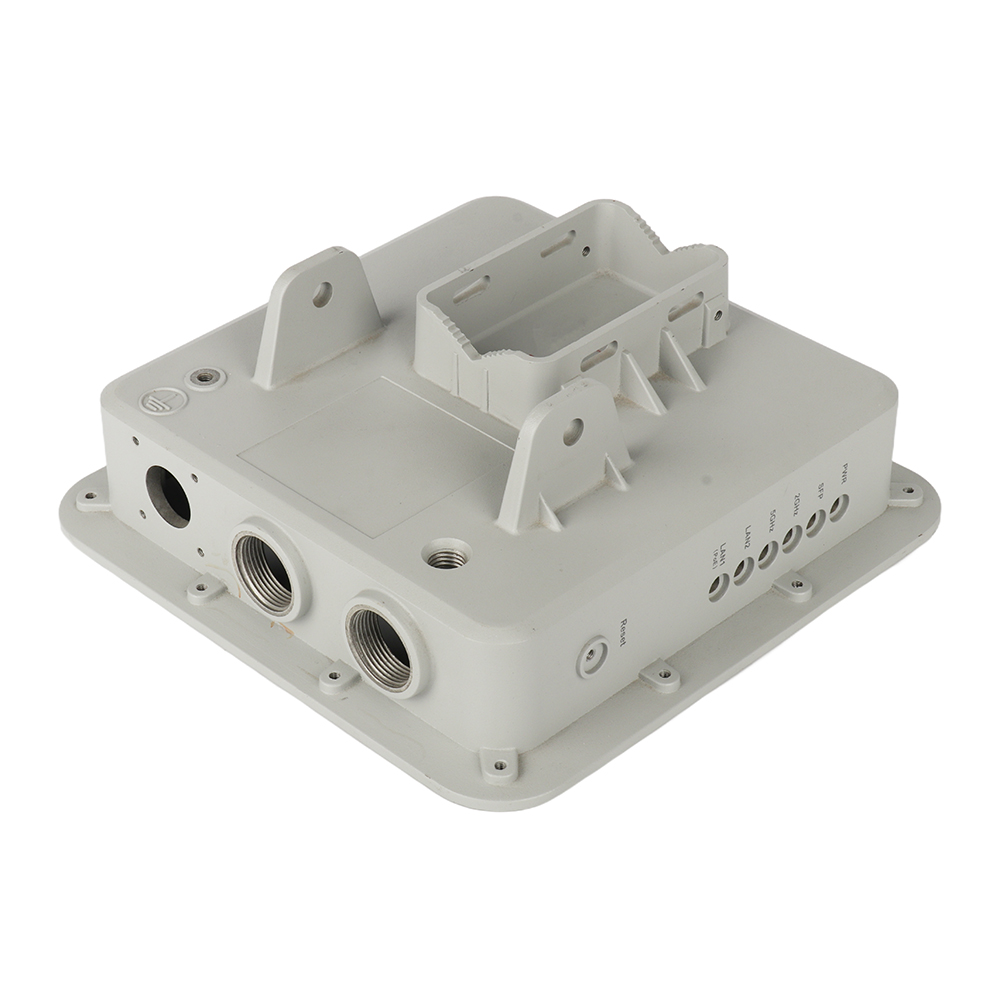
A power controller casting housing is a specialized enclosure designed specifically to house power controller components, including circuit boards, capacitors, relays, and wiring. It is manufactured via die casting (the most common process for power controller applications) to meet the strict requirements of electrical equipment—such as insulation, heat dissipation, and resistance to environmental stress.
Power controllers are vital in countless systems: from industrial automation and renewable energy (solar/wind power) to electric vehicles (EVs) and household appliances. Their casting housings serve as the first line of defense, ensuring the controller operates reliably in harsh conditions—high temperatures, humidity, vibration, and electrical interference. Without a high-quality casting housing, power controllers are prone to damage, malfunction, and even safety hazards (e.g., short circuits, overheating).
3. Key Focus & Functions of Power Controller Casting Housings
3.1 Core Focus of Power Controller Casting Housings
The design and manufacturing of power controller casting housings focus on three non-negotiable priorities, all tied to the performance of the power controller itself:
- Precision Fit: Ensuring a tight, seamless fit for internal power controller components to prevent movement, reduce vibration, and maintain electrical connections.
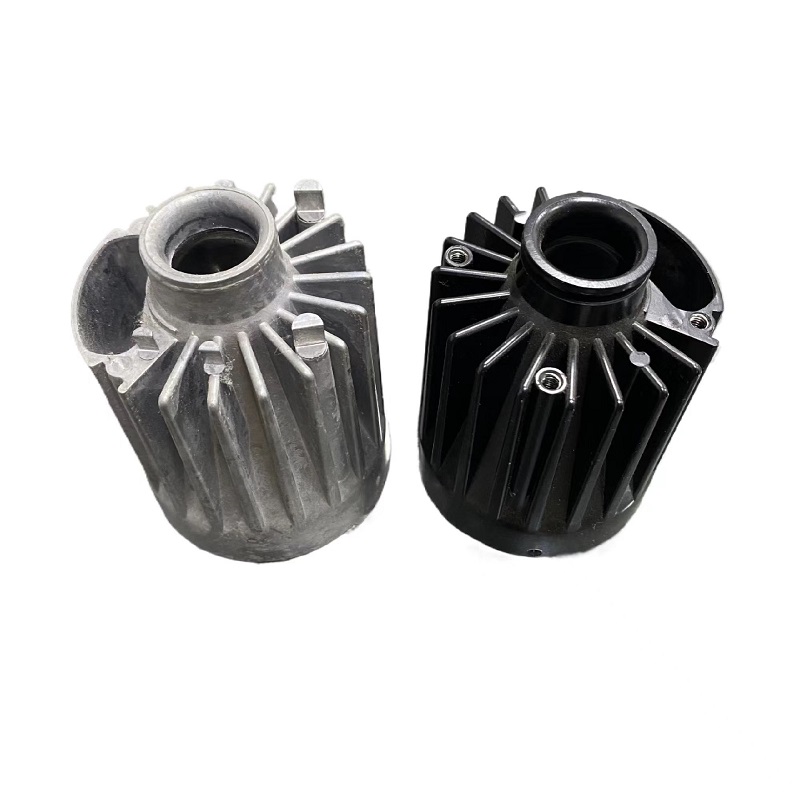
- Thermal Management: Efficiently dissipating heat generated by power controllers to protect internal components and extend lifespan.
- Electrical Insulation & Safety: Preventing electrical leakage and complying with industry safety standards to avoid electric shock and equipment damage.
3.2 Essential Functions of Power Controller Casting Housings
Beyond their core focus areas, power controller casting housings perform five critical functions that directly impact the reliability of power controllers:
3.2.1 Protection Against Environmental Hazards
They shield internal power controller components from dust, moisture, chemicals, and physical impact, ensuring stable operation in industrial or outdoor environments.
3.2.2 Vibration Damping
The rigid, one-piece structure absorbs and dampens vibration, preventing damage to sensitive electrical components in vehicles and industrial equipment.
3.2.3 Electrical Shielding
They block electromagnetic interference (EMI), ensuring stable operation of precision systems like medical equipment and aerospace technology.
3.2.4 Structural Support
Provides a stable mounting framework and evenly distributes weight, ensuring long-term durability under mechanical stress.
3.2.5 Aesthetic & Regulatory Compliance
Meets industry standards (IP67, UL) and delivers a professional appearance, essential for commercial and industrial applications.
4. General Power Controller Parameters (Reference Table)
Below is a reference table of common parameters for general power controllers—parameters that directly influence the design of their casting housings:
| Parameter Type | Specification Range | Description | Impact on Casting Housing Design |
|---|---|---|---|
| Input Voltage | 110V AC ~ 480V AC (Single/Three-Phase) | Voltage range the power controller can accept | Determines insulation thickness and material selection |
| Output Current | 10A ~ 100A | Maximum current the controller can deliver | Affects heat dissipation design (larger current = more heat) |
| Operating Temperature | -40°C ~ +85°C | Temperature range the controller can operate in | Influences material choice (high-temperature resistant alloys) |
| Control Method | Phase Control, Cycle Control, PID Control | Method used to regulate power output | Determines internal component layout and housing size |
| Protection Rating (IP) | IP54 ~ IP67 | Level of protection against dust and moisture | Affects housing sealing design and mold precision |
| Dimensions (L×W×H) | 100mm×80mm×50mm ~ 300mm×200mm×150mm | Physical size of the power controller | Directly defines the casting housing’s size and shape |
5. Advantages of Die-Cast Housings for Power Controllers
Die casting is the preferred manufacturing process for power controller housings, offering distinct advantages over other methods (e.g., plastic molding, sheet metal fabrication):
5.1 Superior Heat Dissipation
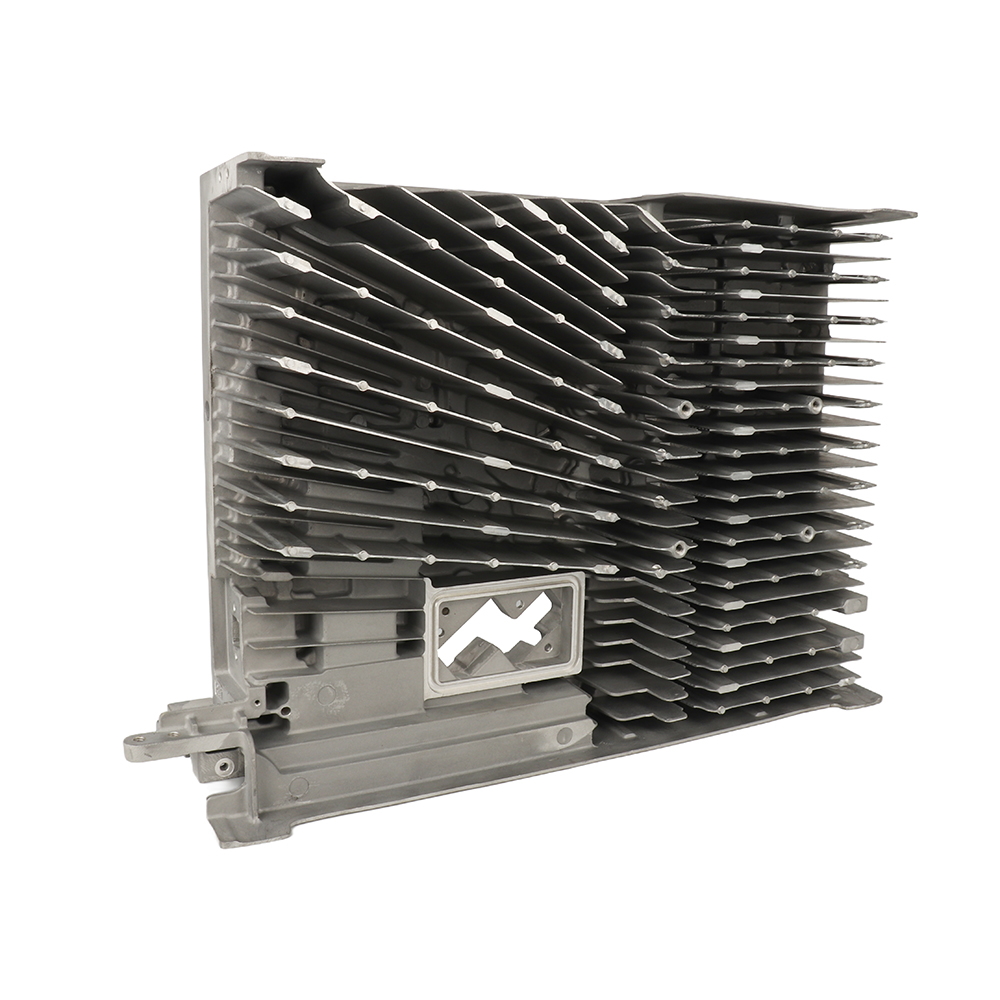
Aluminum die-cast housings dissipate heat 3–5 times faster than plastic, preventing overheating and extending component life—critical for high-current industrial and EV applications.
5.2 High Structural Integrity & Durability
Single-piece seamless design eliminates weak points, with high tensile strength (200–300 MPa) and resistance to impact, vibration, and corrosion.
5.3 Precision & Customization
Tight tolerances (±0.05mm–±0.1mm) and complex integrated designs (heat sinks, mounting brackets) ensure perfect fit and reduce secondary processing.
5.4 Cost-Effective for Mass Production
Short production cycles and low material waste, plus recycled aluminum reducing raw material costs by 30–40%.
5.5 Excellent Electrical Insulation (With Proper Treatment)
Insulation coatings (powder coating, anodizing) combine metal durability with electrical safety, superior to plastic or uncoated metal.
6. Expert Insights on Power Controller Casting Housings
6.1 Michael Brown, Senior Power Electronics Engineer (25+ Years)
“In power controller design, the casting housing is just as critical as internal circuitry. Die-cast aluminum housings solve overheating, vibration, and insulation issues, extending service life 2–3 times compared to plastic or sheet metal. For high-performance EV and industrial controllers, it’s a necessity.”
6.2 Lisa Wang, Die Casting Manufacturing Specialist (18+ Years)
“Die casting delivers precision, durability, and customization for power controller housings. We integrate heat sinks and mounting features directly into the mold, reducing assembly time. As controllers become smaller and more powerful, die casting is the only efficient solution for high-heat, complex designs.”
7. FAQ: Common Questions About Power Controller Casting Housings
Q1: What material is best for power controller casting housings?
A1: Aluminum die-cast alloys (ADC12, A380) are ideal for thermal conductivity, durability, and cost. Zinc for high-temperature use, magnesium for ultra-lightweight portable devices.
Q2: How does the casting housing affect power controller performance?
A2: It directly impacts heat dissipation, vibration resistance, and electrical safety—all critical for optimal performance and reliability in harsh environments.
Q3: Can die-cast housings be customized?
A3: Yes—full customization for size, shape, heat sinks, wiring channels, and mounting brackets is standard, reducing costs and improving reliability.
Q4: What is the typical lifespan?
A4: 10–15 years with surface treatment (anodizing/powder coating), far longer than plastic (3–5 years).
Q5: Are they compliant with safety standards?
A5: Yes—meets IP, UL, IEC, and automotive standards (UNECE R100) for global commercial and industrial use.
8. Conclusion
A casting housing is far more than a simple enclosure—it is a critical component that defines the performance, safety, and longevity of power controllers. For power controllers (the "brain" of electrical systems), die-cast housings stand out as the optimal choice, offering superior heat dissipation, structural integrity, precision, and cost-effectiveness.
From protecting internal components against environmental hazards to ensuring efficient heat dissipation and electrical safety, power controller casting housings play an indispensable role in countless industries. As power controllers become more advanced—smaller, more powerful, and more versatile—die-cast housings will continue to evolve, meeting the growing demands of modern electrical systems.
Whether you’re a power controller manufacturer, an engineer, or simply interested in electrical components, understanding the importance of casting housings is key to designing and selecting reliable, high-performance power control equipment.
RF cavity filter | What is an aluminium high pressure die casting? Focus on Cavity Filter Applications
Brake pedal | What are aluminium casting companies? A Focus on Brake Pedal Manufacturing
Related Article


