
HOT PRODUCTS
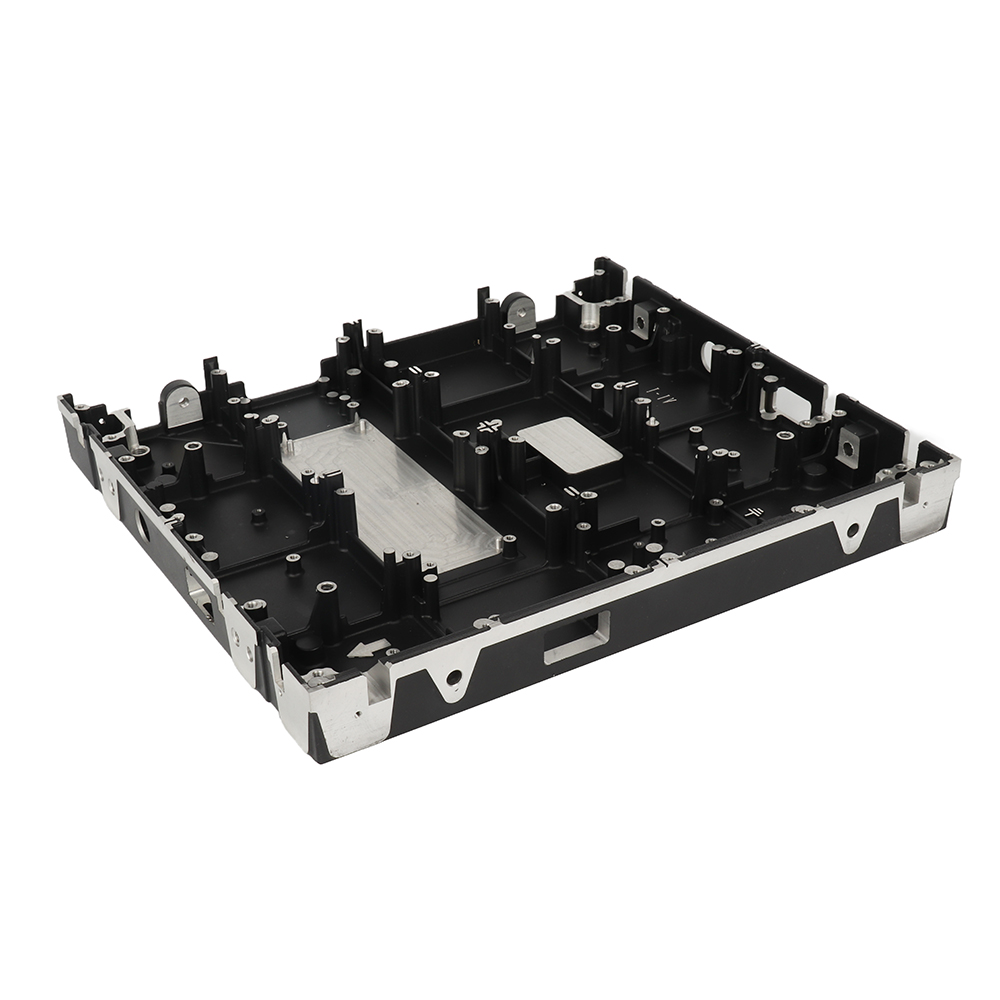
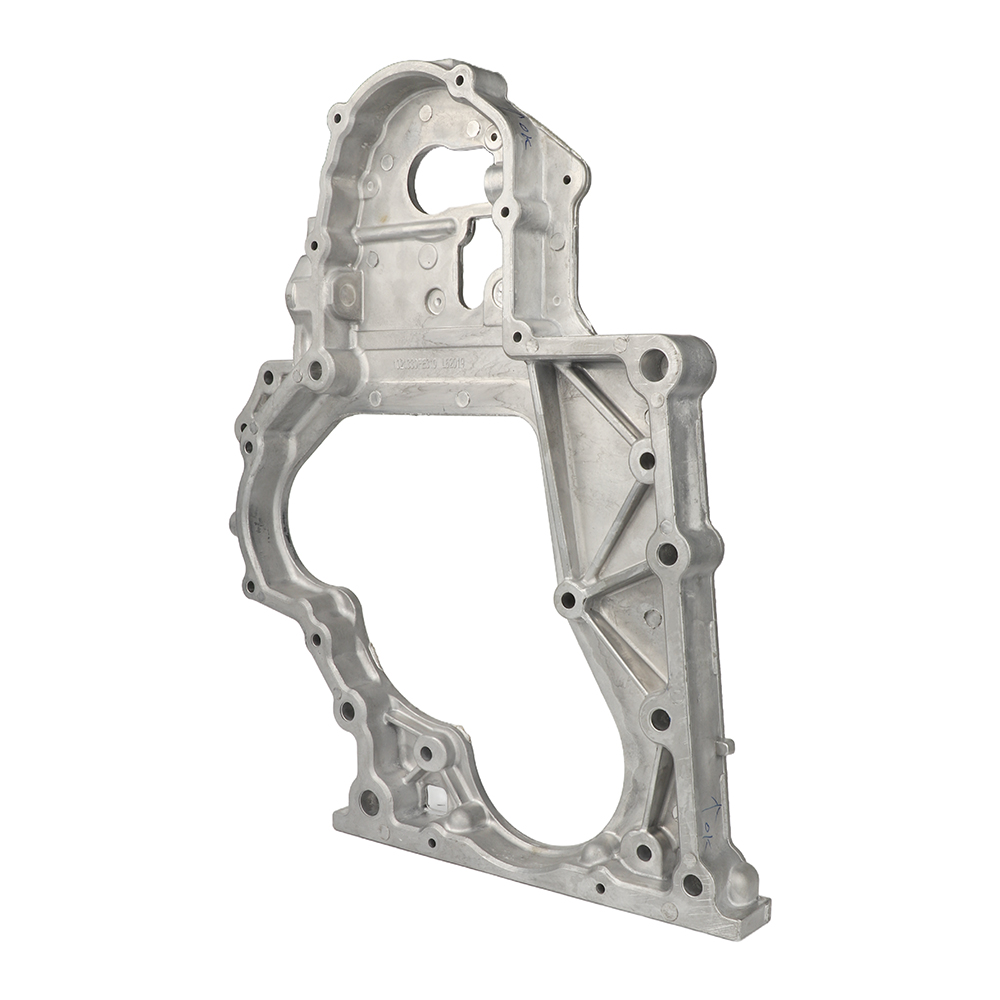
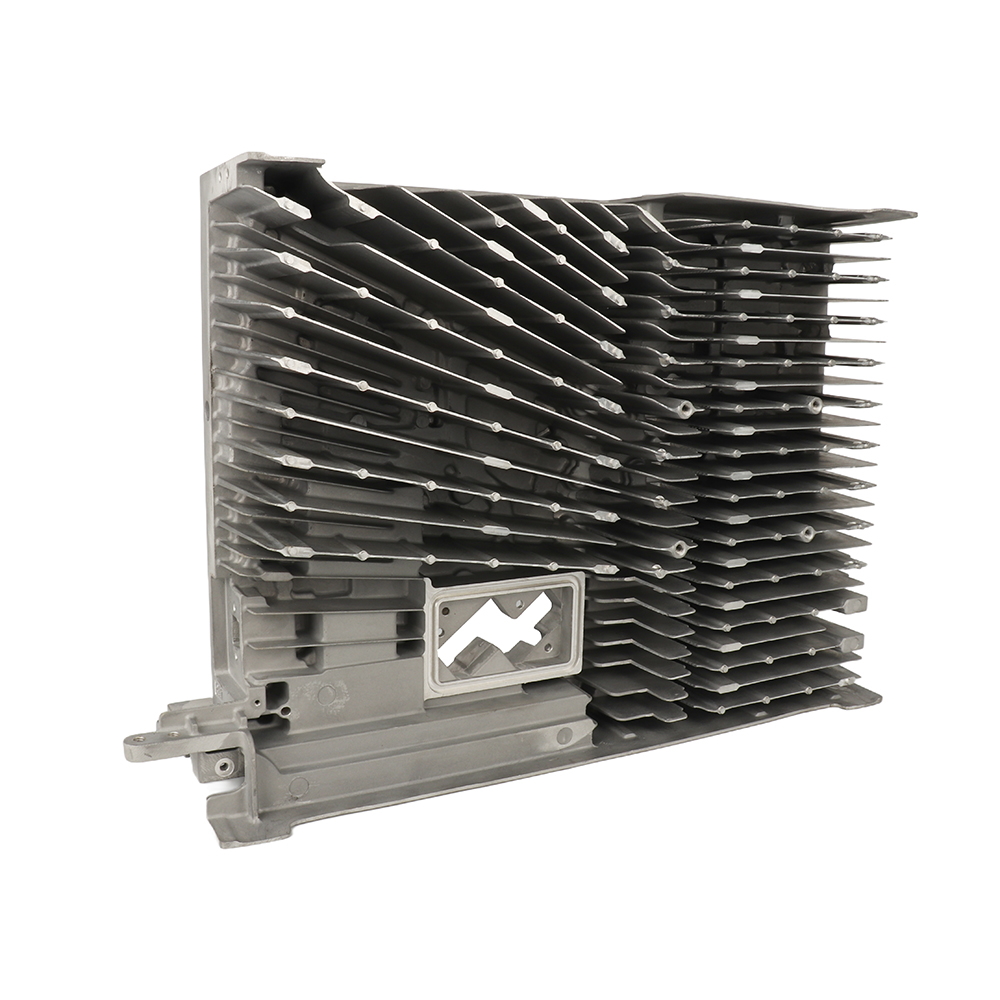
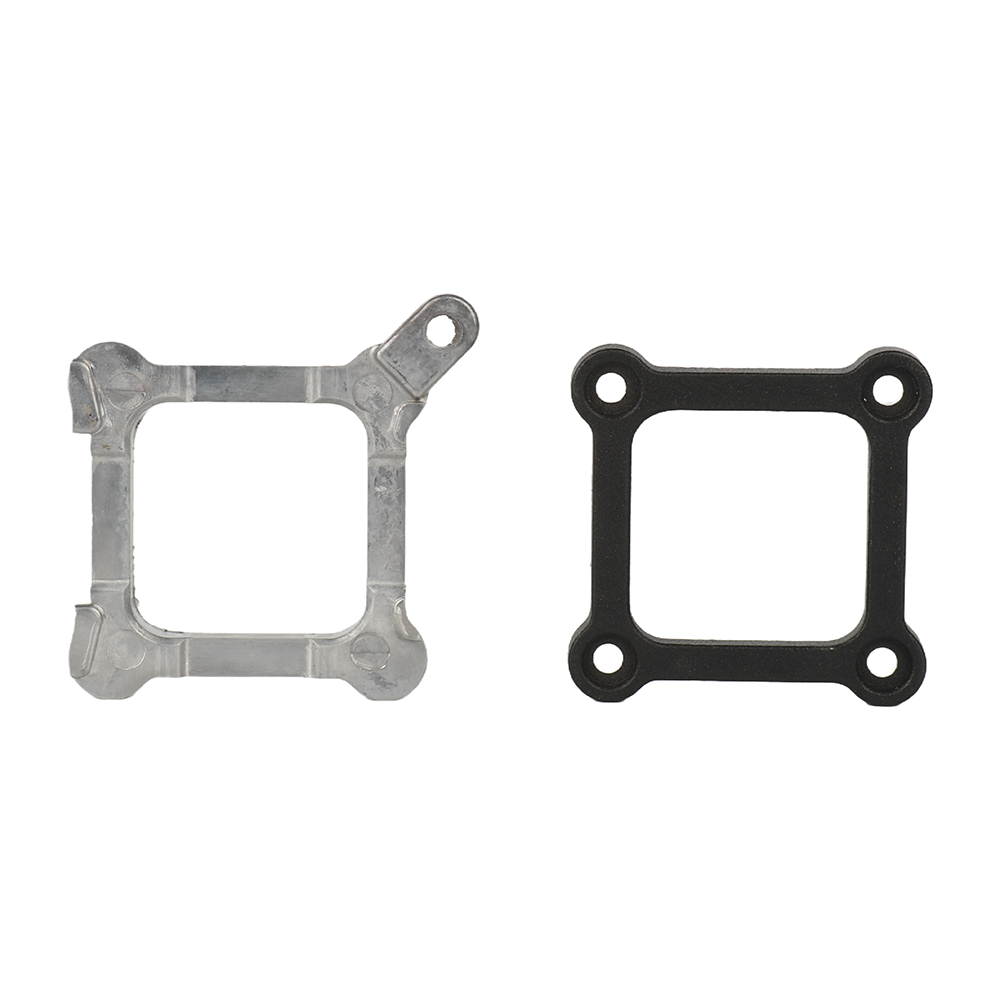
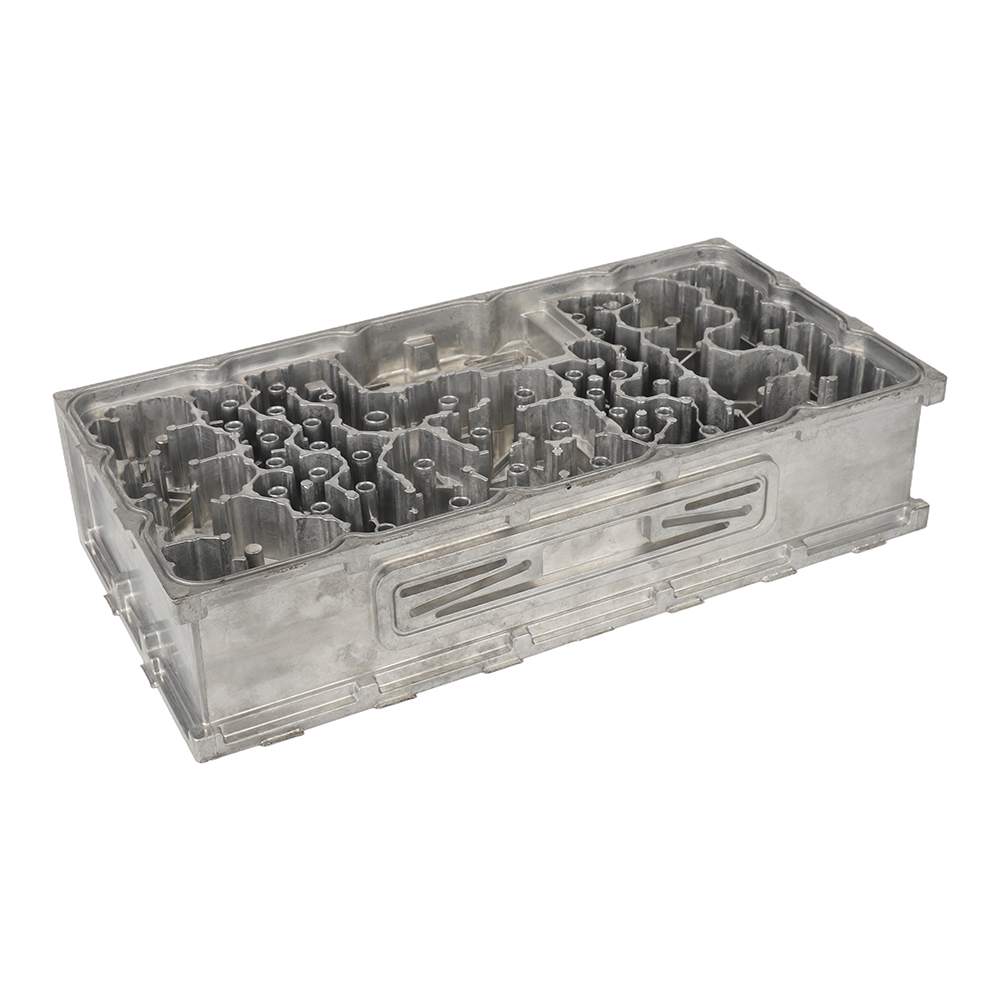
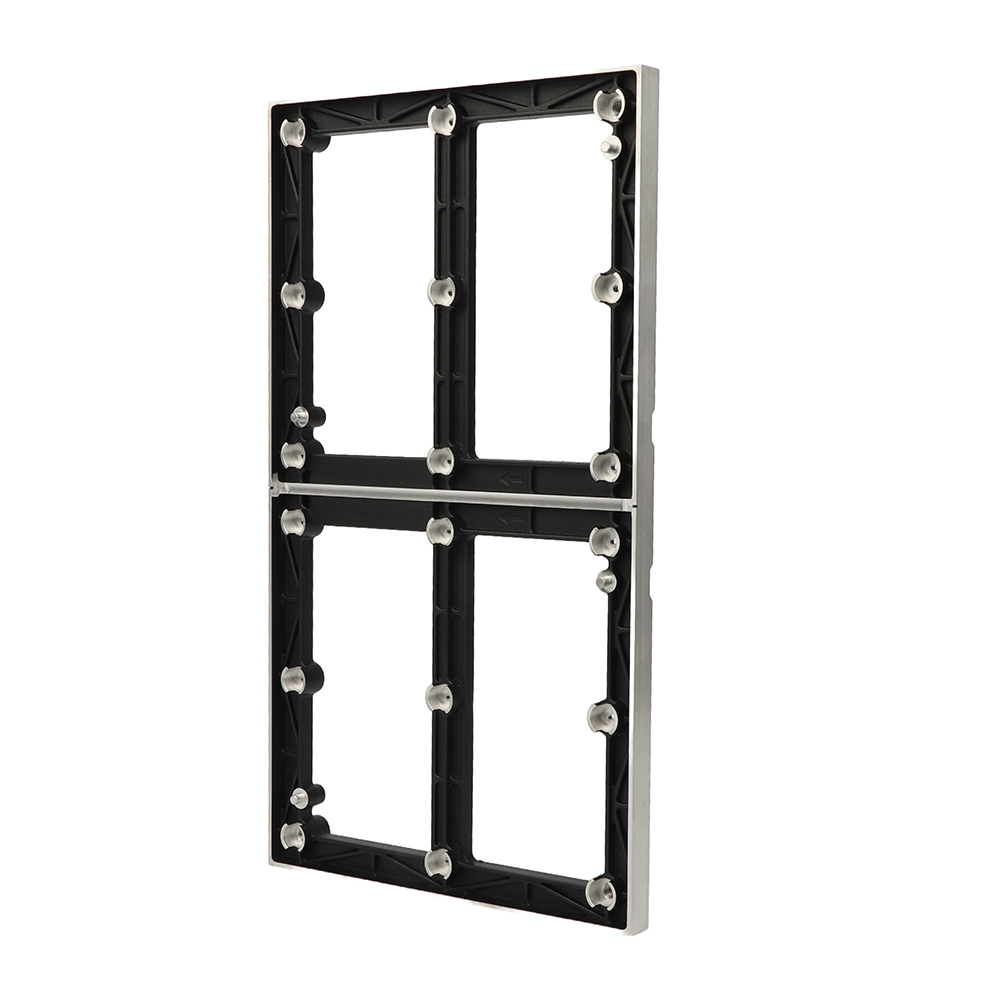
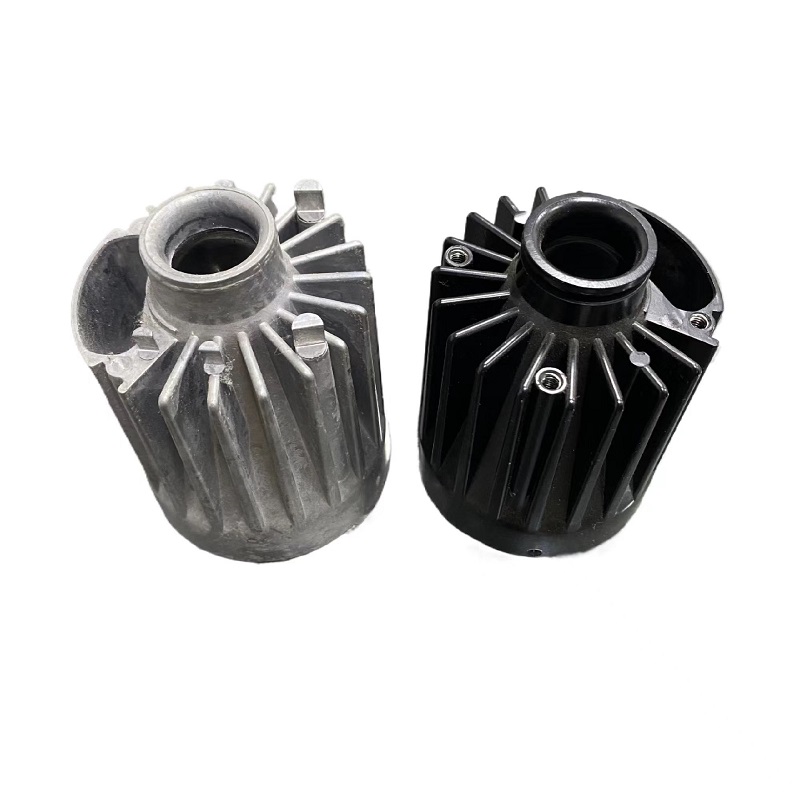
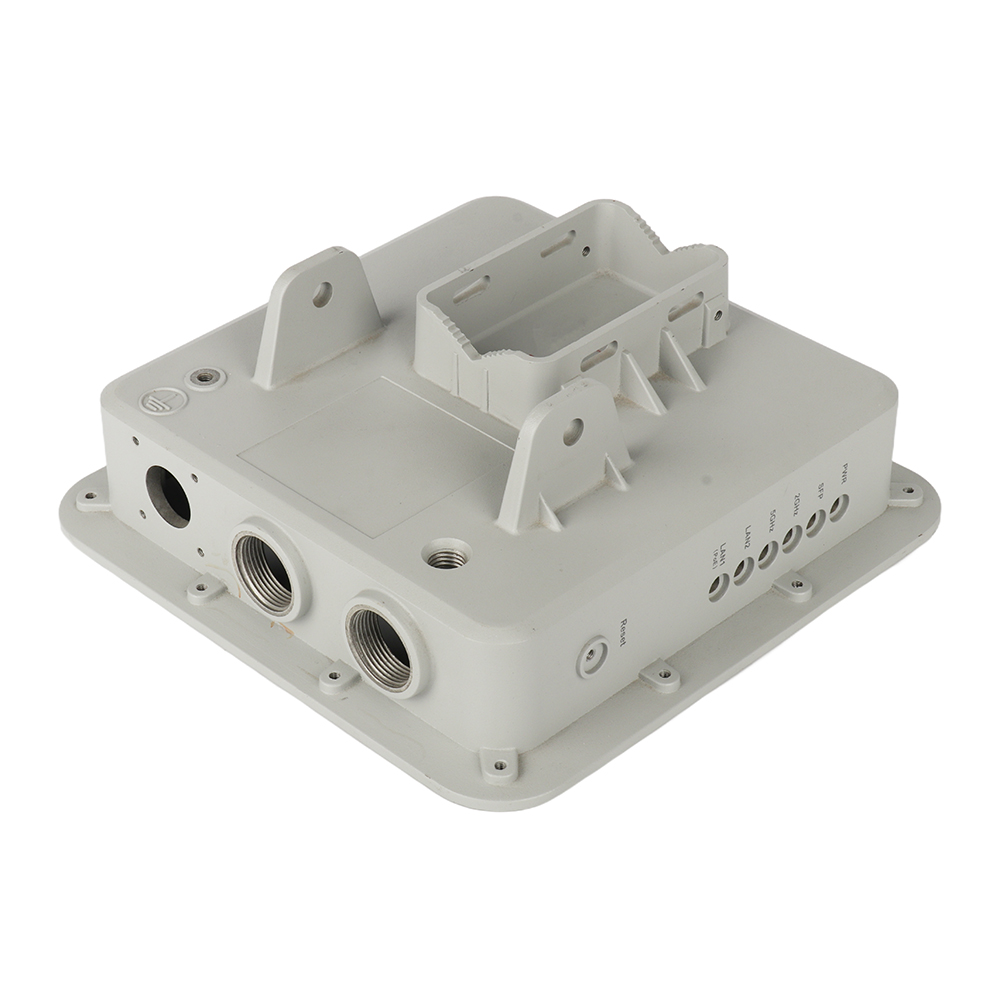
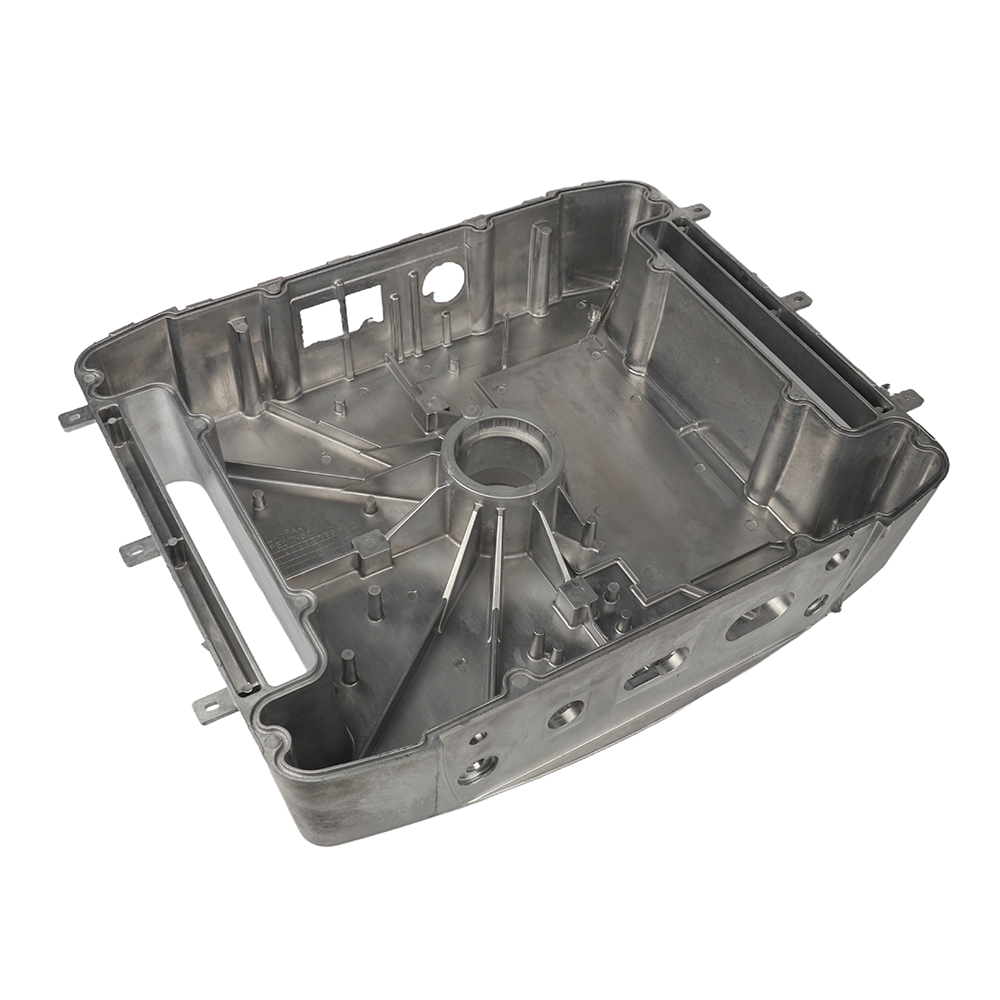
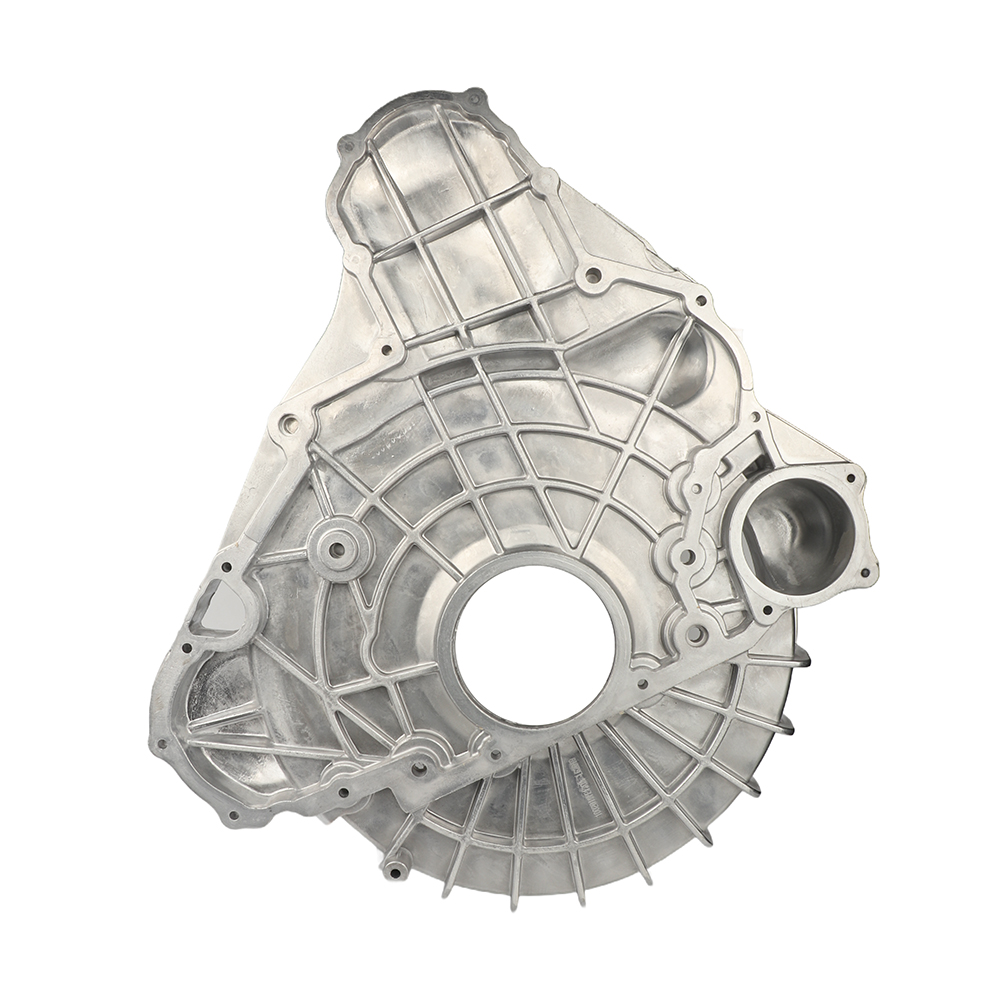
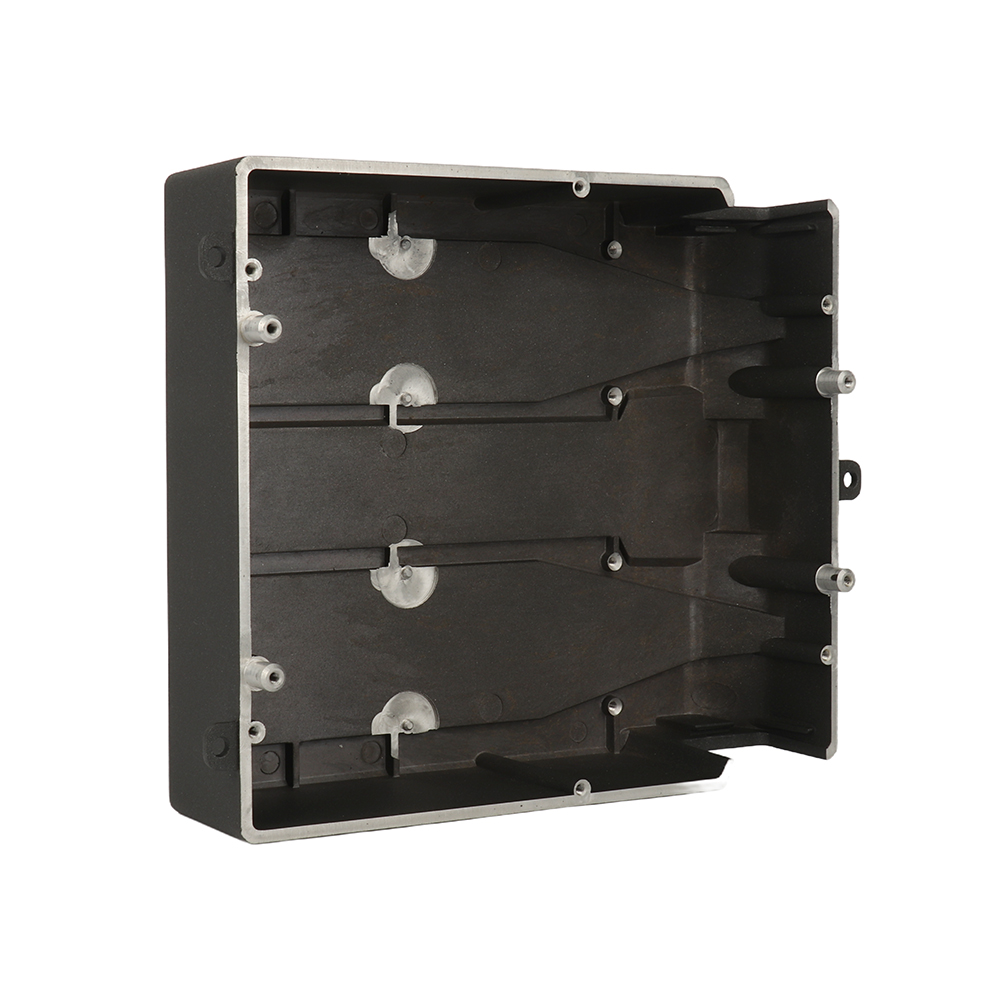
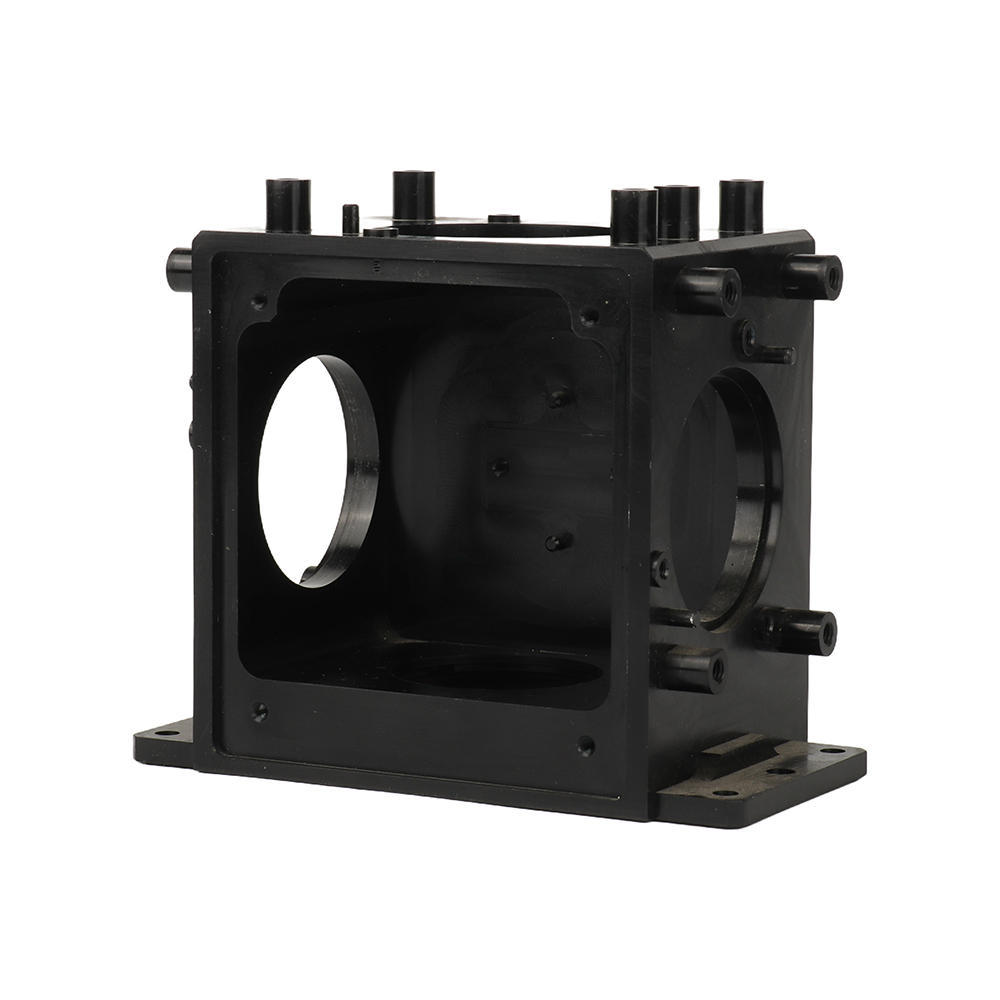
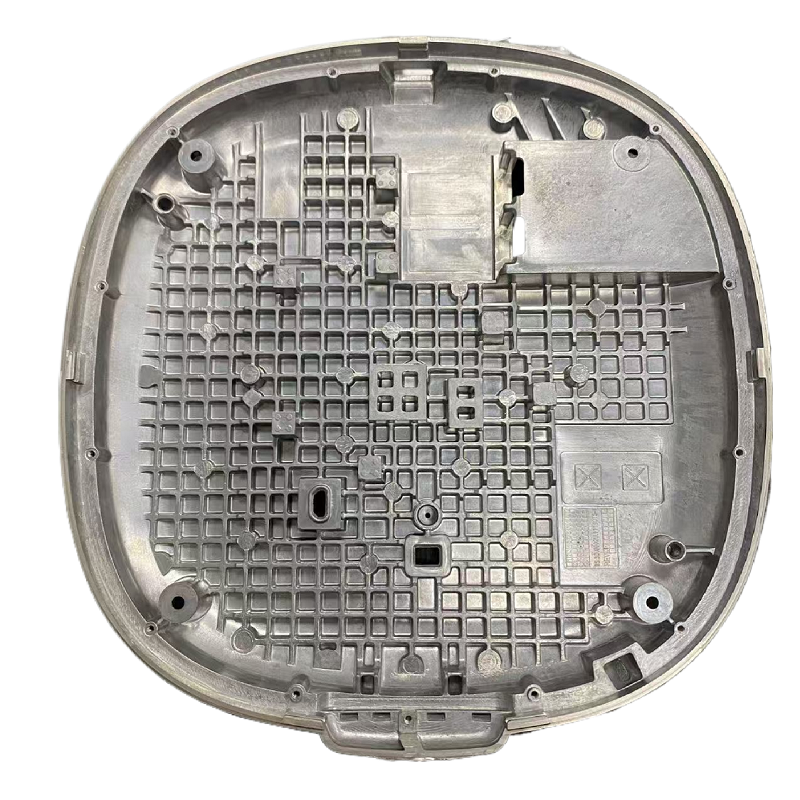
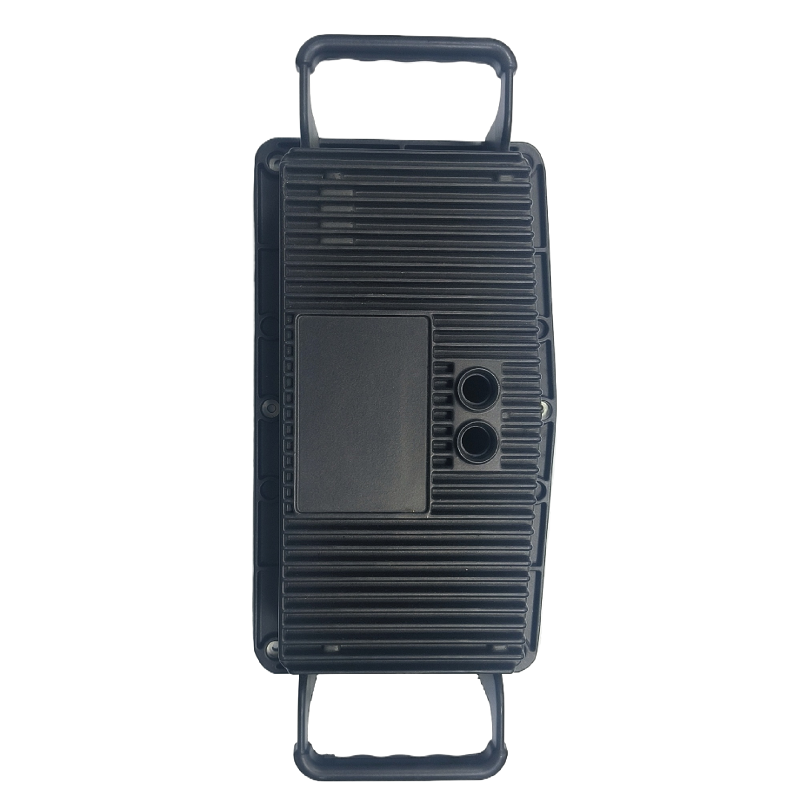
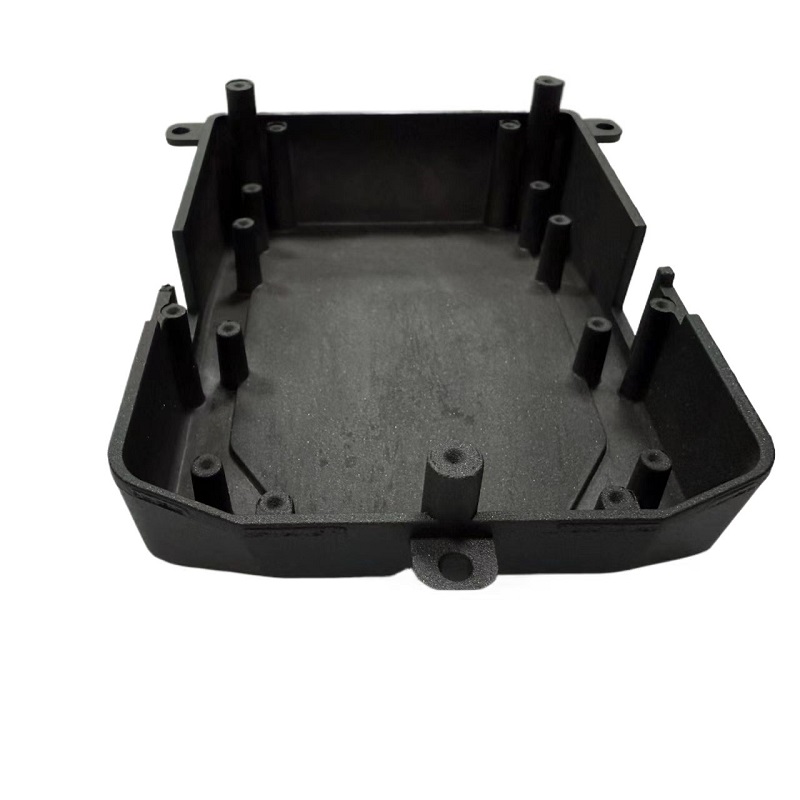
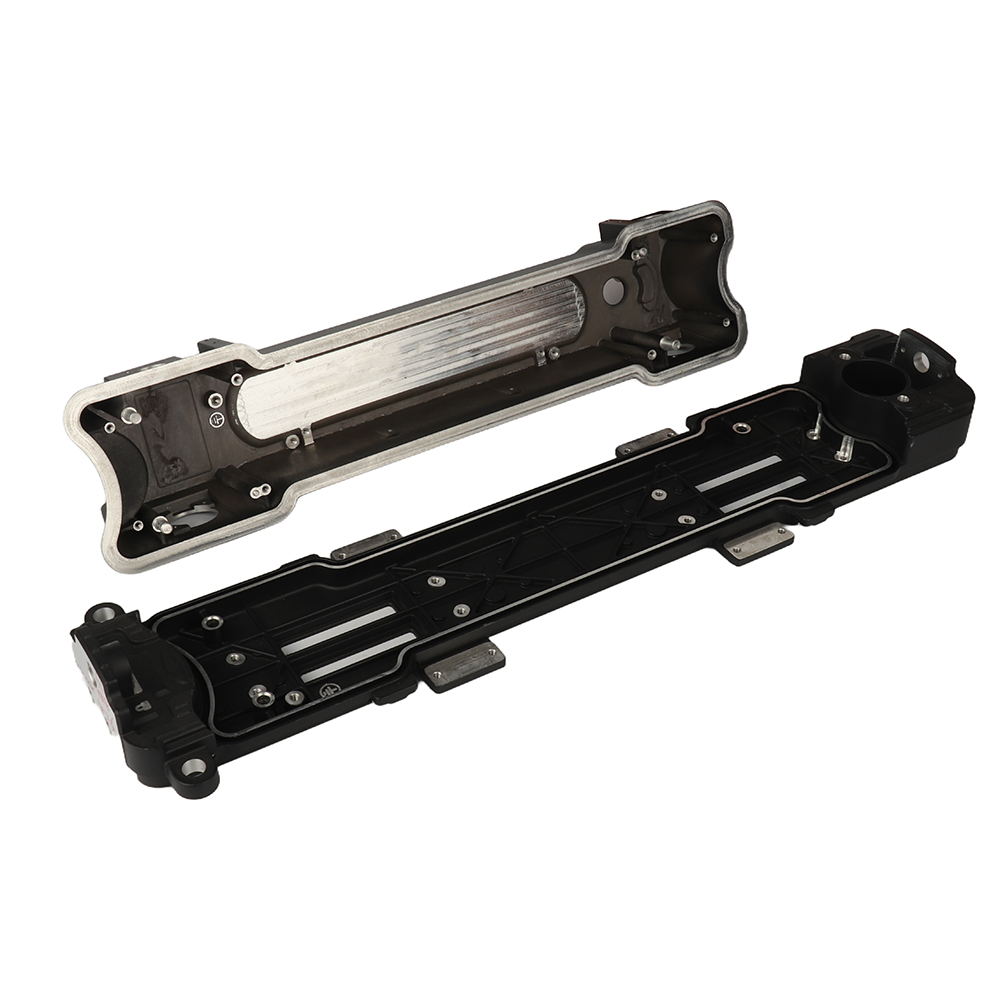
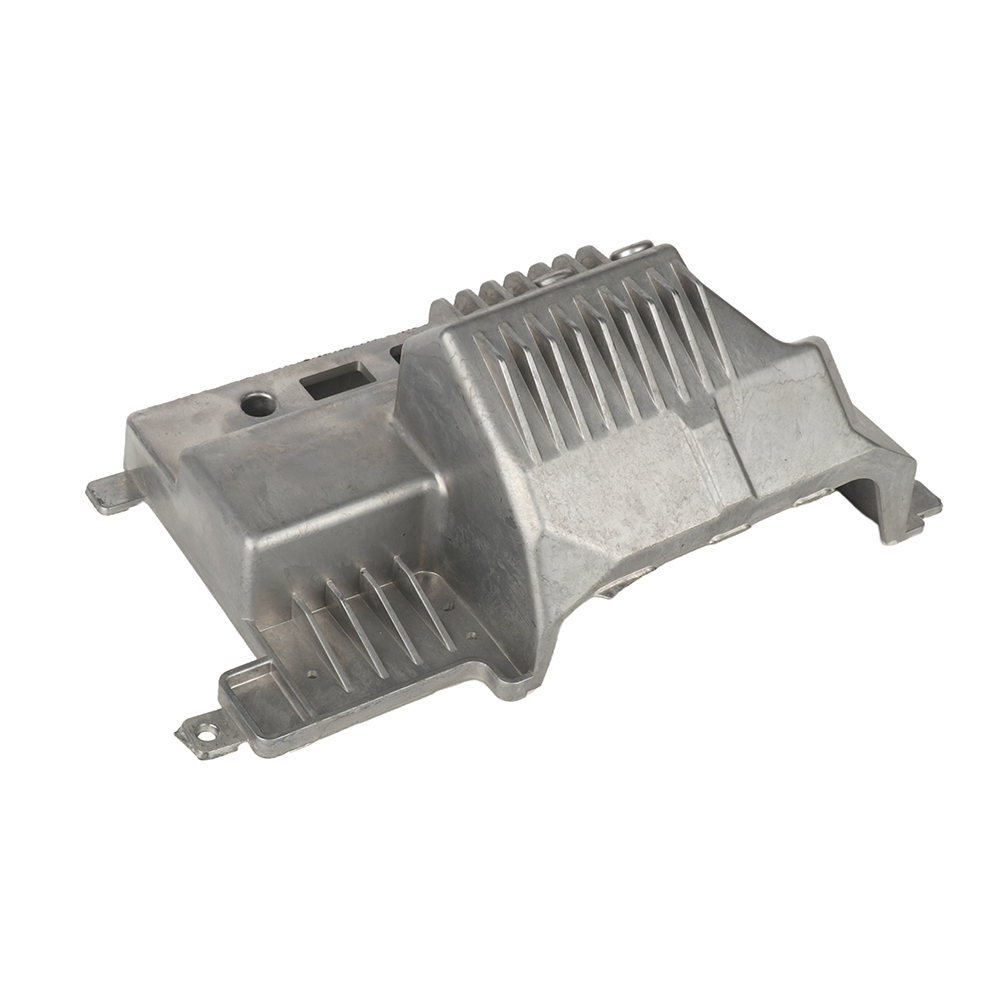
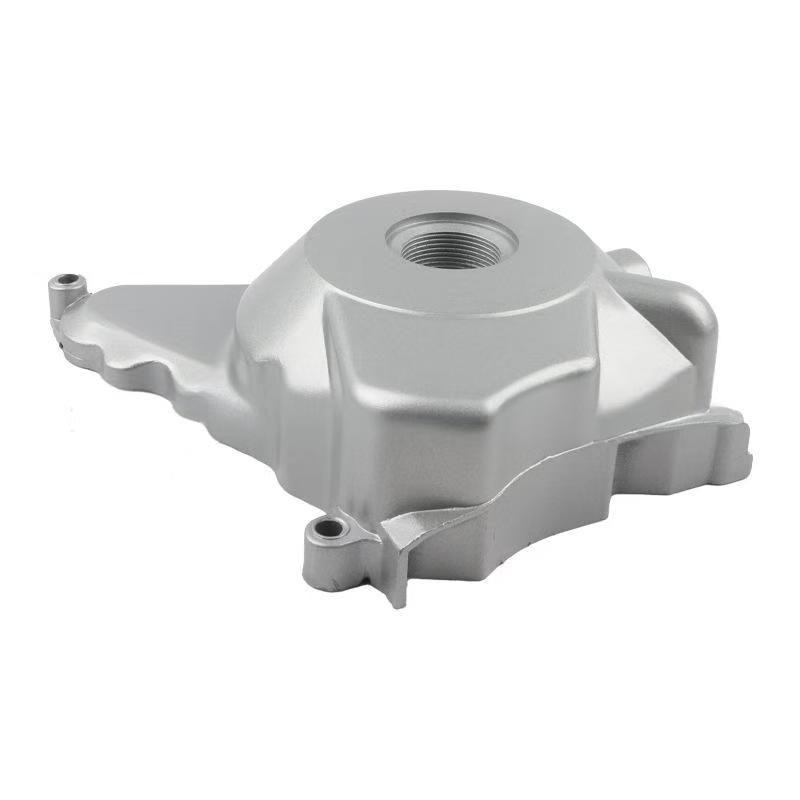
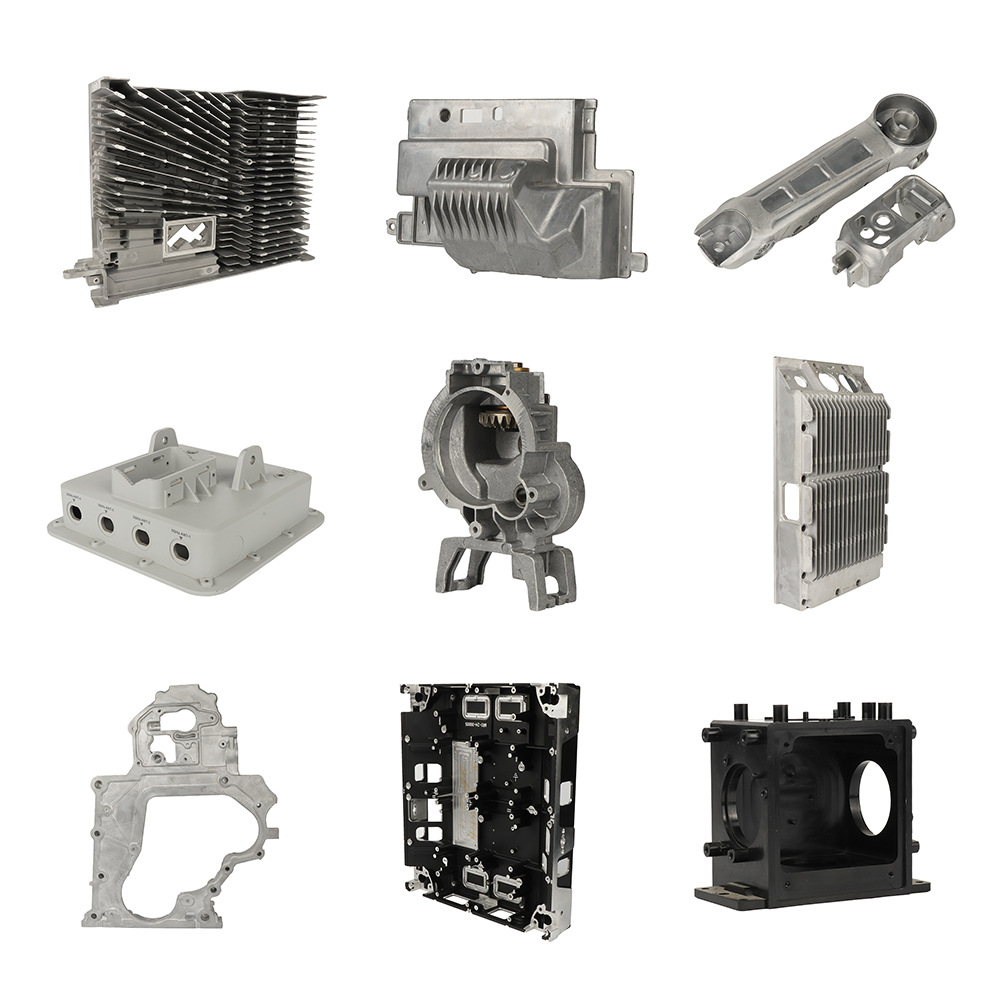
Remote control enclosure | What is a die-cast aluminum remote control enclosure ?Ultimate Guide to ADC12 Alloy Shell
What is a Die‑Cast Aluminum Remote Control Enclosure? Ultimate Guide to ADC12 Alloy Shell
Table of Contents
1. Basic Definition & Core Overview of Die‑Cast Aluminum Remote Control Enclosure
1.1 What Is a Die‑Cast Aluminum Remote Control Enclosure
A die‑cast aluminum remote control enclosure is a high‑precision, durable protective shell manufactured through high‑pressure aluminum die‑casting technology. It is specially designed for remote control equipment of industrial, commercial and smart devices, serving as the core protective carrier for internal circuit boards, sensors, battery modules and signal transmission components. Different from ordinary plastic remote control shells, this aluminum die‑cast enclosure features integrated forming, strong protection and stable performance, effectively resisting external physical damage, dust, moisture and electromagnetic interference, and ensuring the long‑term stable operation of remote control equipment.
With the upgrading of smart equipment and industrial automation, traditional plastic remote control shells can no longer meet the high‑standard use requirements of high‑frequency, high‑intensity and harsh working environments. ADC12 die‑cast aluminum remote control enclosures have gradually become the mainstream replacement product in the market due to their superior comprehensive performance and cost‑effective advantages.
1.2 Core Raw Material: ADC12 Aluminum Alloy
All our customized remote control enclosures adopt ADC12 aluminum alloy that complies with JIS H 5302 international standard and matches European EN AC‑46000 standard. As a classic Al‑Si‑Cu series die‑casting alloy, it hasexcellent casting fluidity, stable mechanical properties and moderate thermal conductivity. It can perfectly adapt to the precision forming of complex remote control shell structures, while ensuring the hardness, wear resistance and corrosion resistance required for long‑term handheld and outdoor use, which is the most ideal raw material for industrial‑grade remote control enclosure production.
1.3 Core Production Process Characteristics
The entire remote control enclosure adopts one‑piece integral high‑pressure die‑casting forming process. It can complete one‑time integrated molding of key structures such as shell main body, button reserved holes, mounting grooves, positioning buckles and heat dissipation gaps. The whole product has no splicing gaps, avoiding structural looseness, poor sealing and signal attenuation caused by secondary assembly. After CNC precision finishing and surface treatment, the product achieves high flatness, smooth appearance and precise dimensional accuracy, fully meeting the customization needs of various remote control equipment.

2. Standard Parameter Table of ADC12 Die‑Cast Aluminum Remote Control Enclosure
The following are the universal standard parameters of mainstreamADC12 die‑cast aluminum remote control enclosures in the industry, covering material properties, dimensional accuracy, protection level, surface treatment and test standards, applicable to most standard and customized remote control shell products:
|
Parameter Item |
Standard Specification |
Execution Standard / Test Condition |
|
Material Grade |
ADC12 Aluminum Alloy (AlSi9Cu3) |
JIS H 5302 / EN AC‑46000 |
|
Thermal Conductivity |
≥120 W/m·K |
Room temperature conventional test |
|
Tensile Strength |
≥250 MPa |
Industrial mechanical performance test |
|
Brinell Hardness |
75 HB |
Standard hardness detection |
|
Dimensional Tolerance |
±0.05mm (precision customization); ±0.1mm (conventional model) |
ISO precision processing standard |
|
Surface Roughness |
Ra ≤1.6μm |
Post‑CNC finishing treatment |
|
Protection Level |
IP66 / IP67 (customizable) |
International waterproof and dustproof grade standard |
|
Wall Thickness Range |
1.0mm ‑ 3.0mm (customizable) |
One‑piece die‑casting forming |
|
Salt Spray Resistance |
≥96 hours neutral salt spray test pass |
With anodizing / sandblasting treatment |
|
Operating Temperature Range |
‑40°C ~ 120°C |
Extreme environment adaptation test |
|
Compliance Certification |
RoHS / ISO9001 environmental quality standard |
Global industrial universal certification |
3. Core Functions of ADC12 Die‑Cast Remote Control Enclosure
3.1 Comprehensive Internal Component Protection
The core function of ADC12 die‑cast aluminum remote control enclosure is to provide all‑round protection for internal precision components. The high‑rigidity integrated shell can effectively resist external impact, extrusion and drop damage, avoiding circuit board fracture, component displacement and signal failure caused by accidental collision. Meanwhile, the excellent sealing performance blocks external dust, water vapor and impurities from entering the shell, preventing short circuit and component aging, and greatly improving the service life of remote control equipment.
3.2 Efficient Heat Dissipation & Stable Signal Transmission
Industrial and high‑power smart remote controls will generate continuous heat during long‑term operation. Relying on the excellent thermal conductivity of ADC12 alloy, the aluminum shell can quickly conduct and dissipate internal accumulated heat, avoid equipment crash or signal delay caused by overheating. In addition, the integrated metal structure can shield external electromagnetic interference, ensure stable and sensitive remote control signal transmission, and reduce signal loss and misoperation probability.
3.3 Structural Support & Handheld Adaptability
The die‑cast aluminum remote control enclosure adopts ergonomic structural design, with stable overall structure and no deformation after long‑term use. The reserved button holes, interface positions and anti‑slip structure ensure comfortable handheld operation. It not only serves as a protective shell, but also provides stable structural support for internal assembly, realizing the dual advantages of protective performance and operational experience.
3.4 Harsh Environment Adaptation
After professional surface anti‑corrosion treatment, the ADC12 aluminum shell has strong oxidation resistance and weather resistance. It can work stably in high temperature, high humidity, dusty and mild corrosive environments such as industrial workshops, outdoor construction sites and smart agriculture scenarios, adapting to diversified complex working conditions that plastic shells cannot bear.
4. Unique Market Advantages of Die‑Cast Aluminum Remote Control Enclosure
4.1 Superior Structural Stability & Durability
Compared with traditional plastic remote control enclosures that are easy to age, crack and deform, ADC12 die‑cast aluminum remote control enclosures adopt one‑piece die‑casting forming without splicing gaps. The overall structure is firm and impact‑resistant, with no deformation or damage after long‑term frequent use. It has far better structural stability and service life than plastic and ordinary thin aluminum profile shells, and is very suitable for industrial high‑frequency use scenarios.
4.2 High Customization Flexibility
ADC12 aluminum alloy has excellent mold filling fluidity, supporting the customized processing ofvarious special‑shaped and complex structures. It can flexibly adjust shell size, button layout, interface position, heat dissipation structure and anti‑slip design according to customer equipment parameters and usage habits. Whether it is ultra‑thin portable remote control shell or industrial heavy‑duty remote control enclosure, it can realize precise personalized customization to meet differentiated market demands.
4.3 Excellent Environmental Adaptability
With IP66/IP67 high protection grade, the die‑cast aluminum remote control enclosure realizes full dust prevention and splash‑proof/waterproof performance. It can resist ultraviolet radiation, high temperature oxidation and humid corrosion, and maintain stable performance in outdoor, industrial and marine environments. The later maintenance cost is extremely low, avoiding frequent replacement caused by shell damage, which greatly reduces the overall operating cost of equipment.
4.4 Balanced Lightweight & High Strength
Aluminum alloy material has the characteristics of light weight and high specific strength. Compared with copper and iron shells with higher strength but heavy weight, ADC12 aluminum shell is lightweight and easy to carry, which will not cause handheld fatigue after long‑term operation. While ensuring equipment protection strength, it realizes lightweight design, perfectly balancing product performance and user experience.
4.5 High Cost Performance & Recyclability
Compared with high‑end aviation aluminum shells with high cost, ADC12 alloy has moderate raw material and processing costs, suitable for mass industrial production. Compared with disposable plastic shells, it has longer service life and recyclable materials, which conforms to global environmental protection standards. It is the most cost‑effective protective shell solution for medium and high‑end remote control equipment in the market.
5. Main Application Scenarios & Market Price Analysis
5.1 Main Market Application Fields
5.1.1 Industrial Automation Equipment
Widely used in remote control enclosures of industrial robots, frequency converters, servo equipment, industrial cranes and automated production lines. It adapts to high‑frequency operation and harsh industrial environments such as vibration, dust and high temperature, ensuring stable and reliable remote control signal output and protecting internal precision control components.
5.1.2 New Energy Industry Equipment
Applied to remote control shells of new energy vehicles, charging pile mobile controllers, photovoltaic power generation equipment and energy storage devices. It resists outdoor high temperature, rainwater erosion and electromagnetic interference, meeting the high stability and high safety requirements of new energy equipment in outdoor working scenarios.
5.1.3 Smart Home & Commercial Equipment
Suitable for high‑end smart home remote controls, commercial air conditioning, lighting control terminals, elevator remote control equipment and intelligent access control systems. The exquisite metal appearance improves product grade, and stable protection performance ensures long‑term stable use of commercial and household smart equipment.
5.1.4 Special Scenario Equipment
Used in remote control enclosures of drones, surveying and mapping equipment, construction machinery and marine auxiliary equipment. Its waterproof, dustproof, drop‑proof and anti‑corrosion characteristics fully meet the stringent use requirements of special operation scenarios, and effectively reduce equipment failure rate.
5.2 Industry Market Price Analysis
The market price of custom ADC12 die‑cast aluminum remote control enclosures is mainly affected by product size, structural complexity, surface treatment process, precision requirements and order quantity, with obvious bulk discount characteristics:
1. Standard conventional remote control enclosures: With simple structure, mature processing technology and low precision requirements, the unit price is low and stable. It is suitable for mass supporting of ordinary industrial and civil remote control equipment, with high market cost performance.
2. Precision customized enclosures: For special‑shaped structures, ultra‑precision size tolerance, special surface treatment (matte oxidation, sandblasting coloring, electroplating) and high‑protection‑grade products, the processing cost is slightly higher, and the unit price increases moderately. It is mainly used for high‑end smart equipment and special industrial remote control products.
3. Bulk order price advantage: The unit cost of die‑cast products is closely related to the order quantity. The larger the single order quantity and long‑term cooperative batch, the lower the average mold opening and processing cost. Bulk customers can get stable ex‑factory preferential prices, effectively reducing enterprise procurement costs.
6. Common Usage Problems & Practical Solutions
6.1 Poor Waterproof & Dustproof Effect
Problem Cause: Unreasonable sealing structure design, insufficient precision of shell assembly gap, or unqualified surface edge treatment, leading to water and dust penetration in humid and dusty environments.
Solution: Optimize the integrated sealing groove structure during customization, improve shell assembly precision to control the gap within 0.03mm; equip with high‑quality waterproof gaskets; conduct IP grade sampling test before mass production to ensure protective performance meets standards.
6.2 Surface Oxidation & Scratch Damage
Problem Cause: Insufficient surface treatment process, long‑term exposure to humid air and corrosive environment, or frequent friction and collision during use.
Solution: Adopt advanced anodizing, sandblasting and electrophoretic coating processes to enhance surface wear resistance and oxidation resistance; customize anti‑scratch matte treatment for handheld areas to improve surface durability and appearance texture.
6.3 Dimensional Deviation & Poor Assembly
Problem Cause: Low processing precision of manufacturers, unstable die‑casting process, unreasonable drawing parameter design, or unqualified post‑processing trimming.
Solution: Cooperate with professional precision die‑casting manufacturers with complete quality control systems; confirm drawing parameters and assembly standards in advance; conduct sample testing and full‑size inspection before mass production to ensure 100% assembly matching degree.
6.4 Poor Heat Dissipation & Signal Interference
Problem Cause: Unreasonable heat dissipation structure design, excessive internal sealing, or improper metal shielding setting leading to signal attenuation.
Solution: Optimize heat dissipation hole and groove structure according to equipment power; adopt targeted partial shielding design to balance heat dissipation and anti‑interference performance; reserve reasonable internal assembly gap to ensure air circulation and heat conduction.
7. Industry Expert Viewpoints on ADC12 Remote Control Enclosure
Industry precision casting experts and smart equipment thermal management engineers uniformly believe that: ADC12 die‑cast aluminum remote control enclosures have become the mainstream protective shell solution for medium and high‑end remote control equipment, replacing traditional plastic shells in most industrial and high‑precision smart scenarios.
Experts pointed out that with the development of remote control equipment towards miniaturization, high power and high precision, the market puts forward higher requirements for shell protection, heat dissipation, stability and appearance. The one‑piece integrated die‑casting structure of ADC12 alloy perfectly solves the defects of easy aging, poor protection and low structural strength of plastic shells. Its balanced mechanical properties, heat dissipation performance and cost advantages make it irreplaceable in the field of industrial remote control equipment.
At the same time, industry experts remind that the product quality gap of die‑cast aluminum remote control enclosures in the market is obvious. The key to stable product quality lies in standardized die‑casting process, precise CNC finishing and perfect surface treatment technology. Enterprises must choose formal and qualified precision hardware manufacturers for long‑term cooperation to avoid equipment failure losses caused by unqualified shell quality.
8. Industry FAQ for Custom Die‑Cast Aluminum Remote Control Enclosure
Q1: Why choose ADC12 alloy for remote control enclosures instead of plastic and other aluminum alloys?
A1: ADC12 alloy has excellent casting fluidity, stable thermal conductivity and moderate hardness, which is suitable for forming complex remote control shell structures. Compared with plastic shells, it has stronger protection, wear resistance and environmental adaptability; compared with high‑purity aluminum alloys with high cost, it has higher cost performance and is more suitable for mass customized production of remote control enclosures.
Q2: Can die‑cast aluminum remote control enclosures be fully customized according to drawings and samples?
A2: Yes. Professional precision manufacturers support full personalized customization according to customer 2D/3D drawings, physical samples and functional requirements, including shell size, button hole position, interface type, protection grade, surface color and assembly structure, to meet diverse personalized needs.
Q3: What is the delivery cycle for customized ADC12 remote control enclosures?
A3: The sample delivery cycle of conventional customized products is 3‑7 working days. The mass production cycle is determined according to product structural complexity and order quantity. Long‑term bulk cooperative customers can enjoy priority production arrangement to ensure timely delivery.
Q4: Are ADC12 die‑cast remote control enclosures suitable for outdoor long‑term use?
A4: Absolutely yes. After professional anodizing and anti‑corrosion surface treatment, the products have excellent ultraviolet resistance, rainwater resistance and oxidation resistance. They can work stably in outdoor high temperature, humidity and light irradiation environments for a long time with low failure rate.
Q5: What quality guarantees can customized remote control enclosure products provide?
A5: Formal manufacturers implement ISO9001 quality management system, all products comply with RoHS environmental protection standards. Each product will pass 100% dimensional inspection, appearance inspection and performance test before delivery to ensure stable and qualified batch quality.
9. Industry Summary & Future Development Trends of Custom Die‑Cast Shell Products
9.1 Industry Summary
ADC12 die‑cast aluminum remote control enclosure, as a high‑performance customized hardware shell product, relies on its integrated structural stability, excellent protection performance, high customization flexibility and superior cost performance, and has been widely used in industrial automation, new energy, smart home and special equipment fields. It effectively solves the pain points of poor protection, easy aging and low durability of traditional remote control shells, and provides a solid structural protection guarantee for the stable operation of various remote control terminal equipment.
9.2 Future Development Trends of Custom Die‑Cast Products
First, high precision and functional integration. With the continuous upgrading of smart remote control equipment, customized die‑cast shells will develop towards smaller size, higher precision and multi‑functional integration, integrating protection, heat dissipation, anti‑interference and lightweight functions to adapt to miniaturized and high‑power equipment development.
Second, personalized customization and rapid iteration. Market demand will show diversified and personalized characteristics. Standard single‑style products will be gradually replaced by customized products. Manufacturers need to have rapid mold opening, fast sample delivery and flexible mass production capabilities to meet customers' iterative upgrading needs.
Third, high environmental protection and low carbonization. Under the global environmental protection development trend, recyclable, low‑pollution die‑cast aluminum products and green surface treatment processes will become the industry mainstream, and environmentally friendly customized die‑cast shells will occupy more market share.
Fourth, high appearance and scenario specialization. While ensuring performance, die‑cast remote control enclosures will pay more attention to appearance texture and scenario adaptation, realizing personalized appearance design and professional performance matching for different application scenarios.
10. How to Select a High‑Quality Precision Hardware Processing Supplier
Choosing a reliable customized die‑cast shell processing supplier is the key to guarantee product quality, stable delivery and long‑term cooperative benefits. The core selection standards are as follows:
1. Complete qualification certification: Prioritize manufacturers with ISO9001 quality system certification and RoHS environmental protection certification, with standardized production processes and formal qualification filing to ensure product compliance and stability.
2. Professional customization capability: The manufacturer needs to support drawing/sample full customization, have a professional engineering technical team, can optimize product structure and process design according to customer scenarios, and stably control precision and performance indicators.
3. Strict quality control system: Implement full‑process quality inspection including incoming material inspection, in‑process processing inspection and finished product inspection, strictly screen defective products, and ensure consistent batch product quality.
4. Stable production & delivery capacity: Equipped with independent die‑casting workshops, CNC finishing equipment and professional production lines, it can meet rapid sample production and bulk order delivery needs, avoiding delivery delays.
5. Perfect after‑sales & technical service: Provide one‑stop services including scheme design, mold opening, production and after‑sales tracking, timely solve customer customization problems and product usage faults, and provide professional technical support.
11. Cooperation Policy & Bulk Discount of Xinghang Precision Hardware
Xinghang Precision Hardware is a professional manufacturer with years of experience in customized precision aluminum die‑casting products. We focus on R&D, structural optimization and mass production of various precision die‑cast aluminum enclosures, including ADC12 die‑cast remote control enclosures, equipment outer shells, hardware structural parts and other customized products.
We support full personalized customization of all die‑cast shell products. According to customers' actual application scenarios, equipment parameters and functional requirements, our professional engineering team will optimize product structure, surface technology and dimensional accuracy to create high‑cost‑performance customized hardware products that meet market demand.
In terms of preferential cooperation policies, we implement a progressive bulk discount mechanism: the larger the customer's single order quantity and long‑term cooperative batch, the higher the discount intensity. Long‑term bulk cooperative customers can enjoy exclusive ex‑factory preferential prices, priority production rights and free product structure optimization services, helping customers effectively reduce procurement costs and improve market product competitiveness.
12. Official Contact Information
Welcome global customers to consult product samples, customized solution design and bulk cooperation quotations! We provide one‑stop full‑process services from scheme confirmation, mold opening, sample production, mass production to after‑sales tracking.
Mobile / Whatsapp / WeChat: +86 18819502691
Email: liqine@xinghangcn.com
We look forward to establishing long‑term stable win‑win cooperative relationships with global customers!
aluminum motor housing | What is an aluminum motor housing?Ultimate Guide to ADC12 Die-Cast Motor Enclosure
Projector enclosure | What is a die-cast aluminum projector housing?Ultimate Guide to ADC12 Projector Enclosure
Related Article


