
HOT PRODUCTS
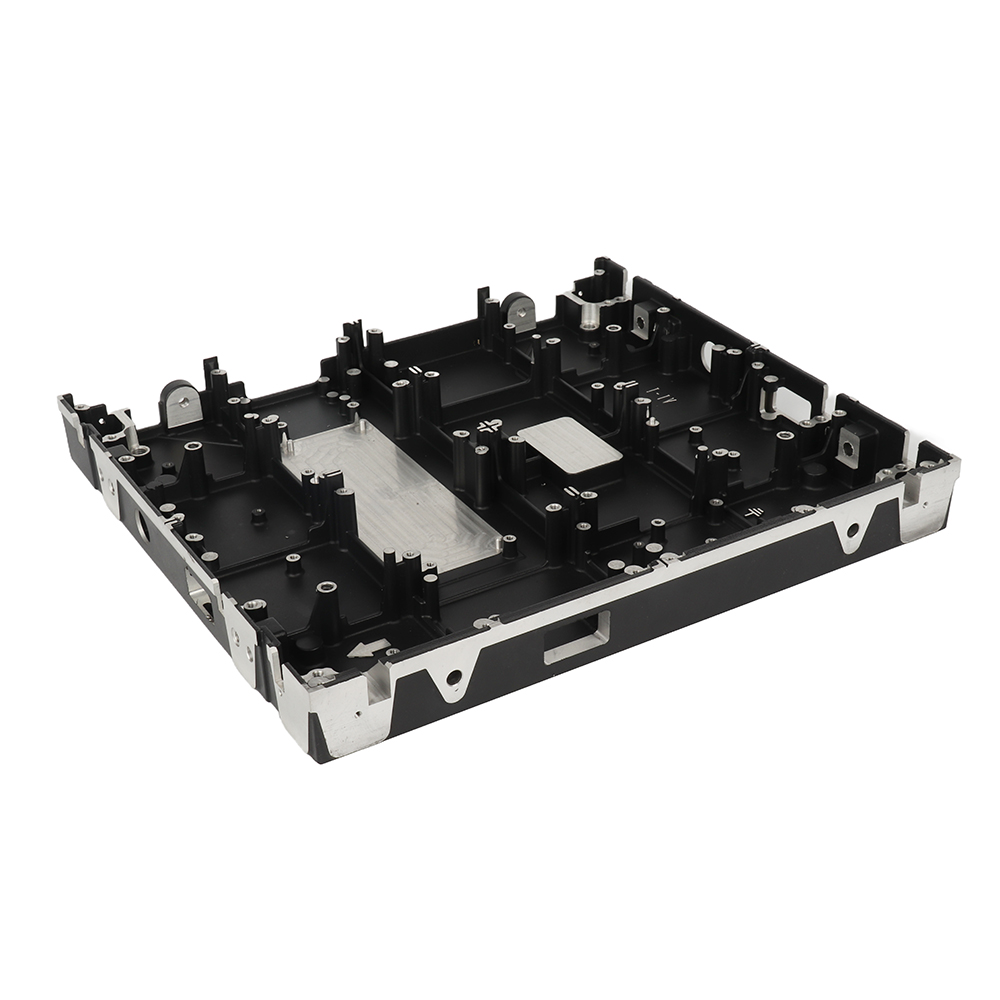
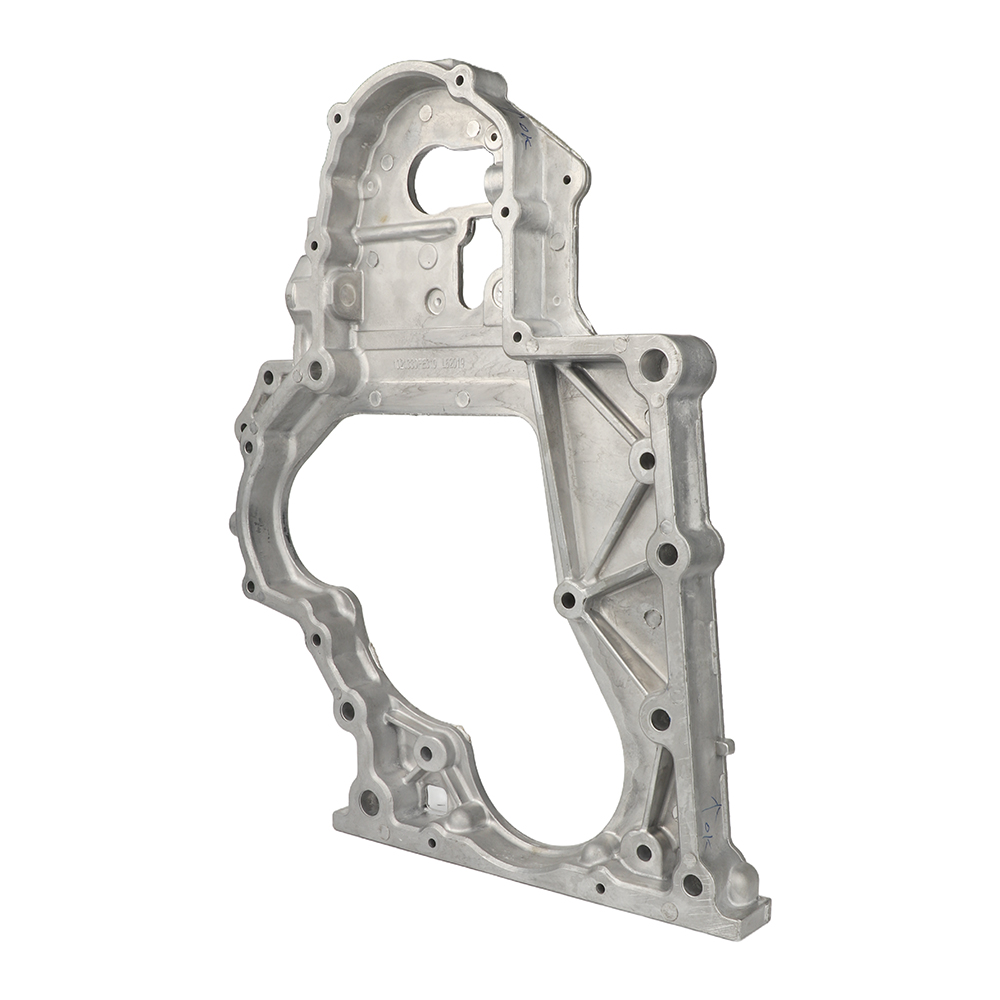
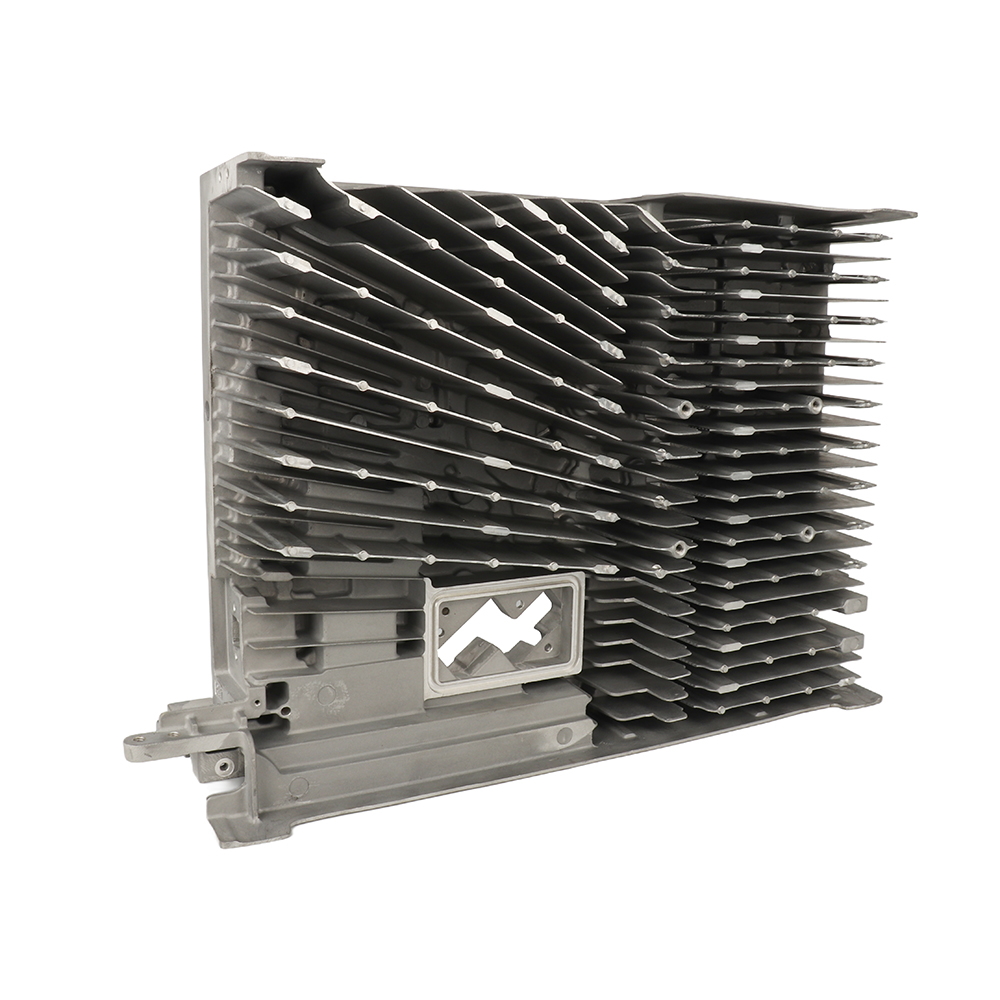
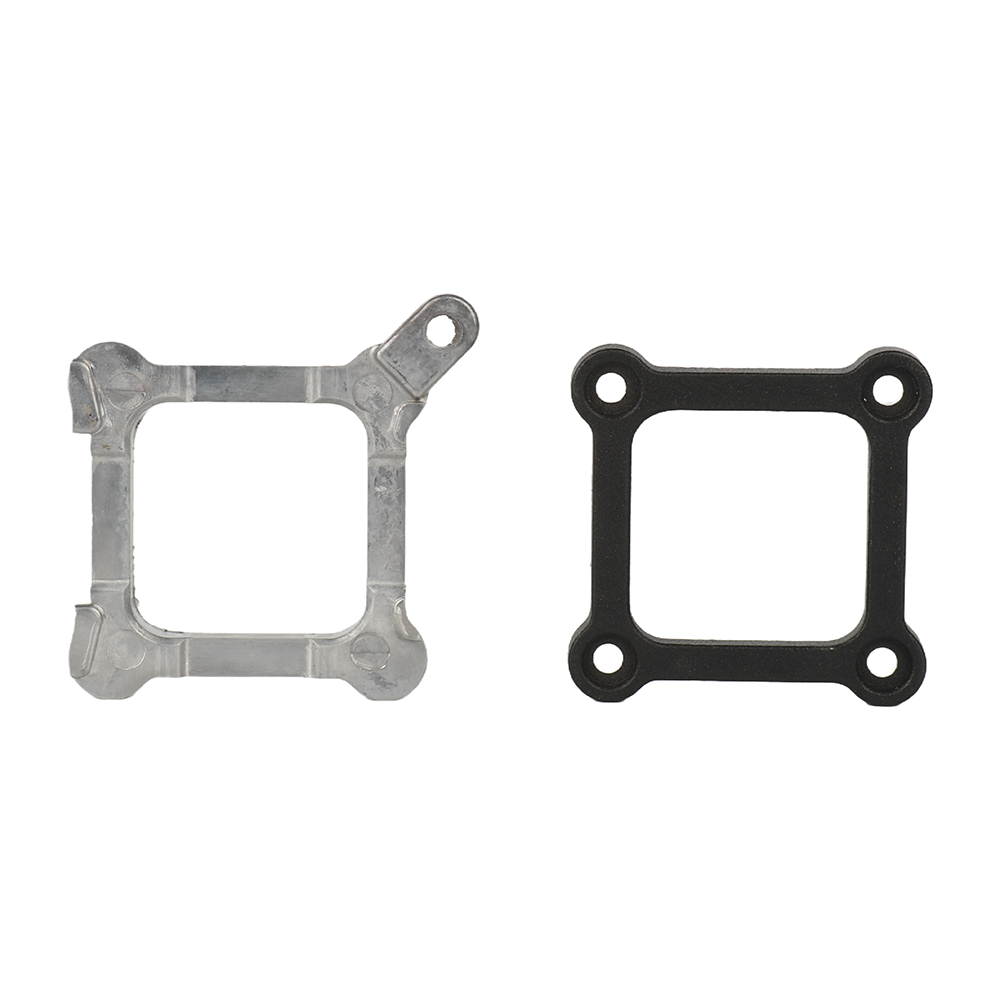
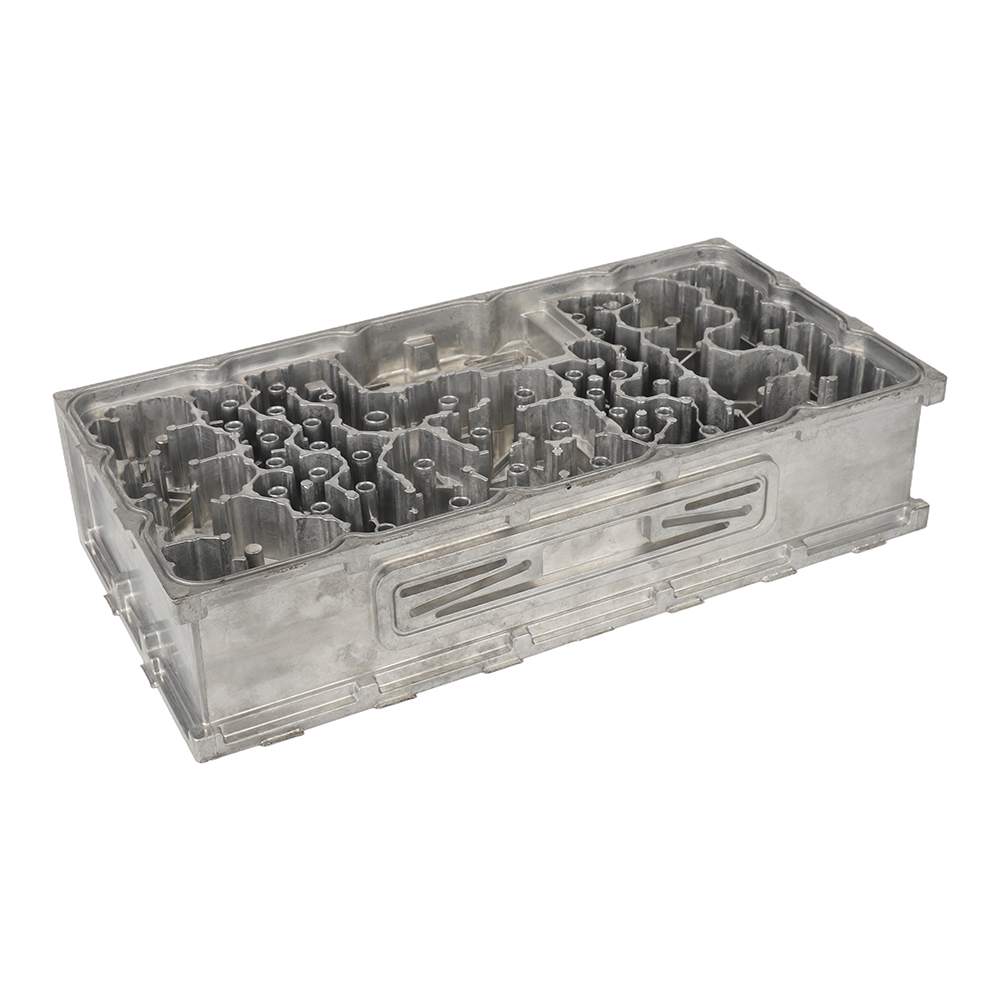
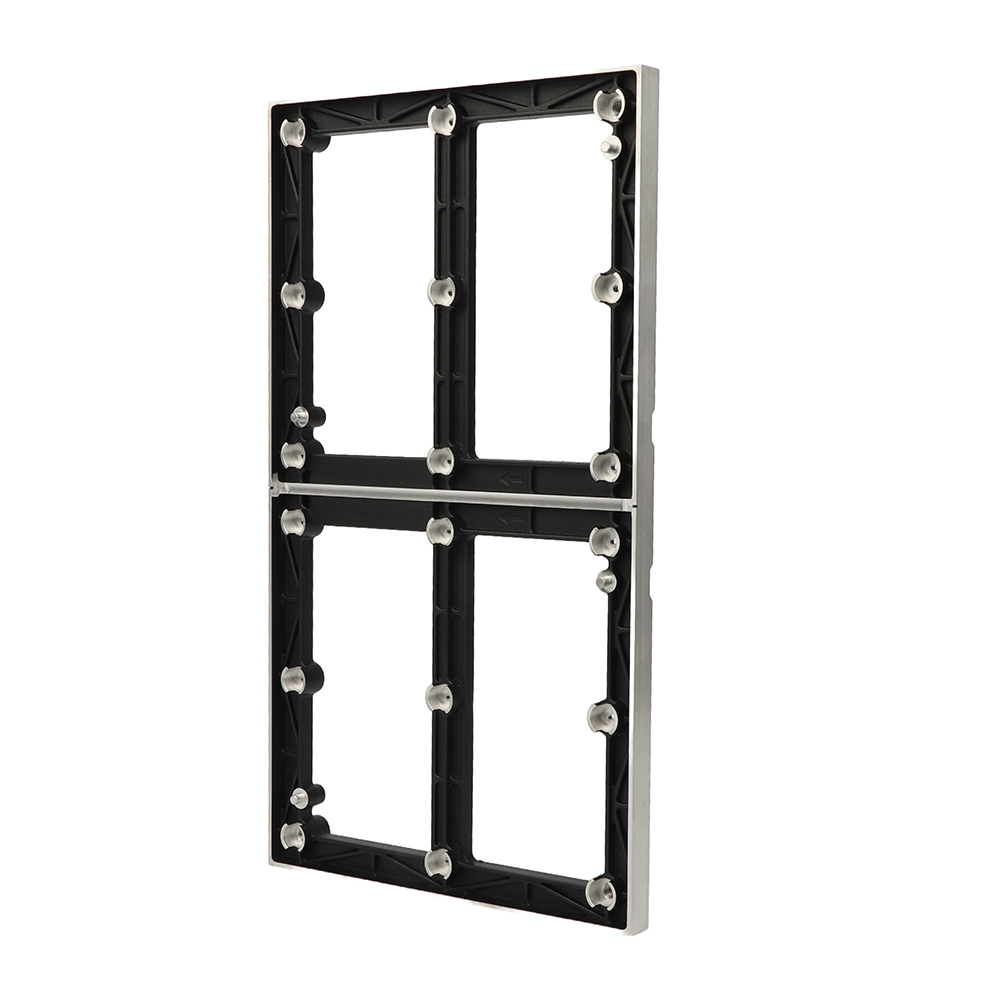
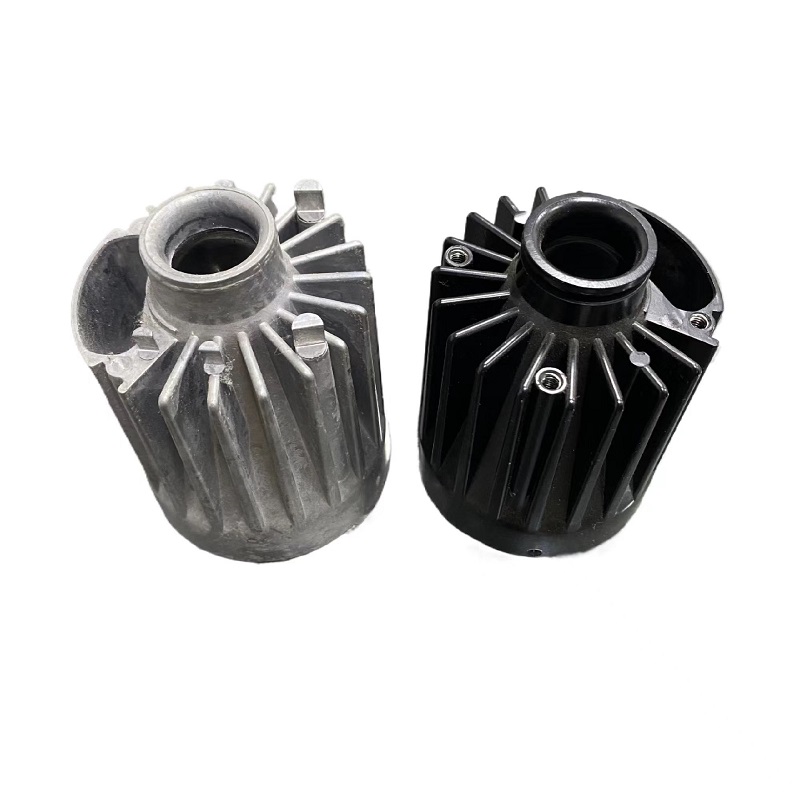
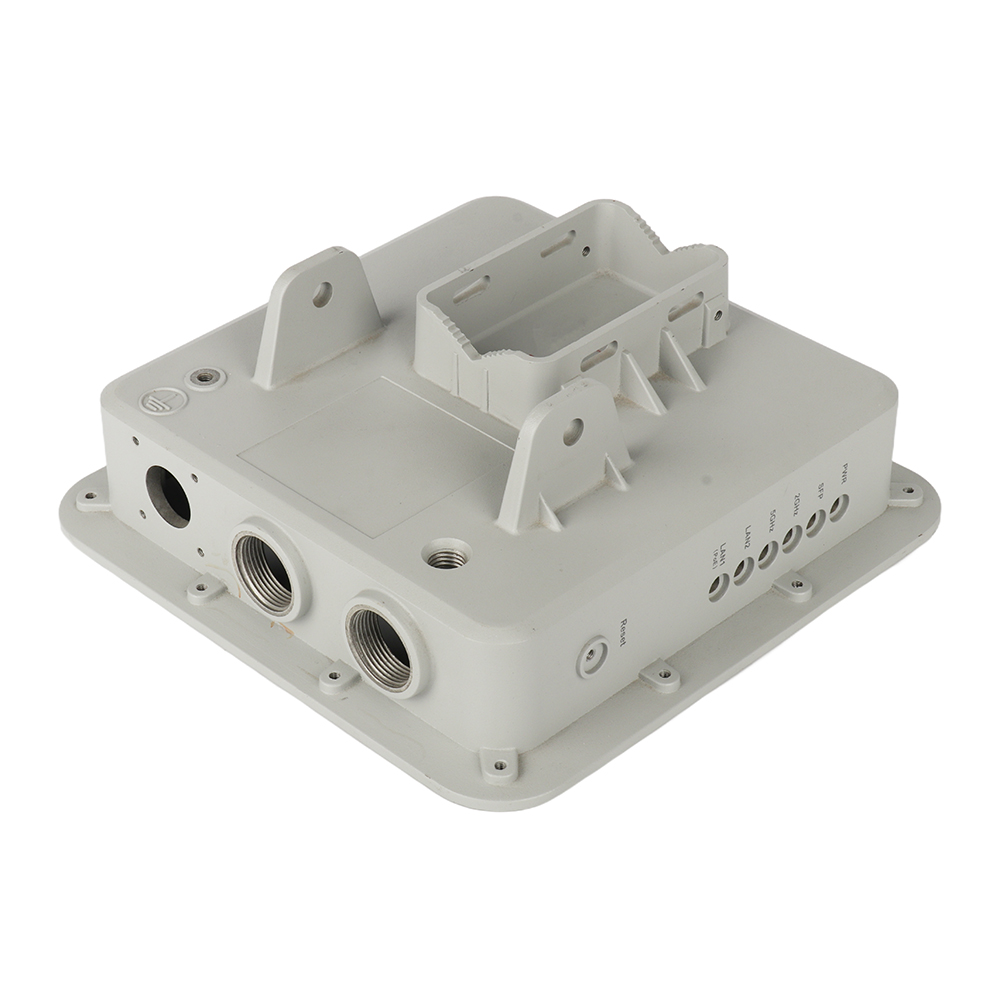
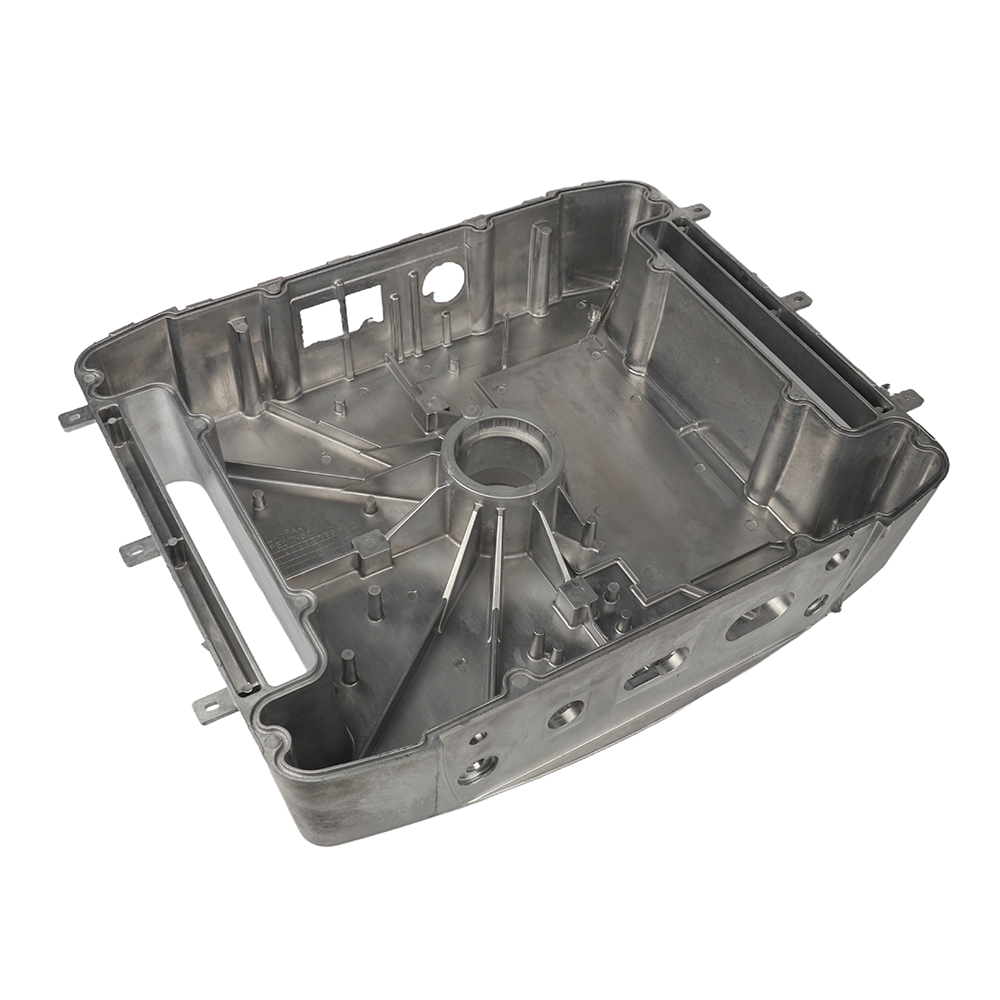
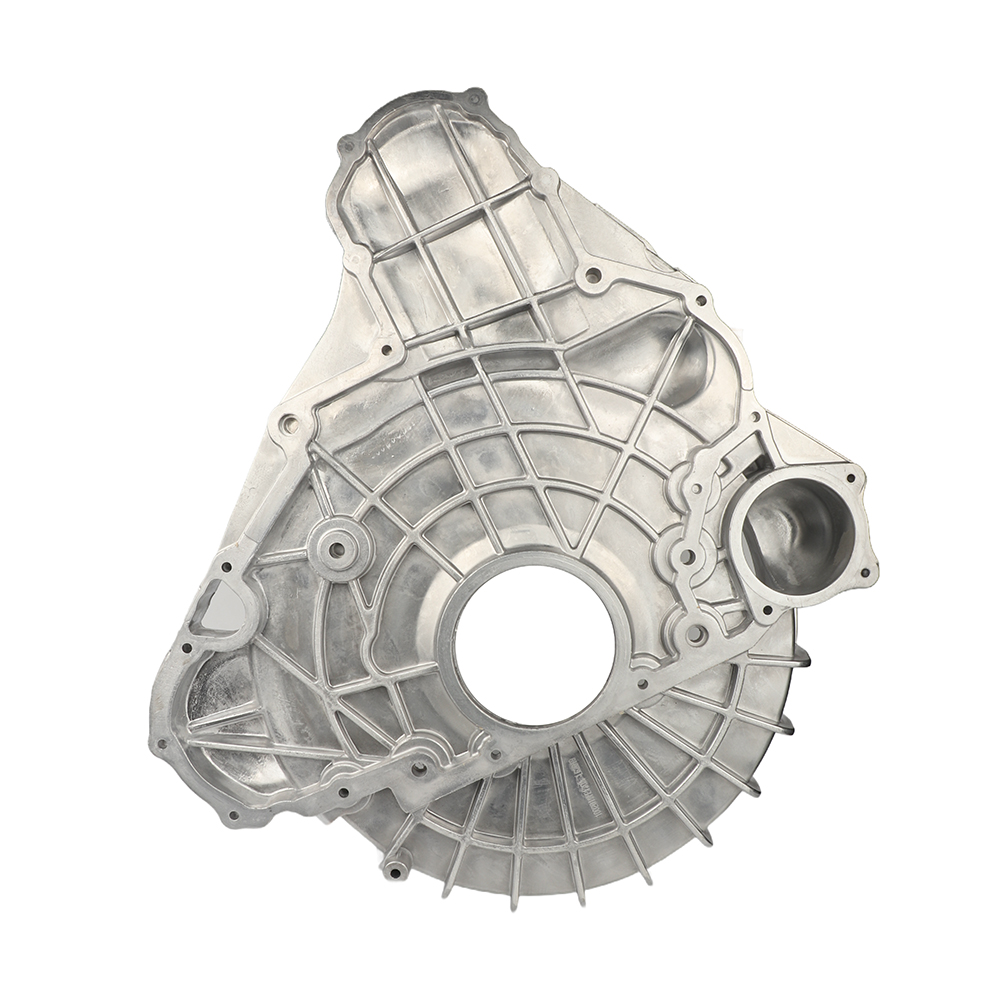
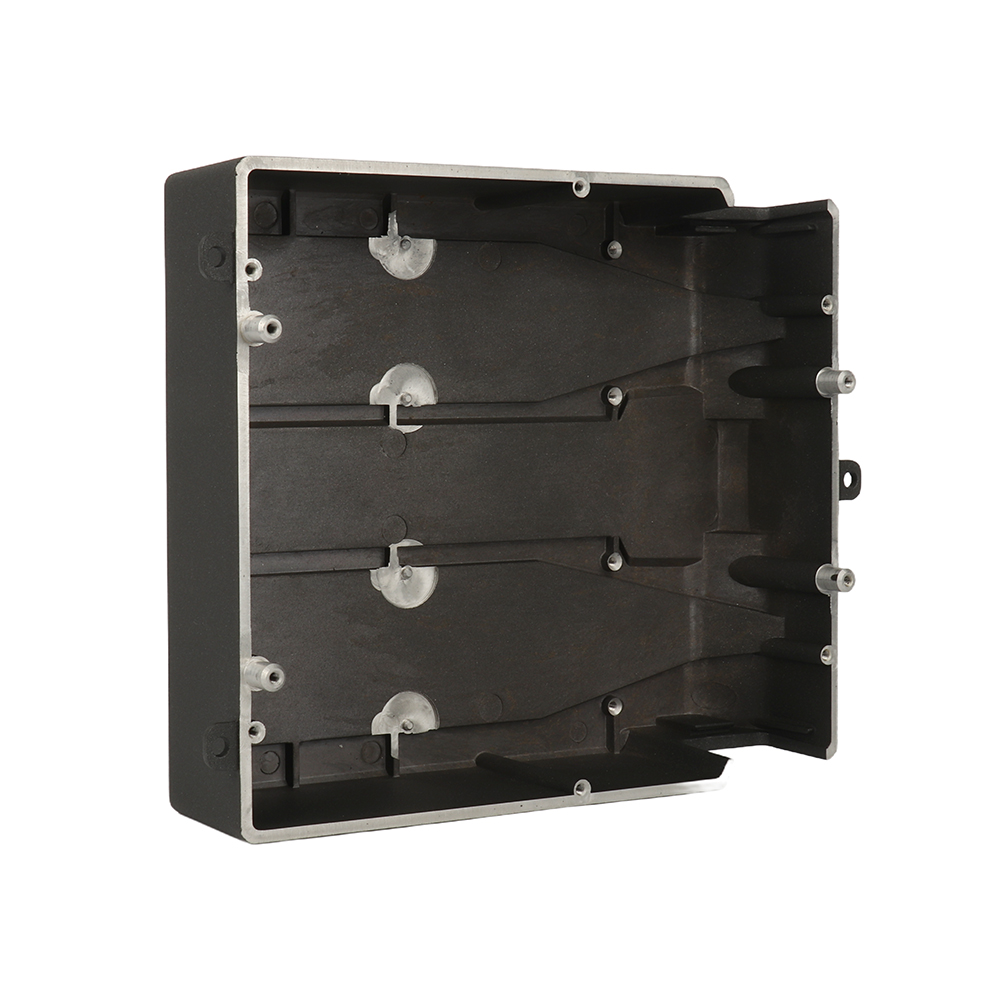
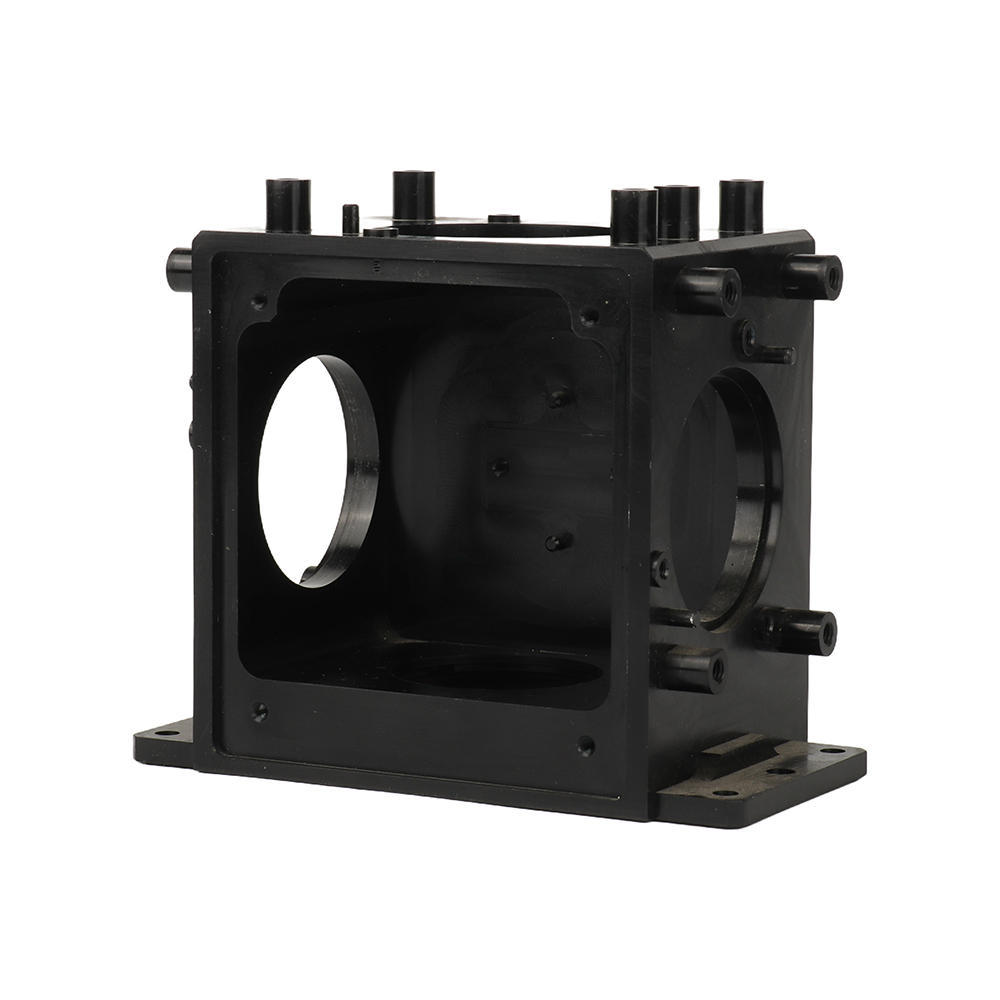
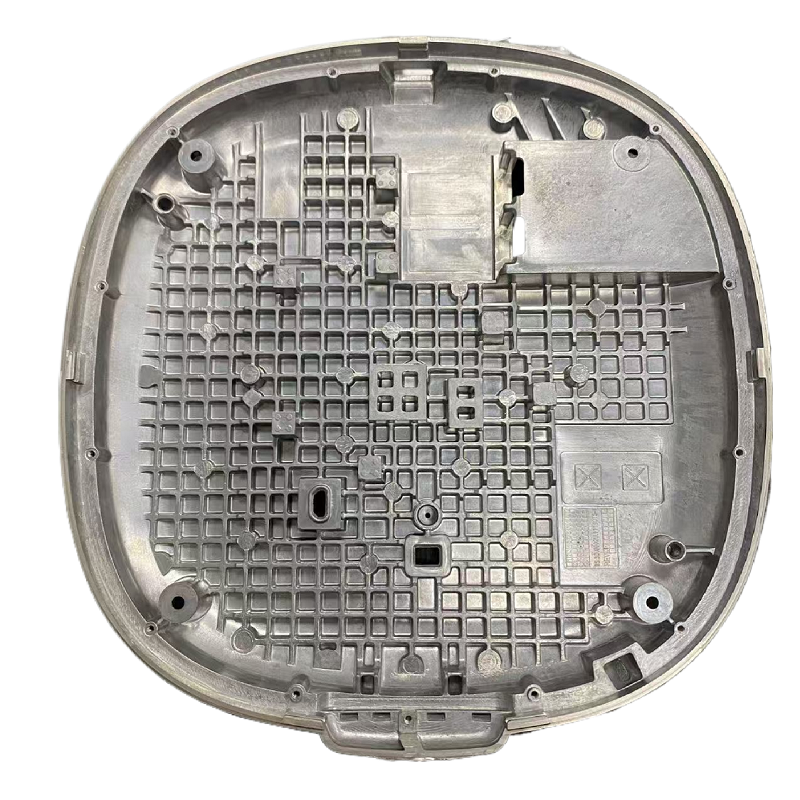
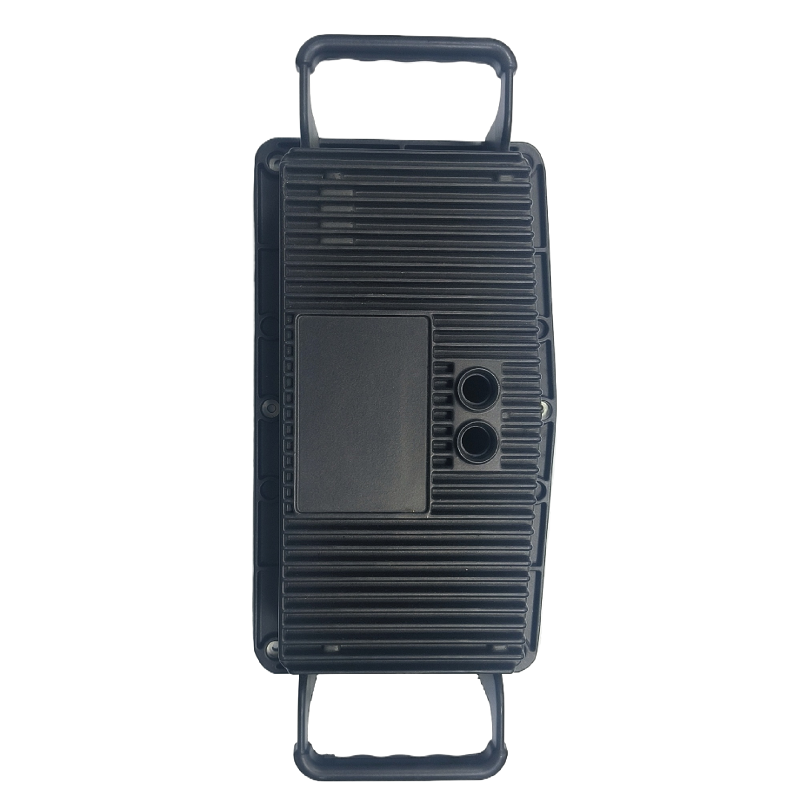
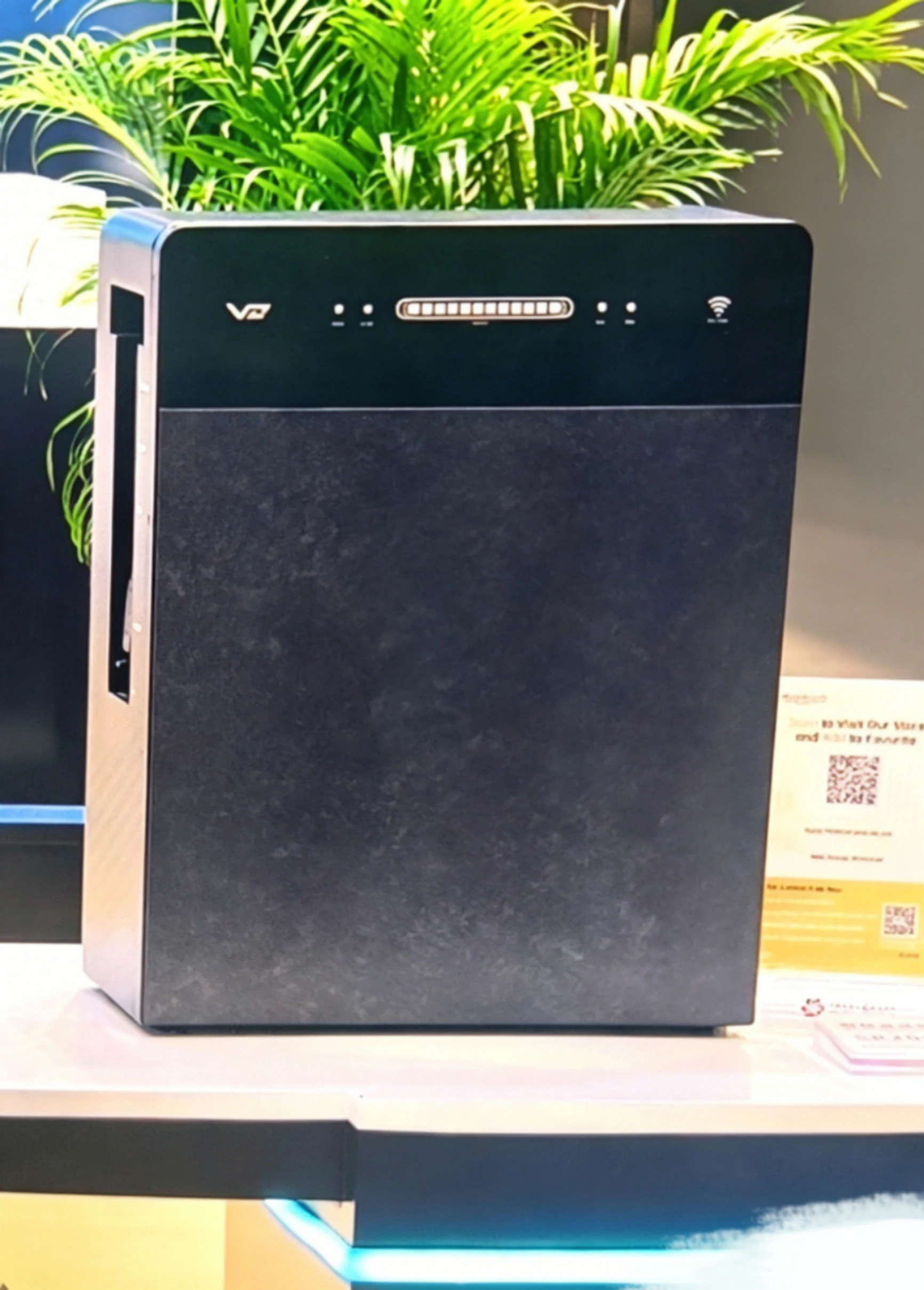
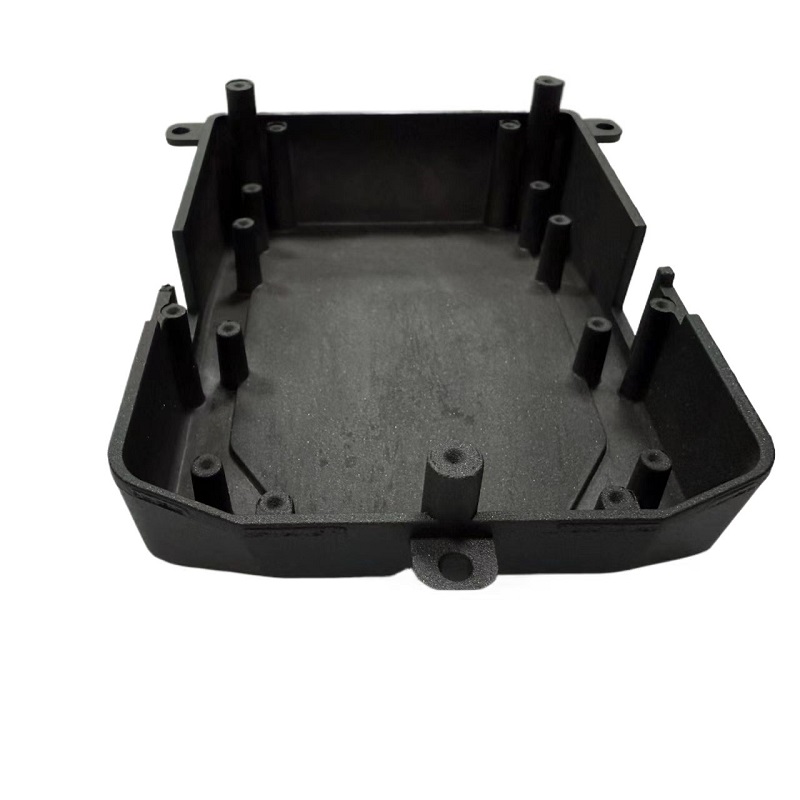
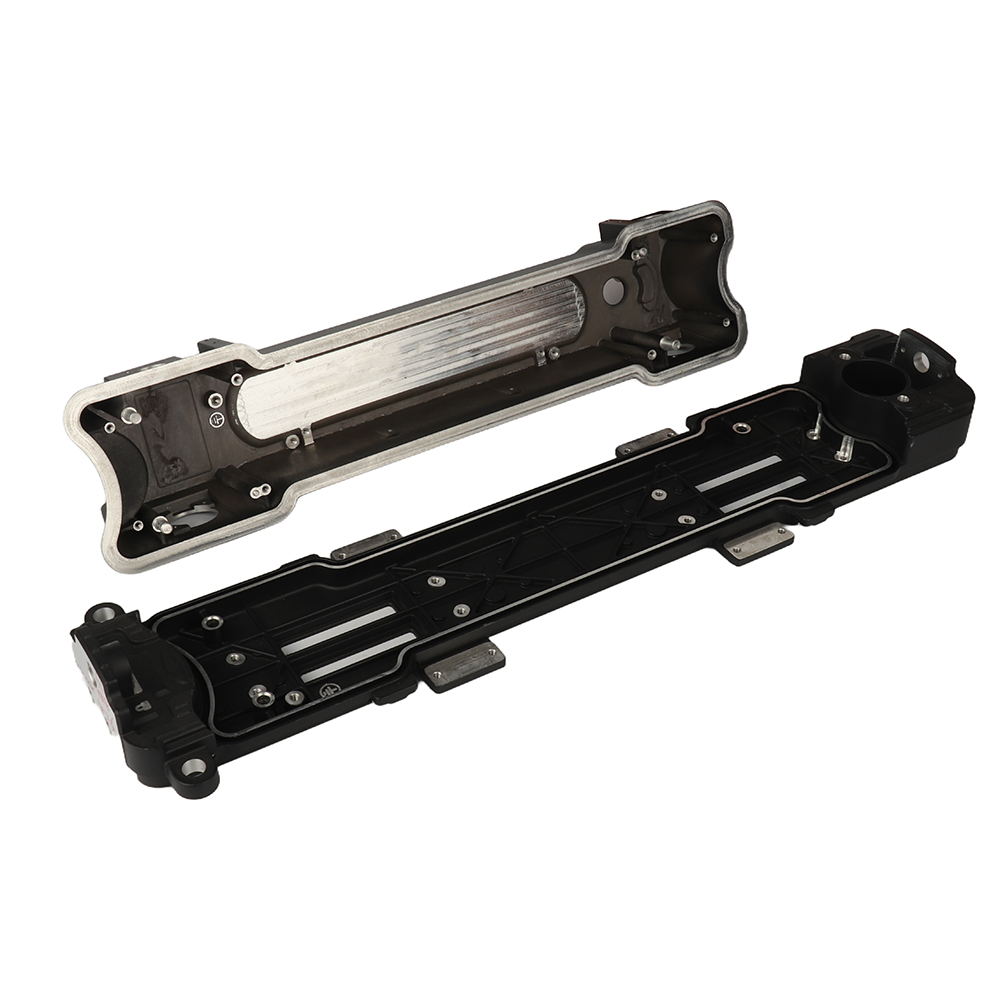
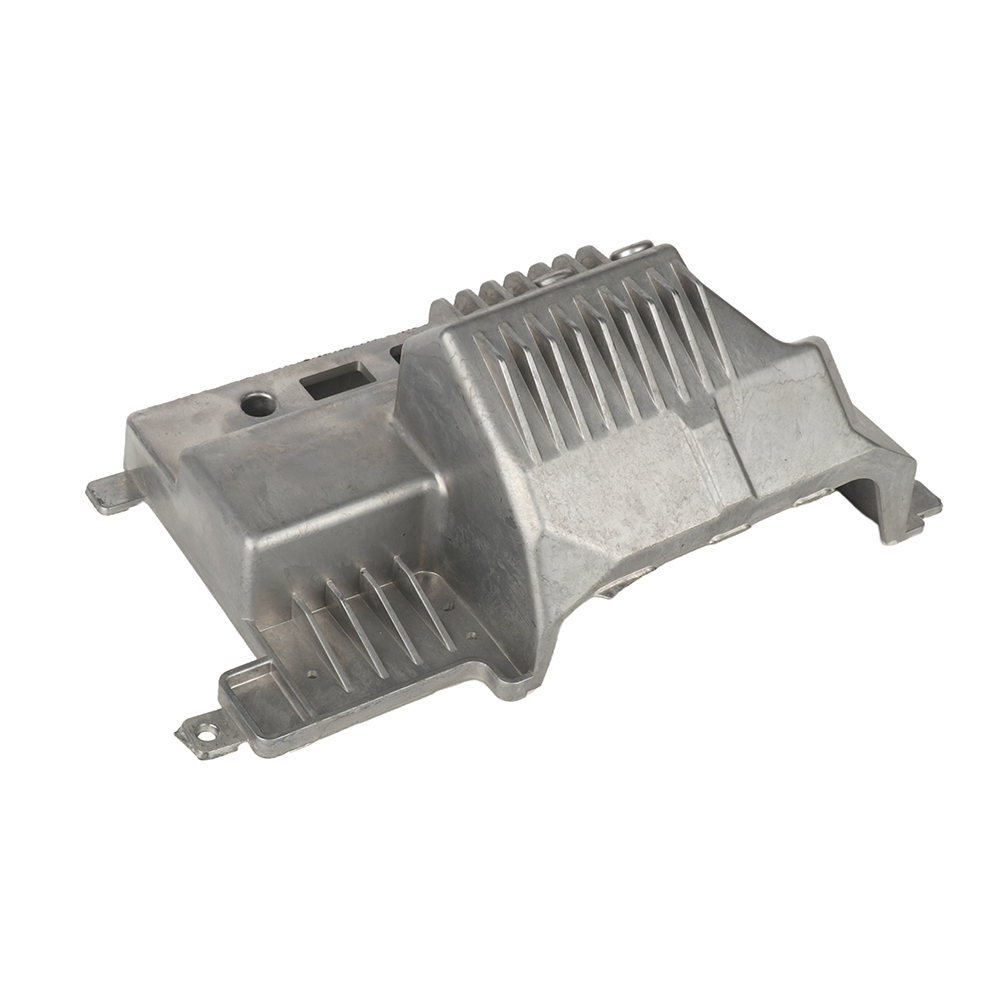
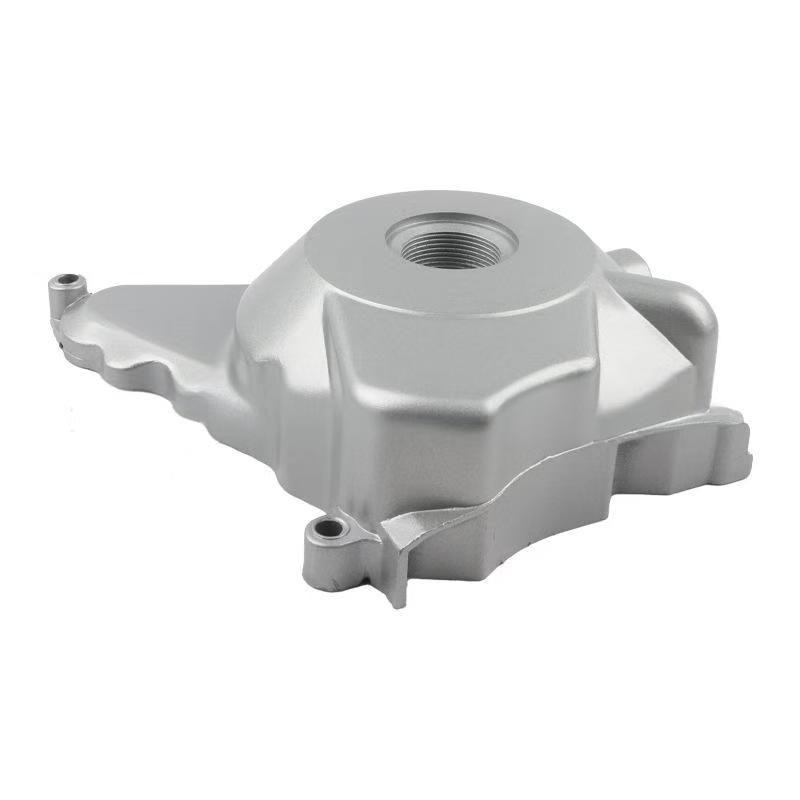
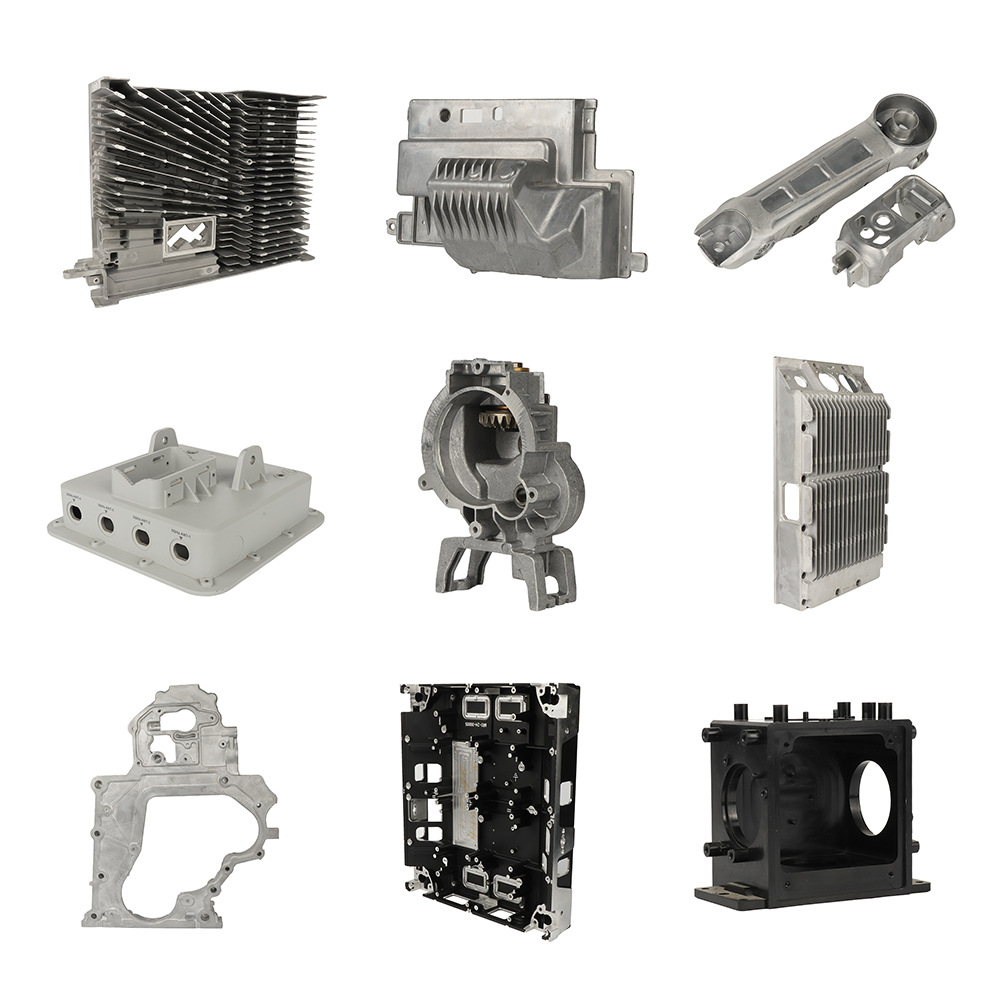
Medical housing | What is a die-cast medical housing? Key Focuses, Roles & Benefits
What is a Die-Cast Medical Housing? Key Focuses, Roles & Benefits
Table of Contents
- 1. Introduction: Die-Cast Medical Housing & Its Medical Industry Significance
- 2. What is a Die-Cast Medical Housing?
- 3. Key Focuses of Die-Cast Medical Housing (Critical Requirements)
- 4. Core Roles of Die-Cast Medical Housing in Medical Equipment
- 5. Key Benefits of Die-Cast Medical Housing
- 6. Expert Insights on Die-Cast Medical Housing
- 7. Frequently Asked Questions (FAQs) About Die-Cast Medical Housing
- 8. Conclusion
1. Introduction: Die-Cast Medical Housing & Its Medical Industry Significance
In the highly regulated and precision-driven medical industry, die-cast medical housing has become an indispensable component for a wide range of medical equipment—from portable diagnostic devices (such as ECG monitors and infusion pumps) and surgical instruments to large-scale imaging systems (CT scanners, ultrasound machines) and laboratory analyzers. Unlike conventional housing solutions (e.g., plastic molding or sheet metal fabrication), die-cast medical housing leverages advanced die-casting technology to meet the strictest standards of precision, biocompatibility, and durability required in medical settings.
Medical equipment operates in harsh, high-stakes environments—requiring components that can withstand frequent sterilization, resist corrosion from disinfectants, and protect sensitive internal electronics from damage. die-cast medical housing addresses these needs by combining structural integrity, dimensional accuracy, and compliance with global medical regulations, making it the preferred choice for medical device manufacturers worldwide. This blog provides a comprehensive overview of die-cast medical housing, including its definition, key focuses, core roles, unique benefits, expert perspectives, and common FAQs.
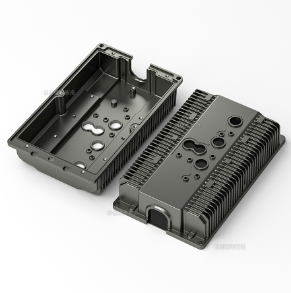
2. What is a Die-Cast Medical Housing?
2.1 Basic Definition of Die-Cast Medical Housing
Die-cast medical housing refers to a specialized outer casing or enclosure, manufactured through the die-casting process, specifically designed to house and protect medical equipment components. It is not merely a decorative or protective shell—it is a critical part of medical devices that directly impacts performance, safety, and compliance with industry standards. Unlike ordinary die-cast products, die-cast medical housing is engineered to meet the unique demands of the healthcare industry, such as biocompatibility, strict precision, and resistance to harsh sterilization processes.
In simple terms, die-cast medical housing acts as a "protective shield" for sensitive medical components, while also ensuring the device can operate safely and reliably in clinical environments (hospitals, clinics, home healthcare settings, etc.).
2.2 Core Materials & Die-Casting Process for Medical Housings
The manufacturing of die-cast medical housing requires careful selection of materials and strict control of the die-casting process to meet medical industry standards.
2.2.1 Core Materials
The most commonly used materials for die-cast medical housing are medical-grade aluminum alloys and zinc alloys, chosen for their unique properties that align with medical requirements:
- Aluminum Alloys (e.g., ADC12, A380, A356): Lightweight, corrosion-resistant, and thermally conductive, making them ideal for enclosures that require strength, heat dissipation, and portability. They are widely used in portable medical devices like handheld diagnostic tools and infusion pumps.
- Zinc Alloys (e.g., Zamak series): Offer high fluidity and dimensional accuracy, suitable for small, intricate housings or parts with fine details, such as components of surgical instruments.
- Magnesium Alloys: Ultra-light and biocompatible, used for high-end portable devices where weight reduction is critical, though less common due to higher cost.
All materials must undergo rigorous testing to ensure they are free from harmful contaminants and meet biocompatibility standards, as they may come into contact with patients or clinical staff indirectly.
2.2.2 Die-Casting Process
The die-casting process for die-cast medical housing involves injecting molten metal (aluminum, zinc, etc.) into a precision mold (die) under high pressure and temperature. After cooling and solidification, the mold is opened, and the housing is removed, followed by post-processing (trimming, polishing, surface treatment) to meet the strict precision and surface requirements of medical equipment.
Key process controls include maintaining uniform wall thickness to prevent shrinkage or warping, designing proper gating and venting systems for smooth metal flow, and adding ribs for strength without excessive material—all part of Design for Manufacturability (DFM) principles to ensure high-quality, defect-free housings. This process ensures consistent dimensional accuracy, complex geometries, and high production efficiency, making it suitable for both low and high-volume production of medical device housings.
3. Key Focuses of Die-Cast Medical Housing (Critical Requirements)
Due to the high-stakes nature of the medical industry, die-cast medical housing must meet strict critical requirements—these are the core focuses that distinguish it from ordinary die-cast products.
3.1 Precision & Dimensional Consistency (Core Focus)
Medical equipment components (e.g., circuit boards, sensors, connectors) require precise fitting to ensure proper operation. Die-cast medical housing must have extremely high dimensional accuracy, with general tolerances of ±0.05 mm and critical features as tight as ±0.02 mm. Even minor deviations can lead to poor component fitting, affecting the device’s performance or even causing malfunctions.
Dimensional consistency is also critical for mass-produced medical devices—each die-cast medical housing must be identical to ensure interchangeability, which is essential for maintenance and replacement of parts in clinical settings. Advanced die-casting technology and rigorous quality control (e.g., 3D scanning, coordinate measuring machines) ensure that every housing meets these precision standards.
3.2 Biocompatibility & Compliance with Medical Standards
Biocompatibility is non-negotiable for die-cast medical housing, as it may come into contact with patients, body fluids, or clinical environments. The materials and surface treatments used must not cause allergic reactions, toxicity, or irritation. Additionally, die-cast medical housing must comply with global medical standards, including ISO 13485 (medical device quality management systems), FDA regulations (for the U.S.), and CE marking (for the EU).
Compliance ensures that the housing meets strict safety and quality requirements, and it is a prerequisite for medical device manufacturers to market their products globally. For example, anodized or coated aluminum housings enhance biocompatibility while maintaining corrosion resistance.
3.3 Corrosion Resistance & Sterilization Adaptability
Medical equipment is frequently sterilized using harsh methods (e.g., high-temperature autoclaving, chemical disinfectants, UV radiation) to prevent cross-contamination.Die-cast medical housing must resist corrosion from disinfectants (such as alcohol, bleach) and withstand repeated sterilization cycles without deforming, cracking, or losing structural integrity.
Materials like aluminum alloys, when properly anodized or powder-coated, offer excellent corrosion resistance, making them suitable for humid or saline-heavy hospital environments. This adaptability ensures the longevity of the medical device and reduces maintenance costs for healthcare facilities.
3.4 Structural Strength & Protective Performance
Medical equipment (especially portable devices) may be subjected to accidental drops, collisions, or heavy loads during transportation and use. Die-cast medical housing must have strong structural strength to absorb impact and protect internal sensitive components (e.g., circuit boards, sensors, batteries) from damage.
The die-casting process creates a dense, uniform structure that provides superior strength compared to plastic housings. Additionally, the housing must be sealed properly to prevent dust, moisture, or contaminants from entering, which could damage internal components and affect the device’s performance. For example, housings for ventilators or diagnostic equipment must maintain a tight seal to ensure operational reliability in clinical settings.
4. Core Roles of Die-Cast Medical Housing in Medical Equipment
Die-cast medical housing plays a vital role in the functionality, safety, and usability of medical equipment. Its core roles are closely tied to the critical requirements outlined above, ensuring that medical devices can operate effectively in clinical environments.
4.1 Protecting Internal Sensitive Components
The primary role of die-cast medical housing is to act as a protective barrier for internal sensitive components. Medical devices often contain delicate electronics (e.g., microchips, sensors), batteries, and mechanical parts that are vulnerable to damage from physical impact, dust, moisture, or electromagnetic interference (EMI).
For example, in imaging equipment (e.g., ultrasound machines), the die-cast medical housing protects the internal imaging sensors from external interference, ensuring accurate image quality. In portable devices like defibrillators, the housing safeguards the battery and circuit boards from drops and environmental factors, ensuring the device is ready for emergency use.
4.2 Ensuring Operational Stability & Safety
Die-cast medical housing contributes to the operational stability of medical equipment by ensuring precise fitting of components and reducing vibration. The high dimensional accuracy of the housing ensures that all internal parts are aligned correctly, preventing friction, loose connections, or malfunctions.
Moreover, the housing’s compliance with medical standards and biocompatibility ensures the safety of patients and clinical staff. For example, non-magnetic aluminum housings are suitable for MRI-compatible devices, preventing interference with imaging results and ensuring patient safety during scans. Any failure of the housing could lead to device malfunction, which may have life-threatening consequences in critical care settings.
4.3 Facilitating Sterilization & Medical Environment Adaptation
As mentioned earlier, medical equipment requires frequent sterilization. die-cast medical housing is designed to withstand these sterilization processes, allowing healthcare staff to maintain a clean and safe environment. Its smooth surface (achieved through post-processing) also prevents the accumulation of dirt, bacteria, or contaminants, making it easier to clean and sterilize.
Additionally, the housing’s corrosion resistance ensures it can adapt to various medical environments, from humid operating rooms to sterile laboratories, without degrading over time. This adaptability extends the lifespan of the medical device and reduces the need for frequent replacements.
4.4 Enhancing Equipment Portability & Ergonomics
With the growing demand for portable medical equipment (e.g., handheld diagnostic tools, portable oxygen concentrators), die-cast medical housing plays a key role in enhancing portability. Materials like aluminum alloys are lightweight (about one-third the weight of steel) while maintaining structural strength, reducing the overall weight of the device and making it easier for clinical staff to carry or move around.
Moreover, die-cast medical housing can be designed with ergonomic features (e.g., curved edges, non-slip surfaces) to improve usability. For example, the housing of a handheld ultrasound device may be shaped to fit comfortably in the hand, reducing fatigue during prolonged use. This ergonomic design enhances the user experience and ensures that medical equipment can be used efficiently in busy clinical settings.
5. Key Benefits of Die-Cast Medical Housing
Compared to conventional housing solutions (plastic, sheet metal), die-cast medical housing offers numerous unique benefits that make it the preferred choice for medical device manufacturers. These benefits directly address the needs of the medical industry, from cost-effectiveness to long-term reliability.
5.1 Superior Precision & Consistency
The die-casting process enables die-cast medical housing to achieve extremely high dimensional accuracy and consistency, which is critical for medical equipment. Unlike plastic molding (which may have shrinkage or warping issues) or sheet metal (which requires extensive post-processing), die-casting produces uniform, precise housings with minimal defects. This reduces the need for rework and ensures that every housing meets the strict standards required for medical devices.
5.2 Excellent Durability & Longevity
Die-cast medical housing is made from high-strength metals (aluminum, zinc alloys) that offer superior durability compared to plastic. It can withstand physical impact, corrosion, and repeated sterilization cycles without deforming or cracking, extending the lifespan of the medical device. This reduces maintenance costs and replacement frequency for healthcare facilities, making it a cost-effective long-term solution.
5.3 Biocompatibility & Regulatory Compliance
Manufacturers of die-cast medical housing use medical-grade materials and strict production processes to ensure biocompatibility and compliance with global medical standards. This eliminates the risk of allergic reactions or toxicity, ensuring the safety of patients and clinical staff. Compliance also allows medical device manufacturers to market their products globally, expanding their reach and credibility.
5.4 Cost-Effectiveness for Mass Production
While the initial mold cost for die-casting may be higher, the process is highly efficient for mass production. The high production speed (cycle times as low as 30 seconds for high-throughput production) and minimal post-processing requirements reduce per-unit costs, making die-cast medical housing cost-effective for large-scale manufacturing. Additionally, the durability of the housing reduces long-term maintenance and replacement costs, further enhancing its cost-effectiveness.
5.5 Versatility in Design & Application
The die-casting process allows for complex geometries and custom designs, making die-cast medical housing suitable for a wide range of medical equipment—from small surgical instruments to large imaging systems. Manufacturers can tailor the design of the housing to meet the specific needs of the device, such as integrating ergonomic features, mounting points, or cooling channels. This versatility makes die-cast medical housing a flexible solution for various medical applications.
6. Expert Insights on Die-Cast Medical Housing
To gain a deeper understanding of the importance and future trends ofdie-cast medical housing, we reached out to industry experts with decades of experience in medical device manufacturing and die-casting technology.
Expert 1: Haijiang Lai, Senior Engineer at Yongzhu Casting (20+ Years of Aluminum Die-Casting Experience)
“Over the past two decades in aluminum die casting, I’ve watched medical device manufacturers push for lighter, stronger, and more reliable equipment. Hospitals and clinics depend on devices that stand up to tough daily use—and often rough cleaning protocols. That’s why so many healthcare companies are turning to aluminum die-cast medical housing. It delivers a rare mix of precise dimensions, sleek surfaces, and robust strength that other methods struggle to match.
The key advantage of die-cast medical housing is its balance of performance and compliance. Unlike plastic, it can withstand repeated sterilization without degrading, and unlike sheet metal, it offers the precision needed for complex medical components. We typically use ADC12 or A380 aluminum alloys for most housings, as they can achieve tight tolerances (±0.05 mm) and offer stable dimensional control across thousands of parts. As medical devices become more compact and portable, the demand for lightweight, high-strength die-cast medical housing will only continue to grow.”
Expert 2: Sarah Chen, Quality Assurance Manager at Neway Die Casting (Specialized in Medical Device Components)
“In the medical industry, safety, precision, and hygiene are non-negotiable—and die-cast medical housing plays a critical role in meeting these standards. At Neway, we focus on ensuring that every housing meets ISO 13485 and FDA requirements, from material selection to post-processing. Biocompatibility is a top priority—we test all materials rigorously to ensure they are free from harmful contaminants and safe for clinical use.
One common misconception is that die-casting is only suitable for large-scale production, but it’s actually a flexible solution for both low and high-volume orders. The ability to produce complex geometries with high precision makesdie-cast medical housing ideal for next-generation medical devices, such as robotic surgical tools and portable diagnostic equipment. As regulatory standards become stricter, die-cast medical housing will remain the gold standard for medical device enclosures, as it can meet the evolving demands of the healthcare industry.”
7. Frequently Asked Questions (FAQs) About Die-Cast Medical Housing
Below are the most common questions asked by medical device manufacturers, healthcare professionals, and industry stakeholders about die-cast medical housing, along with detailed answers.
Q1: What is the difference between die-cast medical housing and ordinary die-cast housing?
A1: The key difference lies in the strict requirements for die-cast medical housing. Unlike ordinary die-cast housing (used in automotive, electronics, etc.), die-cast medical housing must meet medical-grade standards for biocompatibility, precision, corrosion resistance, and sterilization adaptability. It uses medical-grade materials (e.g., ADC12 aluminum, Zamak zinc) and undergoes rigorous quality control to ensure compliance with ISO 13485, FDA, and CE standards. Ordinary die-cast housing does not require these strict medical certifications and may use lower-grade materials.
Q2: Which materials are best for die-cast medical housing?
A2: The most popular materials are medical-grade aluminum alloys (ADC12, A380, A356) and zinc alloys (Zamak series). Aluminum alloys are preferred for most applications due to their lightweight, corrosion resistance, and thermal conductivity—ideal for portable devices and equipment requiring heat dissipation. Zinc alloys are suitable for small, intricate housings with fine details. Magnesium alloys are used for high-end portable devices where weight reduction is critical but are less common due to higher cost. The choice depends on the device’s size, strength requirements, and application场景.
Q3: Can die-cast medical housing withstand repeated sterilization?
A3: Yes. Die-cast medical housing is specifically designed to withstand frequent sterilization cycles, including high-temperature autoclaving, chemical disinfectants (alcohol, bleach), and UV radiation. Materials like aluminum alloys, when anodized or powder-coated, offer excellent corrosion resistance and can withstand repeated sterilization without deforming, cracking, or losing structural integrity. This is a critical requirement for medical equipment used in clinical settings to prevent cross-contamination.
Q4: Is die-cast medical housing cost-effective for small-batch production?
A4: While die-casting has higher initial mold costs compared to plastic molding, it can still be cost-effective for small-batch production. Many die-casting manufacturers offer flexible production options, and the minimal post-processing requirements (compared to sheet metal) reduce labor costs. For small-batch orders, manufacturers may use modular molds or adjust production processes to lower costs. Additionally, the durability of die-cast medical housing reduces long-term maintenance and replacement costs, making it a cost-effective solution even for small batches.
Q5: How does die-cast medical housing ensure biocompatibility?
A5: Biocompatibility is ensured through three key steps: 1) Selection of medical-grade materials that are non-toxic, non-allergenic, and free from harmful contaminants. 2) Strict production processes that prevent contamination (e.g., cleanroom manufacturing, rigorous quality control). 3) Post-processing treatments (e.g., anodizing, powder coating) that enhance biocompatibility and prevent material leaching. All die-cast medical housing must undergo biocompatibility testing (e.g., ISO 10993) to ensure it is safe for use in clinical environments.
Q6: What is the typical lead time for die-cast medical housing production?
A6: Lead time varies depending on the complexity of the design, material selection, and order quantity. For standard designs with existing molds, lead time is typically 2–4 weeks. For custom designs requiring new mold development, lead time is 4–8 weeks (including mold design, testing, and production). Manufacturers often offer expedited options for urgent orders, but this may increase costs.
8. Conclusion
Die-cast medical housing is a critical component of modern medical equipment, combining precision, durability, biocompatibility, and regulatory compliance to meet the strict demands of the healthcare industry. From protecting sensitive internal components to enhancing equipment portability and facilitating sterilization, its core roles are essential to ensuring the safety, reliability, and usability of medical devices.
The key benefits of die-cast medical housing—superior precision, excellent durability, cost-effectiveness for mass production, and design versatility—make it the preferred choice for medical device manufacturers worldwide. As the healthcare industry continues to evolve, with a growing focus on portable, compact, and high-performance devices, the demand for high-quality die-cast medical housing will only increase.
Whether you are a medical device manufacturer looking for a reliable housing solution or a healthcare professional seeking to understand the components of the equipment you use, die-cast medical housing is a cornerstone of modern healthcare—combining engineering excellence with the safety and precision that the medical industry demands.
Die cast aluminum part | What are LED module back plate & rear housing? Focus on Die Casting Aluminum Types
Aluminium casting manufacturers | What is milling and oxidation service? Focus on Aluminium Die Casting Process
Related Article


