
HOT PRODUCTS
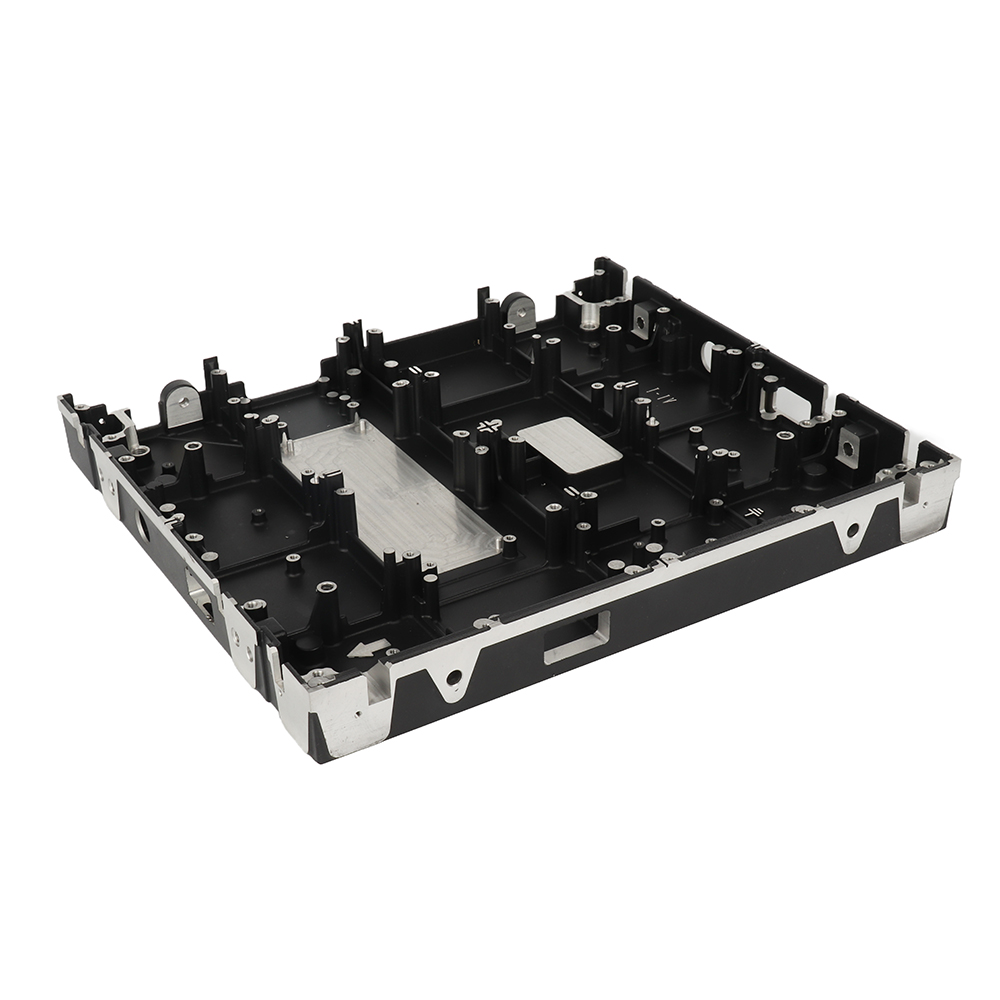
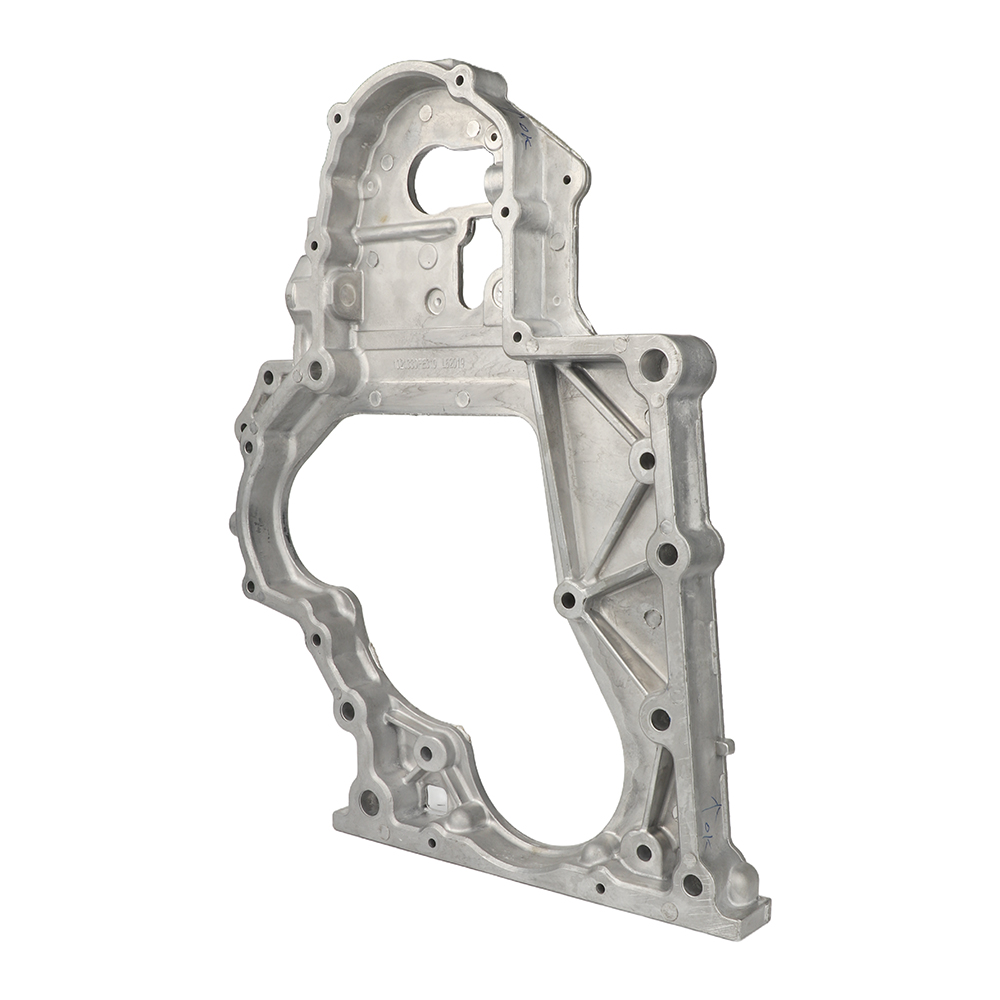
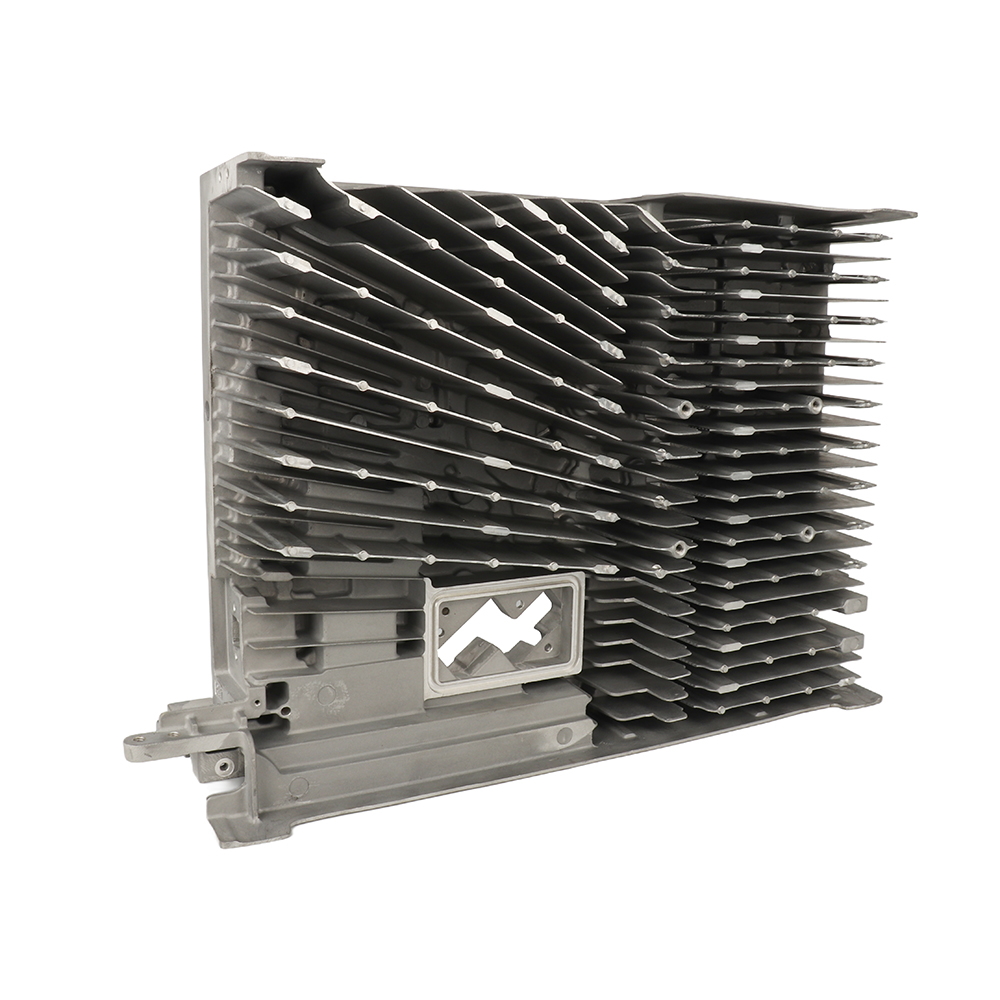
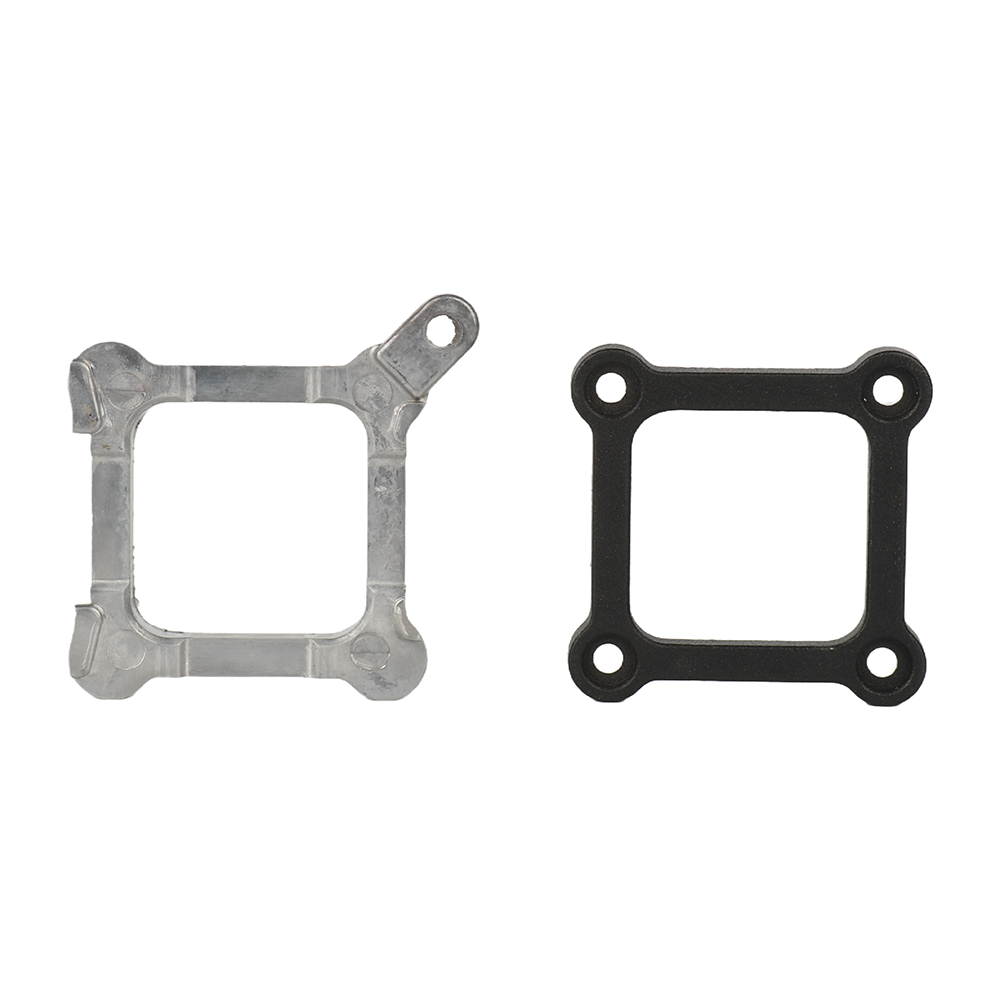
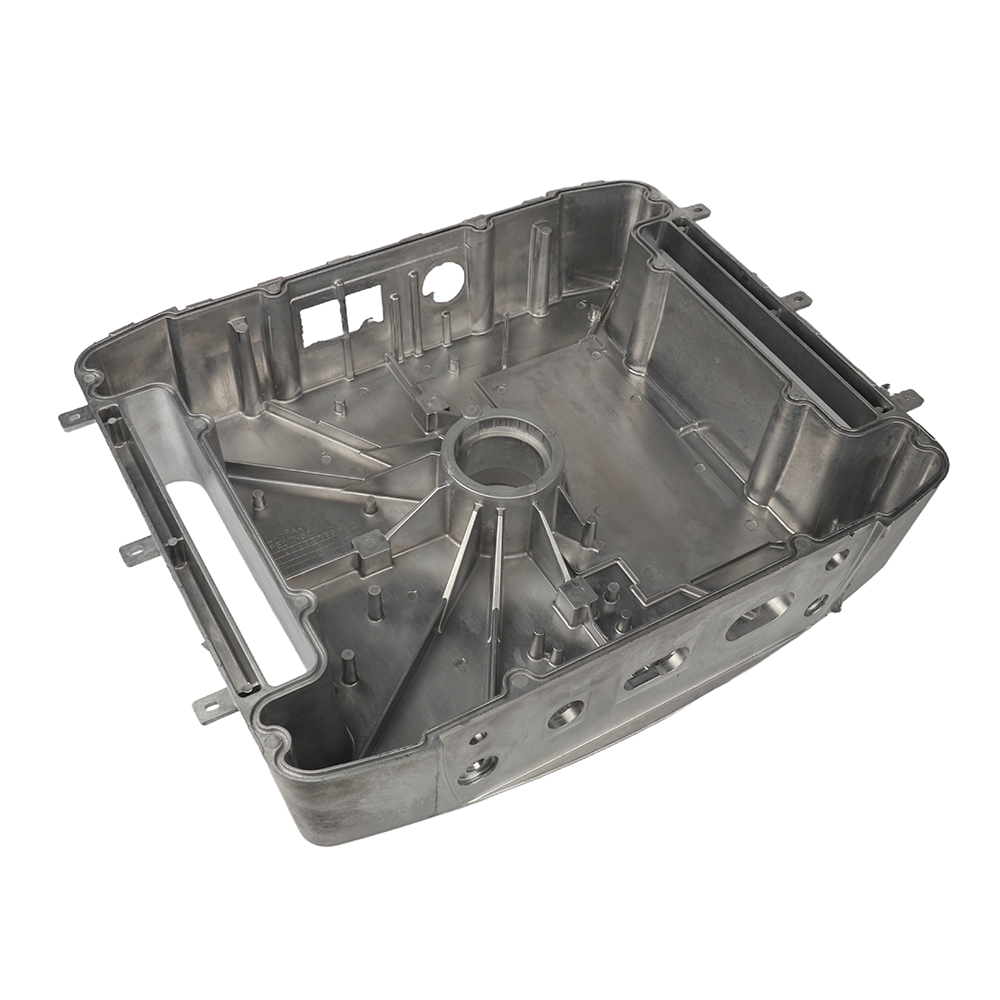
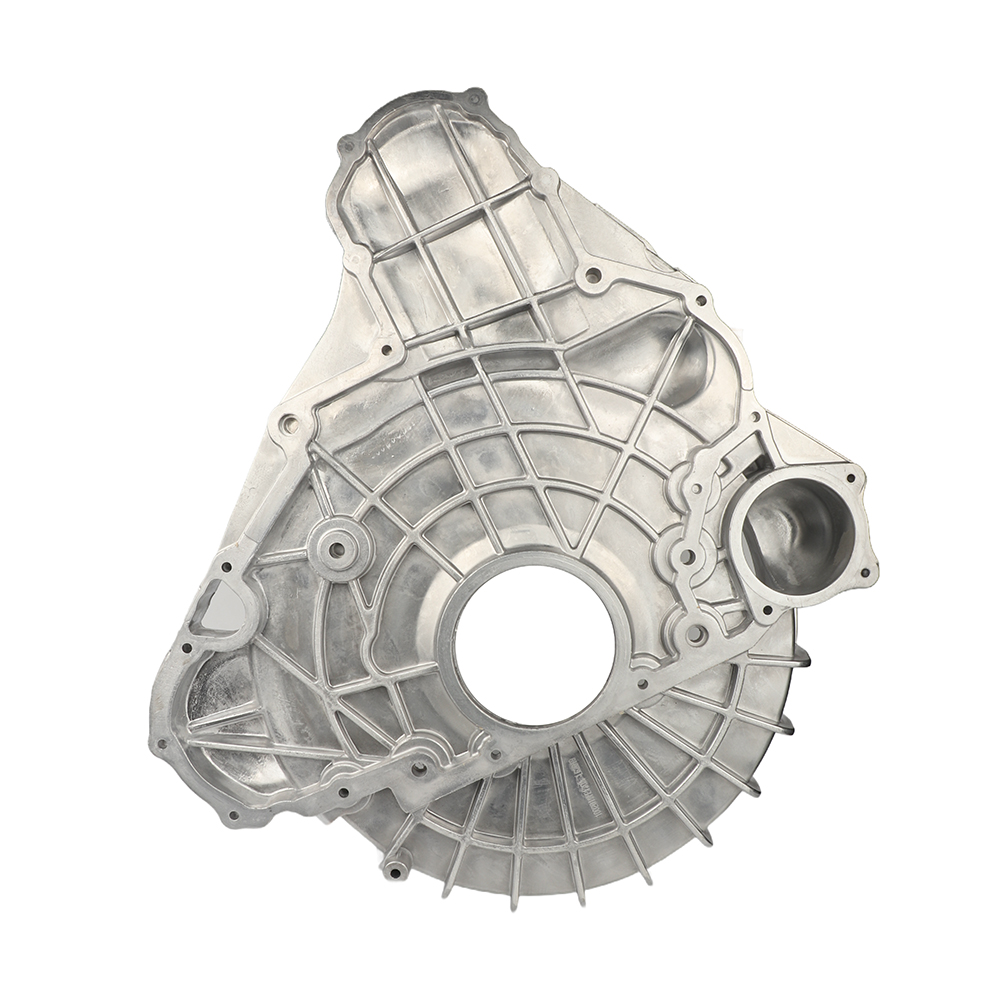
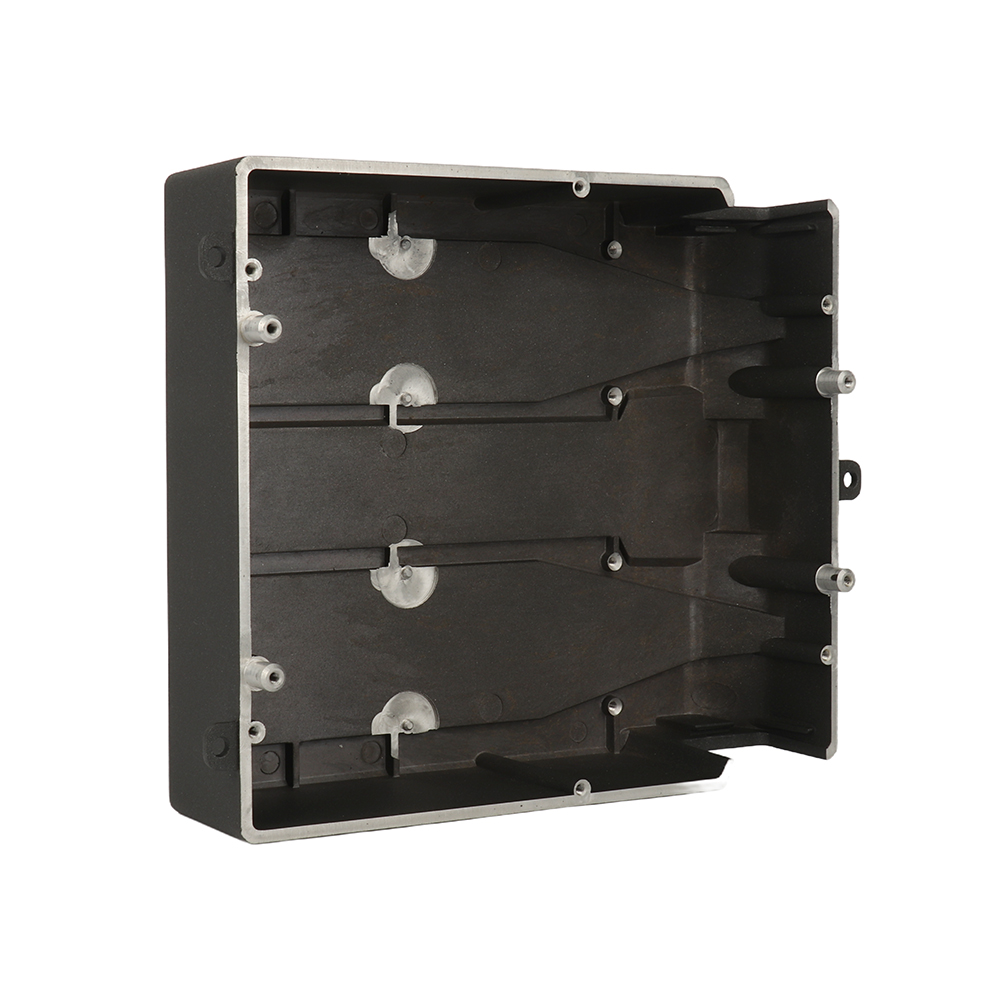
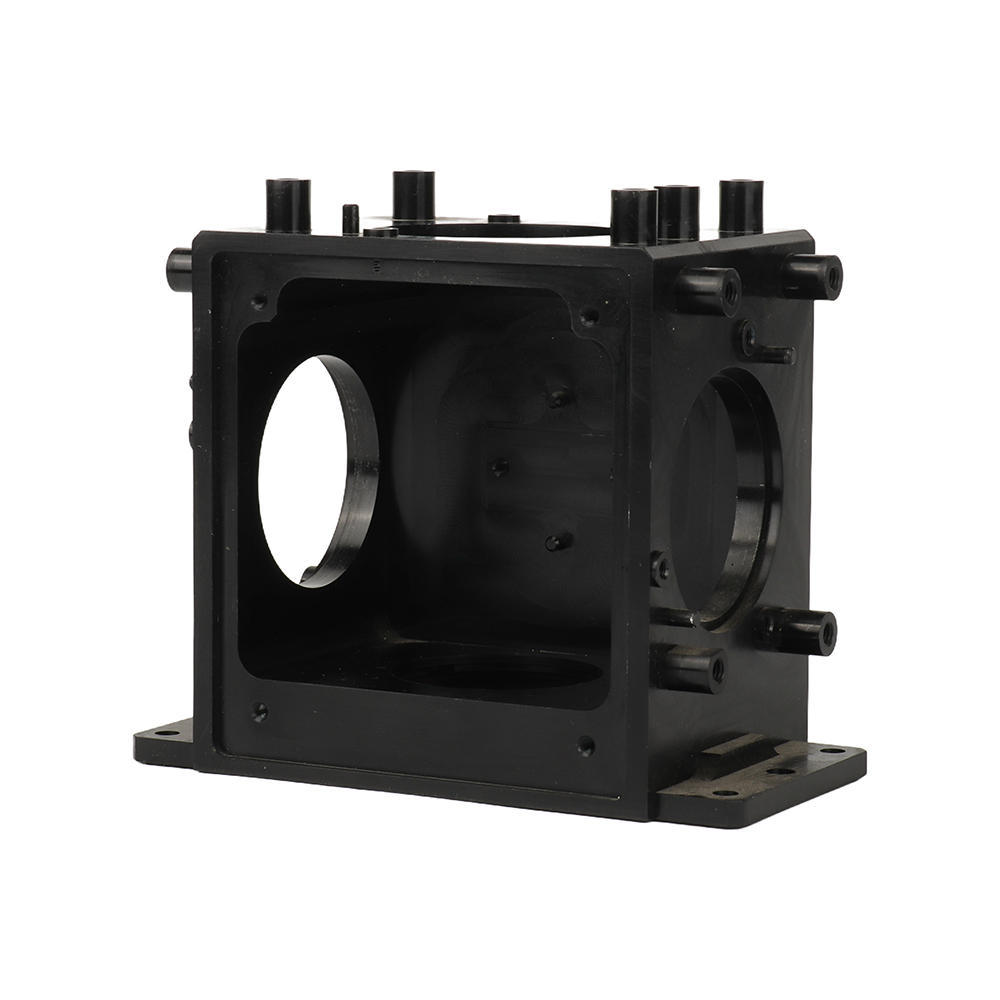
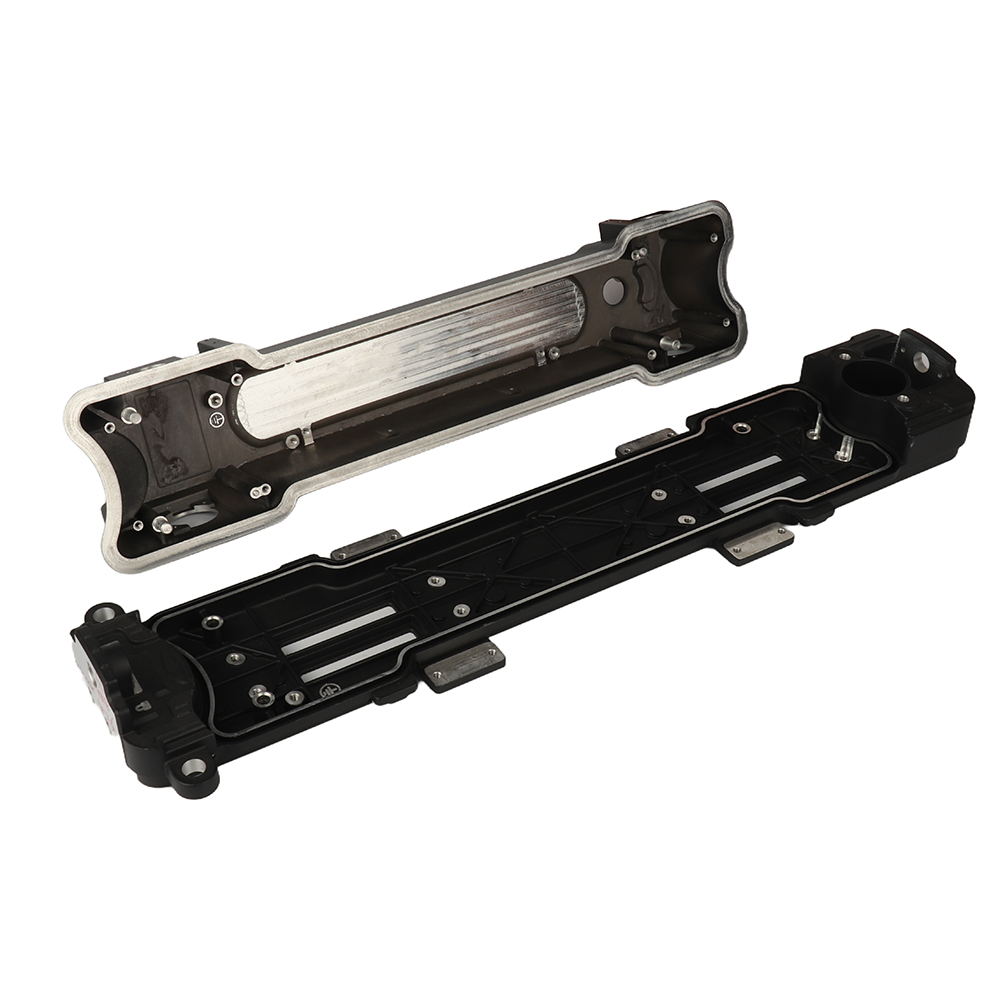
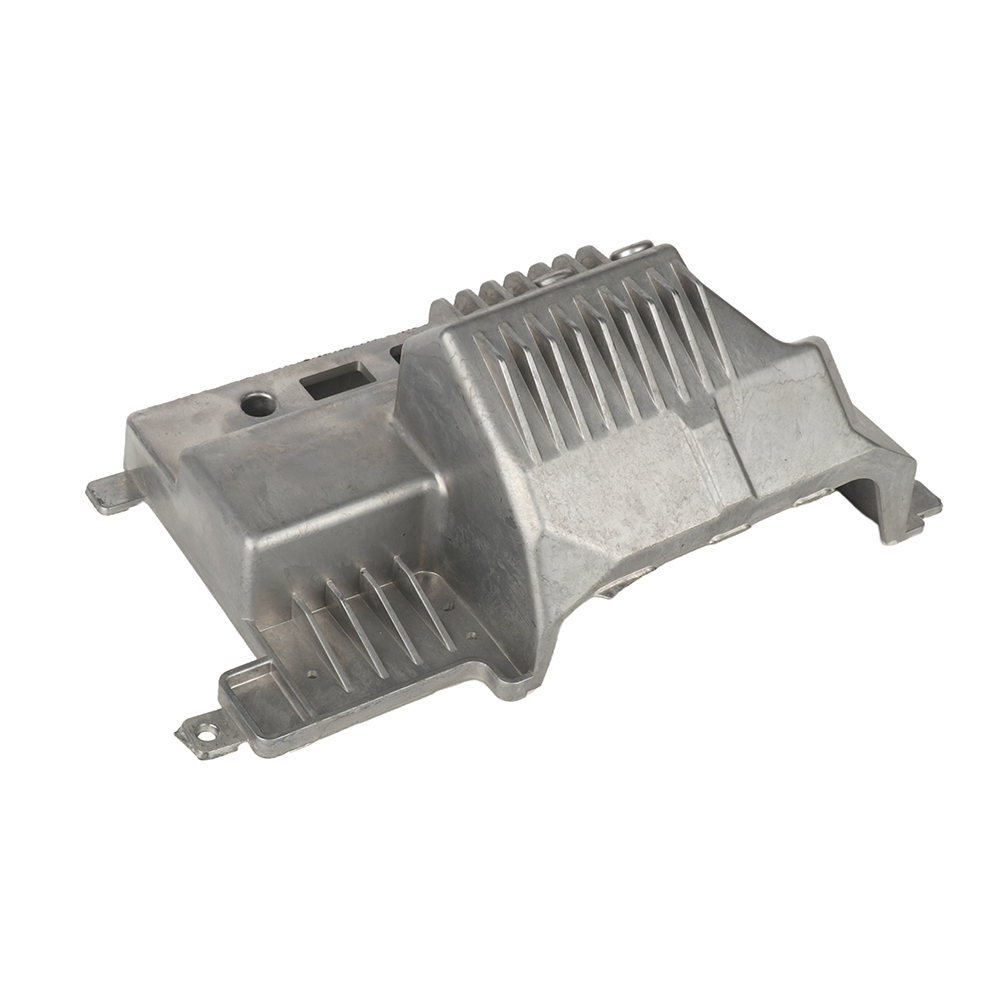
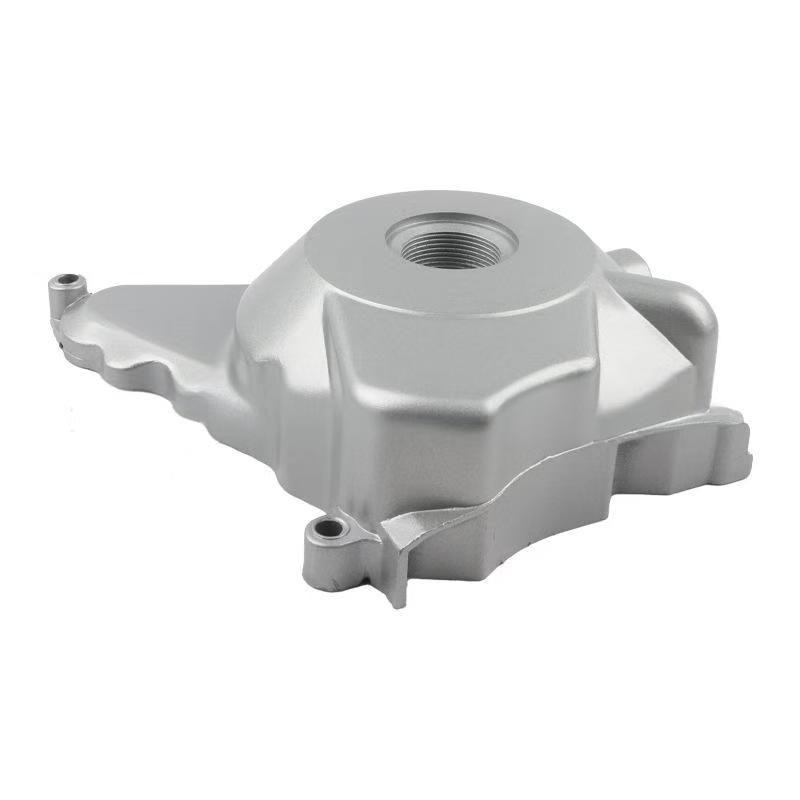
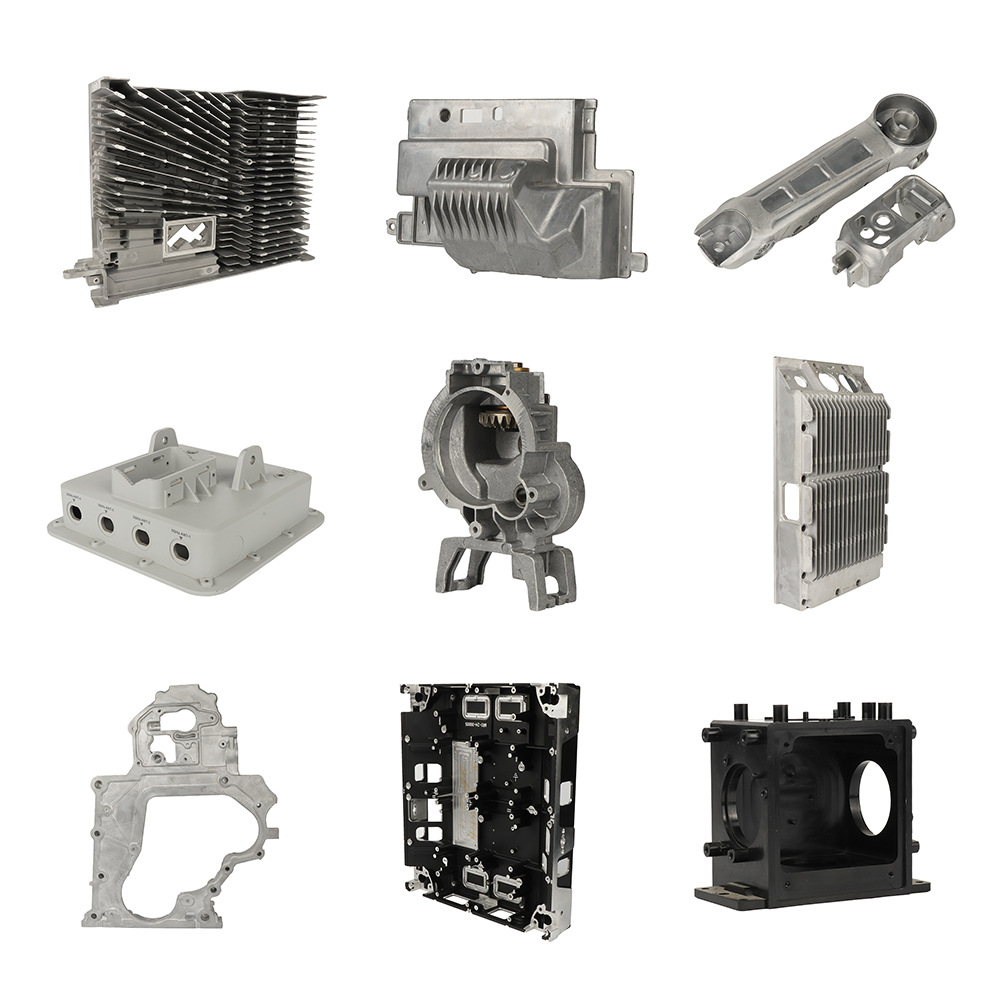
Housing casting | What is a housing casting? A Complete Guide for Beginners
What is a Housing Casting? A Complete Guide for Beginners
Table of Contents
- 1. Introduction: What Exactly is a Housing Casting?
- 2. Core Definition & Key Characteristics of Housing Casting
- 3. Common Types of Housing Casting Processes
- 4. Housing Casting vs. Other Housing Manufacturing Methods (Pros & Cons)
- 5. Key Benefits of Choosing Housing Casting
- 6. Expert Opinions on Housing Casting
- 7. Frequently Asked Questions (FAQs) About Housing Casting
- 8. Conclusion
1. Introduction: What Exactly is a Housing Casting?
In the manufacturing and construction industries,housing casting is a fundamental process that shapes the outer protective or structural enclosures we use in countless applications—from industrial machinery gearboxes to residential construction components. But if you’re new to the term, you might be wondering: what is a housing casting, and why is it so widely used? This blog breaks down everything you need to know, from its definition and types to its advantages over alternative methods, plus expert insights and answers to common industry questions.
2. Core Definition & Key Characteristics of Housing Casting
2.1 What is a Housing Casting?
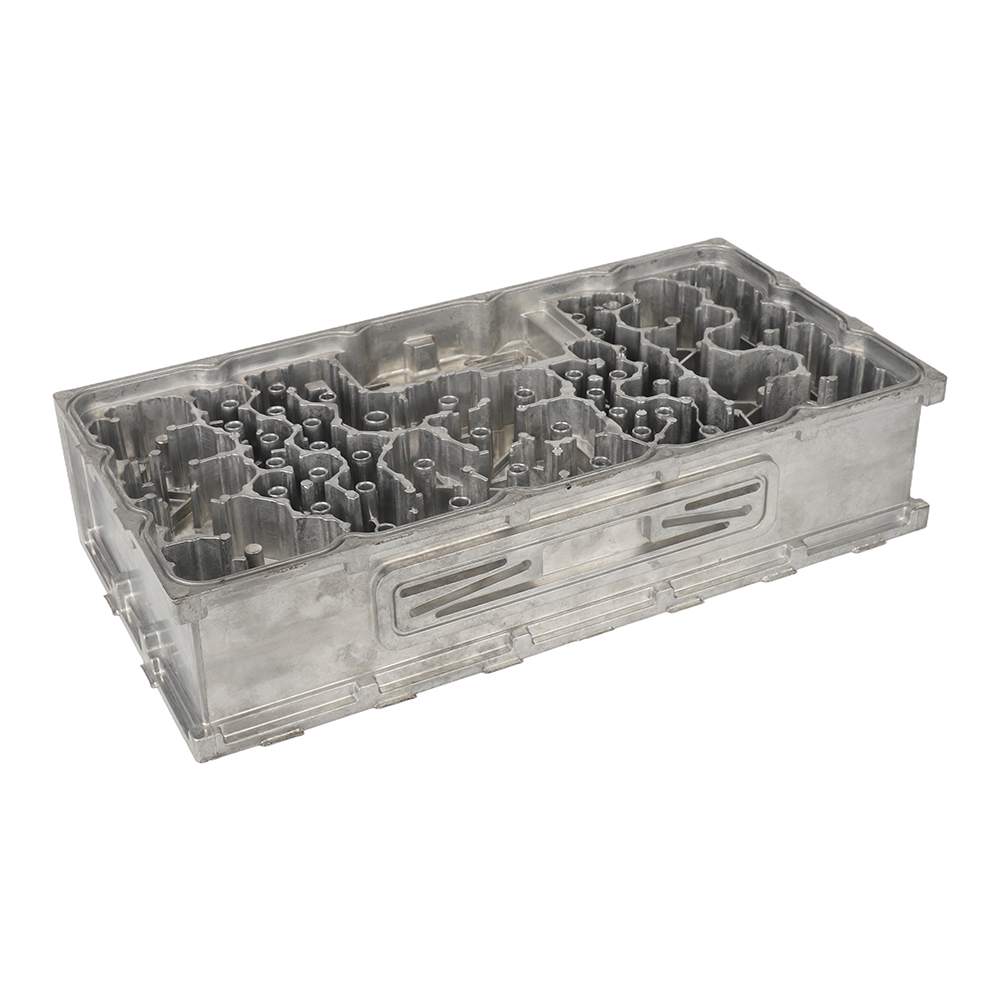
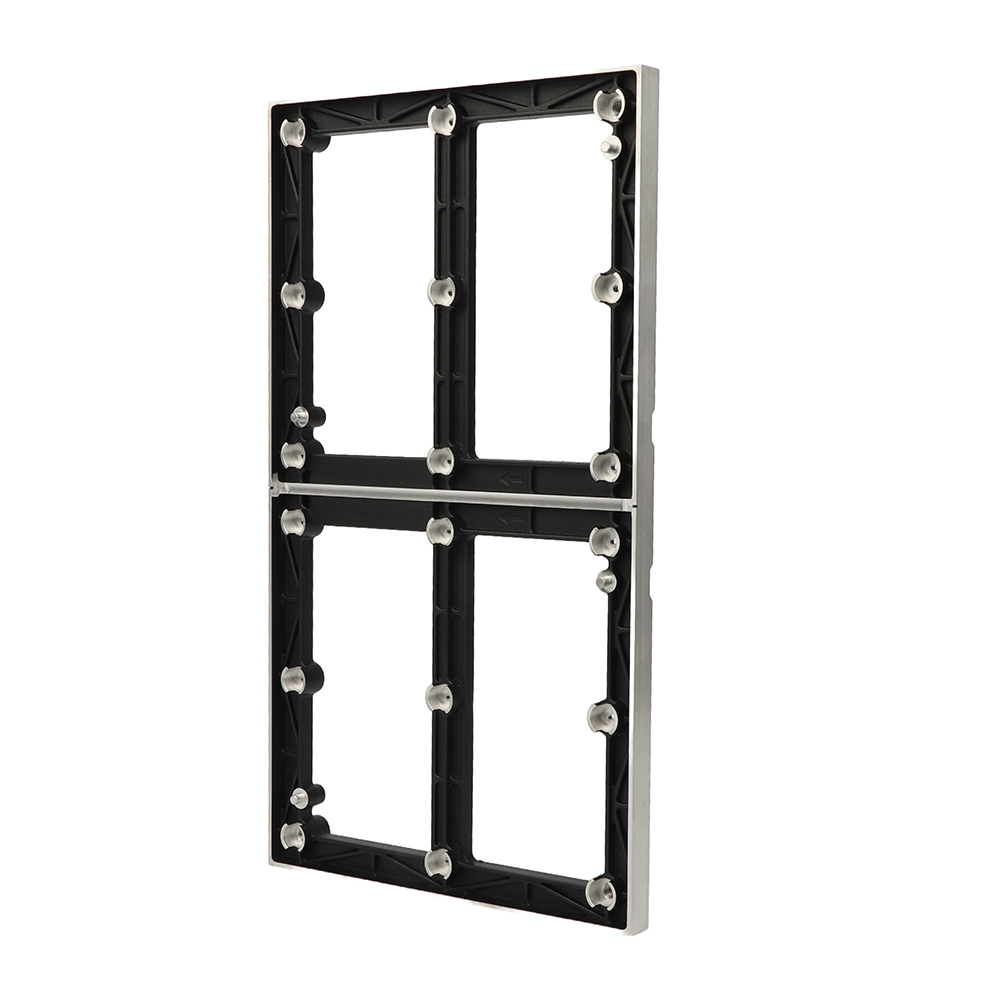
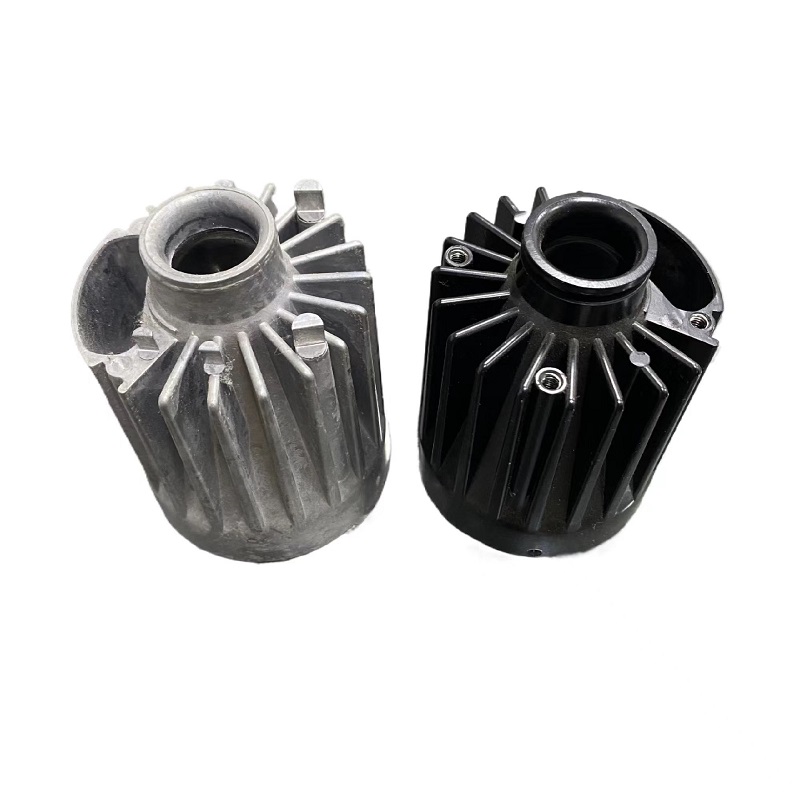
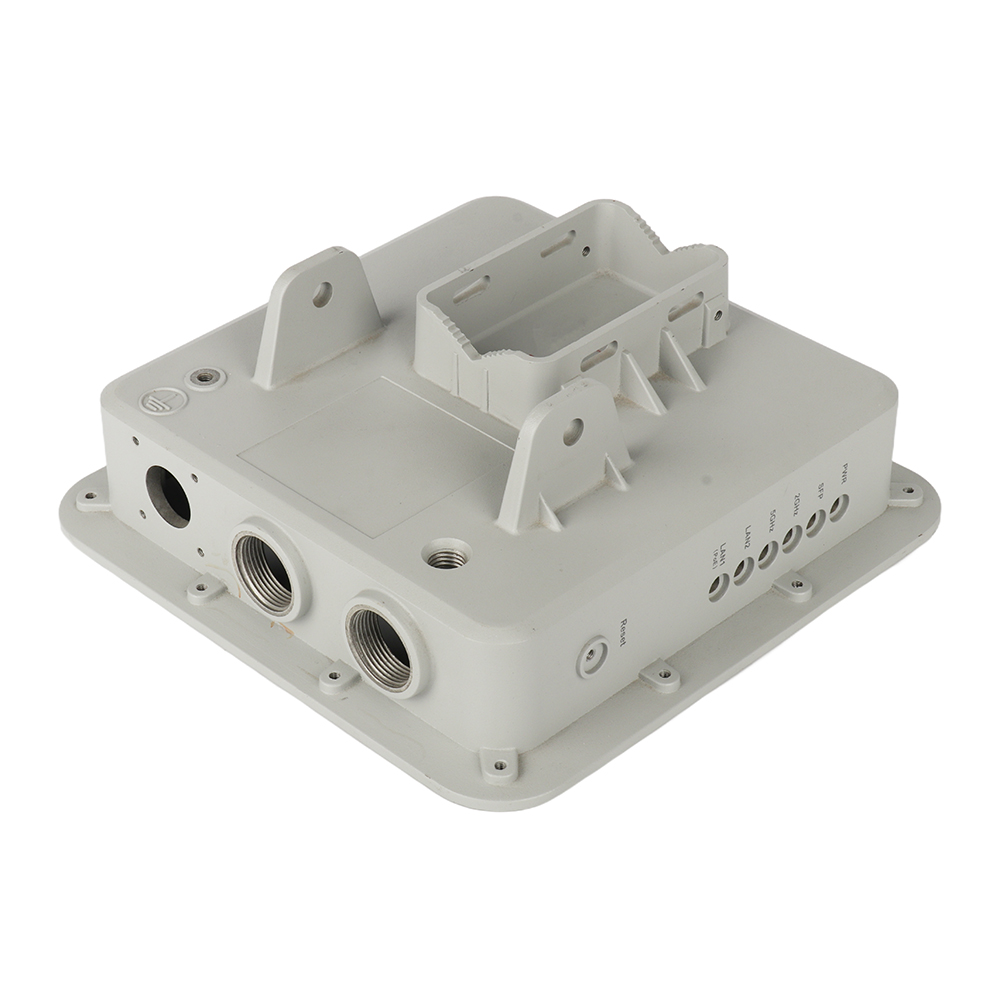
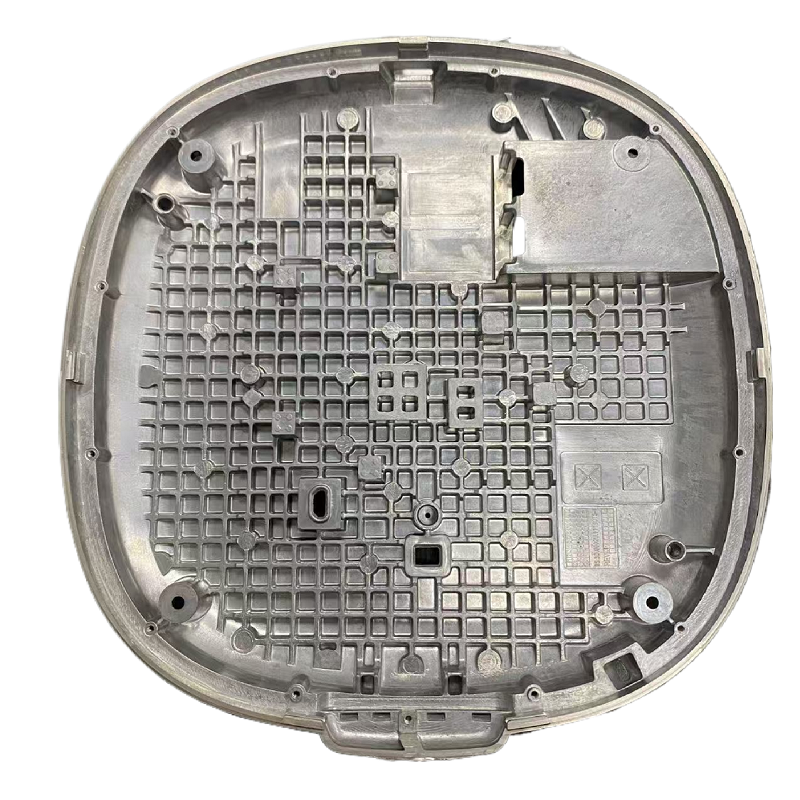
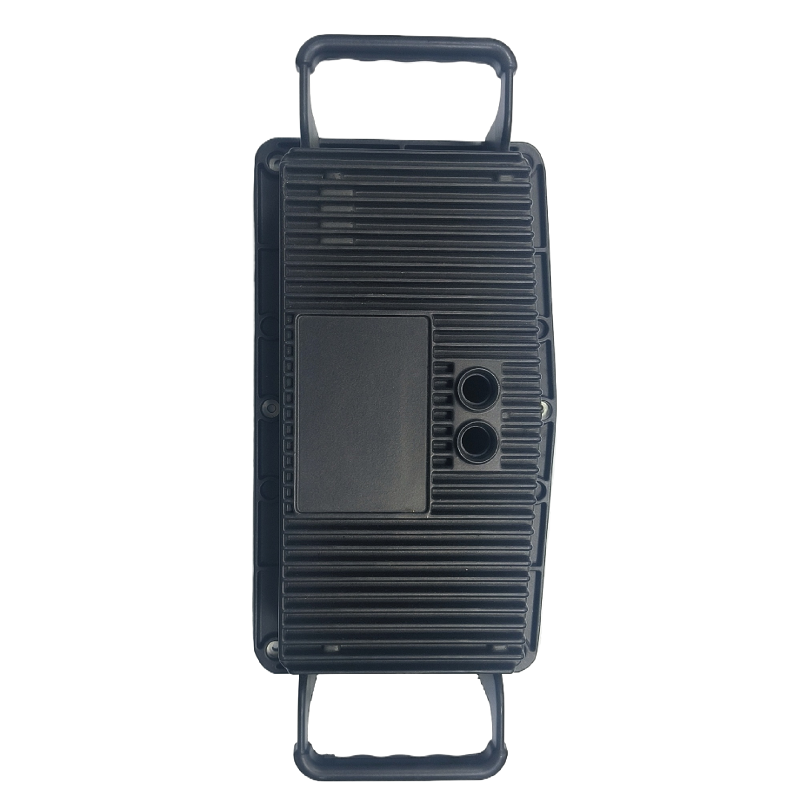
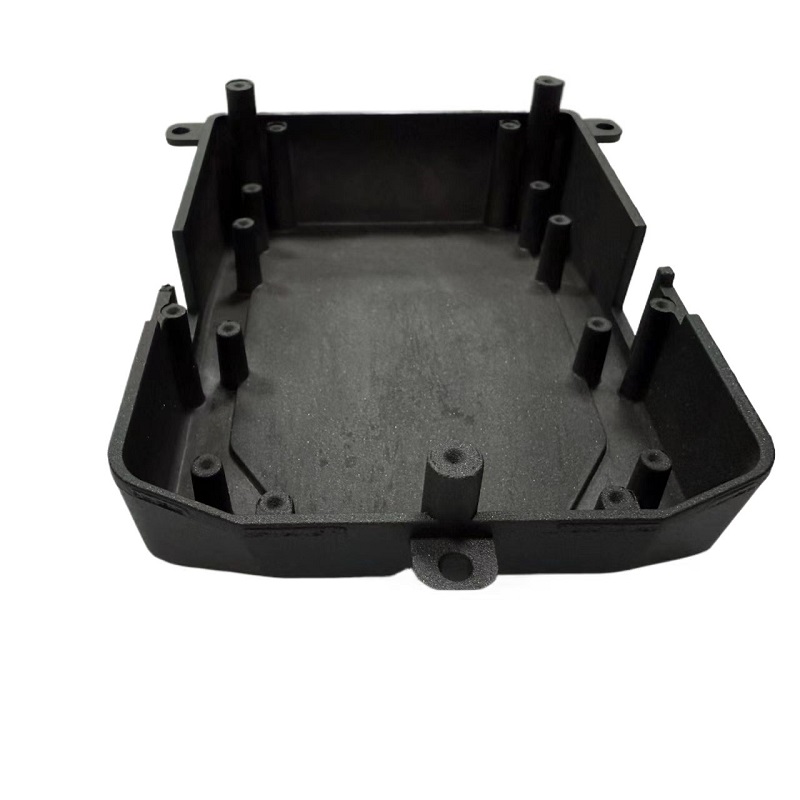
A housing casting refers to a manufactured component produced by the casting process: molten material (typically metal, such as gray iron, ductile iron, or aluminum) is poured into a custom mold, allowed to cool and solidify, and then removed to form a rigid, hollow or solid enclosure—known as a “housing”—that protects internal parts, supports structures, or contains substances. Unlike assembled or fabricated housings, casting creates a single, integrated piece with consistent properties throughout.
2.2 Key Characteristics of High-Quality Housing Casting
- Structural Integrity: Cast housings have no seams or joints (unlike welded or bolted enclosures), making them more resistant to stress, pressure, and wear.
- Dimensional Accuracy: Modern casting techniques (such as die casting or resin sand casting) ensure tight tolerances, matching exact design specifications (often ISO 8062 CT 9 - CT 12 for metal castings).
- Material Versatility: Can be made from various metals, each offering unique benefits—gray iron for vibration damping, aluminum for corrosion resistance, and ductile iron for high tensile strength.
- Design Flexibility: Molds can be customized to create complex shapes, including internal cavities, external threads, and thin-walled structures, without the need for additional assembly steps.
3. Common Types of Housing Casting Processes
Housing casting uses several specialized processes, each suited to different materials, volume requirements, and design complexities. Here are the most common ones:
3.1 Die Casting
A popular method for high-volume production, die casting forces molten metal (often aluminum or zinc) into a steel mold (die) under high pressure. It’s ideal for small to medium-sized housing castings (e.g., electronic enclosures, small gearbox housings) and delivers smooth surface finishes (1.6 μm Ra ~ 6.3 μm Ra) with minimal post-processing.
3.2 Sand Casting
The most traditional and versatile process, sand casting uses a mold made of sand (clay sand or resin sand) to form the housing shape. It’s suitable for large, heavy-duty housings (e.g., industrial pump housings, construction machinery components) and can handle complex designs at a lower cost for low to medium production volumes.
3.3 Shell Molding Casting
A precision sand casting variant, shell molding uses a resin-coated sand mold that forms a thin, rigid “shell.” It produces housing castings with higher dimensional accuracy and smoother surfaces than traditional sand casting, making it ideal for automotive and aerospace components.
4. Housing Casting vs. Other Housing Manufacturing Methods (Pros & Cons)
To understand why housing casting is preferred, let’s compare it to two common alternative methods: welded fabrication and injection molding (for plastic housings). We’ll highlight the pros and cons of each, with a focus on why casting stands out.
4.1 Housing Casting vs. Welded Fabrication
| Aspect | Housing Casting | Welded Fabrication |
|---|---|---|
| Structural Strength | Pro: Seamless design, uniform strength, no weak points from welds. | Con: Weld joints are potential weak spots, prone to cracking under stress. |
| Design Complexity | Pro: Can create complex shapes, internal cavities, and intricate details in one piece. | Con: Limited to simple shapes; complex designs require multiple welded parts. |
| Cost (High Volume) | Pro: Lower per-unit cost once molds are created, ideal for mass production. | Con: Higher labor costs for welding, not cost-effective for large volumes. |
| Post-Processing | Con: May require minor grinding or finishing for smooth surfaces. | Con: Requires extensive grinding, sandblasting, and anti-corrosion treatment for welds. |
4.2 Housing Casting vs. Injection Molding (Plastic Housings)
| Aspect | Housing Casting (Metal) | Injection Molding (Plastic) |
|---|---|---|
| Durability | Pro: Resistant to heat, impact, and chemical damage; long service life (decades). | Con: Prone to cracking, warping, and degradation under high heat or heavy use. |
| Load-Bearing Capacity | Pro: High tensile strength, suitable for heavy-duty applications (e.g., industrial machinery). | Con: Low load-bearing capacity, limited to light-duty uses (e.g., consumer electronics). |
| Temperature Resistance | Pro: Withstands extreme temperatures (-50°C to 500°C+ depending on material). | Con: Melts or deforms at moderate temperatures (typically 60°C–150°C). |
| Cost (Low Volume) | Con: Higher upfront mold costs, less cost-effective for small batches. | Pro: Lower mold costs for small to medium volumes, ideal for consumer products. |
5. Key Benefits of Choosing Housing Casting
From industrial applications to construction, housing casting offers distinct advantages that make it the preferred choice for many projects. Here are the top benefits:
5.1 Superior Durability & Longevity
Metal housing castings are built to last. Materials like gray iron and ductile iron offer excellent vibration damping, corrosion resistance, and wear resistance—critical for harsh environments (e.g., construction sites, industrial facilities). Unlike plastic or welded housings, cast housings require minimal maintenance and can withstand decades of use without degradation.
5.2 Cost-Effective for Mass Production
While the initial mold cost for housing casting can be higher, the per-unit cost drops significantly for large production runs. This is because casting eliminates the need for multiple assembly steps (e.g., welding, bolting) and reduces labor costs. Additionally, casting allows manufacturers to combine multiple components into a single cast part, further lowering production costs.
5.3 Design Versatility & Precision
Housing casting can accommodate almost any design, from simple rectangular enclosures to complex, custom shapes with internal channels, threads, or thin walls. Modern casting techniques ensure tight tolerances, so cast housings fit perfectly with other components—reducing assembly time and errors. This flexibility makes casting ideal for custom projects and specialized applications (e.g., automotive engine housings, hydraulic pump casings).
5.4 Enhanced Safety & Reliability
The seamless, one-piece design of housing castings eliminates weak points (like welds) that can fail under stress. This makes them ideal for applications where safety is critical—such as protective housings for machinery, electrical components, or hazardous materials. Cast housings also provide better heat dissipation than plastic alternatives, reducing the risk of overheating and equipment failure.
5.5 Environmental Sustainability
Metal housing castings are highly recyclable—most cast metals (e.g., iron, aluminum) can be melted down and reused without losing quality. Additionally, casting produces less waste than welded fabrication, as excess material can be recycled back into the production process. This aligns with modern sustainability goals in manufacturing and construction.
6. Expert Opinions on Housing Casting
Industry experts recognize the value of housing casting in modern manufacturing. Here’s what leading professionals have to say:
6.1 Expert Quote 1: Materials Engineering Specialist
“Housing casting is the backbone of reliable industrial and construction components. Its ability to create seamless, high-strength enclosures that withstand extreme conditions is unmatched by other methods. For applications where durability and precision matter—from gearbox housings to construction machinery components—casting is the only choice that balances performance and cost.” — Dr. Emily Carter, Materials Engineering Director at Sunrise Foundry Co., Ltd., a leading manufacturer of metal castings with over 25 years of experience.
6.2 Expert Quote 2: Manufacturing Process Consultant
“Many manufacturers overlook the design flexibility of housing casting. Unlike welded or plastic housings, casting allows us to integrate complex features—like internal cavities and external threads—into a single part, reducing assembly time and improving reliability. For high-volume production, casting also offers significant cost savings over the long term, making it a smart investment for businesses looking to scale.” — Michael Chen, Senior Manufacturing Consultant, specializing in casting processes for automotive and industrial applications.
6.3 Expert Quote 3: Construction Industry Analyst
“In construction, housing castings play a critical role in creating durable, low-maintenance components—from structural supports to utility enclosures. Their resistance to weather, corrosion, and wear makes them ideal for both residential and commercial projects. As the industry shifts toward sustainable and long-lasting construction, casting will continue to be a key technology for meeting these goals.” — Sarah Liu, Construction Industry Analyst, with a focus on sustainable building materials and processes.
7. Frequently Asked Questions (FAQs) About Housing Casting
We’ve compiled answers to the most common questions about housing casting, based on industry trends and expert insights:
Q1: What materials are most commonly used for housing casting?
The most common materials are gray iron (ideal for vibration damping and machinability), ductile iron (high tensile strength), andaluminum (lightweight and corrosion-resistant). Other materials include steel, zinc, and copper, depending on the application (e.g., aluminum for aerospace, steel for heavy machinery).
Q2: How long does it take to produce a housing casting?
Production time depends on the process and volume: - Sand casting: 1–2 weeks for small batches (mold creation + casting + finishing). - Die casting: 2–4 weeks for mold creation, then minutes per part for mass production. - Shell molding: 1–3 weeks for mold creation, with faster production than traditional sand casting.
Q3: Is housing casting suitable for small-scale production?
Yes, but it depends on the process. Sand casting is cost-effective for small batches (1–100 parts), as mold costs are lower. Die casting is less cost-effective for small volumes due to high upfront mold costs, but it’s ideal for large-scale production (1000+ parts).
Q4: How do I ensure the quality of a housing casting?
Quality control steps include: 1. Using high-quality raw materials (tested for purity and strength). 2. Precision mold design and maintenance. 3. Monitoring casting temperature and pressure (for die casting). 4. Post-casting inspections (e.g., X-ray, ultrasonic testing) to detect defects like cracks or porosity. 5. Following industry standards (e.g., ISO 8062 for tolerances).
Q5: Can housing castings be customized for specific applications?
Absolutely. Molds are custom-designed to match the exact size, shape, and features required for your application—whether it’s a small electronic enclosure or a large industrial pump housing. Manufacturers can also adjust material properties (e.g., adding alloys for extra strength) to meet specific performance needs.
Q6: Are housing castings expensive compared to other methods?
For small volumes, casting may be more expensive than welded fabrication or plastic injection molding. But for large volumes, casting becomes more cost-effective due to lower per-unit costs. Additionally, the long lifespan and low maintenance of cast housings reduce total ownership costs over time.
8. Conclusion
Housing casting is a versatile, durable, and cost-effective manufacturing process that creates high-quality enclosures for industrial, automotive, and construction applications. Its seamless design, material versatility, and design flexibility make it superior to alternative methods like welded fabrication and plastic injection molding—especially for heavy-duty, high-volume, or custom projects.
As industry experts note, housing casting will continue to play a critical role in modern manufacturing, thanks to its ability to balance performance, cost, and sustainability. Whether you’re designing a small electronic housing or a large industrial component, understanding the benefits of housing casting can help you make the best choice for your project.
Outdoor cabinet telecom | What is Die-casting outdoor telecom cabinet? Benefits, Comparisons & FAQs
Electric motor base | What is aluminum die-cast? Focus on Electric Motor Base
Related Article


