
HOT PRODUCTS
Magnesium casting | What is a magnesium die‑cast part? A Comprehensive Guide to Magnesium Casting
What is a Magnesium Die-Cast Part? A Comprehensive Guide to Magnesium Casting
Table of Contents
- Introduction: What is a Magnesium Die-Cast Part?
- An Overview of Magnesium Casting Process
- Pros and Cons of Magnesium Die-Cast Parts (vs. Aluminum, Steel, Zinc)
- Key Benefits of Magnesium Die-Cast Parts (Highlighted)
- Expert Insights on Magnesium Die-Casting
- Frequently Asked Questions (FAQs) About Magnesium Die-Cast Parts
- Conclusion
1. Introduction: What is a Magnesium Die-Cast Part?
A magnesium die-cast part is a high-precision metal component manufactured through the magnesium casting process—where molten magnesium alloy is injected into a custom-designed steel mold (die) under high pressure, forming complex, dimensionally accurate parts with consistent quality. As the lightest commonly used die-cast alloy (density of roughly 1.74 g/cm³), magnesium die-cast parts stand out in industries prioritizing weight reduction, without sacrificing structural integrity. Unlike traditional casting methods, magnesium die-casting is optimized for high-volume production, delivering parts with smooth surfaces, tight tolerances, and minimal post-processing needs. This blog dives deep into magnesium die-cast parts, focusing on the magnesium casting process, its advantages, comparisons to other materials, expert perspectives, and industry FAQs.
2. An Overview of Magnesium Casting Process
Magnesium casting follows a streamlined, high-efficiency workflow tailored to the unique properties of magnesium alloys—namely their lower melting point (around 650°C) and high fluidity, which enable faster production and intricate part designs. Below is a detailed breakdown of the core steps, with a focus on what makes magnesium casting distinct:
3.1 Mold Design & Preparation
The first step in magnesium casting is designing a custom steel (or high-temperature aluminum) mold that matches the exact specifications of the final part, including intricate details like ribs, holes, and internal cavities. The mold is precision-machined to ensure tight tolerances (as low as ±0.05 mm) and smooth internal surfaces, which are critical for achieving the high-quality finish magnesium die-cast parts are known for. Unlike aluminum casting, magnesium casting molds require specialized coatings to prevent reactions between molten magnesium and the mold material, ensuring easy release and extending mold life.
3.2 Magnesium Alloy Melting & Injection
The most commonly used magnesium alloys for die-casting are AZ91D (the most versatile, with excellent castability and corrosion resistance), AM60B, and AS41B—each selected for specific strength, ductility, or high-temperature performance needs. These alloys are melted in a controlled furnace (at around 650–700°C, lower than aluminum’s 660°C melting point), reducing energy consumption compared to other die-casting processes. The molten magnesium is then injected into the mold at high pressure (40–1000 MPa) and high speed (up to 20 m/s), ensuring it fills every detail of the mold cavity without defects like porosity or cold shuts.
3.3 Cooling & Demolding
Due to magnesium’s lower thermal mass, molten magnesium cools and solidifies faster than aluminum—typically in seconds to minutes, depending on part size. This faster cooling time boosts production efficiency, allowing manufacturers to produce more parts per hour. Once solidified, the mold opens, and the magnesium die-cast part is ejected gently to avoid damaging delicate features, such as thin walls (minimum 1.27 mm for magnesium alloys) or intricate geometries.
3.4 Post-Processing (If Needed)
Magnesium die-cast parts require minimal post-processing, thanks to the precision of the casting process. However, some applications may require CNC machining to refine critical dimensions, surface treatments (such as anodizing, powder coating, or chromate plating) to enhance corrosion resistance, or polishing to improve surface finish. These steps ensure the part meets the specific requirements of its end use, whether in automotive, electronics, or aerospace.

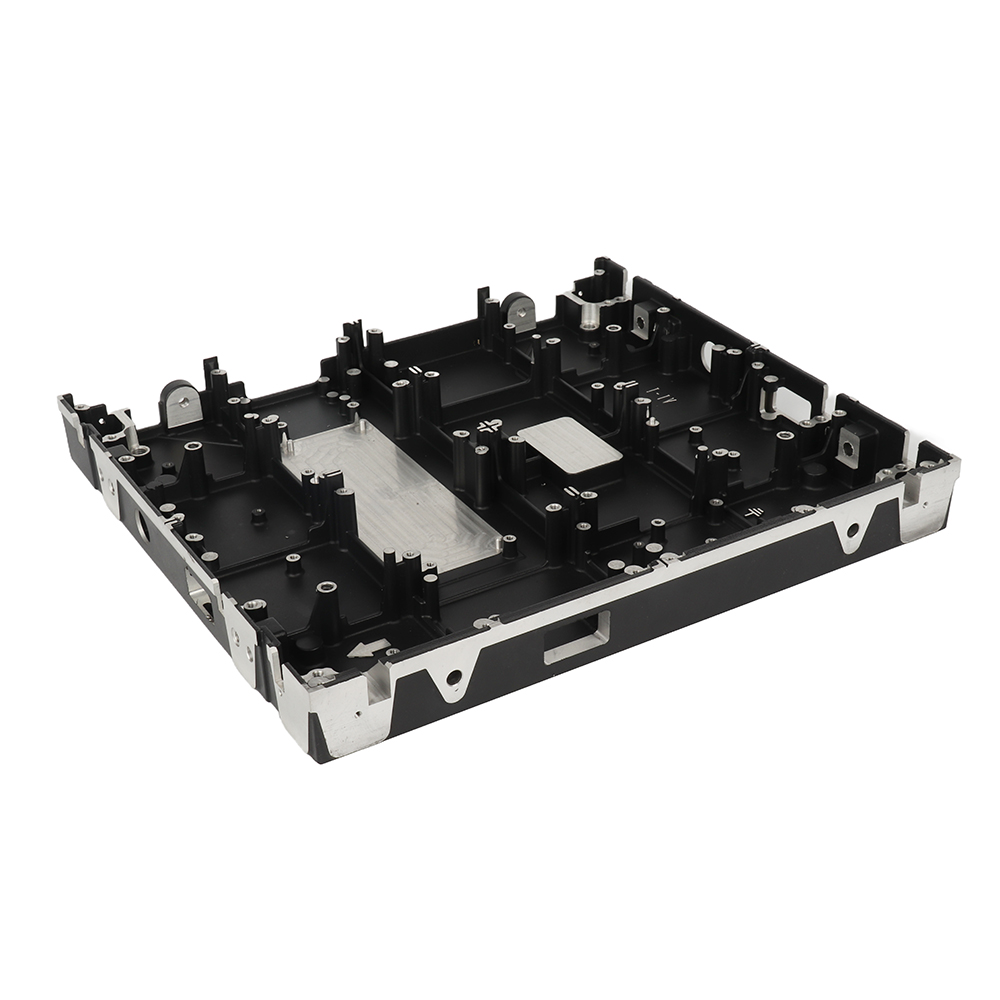
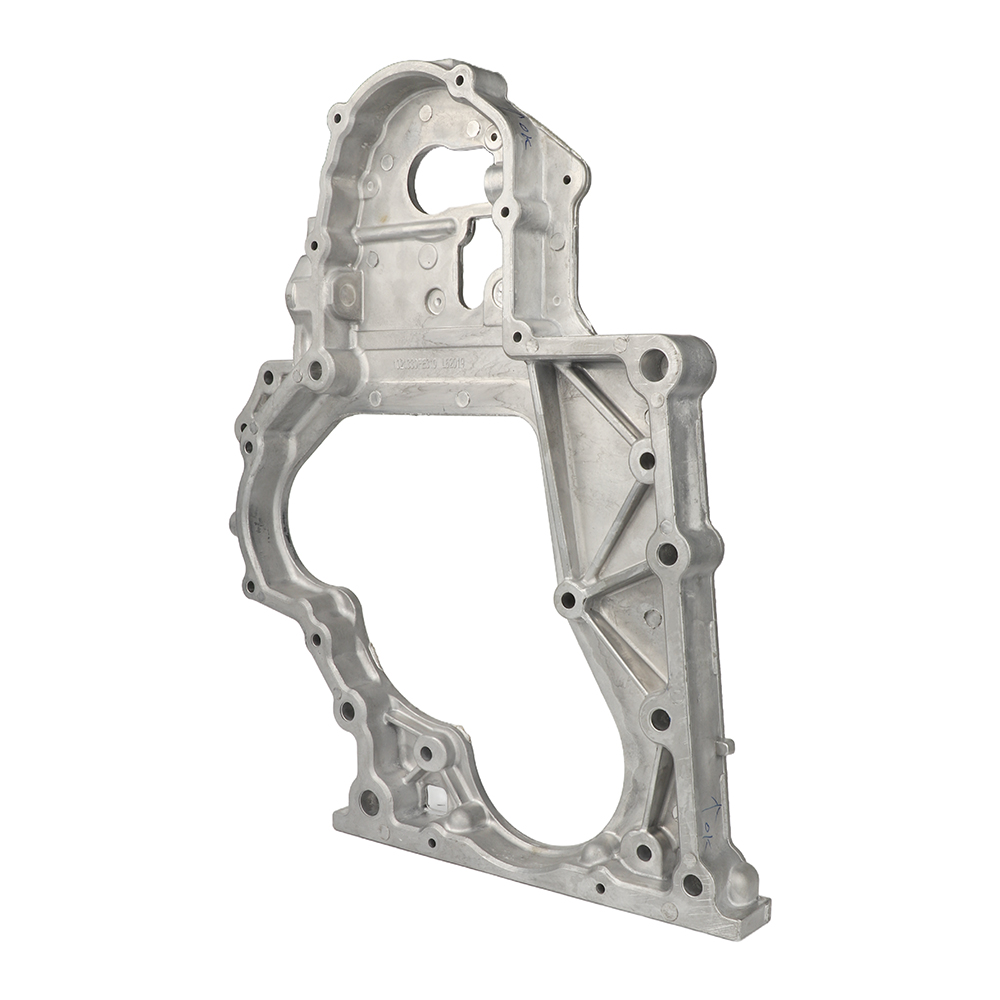
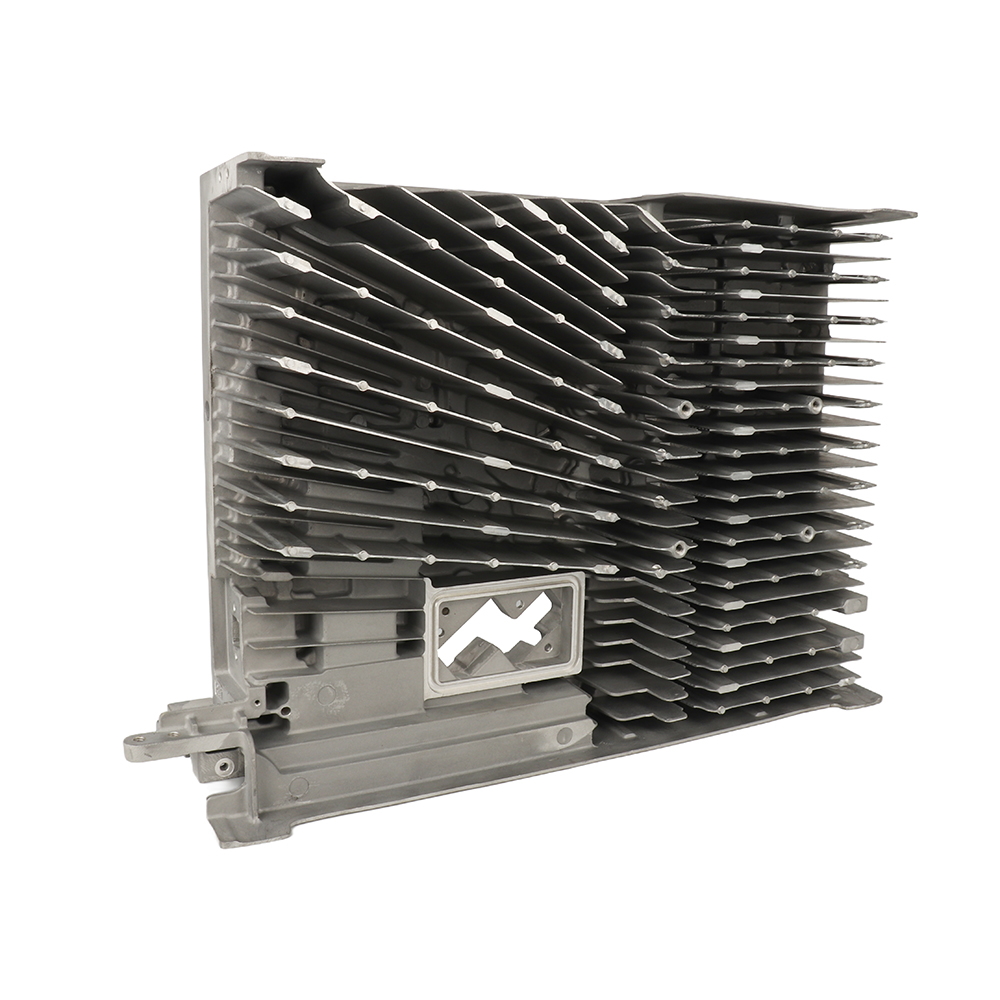
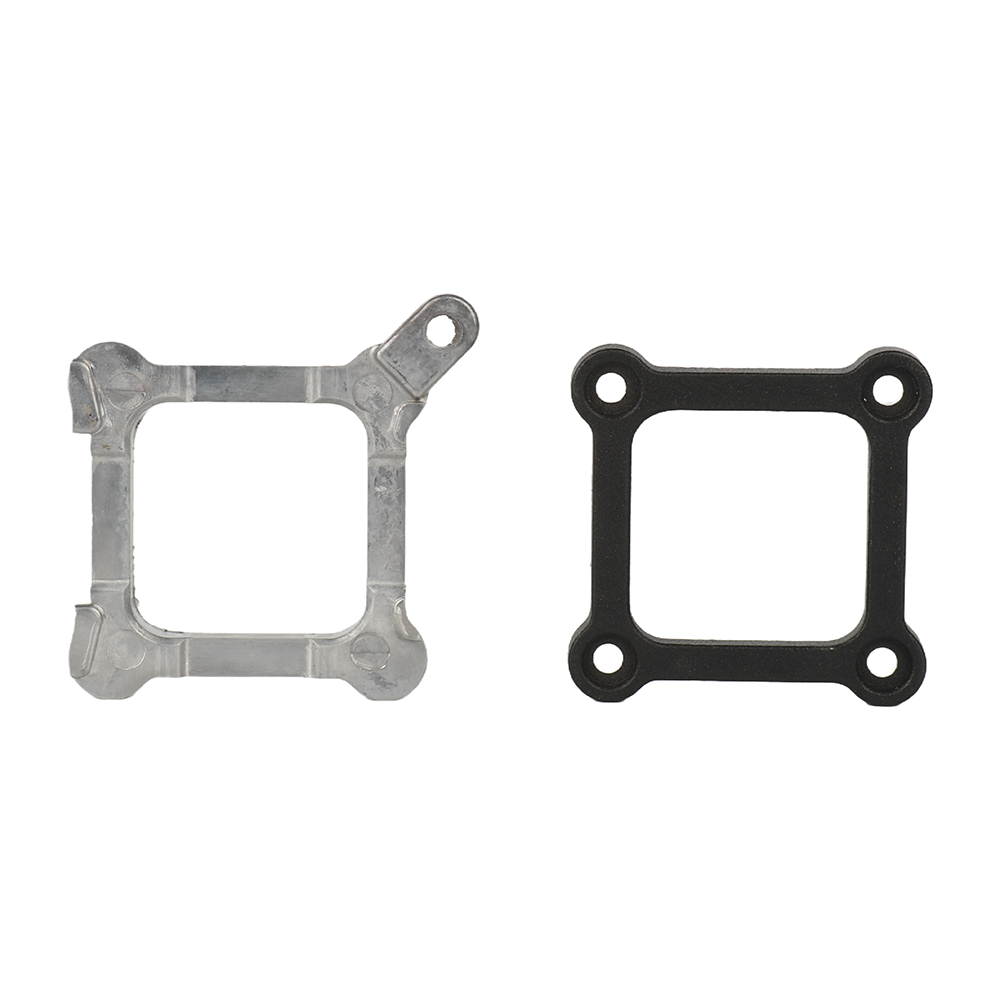
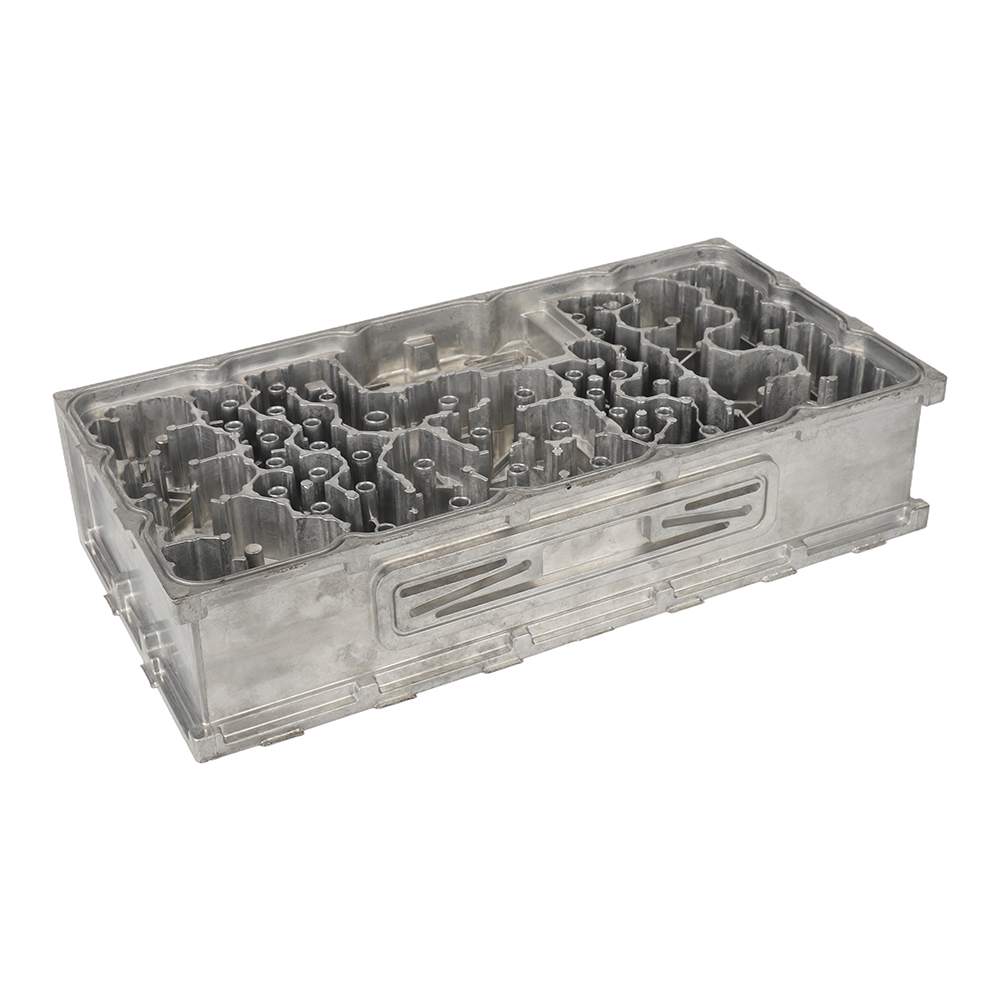
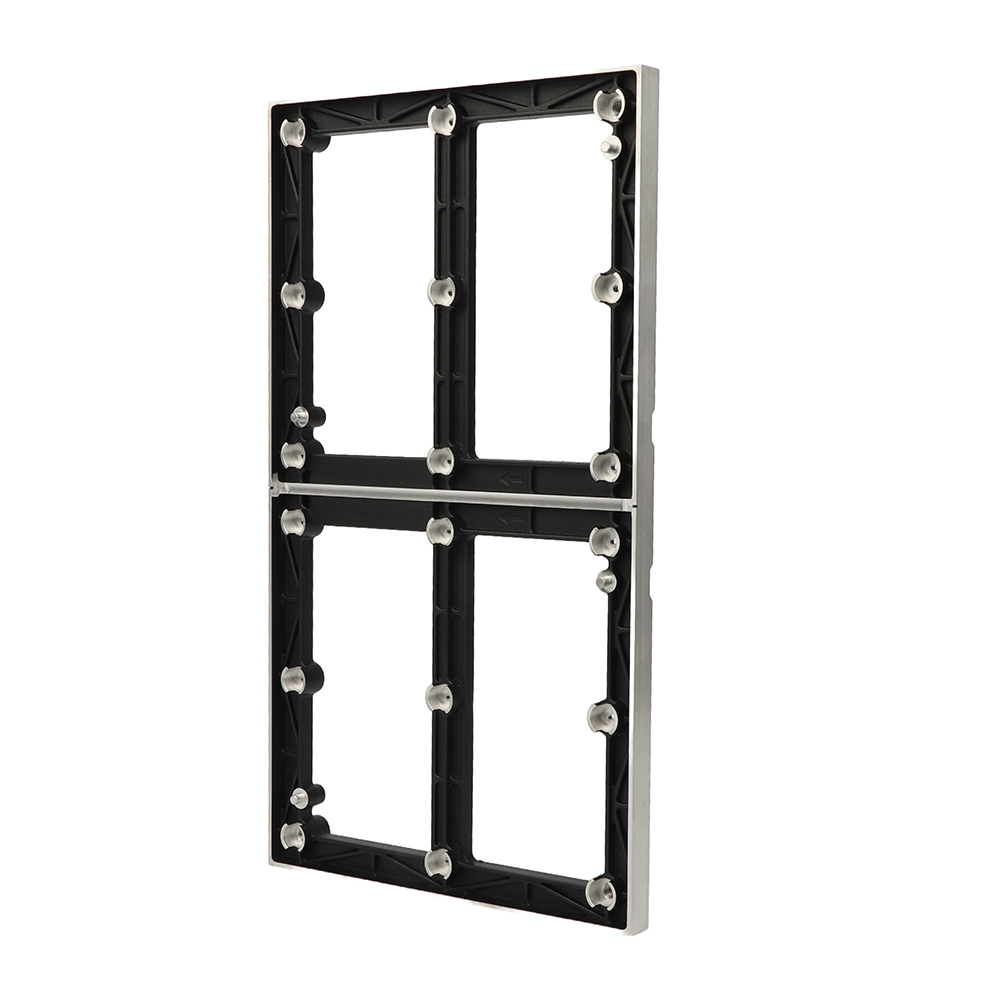
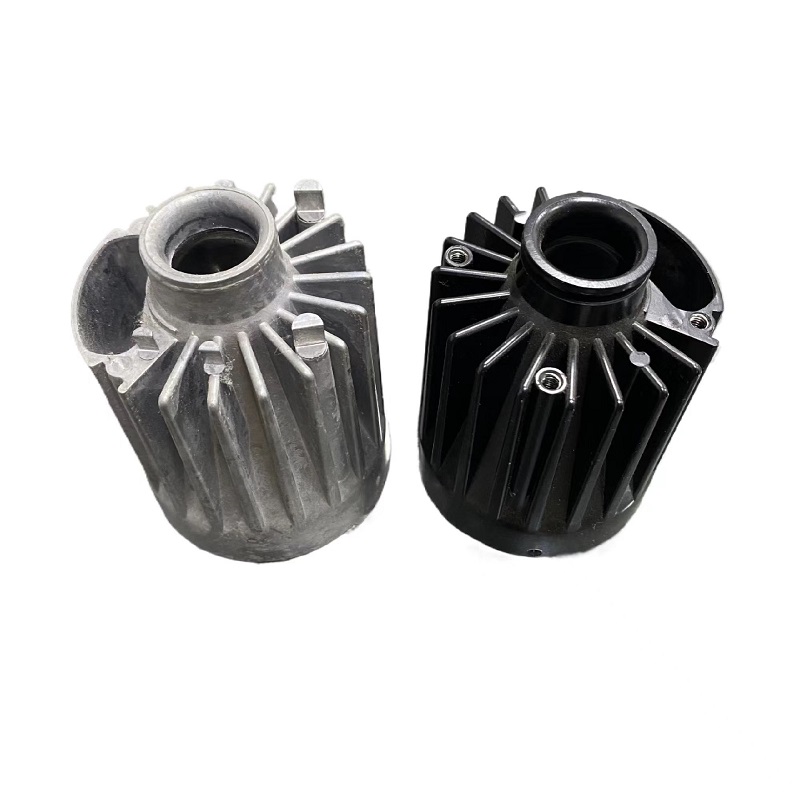
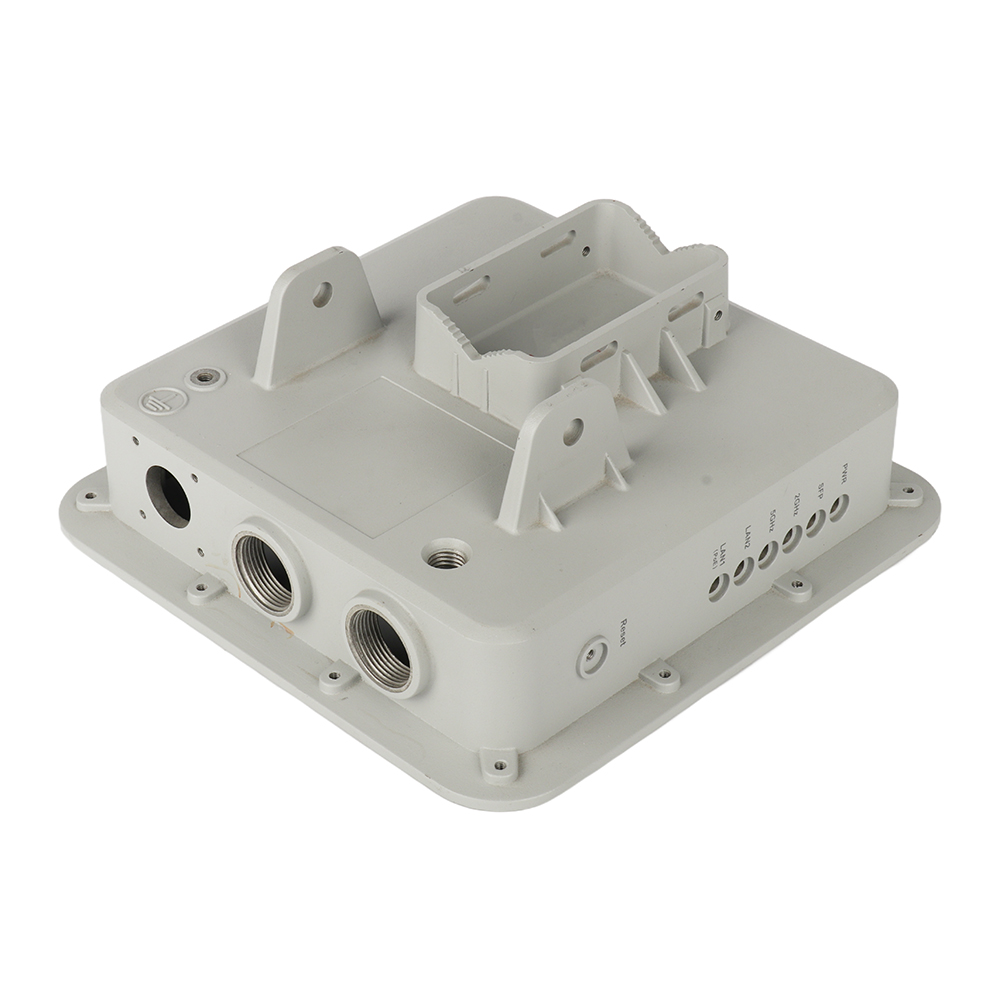
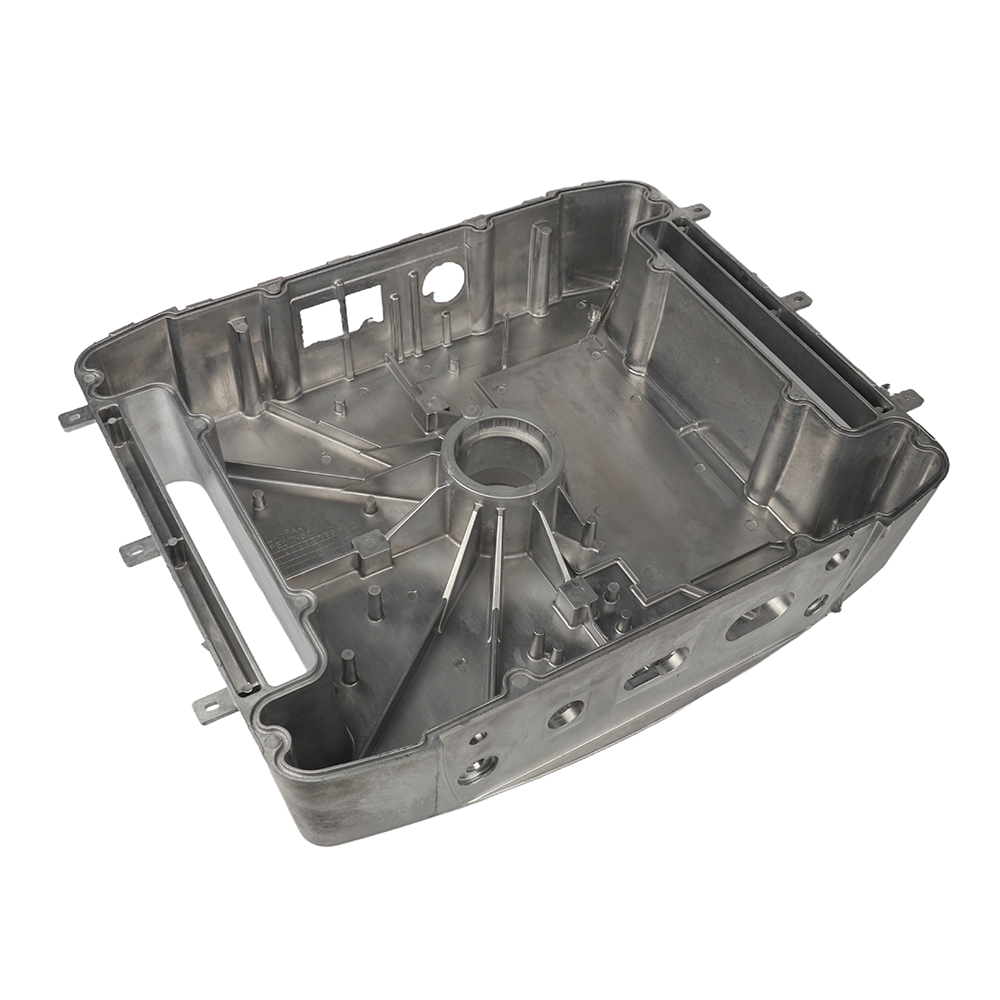
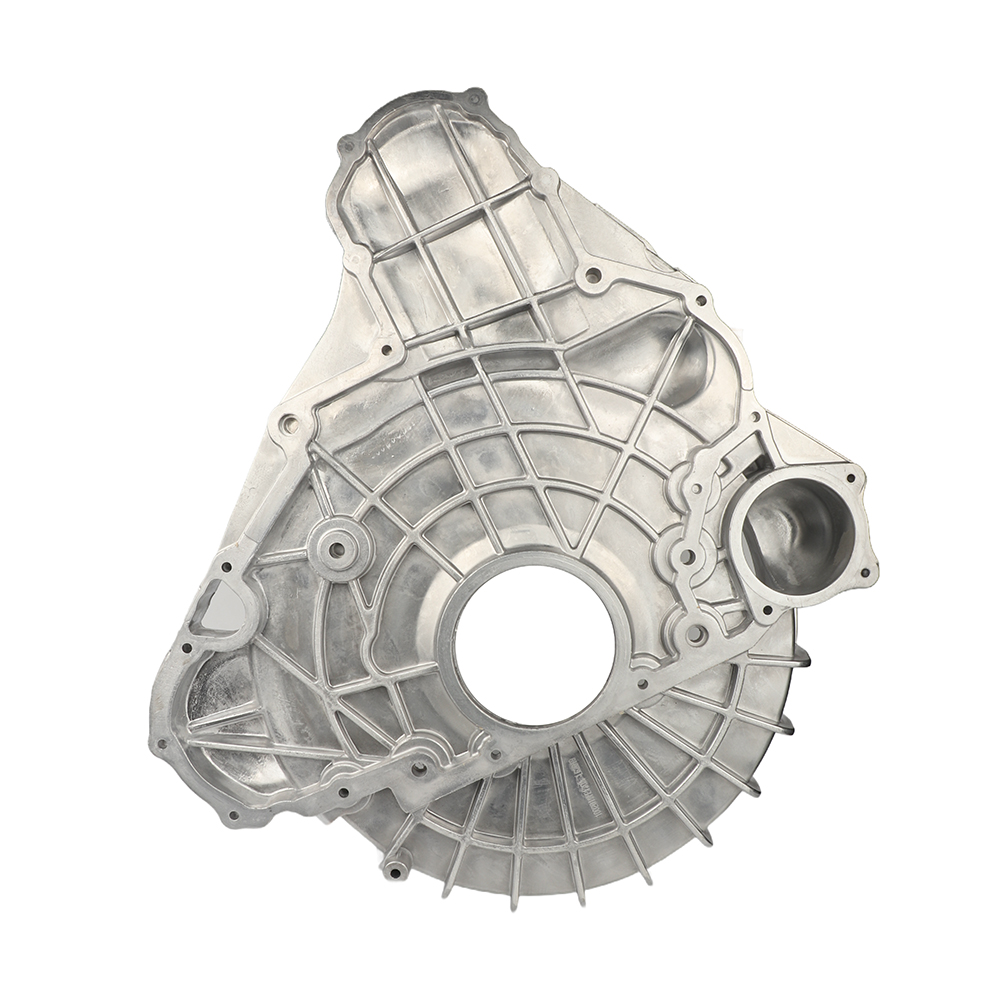
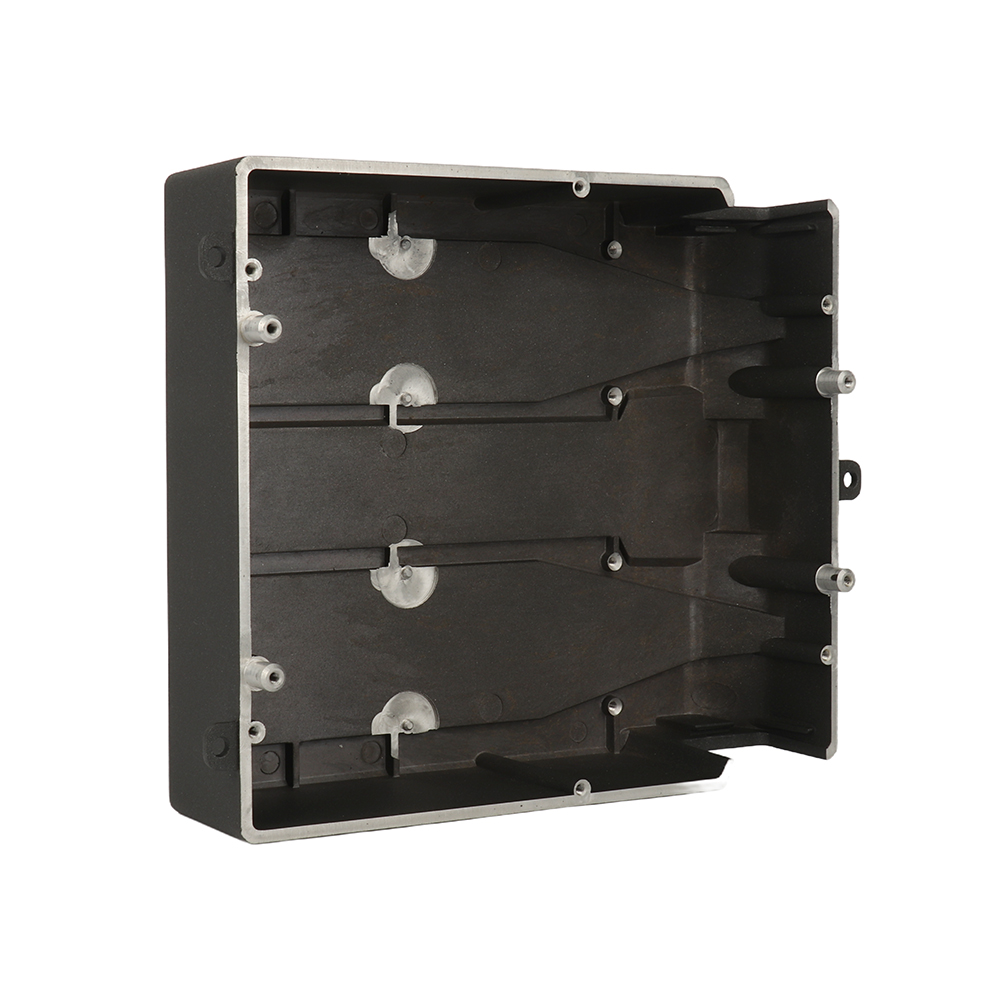
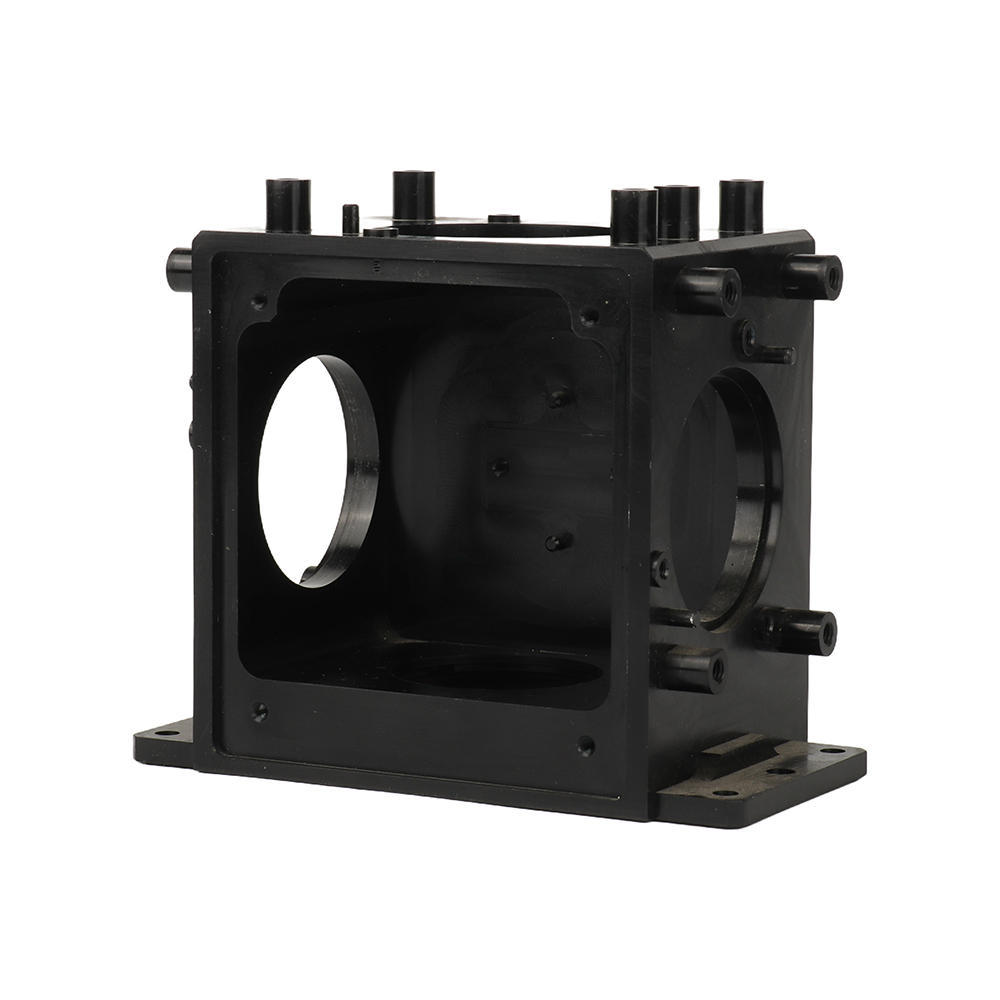
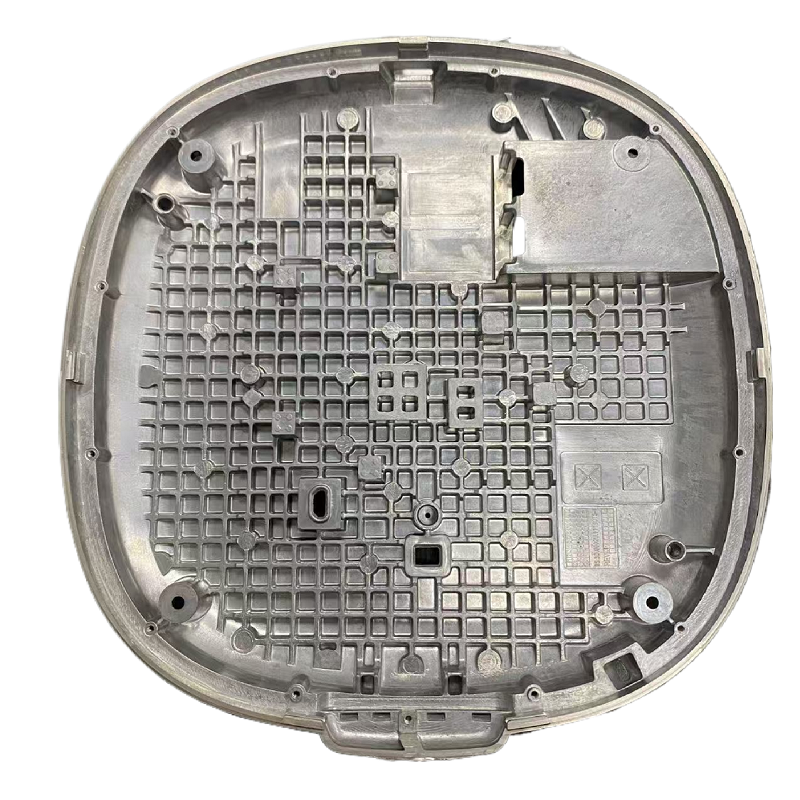
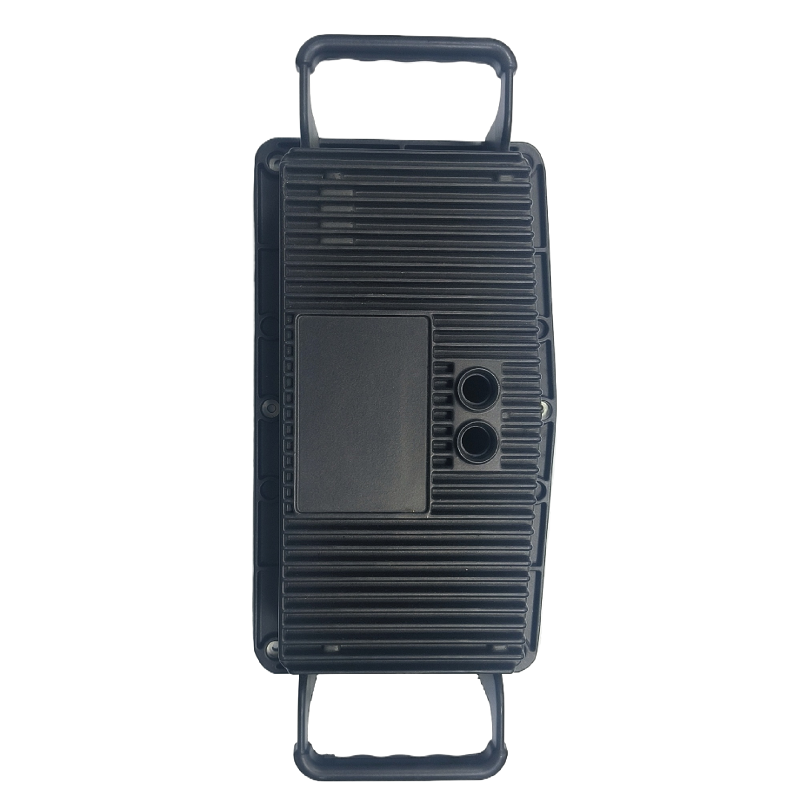
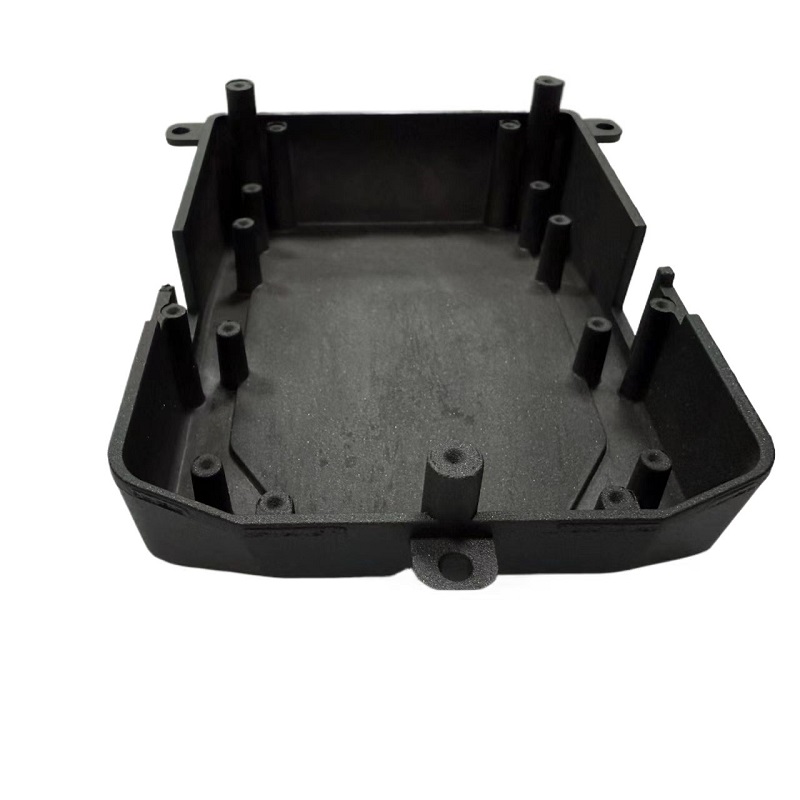
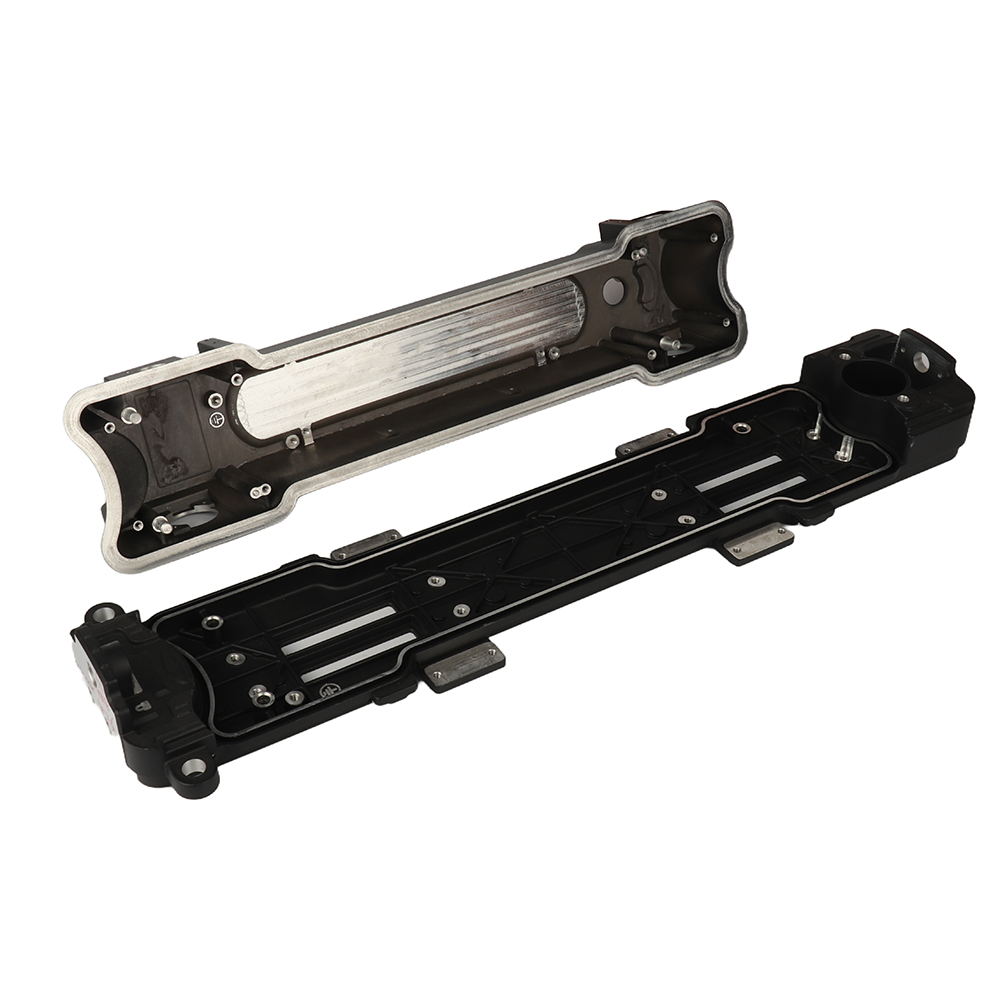
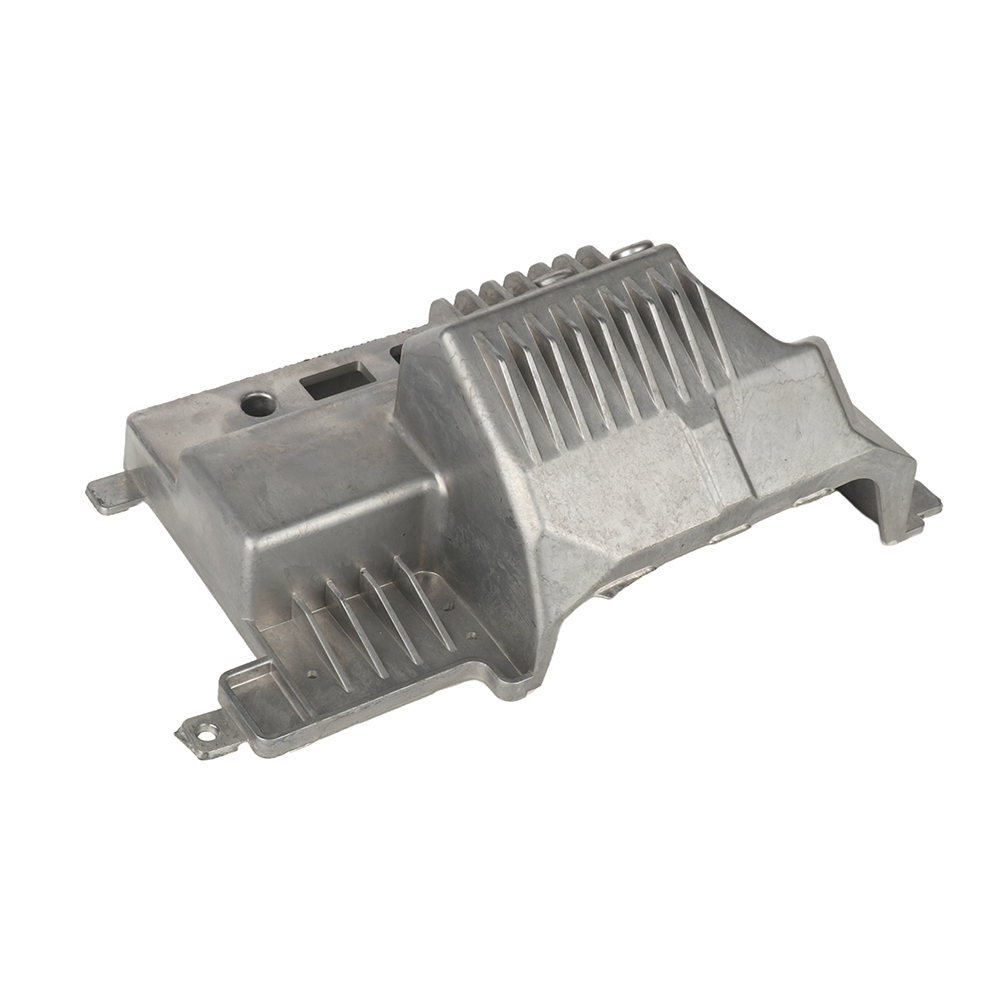
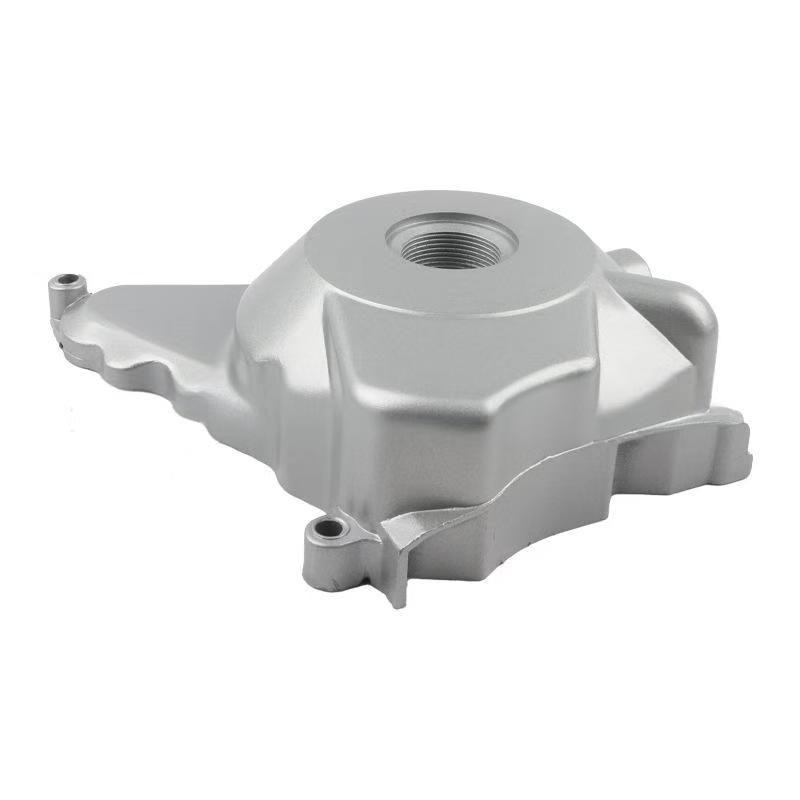
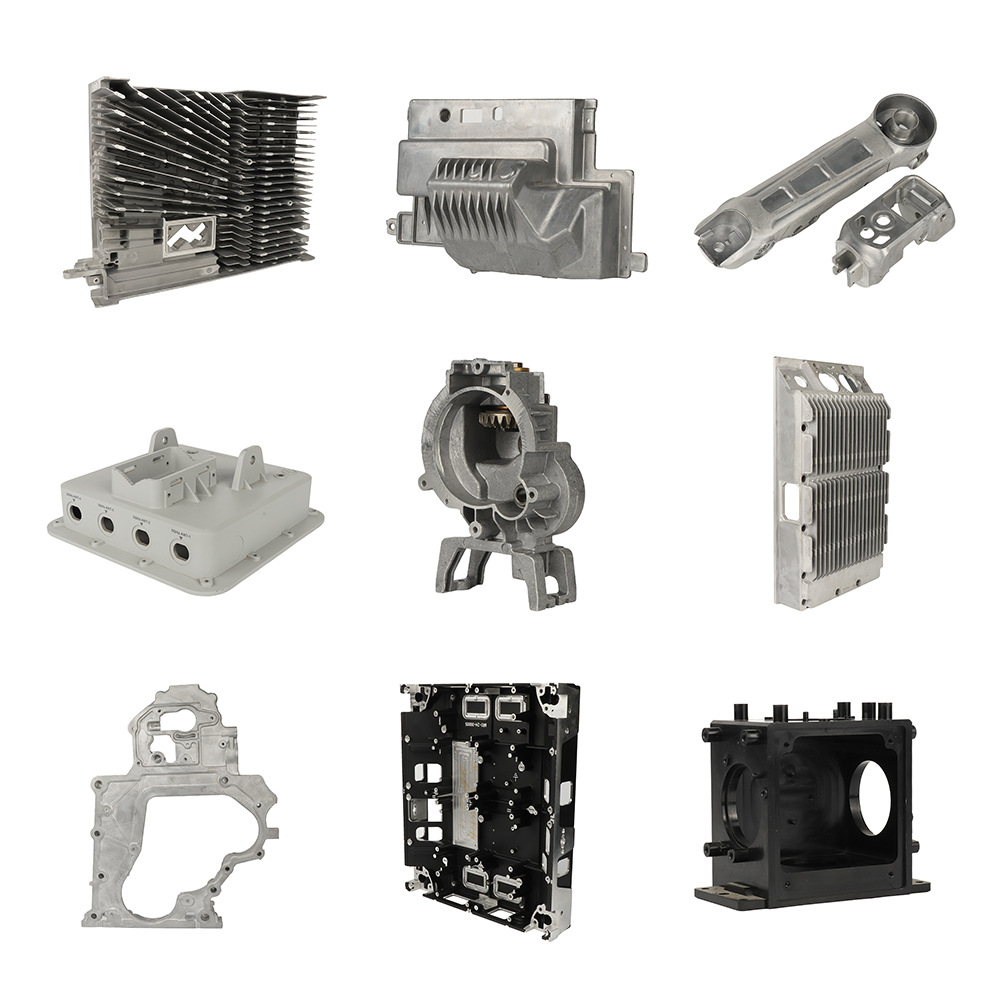
High-precision magnesium die-cast parts with intricate geometries, suitable for automotive and electronic applications. These parts showcase the smooth surface finish and dimensional accuracy typical of quality magnesium casting craftsmanship.
3. Pros and Cons of Magnesium Die-Cast Parts (vs. Aluminum, Steel, Zinc)
To fully understand the value of magnesium die-cast parts, it’s essential to compare them to other common die-cast materials (aluminum, steel, zinc). Below is a clear breakdown of their pros, cons, and key differences—with a focus on highlighting magnesium’s unique advantages:
3.1 Magnesium Die-Cast Parts: Pros
- Ultra-Lightweight: Magnesium is approximately 33% lighter than aluminum and 75% lighter than steel, making it the lightest commonly die-cast alloy. This weight savings is critical for industries like automotive and aerospace, where reducing overall weight improves fuel efficiency and reduces carbon emissions.
- Exceptional Strength-to-Weight Ratio: Despite being lightweight, magnesium die-cast parts offer excellent strength and rigidity, comparable to aluminum—making them suitable for structural applications without adding unnecessary weight.
- Superior Machinability: Magnesium alloys have the best machinability of any commercially used metal alloys, allowing for fast, cost-effective post-processing and reducing tool wear significantly.
- High Production Efficiency: Faster melting (lower temperature) and cooling times make magnesium casting 4x faster than aluminum casting, boosting throughput and reducing per-unit production costs for high-volume orders.
- Excellent Vibration Damping: Magnesium absorbs vibrations and reduces noise better than aluminum or steel, making it ideal for parts used in engines, machinery, and electronic devices where noise reduction is critical.
- Environmentally Friendly: Magnesium is fully recyclable and non-toxic, aligning with global sustainability trends and reducing the environmental impact of manufacturing processes.
3.2 Magnesium Die-Cast Parts: Cons
- Lower Corrosion Resistance (Without Treatment): Unlike aluminum, magnesium does not form a natural protective oxide layer, making it more prone to corrosion in harsh environments (e.g., moisture, chemicals) without additional surface treatments.
- Higher Initial Tooling Costs: Custom molds for magnesium casting require specialized coatings to prevent reactions with molten magnesium, leading to higher upfront tooling costs compared to aluminum or zinc casting.
- Lower High-Temperature Strength: Magnesium alloys lose strength at temperatures above 120–150°C, making them less suitable for high-temperature applications (e.g., engine components) compared to aluminum or steel.
- Flammability Risk: Molten magnesium is flammable, requiring specialized safety measures during the casting process—though modern equipment and protocols minimize this risk significantly.
3.3 Comparison to Other Die-Cast Materials
- vs. Aluminum Die-Cast Parts: Magnesium is 33% lighter, more machinable, and has better vibration damping, but aluminum offers superior corrosion resistance (without treatment) and higher high-temperature strength. Magnesium is better for weight-critical applications, while aluminum is ideal for harsh or high-temperature environments.
- vs. Steel Die-Cast Parts: Magnesium is 75% lighter and more machinable, with better vibration damping, but steel is stronger and more corrosion-resistant (with proper coating). Steel is suitable for ultra-heavy-load applications, while magnesium excels in weight-sensitive designs.
- vs. Zinc Die-Cast Parts: Magnesium is lighter and has a higher strength-to-weight ratio, while zinc is easier to cast and has lower tooling costs. Zinc is ideal for small, low-load parts, while magnesium is better for larger, structural components requiring weight savings.
4. Key Benefits of Magnesium Die-Cast Parts (Highlighted)
While the pros above outline the basics, magnesium die-cast parts offer unique advantages that make them the top choice for weight-critical, high-performance applications. Below are the most impactful benefits, emphasized for clarity:
4.1 Unmatched Weight Savings Without Sacrificing Strength
The biggest advantage of magnesium die-cast parts is their ultra-lightweight design—33% lighter than aluminum and 75% lighter than steel—without compromising strength. For automotive manufacturers, this translates to improved fuel efficiency (every 10% weight reduction boosts fuel efficiency by 5–7%) and reduced carbon emissions, aligning with global decarbonization goals. For aerospace and electronics, weight savings reduce overall product size, energy consumption, and transportation costs.
4.2 Cost-Efficiency in High-Volume Production
Despite higher initial tooling costs, magnesium casting is highly cost-effective for high-volume orders. Faster melting and cooling times (4x faster than aluminum) increase production throughput, reducing per-unit costs. Additionally, magnesium’s superior machinability reduces post-processing time and tool wear, further lowering production costs over time. For manufacturers scaling production, magnesium die-cast parts offer a lower total cost of ownership compared to other materials.
4.3 Enhanced Performance in Vibration-Sensitive Applications
Magnesium’s excellent vibration damping properties make it ideal for parts used in engines, machinery, and electronic devices. Unlike aluminum or steel, magnesium absorbs vibrations and reduces noise, extending the lifespan of components and improving overall product performance. This makes magnesium die-cast parts a top choice for automotive interior components, electronic enclosures, and industrial machinery parts.
4.4 Sustainable & Recyclable
Magnesium is fully recyclable, with recycled magnesium retaining 95% of its original properties—making it a sustainable choice for eco-conscious manufacturers. Additionally, magnesium casting requires less energy than aluminum or steel casting (due to its lower melting point), reducing carbon footprints. As global demand for sustainable manufacturing grows, magnesium die-cast parts are becoming an increasingly popular choice.
5. Expert Insights on Magnesium Die-Casting
To gain a deeper understanding of the value of magnesium die-cast parts, we invited three industry experts to share their perspectives on magnesium casting and its applications:
5.1 Expert Opinion 1: Dr. Sarah Miller, Materials Engineer & Magnesium Casting Specialist
“Magnesium die-cast parts are a game-changer for weight-critical industries like automotive and aerospace. Their unmatched strength-to-weight ratio allows manufacturers to design lighter, more efficient products without sacrificing performance. While magnesium’s corrosion resistance requires attention, modern surface treatments—like anodizing and powder coating—have eliminated this barrier. The key advantage of magnesium casting is its efficiency: faster production times, superior machinability, and lower energy consumption make it a cost-effective choice for high-volume orders. As sustainability becomes a top priority, magnesium’s recyclability further solidifies its place as the future of die-casting.”
5.2 Expert Opinion 2: Michael Johnson, Senior Automotive Component Designer
“In the automotive industry, weight savings are everything—and magnesium die-cast parts deliver that better than any other material. We use magnesium for interior components, seat frames, and steering columns, reducing vehicle weight by up to 15% in some cases. The vibration damping properties of magnesium also improve ride comfort by reducing noise from the engine and road. While tooling costs are higher upfront, the long-term savings from improved fuel efficiency and production throughput make magnesium a strategic investment. I expect to see more magnesium die-cast parts in electric vehicles, where weight directly impacts battery range.”
5.3 Expert Opinion 3: Lisa Chen, Industrial Manufacturing Consultant
“Manufacturers often overlook magnesium die-cast parts due to misconceptions about corrosion and flammability, but modern technology has addressed both issues. Magnesium’s superior machinability and production efficiency make it ideal for high-volume, precision parts—from electronic enclosures to industrial machinery components. The key to success with magnesium casting is working with a provider that understands its unique properties, including mold design and surface treatment. For companies looking to stay competitive in a weight- and sustainability-driven market, magnesium die-cast parts are no longer an option—they’re a necessity.”
6. Frequently Asked Questions (FAQs) About Magnesium Die-Cast Parts
Below are answers to the most common questions manufacturers and buyers have about magnesium die-cast parts, addressing key concerns and clarifying critical details:
Q1: What magnesium alloys are most commonly used for die-casting?
A: The most common magnesium die-casting alloys are AZ91D (the most versatile, with excellent castability and corrosion resistance), AM60B (ideal for applications requiring high ductility and impact resistance), and AS41B (used for high-temperature applications requiring creep resistance). AZ91D is the most widely used, suitable for most automotive, electronic, and industrial applications.
Q2: Can magnesium die-cast parts be used outdoors?
A: Yes! While magnesium has lower natural corrosion resistance than aluminum, proper surface treatments (anodizing, powder coating, or chromate plating) enhance its resistance to moisture, chemicals, and UV damage. With these treatments, magnesium die-cast parts can withstand harsh outdoor environments, making them suitable for outdoor machinery, automotive underbody components, and marine applications.
Q3: Are magnesium die-cast parts flammable? Is this a safety risk?
A: Molten magnesium is flammable, but modern magnesium casting facilities use specialized safety measures (e.g., inert gas protection, fire suppression systems) to minimize this risk. Solid magnesium die-cast parts are not flammable under normal operating conditions, making them safe for most applications, including automotive and electronics.
Q4: What is the minimum wall thickness for a magnesium die-cast part?
A: The minimum wall thickness for magnesium die-cast parts is approximately 1.27 mm (0.05 inches), slightly thicker than aluminum’s 0.89 mm minimum. It’s critical to maintain uniform wall thickness to avoid defects like porosity or shrinkage, and to ensure structural integrity.
Q5: How does magnesium casting compare to aluminum casting in terms of cost?
A: Magnesium casting has higher initial tooling costs (due to specialized mold coatings), but lower per-unit costs for high-volume orders (thanks to faster production times and superior machinability). For low-volume production, aluminum may be more cost-effective, but for high-volume, weight-critical applications, magnesium offers better long-term value.
Q6: What quality standards apply to magnesium die-cast parts?
A: Most manufacturers follow international quality standards such asISO 9001 (general quality), IATF 16949 (automotive components), and ISO 13485 (medical devices). Additionally, automated quality inspection, X-ray detection, and tensile testing are used to ensure parts meet dimensional accuracy and strength requirements.
7. Conclusion
A magnesium die-cast part is a high-precision, ultra-lightweight component manufactured through the efficient magnesium casting process—offering unmatched strength-to-weight ratio, superior machinability, and sustainability. While magnesium die-cast parts have minor drawbacks (such as lower natural corrosion resistance and higher initial tooling costs), their unique benefits—weight savings, production efficiency, vibration damping, and recyclability—make them the ideal choice for weight-critical applications in automotive, aerospace, electronics, and industrial sectors.
As industry experts emphasize, magnesium die-casting is no longer a niche process—it’s a strategic solution for manufacturers looking to improve product performance, reduce costs, and align with sustainability goals. With ongoing advancements in mold design, surface treatment, and safety protocols, magnesium die-cast parts are poised to become even more versatile and cost-effective in the years ahead. Whether you’re designing a lightweight automotive component, a high-precision electronic enclosure, or a durable industrial part, magnesium die-cast parts deliver consistent value that other materials cannot match.
Electronic housings | What is cold chamber die casting? A Focus on Electronic Housings
Aluminum brackets | What is die casting service? Focus on Aluminum Brackets
Related Article


