
HOT PRODUCTS
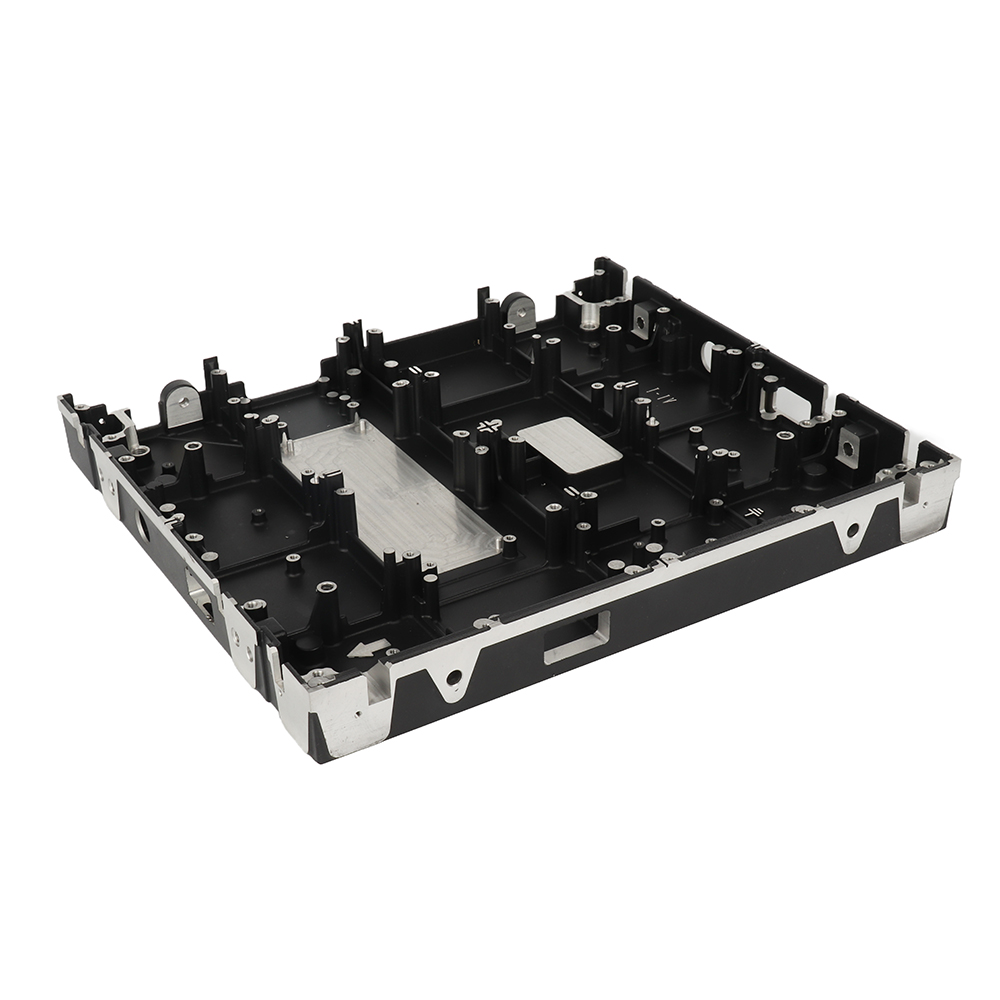
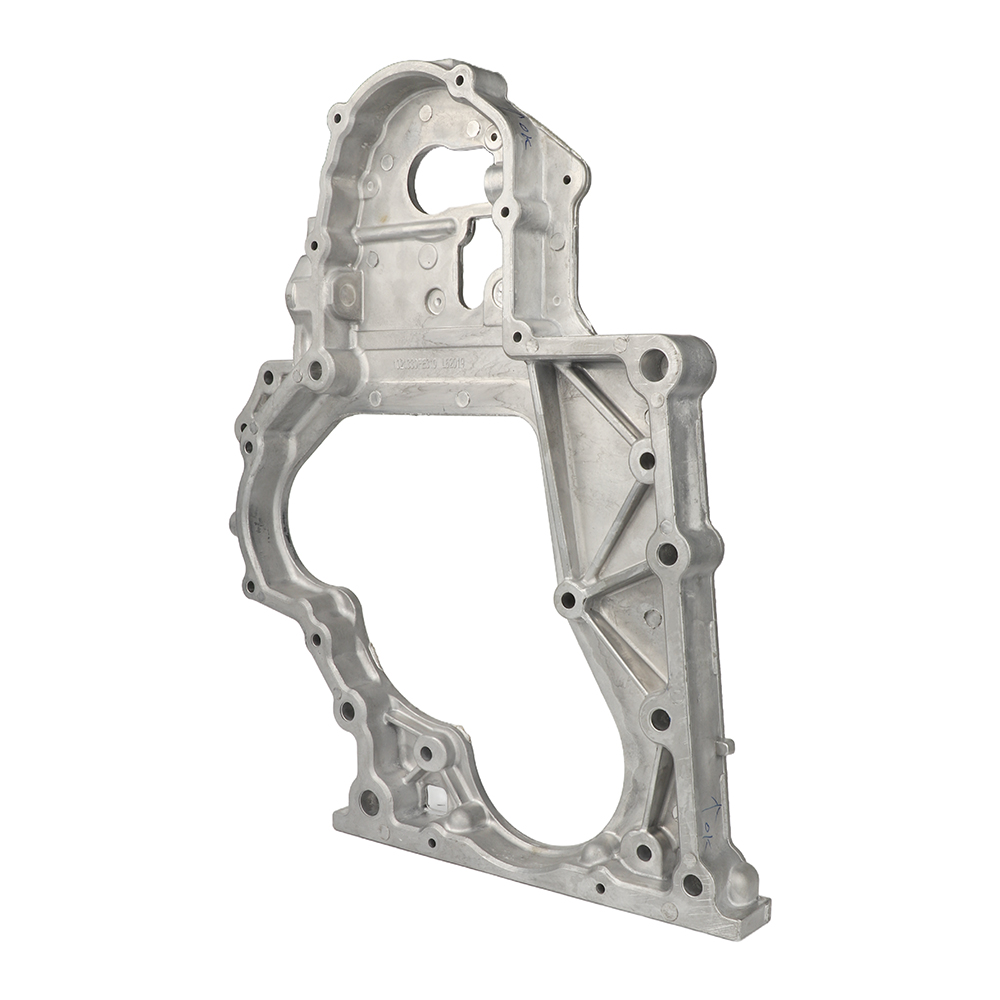
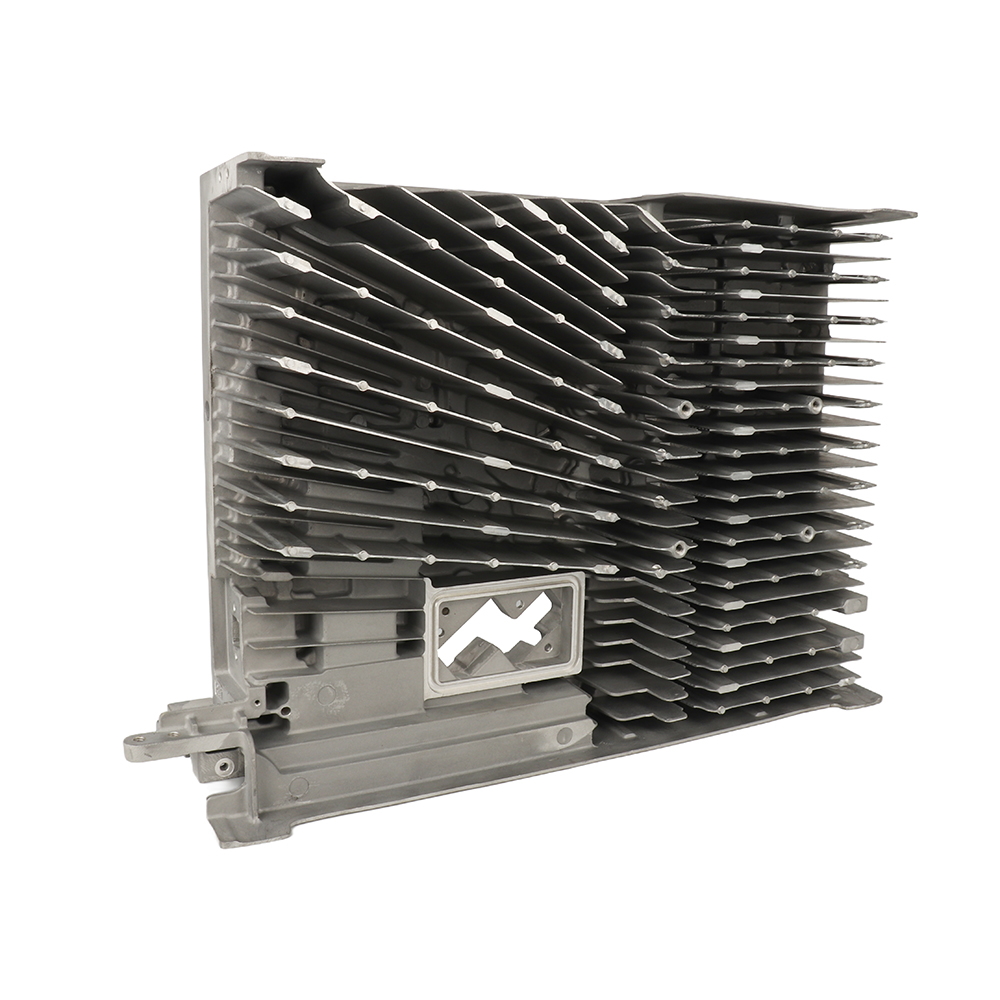
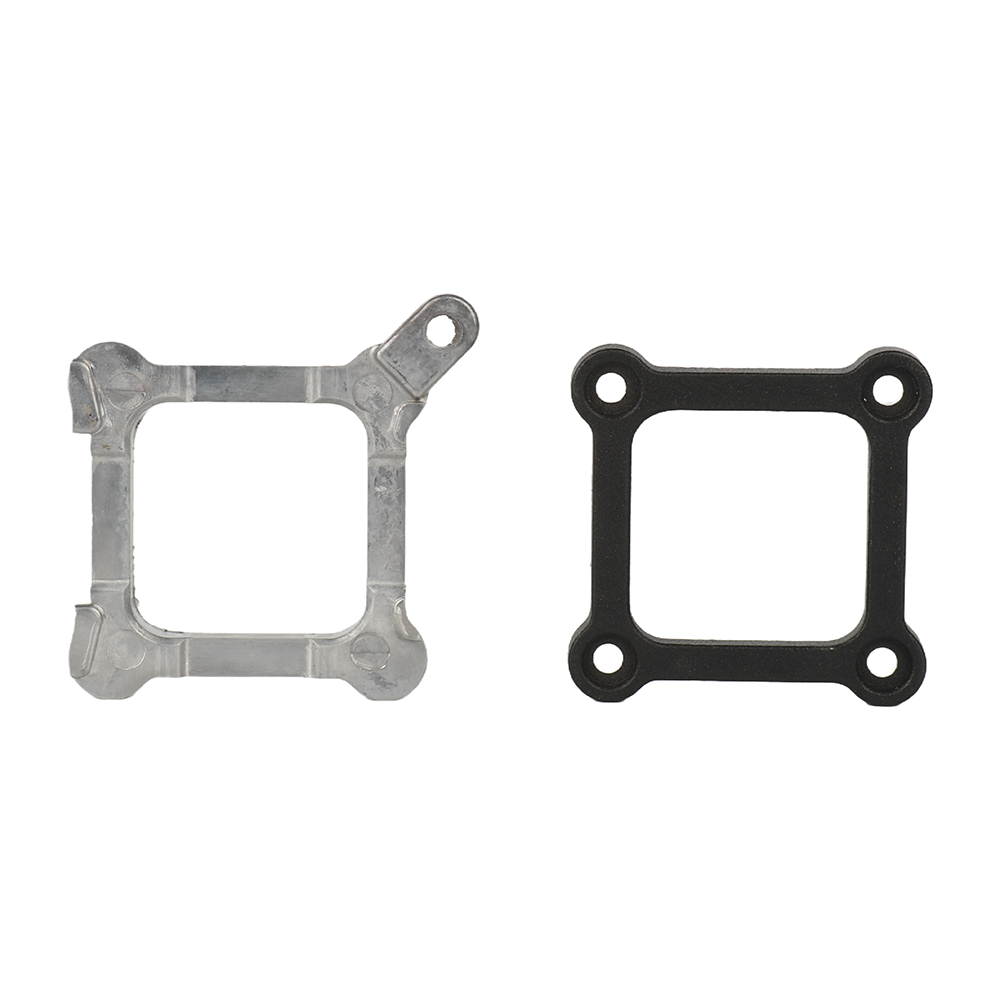
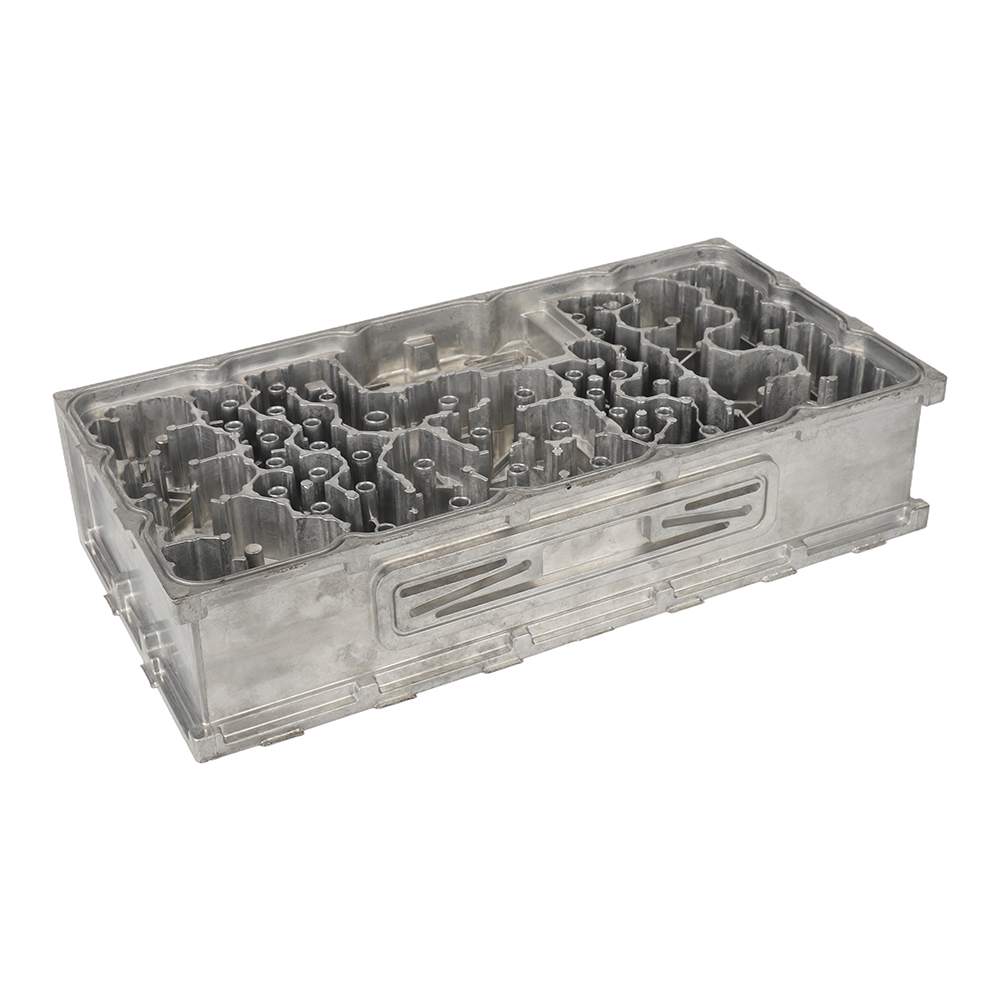
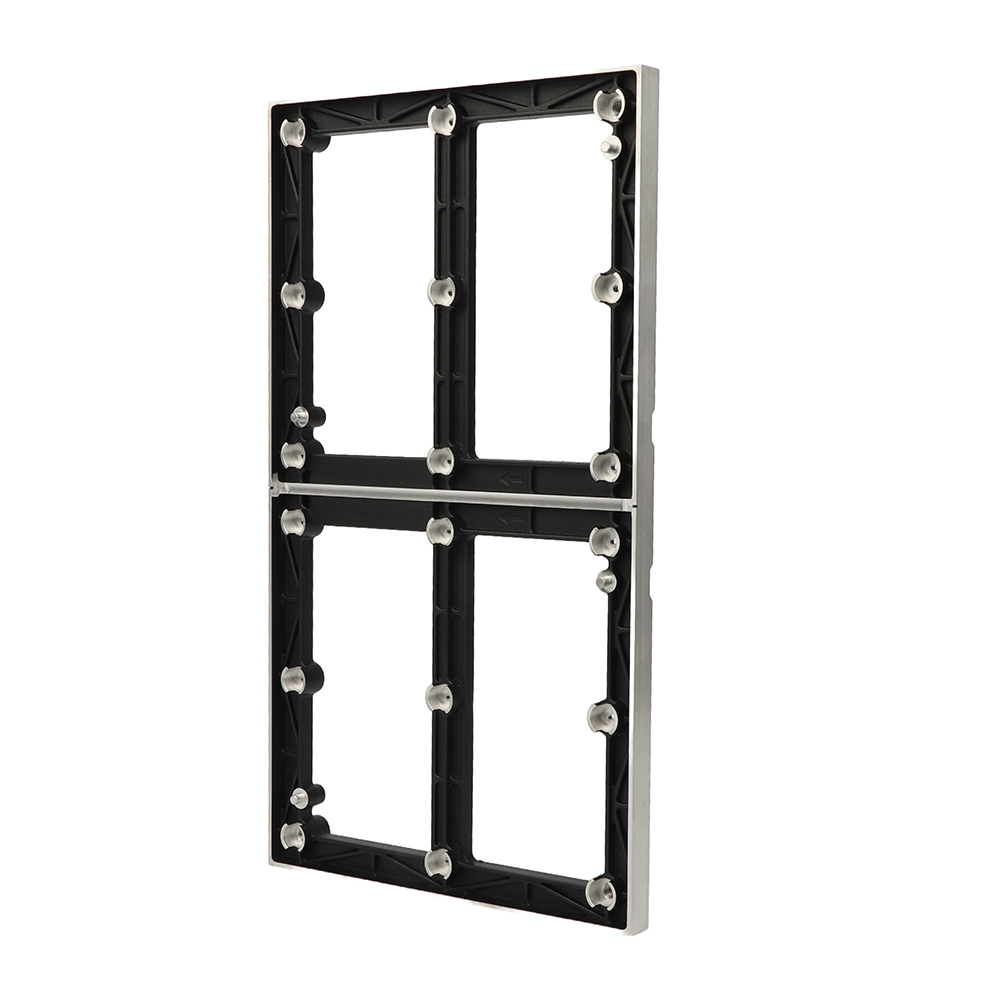
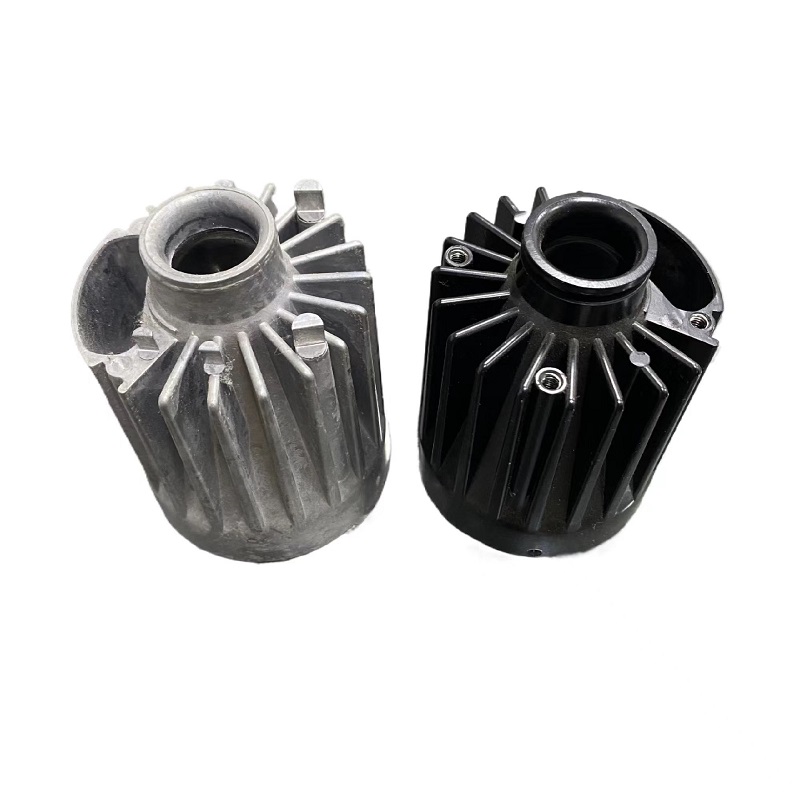
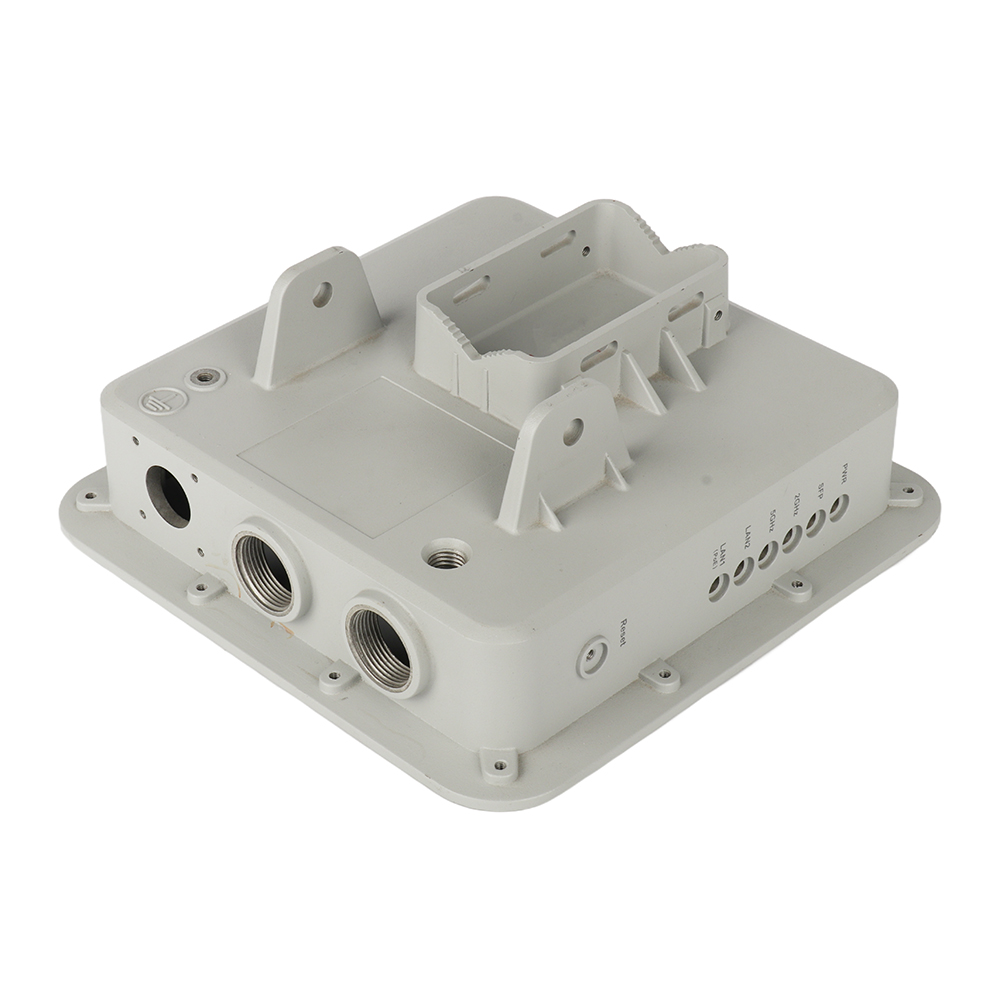
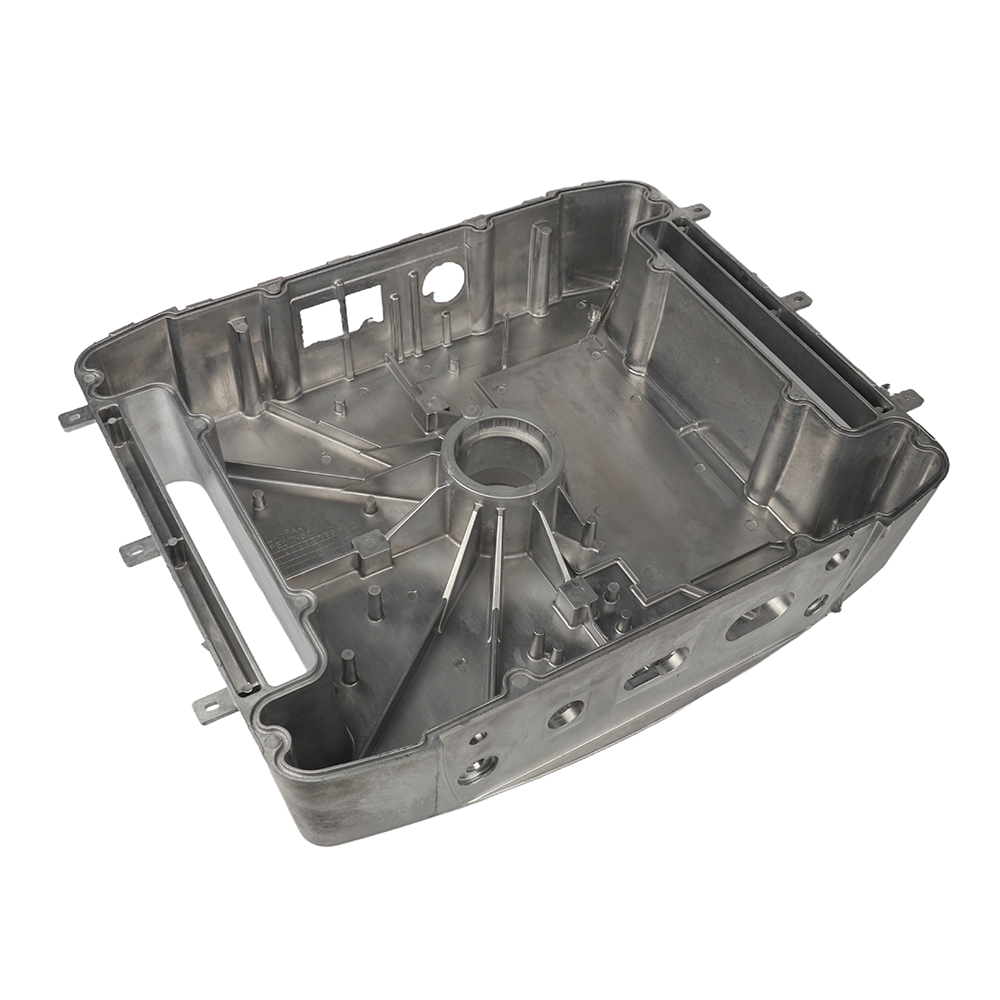
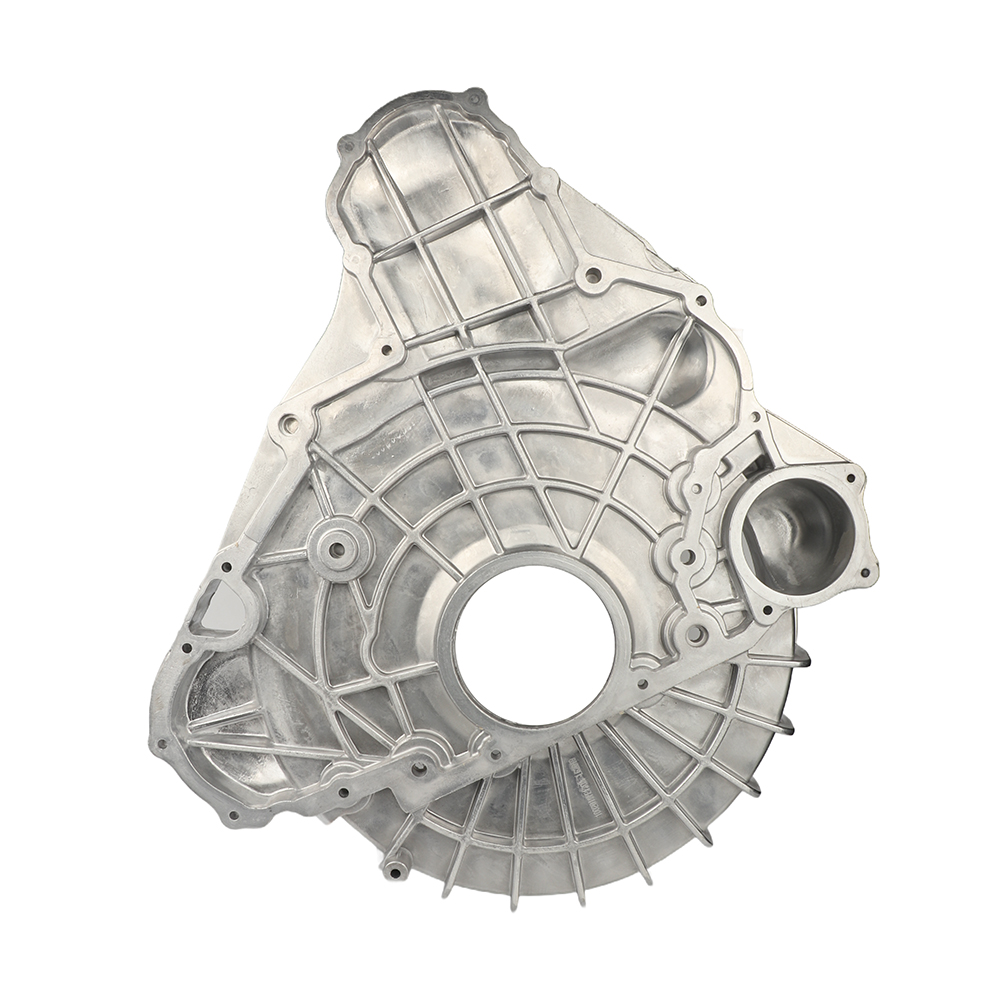
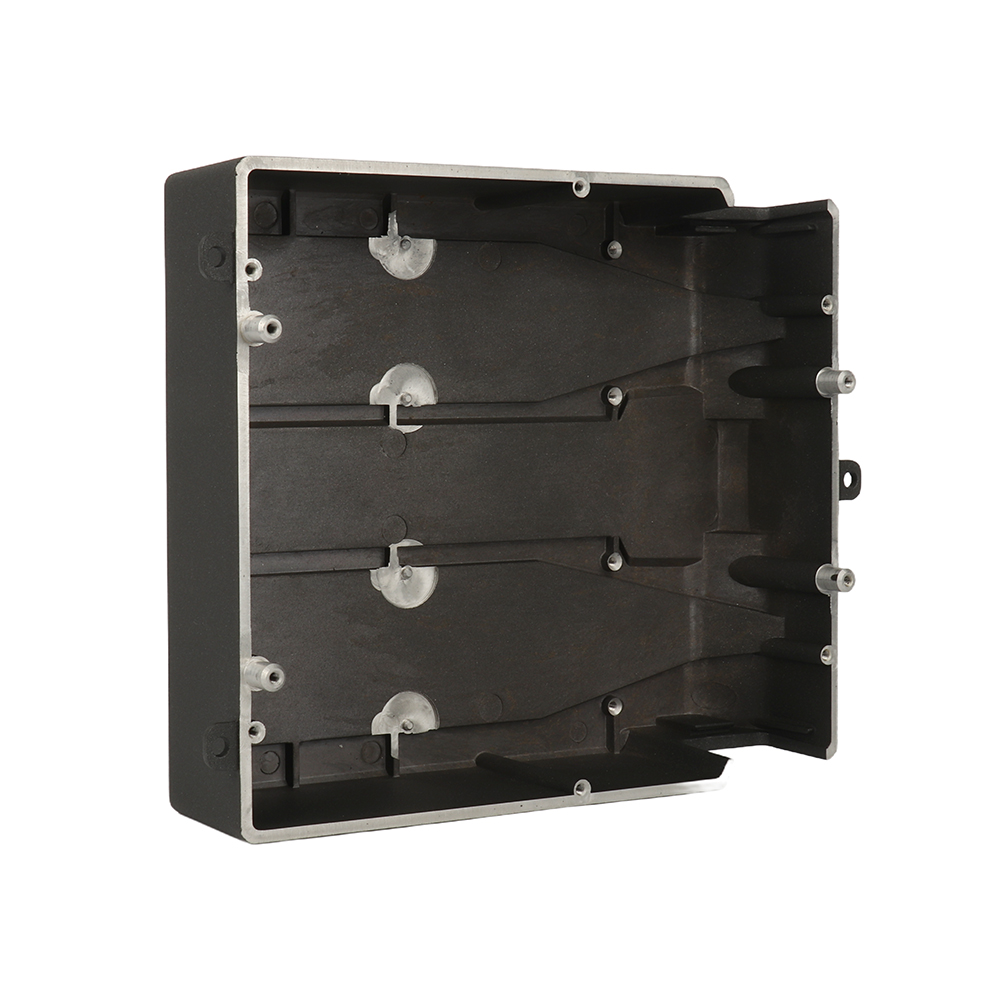
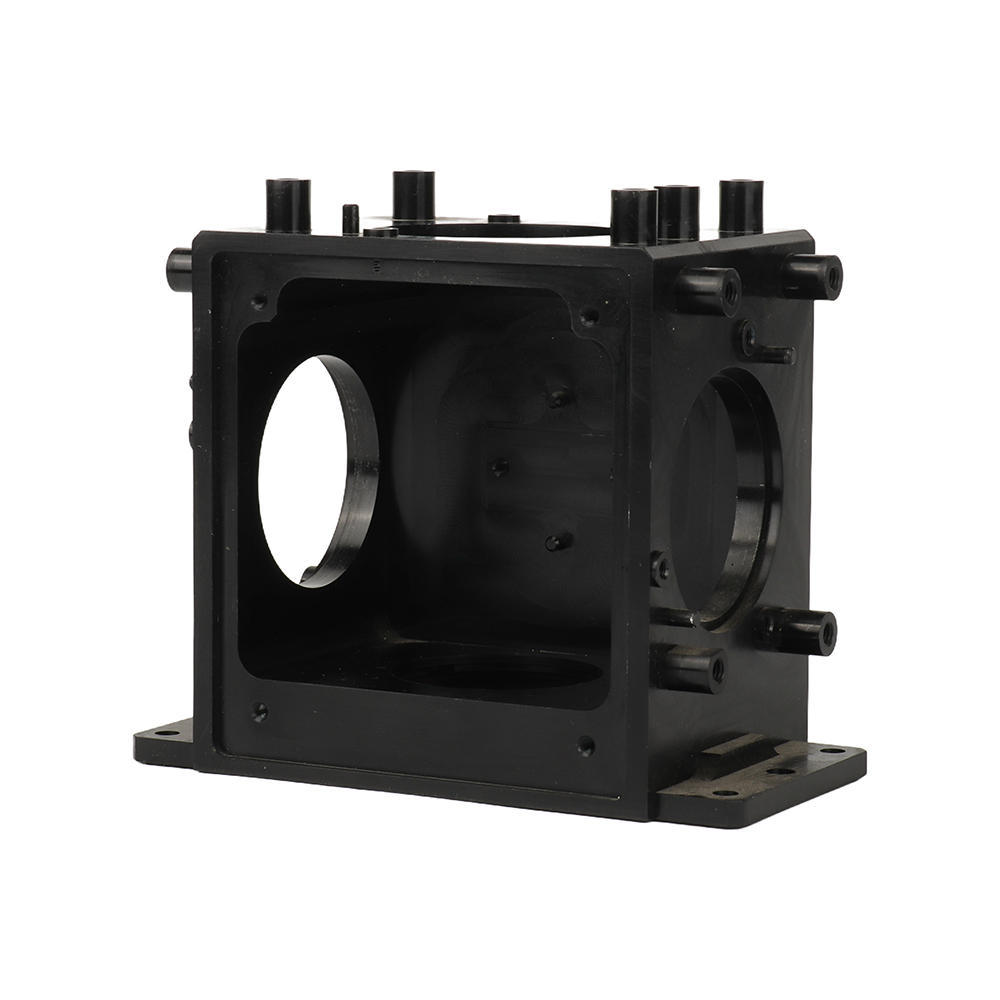
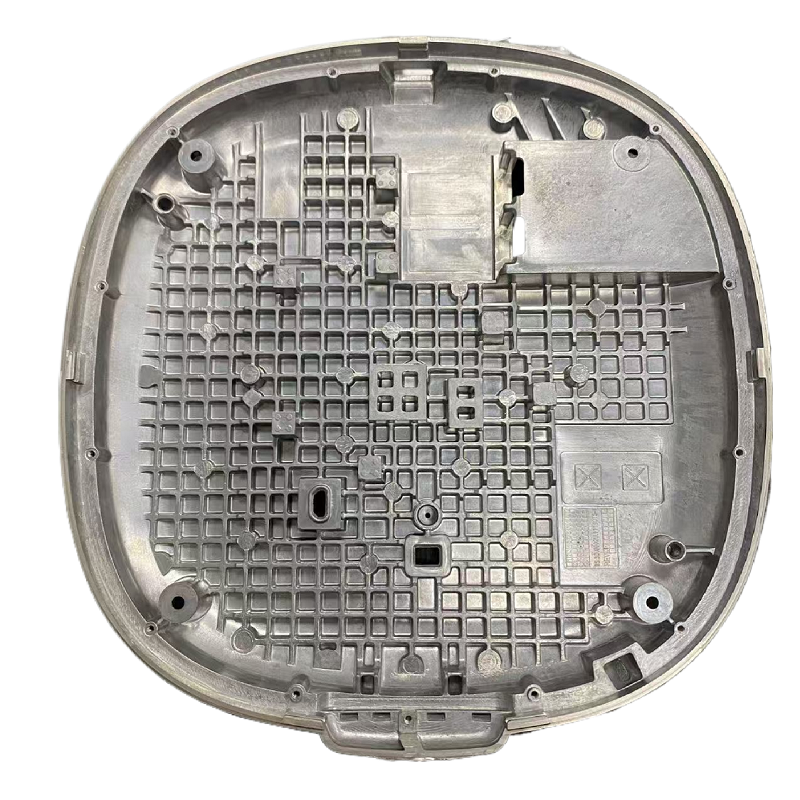
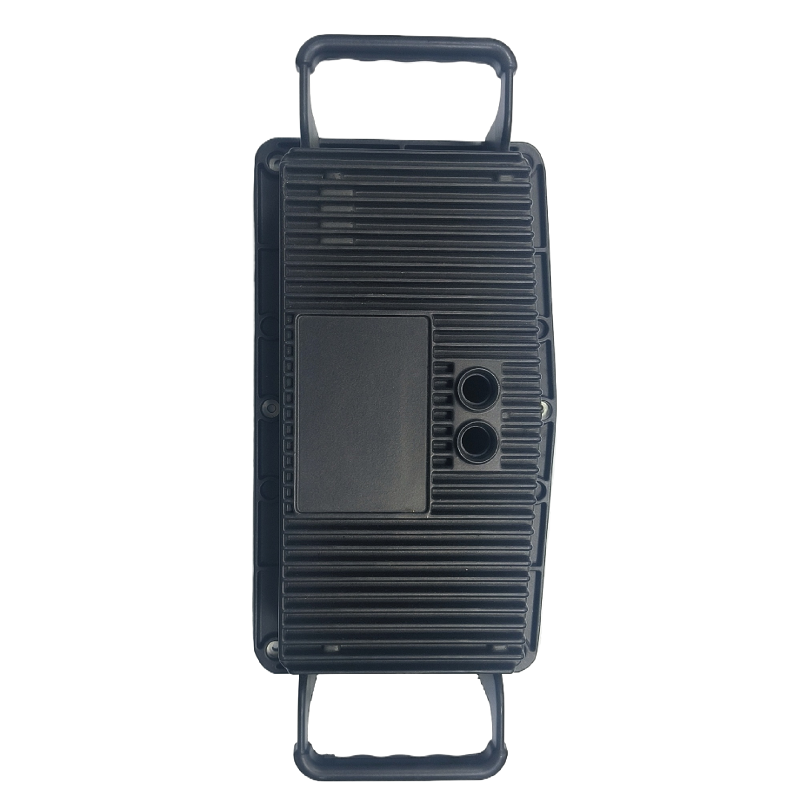
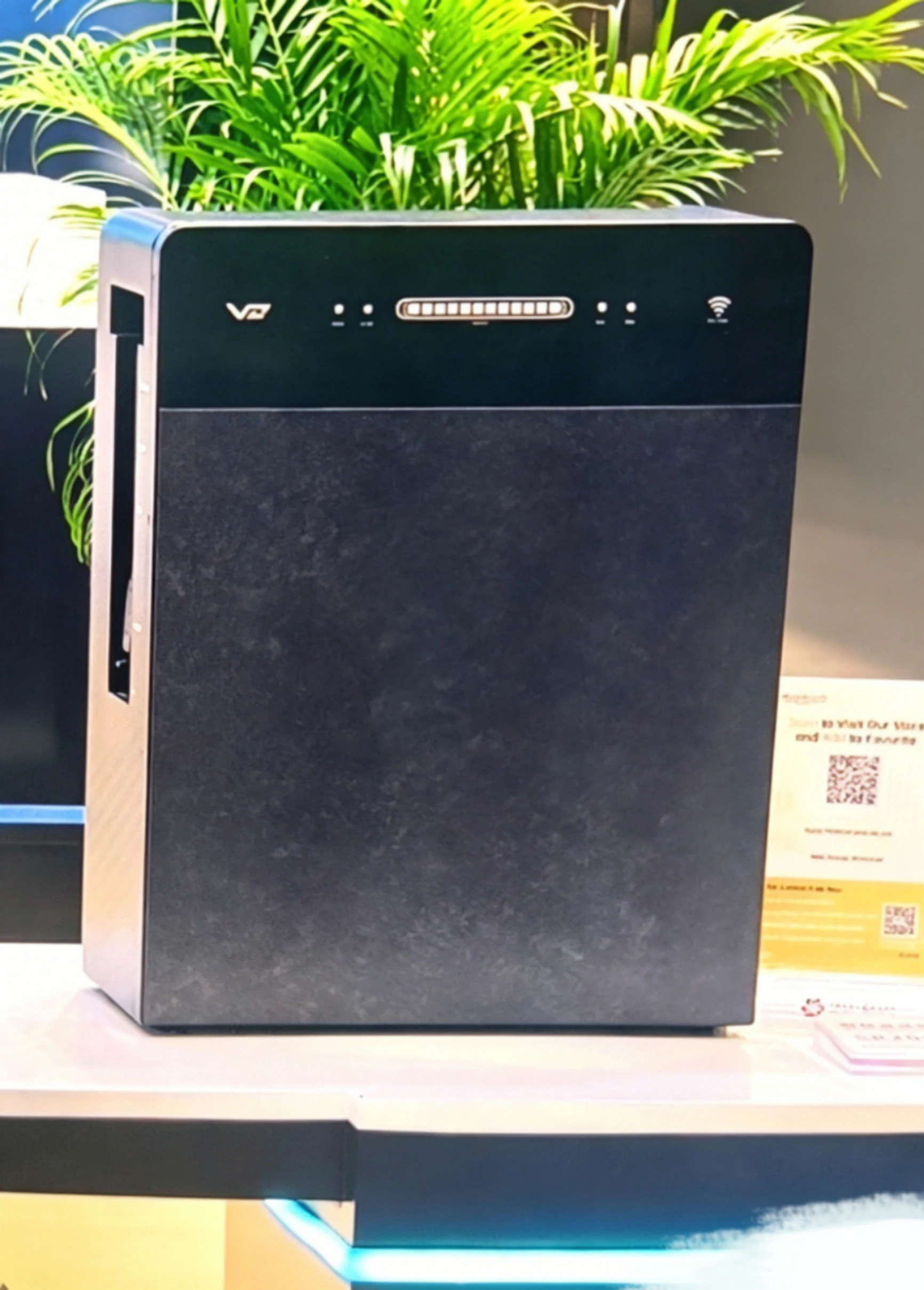
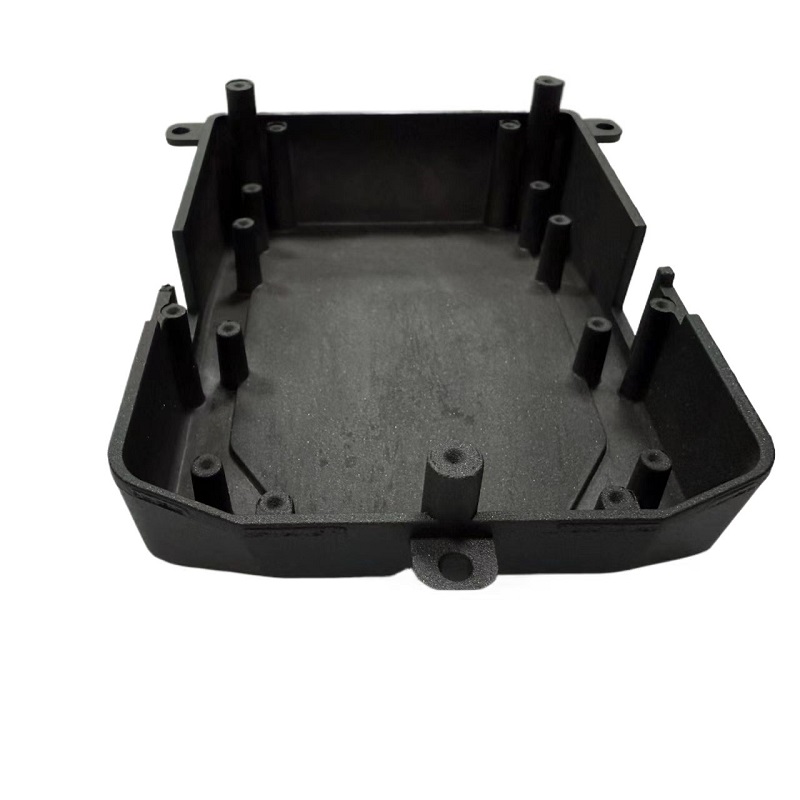
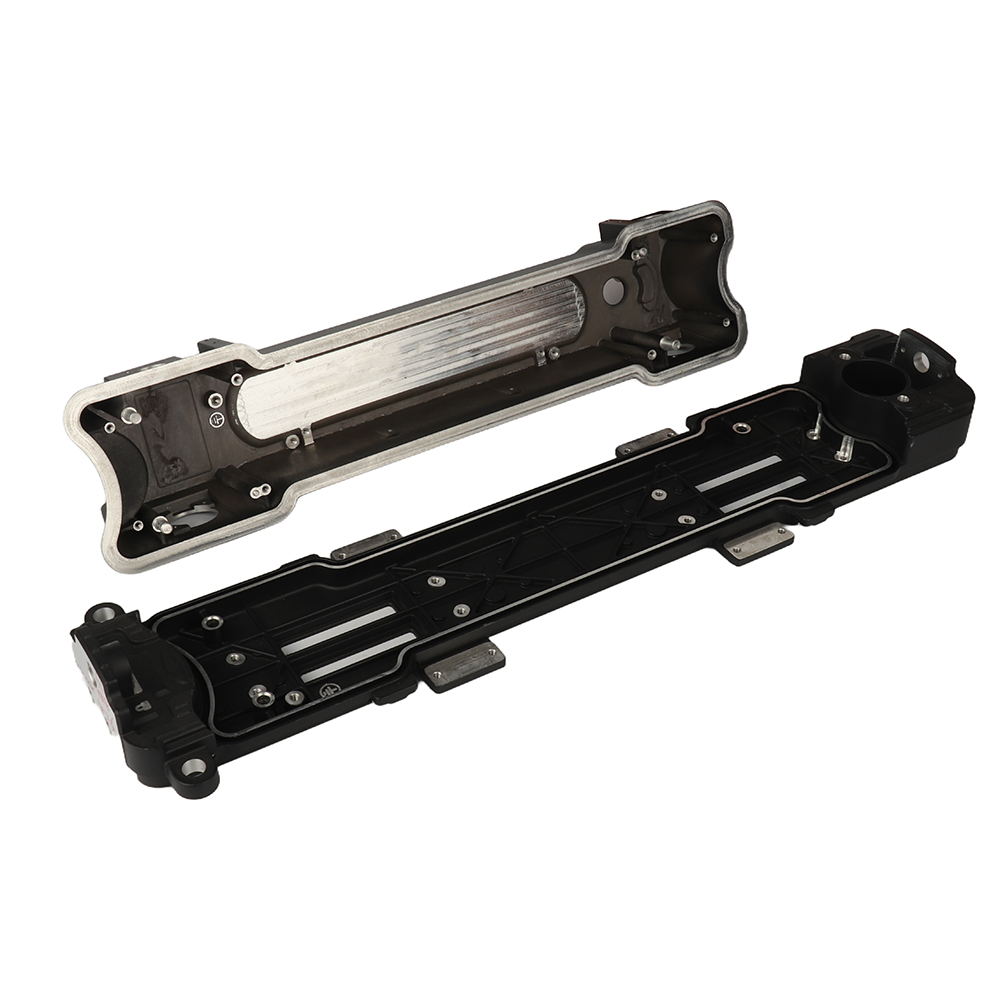
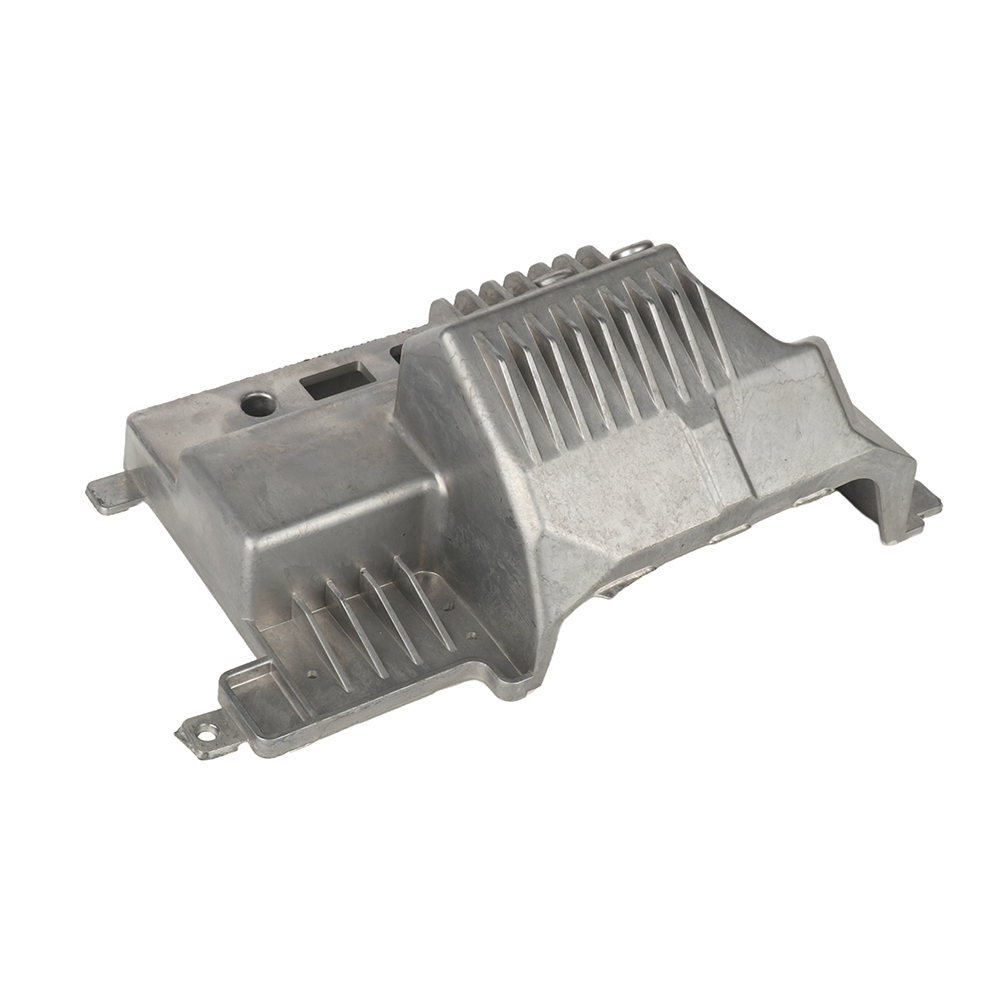
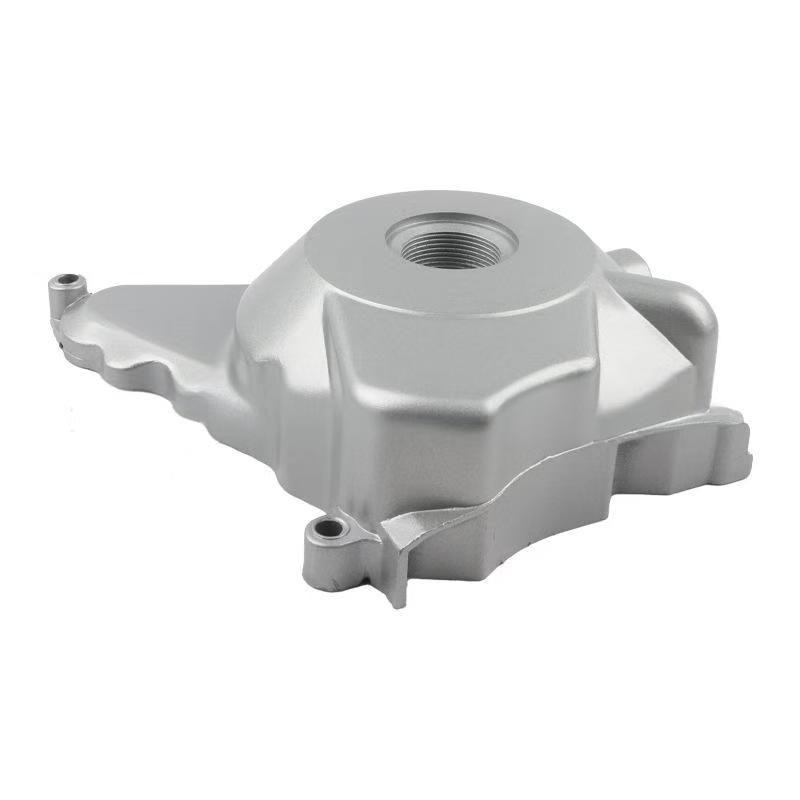
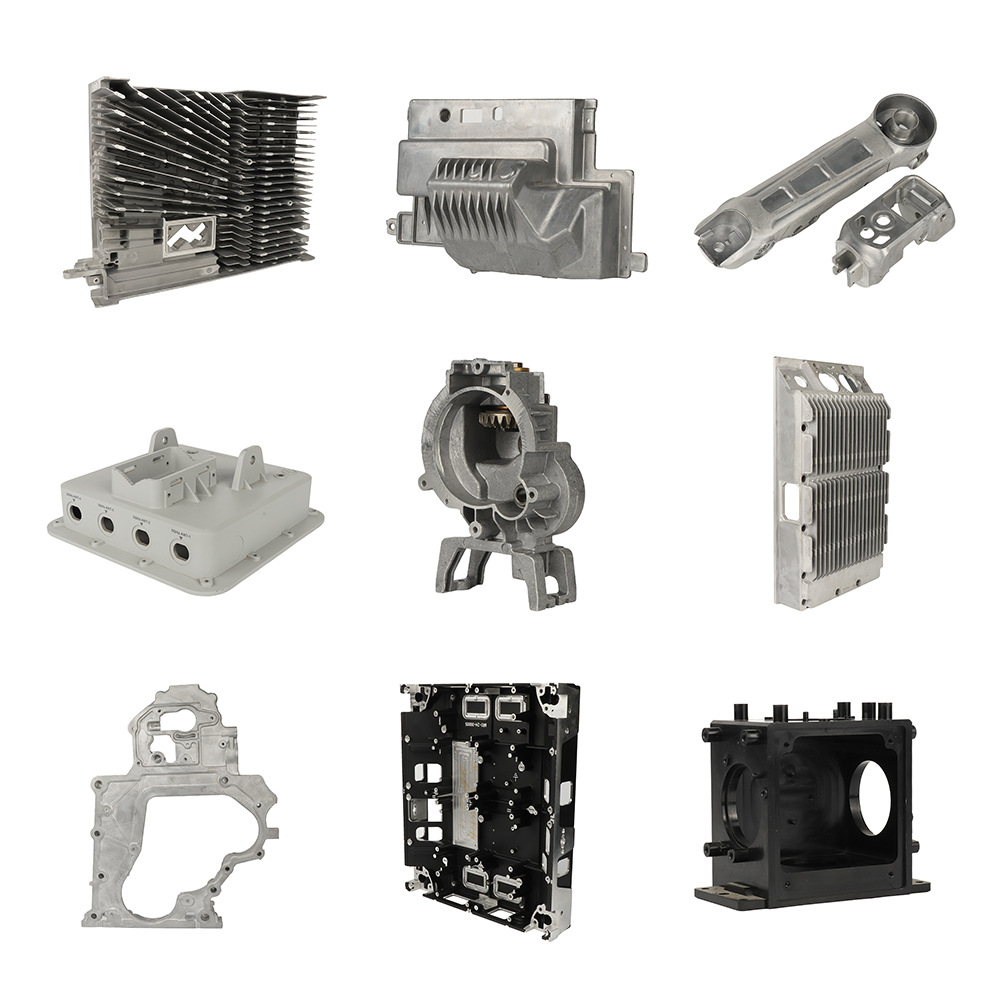
Aluminium casting material | What is aluminium casting material? A Complete Guide to ADC12 & Its Industrial Applications
2026-05-19
What is Aluminium Casting Material? A Complete Guide to ADC12 & Its Industrial Applications
Table of Contents
- Introduction: What is Aluminium Casting Material & Its Core Significance
- Product Overview: High-Quality Aluminium Casting Materials for Industrial Use
- General Parameters of Aluminium Casting Materials
- Focus on ADC12 Aluminium Casting Material: Key Features & Core Functions
- Unmatched Benefits of Aluminium Casting Materials
- Expert Insights: The Value of Aluminium Casting Materials in Modern Manufacturing
- Frequently Asked Questions (FAQs) About Aluminium Casting Materials
- Conclusion: Industry Trends & How to Choose a Qualified Hardware Processing Supplier
- Xinghang Precision Hardware: Your Trusted Partner for Aluminium Casting Materials (More Orders, More Discounts)
Introduction: What is Aluminium Casting Material & Its Core Significance
In the field of precision manufacturing, aluminium casting material is a cornerstone of modern industrial production, widely used in casting high-performance components for equipment, electronics, automotive, and communication industries. Simply put, aluminium casting material refers to aluminium alloys specifically formulated for casting processes—molten and poured into precision molds to form durable, high-precision parts and enclosures.
Among all aluminium casting materials, ADC12 aluminium alloy stands out as the most widely used and versatile option, favored for its excellent castability, mechanical properties, and cost-effectiveness. This blog will comprehensively explain what aluminium casting material is, detail the general parameters of such materials, focus on ADC12’s key features and functions, highlight the unique benefits of aluminium casting materials, share expert perspectives, answer common industry questions, and guide you in choosing a reliable supplier—with exclusive bulk discounts from Xinghang Precision Hardware.

Product Overview: High-Quality Aluminium Casting Materials for Industrial Use
Product Introduction
XingHang aluminium casting materials are high-performance aluminium alloys engineered for precision casting applications, designed to meet the strict requirements of industrial manufacturing. Our core product line focuses on ADC12 aluminium alloy (the most widely used casting material) and optional alloys such as A380/A383, all of which are formulated to ensure excellent castability, structural strength, and adaptability. These materials are ideal for producing cast aluminium enclosures, automotive components, electronic instrument housings, and industrial equipment parts—trusted by global customers for their stability and quality.
Key Product Information
- Product Name: Aluminium Casting Materials
- Brand Name: XingHang
- Place of Origin: Guangdong, China
- Core Material: ADC12 Aluminium Alloy (primary), A380/A383 Aluminium Alloy (optional)
- Application: Cast Aluminium Enclosures, Automotive Components, Electronic Instruments, Industrial Equipment, Communication Devices, Power Supply Modules
- Certification: ISO9001/IATF16949/RoHS/ISO14001
- Processing Compatibility: Precision Aluminum Casting, Die-Casting, CNC Machining, Surface Treatment (Anodizing, Powder Coating, Electroplating)
- Quality Control: 100% Raw Material Inspection, Component Testing, and Compliance Verification
General Parameters of Aluminium Casting Materials
Aluminium casting materials are formulated with specific parameters to meet different casting requirements and industrial applications. Below are the general parameters of high-quality aluminium casting materials (taking ADC12 as the primary reference):
| Parameter Category | Aluminium Casting Material Parameters |
| Material Type | ADC12 (primary), A380/A383 (optional), customized alloys available |
| Melting Point | 660-680℃ (ADC12), 650-670℃ (A380/A383) |
| Density | 2.7g/cm³ (ADC12), 2.71g/cm³ (A380) |
| Hardness | 50-70 HB (ADC12), 45-65 HB (A380) |
| Castability | Excellent (easy to pour into complex molds, no internal defects) |
| Corrosion Resistance | Good (natural oxide layer; enhanced by surface treatments) |
| Recyclability | 100% recyclable, eco-friendly and compliant with global green standards |
| Batch Supply Capacity | 100-100,000 kg (support small batch trial and large batch mass supply) |
Focus on ADC12 Aluminium Casting Material: Key Features & Core Functions
Key Features of ADC12 Aluminium Casting Material
As the most widely used aluminium casting material, ADC12 aluminium alloy is a die-cast aluminium alloy with a balanced combination of performance and cost, making it the first choice for most industrial casting applications. Its key features include:
- Superior Castability: ADC12 has excellent fluidity when molten, allowing it to fill complex mold cavities smoothly, forming integrated parts with no seams or gaps—ideal for precision casting of small to medium-sized components.
- Excellent Machinability: After casting, ADC12 can be easily processed by CNC machining, drilling, and polishing, with high dimensional accuracy and surface finish, reducing post-processing costs.
- Balanced Mechanical Strength: It has moderate hardness and tensile strength, able to withstand mechanical impact and vibration, making it suitable for load-bearing and protective components.
- Cost-Effectiveness: Compared with other high-performance aluminium alloys, ADC12 has lower raw material and processing costs, while meeting the performance requirements of most industrial applications.
- Good Corrosion Resistance: The natural oxide layer on the surface of ADC12 provides basic corrosion protection, which can be further enhanced by surface treatments such as anodizing and powder coating.
Core Functions of ADC12 Aluminium Casting Material
ADC12 aluminium casting material plays a critical role in industrial manufacturing, serving as the foundation for producing high-quality cast components. Its core functions include:
- Structural Foundation: As the base material for cast parts, ADC12 provides stable structural support, ensuring the integrity and durability of components such as enclosures, brackets, and housings.
- Thermal Conductivity: ADC12 has excellent thermal conductivity, making it ideal for components that require heat dissipation (e.g., cast aluminium enclosures for high-power electronic equipment).
- EMI/RFI Shielding: When used in cast enclosures, ADC12’s conductive properties form a closed shielding layer, blocking electromagnetic interference and ensuring stable operation of internal electronics.
- Custom Adaptability: ADC12 can be cast into various shapes and sizes, adapting to the unique design requirements of different industrial equipment and components.
- Long-Term Reliability: With its corrosion resistance and mechanical strength, ADC12 ensures that cast components have a long service life, reducing maintenance and replacement costs.
Unmatched Benefits of Aluminium Casting Materials
1. Lightweight & High Strength
Aluminium casting materials (such as ADC12) are approximately 1/3 the weight of steel but offer comparable mechanical strength. This lightweight feature reduces the overall weight of finished products, simplifying transportation, installation, and reducing the load on equipment structures—especially suitable for outdoor and high-altitude applications.
2. Excellent Castability & Precision
Aluminium casting materials have superior fluidity when molten, allowing them to be cast into complex shapes with tight dimensional tolerances (as low as ±0.01mm). This eliminates the need for complex assembly processes, reducing production time and costs while ensuring high precision.
3. Good Thermal Conductivity & Heat Dissipation
Unlike plastic or steel, aluminium casting materials have excellent thermal conductivity, enabling them to quickly dissipate heat generated by internal components (e.g., electronic chips, power modules). This prevents overheating and extends the service life of equipment.
4. Strong Corrosion Resistance & Durability
Aluminium casting materials form a natural oxide layer on their surface, which resists rust and corrosion. With additional surface treatments, they can withstand harsh industrial environments (e.g., high humidity, salt spray, chemical exposure), ensuring long-term durability.
5. Eco-Friendly & Recyclable
Aluminium is 100% recyclable with no loss of performance, making aluminium casting materials an eco-friendly choice. This aligns with global green manufacturing trends and helps enterprises fulfill their environmental responsibilities.
6. Cost-Effective & Versatile
Aluminium casting materials (especially ADC12) offer high cost-effectiveness, with lower raw material and processing costs than stainless steel and other metals. They are also versatile, suitable for a wide range of industrial applications, from small electronic components to large industrial enclosures.
Expert Insights: The Value of Aluminium Casting Materials in Modern Manufacturing
We invited Dr. David Carter, a senior industrial materials engineer with 30+ years of experience in aluminium casting and material science, to share his expert perspective on aluminium casting materials:
“In modern manufacturing, the choice of casting material directly determines the performance, cost, and reliability of finished products—and aluminium casting materials have become the backbone of industrial casting for good reason. The global aluminium casting material market is growing steadily, driven by the demand for lightweight, high-precision, and eco-friendly components.
ADC12 aluminium alloy, in particular, has become the industry standard for most casting applications because it balances castability, machinability, and cost-effectiveness. Unlike other aluminium alloys, ADC12 can be cast into complex shapes with high precision, making it ideal for components that require both structural integrity and dimensional accuracy. Its thermal conductivity and corrosion resistance also make it a superior choice over steel and plastic for many industrial applications.
As manufacturing becomes more intelligent and customized, the demand for high-quality aluminium casting materials will continue to grow. Enterprises that choose the right aluminium casting material—such as ADC12—can gain a competitive edge by reducing production costs, improving product performance, and meeting environmental standards. However, the quality of aluminium casting materials depends heavily on the supplier’s formulation and quality control, so choosing a reliable supplier is critical.”
Frequently Asked Questions (FAQs) About Aluminium Casting Materials
Q1: What is aluminium casting material, and how is it different from other aluminium materials?
A1: Aluminium casting material refers to aluminium alloys specifically formulated for casting processes, designed to have excellent fluidity when molten for easy molding. Unlike wrought aluminium (used for rolling or forging), casting aluminium alloys (such as ADC12) are optimized for casting, with better castability and the ability to form complex shapes in one piece.
Q2: Why is ADC12 the most widely used aluminium casting material?
A2: ADC12 is popular because it offers an unbeatable balance of castability, machinability, mechanical strength, and cost-effectiveness. It can be easily cast into complex shapes, processed with high precision, and meets the performance requirements of most industrial applications—all at a lower cost than other high-performance aluminium alloys.
Q3: What are the key parameters to consider when choosing aluminium casting materials?
A3: The key parameters include melting point (for casting compatibility), density (for weight requirements), hardness (for mechanical strength), castability (for complex shapes), corrosion resistance (for harsh environments), and recyclability (for environmental compliance).
Q4: Can you provide customized aluminium casting materials according to our requirements?
A4: Yes! Xinghang Precision Hardware offers customized aluminium casting material solutions, including adjusting the alloy composition, properties, and parameters to meet your specific casting and application needs. Our engineering team will work with you to develop the most suitable material formula.
Q5: How do you ensure the quality of your aluminium casting materials?
A5: We implement strict quality control throughout the production process, including 100% raw material inspection, real-time monitoring of melting and casting parameters, and post-production testing (hardness, density, corrosion resistance). We also comply with ISO9001/IATF16949/RoHS/ISO14001 certifications to ensure consistent quality.
Q6: What is the lead time for bulk orders of aluminium casting materials?
A6: Lead time depends on the order quantity and customization requirements. For standard ADC12 materials, small batches (100-1000 kg) have a lead time of 3-5 days; large batches (1000+ kg) have a lead time of 5-10 days. Customized materials may take 7-12 days, and we offer expedited services for urgent orders.
Q7: Do you offer discounts for bulk orders of aluminium casting materials?
A7: Yes! At Xinghang Precision Hardware, the more you purchase, the more you save. Enjoy 10% off orders of 1000-4999 kg, 15% off orders of 5000-9999 kg, and 20% off orders of 10000 kg or more. The larger the order quantity, the more favorable the price!
Q8: What surface treatments are compatible with ADC12 aluminium casting material?
A8: ADC12 is compatible with a variety of surface treatments, including anodizing, powder coating, electroplating, sandblasting, and chemical polishing. These treatments enhance corrosion resistance, improve surface finish, and can be customized to meet specific aesthetic or functional requirements.
Conclusion: Industry Trends & How to Choose a Qualified Hardware Processing Supplier
Aluminium Casting Material Industry Trends
The aluminium casting material industry is evolving rapidly, driven by technological advancements, environmental requirements, and the upgrading of industrial manufacturing. Key trends shaping the industry include:
- High Precision & Customization: With the miniaturization and intelligence of industrial equipment, the demand for high-precision, customized aluminium casting materials (with tailored properties) is increasing.
- Green & Eco-Friendly: Global environmental regulations are becoming stricter, so the use of recyclable aluminium casting materials and green production processes will become the mainstream, reducing carbon emissions and environmental impact.
- Performance Upgrading: There is a growing demand for aluminium casting materials with enhanced properties (e.g., higher strength, better corrosion resistance, improved thermal conductivity) to meet the needs of new industries such as new energy and aerospace.
- Integration of Material & Process: Suppliers are increasingly offering integrated solutions, combining aluminium casting materials with casting, machining, and surface treatment services to improve efficiency and reduce costs for customers.
Industry reports predict that the global aluminium casting material market will grow at a CAGR of 8.2% from 2024 to 2030, driven by increasing demand from automotive, electronic, and industrial sectors.
How to Choose a Qualified Hardware Processing Supplier
Choosing the right supplier for aluminium casting materials is critical to ensuring product quality, delivery time, and cost-effectiveness. Here are 5 key criteria to consider:
- Certifications: Ensure the supplier has ISO9001/IATF16949/RoHS/ISO14001 certifications, guaranteeing that their materials meet global quality and environmental standards.
- Material Expertise: Prioritize suppliers with rich experience in aluminium casting materials, a professional R&D team, and the ability to provide customized solutions.
- Quality Control: Choose a supplier with strict quality control processes, including raw material inspection, production monitoring, and post-production testing, to ensure consistent material quality.
- Bulk Discounts: Select a supplier with attractive bulk discount policies to reduce costs for large orders (Xinghang offers increasing discounts as order quantity grows).
- After-Sales Service: Look for a supplier with 24-hour technical support, timely delivery, and a reliable after-sales guarantee to solve any issues that arise with your aluminium casting materials.
Xinghang Precision Hardware: Your Trusted Partner for Aluminium Casting Materials (More Orders, More Discounts)
If you’re looking for a qualified hardware processing supplier—one that specializes in aluminium casting materials, focuses on high-quality ADC12 alloy, offers flexible customization, strict quality control, and unbeatable bulk discounts—Xinghang Precision Hardware is your ideal choice. With 10+ years of experience in aluminium casting materials and precision manufacturing, we strictly comply with ISO9001/IATF16949/RoHS/ISO14001 certifications, serving clients worldwide with high-quality, cost-effective solutions.
Our Advantages
- Professional Material R&D & Supply: Our team of materials engineers has rich experience in formulating and supplying aluminium casting materials, including ADC12 and customized alloys, to meet diverse industrial needs.
- Strict Quality Control: We implement 100% quality inspection for all aluminium casting materials, ensuring consistent performance, precision, and compliance with global standards.
- Attractive Bulk Discounts: The more you purchase, the more you save—enjoy 10% off orders of 1000-4999 kg, 15% off orders of 5000-9999 kg, and 20% off orders of 10000 kg or more.
- One-Stop Service: We offer integrated services including material supply, casting, CNC machining, and surface treatment, eliminating the need for multiple suppliers and saving you time and money.
- Global Reliability: We’ve supplied high-quality aluminium casting materials to hundreds of clients across automotive, electronic, industrial, and communication sectors, earning a reputation for excellence.
Contact Us
For more information about our aluminium casting materials, to get a free quote, to learn more about our bulk discount policy, or to discuss your customized material requirements, please contact us:
- Mobile/WeChat: +86 18819502691
- Email: liqine@xinghangcn.com
Xinghang Precision Hardware is committed to being your trusted partner for aluminium casting materials—delivering high-quality, reliable products, flexible solutions, and unbeatable discounts. Let’s collaborate to enhance your product performance and improve your market competitiveness!
Auto diecasting | What are auto diecasting parts? A Complete Guide to ADC12 Auto Die Cast Components
Cast aluminium enclosures | What are cast aluminium enclosures? A Comprehensive Guide for Industrial Applications
Related Article

Residential energy storage systems have become increasingly popular as homeowners pursue energy independence, solar self-consumption and backup power for grid outages.
Energy storage enclosure | What Are the Benefits of Die-Cast Home Energy Storage Enclosures?

A custom LED display frame is the core structural carrier for LED screen modules, widely manufactured with ADC12 aluminum alloy via high-pressure die casting.
LED display frame | What Are the Benefits of Custom LED Display Frames?

