
HOT PRODUCTS
GPU housing | What is aluminium die casting? Focus on GPU Housing Applications
What is Aluminium Die Casting? Focus on GPU Housing Applications
Table of Contents
- 1. What is Aluminium Die Casting? Basic Definition
- 2. Aluminium Die Casting for GPU Housing: Core Application
- 3. GPU Die Casting Backshell: Advantages, Disadvantages & Comparative Analysis
- 4. Key Advantages of Aluminium Die Casting GPU Housing (Detailed)
- 5. Expert Opinions on Aluminium Die Casting for GPU Housing
- 6. FAQs About Aluminium Die Casting GPU Housing
- 7. Conclusion
1. What is Aluminium Die Casting? Basic Definition
Aluminium die casting is a high-precision, high-efficiency metal forming process that involves injecting molten aluminium alloy (typically A380 alloy for electronic components like GPU housings) into a precision steel mould (die) under high pressure, followed by rapid cooling and solidification to form complex, durable components[4]. This process integrates material science, mechanical engineering, and thermal analysis to produce parts with tight tolerances, excellent surface finish, and consistent quality—making it ideal for mass production across various industries, including electronics, automotive, and aerospace[3][7].
Unlike traditional casting methods (such as sand casting), aluminium die casting offers unique benefits tailored to modern manufacturing needs: it enables one-time forming of complex structures, minimizes material waste, and delivers components with superior mechanical properties[3]. The use of aluminium, a lightweight yet strong metal (density of approximately 2.71g/cm³ for A380 alloy[2][6]), adds additional value by reducing the overall weight of finished products without compromising strength. Among its many applications,GPU housing (the protective and functional casing for graphics processing units, also known as GPU die casting backshell) stands out as a key use case, where precision, heat dissipation, and durability are non-negotiable[8].
2. Aluminium Die Casting for GPU Housing: Core Application
A GPU housing (or GPU die casting backshell) is more than just a protective cover—it serves as a critical component that supports the GPU’s performance, dissipates heat, and ensures structural integrity[8]. As GPUs become more powerful (especially in gaming, data centers, and AI applications), their heat output increases, and their internal components become more compact—making aluminium die casting the ideal manufacturing method for this essential part[1].
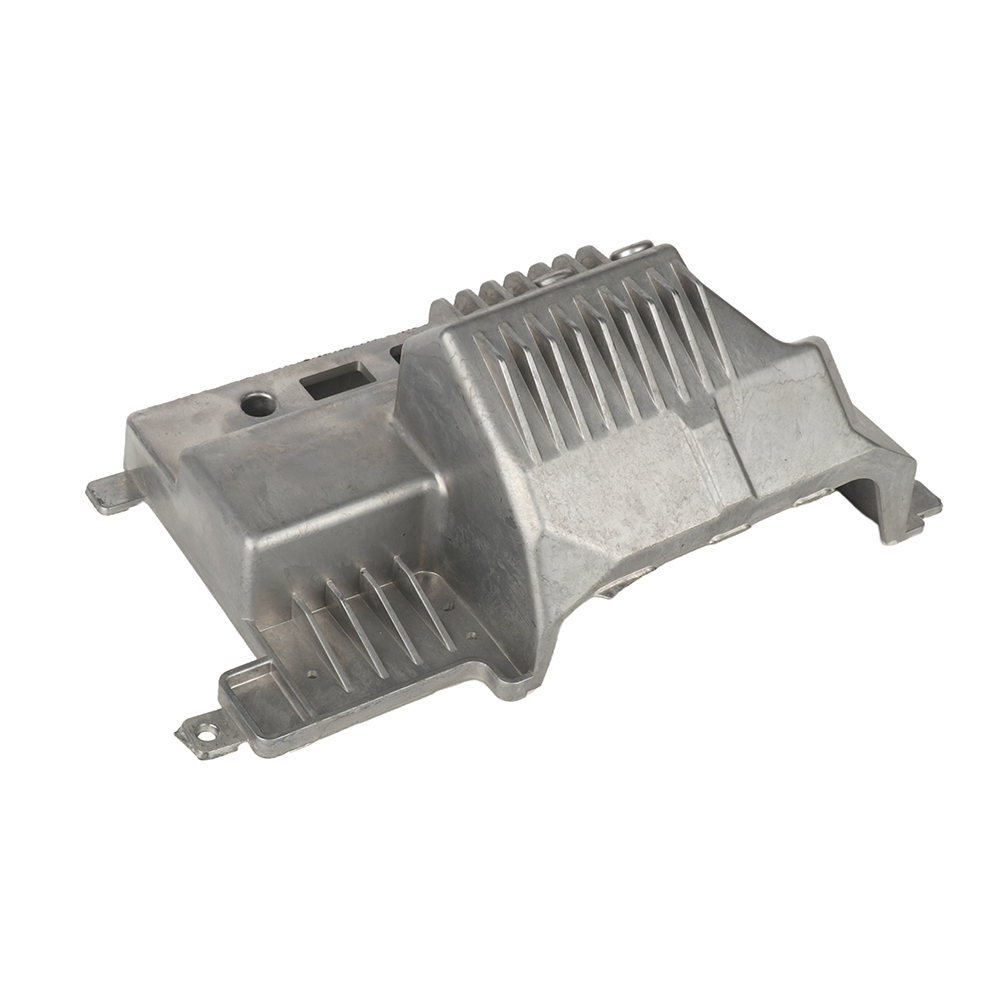
GPU housings require strict dimensional accuracy (often ±0.02 mm tolerance to meet ISO 2768-F standards[1]), excellent thermal conductivity, and robust mechanical strength to withstand long-term operation. Aluminium die casting perfectly meets these requirements, as it can produce complex geometries (such as integrated heat dissipation fins) in one forming process, eliminating the need for multiple assembly steps and reducing production costs[1][7].
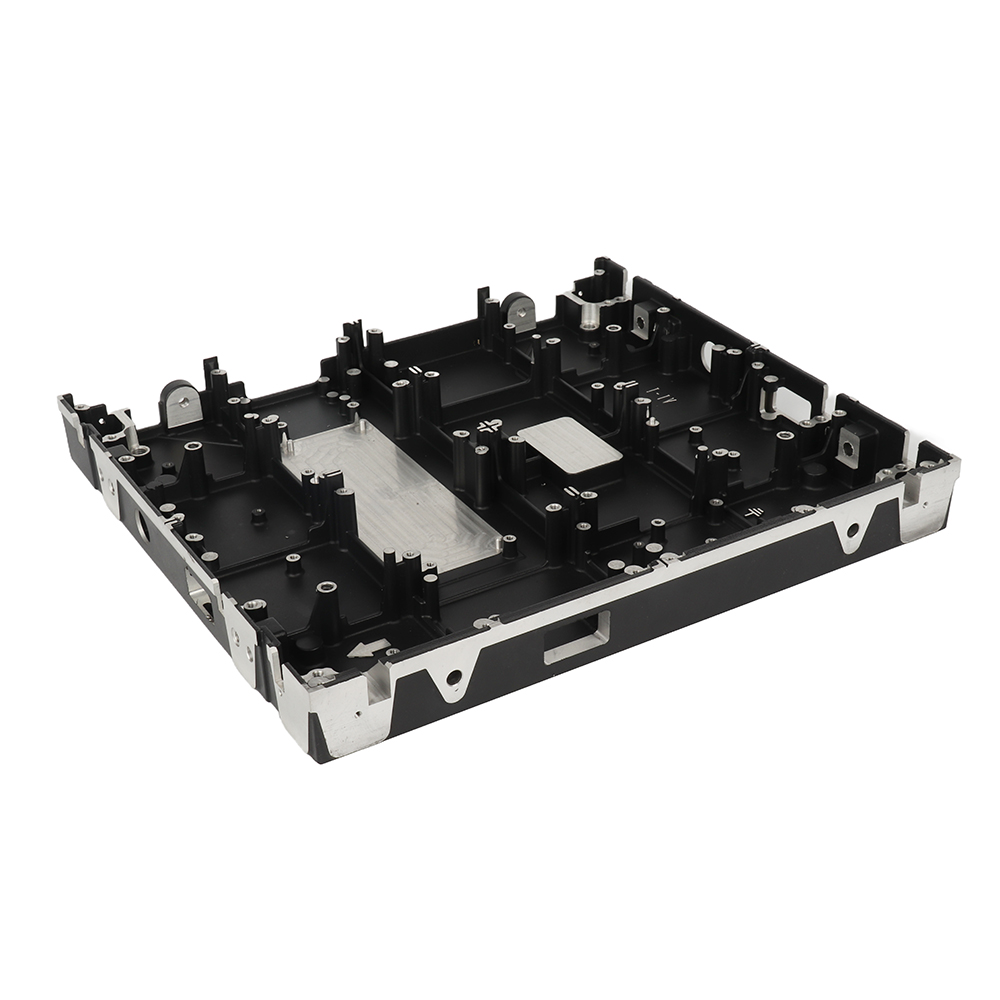
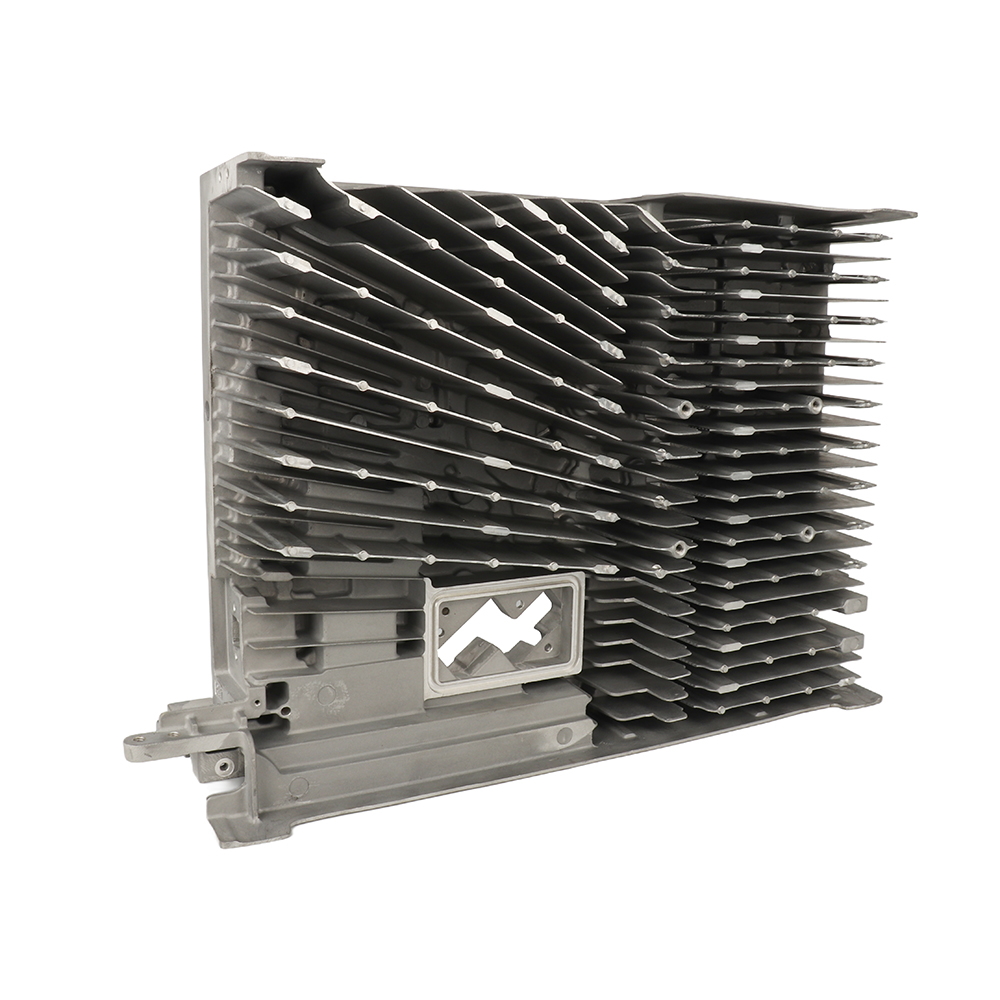
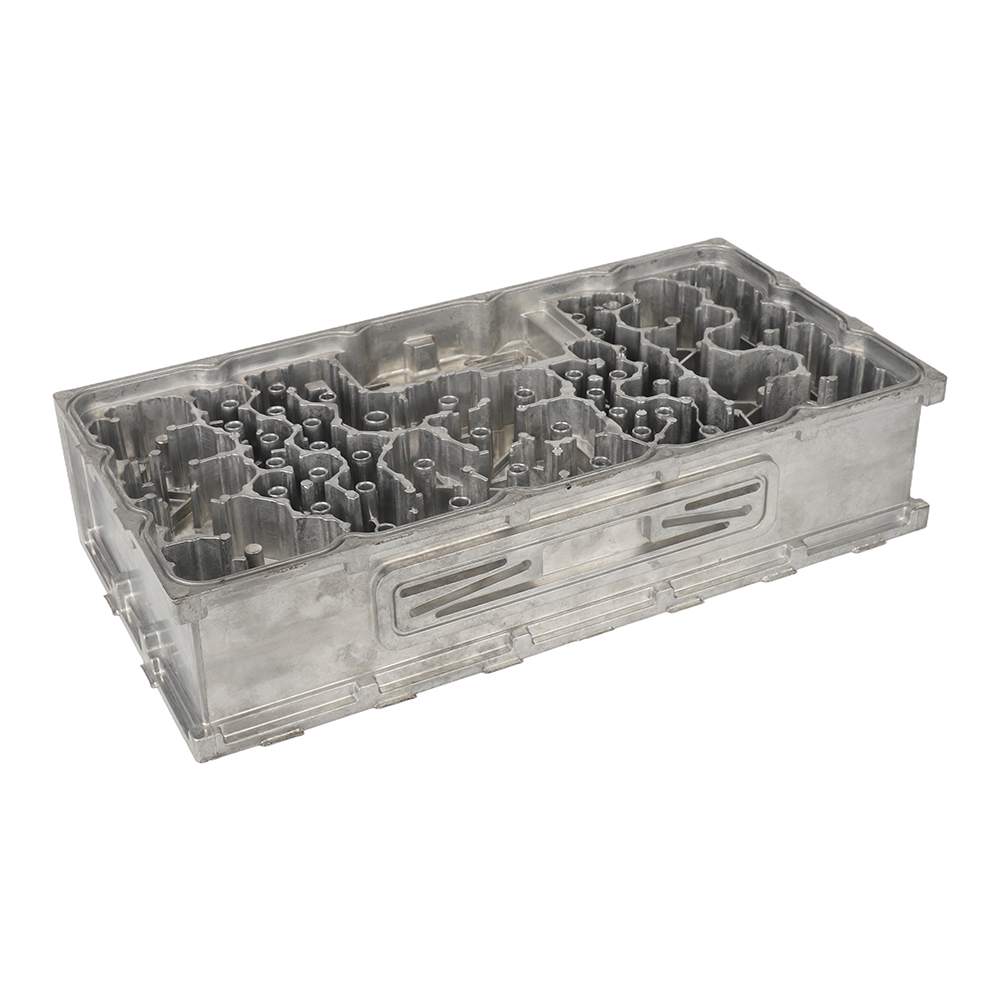
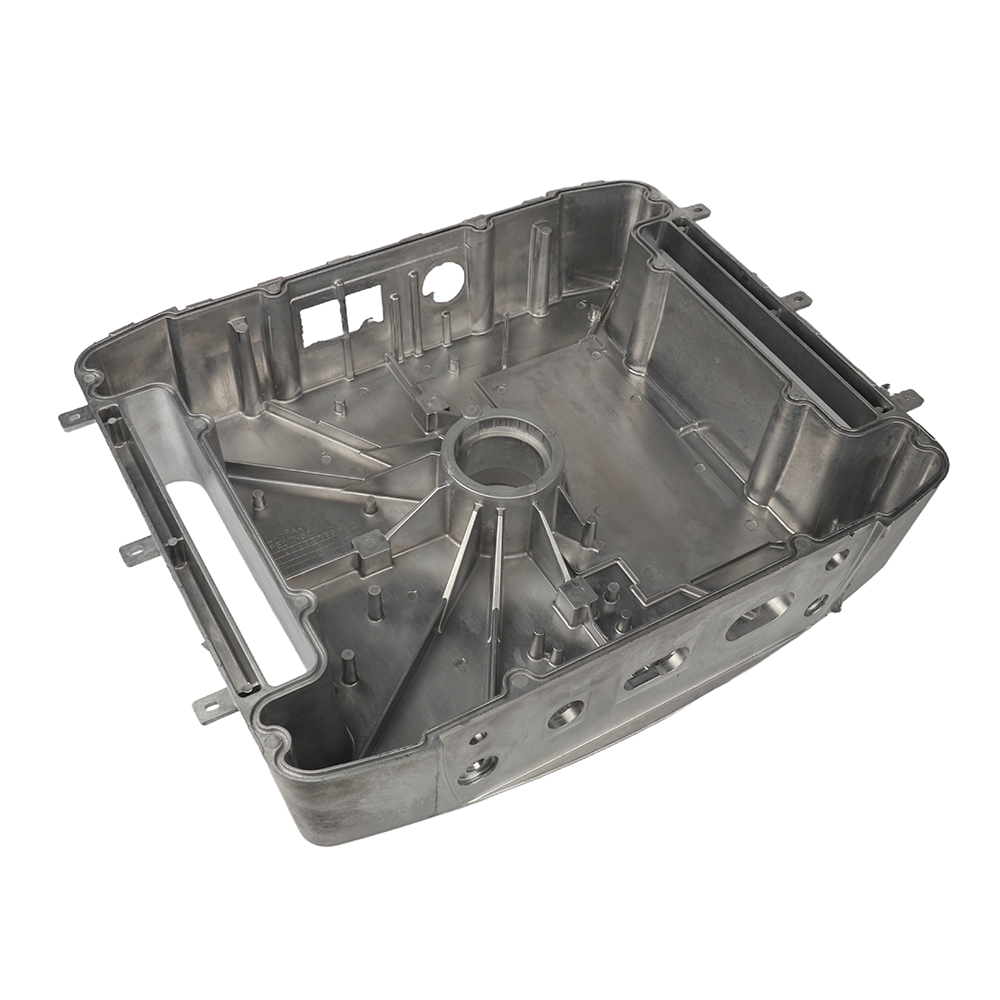
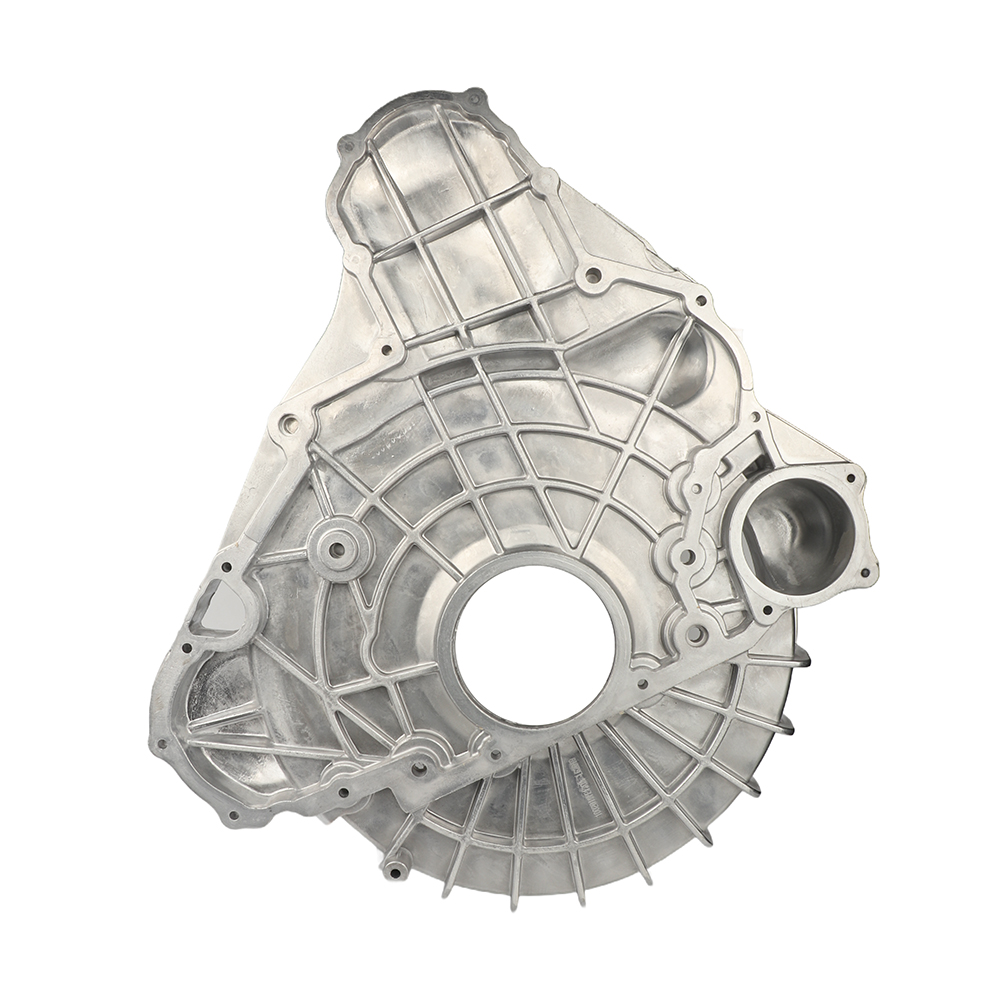
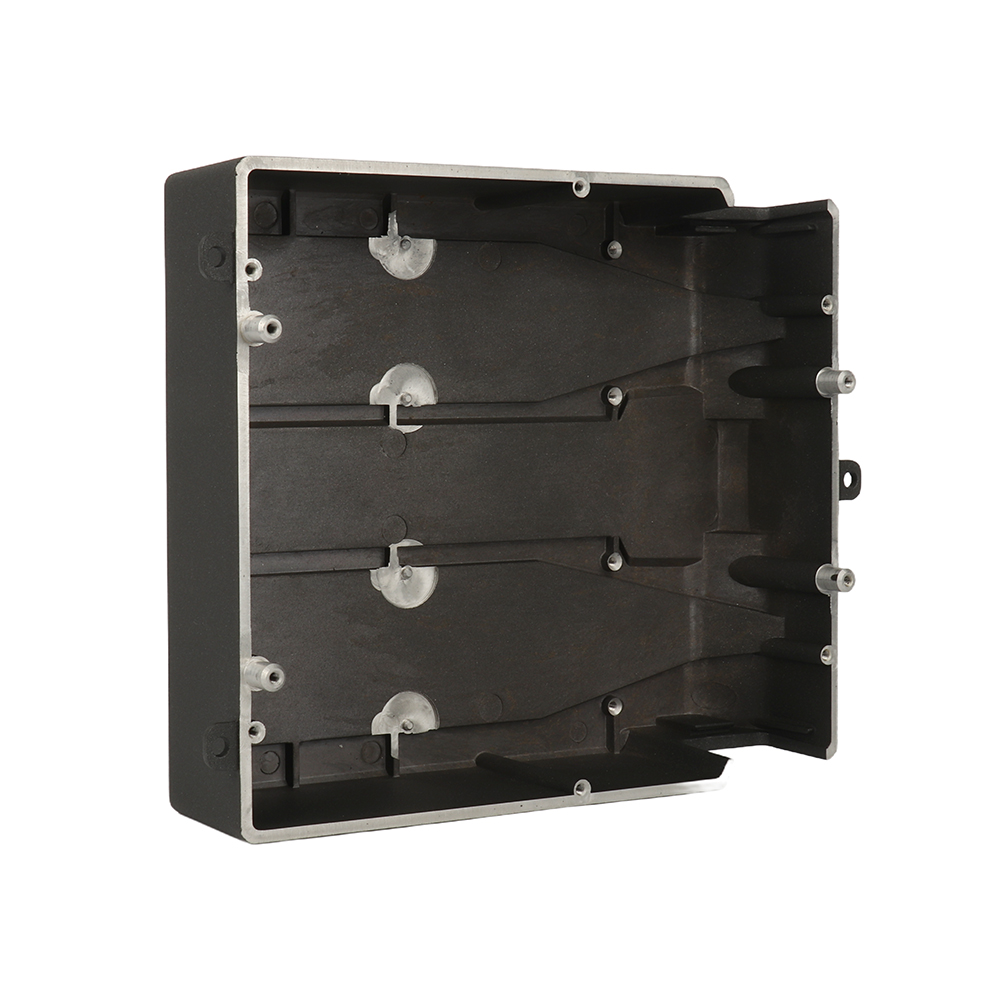
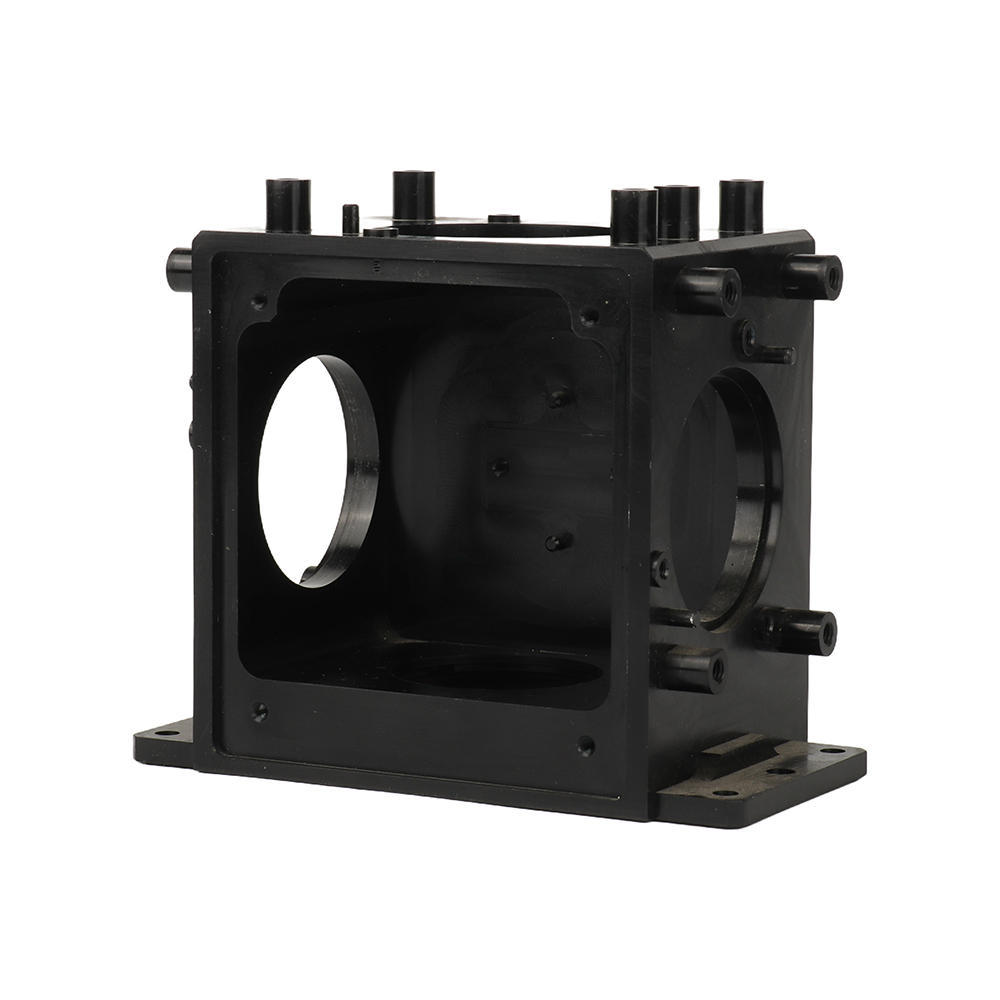
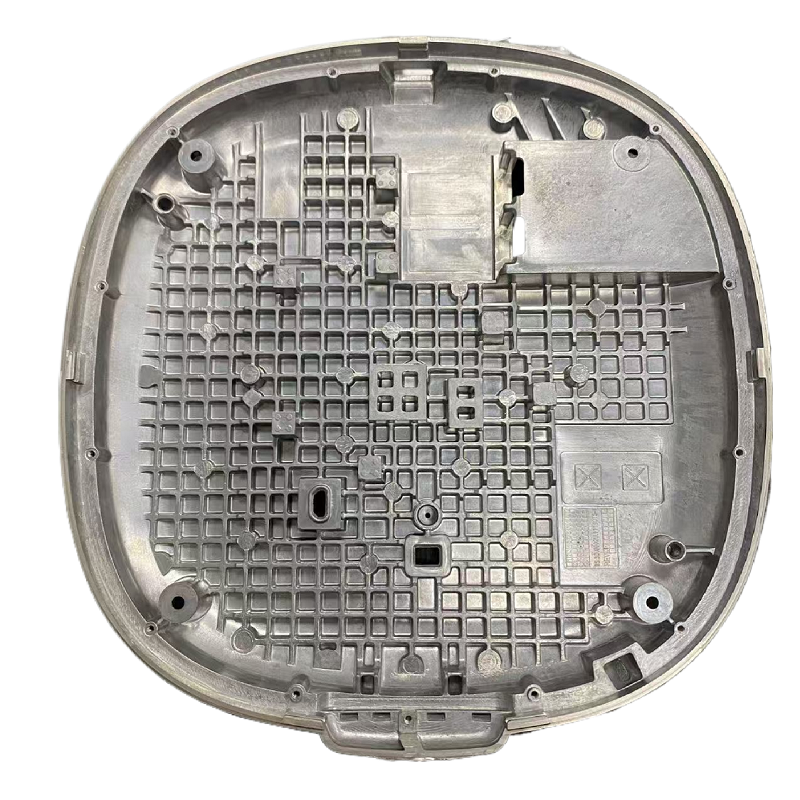
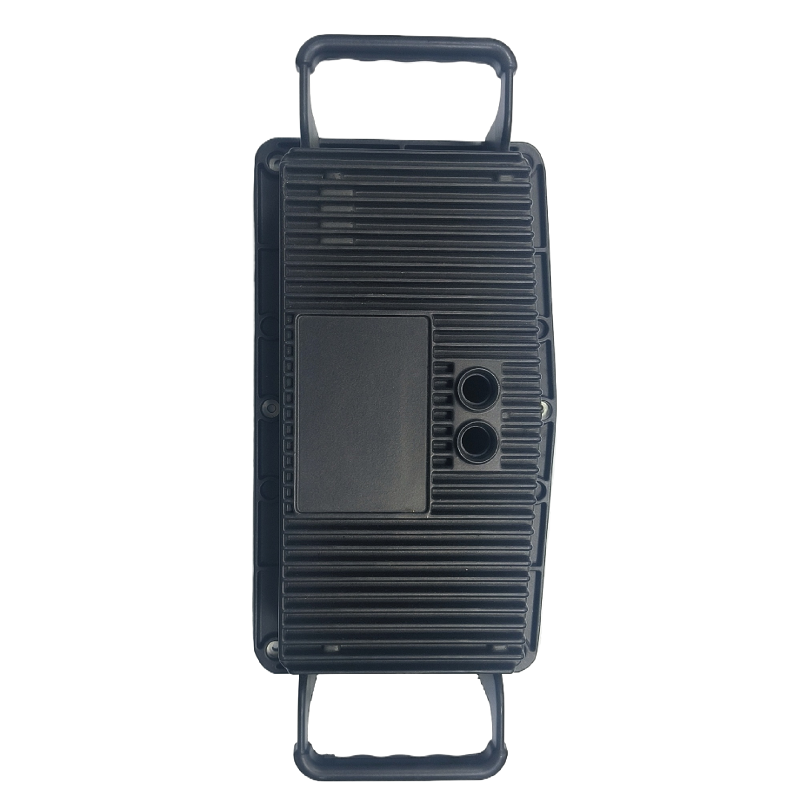
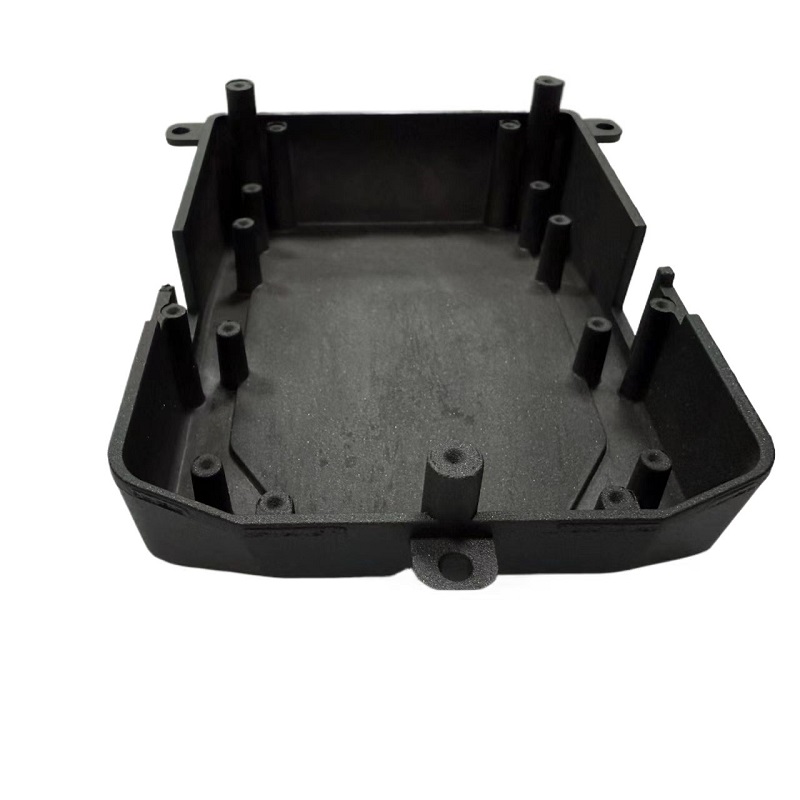
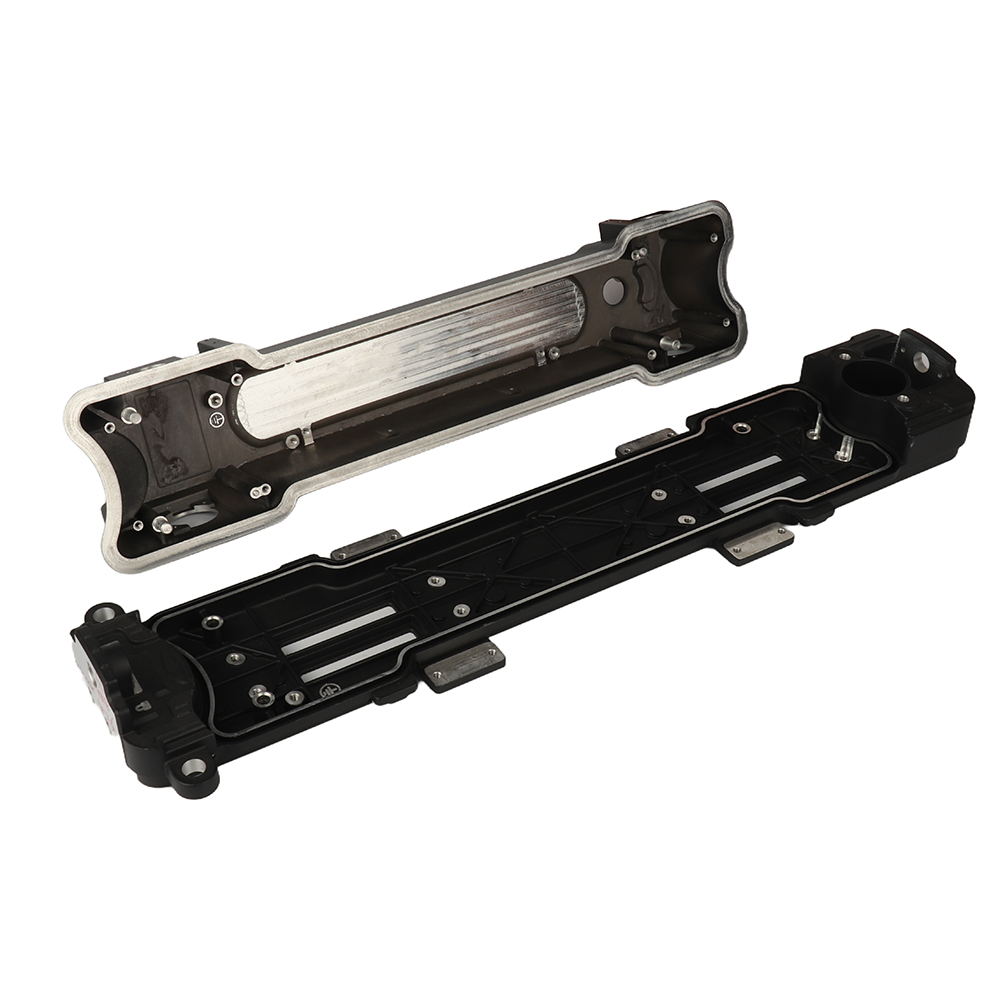
Below is a typical example of an aluminium die casting GPU housing, showcasing its sleek design, precision structure, and integrated heat dissipation features—key elements that make it suitable for high-performance GPUs:
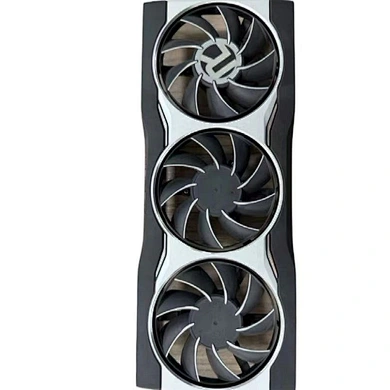
Aluminium Die Casting GPU Housing with Integrated Heat Dissipation Channel
3. GPU Die Casting Backshell: Advantages, Disadvantages & Comparative Analysis
3.1 Advantages of Aluminium Die Casting GPU Backshell (Highlighted)
The aluminium die casting GPU backshell has become the preferred choice for high-performance GPU manufacturers due to its unparalleled advantages, which directly address the core needs of GPU operation:
- Superior Thermal Dissipation: Aluminium itself has excellent thermal conductivity (A380 alloy offers approximately 96.2 W/m·K[2][6]), and the die casting process can integrate heat dissipation fins and channels directly into the backshell. This eliminates the need for additional heat dissipation components, effectively reducing GPU operating temperature by 5-10°C and ensuring stable performance during long-term high-load operation[8].
- High Precision & Dimensional Stability: Aluminium die casting achieves tight tolerances (±0.02 mm for key dimensions[1]) and consistent dimensional stability, which is crucial for GPU backshells—they must fit perfectly with the GPU PCB, capacitors, and other components to avoid short circuits or poor contact. The process also ensures uniform wall thickness (down to 1 mm[1]), preventing structural weaknesses.
- Excellent Mechanical Strength: A380 aluminium alloy used in die casting has a tensile strength of up to 324 MPa[2][6], providing strong structural support for the GPU. This prevents PCB flexing and component damage, especially for large, heavy high-end GPUs, extending the service life of the graphics card[8].
- Cost-Effective Mass Production: Once the die is developed, aluminium die casting enables high-volume production with short cycle times (15-60 seconds per part[2]), significantly reducing the per-unit cost. This is critical for GPU manufacturers facing high demand for consumer and industrial graphics cards[4][5].
- Integrated Complex Structures: The die casting process can form complex features (such as mounting holes, positioning pins, and heat dissipation fins) in one step, eliminating the need for post-processing steps like welding or drilling. This reduces production time and material waste, improving overall manufacturing efficiency[1][7].
3.2 Disadvantages of Aluminium Die Casting GPU Backshell
While the advantages are prominent, aluminium die casting GPU backshells have a few limitations, most of which can be mitigated with advanced processing techniques:
- High Initial Die Cost: The precision steel die required for aluminium die casting has a high upfront cost (tens of thousands of dollars), which may be a barrier for small-scale manufacturers or low-volume production runs[4]. However, this cost is offset by lower per-unit costs in mass production.
- Limited Surface Treatment Options: Due to the high copper content of A380 alloy, aluminium die casting backshells are not ideal for anodizing (a common surface treatment for aluminium parts)[2][6]. However, they can be effectively finished with powder coating or painting, which still provide good corrosion resistance and aesthetic appeal[2].
- Potential for Internal Porosity: The rapid cooling process in die casting may lead to small internal pores, which could affect the part’s pressure tightness. However, advanced process control (such as optimized injection speed and die temperature[2]) can minimize this issue, making it negligible for GPU backshell applications.
3.3 Comparative Analysis with Other Manufacturing Methods
To highlight the advantages of aluminium die casting for GPU backshells, we compare it with three common alternative manufacturing methods:
| Manufacturing Method | Key Advantages | Key Disadvantages | Suitability for GPU Backshell |
|---|---|---|---|
| Aluminium Die Casting | High precision, excellent thermal conductivity, cost-effective mass production, integrated complex structures | High initial die cost, limited anodizing capability | ★★★★★ (Most suitable for high-volume, high-performance GPUs) |
| CNC Machining | Extreme precision, perfect surface finish, suitable for small batches | High per-unit cost, low production efficiency, material waste (up to 80%[4]), cannot integrate complex structures easily | ★★★☆☆ (Only suitable for small-batch, high-end custom GPUs) |
| Plastic Injection Molding | Low cost, lightweight, easy color customization | Poor thermal conductivity, low mechanical strength, prone to cracking under high temperature[8] | ★★☆☆☆ (Only suitable for low-performance, budget GPUs) |
| Sheet Metal Forming | Low initial cost, lightweight | Poor precision, limited complex structures, weak thermal conductivity, visible seams[4] | ★☆☆☆☆ (Not suitable for high-performance GPU backshells) |
Clearly, aluminium die casting strikes the best balance between performance, cost, and efficiency for GPU backshell production, especially for mass-produced high-performance models[1][4].
4. Key Advantages of Aluminium Die Casting GPU Housing (Detailed)
Beyond the advantages of the backshell itself, aluminium die casting brings additional value to GPU housings as a whole, addressing the evolving needs of the GPU industry:
4.1 Lightweight Design for Compact Devices
Aluminium’s low density (2.71g/cm³[2][6]) makes die-cast GPU housings significantly lighter than those made of steel or other metals. This is critical for compact devices such as gaming laptops, mini-PCs, and portable workstations, where weight and size are key constraints. A lightweight GPU housing also reduces the overall weight of the device, improving user portability[8].
4.2 Corrosion Resistance for Long-Term Reliability
Aluminium naturally forms a protective oxide layer, and with additional surface treatments (such as powder coating[2]), die-cast GPU housings offer excellent corrosion resistance. This ensures the GPU remains reliable even in harsh environments (e.g., data centers with high humidity) or during long-term use, reducing maintenance costs and extending the product’s service life[6][7].
4.3 Aesthetic Appeal for Consumer Markets
Aluminium die casting produces a smooth, uniform surface finish (Ra ≤ 1.0 μm[1]) that can be easily customized with painting, printing, or laser engraving. This allows manufacturers to create sleek, modern GPU designs that appeal to consumer markets (especially gaming enthusiasts), enhancing the product’s competitiveness[1][8].
4.4 Environmental Friendliness
Aluminium is 100% recyclable with minimal loss of properties, and the die casting process generates little material waste (unlike CNC machining[4]). This aligns with the global trend of sustainable manufacturing, helping GPU manufacturers reduce their environmental footprint and meet green production standards[7].
5. Expert Opinions on Aluminium Die Casting for GPU Housing
Industry experts recognize aluminium die casting as a game-changing technology for GPU housing production, highlighting its role in driving innovation in the graphics card industry:
“As GPUs become more powerful and compact, the demand for high-precision, thermally efficient housings continues to grow. Aluminium die casting is the only manufacturing method that can meet these demands at scale—offering the perfect combination of precision, strength, and cost-effectiveness. A380 alloy, in particular, has become the gold standard for GPU housings due to its balanced mechanical and thermal properties.” — David Chen, Senior R&D Engineer at Neway Die Casting (a key partner of Gigabyte[1])
“In the data center GPU market, reliability and thermal management are non-negotiable. Aluminium die casting allows us to integrate heat dissipation structures directly into the housing, reducing the risk of overheating and ensuring 24/7 operation. The process also enables consistent quality across thousands of units, which is critical for large-scale data center deployments.” — Sarah Miller, Hardware Engineering Manager at a leading AI chip manufacturer
6. FAQs About Aluminium Die Casting GPU Housing
Below are answers to the most common industry questions about aluminium die casting for GPU housing, addressing key concerns from manufacturers and consumers:
Q1: What aluminium alloy is most suitable for GPU die casting backshells?
A1: A380 aluminium alloy is the most widely used alloy for GPU die casting backshells[1][2][6]. It offers an ideal balance of fluidity (for complex shapes), mechanical strength (324 MPa tensile strength[2][6]), thermal conductivity (96.2 W/m·K[2][6]), and cost-effectiveness. Other alloys like ADC12 are sometimes used, but A380 is preferred for its superior performance in electronic applications[2].
Q2: Can aluminium die casting GPU backshells be anodized?
A2: While A380 alloy has high copper content, which limits direct anodizing[2][6], advanced surface treatment techniques (such as zincate treatment[2]) can enable limited anodizing. However, most manufacturers opt for powder coating or painting, which provide excellent corrosion resistance and aesthetic appeal at a lower cost.
Q3: What is the typical tolerance for aluminium die casting GPU housings?
A3: The typical tolerance for key dimensions of aluminium die casting GPU housings is ±0.02 mm, meeting ISO 2768-F standards[1]. This ensures a perfect fit with the GPU’s internal components and avoids assembly issues.
Q4: Is aluminium die casting suitable for small-batch GPU production?
A4: Aluminium die casting is most cost-effective for large-batch production (5,000 units or more[4]) due to the high initial die cost. For small-batch production (less than 500 units), CNC machining is often a more practical choice. However, for batches between 500-5,000 units, some manufacturers offer shared die services to reduce costs[4].
Q5: How does aluminium die casting improve GPU heat dissipation compared to other methods?
A5: Aluminium die casting allows for the integration of heat dissipation fins, channels, and thermal pads directly into the GPU housing during the casting process[1][8]. This creates a seamless thermal path from the GPU chip to the housing, enabling faster heat transfer. In contrast, other methods (like plastic molding or sheet metal) require additional heat dissipation components, which add weight and reduce efficiency.
Q6: What is the typical production cycle time for an aluminium die casting GPU backshell?
A6: The typical production cycle time for an aluminium die casting GPU backshell is 15-60 seconds per part[2], depending on the part size and complexity. This fast cycle time enables high-volume production, making it ideal for meeting the high demand for consumer and industrial GPUs[5][7].
7. Conclusion
Aluminium die casting is a high-precision, cost-effective manufacturing process that has become the cornerstone of GPU housing production—especially for high-performance models used in gaming, data centers, and AI applications. Its ability to produce complex, thermally efficient, and durable GPU die casting backshells, combined with cost savings in mass production, makes it superior to alternative manufacturing methods like CNC machining, plastic injection molding, and sheet metal forming.
While the process has minor limitations (such as high initial die cost and limited anodizing capability), these are far outweighed by its numerous advantages: superior thermal dissipation, high precision, excellent mechanical strength, integrated complex structures, and environmental friendliness. As GPUs continue to evolve, aluminium die casting will remain a critical technology, enabling manufacturers to create smaller, more powerful, and more reliable graphics cards.
For GPU manufacturers looking to balance performance, cost, and efficiency, aluminium die casting is undoubtedly the optimal choice for GPU housing production.
Aluminum boxes for electronics | What is an aluminum enclosure? Focus on Aluminum Boxes for Electronics
Die casting mould design | What is die casting mould design? A Comprehensive Guide
Related Article


