
HOT PRODUCTS
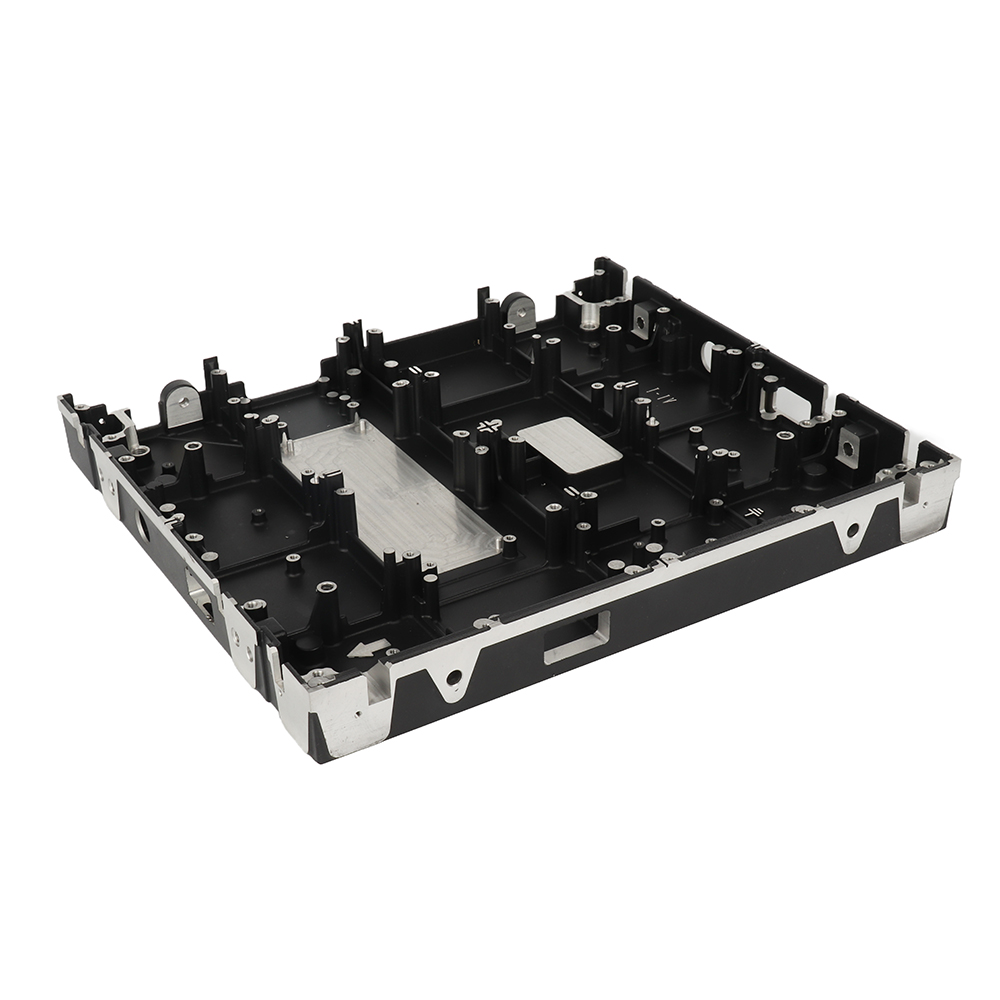
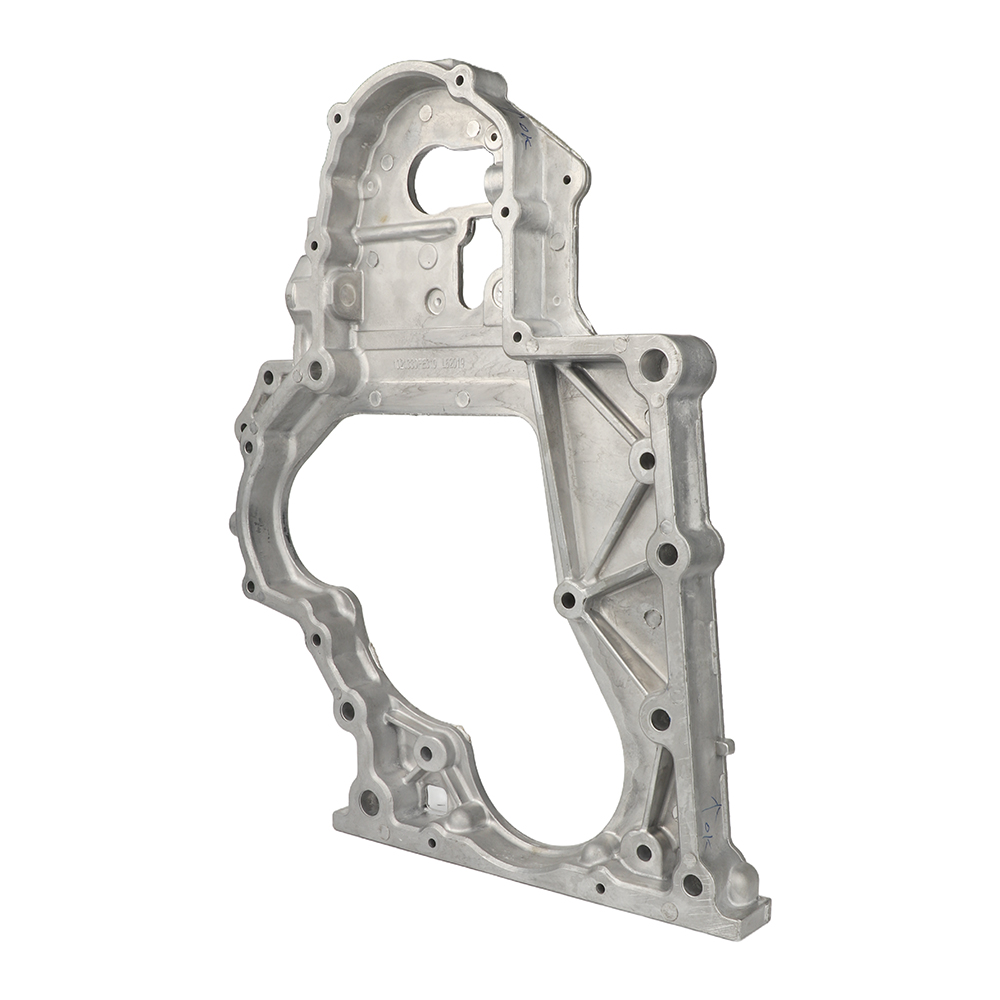
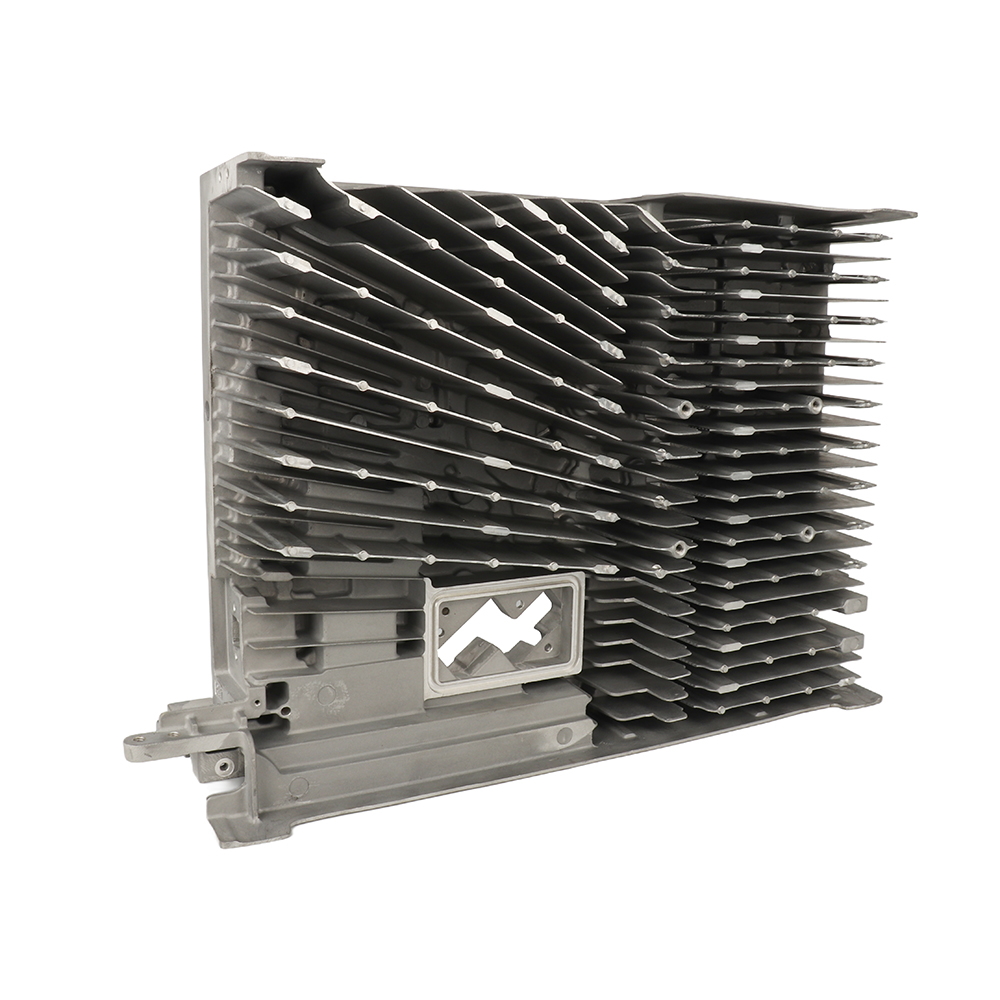
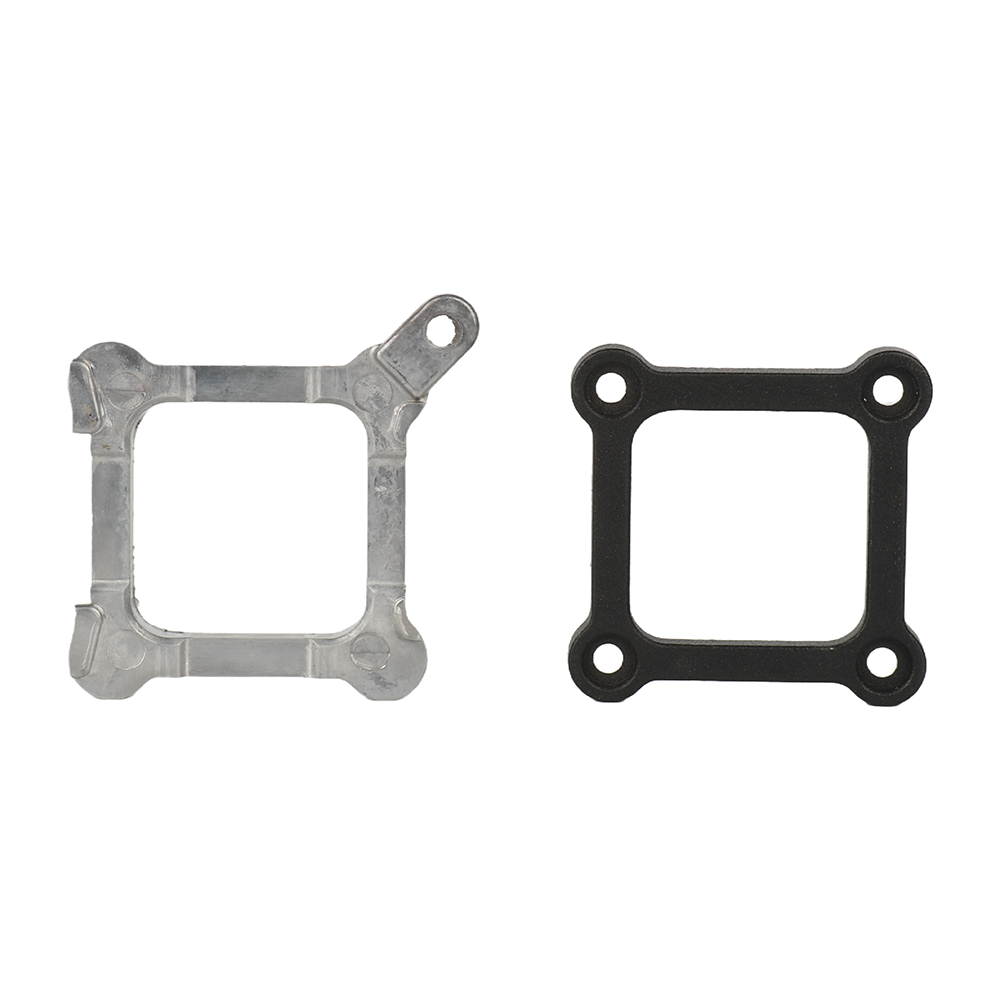
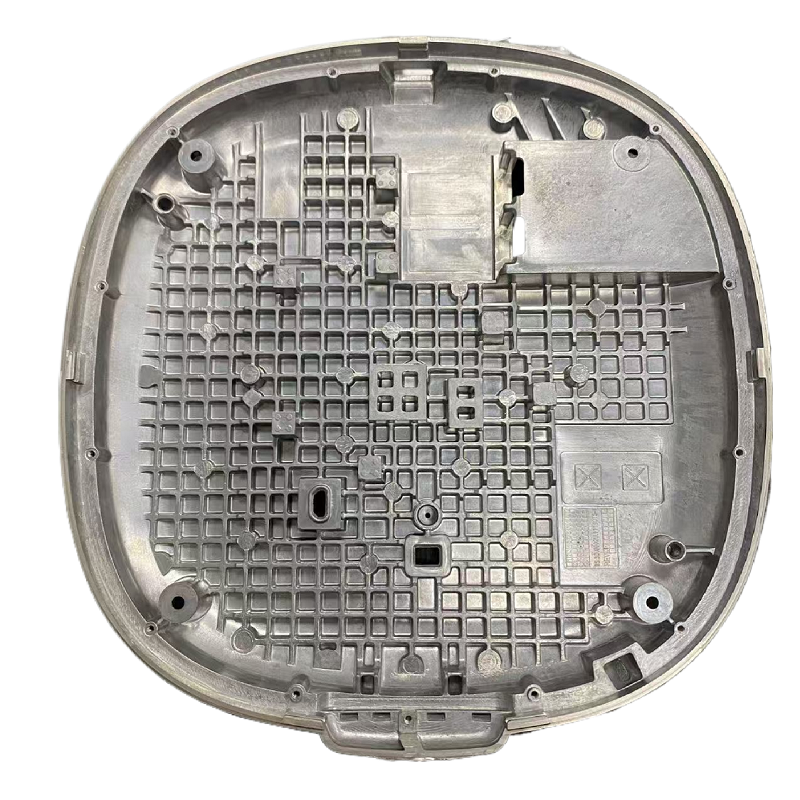
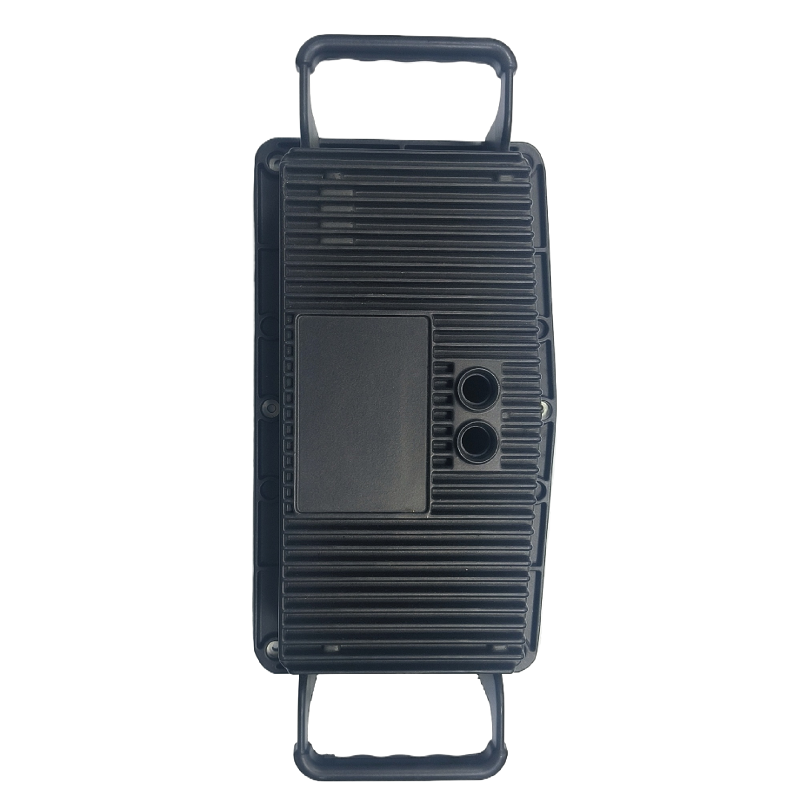

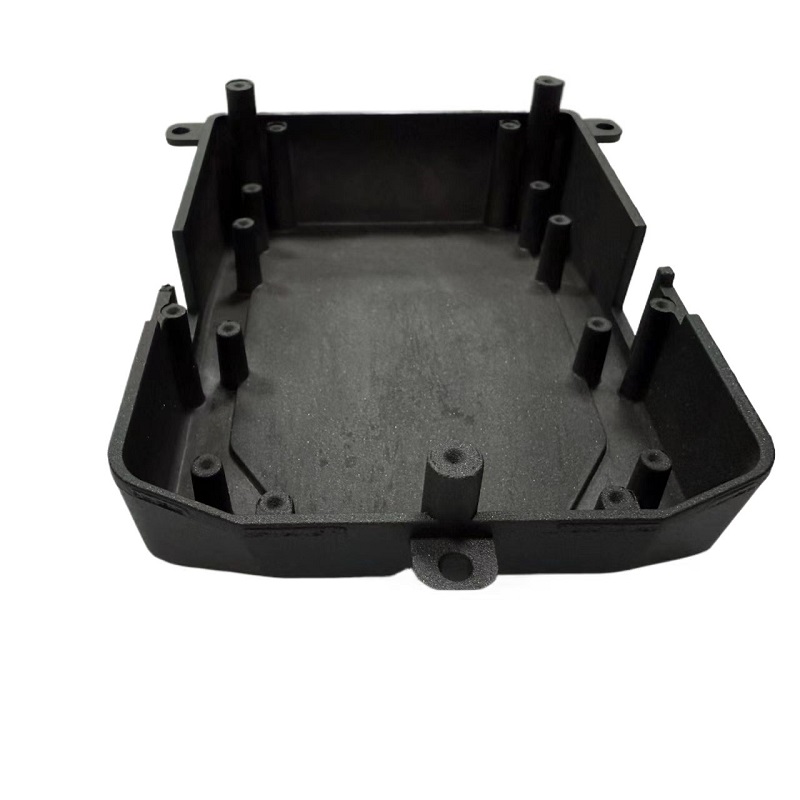
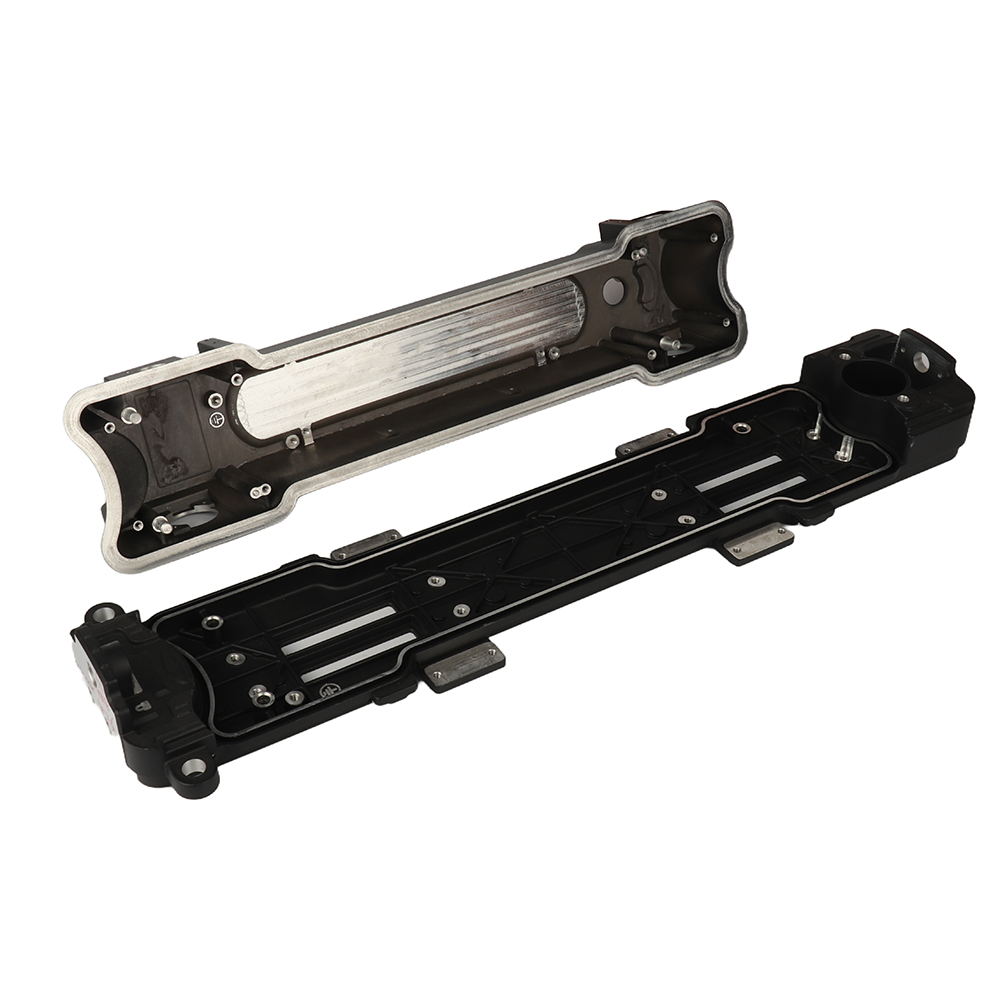
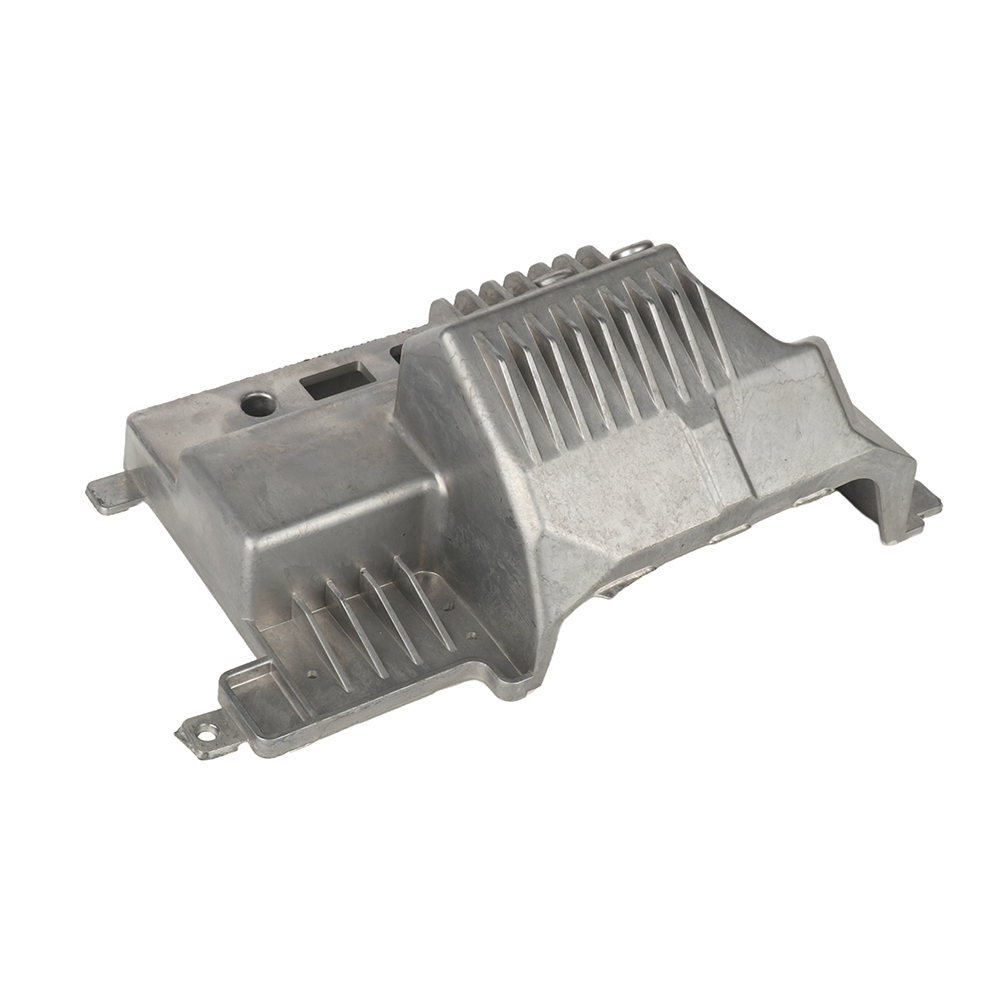
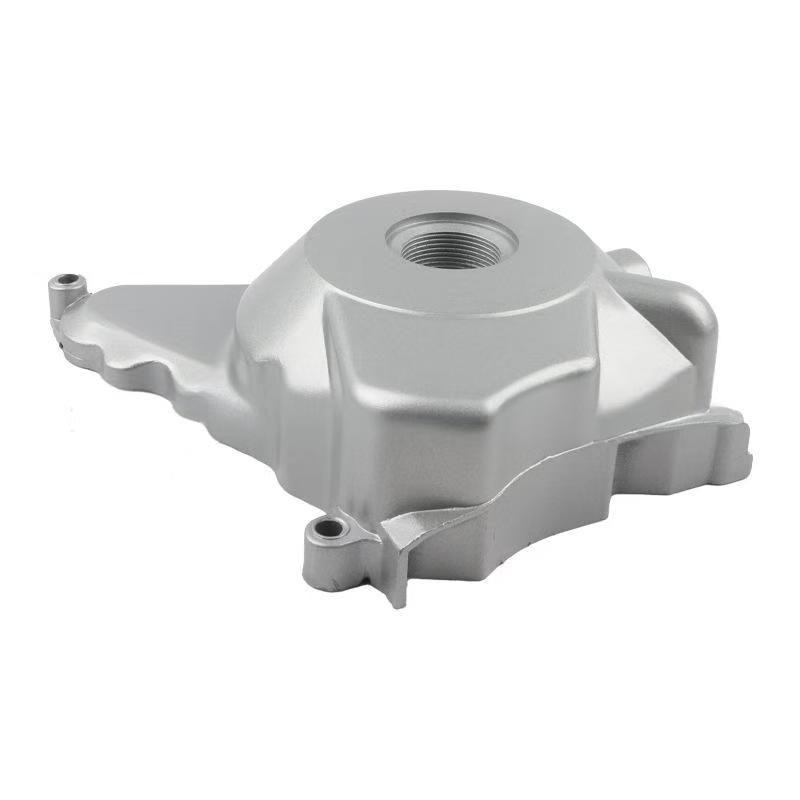
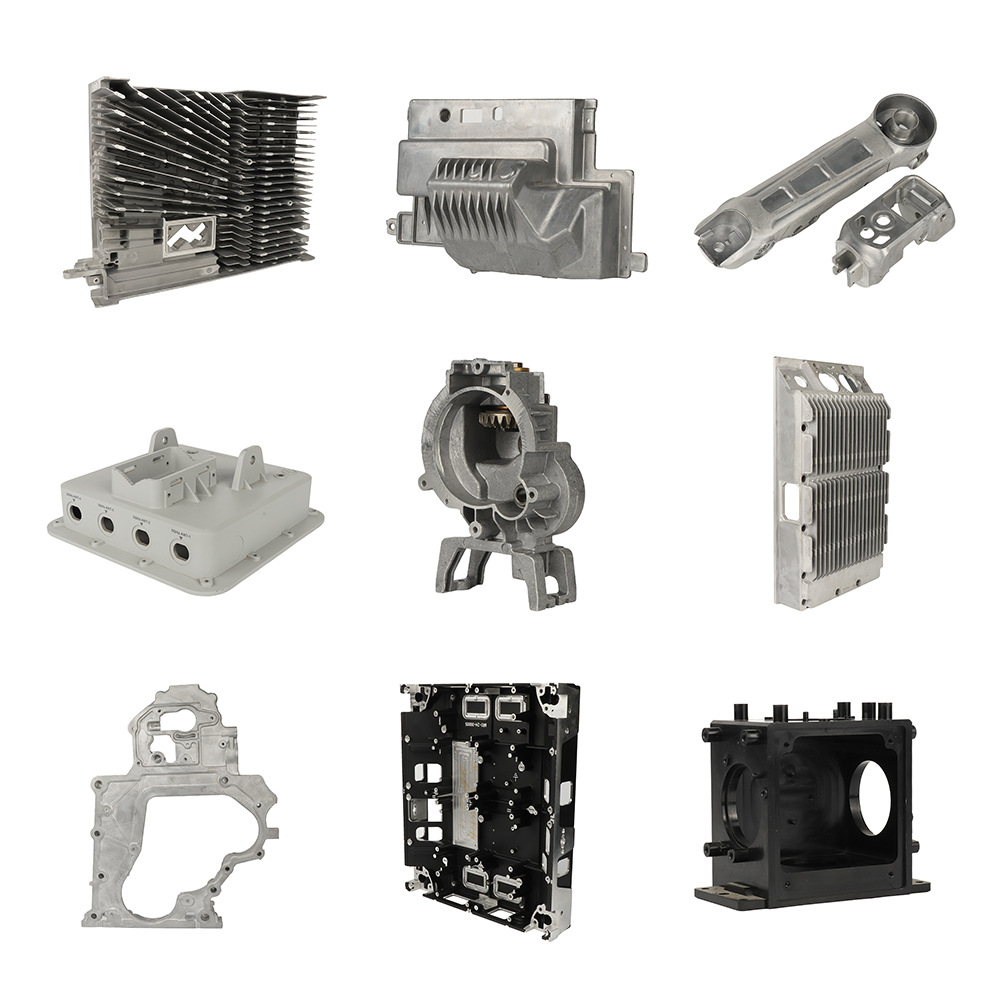
Aluminium pressure casting | What is aluminium pressure casting? A Complete Guide
2026-05-20
What is Aluminium Pressure Casting: A Complete Guide
Table of Contents
- Introduction: What is Aluminium Pressure Casting & Its Core Significance
- Core Characteristics of Aluminium Pressure Casting
- Key Functions & Applications of Aluminium Pressure Casting
- Unmatched Benefits of Aluminium Pressure Casting
- General Parameters of Aluminium Pressure Casting & ADC12 Aluminum Alloy
- Expert Insights: The Value of Aluminium Pressure Casting in Modern Manufacturing
- Frequently Asked Questions (FAQs) About Aluminium Pressure Casting
- Conclusion: Industry Trends & How to Choose a High-Quality Hardware Supplier
- Focus: Xinghang Precision Hardware – Your Trusted Aluminium Pressure Casting Partner
Introduction: What is Aluminium Pressure Casting & Its Core Significance
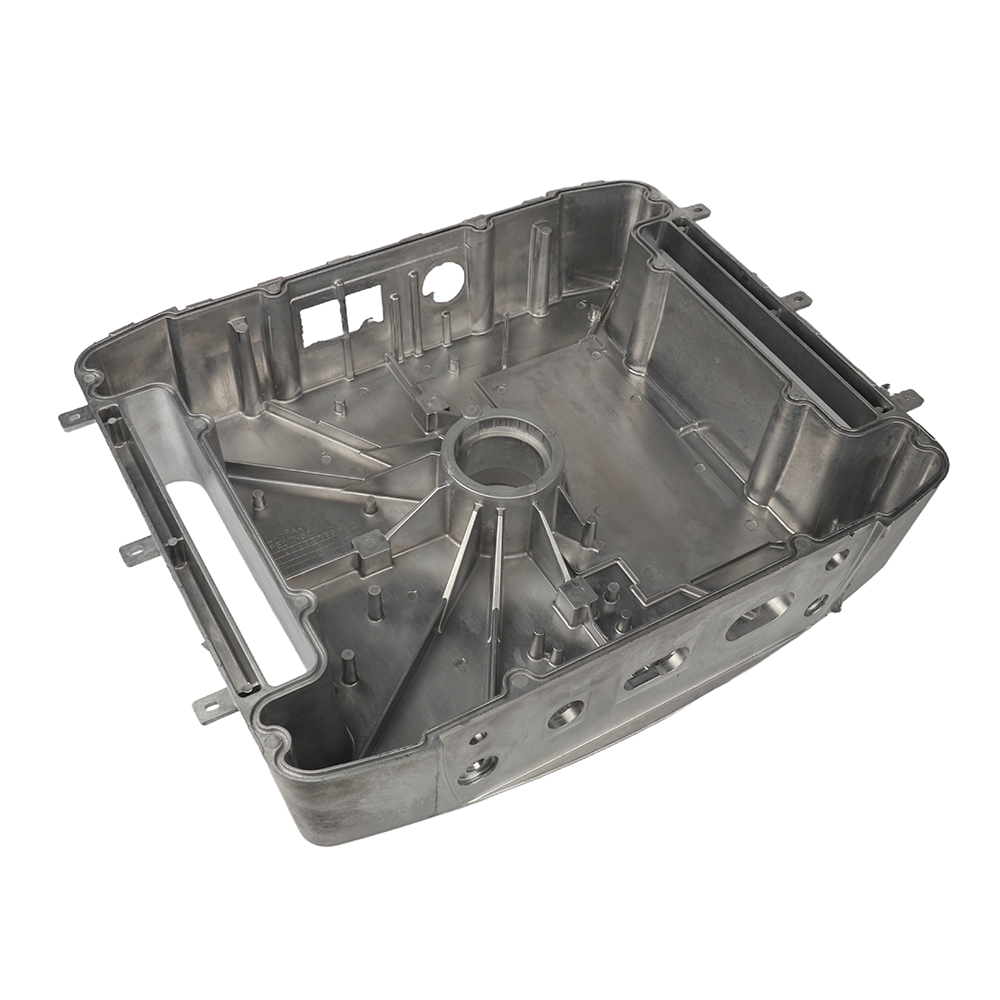
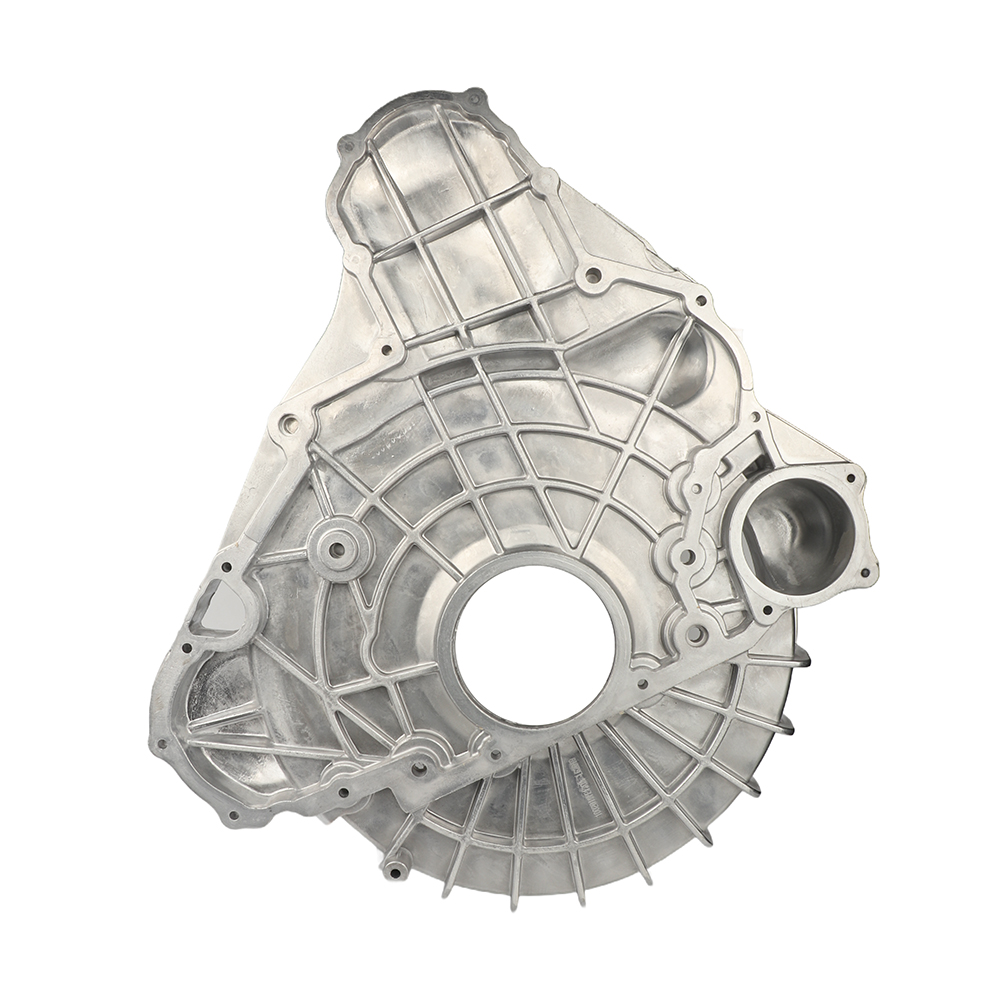
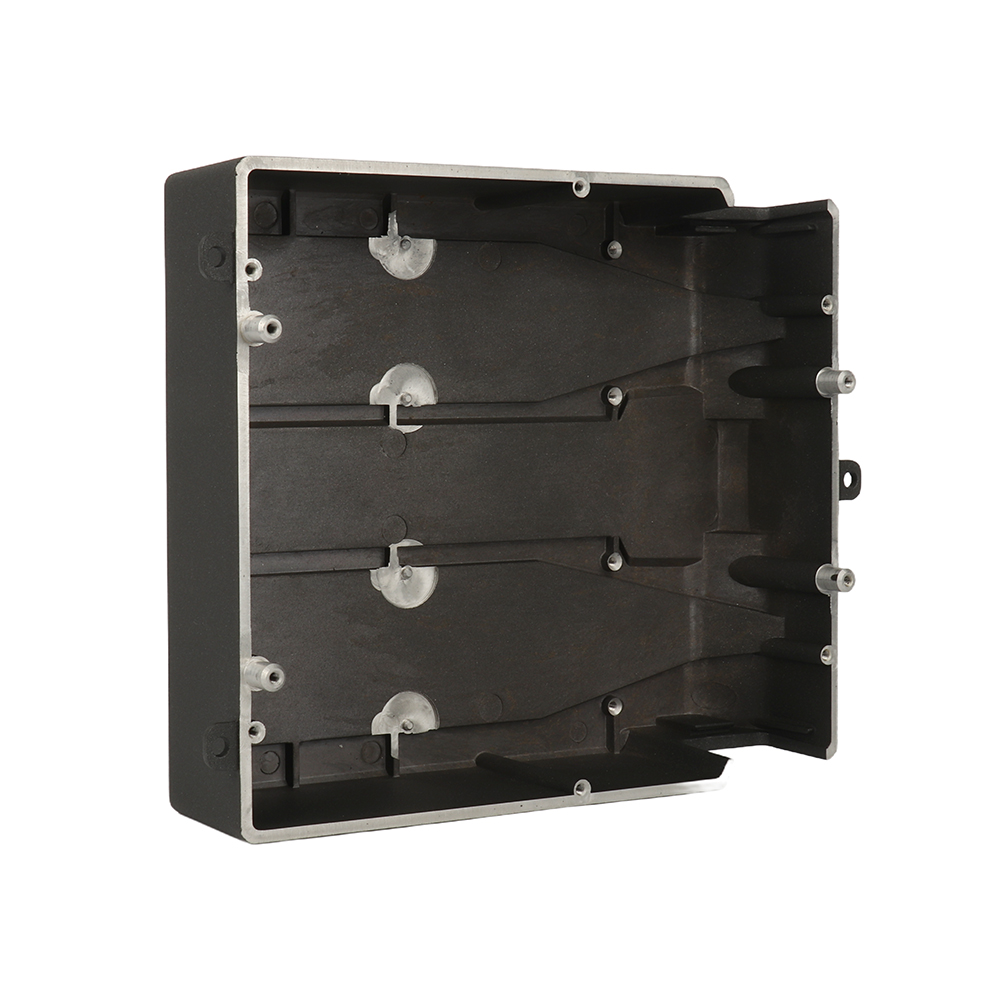
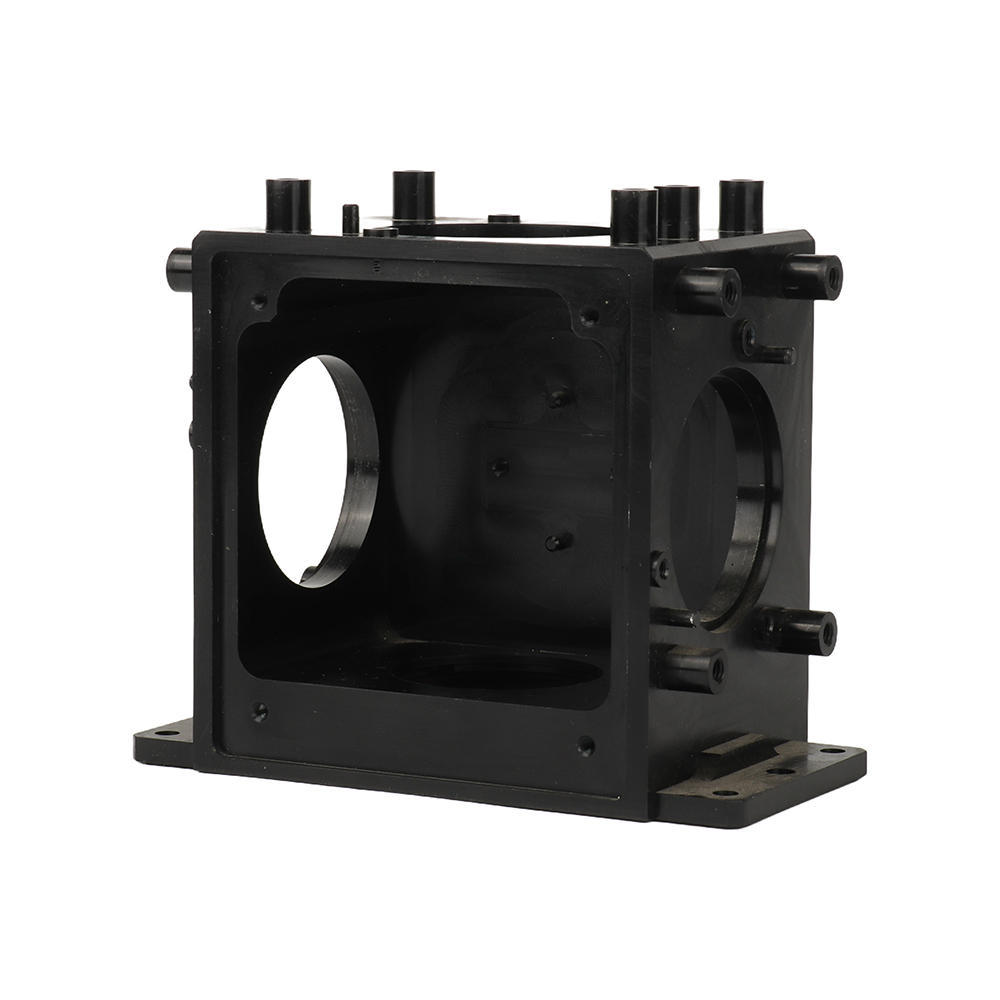
In the field of precision manufacturing, aluminium pressure casting (also known as aluminum die casting) is a high-efficiency, high-precision metal forming process that shapes molten aluminum alloy into complex, high-quality parts under high pressure. It involves injecting molten aluminum into a precision mold (die) at high speed and pressure, allowing the metal to fill every detail of the mold cavity before cooling and solidifying into the desired shape.
As a cornerstone of modern manufacturing, aluminium pressure casting is widely used across industries due to its ability to produce large quantities of consistent, high-precision components. From automotive parts to telecom enclosures, this process delivers a perfect balance of quality, efficiency, and cost-effectiveness. This blog will comprehensively answer “What is aluminium pressure casting”, explore its characteristics, functions, benefits, key parameters, and share expert insights, while recommending Xinghang Precision Hardware as your reliable partner for aluminium pressure casting solutions.

Core Characteristics of Aluminium Pressure Casting
Aluminium pressure casting stands out from other metal forming processes due to its unique characteristics, which determine its wide applicability and superior performance. These core traits are the foundation of its popularity in precision manufacturing:
1. High Precision & Dimensional Stability
Aluminium pressure casting uses precision-machined molds, ensuring that each cast part has strict dimensional accuracy and consistent shape. The process minimizes dimensional deviations, reducing the need for post-processing (such as trimming or polishing) and ensuring seamless assembly with other components. This characteristic is critical for industries requiring high-precision parts, such as telecommunications and aerospace.
2. Excellent Surface Quality
Parts produced by aluminium pressure casting have a smooth, uniform surface finish, eliminating the need for extensive surface treatment. The high pressure during casting ensures that molten aluminum fills every detail of the mold, resulting in a clean, blemish-free surface that meets aesthetic and functional requirements.
3. High Production Efficiency
Aluminium pressure casting is a fully automated process that enables mass production of parts in a short period. The fast injection speed and quick cooling time shorten the production cycle, allowing manufacturers to meet large-order demands efficiently. This makes it an ideal choice for high-volume production scenarios.
4. Complex Shape Formability
Unlike traditional metal forming processes, aluminium pressure casting can easily produce parts with complex geometries, thin walls, and intricate details. The high pressure ensures that molten aluminum fills even the smallest mold cavities, enabling the production of parts that would be difficult or impossible to manufacture with other methods.
5. Lightweight & High Strength
Aluminium itself is lightweight (about 1/3 the weight of steel) but offers excellent mechanical strength. Parts produced by aluminium pressure casting maintain this strength-to-weight ratio, making them ideal for applications where weight reduction is critical, such as automotive and aerospace industries.
Key Functions & Applications of Aluminium Pressure Casting
The core function of aluminium pressure casting is to transform molten aluminum alloy into high-quality, precision parts that meet the diverse needs of various industries. Its applications are widespread, driven by the demand for lightweight, durable, and cost-effective components. Below are the key industries and corresponding applications:
1. Automotive Industry
Aluminium pressure casting is widely used to produce automotive components such as engine brackets, gearbox housings, door handles, dashboard frames, and battery casings for new energy vehicles. Its function here is to create lightweight, high-strength parts that reduce vehicle weight, improve fuel efficiency, and enhance overall performance.
2. Telecommunications Industry
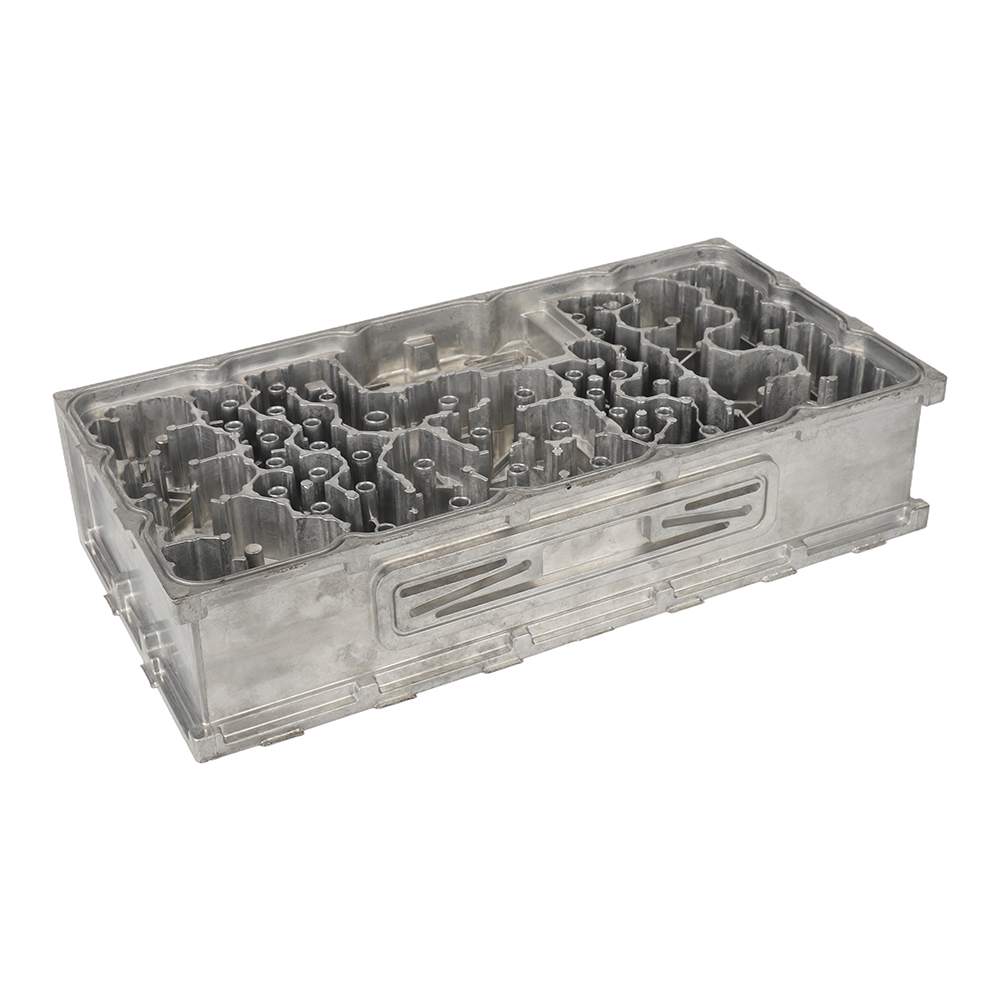
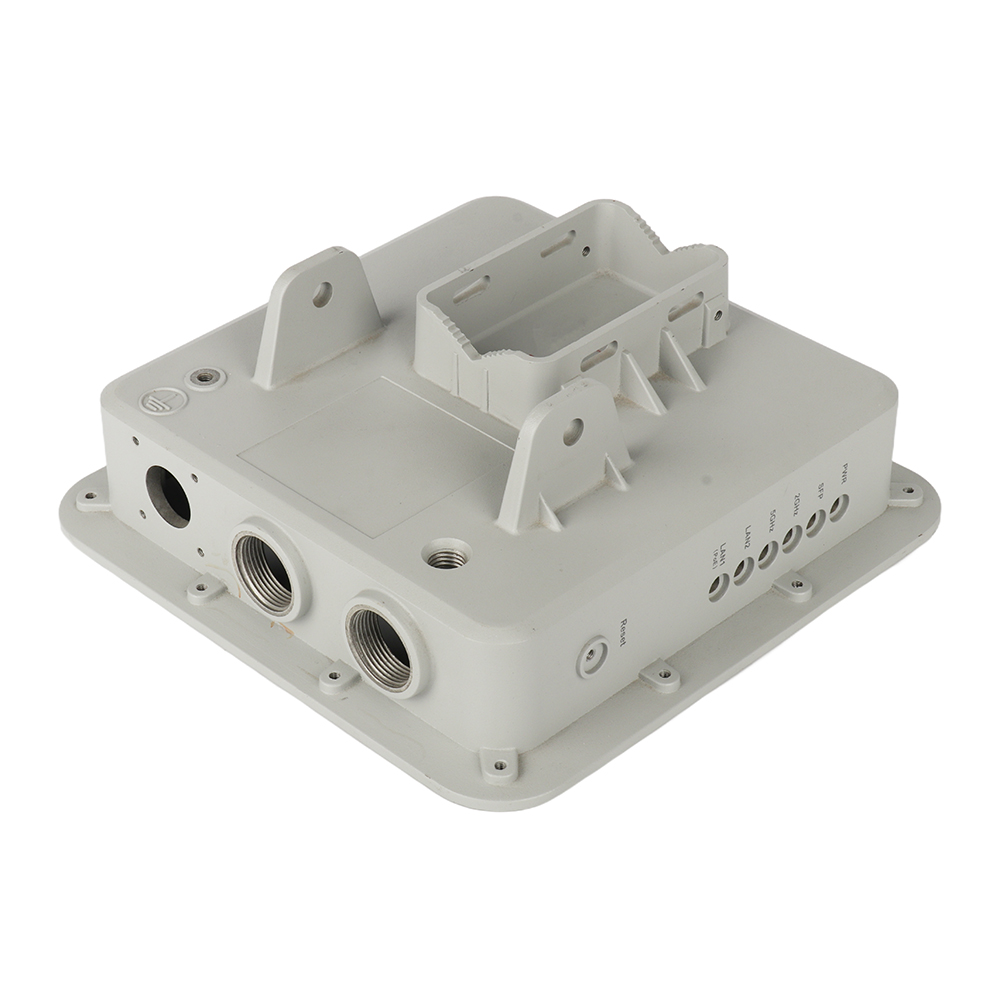
In the telecom sector, aluminium pressure casting is used to manufacturetelecom equipment enclosures, signal transmission modules, and base station components. Its key function is to provide a protective shell that shields internal electronics from electromagnetic interference (EMI), dust, and moisture, while ensuring efficient heat dissipation for stable signal transmission.
3. Industrial Equipment Industry
For industrial equipment, aluminium pressure casting produces components such as pump housings, valve bodies, sensor casings, and machine brackets. These parts need to withstand harsh industrial environments, so the process ensures durability, corrosion resistance, and structural integrity.
4. LED Lighting Industry
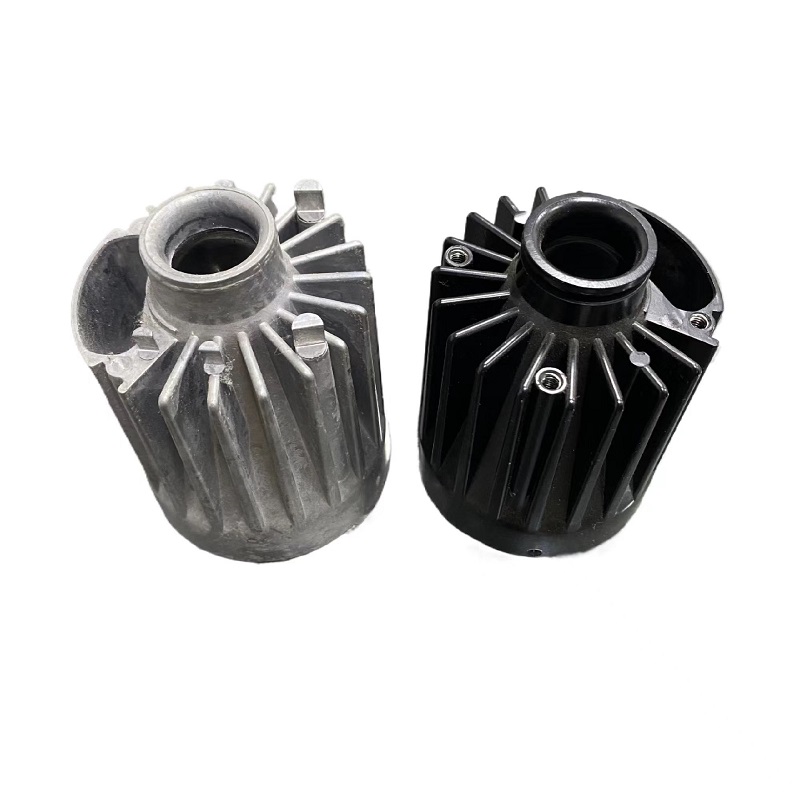
Aluminium pressure casting is essential for producing LED heat sinks and lighting enclosures. The excellent thermal conductivity of aluminum helps dissipate heat generated by LED chips, extending the service life of LED products and improving lighting efficiency.
5. Household Appliance Industry
In household appliances, aluminium pressure casting is used to make parts such as air conditioner compressors, refrigerator handles, washing machine components, and kitchen appliance housings. It creates lightweight, aesthetically pleasing parts that are easy to install and maintain.
Unmatched Benefits of Aluminium Pressure Casting
Choosing aluminium pressure casting for part production brings numerous advantages to manufacturers, from cost savings to product quality improvement. These benefits make it the preferred choice for modern manufacturing:
1. Cost-Effective Mass Production
Aluminium pressure casting enables high-volume production with low per-unit costs. The automated process reduces labor costs, and the high precision minimizes post-processing work, further lowering production expenses. Additionally, the long service life of casting molds reduces mold replacement costs over time.
2. Superior Product Quality & Consistency
The process ensures consistent dimensional accuracy and surface quality across all parts, reducing defect rates. The high pressure and fast cooling prevent common defects such as shrinkage, porosity, and cracks, ensuring the mechanical properties of the final product are reliable.
3. Lightweight & Energy-Saving
Aluminium parts produced by pressure casting are lightweight, which reduces the weight of end products (e.g., vehicles, equipment). This not only improves efficiency but also reduces energy consumption during use, aligning with global energy-saving and environmental protection trends.
4. Excellent Thermal & Electrical Conductivity
Aluminium has outstanding thermal and electrical conductivity, and these properties are retained in parts produced by pressure casting. This makes it ideal for applications requiring heat dissipation (e.g., LED heat sinks) or electrical conductivity (e.g., telecom components).
5. Environmental Friendliness
Aluminium is 100% recyclable, and parts produced by aluminium pressure casting can be recycled and reused without losing their properties. The process also consumes less energy compared to other metal forming methods, making it a green manufacturing choice.
General Parameters of Aluminium Pressure Casting & ADC12 Aluminum Alloy
Understanding the key parameters of aluminium pressure casting and the properties of commonly used aluminum alloys is crucial for choosing the right process and ensuring product quality. Below are the general parameters of aluminium pressure casting and detailed information about ADC12, the most widely used aluminum alloy in this process.
General Parameters of Aluminium Pressure Casting
These parameters determine the performance and applicability of aluminium pressure casting, and are key considerations when planning production:
| Parameter Type | Core Specifications | Application Notes |
|---|---|---|
| Injection Pressure | 10-150 MPa | Higher pressure for complex, thin-walled parts |
| Injection Speed | 0.5-5 m/s | Adjusted based on part complexity and wall thickness |
| Melting Temperature | 600-750℃ | Depends on the aluminum alloy used |
| Dimensional Tolerance | ±0.03-±0.15 mm | Stricter tolerance for high-precision components |
| Part Weight Range | 0.01-50 kg | Suitable for both small and large components |
ADC12 Aluminum Alloy: The Preferred Material for Aluminium Pressure Casting
When it comes to aluminium pressure casting, ADC12 aluminum alloy is the most widely used material due to its excellent comprehensive performance. It is an Al-Si-Cu series die-casting aluminum alloy, trusted by manufacturers across industries.
Core Composition of ADC12 Aluminum Alloy
The main chemical composition (mass fraction) of ADC12 is: Si: 9.6-12.0%, Cu: 1.5-3.5%, Mg: ≤0.3%, Zn: ≤1.0%, Fe: <1.3%, and Al as the balance. This composition gives ADC12 outstanding castability and mechanical properties.
Key Advantages of ADC12 for Aluminium Pressure Casting
- Excellent Castability: Good fluidity and filling performance, ensuring molten aluminum fills complex mold cavities without defects such as shrinkage or porosity.
- High Mechanical Strength: High hardness and tensile strength, making cast parts durable and capable of withstanding load-bearing applications.
- Good Machinability: Easy to perform post-processing such as drilling, tapping, and polishing, improving production efficiency.
- Cost-Effective: Moderate raw material cost, suitable for large-scale production, helping manufacturers control overall costs.
- Corrosion Resistance: After surface treatment (e.g., spraying, anodizing), it has good corrosion resistance, adapting to different working environments.
Expert Insights: The Value of Aluminium Pressure Casting in Modern Manufacturing
To gain a deeper understanding of aluminium pressure casting and its future development, we invited Mr. David Wilson, a senior manufacturing engineer with 20 years of experience in aluminium pressure casting and a technical consultant of the Global Die Casting Association, to share his professional views:
“Aluminium pressure casting is a game-changer in modern precision manufacturing, and its importance will continue to grow with the development of industries such as new energy vehicles, 5G, and industrial intelligence. The process’s greatest strength is its ability to produce high-precision, complex parts at scale, while maintaining a perfect balance of quality and cost. Unlike traditional metal forming methods, aluminium pressure casting meets the growing demand for lightweight, energy-efficient components— a trend that will only accelerate in the coming years. In the future, aluminium pressure casting will develop towards higher precision, smarter automation, and greener production. Manufacturers that invest in advanced casting technology and high-quality materials like ADC12 will gain a competitive edge. Additionally, customization will become more important, as industries require parts tailored to their unique needs. Choosing the right manufacturing partner is crucial here—one that can combine technical expertise, quality control, and customization capabilities to deliver reliable solutions.”
Mr. Wilson also emphasized: “When selecting an aluminium pressure casting supplier, enterprises should prioritize technical strength, quality control systems, and production capacity. A reliable supplier can not only provide high-quality parts but also offer customized solutions and timely after-sales support, helping enterprises reduce costs and improve production efficiency.”
Frequently Asked Questions (FAQs) About Aluminium Pressure Casting
Q1: What is aluminium pressure casting, and how does it work?
A1: Aluminium pressure casting is a metal forming process that injects molten aluminum alloy into a precision mold (die) at high speed and pressure. The molten aluminum fills the mold cavity, cools and solidifies, and is then removed as a finished part. It is used to produce high-precision, complex parts in large quantities.
Q2: Why is ADC12 the most commonly used aluminum alloy for pressure casting?
A2: ADC12 has excellent castability, high mechanical strength, good machinability, and cost-effectiveness. It is suitable for large-scale production and can meet the performance requirements of most precision parts, making it the preferred material for aluminium pressure casting.
Q3: What are the main advantages of aluminium pressure casting compared to other metal forming processes?
A3: The main advantages include high precision, excellent surface quality, high production efficiency, ability to form complex shapes, lightweight yet high strength, and cost-effectiveness for mass production. It also offers better thermal and electrical conductivity than many other materials.
Q4: Can aluminium pressure casting produce custom parts?
A4: Yes, aluminium pressure casting is highly customizable. By designing precision molds according to specific requirements, manufacturers can produce parts with unique shapes, sizes, and structural details to meet the diverse needs of different industries.
Q5: What industries can benefit from aluminium pressure casting?
A5: Aluminium pressure casting is widely used in automotive, telecommunications, industrial equipment, LED lighting, and household appliance industries. It is ideal for any industry that requires lightweight, high-precision, and cost-effective metal parts.
Conclusion: Industry Trends & How to Choose a High-Quality Hardware Supplier
Aluminium Pressure Casting Industry Development Trends
The global aluminium pressure casting industry is experiencing steady growth, driven by the upgrading of key industries and changing market demands. Three key trends are shaping its future:
- High-Precision & Customization: With the development of 5G, new energy vehicles, and industrial intelligence, the demand for high-precision, customized aluminium pressure cast parts is increasing. Manufacturers are investing in advanced mold technology to meet these strict requirements.
- Green & Sustainable Production: Environmental protection has become a global focus, and the industry is shifting towards greener practices. This includes using recyclable aluminum materials, energy-saving casting equipment, and reducing waste in the production process.
- Intelligent Automation: The adoption of intelligent casting equipment and automated production lines is increasing, improving production efficiency, reducing labor costs, and ensuring consistent product quality. Smart monitoring systems are also being used to optimize the casting process in real time.
According to industry reports, the global aluminium pressure casting market is expected to grow at a CAGR of 7.8% from 2026 to 2032, driven by strong demand from the automotive and telecom sectors.
How to Choose a High-Quality Aluminium Pressure Casting Supplier
Choosing the right supplier is crucial for ensuring the quality, efficiency, and cost-effectiveness of your aluminium pressure casting projects. Here are the key criteria to consider:
- Comprehensive Technical Strength: Choose a supplier with integrated R&D, mold manufacturing, casting, and post-processing capabilities. This ensures seamless coordination and reduces quality risks caused by multi-party cooperation.
- Strict Quality Control: Verify that the supplier has a complete quality control system and international certifications (such as ISO9001, IATF16949). Advanced testing equipment (e.g., three-coordinate measuring instruments) is also essential for ensuring precision.
- Production Capacity & Experience: Investigate the supplier’s production scale, equipment level, and experience in your industry. A supplier with rich experience in ADC12 casting and large-scale production can better meet your needs.
- Customization Capability: Ensure the supplier can provide customized solutions according to your specific requirements, including mold design, material selection, and surface treatment.
- Favorable Policies & After-Sales Service: Choose a supplier with favorable bulk purchase policies (e.g., more discounts for larger orders) and perfect after-sales service. This helps reduce costs and ensures timely support for any production issues.
Focus: Xinghang Precision Hardware – Your Trusted Aluminium Pressure Casting Partner
Company Introduction
Xinghang Precision Hardware is a high-tech manufacturing enterprise specializing in aluminium pressure casting, integrating R&D design, mold manufacturing, casting, precision machining, surface treatment, and assembly. Founded in 2017 and located in Dongguan (a major manufacturing hub in China), we have a modern factory covering 9,410 square meters, equipped with advanced casting equipment and testing tools.
With years of experience, we have become a trusted partner for enterprises in automotive, telecommunications, LED lighting, and industrial equipment industries, providing high-quality aluminium pressure casting solutions tailored to their needs.
Our Core Advantages
1. Professional R&D & Customization
We have a professional R&D team with rich experience in aluminium pressure casting and mold design. We can provide customized solutions according to your specific requirements, including complex shapes, strict dimensional tolerances, and special surface treatments.
2. Strict Quality Control
We have established a strict quality control system and obtained ISO9001, IATF16949 certifications. Our advanced testing equipment ensures that every cast part meets international standards, reducing defect rates and ensuring reliability.
3. Advanced Production Capacity
Our factory is equipped with state-of-the-art aluminium pressure casting equipment, mold manufacturing machines, and surface treatment lines. We master core technologies in ADC12 casting, enabling large-scale production of high-quality parts.
4. Favorable Bulk Purchase Policy
To repay our customers’ trust and support, we offer a preferential policy: the more you order, the more discounts you get. For long-term cooperative customers and large orders, we provide additional favorable prices and personalized services to help you reduce production costs.
5. Perfect After-Sales Service
We adhere to a customer-centric approach, providing 24-hour after-sales service. For any technical problems, quality issues, or delivery needs, we respond quickly and provide professional solutions to ensure your production is not interrupted.
Contact Us
If you are looking for a reliable aluminium pressure casting supplier, choose Xinghang Precision Hardware. We are committed to providing you with high-quality, cost-effective solutions and win-win cooperation.
Mobile/WeChat: +86 18819502691
Email: liqine@xinghangcn.com
We look forward to cooperating with you and growing together!
Auto part | What are automotive die casting parts? A Comprehensive Guide with XingHang Precision Hardware
Aluminum die | What is aluminum die used for? A Comprehensive Guide with Focus on Xinghang Precision Hardware
Related Article

Residential energy storage systems have become increasingly popular as homeowners pursue energy independence, solar self-consumption and backup power for grid outages.
Energy storage enclosure | What Are the Benefits of Die-Cast Home Energy Storage Enclosures?

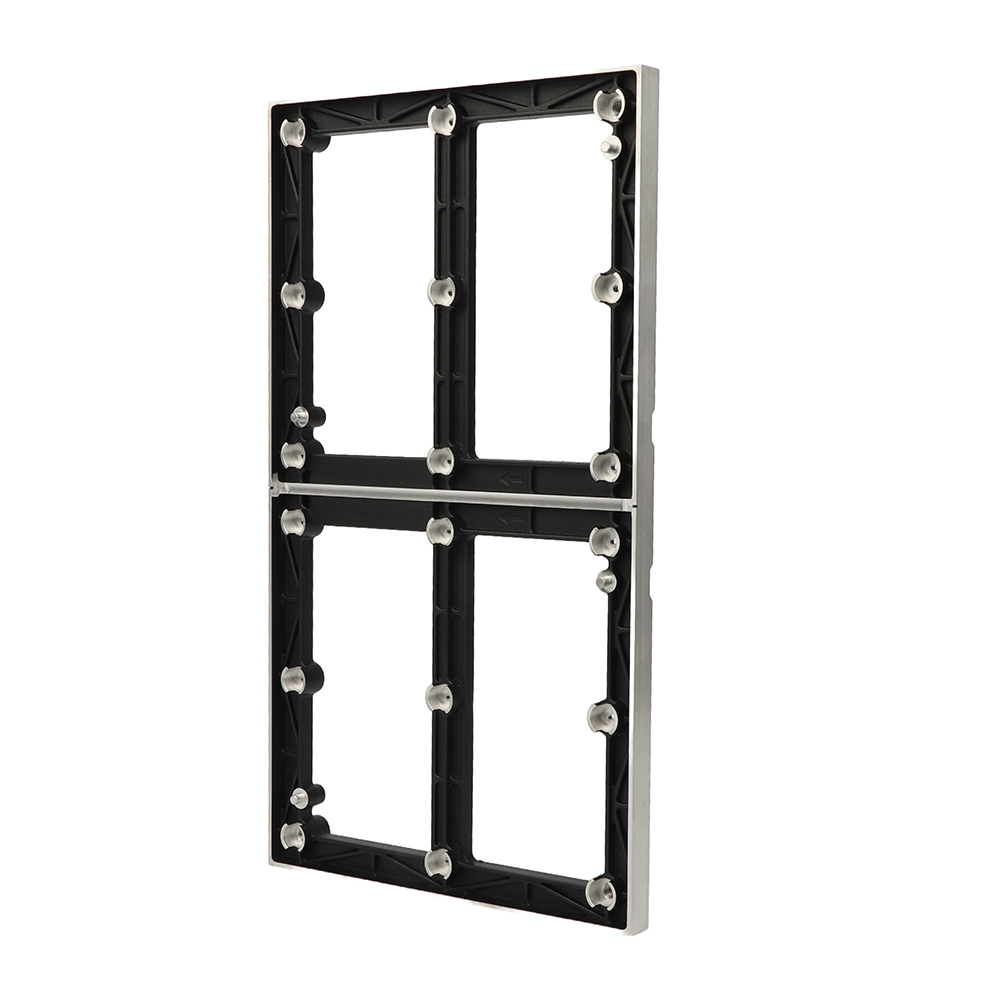
A custom LED display frame is the core structural carrier for LED screen modules, widely manufactured with ADC12 aluminum alloy via high-pressure die casting.
LED display frame | What Are the Benefits of Custom LED Display Frames?

