
HOT PRODUCTS
Control housing | What is aluminum alloy casting? Focus on Aluminum Alloy Casting Control Housing
What is Aluminum Alloy Casting? Focus on Aluminum Alloy Casting Control Housing
Table of Contents
- Introduction: What is Aluminum Alloy Casting?
- Key Application: Aluminum Alloy Casting Control Housing
- Aluminum Alloy Casting Control Housing: Pros and Cons
- Core Advantages of Aluminum Alloy Casting Control Housing (Highlighted)
- Expert Insights on Aluminum Alloy Casting & Control Housing
- Frequently Asked Questions (FAQs) About Aluminum Alloy Casting Control Housing
- Conclusion
1. Introduction: What is Aluminum Alloy Casting?
Aluminum alloy casting is a precision manufacturing process that involves melting aluminum alloys (a combination of aluminum and other metals like silicon, copper, or magnesium) and pouring or injecting the molten metal into a custom mold to form complex, dimensionally accurate parts. Unlike pure aluminum, aluminum alloys offer enhanced strength, durability, and corrosion resistance—making them ideal for a wide range of industrial, automotive, and electrical applications.
The process leverages aluminum’s natural advantages: lightweight properties, excellent thermal conductivity, and good castability (the ability to flow smoothly into mold cavities and retain fine details). Aluminum alloy casting encompasses several techniques, including die casting, sand casting, and investment casting, each tailored to different production needs—from high-volume, high-precision parts to custom, low-volume components. Among the most critical applications of this process is the aluminum alloy casting control housing—a protective enclosure for sensitive control systems, electrical components, and instrumentation used across industries.
2. Key Application: Aluminum Alloy Casting Control Housing
An aluminum alloy casting control housing is a custom-manufactured enclosure designed to house, protect, and organize control modules, wiring, sensors, and other critical components in industrial machinery, automotive systems, aerospace equipment, and consumer electronics. Unlike generic enclosures, aluminum alloy casting control housings are precision-engineered to fit specific component layouts, withstand harsh operating conditions, and ensure optimal performance of the internal systems.
Below is a detailed overview of its core features, manufacturing process, and common applications:
2.1 Core Features of Aluminum Alloy Casting Control Housing
- Precision Dimensions: Aluminum alloy casting delivers tight tolerances (±0.02–±0.05 mm), ensuring a perfect fit for internal components and eliminating assembly gaps that could compromise performance or protection.
- Seamless Structure: The casting process creates a one-piece, seamless enclosure, reducing weak points (like welds) that can fail under stress, corrosion, or impact.
- Customizable Design: Molds can be tailored to include internal ribs (for structural support), mounting holes, cable openings, and custom shapes—eliminating the need for additional assembly steps.
- Protective Properties: Aluminum alloys naturally resist corrosion, and optional surface treatments (like powder coating or anodizing) further enhance resistance to moisture, chemicals, and UV radiation.
2.2 Manufacturing Process of Aluminum Alloy Casting Control Housing
The most common process for producing aluminum alloy casting control housing is die casting—a high-pressure method that ensures precision and efficiency for high-volume production. Here’s a simplified breakdown of the process:
- Alloy Melting: Aluminum alloy (typically ADC12, A380, or AZ91D) is melted in a furnace at temperatures between 600–700°C until it reaches a molten state.
- Mold Preparation: A precision steel mold (custom-designed for the control housing) is preheated and coated with a release agent to prevent the molten metal from sticking.
- High-Pressure Injection: The molten aluminum alloy is injected into the mold at high pressure (up to 2×10⁵ kPa) and high speed (10–100 m/s), ensuring it fills every detail of the mold cavity quickly (0.01–0.2s).
- Cooling & Demolding: The mold is cooled to solidify the metal, and the finished control housing is removed (demolded) once it reaches a stable temperature.
- Finishing: The housing undergoes minor post-processing (e.g., trimming excess material) and optional surface treatments (powder coating, anodizing) to enhance durability and aesthetics.
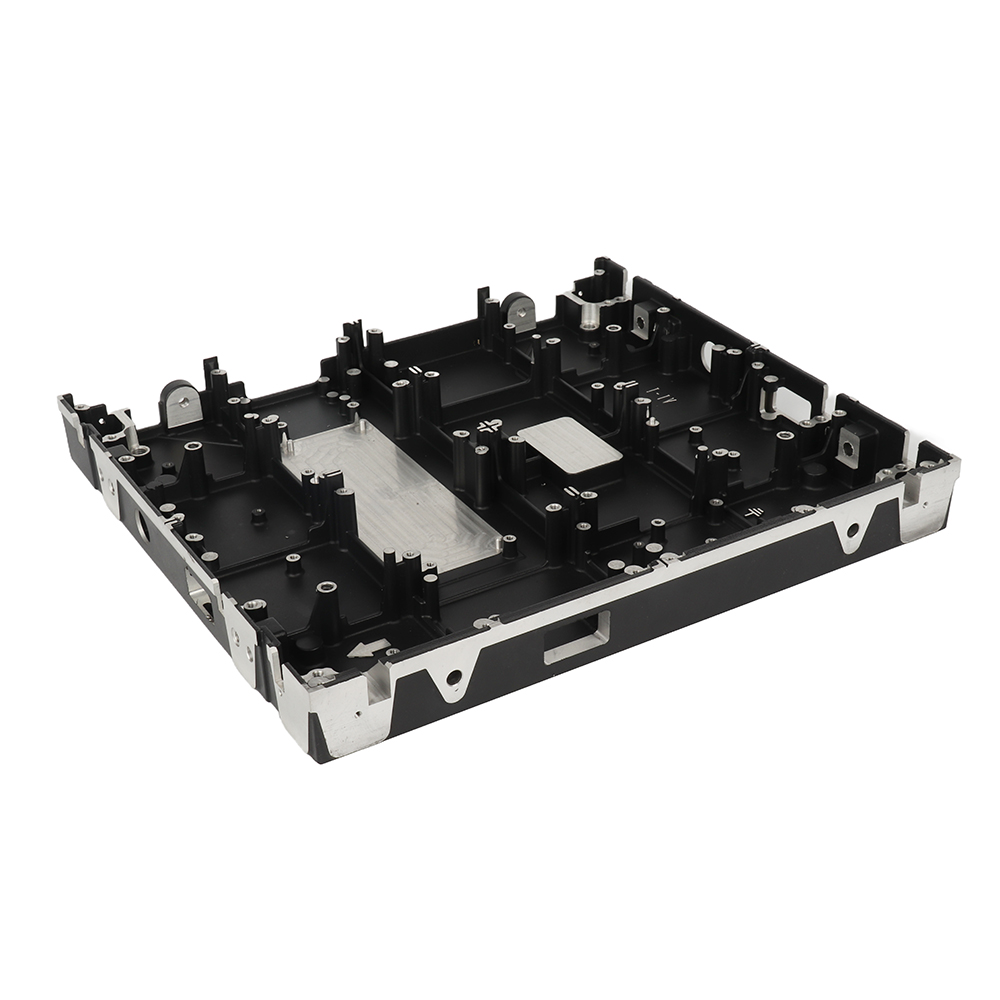
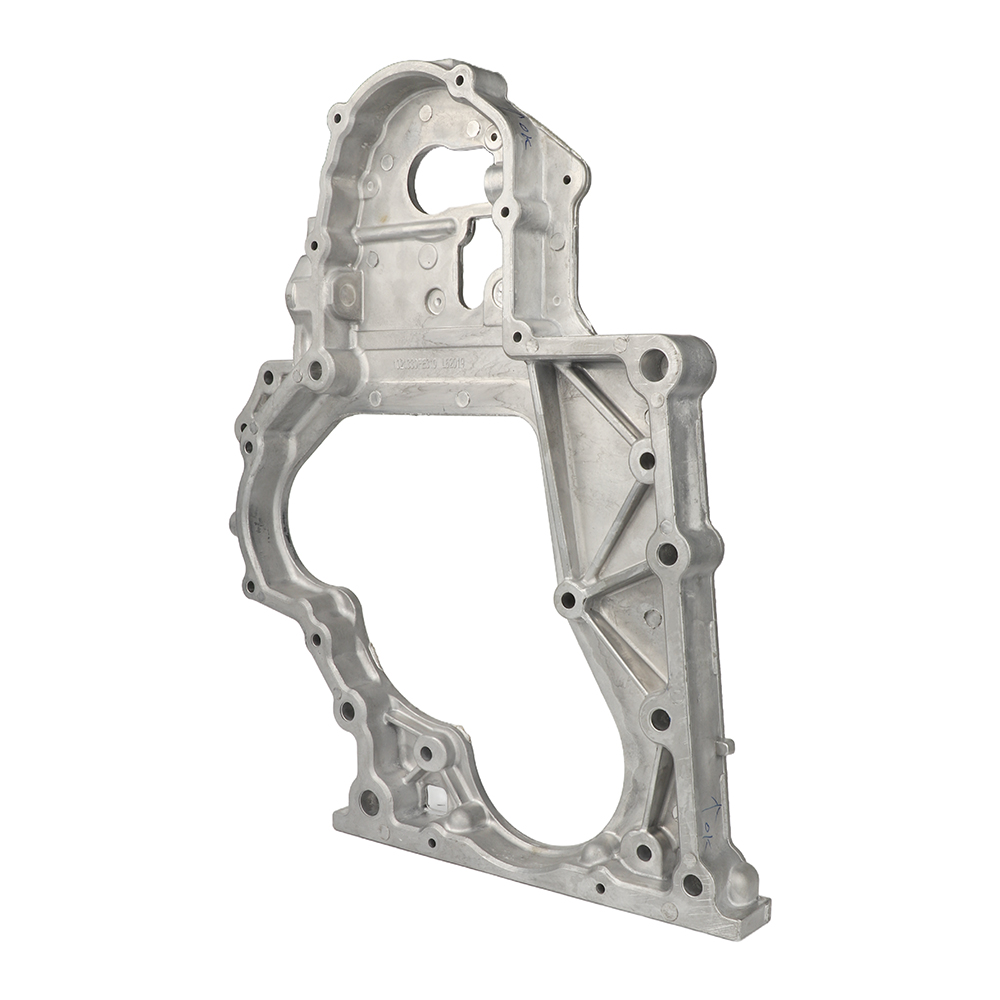
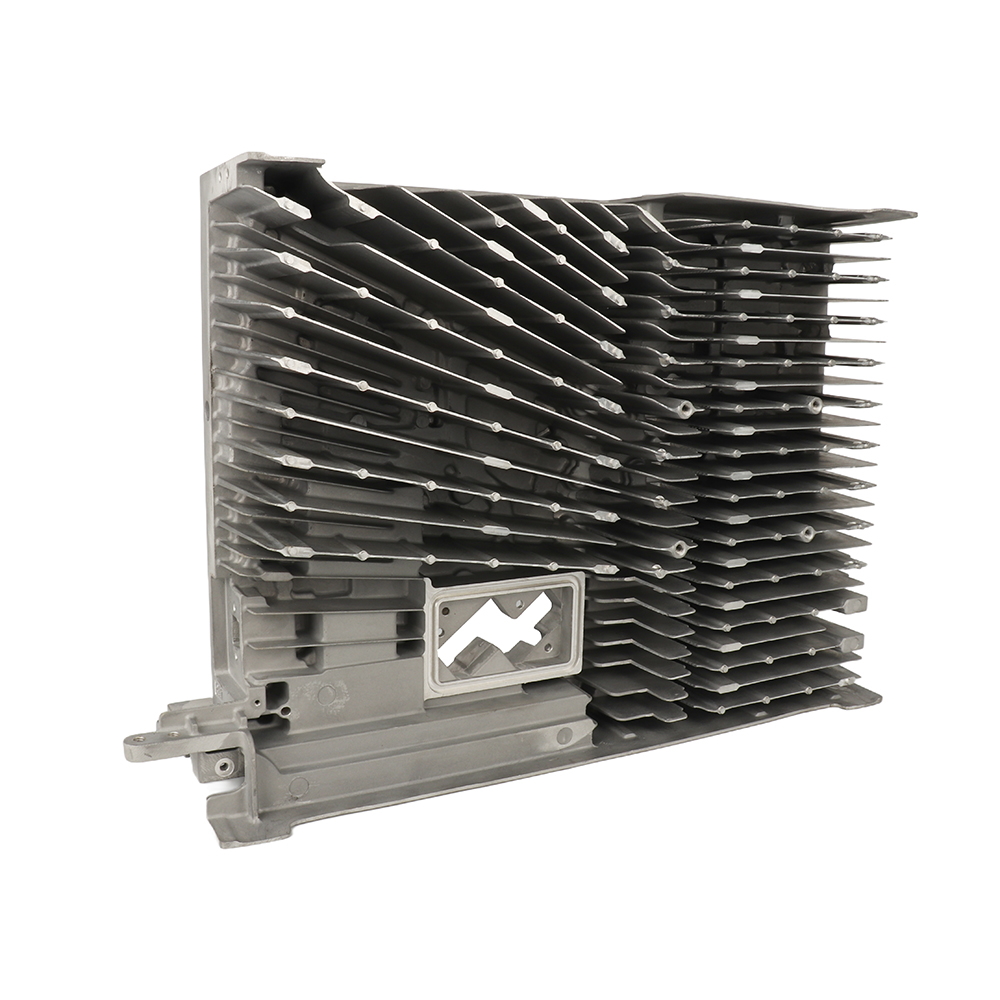
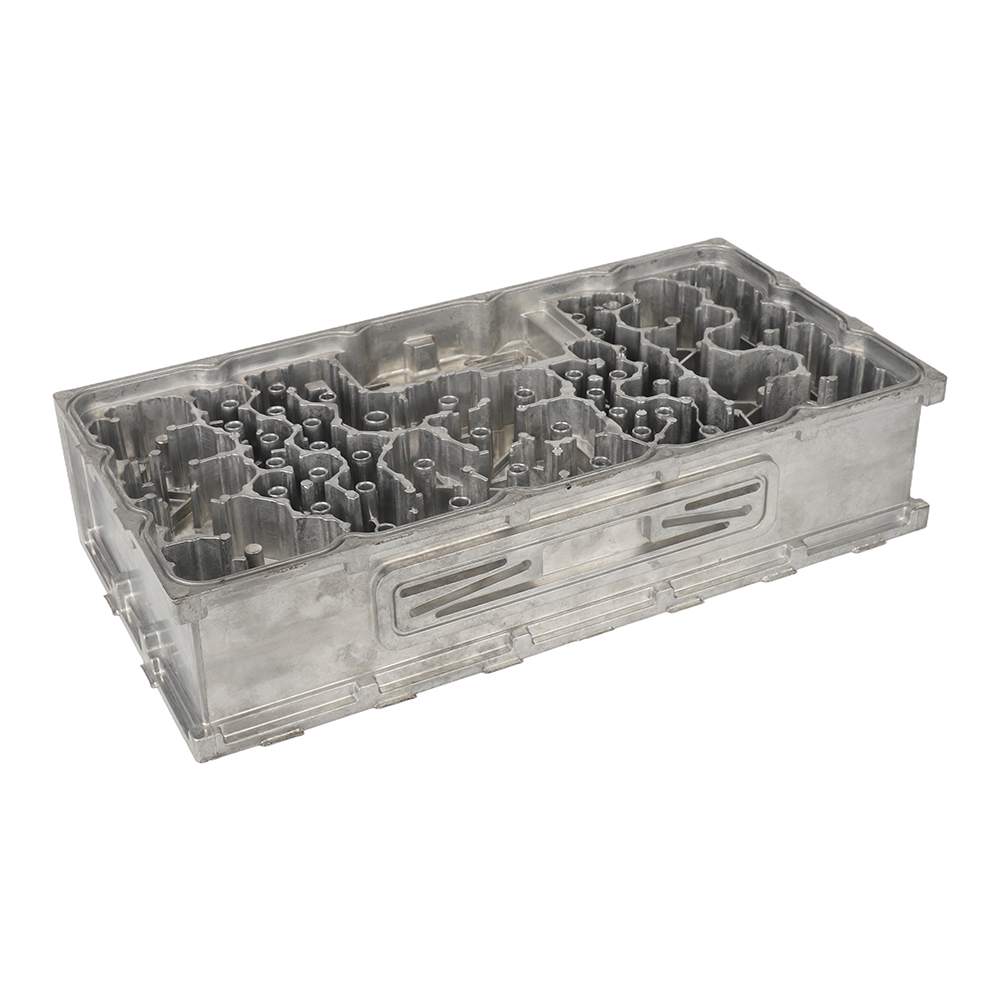
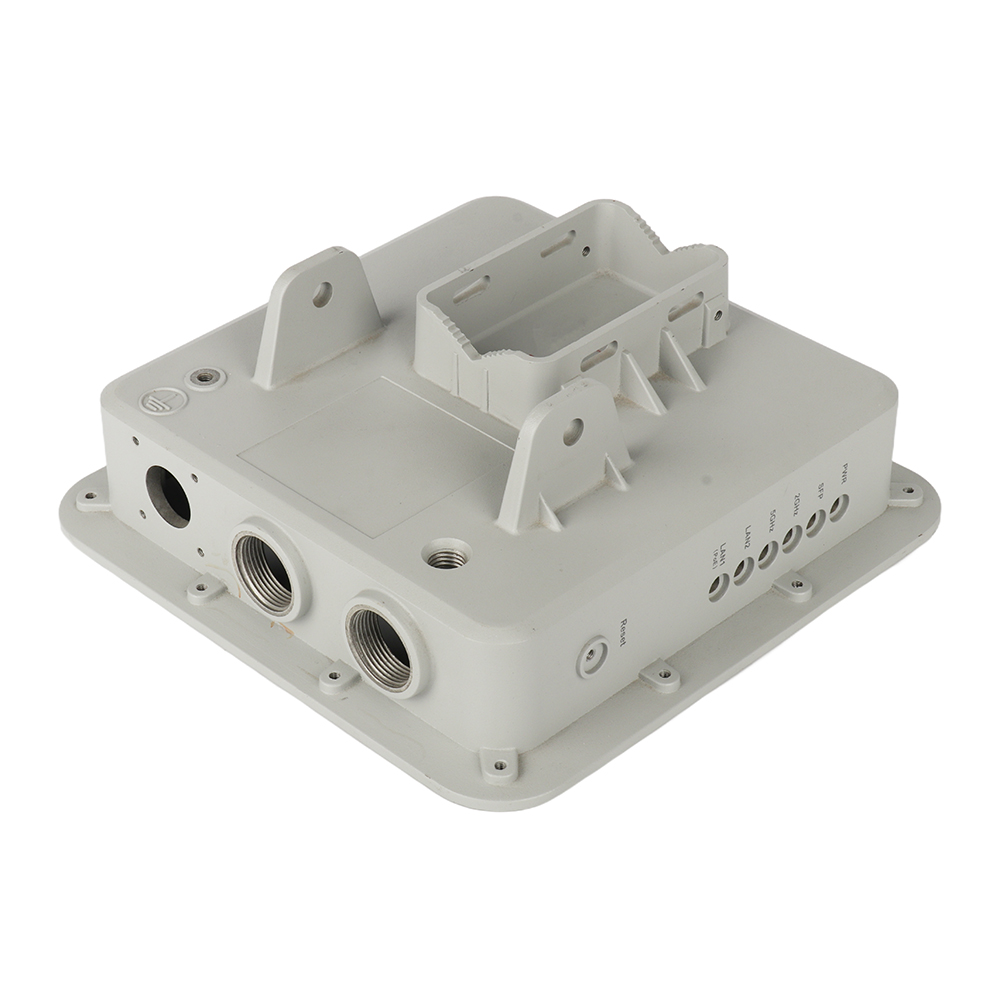
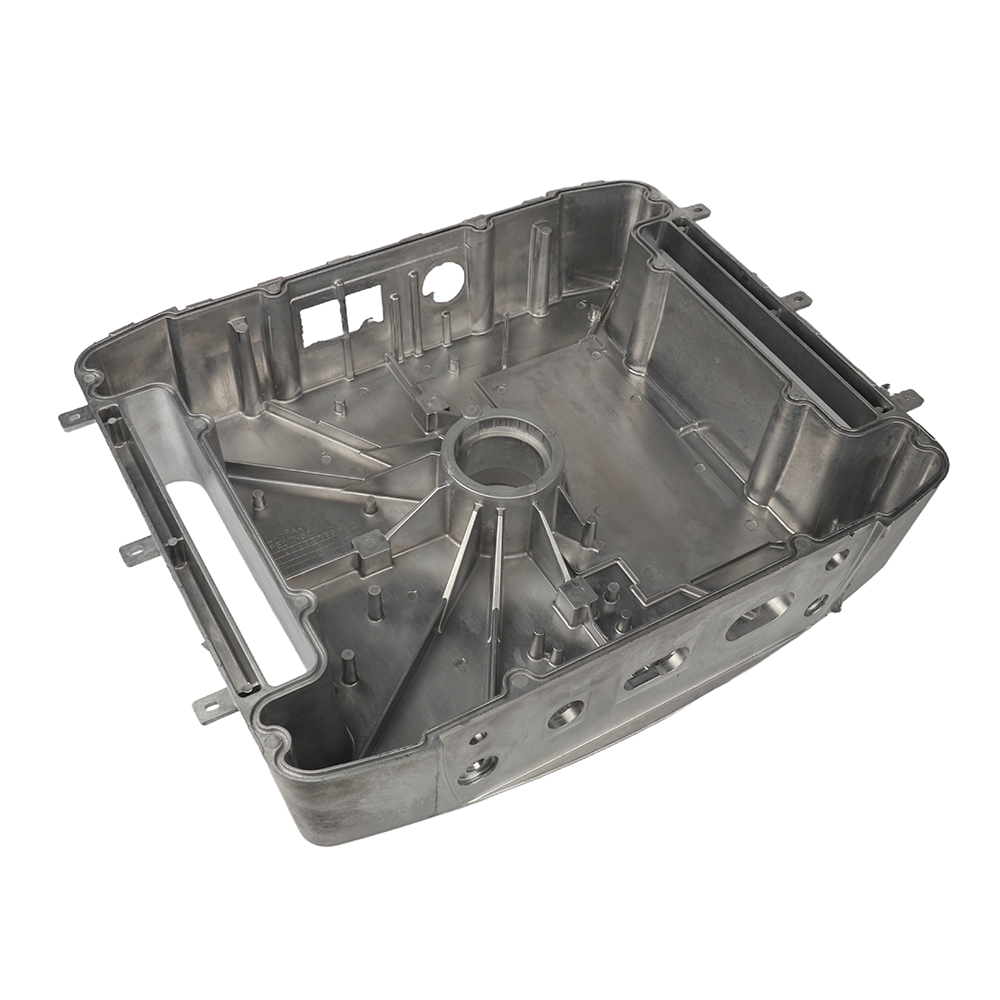
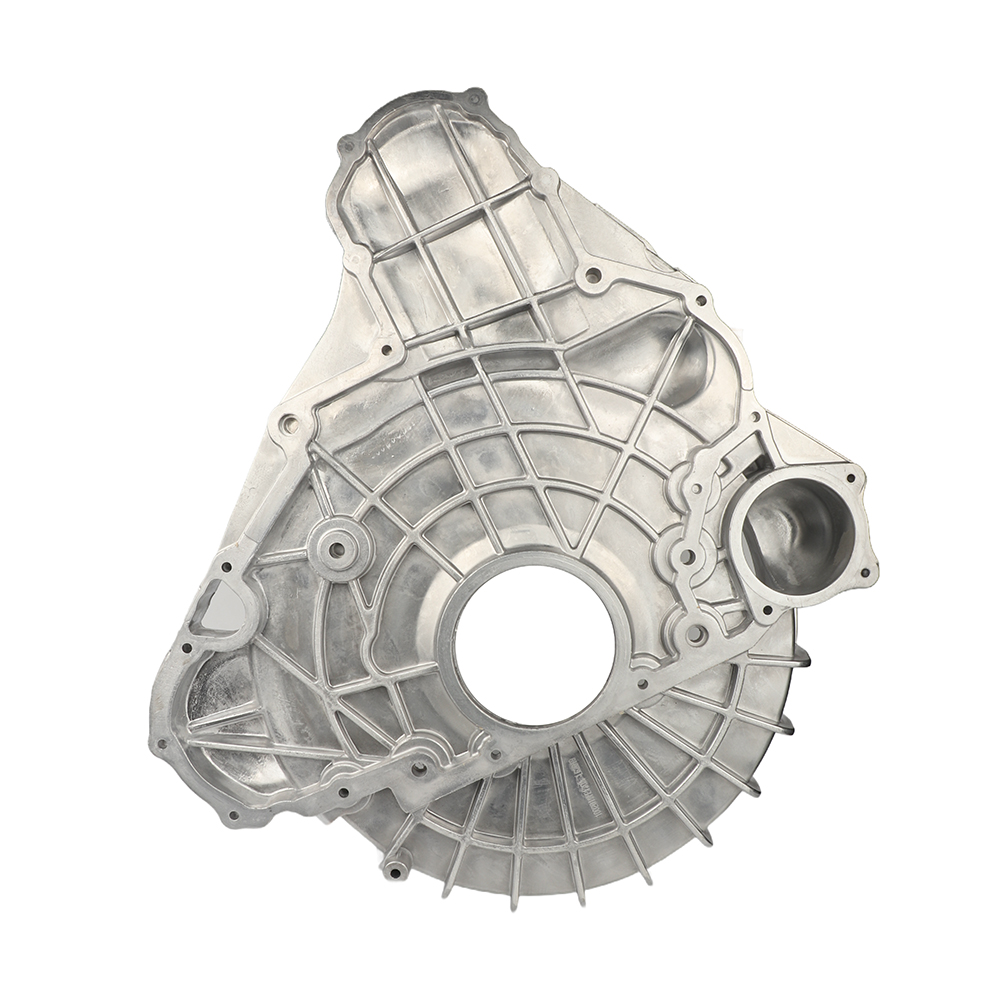
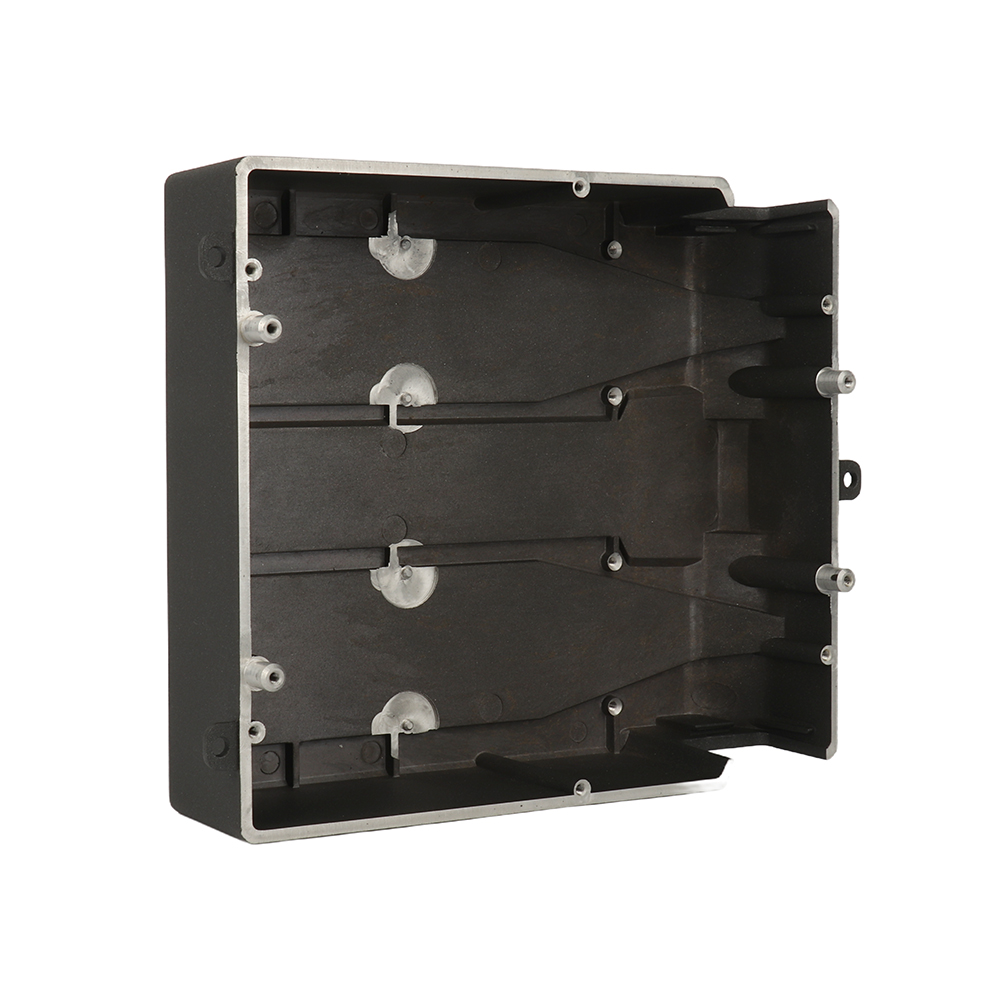
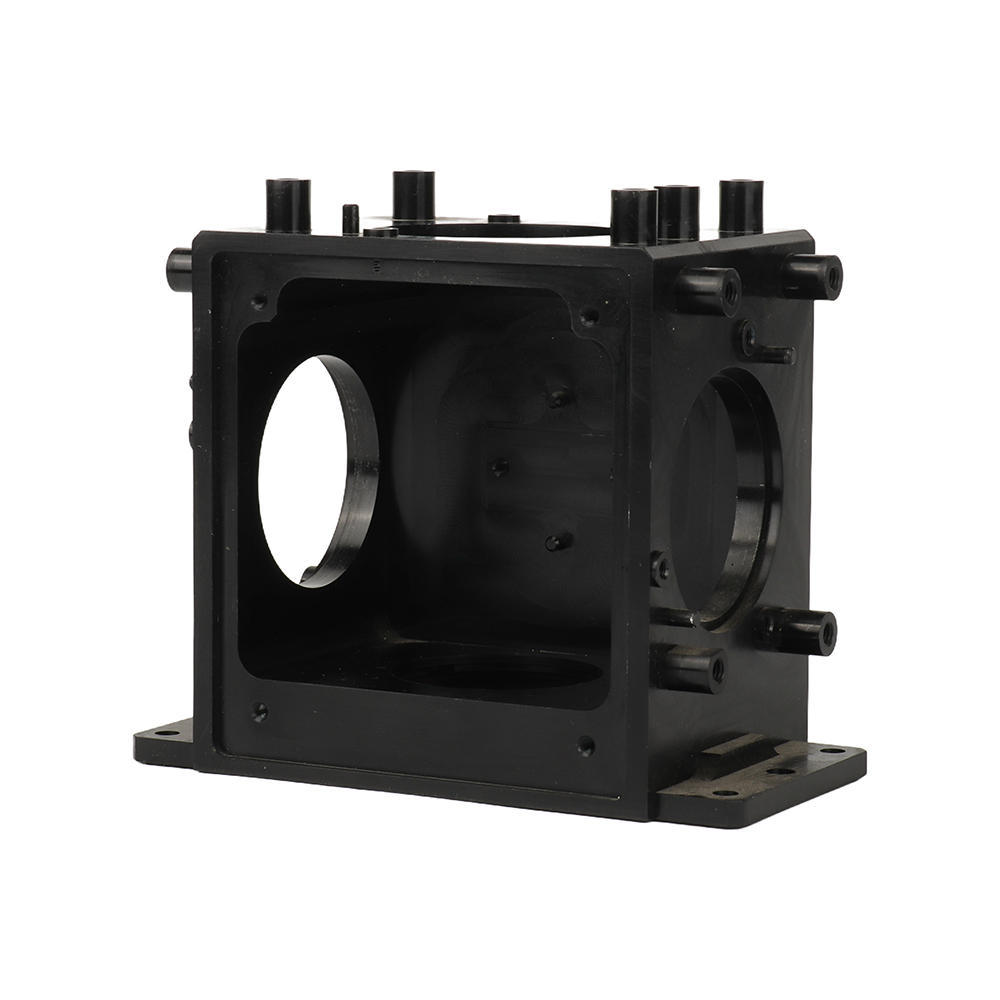
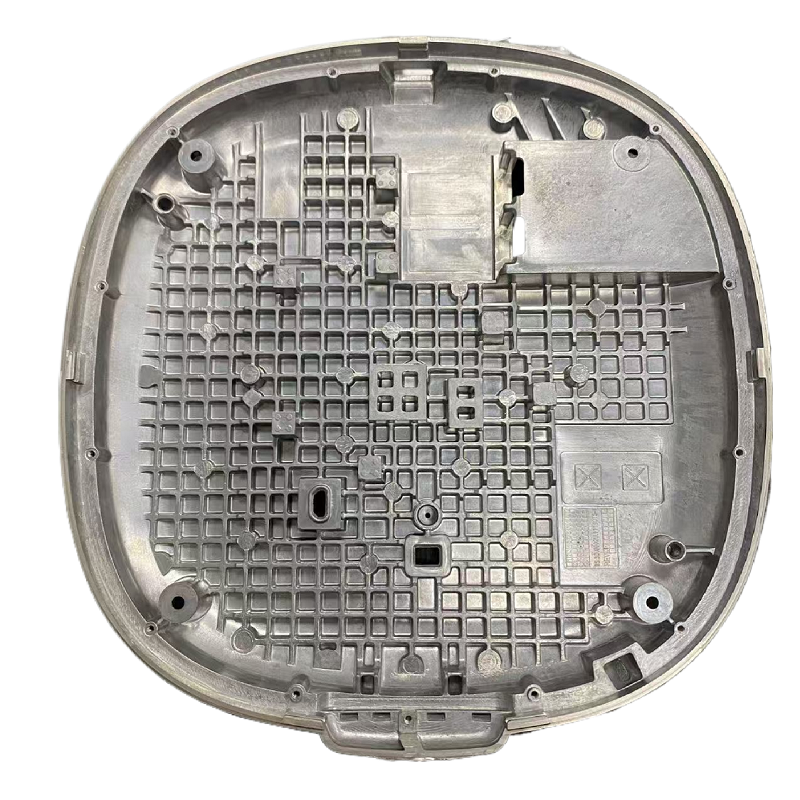
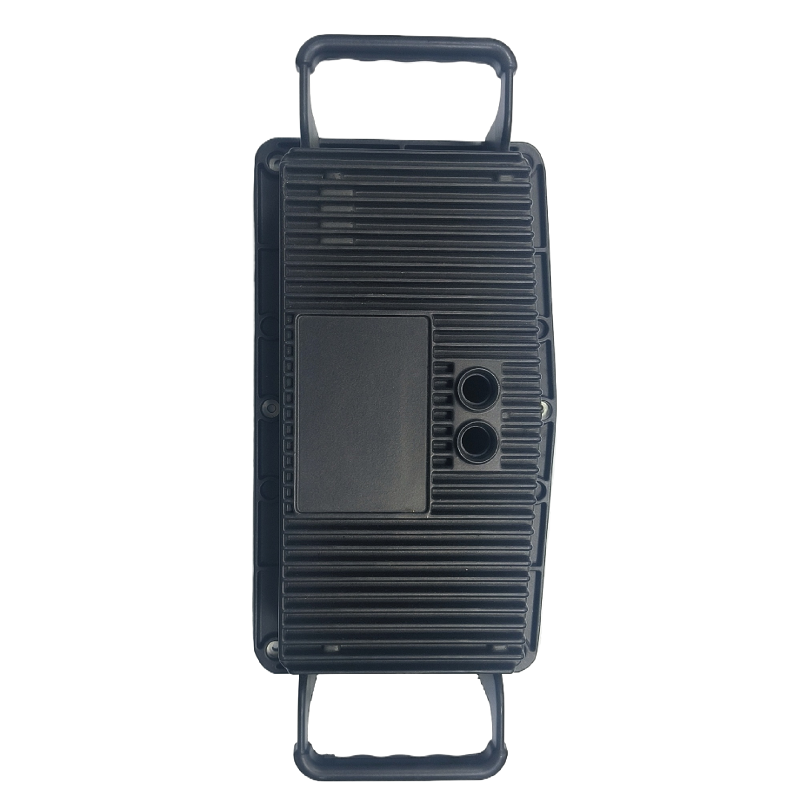
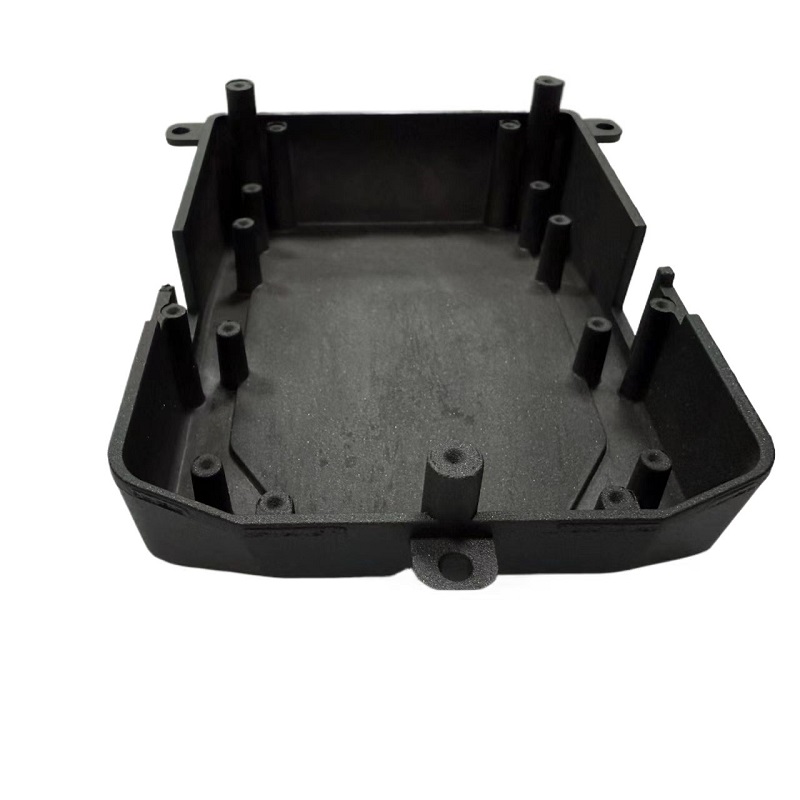
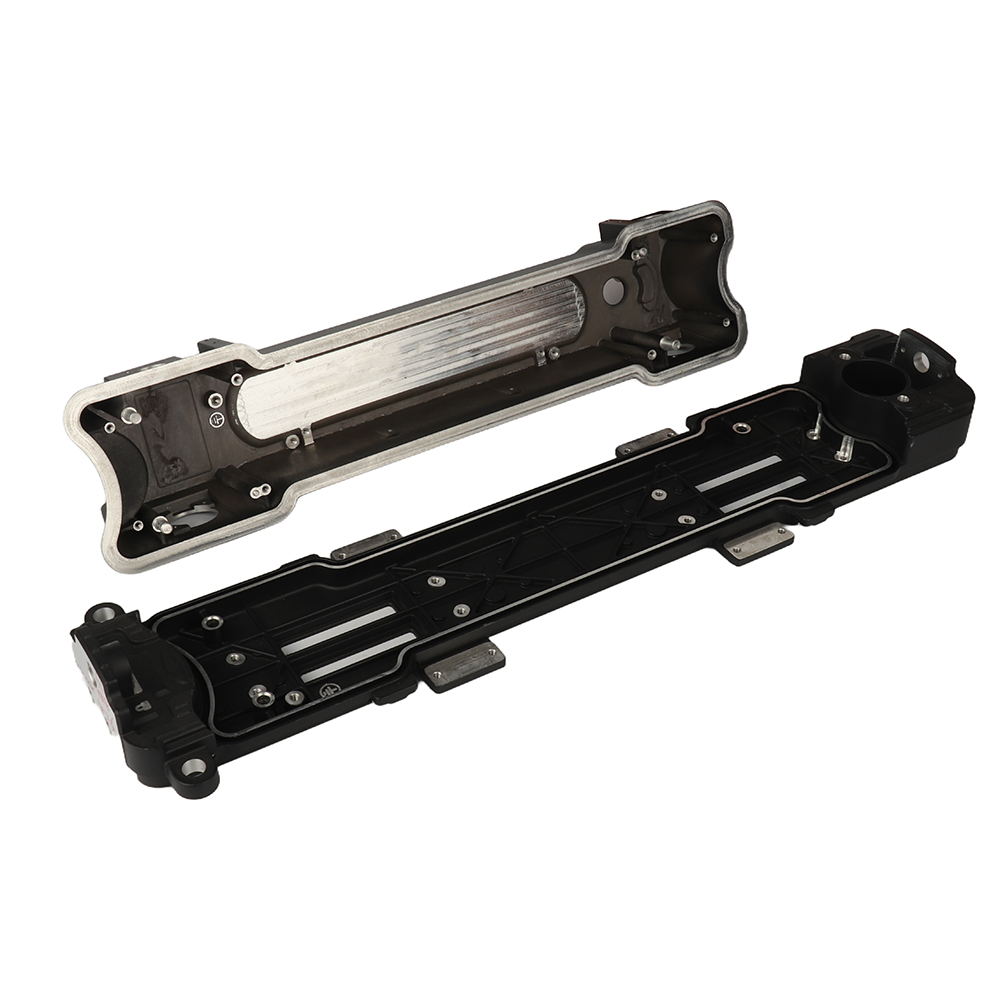
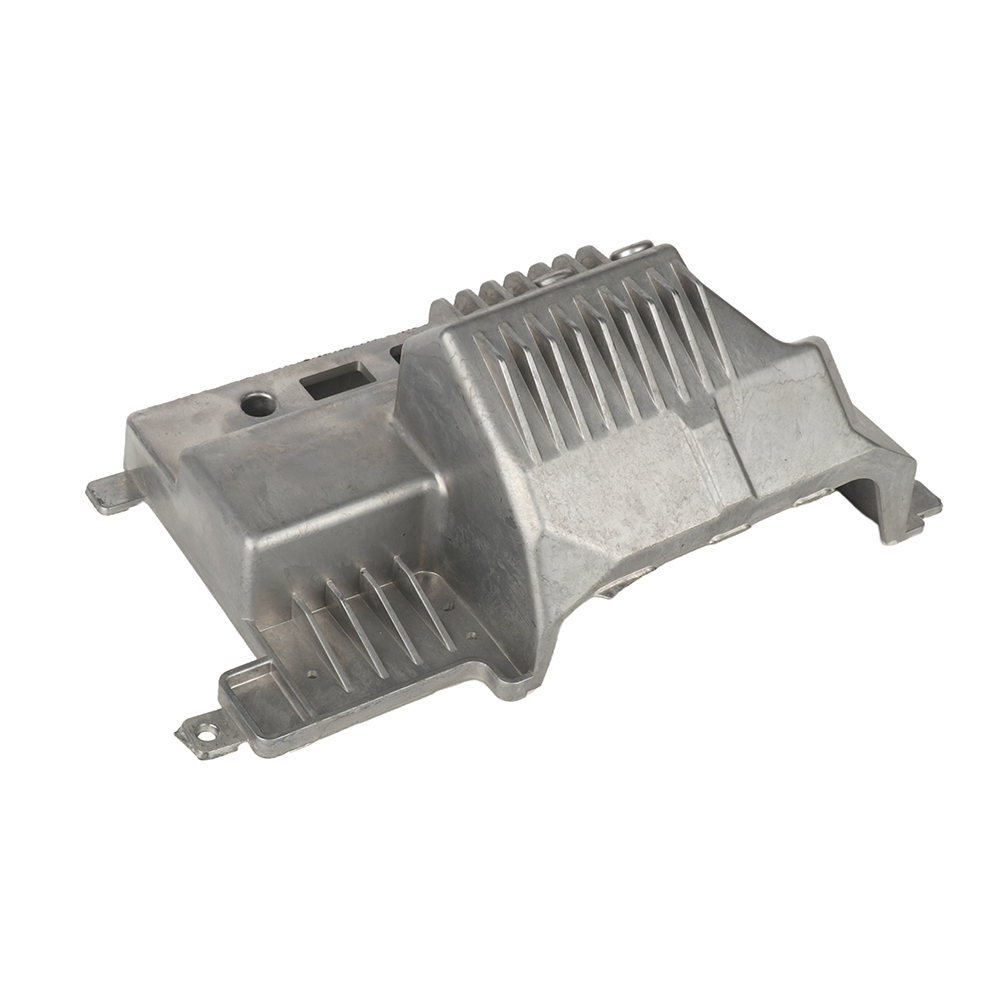
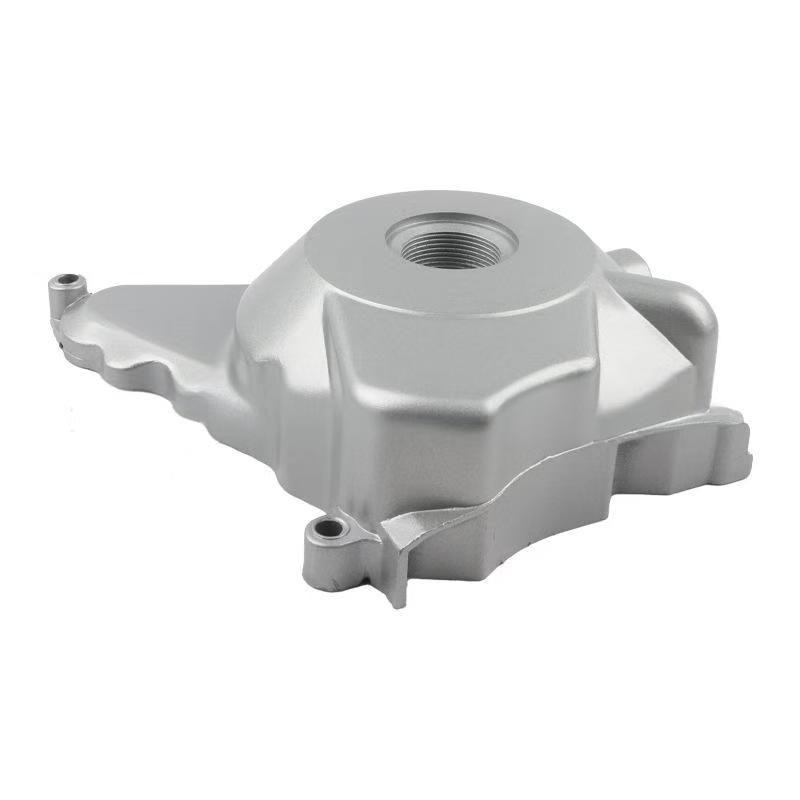
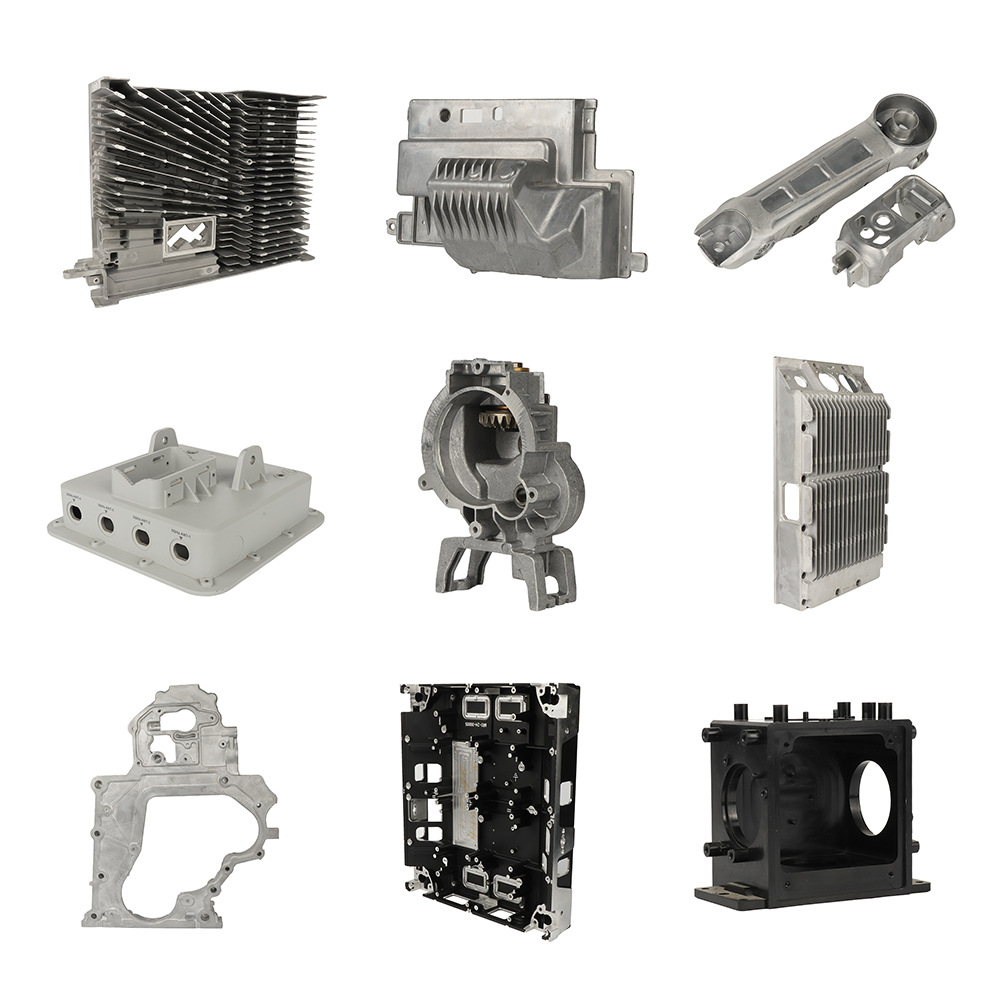
2.3 Visual Reference: Aluminum Alloy Casting Control Housing
Below is an image of a typical aluminum alloy casting control housing, showcasing its seamless design, precision details, and protective structure:

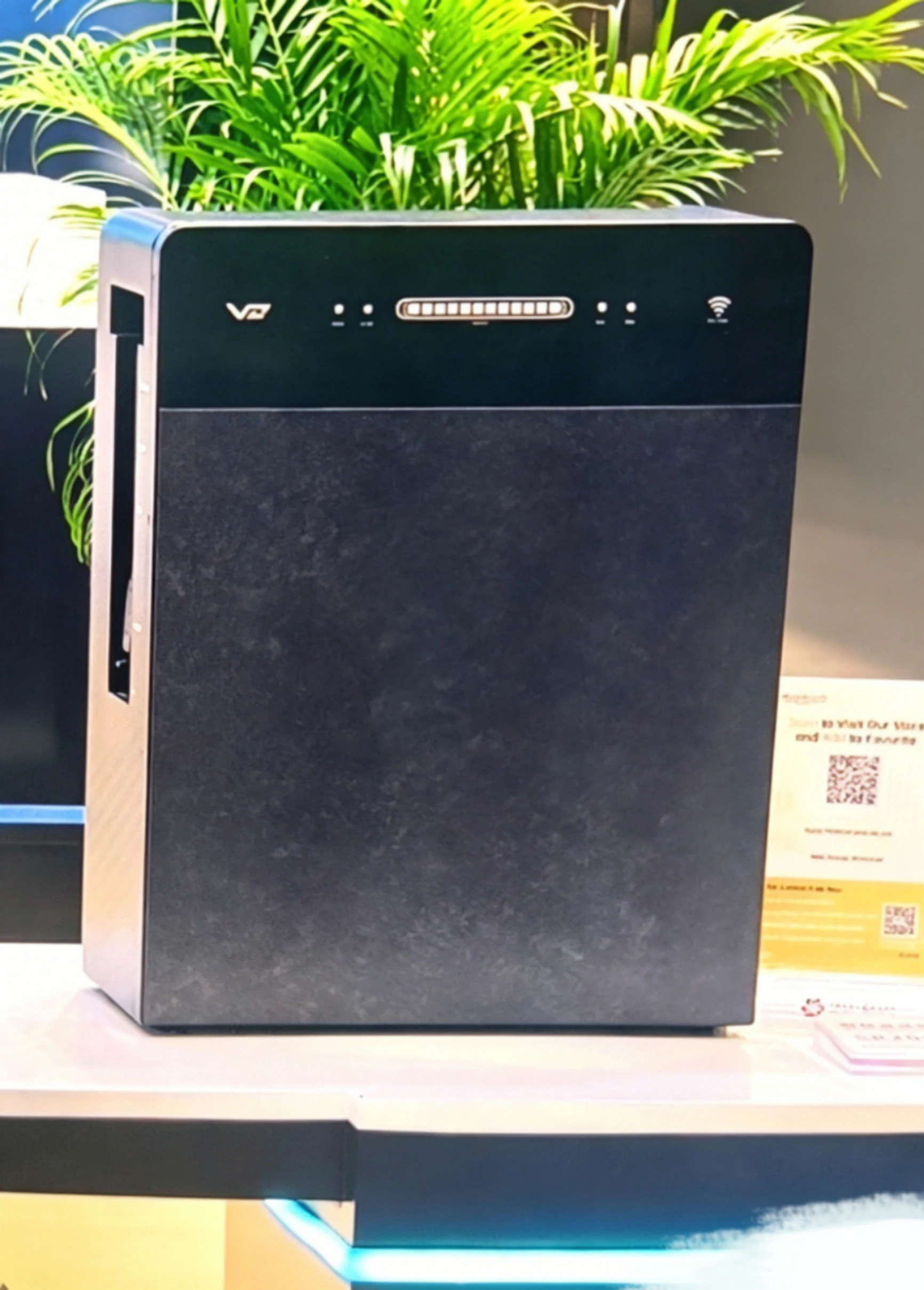
Aluminum alloy casting control housing with seamless structure and custom mounting features, used for industrial control systems
2.4 Common Applications of Aluminum Alloy Casting Control Housing
Aluminum alloy casting control housings are used across diverse industries, thanks to their versatility and durability. Key applications include:
- Industrial Machinery: Housings for PLC (Programmable Logic Controller) systems, motor controls, and sensor modules in manufacturing plants.
- Automotive: Enclosures for engine control units (ECUs), battery management systems (BMS), and onboard control modules.
- Aerospace: Lightweight, high-strength housings for avionics control systems and aircraft instrumentation (leveraging aluminum’s high strength-to-weight ratio).
- Renewable Energy: Housings for solar inverter controls and wind turbine monitoring systems.
- Medical Equipment: Precision enclosures for diagnostic device controls and medical instrumentation (where sterility and durability are critical).
3. Aluminum Alloy Casting Control Housing: Pros and Cons
To fully understand the value of aluminum alloy casting control housing, it’s essential to evaluate its strengths and limitations, as well as how it compares to alternative materials (plastic, steel, and sheet metal).
3.1 Pros of Aluminum Alloy Casting Control Housing
- Lightweight & High Strength: Aluminum alloys are 30–50% lighter than steel but offer comparable strength—reducing weight for portable or mounted applications (e.g., automotive, aerospace) without sacrificing durability.
- Superior Corrosion Resistance: Aluminum naturally forms a protective oxide layer, and surface treatments (powder coating, anodizing) further enhance resistance to moisture, salt, and chemicals—ideal for outdoor or harsh industrial environments.
- Excellent Thermal Conductivity: Aluminum dissipates heat 3–4 times faster than steel, protecting sensitive internal components (e.g., microchips, sensors) from overheating—a critical advantage for high-performance control systems.
- Precision & Consistency: Die casting produces consistent, dimensionally accurate housings with tight tolerances, ensuring easy assembly and compatibility with internal components.
- Customization Flexibility: Molds can be designed for complex shapes, internal features (ribs, mounting points), and custom sizes—eliminating the need for welding or assembly of multiple parts.
- Cost-Efficient for High-Volume Production: While initial mold costs are higher, die casting has fast cycle times (45 seconds to 2 minutes per part) and minimal post-processing, reducing per-unit costs for large-scale production.
- Environmental Friendliness: Aluminum is 100% recyclable (retaining 95% of its original properties), aligning with modern sustainability goals for manufacturing.
3.2 Cons of Aluminum Alloy Casting Control Housing
- Higher Initial Tooling Costs: Die casting molds require specialized design and materials (to withstand high pressure and temperatures), leading to higher upfront costs compared to plastic injection molding or sheet metal fabrication. This is offset by lower long-term costs for high-volume production.
- Less Cost-Effective for Small-Scale Production: For small production runs (fewer than 1,000 units), the high mold cost makes aluminum alloy casting less economical than sheet metal or plastic enclosures.
- Limited Impact Resistance vs. Steel: While aluminum alloys are durable, they are more prone to dents than steel—though this can be mitigated with thicker walls or surface treatments.
- Specialized Repair Requirements: Severe damage (e.g., deep dents, cracks) requires professional repair or replacement, as DIY fixes may compromise the enclosure’s integrity or protection.
3.3 Aluminum Alloy Control Housing vs. Alternative Materials
Here’s how aluminum alloy casting control housing compares to common alternatives, highlighting its key advantages:
- vs. Plastic Control Housings: Plastic is cheaper upfront but far less durable—prone to cracking, warping, and UV damage. Aluminum alloy offers superior impact resistance, corrosion protection, and thermal conductivity, making it ideal for outdoor or industrial use. Plastic also lacks the structural integrity needed for heavy-duty applications.
- vs. Steel Control Housings: Steel is strong but heavy (increasing installation and transportation costs) and prone to rust without proper coating. Aluminum alloy is lighter, naturally corrosion-resistant, and offers better thermal conductivity—with comparable strength for most control housing applications.
- vs. Sheet Metal Control Housings: Sheet metal requires welding and extensive post-processing (e.g., painting), leading to inconsistent quality and higher labor costs. Aluminum alloy casting produces seamless, precision housings with minimal post-processing and better corrosion resistance.
4. Core Advantages of Aluminum Alloy Casting Control Housing (Highlighted)
While the pros above outline the basics, aluminum alloy casting control housing offers unique benefits that make it the top choice for most high-performance applications. Below are the most impactful advantages, emphasized for clarity:
4.1 Enhanced Protection for Sensitive Components
Control systems house expensive, sensitive components (e.g., microcontrollers, sensors, wiring) that require protection from moisture, dust, impact, and electromagnetic interference (EMI). Aluminum alloy casting control housings provide a seamless, sealed barrier that prevents contamination and damage—reducing the risk of component failure, downtime, and costly replacements. The dense structure also offers natural EMI shielding, protecting internal systems from external electrical interference.
4.2 Long-Term Cost Savings
While aluminum alloy casting control housings have higher upfront costs, their durability and minimal maintenance needs lead to significant long-term savings. The corrosion resistance and long lifespan (15–20 years for indoor use, 10–15 years for outdoor use) eliminate the need for frequent replacement or repainting. For high-volume users (e.g., manufacturing plants, automotive OEMs), the fast production cycle and low per-unit costs further reduce total ownership costs.
4.3 Versatility Across Harsh Environments
Aluminum alloy casting control housings are designed to withstand extreme temperatures (-40°C to 120°C), moisture, salt, and chemicals—making them suitable for outdoor, industrial, and marine applications. Optional surface treatments (e.g., powder coating, anodizing) can enhance these properties, ensuring the housing performs reliably in even the harshest conditions (e.g., coastal areas, chemical plants, construction sites).
4.4 Compliance with Industry Standards
Aluminum alloy casting control housings meet strict industrial standards for durability, safety, and performance. They comply with IP (Ingress Protection) ratings (IP65/IP66 for dust and water resistance), EMI shielding requirements, and safety certifications (UL, CE, RoHS)—ensuring they are safe and reliable for use in regulated industries (aerospace, medical, automotive, renewable energy).
5. Expert Insights on Aluminum Alloy Casting & Control Housing
To gain a deeper understanding of why aluminum alloy casting control housing is the industry standard for high-performance applications, we invited three experts to share their perspectives:
5.1 Expert Opinion 1: Dr. Michael Chen, Materials Engineer & Casting Technology Specialist
“Aluminum alloy casting has revolutionized control housing design, and its advantages are unmatched for precision and durability. Aluminum’s natural properties—lightweight, thermal conductivity, corrosion resistance—paired with the precision of die casting create enclosures that protect sensitive components while optimizing performance. In industries like aerospace and automotive, where weight and reliability are critical, aluminum alloy casting control housings outperform steel and plastic by balancing strength and efficiency. The ability to customize molds for complex designs also eliminates assembly bottlenecks, making production faster and more consistent. With ongoing advancements in alloy development (like anti-hydrogen embrittlement alloys for high-pressure applications), aluminum alloy casting will continue to set the standard for control housing manufacturing.”
5.2 Expert Opinion 2: Jennifer Rodriguez, Senior Industrial Engineer with 25+ Years of Experience
“As someone who oversees manufacturing processes for industrial control systems, I rely on aluminum alloy casting control housings for their reliability and cost-effectiveness. Plastic housings crack in extreme temperatures, steel is heavy and rust-prone, but aluminum alloy housings hold up year after year—even in our harshest industrial environments. The thermal conductivity is a game-changer: it keeps our control modules cool, reducing downtime and extending component life. Additionally, the precision of the casting process means we don’t have to deal with assembly gaps or inconsistent fits, which saves time and reduces defects. For high-volume production, the long-term cost savings are significant—offsetting the initial mold investment quickly.”
5.3 Expert Opinion 3: Dr. David Kim, Sustainability & Advanced Manufacturing Consultant
“Aluminum alloy casting control housings align perfectly with the global shift toward sustainable, high-performance manufacturing. Aluminum is fully recyclable, and the die casting process is energy-efficient—using less energy than steel casting or plastic injection molding. Unlike plastic, which contributes to waste, aluminum control housings can be recycled at the end of their lifespan, retaining nearly all their original properties. Beyond sustainability, the customization flexibility of aluminum alloy casting allows manufacturers to design housings that fit specific component needs, reducing material waste and improving overall system efficiency. As industries prioritize sustainability and reliability, aluminum alloy casting control housings will become the default choice for forward-thinking companies.”
6. Frequently Asked Questions (FAQs) About Aluminum Alloy Casting Control Housing
Below are answers to the most common questions from manufacturers, engineers, and buyers about aluminum alloy casting control housing:
Q1: What aluminum alloys are most commonly used for control housing casting?
A: The most common alloys are ADC12, A380, and AZ91D. ADC12 and A380 are preferred for their excellent castability, durability, and cost-effectiveness—ideal for most industrial and automotive control housing applications. AZ91D (a magnesium-aluminum alloy) is used for high-end applications (e.g., aerospace) where weight savings and thermal conductivity are critical. All these alloys pair well with surface treatments like powder coating or anodizing.
Q2: How long does an aluminum alloy casting control housing last?
A: With proper maintenance and surface treatment, aluminum alloy casting control housings can last 15–20 years in indoor environments and 10–15 years in outdoor or harsh industrial environments. This lifespan is 2–3 times longer than plastic housings and comparable to steel (without the risk of rust).
Q3: Can aluminum alloy casting control housings be used outdoors?
A: Yes! Aluminum’s natural corrosion resistance, combined with optional surface treatments (powder coating, anodizing), makes them ideal for outdoor use. Most aluminum alloy control housings meet IP65 or IP66 ratings, ensuring they are dust-tight and water-resistant—suitable for coastal areas, construction sites, and outdoor renewable energy systems.
Q4: Are aluminum alloy casting control housings customizable?
A: Absolutely. The die casting process allows full customization of size, shape, internal features (e.g., mounting holes, ribs, cable openings), and surface finish. Manufacturers can also customize the alloy composition to meet specific strength, thermal, or corrosion resistance requirements for unique applications.
Q5: How does the cost of aluminum alloy casting control housing compare to plastic or steel?
A: Aluminum alloy casting control housings have higher upfront costs (due to mold design and alloy materials) than plastic but are more cost-effective over time. Compared to steel, they are lighter (reducing transportation and installation costs) and require less maintenance (no rust prevention). For high-volume production, the per-unit cost of aluminum alloy casting becomes competitive with plastic and steel.
Q6: Can aluminum alloy casting control housings be repaired if damaged?
A: Yes. Minor damage (e.g., small dents, scratches) can be repaired with fillers and touch-up coatings. For severe damage (e.g., cracks, large dents), the housing can be re-cast or replaced. Professional repair ensures the enclosure retains its protective properties and structural integrity.
Q7: Are aluminum alloy casting control housings suitable for high-heat applications?
A: Yes. Aluminum has excellent thermal conductivity, which helps dissipate heat from internal components (e.g., ECUs, sensors) and prevent overheating. For extreme high-heat applications (e.g., industrial furnaces), specialized alloys (e.g., A380) and heat-resistant surface treatments can be used to enhance performance.
Q8: Do aluminum alloy casting control housings offer EMI shielding?
A: Yes. The dense, metallic structure of aluminum alloy casting provides natural EMI (Electromagnetic Interference) shielding, protecting internal control components from external electrical interference. For applications requiring enhanced shielding, additional treatments (e.g., conductive coatings) can be applied.
7. Conclusion
Aluminum alloy casting is a precision manufacturing process that leverages the unique properties of aluminum alloys to create durable, versatile, and high-performance components—with the aluminum alloy casting control housing standing out as one of its most critical applications. These housings offer a perfect balance of lightweight design, strength, corrosion resistance, and customization flexibility, making them the top choice for protecting sensitive control systems across industries.
While aluminum alloy casting control housings have higher initial tooling costs, their long lifespan, minimal maintenance, and superior performance far outweigh these drawbacks—especially for high-volume production or harsh environments. When compared to plastic, steel, or sheet metal alternatives, they stand out for their precision, thermal conductivity, and environmental friendliness.
With expert insights confirming their value and ongoing advancements in alloy development and casting technology, aluminum alloy casting control housings are poised to remain the industry standard for high-performance control enclosures. Whether you need a compact automotive ECU housing or a heavy-duty industrial control enclosure, aluminum alloy casting delivers the reliability, durability, and performance required to protect critical components and optimize system efficiency.
Motor starter enclosure | What is custom aluminum die casting? Focus on Motor Starter Enclosure
Powder coated aluminum panels | What is a die‑cast power box? Focus on Powder Coated Aluminum Panels
Related Article


