
HOT PRODUCTS
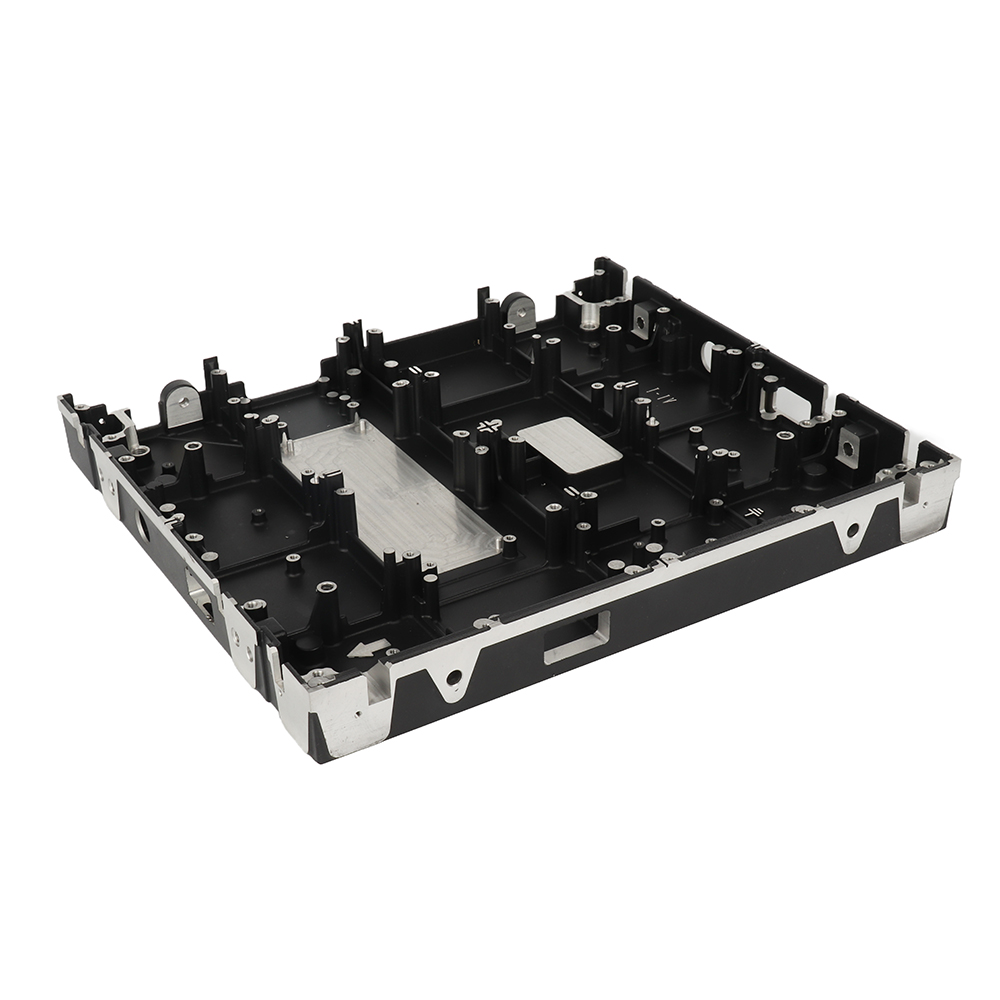
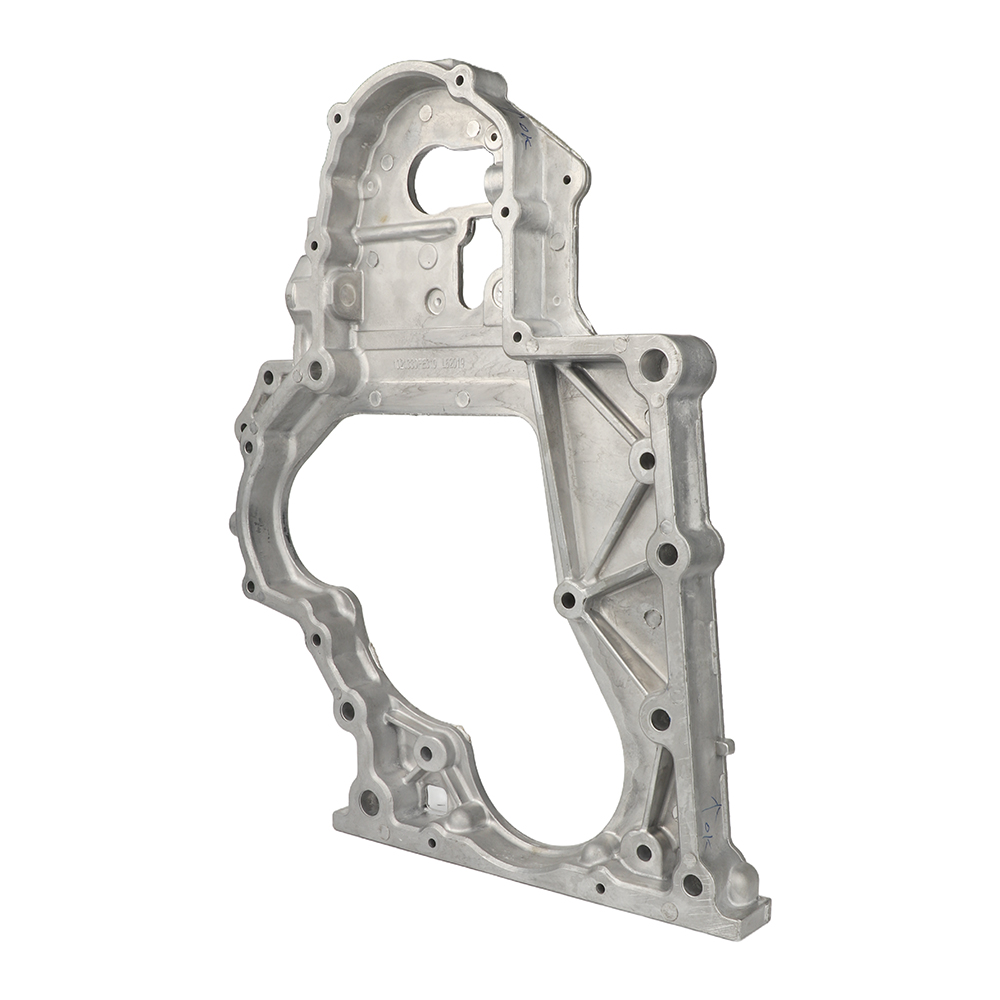
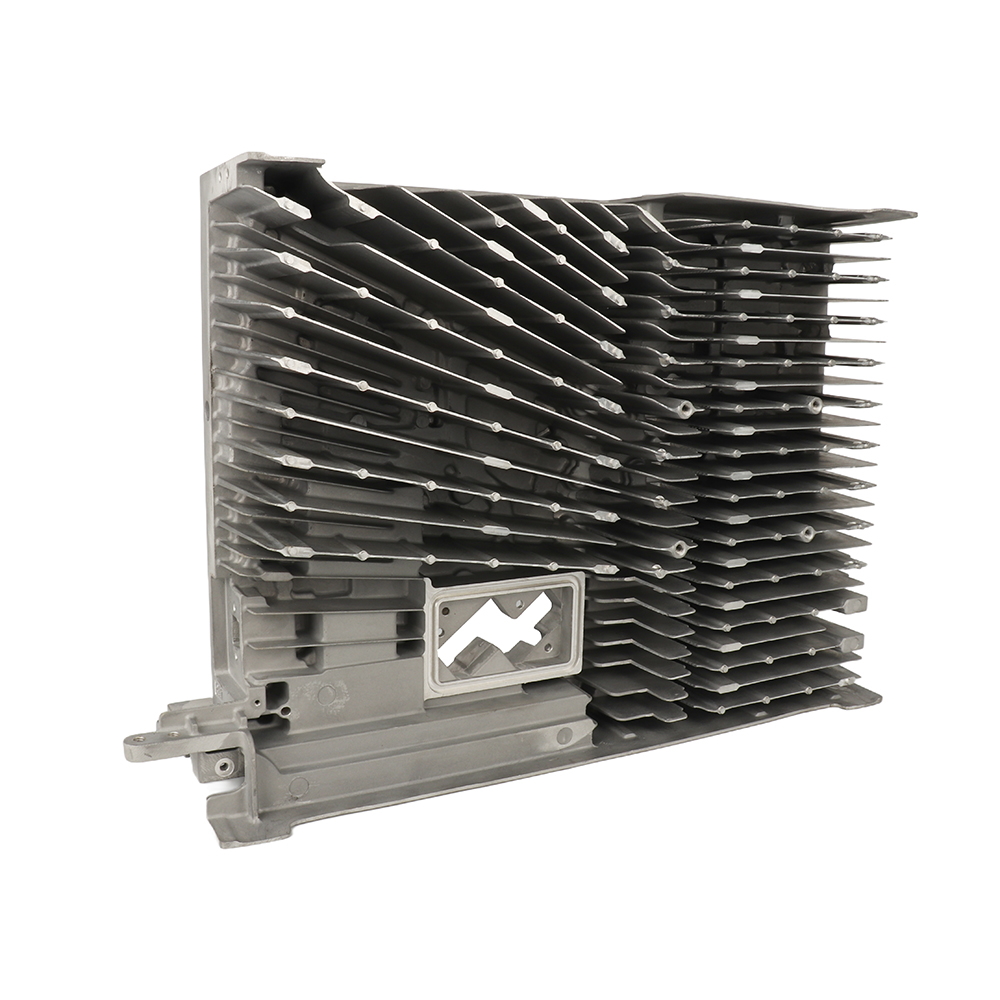
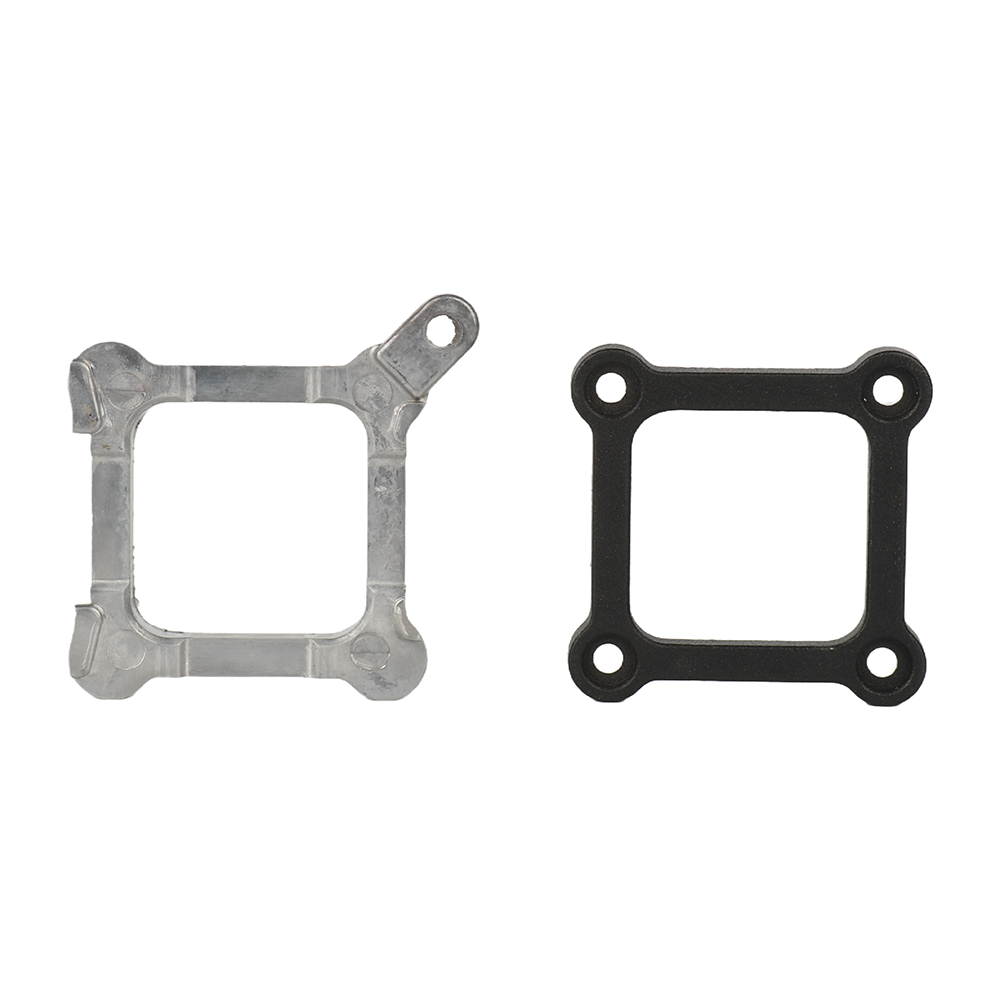
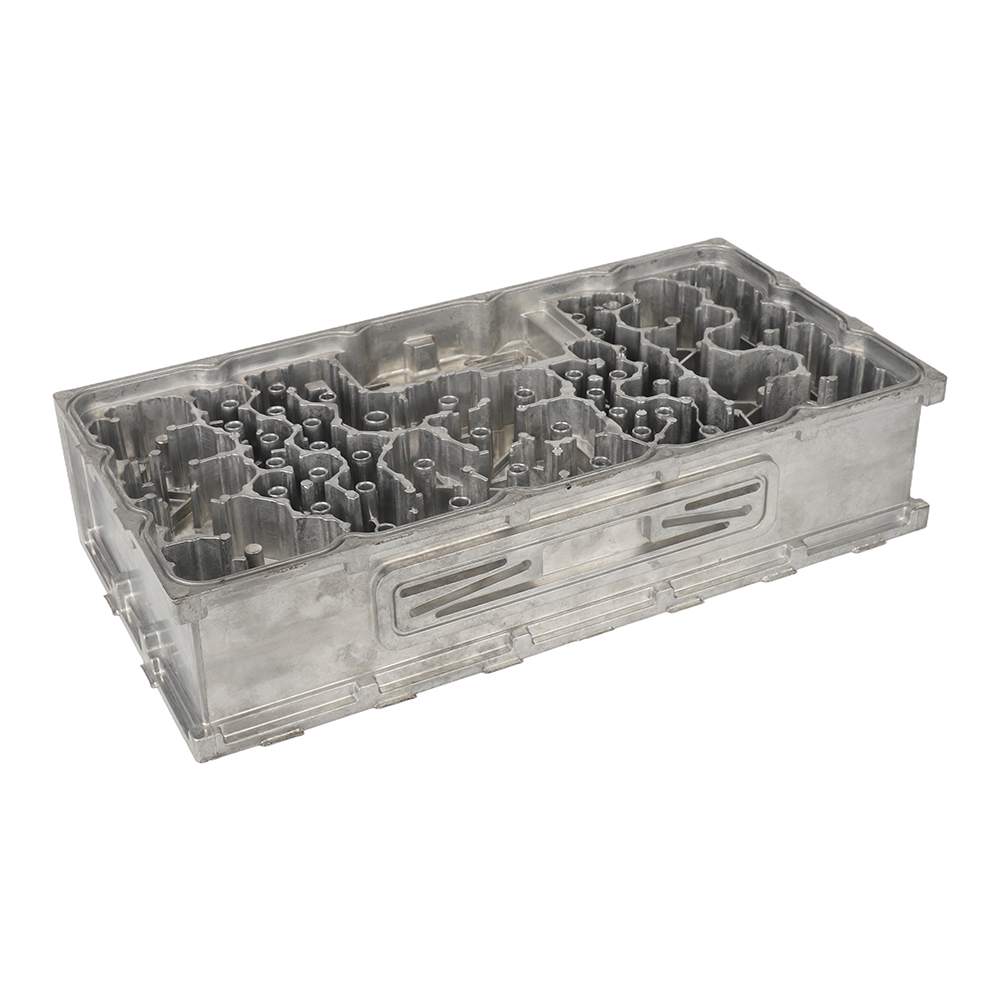
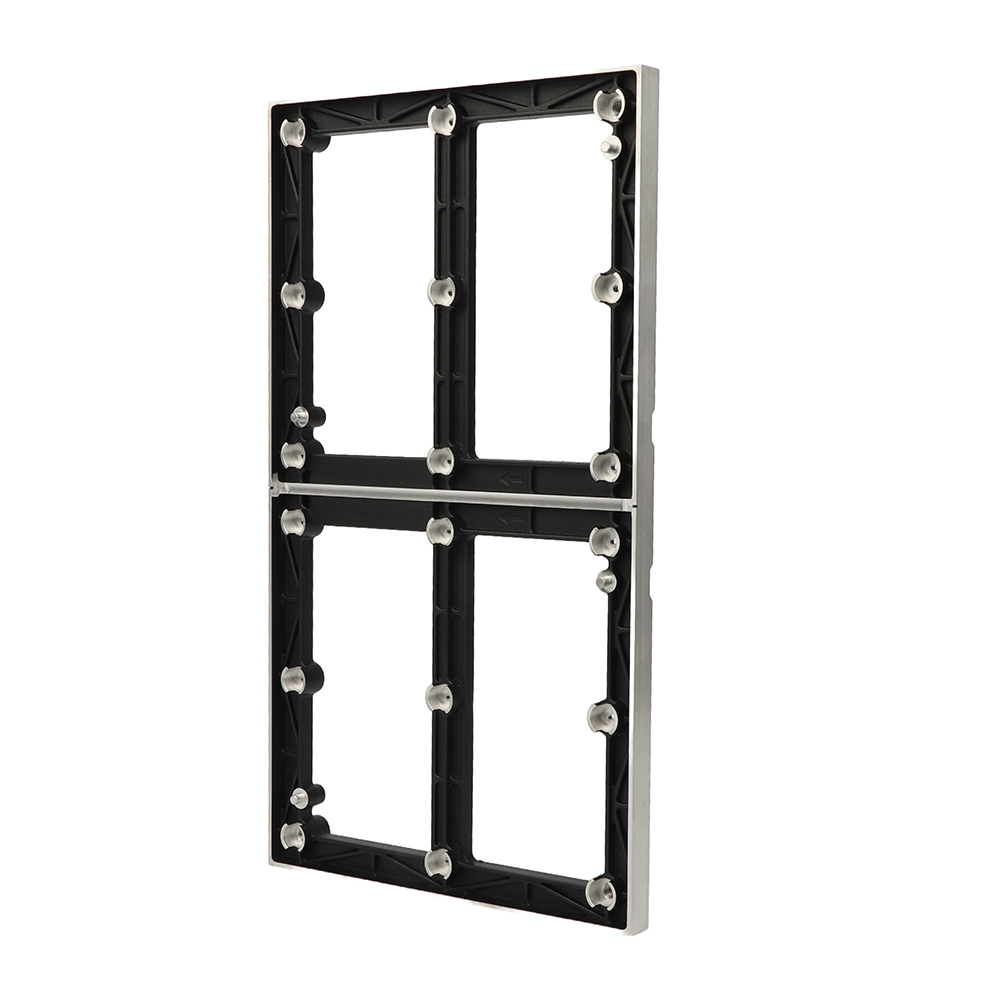
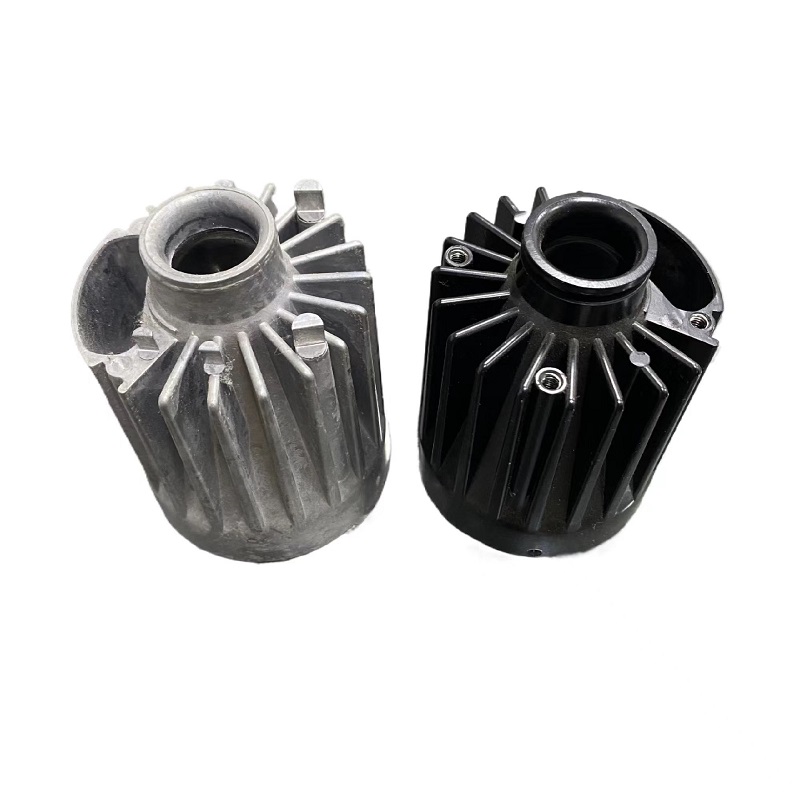
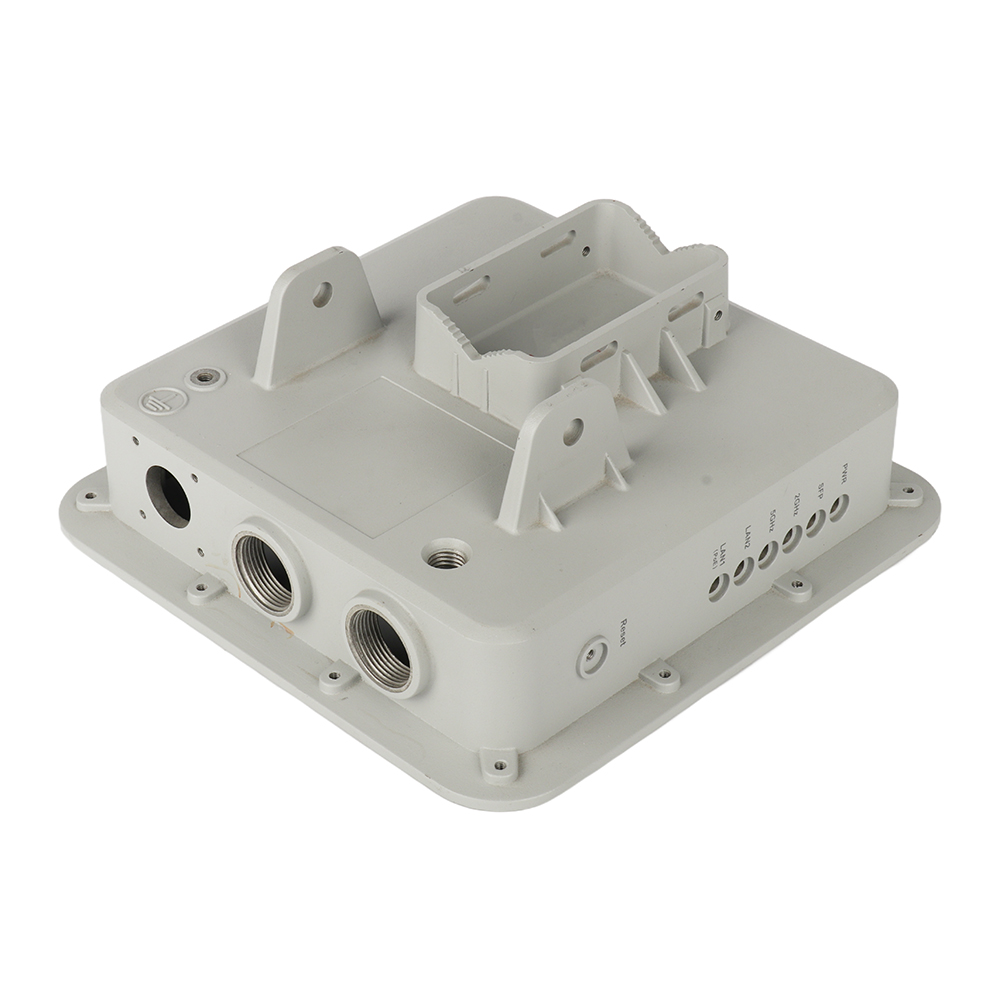
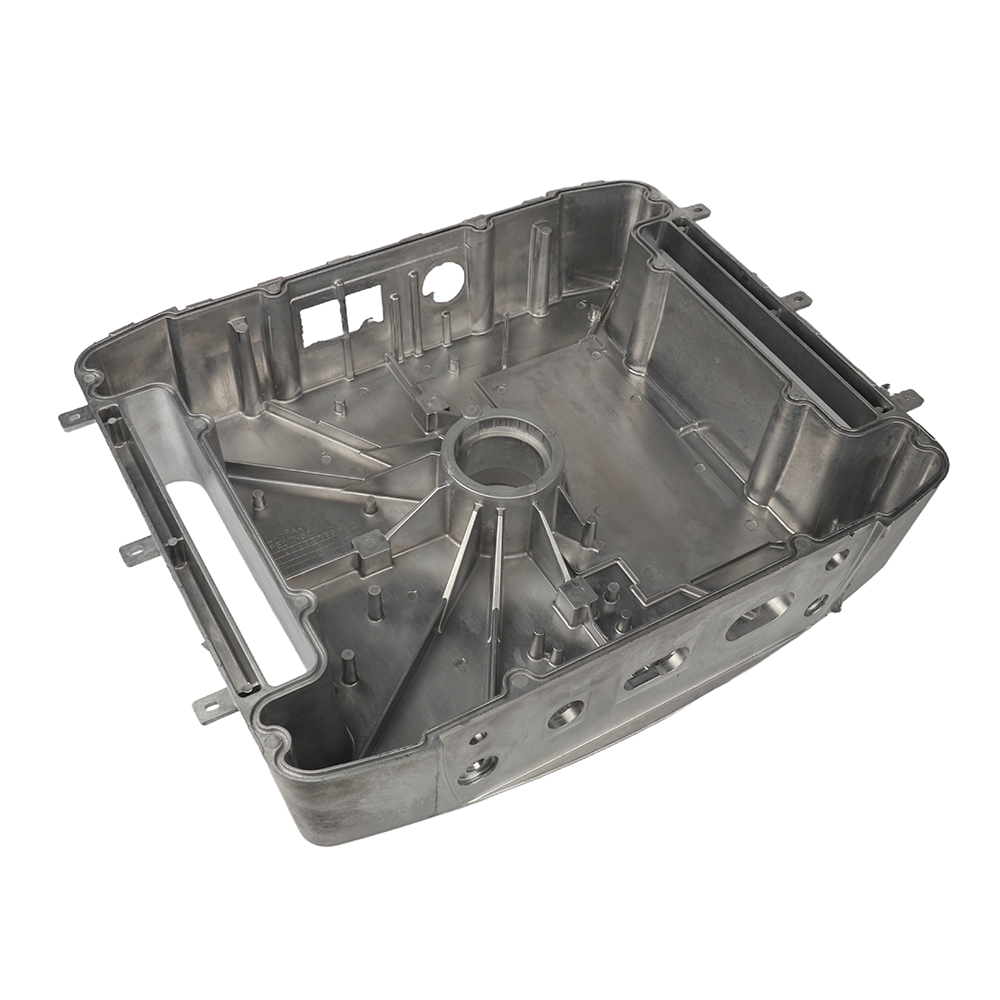
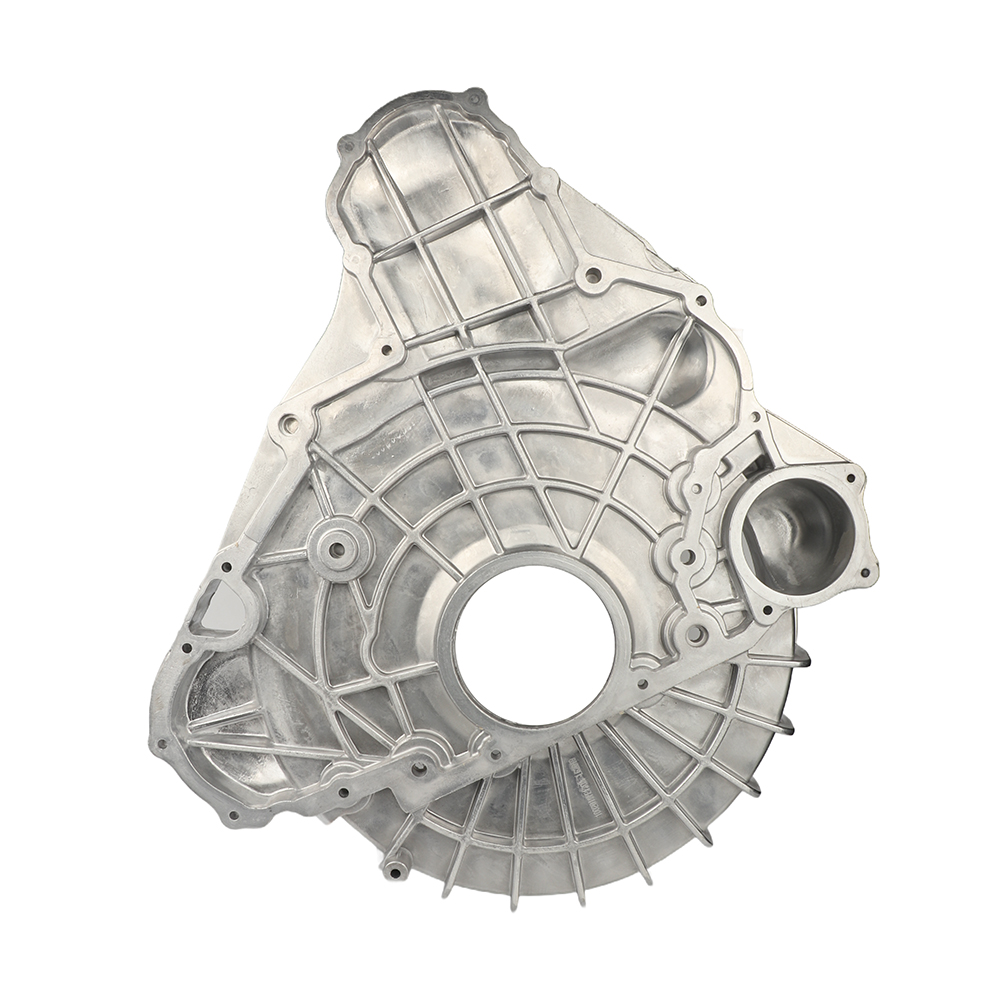
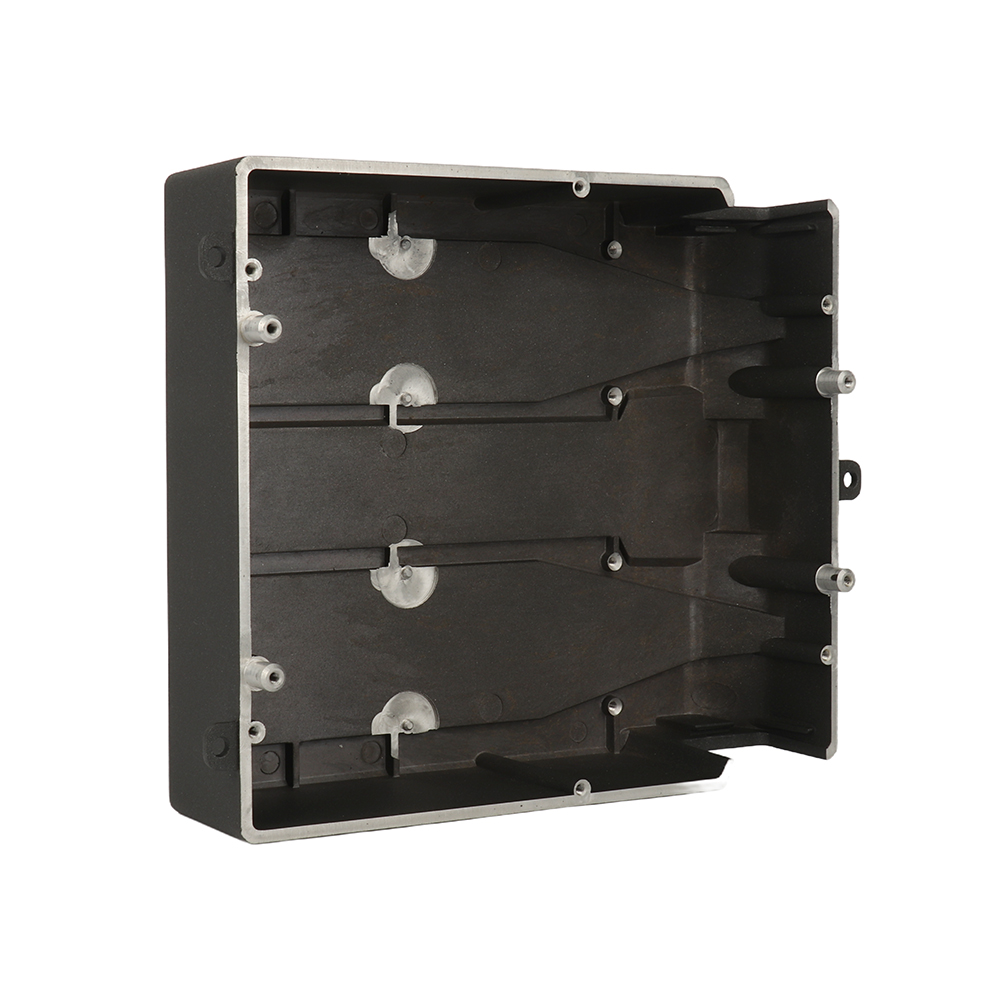
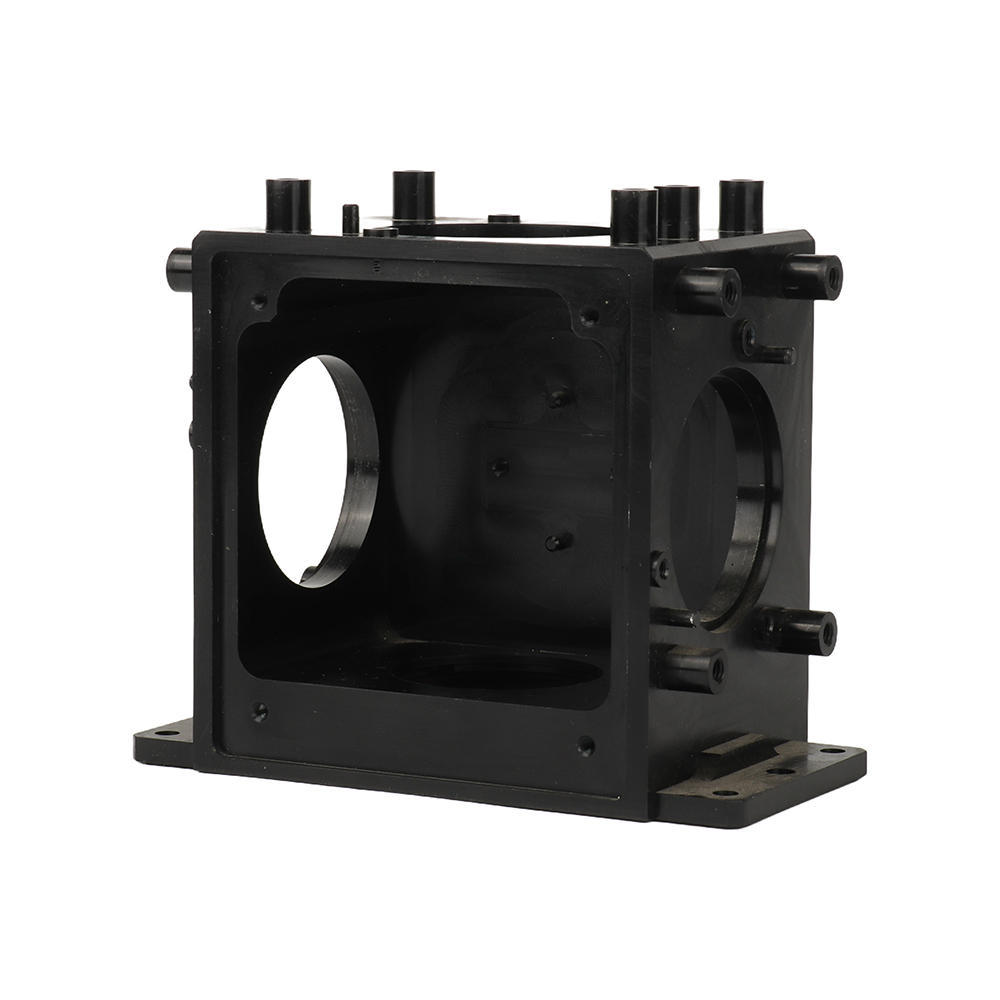
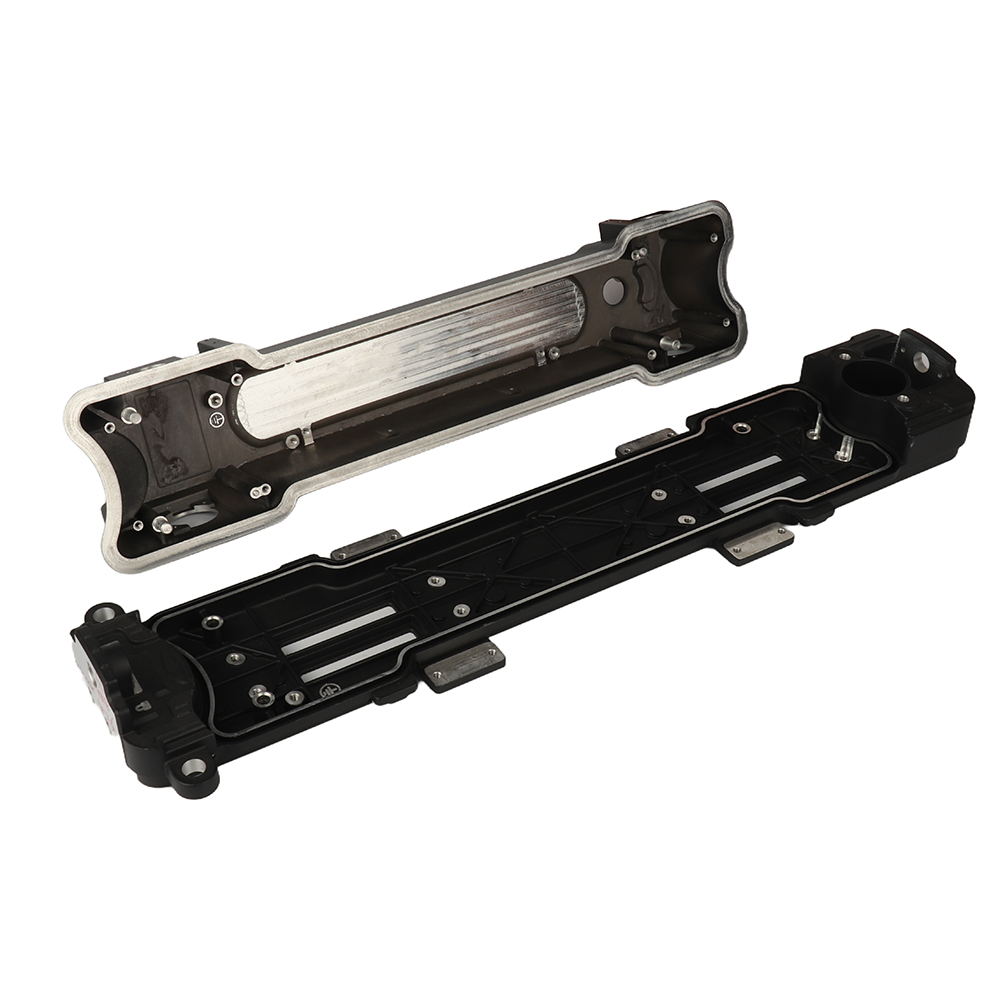
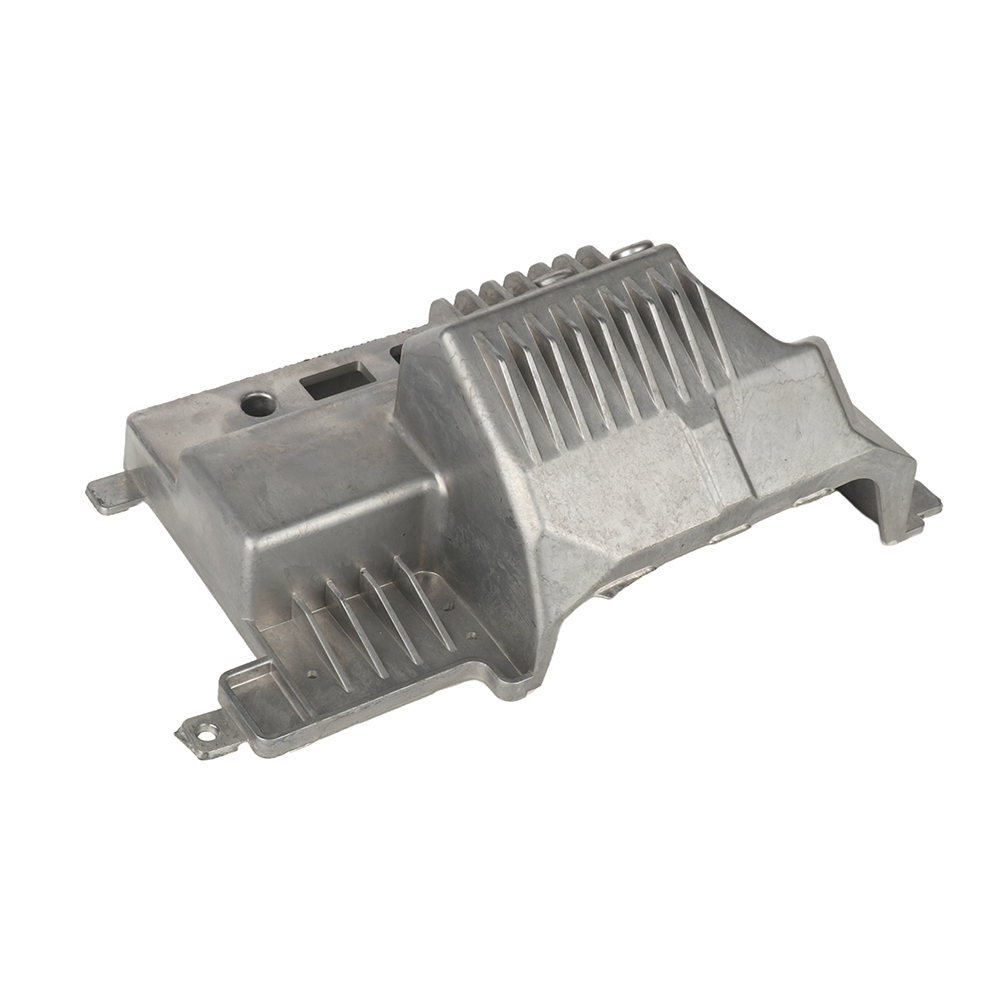
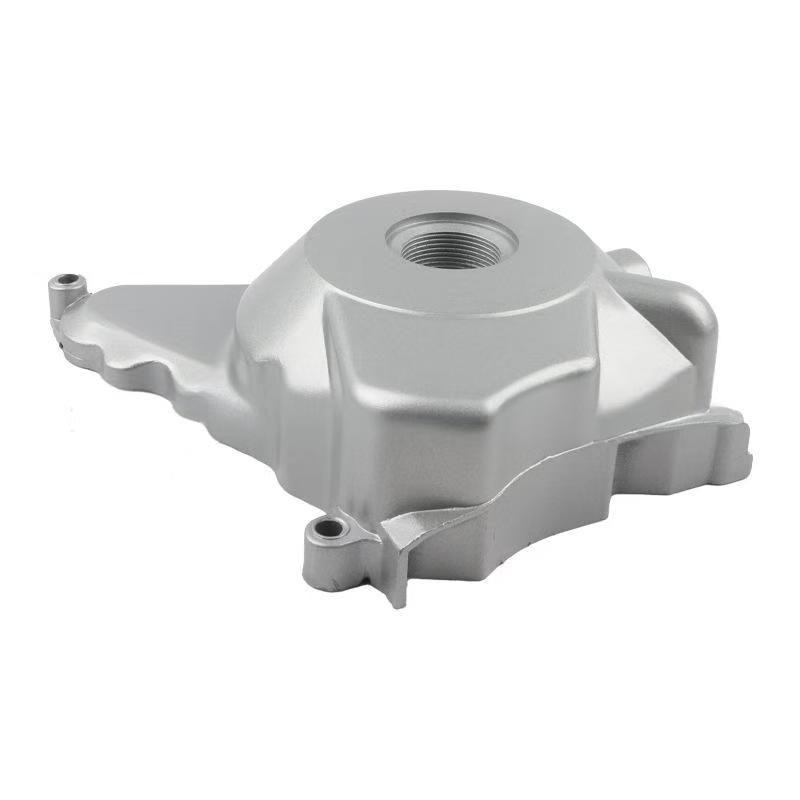
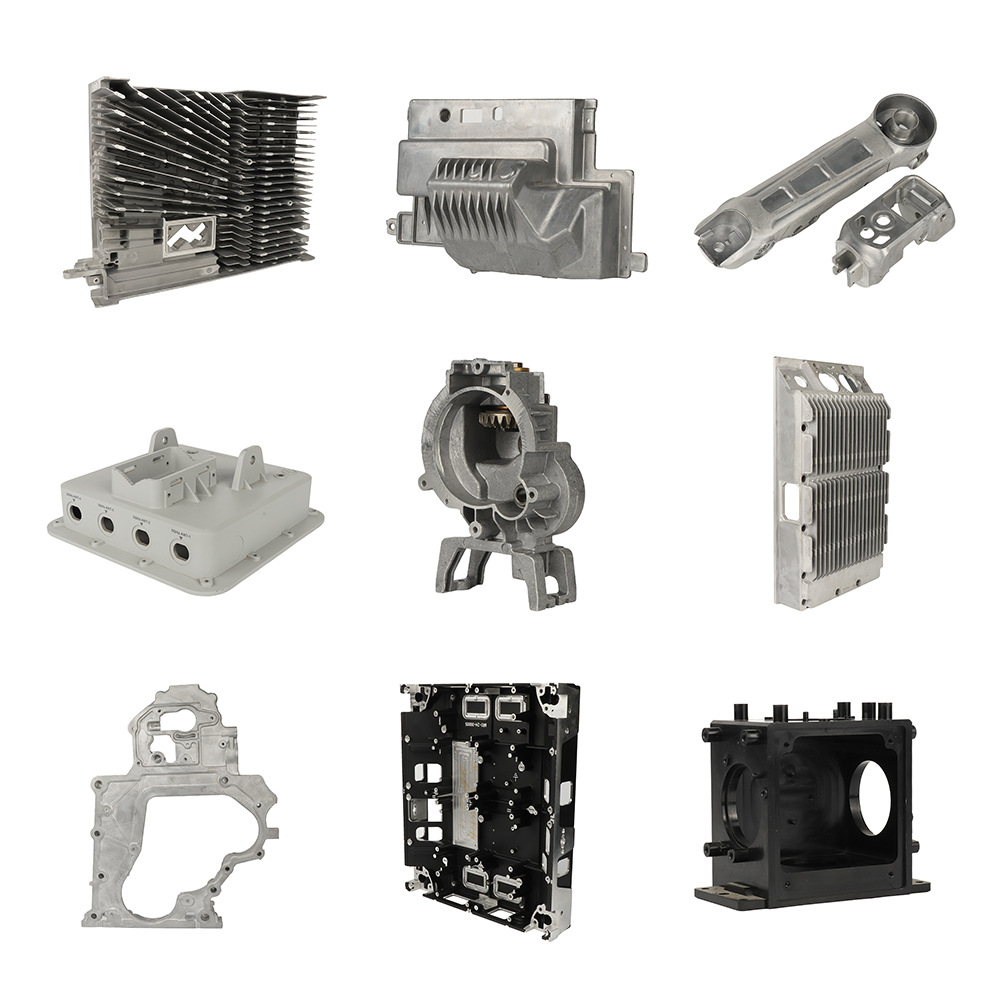
Hud housing | What is aluminum alloy ? Focus on Aluminum Alloy HUD Housing
What is Aluminum Alloy? Focus on Aluminum Alloy HUD Housing
Table of Contents
- 1. What is Aluminum Alloy? Basic Definition & Key Characteristics
- 2. What is Aluminum Alloy HUD Housing? Core Introduction
- 3. Aluminum Alloy HUD Housing: Advantages & Disadvantages
- 4. Die-Cast Aluminum Alloy HUD Housing: Why It’s the Best Choice
- 5. Expert Opinion on Aluminum Alloy HUD Housing
- 6. FAQs About Aluminum Alloy HUD Housing
- 7. Conclusion
1. What is Aluminum Alloy? Basic Definition & Key Characteristics
Aluminum alloy is a metal composite material made by mixing pure aluminum with one or more other elements (such as copper, magnesium, silicon, zinc, etc.) through smelting, casting, and processing. Unlike pure aluminum, which is soft and has limited strength, aluminum alloy combines the advantages of light weight, corrosion resistance, and processability, while significantly improving mechanical properties—making it widely used in automotive, aerospace, electronics, and construction industries.
The key characteristics of aluminum alloy that make it stand out are: lightweight (density about 2.7g/cm³, 1/3 of steel), excellent thermal conductivity, good corrosion resistance (forms a natural oxide film on the surface), high plasticity (easy to process into complex shapes), and recyclability (environmentally friendly with low energy consumption for recycling). These properties lay a solid foundation for its application in high-precision components like HUD housing.
2. What is Aluminum Alloy HUD Housing? Core Introduction
First, let’s clarify: HUD (Head-Up Display), also known as the head-up display, is a device that projects key driving information (such as speed, navigation, and warning signals) onto the windshield or a dedicated display screen, allowing drivers to obtain information without lowering their heads—greatly improving driving safety.
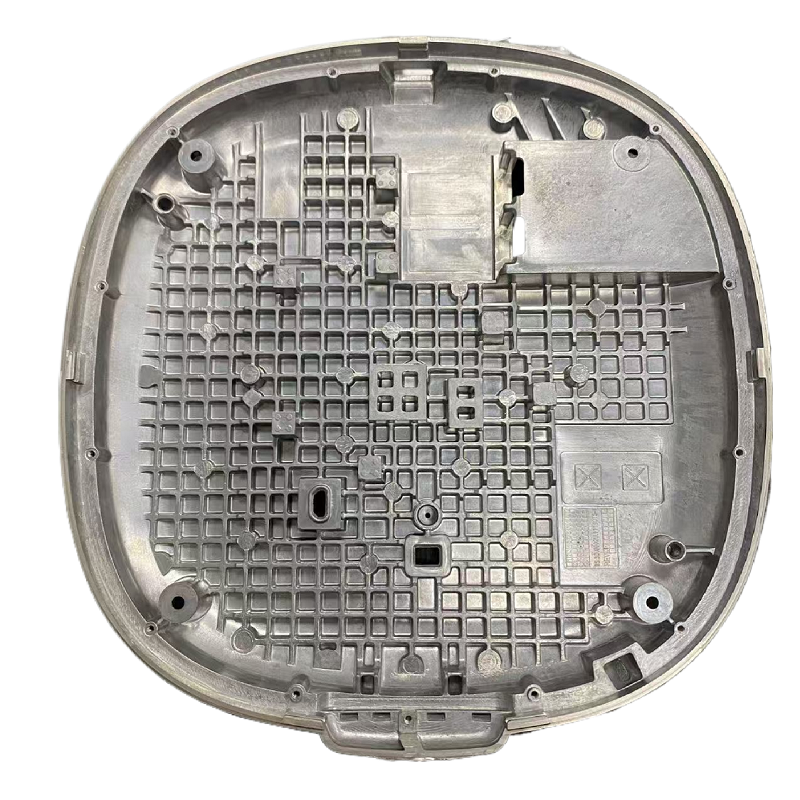
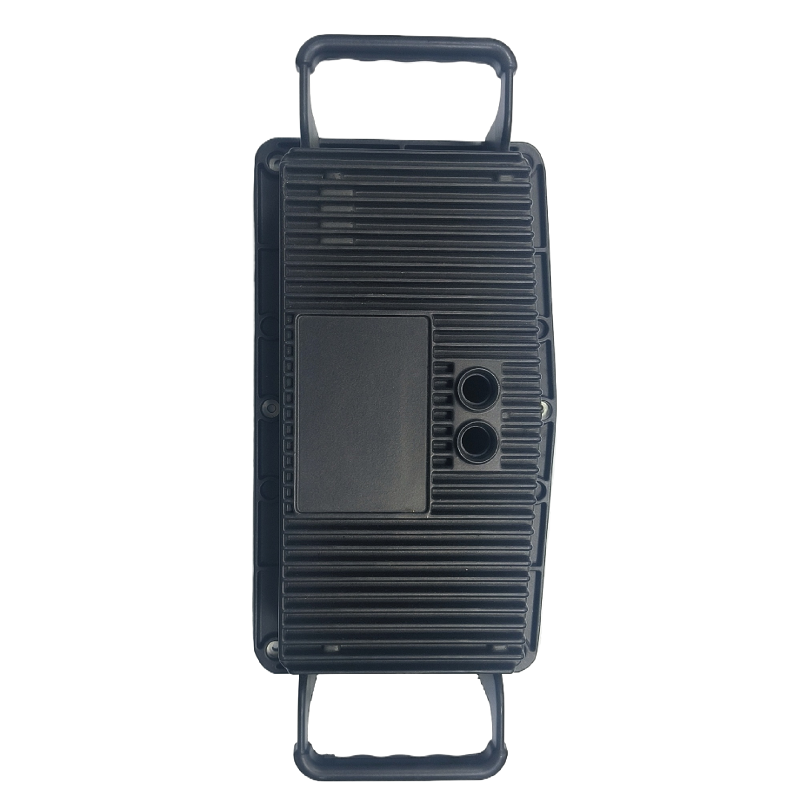
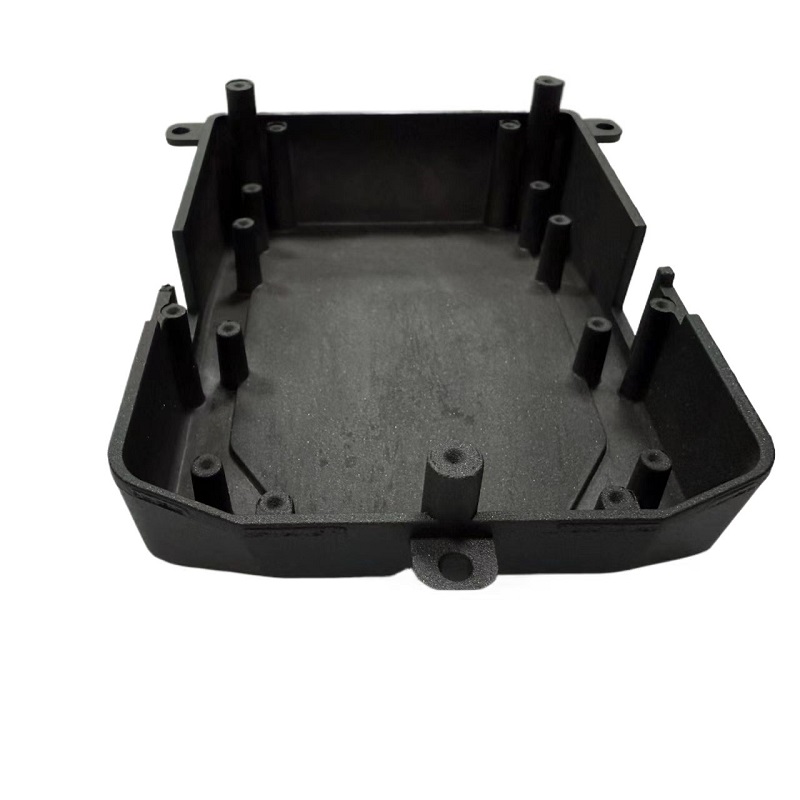
Aluminum alloy HUD housing is the outer protective shell of the HUD device, which plays the roles of fixing internal components, protecting the HUD from external impact, dust, and moisture, and dissipating heat generated by internal electronic components. As the "protective cover" of the HUD, its material selection directly affects the performance, service life, and safety of the entire HUD system.Aluminum alloy is the most commonly used material for HUD housing, replacing traditional materials such as plastic and steel, thanks to its unique combination of lightweight and high strength. Among all aluminum alloy HUD housing processing technologies, die-cast aluminum alloy HUD housing is the most popular in the automotive industry.

3. Aluminum Alloy HUD Housing: Advantages & Disadvantages
3.1 Advantages of Aluminum Alloy HUD Housing
- Lightweight & Fuel-Saving: Compared with steel HUD housing, aluminum alloy housing can reduce the overall weight of the vehicle, thereby reducing fuel consumption and carbon emissions—aligning with the global trend of automotive lightweight. A typical aluminum alloy HUD housing weighs 30%-50% less than a steel one.
- Excellent Thermal Dissipation: HUD devices generate a certain amount of heat during operation; aluminum alloy’s high thermal conductivity can quickly dissipate heat, avoiding overheating of internal electronic components and ensuring stable HUD performance.
- Strong Corrosion Resistance: The natural oxide film on the surface of aluminum alloy can effectively resist moisture, dust, and chemical corrosion, ensuring that the HUD housing remains intact even in harsh environments (such as high humidity, high temperature, and road salt erosion).
- Good Processability: Aluminum alloy can be processed into complex shapes through die-casting, forging, and other processes, adapting to the compact and irregular design requirements of HUD housing (which needs to fit the vehicle’s dashboard space).
- Environmentally Friendly & Recyclable: Aluminum alloy can be 100% recycled, with low recycling energy consumption (only 5% of the energy required to smelt new aluminum), which is in line with the environmental protection requirements of the automotive industry.
3.2 Disadvantages of Aluminum Alloy HUD Housing
- Higher Cost Than Plastic: Compared with plastic HUD housing, aluminum alloy housing has higher material and processing costs (especially die-casting molds), which may increase the overall cost of the HUD device.
- Lower Hardness Than Steel: Aluminum alloy is softer than steel, so it may be more prone to scratches or deformation when subjected to strong impact—though this can be improved through surface treatment (such as anodizing, powder coating).
- Complex Processing Technology: High-precision aluminum alloy HUD housing (such as die-cast products) requires advanced processing equipment and strict quality control, which puts higher requirements on manufacturers.
4. Die-Cast Aluminum Alloy HUD Housing: Why It’s the Best Choice
Among the various processing technologies of aluminum alloy HUD housing (including die-casting, forging, and extrusion), die-cast aluminum alloy HUD housing stands out and becomes the first choice for mainstream automotive manufacturers. Its advantages are even more prominent when compared with other processing methods and materials:
4.1 Comparison with Other Aluminum Alloy Processing Methods
| Processing Method | Advantages | Disadvantages | Suitability for HUD Housing |
|---|---|---|---|
| Die-Casting | High precision, complex shape, high production efficiency, good dimensional stability | Higher mold cost, slight porosity in products | ★★★★★ (Most Suitable) |
| Forging | High strength, dense structure | Low production efficiency, difficulty in forming complex shapes | ★★★☆☆ (Suitable for High-Strength Requirements) |
| Extrusion | Low cost, simple process | Limited to simple shapes, low precision | ★★☆☆☆ (Not Suitable for Complex HUD Housing) |
4.2 Key Benefits of Die-Cast Aluminum Alloy HUD Housing
- High Precision & Dimensional Stability: Die-casting uses high pressure to inject molten aluminum into a precision mold, ensuring that the HUD housing has accurate dimensions and a smooth surface—no need for complex post-processing, which can perfectly fit the internal components of the HUD and the vehicle’s dashboard space. The dimensional tolerance can reach ±0.05mm, meeting the high-precision requirements of automotive HUD devices.
- Complex Shape Forming: HUD housing often needs to be designed with irregular shapes (such as curved surfaces, hollow structures) to adapt to the limited space inside the vehicle. Die-casting can easily form complex shapes that are difficult to achieve by forging or extrusion, reducing the number of parts and improving assembly efficiency.
- High Production Efficiency: Die-casting is a mass production process, with fast molding speed (each mold cycle takes only a few seconds to tens of seconds), which can meet the large-scale production needs of automotive manufacturers—reducing production costs in the long run despite the high initial mold cost.
- Excellent Mechanical Properties: After die-casting, the aluminum alloy HUD housing has uniform structure, high strength, and good impact resistance—effectively protecting the internal electronic components of the HUD from external impact. Common die-cast aluminum alloys such as ADC12 and A380 have excellent mechanical properties and are widely used in automotive components.
- Good Surface Quality: The surface of die-cast aluminum alloy HUD housing is smooth and flat, which can be directly subjected to surface treatment (such as anodizing, spraying) to improve corrosion resistance and aesthetics—meeting the strict appearance requirements of automotive interior parts.
5. Expert Opinion on Aluminum Alloy HUD Housing
We invited Dr. Mark Wilson, a senior material engineer with 15 years of experience in automotive component materials, to share his views on aluminum alloy HUD housing:
“In the field of automotive HUD, the choice of housing material is crucial to the performance and safety of the device. Aluminum alloy, especially die-cast aluminum alloy, has become the mainstream choice because it solves the core pain points of traditional materials: it is lighter than steel to meet lightweight needs, has better thermal conductivity than plastic to avoid overheating, and has higher strength than plastic to provide better protection. The die-casting process further optimizes the performance of aluminum alloy HUD housing—its high precision and complex shape forming ability can adapt to the increasingly compact design of automotive interiors, while its mass production capacity can meet the needs of large-scale automotive manufacturing. In the future, with the development of electric vehicles and intelligent driving, the demand for lightweight, high-precision, and environmentally friendly aluminum alloy HUD housing will only increase.”
Another expert, Jennifer Lee, a product designer at a leading automotive HUD manufacturer, added:
“From the perspective of product design, die-cast aluminum alloy HUD housing brings great convenience to our work. Its ability to form complex shapes allows us to design more compact and aesthetically pleasing HUD products, while its excellent dimensional stability ensures the consistency of product assembly—reducing the failure rate of mass production. In addition, the recyclability of aluminum alloy is also in line with the environmental protection strategy of our company and the entire automotive industry, which is an important factor for us to choose it.”
6. FAQs About Aluminum Alloy HUD Housing
6.1 What is the difference between aluminum alloy HUD housing and plastic HUD housing?
The main differences lie in performance and cost: aluminum alloy HUD housing has better thermal conductivity, strength, and corrosion resistance, but higher cost; plastic HUD housing is cheaper but has poor heat dissipation and low strength, which is only suitable for low-end HUD devices. For mid-to-high-end automotive HUDs, aluminum alloy is the preferred material.
6.2 Why is die-cast aluminum alloy HUD housing more expensive than other aluminum alloy housing?
The high cost of die-cast aluminum alloy HUD housing is mainly due to the high cost of die-casting molds (precision molds require high manufacturing technology and materials) and the high requirements for processing equipment. However, with the increase in production volume, the average cost will gradually decrease—making it more cost-effective in mass production.
6.3 How to improve the scratch resistance of aluminum alloy HUD housing?
The scratch resistance of aluminum alloy HUD housing can be improved through surface treatment technologies such as anodizing (forming a hard oxide film on the surface), powder coating (covering a protective layer), and electroplating. These treatments not only improve scratch resistance but also enhance corrosion resistance and aesthetics.
6.4 Can aluminum alloy HUD housing be recycled?
Yes. Aluminum alloy is a 100% recyclable material, and the energy required for recycling is only 5% of the energy required to smelt new aluminum. Recycled aluminum alloy can be reused to produce new HUD housing or other aluminum products, which is environmentally friendly and can reduce resource waste.
6.5 Is die-cast aluminum alloy HUD housing suitable for all types of HUDs?
Die-cast aluminum alloy HUD housing is mainly suitable for automotive HUDs (including windscreen HUDs and combiner HUDs) because of its high precision, complex shape forming ability, and mass production capacity. For small-sized, low-cost HUDs (such as motorcycle HUDs), other processing methods (such as extrusion) or materials (such as plastic) may be more suitable.
7. Conclusion
Aluminum alloy is a versatile metal composite material with lightweight, high strength, and corrosion resistance, which has become an indispensable material in the automotive industry. Among its many applications, aluminum alloy HUD housing plays a crucial role in protecting HUD devices and ensuring driving safety.
Although aluminum alloy HUD housing has certain disadvantages (such as higher cost), its advantages far outweigh the disadvantages—especially die-cast aluminum alloy HUD housing, which has the characteristics of high precision, complex shape, high production efficiency, and excellent mechanical properties, making it the best choice for mainstream automotive HUDs. With the continuous development of automotive intelligence and lightweight, aluminum alloy HUD housing will have a broader application prospect in the future.
Die casting part |One-stop die casting solutions | Streamline Your Production, Elevate Your Quality
What is heat sink ? Die casting | A Comprehensive Guide to Die Casting Heat Sinks
Related Article


